

What Is Cancer?
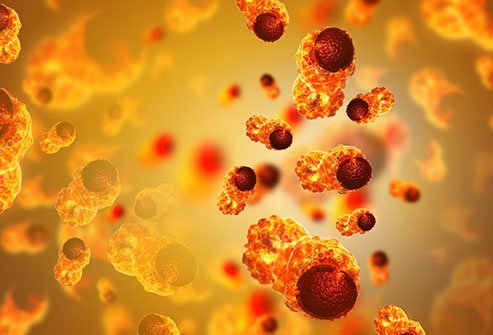
Cancer is a group of diseases involving abnormal cell growth with the potential to invade or spread to other parts of the body. It describes the disease that results when cellular changes cause the uncontrolled growth and division of cells. Some types of cancer cause rapid cell growth, while others cause cells to grow and divide at a slower rate.
Certain forms of cancer result in visible growths called tumors, while others, such as leukemia, do not.
Most of the body’s cells have specific functions and fixed lifespans. While it may sound like a bad thing, cell death is part of a natural and beneficial phenomenon called apoptosis.
A cell receives instructions to die so that the body can replace it with a newer cell that functions better. Cancerous cells lack the components that instruct them to stop dividing and to die.
As a result, they build up in the body, using oxygen and nutrients that would usually nourish other cells. Cancerous cells can form tumors, impair the immune system and cause other changes that prevent the body from functioning regularly.
Cancerous cells may appear in one area, then spread via the lymph nodes. These are clusters of immune cells located throughout the body.
How Does Cancer Develop?
ENLARGE
Cancer is a genetic disease—that is, it is caused by changes to genes that control the way our cells function, especially how they grow and divide.
Genetic changes that cause cancer can happen because:
• of errors that occur as cells divide.
• of damage to DNA caused by harmful substances in the environment, such as the chemicals in tobacco smoke and ultraviolet rays from the sun. (Our Cancer Causes and Prevention section has more information.)
• they were inherited from our parents.
The body normally eliminates cells with damaged DNA before they turn cancerous. But the body’s ability to do so goes down as we age. This is part of the reason why there is a higher risk of cancer later in life.
Each person’s cancer has a unique combination of genetic changes. As the cancer continues to grow, additional changes will occur. Even within the same tumor, different cells may have different genetic changes.
A cancer that has spread from the place where it first formed to another place in the body is called metastatic cancer. The process by which cancer cells spread to other parts of the body is called metastasis.
Metastatic cancer has the same name and the same type of cancer cells as the original, or primary, cancer. For example, breast cancer that forms a metastatic tumor in the lung is metastatic breast cancer, not lung cancer.
Under a microscope, metastatic cancer cells generally look the same as cells of the original cancer. Moreover, metastatic cancer cells and cells of the original cancer usually have some molecular features in common, such as the presence of specific chromosome changes.
In some cases, treatment may help prolong the lives of people with metastatic cancer. In other cases, the primary goal of treatment for metastatic cancer is to control the growth of the cancer or to relieve symptoms it is causing. Metastatic tumors can cause severe damage to how the body functions, and most people who die of cancer die of metastatic disease.
Treatments
nnovative research has fueled the development of new medications and treatment technologies.
Doctors usually prescribe treatments based on the type of cancer, its stage at diagnosis, and the person’s overall health.
Below are examples of approaches to cancer treatment:
• Chemotherapy aims to kill cancerous cells with medications that target rapidly dividing cells. The drugs can also help shrink tumors, but the side effects can be severe.
• Hormone therapy involves taking medications that change how certain hormones work or interfere with the body’s ability to produce them. When hormones play a significant role, as with prostate and breast cancers, this is a common approach.
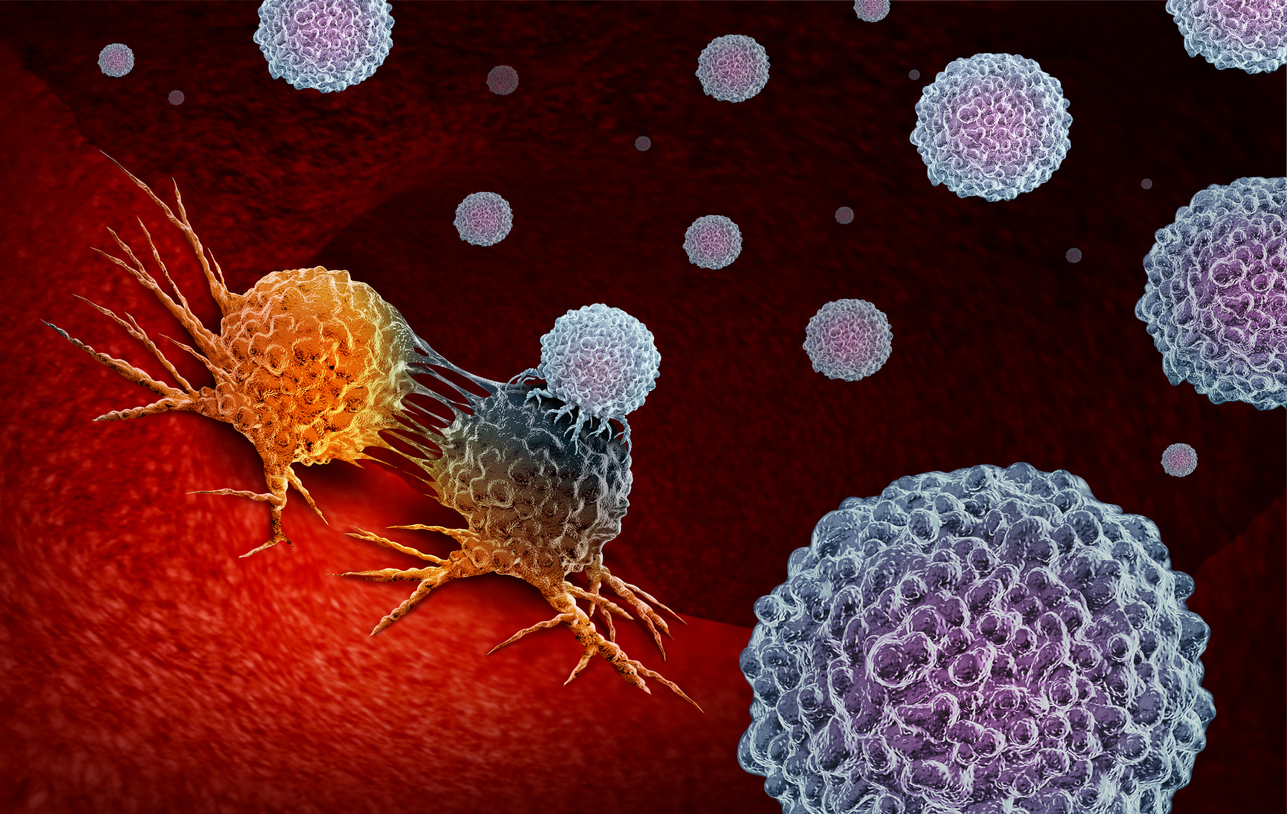
• Immunotherapy uses medications and other treatments to boost the immune system and encourage it to fight cancerous cells. Two examples of these treatments are checkpoint inhibitors and adoptive cell transfer.
• Precision medicine, or personalized medicine, is a newer, developing approach. It involves using genetic testing to determine the best treatments for a person’s particular presentation of cancer. Researchers have yet to show that it can effectively treat all types of cancer, however.
• Radiation therapy uses high-dose radiation to kill cancerous cells. Also, a doctor may recommend using radiation to shrink a tumor before surgery or reduce tumor-related symptoms.
• Stem cell transplant can be especially beneficial for people with blood-related cancers, such as leukemia or lymphoma. It involves removing cells, such as red or white blood cells, that chemotherapy or radiation has destroyed. Lab technicians then strengthen the cells and put them back into the body.
• Surgery is often a part of a treatment plan when a person has a cancerous tumor. Also, a surgeon may remove lymph nodes to reduce or prevent the disease’s spread.
• Targeted therapies perform functions within cancerous cells to prevent them from multiplying. They can also boost the immune system. Two examples of these therapies are small-molecule drugs and monoclonal antibodies.
Doctors will often employ more than one type of treatment to maximize effectiveness.

 Eduindex
You must be logged in to post a comment.