

What is an Oil Spill?
An oil spill is the release of a liquid petroleum hydrocarbon into the environment, especially the marine ecosystem, due to human activity, and is a form of pollution. The term is usually given to marine oil spills, where oil is released into the ocean or coastal waters, but spills may also occur on land.
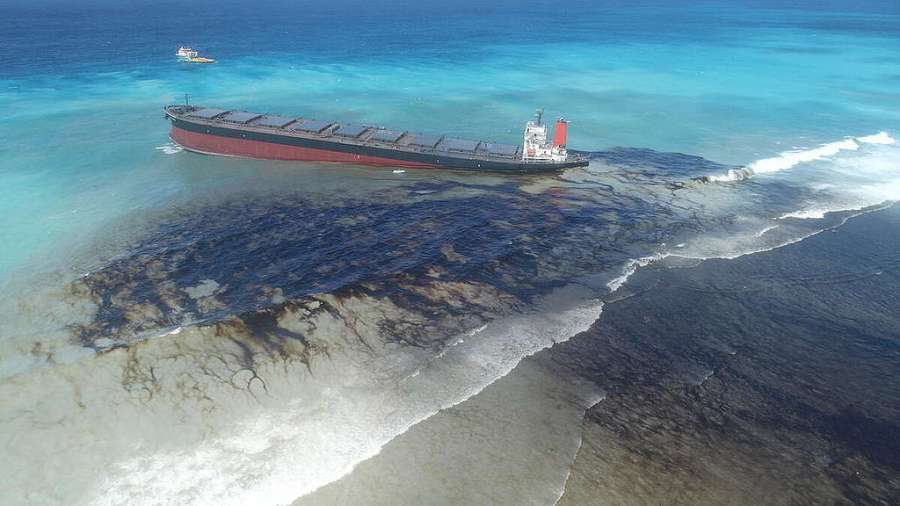
Where do oil spills happen?
Oil spills that happen in rivers, bays and the ocean most often are caused by accidents involving tankers, barges, pipelines, refineries, drilling rigs and storage facilities, but also occur from recreational boats and in marinas.
Causes of Oil Spill:
People being careless while sailing oil tankers in cruises, equipment breaking down, natural disasters such as hurricanes, storm surge or high winds, deliberate acts by terrorists, acts of war, vandals or illegal dumping are the important causes of Oil spills.
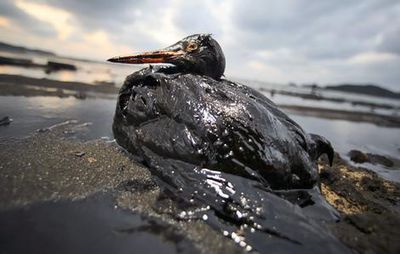
Effects of Oil Spills:
Most oils float on the oceans’ saltwater or freshwater from rivers and lakes. Oil usually spreads out rapidly across the water’s surface to form a thin oil slick. As the oil continues spreading, the slick becomes thinner and thinner, finally becoming a very thin sheen, which often looks like a rainbow.
It affects the food chain of the whole ecosystem. When oil spills occur, it will break down a moderate amount of oil and deposit on the bottom. When oil spreads in the ocean, it breaks and sinks into the ocean which deteriorates the health of the ocean life. It contaminates the natural habitat of the ocean. Oil spills have harsh effects on the coastlines. The birds and the sea mammals are covered by the oil. Oil is so damaging to the whole ecosystem as it covers everything which is nearby the coastlines like sand, animals, grass and soil etc. It destroys everything near the coastline. The oil that spills into the ocean can have a great impact on people’s health who consume seafood. It can be damaging for those marine animals who swim in the ocean and if they ingest oil then it will be destroying them.

 Eduindex
You must be logged in to post a comment.