



By Shashikant Nishant Sharma
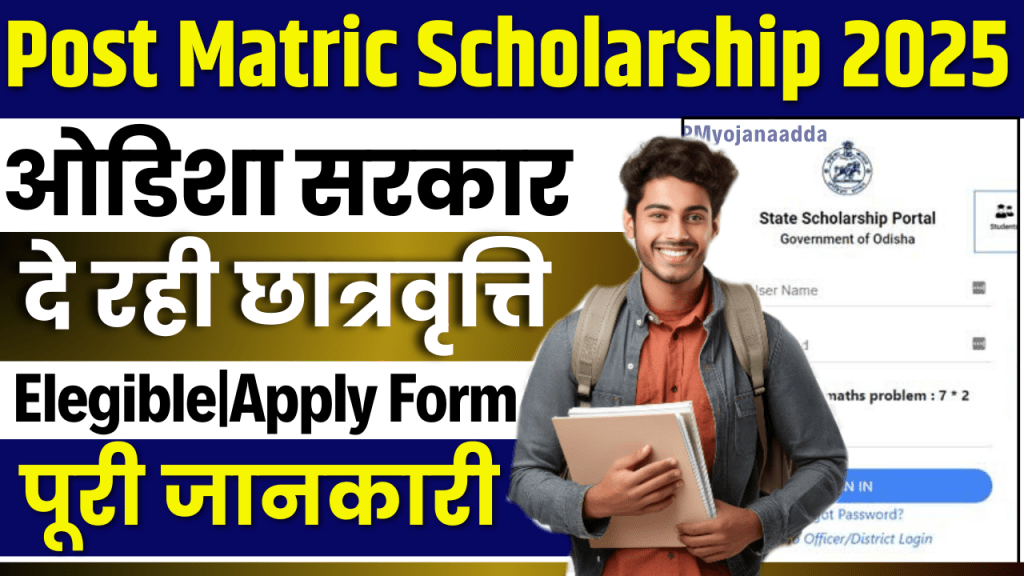
The Post Matric Scholarship Scheme for Scheduled Castes, Scheduled Tribes, and Other Backward Classes is a significant initiative of the Government of India designed to provide financial assistance to students from economically weaker sections of society for pursuing post-matriculation education. Below are detailed aspects of this scheme:
1. Objective
The primary objective of the scheme is to remove financial barriers for students belonging to marginalized sections so that they can continue higher education after matriculation (Class 10). It aims to increase the literacy rate and reduce drop-out rates among these categories.
2. Target Beneficiaries
The scheme targets students belonging to:
- Scheduled Castes (SC)
- Scheduled Tribes (ST)
- Other Backward Classes (OBC)
- In some cases, students from Economically Backward Classes (EBC) may also be covered under certain states’ schemes.
3. Eligibility Criteria
- Nationality: The applicant must be an Indian citizen.
- Education Level: The student must have passed Class 10 and be pursuing studies in post-matriculation (Class 11 and above) up to postgraduate or professional courses.
- Annual Family Income:
- For SC/ST students: Family income should generally not exceed ₹2.5 lakhs per annum.
- For OBC students: Family income limit is typically around ₹1 lakh to ₹1.5 lakhs per annum, depending on the state.
4. Scope of Assistance
The assistance covers:
- Maintenance Allowance: Monthly financial aid for lodging and boarding.
- Tuition Fees: Full reimbursement or payment of tuition and other compulsory fees charged by the educational institution.
- Book and Equipment Allowance: For students enrolled in professional courses.
- Special Allowance: For students with disabilities to support their educational needs.
- Study Tours and Thesis Preparation Allowance: Provided under certain conditions.
5. Key Features
- Direct Benefit Transfer (DBT): The scholarship amount is transferred directly to the bank account of the eligible students.
- Renewal of Scholarships: Students need to apply for renewal each year provided they fulfill the academic requirements.
- Categorization of Courses: The amount disbursed depends on the level and category of the course. Courses are divided into groups such as Group I (engineering, medical), Group II (nursing, pharmacy), etc.
6. Application Process
- Online Registration: Most states and institutions require students to register online through national or state-level portals like the National Scholarship Portal (NSP).
- Submission of Documents:
- Caste certificate
- Income certificate
- Academic certificates
- Bank passbook details
- Aadhaar card
- Verification Process: Applications are verified by the educational institution and state authorities before approval.
7. State and Central Responsibility
- The Central Government bears 100% of the expenditure for SC and ST scholarships in Union Territories and a significant portion in other states.
- State Governments share the expenditure for OBC scholarships.
8. Challenges and Reforms
Some challenges with the scheme include delays in fund disbursement, non-compliance by institutions, and lack of awareness. Efforts are being made to simplify the process and ensure timely payments through technology-enabled platforms like the NSP and integrating Aadhaar for verification.
The Post Matric Scholarship Scheme plays a crucial role in enabling students from disadvantaged backgrounds to access higher education, thereby promoting social equity and empowerment. It has a significant impact on reducing drop-out rates and improving the socio-economic conditions of marginalized communities.
References
Lama, M. (2019). An Evaluation of the Post Matric Scholarship Scheme provided to the tribal students of Darjeeling Municipality. International Journal of Advanced Scientific Research and Management, 4(4), 155-161.
Sikligar, P. C., & Madurai, N. V. (2006). Provision of Post Matric Scholarship for Development of Weaker Sections: A Study in Andhra Pradesh and Pondicherry. Indian Journal of Public Administration, 52(2), 190-201.
Sharma, S. N. Unveiling the Benefits of Turnitin Software in Academic Writing.
Sharma, S. N. (2018). Transformation of Aspirational Districts Programme: A Bold Endeavor Towards Progress. Think India Journal, 21(4), 197-206.
Umapathi, A., & Venkatramana, C. Higher Education Opportunities in Enhancing Capabilities–The Case of Reimbursement of Tuition Fee Scheme under Post-Matric Scholarships in Andhra Pradesh, India (2008–2012).
 Eduindex
You must be logged in to post a comment.