What does it take to be successful? No matter what your definition of success is, you know that it’s not easy to achieve it.
Even a simple definition of success like “I want to live life on my own terms” requires hard work. Every sane person who aspires to live a good life understands that.
But when people start talking about the things you have to give up for success, I think they are going down a dark path. No matter what you’re trying to achieve in life; under no circumstances should you “sacrifice” anything.
“But what about all the hard work you’re talking about? I need to sacrifice all the other things I want to do.”
The answer to that question is simple. No one said it better than Tony Robbins:
“If you think it’s a sacrifice, you shouldn’t do it.”
Whether you like Tony Robbins or not, you can’t deny he successfully achieved his goals. He communicates his goals all the time. He talks about how he wants to feed millions of people. And then he does it.
When I started on this whole self-improvement journey, I thought I had to sacrifice things.
“I can’t go out every weekend anymore.”
“I can’t spend my money on useless things.”
“I can’t go on holiday this year.”
“I need to read every day.”
“I need to stay positive.”
When you put it like that to yourself, it looks like you’re sacrificing many things in your life. But that’s the wrong way to look at it.
When you think you have to sacrifice something in your life in order to be successful, what do you think will happen?
You will build frustration and resentment towards yourself. And guess what happens then? That lofty goal that should have made you happy ends up making you miserable.
Don’t Sacrifice—Prioritize
I live by a simple rule: If I think something is a sacrifice, I’m not going to do it.
I look at everything I do as a choice. No one forced me to work hard. Similarly:
You’re not sacrificing your free time. You’re spending your time getting better at what you do.
You’re not sacrificing fun. You’re getting smarter by reading a book.
You’re not sacrificing a holiday and rest. You’re loving the grind.
If you change your mindset from” I’m sacrificing something” to “I’m choosing something,” you’re prioritizing your life. You are no longer looking at what you’re missing out on; instead, you look at what you’re getting out of your life.
You know, this idea of sacrificing things to become successful comes from our nature to compare our lives to others. Why do you think you look at things as a sacrifice? Compared to what? Exactly, you compare it to what others do.
“Well, so and so is having an avocado salad at a rooftop bar in SoHo.” Who gives a shit.
Work-life Balance Doesn’t Exist
Another challenge is that we still believe in the work-life balance. Let’s just settle that whole conversation right here. The dialogue always goes as follows:
We work to pay the bills.
And our work takes up 8-9 hours of our days.
That means we spend the majority of our time working or going to work.
In other words: Your work IS your life.
I’m always amazed when people talk about life and work as separate entities. You are your work. And your work is you. There’s nothing good or bad about that. It’s merely a fact.
Look, the solution to having a successful life is picking a career that fits your goals, lifestyle, and strengths. You want a job that doesn’t feel like a job.
“But how can I get a job I love so I don’t have to worry about work-life balance?”
You probably won’t like this, but here’s my honest answer: Prioritize learning over pleasure.
Get better at what you do. Find out what your strengths are, and work in a field where you can be part of the important minority (Price’s Law).
That means you always choose to improve your skills over going for drinks. That’s not a sacrifice. It’s a well-considered choice.
Do you ever feel that the demands of your job are too much? If so, that’s not a surprise. Modern-day life demands much of us as human beings.
That has been the case for decades. And often, those high demands result in burnout. Researchers have studied the phenomenon of burnout from the 70s. The results? It’s not good.
Research shows that high levels of burnout are associated with the following issues:
Anxiety.
Depression.
Sleep disturbance.
Memory impairment.
Neck pain.
And there’s more. Burnout increases the risk of cardiovascular diseases. And there’s even more. But I think you get the point.
So it’s safe to say that working hard has a price. Personally, I’m very well aware of these risks. I’ve experienced stress because of high job demands in the past.
It doesn’t matter whether your manager has high demands, or whether you have high demands of yourself.
Both result in the same thing: You can’t deal with the daily demands, and that’s what will exhaust you.
How do you prevent that? Unfortunately, that answer is not straightforward. Scientific research only investigates cause and effect.
We know that high job demands increase the risk of burnout. But how can you keep up with the high demands of modern-day work, and not burnout?
I’ve found that there’s not a single answer to that question. No one can say: Do XYZ and you will never burnout.
It’s much better to know yourself, know your job, and understand one thing: Hard work is great, but not at all least.
I can’t give you a blueprint. But what I can do is share with you how I personally prevent burning out.
Over the last 1,5 years, I’ve been working 6 or 7 days a week. And in that period, I just went on one 10-day holiday. I also don’t feel like I need a holiday — a feeling that I had every six months in the past.
I’ve worked hard. Almost every day. But I’ve also managed to stay sane (most of the time). Here’s how I did it.
1. Love What You Do
Let’s get the cliché out of the way first. Work is a lot easier when you enjoy it. We all know what. But did you know that you can also learn to enjoy your current job?
You have two choices:
Complain and say that you hate your crappy job.
Make the best of it.
Sometimes we forget that we always have the ability to decide. If you hate your job, that’s your decision. Marcus Aurelius put it best:
“You have power over your mind — not outside events. Realize this, and you will find strength.”
But you can also choose to get better at what you do. And if that’s not possible, see it as a temporary place.
We’ve all had jobs that we didn’t like. Just deal with it and find something else. But in the meantime, you better enjoy what you do. If you search hard enough, you can always see the bright side of everything.
2. Don’t Overestimate Yourself
Some of us think we can handle everything that comes on our way.
“Do you want to take on this project?” “I think you should go for this promotion.” “Do you want to speak at our event?”
Yes, Yes, YES!
But here’s the thing: You’re not superman or superwoman.
Sometimes it’s time to say: No, no, NO.
3. Ask For Help
Hello there, your proud person, who never asks for help!
“I can do it on my own,” is probably your mantra.
Sure, you’re awesome and all. But no one can do it on their own. You need help. You need a support system. Don’t even think you can do it by yourself.
Reach out to colleagues, friends, managers, family, or any person you know. People will understand. And if they don’t, they are not your friends.
4. Don’t Feel Guilty
Do you feel the weight of the world on your shoulders? Do you feel like you’re responsible for your family, friends, employees, or other people? It’s time to lighten up.
First of all, people can take care of themselves — they don’t need you to be their hero. And second, what kind of leader, friend, spouse, are you if you burnout? Exactly.
5. What’s The Point?
Sometimes we do shit that doesn’t make any sense at all. So ask yourself that question. No good answer? Don’t do it.
I’m all about practicality. What does that mean? Here’s the definition:
“Mindful of the results, usefulness, advantages or disadvantages, etc., of action or procedure.”
The result is the only thing that matters.
6. You Can’t Have It All
I’ve come to terms with the fact that I can’t have everything I want. I can’t spend time with friends, family, work hard, go to the gym, travel, at the same time. Realistically, I have to pick one or two things to focus on.
Life is about making decisions. If you want to do things well, with all your attention, you have to make some sacrifices.
You only have limited time. You can’t buy more of it. So you have to spend it wisely. How will you spend it? Decide and stick with it. FOMO is for the delusional.
Since I’ve been running every day, I’ve gotten a lot better with dealing with stress. Daily exercise is a must. It’s simple: Just do it every day. No excuses.
8. CHILL
Honestly, it’s okay to do nothing sometimes. It’s only life. Who cares? It’s easy to take everything way too seriously.
“I need to make more money.”
“I need to get this promotion.”
“I need to buy a new car.”
Says who?
Also, do you get annoyed by everything? That’s not a good sign. In that case, you definitely should relax.
And realize that everyone is facing the same challenges. Life is not easy, you know. So don’t make it even harder by being such a serious person.
There you go. That’s my recipe for working hard and enjoying myself. I always remember that everything in life is only temporary. And if I don’t like my life, I change it.
What do I have to lose? Money? Reputation? Screw that. I don’t need it. You can always start over. What was that again? The journey is the reward? Yes.
These two lessons are true for every person who wants a long, happy, and satisfying career.
But it’s very hard to put that advice into practice. It took me the first six years of my career to figure that out. And I still have to remind myself that life is bigger than work.
Almost everywhere that I’ve worked in the past, there was a “perception is reality” culture.
That means looks are more important than reality. In other words: The person who’s in the office the longest appears to be the hardest worker. Now, that may be true.
But that’s not what matters. We all know that the only thing that counts is results. However, we collectively insist on looking at vanity factors like participation in meetings, hours spent at the office, and how fast people respond to emails.
It’s pathetic. At our family business, we encourage everyone to leave when they are done for the day. We’ve learned that focusing on priorities is a much better metric than only looking at the hour’s someone works.
And still, people find it uncomfortable to say, “I’ve finished my top priorities, I’m going home.” I get it. When you work in a group, you don’t want to make others feel bad or that things are unfair.
But think about why you’re working in the first place. You’re there to contribute. To your own company, or the company you work for.
Working Too Long Is Unproductive
Now, I’m sure people love to be in your presence for 10 hours a day, but that doesn’t mean you have to stick around so long that you become unproductive. Because that’s one of the main reasons we’ve stopped working standard 9 or 10 hour days. It’s useless.
There’s a large body of research that proves working long hours is counterproductive.
Working too much and the stress that goes along with it can lead to depression, sleep problems, impaired memory, and even heart disease.
You get the idea. That’s why my first rule of work is this:
Leave On Time
The other day I was talking to my mentor about how great it is to love your job. He said: “I’ve never had a job in my life that I didn’t love. It’s one of the most gratifying things in life.”
But like my mother always says, “too much of a good thing becomes bad.” I believe that’s the same with work. Now, I’m not talking about intensity.
Don’t get me wrong, I work my ass off. Always have done. But just don’t go on for too long.
The art of working hard is knowing when to quit. But like my mentor told me, that’s very hard: “My biggest problem was that I worked too much. I left the house at 7 AM and came back at 11 PM. That’s too much.”
You must protect yourself against too much work.
And it’s straightforward. Just leave the office on time.
Whether you love your job or not — it doesn’t matter. When it’s time to go home, GO!
No one needs you to be at the office 24/7. Only your ego does. Honestly, the office will be here tomorrow. Your co-workers will still be alive. Your company will not go bust.
Work is about achieving results. If you can’t do that in 6–8 hours a day, you’re not effective. So instead of working overtime, read a book on personal effectiveness or get productivity training.
Leave Your Work At Work
But don’t just go home and bring your work with you. That defeats the whole purpose.
No one thinks it’s cool when you’re closing deals on the phone at dinner. You’re also not doing yourself a service by continually thinking about work when you’re at home.
Relax a bit. Play some Call of Duty. Cook dinner for your spouse. Take the kids for a walk. Whatever.
Look, living a happy life is very simple. It’s all within our control. We can decide what makes us happy. I have printed this Marcus Aurelius quote on my journal to remind me of that:
“Very little is needed to make a happy life; it is all within yourself, in your way of thinking.”
We all know that money, success, fame, or recognition, by themselves, don’t make us happy. And yet, we work too much to obtain those things that don’t even make us happy in the first place.
So why do we keep working too much that it hurts us?
It could be our ego. Maybe we just can’t help ourselves. It’s different for every person. Personally, I don’t care about the reason. All I know is that too much work has a negative impact on the quality of your life and work.
What matters is that we protect ourselves from our own stupidity. We’re just like kids. We need rules to live happily and safely.
That’s why the first rule of work is that we leave the office on time. The second rule is that we don’t take our work home.
And the third rule? Let’s not worry about that for now. We’ll get to that another time. It’s time for me to go home.
Here’s the challenge everyone who starts their career faces: You can’t get a job because you don’t have prior experience, but you can’t get experience without getting a job.
It’s called the experience paradox or Catch-22 of getting a job. It’s a real challenge. And if you can’t overcome it, you can easily set your career 3 to 5 years back.
Worse, I’ve seen young folks and people who switch careers destroy their potential by making the wrong decisions early on.
I don’t want to scare you. You can still overcome the Catch-22; but not with conventional career advice. Because what’s the standard advice for people who want to build a career?
“Create a resume, browse job boards, and respond to job applications.” Sorry to disappoint you. If you take that route, you will end up like most people: Frustrated and underpaid.
Don’t worry, there’s a different way. With the right strategy, you can break into any industry and earn what you’re worth.
But I have to warn you. It takes at least twice as much work. However, that shouldn’t be a surprise to you. If you want to have a better career than most folks, guess what; you have to BE better than most folks.
When you do the following 2 things, you will become better—that will significantly increase your odds of getting a job without prior experience.
1. Be The Person You Would Hire
Why is it that companies prefer to hire experienced people for a role? When I started my career, I didn’t understand it.
The reality is that there’s a massive difference between someone who doesn’t have experience at a particular job and someone who has two years under their belt.
Even though two years might not sound like a lot of time, it’s actually a lot of time to learn the ins and outs of a job. And especially when you recently got out of college; because your first two to three years are all about learning to be a professional.
Some people never become serious about their careers. They wake up at a time so they can come to the office just in time. They prefer to sleep in. And they are the first to leave at 5 pm. They don’t ask questions, don’t seek out mentors, LOVE their lunch break, and chit-chat with their co-workers every chance they get.
Imagine you would be the CEO of a company. Would you want a person like that on your team? Of course not.
I must be honest; I used to be like that too. But I realized that attitude will not bring you far. If you want career success, you need to take it seriously. You only get rewarded for results. And what brings results? Skills.
Now, the good news is that increasingly more companies are putting emphasis on the skills of the people they want to hire—not their experience.
In his book, The Virgin Way, I read that Richard Branson, the famous founder of Virgin (that employs approximately 71,000 people), hires for character and skills. He prefers to actually get to know applicants instead of asking them a bunch of boring questions.
If you seek out companies who hire for experience and skills, you have a good chance of getting hired—even if you don’t have experience.
There’s only one condition: You must be a person YOU would hire. Someone who’s not only a professional but also has the skills to do a good job. If you feel like your skills are not that good yet, spend more time on your craft.
So how do you find a company that hires for skills and character? You ask.
Look, getting a job is NOT easy. It requires a lot of manual labor. Sometimes you need to reach out to hundreds of people to even get an interview. So that’s what you do. Be ready to do whatever it takes.
You reach out to people in HR of companies you’d like to work for. And you ask them about their interview process. How does the application process work? What are the characteristics you’re looking for in candidates?
You can use that information to apply for jobs you’re interested in. But unlike people who blindly apply, you know what they are looking for.
2. Do Free Work
Often, being good at your job and having information about the application process won’t cut it.
I’m a big fan of demonstrating your skills instead of talking about it. During the interview, we only talk. But when you offer to do free work for a company, you actually demonstrate your skills in a real-life setting.
So how can you do free work? Larry Stybel, a clinical psychologist, wrote an article for HBR about his experience launching his career. He shares 3 great tips:
Look for a company you’d love to work for and then be specific about what value you will provide—What will you exactly do for the company? No need to overpromise. It’s better, to be honest about what you can. Identify a person you want to work for, and reach out to them directly. Also, send your resume along (watch my video on how to create a graphic resume with Canva for tips).
Be specific about what value you will receive—Start with the end in mind. What do you want to get out of it? A reference? A potential job? Experience?
Be specific about the time frame—You don’t want to keep working for free forever. In Stybel’s example, he said: “I promised to work two days a week for two months.” Often, you can’t even work full-time for free. Nor is it something I recommend. Use your time to keep searching for a job.
One of the key lessons for everyone launching their career is to consider yourself as a learning machine. When you feel too proud to learn or work for free, you will be stuck sooner than later.
But when you keep improving yourself and reaching out to people in the industry you want to work in, it will ultimately lead to a real job.
Imagine that life consisted of one long construction project of a house. And imagine that you were born with one tool attached to your hand. Let’s say you were born with a hammer.
Your primary skill is to slam nails into wood. But that’s not all you can do with a hammer. According to Wikipedia, a hammer is a versatile tool: “Hammers are used for a wide range of driving, shaping, and breaking applications.”
We need all those things if we’re building a house. It’s essential work. But let’s say you dislike those things. You prefer to draw like your neighbor, Jimbo, who was born with a pencil. He draws, designs, writes, and makes doodles. Since you can’t do any of that stuff with a hammer, you walk around frustrated and angry all the time.
Everybody tells you, “Look, buddy, you have this gift; use it!” And you say, “Screw that. This is a curse! I can only destroy things.” So you ignore people’s advice, and you try to draw…With a HAMMER.
There’s Nothing Wrong With Your Tool
In life, we often look at the strengths of others and try to do what they do. We ignore our own strengths and pursue things that are not the right fit.
I firmly believe that every person is born with a key skill or gift that you can put to work in life. But the problem is that we use our tool for the wrong purpose. We try to become designers or architects with a hammer. We try to plaster a wall with a soft brush.
Often, people say “I don’t know what my key skill is.” But the answer is always right in front of you.
Just like the example I shared at the beginning, you must stop looking at what Jimbo does, and start looking at what’s in your own hands. Look at yourself. Too often, we try to change ourselves so we can do something we “want” to do. And where do our wants come from? Not from within us. It comes from looking at others.
Look, I want to sing like the artist, The Weeknd. The guy has an amazing voice. He didn’t obtain that by training. He was born with those vocal cords. I wasn’t. So what? I’m not going to cry about it. Everyone is born with a unique strength.
Change Your Purpose
The legendary business thinker, Peter Drucker, always taught individuals and organizations to focus on their strengths. In Managing Oneself, you can learn more about that strategy. It’s a quick read that I recommend to every person who wants to improve their self-knowledge.
But one thing we need to keep in mind is that self-knowledge alone is not enough. If you understand your skills, you’re only halfway there. In the world of startups and venture capitalists, there’s a similar analogy.
On the “This Week in Startups” podcast, I heard Jason Calacanis and his guest, Mike Jones, talk about how some founders are trying to cut a wall with a butterknife.
You’ll make some progress, but you’ll never destroy the wall. Does that mean your butter knife is bad? Of course not. You might destroy a wall with a sledgehammer, but you can’t make a peanut butter sandwich with it.
In life, it’s all about figuring out what your tool is and where you can put it to work effectively.
A Self-Examination Exercise
But how do you figure out what your tool is? It can be frustrating going through life without having that self-knowledge. If you don’t know what your tool is, try the following exercise. Sit down with someone you’ve worked with—not your drinking buddy or book club friend. You want input from someone who has experienced your strengths and weaknesses firsthand.
Ask your friend to play a game with you. The objective is to figure out what you’re good at.
The idea behind this game is that you can bounce ideas off each other. Your friend can serve like a sounding board—someone who gives you a view from the outside. Play the game like this:
First, ask: ”What am I good at?”
Then, ask: “Do I enjoy it?”
If you answer “no” on the second question, you have to restart the game. Keep going until you find something you’re good at and enjoy doing.
You can also do this in your journal. But if you play it with someone else, you can feed off each other’s input. Sometimes we have a different idea about our own capabilities.
It takes time, introspection, and humility to figure out what you’re good at. The humility part is often overlooked. When we have an ego, we’re not open to other people’s views. If the guy from my example listened to the people who told him to use his hammer, he could have saved himself a lot of time and frustration.
Ultimately, this is the nature of life. If we keep on looking at all the Jimbo’s in the world, we waste our time on what we don’t have. Instead, look at what you do have, and think about how you can use that in a big way.
Up and down. That’s how you can describe real life in three words. But instead of accepting that life is cyclical, and that bad times are normal, we expect that we should always be on an upward cycle.
Almost everything we do involves other people. And because we’re emotional and inconsistent beings, outcomes are not consistent. Value investor and author of The Most Important Thing, Howard Marks explains this concept as follows:
“Mechanical things can go in a straight line. Time moves ahead continuously. So can a machine when it’s adequately powered. But processes in fields like history and economics involve people, and when people are involved, the results are variable and cyclical.”
We can extend that conclusion to life in general. I can’t think of a human process that’s not cyclical. Take personal energy. It would be great if our energy would be consistently high, wouldn’t it? But most of us have days we feel great, and we have days we feel like a bag of potatoes.
My aim with personal energy is to be as consistent as possible. I would rather be at 80% of my full energy potential every day instead of being 95% one day and 30% the next.
There is only so much within our control. And even if we work with things that are inside of our control, we still can’t control everything. Again, personal energy is a perfect example.
You can have a balanced lifestyle with enough sleep, nutritious food, and regular exercise, but still, you will have days you lack energy. Why is that? No one knows. The human body and mind are not like math. But this is something we don’t appreciate enough in life.
Measure the temperature
When Howard Marks talks about market cycles, he clearly states we can’t predict the future. Just because the market is going up for X years, it doesn’t mean that next year it will go down. You can’t extrapolate trends.
Understanding cycles will only help you to understand where you are now. When it comes to investing, Marks recommends to “figure out where we stand in terms of each cycle and what that implies for our actions.” Here’s what a market cycle looks like:
Let’s say that the market is currently in a Euphoria state. Does that mean it’s close to an Anxiety state? No one knows how long the current state will last. So we can’t make predictions.
But we must know where we are in the first place. When we’re aware of what’s going on around us, we won’t be battered around by our surroundings. That’s one of the key strategies value investors use. And I think we can apply it to life in general. Here are a few examples:
Businesses—How long have you been in business? How many people in your industry are aware of your business? What’s the state of your industry? Is your product/service widely accepted? Or is it still considered as an innovation that’s not for everyone? How mature is your market?
Energy—How do you feel? Do you have any big injuries? What does your lifestyle look like? Do you use drugs? Do you drink alcohol? What season is it? Do you feel tired in the winter?
Everything is cyclical. Some businesses grow fast and bust quickly. Other businesses grow slow and never experience any exponential growth. Most jobs become irrelevant at some point. Some days, weeks, or months, you might feel weak. Or you might feel strong for years in a row and never get injured or ill.
But nothing will remain the same forever. None of the above questions and implications means you can predict the future. If you’ve been feeling low on energy for the past four weeks, it doesn’t mean you will automatically feel better next week. It also doesn’t mean you’ll feel worse.
Use cycles to make your decisions
Understanding where we are in a cycle helps us to make better decisions. When you’re low on energy, you want to preserve it and avoid actions that drain you. When you’re spread too thin, you want to take a step back, you don’t want to start a new project. Because what happens if you do that? You might burn out.
I’ve been using cycles to make career decisions as well. When I started my blog, I tried a lot of different things. I created different types of content, changed the design of my site, covered all kinds of topics, used different media channels, and so forth.
In the beginning of the cycle, I said yes to everything. But 4,5 years later, I’m more focused on specific actions. I say no to more things. For now, that helps me to build something very specific. Later in the cycle, that might change again.
While there are a lot of ups and downs, understanding cycles will make you less susceptible to those changes. In fact, when you make good decisions, cycles will work in your favor.
That’s how value investors like Warren Buffett and Howard Marks weren’t affected in the financial crisis of 2008-2009. They realized where they were in the cycle and adjusted their actions.
If we do the same for every aspect of our lives, we can thrive when cycles go up and down.
In 1936, three years before WWII started, a Russian Orthodox family of four fled to the Siberian “snow forest” to escape religious persecution. The couple, Karp and Akulina Lykov, their 9-year-old son, and a 2-year-old daughter, only took a few possessions with them.
After a trek in the wilderness, they settled somewhere close to the Mongolian border, where they started building a succession of primitive huts. The Lykovs settled down there for good. They even had two more children, who were born in the wilderness.
The family spent their days hunting, trapping, and farming. The mother of the family, Akulina, died of hunger in 1961. She chose to feed her children.1 But the family remained in the wilderness until a geologist discovered them in 1978. The Lykovs lived there without any form of contact with the outside world for 42 years.
1981 was a tragic year. Two of the children suffered from kidney failure, and another member of the family died of pneumonia. Karp passed away in 1988 in his sleep. The only survivor, Agafia, still lives in the wilderness today. The Lykovs were featured in a 2013 episode of Far Out by Vice.
It’s a remarkable story of survival, teamwork, and self-control. Even after the family was discovered in 1978, and realized that there was no war, they decided to live in a harsh place you can only reach by helicopter most part of the year.
What is Self-Control and Why Does It Matter in Life?
Self-control consists of two components, namely, our ability to (1) resist temptations and (2) exercise control over our emotions and behavior.2
To me, self-control is one of the most important things in life. Without it, I wouldn’t even write this article. Let’s face it, when you share anything on the internet that gets enough views, you always get a bunch of hate. Every time that happens, I feel like quitting. But I also realize that there are people who find these articles useful.
Self-control is what keeps me level-headed. It makes me resist my temptation to get pissed off and walk away. There’s also scientific proof that self-control matters in life.
A 2020 study by Dr. Penny Spikins and James Green from the University of York, confirmed that self-control is one of the most important factors in human evolution:3
“We rely constantly on self-control in every aspect of our lives. Although it is not an ability unique to humans, our elevated levels of self-control may have played a key role in our evolution. Self-control is likely to have been key to many of the traits such as prosociality, that define modern humans.”
The study shows that self-control plays a role in important aspects like deliberate practice, forward planning, time and energy investment, and tolerating discomfort. Think of the Lykovs. Without those factors, they couldn’t survive longer than two weeks.
Self-Control in Daily Life
Most of us want to have a fulfilling career, vibrant social life, good relationships with our loved ones, and be in good physical shape. Here’s the thing: We need self-control to make those good things happen. Let me give you a few examples of what that looks like in daily life.
Eating Healthy
I stumbled upon this question on Quora: “Why is it hard to eat healthy?” The top answer bluntly says, “You lack self control.” That made me laugh because it’s the truth. But we all know that it’s not that simple.
Eating healthy is a problem for many reasons. For example, most of us see food as pleasure—not fuel. In developed countries, we don’t have to worry about getting access to food for our survival.
But your body still has the natural urge to take advantage of food when it’s available. On top of that, there are many biological processes going on that we’re not aware of.
A recent study done at the University of Leeds, using data from 27,334 individuals from 12 European countries, showed there’s a clear link between education and diet.4
In my experience, eating healthy has nothing to do with your ability to resist buying junk food or ordering a pizza—it has everything to do with how much you educate yourself about your body. That’s an important reason why eating healthy is difficult: We lack the self-control to learn about nutrition, longevity, and how our bodies function.
Running a Business
I started my first business in late 2010 with my father. Our business, a laundry technology company, will turn 10 years old this November. We’re glad to reach this milestone because we realize most businesses fail in their first few years.
Recent statistics show that 65% of businesses don’t make it until their 10 year anniversary.5 Why is that?
Again, this is just as complex as eating healthy food. But in my experience, it’s a business’s ability to adapt to changes. Our world is changing faster every year. In our business, we’ve kept adapting our products and services to stay relevant. We’re also driven by serving our clients.
Whenever I see businesses or experts use language like, “We’re the #1 provider of so and so,” or “I have 50 million views,” I cringe. Operating a business has nothing to do with you or your badges of honor. It’s about what you can do for your clients. It requires self-control to stay focused on what matters.
Self Improvement
Why is it so difficult to improve yourself? Every day, we have the choice to do something that pays off later instead of now. Going to the beach, binge-watching tv shows, reading gossip, drinking alcohol, smoking, or every other pleasurable activity in life always gives you an instant payoff.
You temporarily feel good. But in one year, two years, five years from now, you look back and you see no progress in your life. In life, we have to deal with a concept called “entropy.” Entropy is the Second Law of Thermodynamics and stands for the degree of disorder or uncertainty in a system. The basic idea is that everything inside a system moves towards disorder.
That’s why people often say, “Adapt or die.” If you don’t move forward, everything that’s related to you as a human will deteriorate. That’s a scary outlook. But here’s the problem: The degree of deterioration is so small that we don’t notice anything on a day-to-day basis.
You probably feel the same as yesterday, correct? Entropy in humans works over a longer period. That’s why we feel no urgency to improve ourselves today. We need self-control to invest in ourselves despite seeing a lack of daily improvement.
How to Develop More Self-Control
How can we get some? Based on everything you’ve read until now, let me share three things you can do.
1. Direct Your Energy Towards a Useful Pursuit
This is a common theme with every single person who demonstrates a high degree of self-control. There is always a higher pursuit or aim. The Lykovs survived in the wilderness to avoid prosecution and death.
Viktor Frankl famously survived the Holocaust because he was driven to see his wife again. Our lives might not have the same life and death stakes—we still need a pursuit.
And our pursuit must be useful to make it stick. Shallow pursuits that only fulfill your materialistic desires will not motivate you to control your urges. You need something that’s so important you’re willing to do whatever it takes.
When I started my blog, I was dedicated to sharing honest advice without hidden intentions. To me, that was a worthy pursuit. That drove me to write every single day. As of this writing, I’ve published 331 articles on my site.
2. Set Long-Term Goals
On a day to day basis, I rely on a system that keeps me productive. A system is a combination of productivity strategies that help you to stay consistent. Read more about systems here.6
But when it comes to long-term drive, I love to set goals because they will give you a clear sense of direction. In what direction do you want to take your life over the next three, five, ten, and twenty years? This is a very hard thought-experiment if you take it seriously.
Most people say, “I don’t know.” But you shouldn’t let yourself off the hook like that. Practice self-control by forcing yourself to pick a direction in life. You can always adjust. The long-term goals I set for myself five years ago have changed today. But at least they got me moving.
3. Minimize Stress
There’s some evidence that stress sabotages self-control.7 When you’ve had a stressful moment at work, it’s tempting to grab a candy bar (or two) to release the stress, right?
The same analogy is true for every other stress-related behavior. If you examine your life, you’ll find that you do a lot of things to simply manage stress. In fact, I believe that for most of us, that’s all that we do.
When I lived a stressful life years ago, I was only thinking about ways to get rid of that stress. But you’re only treating the symptoms that way. You can take as many vacations or buy as much crap you want from the internet, none of it will relieve your stress. If you truly want to minimize stress, you must design your life in a way that gives you a stress-level you can handle.
For me, that meant doing different work and leaving city life (I was living in London at the time). Some situations simply give us too much stress. A bad relationship is another common cause of stress. Unfortunately, there are no simple “step-by-step” tips for managing stress.
Sure, you can meditate, take long walks, read, or journal—all these things will lower stress—but there’s nothing better than designing a life that causes less excessive stress. But that doesn’t mean we should avoid all stress.
An optimal level of stress is actually great for us and it will slow down entropy. We need to find out what that level is for ourselves. Every person has a different stress tolerance. The key is to improve our self-awareness and understand what stresses us out. Then, we want to lower that to a level that we can handle without getting frustrated.
Conclusion
Let me repeat the definition of self-control again: Our ability to (1) resist temptations and (2) exercise control over our emotions and behavior.
These two aspects will increase the quality of our decisions and therefore, our lives. I hope that all of this inspires you to strengthen your self-control. Directing your energy towards a useful pursuit, setting long-term goals, and minimizing stress are all good ways to set yourself up for more self-control.
Strengthening self-control is one of those things that has no end goal. It’s a never-ending process that will only benefit us the more we master it. When’s the last time you heard, “That person has too much self-control?” Exactly. More is better.
Writing has helped me to become better at thinking, speaking, and making decisions. And I’ve used books about writing to improve myself.
I firmly believe that anything worthwhile in your career should start with writing.
From creating resumes to business plans. If you don’t start with writing, you often lack clarity in your messaging.
And that was also the story of my life. In fact, it still is. Most people never think about it, but it’s damned hard to express yourself. Do you have a clear answer to questions like:
What’s the number one priority in your career?
Why did you apply for this job?
What does your business exactly do?
Often, we just come up with the first thing that pops up in our mind.
And after a barrage of meaningless words, we think, “what on earth did I just say?”
I’ve made a list of the best books I’ve read on writing. I must say that I don’t consider myself a writer first. Above everything else, I’m an entrepreneur. I like to share stories.
That’s why this list is more geared towards people who want to write better blogs, non-fiction, emails, cover letters, about pages, etc. Not people who want to write the next The Great Gatsby. I hope you find a book that’s relevant to you.
Stephen King is one hell of a thinker and writer. And the man churns out books like it’s nothing. Only that fact makes you want to read more about how his mind works.
If you write, and you haven’t read On Writing, it’s time to stop everything you do and get that book. My favorite Stephen King quote?
Probably this:
“The scariest moment is always just before you start. After that, things can only get better.”
If you want to do something, don’t be such a weasel. Just start already.
A solid book with solid advice about writing non-fiction. When you start reading this book, you immediately can tell the man knows his business. And he knows it well.
Zinsser, a respected writer, and teacher, talks about the principles and methods of writing in this book. But he also shares tips about different writing forms such as memoirs, sports, business, and humor.
This is a valuable book for all people who want to improve their writing and messaging.
I like the simplicity of this book. It’s short, simple, and to the point. This is more of a technical book with style suggestions about the English language.
In this little book, Strunk and White do a great job of demonstrating the most common style errors.
Style is such a complicated thing that I try to refer to this book often. One of my favorite pieces of advice from this book is this:
Pressfield is one of my favorite writers. The War Of Art is a classic.
In this book, he talks about why no one cares about your shit. If you’re trying to write and no one’s reading it, read this book.
Pressfield has a background in advertising. And you can tell. He knows how to sell his shit without being annoying.
We live in a world where everyone is trying to sell us all kinds of things. And it’s annoying. This book is essential if you want to stand out in an information-flooded world.
The Writers Journey is the most in-depth book on this list. It’s also the most comprehensive book I’ve read on storytelling. It’s also a very practical book.
It’s more like a textbook that you want to take notes on. Vogler, a story consultant for major Hollywood film companies, talks about the relationship between mythology and storytelling in this book.
It’s a classic for screenwriters and playwrights. After reading this book, you’ll truly understand the art of storytelling.
However, putting this stuff into practice is another story. That takes a lot of practice.
In life, everything is business. And so is writing. If you don’t know how to sell your writing, no one will ever read it.
And one of the best books you can read about copywriting, selling, and advertising is Confessions Of An Advertising Man. Ogilvy doesn’t need an introduction.
The man is a legend. And this book is definitely worth your time.
Studying vs. Doing
I hope you pick up one of these books and read them, or maybe reread them. However, never read too much about writing.
Because writing is not something you study, it’s something you do.
The world is full of paradoxes. One of the biggest is the tradeoff between having high and low expectations. It’s a prerequisite to becoming your best self.
On the one hand, we need to expect to win at life, otherwise; what’s the point of even trying? But on the other hand, we can’t be discouraged when we lose.
The two different concepts are perfectly explained by the following two quotes.
“You were born to win, but to be a winner, you must plan to win, prepare to win, and expect to win.” — Zig Ziglar
“Blessed is he who expects nothing, for he shall never be disappointed.”― Alexander Pope
The first quote says we should expect to win, the second one says we shouldn’t expect to win. So which attitude do you pick?
This is a hard concept to wrap your head around. It took me years to find a balance that worked for me.
There’s no point in “trying.” When you do something, you must do it well, and expect to win. I think that’s the attitude many winners share.
But you and I both know that your attitude is only one part of the equation. Without putting in the work, you must realize that you will not win. You can have all the talent in the world, if you don’t put it to work, you will never reach your full potential.
Winning, becoming good at your job, getting recognition — it all requires a lot of work. To reach our full potential, we must prioritize learning over pleasure.
That means we can’t become great and go out every weekend, watch movies every night, play video games, go shopping, and just hang out on the couch.
The Danger Of Low Expectations
But expecting to win can also be harmful if you’re not mentally strong. I’ve always been an optimistic person. That attitude has helped me a lot in life.
However, in my early twenties, I almost got discouraged to reach for my goals. Time and time again, I was disappointed by failure. Especially when I got out of college, I tried to start many different businesses. And everything failed except for the business I started with my dad.
Naturally, I felt like I couldn’t do it on my own. Look back, it was too early for me. But those high expectations almost made me give up. I’m glad I kept going and stayed positive.
The problem is not whether you fail or not. It’s about this: What do you want to do about it?
Cry and moan and say, “Why does this happen!!” We all know that’s not helpful. Instead, we must be indifferent to outcomes.
But still, I do think we must expect to win at everything in life: Your career, relationships, and money. Aim high and do everything in your control to become your best self. That’s the most useful way to spend your time.
Compare Yourself To Who You Were Yesterday
I like this idea from Jordan Peterson, who talks about comparing yourself to who you were yesterday, in his book 12 Rules For Life.
When you focus on yourself, there’s no disappointment about external factors.
You do everything you can, and if you lose, you will do better next time. Nothing can destroy you.
And if you fail? So what? Being sad or disappointed when things don’t turn out the way you expected is completely normal. I still don’t like to fail. But what’s not normal is blaming others or yourself.
Here’s the thing: Don’t take yourself nor life too seriously. We all know that blaming others is what fools do. You only create resentment and hatred by blaming other people for your losses in life.
But sadly, many honest, self-aware, and positive people blame themselves. And that’s also wrong.
Expect The Best From Yourself — Not From “The World”
In short, this is what I’ve learned about high and low expectations:
Have high expectations from yourself. Put in the work. Aim for becoming your best self.
I love my comfort zone. To me, that’s where the real magic happens.
In my comfort zone, I have my family, friends, work, music, books, movies, bike, gym, park, you name it. Everything I love.
And from that place of safety, I’m more open to trying new things and take risks.
I’ve never believed the idea of that stupid little drawing. You know what I’m talking about, right?
“Your comfort zone.” A little circle.
“Where the magic happens.” A big circle that stands for the promise of success.
As if “magic” only happens when you step outside your comfort zone; that’s ridiculous. And while we’re at it; why pretend as if your comfort zone is bad? It’s this little pathetic circle displayed against the bigger “magical” circle.
Sure, I’m all about pushing yourself, trying new things, moving forward, growing, etc. But in contrast to many popular self-help people, I don’t believe the comfort zone is a bad thing.
Call me a pessimist. Call me a stoic. But more than anything, I’m merely a practical person.
And practically speaking, you don’t even want to make a huge leap outside your comfort zone. In fact, I believe in the slow road to “magic.”
Where’s The Magic People Talk About?
I’ve found that I do my best work when I don’t worry about money, finding new friends, getting familiar with a new environment, and anything else that is related to always moving around.
But don’t get me wrong. I’m not saying I prefer to stay put. Stagnation is a death sentence to me.
I believe that there are different phases to life. Sometimes, you take it easy, work on your skills, your character — you invest in yourself.
And sometimes, you just go out there and take a chance. Life’s too short to be a wimp.
For years I wanted to do what I’m doing now. But instead of jumping out of my comfort zone (which was scary), I slowly took on new and bigger challenges.
First, I got two degrees in business. Then, I started a business together with my father. That was in 2010. And after two years of working on that business for six or seven days a week, I started doing freelance marketing work.
Again, after a few years of freelancing and starting (and failing) other businesses on my own, I took a job at a research advisory firm because I wanted to know how it is to work for a major corporation.
And after doing that for a year and a half, I finally decided to write and talk about productivity, career, and entrepreneurship on the internet.
By then, I‘d been doing the things I write about for more than 10 years. And yet, I don’t have all the answers—I just share the stuff I’ve learned.
So it would be ridiculous if I would join people who scream: “If you want to be successful, all you have to do is step outside your comfort zone. NOW!”
Well, have you ever stepped outside your comfort zone? Even just a little bit counts. And what did you find? A leprechaun with a bag of money?
That comfort zone shit is just a story. It might motivate some people, but you don’t have to believe it if you don’t want to. It’s just like when people claim you have to wake up early if you want to be successful. Says who?
I believe this: If you step outside your comfort zone, there’s only more work waiting for you. It’s not fancy at all. There’s no magic involved. Just blood, sweat, and tears.
Work Your Way Up From A Place Of Comfort
I think that most people who read these type of articles want to achieve something. Maybe you want to quit your job, start a business, grow your business, become an artist, publish a book, whatever.
And you probably also know that it’s not easy. So why do you make things even harder for yourself by doing shit that makes you very uncomfortable?
Instead, start from the very bottom. Build a strong foundation. Get comfortable before you do scary stuff.
“How does that foundation look like?”
If you want to live stress-free, you need enough money in your savings account so you can live and eat for six months in case things go south—see it as a fail-safe system. Again, that’s my practical mind speaking for me.
Make some calculations and figure your what that number is for you. And don’t even think about taking a risk before you have that money on your savings account.
Also, build a skill set that’s worth something. One of the reasons I don’t care about money is because I trust my ability to find work. Even when I go broke tomorrow, I’ll find a way to get work the next day. I’ve invested years and hundreds of thousands of dollars in my education.
The question is: What’s your skill? How can you add value to the world? What problems can you solve?
Other things that complete your foundation:
Family. If you don’t have a family, create one.
Friends. You can’t be friends with everyone. Stick to a few people who also stick to you.
Yourself. Consciously improve your body and mind. Go to bed a little stronger and wiser every night.
Lastly, don’t try to be something you’re not. If you’re an introvert, don’t pretend that you can work in a boiler room. If you’re an extrovert, don’t pretend you can work in solitude.
Stay close to yourself—there’s no point in pushing yourself so badly that your life becomes miserable.
In the end, we all need comfort: It’s one of our basic needs as human beings. But we also need growth. So whatever you do, don’t stay in your comfort zone for too long.
Try to keep moving forward every day: Even if it’s just a tiny step. No magic. Just effort.
Have you seen them? Articles and books that promise you the secrets to success? Save yourself some time and stop reading them. I’ll tell you why in a minute.
There are many kinds of those “success-articles.” The ones that suggest there’s a difference between winners and losers are my favorite.
Stuff like: “This behavior separates successful people from average people.” Or how about articles that list the habits of Millionaires or Billionaires? It’s so predictable.
Those types of articles and books are designed to give you a good feeling about yourself. “See! I have all the traits of successful people. I’m one of them!”
They always focus on the outcome. Not the process. Studying, learning, and stealing productive habits or tactics are all smart things to do. But that’s not what I’m talking about here. I talk about people who only focus on the outcome. I.e. success.
Also, everyone pretends that the word success has nothing to do with money and status. But that’s simply not true. When we talk about success, we all talk about getting rich. Just be honest.
Derek Sivers, the author of Anything You Want, said it best on the Tim Ferriss Show when he was asked about success:
“Notice how we all assume that when you say “become successful” you really mean “get rich”.”
I don’t think there’s anything wrong with getting rich. People can pursue anything they want.
But let’s keep it real and not pretend that “only you can determine the definition of success,” and then talk about the habits of millionaires.
Last week I was speaking to my mentor about this phenomenon. He never reads anything online. He likes newspapers and physical books. He’s not really into new technology.
Until a year ago, he still had a Nokia 6310i. You can only call, text, and play Snake II on those phones.
He literally bought 5 or 6 of them when he heard that Nokia discontinued that phone. He loves the battery life. Apparently, those things lasted forever on one charge.
Anyway, my mentor is an old school. And we were talking about how a lot of people love to dissect success. This is what he said:
“There’s a difference between studying success and actually building a business or career that matters. It’s the same as talent and hard work. I know a lot of talented people who never contributed anything to the world.
And I also know a lot of people without talent who did wonderful things in life. Knowing how to be successful will not guarantee success. I believe it’s the opposite. People who don’t assume they know everything often accomplish the most.”
I think that was such a great point he made. I must be honest. I’ve also tried to “study the habits of successful people” in the past. But I’ve never looked at it that way.
My mentor tried to make me aware that success doesn’t happen by imitating others. No matter how many habits of successful people you might have, it doesn’t mean anything.
Correlation doesn’t mean causation.
That’s the exact phrase he used. Reading articles and books that talk about success is a waste of time because they are not teaching you anything useful.
Worse, they can cause tunnel vision. You might pursue things that lead you in the wrong direction. (more on that later)
For instance, take waking up early. That’s always part of the lists of habits. But waking up is not a skill that does something. When you try to imitate a rich person who wakes up early, will you become rich by waking up early?
Richard Branson is one of the most well-known people in the world, and many believe he’s the most successful entrepreneur there is.
He’s written books and articles. He’s also been interviewed, analyzed, and researched to death. We know all about Branson’s habits and mindset.
I wonder: If we’re all trying to imitate him, why are there not more world-famous entrepreneurs? Exactly. It’s not that simple.
I get why we study successful people. We all want the outcome but no one wants to put in the work themselves.
I don’t read articles about success. I don’t care whether someone is only talking the talk or has backed it up with results. You just can’t promise someone’s success if they do XYZ. But that’s not the most important reason I don’t care about imitating success.
There’s beauty in the struggle.
If you blindly try to imitate others, you kill your character. Ralph Waldo Emerson put it best:
“Envy is ignorance, imitation is suicide.”
Be yourself. It’s the biggest cliché in the book of an amateur philosopher. “Imitation is death” sounds better than the lame old “just be yourself.” And it means the same.
But let’s pretend for a second that someone can provide you with an exact roadmap to success. Would you still imitate it? Or would you rather pave your own path?
Because why even care about the outcome? Life is not about success, no matter how you define it. Life is about the struggle of figuring things out. The very thing that many of us run away from.
One of my favorite musicians, J. Cole, wrote a song called “Love Yourz” about this concept. He says:
“There’s beauty in the struggle. Ugliness in the success.”
Think about it. What if you get to a destination to find out that you arrived at the wrong place?
That’s what imitation does.
Be bigger than that.
Always create your own path—no matter how hard it is. And you better love it too. Because that’s the only right path there is.
The day that I decided to quit my last job and the day that I handed in my notice were almost 90 days apart. In those three months, I worried — a lot. I decided to pursue my desire to become a full-time writer. But shit was getting scary.
Things like “what if I can’t pay my bills?” and “what if I fail?” went through my head. I freaked out, but as it turned out, the solution to my excessive worries was easier than I expected.
Many of us worry about all kinds of things: Work, relationships, money, health. Some concerns are real, but many are unnecessary.
No matter what kind of worry you have, the response in your body is always the same: It increases your cortisol levels.
And an increased cortisol level is something you definitely do not want. Cortisol compromises your immune system. As a result, you will become more susceptible to disease.
Researchers have also found a relationship between cortisol and diabetes, osteoporosis, and heart disease. Also, stress and fear can cause depression, bipolar disorder, panic disorder, and burn-out.
Let’s face it: If you don’t stop worrying, you will die. That’s not me talking. That’s your body talking.
In the past year and a half, I’ve studied worry, stress, fear and anxiety almost every day. I even wrote a book about how you can live a stress-free life. My findings? Don’t try to relieve stress and worry, but eradicate it. Address it — head on.
“Fear defeats more people than any other one thing in the world.” — Ralph Waldo Emerson
Relief Doesn’t Work
This is what most people do when they experience stress and worry:
Take it out on your partner of family
Drink alcohol, take drugs, or both
Binge-watch Netflix
Play video games
Go on a holiday
Party all night
Have sex
Be honest, how long do these things make you forget about your worries? 10 minutes, half hour, a day? It doesn’t last. As soon as you get back to the reality of your life — worry and stress smack you in the face.
Distracting yourself from your life doesn’t work — and yet, many of us keep doing it. I’ve read many books and scientific papers on this behavior. Some say it’s because we have too much free time, some say it’s because of culture, some say it’s because how we are wired.
To be frank, it’s not important to understand the why. We just have to look at the facts: People worry too much, and that can destroy your life. It’s more important to focus your attention on addressing worry.
“Never let the future disturb you. You will meet it, if you have to, with the same weapons of reason which today arm you against the present.” ― Marcus Aurelius
Turn Worry Into Constructive Process
Worry is often about the future. It goes something like this: What if…
“She doesn’t like me anymore?” “I lose my job?” “I can’t pay my bills?” “I fail this exam?” “I don’t get this promotion?” “My business doesn’t take off.”
And then we make up consequences. It goes something like this: I have to…
“Be single.” “Find a new job.” “Borrow money from my parents.” “Quit school because I failed.” “Stay at this job another year.” “Be ashamed because everyone thinks I’m a failure.”
Then we think: “I can’t handle that.” And finally, we think: “The world is going to end.”
If your thought process is the way described above, worry controls you.
The good news is there is a simple solution: Self-monitoring, which turns worry into a constructive process. In a 2002 study, done by Szabo & Lovibond, students were asked to record their worries.
The results of that study demonstrated that you can turn worrying into a constructive process by focusing on finding a solution to your concerns.
“You have to learn the rules of the game. And then you have to play better than anyone else.” — Albert Einstein
How I Use Self-monitoring To Address Worry
I’m a pragmatic person. I do think that things like meditation and mindfulness help with worry — but not for me. It’s too intangible. Instead, I prefer to take a practical approach like self-monitoring. Here’s how I do it.
Use a note-taking app and create a new note. I call my note “Things that I worry about.”
List everything you worry about — and keep adding things to the list. Everything that you worry about goes on this list, no matter how small.
Think of a solution for all your perceived problems. For example, if your financial situation makes you anxious, you need to create a plan to earn more or spend less.
Then, start executing. Do one thing every day that brings you closer to solving your perceived problem.
Finally, don’t worry about things you have zero control over — those things you have to accept. If you know more about how you can do this; read Meditations by Marcus Aurelius.
This process focuses on action. It forces you to learn the skills you need to overcome your perceived problems. Because problems don’t disappear out of themselves.
A few years ago, I gave up my excessive pursuit of happiness. I used to think that the purpose of life was happiness. But that philosophy didn’t work for me. I realized that happiness is always a byproduct.
When you spend time with people you love, you feel happy. When you invest four years in getting a degree, you feel happy and accomplished when you graduate. You feel happy when you come up with a useful idea at work. You feel happy when you finish a hard workout. You feel happy when you listen to good music.
You see? Happiness is the byproduct of an action. It can be as simple as having a conversation with someone or listening to a song.
But happiness doesn’t last.
It’s a feeling that comes and goes. Some people disagree with that and say you can always be happy. I think you can be happy the majority of time—not all the time. Why? Because even the best life has bad times.
When You Try Too Hard
If you’re unhappy or frustrated, it doesn’t mean you should do everything to become happy again.
When you try too hard to be happy, you become impatient. You’re more likely to chase pleasure. And that can lead you to a negative cycle that only raises your bar of pleasure. You will need more pleasure to satisfy your desires.
In the book Positive Emotion, there’s a chapter called ‘Paradoxical Effects of Pursuing Positive Emotion’ that talks about this principle. In that chapter, written by two UC Berkley professors, Brett Q. Ford and Iris B. Mauss, I read the following:
“Those pursuing happiness may set high standards for their levels of happiness. When their happiness falls short of their standards—which is likely when the standards are high—the resulting disappointment and frustration impedes the experience of happiness.”
Increasing your standards of happiness is a dangerous game. Instead of trying too hard to be happy, seek the truth.
If you’re unhappy, a different job or city is not the answer. You can travel to every country in the world, but if you don’t have inner peace, your problems will follow you wherever you go.
Daily life is the same for every individual. We all have to wake up, eat, wash, go to the toilet. We will all experience death, loss, and grief. We all get rejected. We all get injured and ill. And your level of happiness will not change anything about being human.
Sometimes we forget that. We think that everything will be better if we only feel happy. That’s not the case.
Build A Life Around Things You Value
You will never be truly happy when you live a shitty life of your own making; if you live below your potential, give up on life, and don’t reach for something better, you will be miserable.
By contrast, if you’ve built a life you’re in control of and have goals you’re working towards, you will be mostly happy.
One of my close friends has 3 kids. He works as a network engineer and many people count on him at a telecom provider. If he doesn’t solve certain network issues, thousands of people will be affected.
But despite his responsibilities, his boss gives him a lot of freedom. Why? Because my friend made arrangements with him.
A lot of people assume you have to work for yourself to be free. That’s not true. If you’re employed, your company or organization wants you to do your job.
If you’re happy and free, you do a better job. That’s why it’s important to have an open discussion at your workplace about the way you work and live. My friend drops off his kids at school and comes home for lunch. He has enough freedom to enjoy his life. That wasn’t always the case.
Just two years ago he complained a lot about his work situation. But now his life has more balance because he made a few clear decisions. He didn’t even switch jobs. He simply committed to freedom. That means no more spending time with negative co-workers. Instead, he’s doing his best and prioritizing family and health. He no longer “hangs out” with everybody he knows.
He works, spends time with his family, and goes to the gym. That’s his decision. Sure, he can’t pick up his kids from school when they are done, but he has peace with that. He’s still around a lot in the morning and for lunch. You can’t have everything. But as long as you have freedom, you will be happy.
After Rain Comes …
Look, no matter how free you are, no one is immune to being unhappy at times. But regardless of how bad life is at times, unhappy moments always pass.
Time moves in one direction. And even the worst times are not here to stay. If you’re unhappy, you don’t have to fight it. Accept it. And go through it. Know that everything will pass. That’s also true for good times. Everything we do or experience is temporarily.
In The Netherlands, we have this saying, “After rain comes sunshine.” We use it to remind ourselves and others that good times are on the horizon.
That’s the nature of life. Sometimes it’s good, sometimes it’s bad. Once we accept that, we become free from trying too hard to change how our life is during a specific moment.
Some things, we have to endure. But it doesn’t mean that you can’t change your life. Since all life situations are temporary, you get a new chance every hour and day. You can commit to making your life better by taking action. No matter what your circumstances are, you can build a life that gives you inner joy.
I learned to be assertive from my mother. She always expresses her feelings, is comfortable with saying no, acts in her family’s best interest, and also thinks about the common good.
She’s the most assertive person I know. No one can take advantage of her. If you try, she will let you know about it. And you won’t like it.
What is assertiveness actually? Robert E. Alberti and Michael L. Emmons are considered the lead experts in this field. Their book Your Perfect Right, first published in 1970, is considered a classic on the topic. They define assertive behavior as follows:
“Behavior which enables a person to act in his own best interests, to stand up for himself without undue anxiety, to express his honest feeling comfortably, or to exercise his own rights without denying the rights of others.”
In general, there are three types of behavior:
Passive: Indirect, dishonest, does not take control, is nice at all cost, focuses on others.
Assertive: Direct, honest, self-worth, to the point, focuses on the self, respects others.
Aggressive: Harmful, egocentric, will to win at any cost, justifies the means, wants to control others.
If you watch our society, most behavior happens at the extremes. How often do you experience dishonesty at home, with your friends, and at work? It’s not always because people have evil intentions. Too often, it’s because most people are passive. They are afraid of the confrontation, and instead, they prefer to lie.
But there are also a lot of aggressive people. People say that aggression is becoming more common in the world. I don’t know about that, but I do know that no one wants to be around aggressive people.
The middle is where you want to be. You want to be respectful, firm, and not aggressive. That’s what assertiveness is all about.
An Assertiveness Technique
But how do you become more assertive? Like anything in life you want to improve, you must practice. And the best way to practice is on aggressive people and in confrontational situations.
Next time you experience a stressful situation or when you must deal with an aggressive person, do the following: Detach from the person and situation. Tell yourself you’re observing the situation.
You never want to get emotionally involved. That’s the most important thing if you want to be more assertive. And once you’re detached, you simply get to the point. I know this sounds vague, so let me give you an example.
The other day I called a construction company that’s supposed to fix a leakage problem I had at my apartment. The guy tried to brush me off and wasn’t too subtle about it: “We don’t have anyone right now.”
I paused, detached from the situation, realized it wasn’t personal, and said: “What am I supposed to do? Let everything go to waste when it rains? What would you do?”
It went on like that for a while until he finally said, “Alright, fine, I’ll come by myself.” Two hours later, he came to my apartment and fixed the leakage. Problem solved.
Often, we escalate situations that are not necessarily bad. That’s because we allow them to become personal. But we must realize that other people have their own issues. It’s never personal. Or, we do the opposite: We do everything to avoid escalation. But that only works against us.
In the past, if something like this happened, I would say, “Okay. When can you send someone over?” And then I had to wait. That’s classic passivity.
In this world, you have to be assertive to get what you want. You don’t have to act like a bully, but you have to be a little demanding. I see it as honesty. I was simply honest with that guy. I had a problem that needed to be fixed.
It’s All About Practicing
When we become more assertive, we need to be careful not to overdo it. Otherwise, we risk becoming aggressive or overly dominant. Recent research showed that informal leaders were more liked and respected when they had “a moderate amount of assertiveness and warmth.”
That’s very accurate. When we are too nice, we risk that people take advantage of us. When we are too aggressive, we push people away. But if we’re direct and are respectful to people at the same time, we can get much more done together.
Unfortunately, you only become more assertive by being more assertive. You must practice. What helps is to see every social situation as a negotiation.
I highly recommend reading Never Split The Difference by Chris Voss. In fact, I learned the “How am I supposed to do that?” technique from that book. When people give you a proposal you don’t like, ask them that question. In my case, I changed it to “What am I supposed to do?”
You put the ball in the other person’s court. That’s a good way to deal with difficult situations. Let others come up with a solution. But sometimes, people need a little push to make that happen. And that’s exactly what assertiveness is: A little push in the right direction.
Note: I recently shared this only with the readers of my newsletter. I thought I’d post it here too.
Have you heard the reciprocity principle in social psychology?
It’s a social rule that says people give back what they receive, it was popularized by Robert Cialdini in his book Influence. Everyone has been in that type of situation.
When you feel obligated to invite that annoying colleague for your birthday, it’s because he/she invited you as well. And you feel like you have to return the favor, right?
Reciprocity is a common technique used by marketers. It’s about giving with the expectation that you get something back.
Altruism is different. Which is basically giving for the sake of giving. You don’t expect anything in return.
And then there’s reciprocal altruism (originally a term from evolutionary biology), which is what most thought leaders use. People have different terms for it.
It comes down to this: Give more than you ask.
I like that idea for three reasons.
Giving is an excellent way to demonstrate your expertise and skills. That makes it easier for people to hire you or buy your products.
Giving is a way to stand out from the crowd.
Giving is a win-win situation.
The first point is straightforward. You don’t ask someone to sleep with you on the first date, right?
You also don’t get a promotion without adding value.
Or, you don’t just buy a book from any author. It’s only after you’ve read multiple articles or signed up for the newsletter before you consider purchasing the book.
Second, we live in a selfish economy. It’s always about me, me, me. People want to sell you all kinds of stuff you don’t need. And they pretend they are giving. But that’s not true.
They’ve read some marketing books and try to use ‘giving’ as a sales technique. We see through that because it’s not authentic. Now, it’s totally different when you give without expecting something in return. When you do that, you truly stand out from the crowd.
The third point is often overlooked (the win-win of giving). When I write articles, It’s not only about marketing or giving, it’s also a way to improve my skills.
It’s a true win-win situation. You get a free article with value. And I improve my thinking, analyzing, and writing skills.
That’s why Seth Godin, one of the most well-known marketing thinkers, recommends everyone to blog for that reason. I agree.
No matter what you do, there’s one thing you always want to keep in mind. I learned this from my mentor: Life is business.
So always remember why you do what you do. And never forget to ask.
Do you blog to get more freelancing clients?
Do you do free consulting because you want to get into a new market?
Do you work for free because you want to learn more?
There has to be a reason behind what you do. Otherwise, you’re wasting your time.
That’s also a basic idea I learned from pragmatist philosophy.
Never forget that nothing in life will happen by itself.
You can’t assume people will always give back. After you give, give, give: Ask.
If you want a promotion: Ask.
If you want people to buy your book: Ask.
If you want someone to hire you: Ask.
When you do that, you get a great economy. People give and take. But not everyone does that.
Most people prefer to take, take, take. That means if you do give, you stand out.
Do you see? When you give more than you take, you will receive more eventually. It’s not about altruism, it’s not about changing the world. It’s about creating a win-win situation.






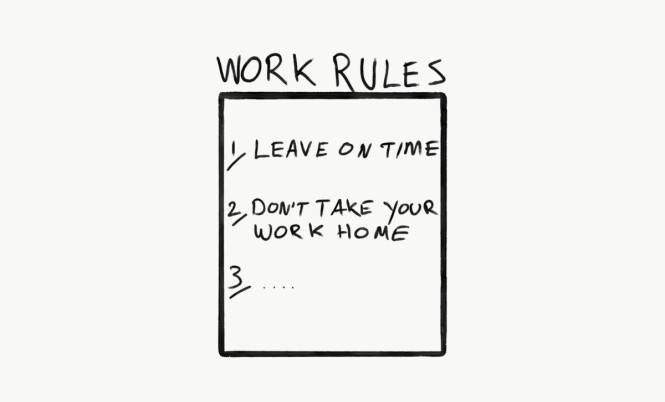
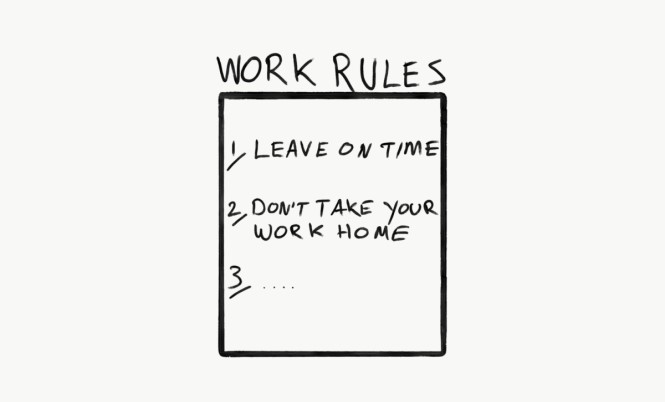


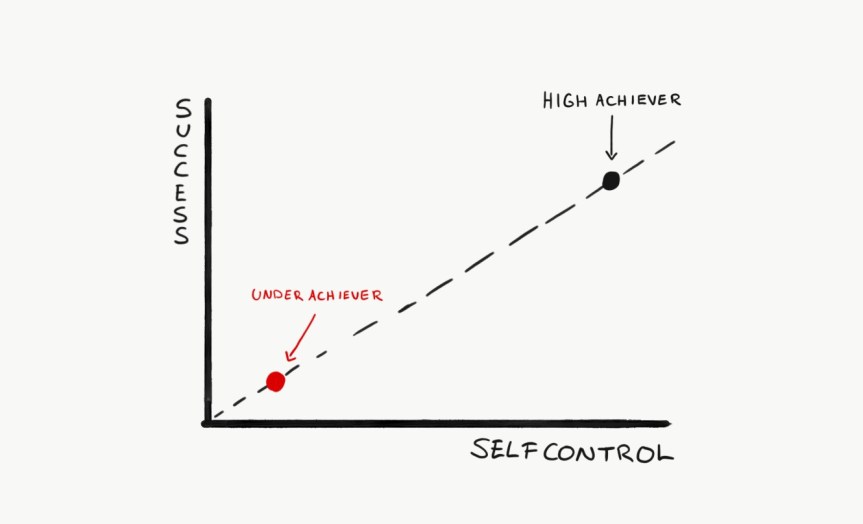
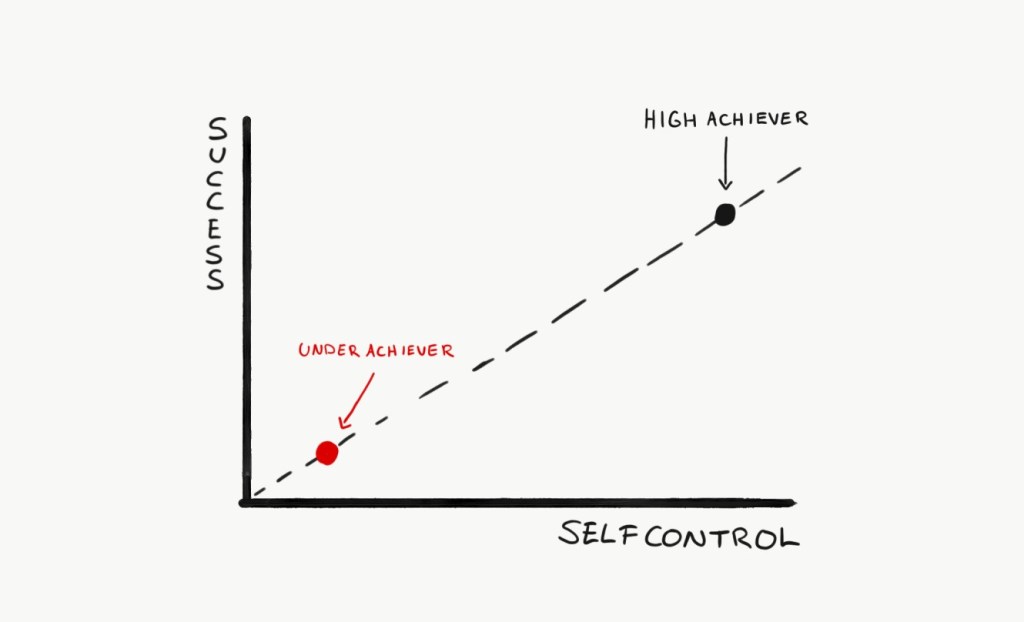




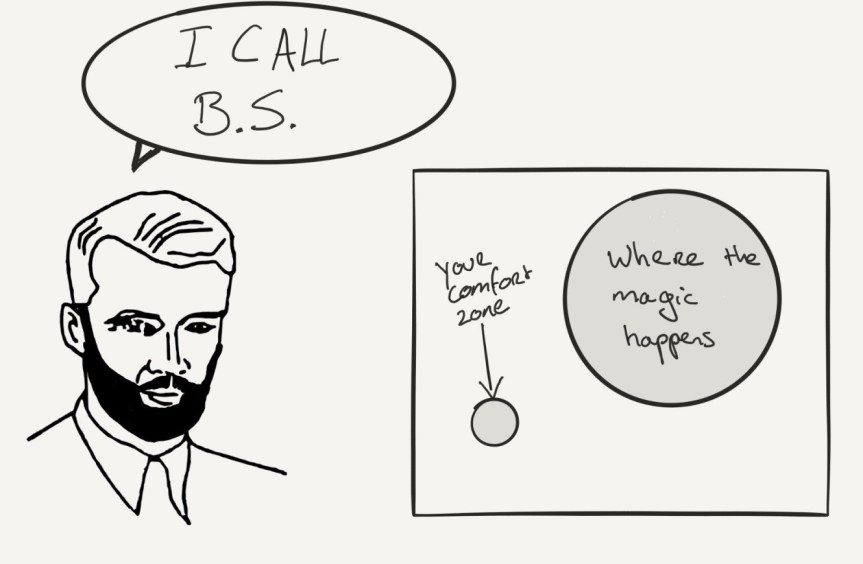

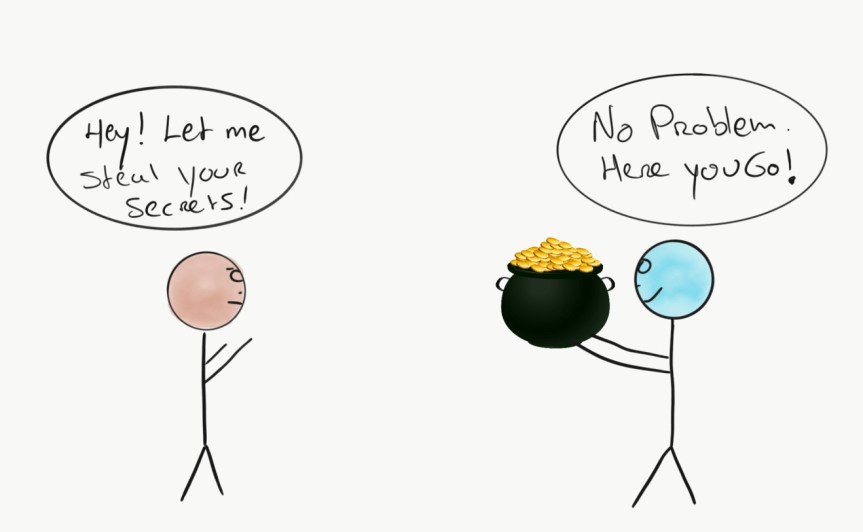
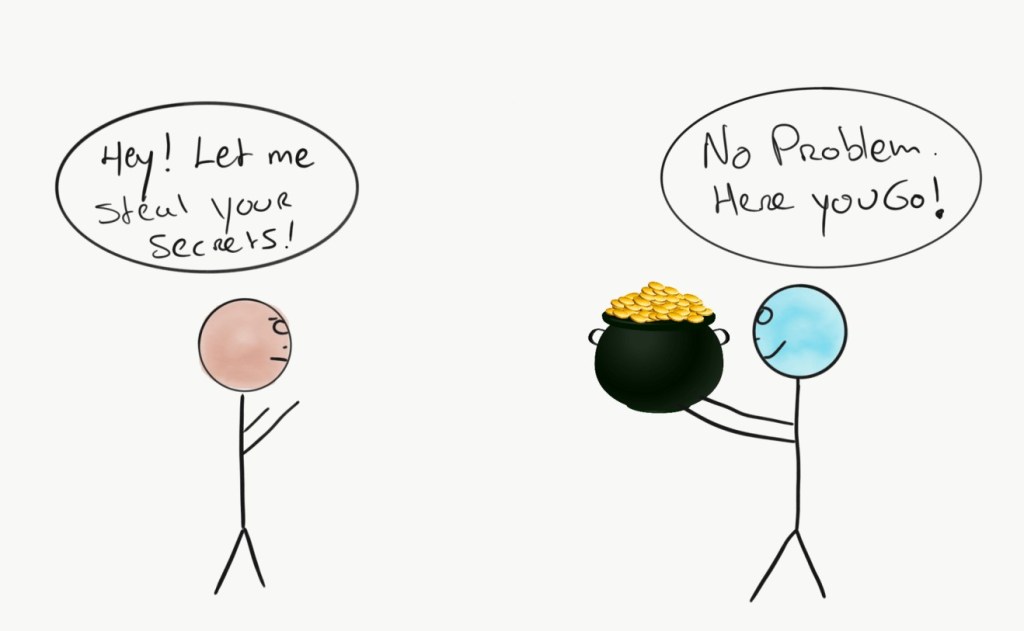
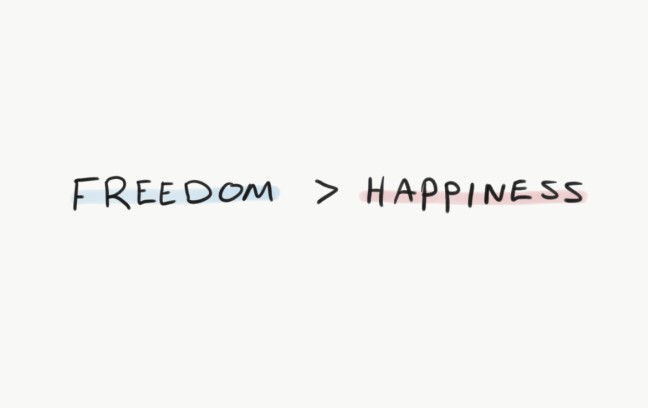


 Eduindex
You must be logged in to post a comment.