Pro and Cons of Social Media

People and the entire globe have been greatly impacted by social media. We are so reliant on technology and social media that we can’t envision a world without them. Social media has had a huge impact on our lives, from building relationships through global connectivity to online companies and digital marketing, from brand loyalty to awareness. We are fortunate to have social media in our life since it allows for quicker information access and updates. However, no one can dispute that taking it excessively can lead to serious health problems and have a negative influence on our lives. Developing a social media addiction can cause changes in your lifestyle, job schedule, and sleep schedule. Its addiction can impair one’s capacity to focus, think, and reason, resulting in an unproductive mind. It is necessary and good to take a social media break in order to improve your physical and mental health. You can use social media for business or for enjoyment for a set amount of hours.

You must prepare appropriately, and it is up to you to determine how you will use it constructively so that you do not become overly reliant on it or a social media junkie.

Technology, particularly social media, has had a significant impact on people’s lives in today’s globe. What if there were no gadgets and no social media ? I believe that technology has many benefits, but when utilised excessively, it has a negative impact on a person’s life. Anything, whether it’s technology or social media, if used repeatedly over a long length of time can cause mental tension, worry, incapacity to think, and so on. Social media, particularly Facebook, Instagram, and Twitter, have millions of users. According to Statista, 3.6 billion people use social media, with an estimated 4.41 billion people using it by 2025.
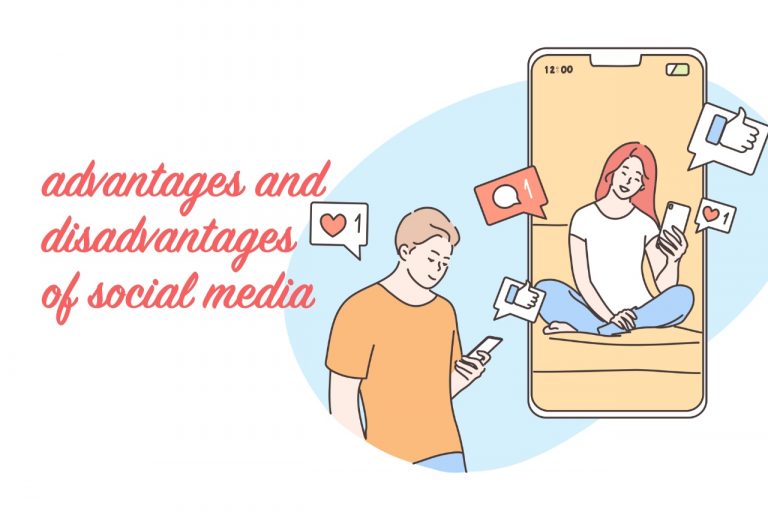
Advantages of Social Media

1. Connectivity

Connectivity is one of the most essential benefits of social media. It has the ability to connect an unlimited number of people from any location at any time. Information can be disseminated all over the world thanks to social media and its connection, and creating relationships with one another has never been easier. It connects people all around the world.

Social media fosters a sense of community and belonging among users.

2. Education

In the realm of education, social media has shown to be useful. It facilitates learning by bringing together educators and professionals from all around the world with students. It also aids in the development of talents by increasing knowledge and creativity. It allows learners and instructors to connect at their own speed, allowing for greater flexibility in the learning process. 

3. Information and Updates

You may keep yourself informed about everything that is going on in the globe or in someone’s life by using social media. Social media, in addition to television, radio, and newspapers, may assist you in providing accurate information by displaying the actual picture of contents and resources. It contributes to the globalisation of the actual world.

4. Awareness

People become more conscious as a result of social media. It serves as a source of information that enables people to innovate and succeed by improving their skills and knowledge. People all around the world are now aware of what is going on because of social media.

5. Share Anything with Others

Social media is the ideal place to share everything you want. It may be a song, a poem, an artistic work, a delectable dessert dish, or anything else. It enhances and shows a person’s creativity while also allowing them to reach millions of consumers. You never know if sharing your artistic efforts can help you achieve your goals.

Disadvantages of Social Media

1. Affects Social-Emotional Connection

The use of social media has become a barrier to social-emotional connection. Everything has been restricted to written material through social media, whether it be wishes on special days or expressing one’s sentiments, resulting in a loss of genuine feelings and ties.

People used to go to someone’s house to wish them on important occasions, but today they prefer to send a text message. The emotions and sentiments of a person cannot be felt through a text message alone. As a result of social media, there is a disconnect between individuals.

2. Decreases Quick-witted Skill

I completely agree that social media has reduced our ability to have real-time face-to-face discussions with our friends. People have begun to rely on text messages, which they may send by merely entering a message. Internet surfers are not quick-witted; they deliberate before responding. It’s doing havoc on their mental health. 

Can you think of a modern-day aspect that is missing? Because of the frequent use of social media, the elements of love, friendship, enjoyment, fun time, peace, and much more are being lost out consciously or unwittingly.

When they are in front of others, they may write words to communicate the same feelings.

3. Causing Distress to Someone’s Feelings

When I see someone utilising social media as a platform to harm others, it makes me sad. I’m not sure why that is.

I’m really upset by the needless trolls, feedback, and remarks on other people’s lives. What is the point of it all? Is social media the answer to everything? No, I don’t believe so. Instead of harming someone or causing them pain and suffering, you may utilise it for a great cause.

Some individuals are not publishing anything to offend others; they are simply sharing their point of view, but anyone who does not agree with them may be offended or dissatisfied by their viewpoint. It generates conflicts in the home, among friends, and in the workplace.


4. Present Physically Not Mentally

When I’m at a friend’s house or on an excursion with them, seeing everyone engrossed in their phones depresses me.

Relationships have faded away in recent years as we have been so absorbed in our phones that we have forgotten about friendship, love, and caring.

It’s one of the main causes of mental health concerns like sadness, stress, and anxiety because we’re missing out on the real-time connections with our pals that we used to have.

5. Hacking

Hacking is a common social media danger in which hackers may quickly access a person’s account and data. It has caused major problems in one’s life.

To avoid similar situations in life, I recommend that everyone maintain their privacy settings updated and their profile closed. To deal with these scenarios, you’ll have to learn to think on your feet.

Conclusion

The benefits and drawbacks of social networking are undeniable. It is entirely up to the users to make intelligent and active use of it. I hope that everyone wants to reap the benefits of social media, but no one wants to become a victim of it by being addicted to it. Now it’s up to you to consider and determine if social media is beneficial or harmful to you. Also, if you feel that social media is invading your personal space, I recommend taking a break from it. After all, when you utilise something effectively, it doesn’t interfere with your job or your life; instead, it adds value to it by creating a creative, healthy atmosphere and instilling happiness.

Money Heist

Money Heist (Spanish: La casa de papel, “The House of Paper”) is a Spanish heist crime drama television series created by Álex Pina. The series traces two long-prepared heists led by the Professor (Álvaro Morte) and one on the Royal Mint of Spain. The narrative is told in a real-time-like fashion and relies on flashbacks, time-jumps, hidden character motivations, and an unreliable narrator. The series was initially intended as a limited series to be told in two parts. It had its original run of 15 episodes on Spanish network Antena 3 from 2 May 2017 through 23 November 2017. Netflix re-cut the series into 22 shorter episodes and released them worldwide, beginning with the first part on 20 December 2017. Part 3, with eight episodes, was released on 19 July 2019. In July 2020, Netflix renewed the show for a fifth and final part, which will be released in two five-episode volumes on 3 September and 3 December 2021. By 2018, the series has become Netflix’s most-watched non-English-language series. The anti-fascist Italian song “Bella ciao,” which appears several times in the series, was a summer success across Europe in 2018. At the 46th International Emmy Honors, the series won many awards, including Best Drama Series.

Season 1

Part 1 opens with the aftermath of a failed bank robbery by a lady named “Tokyo,” as a man dubbed “Professor” saves her from the cops and offers a heist of epic proportions. The tale leaps to the commencement of a multi-day assault on the Royal Mint of Spain in Madrid after a brief explanation of the intended theft. Tokyo, Moscow, Berlin, Nairobi, Rio de Janeiro, Denver, Helsinki, and Oslo are the code names for the eight thieves. The robbers, dressed in red jumpsuits and wearing a Salvador Dal mask, grab 67 hostages as part of their plot to print and flee with €2.4 billion down a self-built escape tunnel. The thieves within the Mint struggle to follow the pre-determined regulations in parts 1 and 2, and are confronted with recalcitrant captives, brutality, isolation, and mutiny. The events are narrated by Tokyo through voice-overs. In the first part of the second instalment of The Professor, Raquel finds a series of postcards left by the Professor, who wrote the coordinates for a location in the Philippines, where she reunites with him. Raquel realises his true identity, but is emotionally unable and unwilling to hand him over to the police. At the end of part 2, after 128 hours, the robbers escape successfully from the Mint with €984 million, but at the cost of the lives of three people.

Season 2

Part 3 of the series follows the Professor and Berlin’s plans to rob the Royal Mint of Spain three years after the last heist. The Professor is captured by Europol, but escapes with a new gang led by Mónica. Part 3 concludes by showing Lisbon alive and in custody, and Tokyo narrating that the Professor had fallen for his own trap and that “the war had begun”. The Professor and Marseille deduce that Lisbon must still be alive and being interrogated by Sierra in a tent outside of the bank. They persuade Tamayo’s assistant, Antoñanzas, to help them, and the Professor can establish a 48-hour truce with the police. Part 4 concludes with Lisbon rejoining the gang within the bank, and with Sierra finding the Professor’s hideout, holding him at gunpoint, and exposing the torture of Rio and the holding of Lisbon to the public.

Digital Forensics

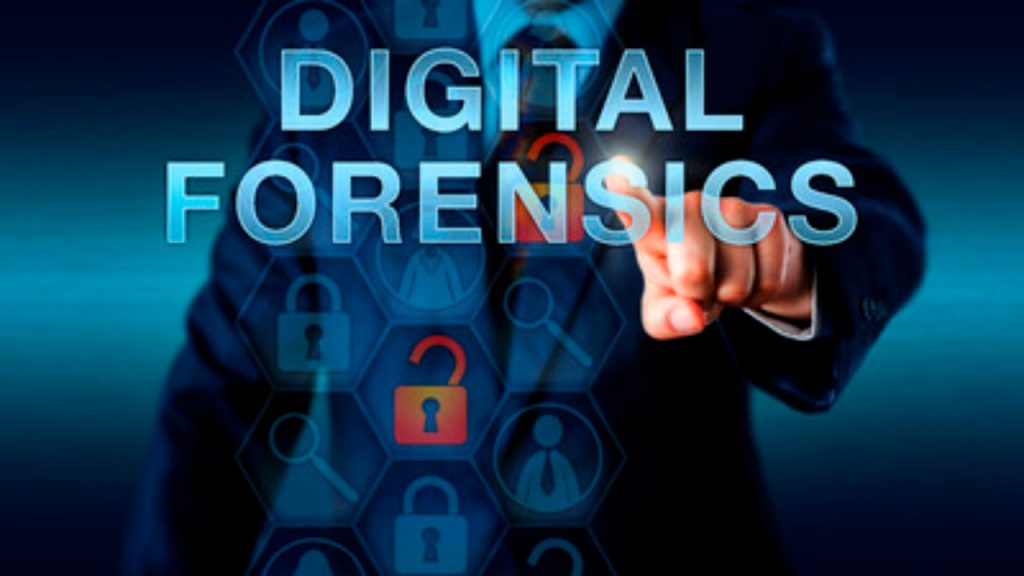
53455351 – investigator pushing digital forensics on a touch screen. cyber security technology and science concept for the electronic discovery process and investigation of an unauthorized network intrusion.

The process of preserving, identifying, extracting, and documenting computer evidence that can be utilized in a court of law is known as digital forensics. It is the science of extracting information from digital media such as a computer, smartphone, server, or network. It equips the forensic team with the most up-to-date techniques and tools for resolving complex digital cases. Digital forensics assists the forensic team in analyzing, inspecting, identifying, and preserving digital evidence stored on a variety of electronic devices. 

Some imp Historic points

  • Hans Gross (1847-1915) was the first person to utilise a scientific research as the basis for a criminal inquiry.
  • Set up a lab to provide forensics services to all field agents and other law enforcement agencies across the United States in 1932.
  • The Florida Computer Crime Act acknowledged the first computer crime in 1978.
  • Francis Galton (1982 – 1911): Conducted the first known fingerprint research.
  • The phrase “computer forensics” first appeared in academic literature in 1992.
  • It was founded in 1995 by the International Organization on Computer Evidence (IOCE).
  • The First FBI Regional Computer Forensic Laboratory was created in the year 2000.
  • The first book about digital forensics, “Best practises for Computer Forensics,” was released in 2002 by the Scientific Working Group on Digital Evidence (SWGDE).
  • Simson Garfinkel highlighted problems with digital investigations in 2010.

Goals of Digital Forensics

It assists the investigative agency in recovering, analysing, and preserving computer and associated documents in such a way that they may be presented as evidence in a court of law. It aids in determining the crime’s purpose and the identification of the principal perpetrator. Creating protocols at a suspected crime scene to guarantee that the digital evidence collected is not tampered with. Data duplication and acquisition: recovering lost files and partitions from digital media in order to extract and evaluate evidence. Allows you to rapidly discover evidence as well as evaluate the possible impact of harmful conduct on the victim. Producing a comprehensive computer forensic report detailing the investigative procedure. Following the chain of possession to preserve the evidence.

Process of Digital forensics

  • Identification

In the forensic procedure, it is the initial stage. What evidence is present, where it is held, and how it is stored are all part of the identification process (in which format).

Personal computers, mobile phones, and personal digital assistants (PDAs) are examples of electronic storage medium.

  • Preservation

This includes preventing tampering with digital evidence by stopping others from accessing the device. It also entails isolating, protecting, and archiving the device’s data.

  • Analysis

In this stage, investigators piece together data pieces and form conclusions based on the evidence uncovered. It may, however, take several iterations of investigation to substantiate a certain criminal hypothesis.

  • Documentation

A crime scene map is a record of all visible data that aids in recreating and evaluating the crime scene. It includes photographing, drawing, and mapping the crime scene. The procedure include accurate recording of the crime scene, as well as pictures, sketches, and maps. Police will be able to observe what transpired at the site and have a better understanding of what they are seeking to solve in this manner.

  • Presentation

The process of summary and explanation of findings is completed in this final phase.

It should, however, be expressed in layman’s words with abstracted terminology. The exact information should be referenced in all abstracted terminology.

Types of Forensics

There are several branches of digital forensics. Disk Forensics deals with extracting data from storage media by searching active, modified, or deleted files. Network Forensics is related to monitoring and analysis of computer network traffic to collect important information and legal evidence. Malware Forensics: This branch deals with the identification of malicious code, viruses, worms, etc. Email Forensics : Deals with recovery and analysis  of emails, including deleted emails, calendars, and contacts. The main aim of wireless forensics is to offer the tools needed to collect and analyze the data from wireless network traffic. Database Forensics is a branch of digital forensics relating to the study and examination of databases and their related metadata. Memory Forensics deals with collecting data from system memory (system registers, cache, RAM) in raw form and then carving the data. Mobile Phone Forensics mainly deals with the examination and analysis of mobile devices.

Benefits of digital forensics

Digital forensics helps companies to capture important information if their computer systems or networks are compromised. Efficiently tracks down cybercriminals from anywhere in the world. Helps to protect the organization’s money and valuable time. Allows to extract, process, and interpret the factual evidence, so it proves the cybercriminal action’s in the court. To maintain the computer system’s integrity. To present evidence in court that might result in the perpetrator’s punishment.

Drawbacks of digital forensics

 Digital evidence accepted into court must be proved that there is no tampering. If the tool used for digital forensic is not according to specified standards, then in the court of law, the evidence can be disapproved by justice. Legal practitioners must have extensive computer knowledge and need to produce authentic and convincing evidence. The expense of creating and keeping electronic documents is quite high.

Evidence that is both authentic and compelling is required.

Due to a lack of technical expertise on the part of the investigating officer, the desired outcome may not be achieved.

Global Warming a threat to Life

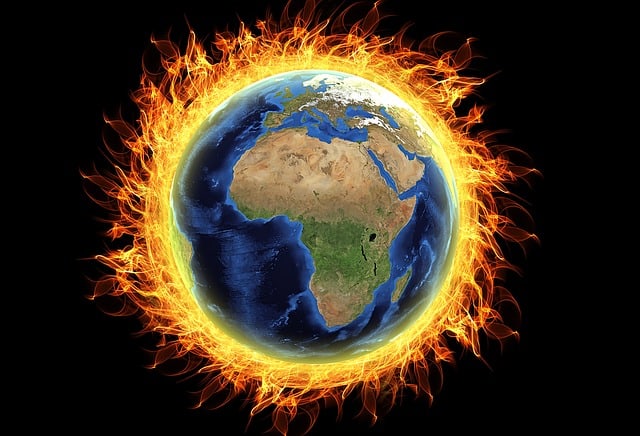
The process of rising average air temperatures near the Earth’s surface during the past one to two centuries is known as global warming. Climate scientists have been collecting extensive data of numerous weather events (such as temperatures, precipitation, and storms) and associated effects on climate (such as ocean currents and the chemical makeup of the atmosphere) since the mid-twentieth century. The Intergovernmental Panel on Climate Change (IPCC) was established in 1988 by the World Meteorological Organization (WMO) and the United Nations Environment Program (UNEP) to give voice to a growing conviction within the scientific community (UNEP).  Human beings and human activities have been responsible for a worldwide average temperature increase of between 0.8 and 1.2 °C (1.4 and 2.2 °F) of global warming since preindustrial times, according to a special report published by the IPCC in 2018, and most of the warming observed in the second half of the twentieth century can be attributed to human activities.

Climate change since last glaciation

Changes in the sum of qualities that constitute climate change are referred to as global warming. Changes in precipitation patterns, winds, ocean currents, and other aspects of the Earth’s climate are all examples of climate change. A federal assessment on the implications of climate change on the future of the United States has been issued. According to recent research from the Geological Survey, climate change has been more relevant over the industrial age of the previous two centuries. The climate of the Earth has changed across different periods, from a single human life to billions of years. Significant fluctuations in the worldwide extent of glaciers and ice sheets were seen throughout the Pleistocene glacial era (about 2,600,000 to 11,700 years ago). Changes in the geometry of Earth’s orbit around the Sun drove changes in the distribution of solar radiation over the planet’s surface. According to a new study, these changes occurred across tens to hundreds of millennia. 

The most recent ice age, or glacial era, ended 21,000 years ago, and is known as the Last Glacial Maximum. Continental ice sheets stretched deep into Europe and North America’s middle latitude areas during this period. The global annual mean temperature appears to have been 4–5 degrees Celsius (7–9 degrees Fahrenheit) lower than it was in the mid-twentieth century. During the last ice age, Earth’s climate was marked by more cooling at higher latitudes and very less cooling across broad portions of the tropical waters (around the Equator). The Holocene is the term used to describe the most recent period of Earth’s history. The Holocene Epoch is an era in which humans have had a significant impact on climate. However, other scientists suggest that the Holocene ended very recently and that the Earth is now in the Anthropocene Epoc, a climatic gap that might be named the Anthropocene Epoc. Since the end of the ice age, people have had a major effect on climate throughout this time period.

Causes of Global Warming

  1. The greenhouse effect

A balance of solar and terrestrial radiation keeps the Earth’s average surface temperature constant. Because the frequencies of the radiation are very high and the wavelengths are relatively short, solar radiation is sometimes referred to as “shortwave” radiation. Terrestrial radiation, on the other hand, is classified as longwave radiation due to its low frequencies and long wavelengths. The total energy of incoming solar radiation is approximately 1,366 watts per square metre each year. Approximately 30 units of incoming solar energy are reflected back to space by clouds, the atmosphere, or reflecting areas of the Earth’s surface for every 100 units of incoming solar radiation. Earth’s planetary albedo is the reflective capacity of the planet, and it does not have to remain constant throughout time. Earth must emit these same 70 units back into space to preserve thermodynamic equilibrium. Some of the infrared light emitted by the Earth’s surface is absorbed by greenhouse gases. As a result of this absorption, some of the initial 70 units are unable to reach space. The presence of greenhouse gases in the atmosphere causes the surface and lower atmosphere to warm up.

  1. Radiative forcing

Solar radiation and greenhouse gases in the atmosphere may change the      temperature of the Earth’s surface and lower atmosphere. According to Dr. David Frum, “radiative forcing” might be thought of as “radiative force” or “radiative forcing.” The quantity of downward-directed radiant energy impinging on the Earth’s surface is measured by radiative forcing, which is a measure of the effect of a specific climatic component. Climate variables that contribute to the warming of the Earth’s surface are known as “positive forcing,” whereas forces that cool the Earth’s land surface are known as “negative forcing.” According to the IPCC, there is no question that human-caused greenhouse gas emissions are driving global warming. Each square metre of Earth’s surface receives around 342 watts of solar energy each year on average. This amount can be linked to a change in the Earth’s temperature. Changes in the distribution of terrestrial radiation (that is, radiation emitted by Earth) within the atmosphere can cause temperature changes at the surface. Radiative forcing has a natural cause in some situations, such as during volcanic eruptions when expelled gases and ash block some of the sun radiation reaching the surface. It has an anthropogenic, or purely human, origin in other situations. Anthropogenic increases in carbon dioxide, methane, and nitrous oxide, for example, are predicted to cause positive radiative forcing of 2.3 watts per sq metre. 

  1. The influences of human activity on climate

Human activity has affected global surface temperatures through altering the radiative balance that governs the Earth on a variety of temporal and geographical scales. The most substantial and well-known anthropogenic effect is the increase in greenhouse gas concentrations in the atmosphere. Humans also have an impact on climate through altering aerosol and ozone concentrations and changing the land cover of the Earth’s surface.

Paralympic games

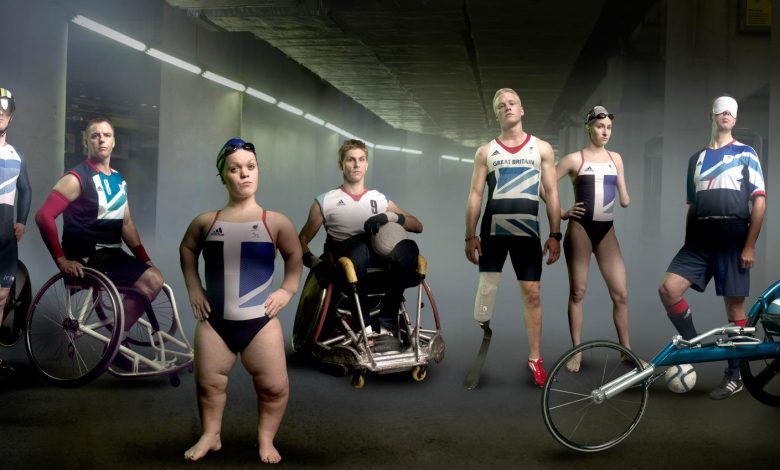
The Paralympic Games, also known as the Paralympics, are a series of international multi-sport events that feature athletes with a variety of disabilities, such as impaired muscle power, impaired passive range of motion, limb deficiency (e.g. amputation or dysmelia), leg length difference, hypertonia, ataxia, athetosis, vision impairment, and intellectual impairment. George Eyser, a German American gymnast, was the first athlete to compete in the Olympic Games prior to the establishment of the Paralympics in 1904. In both the 1948 and 1952 Summer Olympics, Hungarian Karoly Takacs competed in shooting events. He was a left-handed shooter with a right-arm amputation. The first organized athletic event for disabled athletes that coincided with the Olympic Games took place on the day of the opening of the 1948 Summer Olympics in London, United Kingdom. Dr. Ludwig Guttmann hosted a sports competition for British World War II veteran patients with spinal cord injuries. The games were held again at the same location in 1952, and Dutch and Israeli veterans took part alongside the British, making it the first international competition of its own kind. 

Ceremonies

The opening ceremony of the Paralympic Games is framed by different components, as stipulated by the Paralympic Charter. The majority of these customs were established at the Antwerp Summer Olympics in 1920.The event usually begins with the host country’s flag being raised and the national anthem being performed. Unlike the Olympic Games, the athletes parade into the stadium following the national anthem, grouped by country. The nations have entered the stadium alphabetically according to the host country’s chosen language since the 1988 Summer Paralympics, with the host country’s athletes being the last to enter. The host nation has presented creative exhibits of music, singing, dancing, and theatre that are indicative of its culture since the 1988 Summer Paralympics. Speeches are delivered to officially start the games. Finally, the Paralympic torch is carried into the stadium and passed on until it reaches the last torch bearer, who is usually a paralympic athlete from the host country, who lights the flame in the stadium’s cauldron. 

After all sports events have finished, the Paralympic Games culminate with a closing ceremony. Each participating country’s flag bearers are the first to enter, followed by the athletes, who all enter together, regardless of nationality.The Paralympic flag is hoisted for the last time. With a few exceptions, the national flag of the country hosting the following Summer or Winter Paralympic Games has been hoisted while the appropriate national song has been performed since the 1988 Winter Paralympics. The Paralympic Games have come to an end, and the Paralympic torch has been extinguished.Following these mandatory aspects, the following host nation gives a brief introduction to their culture through creative exhibitions of dance and theatre.

Following the end of each Paralympic event, a medals ceremony is conducted. When an IPC member presents the winner, second, and third-place athletes or teams with their medals, they stand on top of a three-tiered rostrum.The medalists’ national flags are then raised as the gold medalist’s national anthem is performed. During the medal ceremonies, volunteers from the host country assist the authorities who give the medals and serve as flag-bearers, acting as hosts. The medal ceremony for each Paralympic event takes place one day following the event’s conclusion.

Categories

Physical, visual, and intellectual impairment are among the 10 disability categories defined by the IPC. Athletes with one of these impairments are eligible to compete in the Paralympics, however not all sports allow for all disability categories. Both the Summer and Winter Paralympics fall into these categories.

Physical Disability – Physical impairment may be divided into eight categories:

Impaired muscular power — Muscles such as those in one leg, one side of the body, or the lower half of the body create less force when they are impaired in this category (e.g. spinal cord injury, spina bifida, post-polio syndrome).

Impaired passive range of motion – The range of motion in one or more joints is gradually decreased. Acute illnesses, such as arthritis, are excluded.

Loss of limb or limb deficiency – A whole or partial loss of bones or joints as a result of disease, accident, or congenital limb deficiency (e.g. dysmelia).

Leg-length difference — A congenital defect or trauma causes significant bone shortening in one leg.

Short stature – Due to a musculoskeletal shortage of bone or cartilage structures, standing height is reduced due to shorter legs, arms, and trunk. Achondroplasia, growth hormone insufficiency, and osteogenesis imperfecta are just a few examples.

Hypertonia – Is characterised by an abnormal increase in muscular tension and a reduction in a muscle’s capacity to stretch. Hypertonia can be caused by an accident, an illness, or a condition that affects the central nervous system (e.g. cerebral palsy).

Ataxia – Ataxia is a condition in which muscle movements are not coordinated (e.g., cerebral palsy, Friedreich’s ataxia, multiple sclerosis).

Athetosis – Is characterised by unbalanced, uncontrollable movements and the inability to maintain a symmetrical posture (e.g. cerebral palsy, choreoathetosis).

Visual Impairment – Athletes have varying degrees of vision impairment, ranging from legal blindness to complete blindness. One or more components of the visual system may be impaired (eye structure, receptors, optic nerve pathway, and visual cortex).Sighted guides for athletes with vision impairments are such an important and integral component of the sport that the athlete and the guide are considered a team. Since 2012, these guides (together with sighted goalkeepers in 5-a-side football) have been eligible for their own medals.

Intellectual Disability – Athletes with substantial cognitive impairments and corresponding limits in adaptive behavior. The IPC primarily supports athletes with physical impairments, although past Paralympic Games have included the disability category Intellectual Disability. Only top athletes diagnosed with intellectual impairments before the age of 18 are eligible. The Special Olympics World Games, which are sanctioned by the International Olympic Committee, are available to all persons with intellectual impairments.

Child Labour A Sin

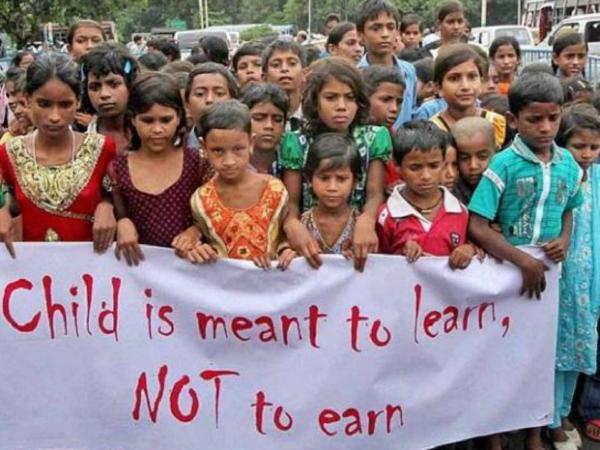
“A child is meant to learn, not to earn.”

Child labour is a type of crime in which children are forced to work at a young age and do tasks that adults undertake by engaging in economic operations. We discover youngsters working as hotel suppliers, caretakers, industrial employees, prostitutes, and other ill-paying jobs all around the world in order to help their families survive. It is our job to ensure that every child experiences a happy childhood. Every child deserves the same care, and instead of working out their childhoods, they should be sent to school.

Reasons for Child labour

Poverty and a lack of education are the two main causes of child labor’s rising societal evil.Because parents view their children as money-making machines, they carry babies to make extra money on the street by begging.They then take them as beggars and eventually sell them to employers as they mature.This disease has spread over India’s length and breadth.Child labour is caused by a variety of factors other than poverty and a lack of education.Some of the causes may be universal in some nations, while others are exclusive to certain locations.

To begin with, it occurs in nations where there is a high level of unemployment rather than poverty. When a family’s earnings are insufficient, the children are forced to work in order to help the family survive. Similarly, if the elders in the family are unemployed, the younger members of the family must fill in for them. Furthermore, when individuals lack access to education, they would eventually force their children to work. Because they are ignorant, they are only concerned with the short term outcome, which is why they force children to work in order for them to live in the present. The children’s future will be the same as their parents’, who are illiterate and let their children work at a young age.

Child Labour in the Worst Situation

After Africa, India has the second-highest rate of child labour. Slavery or bonded child labour is one of the most harmful forms of work for children.

Despite the fact that the Indian parliament enacted the bonded labour system in 1976, this practise still exists. It is estimated that there are around 10 million bonded children working as domestic servants in India, with almost 55 million bonded children employed in other countries. The children are sold to money lenders since the money borrowed cannot be repaid at home. Street children are another kind of child labour, in which youngsters work on the streets as beggars, flower sellers, and other types of street vendors rather than attending school. They are often forced to go hungry for days on end in order to make others feel sorry for them and offer charity. Child labour, when combined with child maltreatment, has become one of the world’s most pernicious diseases. Year after year, statistics reveal an increase in child maltreatment, particularly among girls. To disguise the fact that a girl has been abused at home, she is sold to a city employer as domestic assistance or later as a bride to an older man.

Child Labour is to be banned.

Child labour is to be considered if state parties acknowledge the right of children to be safeguarded from economic exploitation, according to article 32 of the Convention on the Rights of the Child. Any employment that is likely to interfere with a child’s education should be damaging to the child’s health, according to United Nations guidelines. If we are to eliminate child labour, we must devise effective solutions that will save our children. It will also benefit the future of any country dealing with these social challenges to form multiple unions dedicated entirely to the prevention of child labour. These unions should assist children who are engaged in this job and penalise those who force them to do so. Furthermore, we must keep parents informed in order to instil in them the value of education.

We will be able to educate more and more children who will not be forced to work as children if tuition is made free and people are made aware. Furthermore, raising public awareness about the negative repercussions of child labour is essential. In order to eliminate it, we must also implement family control measures. This will relieve the family’s financial burden, and because there will be less food to feed, the parents will be able to work for themselves rather than the children. To exist, the government must provide a basic income to every household. Because there are areas where no accounting has been done on how many children are working or forced to work in violation of the child labour laws, the best important information about child labour cannot be brought to the tree size. Many workshops and industries have fantasised about areas where children can work, eat, and sleep. No one from the outside world would even know they were working there, and those working for the welfare of child labour have been able to rescue numerous children from such units thanks to a tip from insiders. The national strategy on child labour, which was established in 1987, aims to take a progressive and sequential approach, with an emphasis on the rehabilitation of children who work in dangerous jobs. Not only must steps be done to halt this crime against children, but they must also be taken to ensure that every kid has a healthy and normal childhood.

At last I would say that “Make our Future Bright Shape our Future Right Stop Child Labour”

Doctor’s Day Special

National Doctor’s Day is a holiday honouring doctors. This day was designated as a special day to honour Dr. Bidhan Chandra Roy, a famous physician and West Bengal’s second prime minister. Doctor is the term, and the work they accomplish is on the level of a deity. People have realised the necessity of physicians as a result of the Pandemic. The tough circumstances surrounding COVID-19 have reminded us once again of the everyday efforts and sacrifices made by physicians and healthcare workers all across the world. Doctor’s Day is observed on various days across the world to honour this great profession. This year is committed once again to all of the doctors and healthcare workers who are risking their lives in these hard times, whether in primary or secondary care settings, or in dedicated COVID care facilities.

Tough Education

Being a doctor isn’t easy. A child has to set his/her mind in the way that doing hard work and practice is the only way towards success. Many students wish to pursue a career as a doctor. Doctors have a prominent social and professional life, allowing them to help a large number of people while also earning a good living. If you want to be a doctor, you should start planning and preparing for it as soon as possible after high school. If you’ve decided to pursue a career as a doctor, be aware that the road ahead will not be simple. To become a doctor, you must begin working diligently at an early age and make the necessary sacrifices for several years. A genuine concern in the well and happiness of others, as well as a desire to serve others, are two essential traits for a doctor.Physics, Chemistry, and Biology are required courses in secondary school or at the plus two level.

You must have completed 17 years but not be older than 25 years while applying for the MBBS programme through the general category.The bachelor’s degree in medicine (MBBS) is the first step toward becoming a doctor. This is your ticket to a medical profession. This is generally a five-and-a-half-year programme that culminates in a year of mandatory internship.

Those interested in pursuing a degree in MBBS, BDS, or Veterinary Science must take the NEET test. The Central Board of Secondary Education in India holds a single entrance examination every year to admit students to various medical institutions across the country. The colleges you can attend are determined by your NEET test score. There are particular courses available throughout your degree if you want to specialise in subjects like Ayurveda, Homeopathy, or Unani. The admission tests for JIPMER, AIIMS, Armed Force Medical College, Lady Hardinge Medical College, and Jawaharlal Nehru Medical College are held separately. Students who want to attend these universities must take these special examinations conducted by the colleges and do not have to go through the NEET process. JIPMER is one of India’s most prominent medical schools.

This is the Education one has to take to become a doctor.

Problems occurred during Covid-19 service

In the fight against COVID-19, doctors and healthcare professionals who are reacting to a worldwide health catastrophe have become unintentional targets. Several incidents of such violence against them have been reported in India during this epidemic period. Doctors have been spit on, abused, and driven away, according to reports. Due to a scarcity of personal protective equipment, this is the case (PPE). Doctors blame the rise in violence against healthcare professionals on a combination of misinformation and fear, which has been exacerbated by the pandemic. Patients are unable to obtain healthcare due to transportation stoppage, fear of law enforcement, and dissatisfaction as a result of quarantine or containment zone limitations, all of which have worsened the situation. During their work, up to 75% of doctors are subjected to violence. The reasons for violence against healthcare workers may vary from fear, anxiety, panic, misinformation and mistrust. Government hospitals in India are inundated in such a public health crisis with lack of adequate facilities, equipment and infrastructure. People are panicked about catching COVID-19 from medical workers or being stigmatised for having contracted it themselves. The situation is being made more difficult as health units and professionals in some government hospitals highlight shortage of PPE but receive hostile response from hostile hospital administration.

Overcome these Problems.

A better and timely communication with the aggrieved patients and their family members is the key to avoid violence and untoward incidents. Due to shortage of time and to maintain social distancing norms, often the verbal and direct communication between doctors and patients is lacking during this pandemic. The hospitals should designate some social workers and counsellors to coordinate with them on a regular basis to allay any fears.

The widespread news coverage about COVID-19 has heightened anxiety and fear among the Indian public. Social media platforms can play a positive role in the current pandemic collaborating with Government agencies to educate the public about the diagnosis, spread, containment and prevention strategies against transmission. The uptake of ‘Aarogya Setu’—Indian government’s contact tracing application can be promoted by smart phone technology companies and web providers to minimise the spread of COvid-19. This will help to safely reduce lockdown measures.

Violence against doctors is underreported in India, perhaps because the doctors fear for their personal safety and harassment from the public, administration and law enforcement system. Recently, doctors and government institutions have started to take steps to protect themselves against violence. Marshalls have been posted at large central government hospitals in Delhi in their accident and emergency department. At places, doctors have had to evaluate patients from a distance to avoid assault.

The Indian government has recently issued an ordinance that makes violence against healthcare workers a non-bailable offence, punishable by up to 7 years imprisonment. The Ordinance seeks to protect doctors, nurses, and paramedic and community health workers from harassment or physical injury. It has been welcomed by all quarters to rein in violence and punish the wrongdoers.

Telehealth has been a game changer and one of the good outcomes of the COVID-19 outbreak. Patients will have less face-to-face interaction with doctors as a result of telehealth, which may minimise physical attack on doctors to some level. The prospect of telemedicine services being recorded may compel patients and their carers to act correctly.

Time has to identify effective ways and means to improve and strengthen public health education and practice, says Dr. Ravi Agrawal. Establishment of better primary healthcare facilities such as Delhi’s Mohalla (community) and Mumbai’s Swasth (health) clinics is one of the right ways forward to access local healthcare. Doctors and healthcare workers need to be supported in carrying out their fight against global health crises such as COVID-19 pandemic.

At last I would like to say “Doctors are humans not Gods so stop blaming them.”

Salute to non-profit Organizations

Nonprofit organizations are a legal entity organized and operated for a collective, public or social benefit. A nonprofit is subject to the non-distribution constraint: any revenues that exceed expenses must be committed to the organization’s purpose, not taken by private parties. Nonprofit entities generally seek approval from governments to be tax-exempt, and some may also qualify to receive tax-deductible contributions. Nonprofit organizations are accountable to the donors, founders, volunteers, program recipients, and the public community. Public confidence is a factor in the amount of money that a nonprofit organization is able to raise. The more nonprofits focus on their mission, the more public confidence they will have. This will result in more money for the organization.

Management

Nonprofits must balance salaries paid to staff with money paid to provide services to the nonprofit’s beneficiaries. Nonprofit organizations must manage their income (both grants and donations and income from services) and expenses so as to remain a fiscally viable entity. Setting effective missions is a key for the successful management of nonprofit organizations. There are three important conditions for an effective mission: opportunity, competence and commitment.

Structure

Nonprofits can have members, but many do not; the nonprofit may also be a trust or association of members. The organization may be controlled by its members who elect the board of directors, board of governors or board of trustees. A board-only organization typically has a self-selected board and a membership whose powers are limited to those delegated to it by the board. The National Association of Parliamentarians has generated concerns about the implications for the future of openness, accountability, and understanding of public concerns in nonprofit organizations.

Difference between nonprofit and not for profit

Nonprofit and not-for-profit are terms that do not mean the same thing. Both are organizations that don’t make a profit, but may receive an income to sustain their missions. Nonprofit organizations return any extra income to the organization they generate. Not for-profits use their excess money to pay their members who do work for them.

Nonprofits are either member-serving or community-serving. Member-serving nonprofit organizations create a benefit for the members of their organization. Community-serving nonprofits focus on providing services to the community either globally or locally. It is possible for a nonprofit to be both member serving and community serving.

Securing Future

Does securing the future mean secure for oneself or only for family?? Does it only involve Life insurance and other things like saving money for future generations only?? Has the human mentality reached such a low esteem where everyone is busy securing their own future?? No, this mentality needs to be modified. Securing Future means letting all the children, whether with respect to caste, religion or gender, have the right to be safe. They also have the right to speak and shouldn’t be forced to do any malicious thing. They too have the right to education. 

Respect towards youngers

We no doubt respect elders. We talk to them politely and do every work told by them. This tradition is correct but this doesn’t mean to show disrespect against youngsters. They do have feelings. When elders don’t respect them, they feel very bad and no one is there with whom they can share feelings. If they share it with their parents then they will only get scolded or they will say okay okay and leave. These feelings then one day can become the backbone for being rude, arrogant and a violent character human. Elders should not always disrespect smaller ones as they are the future of tomorrow’s future. There’s a saying “As you sow so shall you reap”. Showing disrespect towards smaller then in future these smaller will show disrespect towards them at their older age.

Welfare units

Welfare units were formed more and more as the population of orphan or roadside children was not low. These units work for betterment of their current situation and make them strong enough so that these children can make their own future bright and successful. These units provide food, shelter and clothes to wear. They provide facilities of free education to all needy children. They help them to stand on their own feet’s. They adopt the smaller ones who are being neglected by their parents. Child welfare systems are complex, and their specific procedures vary widely by State. The purpose of this factsheet is to give a brief overview of the purposes and functions of child welfare from a national perspective. While the primary responsibility for child welfare services rests with the States, the Federal Government supports States through program funding and legislative initiatives. 

Future Generation is in danger

These kids are much smarter and are quick learners then their own parents. So, parents need to be careful before they act. Firstly, they should give up bad habits like smoking, drinking alcohol, and taking drugs. Even after trying to stop and it is not possible then don’t do these things in front of children as they are quick learners. They won’t take a long time to get addicted to these things. They might even start doing wrong things like smuggling, robbery, or rape or other things if their friends’ company or their surrounding is not good. The habitat or upbringings aren’t done properly. We all know that a human learns bad habits faster than good ones, this is why parents are requested to keep the surroundings good and clean of their child from birth.

At last, I would say that” Think before you act” and keep the futuremakers happy.

PTSD

Always remember, if you have been diagnosed with PTSD, it is not a sign of weakness; rather, it is proof of your strength, because you have survived!.

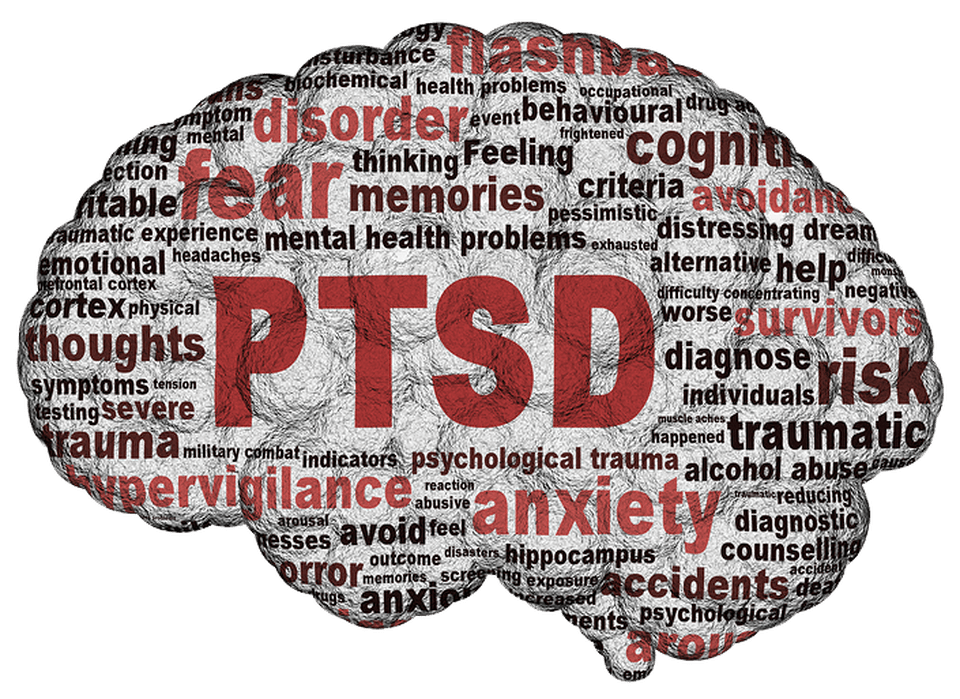
People who have encountered or seen a traumatic incident such as a natural catastrophe, a major accident, a terrorist attack, war/combat, or rape, or who have been threatened with death, sexual assault, or significant injury, may develop posttraumatic stress disorder (PTSD). PTSD affects approximately 3.5 percent of U.S. adults every year. Women are twice as likely as men to have the disorder problem. Latinos, African Americans and American Indians are disproportionately affected by the disease. It Is estimated that one in 11 people will be diagnosed with PTSD in their lifetime. People with this disorder have intense, disturbing thoughts and feelings related to their traumatic event that last long after the traumatic event has ended. People with PTSD may avoid situations or people that remind them of the traumatic experience. They may feel detached or estranged from other people. The symptoms include flashbacks, sadness, fear and anger. PTSD is a form of post-traumatic stress disorder. Symptoms can last for more than a month and cause significant distress or problems in daily functioning. Many individuals develop symptoms within three months of the trauma, but symptoms may persist for months and sometimes years. PTSD often occurs with depression, substance use, memory problems and other physical and mental health problems. 

Symptoms:-

  1. Intrusion:- Repetitive, involuntary recollections; unpleasant nightmares; or flashbacks to the traumatic incident are examples of intrusive thoughts. People may have flashbacks that are so vivid that they believe they are reliving or witnessing the terrible event.
  2. Alterations in arousal and reactivity:- Being impatient and having furious outbursts; acting recklessly or in a self-destructive manner; being too attentive of one’s surroundings in a suspicious manner; being easily startled; or having difficulty focusing or sleeping are all examples of arousal and reactive symptoms.
  3. Alterations in cognition and mood:- A person who has suffered a traumatic experience is unable to remember or express the negative thoughts and feelings leading to ongoing and distorted beliefs about oneself or others (e.g., “I am bad,” “No one can be trusted” are symptoms of post traumatic stress disorder.
  4. Avoidance:- Avoiding people, places, activities, items, and circumstances that may trigger painful memories is one way to prevent reminders of the traumatic experience. People may strive to forget or avoid recalling the unpleasant experience. They may be adamant about not discussing what occurred or how they feel about it.

Treatment:-

Not everyone who experiences trauma develops PTSD requires psychiatric treatment. The earlier a person gets treatment, the better chance of recovery. Post Traumatic Stress Disorder (PTSD) can be treatable and treatable with professional help.Psychiatrists and other mental health professionals use various effective (research-proven) methods to help people recover from PTSD. Both talk therapy and medication provide effective evidence-based treatments for PTSD. The most effective is cognitive behavior therapies (CBT), which is very effective.

  1. Cognitive Processing Theory:- Focuses on altering unpleasant negative feelings (such as shame, guilt, and others) and beliefs (such as “I have failed”; “the world is unsafe”) that have arisen as a result of the trauma. Therapists assist the individual in confronting such upsetting memories and feelings.
  2. Medication:- Can aid in the management of PTSD symptoms. Furthermore, the symptom alleviation that medicine offers helps many patients to participate in psychotherapy more successfully. The basic symptoms of PTSD are often treated with antidepressants. Other medicines may be used to treat post-traumatic stress disorder (PTSD) patients’ nightmares and sleep issues, as well as to reduce anxiety and physical agitation.
  3. Stress Inoculation Therapy:- Attempts to provide the individual with the required copying abilities to effectively fight against stressful triggers by exposing them to lower amounts of stress, similar to how a vaccination prevents infection following exposure to a disease.
  4. Prolonged Exposure Therapy:-Utilises safe, controlled exposures to symptom “triggers” or repeated, vivid imaginings of the trauma to help a person face and acquire control of anxiety and discomfort and learn to cope. Virtual reality programmes, for example, have been utilised to assist PTSD patients re-experience the battlefield in a safe and therapeutic way.
  5. Group Therapy:- Invites survivors of comparable horrific situations to talk about their feelings and experiences in a safe, non-judgmental environment. Members of the group assist one another in realising that many others would have reacted in the same way and had the same feelings. Because the behaviour and discomfort of the individual with PTSD can influence the entire family, family counselling may be beneficial.Interpersonal, supportive, and psychodynamic treatments, for example, focus on the emotional and interpersonal elements of PTSD. These might be beneficial for those who don’t want to be reminded of their experiences.
  6. Other treatments including complementary and alternative therapies:- Are also becoming more widely utilised to assist persons suffering from post-traumatic stress disorder (PTSD). These methods of treatment are used outside of traditional mental health clinics and may involve less talking and disclosure than psychotherapy. Acupuncture and animal-assisted therapy are two examples.

Cyber Security

I think computer viruses should count as life. I think it says something about human nature that the only form of life we have created so far is purely destructive. We’ve created life in our own image.

Stephen Hawking

Cyber Security the word itself defines it. Security means providing protection or defending something from attackers while cyber means crime that involves computers, mobile phones or other digital things. Hence the proper definition of the word Cyber Security is defending computers, mobile devices or other devices from malicious data. It is also known as electronic information security. As we are advancing day by day the technology too gets advanced and somewhere it creates the small tiny loopholes which hackers find easily and they get into your data. Then the hackers start blackmailing for ransom and start  threatening about leaking personal photos or files in public so to stop this wrong deed cyber security helps one.

Cyber Threat:-

More than 7.9 billion records have been exposed by data breaches in the first nine months of 2019 alone. This figure is more than double (112%) the number of records exposed in the same period in 2018. Medical services, retailers and public entities experienced the most breaches, with malicious criminals responsible for most incidents. Some sectors are more appealing to cybercriminals because they collect financial and medical data. The International Data Corporation predicts that worldwide spending on cyber-security solutions will reach a massive $133.7 billion by 2022. Governments across the globe have responded to the rising cyber threat with guidance to help organizations implement effective cyber security practices. In Australia, TheAustralian Cyber Security Centre regularly publishes guidance on how organizations can counter the latest cyber threats.

Malware:-

Malware is one of the common cyber threats. Malware word means malicious software. The software which might destroy one’s computer. It is formed by either hackers or cybercriminals for the purpose of damage. It can enter in one’s computer by many ways which include sharing files from one pc to other, through emails, through apps downloaded from unsecured websites. Different types of malware includes:-

  1. Virus:- A programme that attaches itself to a clean file and spreads throughout a computer system, infecting files with malicious code.
  2. Spyware:-A programme that secretly records what a user does in order for cybercriminals to profit from it. Spyware, for example, could record credit card information.
  3. Adware:-Advertising software which can be used to spread malware. 
  4. Ransomware:-Malware that encrypts a user’s files and data and threatens to delete it unless a ransom is paid.
  5. Trojans:-A type of malware that masquerades as genuine software. Users are duped into downloading Trojans onto their computers, which then cause damage or collect data.

To stop this cyber threats here are some solutions which may help ones:-

1. CHECK IF YOU’VE ALREADY BEEN INVOLVED IN A DATA BREACH

  Change those passwords for any accounts that it suggests may have been compromised.

2. CHECK THE STRENGTH OF YOUR PASSWORDS

 (use something similar to your original password to test its strength).

When choosing a password, remember: the longer it is, the stronger it is. A strong password is at least 12 characters long and hard to guess.

Using a sentence is a great way to create a long password that you’ll never forget.

3. AVOID THESE PASSWORDS

The following passwords are considered the most common and easiest to crack – so if you’ve got any of these or similar variations, you should seriously consider changing them – quickly!

  • 123456 (or any chronologically-ordered numbers)
  • 987654321
  • 123123
  • QWERTY
  • 111111
  • password

WHICH GENERATION IS MOST GUILTY OF USING INEFFECTIVE PASSWORDS?

4. TRUST NO ONE (ON EMAILS)

This may sound a bit extreme – but always be on the lookout for deceitful emails and compromised web pages (spam and phishing). Interacting with these puts your information at risk and can download viruses. Remember:

  • don’t open email from unknown email addresses.
  • trash attachments in unexpected emails.
  • avoid risky clicks – instead type the address into your browser.

5. SECURE YOUR DEVICE

If your mobile device is unsecured, lost or stolen, it could be used to access your info, your money or steal your identity and irreplaceable data like photos or messages. Secure your devices by:

a) Installing anti-virus software.

      b)  Setting a password, gesture or fingerprint that must be entered to unlock.

c) Setting the device to require a password before applications are installed.

d) Leaving Bluetooth hidden when not in use and disabling automatic connection to    networks.

e) Enabling remote locking and/or wiping functions, if your device supports them.

Hackers:-

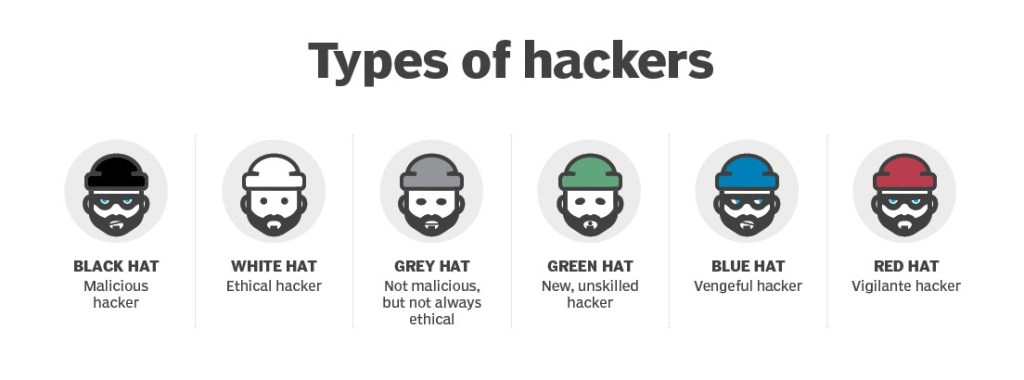
A hacker is an individual who uses computers, networking or other skills to overcome a technical problem. The term also refers to those who use their abilities to commit crimes in order to gain access to systems or networks for illegal purposes. A hacker may steal information to hurt people via identity theft. The term hacker was first used in the 1960s to describe a programmer who could increase efficiency by removing excess machine code instructions from a program. It has evolved over the years to refer to someone with an advanced understanding of computers, networking, programming or hardware. The term is also commonly applied to individuals who use this skill for illegal or unethical purposes.

There are different type of Hackers according to their work:-

1) Ethical Hackers:- Previously known as white hat hackers, these individuals try to act in the public’s best interests rather than wreaking havoc. Many ethical hackers who operate in the field of pen testing were recruited to break into the company’s networks in order to identify and disclose security flaws. The security businesses then assist their customers in resolving security vulnerabilities before they are exploited by criminal hackers.

2) Threat Hackers:- Previously known as black hat hackers, these intentionally gain unauthorized access to networks and systems with malicious intent. Threat actors are criminals by definition because they violate laws against accessing systems without authorization. They may also engage in other illegal activity, including corporate espionage, identity theft and DDoS attacks.

3)Grey hat hackers:- The gray hat hackers are more likely than ethical hackers to access systems without authorization. They may offer to fix vulnerabilities they have discovered through their own unauthorized activities, rather than exploit them for illegal profit. The group’s motives may be similar to those of ethical hackers and threat actors.

4)Red hat hackers:- Similar to ethical hackers, they are sometimes known as eagle-eyed or vigilante hackers. Red hat hackers want to deter threat actors from launching unethical assaults. While red hat hackers may have the same goal as ethical hackers, their methods differ in that red hat hackers may employ illegal or extreme methods. Red hat hackers frequently use cyber assaults against threat actors’ systems.

5)Blue hat hackers:- Hackers that use hacking as a social weapon are known as spiteful hackers. It is frequently employed as a form of retaliation against a person, employer, or other entity. Blue hat hackers post personal and sensitive info online to harm people’s reputations or try to obtain illegal access to email and social media accounts.

6)Red hat hackers:- Script kiddies are unskilled or amateur hackers who attempt to hack using pre-written scripts. Often, these are inexperienced hackers that inflict minimal harm.

At last I would say that ”Be Active and don’t hesitate to ask for help from Cyberwarrior.”

Online Education

“The function of education is to teach one to think intensively and to think critically. Intelligence plus character – that is the goal of true education”

Martin Luther King

Online education has become a major part of everyone’s life. It has been a major part since covid-19 pandemic. Many countries have adapted it from early years. They insist on online instead of offline education. They think online concepts can be cleared with the help of technology like 3-d images etc. It is found much more comforting and safe as one has to sit home and study. Online studying in India has taken the place of offline studies.

Advantages

Online learning offers teachers an efficient way to deliver lessons to students. Online learning has a number of tools such as videos, PDFs, podcasts, and teachers can use all these tools as part of their lesson plans. By extending the lesson plan beyond traditional textbooks to include online resources, teachers are able to become more efficient educators. Another advantage of online education is that it allows students to attend classes from any location of their choice. It also allows schools to reach out to a more extensive network of students, instead of being restricted by geographical boundaries. Additionally, online lectures can be recorded, archived, and shared for future reference. This allows students to access the learning material at a time of their comfort.

Disadvantages

With online learning, there is a greater chance for students to be easily distracted by social media or other sites. Teachers need to keep their online classes crisp, engaging, and interactive to help students stay focused on the lesson. Online learning can also lead to an increase in the number of people who have access to the internet. In smaller cities and towns, a consistent internet connection with decent speed is a problem. Without a consistent connection for students or teachers, there can be a lack of continuity in learning for the child. This is detrimental to the education process as it can lead to a loss of confidence in the teacher’s ability to teach.

Video Games an entertainer or life waster

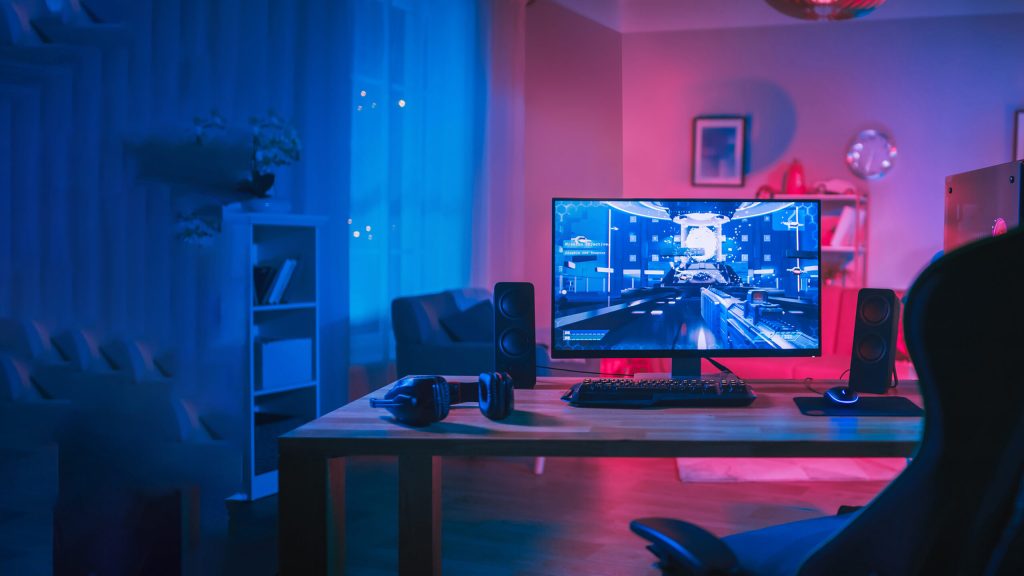
Powerful Personal Computer Gamer Rig with First-Person Shooter Game on Screen. Monitor Stands on the Table at Home. Cozy Room with Modern Design is Lit with Pink Neon Light.

Games consist of three types I would say : Indoor games, Outdoor games and the third one which is Virtual games. The outdoor one is my favourite which consists of physical movements. These games consist of Cricket, Football, Badminton, Volleyball and various games. In these games one has to do movements like running, jumping etc. These games make one healthy and helps to keep the body fit and fine. Indoor games consist of chess, carrom, darts, board games which makes the mind relax and refresh from daily hectic routine. These are the games played with family ones. Virtual games consist of playing games on mobile devices, pc’s, laptop, virtual box, play stations and emulators. These are the latest games and devices which are invented. As day by day technology is developing these games are also being developed. First computer games were introduced then slowly slowly mobile games, play stations, virtual box etc.

As early as 1950, computer scientists were using electronic machines to construct relatively simple game systems, such as Bertie the Brain in 1950 to play tic tac toe, or Nimrod in 1951 for playing Nim. These systems used either electronic light displays and mainly as demonstration systems at large exhibitions to showcase the power of computers at the time. Spacewar! is considered one of the first recognized video games. Developed in 1961 for the PDP-1 mainframe computer at Massachusetts Institute of Technology (MIT) by a group of students there, it allowed two players to simulate a space combat fight on the PDP-1’s relatively simplistic monitor. The game’s source code was shared with other institutions with a PDP-1 across the country as the MIT students themselves moved about, allowing the game to gain popularity.

Video game replacing Outdoor games

Earlier years children playing outdoors were in large numbers. They all were in fit and fine conditions. As the years passed children gradually got addicted to video games rather than outdoor games. They find playing these games sitting in one place for hours interesting. Back in the year parents used to scold children to play less outdoors and stay indoors but as the time changed the words were also changed now parents scold children to go and play outside. I admit the fact that playing video games is also entertaining but still a certain amount of limit. These all limits are crossed now by these younger generations. No doubt this generation of children are smarter than older ones in technology, but they are not strong enough to face the real world physically. For them doing online work is easy but not physical work like helping their mother by doing daily chores. 

Problems of video games

As said earlier everything changes as the technology is advanced. Children nowadays may face many health and mental related problems due to video games. To play video one has to look at the screen continuously which might damage their eyes. Nowadays there are headphones available which are also gaming accessories. Children put on headphones and play games at full volume which may cause eardrum damage and can cause to deaf.

Once the game is started it is hard to make yourself away from it so one sits for longer hours a day in one position which might damage the spinal cord and body starts aching. The headache is also one of the problems caused by continuous staring at the screen of devices.

One of the popular types of video games is action games that consist of shooting and fighting. These games are popular from small children to teenagers. Continuous playing of these action games affects  mentally. The mindset of children has changed from calm to violence. They don’t even listen to their parents and will talk to them rudely. This is the situation in today’s generation.

Online gaming

Playing online is one of today’s trends. Many people play online games with friends and relatives. Children of smaller ages are too addicted to these games. These online games have business strategies to make money. They would firstly make you play the game for free but they will show new features or guns or characters which are paid which make the children think about buying it. This addiction of playing paid games is so strong that the children are ready to fight their parents if they won’t allow them to buy it.  One of the recent case studies is that the gaming addict boy from Punjab who secretly spent Rs 16 lakh of his parents’ money on the battle royale mobile game PlayerUnknown’s Battleground or PUBG is being made to work at a scooter repair shop.While gamers have been known to go to great lengths to prove their love for PUBG, the teen gaming addict from Punjab’s Kharar took the craze for the mobile game to another level after he spent Rs 16 lakhs from his father’s account to buy virtual ammunition in the game. The 17-year-old would take his father’s mobile phone on the pretext of online classes, but would access his father’s bank accounts to make in-app purchases for him and his friends.

At last I would say that “everything has its own limit so please do everything in limit and not to do anything wrong that would hurt others”. 

Covid-19 vaccine

“Strength does not come from physical capacity. It comes from an indomitable will.”

Mahatma Gandhi

Yes the will power should be strong and covid-19 checked it and many passed the test by accepting the lockdown situation during the crisis. The Covid-19 also known as Coronavirus is a group RNA virus which infects only mammals and birds. It causes respiratory related diseases which range from mild to lethal.This new group of viruses were named coronaviruses after their distinctive morphological appearance.Human coronavirus 229E and human coronavirus OC43 continued to be studied in subsequent decades. The coronavirus strain B814 was lost. It is not known which present human coronavirus it was.Other human coronaviruses have since been identified, including SARS-CoV in 2003, HCoV NL63 in 2003, HCoV HKU1 in 2004, MERS-CoV in 2013, and SARS-CoV-2 in 2019 which got spread worldwide, therefore named as Covid-19. This virus has made humans learn about humanity by helping others in pandemic situations. Many people lost their lives while fighting against the virus, due to lack of oxygen and treatment. The current 22nd June 2021 covid case study is total cases are 179,680,188 and deaths are 3,891,130 and the recovered ones are in no of 164,370,420. As the virus is mutating and evolving so vaccination is the key form to stop spread of this virus.

Vaccinate World

During Pandemic time it was the feeling that the whole world was a slave under coronavirus. But there were many frontline workers in the form of Freedom Fighters who fought for people and stood as a shield against deadly viruses . Many lost their lives but they fought till their last breath. Over 80 lakh frontline workers were lost in this fight. They are the doctors, nurses, the working and non-working staff of hospitals. They performed their duty without taking their own care. The only hope to stop covid-19 is Vaccine. Firstly, many researchers tested various mammals and studied its effects on them. Now the mission to Vaccinate world began. The vaccines were introduced around the world and each had a different time interval between doses. Here is the list of vaccines introduced in the world which gave hope to survive:-

1.      Pfizer–BioNTech

2.      Moderna

3.      novirus vector vaccines

4.      Oxford–AstraZeneca

5.      Sputnik V

6.      Johnson & Johnson

7.      Convidecia

8.      Sputnik Light

9.      Sinopharm (BBIBP)

10.   CoronaVac

11.   Covaxin

12.   Sinopharm (WIBP)

13.   CoviVac

14.   QazCovid-in

15.   EpiVacCorona

16.   ZF2001

Problems occurred and Faced them

We know that the world isn’t filled with only smart people, there are some people who are interested in troubling others. In this covid like situation some people became hurdle in path of the vaccinated world. Their bad deeds include selling oxygen cylinders in black, storing them in large numbers so as to sell at higher prices during shortages. They didn’t stop here, they even started a black market of vaccines. They know that poor ones are badly in need of vaccines so they take advantage of this situation and sell vaccines at 3 or 4 times higher price than the value set by the government and the poor ones have no option but to buy it. They are too helpless and no one comes to help them and they sell everything for a single dose of vaccine. But for bad people there are always punishers such as cops who made them come to the right path. The cops raided many places, seized vaccines and oxygen cylinders and arrested the gangs working behind these scams. All countries helped each other in one or other way and formed a special bond between them that is of humanity.

Spreading Awareness

Social media, which is one the best inventions, can spread awareness among people regarding the use of vaccines. This awareness is much more important because many are unaware of the importance of vaccines. There are also some people who think doing vaccination is nothing, it is a waste of time. They also spread wrong information about vaccines. This information is spread within a minute in thousands through social media. This needs to be stopped. These bad influencers need to understand that vaccines are a type of advantage for people not a disadvantage. It is an essential key against covid virus. There are many good spreaders who understand and help people digitally through social media. I would specially refer to them as “digital frontliners”. So it is a humble request to spread awareness among people as much as you can.

At last I would like to say “Stay Strong Stay Safe”