Natural Law and The Rule Of Law

The Rule of law and its origins:

The rule of law is a concept that describes the supreme authority of the law over

governmental action and individual behaviour. It corresponds to a situation where both

the government and individuals are bound by the law and comply with it. It is the

antithesis of tyrannical or arbitrary rule.

The rule of law is the product of historical developments over centuries and is linked to

the rise of the liberal democratic form of government in the West. The rule of law is the

subject of competing theories.

For some, the concept has a purely formal meaning.

Under this concept of the rule of law, the state must act in accordance with the laws it has

promulgated and these laws must meet a certain number of minimum characteristics. For

others, the concept has a wider, more substantive, meaning that incorporates ideals of

justice and fairness. Further meanings can also be ascribed to the concept according to

various political ideologies.

Although it is generally accepted that the extent to which a government adheres to the

rule of law is indicative of the degree of legitimacy of its actions, the divergent use of the

term illustrate that the concept is far from having achieved a universally accepted

meaning. Indeed, while some declare the concept to have attained the status of a new

universally-accepted political ideal following the end of the Cold War.

The rule of law has evolved over centuries and is inextricably linked to historical

developments that have led to the gradual emergence of liberal democracies and their

underlying modes of governance and legal systems.

The role that law plays in society was the subject of philosophical discussions in Greek

and Roman antiquity. In one of his last dialogues, The Laws (circa 360 B.C.), Plato is

credited with positing the idea that the government should be subservient to the law. The

idea was further refined by his student Aristotle in his work The Politics (circa 350 B.C.)

in which he contrasted the rule of law, reason, with the rule of man, passion, to explain

why the government should be bound by law as means to prevent arbitrary rule and the

abuse of power.Both philosophers agreed that laws must be promulgated for the

common good.  These Greek works had a notable influence on Roman legal thought,

most notably on Cicero, who emphasised in De Legibus (circa 54-51 B.C.) that the law

must be for the good of the community as a whole, thereby subjecting law to ideals of

justice. The fall of the Roman Republic at the hands of emperors gave way to autocratic

rule. During the reign of Emperor Justinian I, Roman law was codified.

Meaning Of the Rule of law:

For some, the concept has a purely formal meaning, in which the rule of law requires the

state to act in accordance with the laws it has promulgated and these laws must meet a

certain number of minimum characteristics. However, for others, the concept has a wider,

more substantive, meaning that incorporate ideals of justice and fairness and respect for

fundamental rights.

Under formalistic theories – termed by some as the “thin rule of law” or “rule by law” –

the government must operate within the confines of the law, whatever those laws might

be. Contemporary formalistic theories tend to share the liberal view of the rule of law as

being equivalent to formal legality. From this perspective, the rule of law is therefore not

concerned with the content of the laws, but rather the optimal functioning of the legal

system with a view to providing individuals with a certain degree of predictability as

regards the legal consequences of their actions. Formal theories of the rule of law tends to

be the most widely accepted and are embraced by international development agencies,

because they are capable of universal appeal regardless of whether certain countries

recognise fundamental rights or democratic values.

In The Morality That Makes Law Possible (1964), Lon Fuller explained that, in order to

act as a proper guide to behaviour, the law must be characterised by the existence of a

system of rules that meets a certain number of characteristics. Although Fuller

acknowledged that the occasional and partial absence of any of these criteria was

unavoidable because a balance has to be achieved between legal certainty and society’s

ability to change laws, he also stressed that the complete absence of one or more criteria

would result in complete failure of the law. Although these criteria were not directed at

providing a definition of the rule of law but rather a definition of law itself, Fuller’s list of

characteristics has been incorporated one way or another in contemporary definitions of the rule of law.

Criticisms of the Rule of law:

It is undeniable that the rule of law forms an integral part of the liberal form of

democratic government worldwide. It goes without saying that “freedom under the rule

of law” is an oft-repeated mantra of Western liberal democracies. In this sense, adherence

for the rule of law therefore appears to carry with it a number of connotations of a social

and political nature. Seen in this light, the rule of law is not necessarily a politically

neutral concept.

For instance, some argue that a model of government based on the welfare state is

incompatible with the rule of law. In a later edition of Introduction to Study of the Laws

of the Constitution, Dicey had deplored what he saw as the decline in the rule of law

owing in part to the emergence of the welfare state and the adoption of legislation that

gave regulatory and adjudicatory powers to administrative entities without recourse to

judicial review by the courts. This concern has been shared by liberal commentators over

time. Like Dicey, Hayek argued that the welfare state was incompatible with the rule of

law. Nonetheless, it could be argued that these concerns have been tempered by the rise

of administrative law as a distinct area of law in common law countries, where the

ordinary courts have developed an elaborate body of case law that has placed limits on

administrative discretion, some of which has been codified into legislation. Dicey

criticised as being incompatible with the rule of law the existence in France of separate

administrative laws that deal with relations between government and the governed and

which did not fall within the jurisdiction of the ordinary courts. However, it is now

recognised that the establishment of administrative courts that are distinct from the civil

and criminal courts in countries following the civil code tradition has ensured to a large

extent that discretionary actions taken by the government do not go unchecked.

Moreover, it is undeniable that certain countries that follow the civil law tradition – for

example Belgium and Sweden – which pride themselves on having a political system that

embraces social welfare, are also widely accepted as adhering to the rule of law.

Natural Law and it’s Definition:

It is undeniable that the rule of law forms an integral part of the liberal form of

democratic government worldwide. It goes without saying that “freedom under the rule

of law” is an oft-repeated mantra of Western liberal democracies. In this sense, adherence

for the rule of law therefore appears to carry with it a number of connotations of a social

and political nature. Seen in this light, the rule of law is not necessarily a politically

neutral concept.

For instance, some argue that a model of government based on the welfare state is

incompatible with the rule of law. In a later edition of Introduction to Study of the Laws

of the Constitution, Dicey had deplored what he saw as the decline in the rule of law

owing in part to the emergence of the welfare state and the adoption of legislation that

gave regulatory and adjudicatory powers to administrative entities without recourse to

judicial review by the courts. This concern has been shared by liberal commentators over

time. Like Dicey, Hayek argued that the welfare state was incompatible with the rule of

law. Nonetheless, it could be argued that these concerns have been tempered by the rise

of administrative law as a distinct area of law in common law countries, where the

ordinary courts have developed an elaborate body of case law that has placed limits on

administrative discretion, some of which has been codified into legislation. Dicey

criticised as being incompatible with the rule of law the existence in France of separate

administrative laws that deal with relations between government and the governed and

which did not fall within the jurisdiction of the ordinary courts. However, it is now

recognised that the establishment of administrative courts that are distinct from the civil

and criminal courts in countries following the civil code tradition has ensured to a large

extent that discretionary actions taken by the government do not go unchecked.

Moreover, it is undeniable that certain countries that follow the civil law tradition – for

example Belgium and Sweden – which pride themselves on having a political system that

embraces social welfare, are also widely accepted as adhering to the rule of law.

Natural law’s Origin:

It is undeniable that the rule of law forms an integral part of the liberal form of

democratic government worldwide. It goes without saying that “freedom under the rule

of law” is an oft-repeated mantra of Western liberal democracies. In this sense, adherence

for the rule of law therefore appears to carry with it a number of connotations of a social

and political nature. Seen in this light, the rule of law is not necessarily a politically

neutral concept.

For instance, some argue that a model of government based on the welfare state is

incompatible with the rule of law. In a later edition of Introduction to Study of the Laws

of the Constitution, Dicey had deplored what he saw as the decline in the rule of law

owing in part to the emergence of the welfare state and the adoption of legislation that

gave regulatory and adjudicatory powers to administrative entities without recourse to

judicial review by the courts. This concern has been shared by liberal commentators over

time. Like Dicey, Hayek argued that the welfare state was incompatible with the rule of

law. Nonetheless, it could be argued that these concerns have been tempered by the rise

of administrative law as a distinct area of law in common law countries, where the

ordinary courts have developed an elaborate body of case law that has placed limits on

administrative discretion, some of which has been codified into legislation. Dicey

criticised as being incompatible with the rule of law the existence in France of separate

administrative laws that deal with relations between government and the governed and

which did not fall within the jurisdiction of the ordinary courts. However, it is now

recognised that the establishment of administrative courts that are distinct from the civil

and criminal courts in countries following the civil code tradition has ensured to a large

extent that discretionary actions taken by the government do not go unchecked.

Moreover, it is undeniable that certain countries that follow the civil law tradition – for

example Belgium and Sweden – which pride themselves on having a political system that

embraces social welfare, are also widely accepted as adhering to the rule of law.

A DECISION THAT CHANGED MY LIFE!

August 1st, 2019, I knew my world had changed, for one thing, I loved biology with all my heart, and the other was I was standing at the admission center of Sahyadri Engineering college. I was put into a whole different world from what I had previously planned up for myself. Till that day of my life, the only thing I knew was that I wanted to be a Doctor.

Maybe because all my life, I was around my cousins who were doctors too. But when I genuinely asked for their opinion, they asked me one thing, Studying MBBS and being a doctor is no joke, there will be times where you will be frustrated because there will be too much to study, you won’t be able to get proper sleep or even time for yourself, Do you still want to be a doctor? Well it was at that time something clicked in me, so even before I knew it, I had suddenly backed out. I wanted to do something different, at the same time I also wanted a bit of freedom, where I had time to concentrate on myself too. So now one thing was sure that, there was no turning back, no matter how hard it gets I will have to stick up with my choice of stream.

In A New Place And New Environment

In the beginning, It was hard to open up with strangers, but the Induction program gave me a chance to speak with people, where I came to know some were in similar condition as mine. Then I met one of a senior, and she turned out to be my biggest blessing there. She introduced me to her friends. One of the many things we had in common was dancing, so she introduced me to a dance group from our college. I met some amazing dancers there. All the rehearsals kept me busy and didn’t give me a chance to think twice as to why I chose engineering. Without even knowing I had already blended in and made some friends. And formed our small group of friends of five people. Those who still are close to my heart.

An Unforgettable Experience

In the following month of October, we saw a notice was put up on the notice board of each class. It was a chance for us to go, participate, and attend events that were being held at different colleges in a different place, while with full attendance in each subject. Our class people were soon divided into two teams. One to go to BITS Pilani, Hyderabad, and the other one to Thapur University, Punjab. I was in the first team, of Hyderabad. We were a total of twenty-two people along with two mentors to guide us. Our team was named ‘The Hawx’. We had around two weeks to prepare all our bots. We stayed at college late nights, for work. It was a new experience too. Along with work we bonded and enjoyed while having dinner together in college.

I also caught a glimpse of what a team and teamwork actually were. Because in this field you can do things alone, but when in a team, be it the idea or the end product it comes a lot better than what you usually do alone. You learn to be understanding of each other and respect their opinions too. And also learn that some misunderstandings or problems can be solved by simply sitting and discussing, what and where things went wrong, then brainstorming ideas, and come up with an even better solution. And even then if things seemed very unsatisfying, we knew there was always someone to guide us, like our mentors who have already gone through with all the process and also know how to make the best of the worst situation that we may face during the competition.

Taking The Initiative

As all these events were going on, simultaneously every first-year student had an additional more practical subject called SIP – Social Innovative Program. Where we were divided into teams of five, every class was given a topic to work on, as for our class we were given the topic of ‘Horticulture’. We were asked to form a problem statement by asking them, what all problems they faced, as well as come up with a project as its solution. We interviewed farmers, shopkeepers, chemists, lecturers, This program taught me to be alert and also increased my level of curiosity. As it was teamwork, it also improved my team-building skills and initiation-taking skills. As the interview was to be done in a formal manner, it also helped me improve my soft skills, and my teammates also helped me boost my confidence.

Overall the whole year, I discovered my new sides that I didn’t even know existed. I had a great year filled with both sweet and some bitter memories. Even though I don’t know what the future holds for me, this time I will be looking forward to it!

INFERNO – BOOK REVIEW

About the book

Inferno is a 2013 mystery thriller novel by American author Dan Brown and the fourth book in his Robert Langdon series, following Angels & Demons, The Da Vinci Code and The Lost Symbol. The book was published on May 14, 2013, ten years after publication of The Da Vinci Code (2003), by Doubleday. It was number one on the New York Times Best Seller list for hardcover fiction and Combined Print & E-book fiction for the first eleven weeks of its release, and also remained on the list of E-book fiction for the first seventeen weeks of its release. A film adaptation was released in the United States on October 28, 2016.

Important character

Robert Langdon: An American professor of symbology at Harvard University, Cambridge, Massachusetts and protogonist of the novel.

Sienna Brooks: A doctor and Zobrist’s former lover who works for The Consortium and secondary antogonist. She helps Langdon find the virus Zobrist created, but her past relationship with Zobrist makes her loyalty to Langdon suspicious until the end of the novel. She was a loyal disciple of Zobrist until she reads his last letter and decides to get his new technology before it can fall into the wrong hands. She believes the World Health Organization will cooperate with other government agencies to use Zobrist’s new virus for weapons. She uses The Consortium and Langdon to follow the Map of Hell and get to ground zero before everyone else, but realizes that Zobrist had set off a futile search as he released his virus well beforehand.

Bertrand Zobrist: A transhumanist genius scientist who is obsessed with Dante’s Inferno and a primary antagonist of the novel. He is intent on solving the world’s overpopulation problem by releasing a virus.

Elizabeth Sinskey: The head of the World Health Organization who hires Langdon to find Zobrist’s virus. She became infertile after taking steroids to help with her childhood asthma attacks and as such is emotionally invested in Zobrist’s method of controlling world population.

Cristoph Brüder: Head of the SRS team (part of the European Centre for Disease Prevention and Control) who is ordered by Sinskey to find Langdon after she loses contact with him.

The Provost: The head of The Consortium. He tries to bring to fruition Zobrist’s wishes by securing the location of the virus from Langdon and Sinskey and scheduling to release to the media a video Zobrist made before his death. When he learns that he was helping Zobrist in a bio-terrorist attack, he helps the World Health Organization to search for the weapon. He is eventually arrested for his part in the events.

Vayentha: The Consortium’s agent in Florence who has orders to follow Langdon but is later disavowed after failing her mission. She falls to her death after a confrontation with Langdon and Brooks in the Palazzo Vecchio.

Jonathan Ferris: An agent of The Consortium who pretends to be in league with the World Health Organization. He used fake eyebrows and a mustache to act as Dr. Marconi in the beginning of the novel.

Marta Alvarez: An employee at the Palazzo Vecchio in Florence who assists Langdon with Dante’s death mask. She is pregnant with her first child.

Ignazio Busoni: The obese director of Il Duomo in Florence, nicknamed “il Duomino”, who assists Langdon with Dante’s death mask. He succumbs to a heart attack prior to the events of the novel.

Ettore Vio: The curator of St. Mark’s basilica in Venice.

Mirsat: A tour guide of Hagia Sophia in Istanbul.

Story plot

Harvard symbolism professor Robert Langdon wakes up in a hospital in Florence, Italy with a head wound and no memory of the last few days. Dr. Sienna Brooks, one of the doctors tending to him, reveals that he is suffering from amnesia. When Vayentha, an assassin, shows up in the hospital and kills one of the doctors, while attempting to kill Langdon, Brooks helps Langdon escape, and they flee to her apartment.

Langdon finds a cylinder with a biohazard sign in his jacket and decides to call the U.S. consulate. He learns that they are searching for him, but, prompted by Brooks, claims to be across the street from her apartment, to avoid getting her more involved. Soon, Langdon sees Vayentha pull up to the location he gave the consulate, deducing that the U.S. government wants to kill him. Langdon opens the container and finds a small medieval bone cylinder fitted with a hi-tech projector that displays a modified version of Botticelli’s Map of Hell, which is based on Dante’s Inferno. A trail of clues leads them toward the Old City.

He goes there with Brooks, but they find that a secretive team of soldiers, and the Florentine Carabinieri searching for them. They flee, and Langdon examines the “Map of Hell” again, noticing several changes to the layers. Langdon discovers a phrase from the painting The Battle of Marciano by Vasari, located in the Palazzo Vecchio. They manage to evade the soldiers and get into the Old City using the Vasari Corridor.

At the Palazzo, Langdon meets the director of the museum, Marta Alvarez, who recognizes him, having met him and Ignazio Busoni, the director of Il Duomo, the previous night, when she showed them Dante’s death mask. Langdon asks to see the mask again, to retrace his steps, but they find the mask gone, and security footage shows Langdon and Busoni stealing the mask. Fleeing, Langdon and Sienna listen to a message left by Busoni, referring to “Paradise 25”.Vayentha murderes Ferris with the squib breaking his ribs.

Langdon and Brooks escape the guards, but the soldiers arrive, and chase them across the attic. Vayentha also arrives, and in a confrontation with Langdon, Brooks pushes her to her death. Langdon connects the phrase “Paradise 25” to the Florence Baptistry, where they find the Dante mask along with a riddle from its current owner, a billionaire geneticist named Bertrand Zobrist. Brooks explains that Zobrist was a geneticist who advocated the halting of humanity’s growth, and that he was rumored to be working on an engineered disease to do so. Ferris, claiming to be from the World Health Organization (WHO), helps them escape the soldiers. Ferris had been ordered to detain Brooks. They follow the riddle to Venice. Ferris collapse was due to Brooks punching him in his damaged ribs, with Brooks claiming he is suffering from massive internal bleeding, causing Langdon to suspect Ferris has been infected with Zobrist’s plague. Langdon is captured by a group of soldiers while Brooks escapes.

Langdon is taken to Dr. Elizabeth Sinskey, the director-general of the WHO. She explains that Zobrist, who committed suicide the week before, had supposedly developed a new biological plague that will cause infertility in a third of the worlds’ population, in order to solve the problem of the world’s impending overpopulation, citing the Doomsday Argument. Sinskey raided Zobrist’s safe deposit box, found the cylinder and flew Langdon to Florence to follow the clues. However, he stopped communicating with Sinskey after meeting with Alvarez and Ignazio and the WHO feared he betrayed them and was working with Zobrist. The soldiers were the WHO’s emergency response team, and not meant to kill him.

Zobrist had paid a shadowy consulting group “The Consortium” to protect the cylinder until a certain date. He also left a video filled with disturbing Dante imagery, and then showed a picture of the plague itself, kept in a hidden underwater location, within a slowly dissolving bag. The video claims that the world will be changed the following morning. When Sinskey retrieved it, the Consortium abducted Langdon and staged every event up to this point, to motivate him to solve it.

Brooks goes rogue and The Consortium realizes she was a secret supporter and lover of Zobrist. She learned where the plague was being kept after Langdon solved the riddle and acquires a private jet to get to it. Langdon, the WHO and The Consortium team up to stop her. After watching Zobrist’s video, they conclude that the bag containing the plague will be fully dissolved by the date the video specifies and that Zobrist’s clues point to its location: the Hagia Sophia in Istanbul. They find the plague is in the Cistern but discover Brooks already there. The bag that held the plague had already been broken, presumably spreading to the outer world via visiting tourists. Brooks runs out of the Cistern, causing panicked tourists to stampede, while Langdon gives chase.

Despite almost escaping, Brooks returns, and reveals that the bag had already dissolved one week earlier. The date specified in Zobrist’s video was the mathematical calculation of when the entire world would be infected, which has already happened. The plague that Zobrist created is revealed to be a vector virus that randomly activates to employ DNA modification to cause sterility in one third of humans. Brooks reveals that she was trying to stop the virus herself, distrusting the WHO, fearing the virus would be weaponized if they found it. The leader of The Consortium tries to escape WHO custody, but is caught later. Brooks receives amnesty in exchange for working with the WHO to address the crisis, since she has extensive knowledge of Zobrist’s research and work

Valuable Lessons taught by Superhero Movies

What was the first superhero movie you watched in the theatre? For me, it was Spider Man (2002) with Tobey Maguire portraying Peter Parker. Spider-Man has remained a classic in my head. It’s not the only movie that sticks in my mind. There are a lot of superhero movies that came into existence and many of them are great. The best part of these movies is that they entertain us and at the same time teach us lessons. It’s like when we go to a school and we learn various things in various subjects. It’s also the same way that a movie helps us learn lessons in an entertaining way.

Lesson 1: With great powers comes great responsibilities 

This dialogue is one of my favourites and the name of the film is spider man which was released in 2002, he could have used his power for his personal gains but instead, he used his power to save people from many evil incidents. He could have easily teamed up with criminals to steal some money so that he could improve his financial situation but instead, he risked his life to make his city a safe place to live for everyone. Without expecting anything in return he uses his superpower to serve mankind. This teaches a lot in real life, when we achieve something through our hard work it doesn’t mean we will start exploiting other people instead we can use our power or wealth to help the needy or weak person. For example, if an Individual studies hard and do great in the UPSC exam. He or she eventually becomes an IAS or IPS officer so that individual uses their position for the welfare of the people. 

Lesson 2: Teamwork 

Many of us have watched Justice League, X-men or Marvel movies where the theme is Teamwork. We see our favourite superhero isn’t fighting alone with the villains instead they work as a team to defeat the supervillains. The same thing goes for us in real life, we always need a team whether it is in a school project or in college assignments we do need a team so that every member looks at the expertise of their work and it eases our load of work. Every member has an important role to play in their field of work. 

Lesson 3: Your past doesn’t decide your future

If we see an example of Natasha commonly known as Black Widow, she was trained as an assassin in KGB and she felt guilty of the innocent lives she took while on her missions but instead she moved on from her past life and tried to be the best version of herself and let other people come in her life and also she teams up with avengers to save millions of lives. For us in real life also we all made mistakes in our life, but it doesn’t mean we should be hard on ourselves instead we should learn from our previous mistakes and move on from our past and try to be the best version of ourselves. 

Lesson 4: Never give up  

We have commonly seen our superheroes are fighting the extraterrestrial super villains which they haven’t fought before but instead of giving up, they fight them instead and eventually turns into victory. The same thing we have to apply in our lives is to never give up in any situation, if we are starting our blog or a startup just do it. We may face several challenges or difficulties but we have to be persistent in our goal and achieve it. 

Lesson 5: Everyone is unique 

In our favourite superhero movies whether it be Justice League, X-Men or Avengers every character has their unique abilities and powers just like Tony stark is highly Intelligent and Thor is extremely powerful. In real life also this same thing applies in our lives, we shouldn’t compare ourselves with other people because everyone is different, unique and best in their ways. Every Individual has their talent and passion which makes them different from other people.

COMMUNICATION – A MODERN POWERFUL TOOL!

Have you ever been in that awkward situation with someone where you couldn’t get past the short talks? Starts with the greetings and then a complete full stop? The root cause of all these problems is improper communication skills!

WHAT EXACTLY IS COMMUNICATION?

Well, the textbook may define it as “the act of giving, receiving, and sharing information” But it is much more than that, and when put into simple words, it’s basically exchanging ideas and thoughts, being open-minded about each other’s perspective and being a little vulnerable enough to trust the person that you speak to.

HOW TO GET BETTER AT COMMUNICATION IN THE PROFESSIONAL SECTOR?

Some people may face issues when they need to start up the talk, they are usually blank in the beginning, don’t know how to start the conversation, but once they get into it and open up, they find no issues in continuing the conversation.

  • Have some ‘deep’ conversation starters on hand : 

You can’t expect topics to simply click in your mind, so maybe it is better to prepare yourself beforehand. In order to do that, you must first need to assume that, the person you are talking to also matches the same enthusiasm as yours. Even when unsure, take the initiative, it may end up blowing your mind!

  • Ask questions about topics the other person is interested in :

One of the best ways to continue the conservation is speaking on the topics the other person is interested in, so in order to do that, you must at the least know something’s about him/her, which can either be done by a small background check, if the person you are speaking to has direct influence over you, then it is better to know things about him/her in order to impress. Else you can pick up by their body language as to where their interests may lay.

  • Don’t push people to see your perspective :

All of us are unique in our own way, also mindsets vary from person to person. When you are talking about a certain topic make sure you are just pointing out your thoughts and opinions but not pushing them. They will have their own perspective, listen to it, not all of our facts need to be correct as sometimes when you go deeper into the subject you may realize that there is a possibility to look into the matter differently too! So instead of pushing your thoughts, keep the conversation light and end with “What are your opinions about it?”

  • Avoid talking about the weather : 

The topic of weather simply means that you are either not interested in the conversation or don’t know what else to speak about. So I suggest you not take up this topic.

  • Reveal something slightly personal about yourself :

Instead of directly jumping to the point, you can talk about your own experience as to why you have the opinion that you have. When you tell them more about yourself they get a clear idea too! Instead of asking them questions and expecting answers, you can ask for their stories, instead of asking questions like, “How was your weekend?” or, “What’s up?” try asking “What was the best part of your weekend?” or “What are you looking forward to this week?”

Never back down, feeling that you speaking or that your accent isn’t good enough. You need to make mistakes in order to learn! Take the initiative and go with the flow!

Top 5 best bowlers of all time

Cricket the game of bond, the game of love has many viewers all around the world. So here is the list of top 5 bowlers of all time.

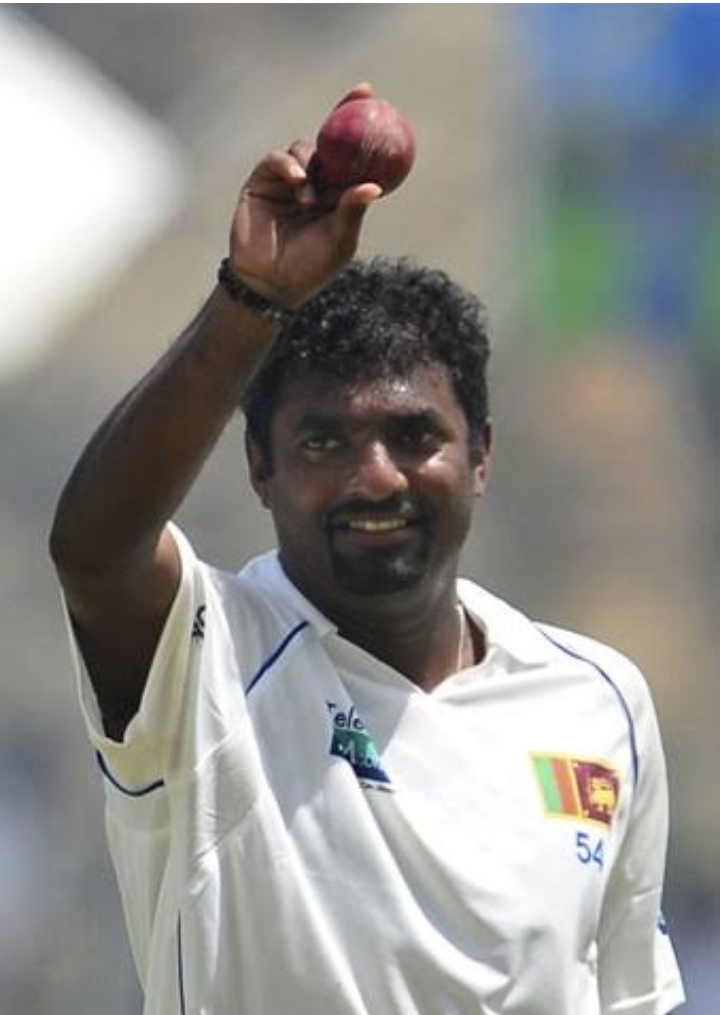
1) Muttiah Muralitharan

Muralitharan is one of the biggest bowler in cricket history. He is a right- arm off break bowler. He made his debut vs Australia in R.Premadasas stadium on 28th August 1992. With his right-arm off break bowling style he has 1347 international wickets in his name which came in just 583 innings with an average of 22.86. He had conceded runs with an economy of 2.92.

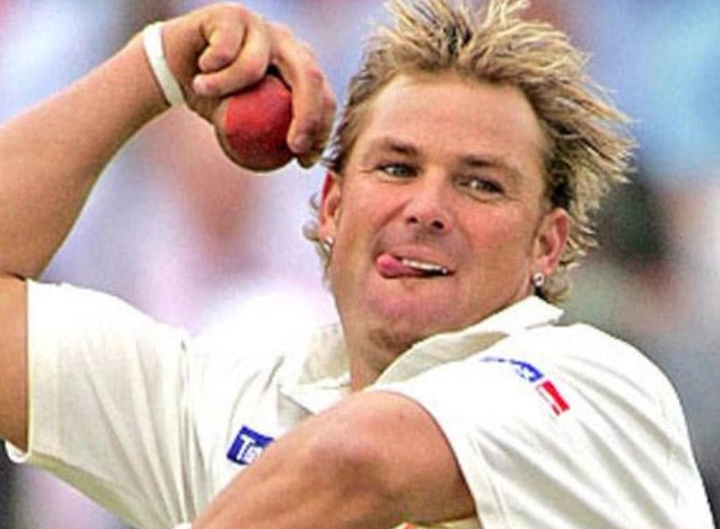
2) Shane Warne

Shane Warne is one of the biggest Australian spinner around the world. He is well known for his magical skills of turning the ball. He is a Right-arm leg break bowler. He made his international debut vs India in Sydney Cricket Ground on 2nd January 1992. He has 1001 international wickets in his name which came in just 464 innings with an average of 25.51. He had conceded runs with an economy of just 2.98.

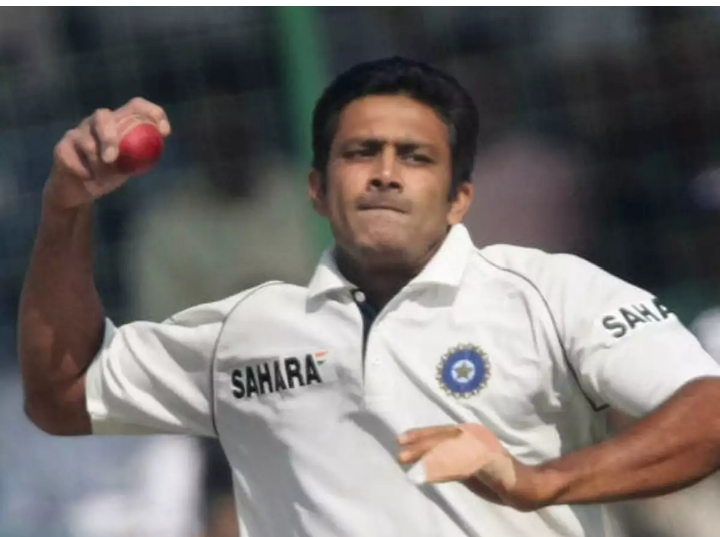
3) Anil Kumble

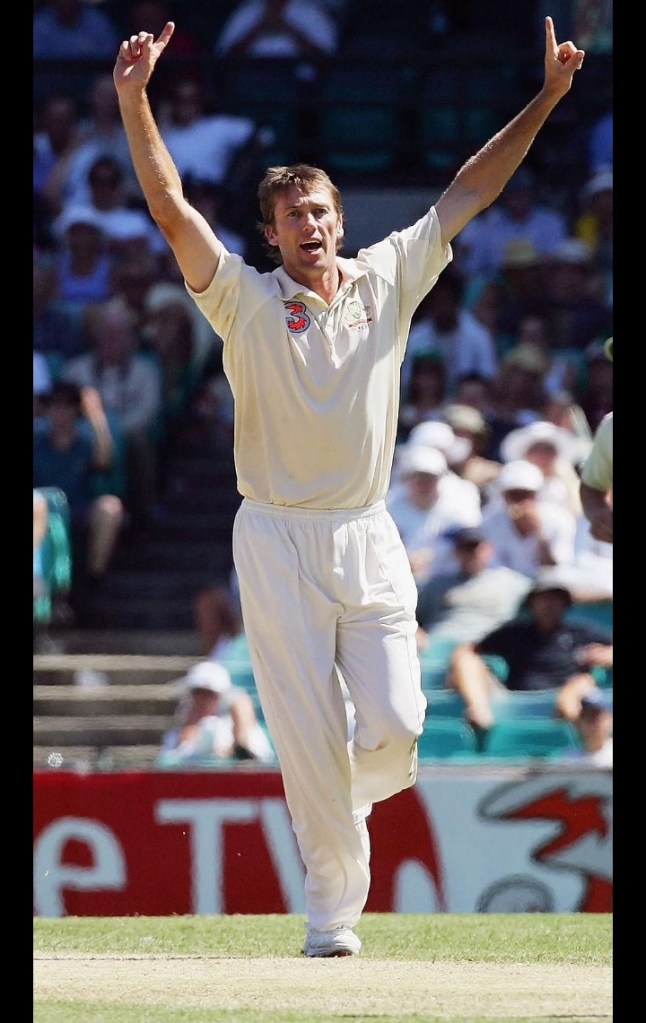
4) Glenn McGrath

Anil Kumble know as the gem of Indian bowling. He is one of the greatest spinners in India. He is a Right-arm leg break bowler. He made his international debut vs SriLanka in Sharjah Cricket Stadium on 25th April 1990. He has 956 international wickets on his name which came in just 501 innings with an average of 30.09. He had given runs with an economy of just 3.11.

Glenn McGrath another great Australian bowler know for his ability to swing the bowl. Mcgrath had a very great rivalry with sachin. He is a Right-arm fast-medium bowler. He made his international debut vs Newzealand in W.A.C.A. Ground in 12th November 1993. He has 949 international wickets on his name which cam win just 493 innings with an average of 21.76. He had conceded runs with an economy of just 2.93.

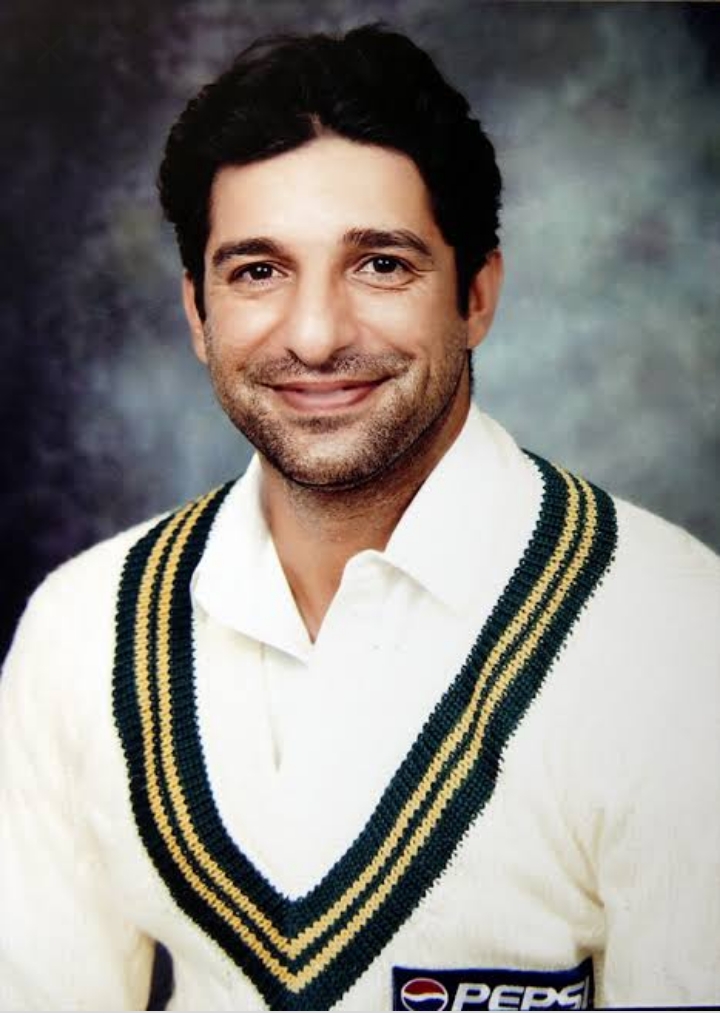
5) Wasim Akram

Wasim akram know as the legend of pakistan bowling. He had made his huge name on his ability to swing the bowl and gave batsmen’s a nightmare. He is a Left-arm fast bowler. He made his international debut vs Newzealand in Iqbal Stadium on 23rd November 1984. He has 916 international wickets on his name which came in just 532 innings with an average of 23.57. He had conceded runs with an economy of just 3.17.

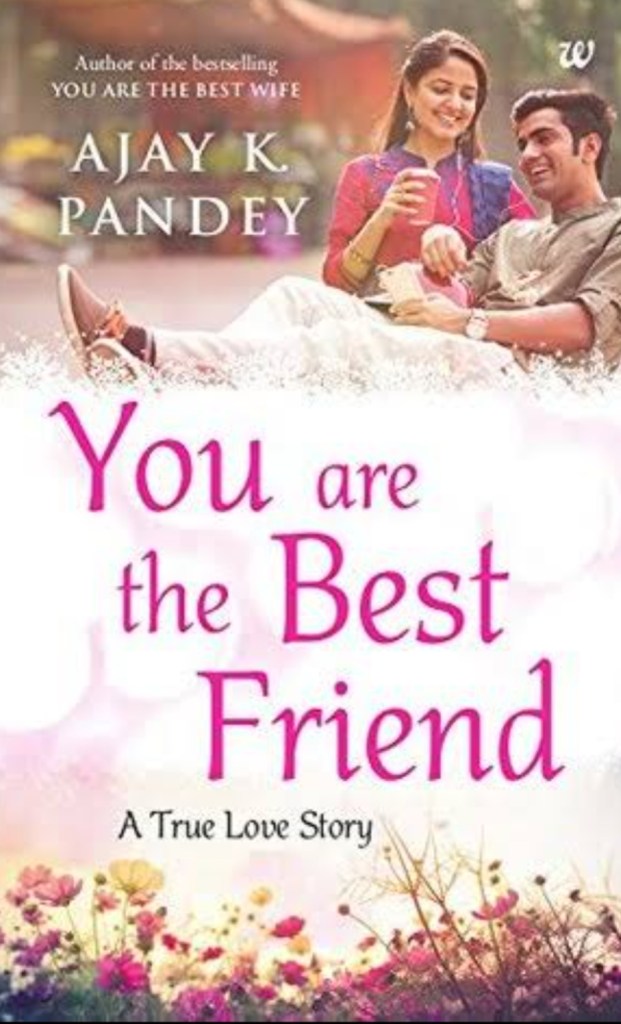
You are the best….

These books below are by: Ajay K Pandey

Sequel: 1

Ajay believes in living for himself; Bhavna teaches him to live for others. Ajay is a planner for life; Bhavna makes him live in every moment. You are the Best Wife is a story of two people with contradictory ideologies who fall in love. It changes them for good. It changes the way they look at the world and the way the world looks at them. Until destiny reveals its plans. This is a true inspiring story of the author and his struggle with life, after his beloved wife left him halfway through their journey. But her last words, ‘you are the best husband’ gave him the strength to live on, and fulfil his promise of love. Told with frankness and doses of humor, this heartwarming tale of a boy and a girl who never gave up on their love in face of adversities, ends on a bittersweet and poignant note as Ajay comes to terms with the biggest lesson life has to offer.

Every person’s life ends the same way. It’s only the details of how he/she lived that distinguish one person from another

You are the best wife (Ajay K Pandey)

It is based on a true story. It has a sequel too. This story has a sad and an emotional ending. But the whole story ends at the book 2.

Sequel:2

Ajay has lost his wife and is deep in depression. No amount of medication or therapy seems to help him as he struggles with his grief. He has only one wish—he wants to immortalize his wife. Then, he meets Anisha, who is shocked at Ajay’s hatred towards God. How can a person hate God? Where would that hatred lead him? Anisha is ready to judge Ajay harshly, when a simple, caring and guileless gesture changes her perception of him. So begins the journey of two people who are poles apart. A journey which will change their outlook towards life. A bittersweet tale, told very simply, by a man who lost everything, except his ability to find humour in the world. This is the story of Ajay who finds a second lease of life. What helps him? A friend? Or the love that he finds again?

This is the sequel of “ You are the best wife”. This book has a happy ending.

Both of these books are meant to read. If you read one and leave the other, the story will be incomplete. The story is written completely from heart and soul and directly touches your heart. These books inspire you to believe in yourself and fulfill your dreams.

The first sequel will make you tear up and the second will bring peace to it. You will start to value and celebrate every moment with your loved ones. This story will touch deep down your heart and make an impact. The characters are described in a detailed wonderful way.

I recommend these books to those who believe in love stories. For those who believe in LOVE. It is a sentimental story but effective one. Worth all the time you spend on reading.

Like I say : Reading books is magic, it makes you live hundreds of lives in a single one. Or atleast that’s what I believe. Hopefully this book will have an impact and magic you are/ were waiting for. I’ll take a leave.

And Thanks. 😇

Top 5 batsmen of all time

Cricket one of the famous sports in India and in many other countries all around the world. Some love batsmen and some love bowlers. So here is the list of five best batsmen of all time

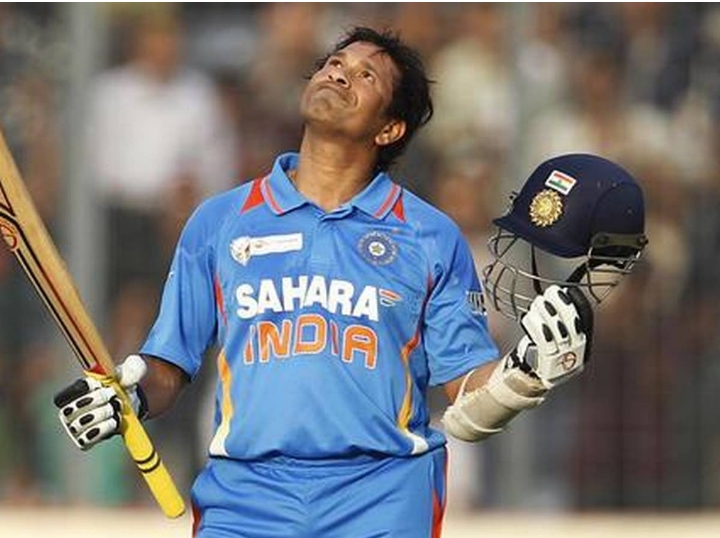
1) Sachin Tendulkar

Sachin Tendulkar or God of cricket, who does not know him. Everyone all around the globe is familiar with this name even if they love cricket or not. Sachin test debut was on 15 November 1989 vs pakistan. Sachin’s international runs of all three format is 34357 in just 782 innings with an average of 48 and strike rate of 67.58. He also has 100 international centuries on his name.

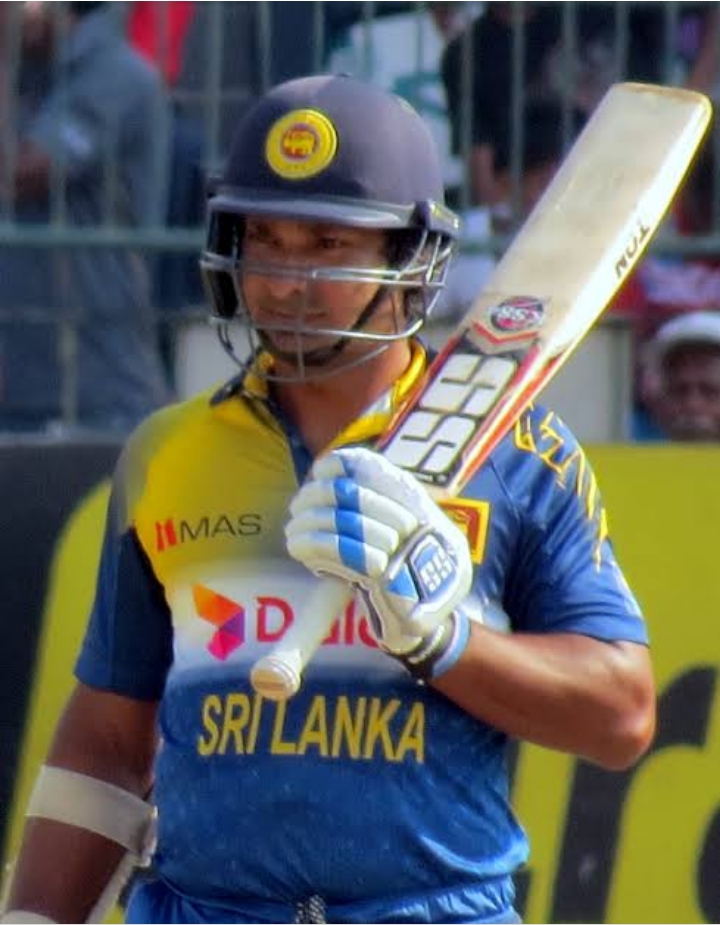
2) Kumar Sangakkara

Kumar Sangakkara is one of the most successful wicket- keeper batsmen and also a successful captain of SriLanka. He made his debut against Pakistan in Galle international stadium on 5th July 2000. He scored 28016 international runs in all three formats in just 666 innings with an average of 46.77 and stikr rate of 66.56. He also has 63 international centuries on his name.

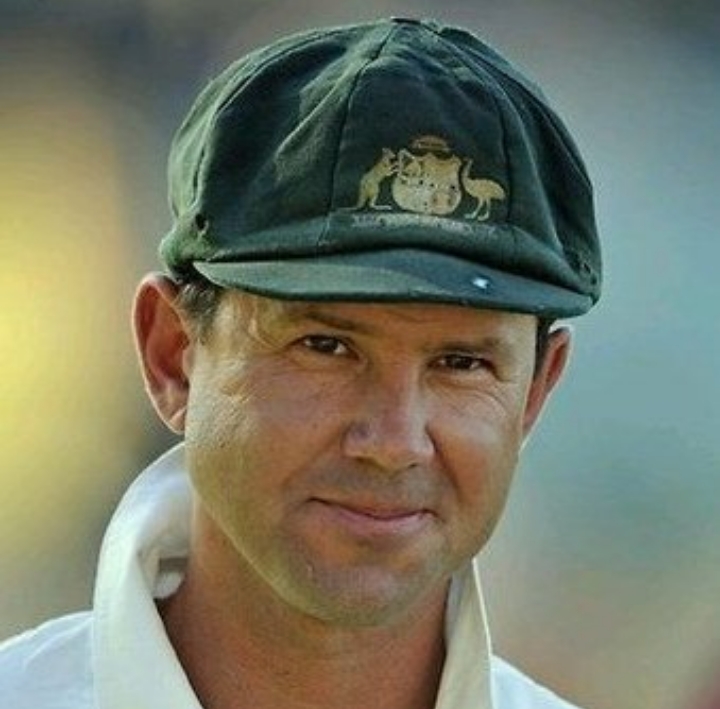
3) Ricky Ponting

Ricky ponting is one of the most successful batsmen and captain of Australia till now. He made his debut vs south africa in Basin reserves stadium in 15th February 1995. He has 27483 international runs on his name in just 668 innings with an average of 45.95 and strike rate of 68.48. He also has 71 century on his name.

4) Mahela Jayawardene

Mahela Jayawardene is also one of the successful srilankan captain under his captaincy srilanka wents to final in 2007 world cup but unfortunately they lost the game. He made his debut vs India in R.Premadasa stadium on 2nd August 1997. He has 25957 international runs on his name in just 725 innings with an average of 39.15 and stike rate of 64.73. He also has 54 centuries recorded on his name.

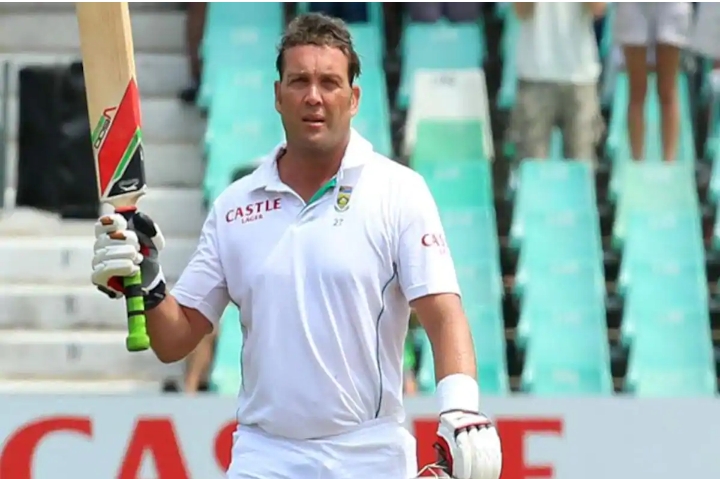
5) Jacques Kallis

Jacques Kallis is known as the best cricket all rounder all around the world. He made his debut vs England in Kingsmead stadium on 14th December 1995. Under his 20 year long cricket career he has made 25534 international runs in just 617 innings with an average of 49.10 and strike rate of 56.30. He also has 62 international centuries recorded on his name.

FRIENDS: Our Chosen Family

Friendship is one of the purest forms of relationship. It’s a connection built on affection, love, and trust in each other. True friends are those who stay with you in your toughest times and show empathy to you no matter what. It is evident that when you are in any problem, the first thought that arises in your mind is FRIENDS. You also never miss a chance to share your happiness with them. If you are happy, your friends are, and vice-versa.

Always value your friends, their love, and their trust. Such people are rare who take care of you and ask about you as to how you are. Friendship can mold a person to his/her best version. They correct you when you go wrong and appreciate you when you are correct. Friends bring happiness and joy to our lives. Friends can have a great impact on your mental and physical health. When we are sad, they are always there as stressbusters.

From those crazy night stays to sleeping the whole day, we have had lots of fun. We plan to go out for movies, having yummy pizzas and burgers, enjoying fresh air by the beachside. Friends never fail to tease each other and be mischievous. They find reasons to irritate each other till the other person is tired of it. So, it’s always amazing to be surrounded by crazy friends.

Everything doesn’t always go peaceful. There are ups and downs in friendship too. If there are any misunderstandings or arguments, try to clear them out calmly. Never let go of the matter easily because genuine friendships are never that weak to break easily.

True friends are those-

  • Who accept you the way you are.
  • How big the matter maybe, they will not leave you to suffer alone. 
  • Who don’t hesitate to stay open with you.
  • Who cares for you feelings and love you the most.

Why are friends needed in life?

  • Emotional support: Friends are the ones who can completely relate to you in all situations because they have also undergone the same phase that you are. You have a belief that you possess friends who are available for you anytime you need them. They support you even when you don’t ask for it.
  • Stressbusters: If you are upset or sad, run to your friends for a bag filled with laughter. When you realize you have amazing friends around you who know your likes and dislikes, then they use those to make you happy.
  • Encourage you: It doesn’t matter if you don’t succeed in the task you have tackled. You have friends who motivate you to your fullest whenever you need them.
  • Building your confidence: When you lose your self-esteem, friends are there who don’t let it break at any cost. They build up your confidence by praising you for how amazing you are.

Finding friends with the same disorder is a blessing !

Always aim at strengthening your friendship. Don’t stop yourself from sharing your problems or feelings with them assuming they would think bad about you. Spend time with them, try to understand their feelings, mingle with them whenever you have a chance.

Don’t make fake friendships. You are indeed using that person for your work to be done. And don’t encourage it too. They remember you when their work should be done and then forget you. Friends aren’t those who forget you, isn’t it?

True friends are the ones you stay with you till the end of your lives. Friends are the most precious gems of our lives. Always look after them whenever they need you, lock them in your hearts and support each other throughout your lives.

Dangerous spiders species on the globe

Spiders are dangerous or can be said extremely dangerous but not all. Some are dangerous and deadly for humans too.

Spiders are arthropods having eight legs. They are able to inject venom. They are the largest order of arachinds. Spiders are found world wide on every continent except Antarctica.

1) Wolf spider

Wolf spider are family of Lycosidae. Their eyesight is excellent, their uniqueness is that they don’t spin webs. They hunt alone. They inject venom directly in to their prey’s body. Symptoms of their bite include swelling, mild pain, itching. They are found in Australia and South America.

2) False widow spider

False widow spider is also known as noble false widow in United Kingdom. They are popular for biting humans in uk but their bite just have symptoms as similar to bee or wasp. They are considered as the dangerous species in Europe. Their venom has the power to induce neuromuscular paralysis, extreme pain and can be fatal.

3) Black widow spider

Black widow spider are found in America, Newzealand and southern Africa. The females are black coloured sometimes it may be lighter with red colour. They have hourglass shape. Their venom has latrotoxin which means their bites are dangerous causing severe muscle pain, abdominal cramps, musle spasm. Symptoms last for 3-7 days. In US each year about 2,200 people are being bitten by black widow, some bite need no medical attention as no venom has been injected in that bite.

4) The Brazilian wandering spider

The Brazilian wandering spider are dangerous but has medical significance too. They use their venom to usually attack their prey. Due to their wandering nature they are considered as dangerous.

5) Funnel web spider

Funnel web spiders are found in Australia. They are mostly deadly as well as most medically significant. Their venom is really toxic. Bites from this spider has reported 13 deaths in Sydney from which 7 were children.

RBI lifts ban on HDFC

A bank spokeswoman stated that the Reserve Bank of India (RBI) has lifted an eight-month ban on HDFC Bank, which is a huge relief for the private sector lender. After several issues with digital banking, cards, and payments on the bank’s platform in the last two years, the bank was stopped from issuing new credit cards and launching any new digital goods on December 3, in an unprecedented action. HDFC Bank, India’s largest credit card issuer, has lost market share in recent months as sales have slowed due to limits on issuing new cards. From November 2020 to May 2021, the number of outstanding credit cards decreased from 15.4 million to 14.9 million.

THE CORONAVIRUS- 20 MONTHS LATER

COVID-19 is invisible the disruption it has triggered is visible everywhere. COVID-19 the disease caused by the virus has been wreaking havoc across the world for the last twenty months. No part of the planet has been left untouched. How safe is the world faring today? Some experts refer to number showing that the world is better off given the fact that COVID is less deadly than the “Spanish flu” safe vaccines were developed and record times vaccinations work treatment other than vaccines for covid have been proven to work too and open science has led to a life saved.

Granted no two pandemics or the same, covid and the Spanish Flu belong to different eras. Science is not as advanced 100 years ago as it is today. The world population at 7.8 billion today is much bigger. Still, the sheer numbers are instructive. when the Spanish flu pandemic hit it had infected an estimated 500 million people between 1918 to 1920 and killed up to 50 million or 10% of the fatality rate- during a period when the planet’s inhabitants were still less than two billion. The world today is truly more global with both its upsides and downsides. This makes covid truly a pandemic. one cannot unmake travel. have but this has a potentially dangerous downside: in the case of smaller island nations, their very existence is at risk warned World Health Organization.

There are at least 21 COVID-19 vaccines approved today vaccines were developed in record time using at least three platforms. The World Health Organization so far approved seven vaccines. experts estimate that if 30.2 million vaccines are produced daily around the rate of 349 vaccines per second that number would enable the world to achieved herd immunity in the next 12 months. The current batch of approved vaccines is highly effective at preventing severe cases. However, they are less effective and preventing mild cases of the delta. Science benefits mankind. In this pandemic-keeping science, open help save lives. As the research findings are getting translated and to practice even more rapidly open science encourages a broader endorsement of the principles that science should always be a rigorous process reliable and transparent. They had some glitches but in general, the world has seen an unprecedented pace of research and development in the midst of COVID. Rapid sharing and review of research data have greatly improved understanding of the pandemic which has led to reducing mortality. Another benefit of open science is greater scrutiny of informed consent and in any drug study, adverse effects cannot be neglected.

But despite these developments, there are still some worries. What Health Organization has approved seven covid vaccines. more than 190 countries have approved vaccines that are at least 138 vaccines candidates and 404 vaccine trials. But there isn’t enough vaccine stock in the world. Wealthy nations are funded by vaccine research have plenty of vaccine supplies while underdeveloped countries struggle. Online learning helped to win the virus that was ramping across the world. It wasn’t perfect but allowed education to continue even when schools were closed. decent learning is never the same as classroom learning. Life on a university campus the education of life itself students missed all that. Not to mention the difficulty in accessing the internet for students living in poorer sections of society.

CAREERS TO CHOOSE AFTER 12TH WITH PHYSICS, CHEMISTRY AND BIOLOGY SUBJECTS.

. BSC BIOTECHNOLOGY

It is one of the most popular undergraduate programmes. As the name suggests it’s a mixture of Biology and Technology. It basically helps to improve human and plant life.

. SCOPE

Many companies hires graduate with biotechnology degree. It opens doors in paramaceuticals industry, healthcare sector, genetics, clinical research and many more

. SALARY

An average salary of a biotechnologist is 4.5L to 5.0L per annum.

. BSC PSYCHOLOGY

It’s a three years undergraduate programme. It provides in-depth knowledge of human behaviour and captures all the information about the human brain and it’s emotions. The program involves both theoretical and practical knowledge

. SCOPE

A graduate can seek job opportunities at research labs, welfare organisation, rehabs, counselor, psychologist, etc

. SALARY

An average salary of a psychology graduate can be 4.10L or more per annum.

. FOOD SCIENCE

It involves a throughout understanding of biological and chemical procedures affecting plants, dairy and food. The techniques involves production, processing, preservation, packaging, labeling, quality management and distribution of food products.

. SCOPE

A graduate can take up food technology jobs in food processing companies, quality control organization and many more.

. SALARY

The average salary of a graduate in food technology science can be 4.12L to 5.0L per annum.

. ZOOLOGY

It’s a branch of biology that deals with the study of animal kingdom. They study animal behaviour, genetics, biodiversity and many more things.

. SCOPE

A graduate can look for job opportunities in public and private sectors as a wildlife biologist, zoo curator, zoology faculty and many more.

. SALARY

A graduate can earn upto 6.0L per annum.

Why do we sneeze?

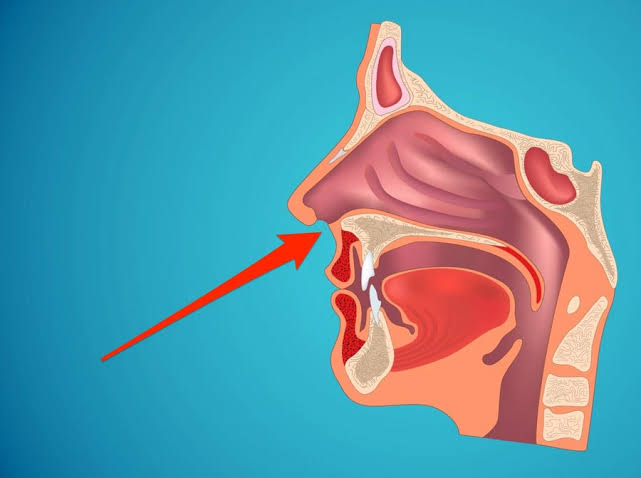
Sometimes dust, flakes of dead skin, pollution, microbes, or your own booger build up from a cold find their way into your nose’s passages. When mucous membranes in the lining of your nose detect this intruders, they sent an urgent message to your brain : Unleash a sneeze !

How do we sneeze?

You don’t have to do anything.react Sneezing is a lightning-fast-involuntary reaction, in which your chest,stomach, throat, and face muscles work together to blast particles from your nasal passages. The whole process last less than 3 secondsprofiles The whole process last less than three seconds, and it propels spit, boogers, chewed food, and other particles from your nose and mouth at nearly 100 miles per hour or 161 kph.

Why do we upchuck when we get sick?

If you catch a stomach flu ( usually a virus in your guts ), swallow food spoiled by bacteria, or simply pig out your body rebels, your stomach will kick into reverse to eject whatever’s causing the trouble. Your guts churn, your head spins, and your throat begins to burn.Before you know it, blaaargh! You have launched your lunch !Clammy skin, waves of uneasiness, and a queasy feeling known as nausea usually precede puking, giving you a heads-up to hang your head over the toilet. Motion sickness – a condition brought on by winding roads, rocking boats,or back to back rides on the Tilt-a-Whirl – can lead to hurling, too.

Why does throw – up burn my throat?

Your stomach contains powerful acids that help break down food, and some of this sour-tasting gastric juice get pumped up and away when you puke. Although a wave of spit and mucus helps protect your throat and mouth when you vomit, you will still feel the burn. Particularly forceful barfing sessions will propel puke into your sinuses and out your nose, producing an eye-watering sting. Nasty !

Why hasn’t medical science found a cure for the common cold?

You’d think curing a case of the sniffles would be a cinch for the scientists who invented artificial hearts and defeated lethal diseases like smallpox and polio. But eliminating the common cold is tricky because it is actually caused by more than 200 evolving viruses that all produce the same symptoms ( whereas smallpox was caused by just one virus).

Why does my nose run when we get a cold?

Your nasal membranes make mucus – aka snot – and this sticky substance serves as security against germs, dust, and pollen particles that would make breathing difficult if they reached our lungs. Moved along by tiny nostril hairs called cilia, snot pummels and pushes invading particles toword the exit – your nostrils – or dumps them down your throat. Your body produces nearly wo gallons (7.6 L) of mucus each week. You usually swallow all that snot without giving it a second thought. Catch a cold virus or come under an allergy attack, however, and the membranes pump up the volume. Your nose turns into a leaky snot faucet. You start coughing up globes of phlegm – a type of mucus produced in your throat and lungs. A hacking cough and runny nose are your body’s ways of flushing all the bad stuff.

Where do boogers come from?

Snot is sticky for a reason – it collects all the crud that get up your nose. Once snot reaches the nostrils, it dries into crumbly little boogers for easy disposal. Polite people blow them into tissues ; everyone else engages in rhinotellexis. The technical term for nose -picking.

How can we avoid germs?

  • Wash your hands with soap and water for at least 20 seconds after you touch any potentially infected surface or person.
  • Don’t touch your face after touching an infected surface. It’s a sure fire way to get sick !
  • Get vaccinations for all the major germ based illness from your doctor. Vaccine contains trace amounts of ( or weakened )microbes that trigger your body into making antibodies to fight against specific diseases, making you immune to them.
  • Be careful about sharing food or drinks with sick friends.
  • If you get sick, remember : the inside of your elbow makes a great sneeze shield. You might coat your arm in snot, but at least you will avoid infecting everyone in your launch zone.

How are germs spread?

Every time an infected person coughs or sneezes, he or she spreads sickness. One sneeze alone can launch thousands of germ-jammed droplets nearly 20 feet (6m), potentially infecting anyone in the blast radius. Bacteria and some viruses can survive for a short time on door handles, bathroom counter, and other surfaces.

References :

WHY?-Answers to everything, Image publications.

Need For Women Safety In India

By Anshiki Jadia

Ladies in India, today, are turning into the most weak segment all things considered. Ladies are the best strength of our general public and it is so debilitating to see that they are getting risky step by step as the quantity of violations against them are expanding. As indicated by a survey by Reuters, India has been positioned the most perilous country out of the world’s 10 most noticeably awful nations for ladies. At the point when we turn the pages of a paper, we go over many title texts revealing instances of attack, badgering, dealing, abuse of ladies in houses, brutality against ladies in distant regions and so forth Ladies feel risky and unstable and feel that their opportunity and freedom are open to hazard. It is excruciating to envision the predicament of ladies who are victims of such violations. It is a shake on the certainty of the ladies of the general public and on our legal framework.

As indicated by the National Crimes Records Bureau(NCRB), India recorded 88 assault cases each day in 2019 and wrongdoings against ladies expanded by 63.3% in the initial a half year of 2021. NCRB report features that assault weakness of a young lady or lady has expanded up to 44% over the most recent 10 years. According to the most recent NCRB information, KOLKATA dominates the competition in security, for ladies, however generally speaking also. To shield ladies from aggressive behavior at home THE PARLIAMENT OF INDIA passed ‘The Protection of Women from Domestic Violence Act 2005’.

Significance OF WOMEN SAFETY-

Security of ladies is vital in this pitiless and fiendish society. As the quantity of bodies of evidence are emerging against ladies, practice the laws and get the criminal captured and rebuffed straightaway. It assists ladies with being more settled, comprehension and they feel ensured. They will trust the public authority if the criminal gets required discipline on schedule. It will foster body and psyche control in them. They will take dynamic part in all things if appropriate wellbeing is guaranteed to them. There are laws yet there ought to be appropriate wellbeing estimates which we need to follow rigorously to shield the ladies from savagery.

We for the most part look for someone else to take the blame for any such occurrence and henceforth have not prevailed to arrive at the underlying driver of this issue. A successful execution of misfortune ensuring ladies’ privileges is the initial phase toward this path. There ought to be rigid misfortune and the crooks of such wrongdoing ought to be seriously rebuffed.

Violations AGAINST WOMEN-

In India, lewd behavior, assaults, aggressive behavior at home, settlement cases and murder are normal types of brutality against ladies. It is found in certain spots that even today, there is a practice of taking share from the young lady’s family and the dad forfeits and loses everything to pay it. Abusive behavior at home is likewise expanding seriously where one accomplice or a man mishandles another accomplice or a young lady in a relationship. It prompts discouragement and suicides. It’s anything but an immediate homicide yet it is the reason for homicide without a doubt. Cheating in a relationship and giving separation is likewise a wrongdoing against ladies which annihilates the entire existence of a ladies and the man effectively tracks down another young lady and weds her. Corrosive tossing is viewed as the most horrifying wrongdoing against ladies which ruins the excellent young lady’s life and left her in a condition of shock.

HOW Might WE SAFEGUARD WOMEN OF OUR SOCIETY?

We likewise need to make social mindfulness about these issues and exclude the individuals who carry out such wrongdoings and not the people in question. Ladies security is a vital worry in India and a great deal of associations began chipping away at it after Nirbhaya’s case. Ladies ought to be shown some self-preservation tips and deceives in schools, universities, workplaces and private provinces, so that in the event that anybody attempts to hurt them, they can apply these stunts to ensure them and hurt the individual attempting to assault her. Likewise, different recordings of self-protection methods are transferred on the web, on different online media stages for instructing ladies’ wellbeing. Ladies should consistently put some cold powder, ginger-garlic glue or some hurting materials while going out to hurt the assailant. To guarantee the security of the ladies in the country, the whole populace ought to be knowledgeable and the laws ought to be exceptionally extreme against each sort of wrongdoing. Both the people of the general public ought to be engaged with appropriate schooling and pay so they can battle against any mischief to them. There are likewise different helpline numbers for guaranteeing ladies security in India. Just when these actions are taken, India can turn into a lighthearted and charming spot for ladies when they can go any place they like to with no dread of being gazed at, attacked or segregated.