10 Upcoming Marvel shows

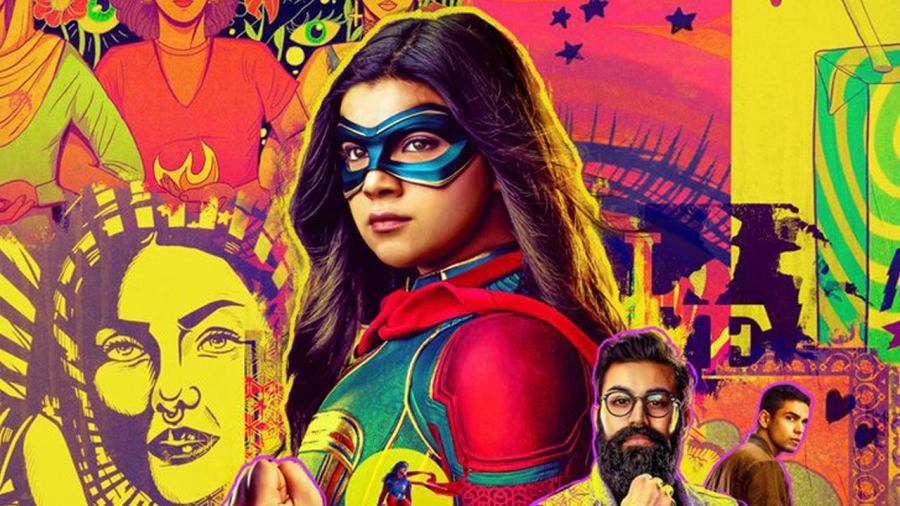
1. Ms. Marvel

A great student, an avid gamer and a voracious fan-fiction scribe, she has a special affinity for superheroes, particularly Captain Marvel. But Kamala struggles to fit in at home and at school—that is, until she gets super powers like the heroes she’s always looked up to. Life is easier with super powers, right?

2. She-Hulk: Attorney at Law

Premiere Date: August 17

Number of Episodes: 9

“She-Hulk,” a new comedy series coming to Disney+, stars Tatiana Maslany as She-Hulk/Jennifer Walters, a lawyer who specializes in superhuman-oriented legal cases. “She-Hulk” will welcome a host of Marvel characters to the series, including the Hulk, played by Mark Ruffalo, and the Abomination, played by Tim Roth. The series is directed by Kat Coiro and Anu Valia; Jessica Gao is head writer.

3. Secret Invasion

4. X-Men ’97

X-Men ’97 will be the first Marvel Studios project to not be a part of the Marvel Cinematic Universe, and not produced by Kevin Feige.

5. Ironheart

Iron heart will tell the story of an engineer who develops the most advanced suit of armour since Iron Man himself and then becomes a superhero.

6. Armor Wars

The upcoming series centres on Don Cheadle’s James Rhodes, a.k.a. War Machine, as he finds himself facing new threats after the death of his long time BFF Tony Stark. The show will follow Rhodey as grapples with one of Tony’s biggest fears: What happens when Stark tech falls into the wrong hands? 

7. I Am Groot
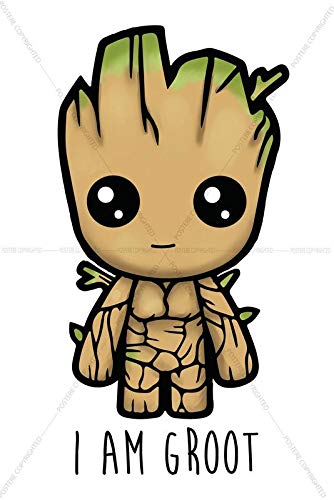
Baby Groot returns! The tiny arboreal hero will star in a new series of shorts on Disney+, joined by “several new and unusual characters.” 

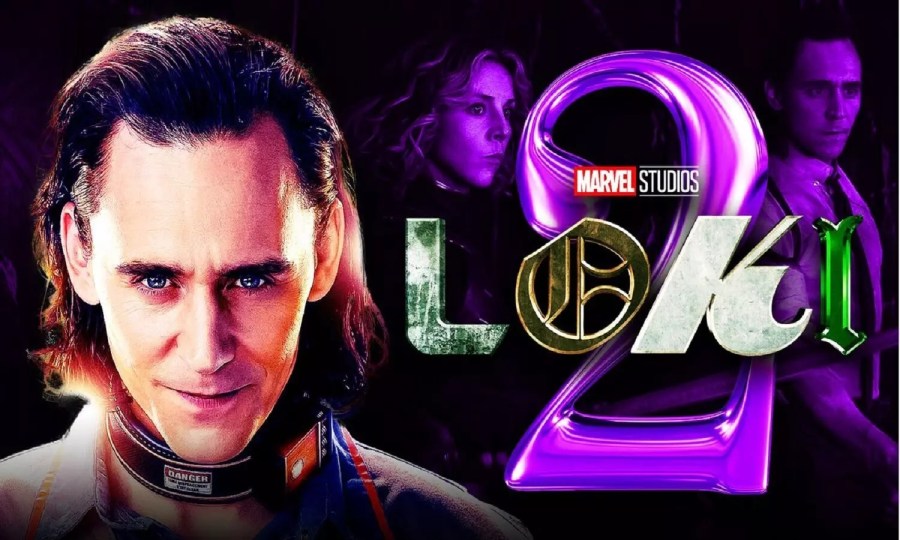
8. Loki Season 2
9. What If…? Season 2
10. Agatha: House of Harkness

This new spin-off Disney+ series will see Kathryn Hahn reprising her role as the evil witch Agatha Harkness, who is one of Earth’s most powerful witches, and lives for centuries, her ageing is slowed thanks to magical means.
Safeguarding Aadhaar Data

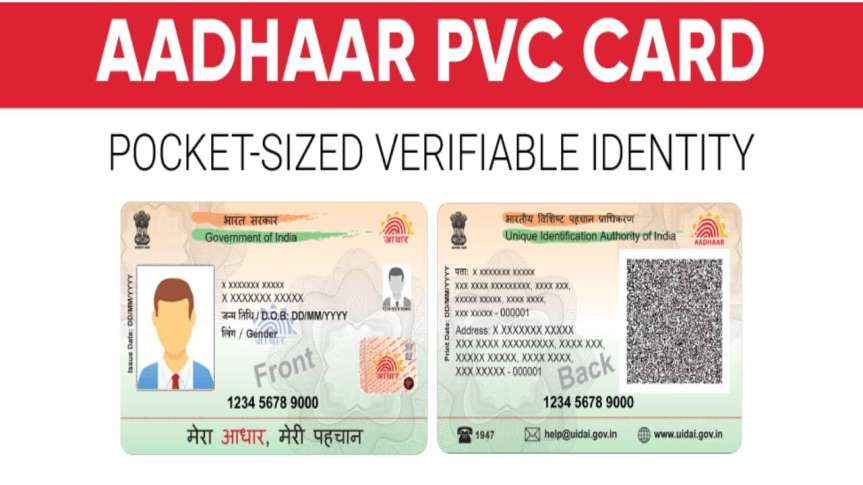
Recently, Unique Identification Authority of India (UIDAI) first issued a warning to the public not to share a photocopy of their Aadhaar with any organisation, and then withdrew the warning over worries that it was open to “misinterpretation”.

What is the Unique Identification Authority of India?

The UIDAI is a statutory authority established on 12th July 2016 by the Government of India under the jurisdiction of the Ministry of Electronics and Information Technology, following the provisions of the Aadhaar Act 2016. The UIDAI was initially set up by the Government of India in January 2009, as an attached office under the aegis of the Planning Commission.

The UIDAI is mandated to assign a 12-digit unique identification (UID) number (Aadhaar) to all the residents of India.

As of 31st October 2021, UIDAI had issued 131.68 crore Aadhaar numbers.

What was the Initial Warning from UIDAI?

The UIDAI warned the “general public not to share photocopy of one’s Aadhaar with any organisation, because it can be misused”.

  • Rather, it recommended using “a masked Aadhaar, which displays only the last four digits of the Aadhaar number,”.
  • It also asked the public to avoid using public computers to download their e-Aadhaar.
  • In that case, they were reminded to “permanently delete” any downloaded copies of the same.
  • Only those organisations that have obtained a User License from the UIDAI can use Aadhaar to establish the identity of a person.
  • Moreover, hotels and movie theatres are not allowed to collect or maintain copies of the Aadhaar cards, due to the Aadhaar Act.

What are the Concerns related to Aadhaar?

Misuse of Aadhaar Data:

  • Many private entities in the country insist on an Aadhaar card, and users often share the details.
  • There’s no clarity on how these entities keep these data private and secure.
  • More recently with Covid-19 testing, many would have noticed that most labs insist on Aadhaar card data, including a photocopy.
  • It should be noted that it is not mandatory to share this for getting a Covid-19 test done.

Excessive Imposition:

  • In 2018, the Supreme Court ruled that Aadhaar authentication can be made mandatory only for benefits paid from the Consolidated Fund of India and that alternative means of identity verification must always be provided when Aadhaar fails.
  • Children were exempt but aadhaar continues to be routinely demanded from children for basic rights such as anganwadi services or school enrolment.

Arbitrary exclusions:

  • Central and state governments have made routine use of the “ultimatum method” to enforce the linkage of welfare benefits with Aadhaar.
  • In this method, benefits are simply withdrawn or suspended if the recipients fail to comply with the linkage instructions in good time, such as failing to link their job card, ration card or bank account with Aadhaar.

Fraud-prone Aadhaar-enabled Payment System (AePS):

  • AePS is a facility that enables someone who has an Aadhaar-linked account to withdraw money from it anywhere in India through biometric authentication with a “business correspondent” – a kind of mini-ATM.
  • There have been rampant abuses of this facility by corrupt business correspondents.

10 Indian YouTube Channels to watch – [PART-2]

Most Popular Indian YouTube Channels to watch

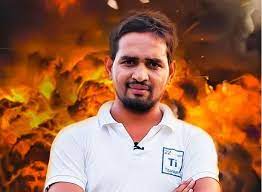
1. Mr Indian Hacker

Dilraj Singh Rawat

Dilraj Singh Rawat, born in 1996, is from Ajmer, Rajasthan. He launched his channel ‘Mr Indian Hacker’ in 2012. “Mr. Indian Hacker” is known for his exciting science experiment videos. He calls his subscribers “titanium army” as he believes we all have titanium in our blood. He always focused on gaining practical knowledge rather than theoretical knowledge. His experiment videos are fun, engaging, and at times even dangerous. Currently he has 25.8 Million Subscribers.

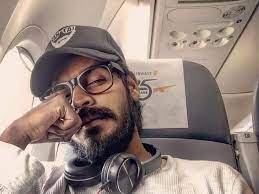
2. Emiway Bantai

Bilal Shaikh is a Mumbai Based Rap Artist. His songs and raps are super popular with the youth of the country. His street style accent and perfect flow of words made him people’s favourite in no time. His collaboration with another famous rapper, Raftaar, for the song #Sadak was his breakthrough. He launched his channel in 2013. Currently, he has 17.6 Million subscribers.

3. The village cooking channel- VCC

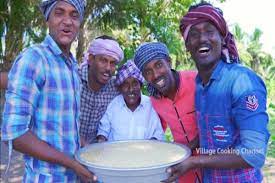
Periyathambi is the face of The village cooking channel. This 83 year old, Tamil Nadu based cook, has gone viral over the net. He has been cooking for the villagers for the past five decades. The channel has 16.7 Million subscribers currently. It was launched in 2018.

4.Khan GS Research Centre

5. Mountain Trekker

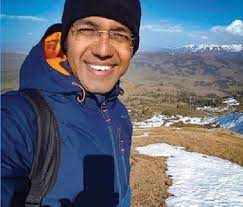
Varun is a travel Vlogger. He posts travel hacks, tips and tricks for an amazing travel experience. He emphasizes on hacks for budget traveling so more and more people can explore the world. His videos are recorded in Hindi and document his thrilling experiences from different corners of the planet. Currently his channel has 1.55 Million subscribers.

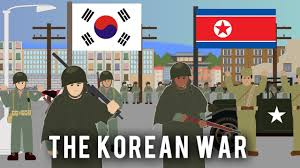
The Korean War! Why?

The Korean War started on June 25,1950 and ended in July 27,1953.

At the end of WorldWar2 in 19545, Korea was freed from Japanese control. North Korea was occupied by the soviets while South Korea was occupied by American forces.

By 1948, the country was divided in half at the 38th parallel with the capitalist south by Syngman Rhee and the communist north by Kim-il-Sung.

The soviet troops withdrew from Korea in 1948 and the US troops withdrew in 1949.

However North and South Korea as enemies of one another would not accept the border between them as permanent. The North Koreans attacked south Korea on June 25th, 1950. Advancing across the 38th parallel. Around 75,000 troops of the North Korean peoples army defeated the Republic of Koreans army with success, capturing the capital city of Seoul, then occupying the whole of South Korea except for Busan.

this was the problem, as the president Truman and the United States wanted to contain the spread of communism by preventing the domino effect i.e., if Korea fell, so would other countries to the ideology

South Korea appealed for support, and the United States pushed a resolution through the United nations Security Council. the USSR didn’t used its VETO power and it was boycotting the council because the new communist China was not accepted. In China’s seat was the pro-U.S Chinese Nationalist Government of Taiwan. An appeal was made by the Security Council for North Korea to withdraw its troops, but was ignored. As a result, approval was granted for UN army made of international force of 16 nations to send help to South Korea , commanded by general MacArthur.

The UN troops composed mainly of Americans, landed in South korea in early july, but were soon pushed back on defense by the North Korean forces, forming a perimeter around Busan to defend the line until reinforcements arrived in August.

On, September 15, the US Marines X Corps launched an amphibious assault at Inchon. The North Korean troops were pushed back on the retreat over the 38th parallel, and soon Seoul was recaptured along with the whole of South Korea by the end of the month.

On, October 12th they captured Pyongyang, the North Korean Capital and the Yalu River, which was the border with the communist China. China retaliated by helping North koreans by sending the Chinese troops. The UN troops were pushed over by the new forces with heavy losses.

Again by January 1951, Chinese and North Korean troops had captured Seoul. In june 1952, more US troops were sent to Korea, eventually driving the North Korea to 38th parallel and stabilizing the front.

in July, peace talks began, but there was no compromising. Meanwhile fighting continued and the American Pilots fought in the air against Soviet pilots using Chinese jet fighters.

General Dwight D Eisenhower took over as a president in early 1953 and sought an end to the war. After 2years of negotiations, and armistice was signed on July 27th, 1953 at Panmunjom, on the 38th parallel

A demilitarized zone was setup which stands till date.

MOB VIOLENCE AND LYNCHING

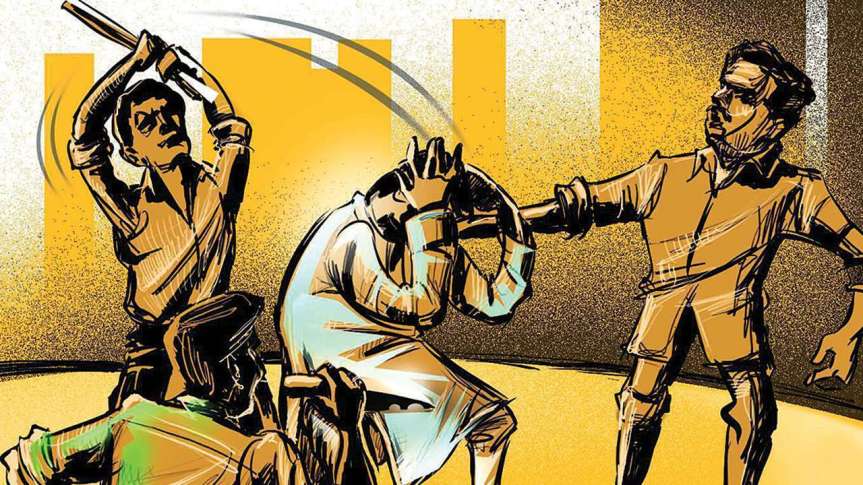
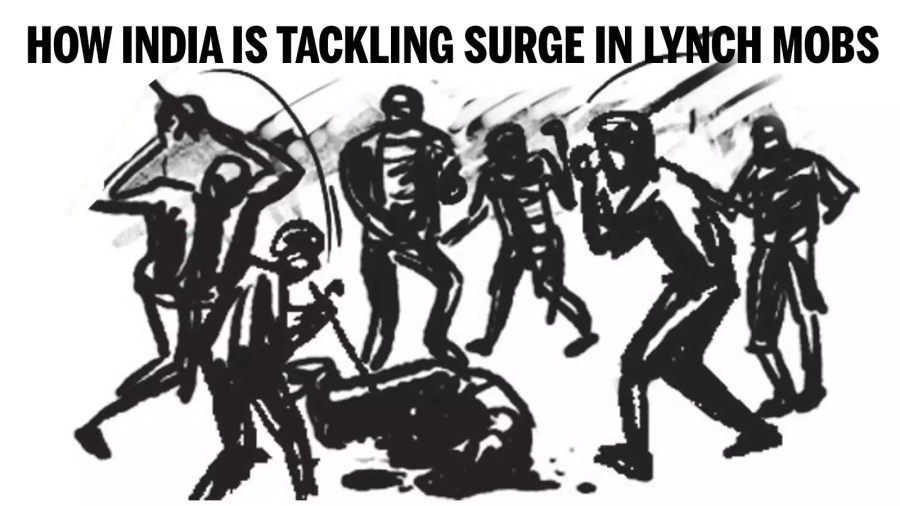
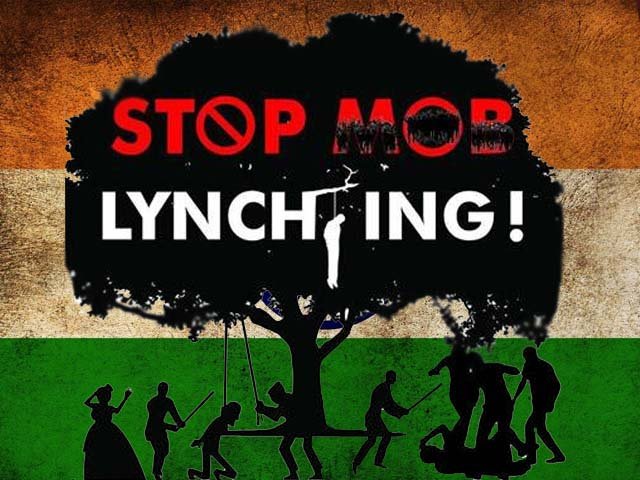
Mob Violence or Lynching is one of the major challenges to State authority. Though it can be done by group of people in rage, typically it involves vigilante group, i.e. self-appointed doer of justice, who keep watch over people and punish them in their own way (Vigilantism). In both forms, it goes against the rule of law and notion of a civilized society due to the destructive expression of emotions in it for immediate gratification.

About Mob Violence/lynching 

Mob Violence or Mob Lynching is defined as targeted homicidal aggression, including killing, against a person/s by a group of people or mob to Punish for a crime actually committed or mere suspicion based on allegations or misinformation.

Fundamentally, it is seen in two ways as- 

  • Defence of society, i.e. protest against anarchy, due to failure of law enforcement agencies in curbing the issues of cow theft, kidnapping, crimes etc. or 
  • Offence against society, i.e. return of anarchy, as it goes against the fundamental principle of law, i.e. what the law provides must be taken by lawful means. Self-appointed people holds no right to undertake law enforcement 
Ethically, it goes against the moral principles like fairness and reasonableness. If it is not controlled, it may give rise to social hatred with increased tendency of mass criminal outburst, ultimately leading to a state of anarchy.

Reasons behind Lynching

  • Religious Beliefs or Principles: Being a multi-religious society, the religious beliefs or principles play an important role with imposition of one’s beliefs on others.
  • Socio-cultural Influences: This includes the historical socio-cultural norms or moral principles which govern a person’s behaviour or attitude towards an action. E.g. From 2000-2012, nearly 2,097 lynching due to witchcraft were reported from 12 states of India. 
  • Feelings of Fear or Hate: Often, the rumours of being kidnappers or actual action of person/s give rise to lynching. E.g. the killing of Sadhus in Palghar on rumour.
  • Lack of trust in the efficacy of laws: Either due to dissatisfaction from implementation of laws or judicial delays, mob justice is seen by non-state actors as a discharge of public duty.

Solution to Lynching 

In Tehseen Poonawalla vs UOI (2018), Supreme Court issued preventive, remedial and punitive guidelines to deal with mob violence and lynching . Calling it a “horrendous act of mobocracy”, the Supreme Court also asked Parliament to establish lynching as a separate offence with punishment. Presently, it is mainly dealt under various sections of IPC with a handful of states taking legal initiatives.

  • Societal Approach: Regulation of social behavior is the first step to stop mob violence and protect rights conferred to the citizens.
  • Governmental Approach: Apart from bringing laws and guiding society on social behaviour, the government should apply emotional intelligence to handle conflicts with equal condemnation of social and political violence to avoid revenge tendencies. 
  • People-centric Approach: As the people make society and government, people must seek true freedom through a life based on reason (objectivity or rational will), self-control and virtues of empathy, compassion, and humanity.
Caste based Census

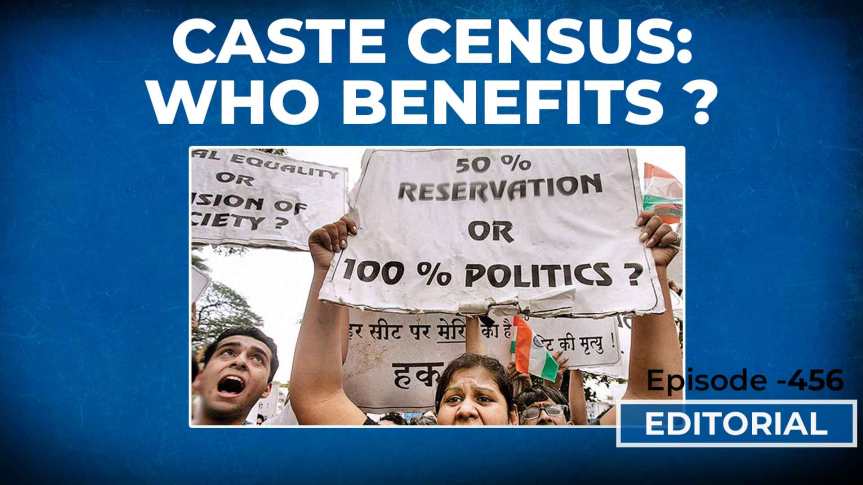
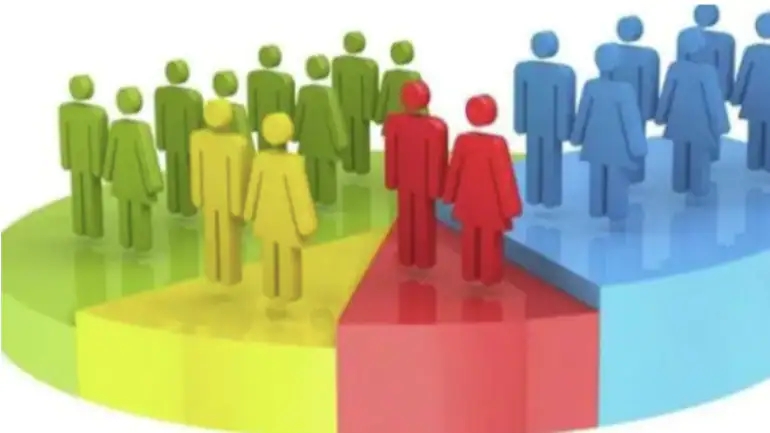
Bihar government has announced that it will undertake a socio-economic survey of all castes and communities (SECC). The Socio-Economic and Caste Census (SECC) was conducted in 2011 for the first time since 1931. SECC is meant to canvass every Indian family, both in rural and urban India, and ask about their:

  • Economic status, so as to allow Central and State authorities to come up with a range of indicators of deprivation, permutations, and combinations of which could be used by each authority to define a poor or deprived person.
  • It is also meant to ask every person their specific caste name to allow the government to re-evaluate which caste groups were economically worse off and which were better off.
  • SECC has the potential to allow for a mapping of inequalities at a broader level.

The Census provides a portrait of the Indian population, while the SECC is a tool to identify beneficiaries of state support. Since the Census falls under the Census Act of 1948, all data are considered confidential, whereas according to the SECC website, “all the personal information given in the SECC is open for use by Government departments to grant and/or restrict benefits to households.”

Pros

  • Helpful in Managing Social Equity Programmes: India’s social equality programmes cannot be a success without the data and a caste census would help fix that.
  • Due to the lack of data, there is no proper estimate for the population of OBCs, groups within the OBCs and more.
  • Census enumeration would yield a wealth of demographic information (sex ratio, mortality rate, life expectancy), educational data (male and female literacy, ratio of school-going population, number of graduates) and policy relevant information about economic conditions (house-type, assets, occupation) of the OBCs’.
  • A caste-based census could go a long way in bringing a measure of objectivity to the debate on reservations.

Cons:

  • Caste has an emotive element and thus there exist the political and social repercussions of a caste census. There have been concerns that counting caste may help solidify or harden identities.
  • Caste Is Context-specific: Caste has never been a proxy for class or deprivation in India, it constitutes a distinct kind of embedded discrimination that often transcends class. For example:
  • People with Dalit last names are less likely to be called for job interviews even when their qualifications are better than that of an upper-caste candidate.
  • They are also less likely to be accepted as tenants by landlords. Thus, difficult to measure.
  • Marriage to a well- educated, well-off Dalit man still sparks violent reprisals among the families of upper-caste women every day across the country.

10 Popular Indian YouTube Channels to watch- [PART -1]

YouTube is an American online video sharing and social media platform headquartered in San Bruno, California. It was launched on February 14, 2005, by Steve Chen, Chad Hurley, and Jawed Karim. It is owned by Google, and is the second most visited website, after Google Search.

YouTube is a free to use service and a can be a great space for teens to discover things they like. For many young people, YouTube is used to watch music videos, comedy shows, how to guides, recipes, hacks and more. Teens also use the video-sharing service to follow their favourite vloggers (video blogger), subscribe to other YouTubers and celebrities they are interested in.

When YouTube was created in 2005, it was intended for people to post and share original video content. But since then it’s also become both an archive for storing favourite clips, songs and jokes, as well as a marketing site for companies to promote their products.

Most Popular YouTube Channels to Watch

BB KI VINES

1. BB ki Vines

A Maharashtrian born in Vadodara, Gujarat, Bhuvan Bam launched ‘BB ki Vines’ (https://www.youtube.com/c/bbkivines) in 2015. Currently the channel has 25.4 Million subscribers. BB Ki Vines is a channel that chronicles the everyday happenings in the lives of BB and his family members.

TECHNICAL GURUJI

2. Technical Guruji

Ajmer born Gaurav Chaudhary, launched ‘Technical Guruji’ (https://www.youtube.com/c/Technicalguruji) in 2015. Currently the channel has 22.1 Million Subscribers. This is a channel that is for producing YouTube videos concerning technology in Hindi.

Actor Varun

3. Actor Varun

Varun Pruthi launched this channel with aims at making social experiments, inspirational and motivational videos. His channel has 4.21 Million Subscribers currently. (https://www.youtube.com/c/ActorVarun)

Sandeep Maheshwari

4. Sandeep Maheshwari

An Indian entrepreneur, photographer, and motivational speaker, Sandeep Maheshwari is a renowned name among youngsters. He is also the founder and CEO of Imagesbazaar.com, the largest collection of Indian stock images that have made him one of the fastest-growing entrepreneurs in India. Currently, his channel has 22.8 million subscribers. (https://www.youtube.com/c/SandeepSeminars)

Facttechz

5. Facttechz

Rajesh Kumar is a 20-year-old YouTuber who hails from West Bengal and has created over 500+ videos till now. His YouTube channel showcases topics related to mystery theories, culture, astronomy, tech, scientific facts, etc. This channel has 14.1 Million subscribers. (https://www.youtube.com/channel/UCGdPm5Aq081vVD7ih9jZf6Q)

The rest will be uploaded in the next blog…

The Indian Islands

What is an Island?

An island is any area of land which is smaller than the smallest continent and is entirely surrounded by water.

The major islands groups of India are Andaman and Nicobar Archipelago (A chain of islands similar in origin) in Bay of Bengal and Lakshadweep islands in Arabian Sea.

How are The Andaman and Nicobar Islands formed?

Islands were formed due to collision between Indian Plate and Burma Minor Plate [part of Eurasian Plate][Similar to formation of Himalayas].

These Islands are southward extension of Arakan Yoma range [Myanmar][Arakan Yoma in itself is an extension of Purvanchal Hills].

It consists of two groups of islands at the southeastern edge of the Bay of Bengal. The peaks of a submerged mountain range. The Andaman Islands and their neighbors to the south, the Nicobar Islands form an arc stretching southward for some 620 miles (1,000 km) between Myanmar(Burma) and the island of Sumatra, Indonesia. The arc constitutes the boundary between the Bay of Bengal to the west and the Andaman Sea to the east. Port Blair, (on South Andaman Island) is the territorial capital.

  • The Andaman and Nicobar islands extend from 6° 45′ N to 13° 45′ N and from 92° 10′ E to 94° 15′ E for a distance of about 590 km.
  • The Andaman islands are divided into three main islands i.e. North, Middle and South.
  • Duncan passage separates Little Andaman from South Andaman.
  • The Great Andaman group of islands in the north is separated by the Ten Degree Channel from the Nicobar group in the south.
  • Port Blair, the capital of Andaman Nicobar Islands lies in the South Andaman.
  • Among the Nicobar islands, the Great Nicobar is the largest. It is the southernmost island and is very close to Sumatra island of Indonesia. The Car Nicobar is the northernmost.
  • Most of these islands are made of tertiary sandstone, limestone and shale resting on basic and ultrabasic volcanoes [Similar to Himalayas].
  • THE BARREN AND NARCONDAM ISLANDS, north of Port Blair, are volcanic islands [these are the only active volcanoes in India][There are no active volcanoes in main land India].
  • Some of the islands are fringed with coral reefs. Many of them are covered with thick forests. Most of the islands are mountainous.
  • Saddle peak (737 m) in North Andaman is the highest peak.

Climatic conditions

Andaman and Nicobar Islands climate is a warm tropical climate, with the presence of irregular rainfall during the south-west monsoon. Sea breezes are also common in the tropical climate of Andaman and Nicobar.

The climate in Andaman and Nicobar Islands is characterized with a minimum of 23° C temperature; the maximum temperature in the Andaman and Nicobar climate is 31° C. Thus, it can be said that the climate of Andaman and Nicobar Islands is moderate: the temperature is neither too hot nor too cold in the Island.

Another typical feature of Andaman and Nicobar climate is humidity. Andaman and Nicobar Islands is located in the Bay of Bengal; therefore, it goes without mention that the humidity in Andaman and Nicobar is relatively higher. The relative humidity in Andaman and Nicobar Islands is 70 to 90%

Moreover, there is no extreme in the climate at Andaman and Nicobar Islands, except the rains and storms. Andaman and Nicobar Islands experience monsoon season in two phases: May to mid September and November to mid December. From November to December, Andaman and Nicobar group of islands witnesses north-easterly gale; and from May to October, the climate experiences south-westerly gale: it is only between January to April that Andaman and Nicobar Islands experiences calm weather.

JAMES WEBB SPACE TELESCOPE (JWST)

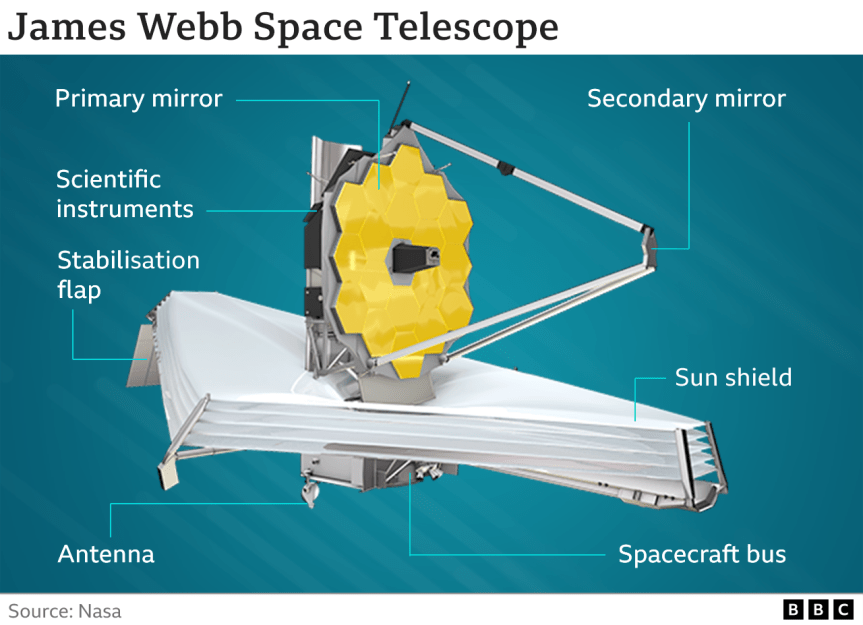
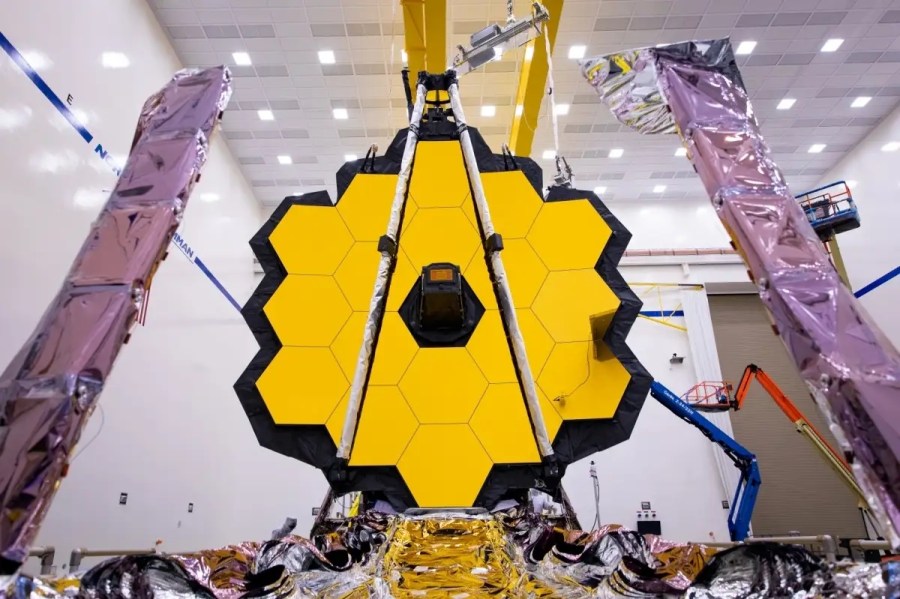
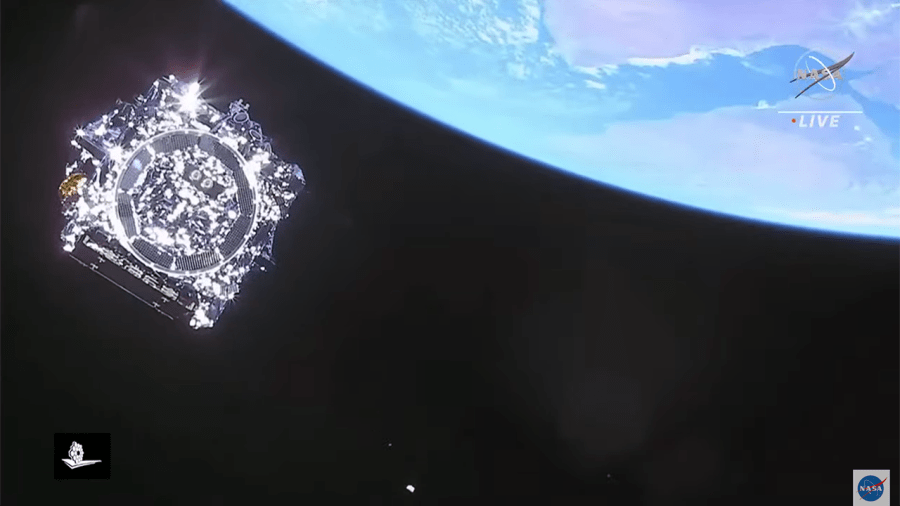
The European Ariane 5 rocket launched NASA’s James Webb Space Telescope (JWST), the biggest and most powerful space telescope yet constructed, from French Guiana, on the northeast coast of South America.

It is the successor of the Hubble Telescope and most powerful infrared telescope of National Aeronautics and Space Administration (NASA).

It is designed to explore a period known as the Epoch of Reionization, which came after the dark ages that followed the big bang. The telescope will study the atmospheres of a wide diversity of exoplanets. It will also search for atmospheres like Earth’s, and for the signatures of key substances such as methane, water, oxygen, carbon dioxide, and complex organic molecules, in hopes of finding the building blocks of life.

Goals 

  • Search for the first galaxies that formed after the Big Bang. 
  • Determine how galaxies evolved from their earlier formation until now.
  • Observe the formation of stars from the first stages to the formation of planetary systems.
  • Measure the physical and chemical properties of planetary systems and investigate the potential for life in such systems

ORBIT 

  • JWST will be finally placed in second Lagrange Point (L2).
  • Webb’s orbit follows a special path around L2 that allows it to stay on Earth’s night side (directly ‘behind’ the Earth as viewed from the Sun) and track along with Earth while moving around the Sun. 
  • As an infrared observatory, Webb must be protected from all bright, hot sources to see the faint heat signals of distant objects in the universe. Because Webb will always stay on Earth’s night side as it moves around the Sun, its orbit ensures that one side of its sunshield will continuously face the Sun, Earth and Moon to block their view from the telescope’s optics.

Features that make it special

  • While looking away from the Sun, JWST features one huge mirror with a diameter of 21 feet (the height of a standard two-story structure) that will collect infrared light flowing in from the deep space. 
  • It will be protected by a five-layer, tennis court-sized, kite-shaped sunscreen that will block the sun’s heat and maintain the exceptionally cold temperatures that the sensors are meant to work at.
  • Temperatures on the sun-facing side may reach 110°C, while the temperature on the opposite side is kept at –200° to –230°C. 
  • To detect the exceedingly weak heat signals from faraway galaxies, extremely low temperatures are required. 
  • The mirror, as well as the sunscreen, are much too huge to fit inside any rocket. They were designed to be collapsible and would be unfolded in space. 

India’s Start up Ecosystem

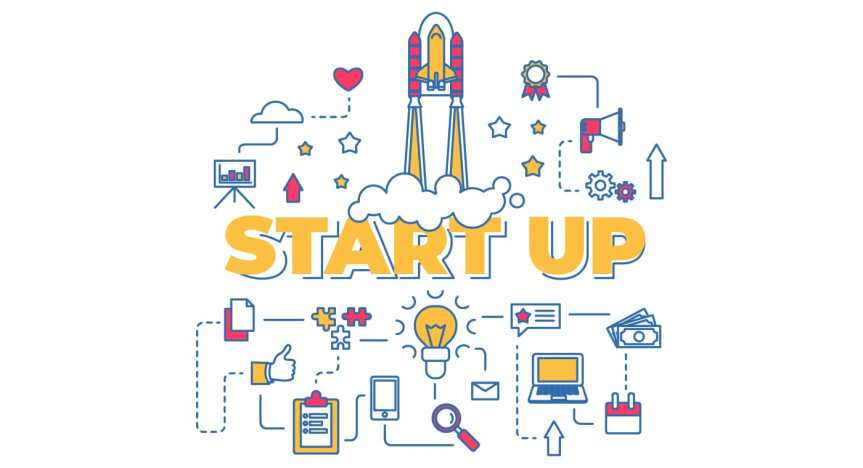
Recently, the number of unicorns in India reached the 100-mark. One unicorn means a startup of at least Rs 7,500 crore turnover. The total valuation of these unicorns is USD 330 billion, that is over Rs 25 lakh crore. The average annual growth rate of Indian unicorns is more than that of the U.S., the U.K. and many other countries.

  • A unicorn is any privately owned firm with a market capitalization of more than USD 1 billion.
  • It denotes new entities dedicated to offering creative solutions and new business models, among other things.
  • There are several categories like fintechEdtechs, B2B (Business-to-Business) companies, etc.

India has become the 3rd largest start-up ecosystem in the world after the US and China. 44 Indian start-ups have achieved unicorn status in 2021 taking the overall tally of unicorns to 83, most of which are in the services sector. India has seen such rapid growth in unicorns due to several strategic as well as conditional reasons.

Government of India is understanding the value of working with disruptive innovators across the value chain and using their innovations to improve public service delivery. The pandemic accelerated the adoption of digital services by consumers helping start-ups and new-age ventures build tech-focused businesses for customers. Many Indians moved to online services exploring a host of services ranging from food delivery and Edu-tech to e-grocery. he growth of Digital Payments is another aspect that aided the unicorn the most.

Challenges:

Increasing Investments Do Not Ensure Success of a Startup: Amid the Covid-19 crisis, when the central banks have released a global glut of liquidity, money is no more a difficult task to raise.

The billions of dollars being invested in startups represent the large bets on distant outcomes, and not value generation by way of revenues. Plus, one cannot assume the high rate of survival of these startups with such investments, as it can be assured by profits.

India, still a Marginal Player in the Space Sector: While India’s startups in the fintech and e-commerce sector are doing exceptionally well, the space startup sector remains an outlier.

This is despite the fact that India is a leading space-faring country with end-to-end capabilities to make satellites, develop augmented launch vehicles and deploy interplanetary missions.

The reason for the lack of independent private participation in space includes the absence of a framework to provide transparency and clarity in laws.

Indian Investors Unwilling to Take Risks: The big investors in India’s startup sector are from overseas, Japan’s SoftBank, China’s Alibaba, and Sequoia from the US.

That’s because India does not have a serious venture capital industry with an appetite for risk. The country’s established conglomerates have mostly stuck to traditional businesses.

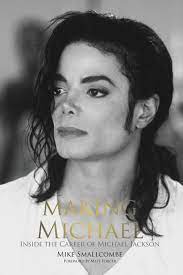
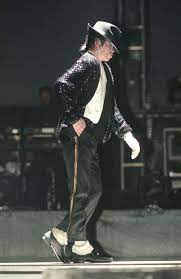
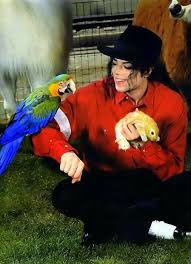
The legendary Michael Jackson – some unknown facts

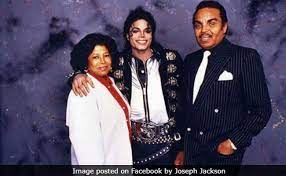
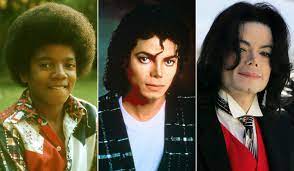
The 8th child of fair poor family, Michael Jackson was beloved singer as well as songwriter. He was the part of his family band ‘The Jackson 5’. Here are some unknown facts about this astonishing singer:-

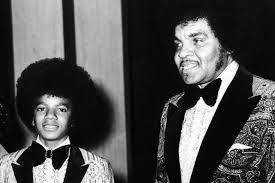
  1. At a very young age, his father forced him and his brothers to sing.

2. Sometimes his father used to beat when he sang the song in a wrong way.

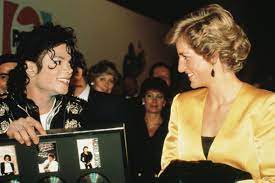
3. He met Princess Diana, Princess of Whales at Wembley Stadium in 1988. They had a very close friendship.

4. In 1988, Jackson did his first Western advertisement commercial in the the then USSR.

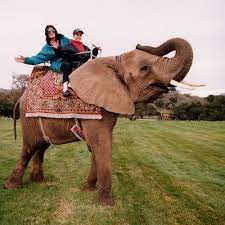
5. He was gifted 5000 pound elephant.

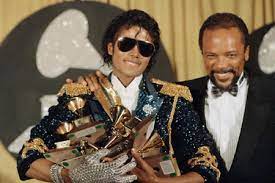
6. He was awarded with 23 Guinness World Records, 40 Billboard Awards, 13 Grammys, and 26 American Music Awards.

7. Jackson’s skin changed because of Skin disease called ‘Vitiligo’.

8. Michael Jackson was the first black artist to air on MTV with his music video for Billie Jean.

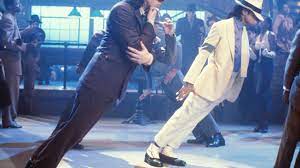
9. He invented gravity defying shoes.

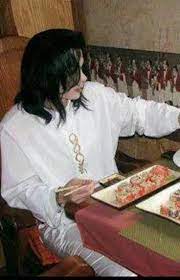
10. He loved Mexican, and Japanese Sushi.

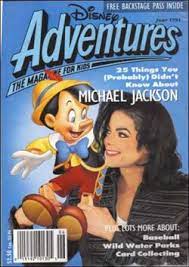
11. His favourite character was ‘Pinocchio’.

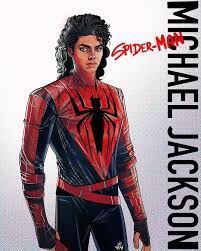
12. He once tried to buy ‘Marvel Comics’.

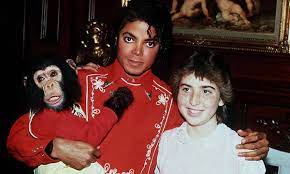
13. Jackson once had a pet chimpanzee called Bubbles.

14. On the day he passed away (June 25th, 2009) Wikipedia, Twitter and AOL all simultaneously crashed at 3:15PM.

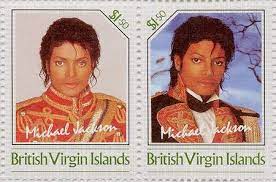
15. An island in the Caribbean once created Michael Jackson stamps.

16. His father, Joseph Jackson, was a boxer, steelworker, and a guitarist but to provide for his family, he worked as a crane operator.

17. In 1983, with around 47 million viewers, Motown was a huge success where Jackson performed “Billie Jean” and showed his famous dance move called “The Moonwalk.”

18. Jackson’s animals have disappeared. Just after his death his animals were sent to other jails, or other owners.

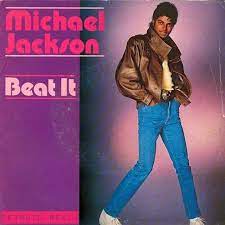
19. For the filming of the song “Beat It”, Michael Jackson casted 80 members of two Los Angeles rival street gangs “Crips” and “Bloods” to foster peace between them and add authenticity.

20. MJ was a big fan of “The Three Stooges,” an American vaudeville and comedy act.

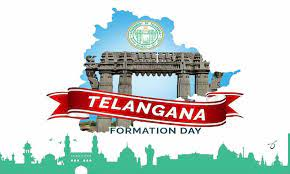
Telangana formation day.

This day i.e., June 04 every year since 2014 is celebrated as Telangana day or Telangana Formation day.

Why this day?

This day commemorates the formation of the state of Telangana. On this day, the people of Telangana get a state public holiday.

Before, The present day Telangana used to be a part of Andhra Pradesh. The state of Telangana was officially established on 2 June 2014 from the state of Andhra Pradesh.

Background of the Formation of Telangana

There had been several movements to revoke the merger of Telangana and Andhra, major ones occurring in 1969, 1972 and 2009. The movement for a new state of Telangana gained momentum in the 21st century by an initiative of the Telangana Political Joint Action Committee (TJAC) including political leadership representing the Telangana area. On 9 December 2009, the government of India announced the process of formation of the Telangana state. Violent protests led by people in the Coastal Andhra and Rayalaseema regions occurred immediately after the announcement, and the decision was put on hold on 23 December 2009.

The movement continued in Hyderabad and other districts of Telangana. There have been hundreds of claimed suicides, strikes, protests and disturbances to public life demanding separate statehood.

  • In 1997, the BJP supported the formation of a separate state. In 2001, K Chandrasekhara Rao formed the Telangana Rashtra Samithi (TRS) to revive the movement.
  • In the various elections held in the state of Andhra Pradesh, the people voted for TRS and gave a public impetus to the movement.
  • In 2009, there was a huge boost to the movement when Rao went on a hunger strike for a separate Telangana, reminding people of the hunger strike and ultimately death of Potti Sreeramulu (Born on March, 1901) who agitated for the state of Andhra.
  • Many young people also committed suicide for the movement.
  • In 2010, the Sri krishna Committee was appointed to “bring about a permanent solution” to this issue. The committee stated in its report that efforts must be made to bring about equitable development to the three regions of the state of Andhra Pradesh, and it recommended a united Andhra Pradesh.
  • However, owing to pressure, the Union cabinet approved a bill for the bifurcation of the state.
  • The Andhra Pradesh Re-organization Bill was passed in 2014. Hyderabad was suggested as a common capital. It will remain so for not more than ten years after which it will be the capital of Telangana alone, and Andhra Pradesh would get a new capital.
  • The new state of Telangana was formed on 2nd June 2014.

Significance

Because of the long-running Telangana movement, the day is noteworthy in the state’s history. Telangana was approximately 50 years in the making until it was finally recognised as a separate state. This day, June 2, commemorates the Telangana movement’s achievement in forcing Andhra Pradesh’s bifurcation. This not only gave the people of the region a distinct identity but also changed India’s map.

World Milk Day

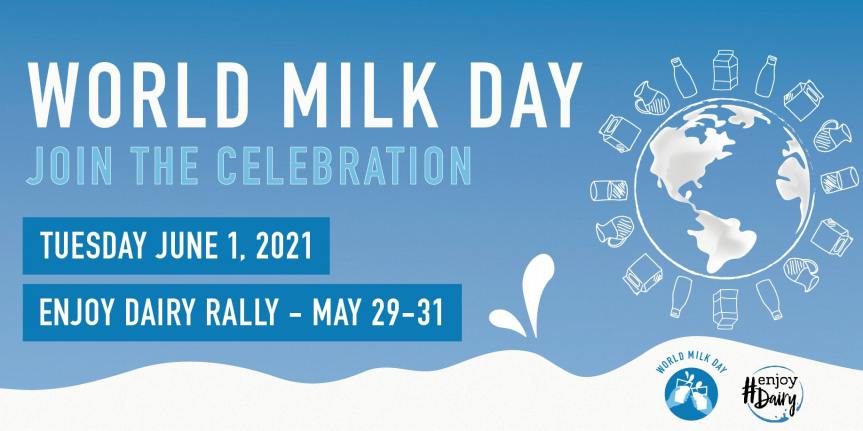
June 1 is observed as World Milk Day every year. World Milk Day is a day established by the Food and Agriculture Organization (FAO) of the United Nations in 2001 to recognize the importance of milk as a global food.

The day is intended to provide an opportunity to bring attention to activities that are connected with the dairy sector. This year’s theme will highlight the work already being done to accelerate climate action and help reduce the dairy sector’s impact on the planet.

Using the World Milk Day platform, awareness of the messaging and action will be raised towards Dairy Net Zero.

Indian Dairy Sector: 

  • India is the world’s largest milk producer, with 22% of global production, followed by the United States of America, China, Pakistan and Brazil.
  • Milk production in the country has grown at a compound annual growth rate of about 6.2% to reach 209.96 mn tonnes in 2020-21 from 146.31 mn tonnes in 2014
  • The top 5 milk-producing states are: Uttar Pradesh (14.9%), Rajasthan (14.6%), Madhya Pradesh (8.6%), Gujarat (7.6%) and Andhra Pradesh (7.0%).

What are the Initiatives of the Government of India related to Dairy Sector?

  • Rashtriya Gokul Mission: This mission is launched to improve productivity and enhance milk production through genetic upgradation of bovine population and development and conservation of indigenous bovine breeds.
  • Gopal Ratna Award 2021: Gopal Ratna Award is given to encourage all individual farmers, artificial insemination technicians and Dairy cooperative societies working in this sector.
  • Nationwide Artificial Insemination Programme: Under this programme, Artificial Insemination services delivered free of cost at farmers’ doorstep.
  • e-GOPALA app: A comprehensive breed improvement marketplace and information portal for direct use of farmers in the form of the e-GOPALA app (Generation of Wealth through Productive Livestock)
  • National Programme for Dairy Development (NPDD): It is launched across the country since 2014 with an objective of strengthening of infrastructure for Production of quality milk, Procurement, Processing and Marketing of Milk & Milk Products through State Implementing Agency (SIA) i.e State Cooperative Dairy Federation.
  • Kisan Credit Card (KCC) for Animal Husbandry & Dairying Farmers: Through Kisan Credit Cards, farmers are enabled to gain access to institutional credit at concessional interest rate for working capital expenditure.

Bharat Drone Mahotsav 2022

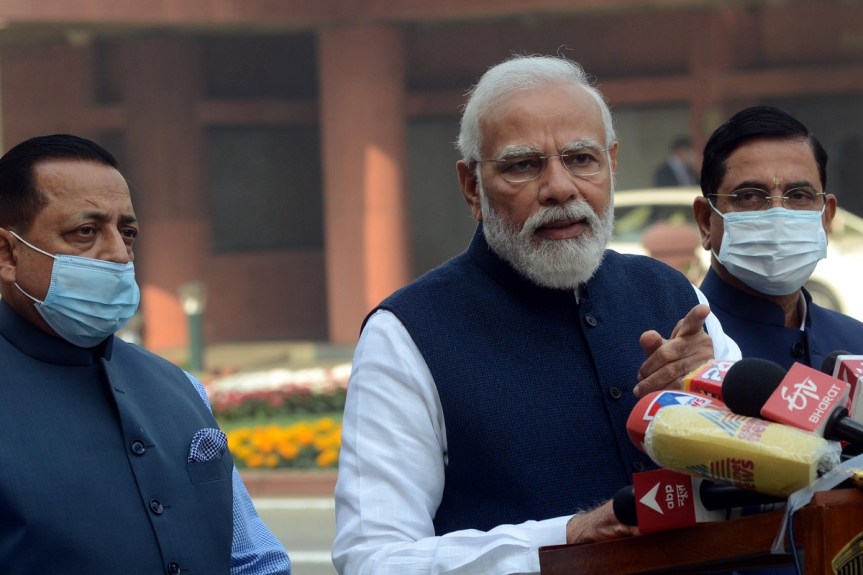
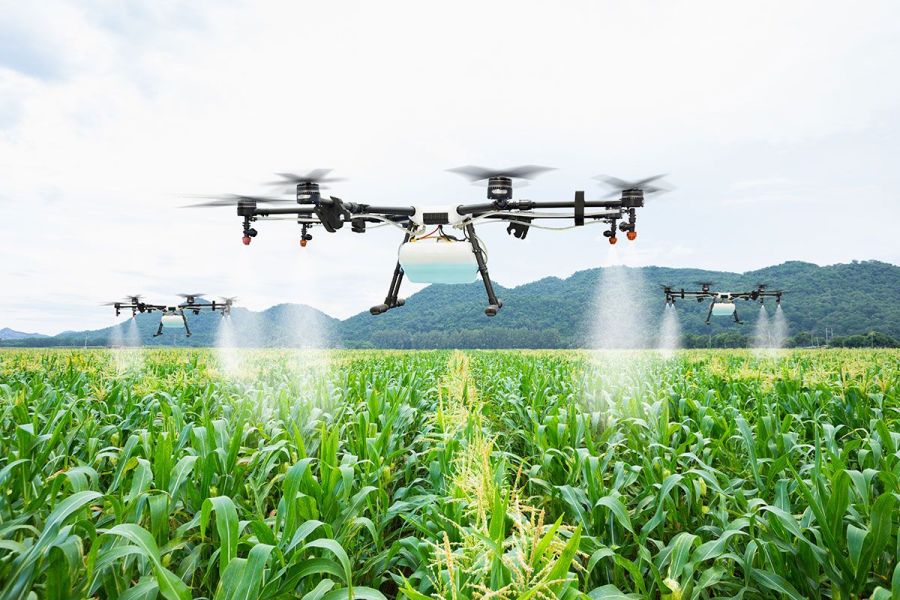
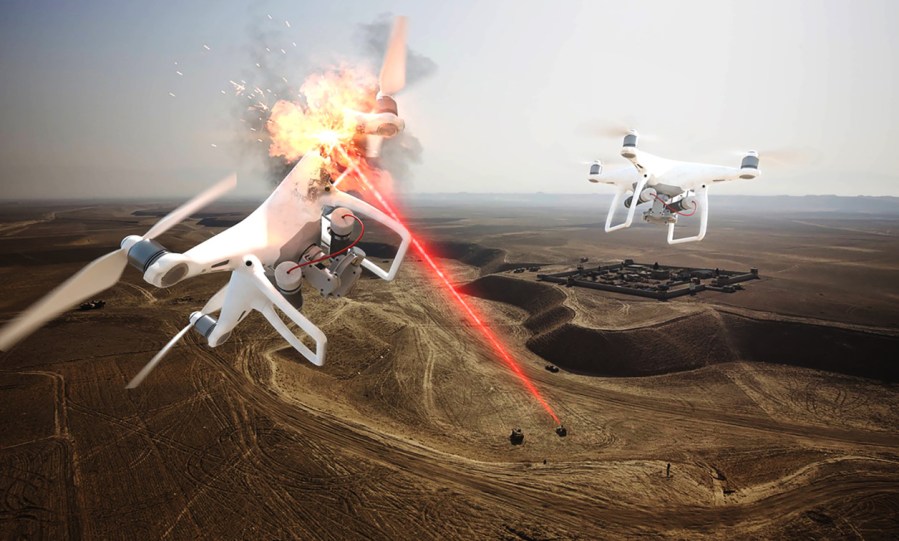
Recently, India’s biggest Drone Festival – Bharat Drone Mahotsav 2022 was inaugurated in New Delhi by the Prime Minister. A virtual award of drone pilot certificates, panel discussions, product launches, display of a ‘Made in India’ Drone Taxi prototype, flying demonstrations, among others were the key events.

Drone is a layman terminology for Unmanned Aircraft (UA). Originally developed for the military and aerospace industries, drones have found their way into the mainstream because of the enhanced levels of safety and efficiency they bring.

Applications of Drone Technology?

Agriculture: In the agriculture sector, micronutrients can be spread with the help of drones. It can also be used for performing surveys for identifying the challenges faced by the farmers.

Defence: Drone system can be used as a symmetric weapon against terrorist attacks. Drones can be integrated into the national airspace system.Deployment of drones for combat, communication in remote areas, counter-drone solutions can be done.

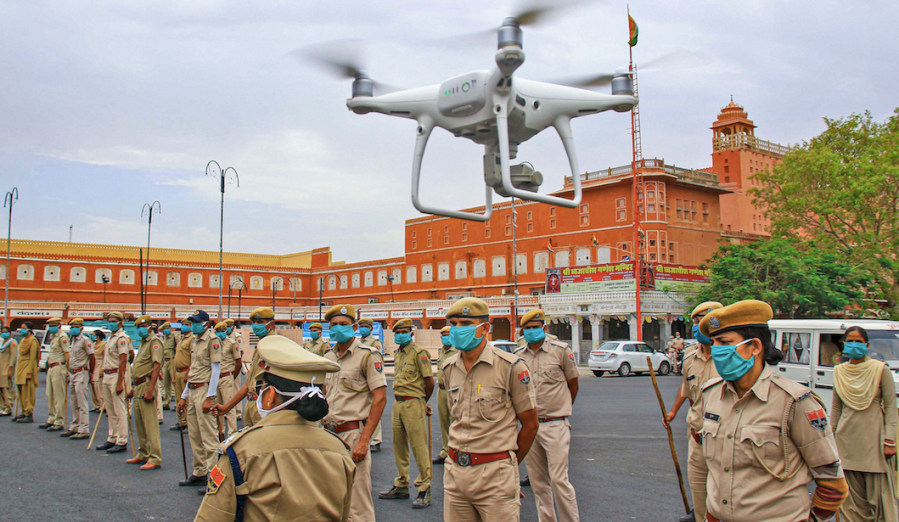
Law Enforcement: Drones are also significant for the law enforcement agencies, the fire and emergency services wherever human intervention is not safe and the healthcare services.

Healthcare Delivery Purposes: Indian Council of Medical Research (ICMR) devised Drone-Based Vaccine Delivery Model, i-drone. Telangana and North-east states have been approved to use this drone technology for delivering vaccines in remote areas.

Significance of Drone Mahotsav?

As drone technology has its application in diverse areas such as defence, disaster management, agriculture, healthcare, tourism, film and entertainment, there is a great possibility of a major revolution creating immense opportunities for employment. Villages are witnessing the arrival of roads, electricity, optical fibre and digital technology. However, agriculture work is still being conducted in old ways, leading to hassles, low productivity and wastage. Drone technology is going to play a major role in empowering farmers and modernize their lives.

Government is making efforts towards creating a strong drone manufacturing ecosystem in India through schemes like Production-Linked Incentive (PLI).

4 FAMOUS PERSONALITIES FROM DELHI UNIVERSITY- check this out…

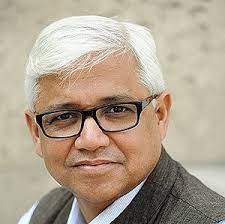
Amitav Ghosh

Amitav Ghosh was born in Calcutta and raised in India, Bangladesh, and Sri Lanka. He studied in Delhi, Oxford and Alexandria and is the author of The Circle of Reason, The Shadow Lines, In An Antique Land, Dancing in Cambodia, The Calcutta Chromosome, The Glass Palace, The Hungry Tide, and the Ibis Trilogy, which includes the Sea of the Poppies, a river of smoke and a flood of fire. His latest book, The Great Derangement; Climate Change and Imagination, a work of myth, emerged in 2016.

TOP 10 BOOKS TO READ

  1. Sea of poppies (2008)
  2. The hungry Tide (2004)
  3. The shadow lines (1988)
  4. The Calcutta Chromosome (1955)
  5. In an antique land (1992)
  6. The invisible Hand (2017)
  7. The Imam and the Indian (2002)
  8. River of Smoke (2011)
  9. Flood of Fire (2012)
  10. The Nutmeg’s Curse (2021)
AMITAV GHOSH

Amitav Ghosh holds two Lifetime Achievement awards and four honorary doctorates. In 2007 he was awarded the Padma Shri, one of India’s highest honors, by the President of India. In 2010 he was a joint winner, along with Margaret Atwood of a Dan David prize, and 2011 he was awarded the Grand Prix of the Blue Metropolis festival in Montreal. In 2018 the Jnanpith Award, India’s highest literary honor, was conferred on Amitav Ghosh. He was the first English-language writer to receive the award. In 2019 Foreign Policy magazine named him one of the most important global thinkers of the preceding decade

MANO BAJPAYEE

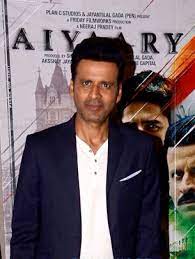
Manoj Bajpayee was born in Belwa, a small village in West Champaran, Bihar. He was the second of six siblings. Upon completing his schooling from Khrist Raja High School in Bettiah, Manoj studied at Maharani Janaki College in Bettiah till his twelfth grade. He then moved to Delhi where he attended Satyawati College and went on to graduate from Ramjas College, Delhi University.

MANOJ BAJPAYEE

He mainly works in Hindi cinema and has also made films in Telugu and Tamil. He received two National Film Awards, four Filmfare Awards and two Asia Pacific Screen Awards for Best Performance by an Actor. In 2019, he received the fourth highest Indian civilian honor Padma Shri for his contributions to art.

SONU NIGAM

Sonu Nigam (born 30 July 1973) is an Indian singer, music director and actor. He has been described in the media as one of the most popular and successful playback singers of Hindi Cinema. He has been honoured by the Government of India with Padma Shri, the country’s fourth-highest civilian honour for his contribution in the field of arts.

SONU NIGAM

He has received 17 nominations for Filmfare best playback singer, 10 nominations for Filmfare awards South and is a winner of record 4 times (9 nominations) for IIFA Award for Best Male playback singer and received Oscar Academy Awards nomination in 2014 for soundtrack of Jal composed by Sonu Nigam and Bickram Ghosh together. He was ranked the Number 1 artist on the US Billboard Uncharted charts twice in September and October 2013.S

SHEREEN BHAN

Shereen Bhan (born 20 August 1976) is an Indian journalist and news anchor. She is the Managing Editor of CNBC-TV18. Shereen Bhan has an experience of 20 years, 14 of which were spent in tracking corporate, policy news and events that defined the business landscape in India. In April 2005, she was awarded the FICCI Woman of the Year award.
Women’s magazine Femina included her among the 20 Beautiful Faces of the year in its September 2005 issue. She was featured on the cover of Verve magazine’s December 2008 issue. Shereen figured among the 50 most Beautiful Women in the Vogue October 2008 issue.
In 2009, the World Economic Forum named her as one of the Young Global Leaders of 2009. In 2021, Best News Presenter or Anchor, India Business Hour, 26th Asian Television Awards (Nominated)

SHEREEN BHAN