HEALTH AND LIFESTYLE

A BALANCED LIFESTYLE IS IMPORTANT:

Part of a comprehensive stress relief plan involves finding ways to calm down quickly so you can more effectively manage stress as it comes while avoiding the negative effects of chronic stress. Another important way to relieve stress is to maintain healthy lifestyle habits.

Learning to live a healthy lifestyle often brings additional benefits too, such as an endorphin rush, a release of frustration, or added longevity. Many of the healthy lifestyle habits discussed here can also help you to become less reactive to stress, in the long run, providing protection against stress you haven’t even experienced yet

While maintaining healthy habits is a bit more challenging than trying a stress relief method only once, the benefits you receive from maintaining a healthy lifestyle are more than worth the effort it takes to maintain it. The increases in health and wellness that you experience, as well as the reduction in stress, will make you wish you’d made these changes sooner, and can be wonderful sources of continued motivation.

CHANGES CAN BE INTIMIDATING: 

Many people feel intimidated or frustrated with making healthy lifestyle changes for a few reasons, including:

  • Not knowing where to start: There are so many changes that can benefit health and wellness that it can be difficult to know how to begin.
  • Doing too much at once: People often try to make too many changes at once, then find it too difficult (or let perfectionism sabotage their efforts) and give up the effort.
  • Stress: Let’s face it—change is difficult, especially when you’re stressed. Sometimes lifestyle stress takes over and diminishes your momentum.

Given that living a healthy lifestyle can help with stress relief, and that making healthy lifestyle changes can be challenging, the following resources can help you with both choosing new goals for healthy living and with making these new goals a reality by adopting new healthy habits into your lifestyle.

HEALTHY LIFESTYLE CHOICES: 

Here are some changes you can make to lead a healthier, less stressed lifestyle:

  • Healthy eating: One of the most popular changes people like to make to live a healthy lifestyle is to eat differently. Because of the negative health consequences of obesity, the influence fitness has on our self-esteem, and the effects on nutrition  on our stress levels and longevity, switching to a healthier diet brings some of the greatest benefits for wellness.
  • Regular exercise: Getting regular exercise is another wonderful way to keep your weight in check, manage overall stress levels, and stay connected with others. Exercise can also help keep many health conditions at bay and is well worth the effort. The trick is to start gradually and work your way up.
  • Quality sleep: People often underestimate the importance of getting enough sleep, and getting the right type. However, lack of adequate sleep has many negative consequences—they’re subtle but significant. Getting enough sleep isn’t one of the most popular changes that people resolve to make, but it should be. Because stress can rob you of sleep, and because many of the techniques that promote sleep can also reduce stress , it’s a very good idea to learn more about how stress affects sleep and how to get quality sleep when you’re stressed.

OTHER BENEFITS:

The great thing about moving is that just a few minutes a day can have other lasting benefits, many of which you may not even be aware of. Just some of the benefits include:

  • Enhances self esteem
  • Helps maintain flexibility as you age
  • Improves joint stability
  • Improves memory in elderly people
  • Improves mood and reduce symptoms of anxiety and depression
  • Increases and improves range of motion
  • Maintains bone mass
  • Prevents osteoporosis and fractures
  • Reduces stress
  • Reduces the risk of heart disease, stroke, and diabetes

HOW TO MAINTAIN A HEALTHY DIET :

Eating a healthy diet is another part of a healthy lifestyle. Not only can a nutritious diet help with weight management , but it can also improve your health and quality of life as you get older.

You already know about the food groups and the fact that it is recommended that you eat more fruits and vegetables and fewer processed foods. You probably have a list of things you know you should do for a healthier diet but, again, making too many changes at once can backfire. Going on a restrictive diet may make you crave the very foods you’re trying to avoid.​

Another approach is to look for ways to make smaller changes each day.Just a few ideas for changing how you eat include:

  • Cut back on sugary beverages. It’s easy to consume excess sugar and calories in the beverages that you drink. Sugary sodas, sweetened teas, juice drinks, and high-calorie coffee drinks can easily eat up your daily recommended allowance of added sugars. Consider drinking plain water or water flavored with fresh fruit or herbs. It’s a great way to stay hydrated and still get a burst of flavor.
  • Eat low-fat or fat-free dairy. Switching to skim milk or fat-free yogurt is another simple way to eat fewer calories without having to change too much in your diet.
  • Eat more fruits:Add it to your cereal, salads, dinners, or make it a dessert. The fruit is also a great snack after work or school to keep you going for dinner.
  • Make some substitutions. Look through your cabinets or fridge and pick three foods you eat every day. Write down the nutritional content and, the next time you’re at the grocery store find lower-calorie substitutes for just those three items.
  • Sneak in more veggies. Add them wherever you can—a tomato on your sandwich, peppers on your pizza, or extra veggies in your pasta sauce. Keep pre-cut, canned, or frozen veggies ready for quick snacks.
  • Try a healthy salad dressing: If you eat full-fat dressing, switch to something lighter and you’ll automatically eat fewer calories. You can also put the dressing on the side and dip, or even try making your own dressing.

CONCLUSION:

Creating a healthy lifestyle doesn’t have to mean drastic changes. You may adapt to change better when it doesn’t require you to overhaul your entire life. Just pick one thing and work on that one thing every day, letting the rest of your life and habits stay the same. You may be surprised that those small changes really can make a difference.
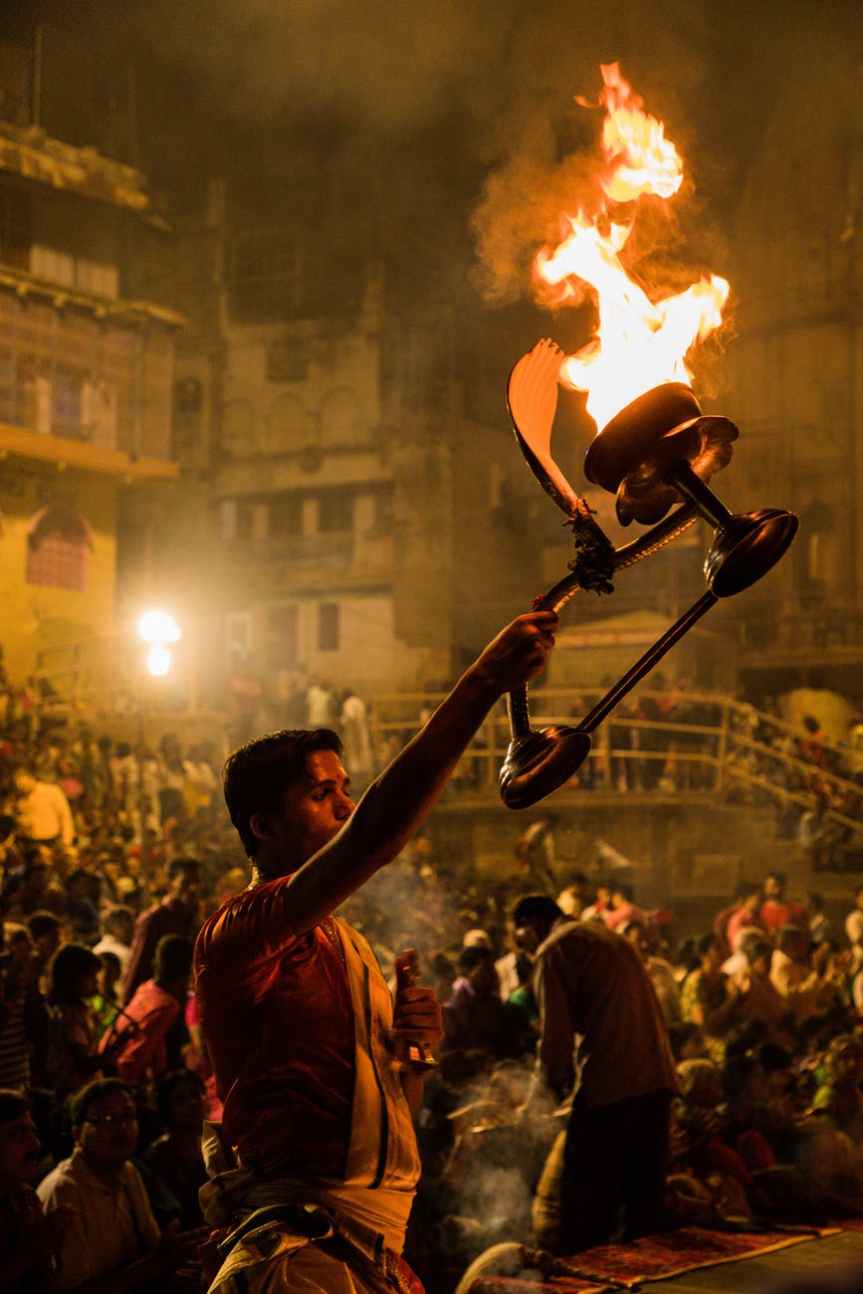
KASHI VISHWANATH CORRIDOR

Kashi Vishwanath Temple is regarded as one of the oldest and most famous temple situated in India. The temple is believed to be dedicated to Lord Shiva and is one of the jyotirlingas of Lord Shiva. It is located on the west of the bank of sacred river Ganga in Varanasi, Uttar Pradesh.

In India, the Phase 1 of project of Kashi Vishwanath Corridor was inaugurated by the Prime Minister Shri Narendra Modi recently on 12 December 2021. The stone of foundation was laid on March 8, 2019. 23 other buildings are also inaugurated as a part of Kashi Corridor project. These buildings includes Vedic Kendra, facilitation centre for tourists, food court, city museums, gallery for viewing etc. It is the first huge renovation of the Kashi Vishwanath Temple as well as it’s surroundings, post the makeover by the Queen of Maratha. While the transformation of the Kashi Corridor, few other 40 temples of the ancient era were restored and rediscovered without distorting the original structure.

The corridor is 400 metre long. The Ghats along the holy river Ganga and the Temple of Kashi Vishwanath are connected by the project providing an easily usable pathway of open space for the pilgrims of Kashi Shrine to take sacred dip in the Ganga and also offering the sacred water at the temple. Mr. Bimal Patel was the architect of the following project. The most prevalent temple architecture in Northern India, the Nagara style was followed to construct the temple. The Jyotirlingas which is worshipped is a stone of dark brown colour and is enshrined in the Sanctum which is placed on a silver platform. The main temple is an open space area with buildings around it, basically it is surrounded by the other God’s shrines. Smaller shrines in series are consisted in the complex of the temple. To the north of the temple is a small well called the wisdom well ( Jnana Vapi). There is Congregation Hall (Sabha Griha) leading to the inner Sanctum Sanctorum ( Garbha Griha).

The tourism in Varanasi is believed to be boosted by the project of Kashi Corridor by furnishing the tourists, travelers and pilgrims all the essential facilities such as proper wide roads, clean water for drinking etc. Post inauguration, Varanasi has become one of the most captivating place for tourists in India. A great number of tourists would visit Varanasi in near future as it is now amongst the most admired destination of religion in India. An easy access for the old age and disable people is provided with the facilities of escalators, ramps and other modern provisions. It would also be a boost to local economy and the heritage will also be rightly preserved.

Before by Anna Todd

I felt obligated to read this because I’d already suffered through the rest of the series, and I couldn’t just.. not finish it. But my god. This entire series is so, so awful. And I’m a sucker for crappy entertainment, so that’s saying a lot.

Worst characters ever. Hardin is a sh*thead, through and through. The fact that he eventually becomes capable of developing feelings for another human does not negate his sh*thead status, especially since he only becomes capable of those feelings because he can’t fathom not being able to sleep with said human whenever he so wishes (as well as making sure he’s the only person who will ever get to see or touch pretty much any part of her for the rest of eternity, until the end of time, etc, etc). This book in particular shows what a sh*thead he truly is. Tessa is unbelievably and annoyingly naive and whiny. I was tempted to reread the first couple of books so I had more to say about what a crappy character she is for about five minutes before I realized it’s really not worth it. So, she sucks too, that’s it.

Worst attempt at creating a “relationship” with two people who have no connection other than an overwhelming love for each other’s naughty bits. They know close to nothing about each other before they’re mentally professing their undying love for the other. Remember, these are college aged people, not a couple of twelve year olds navigating their way through their first crush. Apparently, neither Hardin nor Tessa were ever taught the difference between lust and love. HUGE difference.

Full of unnecessary, over the top drama, simply for the sake of drama. Basically, the equivalent of a soap opera written by a hormonal teenager. The drama is exhausting; I can’t imagine waking up every day knowing that I’ll be in hysterics at least once, most likely multiple times, due to the unstable romantic relationship that I refuse to walk away from in order to save some sh*thead from thinking that he’s a sh*thead, despite the multiple reasons he’s given me to do just that, in addition to all of the other strained relationships in my life (family/frenemies).

Not even going to touch on the whole abusive relationship business that I see being complained about in a lot of other reviews of this series; that’s actually somehow less disappointing/annoying than the fact that EVERY SINGLE LITTLE THING is worthy of either walking away dramatically and vowing to never speak to the other person again, or confessing how one simply can’t survive without the other (dramatically, of course). Both scenarios are inevitably followed by sex, because that is the only way these two know how to “connect” to one another. Super possessive, jealous, emotionally closed off boyfriend mad at you for saying hi to a male coworker? Have sex, everything will be dandy! Until 10 pages later, when he gets mad at you for wearing the wrong socks. Is he mad at someone else for something totally unrelated to you or your relationship with him? Well, sex will fix that too! And if you’re angry at him for something silly, like lying or invading your privacy, just let him fondle you a bit and you’ll feel soooo much better. Moral of the story: Sex fixes everything!!!

To be fair, this last book was the best, mostly because it was the shortest and skipped over quite a bit of the drama included in the first four books.

After Ever Happy by Anna Todd

The fourth book in the ‘After’ series, ‘After Ever Happy’ is the first book in the series that had a different “feel” to it. Don’t get me wrong, there is plenty of dramatic shenanigans between Tessa and Hardin. However, this time around they aren’t the sole focus of the book. The result is a much more somber vibe.

After everything that went down at the end of the third book, Tessa is left markedly changed from the girl she was before. Those tragic events forced her to take a long, hard look at her relationship with Hardin. She finally faces the facts — they’re toxic.

Despite her love for Hardin, she knows that she needs to get away from him. Like the clichéd saying, “sometimes love isn’t enough”. Nothing could be more true for this dysfunctional couple at that point in time.

Even though Hardin comes to his senses and does his best to get Tessa to forgive him, it won’t come easy this time around. Tessa has made up her mind and it will take years for Hardin to prove himself to her. It was long overdue.

With Tessa and Hardin living separate lives for most of this book, the story definitely had a different feel to it than earlier books. As much as it was what the logical me said needed to happen, the illogical part of me couldn’t help but feel like this new direction wasn’t as captivating. After all, this series’ entire guilty pleasure appeal was based on the very same things that made this couple such a train wreck — fighting, angst, jealousy, breaking up and making up. With those elements largely missing from this book, I didn’t feel the same pull to the story.

That being said, I think that the author had used up all of the major angst-ridden story elements that readers could handle. Although the loss of this drama resulted in a slightly less engaging story for me, I don’t think I could’ve handled another book full of Tessa and Hardin’s back and forth fighting. This series has left me emotionally exhausted and I just don’t have it in me.

Luckily, Tessa and Hardin do get the HEA eventually. It was long overdue and I was glad to see it. Finally, they have started to mature and deal with some of the issues in their relationship. As much as I loved to hate this couple, I have to admit that if there was ever a couple that stuck it out, it was them. Talk about hanging in there for better or worse.

Overall, this was still a great read. I have been completely hooked on Tessa and Hardin’s story right from the start. It was one hell of an emotional rollercoaster ride. I feel content, but emotionally drained. I know that there are two remaining books in this series, but I’m stopping with this one for now. I don’t want to upset the balance. I’m feeling content with how this book ended and I’m not sure I could handle it right now if something disrupted that peace.

After We Collided by Anna Todd

After finishing the first book in the ‘After’ series, I immediately jumped into this second book. There was no way that I was going to quit this series with the way things ended at the end of ‘After’–absolutely, no way! I had to know how things were going to play out for this disastrous couple. They are like crack! It might kill me. I know it’s really not healthy…but I just can’t seem to pull myself away from it!

If I thought that Hardin and Tessa were going to grow up and start treating each other better, I would’ve been sorely disappointed. These two are every bit as toxic as they were the first time around. The back and forth, break-up and make-up, abusive cycle continues, strong as ever. Of course, I’m such a glutton for punishment that I had to have a front row seat for all of it!

Picking up right where the first book ended, Tessa does her best to try and piece her life back together. She has been betrayed by everyone that she thought were her friends — most of all, Hardin. Unfortunately, the manipulative jackass succeeded in tying her to him when he tricked her into moving into an apartment with him and away from the dorms. This will make distancing herself from him more difficult than she had hoped.

While Tessa makes a weak attempt at moving on, Hardin sets out to prove that his feelings for her are genuine. Of course, every time he starts to make any progress in that regard he does something that sabotages all of his efforts. They truly are their own worst enemies.

For what it’s worth, Hardin does seem to show some actual emotions in this book. Mainly, his regret and heartache shines through. It’s hard to feel sorry for him though, since all of his pain is entirely the result of his own cruel actions. To make matters worse, every time he starts to gain a little “nice guy” stock, he goes and does something abhorrent again, reminding me of what a despicable asshat he is. Some big revelations about his past only further prove that he is not to be trusted. He really is deplorable…but I love to hate him!

I also found myself feeling a little more irritated with Tessa’s weakness this time around. Can you say “doormat”? How many times is this girl going to fall for his crap? She also played the same childish games over and over, using other guys to make Hardin jealous, only to play the victim when she got the reaction she was looking for all along.

I felt sorry for Tessa at first. By the end of this book, I was marveling at the fact that she hadn’t been weeded out as part of the process of natural selection. Surely, this girl is too stupid to live!

That being said, I still can’t pull myself away from this angsty, infuriating story. It is like watching a trashy talk show or soap opera. It’s unrealistic. The relationships are toxic. It probably kills off brain cells. However, I can’t get enough of it. It is my latest guilty pleasure. I’m kind of ashamed to admit it, but I’m completely hooked on this series.

Like the first book, ‘After We Collided’ ends with a huge cliffhanger. Anna Todd certainly knows how to pull me back in. At this point, I think my relationship with this series is much like the relationship between Hardin and Tessa. I should probably cut all ties and get out while I can, but I just can’t seem to resist the pull. I’m on to the third book in this addictive, dysfunctional romance. 

After by Anna Todd

I know I’m late to the After party. But hey, better late than never! I started After by Anna Todd in the evening, then stayed up all night because I had to finish it. And then, I begged my teen sister for the second book. She kindly agreed to give the book to me. I hope she doesn’t change her mind just to torture me. We’ll have to see how this unravels. 

Synopsis:

Tessa is just starting college, and she’s got everything planned. In one year, her boyfriend Noah will join her as well. But then she meets her wild roommate Steph as well as the incredibly rude guy with a British accent, Hardin. And everything changes!

My Thoughts:

Tessa is a good girl and she doesn’t do parties and short dresses. And she goes to a party with Steph and something changes. She can’t look away. Harding is doing something to her and she can barely resist. But she has a boyfriend. And also, everything she has a good moment with Hardin, two bad ones follow. Hardin is toxic, and Tessa hurts him in return as well. Also, their communication has to improve. Not the mention how the whole boyfriend situation was handled. 

Honestly, I thought my opinions would be conflicting. But they’re not. I really enjoyed the book and I’m looking forward to the second one. Also, I know Hardin is based on Harry Styles, but while I was reading the book, he didn’t once cross my mind. I also often have fantasies about celebrities, I just don’t happen to write them. Honestly, it’s not a big deal. 

My only worry was that teens might see Hardin’s toxic side and think that’s how a girl should be treated. But that would mean underestimating the girls out there. Even in the book, Tessa was aware Hardin’s behaviour was not okay, which is why she reacted the way she did. The facts she would return only meant that she had feelings for him. Their relationship has more issues than good parts, but in all honesty, when I think about my high school days, it was that way for me too. I didn’t handle things well. Sometimes I didn’t communicate well. I trusted people I shouldn’t have trusted. And that’s the beauty of this book. 

After by Anna Todd is the perfect teenage book.

It reminded me of my days of high school and uni. Attending parties I shouldn’t have and trusting people that didn’t deserve my trust. Handling relationships badly and having terrible ability to communicate. And this book brought all the excitement back and more. Fond and not so fond memories that reminded me that I have lived at the fullest. 

In the next book, I do hope that their relationship improves. I hope Hardin grows up and Tessa communicates to him, instead of hurting him back. Also, I hope Tessa fixes her relationship with her mother as well, even though her mother needs to work on her own biases as well. I also hope that the dramas continue as well – I really love them. 

Attila : Scourge of God by William Napier

Rome C AD408 is laid out to us as an Empire on the edge of collapse, it’s allies the Huns alongside Roman forces under the command of General Stilicho defeat the barbarian hordes & Rome is saved (for now).

The players are thus introduced, one being a hostage, that of Attila as a boy in Rome alongside other barbarian leaders sons, his grandfather King Uldin (of the Huns) having just fought alongside the Romans. General Stilicho & his wife Serena are a coupla who feature in Attila’s life, somewhat surrogate parents to him in an otherwise hostile environment. The Emperor & Princess Galla are front & centre in Attila’s world too along with various others namely a servant & a soldier, all who have some way influenced a young Attila as we read of his early life at the hands of Rome. Other hostages, namely the Vandal Princes Gesaric & Beric become his protagonists, they appearing in a few scenes.

So what else happens…..?

The sack of Rome by Alaric of the Goths is covered in the period but only through the eyes of a travelling Roman soldier (lieutenant which is a rank I don’t recognise as being Roman tbh) & not really done in any detail… its jus mentioned which is an omission I think.

The character of Attila is well played & I warmed to him instantly, strong, wilful & mindful of his roots whilst in the belly of Rome, certainly not seduced by its trappings as other hostages appear to be. Always distrustful, listening & gathering intelligence all the while, making plans to escape, its all believable as part of the story. Its the only part of the story, at it’s ending, that I truly enjoyed.

Some parts contain mystical nonsense which don’t really fit in with the story but perhaps fit with the superstitious nature of the period, some are a little fantastical though. A Druid, shaman & witch all make appearances & have to say I mostly cringed when I read those excerpts, expecting unicorns or cave trolls to pop outta the mist at any moment…….

The part about the Huns was quite interesting & probably the only part where you felt immersed in the period & the people. The Romans could have been from any era especially the soldiering element.

As you can derive from the last statement I did expect a little more historical detail. As for its substance, in truth I found it a similar read to the Simon Scarrow Macro & Cato series (even the Centurion in it is called Marco!), not great depth or intrigue but good fun nevertheless…… not a read that takes itself to seriously. The author even nicks a coupla immortal lines from the film Zulu during a battle scene!

Quite a contrast throughout the book, sometimes the historical detail is there & the context is sound at others its a boys own adventure whilst in patches it’s puerile crassness. Bit of a mash-up I’m trying to say but for the most part it did hold my attention & i would give it 3.25 stars for an enjoyable enough romp, although not the historical content I had expected or was looking for, rounded down to a 3.

Planning Provides Direction

Planning can be defined as “thinking in advance what is to be done, when it is to be done, how it is to be done and by whom it should be done”. In simple words we can say, planning bridges the gap between where we are standing today and where we want to reach.

Planning involves setting objectives and deciding in advance the appropriate course of action to achieve these objectives so we can also define planning as setting up of objectives and targets and formulating an action plan to achieve them.

Another important ingredient of planning is time. Plans are always developed for a fixed time period as no business can go on planning endlessly.

Features/Nature/Characteristic of Planning

1. Planning contributes to Objectives:

2.Planning is Primary function of management

3. Pervasive:

4. Planning is futuristic/Forward looking

5. Planning is continuous

6. Planning involves decision making

7.Planning is a mental exercise

Importance/Significance of Planning:

. 1️⃣Planning provides Direction:

Planning is concerned with predetermined course of action. It provides the directions to the efforts of employees. Planning makes clear what employees have to do, how to do, etc. By stating in advance how work has to be done, planning provides direction for action. Employees know in advance in which direction they have to work. This leads to Unity of Direction also. If there were no planning, employees would be working in different directions and organisation would not be able to achieve its desired goal.

2️⃣Planning Reduces the risk of uncertainties

Organisations have to face many uncertainties and unexpected situations every day. Planning helps the manager to face the uncertainty because planners try to foresee the future by making some assumptions regarding future keeping in mind their past experiences and scanning of business environments. The plans are made to overcome such uncertainties. The plans also include unexpected risks such as fire or some other calamities in the organisation. The resources are kept aside in the plan to meet such uncertainties.

3️⃣Planning reduces over lapping and wasteful activities

The organisational plans are made keeping in mind the requirements of all the departments. The departmental plans are derived from main organisational plan. As a result there will be co-ordination in different departments. On the other hand, if the managers, non-managers and all the employees are following course of action according to plan then there will be integration in the activities. Plans ensure clarity of thoughts and action and work can be carried out smoothly.

4️⃣Planning Promotes innovative ideas:

Planning requires high thinking and it is an intellectual process. So, there is a great scope of finding better ideas, better methods and procedures to perform a particular job. Planning process forces managers to think differently and assume the future conditions. So, it makes the managers innovative and creative.

Planning helps the managers to take various decisions. As in planning goals are set in advance and predictions are made for future. These predictions and goals help the manager to take fast decisions.

6. Planning establishes standard for controlling:

Controlling means comparison between planned and actual output and if there is variation between both then find out the reasons for such deviations and taking measures to match the actual output with the planned. But in case there is no planned output then controlling manager will have no base to compare whether the actual output is adequate or not.

For example, if the planned output for a week is 100 units and actual output produced by employee is 80 units then the controlling manager must take measures to bring the 80 unit production upto 100 units but if the planned output, i.e., 100 units is not given by the planners then finding out whether 80 unit production is sufficient or not will be difficult to know. So, the base for comparison in controlling is given by planning function only.

7. Focuses attention on objectives of the company:

Planning function begins with the setting up of the objectives, policies, procedures, methods and rules, etc. which are made in planning to achieve these objectives only. When employees follow the plan they are leading towards the achievement of objectives. Through planning, efforts of all the employees are directed towards the achievement of organisational goals and objectives.

1.

Once plans are made to decide the future course of action the manager may not be in a position to change them. Following predefined plan when circumstances are changed may not bring positive results for organisation. This kind of rigidity in plan may create difficulty.

2. Planning may not work in dynamic environment:

ADVERTISEMENTS:https://googleads.g.doubleclick.net/pagead/ads?gdpr=0&client=ca-pub-0989790830026725&output=html&h=244&slotname=2623157748&adk=1891773333&adf=4201686516&pi=t.ma~as.2623157748&w=292&fwrn=6&lmt=1642655117&rafmt=11&psa=1&format=292×244&url=https%3A%2F%2Fwww.yourarticlelibrary.com%2Forganization%2Fimportance-of-planning-its-features-limitations-process-and-types%2F8652&flash=0&wgl=1&adsid=ChAIgIqfjwYQhvqxvrHW_PgEEjkA1DGYtrTaCEo-kbSpJumoXKwYtA8HFKIE6omfcfVnTV34JJbzGTXpHi8hS8XEoIPmEx9R2BHIDrk&uach=WyJBbmRyb2lkIiwiMTEuMC4wIiwiIiwiU00tTTMxNUYiLCI5Ni4wLjQ2NjQuMTA0IixbXSxudWxsLG51bGwsIiJd&tt_state=W3siaXNzdWVyT3JpZ2luIjoiaHR0cHM6Ly9wYWdlYWQyLmdvb2dsZXN5bmRpY2F0aW9uLmNvbSIsInN0YXRlIjoyOSwiaGFzUmVkZW1wdGlvblJlY29yZCI6dHJ1ZX1d&dt=1642655121845&bpp=8&bdt=5231&idt=-M&shv=r20220118&mjsv=m202201180401&ptt=9&saldr=aa&abxe=1&cookie=ID%3D5467780e62843bd0-227f420810d00065%3AT%3D1642655120%3ART%3D1642655120%3AS%3DALNI_MZaYrPs23SEzDxYK1bLZBcqVd5h-g&prev_fmts=0x0%2C412x343%2C412x343%2C292x244%2C292x244&nras=1&correlator=8779006593157&frm=20&pv=1&ga_vid=937120415.1607750099&ga_sid=1642655119&ga_hid=2048748375&ga_fc=1&rplot=4&u_tz=330&u_his=1&u_h=892&u_w=412&u_ah=892&u_aw=412&u_cd=24&u_sd=2.625&dmc=4&adx=60&ady=11743&biw=412&bih=756&scr_x=0&scr_y=7661&eid=44753738%2C182984100%2C182984300%2C31064037%2C31064124%2C31064162%2C31063247%2C21067496&oid=2&psts=AGkb-H9IKkAIMY4RBEG4AT-r-W4hQjVGVz5GD7F7nOzEn-E8vLNDpd9ikd86sKdMrIdbxd_RGzzwIZuiHw&pvsid=3854186648320208&pem=849&tmod=378192270&nvt=1&ref=https%3A%2F%2Fwww.google.com%2F&eae=0&fc=1920&brdim=0%2C0%2C0%2C0%2C412%2C0%2C412%2C756%2C412%2C756&vis=1&rsz=%7C%7CeEbr%7C&abl=CS&pfx=0&fu=128&bc=31&ifi=9&uci=a!9&btvi=2&fsb=1&xpc=xEoZXqF9fu&p=https%3A//www.yourarticlelibrary.com&dtd=568

Business environment is very dynamic as there are continuously changes taking place in economic, political and legal environment. It becomes very difficult to forecast these future changes. Plans may fail if the changes are very frequent.

The environment consists of number of segments and it becomes very difficult for a manager to assess future changes in the environment. For example there may be change in economic policy, change in fashion and trend or change in competitor’s policy. A manager cannot foresee these changes accurately and plan may fail if many such changes take place in environment.

3. It reduces creativity:

With the planning the managers of the organisation start working rigidly and they become the blind followers of the plan only. The managers do not take any initiative to make changes in the plan according to the changes prevailing in the business environment. They stop giving suggestions and new ideas to bring improvement in working because the guidelines for working are given in planning only.

4. Planning involves huge Cost:

Planning process involves lot of cost because it is an intellectual process and companies need to hire the professional experts to carry on this process. Along with the salary of these experts the company has to spend lot of time and money to collect accurate facts and figures. So, it is a cost-consuming process. If the benefits of planning are not more than its cost then it should not be carried on.

5. It is a time consuming process:

Planning process is a time-consuming process because it takes long time to evaluate the alternatives and select the best one. Lot of time is needed in developing planning premises. So, because of this, the action gets delayed. And whenever there is a need for prompt and immediate decision then we have to avoid planning.

6. Planning does not guarantee success:

Sometimes managers have false sense of security that plans have worked successfully in past so these will be working in future also. There is a tendency in managers to rely on pretested plans.

It is not true that if a plan has worked successfully in past, it will bring success in future also as there are so many unknown factors which may lead to failure of plan in future. Planning only provides a base for analysing future. It is not a solution for future course of action.

7. Lack of accuracy:

In planning we are always thinking in advance and planning is concerned with future only and future is always uncertain. In planning many assumptions are made to decide about future course of action. But these assumptions are not 100% accurate and if these assumptions do not hold true in present situation or in future condition then whole planning will fail.

For example, if in the plan it is assumed that there will be 5% inflation rate and in future condition the inflation rate becomes 10% then the whole plan will fail and many adjustments will be required to be made.

Sometimes planning fails due to following limitations on which managers have no control.

(i) Natural calamity:

ADVERTISEMENTS:

Natural calamities such as flood, earthquake, famine etc. may result in failure of plan.

(ii) Change in

(iii) Change in taste/fashion and trend in the market:

Sometimes plans may fail when the taste/fashion or trend in market goes against the expectation of planners.

(iv) Change in technologies:

The introduction of new technologies may also lead to failure of plans for products using old technology.

(v) Change in government/economic policy:

Managers have no control over government decisions. If government economic or industrial policies are not framed as expected by manager then also plans may fai

Plan:

Plan is a document that outlines how goals are going to be met. It is a specific action proposed to help the organization achieve its objectives. There may be more than one way and means of reaching a particular goal but with the help of logical plans, objectives of an organization could be easily achieved.

Single Use Plans:

Single use plans are one time use plan. These are designed to achieve a particular goal that once achieved will not reoccur in future. These are made to meet the needs of unique situations. The duration or length of single use plan depends upon the activity or goal for which it is made. It may last one day or it may last for weeks or months if the project for which it is made is long.

Standing Plans:

Standing plans are also known as Repeat Use Plans. These plans focus on situations which occur repeatedly. Standing plans are used over and over again. They are made once but retain their value over a period of years. Although some revisions and updates are made in these plans from time to time.

Brave New World by Aldous Huxley

Brave New World is a dystopian social science fiction novel by English author Aldous Huxley, written in 1931 and published in 1932. The book presents a nightmarish vision of a future society.

In 1999, the Modern Library ranked Brave New World at number 5 on its list of the 100 best English-language novels of the 20th century. In 2003, Robert McCrum, writing for The Observer, included Brave New World chronologically at number 53 in “the top 100 greatest novels of all time”, and the novel was listed at number 87 on The Big Read survey by the BBC. Despite this, Brave New World has frequently been banned and challenged since its original publication. It has landed on the American Library Association list of top 100 banned and challenged books of the decade since the association began the list in 1990.

Summary

This is a story about a world where people are born in test tubes and their lives are predetermined by their social status. Mothers, fathers, children, and other social relationships do not exist, and all of the primary human needs are met by forced or fabricated social experiences.

The Alphas, the top social class, are the most brilliant and enjoy more of life, whereas the lower classes, who have been genetically stunted in a lab, perform the society’s less important chores. To further assure their future social rank, each generation of children is created in batches via cloning and suggestive conditioning.

Bernard, a government psychologist in London, is an Alpha, but he’s physically small and doesn’t like society’s artificial social aspects, such as unrestricted sex and soma, a drug that makes people feel drunkenly good.

Bernard is sent to New Mexico as a psychologist to study a “savage” reservation, a place where the “old” society still exists. He brings Lenina, a young and attractive woman, with him, and the two of them enter the reservation together. There, Bernard meets Linda, a lady who grew up in London but was abandoned in the reservation several years ago. It is also discovered that, Linda had a son named John.

This is problematic because the father is Bernard’s boss, the Director of Hatcheries and Conditioning, and Bernard’s society does not accept procreation through natural means. Instead, Bernard decides to bring Linda and John back to London.

Bernard, who is normally quiet, becomes outgoing, as his fame for bringing back John, “The Savage”, grows. However, when John fails to show up for a social event, his social status returns to one of an outcast.

After his mother’s death, John understands that something is wrong with society. He attracts the attention of the Controller, the regional leader of Western Europe, and then John and the Controller talk.  

The Controller explains how and why things are the way they are.  That the coexistence of truth and happiness is a balancing act and that they have chosen a life of extreme happiness with very little truth.

Bernard is sent to an island with other freethinkers like himself, and John decides to move to the countryside and live alone. In the end, after being made a spectacle, John hangs himself out of shame.

Review

There’s a lot to say about this story, but what draws my interest is the concept of predisposing individuals for a specific course before they’re even born, similar to putting them on a train track. We learn in the story that lower-level individuals learn what is comfortable to them early on so that when they grow up and have to do menial duties, they are not angry because they have been conditioned to believe that what they are doing is good. In other words, a social ceiling has been created for them.

What’s even more interesting is that the same thing could be happening today. For example, if a person is raised in a high-status social network, he or she is bound to stay in that high-status social network. Similarly, someone who grew up in a poor social network is more likely to stay in that network. Of course, these paths aren’t cast in stone, and there’s always the possibility of deviations, but for the most part, one’s environment has a significant impact on the type of person they become and the decisions they make.

What’s exciting to see are individuals, through their own talents or luck, who shift their social circumstances and assimilate themselves into other social networks. In essence, they are shifting the direction of their tracks and arriving at new destinations.

TEENS AND SOCIAL MEDIA

It should come as no surprise that the pressure to be available 24/7 on social media is a very real challenge for today’s teenagers. Aside from the fact that their grasp of and dependence on social media far exceeds that of many adults, they also are using social media at much greater rates too.

In fact, a report by Common Sense Media found that 75% of American teenagers have social media profiles. Social media is a daily part of life for the vast majority of teens.

THE TEEN BRAIN AND SOCIAL MEDIA: 

For many teens, social media can become almost addictive. In a study researchers found that certain regions of teen brains became activated by “likes” on social media, sometimes causing them to want to use social media more.

During the study, researchers used an fMRI scanner to image the brains of 32 teenagers as they used a fictitious social media app resembling Instagram. The teenagers were shown more than 140 images where “likes” were believed to be from their peers. However, the likes were actually assigned by the research team.

As a result, the brain scans revealed that in addition to a number of regions, the nucleus accumbens, part of the brain’s reward circuitry, was especially active when they saw a large number of likes on their own photos. According to researchers, this area of the brain is the same region that responds when we see pictures of people we love or when we win money.

In another part of the study, researchers could see a correlation between social media and peer influence. Participants in the study were shown both neutral photos and risky photos. What they found is that the type of image had no impact on the number of likes given by teens in the study.

Instead, they were likely to hit “like” on the popular photos regardless of what they showed. Researchers believe this behaviour shows that peers can have both a positive and negative influence on others while using social media.

MENTAL HEALTH:

Undoubtedly, social networking plays a vital role in broadening teen social connections and helping them learn valuable technical skills. But what impact is all of this social networking having on young teen minds? Most reports indicate that the impact can be significant.

Not only are teens’ developing brains vulnerable to so much time online, but because they often have difficulty self-regulating their screen time, their risks can increase with the more time they spend. Additionally, they are more susceptible to peer pressure, cyberbullying and sexting—all activities involving digital communication—making navigating the online social world treacherous at times.

DEPRESSION:

Researchers are just beginning to establish a link between depression and social media. While they have not actually discovered a cause-and-effect relationship between social media and depression, they have discovered that social media use can be associated with an intensification of the symptoms of depression, including a decrease in social activity and an increase in loneliness.

ANXIETY:

Teens often feel emotionally invested in their social media accounts. Not only do they feel pressure to respond quickly online, but they also feel pressure to have perfect photos and well-written posts, all of which can cause a great deal of anxiety. In fact, some studies have found that the larger a teen’s social circle online the more anxiety they feel about keeping up with everything online.

Additionally, if teens commit a faux pas online, this also can be an extreme source of anxiety. Many teens, especially girls, are prone to worry about what others might think of them and how they will respond when they see them next. Then factor in cyberbullying and other cruel online behaviours and you can see why social media can be a toxic source of anxiety for many teens

SLEEP DEPRIVATION :

Sometimes teens spend so many hours on social media that they begin to lose valuable sleep. Consequently, this sleep loss can lead to moodiness, a drop in grades, lack of physical activity, and overeating, as well as exacerbate existing problems like depression, anxiety, and attention deficit hyperactivity disorder (ADHD).

In fact, research shows a strong link between increased screen time and the development of ADHD-related symptoms, such as difficulty with focusing, emotional regulation, poor attention, hyperactivity, and getting enough sleep.

Additionally, a survey of 900 teens between the ages of 12 and 15 about their social media use and its impact on sleep. What they found was that one-fifth of the teens said they “almost always” wake up during the night and log in to social media.

The study also revealed that girls were significantly more likely than boys to wake up and check social media on their phones. In addition to reporting feeling tired all the time, they also reported being less happy on average than teens whose sleep was not disturbed by social media.

What’s more, teens need more sleep than adults do, a minimum of eight to 10 hours per night compared with seven or more for adults. So, logging into social media in the middle of the night can be detrimental to their physical health as well.

For instance, aside from feeling tired and irritable, lack of sleep can make accidents more likely and lower the immune system and make it harder for teens to fight infections.

Envy 

Envy- while normal emotions—can wreak havoc on teen brains if they dwell on comparing themselves to their peers. They may fixate on what someone else has or experienced, that they themselves have not. Due to the way accounts are curated, it can appear to the reader that other people lead more exciting lives than they do, which only feeds feelings of inadequacy.

Unfortunately, what teens often do not realise is that people tend to only post their “highlight reel” on social media and often keep the mundane or difficult experiences off the Internet. As a result, another person’s life may look perfect online, but offline they have struggles just like anyone else.

Still, it is easy for a teen to play the comparison game and start thinking that everyone is happier or better off than they are. As a result, this can feed into depression, loneliness, anger, and a variety of other issues.

What’s more, envy, if not dealt with, sometimes may lead to bullying and mean behaviour. Some teens, particularly those that feel bad about themselves, target others because they are jealous of the target’s clothes, body, boyfriend, successes, or any number of other things.

COMMUNICATION ISSUES:

While social media is a great way to keep in touch with friends and family, it also is not the same as face-to-face communication. For instance, a teen cannot see a person’s facial expressions or hear their tone of voice online. As a result, it is very easy for misunderstandings to occur, especially when people try to be funny or sarcastic online.

Many teens spend so much time online checking statuses and likes that they may forget to interact with the people right in front of them. For this reason, friendships and dating relationships can suffer when social media takes centre stage in a person’s life. As a result, teens risk having relationships that are not deep or authentic.

Teens who place a priority on social media will often focus on the pictures they take that show how much fun they are having rather than actually focusing on having fun. The end result is that their relationships and life satisfaction may suffer.

CONCLUSION:

Because so much brain development takes place during the teen years, it is important that parents understand the impact that social media use can have on their kids. For this reason, it is important to establish guidelines for social media use. While many kids do have unrestricted access to their phones and other devices, setting limits may be helpful for your child.

It is also important for families to have regular discussions on safe use of social media. When families navigate the world of social media together, a teen’s online world becomes much more manageable.

Cycling for Health and Fitness

Physical activity is required to be fit and healthy. Obesity, heart disease, cancer, mental illness, diabetes, and arthritis are all diseases that can be prevented by regular physical activity. One of the most effective strategies to lower your risk of health problems related with a sedentary life is to ride your bicycle on a regular basis.

Cycling is a low-impact, healthy activity that may be enjoyed by people of all ages, from toddlers to seniors. It’s also enjoyable, inexpensive, and environmentally friendly.

Riding to work or the shops is one of the most time-efficient ways to combine regular exercise with your everyday routine. An estimated one billion people ride bicycles every day – for transport, recreation and sport. It only takes two to four hours a week to achieve a general improvement to your health.

Photo by Andrea Piacquadio on Pexels.com

Health benefits of regular cycling

Cycling is mostly an aerobic activity, which means that your heart, blood vessels and lungs all get a workout. You will breathe deeper, sweat more, and have a higher body temperature, all of which will improve your overall fitness.

The health benefits of regular cycling include:

  • increased cardiovascular fitness
  • increased muscle strength and flexibility
  • improved joint mobility
  • decreased stress levels
  • improved posture and coordination
  • strengthened bones
  • decreased body fat levels
  • prevention or management of disease
  • reduced anxiety and depression.

Cycling and specific health issues

Cycling can improve both physical and mental health, and can reduce the chances of experiencing many health problems.

1) Obesity and weight control

Cycling is a good way to control or reduce weight, as it raises your metabolic rate, builds muscle and burns body fat. If you’re trying to lose weight, cycling must be combined with a healthy eating plan. Cycling is a comfortable form of exercise and you can change the time and intensity – it can be built up slowly and varied to suit you.

2) Cardiovascular disease and cycling

Cardiovascular diseases include stroke, high blood pressure and heart attack. Regular cycling stimulates and improves your heart, lungs and circulation, reducing your risk of cardiovascular diseases. Cycling strengthens your heart muscles, lowers resting pulse and reduces blood fat levels.

3) Cancer and cycling

Many researchers have studied the relationship between exercise and cancer, especially colon and breast cancer. Research has shown that if you cycle, the chance of bowel cancer is reduced. Some evidence suggests that regular cycling reduces the risk of breast cancer.

4) Diabetes and cycling

The risk of developing type 2 diabetes is rising, posing a severe threat to public health. Physical inactivity is known to be a primary factor in the development of this condition. Large-scale research in Finland found that people who cycled for more than 30 minutes each day had a 40% decreased chance of acquiring diabetes.

5) Bone injuries, arthritis and cycling

Cycling improves strength, balance and coordination. It may also help to prevent falls and fractures. Riding a bike is an ideal form of exercise if you have osteoarthritis, because it is a low-impact exercise that places little stress on joints.

Cycling does not specifically help osteoporosis (bone-thinning disease) because it is not a weight-bearing exercise.

6) Mental illness and cycling

Regular bike riding can help with mental health issues like sadness, stress, and anxiety. This is due to the effects of the exercise itself and because of the enjoyment that riding a bike can bring.

7) Hand cycling and health

Hand cycles are similar to recumbent tricycles, but instead of using foot pedals, they use hand power. If necessary, Velcro straps can be used to hold the hands to the pedals.

This style of tricycle allows amputees, people with spinal injuries and those recovering from certain conditions such as stroke to cycle as a form of exercise and recreation. Hand cyclists get the same cardiovascular and aerobic benefits as normal bicycles.

SOULMATE AND ITS ELEMENTS

A soulmate is someone who has locks that fit our keys, and keys to fit our locks. When we feel safe enough to open the locks, our truest selves step out and we can be completely and honestly who we are.”

Ah, soulmates. The epitome of love and partnership. In our fast-paced chaotic world, which boasts all sorts of different people, we find ourselves skimming through more relationships than we’d like in order to find that one person who can truly open our locks

Not just anyone can fulfill you the way your soulmate can. There’s a world of a difference between your soulmate, your heart’s other half and a life partner — a person who lacks the elements to mould perfectly to you. Your soulmate makes you feel entirely whole, healed and intact, like no piece is missing from the puzzle. A life partner, on the other hand, can be a great supporter and long-time companion, but is limited in his or her capacity to enrich your spirit. 

Most of us remain in life-partner relationships because we “settle,” for a multitude of reasons. Firstly, we may have a real subconscious fear of being alone. And since we’re biologically designed to fall in love, it’s only natural that we pair up in this world. But we sometimes prolong what are meant to be temporary relationships and mistakenly settle into them for good. There are relationships which must last for a certain period of time to close out a karmic chapter of life, relationships in which we’re meant to have children with our partner but not necessarily remain with them, and relationships which are just plain confusing because a melting pot of emotions doesn’t allow us to see our predestined path. 

Most of us fall somewhere between these two extremes, meaning that we experienced several relationships before finding the person we believe to be our perfect pairing. Whether you’re currently married, in a relationship, or contemplating entering a relationship with a new love interest, it is crucial that you know what role this person will play in your life. After all, there’s no avoiding the inevitable, often uncomfortable question we must ask ourselves: Is this the person I was bound by destiny to share my life with? Or did I settle too quickly into a relationship with someone who can never complete me?

ELEMENTS OF A SOULMATE:

1. It’s something inside: Describing how a soulmate makes you feel is difficult. It’s a tenacious, profound and lingering emotion which no words can encompass.

2. Flashbacks: If your partner is your soulmate, chances are he or she has been present in your past lives. Soulmates often choose to come back together during the same lifetime and scope each other out in the big world. You might suddenly and briefly experience flashbacks of your soulmate. You might even feel an odd sense of déjà vu, as if the moment in time has already taken place, perhaps a long time ago, perhaps in a different setting. 

3. You just get each other: Ever met two people who finsh each other’s sentences? Some people call that spending too much time together, but I call it a soulmate connection. You might experience this with your best friend or your mother, but it is the telltale sign of a soulmate when you experience it with your partner. 

4. You fall in love with his (or her) flaws: No relationship is perfect, and even soulmate relationships will experience ups and downs. Still, that bond will be much harder to break. Soulmates have an easier time of accepting, even learning to love, each other’s imperfections. Your relationship is more likely to be a soulmate match if you both love each other exactly as you each are, accepting both the great and awful tendencies we all have. 

5. It’s intense: A soulmate relationship may be more intense than normal relationships, in both good and sometimes bad ways. The most important thing is that, even during negative episodes, you’re focused on resolving the problem and can see beyond the bad moment.

6. You two against the world: Soulmates often see their relationship as “us against the world.” They feel so linked together that they’re ready and willing to take on any feat of life, so long as they have their soulmate by their side. Soulmate relationships are founded on compromise and unity above all else.

7. You’re mentally inseparable: Soulmates often have a mental connection similar to twins. They might pick up the phone to call each other at the exact same time. Though life may keep you apart at times, your minds will always be in tune if you are soulmates.

8. You feel secure and protected: Regardless of the gender of your partner, he or she should always make you feel secure and protected. This means that if you’re a man, yes, your woman should make you feel protected, too! Your soulmate will make you feel like you have a guardian angel by your side. A person who plays on your insecurities, whether consciously or subconsciously, is not your soulmate. 

9. You can’t imagine your life without him (or her): A soulmate is not someone you can walk away from that easily. It is someone you can’t imagine being without, a person you believe is worth sticking with and fighting for.

10. You look each other in the eye: Soulmates have a tendency to look into each other’s eyes when speaking more often than ordinary couples. It comes naturally from the deep-seated connection between them. Looking a person in the eye when speaking denotes a high level of comfort and confidence.

CONCLUSION:

Whether you’re designed by the universe to be soulmates or two loving people who have settled for each other’s strengths and weaknesses, the decision is yours. The beauty of free will is that you can remain in or change any relationship as you see fit. To be with your soulmate is one of the precious treasures of life. And if you feel you’ve found your heart’s other half, I wish you endless days of joy and laughter, and countless nights of deep embrace, unraveling the mysteries of the universe one by one. 

STRESSED YOUNG WOMEN

Women face special stresses and have unique needs when it comes to stress relievers and healthy lifestyle choices. The following are different ways women can make lifestyle changes to promote their health.

Social support can be a great stress reliever. Friends can help us in many ways, from offering a supportive ear to lending a helping hand. Studies have shown that those who have strong social support tend to be healthier, happier and less stressed. For women, especially, this is an important part of life to nurture, as women tend to deal with stress more often by sharing feelings and forming supportive networks.

Male comforting to a sad depressed female who needs help in a coffee shop. Break up or best friend concept

One stumbling block to friendships for women is that we find ourselves so much busier these days. Demands of work, children, or other commitments can take over the time that was previously free to pursue friendships, so it’s important for women to make an effort to develop social support in their lives.

STRESS AND HEALTH:

Women are often the caretakers of others. We care for men and children, friends and family, but don’t always care for our own bodies.

Here are some stress relievers that are great for your body:

  • Exercise: Getting out and getting active has numerous health, beauty, and stress management benefits, including a leaner body, greater energy levels, improved overall health, the opportunity to blow off steam, a change of scenery, and a catalyst to take your mind off of what’s stressing you, among other things.
  • Spa Treatments: Whether you’re going to a top spa or setting up a home spa experience, pampering your body on the outside can melt away the stress that you’re feeling inside, and leave you feeling more refreshed and beautiful afterward. Read more about setting up a spa at home, and make a habit of using it.
  • Healthy Eating: A healthy diet has more benefits than just making you thin; because healthy eating can leave you with more energy, thinking more clearly, and reacting in a more even-tempered way to stress.

ADEQUATE SLEEP AND REST:

According to research and a poll on this site, too many of us don’t get adequate sleep and operate in a sleep deficit. This leaves us less productive and more prone to stress, among other things. Women, because of their busy schedules and multiple roles, often find themselves getting less sleep than they need, or are unable to get a good night’s sleep due to stress. If you find yourself getting too little sleep, the following resources can help you get the quality sleep you need to function well.

  • Stress and Sleep: Learn about the physical and emotional damage that can result from getting too little sleep, and how it all affects your stress levels.
  • The benefits of the Power nap: Read about how to use power napping as a stress management tool and increase your productivity and improve your health in the process.
  • Sleep Aids: If you’re having trouble getting to sleep, staying asleep, or achieving quality sleep every night, these are some all-natural ways you can get better sleep from now on.

VALUE ME TIME:

It’s important for women, including mothers, to take regular time to do things that nurture our souls and keep us feeling alive; if we don’t, we could face burnout, and we won’t be as helpful to others in our lives anyway. A regular stress management practice is a must, and it can come in the form of a hobby, a type of exercise, a tension-taming practice, or some other habit, but it’s important to make time for such things that can keep you feeling your best. The following are some important resources to help you find a regular stress relief practice:

  • Choosing a healthy new habit: Perhaps the easiest way to stick with a new stress relief habit is to pick one that best fits your personality and lifestyle. This test will point you to the stress relievers that are best for you.
  • Sticking with a said habit: Once you’ve chosen a stress management technique to incorporate into your lifestyle, these tips will help you make it a habit.
  • Self-care strategies: These ideas will help you pamper yourself for a change.

The Great Gatsby by F. Scott Fitzgerald

The Great Gatsby, third novel by F. Scott Fitzgerald, published in 1925 by Charles Scribner’s Sons. Set in Jazz Age New York, the novel tells the tragic story of Gatsby, a self-made millionaire, and his pursuit of Daisy Buchanan, a wealthy young woman whom he loved in his youth. Unsuccessful upon publication, the book is now considered a classic of American fiction and has often been called the Great American Novel.

Summary

This is the story of a man named Nick who lives in America in the 1920s. He moved to New York to work as a bond trader and discovers that he lives next to a large mansion occupied by a mysterious man named Gatsby.

Gatsby throws huge parties every night, along with loads of women and alcohol, and when Nick is invited, he learns that Gatsby served in the army as well. However, no one knows how Gatsby became so rich.

Nick reunites with his cousin, Daisy, a flirty young woman who is married to Tom, a wealthy businessman. Tom, on the other hand, is having an affair with Myrtle, the wife of a mechanic.

Nick meets Daisy’s friend Jordan, a young professional golfer, and the two fall in love. In the meantime, Nick and Gatsby become friends, and Gatsby tells Nick about how he inherited his wealth from a yacht owner.

Gatsby also reveals that he knew Daisy when they were younger and that he is still in love with her. In fact, Gatsby secretly watches Daisy from across the lake, where she lives with Tom and her daughter.

When Gatsby and Daisy finally reunite, a flood of emotions returns. They acknowledge their love for each other. To escape the heat, they all drive into town.  When Tom finds that Daisy wants to leave him, he gets upset and tells Daisy and Gatsby to drive back home and talk about it. However, Daisy, driving Gatsby’s yellow car, accidentally runs over Myrtle.

Tom then tells the mechanic that it was Gatsby who ran over Myrtle. The mechanic shows up and shoots Gatsby when he is swimming at home. Unfortunately, no one attends Gatsby’s funeral, and Nick, confused and saddened, sells everything and returns to the Midwest.

Analysis

First of all, this novel provides a historical perspective on the 1920s, a fascinating period in American history.  We get the vividness of the time, with the lights and glitz that saturated the people. Drinking and parties were to be encouraged rather than discouraged.

It should also be highlighted that expressing this energy and culture through writing  is a difficult task. It’s not only saying that there were bright lights and cocktails, but also engaging the reader in a world with subtle reminders of the culture.

Identity is another major theme, as the characters, like real people, have complicated identities that frequently involve deceit. People aren’t who they say they are, as seen by Tom and Myrtle’s affair and Gatsby’s ambiguous history, as Gatsby’s name isn’t even his real name. And as readers, we are reminded of this when Gatsby’s father shows up and corrects Nick, saying his name was “James Gatz.”

There are various theories of how Gatsby became wealthy. Readers learn early on how he had gained his wealth , but are still wondering how he kept it over the years. Even after Gatsby’s death, ambiguous phone calls seem to be coming to the house, which hints at illegal gambling as a source of income for Gatsby.

Nick makes an interesting point regarding parties that may still be relevant today. That, despite the fact that parties happen every weekend, there is a sense of emptiness experienced at parties.  This emptiness stems from how easily people may be replaced. That if you go to enough parties, they all start to look the same.

Gatsby also wishes he could travel back in time to when he first met Daisy. And any character who wishes the present were the past, that things were the way they used to be, is doomed.  This is a strong literary strategy that many of the best stories use in their tragic characters. So be forewarned, living in the past is dangerous.

LOVE

WHAT IS LOVE? 

Love is a set of emotions and behaviors characterized by intimacy, passion, and commitment. It involves care, closeness, protectiveness, attraction, affection, and trust. Love can vary in intensity and can change over time. It is associated with a range of positive emotions, including happiness, excitement, life satisfaction, and euphoria, but it can also result in negative emotions such as jealousy and stress.

When it comes to love, some people would say it is one of the most important human emotions. Yet despite being one of the most studied behaviors, it is still the least understood. For example, researchers debate whether love is a biological or cultural phenomenon.

Love is most likely influenced by both biological drives and cultural influences. While hormones and biology are important, the way we express and experience love is also influenced by our personal conceptions of love.

HOW DO YOU KNOW ABOUT LOVE? 

What are some of the signs of love?

Researchers have made distinctions between feelings of “liking” and “loving” another person. According to psychologists, romantic love is made up of three elements:

  • Attachment: Needing to be with another person and desiring physical contact and approval
  • Caring: Valuing the other person’s happiness and needs as much as your own
  • Intimacy: Sharing private thoughts, feelings, and desires with the other person

Based on this view of romantic love, Rubin developed two questionnaires to measure these variables, known as Rubin’s Scales of Liking and Loving. While people tend to view people they like as pleasant, love is marked by being devoted, possessive, and confiding in one another. 

Types of Love 

Not all forms of love are the same, and psychologists have identified a number of different types of love that people may experience.

These types of love include:

  • Friendship: This type of love involves liking someone and sharing a certain degree of intimacy.
  • Infatuation: This is a form of love that often involves intense feelings of attraction without a sense of commitment; it often takes place early in a relationship and may deepen into a more lasting love.
  • Passionate love: This type of love is marked by intense feelings of longing and attraction; it often involves an idealisation of the other person and a need to maintain constant physical closeness.
  • Compassionate Love: This form of love is marked by trust, affection, intimacy, and commitment.
  • Unrequited love: This form of love happens when one person loves another who does not return those feelings.

IS LOVE BIOLOGICAL OR CULTURAL? 

Some researchers suggest that love is a basic human emotion just like happiness or anger, while others believe that it is a cultural phenomenon that arises partly due to social pressures and expectations. 

Research has found that romantic love exists in all cultures, which suggests that love has a strong biological component. It is a part of human nature to seek out and find love. However, culture can significantly affect how individuals think about, experience, and display romantic love.

HOW TO PRACTICE LOVE: 

There is no single way to practice love. Every relationship is unique, and each person brings their own history and needs. Some things that you can do to show love to the people you care about include:

  • Be willing to be vulnerable
  • Be willing to forgive
  • Do your best and be willing to apologize when you make mistakes
  • Let them know that you care
  • Listen to what they have to say
  • Prioritize spending time with the other person
  • Reciprocate loving gestures and acts of kindness
  • Recognize and acknowledge their good qualities
  • Share things about yourself
  • Show affection
  • Show unconditional love

IMPACT OF LOVE :

Love, attachment, and affection have an important impact on well-being and quality of life. Loving relationships have been linked to:

  • Lower risk of heart disease
  • Decreased risk of dying after a heart attack
  • Better health habits
  • Increased longevity
  • Lower stress levels
  • Less depression
  • Lower risk of diabetes

TIPS FOR CULTIVATING LOVE :

Lasting relationships are marked by deep levels of trust, commitment, and intimacy. Some things that you can do to help cultivate loving relationships include:

  • Try loving-kindness meditation: Loving-kindness meditation is a technique often used to promote self-acceptance and reduce stress, but it has also been shown to promote a variety of positive emotions and improve interpersonal relationships. LKM involves meditating while thinking about a person you love or care about, concentrating on warm feelings and your desire for their well-being and happiness.
  • Communicate: Everyone’s needs are different. The best way to ensure that your needs and your loved one’s needs are met is to talk about them. Helping another person feel loved involves communicating that love to them through words and deeds. Some ways to do this include showing that you care, making them feel special, telling them they are loved, and doing things for them.
  • Tackle conflict in a healthy way: Never arguing is not necessarily a sign of a healthy relationship—more often than not, it means that people are avoiding an issue rather than discussing it. Rather than avoid conflict, focus on hashing out issues in ways that are healthy in order to move a relationship forward in a positive way.