SINGLE USE PLASTIC BAN

Apart from water and environmental pollution, single use of plastic is also one of the most common causes of pollution. The use of plastic has been proved to have highly destructive impact on water bodies especially on hydrophytes and sea animals. Thus, ban on single use plastic has become a beneficiary need today. In many countries including India, the government has started a number of campaigns to cease the single use of plastic and initiated the use of carry bags which are environment friendly.

Every year, million of tons of single use plastic are produced, out of which many cannot ne reused or reprocessed. Polythene, plastic bags, plastic glass, straws, water bottles, etc. are included in single use plastics. Single use plastics are meant to be used only once and then thrown away as trash or waste for recycle. Most of such single use plastics that are thrown away as trash are not recycled. These plastics are not capable of decomposing by bacteria or any other organism and are usually buried in the dumping ground or sometimes it gets into the water and at times it also reaches the ocean, polluting the water bodies. They come in contact with water and soil and crumble up into small fragments but remain undecomposed. They remain intact in the soil and water for hundreds of years releasing lethal chemicals and causing damage to the surrounding environment. Thus, it is considered to be non environment friendly. The major cause of the water pollution is the lodging of plastic bags in the water bodies. The ecology and the surrounding environment is greatly affected by these plastics in every possible way.

The use of single plastics has been proved to be hazardous to animals, human beings, hydrophytes and marine organisms. Highly toxic chemicals are released by the the plastic bags as well as plastic items which causes grave diseases to those involved in its production. At times, the aquatic creatures in a mistaken way consume particles of plastic along with food. Plastics are also found sometimes inside the stomach of marine animals like, turtles, fishes etc. These plastics block the digestive system and the organs of the animals are also perforated resulting in serious health issues and death at the end. The use of plastics also affect the environmental imbalance causing pollution. The single use plastics when burnt releases smoke which increases the risk of heart disease and make worse the ailments of respiration such as emphysema and asthma. Nausea, rashes, headaches and damage to nervous system are also caused by it.

Various measures have been taken by the government to prevent the use of plastics. A multi-ministerial plan has been laid out by the government of India to prevent the use of single use of plastics across the nation to make India free of plastics by 2022. In order to eliminate the use of single use plastics in urban as well as rural areas, the ban on plastic bags, water bottles, plates, straws and all plastic items have already began on October 2, 2019.

A great number of serious problems are caused by the single use plastics. Thus, it becomes essential to take effective measures to terminate the use of plastics and look forward towards a healthy and friendly environment. In order to protect the living creature and the environment, it is our duty to come up with advance technologies with time to recycle the plastics more efficiently so that the wastes of plastics are recycled and reused.

Benefits of Apple Cider vinegar

Apple cider vinegar is mostly apple juice, but adding yeast turns the sugar in the juice into alcohol. This is a process called fermentation. Bacteria turn the alcohol into acetic acid. That’s what gives vinegar its sour taste and strong smell.

Apple cider vinegar has a long history as a home remedy, used to treat things like sore throat and varicose veins. There isn’t much science to support the claims. But in recent years, some researchers have been taking a closer look at apple cider vinegar and its possible benefits.

Some people say the “mother,” the cloud of yeast and bacteria you might see in a bottle of apple cider vinegar, is what makes it healthy. These things are probiotic, meaning they might give your digestive system a boost, but there isn’t enough research to back up the other claims.

Apple Cider Vinegar Uses and Dosage

Vinegar is used in cooking, baking, and salad dressings and as a preservative. There’s a lot of acid in it, so drinking vinegar straight isn’t recommended. It can cause problems, like eroding the enamel of your teeth, if you get too much.

If you’re looking to use it for health reasons, most people say to add 1 to 2 tablespoons to water or tea.

Apple Cider Vinegar Benefits

Vinegar has been used as a remedy for centuries. The ancient Greeks treated wounds with it. In recent years, people have explored apple cider vinegar as a way to lose weight, improve heart health, and even treat dandruff.

Research doesn’t back most of these claims. But some studies have found that acetic acid may help with a variety of conditions:

  • Japanese scientists found that drinking vinegar might help fight obesity.
  • One small study found that vinegar improved blood sugar and insulin levels in a group of people with type 2 diabetes.

Vinegar also has chemicals known as polyphenols. They help stop the cell damage that can lead to other diseases, like cancer. But studies on whether vinegar actually lowers your chances of having cancer are mixed.

Lowering blood sugar

One of the biggest health claims for apple cider vinegar is related to diabetes and blood sugar control. A few small studies found that consuming apple cider vinegar after a meal could lower your blood glucose (sugar). This could be helpful for people with Type 2 diabetes or prediabetes.

But don’t expect vinegar alone to keep your blood sugar levels in check. “Apple cider vinegar might lower your glucose a little, but not enough,” says Czerwony. “To prevent or manage diabetes, follow a healthy diet and exercise plan.”

Calming acid reflux

Gastroesophageal reflux disease, GERD, acid reflux — no matter what you call it, it’s unpleasant. Many people swear by apple cider vinegar as an acid reflux remedy.

There’s no science to back up apple cider vinegar’s anti-heartburn power. But if your doctor says it’s OK, there’s likely no harm, either. Read what a gastroenterologist says about using apple cider vinegar for acid reflux. 

Weight loss

If you’re trying to lose weight, every little boost can help. And apple cider vinegar may help with weight loss.

One small study showed that adding apple cider vinegar to a healthy diet might help people lose more weight. But these findings haven’t been proven with large, controlled studies. Find out what a Czerwony says about the apple cider vinegar diet.

To make all purpose cleaner

Apple cider vinegar is often a popular choice for a natural alternative to commercial cleaning agents. This is because of its antibacterial properties.

Mix 1 cup of water with half a cup of apple cider vinegar, and you’ll have a natural all-purpose cleaner.

However, it’s worth noting that although vinegar, including apple cider vinegar, can kill some bacteria, they aren’t as effective at killing harmful bacteria as commercial cleaning agents.

To soothe a sore throat

Gargling with apple cider vinegar is a popular home remedy for sore throats.

It’s anecdotally thought that its antibacterial properties could help kill off the bacteria that could be causing the sore throat. However, there is no evidence to support its use in this way.

If you try this at home, make sure you mix the vinegar with water before gargling.

This is because apple cider vinegar is very acidic and has been known to cause throat burns when consumed undiluted.

As a facial toner

Anecdotally, apple cider vinegar is claimed to help remedy skin conditions and provide graceful ageing support.

As such, many people like to use apple cider vinegar to make a skin tonic.

The general recipe is 1 part apple cider vinegar to 2 parts water. You can then apply this to your skin using a cotton pad. However, if you have sensitive skin, you may want to make a more diluted solution by adding more water.

There’s an insufficient amount of research supporting the safety of using apple cider vinegar for this purpose.

To trap fruit flies

Fruit flies can be pests, and it’s really easy to use apple cider vinegar to make a cheap fruit fly trap.

Simply pour some apple cider vinegar into a cup, add a few drops of dish soap (so that any trapped flies sink), and you’re good to go.

To boil better eggs

Adding vinegar to the water you use to boil or poach eggs can help you produce consistently good eggs. This is because the protein in egg whites firms up more quickly when exposed to a more acidic liquid.

When you’re poaching eggs, you want the egg whites to firm up as quickly as possible so the eggs keep their shape.

Using vinegar when boiling eggs can also speed up the coagulation, or clotting, of the egg whites. This can be useful if the shell cracks while the egg is being boiled.

How to start preparing for UPSC Civil Services Examination?

Indian Administrative Service (IAS) is a dream career for lakhs of aspirants in India. Who doesn’t want to work in the largest bureaucratic network in the world! More than 8 lakh students apply for the exam yet merely a thousand get their dream job. The difference? UPSC Preparation Strategy! Hence, one difficult question that every fresh aspirant has in his mind – How to start preparing for UPSC – needs to be answered!

In this article, we have tried explaining everything that a fresher must do to kickstart their preparation journey. And if you think you’re faint-hearted, well start EARLY! Need a tip? Start off with reading this article on “How to prepare for UPSC 2022”!

How to start preparing for UPSC CSE 2022?

Here’s a list of things that you should do BEFORE beginning your preparation journey!

Step 1: Know the dates of the exam: 

It’s no surprise that you should ideally know the dates beforehand. It will help you organize your study schedule in terms of the number of hours that you want to dedicate. Decide on when you want to appear for the exam. A maximum of 6 attempts for general category candidates is allowed. Hence, don’t sit for the exam unprepared. Have at least 12-14 months of time to study rigorously if you’re a fresher. 

Step 2: Contemplate on WHY you want to prepare

It takes about a year to prepare for UPSC and another year to complete the UPSC exam process! So, even if you crack it on the first attempt, it will be a two-year-long process. Hence it is important to have enough reasons to keep yourself motivated throughout the preparation journey.

Step 3: How much time is required for UPSC preparation? 

It is a very subjective question and will depend on how well you strategize, what is your IAS preparation strategy, who you choose to be your mentor, whether you’re completely new to the preparation scenario or have a fair bit of idea about different subjects and how much time can you devote per day to the preparation! Ideally, 12-14 months of time is more than enough for preparation for this coveted exam.

Step 4:  Do a SWOT Analysis

It is pertinent that you do a SWOT analysis before you begin with your UPSC  exam preparation. It will help you in identifying your strengths and weaknesses; the opportunities that you will be able to tap and the threats that may be there. It will allow you to know the stakes that are associated with your preparation.

Once you have done all of these and you are ready to take the plunge, here’s a concrete IAS Preparation Strategy that you can take inspiration from to devise your own. Always remember that all the experts, mentors, toppers or your friends who may already be in the preparation phase can only tell you what they think should be done. It is YOU  who should devise your own IAS Preparation Strategy for a simple reason – Nobody knows you better than YOU!

IAS Preparation Strategy For UPSC CSE 2022

Here’s a list of basic things that all the toppers and mentors swear by in order to prepare the foundation for UPSC CSE. Let’s how to start preparing for UPSC:

Step 1: Build The Foundation – Read NCERTs

NCERTs from 8th to 12th are wonderful sources of information, especially for beginners. They are an-important not only because questions are asked directly from them but also because they are very introductory yet very informative. So, start out with reading and re-reading NCERTs and get an outline of every subject. You can either purchase NCERT books or get them from the NCERT website. If you are running short on time or don’t have that much time to go through the NCERT’s you can check out this basic NCERT course that Career Launcher offers.

Step 2: Stay Updated – Start reading newspapers

Newspapers such as The Hindu or The Indian Express should be a must-read! It will help you in keeping a tab over the recent happenings and will also enhance your reading, writing and comprehending skills. Hence, do not skip reading newspapers. You can read the important news article in the linked article. Monthly magazines in the likes of Kurukshetra and Yojna must make a place in your reading list. Even if you’re not getting time to read it cover to cover, go for reading its analysis or synopsis to not miss out on any important article!

Step 3: Build On the Foundation – Standard Books

Once you’re done reading NCERTs, start reading the prescribed UPSC standard booklist Make sure you do not increase the number of resources, rather focus on revising one resource multiple times. While preparing for Geography, it is crucial to study maps. Maps are yet another important scoring area when it comes to IAS Preparation. Map-based questions are asked both in UPSC Prelims and Mains. Hence, always keep in mind to prepare maps in your IAS Preparation journey. If you find it confusing, you can check out the Map-focussed Course that is entirely dedicated to preparation through maps.

Step 4: Understanding of Union Budget

UPSC Prelims is always scheduled around the last week of May or the first week of June. And questions related to the budget that is announced in February always find their way in the Prelims. If you’re thorough with the understanding of the budget, you can also include the snippets to make your answers look more informative and substantive in the Mains.

Step 5: Practice for CSAT

Although CSAT is qualifying in nature, don’t take it for granted. You still need to get above 33% or 66 marks in the CSAT to be able to write Mains. Hence keep practising for CSAT simultaneously. Alternatively, you can enrol yourself in a CSAT course or test series from a trusted test-prep institution like Career Launcher to ensure you qualify for the CSAT paper.

Apart from this answer-writing practice and revision are two important pillars of UPSC preparation. No IAS preparation strategy can be complete without mock-test based preparation and answer-writing practice.

Why You Should Know IAS Preparation Syllabus Beforehand?

Knowing the exam pattern and syllabus will help you in making a proper study schedule. Keep in mind the time that you have for the exam and plan accordingly.

We hope that we have answered “How to start preparing for UPSC” for you! For further guidance on our courses and preparation strategy that you must employ to make your aspirations come true, get in touch with our course counsellors for free! Career Launcher offers extensive online programs that will help you in starting your preparation for UPSC seamlessly.

Review of the book ‘Homecoming’ by Cathy Kelly

Homecoming by Cathy Kelly is a book written by an Irish author. It felt so good to finally read a good book. This is the kind of book that I would take to the couch with me on a rainy Friday night with a hot mug of goodness (mostly tea these days, not so much coffee anymore) and a plate of cookies. Or perhaps to the nearest cafe with a steaming cup of green tea latte.

Sometimes the only way forward . . .

They say you can’t go home again, and truth be told, Eleanor Levine never planned to. Yet here she is, back in Ireland after a lifetime in New York, moving her treasured possessions—including her mother’s handwritten book of recipes for living—into a cozy Dublin apartment. With its picturesque Georgian villas, redbrick houses, and central garden, the Golden Square is just large enough for anonymity. At least, that’s what actress Megan Bouchier hopes, when a tabloid scandal sends her fleeing the paparazzi, back to the place she felt safest as a child.

. . . is the road that takes you home.

Rae, manager of the local cafÉ, has noticed the lovely, sad-eyed girl. There’s little Rae doesn’t notice, and every customer feels nourished by her food and her kindness, yet Rae’s own secret remains hidden. Connie O’Callaghan—with her fortieth birthday looming—has a secure teaching job, an abundance of blessings . . . and a deep-seated loneliness only her new neighbor Eleanor understands. And as the lives of the four women intertwine, each in her own way is learning about love, letting go—and that finding your way can lead to the last place you expected.

The story began with Eleanor Levine, a retired psychoanalyst who returned to Ireland on a whim in a bid to escape the death of her husband, Ralf, from New York. She left behind their daughter, Naomi, and granddaughter, Gillian, in hopes of searching for herself and recovering from the shock of her husband’s death, while trying to come to grips with reality.

It then follows the journey made by Megan Bouchier, an actress who had everything – fame and fortune – only to throw it away when she messed up big time. Her affair with one of Hollywood’s leading actors shattered her career and she had to make herself scarce in Ireland by hiding in her aunt’s home.

Rae Kerrigan and Connie O’Callaghan were naturally Irish by birth and they have no reason to run from anything. Except that they had their own share of personal problems that were already there with them. Rae Kerrigan, having been pregnant at the age of sixteen had given up her daughter for adoption because she was unable to care for her. She felt as though her world had crumbled and tore herself into pieces ever since then. Connie O’Callaghan, on the other hand, had her happily-ever-after shredded when her then-fiance, Keith, had called off the engagement and left her broken-hearted. Closing in on her forties, she was worried that she would never find another man who could mend the broken heart.

Each chapter tells the tale of each woman, with ample space for her background story to grow. There is the occasional flashback brought forward so the reader will know what had transpired in the past and why the woman was nowhere in Golden Square. This is good because I don’t like books that don’t care to tell me what happened in the past and why. I don’t particularly enjoy wracking my brains and trying to solve the puzzle. If I wanted a book like that, I’d have gone for mysteries and thrillers.

These four women have vastly different backgrounds, yet at some point in the story, they all end up coming together and getting very involved in each other’s lives. They start off as strangers before moving on to being acquaintances and then becoming fast friends. Each of them will find that neither is immune to the challenges that life is about to throw at them and that the only way to move forward is to stop thinking about the past. What’s done is done.

Author Cathy Kelly even managed to find a way to weave a lesson amidst the tale that tells you this: You can never run away from your problems because no matter where you go, your problem(s) will go with you too. Which is true. You can’t just sweep it under the carpet and pretend it never existed. You have to either stay and face the music or forever be someone else by making a permanent change. Even so, there is no way that you can find peace with yourself unless you acknowledge and accept the mistake(s) that you have made and take the first step to make amends.

How to crack JEE Main in a month?

It is that time of year when the JEE aspirants are wondering if it is possible to prepare for jee mains in 1 month. It is nothing short of magic for JEE fraternity if a student can crack JEE mains by 1-month preparation. A number of Students on the internet looking for the answer to one question: “How to crack JEE Mains in 1 Month” in this piece of writing let’s try and decode how to prepare for JEE Mains in 1 Month what is that you can include in your preparing recipe and what to avoid. Without further delay, let’s find out how to crack JEE Main in 1 month.

Preparing by the Chunks

The first point we need to take into consideration while our JEE mains preparation in 1 month is that we have a disadvantage of a short time. And the cleverest thing to do to answer the question of how to crack JEE mains in 1 month is to prepare by chunks, now what you mean by that and how to do it. While planning for JEE mains preparation in 1 month make it a habit or mindset that one chapter a day will not work out or is certainly not the answer to the question of how to prepare for JEE Mains in 1 Month. Failing to establish this habit will not complete our goal of JEE mains Preparation in 1 month. The syllabus to be covered for JEE Mains is overwhelming and if the preparation is not planned according to the volume of the syllabus it will hamper the JEE Mains preparation in a 1-month plan. Hence the first and basic tip to answer the question: How to prepare for JEE Mains in 1 month is to prepare in large chunks.

Skimming Skills

The next important skill that we need to complete JEE Mains preparation in 1 month is skimming. it may come as a surprise to many JEE aspirants, but it is the demand of the time and an important tool to answer how to crack JEE Mains in 1 month. It is imperative to skim wisely though, before sitting train your brain to focus only on necessary information while JEE mains preparation in 1 month, physics, maths as well as in chemistry you will find a lot of chapters which are skimming friendly, meaning quick scan is enough to identify the important topic in that chapter and increase your learning speed. You can achieve this easily if you had done a thorough research of NCERT Books earlier with a proper set of  NCERT Solutions handy. This is again very important to know how to prepare for JEE Mains in 1 month as time is very limited.

Sprint Time-Table

Learning is upgraded in speed, but the timetable is not coping up will generate a situation similar to a ship without a caption. While JEE mains preparation in 1 month it is very necessary to trim your timetable hours according to the amount of syllabus. Students who want to know how to prepare for JEE mains in 1 month will certainly have to know how to trim their timetable for JEE Mains preparation in 1 month. One way to do it while skimming and preparing by chunks you can note down the amount of time required for both exercises while JEE Mains preparation in 1 month. And after a day or two observations adjust the timetable accordingly. However, it is imperative to sync your timetable with the number of exact days and categorically divide time for each subject. Hence, to answer the question How to prepare for JEE Mains in 1 Month one of the main elements is a customized time-table or better a sprint time-table.

Procrastination will Cost You

Students often face the issue of procrastination while JEE Mains preparation in 1-month mission, the reason behind this is the JEE Main syllabus is too comprehensive and for our mind, it is easier to procrastinate than to seek the answer to the question of how to crack JEE Mains in 1 Month? Then while your JEE preparation is in 1 month how do we maintain our focus? one way to avoid procrastination is writing it down, writing down all the random and irrelevant thoughts that occur while JEE mains preparation in 1 month and getting them out of your head. It will eliminate distractive thoughts and might also work as a study break activity. On How to prepare for JEE Mains in 1 month we advise to imitate the feeling of success, try to feel the happiness of achieving a JEE AIR 1, this will stop many distractive thoughts while JEE preparation in 1 month.

Train Your Mind

The question How to crack JEE Mains in 1 Month in itself is stressful as it is lucrative, isn’t it? Hence it is imperative to develop a strategy that will help us avoid all the stress and negativity which comes with the answer to the question of how to prepare for JEE Mains in 1 Month. As the syllabus is comprehensive and time is limited if JEE Aspirants waste their time in stress they will end up foiling their plan of JEE Mains Preparation 1 Month. Then how do we crack this nut? Stress is caused when we are unable to achieve a sizeable objective in a given time. In our case, How to prepare for JEE mains in 1 month is the sizeable objective we need to achieve. Hence what we can do here is reinforce that through JEE mains preparation in 1 month is possible and you are going to make it possible. This will eventually lead you to the answer to the question – “How to crack JEE Mains in 1 month?”.

Revision is the King

Limited-time revisions are not effective however JEE Aspirants who are on uncover the secret of How to prepare for JEE Mains in 1 month should tie revision to their sprint timetable without fail. How much ever you skim or prepare by chunk if there is an absence of revision


Weak Concepts First

As a rule of thumb, always make sure you start with weak concepts while JEE Mains preparation in 1 month. if you keep revising or learning the concepts you are good at, the time you are going to spend on weaker concepts will decrease drastically which means JEE aspirants will attempt the paper with half the preparation. Hence our objective question of how to prepare for JEE Mains in 1 Month will lose all its merit. Make a list of all the concept you feel needs extra attention and devise a skimming and chunk preparing a plan for the same.

From the above-mentioned points, what we can infer is, though the IIT JEE appears an uphill battle to students, proper preparation with a blend of all the necessary points can really make a significant difference in your rankings. Try to implement all of them and see the difference!

Free Trade Agreement Between The Republic of India and The United Kingdom

 the Republic of India and the United Kingdom concluded the first round of talks for an India-UK Free Trade Agreement (FTA). Both sides acknowledge the importance of ensuring this first round – held virtually over 2 weeks – could proceed despite the challenges presented by the COVID pandemic.

During this round, technical experts from both sides came together for discussions in 32 separate sessions covering 26 policy areas including: Trade in Goods, Trade in Services including Financial Services & Telecommunications, Investment, Intellectual Property, Customs and Trade Facilitation, Sanitary and Phytosanitary Measures, Technical Barriers to Trade, Competition, Gender, Government Procurement, SMEs, Sustainability, Transparency, Trade and Development, Geographical Indicators and Digital.

The negotiations were productive and reflected our shared ambition to secure a comprehensive deal to boost trade between the 5th and 6th largest economies in the world. The positive discussions in round one have laid the groundwork for the UK and India to make positive and efficient progress.

The second round of negotiations is due to take place on 7-18 March 2022. Both teams maintain a shared ambition to conclude negotiations by the end of 2022 – as part of both sides’ efforts to secure a comprehensive agreement, Chief Negotiators will continue to consider the benefits of an Interim Agreement.

*****

Benefits of Game-Based Learning

What is Game-Based Learning?

Game-based learning (GBL) is a teaching method that is designed to help students learn and explore certain subjects and acquire skills while playing the game. This type of game has defined learning outcomes and is designed to help students in remembering and applying the learning in the real world. Game-based learning defies the old school method of ‘rote memorization’, in which the focus is on learning by memorization and recall of information.

The core concept behind game-based learning is repetition, failure and the achievement of goals. Students work toward a goal. During the process, they choose actions and experience the consequences of those actions. While doing so, they actively participate, learn and practice the right way to do things.

Benefits of Game-Based Learning

1. Boost self-confidence

Motivation is one of the core benefits of game-based learning.  As students progress through the game’s various stages, they feel a sense of accomplishment. Game-based learning has been shown to increase student’s self-confidence by 20%.

2. Sharpen Memory

According to studies, game-based learning sharpens memory by 90%. Because the principles are taught visually, this leads to better retention power.

3. Better Analytical Skills

Game-based learning encourages students to think critically and logically, allowing them to increase their analytical skills by four times more. 

4. Better Conceptual Knowledge

Game-based learning improves student’s conceptual understanding and knowledge by 11%. The game’s interactive aspects boost their degree of involvement and promote better learning.

5. Simplifies Complex Concepts

Theoretical concepts might be difficult to propagate. Games can be used to break them down into more manageable chunks. This trait of Game Based learning is also useful for students writing an expository essay as a college assignment.

6. Motivate towards completing tasks

Game-based learning keeps students engaged and allows them to accomplish three times as many activities as they would with traditional learning techniques.

7. Enhance real-world skills

Game-based learning encourages students to “learn by doing.” The learner gains a 20% better understanding of real-world applications through hands-on experience.

8. Inquiry-based learning

By performing certain actions and then understanding and facing the consequences of those actions, the learner takes an active role in acquiring knowledge.

9. Encourages Teamwork

Since game-based learning involves complex activities, the entire group can  team up in the learning environment, conceptualize the potential results and offer their plans in solving the problems.

10. Provide immediate feedback

Students feel motivated when they get their scores immediately, pushing themselves to play until they get the perfect scores.

Conclusion

Game-based learning improves a student’s ability to acquire and retain new information. It helps students in learning new concepts, remembering them, and applying them when needed.

As a student, you can try to find games that are related to the subjects you are studying. You will notice a big change in your learning abilities as you dive deep into the virtual world of knowledge.

EMOTIONAL INTELLIGENCE

MEANING:

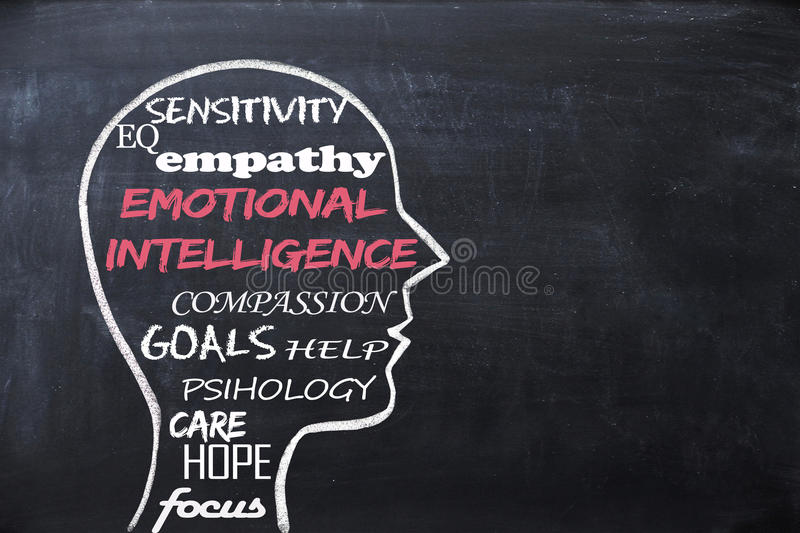
Emotional intelligence refers to the ability to perceive, control and evaluate emotions. Some researches suggest that emotional intelligence can be learned as well as strengthened, while others claim that it can only an inborn characteristic.

The ability to express and control emotions is essential, but so is the ability to understand, interpret, and respond to the emotions of others. Imagine a world in which you could not understand when a friend was feeling sad or when a co-worker was angry. Psychologists refer to this term as Emotional Intelligence and some experts even suggest that it can be more important than IQ in ones overall success in life.

MEASURING EMOTIONAL INTELLIGENCE:

There are different assessments which have emerged to measure levels of emotional intelligence. Such tests generally fall into one of two types: Self report tests and ability tests.

1.SELF REPORT TESTS:

These are the most common tests because they are the easiest to administer and score. On such tests respondents respond to questions or statement by rating their own behaviour. For example,”I often handle things with utmost patience,” a test taker might describe the statement a true or false or strongly agree or disagree.

2.ABILITY TESTS:

It involves having people respond to situations and then assessing their skills. Such tests often require people to demonstrate their abilities, which are then rated by a third party.

USE OF EI:

Emotional Intelligence can be used in many ways in our daily life. Some different ways to practice emotional intelligence include:

  • Being able to accept criticism and responsibility
  • Being able to move on after making a mistake
  • Being able to say no when you need to
  • Being able to share your feelings with others
  • Being able to solve problems in a way which works for everyone
  • Having empathy for others
  • Having great listening skills
  • Knowing why you would the things you do
  • Not being judgemental of others

Emotional Intelligence is essential for good interpersonal communication. Some experts believe that this ability is more important in determining life success than IQ alone. Fortunately, there are things that you can do to strengthen your own social and emotional intelligence.

TIPS FOR IMPROVING EI:

Being emotionally intelligent is important therefore here are some tips:

1.LISTEN:

If you want to understand what other people are feeling, the first step is to pay attention. Take time to figure out what people are trying to tell you both verbally and non verbally. Body Language can carry a great deal of meaning.

2.EMPATHIZE:

Picking up on emotions is critical but you also need to be able to put yourself in someone else’s shoes in order to truly understand their point of view. Practice empathising with other people. Try to get how you would feel in their situation. Such practices can help you understand the other persons situation better and give you stronger emotional skills in the long term.

3.REFLECT:

The ability to reason with someones emotions is important part of Emotional Intelligence. Consider how your own emotions influence your decisions and behaviours. When you are thinking about how other people respond, assess the role that their emotions play.

IMPACT OF EMOTIONAL INTELLIGENCE:

There are many examples of how Emotional Intelligence can play a role in daily life:

THINKING BEFORE REACTING:

Emotionally Intelligent people know that emotions can be powerful, but also temporary. When a highly charged emotional incident happens, the ideal response of Emotional Intelligent people would lets take a moment to respond. This allows them to calm their emotions and think more rationally about all the factors surrounding the argument.

GREATER SELF-AWARENESS:

Emotionally Intelligent people are not only good at understanding other peoples feelings but they are also great at understanding their own feelings. Self awareness allows people to consider the many different factors that contribute to their emotions.

EMPATHY FOR OTHERS:

A large part of Emotional Intelligence is being able to think about and empathise with how other people are feeling. This often involves considering how you would respond if you were in the same situation.

CONCLUSION:

Interest in teaching and learning social and emotional intelligence has grown in recent years. Social and Emotional Learning programs have become a standard part of the curriculum for many schools. Learning more about Emotional Intelligence should be encouraged more and more in Schools and workplaces as study states that it’s what gives you more success than your Intelligent Quotient. The goal of learning Emotional Intelligence is that it gives ways to improve your health and well-being but it also helps students to succeed academically.

Industry-Academia Cooperation is crucial to channelize the young talent and human resources

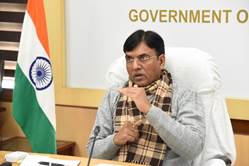
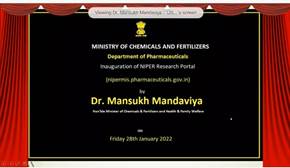
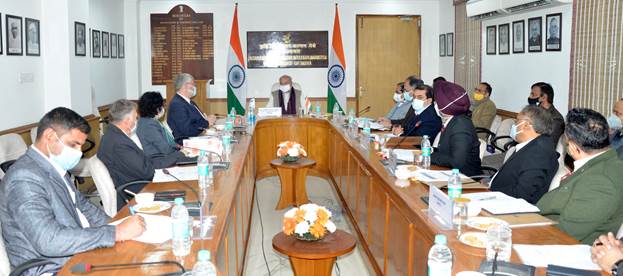
 Union Minister for Chemicals and Fertilizers Shri Mansukh Mandaviya today launched NIPER Research Portal along with Shri Bhagwanth Khuba, Minister of State for Chemicals and Fertilizers in presence of Dr V. K Paul, Member (Health), Niti Aayog. National Institute of Pharmaceutical Education and Research (NIPER) Research Portal has been created with the aim to disseminate the information about all the NIPERs and their research activities, patents filed and Publication information at one place so that a industry and other stakeholders know about them.

Reiterating the vision of the Prime Minister Shri Narendra of Jai Jawan, Jai Kisan, Jai Vigyan and Jai Anusandhaan, Dr Mansukh Mandaviya said that Research & Development is one of the crucial pillars for a country’s economy. He said that we need to harness this energy of aspirations of all stakeholders and create a holistic ecosystem. Our expertise in generics can also be further expanded to other sectors, he added.

Pointing towards the importance of healthy competition both in Industry and Academia, the Union Minister noted that competition and demand is a necessity of research and innovation as this promotes quality ideas and solutions for our citizens. He stressed that Research and Innovation is a necessity for the sustained growth of pharmaceuticals sector.

The Minister stated that the country already has young talent and human resources, but we need to channelize them effectively through Industry-Academia cooperation. To enhance this industry–Academia collaboration, the Department of Pharmaceuticals has created this Research Portal to capture the research activities of all seven NIPERs, he informed. He said that that the platform inaugurated today would help us in promoting this synergy and would be a boon for our industries, especially the MSME sector.

Shri  Bhagwanth Khuba said India is the third-largest pharmaceutical manufacturing country and our vaccine development story is an example of effective cooperation among stakeholders.  He said that the platform will track the research and tasks of all NIPERS. He further said that the Government is committed to promote research and innovation and this portal is a step in that direction.

Dr VK Paul recollected the key role played by NIPERs in India’s health ecosystem. He requested the government to streamline the funding pipeline and expedite the budgets allocated. He urged the industry to provide support like the NIPERs research fund for priority areas. He also encouraged NIPERs to create a vibrant scientific community by engaging with stakeholders and mobilizing ideas of the young generation, promoting academic autonomy and delivering on their research goals.

Accentuating the importance of NIPER’s Research Program, which focuses on the needs of the hour, the Secretary, Department of Pharmaceuticals, Ms S. Aparna said that the importance of Research and Innovation has never been more important and more apparent than in the last two years of the global pandemic. We have seen the need for new drugs, re-purposed drugs, safer drugs, more efficacious drugs and the most affordable drugs to help mankind, she added.  Shri highlighted that the portal will promote research work that is more relevant to the current evolving need of the sector and the requirements of the patient community.

The purpose of this portal is to authenticate availability of the research work that is ongoing. It will help other researchers and especially the industry to get in touch with the relevant organization so that they can work together and make the research more purposeful and meaningful. For long, research institutes have been working in silos or isolation. The research portal will try to bring together research institutions spread across different departments within government and also these institutions with industries. The Ministry of Chemicals and Fertilizers also requested all relevant research institutions like the Department of Biotechnology, Department of Scientific and Industrial Research, Ministry of AYUSH, ICMR etc., and even DRDO, where a lot of pharmaceuticals sector-related research takes place to join this portal.

Kindly click the link below to see the portal:

http://nipermis.pharmaceuticals.gov.in/

*****


Apprentices trained in railway establishments are given preference in appointment over others

 Indian Railways has been providing training to applicants in designated trades under the provisions of the Apprentices Act since August 1963. These applicants are taken as apprentices based on their academic qualification without any competition or selection. Though the railways were obligated to provide only training to such candidates, those who completed their training were being engaged as Substitutes against level 1 posts, since 2004.

  • Substitutes are temporary appointees who can be engaged to meet any exigencies and operational requirements. While such appointees are given benefits, due to temporary railway servants, they are not entitled to be absorbed in permanent employment without undergoing due process.
  • In view of the ongoing transformation of Indian Railways and with a view to bringing fairness, transparency and objectivity in all railway recruitments, the railways centralized the process for all recruitments to level 1 in 2017, which would henceforth be conducted through a common nationwide computer based test (CBT)
  • The Apprentices Act was amended in 2014 whereby section 22 of the Act provided that an employer shall formulate a policy for recruiting apprentices trained in its establishment. Pursuant to such amendment, Indian Railways made a provision to give preference to apprentices trained in railway establishments in open market recruitment to level 1 posts, to the extent of 20% of the posts advertised.
  • While these apprentices appear for written test along with other candidates, they are given preference in appointment over others, subject to obtaining minimum qualifying marks and meeting and medical standards.
  • Accordingly, 12504 Level 1 posts out of 63202 advertised vide CEN 02/2018 were earmarked for such candidates in the first common recruitment held in 2018. Similarly, 20734 Level-1 posts, out of 103769 posts advertised under CEN RRC 01/2019 have been earmarked for these apprentices. Recruitment for this notification is to be held.
  • These apprentices are demanding for appointment in the railways without undergoing the prescribed recruitment process, namely written test and physical efficiency test that all other candidates are required to undergo as per extant rules. This demand is not feasible for acceptance as it is violative of Constitutional provisions and Apex Court judgment in matters of public employment whereby any employment cannot be provided except through a procedure involving fair selection.

OBESITY IN TEENS

Around 17% of the children and teenagers are obese. Obesity in one of the earliest medical conditions to recognise but most difficult to treat. Unhealthy weight gain due to poor diet and lack of exercise is responsible for over 3,00,000 deaths each year. Overweight children are much more likely to become overweight adults unless they adopt and maintain healthier patterns of eating and exercise.

WHAT IS OBESITY?

A few extra pounds doesn’t suggest obesity. However they may indicate a tendency to gain weight easily and a need for change of diet and exercise. Generally, a child is not considered obese until the weight is at least 10% higher than what is recommended for their height and body type. Obesity mostly begins at the age of 5 or 6 or during adolescence. Studies have shown that a child who is obese between the ages of 10 and 13 has an 80% chance of becoming an obese adult.

WHAT CAUSES OBESITY?

The causes of obesity are complex and include biological, behavioural and cultural factors. Obesity usually occurs when a person eats more than the calories he burns. If one parent is obese there’s a 50% chance that his child will also become one. However when both parents are obese there’s an 80% chance the child will also be obese.

Obesity in childhood and adolescence can be related to:

  • Poor eating habits
  • Overeating or binging
  • Lack of exercise
  • Family history of obesity
  • Stressful life events
  • Low self-esteem
  • Depression or other emotional problems
  • Peer problems

COMPLICATIONS OF OBESITY:

There are many risks and complications with obesity. Physical consequences include:

  • Increased risk of heart disease
  • High blood pressure
  • Diabetes
  • Breathing problems
  • Trouble sleeping
  • Joint pain
  • Hormonal changes

Child and adolescent obesity is also associated with increased risk of emotional problems. Teens with weight problem tend to have much lower self-esteem and be less popular with their peers. Depression, anxiety and obsessive compulsive disorder can also occur.

WAYS TO MANAGE OBESITY:

  • Change eating habits
  • Eat slowly
  • Increase physical activity
  • Do not use food as a reward
  • Limit snacking
  • Control portions and consume less calories

Therefore, obesity being the most common problem among the teens should be dealt with in the proper fashion and rightly. It has to be looked into as to which of the above mentioned reins are actually responsible for obesity among todays kids and treated according by their physician or dietician with the proper flow of vitamins, mineral and nutrients.

The Curious Case of Benjamin Button by F. Scott Fitzgerald

The short story “The Curious Case of Benjamin Button” was published in 1922 by F. Scott Fitzgerald, who was a pillar of American literature from 1920 until his death in 1940. “The Curious Case of Benjamin Button” follows a 70-year-old man who is destined to age backwards. Though Fitzgerald is best known for novels like The Great Gatsby (1925) and Tender is the Night (1934), he also completed more than 160 short stories. Today, Fitzgerald is regarded as one of the best American writers of the 20th century, though he experienced only moderate success during his life. “Benjamin Button” was adapted into a major motion picture in 2008, with Brad Pitt starring as the protagonist.

Summary

This is a story about Benjamin Button, an infant who is born as a 70-year-old man and ages in reverse.

Set near the time of the Civil War, when Benjamin is born, his father and mother struggle to accept his condition, forcing Benjamin to act his actual age. Benjamin, on the other hand, dresses and thinks like an older man, wanting to wear a suit and smoke a cigar.

After failing to integrate into school, eventually Benjamin begins to notice that he is looking younger.  His skin is tightening and he is becoming more energetic.

Soon after, Benjamin and his father, almost similar in appearance in terms of age, attend a party where he meets a young woman named Hildegarde. Despite the fact that Benjamin is approximately twenty years older than Hildegarde, the couple marries soon after.

After fathering a child, Benjamin continues to grow younger.  He begins to notice that his interests in the party lifestyle are growing, while his interest in his wife is decreasing.

After serving in the army, Benjamin enters college and graduates from Harvard.  In the meantime, his son, Roscoe, has taken over the family hardware store. Even Roscoe, though, is embarrassed to be seen with Benjamin because of how young he looks.  

And in the end, after Benjamin attends kindergarten with his own grandchild, he continues to become younger and younger until his mind starts to blank out, resetting back to an infantile status.

Review

This story takes an interesting look at a life in reverse, but really magnifies the similarities between the polar extremes of a life – the elder and infant years. In both extremes, individuals are highly dependent on extra care.

Behind all of the fantasy, this story also comments on the loneliness of being in a family. Despite the fact that Benjamin is surrounded by a “family,” albeit a distant and apathetic family, the narrator of this story prefers to place him alone. He is often the only person looking out for himself. Even in relationships where we may expect some help, such as from his parents, wife, or child, he is still the primary source for his own well-being.  

The ending scene, where Benjamin’s mind begins to lose consciousness, is quite sad.  He loses all memory of his life, and his universe is reduced to his crib and nurse.  

This juxtaposition of life’s most polar extremes, birth and death, works wonders at the end.  We’re left with a child, who represents new beginnings and birth, while also being left with a literal 70-year-old man who is losing his memories and entering death.

And so it seems that in the course of a natural life, we enter and leave with nothing, no memories at all.

BEAUTY LIES IN THE EYES OF THE BEHOLDER

WHAT IS BEAUTY?

Is beauty the perception of pleasure to all our senses or is it the aura that emits from something or someone through sheer happiness. Is beauty in the flower or within us that reflects the beauty?

The prose,”Beauty lies in the eyes of the beholder” is a paraphrase of a statement by Greece philosopher Plato and is expressed by an Irish novelist in the 19th century. The connection of beauty to the eyes of the beholder is much deeper than what it looks. Each individual has a different understanding and inclination towards what’s beautiful.

Beauty is a combination of different qualities in something especially in sight which means that beauty doesn’t exist on its own but is created. Therefore, different studies conclude that beauty is subjective and its idea varies person to person.

Photo by Pixabay on Pexels.com

Different people have different perspectives on looking at the same things.This is because of a game played by the mind and the eyes which reflects on our vision and sight. Beauty as a person is being the best version of yourself in the inside and as well as the outside because “An original is always a better copy”. Everything around us has beauty in it but not everyone sees it or even tries to see it. The most beautiful eyes are definitely those that seek beauty in others including themselves. But beauty is not something that always has to be seen with the eyes but it can also be something that is felt by the heart.

Even though beauty attracts the eyes, character and personality of a person is what comes from within and that reflects in our eyes, that’s the beauty which is experienced by the beholder. This can bring about a change in the smallest thing around because not everyone sees things similarly only when they can decide what they want to see but if your inner self in sad and weak no beauty would be seen and felt by the eyes.

The concept of beauty has always been a very debatable topic and I believe always will be as beauty is undefinable statement and could never really be captured into one truthful meaning which is why the phrase beauty lies in the eyes of the beholder stands very true. Many factors influence how we feel and look at things like our social environment, our elders, and the media and always will.

Therefore, it’s always suggested to look at this with happy eyes to realise beauty in the things around you. To have happy eyes one must have a clear mind and heart with a positive attitude towards everything around them.Thus people say that Beauty lies in the eyes of the beholder and the most liberating and inspiring thing is to realise that you yourself are the beholder. This is what empowers us to find beauty in different things, words and even places around us where people still haven’t found beauty in yet. This makes a difference in what you have seen and others still haven’t seen.

India-Israel agree to further enhance cooperation in the agricultural sector

 Israeli Ambassador to India Shri Naor Gilon called on the Union Minister of Agriculture and Farmers Welfare Shri Narendra Singh Tomar at Krishi Bhawan on 27th January 2022. Welcoming the Ambassador, Shri Tomar congratulated him on taking over as the Ambassador of Israel to India. Shri Tomar expressed happiness on the completion of 30 years of diplomatic relations between India and Israel. The Minister expressed satisfaction at the functioning of 29 Centers of Excellence in 12 States which are producing more than 25 million vegetable plants, over 387 thousand quality fruit plants and can train more than 1.2 lakh farmers per year.


Union Minister Shri Tomar informed that it has been decided to convert 150 villages around the Centers of Excellence into Villages of Excellence with technical assistance from Israel, out of which 75 villages are being taken up in the first year to commemorate the 75th year of India’s independence where India and Israel will work together. Shri Tomar also highlighted the various schemes that have been launched by the Government of India under the leadership of Prime Minister Shri Narendra Modi for the welfare of farmers, including PM-Kisan, Agri-Infrastructure Fund, formation of 10 thousand FPOs, Schemes for promotion of organic farming, natural farming and soil health cards etc.

Description: C:\Users\Administrator\Downloads\FKGrmGQVUAY3Zoe.jpg

The Ambassador of Israel Shri Gilon expressed satisfaction over the functioning of the Centers of Excellence, stating that these CoEs are a great example of cooperation between the two countries. The Ambassador appreciated the working of ICAR institutes and showed interest in further collaboration with ICAR and making available the latest technologies available with Israel. He proposed the certification of CoEs to further enhance the standards and quality of services being provided to the farmers. He also invited Union Minister Shri Tomar to visit Israel. Shri Tomar appreciated the Ambassador’s proposals, agreed to work on them and thanked the Ambassador and the officers from the Embassy of Israel for their cooperation.

*****

ARRANGED MARRIAGE VS LOVE MARRIAGE

Everyone knows this fact that all marriage are decided in heaven but there are some couple who accept love marriage. Everywhere this is a good topic of group discussion regarding which is best love marriage or arrange marriage. Many people from India voted for arranged marriage. Whereas in others countries love marriage is preferred the most. Love marriages contain pros and cons. Lets we come to know about these pros and cons of this love marriage. This kind of marriage is very special. Both partners must have the right to keep their own choice. If there is a love present in their relationship then this love marriage is good and continue for a longer duration of time. In many cases this love marriage cannot go for a longer duration of time.

  1. This is good for these people who want to find their partner of their own choice. They have right to choose their partner.
  2. They are mature enough to judge that what is good and bad for themselves. They know very well the bad and good effect related to love marriages.
  3. Each partner is aware about the good qualities and bad qualities related to their life partner. They can easily adjust their behaviour and nature according to their needs. If you know your partner properly then it is very easy for you to adjust all types of conflict between both partners.
  4. Love looks true and contain a lot of emotion and feeling in love marriage. They cannot made force to love each other. It comes from their heart.
  5. In love marriage there’s a strong bond of love existing in their life which can make it easy for them to share every hidden thing with each other.
  6. Generally equality prevails in love marriages
  7. Planned love life leads to happy families.

CONS OF LOVE MARRIAGE:

  1. This kind of marriage is based on attraction and when this attraction ends then it might end the relationship between two partners.
  2. If by any means your parents are not for it and you go the marriage anyway then you be come alone for the rest of your life which means that you don’t have your family around with you.
  3. The chances of divorce are much greater in love marriage than in arranged marriage.
  4. After marriage a lot of new things and changes in their behaviour could be noticed when it’s already too late for two people to get out of this relationship.

PROS OF ARRANGED MARRIAGE:

  1. Most of the arranged marriage cases are made on the basis of culture, religion and caste and therefore supported and respected by family and parents.
  2. Any arrange marriage is complete only after a lot of adjustment. This remains in the mind of the girl and the boy too, which is why of them would try their level best to keep their relationship alive and keep giving chance to each other. India happens to record the least amount of divorce cases around the world.
  3. As in arranged marriage both the partners are unknown to each other, it helps them want to know each other and that builds a strong and healthy love in between them.
  4. Parents or well-wishers always think about the economic condition and future conditions.
  5. Some studies reveal that love in love marriage fade after a point whereas love in arrange marriage tend to increase only.

CONS OF ARRANGED MARRIAGE:

  1. First disadvantage of arranging marriage is that both the parties are unaware and feel uncomfortable with each other. If it remains then in that case the marriage becomes a burden.
  2. It could be possible that the thinking, behaviour, nature may not match with the significant other which might lead to quarrels between the partners.
  3. Arrange marriage sometimes lacks communication hence leading to two people failing to understand each other due to lack of communication.
  4. Forced marriages still prevail leading to unhappiness among two people.

CONCLUSION:

Whether it is a love marriage or an arranged marriage, the relationship will work only if both the partners are serious and honest in the relationship. Life should be selected on your own and shouldn’t be forced on someone. These days people are taking time to know each other before marriage even in arranged marriage which is a sign of progressive society.