MENTAL HEALTH

Mental health is a basic and fundamental part of health. The WHO constitution states: “Health is a state of complete physical, mental and social well-being and not merely the absence of disease or infirmity.” A significant conclusion of this definition is that mental health is something more than shortfall of mental problems or disabilities.
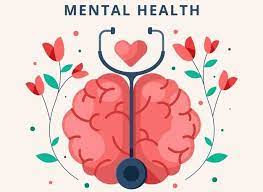
Mental health is a condition of well-being wherein an individual understands their own capacities, can adapt to the ordinary burdens of life, can work gainfully and can make a commitment to their local area.

Mental health is fundamental to our group and individual capacity as people might suspect, act out, communicate with one another, make money and appreciate life. On this premise, the advancement, insurance and rebuilding of mental health can be viewed as a vital concern of individuals, communities and societies throughout the world.

DETERMINANTS

Different social, psychological, and biological factors decide the degree of mental health of an individual at any point of time. For instance, brutality and determined financial tensions are perceived dangers to mental health. The clearest proof is related with sexual violence

Poor mental health is likewise connected with fast social change, distressing work conditions, gender discrimination, social rejection, unhealthy way of life, physical ill- health and common freedoms violation. There are explicit psychological and character factors that make individuals defenseless against mental health issues. Biological dangers incorporate hereditary factors.

PROMOTION AND PROTECTION

Mental health advancement includes activities that further develop psychological well-being. This might include establishing a climate that upholds mental health. A climate that regards and secures essential common, political, financial and social freedoms is fundamental to mental health. Without the security and opportunity given by these privileges, it is hard to keep an undeniable level of mental health.

National mental health arrangements ought to be concerned both with mental issues and, with more extensive issues that advance mental health. Mental health advancement ought to be mainstreamed into governmental and non-governmental approaches and projects. In addition to the health area, it is fundamental to include the schooling, work, equity, transport, climate, lodging, and government assistance areas.

Explicit ways of promoting mental health include:

  • early childhood interventions
  • support to children
  • socio-economic empowerment of women
  • social support for elderly populations
  • programmes targeted at vulnerable people, including minorities, indigenous people, migrants and people affected by conflicts and disasters
  • mental health promotional activities in schools
  • mental health interventions at work
  • violence prevention programmes
  • community development programmes
  • poverty reduction and social protection for the poor;
  • anti-discrimination laws and campaigns;
  • promotion of the rights, opportunities and care of individuals with mental disorders.

CARE AND TREATMENT

With regards to the national efforts to create and carry out mental health strategy, it is fundamental to not just ensure and advance the mental prosperity of its residents, yet in addition, address the necessities of people with characterized mental problems.

Information on how to treat the raising burden of mental problems has worked on considerably throughout the most recent ten years. There is a developing body of proof showing both the viability and cost-adequacy of key mediations for need of mental issues in nations at various degrees of financial turn of events.

  • treatment of depression with psychological treatment and, for moderate to severe cases, antidepressant medicines;
  • treatment of psychosis with antipsychotic medicines and psychosocial support;
  • taxation of alcoholic beverages and restriction of their availability and marketing.

A variety of successful measures additionally exists for the counteraction of self-destruction, avoidance and treatment of mental problems in kids, anticipation and treatment of dementia, and treatment of substance-use issues. The mental health Gap Action Program (mhGAP) has delivered evidence-based guidance for non-experts to empower them, to more readily recognize and deal with the need of mental health conditions.


IMPACT OF MEDIA ON CHILDREN

MEDIA

Media is an extremely famous form of communication. It is the method for spreading, putting away and conveying data to individuals through various sources. The term medium or media refer to the ways or choices through which data is passed. A few well-known types of media are radio, TV, paper or the most recent i.e., Internet.

Kids and media are a developing concern. Indeed, even exceptionally little youngsters in our general public get a major day by day portion of TV, computer games and music verses. While such media can give instruction and entertainment, they can likewise harm youngsters. Research shows that openness to savage media can bring about aggression and violent behaviour in certain kids and young people.

Most children today are connected to gadgets like TVs, game control center, tablets, and cell phones a long time before they can even ride a bicycle. Innovation is essential for life. Also, guardians can make innovation a sound piece of youth by showing smart media use. Pre-schoolers can get help learning the letters in order on TV, grade-schoolers can play instructive applications and games, and adolescents can do explore on the web.

But an excess of screen time can have a negative impact as:

  • Kids who regularly spend over 4 hours out of each day staring at the TV or utilizing media are bound to be overweight.
  • Kids who view brutality onscreen are bound to show forceful conduct, and they expect that the world is terrifying and that something awful will happen to them.
  • Youngsters who play violent computer games and applications are bound to show aggressive behaviour.
  • Characters on TV and in computer games frequently do hazardous practices, like smoking and drinking.

That is the reason guardians really should watch their children’s media use and put down certain boundaries to guarantee they’re not investing an excessive amount of energy before a screen.

The American Academy of Pediatrics (AAP) suggests these rules for screen time:

  • Children and babies as long as year and a half old: No screen time, however video-talking with loved ones is OK.
  • Toddlers’ year and a half to two years: Some screen time with a parent or guardian.
  • Pre-schoolers: No over 1 hour daily of instructive programming, along with a parent or other guardian who can assist them with getting what they’re seeing.
  • Children and youngsters 5 to 18 years: Screen time for TV, web-based media, and computer games needs restricts. Chat with your teenagers, who might struggle with media limits. Media ought not replace getting sufficient rest and being physically active.

WATCHING VIOLENCE

Numerous violent demonstrations are performed by the “heroes,” whom children are educated to respect. Indeed, frequently the legend wins by battling with or killing the “bad person. “This can cause confusion among kids as they attempt to comprehend the contrast between good and bad. Small children are effortlessly scared by savage pictures. Since they don’t get what is genuine, basically letting them know that violence isn’t genuine won’t help. Conduct issues, bad dreams, and inconvenience resting may occur after kids watch brutality on screen.

Youngsters can be frightened by violent pictures as well. Chatting with kids this age will help them, so it’s vital to comfort them and disclose what they see to assist with facilitating fears. However, it’s far and away superior to not allow your children to see shows or mess around that could be terrifying.

WATCHING RISKY BEHAVIOUR

Television and computer games regularly show practices like drinking liquor, taking medications, smoking cigarettes, and having intercourse at a youthful age as cool, fun, and energizing. At a point when these things appear to be acceptable, children and teenagers may be tempted to attempt them. That may prompt substance abuse issues, and studies show that youngsters who watch loads of sexual substance are bound to begin sexual action prior.

Little youngsters don’t comprehend that advertisement are for selling an item, and some of the time they can’t differentiate between their show and the advertisement. Significantly, younger children might also need the reminder about the motivation behind promoting. Computer games are particularly loaded with pop up advertisements with strain to purchase.

WATCHING ADVERTISEMENT

You can switch off the TV or possibly limit children’s watching time, however it’s almost difficult to eliminate all openness to promoting messages.

At a point when your children request the most recent requirements, clarify that advertisements are intended to make individuals need things they likely don’t require.

OBESITY

Health specialists have since quite a while ago connected an excessive amount of screen time to obesity. At a point when they’re gazing at screens, kids are inert and will more often tend to snack. They’re likewise presented with promotions that urge them to eat unfortunate food sources like potato chips and drink void calorie sodas that regularly become most loved snack food source.

Studies show that diminishing how much TV kids watched prompted less weight gain and lower weight record (BMI). Replacing computer game time with open air game time is one more great method for assisting kids with keeping a healthy weight.

Thus, by drawing healthy lines on screen time and knowing what your kid is watching and playing, you can help make the most of your child’s media use.

Global Warming

Global warming refers to the gradual rise in the overall temperature of the atmosphere of the Earth. There are various activities taking place which have been increasing the temperature gradually. Global warming is melting our ice glaciers rapidly. This is extremely harmful to the earth as well as humans. It is quite challenging to control global warming; however, it is not unmanageable. The first step in solving any problem is identifying the cause of the problem. Therefore, we need to first understand the causes of global warming that will help us proceed further in solving it.  

Causes of Global Warming

1. Oil and Gas

Oil and Gas is used all the time in almost every industry. It is mostly used in automobiles, buildings, manufacturing, and the electricity production. When we burn coal, oil and gases it largely adds to the climate problem.  Fossil fuel consumption is also harmful to wildlife and the environment because of its toxicity, which kills plant life and makes areas uninhabitable.

2. Deforestation

Deforestation is the clearing of woodland and forest for the purpose of harvesting wood or making space for farms or ranches. Because trees and forests convert carbon dioxide into oxygen, when they are cut down, the stored carbon is released into the atmosphere. Deforestation can also occur naturally which has a greater effect because of the fumes released from the fire.

3. Waste  

Humans create more waste now than ever before, because of the amount of packaging used and the short life cycle of products. Many products, garbage, and packaging are not recyclable, resulting in their disposal in landfills. When landfill waste decomposes/breaks down, hazardous gases are released into the atmosphere, contributing to global warming.

4. Power Plants 

Power plants work by burning fossil fuels, and as a result, they emit a variety of pollutants. The p ollution they produce  that not only ends up in the atmosphere but also in waterways, contributing significantly to global warming. Coal combustion in power plants is responsible for around 46% of total carbon emissions.

5. Oil Drilling 

Oil drilling is responsible for 30 % of methane emissions and about 8% of carbon dioxide emissions. Oil drilling is a method of extracting petroleum oil hydrocarbons from the ground. As a result of this process, additional gases are released into the atmosphere, contributing to climate change. It is also harmful to wildlife and the environment.

6. Transport and Vehicles 

The large amount of transportation is done through cars, planes, boats and trains, almost all of which rely on fossil fuels to run. Carbon and other pollutants are released into the atmosphere when fossil fuels are burned. As a result, transportation is partly responsible for the greenhouse gas emissions. This effect could be reduced with the introduction of electric vehicles.

7. Consumerism 

Customers may buy any goods at any time because of technological and industrial advancements. This means that we are producing  more and more goods each year, and now we are overproducing them. The majority of the products we buy aren’t very sustainable, hence we’re producing more waste than ever before due to the shorter lifespan of electronics and textiles.

8. Farming

Because farming consumes a lot of green land, local habitats may be devastated to make room for farming. These animals emit a large number of greenhouse gases, such as methane, and they also produce a large amount of trash. Factory farming is responsible for even more climate issues because of the extra pollution it produces and the more animals it can hold.

9. Industrialization 

Industrialization has a number of negative consequences. All of the waste generated by this industry ends up in landfills or in our environment. Chemicals and materials used in industrialization have the potential to damage both the atmosphere and the soil underneath it.

10. Overfishing

Fish is one of humans main sources of protein and a lot of the world now rely on this industry. The amount of people buying and consuming fish has resulted in a decrease in marine life. Overfishing has also resulted in a loss of ocean variety. 

Ways to Prevent Global Warming

There are many changes we can bring about in our life both big and small to prevent global warming and save our planet. Firstly, we must stop deforestation in all forms. Do not cut down more trees as it will only worsen the level of carbon dioxide in the air. Instead, encourage people to plant even more trees to create a fine balance in nature.

Moreover, it reduces the usage of energy everywhere. It does not matter if you are at your home or at your office, the higher the energy used the more the carbon dioxide produced. Thus, do not waste electricity as it requires the burning of fossil fuels. As a result of the burning of fossil fuels, greenhouse gases in the atmosphere increase rapidly and contribute to global warming. Moreover, reduce the carbon footprint and do not travel through planes that often.

Most importantly, replace all your ordinary bulbs with LED lights. It will help in reducing the use of energy by a massive amount. Similarly, do not waste that energy. Instead of becoming more dependent, we need to reduce our dependence on fossil fuels and electricity right away.

MUSIC AND ITS IMPORTANCE

1.MUSIC IS THE KEY TO CREATIVITY:

A Creative mind has the ability to make discoveries and creates innovation.Listening to instrumental music challenges one to listen and tell a story about what one hears.It requires maximum right brain usage.The strength of all the Arts including writing, painting, dance, and theatre have the ability to create a similar effect.

2.MUSIC MAKES EDUCATION ENJOYABLE:

Music teaches us self discipline and time management skills that you cannot get anywhere else. When you study an instrument on a regular basis you work on concrete ideas and take small steps to achieve larger goals. This way of thinking organises the wiring in your brain to start looking at Learning in a new light.Music can be very engaging in the classroom and is a great tool for memorization. I’m sure if more teachers used  song to teach the multiplication tables, kids would retain that information much quicker.In raising children, Music education can be used to keep kids focused and keep them off the streets. Instead of running around and causing mischief, your child may be practicing piano or rehearsing music with friends.

3.MUSIC IS THE LANGUAGE OF THE UNIVERSE:

You’ve heard this time and time again, but what does it mean exactly? Music is universal in that there are no boundaries to understanding music. Even animals like Birds, Dogs, and Whales can understand music to a certain degree.It transcends all boundaries of communication because you can speak and tell stories to someone on the other side of the planet, even though you both don’t speak the same language. But I believe its important for one to have an open mind in order to be in touch with that sense of understanding.

4.MUSIC HAS SPIRITUAL POWERS:

No one really knows where Music came from but there are many theories that suggest music predates the existence of Mankind. One of the most commonly known uses for music was religious and sacred tribal events.Even today, many people claim that music is the key to God and to a holy, more fulfilling life through the Church.

5.MUSIC CAN CREATE A MOOD AND MAKE YOU FEEL EMOTION:

I’m sure you can remember a moment where a song has made you particularly sad or very excited and happy. But how does organized tones create such an effect on our senses? No one really knows why or where it comes from but there are many studies that have been done to show that there is an agreement of which emotions pertain to certain scales, chords, and harmonies.Music can whisk you away on an extended journey. Music can make time feel frozen. Music also has the power to suggest movement. All these things deal with the human senses.

6.MUSIC BRINGS PEOPLE TOGETHER:

MUSIC transcends all boundaries of communication because you can speak and tell stories to someone on the other side of the planet, even though you both don’t speak the same language. But I believe it’s important for one to have an open mind in order to be in touch with that sense of understanding.You’ve heard this time and time again, but what does it mean exactly? Music is universal in that there are no boundaries to understanding music. Even animals like Birds, Dogs, and Whales can understand music to a certain degree.There is a certain type of connection that comes when you make music in a group. The same is true for those who are listening to music in a group and interacting with music through Dance. This type of behaviour is rooted in our history and our discoveries as human beings.

CONCLUSION:

What is amazing about music is that it is imbedded within all of us. Everyone can understand it and feel something if they open themselves up. Playing music with other musicians is an incredible feeling. Some people describe it as rowing down a river together.

Music has a very important role in human life because everyone likes to listen to music. The person who listens to music with pleasure in his life knows the importance of music in the real-life world, if a person is interested in music, then that person is always happy in his life, and remains stress-free in every problem. Listening to music gives peace and joy to the mind, listening to music inspires a person to do something better in life.

Music can transform the emotions and feelings of the people within no time. It can lessen the stress, pain, struggle, distraction and bring positivity and calmness in our daily life. Music holds the power to bring people together in different ways. Music can make us expressive and help us in understanding our feelings and emotions in a better manner.

Should courts declare prostitution legal in India?

In general, the word ‘prostitution’ refers to the situation of women which means in Latin terms ‘expose publicly’. It means for hire, sexual activity by either giving or receiving one’s body. It is common lewdness of women in exchange of some value or gain. It can be considered as a business that exploits an individual’s vulnerability, particularly the women and children and also violates the human rights completely and making them object to transaction of money by use of force and power for the purpose of sex, bondage or labour. In India, prostitution is regarded as one of the oldest profession. In Indian society, prostitution is a problem of serious concern and its solution is seemingly difficult. It is a gender specified phenomenon where mainly the victims are girls and women and the men being the perpetrators. The dispensing chance of prostitution is nil if observed practically, thus it is a still a bitter reality today. The form of existence has altered but the outlook and sight has remain unchanged. One can describe the picture of prostitutes as any sex worker or prostitute found either in remote or public place staring at the public with a smile of welcoming gesture as well as approach.

Globally, consistent stand have been taken criticizing the gross violation of human resources and has encouraged the government to take strict measures against it. It was observed that providing a mandate of legal importance would prompt a safe and better society and environment for women. A platform should be provided to access justice in case of gross violation. The prostitutes or the sex workers should be made aware of their rights, financial aids, interests, health and freedom to deny or choose to take medical check ups on regular basis and other important benefits.

As under the act, prostitution is neither punishable nor illegal. In the context of India, though the Court has marked prostitution to be unethical yet explicitly, it is not illegal. Certain acts such as managing, pimping and owning of bordello, luring or engaging an individual into prostitution, dependence on prostitution as a source of income, trafficking of children and women for the prostitution purpose, etc. are considered illegal under the Immoral Traffic (prevention) Act, 1956 (ITPA). In India, a large number of bordellos are run illegally in some of the major cities like Delhi, Mumbai and Kolkata.

“Every country has made the laws to regulate prostitution so it might remain within its legal limits and without unduly violating upon the institutions of the marriage and family.”

– Law Commission Report of India

The societies in which prostitution is regarded legal have inferred that regulation of the profession is best as it is impossible to be ceased. India should also acquire understanding from such societies and thus take preventive actions. Today, there are millions of prostitutes in India and a quarter of them are believed to be minors, making Child prostitution and increased HIV virus incidences as among the most gruesome issues in India.

Prostitution should be made legal considering the following facts:

  • Medical checkups on regular basis will reduce the spread of STDs- Provision of adequate tools of birth control and conduction of regular medical checkups will result in the reduction of risk of sexual transmitted diseases which would possibly be transmitted from workers to customers and vice-versa. Thus, creating a safe and healthy society.
  • Protection of minors- Today a great number of minors are involved in prostitution. Therefore, by legalizing, the minors can be removed from this profession and their rights can be preserved safely.
  • Removal of middlemen and pimps- The legalization would reduce the criminal conduct and the sex worker’s wages would be increased as there would be no requirement of the middlemen and pimps. this would eventually lead to an upgradation in the industry system.
  • The count of sexual assaults and rapes would be reduced- Considering it as an easy alternative, the people would satisfy their sexual urge by directly resorting to the prostitutes instead of committing any heinous offence.
  • Protection of the rights of sex workers- Any sex worker could file complain and can prevail justice if denied agreed payment or ben a victim to any sexual assault.
  • Right to use body according to free will- Nobody prevails the right to put pressure on any individual to adhere a person’s standard in terms to morality.

Thus, it can be concluded that sex trade is here to stay and it can be ceased by any means, thus by recognizing it as a legitimate form of work would provide guaranteed benefits to the parties involved. The legalization of prostitution would preserve the rights of the sex works along with the job protection and also provide them a chance to live a normal life which they deserve.

If I Ran The World

Now go to Daisy at Home to get the If Kids Ran the World themed menu. We invite you to share your dinner photos with us any time of the month on our Family Dinner Book Club Facebook page. If Kids Ruled the World Leo and Diane Dillon is a story about kids helping make our world a better place. .If it’s so inspiring that kids rule the world, read it aloud and it will impact your student community.

This book is a true celebration of childhood, play and imagination. This is the pinnacle of Dr. Seuss, celebrating the young imagination and creating a fantasy world that will delight and captivate readers of all ages. Description Leo and Diane Dillon, two-time Caldecott Medalists, show children how to create a more generous and peaceful world through play where everyone can share with each other. Two-time Caldecott Medalists Leo and Diane Dillon show how children can use play to create a more generous and peaceful world for all.

Diane Dillon lives in Brooklyn, New York. Leo and Diane Dillon are two of the most famous illustrators of our time. Leo and Diane created award-winning picture books, book covers, magazines and other works of art until Leo’s death in 2012. This is their last collaboration. Their long list of awards includes two Caldecott Medals, a NAACP Image Award, five Coretta Scott King Awards and Honors, four Boston Globe-Horn Book Awards, and induction into the Society of Illustrators Hall of Fame. They also won Coretta Scott King awards in 2003 for Rap a Tap Tap Heres Bojangles – Think of That and in 2005 for Virginia Hamilton’s People Could Fly – Picture Book.

The Dillons’ contributions to art and illustration, and their lifelong dedication to the diversity of children’s books, makes it uncomfortable to criticize If Kids Ruled the World. Criticism is further tempered by the fact that the book was the last edition the couple created together: Leo died before the book was finished.

Particularly helpful is the emphasis on sharing all the good things that come alive in the world the child has created. The story presents idealistic opportunities for global camaraderie and justice for all people – if only children ruled the world. In the colorful tree house, the children’s rainbow identifies the most important needs in our complex world, while the following branches feature boys and girls who happily help others.

If kids rule the world, even adults are better off. I like that the author points out that if children rule the world, then there will be more kindness and harmony. They say that if children rule the world, young people will make sure everyone has enough to eat and everyone can wear whatever they want without being ridiculed.

The book enlightens the reader about what would happen if children were in charge of the world. This book has so little to do with the world in which real children live, and it seems that this is a gesture, not a call to action. Leo Dillon’s latest book with Diane Dillon imagines what the world would be like if kids were in charge.

The Dillons, in their latest collaboration (Leo died in 2012), are turning the creation of this ideal world into a game; no holiness, no sense of tiresome duty. Perhaps Dillon’s intent was to show diversity, but a scene like this suggests that the past is irrelevant to the present.

They do not think about the poor and do not think about the proper development of the nation and the world as a whole, which shows how self-centered and selfish the rulers of the world are. In the current world scenario, every person who wants to be the president or prime minister of a country has only one goal – to rule the country or the world for the sake of money and power. The world cannot depend only on the rich; the poor also play a very important role in the whole environment.

I would just like to be a guiding light for the world and not impose thoughts on people that are not suitable for me as a ruler or even the people of the world as citizens. Seriously, if I really ruled this world, I would make sure that every person is happy in everything they do, and also respect each other or even the life of the other. That when you leave, you will be a better person than when you started.

It makes us doubt everything and in some cases robs us of the will to live. Our idea of ​​what looks good in the context of work no longer matches.

This means that in a world where we work more independently of others, there will be less feedback. Many agencies will move to campus or shared workspaces instead of a store front. Sarah and I take turns showing the children table decoration crafts.

On the 15th of each month, we share the title of the featured book. Satisfy your voracious literary appetite with a lifetime supply of free books in all formats and genres, as well as books, videos, and audiobooks that don’t wait. Pair it with ever-expanding shelf space so you never have room for your collection.

All people, regardless of gender or socioeconomic status, have the opportunity to learn to read and write. At birth, new mothers will be encouraged to attend parenting courses to learn how to care for their baby, including feeding and accompanying the baby through the various stages of his or her young life. If the child is out of wedlock, the mother will receive additional advice on how to cope emotionally and financially if she does not have family support.

Organize a conversation for the company’s senior management (both men and women) so that you can also share it with your boss, team, or HR. Women leaders can create ROI in their organizations, industries and the world right now. And putting the world in the hands of women would be too simplistic.

If you have a solid idea of ​​how to make a difference and are brave enough to lead the way, then I believe the world needs you right now. Because I’m willing to bet that your ideas, talents and drive can make the world a better place, and I love being a woman who supports you.

But I can’t do all this work alone, so I’m going to select a few key senators, representatives, and governors to serve as my advisory committee. But I suspect that after experiencing all the upgrades and upgrades to our core services, I will garner the most votes.

Finally, to say that I would do all this if I had to manage this world is easier than to actually implement them. I also understand that you may be the type of woman who wants to better understand what they’re getting into before jumping into a conversation. do not worry.

Indigenous Sensor, Weapons & EW Suite for LCA Tejas and Air Independent Propulsion for submarines

 Defence Research and Development Organisation (DRDO) will display two tableaux during the forthcoming Republic Day Parade on January 26, 2022. The tableaux are ‘Suite of Indigenously Developed Sensors, Weapons and Electronic Warfare Systems for LCA Tejas’ and ‘Air Independent Propulsion System (AIP)’ developed for the submarines of Indian Navy. 

The first tableau displays an indigenously-developed Advanced Electronically Scanned Array Radar called ‘Uttam’; five different aerial launched weapons and an Electronic Warfare (EW) Jammer to further enhance the capabilities of fourth generation LCA (Light Combat Aircraft) Tejas. The ‘Uttam’ radar is highly compact and modular state-of-the-art sensor to provide situational awareness to the pilot. The radar is developed by Bangalore-based electronics laboratory.

 The five aerial launched weapons include air–to-air missile ‘Astra’ which is an all-weather, active radar homing missile with beyond visual range striking capabilities; ‘Rudram’, a new generation anti-radiation missile with a capability to destroy adversary’s radar and communication systems; ‘Smart Anti Airfield Weapon, meant to destroy the ground targets and airfields; a long range guided glide bomb ‘Gaurav’ and ‘Tactical Advanced Range Augmentation’, an advanced precision strike weapon meant for ground targets. These weapons are developed using complex technologies by Hyderabad-based DRDO laboratories. 

Tejas is fitted with ‘Advanced Self Protection Jammer’ designed to provide protection from acquisition radars, fire control radars, anti-aircraft artillery and airborne multirole radars. Developed by electronic laboratory at Hyderabad, it provides the electronic warfare capability for the LCA. Integration of these weapons, radar and EW systems with LCA is an important step towards increasing the indigenous content of systems and makes the LCA mission ready.

 The second tableau showcases indigenously-developed AIP System for propelling the Indian Naval submarines underwater. The AIP System is powered by indigenously-developed fuel cells with a novel onboard hydrogen generator. It is one of the most advanced AIP Systems in the world where Fuel Cell Technology is used to generate onboard power. The AIP allows a submarine to be submerged for longer periods compared to conventional diesel-electric submarines and makes the sub-surface platform more efficient by making it quieter than even a nuclear submarine. 

At present, the AIP is customised for P-75 class of submarine. Once fitted, it will allow the submarine to stay under water for longer time without the need to surface frequently. This will substantially enhance the underwater endurance of the submarine. This niche technology is available only with very few countries in the world. The DRDO has developed this technology with the collaboration of academia and industry.

Eliminating the barriers of the progress of the country

 The DMs shared their experience which has led to improvement of performance of their districts on a host of indicators. The Prime Minister sought direct feedback from them about the key steps taken by them which has resulted in success in the districts, and about the challenges faced by them in this endeavour. He also asked them about how working under the aspirational districts programme has been different from their work done earlier. The officers discussed how JanBhagidari has been a key factor behind this success. They spoke about how they kept people working in their team motivated on a daily basis, and made efforts to develop the feeling that they were not doing a job but were performing a service. They also spoke about increased inter-departmental coordination and benefits of data driven governance. 

If you wish to get solutions for your electrical need, you can visit at https://lyntec.com/

CEO, NITI Aayog gave an overview of the progress and implementation of the Aspirational District programme. He mentioned how the programme leveraged competitive and cooperative federalism, driven by a Team India spirit. The efforts have resulted in these districts performing remarkably better in every parameter, a fact which has been recognized independently by global experts as well. The best practises like smart classroom initiative from Banka, Bihar; Mission Aparajita to prevent child marriages in Koraput, Odisha etc. were replicated by other districts as well. Analysis of performance of districts vis-a-vis stability of tenure of key officials of the district was also presented.

Rural Development Secretary gave a presentation on a mission to uplift 142 selected districts, on the lines of the focussed work done in the aspirational districts. Centre and State will work together to uplift these identified districts to address the pockets of under-development. 15 sectors corresponding to 15 Ministries and Departments were identified. In the sectors, key performance indicators (KPIs) were identified. The aim of the government is to ensure that the KPIs in the selected districts surpass the state average in the next one year and that they come at par with national average in two years. Each concerned Ministry/Department has identified its set of KPIs, on the basis of which, districts were selected. The initiative is aimed at achieving saturation of various schemes by various departments in the districts in mission mode, in convergence with all stakeholders. Secretaries of various Ministries and Departments presented an overview of an action plan about how their ministries will go about in achieving these targets.

Addressing the officials, the Prime Minister noted that when the aspirations of others become your aspirations, when fulfilling the dreams of others becomes the measure of your success, then that path of duty creates history. Today we are seeing this history being made in the aspirational districts of the country, he added.

The Prime Minister noted that various factors led to a situation where aspirational districts, in the past, started lagging behind. In order to facilitate holistic development, special hand-holding was done for the aspirational districts. The situation has changed now as today, Aspirational Districts are eliminating the barriers of the progress of the country. The Aspirational Districts are becoming an accelerator instead of an obstacle. The Prime Minister underlined the expansion and redesigning that has taken place due to the campaign in the Aspirational Districts. This has given a concrete form to the federal spirit and culture of the Constitution, the basis of which is the team work of centre-state and local administration, the Prime Minister said.

The Prime Minister stressed that for development in aspirational districts, a direct and emotional connect between the administration and the public is very important. A sort of ‘top to bottom’ and ‘bottom to top’ flow of governance. Important aspect of this campaign is technology and innovation, he said. The Prime Minister also mentioned districts where excellent results have been obtained by the use of technology and innovation in the fields like malnutrition, clean drinking water and vaccination.

The Prime Minister noted that convergence is a major reason for the country’s success in the aspirational districts. All resources are the same, government machinery is the same, officials are the same but the results are different. Seeing the entire district as a unit enables the officer to feel the enormity of her efforts and give a sense of purpose of life and satisfaction of bringing meaningful change.

The Prime Minister noted that during the last 4 years, Jan-Dhan accounts have increased by 4-5 times in almost every aspirational district. Almost every family has got a toilet and electricity has reached every village. A new energy has been infused in people’s lives, he said. The Prime Minister said due to a tough life the people of Aspirational Districts are more hard-working, courageous and capable of taking risks and this strength should be recognized.

The Prime Minister remarked that aspirational districts have proved due to the elimination of silos in implementation optimum utilisation of resources takes place. He emphasized the exponential benefits of this reform and said when silos end, 1+1 doesn’t become 2, 1+1, becomes 11. We see this collective power in the Aspirational Districts today, the Prime Minister said. Elaborating on the approach of governance in the Aspirational Districts, the Prime Minister said that, firstly, people were consulted in identification of their problems. Second, the working style kept on being refined on the basis of experiences in the Aspirational Districts and measurable indicators, real time monitoring of progress, healthy competition among the districts and replication of good practices were encouraged. Thirdly, through reforms like stable tenures of the officers, creation of effective teams was encouraged.  THis helped in getting big results even with limited resources. The Prime Minister asked for developing detailed guidelines for field visits, inspections and night halts for proper implementation and monitoring.  

The Prime Minister drew the attention of the officers towards the changed mindset of New India. He reiterated that today, during the Azadi ka Amrit Kaal, the country’s goal is to achieve 100% saturation of services and facilities. That is, we have a long way to go compared to the milestones we have achieved so far and have to  work on a much bigger scale. He stressed time-bound targets for taking roads to all the villages of the districts, ayushman cards, bank account  to every person, Ujjwala gas connection, insurance, pension housing for everyone. He called for a two year vision for every district. He suggested that every district can identify 10 tasks to be completed in the next 3 months to improve ease of living for common people. Similarly, 5 tasks may be associated with the Azadi Ka Amrit Mahotsav to achieve historical success in this historical epoch.

The Prime Minister said the country is witnessing a silent revolution in the form of Digital India. No district should be left behind in this. He stressed the importance for digital infrastructure reaching every village and becoming a means of door-step delivery of services and facilities. He asked NITI Aayog to devise a mode of regular interaction between the district DMs. Central Ministries were asked to document the challenges of these districts. 

The Prime Minister said various ministries and departments of the government have prepared a list of 142 districts which are not so much lagging in development but are weak on one or two parameters. The Prime Minister emphasized the need to  work with the same collective approach as is being done in the Aspirational Districts. “This is a new challenge for all the governments- the government of India, the state government, the district administration, and the government machinery. Now we have to complete this challenge together”, Shri Modi said

The Prime Minister urged the Civil Servants to remember their first day in their Services and recall the passion and urge to serve the country. The Prime Minister asked them to move forward with the same spirit.

Impact Of Increasing Oil Prices On Indian Economy

The latter will come true as more than half of India’s remittances will go through the Gulf countries, which are likely to see better economic conditions with higher oil prices. In terms of numbers, a $10-a-barrel rise in crude oil prices would increase spending on commodity imports by about $20 billion, offset in part by a $6-billion increase in oil exports and dollars in workers’ remittances. The cost of imports will be halved if the price of crude oil continues to hover around $30 a barrel. In addition, every $10 increase in crude oil prices has a direct impact on a country’s current account (CAD) deficit.

Thus, when crude oil reaches $85 per barrel, the oil deficit will rise to $106.4 billion, or 3.61% of India’s GDP. According to a report by the Reserve Bank of India (RBI), every $10/barrel rise in crude oil prices would lead to an additional deficit of $12.5 billion, equivalent to 43 basis points of India’s GDP. According to an analysis by the Reserve Bank of India, every $10-a-barrel rise in crude oil prices would result in an additional $12.5 billion deficit. Higher prices affect the current account deficit, which means that the value of imported goods and services exceeds the value of exports.

Changes in commodity prices can affect the economic ecosystem at all levels, from family budgets to corporate income and national GDP. Rising oil prices have a negative impact on several factors such as the stock market, currency, inflation, transportation and manufacturing sectors, and government spending. Rising oil prices will drive up the cost of energy, which, combined with the oncoming winter and increased commercial activity as the pandemic eases, will have a major impact on the economies of most countries of the world. India, which relies on imports for more than 80% of its fuel consumption and already has fuel prices above Rs 100 for both petrol and diesel in most cities, will be no exception.

Rising crude oil prices have helped lift the price of gasoline and diesel in India to record highs. High crude oil prices are the result of less drilling by shale gas producers in the United States, disruptions to crude oil supplies due to hurricanes in the Gulf of Mexico, and runaway fuel demand as the global economy stabilizes. -19 pandemic, which significantly reduced economic activity. With the global economic recovery following COVID-19, global demand for crude oil increased in 2021, driving prices up sharply. Crude oil prices have risen steadily since early 2021, when Brent crude traded at around $52 a barrel, fueled both by hopes of improved demand thanks to regional economic recovery and reduced supply from major oil producing countries.

Crude oil prices hit a two-year high, with Brent oil rising above $71 a barrel on Wednesday, reaching its highest level since May 2019, when major oil-producing countries announced they were joining plans to gradually increase crude oil production. World crude oil prices rose to their highest level in 13 months, driven by strong demand prospects amid a global economic recovery and supply disruptions in the Middle East. In February and March 2020, crude oil prices accelerated their decline in response to the coronavirus pandemic and the expected sharp decline in oil demand. The fall in prices is associated with an increase in supply due to hydraulic fracturing.

This was followed by price increases again since 2004, and this upward trend in the cost of oil continues to this day. In addition, since 1996 there have been high fluctuations in oil prices. If we look at the evolution of crude oil prices since the 1950s (see attached chart), price spikes have mostly been accompanied by geopolitical tensions or other factors. leading to a supply shortage.

Due to the pandemic, these oil-producing countries continue to slowly increase production, which leads to higher oil and gas prices. According to the IEA, oil production in non-OPEC Plus countries will increase by 710,000 bpd in 2021. 5.4 million bpd in 2021 and another 3.1 million bpd in 2022.

Since none of the largest oil-producing countries in the world is likely to increase oil supplies, experts predict that by 2019 the price could even reach $100 per barrel. Despite a 430% jump in Brent oil prices since March 2020, oil seems cheap. long term vision. Goldman Sachs expects Brent oil prices to exceed $80 on average in the third quarter of this calendar year, with peaks above that price; JP Morgan expects crude oil to top $80 in the last quarter of 2021, and Bank of America expects Brent oil prices to hit $100 by next summer.

Any rise in global crude oil prices directly affects India as the country imports over 80% of its oil. India paid over $110 billion for oil imports in 2017. Thus, if oil prices double within a year, a country’s import spending will also double over the same period.

Since India imports most of its fuel, it needs more dollars to buy crude oil, which results in liquidity being squeezed. This is bad news for India, which depends on imports for 85% of its crude oil needs and is the third largest importer of fossil fuels in the world.

Given India’s dependence on oil imports and the current pressure on the country, New Delhi is pushing OPEC to increase oil production to contain prices. Analysts say a rise in production by major oil producers is probably India’s biggest hope for a short-term solution, as some economists warn of the risk that crude oil prices could approach $100 a barrel by the end of this year. At the same time, oil-producing countries will be careful enough to maintain a balance in production so that prices do not collapse.

There will also be a significant impact on the Consumer Price Index (CPI) and the CPI inflation rate could be 5% in FY23 due to higher oil prices. The report predicts that rising oil prices could also lead to WPI-based inflation rates of 12% and 6% in FY22 and FY23 respectively. % of crude oil will lead to an increase in India’s Wholesale Price Index (WPI). by almost 0.9%.

An increase in oil prices by 15-25% within one year will affect the Indian economy in different ways. As a general rule, a $10 per barrel increase in crude oil prices would have a negative impact on the current account deficit of $10-11 billion (or 0.4% of GDP). Therefore, rising crude oil prices could increase India’s spending, thereby negatively impacting India’s budget deficit, the difference between total government revenue and total spending.

Managing Different Ailments

Heart disease and cancer account for more than half of all deaths in New York State. About half of all American adults have at least one chronic disease, a long-term health problem that requires ongoing medical attention, such as diabetes, arthritis, depression, heart disease, or cancer. A diagnosis of cancer, heart disease, or another serious illness can be devastating. When someone you care about has experienced a serious illness or is facing a life-threatening illness, it can be hard to know what to say or do.

You must also take steps to manage your attitudes, emotions, and relationships. If you’ve been diagnosed with cancer, stress management can help you reduce anxiety, relieve fatigue and sleep disturbances, and improve your mood. By learning to manage stress, you can maintain a positive physical, emotional, and spiritual outlook on life. Following the recommended treatment plan can help control symptoms and stress.

Because the effective management of chronic conditions depends on the patient’s actions, all interactions with healthcare professionals should focus on the patient’s strengths and difficulties in managing the condition. Disease management plans should emphasize preventing exacerbations and complications, using evidence-based practice recommendations and patient empowerment strategies, while evaluating clinical, economic, and human outcomes to improve patients’ overall health and quality of life. Disease management programs are designed to slow the progression of chronic diseases by identifying and treating them more quickly and effectively, thereby improving the health of people with chronic diseases and reducing the costs associated with preventable complications.

Disease management is a system of coordinated medical interventions and communications for specific groups of patients with conditions in which self-care efforts can be implemented. Disease management is defined as “a system of coordinated medical interventions and communications for populations with conditions in which the patient’s self-management efforts are significant. For people who can access healthcare professionals or peer support, it (and often family/friends/guardians) share knowledge, responsibilities and care plans with healthcare professionals and/or colleagues.

It provides them with the medical care, information, skills and resources they need to effectively manage their disease on a daily basis. A long-term illness or chronic health condition is any condition that lasts six months or more, such as asthma, arthritis, cancer, obesity, diabetes, chronic pain, or heart disease. Chronic diseases have specific symptoms, but they can also cause invisible symptoms such as pain, fatigue, and mood disturbances. Stress can contribute to or exacerbate many different health problems, including cardiovascular disease, high blood pressure, gastrointestinal disorders, chronic pain, postoperative and wound healing, and some of the side effects of cancer and its treatments.

However, applying stress management techniques can help you deal with these health issues. Even after a heart attack or heart surgery, for example, stress management can help by enhancing the benefits of cardiac rehabilitation or by reducing the amount of medication needed to control blood pressure. Treatment for pain associated with a chronic disease may include pain medication, physical therapy (such as physical therapy), and other treatments such as cognitive behavioral therapy. Interventions to improve patient management can bring positive outcomes, including better monitoring, fewer symptoms, improved physical and psychosocial functioning, and reduced use of care.

Data describing the outcomes of complex and structured disease management interventions in hospitalized patients in clinical and community settings suggest that they may be usefully associated with several chronic diseases. A 2015 systematic review of randomized controlled trials examining the effects of chronic disease management programs on adults with asthma found that a coordinated planning approach involving more health care providers than usual can have positive health effects. Functional and perceived quality of life. In a 2008 study, of 15 care coordination (disease management) programs over a two-year period, “several programs improved patient behavior, health, or quality of care” and “no programs reduced overall costs. or net cost”. Despite the small number of studies, CIS interventions have shown benefits for both professionals and patients, especially in type 2 diabetes and hypertension.

This is inconsistent with the results of our 2006 review and may indicate the increasing complexity of CIS interventions with computerized feedback and reminder systems, physician feedback, and access to computerized DS tools [23]. The next most common element of ICC as a primary intervention associated with statistically significant improvement in outcomes was DSD, which benefited from physiological measures of disease control and health care worker behavior in patients with type 2 diabetes and hypertension, but had no effect on other conditions.

Objective A addresses the need to translate and replicate an important evidence base for chronic disease self-management programs. Health status of MCC patients. Examples include basic research aspects of the medical treatment of MCC patients; epidemiological studies of the impact of various types of comorbidities on disease trajectories; the effectiveness, efficiency, and comparative effectiveness of promising health promotion and self-management intervention trials; and Assess the impact of health management strategies. These issues include managing emotions (eg, depression, fear, and depression); medication use and side effects; adherence to diet and physical activity; and communication with healthcare professionals. 15 Several conceptual models have been developed in an attempt to move from case management to a broader approach to chronic disease management. In recent decades, the types of healthcare systems (66), the specific roles of clinicians, and the specific clinical skills needed to help patients cope with chronic conditions have been recognized (21).

In contrast, disease management programs focus on multiple aspects of patient care and maximize the health of certain patient groups. The concept of disease management is the prevention or minimization of the consequences of disease through comprehensive treatment, thereby reducing health care costs and improving the quality of life of people with chronic diseases. The continuum of care is an opportunity to strengthen the doctor-patient relationship, empower patients, and provide support during the most challenging stages of chronic disease. By identifying the subjective perceptions and symptoms of the disease, the attending physician formally acknowledges the validity of the patient’s experience.

Self-care — now commonly defined as a person’s actions to acquire or maintain a desired level of health regardless of interaction with a physician — is generally considered an inappropriate term for chronic disease management, given that most conditions require full participation. doctor and the use of accepted treatment regimens as part of the patient’s treatment regimen.

In most if not all major chronic diseases, the core of important concepts related to changes in patient behavior includes a knowledge base for management (38, 49).

Taking action early will help you understand and manage the many consequences of chronic disease. The most important step you can take is to seek help as soon as you feel you cannot handle the situation.

Rape in Prison

Under Section 375 of IPC, Rape is defined as “Sexual intercourse with a woman against her will, without her consent, by coercion, misrepresentation or fraud or at a time when she has been intoxicated or duped, or is of unsound mental health and in any case she is less than 18 years of age.” It is important to note down in this regard that in the definition of rape, woman word is mentioned which can be inferred as that the act will only amount to rape when it will be committed against the women. It does not recognize the rape committed against the men as well as against the transgender. That is why there is no explicit law in IPC for them and that further makes the situation worse and vulnerable.


Prison is a institution in the society which is known to be a reformative institution where people are placed because they did not abide by the laws of the society and caused disruption and distress in that. And since it is the part of the society, crimes exist here also. To be more specific, rape culture and sexual violence do exist in the institution of prison.


Touching the private parts of the inmates in order to have a sexual intercourse with them is a common and rigorous practice which is seen in the prison whether it be willfully or forcefully. It doesn’t matter that how the act is happening. It is immaterial. According to the research, the new inmates which come to the prison are more vulnerable because they are not aware of the prison culture where everything be it the laws, policies, staffs, rules and regulations are stringent because of the reason that it is made to make a non law abiding citizen into a law abiding citizen. It is often seen that because of all these things the inmates already residing in the prison for a long time, become so strong and powerful that they commit acts against new inmates and the new ones are unable to do anything. They can’t even complain to the authorities and staffs because they are not sympathetic towards them. All they see is that they are criminals and since they have caused so much sufferings to the victim they are getting in return and for that matter, it’s their karma and punishment forgetting the fact that they are sent here for transformation and not for the sole purpose of punishment. That is why, they do not pay any heed towards the sexual assaults and violence happening in the prison.


Adding to this, it is basically done for the favors. In a layman’s language, men believe that they are homosexuals. They need to fulfill their sexual desires. If a woman is there for that fulfillment, it is good but if they are not present there then it can be fulfilled against men also. Fulfillment matters. For this very reason, it is done. In the case of willful consent, it is not a free consent. It’s the consent merely given because the weaker is not able to resist more or will be benefitted if he complies with hiS stronger counterpart. He will get benefits like luxury and in some case essentials also which in the normal circumstances, he wouldn’t get. And in the case of force, there is nothing to say about. It is done forcefully.


Lastly, I want to conclude with the opinion that it is not that only women are vulnerable for the crime of rape. Men and LGBTQ+ community are also facing that and in the prison rape culture is now a common practice. For that matter, authorities should take this in account and make laws for that purpose because after all, JUSTICE IS FOR ALL AND ALL SHOULD HAVE ACCESS TO JUSTICE. It should not be forgotten that prisons are reformative institutions and not a punishment institution.

LONELINESS

While normal meanings of loneliness portray it as a condition of isolation or being separated from everyone else, loneliness is really a perspective. Loneliness makes individuals feel unfilled, alone, and undesirable. Individuals who are lonely frequently crave for human contact, however their perspective makes it harder to frame associations with others.

Scientists recommend that loneliness is related with social separation, helpless interactive abilities, introspection, and depression. Loneliness, as per numerous specialists, isn’t really about being separated from everyone else. All things being equal, in the event that you feel alone and segregated, that is the manner by which loneliness plays into your perspective.

CAUSES OF LONELINESS

Loneliness has a wide range of causes, which differ from one individual to another. We don’t consistently get what it is about an encounter that causes us to feel lonely. For certain individuals, certain life occasions might mean they feel lonely, for example:

  • going through a relationship separation
  • beginning at college
  • encountering a loss
  • changing jobs and feeling confined from your associates
  • moving to another area or country without family, companions or local area organizations.
  • resigning and losing the social get in touch with the people you had at work

Some researchers proposes that individuals who live in specific conditions, or belong to particular groups are more vulnerable against loneliness. For instance, that you:

  • have no companions or family.
  • are alienated from your family.
  • are a solitary parent or care for another person – you might think that it is difficult to keep a public activity.
  • are avoided from social exercises because of mobility problems or a deficiency of cash.
  • experience segregation and stigma on account of an incapacity or long-term medical issue, including psychological wellness issues.
  • experience separation and stigma due to your gender, race or sexual orientation.
  • have encountered sexual or physical abuse -you might find difficult to form and maintain close bond with people.

LONELINESS vs MENTAL HEALTH

Feeling lonely isn’t in itself a mental health issue, however the two are strongly connected. Having a mental health issue can expand your chance of feeling lonely.

For instance, certain individuals might have misconceptions regarding what certain mental health issues mean, so you might think that it is hard to address them about your concerns.

Or then again you might encounter social fear – also called social nervousness – and think that it is hard to participate in ordinary exercises affecting others, which could prompt an absence of significant social contact and cause sensations of loneliness.

Feeling lonely can also have adversely affect your mental health, particularly in the event that these sentiments have endured quite a while. Some examination recommends that loneliness is related with an expanded danger of specific mental health issues, including depression, nervousness, low confidence, sleep issues and expanded pressure.

TIPS TO MANAGE LONELINESS

  • Attempt to open up
  • Talking treatments
  • Care for yourself
  • Take it slow
  • Make new connections
  • Try peer support
  • Social care
  • Be careful when comparing yourself to others

Certain individuals find these thoughts valuable, yet recall that various things work for various individuals at various occasions. Just attempt what you feel OK with, and make an effort not to place an excess of tension on yourself. In the event that something isn’t working for you (or doesn’t feel conceivable seconds ago), you can take a try at something different, or come back to it some other time.

GENDER DISCRIMINATION IN INDIA

Gender discrimination is the inconsistent or disadvantageous treatment on someone because they belong to a specific gender. It is normally the women who need to face such gender discrimination.

Gender difference actually exists in India. Being brought into the world as ladies in Indian culture, one needs to confront gender discrimination at all levels. At the family level, females are restricted to their household work, bringing up youngsters and taking care of families, independent of their schooling degrees or occupation profile. At her work environment: ladies have restricted admittance to job opportunities and are paid less for a similar work.

Training and learning open doors: gender-wise education rates in India represent the wide gap among people. According to 2011 census information, effective literacy rates (age 7 or more) were 82.14% for men and 65.46% for ladies. Parents in India are not willing to spend money on the education of girls on the grounds that educated ladies is of no worth as they will just serve their spouses and the parents in law later on. The Indian constitution gives equivalent freedoms and privileges to all kinds of people, however most ladies across India despise these privileges and potential ensured to them.

CAUSES OF GENDER DISCRIMINATION

Poverty: This is the main factor of gender discrimination in the male dominating society, as the financial reliance on the male partner is itself a reason for gender discrimination. An aggregate of 30% of individuals live underneath the poverty line, and out of this 70% are ladies.

Illiteracy: Gender discrimination In India had prompted educational backwardness for young ladies. It’s a pitiful reality that regardless of educational changes in the country, young ladies in India are still denied to learn. The attitude should be changed, and individuals need to comprehend the advantages of teaching young ladies. An informed, very much perused lady guarantees that different individuals, particularly the offspring of the house, get quality schooling.

Patriarchal setup in our Indian society: Men dominate cultural and everyday life in India. This has been the situation in the past ages and keeps on being drilled in most of the families. However, this attitude is changing with urbanization and education, there is yet long way for the situation to change permanently.

Social Customs, Beliefs and Practices: Until now, majority of families have an inclination for a male youngster and disgrace towards the little girl. Children, particularly in the business networks, are viewed as financial, political, and ceremonial resources where girls are viewed as liabilities.

Lack of Awareness Among Women –A large portion of the ladies know nothing about their fundamental privileges and abilities. They miss the mark on essential comprehension of how the financial and political powers influence them. They accept all prejudicial practices that exist in families from age for the sake of custom and cultural standards, basically because of their lack of awareness and ignorance.

Gender-based discrimination across India can only be checked when young ladies are not denied their opportunity to learn and grow.

OVERCOMING GENDER DISCRIMINATION

  • Promoting human rights by supporting media events for girl child.
  • Complaining to police if we witness any sex determination test.
  • By making a severe move against gender discrimination.
  • Creating awareness for gender equality in our villages, cities, nearby areas, society etc.

PERSONALITY DEVELOPMENT

Personal Development is major time saver. The better you become, the less time it takes you to achieve your goals.

         -Brian Tracy

Personality development consist of building your abilities, supporting your ability, improving new ranges of abilities, working on your shortcomings, and changing them into qualities.

You, as an individual, have remarkable ranges of abilities. Your true capacity is diverse, and putting resources into personality development empowers you to tackle your assets. Focusing on individual personality development adds to your capacities and assists your dreams and aspirations to transform into a reality.

To be a more charismatic individual, a person needs to foster their internal identity just as their external self. The significance of personality development is undisputed in private and professional life. There is no replacement for hard work with regards to personality development.

The sooner you get it, the better it is for you. Contemplate how to foster personality, chalk out an arrangement, put forth an objective, and work towards it consistently.

It is important to develop personality because:

  • Personality development empowers you to find your qualities.
  • It enables you to settle on the best choices and to pick wisely.
  • It constructs that one winning quality in you-confidence. Confident people are more prepared to prevail over the long run.
  • It helps you in communicating plainly, convincingly, and exactly when you know how to foster personality, you will be viewed as a leader by your companions and partners.

STRATEGIES TO DEVELOP PERSONALITY

1. Stepping out from the comfort zone: Become more friendly and explore the world. A safe place is restricting. Remaining in the safe place will make one pass up the valuable chance to attempt new things and find themselves. The following time you meet a gathering, take a step forward and engage with them more. Acquaint yourself with somebody and have a discussion with them. Try not to remain in the corner or play with your telephone. Interface with individuals.

2. Plan your time usage technique and make it more grounded step by step. Start your days right. Each day get some down time to peruse something uplifting. Chalk out how you will treat day. Remember your bigger objective and select activities accordingly. Challenge yourself now and again. Gain some new useful knowledge. Be innovative. Do what you are energetic about. Face challenges. Try not to fear disappointment. Remember the words of performance coach Dale Carnegie: “Today is life-the only life you are sure of. Make the most of today. Get interested in something. Shake yourself awake. Develop a hobby. Let the winds of enthusiasm sweep through you. Live today with gusto.”

3. Characterize what you need to dominate in and foster relevant ranges of abilities. Amplify your time, energy, and assets to accomplish the ideal outcome. Let’s assume you need to be a video jockey. Look for personality development tips from an effective VJ and work on your relational abilities.

4. Figure out how to look at the future with inspiration. Being optimistic will assist you with recognizing valuable open doors and it is important to work towards them. Optimistic people know how to consider disappointments as setbacks. In any event, when there are difficulties and misfortunes, optimistic people work on tracking down an answer.

5. Probably the best tip for personality development is to network. Networking has been made a lot simpler by intuitive and online media. So go on, make an organization of reliable people who trust you, move you, lead you.

6. Having the right sort of body language is a significant piece of your personality development. It assists people with seeing you in a superior light. Ensure that you’re standing and sitting position is upstanding. Visually connect while talking.

STATUS OF WOMEN IN INDIA

The situation with women in India has been dependent upon many changes over the range of recorded Indian history. Their situation in the public arena disintegrated early in India’s ancient period, particularly in the Indo-Aryan talking regions, and their subjection kept on being reified a way into India’s initial current period.

  • EDUCATION

India’s poverty is one of the fundamental explanations behind low education among ladies. Just 13% of farm is claimed by ladies across India, in any case, this figure is exceptionally low with regards to Dalit ladies in India. Around 41% ladies in India make their living by physical work.

Being a non- earning member, it further grows women’s weakness and expands women reliability on their male partners.

India is positioned 105 among 128 nations in its Education for All Development Index. Among SAARC countries, India stands third behind Sri Lanka, and Maldives. India actually has one of the least female education rates in Asia. According to the India’s last enumeration in 2011, the female education remains at 65.46% contrasted with 82.14% of males. Estimates show that for each 100 young ladies in rural India just a single girl arrives at class 12 and practically 40% of young ladies leave school even prior arriving in fifth standard.

LABOUR FORCE

Women’s cooperation in the force is very low, and has been falling in the course of the most recent couple of years. The female to male proportion is just 0.36. This is deteriorated by absence of decisions that ladies need to take part in paid business related to work type and area, patriarchal gender norms, and the excessive burden of neglected consideration work that ladies bear.

GENDER WAGE GAP

The wage gap between Indian male and female is among the most exceedingly awful in the world, a report by international confederation of charitable associations, Oxfam, said. The Monster pay Index (MSI) says, Indian men earn 25% more than women in a similar sort of work done by all kinds of people. The normal orientation gap is 38.2%. Not only that, Accenture research says that the gender gap in India is pretty much as high as 67%. Over 47% of ladies in India are associated with Agriculture related works, but the wage gap is inconceivable, in view of non-uniformity in areas, which is the same for other unorganized sectors in India.

WORK AND LIFE BALANCE

There is as yet the obligation assigned to women of being liable for care in their home and the need to earn money to keep up with their families.

VIOLENCE AGAINST WOMEN

Given to India’s male dominating society, aggressive behavior at home remains as socially acknowledged due to social and strict reasons. In a study with young men and women in India, 57% of young men and 53% young ladies accept beating by spouses is acceptable. In one more ongoing overview between 2015-2016, it uncovered, 80% of working ladies experience abusive behavior at home because of their spouses.

WOMEN IN MEDIA AND SPORTS

Gender discrimination by all accounts assume a significant part with regards to the selection of stories for printing or announcing in Media in India. The Global Media Monitoring Project 2015 has found that just 37% of all accounts, remembering for papers and TV, were accounted by women. This was a similar figure 10 years prior. On the web, nonetheless, ladies’ portrayal was 42%. Inside the Asia-Pacific locale, ladies correspondents contain just 28.6%, as per the International Federation of Journalists.

One of the reasons is that Gender predisposition keeps holding back sports talent in India particularly in bigger stage. Be it any games in India, political help and financial foundation play important part in acquiring a birth in any sport event.  Taking the national awards, less than one in 25 women got Dronacharya awards over the years, while one fourth of Arjuna awards were granted to women.

As Diana David, cricketer quotes: “Men are certainly treated better compared to ladies in cricket. For each Ranji game, we are paid pretty much nothing, maybe 10% of what the men would get. The majority of us keep on playing just for the love of the game.”