REC wins ‘Sustainability Champion – Editor’s Choice Award’ at Outlook Planet Sustainability Summit & Awards 2024

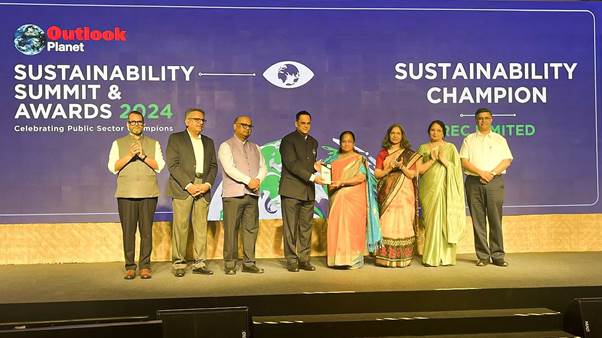
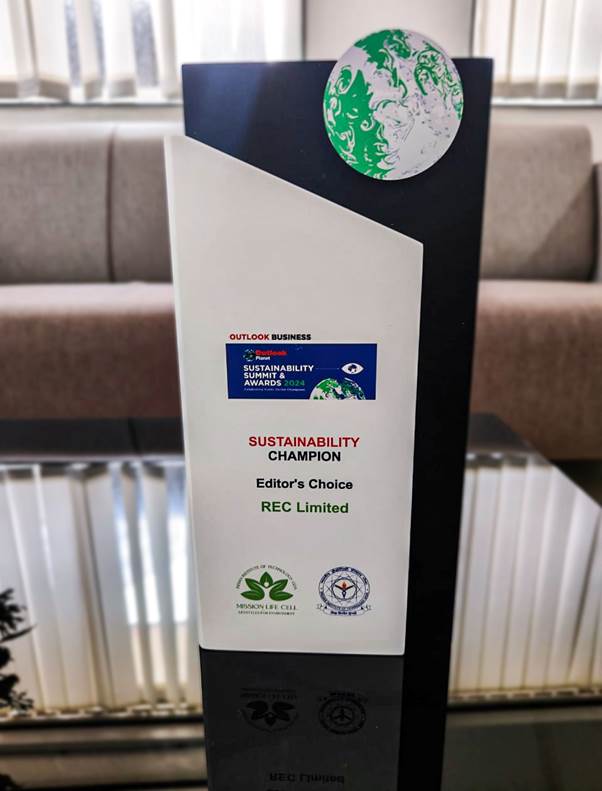
 REC Limited, a Maharatna Central Public Sector Enterprise under the Ministry of Power and a leading NBFC, has been honoured with the ‘Sustainability Champion – Editor’s Choice Award’ at the ‘Outlook Planet Sustainability Summit & Awards 2024’. The Award ceremony was organised by Outlook Group, in collaboration with IIT Goa.

This award recognizes REC’s commitment to sustainability initiatives and its efforts in driving progress towards a greener future. The award highlights the corporation’s pledge to sustainability initiatives, leading the path toward a greener future.

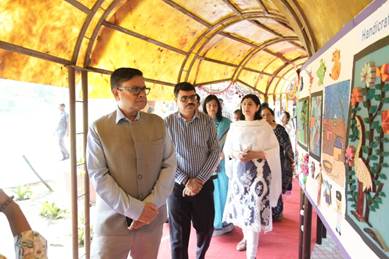
Smt. Saraswathi, Senior General Manager, REC’s Mumbai Office, received the award at an event held in Goa.

REC has been a front-runner in catalysing India’s energy transition. Its plans are intricately aligned with the global thrust towards clean energy sources, and the company remains committed to being the leading financier of India’s energy transition. REC is geared to invest significantly in sustainability initiatives, as reflected in its current loan portfolio of approximately ₹ 38,971 crores under renewable energy. It has set a target of improving the renewables mix to around 30% of projected loan book of about 10 lakh crores by the year 2030.

The Outlook Planet Sustainability Summit & Awards is a prominent platform that brings together industry leaders, policymakers, and sustainability advocates to celebrate and promote excellence in sustainable practices. This year’s summit featured insightful discussions, innovative ideas, and recognized the remarkable achievements of organizations dedicated to sustainability.


About REC Limited


REC is a ‘Maharatna’ company under the administrative control of the Ministry of Power, Government of India, and is registered with RBI as Non-Banking Finance Company (NBFC), Public Financial Institution (PFI) and Infrastructure Financing Company (IFC). REC is financing the entire Power-Infrastructure sector comprising Generation, Transmission, Distribution, Renewable Energy and new technologies like Electric Vehicles, Battery Storage, Pump Storage projects, Green Hydrogen and Green Ammonia projects. More recently, REC Limited has also diversified into the Non-Power Infrastructure sector comprising Roads & Expressways, Metro Rail, Airports, IT Communication, Social and Commercial Infrastructure (Educational Institution, Hospitals), Ports and Electro-Mechanical (E&M) works in respect of various other sectors like Steel and Refinery. REC Limited provides loans of various maturities to State, Central and Private Companies for creation of infrastructure assets in the country.

REC Limited continues to play a key strategic role in the flagship schemes of the Government for the power sector and has been nodal agency for Pradhan Mantri Sahaj Bijli Har Ghar Yojana (SAUBHAGAYA), Deen Dayal Upadhaya Gram Jyoti Yojana (DDUGJY) and National Electricity Fund (NEF) Scheme which resulted in strengthening of last-mile distribution system, 100% village electrification and household electrification in the country. REC has also been made the nodal agency for certain States and Union Territories for the Revamped Distribution Sector Scheme (RDSS). REC has also been given the responsibility of PM Surya Ghar Muft Bijli Yojna. The loan book of REC stands at ₹ 5.09 lakh crores and Net Worth at Rs. ₹ 68,783 crores as on 31 March, 2024.

***

MEA, MeitY and CSC e-Governance Services India Ltd sign MoU to provide eMigrate services through Common Services Centres

 A Memorandum of Understanding (MoU) is entered into between Ministry External Affairs (MEA), Government of India, Ministry of Electronics and Information Technology (MeitY), Government of India and CSC eGovernance Services India Limited to create a synergy between CSC SPV & MEA to provide the eMigrate services through CSCs in the country.

eMigrate project is undertaken to assist mainly the blue-collar workers going to Emigration Check Required (ECR) countries. The project was conceptualized to address issues faced by the migrant workers by making emigration process online seamless and also to bring foreign employers and registered recruitment agents and insurance companies on one common platform aimed at promoting safe and legal migration.

Over the years, the number of Indians going abroad for employment has been increasing as well as the contribution of remittances sent by them has been significant.

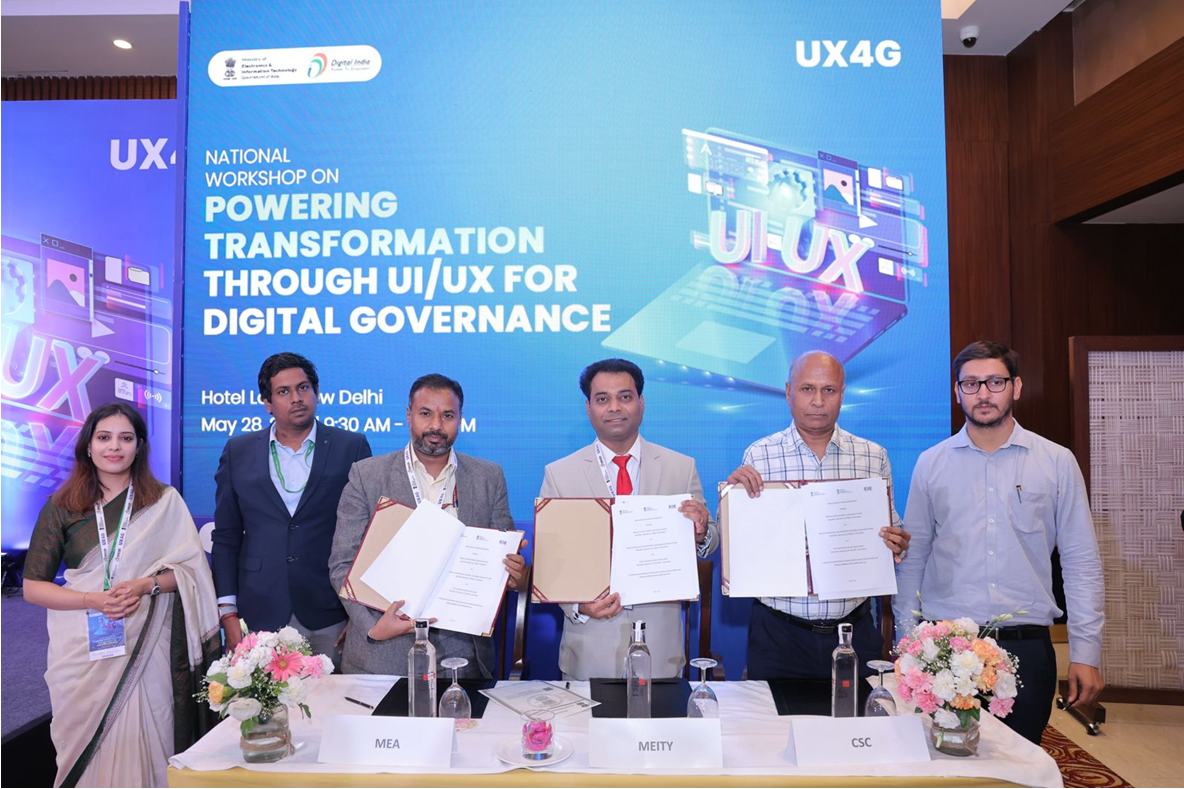
The MoU has been signed during the conference of National Workshop on “Powering Transformation through UI/UX for Digital Governance” in the presence of esteemed dignitaries Shri Rajesh Singh, Joint Secretary & Financial Advisor, MeitY; Ms Debjani Ghosh, President, NASSCOM; Shri Amit Agrawal, CEO, UIDAI & DG, NIC and others.

The MoU has been signed by Shri Bramha Kumar, Joint Secretary (OE & PGE) Division, MEA; Shri Sanket Bhondve, Joint Secretary (DigiGov), MeitY and Shri Akshay Jha, COO, CSC eGovernance Services India Limited.

Under this MoU, eMigrate Portal of MEA would be integrated with CSC’s portal, to provide following eMigrate services to the citizens through CSCs:

  1. Facilitate registration of applicants on eMigrate portal through CSCs.
  2. Facilitation of uploading and processing the required documents for the applicants on eMigrate portal through CSCs.
  3. Facilitate and supporting booking for medical and other services required by migrant workers or applicants registered on eMigrate portal through CSC.
  4. Creating awareness about eMigrate services amongst citizens across India.

About CSC SPV:

Common Services Centers (CSCs) are an integral part of the Digital India mission. The CSCs are frontend services delivery points for the delivery of digital services to the citizens, especially in the rural and remote areas across the country. This helps in contributing towards the fulfilment of the vision of Digital India and the Government’s mandate for a digitally and financially inclusive society. Currently, more than 5.50 lakh CSCs are delivering more than 700 digital services to citizens in assisted mode with enhanced ease and convenience. Apart from delivering essential government and public utility services, CSCs also deliver a range of social welfare schemes, financial services, educational courses, skill development courses, healthcare, agriculture services, digital literacy, etc.

The MoU has been signed with an aim of expanding channels of safe & legal migration at grassroots level, with the particular aim of preventing exploitation from unscrupulous elements of Indian citizens when they seek employment overseas.

***

Shri Sanjay Kumar inaugurates Summer Fiesta 2024 at National Bal Bhavan, New Delhi

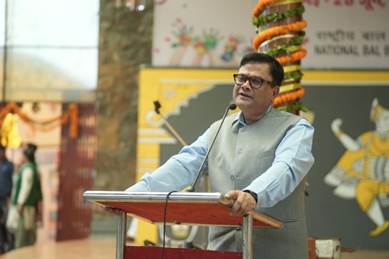
 Shri Sanjay Kumar, Secretary, Department of School Education & Literacy, Ministry of Education, today inaugurated the month-long “Summer Fiesta 2024” at the National Bal Bhavan, New Delhi. Summer Fiesta is a month-long camp comprising over 30 types of different activities for children aged between 5 to 16 years. Shri Vipin Kumar, Additional Secretary (SS-II), Department of School Education & Literacy, Ministry of Education and the Chairman of National Bal Bhavan, and senior officials from the Ministry were also present on the occasion.

Addressing the enthusiastic gathering of children and their parents, Shri Sanjay Kumar emphasized the significance of such interactive and innovative programmes in nurturing young minds. He said that along with academics, these types of extracurricular activities are equally important for children to become successful in the future. Further, he exhorted children to be curious and to explore things around them, which will help in opening their minds.

Summer Fiesta 2024, which runs from 29th May to 28th June 2024, promises a myriad of engaging and innovative activities in the fields of Creative and Performing Arts, Science, and more, ensuring that every child finds something intriguing to explore and learn. During the Summer Fiesta, special workshops and programs will be conducted weekly, including sessions on Odissi dance, Yoga, Calligraphy, Music recitals, Games etc. These workshops are designed to provide children with opportunities to develop and showcase their skills and talents.

The event will also feature eminent artists and guests who will participate in these special programmes, sharing their experiences and delivering captivating performances to inspire the children. The initiative has seen an overwhelming response, with over 2500 children already enrolled in the various workshops and programs. To facilitate easy access for all participants, transportation facilities all over Delhi have also been made available by the National Bal Bhavan.

The National Bal Bhavan, an autonomous body under the Department of School Education and Literacy, Ministry of Education, was established in 1956. It was founded with the vision of fostering learning through thinking, imagination, creativity, and entertaining activities for children.

******

Home Voting for eligible voters extended pan India for the first time in General Elections 2024

 The Election Commission of India has taken massive strides in ensuring inclusivity and accessibility in the General Elections 2024 to ensure that no eligible voter is deprived of their right to vote on account of physical or other barriers. So far, after the conclusion of 6 phases of elections, immense enthusiasm was seen amongst voters of various sections such as Persons with Disabilities, Senior Citizens, Transgenders, PVTGs. Facility for voting from the comfort of home for senior citizens above 85 years of age and PwDs with 40% benchmark disability was extended for the first time on pan India basis in General Elections 2024.


Lambada Tribe at Polling Station of Thiruvur Constituency, Shompen tribe of Great Nicobar voted for the first time in a General Election and Nishi Tribe in Arunachal Pradesh


The concerted efforts, throughout the country under the leadership of Chief Election Commissioner Shri Rajiv Kumar along with Election Commissioners Shri Gyanesh Kumar and Dr Sukhbir Singh Sandhu have seen many success stories from the States/UTs where election has been completed till the Phase 6 of the Lok Sabha Election – 2024. CEC Rajiv Kumar said “It has been the deep founded resolve of the Commission to strive for continuous improvement in the electoral processes setting new standards globally. ECI is determined to make the elections truly reflective of the spirit of plurality and diversity that is the pride of our country. ECI is dedicated to incorporating and deeply integrating the principles and practices of inclusivity and accessibility throughout the entire election process, setting an example before the society for replication everywhere.”

 

A senior citizen elector on the way to cast her vote in Arunachal Pradesh.


The preparations started two years back with concerted efforts of updation and registration of eligible citizens in the electoral rolls. This was achieved by conducting special registration drives, camps, targeting these categories of voters. ECI has adopted a multipronged strategy to enhance participation amongst communities which are prone to be deprived of their right to vote.

Optional home-voting facility: a first in India’s General Elections draws excellent response

The optional home voting facility marks a paradigm shift in the electoral process and has been made available for the first time in the history of India’s general elections. Any eligible citizen aged 85 and above or with 40% benchmarked disability, can avail the provision of home voting facility through postal ballot in these elections. This facility has received an enthusiastic response from voters. Gratifying scenes of smiling voters and their testimonials voting from the comfort of their homes have flooded social media from all parts of the country. Voting from home takes place with involvement of a full contingent of polling staff and security personnel with secrecy of voting diligently maintained. Agents of candidates are also allowed to accompany polling teams to witness the process.


 

Smt. D. Padmavathi, 100 years of age, from Kovvuru Constituency and a Sr. Citizen elector from Arunachal Pradesh

Eight PwD members of same family availing home facility in Churu, Rajasthan.

Bridging barriers: addressing infrastructural requirements for better participation

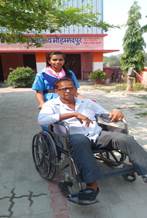
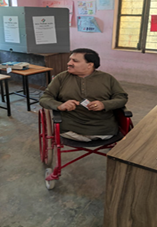
To bridge any infrastructural gaps, ECI ensured that every polling booth is on the ground floor, equipped with assured amenities including ramps, signages for voters, parking space, separate queues, and volunteers. Additionally, ECI’s SAKSHAM app has facilitated PwDs for availing various facilities at polling station like wheelchairs, pick-and-drop and volunteers services. There have been over 1.78 lakh downloads of the Saksham App since announcement of elections.

The Commission has also made provisions for Braille on EVMs, Braille enabled EPIC, and voter slips to assist visually impaired electors. Further, a Voter Guide for PwDs and Sr. Citizens, in English and Hindi, with information on the process of registration to poll day facilitation was made available.

In Indore, Madhya Pradesh, 70 visually handicapped girls were assisted with free transportation to cast their vote.


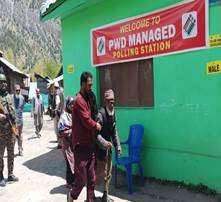
PwD managed PS in J&K


Photos: Braille-coded voter cards distributed to visually impaired electors  | Hindustan Times   

Braille enabled EPIC, Voter Guide, volunteer at a polling station in Bihar and provision of shamiyana at a polling station in Odisha


Inclusivity in spirit: removing psychological barriers to voting

Apart from eradicating physical barriers to voting, ECI also made efforts to address social barriers and stigma surrounding certain vulnerable populations like Transgenders, Sex workers, PVTGs to ensure their participation in election process. Special camps were arranged to enroll the third gender (TG) electors and other marginalized communities like sex workers and PVTGs by Thane District in collaboration with civil society. Over 48,260 TGs are enrolled all over the county, out of which Tamil Nadu has the highest number of third gender electors with 8467, followed by 6628 TGs in Uttar Pradesh and 5720 TGs in Maharashtra.

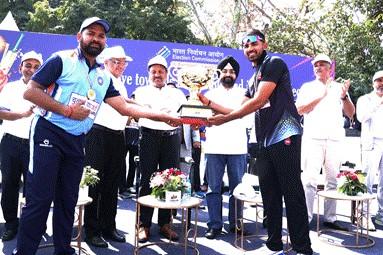
As part of SVEEP initiatives, Commission organized a T-20 Cricket Match on 16th March, 2024 between the IDCA (Indian Deaf Cricket Association) and DDCA (Delhi District Cricket Association) teams to create voter awareness among PwD electors and promote inclusive elections.
https://static.pib.gov.in/WriteReadData/userfiles/image/1BPQT.jpeg

Commission awarding the trophy to the winners at the T-20 Match


Efforts were made to the extent possible by the Commission, to set up at least one polling station in each AC, managed exclusively by PwD officials. For Lok Sabha Election -2024, approximately 2697 PwD managed Polling Stations have been set up across the country, with Uttar Pradesh setting up the highest PwD Manned Polling Stations i.e. 302.


Making registration and voting easy for vulnerable communities

The homeless and other nomadic groups are another critical demographic in achieving high electoral participation. Due to their unique circumstances, these individuals can experience unintentional electoral exclusion because of lack of proof of residency.  However, special efforts were made in the last two years for their enrolment as voters and also participation in the voting process. Location of new polling booths in previously inaccessible areas has led to the large-scale inclusion of PVTGs. In many States/UTs, where PVTGs reside in large numbers, free transportation facilities have been provided for enabling the PVTGs reach polling stations from remote areas. In a historic move, the Shompen tribe of Great Nicobar voted in the Lok Sabha Election -2024 for the first time.


Partnerships

To promote electoral awareness and instill a spirit of partnership and inclusion in the elections, ECI has designated eleven PwD individuals as “ECI Ambassadors” to involve the community further in the electoral process. Polling personnel were are also trained and sensitized regarding special needs of the PwDs to develop a sense of participation and ownership in the elections. State CEOs also collaborated with State Disability and health departments of the concerned states for providing better facilitation to PwDs and Senior Citizens.

Camps organized in Gangtok by DEO in collaboration with Women & Child Development and Health Department

Also, a team of ECI officials visited Thane District and Kamathipura in Mumbai City to have an open dialogue with the Transgender and Female Sex workers, residing in these areas, to better understand the challenges faced by them in electoral participation, sensitizing the field machinery towards these electors and to encourage these voters to ensure their participation during the Lok Sabha Election-2024.
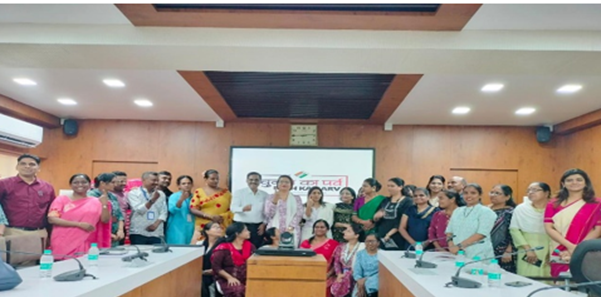
ECI team with NGOs/CSOs and TG community in Thane District and encouraging them to ensure 100% participation in the Lok Sabha Election.


The Commission also appointed Ms. Sheetal Devi, Arjuna Awardee and Para Archer, as the ECI National Icon, to motivate the PwD electors to exercise their franchise in the Lok Sabha Election-2024. Also, eleven prominent PwD personalities have been appointed as Ambassadors of ECI for taking part in various voter awareness initiatives of ECI and reaching out to PwD electors. Moreover, the Commission has also appointed State PwD Icons for the States/UTs.

https://www.newsonair.gov.in/wp-content/uploads/2024/03/para.jpg

Ms. Sheetal Devi, National PwD Icon, ECI


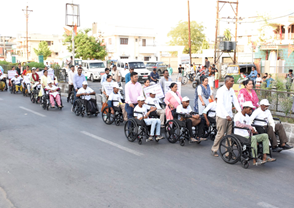
In Mehsana district in Gujarat, a wheelchair rally

was organized by PwD electors to create awareness

An extensive campaign including “Matdata appeal patra” was launched to enhance PVTG participation in the ongoing elections.

Reaching out to the last mile electors

The Commission is committed in ensuring that “no voter is left behind” and has taken special measures to reach out to the electors residing in the remotest corners of the county. For example, a polling station was set up in a shipping container in Aliabet in Gujarat to reach out to the tribal electors residing in this area. Similarly, voters from 102 villages in Bastar and Kanker PCs in Chhattisgarh cast their vote in a polling booth set up in their own village for the first time in a Lok Sabha Election.
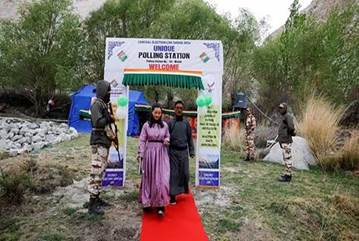
Polling station for just five members of a family in a remote village of Warshi in Leh district, Ladakh


Further, in a major decision to facilitate voting by Kashmiri migrants in the ongoing General Elections 2024, ECI abolished the cumbersome procedure of filling Form-M for the displaced people from the valley who are residing in Jammu and Udhampur. Additionally, for the migrants residing outside Jammu and Udhampur (who will continue to submit Form M), ECI has authorized the self-attestation of the certificate appended with Form-M, thus removing the hassle of getting this certificate attested by the Gazetted Officer. The Commission has enabled Kashmiri migrant voters residing at various relief camps in Delhi, Jammu, and Udhampur to also have the option of voting in person at designated special polling stations or using postal ballot. 21 Special Polling Stations were established at Jammu, 1 at Udhampur and 4 at Delhi.
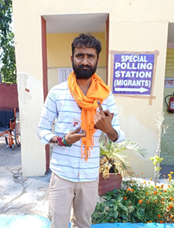

  

Kashmiri migrants casting their vote at Special Polling Stations


Similarly, to ensure voting rights for internally displaced persons (IDPs) in Manipur, 94 Special Polling Stations (SPS) were set up in 10 districts for (IDPs). One SPS was set up in Tengnoupal district for a single voter. Poll was conducted under webcasting/videography and displaced persons staying outside relief camps could also opt to vote at SPS.

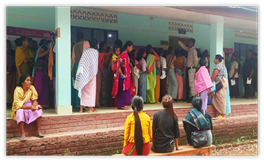


IDP in Manipur casting their vote at Special Polling Stations

******

SSC CGL Exam

The SSC CGL (Staff Selection Commission Combined Graduate Level) exam is a national-level competitive examination conducted by the Staff Selection Commission (SSC) to recruit personnel for various Group B and Group C posts in the Indian government ministries, departments, and offices.

*Exam Pattern:*
The SSC CGL exam consists of four tiers:
1. *Tier 1:* Preliminary exam (Objective type, 100 questions, 200 marks)
2. *Tier 2:* Main exam (Objective type, 200 questions, 400 marks)
3. *Tier 3:* Descriptive exam (Essay, Letter, Application, 100 marks)
4. *Tier 4:* Computer Proficiency Test/Skill Test (where applicable)
*Posts and Vacancies:*
The SSC CGL exam fills various posts, including:
1. Assistant Audit Officer
2. Assistant Accounts Officer
3. Assistant Section Officer
4. Inspector of Income Tax
5. Inspector of Central Excise
6. Assistant Enforcement Officer
7. Sub Inspector in CBI
8. Divisional Accountant
9. Junior Statistical Officer
10. Auditor
*Eligibility Criteria:*
1. Age: 18-32 years (varies for different posts)
2. Education: Bachelor’s degree from a recognized university
3. Citizenship: Indian citizen or subject of Nepal/Bhutan/Tibet
*Exam Dates:*
The SSC CGL exam is usually conducted annually, with the notification released in March and the exam held in June/July.
*Preparation Tips:*
1. Understand the exam pattern and syllabus
2. Prepare a study plan and stick to it
3. Focus on quantitative aptitude, reasoning, and English language
4. Practice with mock tests and previous year’s papers
5. Stay updated with current affairs and general knowledge
*Importance:*
The SSC CGL exam offers a chance to join the Indian government’s prestigious organizations and departments, providing a secure and challenging career with opportunities for growth and development.

Press Information Bureau (PIB)

*Press Information Bureau (PIB)*

*Introduction*
Press Information Bureau (PIB) is the nodal agency of the Government of India responsible for disseminating information to the print and electronic media on government policies, programs, initiatives, and achievements. It functions as an interface between the government and media and also serves to provide feedback to the government on people’s reaction as reflected in the media ¹.
*Objectives*
The main objectives of PIB are:
– *Dissemination of Information*: To disseminate information to the media on government policies, programs, initiatives, and achievements.
– *Interface between Government and Media*: To function as an interface between the government and media.
– *Feedback Mechanism*: To provide feedback to the government on people’s reaction as reflected in the media.
*Functions*
The PIB performs the following functions:
– *Press Releases*: Issues press releases on behalf of the government on various policies, programs, and initiatives.
– *Press Conferences*: Organizes press conferences for ministers and other government officials to brief the media on various issues.
– *Media Facilitation*: Facilitates media coverage of government events and programs.
– *Feedback Mechanism*: Provides feedback to the government on people’s reaction as reflected in the media.
*Importance*
PIB plays a crucial role in maximizing governance through effective government communication. It helps to:
– *Disseminate Information*: Disseminate information to the media and the public on government policies, programs, initiatives, and achievements.
– *Promote Transparency*: Promote transparency and accountability in government functioning.
– *Facilitate Media Coverage*: Facilitate media coverage of government events and programs.
– *Provide Feedback*: Provide feedback to the government on people’s reaction as reflected in the media.
*Conclusion*
In conclusion, Press Information Bureau (PIB) is an important agency of the Government of India responsible for disseminating information to the media on government policies, programs, initiatives, and achievements. It plays a crucial role in maximizing governance through effective government communication and promoting transparency and accountability in government functioning.

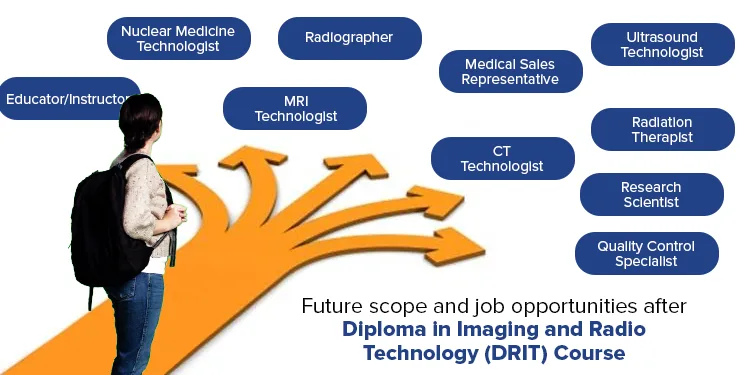
Future scope and job opportunities after Diploma in Imaging and Radio Technology (DRIT) course

Diploma in Imaging and Radio Technology (DRIT) course

Choosing a fascinating  career in Imaging and Radio Technology can open up so many opportunities in various fields of the healthcare sector. After this course you can also join as well as in research, academic, and various corporate industries.There are various Best paramedical colleges which provide best placement opportunities after the Diploma in Imaging and Radio Technology (DRIT) course.

After this diploma there are also job opportunities in the government sector too. You can join AIIMS, PGI, and other government hospitals and healthcare centres. You can also serve in various community centres and other district hospitals on attractive salary packages.

1.Radiographer: Radiographer famously known as radio technologists. After the DRIT course you can also become a Radiographer and it is one of the most demanding paramedical jobs in the medical sector. They are experts in handling various instruments in Radiology centres. They take out clear images of the patient’s body. They also control and ensure safety of patients while taking out images with dangerous rays coming out from machines which are very dangerous to the human body. They minimise the exposure of dangerous rays and patient body contact.

2. MRI Technologist: MRI technologists are the experts of operating magnetic resonance imaging (MRI) scanners. They create clear images of patients’ different body parts so the abnormalities inside the patient’s body could be identified and diagnosed with the proper medical treatment. MRI Technicians produce detailed images of mainly every internal structure in the human body like the organs, bones, muscles and blood vessels. With the help of these images Medical consultants identify the abnormality in the patient body to provide treatment. MRI technicians play a very important role in diagnosing various medical conditions of the patients.

3. CT Technologist: A CT technologist is mindful of helping patients and working hardware to perform radiologic exams. They plan and calibrate the CT filtering hardware. The technologist clarifies the preparation to the understanding, positions them for the check and makes a difference so they stay calm amid the method. After the strategy, the technologist assesses the picture closely to make beyond any doubt it’s clear.

In expansion to CT and CAT filters, a technologist may moreover perform ultrasounds, X-rays or mammograms, and they can run extra symptomatic tests.

4. Ultrasound Technologist: 

Ultrasound professionals are trained in creating images mainly called ultrasounds or sonograms. Sonography is done with the help of  high-frequency sound waves to create pictures of the human body’s organs and tissues. A sonographer is responsible for checking parts of your body with various equipment and  tries to create a clear image. In this process high sound waves are sent in the body and on behalf of their echoes the image formation is done by the Sonographer experts. The echoes shape a picture of the interior of your body on the sonographer’s computer screen.

5. Nuclear Medicine Technologist: A nuclear medicine technologist conducts nuclear imaging tests.He also assists doctors with making medical diagnoses of the patient. Under the supervision of physicians, they provide radioactive drugs, known as radiopharmaceuticals, to the patients. They also use imaging equipment to identify how radioactive elements respond and react with a patient’s organs and tissues. Physicians use the results of those tests to diagnose the disease and treat disease such as cancer.

6. Radiation Therapist: Radiation therapists provide radiation treatment to patients who are facing life-threatening conditions like cancer and other serious diseases. Providing medical knowledge with deep understanding of the equipment that are used to provide balanced radiation treatment, radiation therapists play a very important role in the treatment and supporting patients. They also provide mental support to the patient’s as they face a diagnosis that will likely be one of the most important events of their lives.

7. Research Scientist: DRIT graduates can pursue careers in medical research. Research scientists are one of the most responsible  and reputed job designations in the medical field. Research scientists are responsible for the investigation of various projects and identify the errors or other issues. They research, formulate, and at last execute the research that they have done. They are responsible and they conduct in-house research and presentations. Research scientists also perform laboratory-based experiments and trials and work in many fields of medical science. They plan and conduct various different experiments that become topics of research papers and reports. They collect samples and work out other types of field research and monitor their experiments by recording and analysing the data. 

8. Educator/Instructor: After completing you can study further and also become a teacher. By becoming a teacher you have a good opportunity to share your knowledge and experience with other aspiring candidates who are new in this field. Your experience and knowledge can embark on their future.

9. Medical Sales Representative: After the DRIT course you can work as a medical representative at any pharma company or medical instrument manufacturing company and promote the products.

10. Quality Control Specialist: Quality control specialists are the ones who work with various government and private imaging centres.  Quality control specialists confirm that imaging objects meet regulatory standards and perform well. Quality control specialists work for healthcare facilities, equipment manufacturers, diagnostic and imaging centres etc.

Responsibilities of Radiographers.

  • Has Clinical, Ethical, and legal responsibility, Performs Procedure in event of accident, radiographer and Patient.

  • Performs General Preliminaries to examination , patient on stretcher , Anaesthetizes Patient

  • Maintains Hygiene in X-Ray department 

  • Maintains Drugs in X-Ray department, Preparation of Patient Purgatives, Prevention of Intestine gas.

  • Checks Diabetic Patient, Infant, Mobile X-Ray set , Precaution in Patient.

This course provides you better knowledge and skills to work in all of the fields given above. There are various job opportunities in the government and private sector. These courses are available in various best paramedical colleges in delhi.  You can join this course and embark your career and secure your future.

Railway Network Safety in India: A Comprehensive Analysis of Policy and Technological Interventions

The railway network in India is the nation’s lifeline, enabling seamless transportation of goods and passengers across the country’s expansive and diverse landscapes. Indian Railways, the fourth largest railway network in the world, serves as a driver of economic growth, connecting people across regions【source†1】. However, train accidents, such as derailments and collisions, remain a significant concern. Tackling these challenges requires a comprehensive approach, combining policy frameworks and technological advancements.

1. Current State of Railway Safety:
Despite significant improvements in recent years, challenges persist:

  • Derailments: The majority of train accidents are caused by derailments, which result from track defects, mechanical failures, and natural disasters【source†2】.
  • Collisions: Accidents at unmanned level crossings, train-to-train collisions, and livestock collisions are a persistent risk【source†3】.
  • Human Errors: Inadequate training, fatigue, and stress among the workforce are notable contributing factors to operational errors.
  • Aging Infrastructure: Outdated tracks, bridges, and signaling systems exacerbate mechanical failures【source†4】.

2. Policy Frameworks:
Efforts to strengthen the regulatory framework include:

  • National Rail Safety Policy: Outlines objectives and standards to improve railway safety【source†5】.
  • Institutional Reforms: The creation of the Railway Safety Regulatory Authority to oversee compliance.
  • Safety Funds: Establishment of the Rashtriya Rail Sanraksha Kosh to finance critical safety projects【source†6】.
  • Training and Awareness: Enhancing personnel skills through regular training and campaigns.

3. Technological Interventions:
Technological innovations offer significant opportunities to mitigate accident risks:

  • Anti-Collision Devices: GPS-based devices that automatically brake trains to prevent collisions.
  • Track Inspection Drones: Drones that inspect track conditions, bridges, and other infrastructure【source†7】.
  • Track Monitoring Systems: Deployment of sensors to identify weak points in tracks and other structural issues.
  • Train Protection and Warning System (TPWS): An automatic system that alerts drivers about speed limits and signal status【source†8】.
  • Automated Level Crossings: Sensors and barriers prevent accidents at unmanned crossings.

4. Synergy Between Policy and Technology:
Aligning policy and technological advancements involves:

  • Comprehensive Planning: Integrating technological requirements into national and regional safety policies ensures resources are appropriately allocated.
  • Stakeholder Collaboration: Coordination between government agencies, railway authorities, private technology partners, and the workforce is crucial.
  • Continuous Evaluation: Monitoring the efficacy of policies and technological tools helps refine strategies.

The Indian Railways network, which covers over 65,000 km and is divided into 17 zones, plays a crucial role in connecting the nation and facilitating the transportation of goods and passengers. As the fourth-largest rail network globally, it carries over 8 billion passengers annually. Its revenue, primarily driven by freight (accounting for over 75% of earnings), reached approximately USD 32.18 billion in the 2023-24 fiscal year​ (Railway Technology)​​ (India Brand Equity Foundation)​.

However, maintaining safety in such an extensive system is challenging due to derailments, collisions, and other accidents. Recent initiatives aim to modernize and secure operations:

  1. Infrastructure Upgrades: Indian Railways is implementing critical infrastructure projects to double speeds on certain routes and build dedicated freight corridors. Supercritical and critical projects worth USD 15.44 billion will enhance network efficiency​ (India Brand Equity Foundation)​.

  2. Electrification and Decarbonization: Electrification projects aim to convert the entire broad-gauge network to electric by 2024. This effort aligns with India’s commitment to achieving net-zero carbon emissions by 2030, supported by international collaborations​ (India Brand Equity Foundation)​.

  3. Technological Enhancements: Implementing dedicated high-speed corridors, upgrading ticketing systems, and modernizing passenger services enhance safety and efficiency.

These efforts underscore how a cohesive policy framework, combined with technological advances, will fortify India’s rail system against future challenges, ultimately enhancing safety and efficiency for passengers and cargo alike.

To learn more about the Indian Railways network, you can explore comprehensive information on the Indian Brand Equity Foundation’s website at IBEF.

Conclusion:
India’s railway network safety challenges demand a cohesive strategy that blends policy and technology. Leveraging innovative technologies within rigorous policy frameworks can enhance railway safety significantly. A proactive approach ensures a safer, more efficient network that benefits passengers and drives economic growth across the nation.

References:

References:

  1. Indian Railways Network Size
  2. Derailment Stats
  3. Unmanned Crossings Collisions
  4. Aging Railway Infrastructure
  5. National Rail Safety Policy
  6. Rashtriya Rail Sanraksha Kosh
  7. Drones in Railway Inspections
  8. Train Protection and Warning System

Bitcoin The Future?

 N kavya

Bitcoin is a type of digital currency that enables instant payments to anyone. Bitcoin was introduced in 2009. Bitcoin is based on an open-source protocol and is not issued by any central authority. It is an electronic currency created back in January 2009. It is known to be decentralized electronic cash that does not rely on banks. It is possible to send from one user to another on the bitcoin blockchain network without the necessity for mediators. It is primarily used for sending or receiving cash through the internet even to strangers. Bitcoin is also known to be a new type of cash. It is predicted to grow at a rapid pace over the years, along with its value. It is typically purchased as an investment by numerous industries and people.


The central government typically handles bitcoins without specific rules, unlike dollars and euros. It is not owned by a country, individual, or group. Therefore, it reduces the chances of corruption and inflation.

History -:

The origin of Bitcoin is unclear, as is who founded it. A person, or a group of people, who went by the identity of Satoshi Nakamoto are said to have conceptualized an accounting system in the aftermath of the 2008 financial crisis.

Uses -:

1. Originally, Bitcoin was intended to provide an alternative to fiat money and become a universally accepted medium of exchange directly between two involved parties.
2. Fiat money is a government-issued currency that is not backed by a commodity such as gold.
3. It gives central banks greater control over the economy because they can control how much money is printed.
4. Most modern paper currencies, such as the US dollar and Indian Rupee are fiat currencies

Acquiring Bitcoins -:

1. One can either mine a new Bitcoin if they have the computing capacity, purchase them via exchanges, or acquire them in over-the-counter, person-to-person transactions.
2. Miners are the people who validate a Bitcoin transaction and secure the network with their hardware.
3. The Bitcoin protocol is designed in such a way that new Bitcoins are created at a fixed rate.
4. No developer has the power to manipulate the system to increase its profits.
5. One unique aspect of Bitcoin is that only 21 million units will ever be created.
6. A Bitcoin exchange functions like a bank where a person buys and sells Bitcoins with traditional currency. Depending on the demand and supply, the price of a Bitcoin keeps fluctuating.

Bitcoin Regulation -:

The supply of bitcoins is regulated by software and the agreement of users of the system and cannot be manipulated by any government, bank, organization, or individual.Bitcoin was intended to come across as a global decentralised currency, any central authority regulating it would effectively defeat that purpose.It needs to be noted that multiple governments across the world are investing in developing Central Bank Digital Currencies (CBDCs), which are digital versions of national currencies.
The legitimacy of Bitcoins (or cryptocurrencies)

In India -:
In the 2018-19 budget speech, the Finance Minister announced that the government does not consider cryptocurrencies as legal tender and will take all measures to eliminate their use in financing illegitimate activities or as a part of the payment system.
In April 2018, the Reserve Bank of India (RBI) notified that entities regulated by it should not deal in virtual currencies or provide services for facilitating any person or entity in dealing with or settling virtual currencies.
However, the Supreme Court struck down the ban on the trading of virtual currencies (VC) in India, which was imposed by the RBI.
The Supreme Court has held that cryptocurrencies are like commodities and hence they can not be banned.

Possible Reasons for the Rise in the Value of the Bitcoin -:

1. Increased acceptance during the pandemic.
2. Global legitimacy from large players like payments firm PayPal, and Indian lenders like State Bank of India, ICICI Bank, HDFC Bank, and Yes Bank.
3. Some pension funds and insurance funds are investing in Bitcoins.

Bitcoin Transaction -:

Bitcoin address is built from the public key. It is very similar as compared to an email address, anyone can check up and provide bitcoins. The private key is known to be identical to that of an email password since it is possible to send bitcoins with the help of remote access only. That’s why it is essential to keep the private key confidential or hidden. To send bitcoins, it is required to verify to the network that you acquire the private key of that particular address without the private key being revealed. It can be done with a specific mathematics branch referred to as public-key cryptography. The identification of the user possessing bitcoins is known as a public key. The public access and the ID number are very alike. For an individual to send you bitcoins, they require your bitcoin address. It is known to be another version of the public key that can be typed and read effortlessly.

However, the security concern of bitcoin is increasing day by day across the world. Since digital wallets are used to store bitcoins, they might be targeted by hackers as their value increases.

NFT's – All you need to know

 Nowadays, NFT’s are in trend. You must be hearing the word ‘NFT’ on social medias, newspapers, news channels and various other sources. But what exactly is an ‘NFT’?

Today, we’ll discuss about NFT’s and understand what they exactly are and what’s going on around them that has created a great hype among the people.

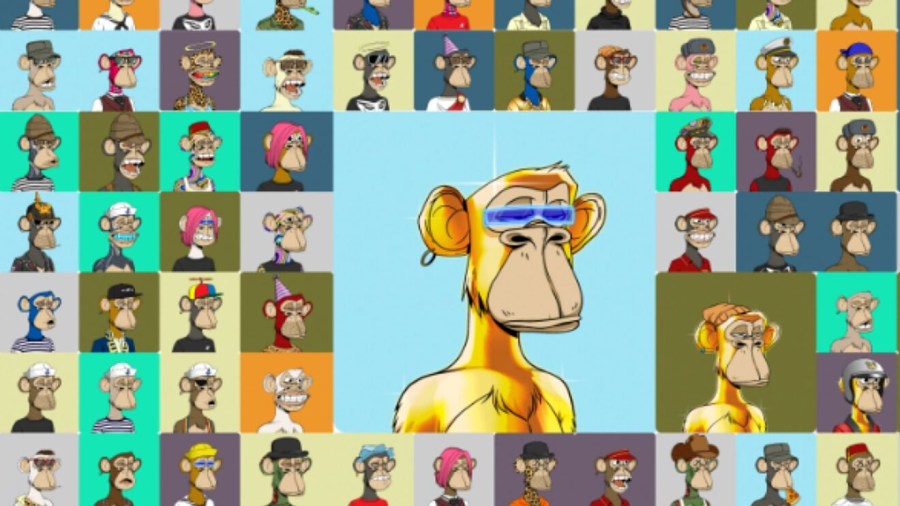
Example of an NFT(Source- Google Images)

The term “NFT” stands for Non-Fungible Tokens. In layman language, NFT is a possession which is unique and one of its kind. If we go deep into the concept of NFT’s then basically they are digital assets that one possess. Each NFT has a specific identification code that distinguishes it from the other.

A NFT works upon the blockchain technology which is the same that is used in cryptocurrencies. It can be sold and traded on various online platforms like Binance NFT Marketplace, crypto.com, WazirX NFT Marketplace etc.

A NFT can be literally anything( manual drawings, graphics, art, animations, music, even real estate). Most of the NFT’s are based upon the cryptocurrency Ethereum(ETH). So now after reading all this, you might be getting an idea about what exactly an NFT is but here comes the main question that “WHY NFT?” So to answer this question, let’s take a simple example. Suppose you have a book and you customized the book with a cover of your own and bordered the pages using tapes. So now, it is one of its kind. And now, if you want to sell that book to a buyer for example at Rs. 500 and if the buyer wants to own the book then there has to be a way to prove that he/she owns it. We considered a physical book as an example but what if it’s an image or a video or a music file that is unique and only one of it’s kind. Then, how do you prove the ownership of that one unique piece? This is done by creating an NFT. That is how NFT’s work.

They are a legitimate way to transfer the ownership of a digital item in such a way that your ownership remains on record and is proven. It cannot be edited or modified. If we consider an image(of a monkey let’s say) then you can find numerous images all over the internet that are openly accessible for downloading and using without any copyright issues. And on the other hand, if I create an image and post it online then there is no legit way to prove that I’m the owner of that thing. Also if I list it for sale online on multiple image selling platforms, then too there is no legitimate proof that I’m the owner and I’m ready to transfer the ownership to someone, whosoever is ready to pay me for my work.

I’d rather create an NFT of the same image and then post it online on certified NFT Marketplaces for sale. This will ensure the ownership of the NFT and also prove it’s uniqueness. If anyone tries to copy my work then I can easily claim a copyright by showing that I’m the valid owner of this NFT.

Bored Ape NFT’s

The above is an image of the collection of the famous “Bored Ape NFTs”. These NFT’s are very expensive and some of the owners of these NFT’s are celebrities like Eminem, Serena Williams, Shaquille O’Neal, Justin Bieber etc.

At last, we come to a conclusion that NFTs are the real game changer and blockchain technology is going to change the entire world because now technology has a way by which you can define ‘Ownership’. In the coming years, NFT Marketplace is going to boom and investors seeking towards investing on NFT’s can definitely consider investing by doing the required research before exploring the NFT Marketplace.

The Evolution of Blockchain Technology


Introduction

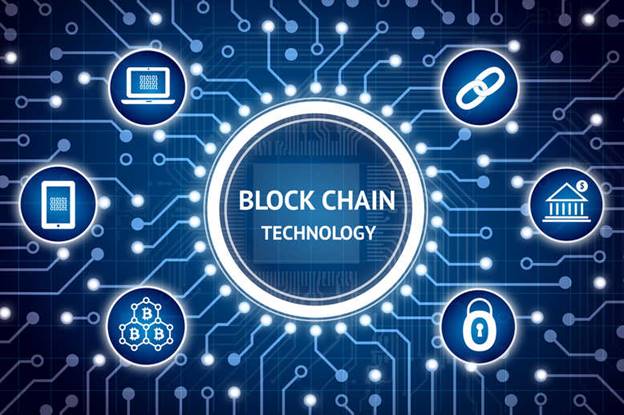
Blockchain—a peer-to-peer network that sits on top of the internet—was introduced in October 2008 as part of a proposal for bitcoin, a virtual currency system that eschewed a central authority for issuing currency, transferring ownership, and confirming transactions. Bitcoin is the first application of blockchain technology. Much of the initial private blockchain-based development is taking place in the financial services sector, often within small networks of firms, so the coordination requirements are relatively modest. 

What is Blockchain Technology?

Blockchain is a distributed or decentralized ledger technology which was first introduced in the design and development of cryptocurrency, Bitcoin in 2009 by Satoshi Nakamoto. Blockchain technology is an amalgamation of various technologies such as distributed systems, cryptography, etc. Blockchain is a series of blocks, where each block contains details of transactions executed over the network, hash(address) of the previous block, timestamp etc.
Data and transactions stored in blocks are secured against tampering using cryptographic hash algorithms and are
validated and verified through consensus (consensus protocols) across nodes of the Blockchain network.

Significance of the Blockchain

Blockchain technology provides efficient distributed ledger storage mechanism with appropriate authentication and
authorization thereby eliminating the need for a third party to validate the transactions. Any tangible or intangible asset of value can be represented and tracked on a Blockchain network, which brings transparency, increases processing speed and reduces cost. A system that is based on data stored in a number of places is immune to hackers. It is not that easy to get access to it, and if so, any piece of information can be easily recovered. Features like transparency, efficiency, security and accountability fosters trust in digital arena.

Benefits of Blockchain

Transactions on the blockchain network are approved by a network of thousands of computers. This removes almost all human involvement in the verification process, resulting in less human error and an accurate record of information. Typically, consumers pay a bank to verify a transaction, a notary to sign a document, or a minister to perform a marriage. Blockchain eliminates the need for third-party verification—and, with it, their associated costs. Blockchain does not store any of its information in a central location. Instead, the blockchain is copied and spread across a network of computers. Whenever a new block is added to the blockchain, every computer on the network updates its blockchain to reflect the change. 

Drawbacks of Blockchain

Bitcoin is a perfect case study for the possible inefficiencies of blockchain. Bitcoin’s Pow system takes about 10 minutes to add a new block to the blockchain. While confidentiality on the blockchain network protects users from hacks and preserves privacy, it also allows for illegal trading and activity on the blockchain network. Many in the crypto space have expressed concerns about government regulation over cryptocurrencies. While it is getting increasingly difficult and near impossible to end something like Bitcoin as its decentralized network grows, governments could theoretically make it illegal to own cryptocurrencies or participate in their networks. 

Conclusion

With many practical applications for the technology already being implemented and explored, blockchain is finally making a name for itself in no small part because of bitcoin and cryptocurrency. As a buzzword on the tongue of every investor in the nation, blockchain stands to make business and government operations more accurate, efficient, secure, and cheap, with fewer middlemen. As we prepare to head into the third decade of blockchain, it’s no longer a question of if legacy companies will catch on to the technology—it’s a question of when. Today, we see a proliferation of NFTs and the tokenization of assets. The next decades will prove to be an important period of growth for blockchain.

References

Tips to help you declutter

 The idea of living a simple life with less stuff sounds attractive to many but seems almost impossible to get rid of stuff you have. They begin to feel overwhelmed, anxious, and defeated around the idea of owning less. That’s too bad. Learning how to declutter your home and as a result, decluttering your life, doesn’t need to be as painful as some make it out to be. And the benefits are numerous.

The Benefits of Decluttering from time to time.

  • Less to clean. Cleaning is already enough of a chore, but having to clean around things you have zero emotional attachment to (or worse, actively dislike) makes cleaning the house much more stressful.
  • Less to organize. Finding things suddenly become easier. Things don’t just “disappear” anymore. You can actually move around your home and enjoy the space, instead of moving around things that are in the way. You start to find your tiny house more spacious.
  • Less stress. Looking around at the clutter is a nausea-inducing sight once your home becomes cluttered enough. Wouldn’t it be nice to be able to look around and see a home you love? You can also do cleaning leisurely and not make rigorous plans.
  • Less debt. Spending less time shopping for material possessions and adding to the clutter means your wallet and bank accounts remain fuller, your credit cards’ statements are lower, and your home doesn’t get filled with costly things you don’t need.
  • More financial freedom. Decluttering, paired with minimalism, will help you build up savings to keep you protected in case of unexpected emergencies. Or you can spend it on invisible items like crypto or travel.
  • More energy for your greatest passions. With less debt, more financial freedom, and a clean home, you can now focus your energy on the things you enjoy instead of worrying about “Keeping up with the Joneses.” This will ultimately make you happier.

If you’re struggling and need guidance on how to declutter, you’ll need to get creative with your plans. Here are several interesting decluttering tips to get you started on decluttering your home:

  • Start with 5 minutes at a time. If you’re new to decluttering, you can slowly build momentum with just five minutes a day.
  • Give one item away each day. This would remove 365 items every single year from your home. If you increased this to 2 per day, you would have given away 730 items you no longer needed. Increase this number once it gets too easy.
  • Donate clothes you never wear. To identify them, simply hang all your clothes with hangers in the reverse direction. After wearing an item, face the hanger in the correct direction. Discard the clothes you never touched after a few months.
  • Create a decluttering checklist. It’s a lot easier to declutter when you have a visual representation of where you need to get started. You can use our decluttering checklist.
  • Take the 12-12-12 challenge. Locate 12 items to throw away, 12 to donate, and 12 to be returned to their proper home.
  • Take before and after photos of a small area. Choose one part of your home, like your kitchen counter, and take a photo of a small area. Quickly clean off the items in the photo and take an after photo. Once you see how your home could look, it becomes easier to start decluttering more of your home.
  • Get help from a friend. Have a friend or family member go through your home and suggest a handful of big items to throw away or give to someone else. If you defend the item and want to keep it, your friend has to agree with your reason. If they don’t agree, it’s time to get rid of it.
  • Use the Four-Box Method. Get four boxes and label them: trash, give away, keep, or re-locate. Enter any room in your home and place each item into one of the following boxes. Don’t skip a single item, no matter how insignificant you may think it is. This may take days, weeks, or months, but it will help you see how many items you really own and you’ll know exactly what to do with each item.

No matter which decluttering tip you choose to get started – whether it be one of these ten or one of countless others – the goal is to take your first step in decluttering your life with excitement behind it.

Removing clutter from our homes and our lives doesn’t need to be rushed or done in a single day. It’s something that can be done over time and may even need to be done on a semi-regular basis. As long as you start the process today, you’re further along than you were yesterday. Simple doesn’t mean sparse or boring. The opposite is true. With fewer mess and distractions, your home can become more peaceful. You can view your home as a space for rest and comfort, instead of a source of stress.

Is Quantum Computing a Real Thing?


Introduction

Quantum mechanics emerged as a branch of physics in the early 1900s to explain nature on the scale of atoms and led to advances such as transistors, lasers, and magnetic resonance imaging. The idea to merge quantum mechanics and information theory arose in the 1970s but garnered little attention until 1982 when physicist Richard Feynman gave a talk in which he reasoned that computing based on classical logic could not tractably process calculations describing quantum phenomena. Computing based on quantum phenomena configured to simulate other quantum phenomena, however, would not be subject to the same bottlenecks. Although this application eventually became the field of quantum simulation, it didn’t spark much research activity at the time.

What is Quantum Computing?

Quantum computers harness the unique behavior of quantum mechanics and apply it to computing. This introduces new concepts to traditional programming methods. Quantum computing use qubits as its the basic unit of information.
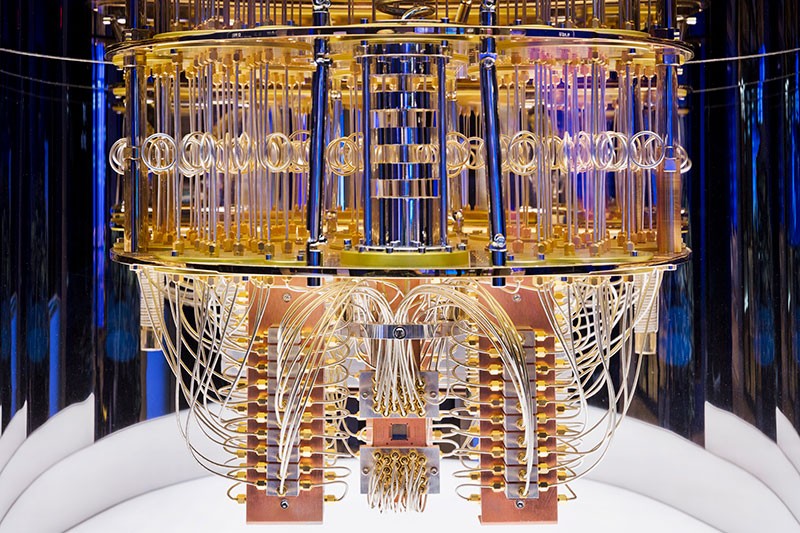
A quantum computer has three primary parts:
o An area that houses the qubits.
o A method for transferring signals to the
qubits.
o A classical computer to run a program and
send instructions.

Quantum computing is a type of computation that harnesses the collective properties of quantum states, such as superposition, interference, and entanglement, to perform calculations. The devices that perform quantum computations are known as quantum computers.

Why do we need Quantum Computers?

Until now, we’ve relied on supercomputers to solve most problems. These are very large classical computers, often with thousands of classical CPU and GPU cores. However, supercomputers aren’t very good at solving certain types of problems, which seem easy at first glance. This is why we need quantum computers. Supercomputers don’t have the working memory to hold the myriad combinations of real-world problems. Supercomputers have to analyze each combination one after another, which can take a long time.

Quantum Vs Classical

Quantum computers process information differently. Classical computers use transistors, which are either 1 or 0. Quantum computers use qubits, which can be 1 or 0 at the same time. The number of qubits linked together increases the quantum computing power exponentially. Meanwhile, linking together more transistors only increases power linearly. Classical computers are best for everyday tasks that need to be completed by a computer. Meanwhile, quantum computers are great for running simulations and data analyses, such as for chemical or drug trials. These computers must be kept ultra-cold, however. They are also much more expensive and difficult to build.

Applications of Quantum Computing

10 QUANTUM COMPUTING APPLICATIONS TO KNOW

  • Cybersecurity
  • Drug Development
  • Financial Modeling
  • Better Batteries
  • Cleaner Fertilization
  • Traffic Optimization
  • Weather Forecasting and Climate Change
  • Artificial Intelligence
  • Solar Capture
  • Electronic Materials Discovery

Conclusion

There are many problems to overcome, such as how to handle security and quantum cryptography. Long-time quantum information storage has been a problem in the past too. However, breakthroughs in the last 15 years and in the recent past have made some form of quantum computing practical. There is still much debate as to whether this is less than a decade away or a hundred years into the future. However, the potential that this technology offers is attracting tremendous interest from both the government and the private sector.

References

Worldwide Digital Currency


According to Oxford Dictionary, “Cryptocurrency is a digital currency in which encryption techniques are used to regulate the generation of units of currency and verify the transfer of funds, operating independently of a central bank.”

Crypto means various encryption algorithms. Cryptocurrency is encrypted data of currency. It is a digital currency. We can also call it virtual currency. It is secured by cryptography. Cryptocurrency is the secured transfer and exchange of digital tokens in a decentralized manner. Cryptocurrency is a medium of exchange like USD but designed for the purpose of exchanging digital information through the process of cryptography.

There are various ways to use cryptocurrency. It is used for fundraising, store of wealth, gaming, hedge against inflation, utility tokens, healthcare CBDCs, trading as well as financial inclusion. It is also used as a means for businesses to stay alive.

Bitcoin is the first cryptocurrency started in 2009. The current total value of Bitcoin is $826 billion. Ethereum is the secondly built cryptocurrency, developed in 2015. Its market value is $390 billion. Litecoin, Dogecoin, Cardano, Binance coin, Polkadot are some examples of cryptocurrency. Coinbase, Binance, block folio, e Toro, cash app are some apps of cryptocurrency.

The USA’s cryptocurrency market is currently one of the biggest globally which is used to buy, sell, and spend cryptocurrency in the US. India is the second country to use the cryptocurrency market. In 2021, the Indian cryptocurrency market is worth an estimated $5.39 billion. The third country e to make more use of cryptocurrency is Japan. Around 6.29 million people use the cryptocurrency market in Japan.

Non-Fungible Tokens (NFTs)


What are Non-Fungible Tokens?

NFTs (Non-Fungible Tokens) are units of data that are stored on a blockchain.  They are non-fungible, which means they cannot be replaced by another identical item, which means they are unique.

 For example, if an artist wishes to sell digital art online, he or she can convert it to NFT and then sell it. People can buy this artwork using cryptocurrency.  They will be the official owners of digital artworks if they buy them as NFTs. They can resell it to someone else for a higher price. So, there will be only one official owner for NFT at a time.

Any digital work/art can be converted into NFTs. Music, video clips, photos, URLs, tickets, and metaverse virtual lands are just a few examples of the things that are being converted into NFTs.

Ethereum was the first blockchain to support NFTs. That’s why the Ethereum blockchain is mostly used for NFTs. Because of their growing popularity, several other blockchains are now adding support for NFTs.

The present situation

People are buying and selling NFTs through NFT marketplaces.Currently, the majority of NFTs are digital arts.

Bitcoin and Ethereum are cryptocurrencies that cannot be used for regular purchases. Only a few platforms, such as Xbox games and Overstock, accept cryptocurrency as a payment method. At present, cryptocurrencies are mostly used for trading.  So, people who own cryptocurrencies now have something to invest in: NFTs. So, some NFTs were sold for millions of dollars.  In February 2021, a Nyan cat gif that had been converted to NFT was sold for $58000. Another example is Jack Dorsey, the co-founder of Twitter, who sold his first tweet for $2.9 million. In August 2021, clip art of rock was sold for 400 ether  ($1.3 million).

They are digital assets, according to some. Several people who have bought NFTs have stated that they bought these as an investment in the hope that their value will increase in the coming days.

Benefits of Non-Fungible Tokens

  • NFTs enable artists to sell their paintings, music, and other works for a high price, which may not be possible before NFTs.
  • Even though at present NFTs are mostly used to sell digital artworks and video clips, they can also be used for a variety of other reasons such as preserving important documents.

Problems with Non-Fungible Tokens

  • The transaction of selling or buying an NFT consumes a lot of electricity. Because we are already fighting against climate change, this massive energy consumption is a serious problem.
  • The copies of digital artworks that were sold as NFTs are now available online and can be seen for free by anyone.
  • In the hope of becoming rich, many people are burning money to buy these overhyped digital artworks. Many will lose money when people lose interest in buying these NFTs. According to some, NFTs are a bubble that is going to burst.
  • The non-financial-transactions sector is mostly unregulated.
  • Hackers are stealing NFTs. They’re also sending malicious NFTs to steal cryptocurrencies. Recently, hackers stole $150k worth of crypto from Twitch co-founder’s Fractal NFT project.

The future of Non-Fungible Tokens

The technology offers a wide range of applications for storing and transferring digital assets. NFTs are still new and the technology is still in its early phases. So, with the new developments, the energy consumption of NFT transactions may also be reduced.  Furthermore, the use of NFTs may increase.

Conclusion

Non-fungible tokens are unique pieces of data that are stored on a blockchain. Digital art, music, video clips, and tickets are just a few examples of the digital assets that are being transformed into NFTs. Some believe that this is a bubble  that will burst, while others believe that NFTs will drive the digital economy. The technology is still in its early phases, so we must wait and see how it evolves.