Top Festivals in the Month of September

September is a vibrant month filled with diverse festivals and celebrations across the globe. Here are some of the top festivals in September:

1. *Labor Day (First Monday in September)*: A federal holiday in the United States and Canada, honoring the labor movement and workers’ contributions.
2. *Onam (Variable dates, typically in August-September)*: A harvest festival celebrated in Kerala, India, marking the return of King Mahabali.
3. *Ganesh Chaturthi (Variable dates, typically in August-September)*: A Hindu festival honoring Lord Ganesha’s birth, celebrated with grand processions and idol immersion.
4. *Rosh Hashanah (Variable dates, typically in September-October)*: A Jewish New Year celebration, marking the beginning of the High Holy Days.
5. *Mid-Autumn Festival (Variable dates, typically in September-October)*: A traditional Chinese harvest festival, celebrated with mooncakes, lanterns, and family gatherings.
6. *Navratri (Variable dates, typically in September-October)*: A nine-day Hindu festival honoring the divine feminine, celebrated with Garba and Dandiya Raas dances.
7. *Higan (September 20-21)*: A Japanese Buddhist holiday honoring the autumnal equinox and ancestors.
8. *International Day of Peace (September 21)*: A United Nations-recognized day promoting global peace and nonviolence.
9. *Fall Equinox (September 22-23)*: A astronomical event marking the beginning of autumn in the Northern Hemisphere and spring in the Southern Hemisphere.
10. *Dussehra (Variable dates, typically in September-October)*: A Hindu festival celebrating Lord Rama’s victory over Ravana, marking the triumph of good over evil.
These festivals showcase the diversity and richness of global cultures, traditions, and celebrations in September.

Important Days of August Month

*Important Days in August:*

1. *August 1:* World Breastfeeding Day
2. *August 5:* Friendship Day (First Sunday of August)
3. *August 7:* National Handloom Day
4. *August 9:* Nagasaki Day (Atomic Bomb Day)
5. *August 12:* International Youth Day
6. *August 15:* Independence Day (India)
7. *August 18:* National Science Day (Thailand)
8. *August 19:* World Humanitarian Day
9. *August 20:* Sadbhavana Diwas (Birth Anniversary of Rajiv Gandhi)
10. *August 29:* National Sports Day (India)
11. *August 30:* Small Industry Day
12. *August 31:* National Solidarity Day
*Other Observances:*
– *August 1-7:* World Breastfeeding Week
– *August 8-14:* International Assistance Dog Week
– *August 12-18:* National Health Center Week
– *August 16-22:* National Minority Donor Awareness Week
Note: Dates may vary depending on the country and year. These are some of the widely recognized important days in August.

Raksha Bandhan Festival

Telegram Messenger is a cloud-based instant messaging and voice over IP (VoIP) service founded by Pavel Durov and his brother Nikolai in 2013. It allows users to send messages, photos, videos, and files, as well as make voice and video calls.

Key Features:
1. *End-to-End Encryption*: Telegram offers secure communication through end-to-end encryption, ensuring only the sender and recipient can read the messages.
2. *Cloud-Based*: Telegram stores messages and files on its cloud servers, allowing access from multiple devices.
3. *Group Chats*: Users can create groups with up to 200,000 members, making it suitable for large communities.
4. *Channels*: Telegram Channels allow users to broadcast messages to an unlimited number of subscribers.
5. *File Sharing*: Users can share files of up to 2 GB in size.
6. *Secret Chats*: Telegram offers secret chats with self-destructing messages and screenshot notifications.
7. *Voice and Video Calls*: Telegram allows voice and video calls with end-to-end encryption.
8. *Open-Source*: Telegram’s core software is open-source, allowing developers to review and contribute to the code.
9. *Cross-Platform*: Telegram has apps for Android, iOS, Windows, macOS, and Linux.
10. *Customization*: Users can customize Telegram’s appearance with themes and chat backgrounds.
Advantages:
1. *Security*: Telegram’s focus on security and privacy sets it apart from other messaging apps.
2. *Flexibility*: Telegram’s cloud-based nature and cross-platform compatibility make it accessible from anywhere.
3. *Feature-Rich*: Telegram offers a wide range of features, making it suitable for both personal and professional use.
Disadvantages:
1. *User Base*: Telegram’s user base is smaller compared to WhatsApp and Facebook Messenger.
2. *Resource-Intensive*: Telegram’s features and encryption can consume device resources.
3. *Complexity*: Telegram’s extensive features can be overwhelming for new users.
In conclusion, Telegram Messenger offers a unique combination of security, flexibility, and features, making it a popular choice for those seeking a private and customizable messaging experience.

Telegram Messenger

Telegram Messenger is a cloud-based instant messaging and voice over IP (VoIP) service founded by Pavel Durov and his brother Nikolai in 2013. It allows users to send messages, photos, videos, and files, as well as make voice and video calls.

Key Features:
1. *End-to-End Encryption*: Telegram offers secure communication through end-to-end encryption, ensuring only the sender and recipient can read the messages.
2. *Cloud-Based*: Telegram stores messages and files on its cloud servers, allowing access from multiple devices.
3. *Group Chats*: Users can create groups with up to 200,000 members, making it suitable for large communities.
4. *Channels*: Telegram Channels allow users to broadcast messages to an unlimited number of subscribers.
5. *File Sharing*: Users can share files of up to 2 GB in size.
6. *Secret Chats*: Telegram offers secret chats with self-destructing messages and screenshot notifications.
7. *Voice and Video Calls*: Telegram allows voice and video calls with end-to-end encryption.
8. *Open-Source*: Telegram’s core software is open-source, allowing developers to review and contribute to the code.
9. *Cross-Platform*: Telegram has apps for Android, iOS, Windows, macOS, and Linux.
10. *Customization*: Users can customize Telegram’s appearance with themes and chat backgrounds.
Advantages:
1. *Security*: Telegram’s focus on security and privacy sets it apart from other messaging apps.
2. *Flexibility*: Telegram’s cloud-based nature and cross-platform compatibility make it accessible from anywhere.
3. *Feature-Rich*: Telegram offers a wide range of features, making it suitable for both personal and professional use.
Disadvantages:
1. *User Base*: Telegram’s user base is smaller compared to WhatsApp and Facebook Messenger.
2. *Resource-Intensive*: Telegram’s features and encryption can consume device resources.
3. *Complexity*: Telegram’s extensive features can be overwhelming for new users.
In conclusion, Telegram Messenger offers a unique combination of security, flexibility, and features, making it a popular choice for those seeking a private and customizable messaging experience.

What is H-Index

The h-index is a simple way to measure the impact of your work and other people’s research. It does this by looking at the number of highly impactful publications a researcher has published. The higher the number of cited publications, the higher the h-index, regardless of which journal the work was published in.

 The h-index is a metric used to evaluate the productivity and impact of a researcher’s publications. It was introduced by physicist Jorge Hirsch in 2005.

The h-index is calculated based on the number of papers (h) that have at least h citations each. For example:

– An h-index of 10 means that a researcher has published at least 10 papers, each with at least 10 citations.

– An h-index of 20 means that a researcher has published at least 20 papers, each with at least 20 citations.

The h-index takes into account both the quantity and quality of a researcher’s publications. It aims to provide a more comprehensive picture of a researcher’s impact than traditional metrics like the number of publications or citations alone.

Here’s how to calculate the h-index:

1. List all publications in descending order of citations.

2. Identify the paper with the lowest citation count that still meets the h-index criteria (e.g., 10 papers with at least 10 citations).

3. The h-index is the number of papers that meet this criteria.

The h-index has its limitations, such as:

– It can be influenced by citation patterns in specific fields.

– It may not account for recent publications or early-career researchers.

– It can be affected by self-citation practices.

Despite these limitations, the h-index remains a widely used metric for evaluating research impact and productivity.

Your h-index can be found on the top, right-hand side of your ResearchGate profile, and on your Stats tab, under Citations. It’s currently only visible when accessing ResearchGate from your browser, and is not displayed on the iOS app.


How is the h-index calculated on ResearchGate?

The h-index is calculated based on two bits of information: the total number of papers published (Np) and the number of citations (Nc) for each paper. It is defined by how many h of a researcher’s publications (Np) have at least h citations each. This means that if you have one publication with at least one citation, your h-index is 1, if you have two publications with at least two citations each, your h-index would be 2, and so on. 


On ResearchGate, you’ll see two separate h-indices displayed for each author. The first metric is an h-index that includes self-citations. The second h-index displayed excludes self-citations so that anyone looking at the numbers can compare them and quickly gauge whether other authors are paying attention to a researcher’s work.


Please note: The h-index takes into account only citations of your work from scientific literature, reflecting impact in the scientific community. Furthermore, it is calculated based on the publications in your profile. You can help us make sure your h-index accurately represents your impact by adding all of your work to your profile.

Happiness Index

The Happiness Index, also known as the Global Happiness Report, is an annual survey conducted by the Sustainable Development Solutions Network (SDSN), a global initiative of the United Nations. It ranks countries based on their citizens’ self-reported levels of happiness and well-being.

Key Factors:
1. _GDP per capita_: Economic prosperity
2. _Social support_: Strength of social relationships
3. _Healthy life expectancy_: Quality of healthcare and living standards
4. _Freedom to make life choices_: Individual liberty and autonomy
5. _Generosity_: Level of charitable donations and volunteer work
6. _Perceptions of corruption_: Trust in institutions and governance
Methodology:
1. _Gallup World Poll_: Surveys citizens in over 150 countries
2. _Self-reported well-being_: Participants rate their lives on a scale from 0 to 10
Top 5 Happiest Countries (2022):
1. _Finland_
2. _Denmark_
3. _Switzerland_
4. _Iceland_
5. _Netherlands_
Lowest 5 Countries (2022):
1. _Afghanistan_
2. _South Sudan_
3. _Yemen_
4. _Malawi_
5. _Syria_
Insights:
1. _Wealth alone doesn’t guarantee happiness_: Countries with high GDP per capita aren’t always the happiest.
2. _Social connections matter_: Strong social support networks contribute significantly to happiness.
3. _Good governance and trust_: Low corruption and high trust in institutions correlate with higher happiness.
The Happiness Index provides valuable insights for policymakers and individuals to prioritize well-being and happiness in their decisions.

Human Development Index (HDI)

The Human Development Index (HDI) is a statistical tool used to assess a country’s social and economic development based on three dimensions:

1. *Life Expectancy Index (LEI)*: Measures the average life expectancy at birth, reflecting the health and well-being of a population.
2. *Education Index (EI)*: Combines the expected years of schooling and average years of schooling received, indicating the level of education and knowledge in a society.
3. *Gross National Income (GNI) per capita*: Represents the standard of living and economic well-being of a country’s citizens.
HDI scores range from 0 to 1, with higher values indicating better human development outcomes. Countries are categorized into four tiers based on their HDI scores:
1. *Very High Human Development (0.8-1.0)*: Countries with excellent life expectancy, education, and income outcomes.
2. *High Human Development (0.7-0.79)*: Countries with strong performance in all three dimensions.
3. *Medium Human Development (0.5-0.69)*: Countries with moderate outcomes, requiring improvement in one or more areas.
4. *Low Human Development (0-0.49)*: Countries facing significant challenges in life expectancy, education, and income.
The HDI has its limitations, such as:
1. *Simplification*: Reduces complex development issues to a single number.
2. *Data quality*: Relies on available data, which may be inconsistent or outdated.
3. *Cultural bias*: May prioritize Western-style development over alternative models.
Despite these limitations, the HDI remains a valuable tool for:
1. *Comparing development progress*: Across countries and regions.
2. *Identifying areas for improvement*: Helping policymakers target interventions.
3. *Raising awareness*: Highlighting the importance of human development in global discussions.
By understanding the HDI and its components, we can better appreciate the complexities of human development and work towards creating a more equitable and prosperous world.

School Education Quality Index

The Niti Aayog, in its report indicated that much has to be done at the level of the policymakers and the government in Karnataka to maintain and further improve the delivery of quality school education in the state. School Education Quality Index (SEQI) and ranking of the states released here on Monday.

India shines at the 17th International Earth Sciences Olympiad

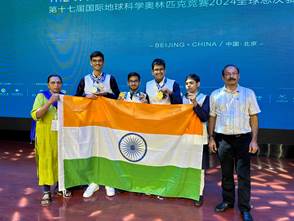
 The Indian student team has bagged multiple prestigious medals at the 17th edition of the International Earth Sciences Olympiad (IESO) held in Beijing, China, from August 08-16, 2024. The four-membered Indian team comprising students from Gujarat, Kerala, Chhattisgarh, and Rajasthan have won three gold and bronze each and two silver medals across three competition categories (Theory and Practical, Earth System Project, and International Team Filed Investigation).

Dr Jitendra Singh, Hon’ble Minister of State (Independent Charge), Ministry of Earth Sciences and Ministry of Science and Technology, MoS PMO, Department of Atomic Energy, Department of Space, Personnel, Public Grievances and Pensions, congratulated the Indian team and expressed appreciation for bringing the coveted academic laurel to the country.

“The International Earth Science Olympiad is one of the most successful student-centric programs facilitated under the REACHOUT (Research, Education, Training and Outreach) scheme of the Ministry of Earth Sciences. We are proud of our young earth science wizards and achievers”, said Dr M Ravichandran, Secretary to the Government of India, Ministry of Earth Sciences (MoES) congratulating the winners. 


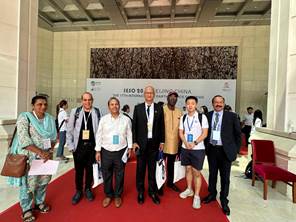
Pictures: The team of students from India at the 17th International Earth Sciences Olympiad (IESO) held in China from August 08-16, 2024 (left) and Indian officials (including Dr Jagvir Singh, Scientist G & Adviser: third from left, Ministry of Earth Sciences) with the jury.

IESO, established in 2003 at the International Geoscience Education Organization Council Meeting in Calgary, Canada, is an annual competition for secondary school students from across the globe. It aims to generate awareness of earth sciences through teamwork, collaboration, exchanging ideas, and competition. “The overall vision is to generate interest of the young in various fields of earth system sciences, with a focus on promoting awareness and solution-centric discussions around climate change, environmental challenges and natural disasters”, said Dr Jagvir Singh, Scientist G & Adviser, MoES. He was one of the Observers at the 17th IESO.

India has participated in the IESO since 2007 and hosted its 10th edition in Mysore. This year, the 17th IESO witnessed teams from 35 countries, of which 32 made it to the finals. Competitions were across four categories: Theory and Practical, Earth Science Project, International Team Field Investigation, and Data Mining.

To encourage the participation of Indian students (of grades 9 to 12), the MoES supports the Indian National Earth Science Olympiad (INESO) held in various schools across India. The INESO is a national-level prelude to the IESO, Facilitated annually by the Geological Society of India in collaboration with MoES and select educational bodies in the country. The topics for assessment for students include geology, meteorology, oceanography, and environmental sciences. Top-performing participants from INESO get to represent India at the IESO, which also receives support from the MoES.

The MoES supports the INESO and IESO as part of the REACHOUT scheme under the PRITHVI (PRITHvi Vigyan) scheme approved by the Union Cabinet in January 2024. The scheme’s goal is to improve understanding of Earth system sciences through research and development activities and to provide reliable services to the country.

*****

Rakhi threads importance remains intact, sisters are sending Rakhi by Post Offices in India as well as abroad

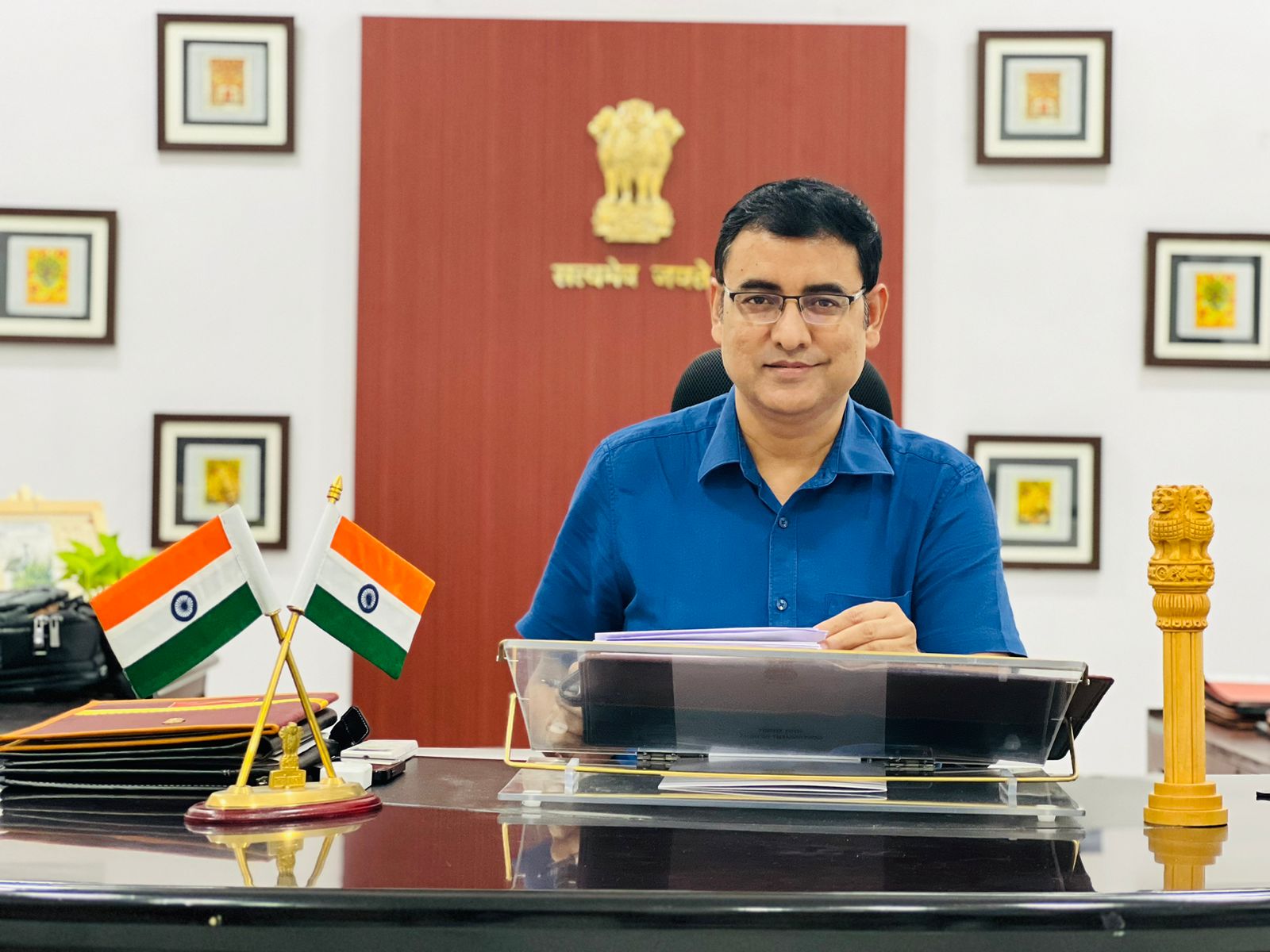
 Silk threads have dwarfed the virtual Rakhis running on social media. Sisters are preferring to send colorful Rakhis by post offices to their brothers. Department of Posts has also made all necessary arrangements for this. Postmaster General, North Gujarat Region, Ahmedabad Shri Krishna Kumar Yadav stated that so far, more than 3 Lakhs Rakhis have been booked from various post offices of Ahmedabad Region and sent to the country and abroad.Special arrangements have been made for delivery of rakhis on Sunday, a day before Raksha Bandhan, so that no brother’s wrists are left untouched.

        Rakhi’s craze is also very much outside the country. Postmaster General, Shri Krishna Kumar Yadav said that Rakhis are being sent from Post offices to foreign countries by speed post and registered post. Approximately 1.5 Lakh Rakhis were booked by various Post Offices in Ahmedabad Region for foreign countries. Most of these Rakhis have been sent to countries like USA, UK, Australia, New Zealand, Singapore, Canada, Russia, UAE, Germany, Japan, China etc. At the same time, sisters living abroad are also sending Rakhis to their beloved brothers which are being delivered immediately through the post offices. Sisters are sending the Rakhis well in advance for abroad, so that their Rakhis reach the brothers at the right time and their wrists do not remain deserted.

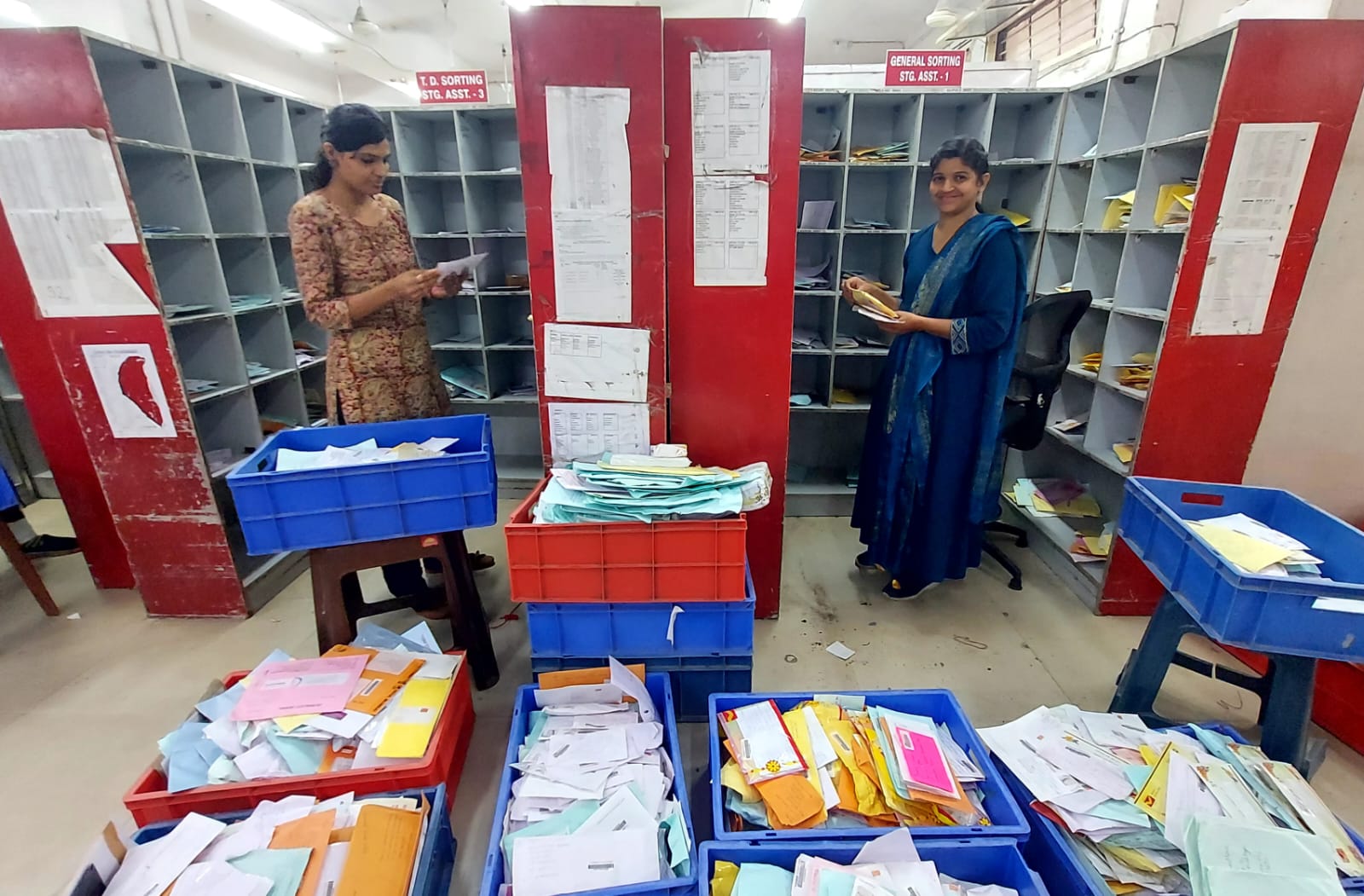
                Postmaster General, Shri Krishna Kumar Yadav told that special arrangements have been made for booking and sorting of Rakhi mails and their speedy delivery from post offices including Railway Mail Service and National Sorting Hub.Spreading happiness through letters, the Department of Posts has also taken this relationship to new heights.

Eduindex News: Global Education News from Campuses Worldwide

 Eduindex News (www.eduindex.org) is a prominent platform dedicated to bringing the latest updates and insights from educational institutions across the globe. As a reliable source of information, Eduindex News covers a wide array of topics that resonate with students, educators, researchers, and policymakers.

This platform offers in-depth coverage of campus news, including academic achievements, research breakthroughs, and educational events. Whether it’s the unveiling of new academic programs, collaborations between universities, or policy changes affecting education, Eduindex News ensures that readers stay informed about the latest trends and developments.

Eduindex News also highlights the voices of students and educators by featuring interviews, opinion pieces, and expert analyses. By providing a global perspective on education, the platform bridges the gap between institutions from different regions, fostering a better understanding of the diverse approaches to learning and teaching.

With a commitment to delivering accurate and timely news, Eduindex News has become a go-to resource for anyone interested in education-related topics. Its focus on global coverage ensures that readers can gain insights into the evolving landscape of education, making it an essential platform for staying connected with educational trends worldwide.

ISRO launches Earth Observation Satellite EOS-08

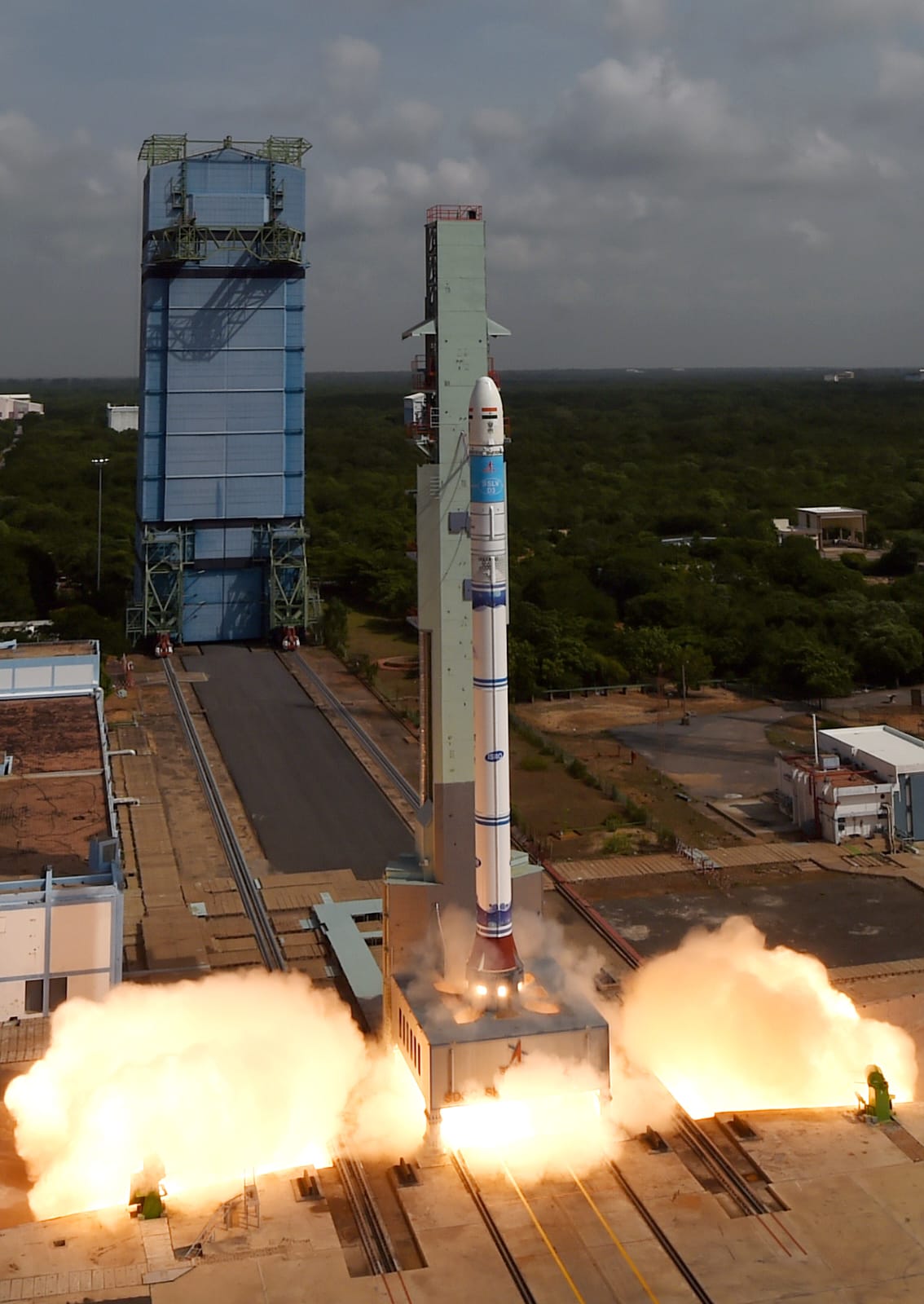
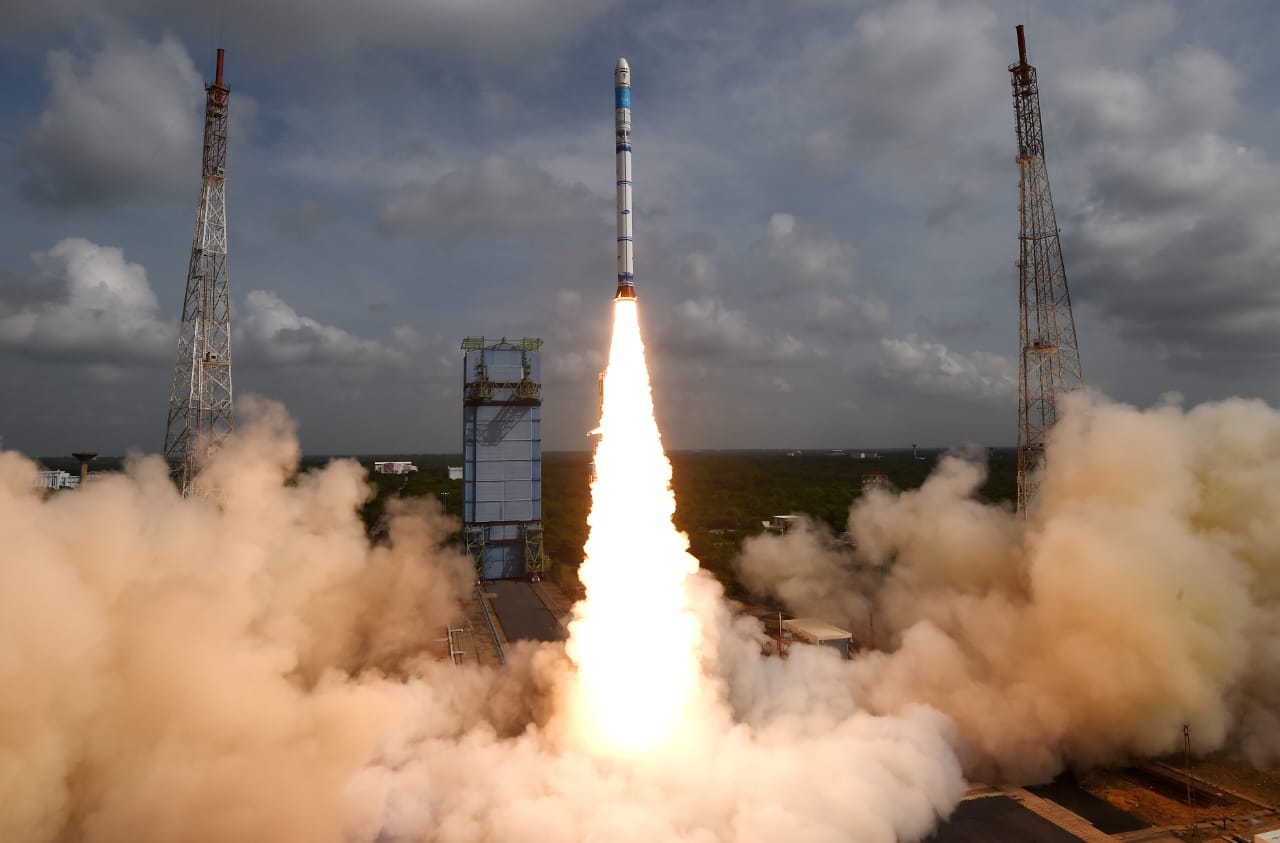
 ISRO’s latest Earth Observation Satellite ‘EOS-08’  launched by the Small Satellite Launch Vehicle (SSLV)-D3 today at 9:17 hrs from Satish Dhawan Space Centre, Shriharikota.

The primary objectives of the EOS-08 mission include designing and developing a microsatellite, creating payload instruments compatible with the microsatellite bus, and incorporating new technologies required for future operational satellites.

Built on the Microsat/IMS-1 bus, EOS-08 carries three payloads: Electro Optical Infrared Payload (EOIR), Global Navigation Satellite System-Reflectometry payload (GNSS-R), and SiC UV Dosimeter. The EOIR payload is designed to capture images in the Mid-Wave IR (MIR) and Long-Wave IR (LWIR) bands, both during the day and night, for applications such as satellite-based surveillance, disaster monitoring, environmental monitoring, fire detection, volcanic activity observation, and industrial and power plant disaster monitoring.

The GNSS-R payload demonstrates the capability of using GNSS-R-based remote sensing for applications such as ocean surface wind analysis, soil moisture assessment, cryosphere studies over the Himalayan region, flood detection, and inland waterbody detection. Meanwhile, the SiC UV Dosimeter monitors UV irradiance at the viewport of the Crew Module in the Gaganyaan Mission and serves as a high-dose alarm sensor for gamma radiation.

The spacecraft mission configuration is set to operate in a Circular Low Earth Orbit (LEO) at an altitude of 475 km with an inclination of 37.4°, and has a mission life of 1 year. The satellite has a mass of approximately 175.5 kg and generates power of around 420 W. It interfaces with the SSLV-D3 launch vehicle.

EOS-08 marks a significant advancement in satellite mainframe systems such as an Integrated Avionics system, known as the Communication, Baseband, Storage, and Positioning (CBSP) Package, which combines multiple functions into a single, efficient unit. This system is designed with cold redundant systems using commercial off-the-shelf (COTS) components and evaluation boards, supporting up to 400 Gb of data storage. Additionally, the satellite includes a structural panel embedded with PCB, an embedded battery, a Micro-DGA (Dual Gimbal Antenna), an M-PAA (Phased Array Antenna), and a flexible solar panel, each serving as key components for onboard technology demonstration.

The satellite employs a miniaturized design in its Antenna Pointing Mechanisms, capable of achieving a rotational speed of 6 degrees per second and maintaining a pointing accuracy of ±1 degree. The miniaturized phased array antenna further enhances communication capabilities, while the flexible solar panel incorporates a foldable solar panel substrate, GFRP tube, and CFRP honeycomb rigid end panel, offering improved power generation and structural integrity. A pyrolytic graphite sheet diffuser plate, known for its high thermal conductivity of 350 W/mK, reduces mass and finds application in various satellite functions. Furthermore, the EOS-08 mission adopts a new method of integrating housekeeping panels using a hinge-based fixture, significantly reducing the duration of the Assembly, Integration, and Testing (AIT) phase.

Incorporating additional novel schemes, the EOS-08 mission improves satellite technology through X-band data transmission, utilizing pulse shaping and Frequency Compensated Modulation (FCM) for X-Band data transmitters. The satellite’s battery management system employs SSTCR-based charging and bus regulation, sequentially including or excluding strings at a frequency of 6 Hz.

  The mission’s indigenization effort is evident in its solar cell fabrication processes and the use of a Nano-Star Sensor for Microsat Applications. Additionally, the inertial system benefits from reaction wheel isolators that attenuate vibrations and a single antenna interface is utilized for TTC and SPS applications. Thermal management is enhanced using materials such as AFE BGA, Kintex FPGA, Germanium Black Kapton, and STAMET (Si-Al Alloy) Black Kapton to handle the thermal properties of COTS components. The mission also incorporates an auto-launch pad initialization feature, further demonstrating its commitment to innovative mission management.

***

Wisdom from our ancient Vedas encapsulates the essence of intellectual property


The Vice-President, Shri Jagdeep Dhankhar today expressed concerns over recent public statements by people holding constitutional positions urging the Supreme Court “to invoke jurisdiction to give wings to a narrative aimed at destroying our economy”.

Addressing the first batch of Joint Masters/LL.M degree in IP Law and Management at NLU, Delhi today Shri Dhankhar said,  “…..Jurisdiction of institution is defined by the Indian Constitution, be it legislature, be it executive, be it judiciary. Jurisdiction of courts is decided. Look around the globe, look at the Supreme Court in the U.S.,  the highest court in the U.K. or other formats.

Has there been suo-motu cognisance even once?  Has a remedy been created beyond what is provided in the Constitution?  The Constitution provides original jurisdiction, appellate jurisdiction.  It provides review also.

But we have curative! I got extremely worried when a person holding a constitutional position,  just last week, declared in a well-publicised media; I would say campaign, beseeching the Supreme Court to suo-motu invoke jurisdiction to give wings to a narrative aimed at destroying our economy”, he added

Shri Dhankhar also urged the youth to neutralise forces that prioritise partisan or self-interest over national welfare, emphasising that such actions undermine the nation’s rise.

Addressing the gathering at the NLU Delhi, Shri Dhankhar Highlighted the overwhelming presence of coaching centres and their advertisements in newspapers, which often feature the same successful faces to attract more students.

“..Extravaganza of coaching centres, advertisements  all over the newspaper, page one, page two, page three, putting boys and girls who made it and same faces being used by multiple organisations. Advertisement, look at the extravaganza, the cost, every penny of that advertisement has come from those young boys and girls who are in pursuit of securing a future for themselves”, he added.

Shri Dhankhar lamented that every penny of those advertisements come from those young boys and girls who are in pursuit of securing a future for themselves.

Advocating for breaking free from the silos of civil service jobs, Shri Dhankar  encourages youth to look beyond the conventional career paths and explore more lucrative and impactful careers.

“..Why should we be in  that silo? We know the opportunities are limited. We have to look away and find there are enormous  vistas of opportunities, far more lucrative, that enable you to contribute massively. And this can happen in disability technologies, it can happen in space,  it can happen in the ocean blue economy”, added Shri Dhankhar.

Referring to Bharat as the gold mine of Intellectual property and Vedas, ancient scriptures as the foundation of Indian philosophy, spirituality, and sciences. The Vice President described them as prime examples of India’s intellectual treasure. He urged everyone to embrace the Vedas in their physical form, emphasising their potential to enrich lives and provide solutions to everything.

Invoking the timeless wisdom of the Rig Veda, stating, “Let noble thoughts come to us from all sides.”, Shri Dhankhar highlighted that this verse from the Rig Veda encapsulates the essence of intellectual property—emphasising the free flow of ideas and knowledge for societal betterment. The Vice President urged that instead of citing modern figures, we should draw inspiration from our authentic sources, reinforcing the profound relevance of our ancient wisdom in today’s intellectual and economic landscape.

Emphasising the critical role of intellectual property (IP) law and management in driving innovation and economic growth, particularly underscoring the need to protect both modern creative endeavours and our ancient knowledge, Shri Dhankhar indicated that IP has become a cornerstone of international trade in globalised era and noted that for a nation like India, with its vast population, strong IP protection is essential for attracting foreign investment and enabling technology transfer.

Acknowledging India’s significant strides in strengthening its IP regime, Shri Dhankhar stated that India’s legislative framework has been progressively aligned with international standards, ensuring robust protection. He underscored that India’s IP regime is carefully crafted to comply with the World Trade Organization’s TRIPS and other bilateral and regional agreements, reinforcing the nation’s commitment to innovation and global trade.

Smt. Himani Pande, Additional Secretary, DPIIT, Ministry of Commerce & Industry,  Prof. (Dr.) G.S. Bajpai, Vice Chancellor, National Law University Delhi, Prof. (Dr.) V K Ahuja, Director, Indian Law Institute, students and other dignitaries were also present on the occasion.

Read here full text : https://pib.gov.in/PressReleseDetail.aspx?PRID=2045853

***

Explanation of Data Collection Designs for Early Academic Researchers

 Data collection is crucial in determining the validity, reliability, and quality of conclusions drawn. The primary data collection designs include quantitative data collection, which focuses on gathering numerical data that can be quantified and subjected to statistical analysis. Key designs include surveys and questionnaires, experiments, observational studies, and mixed methods designs. Qualitative data collection focuses on understanding human behaviour and social phenomena by collecting rich, descriptive data that can provide deeper insights into participants’ experiences and perspectives. Key qualitative designs include interviews, focus groups, case studies, and mixed methods designs. Interviews allow researchers to engage with participants in dialogue and can be structured, semi-structured, or unstructured. Focus groups involve guided discussions among a small group of participants, typically led by a moderator, and are effective for exploring collective views, attitudes, and experiences. Case studies provide an in-depth examination of a particular individual, group, event, or phenomenon within its real-life context, allowing researchers to explore complex issues and gain a comprehensive understanding of the subject matter. Mixed methods research combines both quantitative and qualitative data collection designs to provide a more comprehensive understanding of the research problem. Researchers may use qualitative data to explore a phenomenon and then follow up with quantitative measures to generalize the findings across a larger population. In conclusion, choosing the appropriate data collection design is crucial for early academic researchers as it directly influences the validity, reliability, and overall quality of their conclusions. Understanding these designs is essential for effective research practice and ensuring the validity of their findings.