Brahadeeswara Temple

The year 2010 celebrated the thousand years of cultural and historical, heritage of the Brahadeeswarar Temple.The 1000-years old Timeless Heritage :King Rajaraja cholesterol constructed the Brahadeewarar Temple, commonly known as the Big Temple by the natives of Tanjore . It’s architecture marvel,fine proportions and intricate carvings and grandeur make it a symbol of cultural and sculptural expertise. Tanjore ” The Granary of Tamilnadu”, is also the seat of Carnatic music,dance,traditional handicrafts and stylized bronze work. Hence, the Chola’s made it their capital.Visit to the Nayak Palace :With a great thirst for Indian culture ,the author visited the palace complex which was built by the Nayaks in the 16 th Century. The Martha’s had renovated it later. The Royal Muslim here has a collection of urns,drums,manuscripts,gifts, jewellery weapons and other belongings of the Maratha. A painting of Maratha King welcomes one to the Durbar Hall. An array of pallava and chola on the craftsmanship of their Era.The 11th century Brahadeeswarar Temple :The magnificent structure of the Big Temple, situated in an area of 750 feet by 400 feet surrounded by a moat welcomed him. Its marvellous engineering technology could be judge by the vimanam. The towering vimanam is built up with stones with bonding and notching and without the use of mortar. It is baffling to note how the topmost stone of 80 tons was placed without modern of the divine mount Kailash. The sculpture and structure is incomparable.

Photo by Pixabay on Pexels.com

The shrine for lord Muruga is an integral part of the Temple. It is an elaborately carved stone structure, a designer’s delight. It would take weeks if not months to copy the unrepeated designs on each of the short pillars of this shrine. The chiseled would have indeed taken months to complete each shapes.The magnanimous King Rajaraja Chola :The author stood in awe,astonishment and reverence when he saw a walled fortress inside -a standing testimony of the Chola’s opulence and vision . The huge statues reflect their steadfast reverence to Lord Shiva. Rajaraja, his sisters and his queens donated gold and silver to build this Temple.The intricate carvings and murals :The delicate carvings on the pillars and the inscriptions on the walls of the temple are delight to a historian’s sense. The deities and Shiva Linda’s in the pillaged cloisters are worthy to be admired. The huge Shiva Linga in the sanctum sanatorium and the Nandhi Statue depict the large heartedness of Cholas , who did not hesitate to spend large sums of money. The sculpture and engineering technology of this 11th century Temple is truly admirable. The huge granite stones had been interlocked so perfectly with a harmonious bonding that they can withstand rains ,wind and heat down the centuries.The might vimanam:Unlike many Temple the 58m tall and 13-storyed vimanam makes the Gopurams. In its splendid idea ,it’s impressive vision, its displays of the mighty effort of construction-it stands as a testimony for centuries to come.It’s Dedication :Among all the temples dedicated to all suites, this is the only Temple which has been dedicated to Brahadeeswarar. When the devotee king anointed it with holy water from all the sacred rivers of India, little did he think that the Big Temple would stand for 1000 years and forever. The big Temple will live as long as Indian history lives.
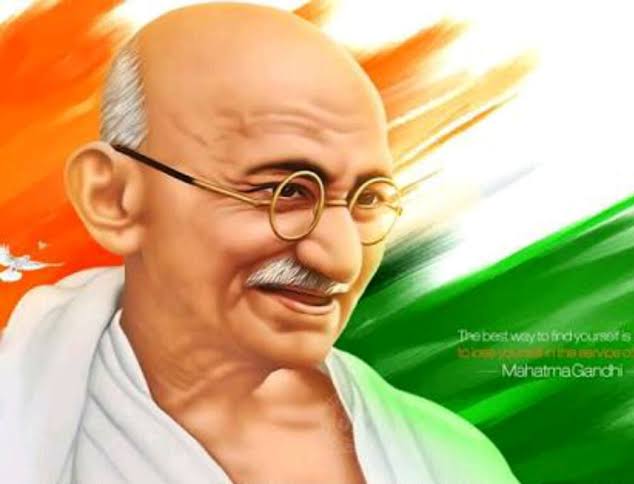
MAHATMA GANDHI (1869)

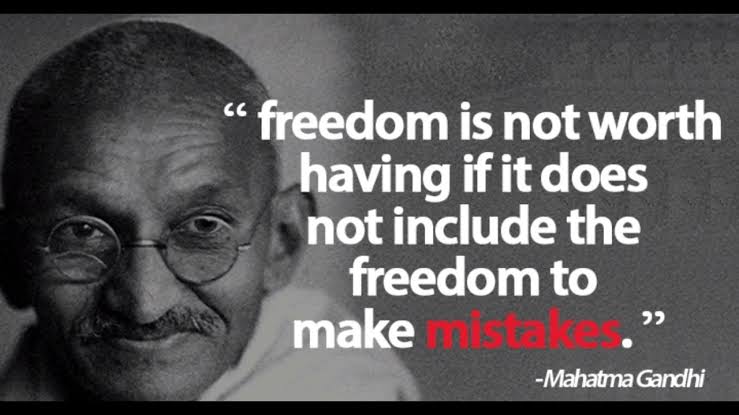
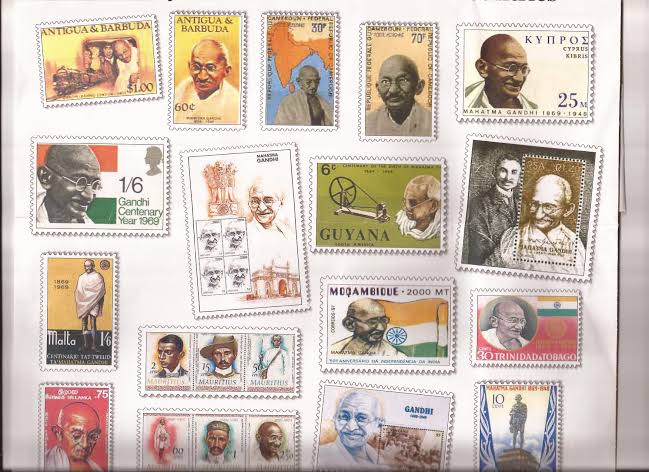
Mohandas Karamchand Gandhi (2 October  1869- 30th January 1948), Popularly known as MAHATMa Gandhi or Bapu (Father of Nation ),he was the pre-eminent leader of Indian nationalism in British -ruled India . Employing non-violent Civil disobedience, Gandhi led India to independence and inspired movements of non-violence ,civil rights and freedom across the world.

     He is known in India as the Father of Nation ;his birthday, 2 October, is celebrated as Gandhi Jayanthi, a National holiday and world -wide as the international Day of Non-violence .world-wide Gandhi’s philosophy was not theoretical but of pragmatism. Asked to give messages to the people, he responded, “My life is my messages “.

Civil rights movements in South Africa (1893-1914)

Gandhi was 24 when he arrived in South Africa to work as a legal representative for the Muslim Indian Traders based in the city of Pretoria.He spent 21 years in south Africa, where he developed his political view,ethics and political leadership skills.

     In South Africa, Gandhi faced the discrimination directed at all coloured people. Heels thrown off a train at Pietermaritzburg after refusing to move from the first -class though he had a first-class  ticket.

Struggle for Indian Independence (1915-47)🇮🇳🍚

In 1915,Gandhi returned to India permanently . He attained an international reputation as leafing Indian nationalist ,theorist and organizer . He joined the Indian National congress and was introduced to Indian issues, politics and the Indian people primarily  by Gopala Krishna Gokhale. Gokhale was a key leader of the Congress Party best known for his  restraint and moderation,and his insistence on working inside the system .Gandhi took Gokhale’s liberal approach based on British Whiggish tradition and transformed it to make it look wholly Indian.

Champaran and kheda

        Gandhi’s first major achievements came in 1918 with the Champaran and Kheda agitations of Bihar and Gujarat. The Champaran  agitation pitted the local peasantry against their largely British landlords who were backed by the local administration. The peasantry was forced to grow Indigo, a cash crop whose demand had been declining over two decades, and were forced to sell their crops to the planters at a fixed price

Khilafat movements


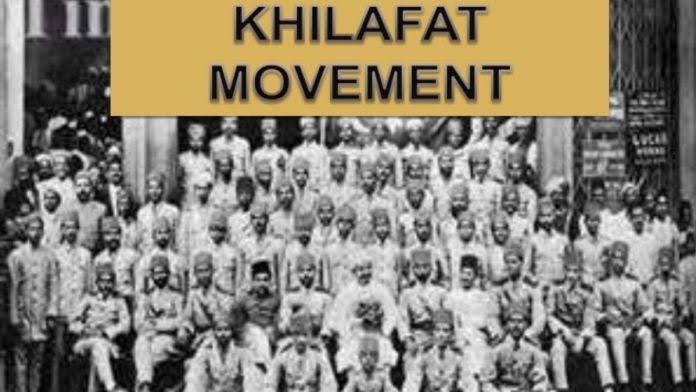
      In 1919 Gandhi ,with his weak position in congress, decided to broaden his base  by increasing his appeal to Muslims.  The opportunity came from the khilafat movement, a worldwide protest by Muslims against the collapsing status of the caliph,the leader of their religion. His success made him India’s first national leader with a multicultural base and facilitated his rise to power  within congress,which had previously been unable to reach many Muslims. In 1920 Gandhi became a major  leader in congress.
      Gandhi always fought against “communalism “,which pitted Muslims against Hindus in politics, but he could not reverse the rapid growth of communication  after 1922.

Salt Satyagraha(Salt  March)🍚🧂

     Gandhi stayed out of active politics and,as such,the limelight for most of the 1920s. He focused  instead on resolving  the wedge between  the swaraj party and the Indian National Congress, and expanding initiatives  against  untouchability , alcoholism,ignorance  and poverty. He returned to the fore in 1928.In the preceding year, the British government  had appointed a new constitutional reform commission under sir John Simon, which did not include any Indian  as its member.
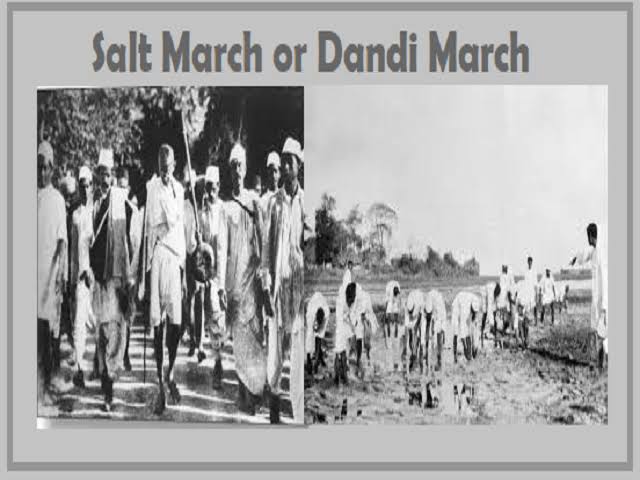
      Gandhi then launched a new Satyagraha against  the tax on slat in March 1930.This was highlighted by famous Salt March  to Dandi.

Quit India Movement🏳⚪


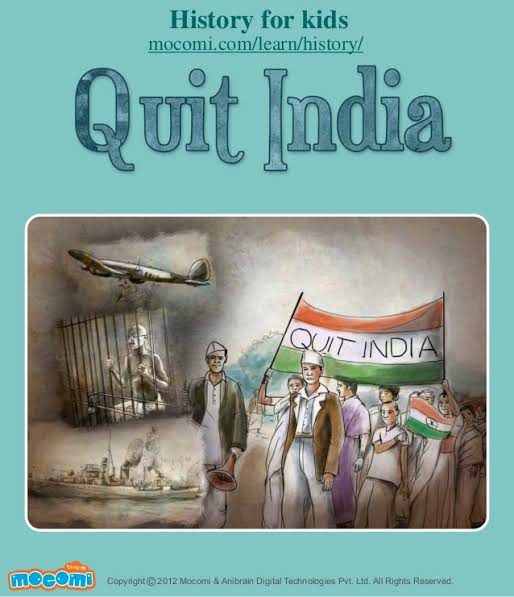
     Quit India became the most forceful movement in the history of struggle,with mass arrests and violence on an unprecedented  scale.
      In 1942  although  stillb committed in hid efforts to “launch a non-violent movement “,Gandhi clarified that the  movement would not be stopped by individual act of violence, saying that the ” ordered  anarchy ” of “the present system  of administration ” was “worse than real anarchy “.He called on all congressmen and Indians to maintain discipline via ahimsa,and Karo ya maro (“Do or die”) in the cause of ultimate freedom 

Non-violence🙅‍♀️

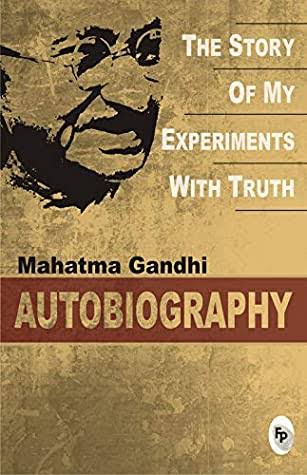
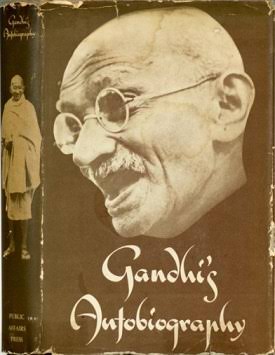
     Gandhi explains  his philosophy and way of life in his autobiography “The story of My Experiments with Truth “.

Literary works📝✍📖

        Gandhi was a prolific writer. One of Gandhi’s earliest  publications, Hind Swaraj,Published language; Indian Opinion while in South America and, Young India, in English, and Navajivan ,a Gujarati monthly, on his returns to India. Later,Nakajima was also published in hindi. In addition, he wrote letters  almost every day to individuals and newspapers.
     Gandhi  also wrote several books including his autobiography, “The Story of My Experiments with Truth “.
Rabindranath Tagore is said to have accorded the title ” Mahatma” to Gandhi.

World Farm Animals Day🐐🐓

        Gandhi’s birthday is chosen as a commemoration for the billions of non-human animals that are slaughtered  by the human farming industry each year. The practice started in 1983.

Assassination👨‍🏭

       On 30 January 1948,just five months of coyntry’s Independence, the Mahatma was on his way to his usual prayer meeting in the Birla Mandir in the capital city. His smiling face revealed only a divine serenity. Suddenly a middle-aged man named Nathuran Godse entered his path and directly facing him fired three shots point and blank at the 79 year old disarmed leader. Dignitaries Jawaharlal Nehru declared: “The lights has gone out of our lives”.
     It is nearly six decades that Gandhiji departed from us,but Gandism is still very much alive and kicking in the national psyche of India.

Current impact within Indiai🇮🇳

    Gandhi’s birthday, 2 October, is National holiday in India, Gandhi’s date of death death,30 January, is commemorated as a Martyrs’ Day in India.
        There are two temples in India dedicated to Gandhi,One is located sambalpur in orissa and the other at Nidaghatta village nera kadur in chikmangalur district of Karnataka.  The Gandhi Memorial in Kanyakumari resembles central Indian Hindu temples and the Tamukkan or Summer palace in Madurai now houses the Mahatma Gandhi Museum.

MAHATMA GANDHI – Mohandas Karamchand Gandhi

MAHATMA GANDHI (1869)Mohandas Karamchand Gandhi (2 October 1869- 30th January 1948), Popularly known as MAHATMa Gandhi or Bapu (Father of Nation ),he was the pre-eminent leader of Indian nationalism in British -ruled India . Employing non-violent Civil disobedience, Gandhi led India to independence and inspired movements of non-violence ,civil rights and freedom across the world. He is known in India as the Father of Nation ;his birthday, 2 October, is celebrated as Gandhi Jayanthi, a National holiday and world -wide as the international Day of Non-violence .world-wide Gandhi’s philosophy was not theoretical but of pragmatism. Asked to give messages to the people, he responded, “My life is my messages “.Civil rights movements in South Africa (1893-1914)Gandhi was 24 when he arrived in South Africa to work as a legal representative for the Muslim Indian Traders based in the city of Pretoria.He spent 21 years in south Africa, where he developed his political view,ethics and political leadership skills. In South Africa, Gandhi faced the discrimination directed at all coloured people. Heels thrown off a train at Pietermaritzburg after refusing to move from the first -class though he had a first-class ticket.Struggle for Indian Independence (1915-47)In 1915,Gandhi returned to India permanently . He attained an international reputation as leafing Indian nationalist ,theorist and organizer . He joined the Indian National congress and was introduced to Indian issues, politics and the Indian people primarily by Gopala Krishna Gokhale. Gokhale was a key leader of the Congress Party best known for his restraint and moderation,and his insistence on working inside the system .Gandhi took Gokhale’s liberal approach based on British Whiggish tradition and transformed it to make it look wholly Indian.Champaran and khedaGandhi’s first major achievements came in 1918 with the Champaran and Kheda agitations of Bihar and Gujarat. The Champaran agitation pitted the local peasantry against their largely British landlords who were backed by the local administration. The peasantry was forced to grow Indigo, a cash crop whose demand had been declining over two decades, and were forced to sell their crops to the planters at a fixed priceKhilafat movementsIn 1919 Gandhi ,with his weak position in congress, decided to broaden his base by increasing his appeal to Muslims. The opportunity came from the khilafat movement, a worldwide protest by Muslims against the collapsing status of the caliph,the leader of their religion. His success made him India’s first national leader with a multicultural base and facilitated his rise to power within congress,which had previously been unable to reach many Muslims. In 1920 Gandhi became a major leader in congress. Gandhi always fought against “communalism “,which pitted Muslims against Hindus in politics, but he could not reverse the rapid growth of communication after 1922.Salt Satyagraha(Salt March)Gandhi stayed out of active politics and,as such,the limelight for most of the 1920s. He focused instead on resolving the wedge between the swaraj party and the Indian National Congress, and expanding initiatives against untouchability , alcoholism,ignorance and poverty. He returned to the fore in 1928.In the preceding year, the British government had appointed a new constitutional reform commission under sir John Simon, which did not include any Indian as its member. Gandhi then launched a new Satyagraha against the tax on slat in March 1930.This was highlighted by famous Salt March to Dandi.Quit Undia MovementQuit India became the most forceful movement in the history of struggle,with mass arrests and violence on an unprecedented scale. In 1942 although stillb committed in hid efforts to “launch a non-violent movement “,Gandhi clarified that the movement would not be stopped by individual act of violence, saying that the ” ordered anarchy ” of “the present system of administration ” was “worse than real anarchy “.He called on all congressmen and Indians to maintain discipline via ahimsa,and Karo ya maro (“Do or die”) in the cause of ultimate freedomNon-violenceGandhi explains his philosophy and way of life in his autobiography “The story of My Experiments with Truth “.Literary worksGandhi was a prolific writer. One of Gandhi’s earliest publications, Hind Swaraj,Published language; Indian Opinion while in South America and, Young India, in English, and Navajivan ,a Gujarati monthly, on his returns to India. Later,Nakajima was also published in hindi. In addition, he wrote letters almost every day to individuals and newspapers. Gandhi also wrote several books including his autobiography, “The Story of My Experiments with Truth “.Rabindranath Tagore is said to have accorded the title ” Mahatma” to Gandhi.World Farm Animals DayGandhi’s birthday is chosen as a commemoration for the billions of non-human animals that are slaughtered by the human farming industry each year. The practice started in 1983.AssassinationOn 30 January 1948,just five months of coyntry’s Independence, the Mahatma was on his way to his usual prayer meeting in the Birla Mandir in the capital city. His smiling face revealed only a divine serenity. Suddenly a middle-aged man named Nathuran Godse entered his path and directly facing him fired three shots point and blank at the 79 year old disarmed leader. Dignitaries Jawaharlal Nehru declared: “The lights has gone out of our lives”. It is nearly six decades that Gandhiji departed from us,but Gandism is still very much alive and kicking in the national psyche of India.Current impact within IndiaGandhi’s birthday, 2 October, is National holiday in India, Gandhi’s date of death death,30 January, is commemorated as a Martyrs’ Day in India. There are two temples in India dedicated to Gandhi,One is located sambalpur in orissa and the other at Nidaghatta village nera kadur in chikmangalur district of Karnataka. The Gandhi Memorial in Kanyakumari resembles central Indian Hindu temples and the Tamukkan or Summer palace in Madurai now houses the Mahatma Gandhi Museum.MAHATMA GANDHI (1869)Mohandas Karamchand Gandhi (2 October 1869- 30th January 1948), Popularly known as MAHATMa Gandhi or Bapu (Father of Nation ),he was the pre-eminent leader of Indian nationalism in British -ruled India . Employing non-violent Civil disobedience, Gandhi led India to independence and inspired movements of non-violence ,civil rights and freedom across the world. He is known in India as the Father of Nation ;his birthday, 2 October, is celebrated as Gandhi Jayanthi, a National holiday and world -wide as the international Day of Non-violence .world-wide Gandhi’s philosophy was not theoretical but of pragmatism. Asked to give messages to the people, he responded, “My life is my messages “.Civil rights movements in South Africa (1893-1914)Gandhi was 24 when he arrived in South Africa to work as a legal representative for the Muslim Indian Traders based in the city of Pretoria.He spent 21 years in south Africa, where he developed his political view,ethics and political leadership skills. In South Africa, Gandhi faced the discrimination directed at all coloured people. Heels thrown off a train at Pietermaritzburg after refusing to move from the first -class though he had a first-class ticket.Struggle for Indian Independence (1915-47)In 1915,Gandhi returned to India permanently . He attained an international reputation as leafing Indian nationalist ,theorist and organizer . He joined the Indian National congress and was introduced to Indian issues, politics and the Indian people primarily by Gopala Krishna Gokhale. Gokhale was a key leader of the Congress Party best known for his restraint and moderation,and his insistence on working inside the system .Gandhi took Gokhale’s liberal approach based on British Whiggish tradition and transformed it to make it look wholly Indian.Champaran and khedaGandhi’s first major achievements came in 1918 with the Champaran and Kheda agitations of Bihar and Gujarat. The Champaran agitation pitted the local peasantry against their largely British landlords who were backed by the local administration. The peasantry was forced to grow Indigo, a cash crop whose demand had been declining over two decades, and were forced to sell their crops to the planters at a fixed priceKhilafat movementsIn 1919 Gandhi ,with his weak position in congress, decided to broaden his base by increasing his appeal to Muslims. The opportunity came from the khilafat movement, a worldwide protest by Muslims against the collapsing status of the caliph,the leader of their religion. His success made him India’s first national leader with a multicultural base and facilitated his rise to power within congress,which had previously been unable to reach many Muslims. In 1920 Gandhi became a major leader in congress. Gandhi always fought against “communalism “,which pitted Muslims against Hindus in politics, but he could not reverse the rapid growth of communication after 1922.Salt Satyagraha(Salt March)Gandhi stayed out of active politics and,as such,the limelight for most of the 1920s. He focused instead on resolving the wedge between the swaraj party and the Indian National Congress, and expanding initiatives against untouchability , alcoholism,ignorance and poverty. He returned to the fore in 1928.In the preceding year, the British government had appointed a new constitutional reform commission under sir John Simon, which did not include any Indian as its member. Gandhi then launched a new Satyagraha against the tax on slat in March 1930.This was highlighted by famous Salt March to Dandi.Quit Undia MovementQuit India became the most forceful movement in the history of struggle,with mass arrests and violence on an unprecedented scale. In 1942 although stillb committed in hid efforts to “launch a non-violent movement “,Gandhi clarified that the movement would not be stopped by individual act of violence, saying that the ” ordered anarchy ” of “the present system of administration ” was “worse than real anarchy “.He called on all congressmen and Indians to maintain discipline via ahimsa,and Karo ya maro (“Do or die”) in the cause of ultimate freedomNon-violenceGandhi explains his philosophy and way of life in his autobiography “The story of My Experiments with Truth “.Literary worksGandhi was a prolific writer. One of Gandhi’s earliest publications, Hind Swaraj,Published language; Indian Opinion while in South America and, Young India, in English, and Navajivan ,a Gujarati monthly, on his returns to India. Later,Nakajima was also published in hindi. In addition, he wrote letters almost every day to individuals and newspapers. Gandhi also wrote several books including his autobiography, “The Story of My Experiments with Truth “.Rabindranath Tagore is said to have accorded the title ” Mahatma” to Gandhi.World Farm Animals DayGandhi’s birthday is chosen as a commemoration for the billions of non-human animals that are slaughtered by the human farming industry each year. The practice started in 1983.AssassinationOn 30 January 1948,just five months of coyntry’s Independence, the Mahatma was on his way to his usual prayer meeting in the Birla Mandir in the capital city. His smiling face revealed only a divine serenity. Suddenly a middle-aged man named Nathuran Godse entered his path and directly facing him fired three shots point and blank at the 79 year old disarmed leader. Dignitaries Jawaharlal Nehru declared: “The lights has gone out of our lives”. It is nearly six decades that Gandhiji departed from us,but Gandism is still very much alive and kicking in the national psyche of India.Current impact within IndiaGandhi’s birthday, 2 October, is National holiday in India, Gandhi’s date of death death,30 January, is commemorated as a Martyrs’ Day in India. There are two temples in India dedicated to Gandhi,One is located sambalpur in orissa and the other at Nidaghatta village nera kadur in chikmangalur district of Karnataka. The Gandhi Memorial in Kanyakumari resembles central Indian Hindu temples and the Tamukkan or Summer palace in Madurai now houses the Mahatma Gandhi Museum.

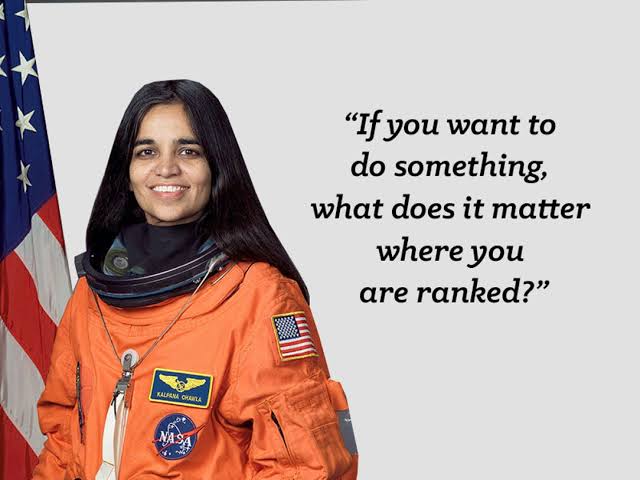
KALPANA CHAWLA(1962-2003)

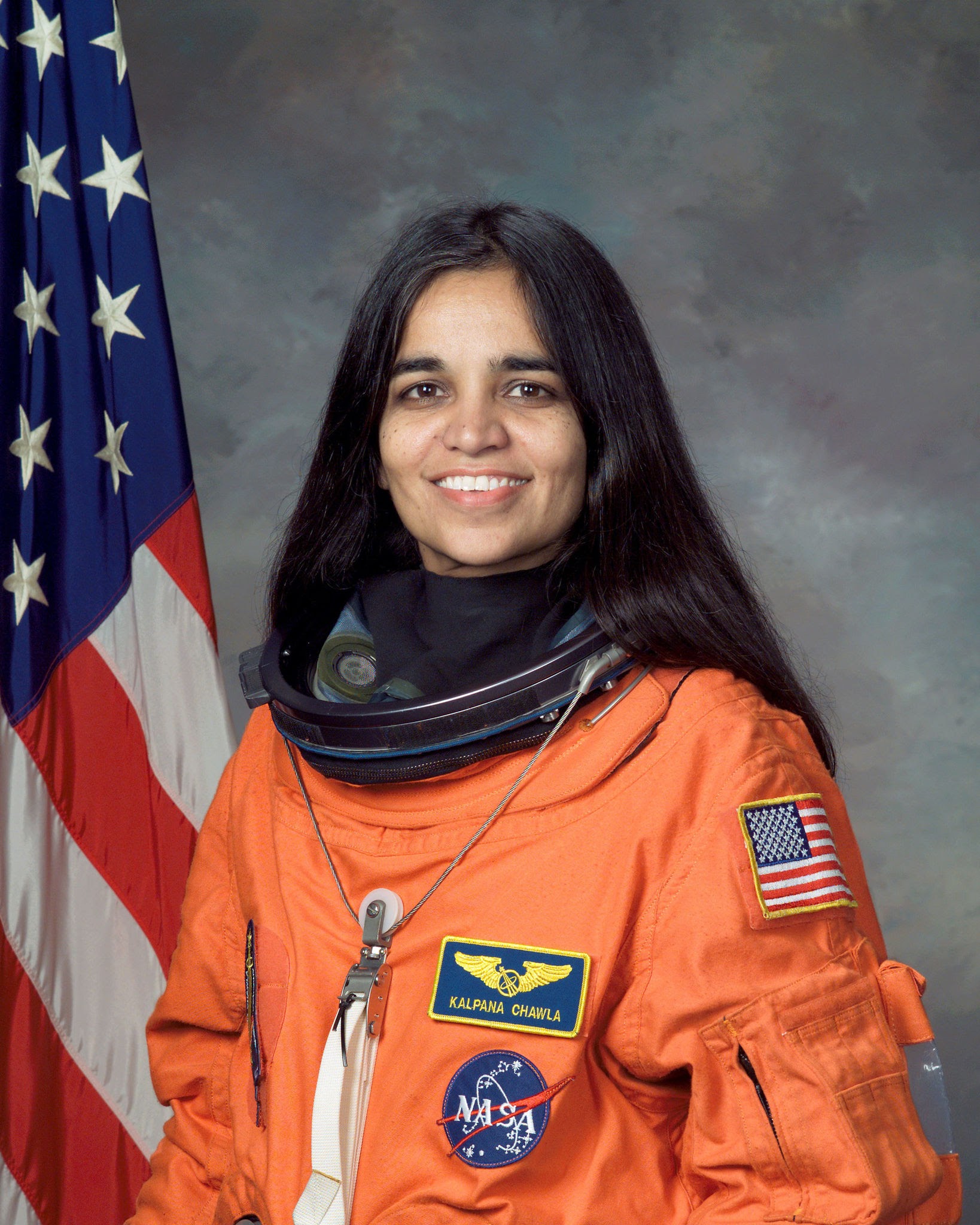
⭐Kalpana chawla(March 17,1962-February 1,2003)was born in karnan,India 🇮🇳.

⭐She was the first Indian American astronaut and first Indian women in space.

⭐She first flew on space shuttle Columbia in 1997 as a mission specialist and primary robotic arm operator.

EDUCATION

👨‍🚀Chawla completed her earlier schooling at Tagore Baal niketan school,karnal

👨‍🚀After getting a Bachelor of Engineering degree in Aeronautical Engineering from Punjab Engineering College, India, she moved to the United States in 1982 and obtained a Master of Science degree in Aerospace Engineering from the University of Texas at Arlington in 1984.

NASA CAREER

Chawla joined the NASA astronaut corps in March 1995 and was selected for her first flight in 1996. She spoke the following words while traveling in the weightlessness of space,”Your are just your intelligence “. She had traveled 10.67 million km,as many as 252 times around the Earth.

KALPANA CHAWLA HUSBAND

Kalpana Chawla got married in 1983 to Jean-Pierre Harrison. And the 20 years, till the unfortunate Space Shuttle Columbia crash that killed her in 2003, are the most cherished memories for her husband. That part of their life is still very private and her husband likes to keep it that way.

DEATH

Chawla died in the Space Shuttle Columbia disaster which occurred on February 1,2003,when the Space Shuttle disintegrated over Texas during re-entry into the Earth’s atmosphere, with the loss of all seven crew members, shortly before it was scheduled to conclude its 28th mission, STS-107.

AWARDS

POSTHUMOUSLY AWARDED :

🚀Congressional Space Medal of Honor

🚀NASA Space Flight Medal

🚀NASA Distinguished Service Medal

MEMORIALS

⭐On 18 November 2012,in Karnal city, Haryana, India,Chawla’s birthplace and first home town,the foundation stone of the Kalpana Chawla Government Medical college was laid by the Haryana Government in her memory

⭐The Kalpana Chawla ISU Scholarship fund was founded by alumni of the international Space University (ISU) in 2010 to support Indian student participation in international space education programs.

⭐The Kalpana Chawla Memorial Scholarship program was instituted by the Indian Students Association (ISA) at the University of Texas at EI paso (UTEP) in 2005 for meritorious graduate students

⭐The Kalpana Chawla Outstanding Recent Alumni Award at the University of Colorado,given since 1983,was renamed for Kalpana Chawla Asteroid 51826 Kalpana Chawla, one of seven named after the Columbia’s crew.

⭐The Kalpana Chawla Award was instituted by the government of Karnataka in 204 for young women scientists.

⭐The girls hostel at Punjab Engineering College is named after Chawla. In addition, an award of INR twenty-five thousand, a mental, and a certificate is instituted for the best student in the Aeronautical Engineering department. NASA has dedicated a super computer to Chawla

⭐The Government of Haryana established the Kalpana Chawla planetarium in Jyotisar,Kuruksgetra. The Indian Institute of Technology, Kharagpur,named the Kalpana Chawla Space

⭐One February 5, 2003, India’s Prime Minister announced that the meterorological series of satellite, METSAT,was to be renamed as “KALPANA “. The first satellite of the series, “METSAT-1”,launched by the Indian on September 12, 2002,will be now known as “KALPANA-1” . “KALPANA-2” was expected to be launched by 2007