Time isn’t the main thing. It’s the only thing.

  • Time Management refers to managing time effectively so that the right time is allocated to the right activity.
  • Effective time management allows individuals to assign specific time slots to activities as per their importance.
  • Time Management refers to making the best use of time as time is always limited.

Ask yourself which activity is more important and how much time should be allocated to the same? Know which work should be done earlier and which can be done a little later.

Time Management plays a very important role not only in organizations but also in our personal lives.

Time Management includes:

  1. Effective Planning
  2. Setting goals and objectives
  3. Setting deadlines
  4. Delegation of responsibilities
  5. Prioritizing activities as per their importance
  6. Spending the right time on the right activity
  • Effective PlanningPlan your day well in advance. Prepare a To Do List or a “TASK PLAN”. Jot down the important activities that need to be done in a single day against the time that should be allocated to each activity. High Priority work should come on top followed by those which do not need much of your importance at the moment. Complete pending tasks one by one. Do not begin fresh work unless you have finished your previous task. Tick the ones you have already completed. Ensure you finish the tasks within the stipulated time frame.
  • Setting Goals and ObjectivesWorking without goals and targets in an organization would be similar to a situation where the captain of the ship loses his way in the sea. Yes, you would be lost. Set targets for yourself and make sure they are realistic ones and achievable.
  • Setting DeadlinesSet deadlines for yourself and strive hard to complete tasks ahead of the deadlines. Do not wait for your superiors to ask you everytime. Learn to take ownership of work. One person who can best set the deadlines is you yourself. Ask yourself how much time needs to be devoted to a particular task and for how many days. Use a planner to mark the important dates against the set deadlines.
  • Delegation of ResponsibilitiesLearn to say “NO” at workplace. Don’t do everything on your own. There are other people as well. One should not accept something which he knows is difficult for him. The roles and responsibilities must be delegated as per interest and specialization of employees for them to finish tasks within deadlines. A person who does not have knowledge about something needs more time than someone who knows the work well.
  • Prioritizing TasksPrioritize the tasks as per their importance and urgency. Know the difference between important and urgent work. Identify which tasks should be done within a day, which all should be done within a month and so on. Tasks which are most important should be done earlier.
  • Spending the right time on right activityDevelop the habit of doing the right thing at the right time. Work done at the wrong time is not of much use. Don’t waste a complete day on something which can be done in an hour or so. Also keep some time separate for your personal calls or checking updates on Facebook or Twitter. After all human being is not a machine.

For Effective Time Management one needs to be:

Organized – Avoid keeping stacks of file and heaps of paper at your workstation. Throw what all you don’t need. Put important documents in folders. Keep the files in their respective drawers with labels on top of each file. It saves time which goes on unnecessary searching.

Don’t misuse time – Do not kill time by loitering or gossiping around. Concentrate on your work and finish assignments on time. Remember your organization is not paying you for playing games on computer or peeping into other’s cubicles. First complete your work and then do whatever you feel like doing. Don’t wait till the last moment.

Be Focussed – One needs to be focused for effective time management.

Develop the habit of using planners, organizers, table top calendars for better time management. Set reminders on phones or your personal computers.

Time management” is the process of organizing and planning how to divide your time between specific activities.

Good time management enables you to work smarter – not harder – so that you get more done in less time, even when time is tight and pressures are high. Failing to manage your time damages your effectiveness and causes stress.

It seems that there is never enough time in the day. But, since we all get the same 24 hours, why is it that some people achieve so much more with their time than others? The answer lies in good time management.

The highest achievers manage their time exceptionally well. By using the time-management techniques in this section, you can improve your ability to function more effectively – even when time is tight and pressures are high.

Good time management requires an important shift in focus from activities to results: being busy isn’t the same as being effective. (Ironically, the opposite is often closer to the truth.)

Spending your day in a frenzy of activity often achieves less, because you’re dividing your attention between so many different tasks. Good time management lets you work smarter – not harder – so you get more done in less time.


This current round of gigs, I’m just doing it using pure electronics.

Electronics in Daily Life

Electronics is the branch of physics and technology that deals with circuits, transistors, microchips, and the behavior and movement of electrons.

It handles electric circuits containing active and passive elements and uses underlying techniques. It is an important part of engineering.

Technologies are growing at a very fast rate in the world, and it is important for technology enthusiasts to pace up with the latest changes in the society.

Electronic devices have become an important part of our day-to-day life. It has become difficult for us to do work without using the electronic device.

We live in a generation that uses electronics and technologies where robots and artificial intelligence is capable of doing human work with more ease and efficiency.

Electronics in our daily life are made up of active and passive electric elements and smaller integrated circuits (IC). 

The ICs, transistors, and diodes are made of semiconductor materials, which work when current flows through them.

History of Electronics

The first electronic device was introduced by an American scientist, Sir Joseph Henry, in the year 1835. He invented a remote switch which was controlled by electricity. 

However, the credit of this invention was given to an English inventor Edward Davy in his electric telegraph c. 1835.

Some other Inventions are:

  • Vacuum Diode – It was invented by John Ambrose Fleming.
  • Transistor – It was invented by the combined effort of John Bardeen, Walter Brattain, and William Shockley.
  • IC (Integrated Circuit) – Jack Kilby invented this.

Electronics is the study of electricity (the flow of electrons) and how to use that to build things like computers. It uses circuits that are made with parts called components and connecting wires to do useful things.

The science behind Electronics comes from the study of physics and gets applied in real-life ways through the field of electrical engineering.

Many people can name several simple electronic components, such as transistors, fuses, circuit breakers, batteries, motors, transformers, LEDs and bulbs, but as the number of components starts to increase, it often helps to think in terms of smaller systems or blocks, which can be connected together to do something useful.

One way of looking at an electronic system is to separate it into three parts:

  1. Inputs – Electrical or mechanical sensors, which take signals from the physical world (in the form of temperature, pressure, etc.) and convert them into electric current and voltage signals.
  2. Signal processing circuits – These consist of electronic components connected together to manipulate, interpret and transform the information contained in the signals.
  3. Outputs – Actuators or other devices that transform current and voltage signals back into human readable information.

television set, for example, has as its input a broadcast signal received from an antenna, or for cable television, a cable.

Signal processing circuits inside the television set use the brightnesscolour, and sound information contained in the received signal to control the television set’s output devices.

The display output device may be a cathode ray tube (CRT) or a plasma or liquid crystal display screen. The audio output device might be a magnetically driven audio speaker.

The display output devices convert the signal processing circuits’ brightness and colour information into the visible image displayed on a screen. The audio output device converts the processed sound information into sounds that can be heard by listeners.

Analysis of a circuit/network involves knowing the input and the signal processing circuit, and finding out the output. Knowing the input and output and finding out or designing the signal processing part is called synthesis.

Electricity is the soul of the universe.

Electricity is an essential part of modern life and important to the U.S. economy. People use electricity for lighting, heating, cooling, and refrigeration and for operating appliances, computers, electronics, machinery, and public transportation systems.

Total U.S. electricity consumption in 2020 was about 3.8 trillion kWh and 13 times greater than electricity use in 1950.

Total electricity consumption includes retail sales of electricity to consumers and direct use electricity. Direct use electricity is both produced by and used by the consumer.

The industrial sector accounts for the majority of direct use electricity. In 2020, retail sales of electricity were about 3.66 trillion kWh, equal to 96% of total electricity consumption.

Direct use of electricity by all end-use sectors was about 0.14 trillion kWh, or about 4% of total electricity consumption.

Total annual U.S. electricity consumption increased in all but 11 years between 1950 and 2020, and 8 of the years with year-over-year decreases occurred after 2007.

The highest level of total annual electricity consumption occurred in 2018 at about 4 trillion kWh, when a relatively warm summer and cold winter in most regions of the country contributed to record-high residential electricity use of nearly 1.5 trillion kWh.

Total U.S. electricity consumption in 2020 was about 4% lower than in 2019, with decreases in the commercial and industrial sectors. Electricity retail sales to the industrial sector in 2020 were about 14% lower than in 2000, the peak year of U.S. retail sales to the industrial sector.

The industrial sector’s share of total U.S. electricity retail sales dropped from 31% in 2000 to 25% in 2020. Residential retail sales increased about 2% in 2020.

Electricity is the presence and flow of electric charge. Using electricity we can transfer energy in ways that allow us to do simple chores. Its best-known form is the flow of electrons through conductors such as copper wires.

The word “electricity” is sometimes used to mean “electrical energy“. They are not the same thing: electricity is a transmission medium for electrical energy, like sea water is a transmission medium for wave energy.

An item which allows electricity to move through it is called a conductorCopper wires and other metal items are good conductors, allowing electricity to move through them and transmit electrical energy.

Plastic is a bad conductor (also called an insulator) and doesn’t allow much electricity to move through it so it will stop the transmission of electrical energy.

Transmission of electrical energy can happen naturally (such as lightning), or be made by people (such as in a generator). It can be used to power machines and electrical devices.

When electrical charges are not moving, electricity is called static electricity. When the charges are moving they are an electric current, sometimes called ‘dynamic electricity’.

Lightning is the most known – and dangerous – kind of electric current in nature, but sometimes static electricity causes things to stick together in nature as well.

Electricity can be dangerous, especially around water because water is a form of good conductor as it has impurities like salt in it. Salt can help electricity flow.

Since the nineteenth century, electricity has been used in every part of our lives. Until then, it was just a curiosity seen in the lightning of a thunderstorm.

Cancer may have started the fight, but I will finish it.

Cancer is a major burden of disease worldwide. Each year, tens of millions of people are diagnosed with cancer around the world, and more than half of the patients eventually die from it.

In many countries, cancer ranks the second most common cause of death following cardiovascular diseases. With significant improvement in treatment and prevention of cardiovascular diseases, cancer has or will soon become the number one killer in many parts of the world.

As elderly people are most susceptible to cancer and population aging continues in many countries, cancer will remain a major health problem around the globe.

In this review, we summarized published data to describe the severity of the burden. We also analyzed the GLOBOCAN 2002 database to evaluate the morbidity and mortality of cancer in various geographic regions around the world.

The GLOBOCAN 2002 database was put together using the huge amount of data available in the Descriptive Epidemiology Group of the International Agency of Research on Cancer (IARC), a World Health Organization agency in Lyon, France [1].

Incidence data are available from cancer registries. They cover either entire national populations or samples of such populations from selected regions. Cancer registries also provide statistics on cancer survival. Mortality data by cause are available for many countries through the registration of vital events.

Cancer is a large group of diseases that can start in almost any organ or tissue of the body when abnormal cells grow uncontrollably, go beyond their usual boundaries to invade adjoining parts of the body and/or spread to other organs.

The latter process is called metastasizing and is a major cause of death from cancer. A neoplasm and malignant tumour are other common names for cancer.

Cancer is the second leading cause of death globally, accounting for an estimated 9.6 million deaths, or one in six deaths, in 2018.

Lung, prostate, colorectal, stomach and liver cancer are the most common types of cancer in men, while breast, colorectal, lung, cervical and thyroid cancer are the most common among women.

The cancer burden continues to grow globally, exerting tremendous physical, emotional and financial strain on individuals, families, communities and health systems.

Many health systems in low- and middle-income countries are least prepared to manage this burden, and large numbers of cancer patients globally do not have access to timely quality diagnosis and treatment.

In countries where health systems are strong, survival rates of many types of cancers are improving thanks to accessible early detection, quality treatment and survivorship care.

To enjoy the glow of good health, you must exercise.

  • Exercise benefits every part of the body, including the mind. Exercising causes the body to make chemicals that can help a person feel good. Exercise can help people sleep better.
  • It can also help some people who have mild depression and low self-esteem. Plus, exercise can give people a real sense of accomplishment and pride at having achieved a goal — like beating an old time in the 100-meter dash.
  • Exercise helps people lose weight and lower the risk of some diseases. Exercising regularly lowers a person’s risk of developing some diseases, including obesitytype 2 diabetes, and high blood pressure. Exercise also can help keep your body at a healthy weight.
  • Exercise can help a person age well. This may not seem important now, but your body will thank you later. For example, osteoporosis (a weakening of the bones) can be a problem as people get older. Weight-bearing exercise — like jumping, running, or brisk walking — can help keep bones strong.

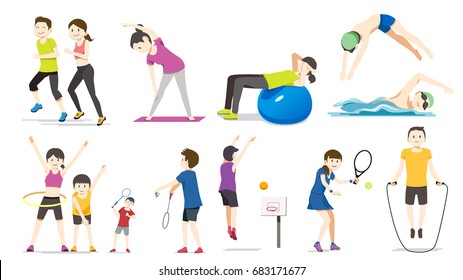
The three parts of a balanced exercise routine are: aerobic exercise, strength training, and flexibility training.

Aerobic Exercise

Like other muscles, the heart enjoys a good workout. Aerobic exercise is any type of exercise that gets the heart pumping and gets you breathing harder. When you give your heart and lungs this kind of workout regularly, they get stronger and are better at getting oxygen (in the form of oxygen-carrying blood cells) to all parts of your body.

If you play team sports, you’re probably getting at least 60 minutes or more of moderate to vigorous activity on practice days. Some team sports that give you a great aerobic workout are basketballsoccerlacrosse, hockey, and rowing.

But if you don’t play team sports, don’t worry — there are plenty of ways to get aerobic exercise. These include biking, running, swimming, dancing, in-line skating, tennis, cross-country skiing, hiking, and walking quickly.

Strength Training

The heart isn’t the only muscle to benefit from regular exercise. The other muscles in your body enjoy exercise too. When you use your muscles, they become stronger.

Strong muscles are also a plus because they support your joints and help prevent injuries. Muscle also use more energy than fat does, so building your muscles will help you burn more calories and maintain a healthy weight

Make physical activity a priority to:

  1. Improve your memory and brain function (all age groups).
  2. Protect against many chronic diseases.
  3. Aid in weight management.
  4. Lower blood pressure and improve heart health.
  5. Improve your quality of sleep.
  6. Reduce feelings of anxiety and depression.
  7. Combat cancer-related fatigue.
  8. Improve joint pain and stiffness.
  9. Maintain muscle strength and balance.
  10. Increase life span.

Physical therapists are movement experts who improve quality of life through hands-on care, patient education, and prescribed movement.

Physical therapists treat people of all ages and abilities and empower you to take an active part in your care. After an evaluation, your physical therapist will create a treatment plan for your specific needs and goals.

When the well is dry, we will know the worth of water.

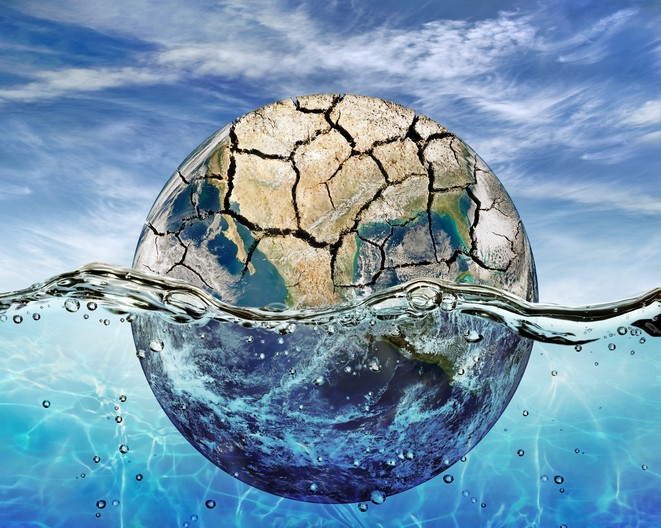
Water scarcity is the lack of sufficient available water resources to meet the demands of water usage within a region.

It already affects every continent and around 2.8 billion people around the world at least one month out of every year.

More than 1.2 billion people lack access to clean drinking water.

Water scarcity involves water stress, water shortage or deficits, and water crisis.

While the concept of water stress is relatively new, it is the difficulty of obtaining sources of fresh water for use during a period of time and may result in further depletion and deterioration of available water resources.

Water shortages may be caused by climate change, such as altered weather patterns including droughts or floods, increased pollution, and increased human demand and overuse of water.

A water crisis is a situation where the available potable, unpolluted water within a region is less than that region’s demand.

Water scarcity is being driven by two converging phenomena: growing freshwater use and depletion of usable freshwater resources.

Water scarcity can be a result of two mechanisms: physical (absolute) water scarcity and economic water scarcity, where physical water scarcity is a result of inadequate natural water resources to supply a region’s demand, and economic water scarcity is a result of poor management of the sufficient available water resources.

According to the United Nations Development Programme, the latter is found more often to be the cause of countries or regions experiencing water scarcity, as most countries or regions have enough water to meet household, industrial, agricultural, and environmental needs, but lack the means to provide it in an accessible manner.

The reduction of water scarcity is a goal of many countries and governments.

The UN recognizes the importance of reducing the number of people without sustainable access to clean water and sanitation.

The Millennium Development Goals within the United Nations Millennium Declaration state that by 2015 they resolve to “halve the proportion of people who are unable to reach or to afford safe drinking water.”

Water is the basic necessity of every human being. But, water scarcity is a major issue that is rising very rapidly in modern-day India.

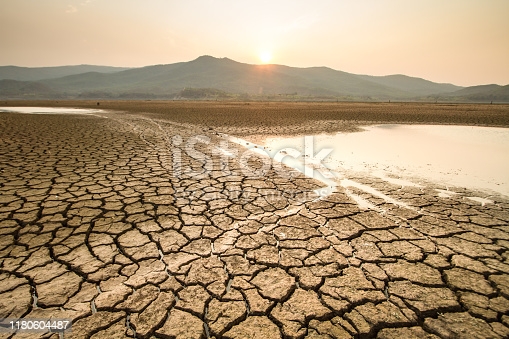
The problem has become so severe that in many states the groundwater has almost dried up and people have to depend on water supply from other sources.

In addition, water is one of the most misused commodities that we still waste. It is the central point of our lives but not the central point of our focus.

In the past, people understand the value of water and plan their lives around it. Moreover, many civilizations bloom and lost on account of water. But, today we have knowledge but we still fail to understand the value of water.

Reason for Water Scarcity in India

Water scarcity is the cause of mismanagement and excess population growth of the water resources. Also, it is a man-made issue that continues to rise. Besides, some of the reasons for water scarcity are:

Wasteful use of water for Agriculture- India is one of the major food growers in the world. That produces tons of quantity of food to feed its population and export the surplus that is left.

In addition, producing this much food requires a lot of water too. The traditional method of irrigation wastes a lot of water due to evaporation, water conveyance, drainage, percolation, and the overuse of groundwater.

Besides, most of the areas in India use traditional irrigation techniques that stress the availability of water.

We can learn a lot from the forests, regrowth, change and beauty.

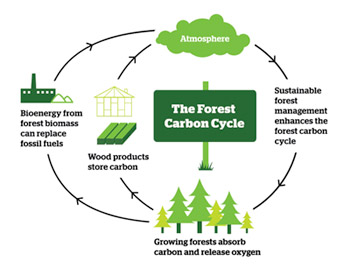
Forests are habitat to all wild animals, plants and support millions of species. They help in reducing global warming caused by green house gases and produces oxygen upon photosynthesis.

Forest can act as pollution purifier by absorbing toxic gases. Forest not only helps in soil conservation but also helps to regulate the hydrological cycle.

Forests contribute substantially to the national economy. With increasing population increased demand of fuel wood, expansion of area under urban development and industries has lead to over exploitation of forest.

At present international level we are losing forest at the rate of 1.7 crore hectares annually. Overexploitation also occurs due to overgrazing and conversion of forest to pastures for domestic use.

Forest is one of the most valuable resources and thus needs to be conserved. To conserve forest, following steps should be taken.

  1. Conservation of forest is a national problem, thus it should be tackled with perfect coordination between concerned government departments.
  2. People should be made aware of importance of forest and involved in forest conservation activities.
  3. The cutting of trees in the forests for timber should be stopped.
  4. A forestation programmes should be launched
  5. Grasslands should be regenerated.
  6. Forest conservation Act should be strictly implemented to check deforestation.
  7. Awards should be instituted for the deserving.

Forest is important renewable resources. Forest vary in composition and diversity and can contribute substantially to the economic development of any country.

Plants along with trees cover large areas, produce variety of products and provide food for living organisms, and also important to save the environment.

It is estimated that about 30% of world area is covered by forest whereas 26% by pastures. Among all continents, Africa has largest forested area (33%) followed by Latin America (25%), whereas in North America forest cover is only 11%. Asia and former USSR has 14% area under forest.

European countries have only 3% area under forest cover. India’s Forest Cover accounts for 20.6% of the total geographical area of the country as of 2005.

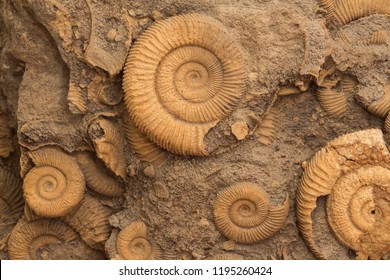
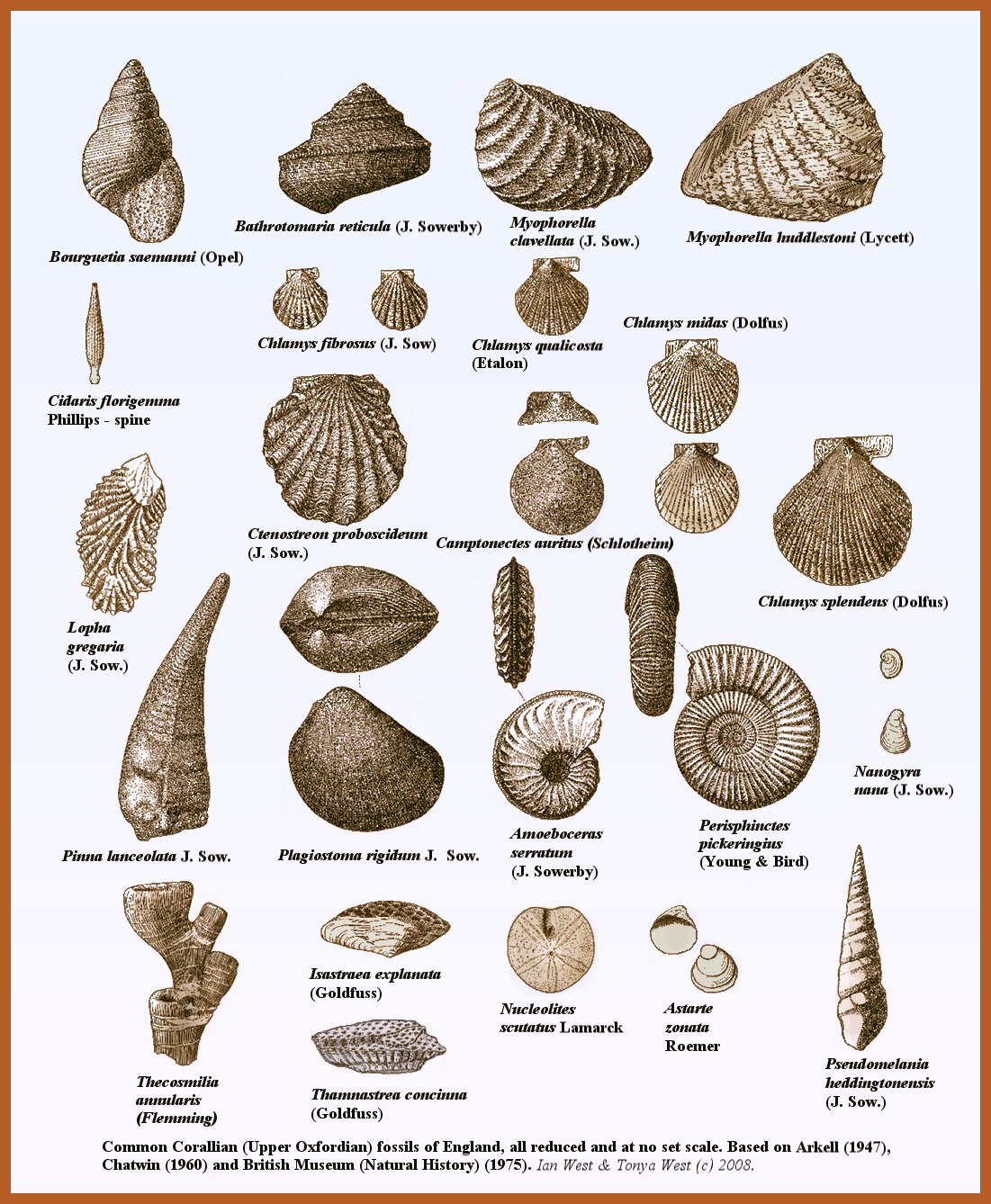
The science of fossil shells is the first step towards the study of the earth.

Fossil fuels are made from decomposing plants and animals. These fuels are found in the earth’s crust and contain carbon and hydrogen, which can be burned for energy.

Coal, oil and natural gas are examples of fossil fuels. This is a nonrenewable energy source whose extraction often damages the environment.

More than 50 percent of a piece of coal’s weight must be from fossilized plants. Oil is originally found as a solid material between layers of sedimentary rock, like shale.

This material is heated in order to produce the thick oil that can be used to make gasoline. Natural gas is usually found in pockets above oil deposits.

It can also be found in sedimentary rock layers that don’t contain oil. Natural gas is primarily made up of methane. 

According to the National Academies of Sciences, 81 percent of the total energy used in the United States comes from coal, oil, and natural gas.

This is the energy that is used to heat and provide electricity to homes and businesses and to run cars and factories.

Unfortunately, fossil fuels are a nonrenewable resource and waiting millions of years for new coal, oil, and natural gas deposits to form is not a realistic solution.

Fossil fuels are also responsible for almost three-fourths of the emissions from human activities in the last 20 years.

Now, scientist and engineers have been looking for ways to reduce our dependence on fossil fuels and to make burning these fuels cleaner and healthier for the environment.

Fossil fuels are compound mixtures made of fossilized plant and animal remnants from millions of years ago.

The creation of fossil fuels—either oil, natural gas, or coal—from these fossils is determined by the type of fossil, the amount of heat, and the amount of pressure.

FOSSIL FUELS FORM :

After millions of years underground, the compounds that make up plankton and plants turn into fossil fuel. Plankton decomposes into natural gas and oil, while plants become coal.

Today, humans extract these resources through coal mining and the drilling of oil and gas wells on land and offshore.

A nation that can’t control its energy sources can’t control its future.

Energy is essential to life and all living organisms. The sun, directly or indirectly, is the source of all the energy available on Earth.

Out energy choices and decisions impact Earth’s natural systems in ways we may not be aware of, so it is essential that we choose our energy sources carefully.

The true cost of energy is more than just dollars and cents; there are important economic, political and social factors and consequences to consider as well.

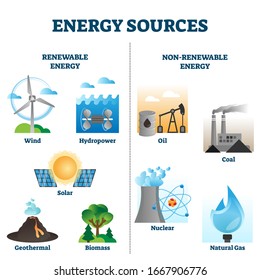
In the united states and many other countries, most energy sources for doing work are nonrenewable energy sources:

• Petroleum

• Hydrocarbon gas liquids

• Natural gas

• Coal

• Nuclear energy

These energy sources are called nonrenewable because their supplies are limited to the amounts that we can mine or extract from the earth.

The major types or sources of renewable energy are:

• Solar energy from the sun

• Geothermal energy from heat inside the earth

• Wind energy

• Biomass from plants

• Hydropower from flowing water

They are called renewable energy sources because they are naturally replenished.

Energy resources: Energy is the capacity to do work and is required for life processes. An energy resource is something that can produce heat, power life, move objects, or produce electricity. Matter that stores energy is called a fuel.

Human energy consumption has grown steadily throughout human history. Early humans had modest energy requirements, mostly food and fuel for fires to cook and keep warm.

In any event, the exploitation of all energy sources with the possible exception of direct solar energy used for heating, ultimately rely on materials on planet earth.

Education is not preparation for life; education is life itself.

Education is na important tool which is very useful in everybody’s life. Education is what differentiates us from other living beings on earth.

It makes man the smartest creature on earth. It empowers humans and gets them ready to face challenges of life efficiently. With that being said, education still remains a luxury and not a necessity in our country.

Educational awareness needs to be spread through the country to make education accessible. But, this remains incomplete without first analyzing the importance of education.

Only when the people realize what significance it holds, can they consider it a necessity for a goof life. In this essay on education, we will see the importance of education and how it is a doorway to success.

Education is about learning skills and knowledge. It also means helping people to learn how to do things and support them to think about what they learn.

It’s also important for educators to teach ways to find and use information. Education needs research to find out how to make it better.

Through education, the knowledge of society, country and of the world is passed on from generation to generation.

This may include education in morality, for example learning how to act as loyal, honest and effective citizen.

Education may help and guide individuals from one class to other. Educated individuals and groups can do things like, help less educated people and encourage them to get educated.

Listen to the rhythm of the falling rain

Rainfall is very important for the survival of plants and animals. It brings fresh water to the earth’s surface. If rainfall is less, there is water scarcity which sometime causes drought like situation. If there is excess rain, floods take place which make the life of the affected people miserable.

Human life depends on rain. Rain is the source of fresh water for many cultures where rivers, lakes, or aquifers are not easily accessible.

Rain makes modern life possible by providing water for agriculture, industry, hygiene, and electrical energy.

The poet says that the rain is beautiful because it comes in the hot summer and settles the dust in the air and cools the heat.

The pitter patters of rain on windows and roofs create such a pleasant and peaceful atmosphere.

The white noise created from the rain drops allows your mind to relax and can even help you sleep better. I know I sleep better during the pouring rain.

Rain symbolizes multiple things depending on the context in which it appears, but most commonly Connotes sadness, rejection or despair.

Because rain is a common natural occurrence vital for life, rainfall can also represent rebirth and emotional cleansing.

Rain is a kind of precipitation. Precipitation is any kind of water that falls from clouds in the sky, like rain,hail, sleet and snow. It is measured by a rain gauge. Rain is part of the water cycle.

Clouds will often absorb smoke to create rain, commonly referred to as nature laundry due to this process.

Some places have frequent rain. This makes rainforest. Some have little rain. This makes deserts.

Auto analyzer

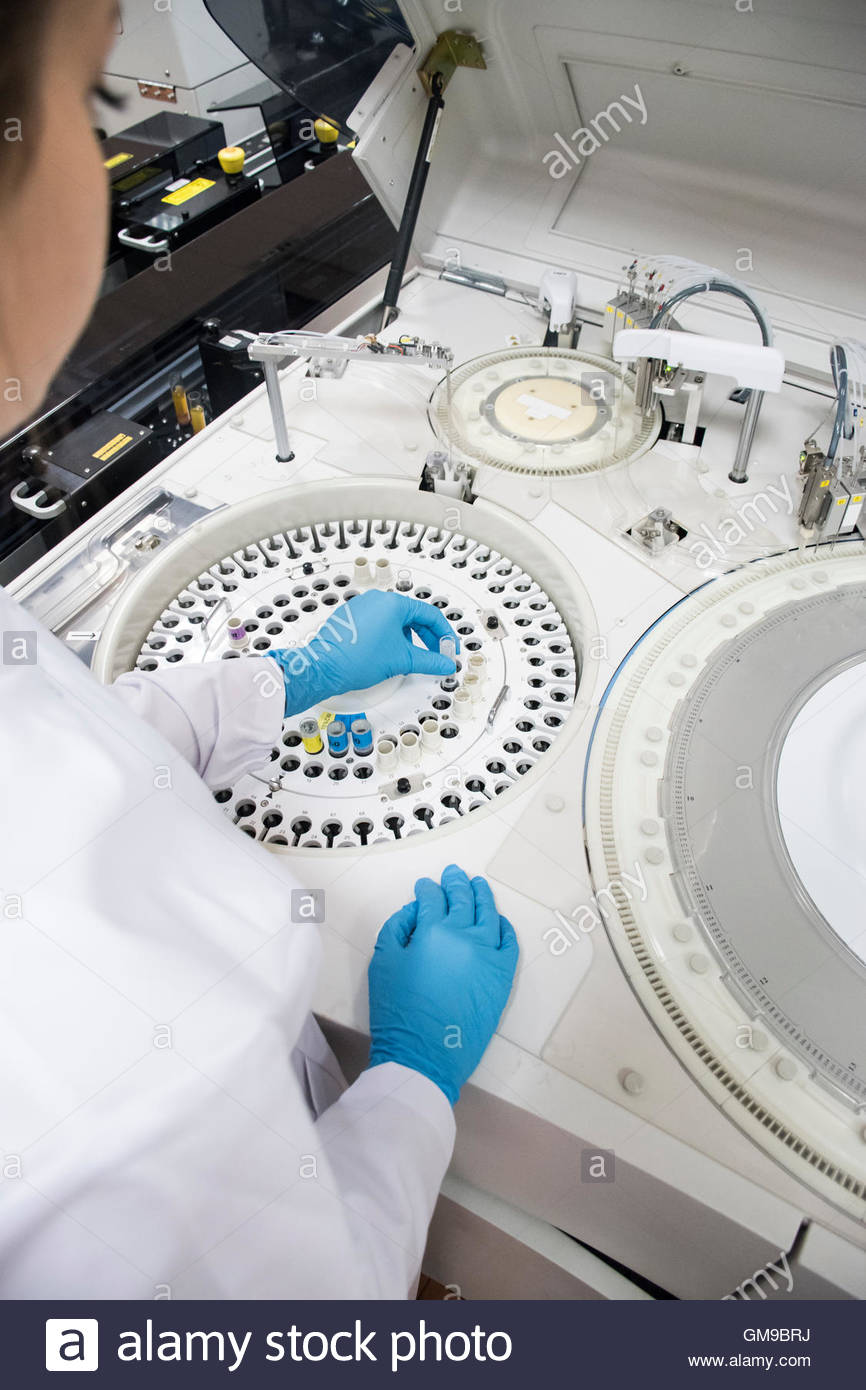
The autoanalyzer is an automated analyzer using a flow technique called continuous flow analysis, the first applications were for clinical analysis, but methods for industrial analysis soon followed. The design is based on separating a continuously flowing streaks with air bubbles.

An automated analyzer is a medical laboratory instrument designed to measure different chemicals and other characteristics in a number of biological samples quickly, with minimal human assistance.

These measured properties of blood and other fluids may be useful in the diagnosis of disease.

Photometry is the most common method for testing the amount of a specific analyte in a sample. In this technique, the sample undergoes a reaction to produce a color change.

Then, a photometer measures the absorbance of the sample to indirectly measure the concentration of analyte present in the sample. The use of an Ion selective electrode is another common analytical method that specifically measures ion concentrations.

This typically measures the concentration of sodium, calcium or potassium present in the sample. There are various methods of introducing samples into the analyzer.

Test tube of sample are often loaded into racks. These racks can be inserted directly into some analyzer or, in large labs, moved along an automated track. More manual methods include inserting tubes directly into circular carousels that rotate to make the sample available.

Some analyzer require samples to be transferred to sample cups. However, the need to protect the health and safety of laboratory staff has prompted many manufactures to develop analyzers that features closed tube sampling, preventing workers from direct exposure to samples.

Samples can be processed singly, in batches, or continuously. The automation of laboratory testing does not remove the need for need for human expertise results must still be evaluated by medical technologists and other qualified clinical laboratory professionals, but it does ease concerns about error reduction, staffing concerns, and safety.

Autoanalyzer uses air segmentation to separates flowing stream into numerous discrete segments to establish a long train of individual samples moving through a flow channel, FIA systems separate each sample from subsequent sample with a carrier reagent.

Water is life. don’t waste it.

Water resource management is the activity of planning, developing, distributing and managing the optimum use of water resources.

With the growing uncertainities of global climate change and the long term impacts of management actions, the decision making will be even more difficult.

Fresh water is an important natural resource necessary for the survival of all ecosystems. The use of water by humans for activities such as irrigation and industrial applications can have adverse impacts on down stream ecosystems.

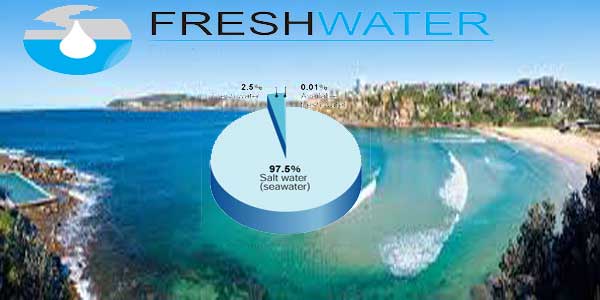
Fresh water is any naturally occurring liquid/solid water containing low concentrations of dissolved salts and other total dissolved solids.

Although the term specifically excludes seawater and brackish water, it does include non-salty mineral rich waters such as chalybeate springs.

Fresh water may encompass frozen and meltwater in ice sheets, ice caps, glaciers, snowfields and icebergs, natural precipitations such as rainfall, snowfall, hail/sleet and graupel, and surface runoffs that form inland bodies of water such as wetland, ponds, lakes, rivers, streams, as well as groundwater contained in a quires, subterranean rivers and lakes.

Water is critical to the survival of all living organisms. Many organisms can thrive on salt water, but the great majority of higher plants and most insects, amphibians, reptiles, mammals and birds need fresh water to survive.

Fresh water is not always potable water, that is, water safe to drink by humans. Much of the earth’s fresh water on the surface and groundwater is to a substantial degree unsuitable for human consumption without some treatment. Fresh water can easily become polluted by human activities or due to naturally occurring processes, such as erosion.

Fresh water is a renewable and variable, but finite natural resource. Fresh water can only be replenished through the process of the water cycle, in which water from seas, lakes, forests, land, rivers and reservoirs evaporates, forms clouds, and returns back inland as precipitation.

Locally, however, if more fresh water is consumed through human activities then is naturally restored, this may results in reduced fresh water availability or water scarcity from surface and underground sources and can cause serious damage to surrounding and associated environments.

Water pollution and subsequent eutrophication also reduces the availability of fresh water.

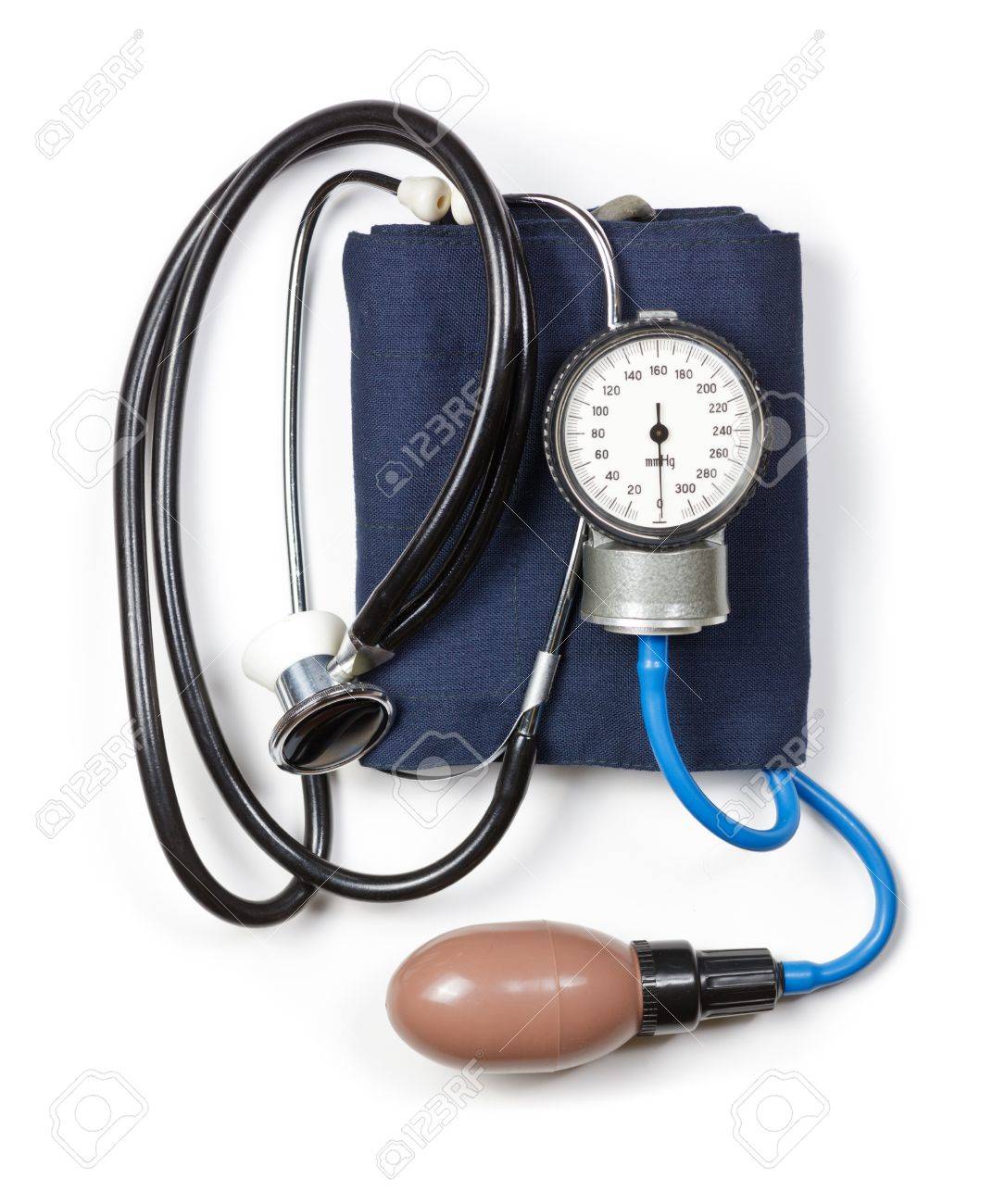
A health professional checks blood pressure with a sphygmomanometer

Sphygmomanometer : An instrument for measuring blood pressure, particularly in arteries. The two types of sphygmomanometers are a mercury column and a gauge with a gauge with a dial face.

Sphygmomanometer, instrument for measuring blood pressure. It consists of an inflated rubber cuff, which is wrapped around the upper arm and is connected to an apparatus that records pressure, usually in terms of the height of a column of mercury or on a dial (an aneroid manometer).

An arterial blood pressure reading consists of two numbers, which typically may be recorded as x/y. The x is the systolic pressure, and y is the diastolic pressure.

Systole refers to the contraction of the ventricles of the heart, when blood is forced from the heart into the pulmonary and systemic arterial circulation, and diastole refers to the resting period, when the ventricles expand and receive another supply of blood from the atria.

At each heartbeat blood pressure is raised to the systolic level, and, between beats, it drops to the diastolic level. As the cuff is inflated with air, a stethoscope is placed against the skin at the crook of the arm.

As the air is released, the first sound heard marks the systolic pressure; as the release continues, a dribbling noise is heard. This marks the diastolic pressure, which is department on the elasticity of the arteries.

Based on long- term experience, blood pressure measurement using the mercury sphygmomanometer is regarded as the gold standard method for indirect measurement of blood pressure.

The use of the mercury sphygmomanometer has practical and technical limitations, and requires specific training.

In 1881, Von Basch created the sphygmomanometer and the first non-invasive BP measurements. However, in 1896, Scipione Riva-Rocco developed further the mercury sphygmomanometer, almost as we know it today.

The greatness of a nation can be judged by the way its animals are treated

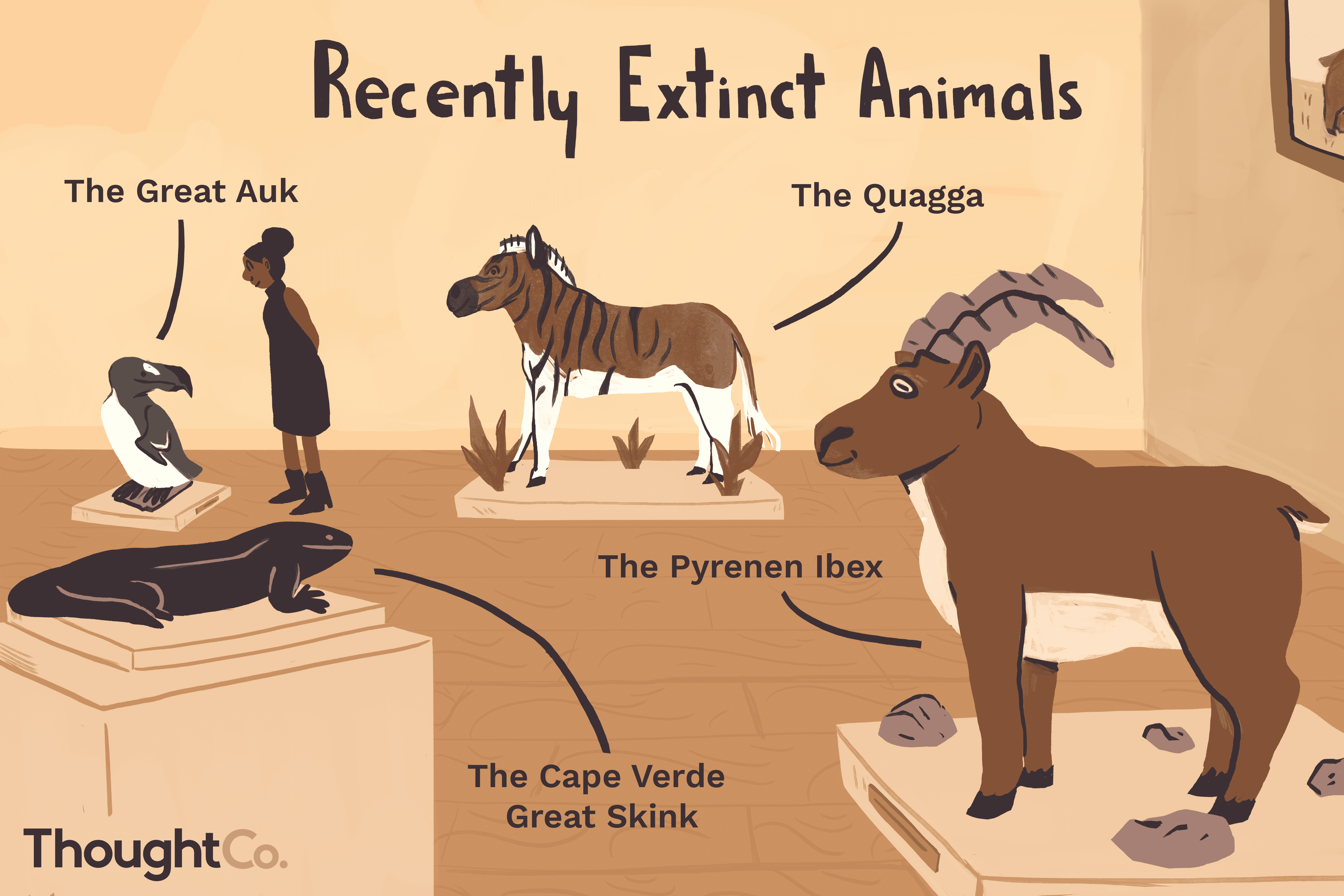
Humans can cause extinction of a species through overharvesting, pollution, habitat destruction, introduced of invasive species such as new predators and food competitors, overhunting, and other influences. … Several species have also been listed as extinct since 2004.

Diminished resources or introduction of new competitor species also often accompany habitat degradation. Global warming has allowed some species to expand their, range, bringing unwelcome competition to other species that previously occupied that area.

Extinctions happen when a species dies out from cataclysmic events, evolutionary problems, or human interference.

The truth is, scientists don’t know how many species of plants, animals, fungi, and bacteria exist on Earth. The most recent estimate put that number at 2 billion, and that will most likely change at some point.

One thing we do know : The western black rhinoceros, the Tasmanian tiger, and the woolly mammoth are among the creatures whose populations at one point dwindled to zero, and it’s possible that species extinction is happening a thousand times more quickly because of humans.

Extinction happens when environmental factors or evolutionary problems cause a species to die out.

The disappearance of species from Earth is ongoing, and rates have varied over time. A quarter of mammals is at risk of extinction, according to IUCN Red list estimates.

To some extent, extinction is natural. Changes to habitats and poor reproductive trends are among the factors that can make a species death rate higher than its birth rate for long enough that eventually, none are left.

Humans also cause other species to become extinct by hunting, over harvesting, introducing invasive species to the wild, polluting, etc..