

The smooth transition of governments witnessed by India on the basis of power of ballots has been a testimony to the real functioning of the entire nation. While our neighbours have had their struggles with political instability and various other issues, The Indian democracy has paved its way through to become a role model at the global front. In spite of numerous numbers of problems like poverty, illiteracy, malnourishment and infrastructural deficit India has still managed to ensure that political masters still remain committed to the right cause. The establishment of universal adult franchise has been one of the strongest bases for our democratic success. With the reduction of voting age from 21 to 18, Indian has further strengthened its democracy as it recognized the role of youth in nation building process. Irrespective of any stratified society, people of all colour, caste, creed, language religion, region make up in a single line to express their choice on the Election Day. This integral approach has been the strength of Indian democracy which helped to empower the nation. Indian democracy has managed to go from strength to strength. With the passing of 73rd and 74th Amendment Acts, the democratic decentralization percolated to the Indian grassroots. Panchayati Raj and Municipality Institutions have brought governance closer to the people. They have managed to empowered the people by giving an elected forum to bring about local level and grassroot level development. Democracy in the country brought new vibrancy through local governance to enable rapid social-economic progress in the Indian villages.
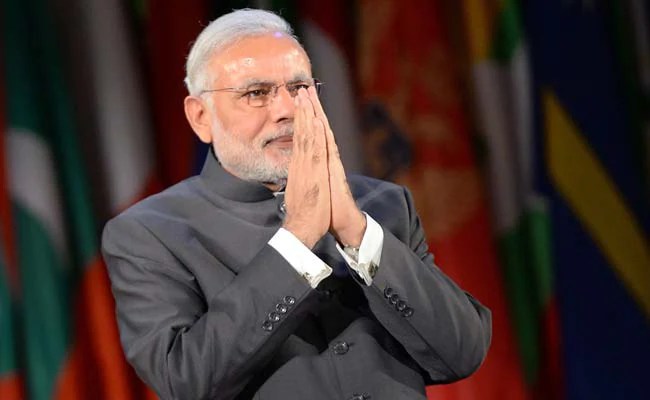
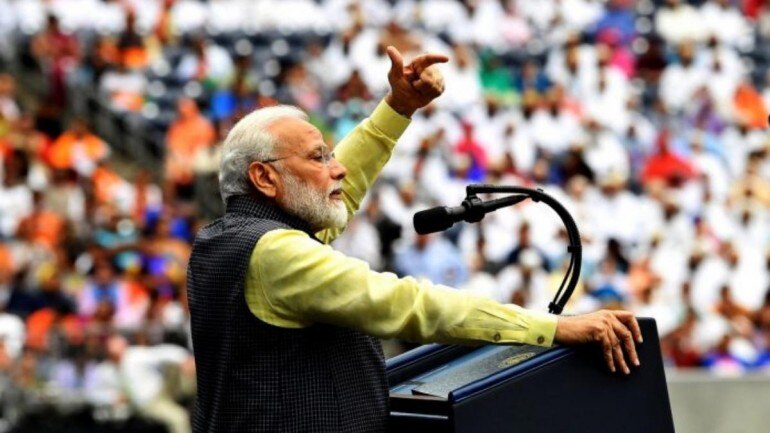
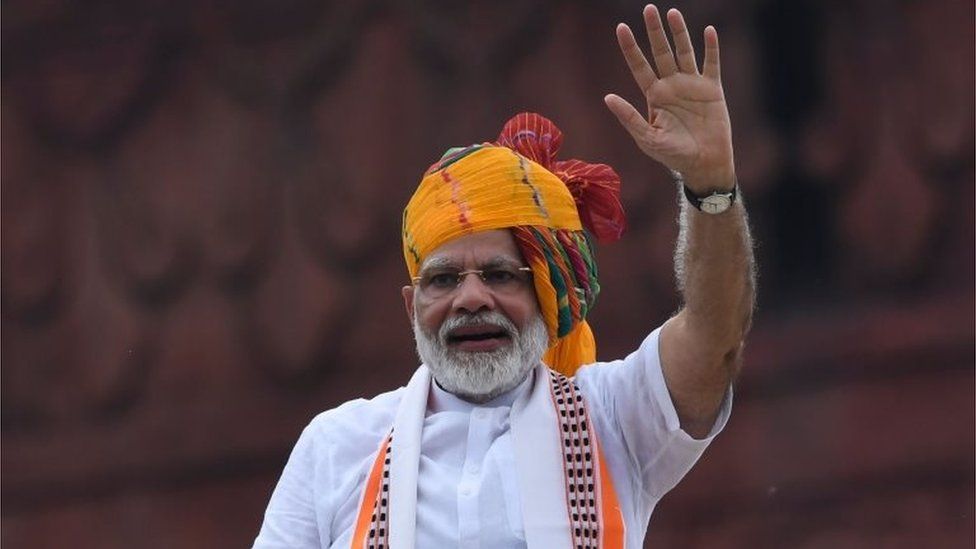
Prime Minister Narendra Modi was elected in the year 2014. He is the 14th prime minister of India. Before becoming the Prime Minister of the country, Mr Modi was the chief minister of state of Gujarat from the year 2001 to 2014. Narendra Modi is one of the most popular prime ministers in India after Rajiv Gandhi and Indira Gandhi. He is known to make tough decisions to fight terrorism, poverty, corruption and other important problems that the country is going through. Mr. Modi won the second term as prime minister in 2019 with even more majority of votes than what was obtained in the year 2014. His government is the only government that has no strong opposition in the parliament since the years he has been appointed as a prime minister. His humbleness when he was initially a tea seller makes him a loved leader by the citizens of India.
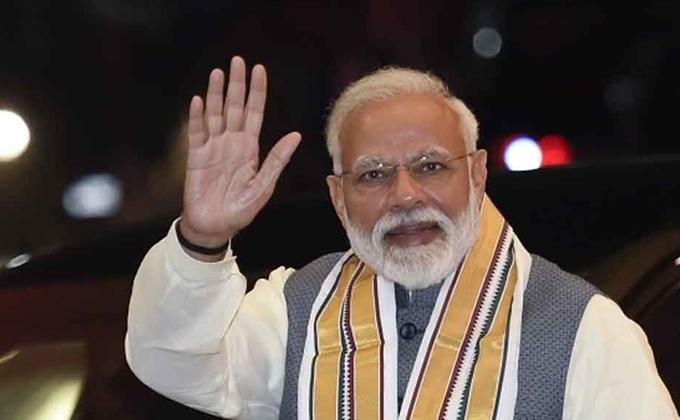
He is one of the most known Prime Minister of country who rose to power after defeating the incumbent National Congress which was corruption-ridden. Being chief minister of Gujarat for more than 11 years, he is a seasonal politician and a very smart decision-maker. Narendra Modi is a member of Rashtriya Swayamsevak Sangh which is an ideological arm of Bhartiya Janta Party (BJP) Before making his career in politics, Mr Modi was a tea seller in the railway station in the state of Gujarat. His tenure includes certain tough decision making like demonetisation and goods and services tax. He took the decision to lockdown India to prevent the spread of the deadly coronavirus in the country is hailed by people all over the world. Mr. Modi has one of the highest followers on Twitter and Instagram among various global leaders of the world. Mr. Modi is also often criticized by people across the globe for his lack of interaction with the press and his right-wing ideological approach in his work. Irrespective of his ups and downs the Modi government has gained immense applauds, the popularity of Mr. Modi in India is as high as it was in the beginning of his tenure.
In the span of his work as prime minister, Mr. Modi is credited to have introduced long-awaited reforms in the country which have been beneficial. However, with his four years still remaining in his second term, his government has been recognized as one of the best governments after Indian national congress. Some of his achievements-
- Jan Dhan Yojana- Over 10 crore RuPay debit cards were issued and with life cover, pension. More than 15 crore bank accounts were opened.
- The corporate sector adapts his reforms of “Swachh Bharat” mission with promise of sanitisation.
- Cooking gas is now under direct-cash-benefit transfer scheme, with the potential saving over $5 billion annually in subsidies, plus the Diesel prices have de-regulated in the country.
- Foreign equity in rail infrastructure is allowed and is without any limit
- Foreign equity cap in defence was raised up to 49 per cent; 74 per cent in case of any technology transfer.
- Fast-tracking of the defence purchases: 36 Rafale fighters being bought, orders for many long-pending purchases placed.
- Foreign equity cap in insurance and pension sectors were increased up-to 49 per cent.
- Nod was for IPOs/FPOs by banks to raise the funds, as long as the government equity remains 52 per cent or over it.
- Nod for real estate and infrastructure investment in trusts, with tax benefits was also done.
- Cabinet nodded for Prime Minister’s 100 Smart Cities Project which was
- $130 billion proposed spending on railways over five years on schemes including the high-speed trains.
- Definitive steps forward in introducing the pan-India goods and services regime in the country was introduced.
- Successful conclusion of two rounds of coal block auctions is more lined up which is beneficial.
- Impasse in mining sector ended with passage of new bills for regulation and development in India.
- The Successful conclusion of auctions for the telecom spectrum for mobile telephony and broadband in the country.
- The Launch of ‘Make-in-India’, ‘Digital India’ and ‘Skill India’ initiatives like this were with the focus on the defence and electronics, primarily to create jobs in the country to decrease the rate of unemployment.
- The Mudra bank launched with Rs 20,000 crore corpus to extend loans of between Rs 10 Lakh rupees and Rs 50,000 to small entrepreneurs to help them establish their business and improve their income and moreover to make their businesses expand across the globe with this.
- The Commencement of divestment programme in the public sector companies was bought forward.
- Disbanding of the various ministerial groups for faster decision-making was beneficial.
- Adoption of the14th Finance Commission recommendation on far-reaching changes in sharing of revenues between the Center and the State government was brought forward under his government.
- Single-window scheme for the various clearances to steel, coal and power projects was introduced by his government.
- Price stabilisation fund set up for the agricultural -commodities to check inflation has helped the farmers.
- The Warehouse Infrastructure Fund with Rs 5,000 crore corpus to increase the shelf-life of the farm produce (replace if it’s possible).
- Clarity of tax treatment on income of foreign funds whose fund managers are located in the country, as also on transfer pricing for resident and non-resident tax payers which are there.
- The Panel set up under law commission chairman on issue of minimum alternate tax has helped the country in some aspects.
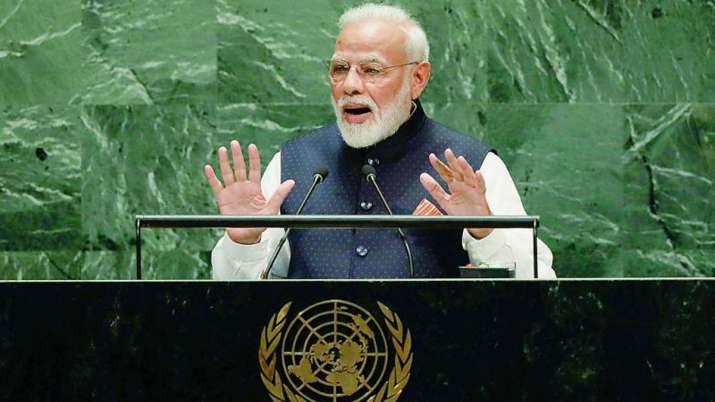
Modi has a huge mass appeal and there is a strong reason as to why crowds gather in large numbers to hear Mr.Modi. His campaigns have always been multidimensional focusing on the youth empowerment, fighting over corruption, wiping out terrorism and there is much more. With an aim to replicate social-economic success, he strives to connect with the masses and the youth of the country on a deeper level. He has managed to vow to enforce a contemporary the uniform civil code for harmonising tradition with the present times. Prime minister Modi’s government will continue to focus on the “Jan Dhan” or financial inclusion of the poor from the country. The two new aspects are also included which are: “Jal Dhan” programmes for increasing the agriculture network and the other is the “Van Dhan” programmes for protecting the forest resources. Mr. Modi vows to rationalise the ministries and departments present in the country. Mr. Modi is going well on his way to expand and empower the nations pool of diplomats. This happens to be a Part of his proactive diplomacy has begun with the invites to neighbouring countries for his swearing-in ceremony.
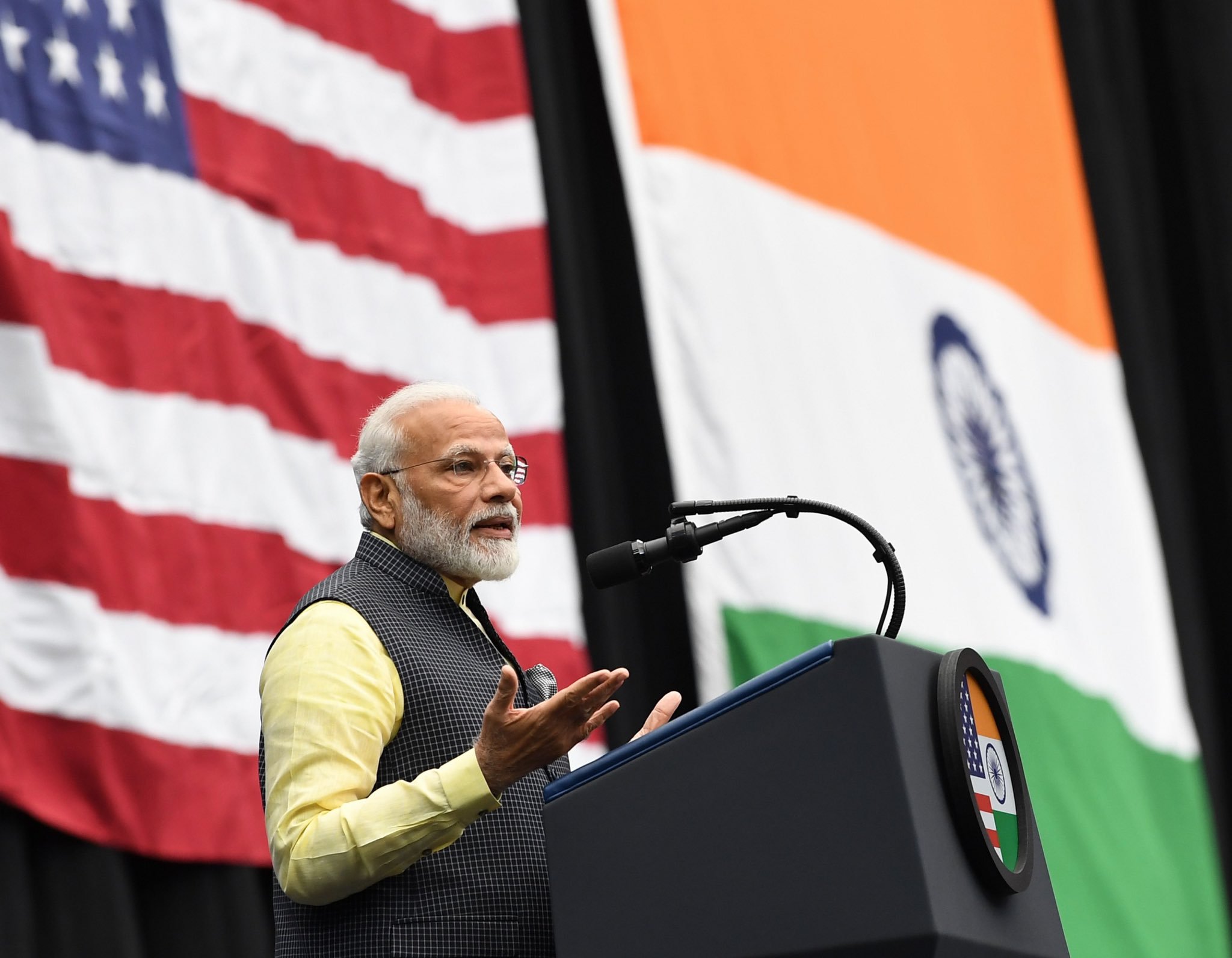
The Swacch Bharat Abhiyan is a brilliant initiative of how the PM Modi has managed to reign in the youth and the children of the country to battle the issue of cleanliness and the hygiene which has been a traditional concern of India. In this process, he has managed to introduce various healthy competition by naming many clean cities and clean railway stations as well, putting cleanliness on the national agenda of India. The Modi government’s focus on the economic development of the country is termed to be undeniable. It is here that we should let numbers do the talking. In the economic growth rate of the country in 2013-14 was pegged at the rate of about 4.7 percent, which a slight increase over the 4.5 percent of growth as compared to of 2012-13. Make in India is an initiative which was declared by the Prime minister of the country from the ramparts of the Red Fort managed to woke the nation up to its potential. Mr. Modi’s flagship campaigns – Digital India and skill India is nation’s turning point on a global platform.







 Eduindex
You must be logged in to post a comment.