SDG 2 : Zero Hunger.

In 2012, at the United Nations (UN) Conferences on Sustainable Development in Rio de Janeiro, Brazil, world representatives created the Sustainable Development Goals (SDGs). The purpose of creating SDGs was to produce a set of universal goals that meet the urgent environmental, political and economic challenges facing our world, according to the UN Development Programme. There are 17 SDGs that the UN hopes to meet by 2030, the second of which is Zero Hunger. More than 800 million people around the world are hungry. The United Nations’s second Sustainable Development Goal, Zero Hunger, aims to end world hunger by 2030.

Hunger is not caused by food shortage alone, but by a combination of natural, social, and political forces. Currently, natural resources that are necessary for human survival—like freshwater, the ocean, forests, soils, and more—are dwindling. Climate change is contributing to the degradation of precious resources, as severe weather events, like droughts, become more common and affect harvests, leading to less food for human consumption. Poverty and inequality are also two drivers of hunger, affecting who can buy food, as well as what kind of food, and how much, is available. Hunger is also a product of war and conflict. During periods of unrest, a country’s economy and infrastructure can become severely damaged. This negatively affects civilian access to food by either driving up food prices, interfering with food production, or forcing people from their homes. Some governments and military groups have even used starvation as a war tactic, cutting off civilians from their food supply. In 2018, the UN declared this tactic a war crime.

The total number of persons suffering from severe food insecurity has been on the rise since 2015, and there are still millions of malnourished children. The economic slowdown and the disruption of food value chains caused by the pandemic are exacerbating hunger and food insecurity. In addition, the upsurge in desert locusts remains alarming in East Africa and Yemen, where 35 million persons already experience acute food insecurity. Owing to the pandemic, some 370 million schoolchildren are missing the free school meals that they rely on. Measures to strengthen food production and distribution systems must be taken immediately to mitigate and minimize the impacts of the pandemic.

The world is not on track to achieve Zero Hunger by 2030. If recent trends continue, the number of people affected by hunger would surpass 840 million by 2030. According to the World Food Programme, 135 million suffer from acute hunger largely due to man-made conflicts, climate change and economic downturns. The COVID-19 pandemic could now double that number, putting an additional 130 million people at risk of suffering acute hunger by the end of 2020.

Rural Development.

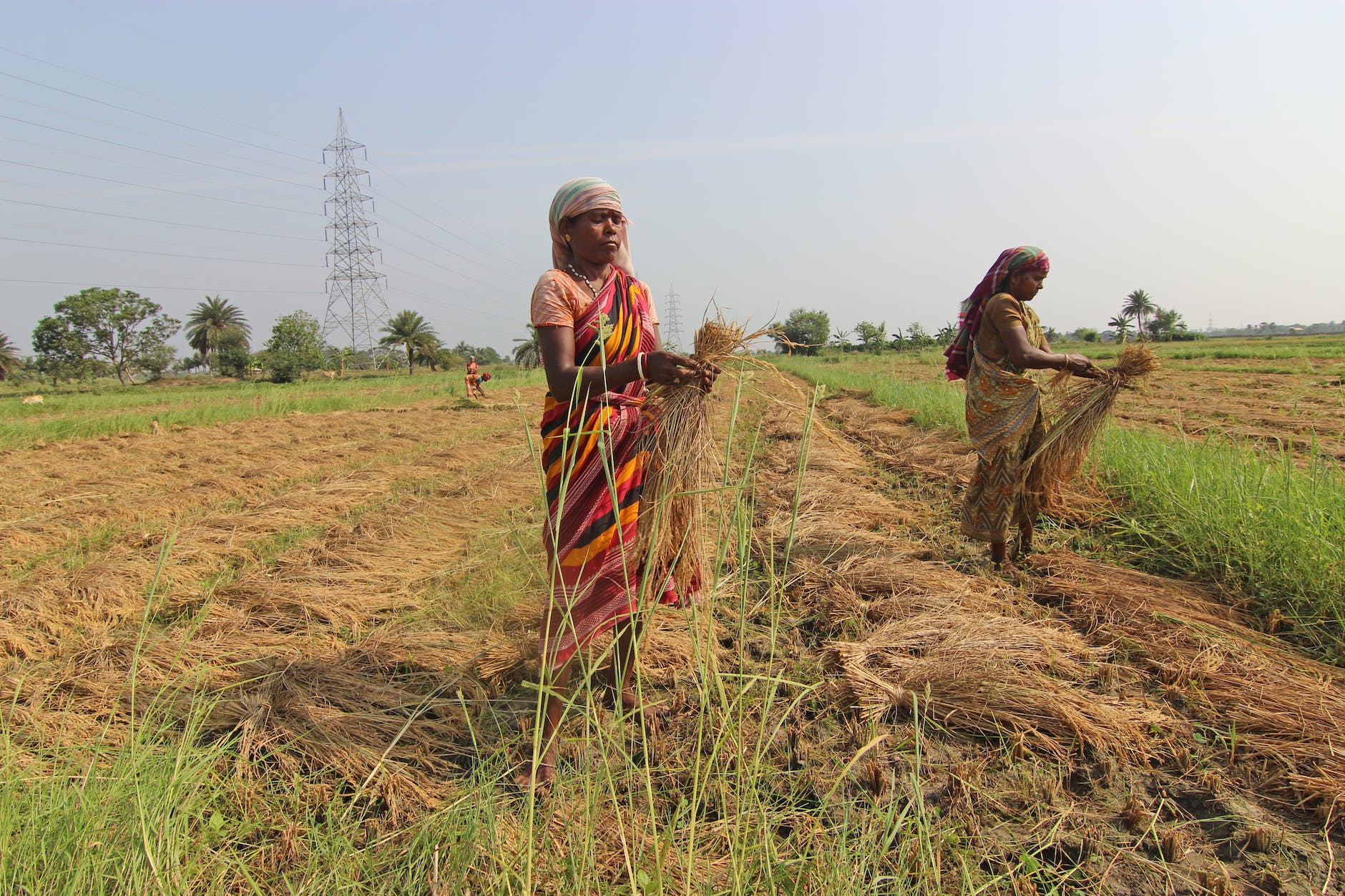
The majority of population in India (about 73 per cent) is living in rural areas. Living conditions of the rural people are very poor. Under such a situation, development of rural areas must receive adequate attention in various schemes designed for the development of Indian economy.

The rural part of the country is still underdeveloped, and the government is doing what all they can to make sure that the rural part also has all the resources like the urban of the country has. But if survey gets conducted at various parts of the country, one will find out that still there are a lot of city and villages in the country whose development is still under process. Various kinds of roads and bridges are being made in various rural parts of the country so that they get connected to an urban part of the country, and thus people from rural part can travel to urban part easily to do various kinds of jobs.

Many industrialists have stepped out to develop rural part of the country, and that is why a lot of malls, call centers, and other industries are getting set up in various rural parts of the country. These industries will not only make job opportunities for the rural people, but it will also enhance their knowledge about certain things.

The following measures can he taken to attain rural development in the country.

  • Improvement of sanitation and for the improvement of sanitation, arrangements for supply of pure drinking water should be made. Tube-wells and ponds should be dug.
  • Education of the masses, Mass education should be introduced to remove the ignorance of the villagers. Education should be made free and compulsory.
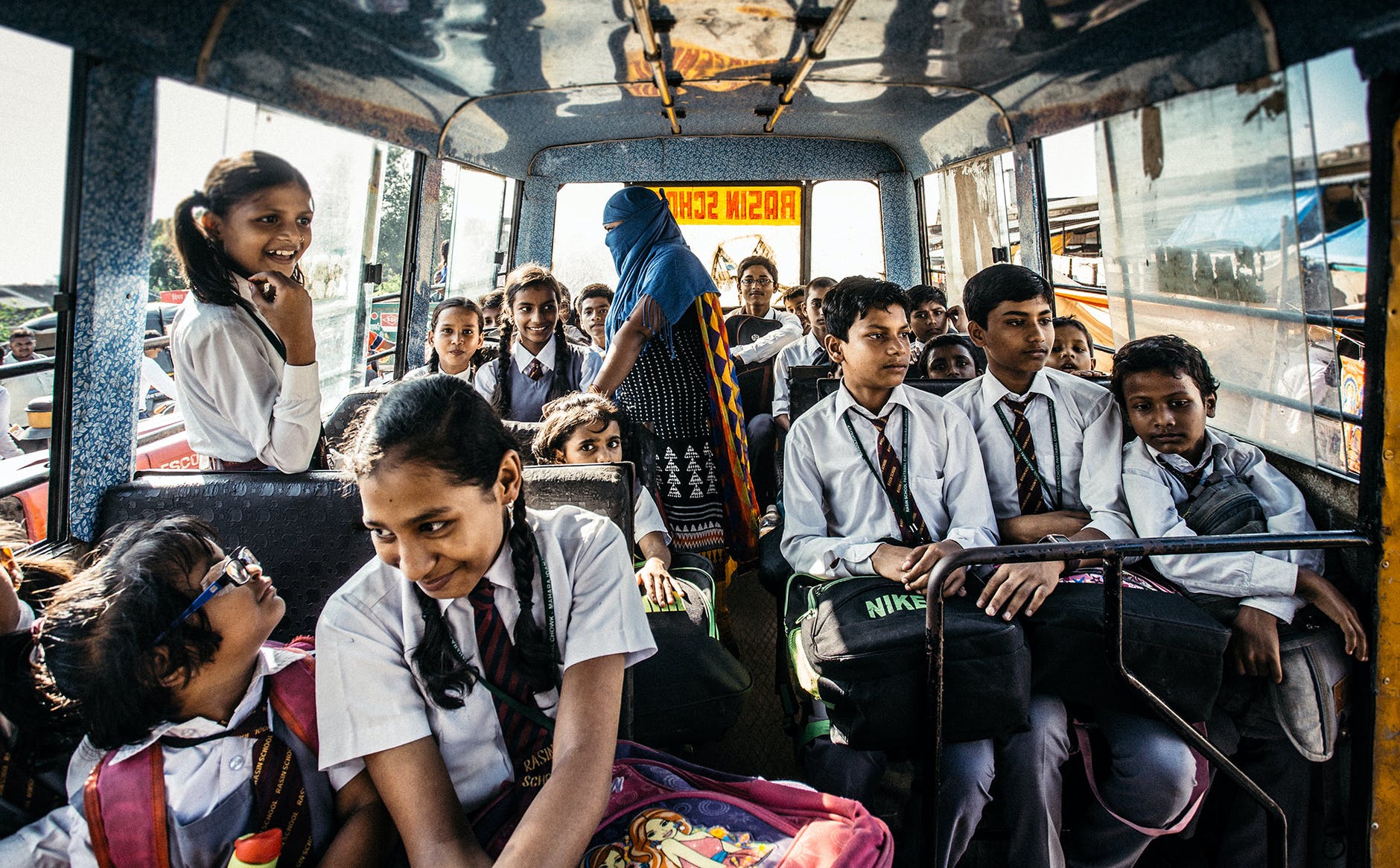
  • Establishment of schools for poor people. Night schools should be set up for poor to teach elementary Hygiene and scientific methods of cultivation.
  • Establishment of cheap medical aid for people in rural areas. Hospitals should be established to give cheap medical aid to the people living in rural areas.
  • Construction of good roads and other means of communication is must.
  • Co-operative Credit Societies should be set up to provide loans to the peasants.

The Ministry of Rural Development is engaged in implementing a number of schemes which aim at enabling rural people to improve their living standards. Education, removal of poverty and speedy socio-economic progress is the goal with which the development programmes are being implemented through a multi pronged strategy, reaching out to the most disadvantaged sectors of society Huge priority is being accorded to provide clean drinking water, rural housing and road. The social security programmes are being implemented for providing assistance to the destitute and downtrodden. Assistance and encouragement to voluntary agencies and training of functionaries forms part of the emphasis on accelerated rural development. The ministry is constantly endeavouring to empower the Panchayt Raj institutions in terms of functions, power and finance. In the new initiative the Gram sabha has become the most significant institutions. Non-Government Organisations self help group and Panchayati Raj institutions have been accorded adequate role to make participating democracy meaningful and effective. Development of waste lands desert and drought prone areas has also been undertaken along with land reforms.

New Education Policy : Key Highlights.

The Union Cabinet chaired by the Prime Minister have approved the new National Education Policy 2020, making way for large scale, transformational reforms in both school and higher education sectors. This is the first education policy of the 21st century and replaces the 34-year-old National Policy on Education (NPE), 1986.

The New Education Policy 2020 has come up as a in the education sector as it aims at creating an equitable and vibrant knowledge for the society by providing high-quality education to all. Also it encourages to develop a deep sense of respect towards the fundamental rights, duties and Constitutional values, bonding with one’s country, and a conscious awareness of one’s role and responsibilities in a changing world. The New Education Policy believes in instilling skills, values, and dispositions that support responsible commitment to human rights, sustainable development and living, and global well-being, thereby reflecting a truly global citizen.

The key highlights of NEP are.

Early Childhood Care Education

The policy focuses on the importance of providing education to children between the age group of 3-6 years at an early age. The kids in the age group 3-5 years will be provided education through the current set-up of pre-schools and anganwadis, and those between the ages of 5-6 years will be included in the schooling system by 2025.

School Education for All

Aiming to make education from pre-primary level till the 12th grade universally accessible, NEP 2020 is looking to achieve 100% Gross Enrollment Ratio in providing the school education by 2030.
New Curriculum & Pedagogical Structure.

The new policy has eliminated the 10+2 education system and replaced it with a more organized 5+3+3+4 structure, that is, 5 years of primary education (for the age group 3-8 years), 3 years of preparatory stage (for the age group 8-11 years), 3 years of middle stage (for the age group 11-14 years), and 4 years of secondary stage (for the age group 14-18 years).

The Flexibility of Choosing Courses

There will be no rigid demarcations between vocational and non-vocational, science and arts, curricular and extra-curricular activities, thus providing equal emphasis on all the subjects and courses. Also, the students will have more choices and flexibility while picking up the subjects they want to study so that their educational path is more focused on their skills and interests.

Emphasis on Mother Tongue & Multilingualism

The policy emphasizes on the inclusion of local language in the curriculum with the medium of instructions in all the schools till at least class 5 (but preferably till 8th standard and beyond) to be either in mother tongue or regional language. Subsequently, foreign languages will be offered as options for students in secondary schools. It also states that Indian Sign Language (ISL) will be standardized across the country.

Assessment System

As per the new policy, though the board examination for 10th and 12th grades will continue to be in place, the structure of the exams will be reformed to make them easier by focusing on core competencies of the students, thus eliminating the need of coaching classes at these stages. Also, the school examinations will be conducted by proper authorities only in grades 3, 5, and 8.

Multidisciplinary Education

The students will be provided with multi-disciplinary holistic education at the undergraduate level to ensure an integrated exposure with multiple entry and exit options. The 3 or 4-year duration undergraduate degree will have exit options (with certifications) during the entire course – a certificate after 1 year, diploma after 2 years and/or a bachelor’s degree after 3 years.

Central Government to remove air fair cap from 31st august.

India will remove the fare caps it imposed on domestic airlines in 2020 during the COVID-19 pandemic from August 31, the country’s civil aviation ministry said on Wednesday, lifting restrictions on ticket prices. The government, in a rare move, had regulated fares by imposing a minimum and maximum band based on the flight’s duration to prevent ticket prices from spiking due to pent-up demand arising from restrictions on air travel easing. Given the current situation, airfares may go up as carriers as jet or aviation turbine fuel (ATF) prices have almost tripled in the last two years.

The ministry had imposed lower and upper limits on air fare after the resumption of services in May, 2020 following the two-month nationwide lock-down to contain the spread of Covid-19. Thereafter, the limits were relaxed in a phased manner as per the improvement in air traffic in the country. The lower caps were meant as a relief for airlines struggling after the pandemic. At the same time, the upper caps on air fare were fixed ensuring that passengers do not have to pay a hefty amount for air travel.

Earlier, discussions on removing the fare bands for domestic air fare were held among the stakeholders, including the government authorities and airlines. The airlines were of the view that removal of the pricing cap is required for the full-fledged recovery of domestic air traffic.

Online Platforms for Learning.

An online learning platform is a webspace or portal for educational content and resources that offers a student everything they need in one place: lectures, resources, opportunities to meet and chat with other students, and more. It is also an excellent way for the student and the teacher to monitor student progress. Whether you want to learn a new language or obtain career-advancing certifications, signing up for an online course could be just the perfect solution. The online class is typically provided through online learning platforms. 

Online learning has numerous advantages over traditional learning methods. Some of these include the possibility for students to make use of self-paced learning and to choose their own learning environments. Additionally, e-learning is both cost-effective and cost-efficient, as it removes the geographical obstacles often associated with traditional classrooms and education. The benefits of an online course platform are that both students and teachers can track the students’ progress through the course material, and everything is neatly organized in one place. Additionally, students may also have an option of interacting with each other on the platform.

Some of the popular Online learning (e-learning) platforms.

Coursera.

Coursera isn’t just a place to take classes that are like college courses—it actually offers real academic courses from real professors and universities at a fraction of the cost of getting an online degree. The platform partners with over 200 universities and companies to provide real learning experiences that can connect to real-world benefits. In some cases, you can even earn certifications or degrees entirely through Coursera, which can then potentially lead to professional benefits like raises, promotions, and more. 

Course Hero.

Course Hero is home to study resources, 24/7 homework help and textbook guides to provide students across top institutions with tailored reinforcement of the courses in which they are enrolled. The library of materials uploaded to Course Hero’s platform can be searched by either school or textbook to find the exact resource a student needs, with tutors available to provide total support.

Edx.

Generally, this online learning platform has a high-end pedigree. edX was established by graduates from both MIT and Harvard University. Real college courses that are generated and taught by real college tutors are available in a vast array of topics and fields. They have a slight leaning toward the Science, Technology, Mathematics, and Engineering fields. Nonetheless, there are plenty of topics in the humanities, arts, and languages as well. By partnering with the universities, this course provides professional degree certificates as well as the “micro” degree programs at both the bachelor’s and the master’s levels. In this sense, they largely serve as tools for professional development. 

Skill Share.

Whereas many online class platforms do confer college-style classes, Skillshare is not formal and is mainly targeted at boosting creative skills. Some business and marketing classes exist on this online education platform. Most of the courses though tend to have a focus on the creative fields and are administered by practicing experts in various fields. Common examples of these fields are interior design, visual arts, animations, films, and photography. 

LinkedIn Learning.

Formerly called Lynda.com, LinkedIn Learning is an educational platform that confers professional course training in the fields of technology, business, creative fields, and technology-related areas mainly in the form of videos. The online learning marketplace is largely available as a premium service for the users of LinkedIn and has so far provided well over 16,000 courses in a whopping 7 languages. Its focus is mainly to aid individuals in investing in their professional development. 

Udemy.

If you want to learn something, it’s probably on Udemy. The site is less of a unified platform and more of a portal or repository where students can access well over 100,000 courses on every topic imaginable. There’s not one standard format for a Udemy course—the platform allows instructors to design multimedia lectures with audio, video, and text elements, plus readings, quizzes, and other activities. Udemy allows students to preview classes they’re interested in and does offer a 30-day refund if you’re dissatisfied.

FutureLearn.

FutureLearn lets you learn online from universities and companies all over the world, including Anglia Ruskin University, King’s College London, Monash University, and the University of Wollongong. On top of their university partnerships, they also partner with specialist organizations such as Accenture, Amnesty International, the British Library, and UNESCO. From personal development video lessons to employment-related course content, FutureLearn definitely deserves its place near the top of our best online learning platforms list.

Key skills one should learn.

Learning new skills is a habit that helps in career, profession, business, and daily life. It can be a technological skill, business management, resume writing, designing, marketing, advertising skills or basic computer skills. Consistent learning and skills development is important for everyone. It’s not only important for students, job seekers, professionals but also important for housewives, seniors citizens and leaders of various field.

Learning means, one self is practicing existing skills, experimenting with new imaginations, reading from books, learning from the internet, doing online and offline courses, learning by observing others, learning from failures and success of others and learning from the problems that you’re facing. Learning new skills is like watering a plant. Its connect to growth. And to grow in business, career and a student it’s important to learn new skills. So that you will become fruitful for companies, people and nation.

Some of the key soft skills are.

Communication skills

Communication skills are the most common and frequently used professional skills in our life. You use communication skills to give and receive different kinds of information, and it helps you to understand and be understood by others while communicating. These skills may include sharing ideas with others, actively listening to conversations, responding, and public speaking.

Teamwork skills

Teamwork skills are the qualities and abilities that allow you to work with a group of people during conversations, projects, meetings or other collaborations to achieve a common goal. Your teamwork skills are dependent on your ability to communicate well, actively listen and be responsible and honest. 

Time management

Time management is the process of organising, planning, and dividing your time between specific activities. Good time management skills enable you to work smarter, not harder. If you work smartly, you will get more done in less time, even when time is tight and pressures are high. Failing to manage your time while performing a task will damage your effectiveness and cause stress. 

Creative Thinking

Creative thinking means your ability to use the imagination to generate new ideas or ability to think about a task or a problem in a new or different way. Creative thinkers look at things from a unique perspective which is invisible to others. They can find patterns and make connections to find opportunities in complex systems. If you are a creative thinker, it will assist you to solve complex problems or find interesting ways to approach tasks.

Interpersonal skills

Interpersonal skills are the traits you rely on when you are interacting and communicating with others. These skills often indicate your ability to communicate and build relationships with others. Interpersonal skills are often called people skills. Because they combine both your innate personality characteristics and how you’ve learned to handle certain social situations. If you use interpersonal skills effectively, these skills can help you during the job interview process and can also have a positive impact on your career advancement.

Leadership skills

Leadership skills are those skills you often use when organizing other people to reach a shared goal or complete a task. It doesn’t matter if you are in a management position or leading a project, leadership skills require you to motivate others to complete a series of tasks before the deadline.

Some of the professional skills, one should learn are.

Graphics Designing

Graphic design is the art of making visual content to communicate messages. Designers apply different page layout methods and visual hierarchy by using letters and pictures to meet the need of end-users. Most companies use graphic design to sell their product or services and to convey complicated information by using infographics.

Web Development

It refers to developing and maintaining web pages, including bits and pieces of concepts like web design, web programming, web publishing, and database management. Further, it includes various types of web development tools and techniques such as text editors for manually coding the websites, Dreamweaver for developing a web page, using a blogging website to update blogs, and more. Having web development language skills will help candidates stand out from the rest. Prominent web developer skills include understanding HTML, design skills, and analytical knowledge.

Animation Designer

Animation design requires a balance of computer software and creativity skills to create animating graphics for an array of industries, including film, television, and marketing. Animation design is the act of creating visual effects and animations for a variety of multimedia, including video games, videos, and digital assets like websites and apps. These effects and animations can be 2D or 3D (CGI) and range from a simple loading icon that indicates something is happening behind the scenes to a full-scale animated video. 

Audio and Video editing

Knowing how to alter video and audio files can be a useful skill, especially for jobs in marketing and entertainment. This capability often requires expertise in editing software, which allows you to manipulate individual clips or add special effects. 

Search Engine Optimization

Search engine optimization (SEO) is a digital marketing strategy that allows companies to improve their website content so it might appear higher on the first page of a search engine’s results. This may involve using best technical practices to compose text, select image formats and include links that connect between two separate pages on a website.


Jaipur : The Pink City of India.

The capital of Rajasthan, the largest state in the country, Jaipur is all about its glorious history. It is also widely known as the Pink City. The name is derived from the fact that the erstwhile area of Jaipur which is now the area around the HawaMahal, was built of pink sandstone. The narrow streets, the colourful clothing, the lovely aromas bursting forth from the food, the vast number of palaces speak volumes of the deep rooted culture of the city.
Maharaja Sawai Jai Singh II invoked the artisans from all over the world and facilitated them with all the things they required, to help in creating the exotic city of beautiful architecture as Jaipur. Today, Jaipur is a hub for rich wedding destinations. Royal weddings are organized here. Exquisite destinations are specially designed for marriages, and offer an experience of one of its kind. Jaipur’s forts, monuments, and museums can be read about further.


Some of the best monuments and sites to visit in pink city are.


Amber/Amer Fort.
At a distance of 13 km from Jaipur Junction Railway Station, Amer Fort or Amber Fort is located in Amer near Jaipur. It is one of the best-preserved forts in Rajasthan, The architecture of Amer Fort is influenced by both Hindu and Muslim styles. Among the famous tourist places in Jaipur, Amer Fort was built using red sandstone and overlooks Maota Lake which is the main water source to the Palace.


City Palace.
City Palace, Jaipur was constructed between 1729-1732, in Jaipur as it paints the picture of heritage and rich culture. Sawai Jai Singh II has started the work of this palace, exclusively the exterior architecture of the building. Moving from Amber, he has moved to the Jaipur city because of the increase in water shortage problem which resulted in an inadequate supply of water to people.


Nahargarh Fort.
Nahargarh is one of three forts in the vicinity of the “Pink City” of Jaipur. Despite its prominence, the fort remained sadly neglected until recent years, resulting in visitors frequently overlooking it in favor of iconic and well-preserved Amber Fort on the opposite end of the ridge. Extensive restoration works and some exciting new attractions have revitalized the fort though, making it one of the top tourist places in Jaipur.


Jai Garh Fort.
Situated on one of the mountains of the Aravalli Range, Jaigarh Fort is a landmark structure in Jaipur. The strategically designed Jaigarh Fort was fundamentally built to protect the Amer Fort from any attack. Jaigarh Fort is popular for numerous reasons and the two most prominent are its mesmerizing architecture, which is a fusion of Rajputana and Mughal style, and for being the hub of artillery during the Mughal era.


Jantar Mantar.
Jantar Mantar is one of the finest monuments and striking creations by astronomers and architectures. It is a compilation of architectural astronomical devices which provided accurate astronomical results. It has even struck the modern approach of science. Jantar Mantar is the most well-known observatories amongst all the buildings formed during the sovereignty of Maharaja Sawai Jai Singh II.


Hawa Mahal.
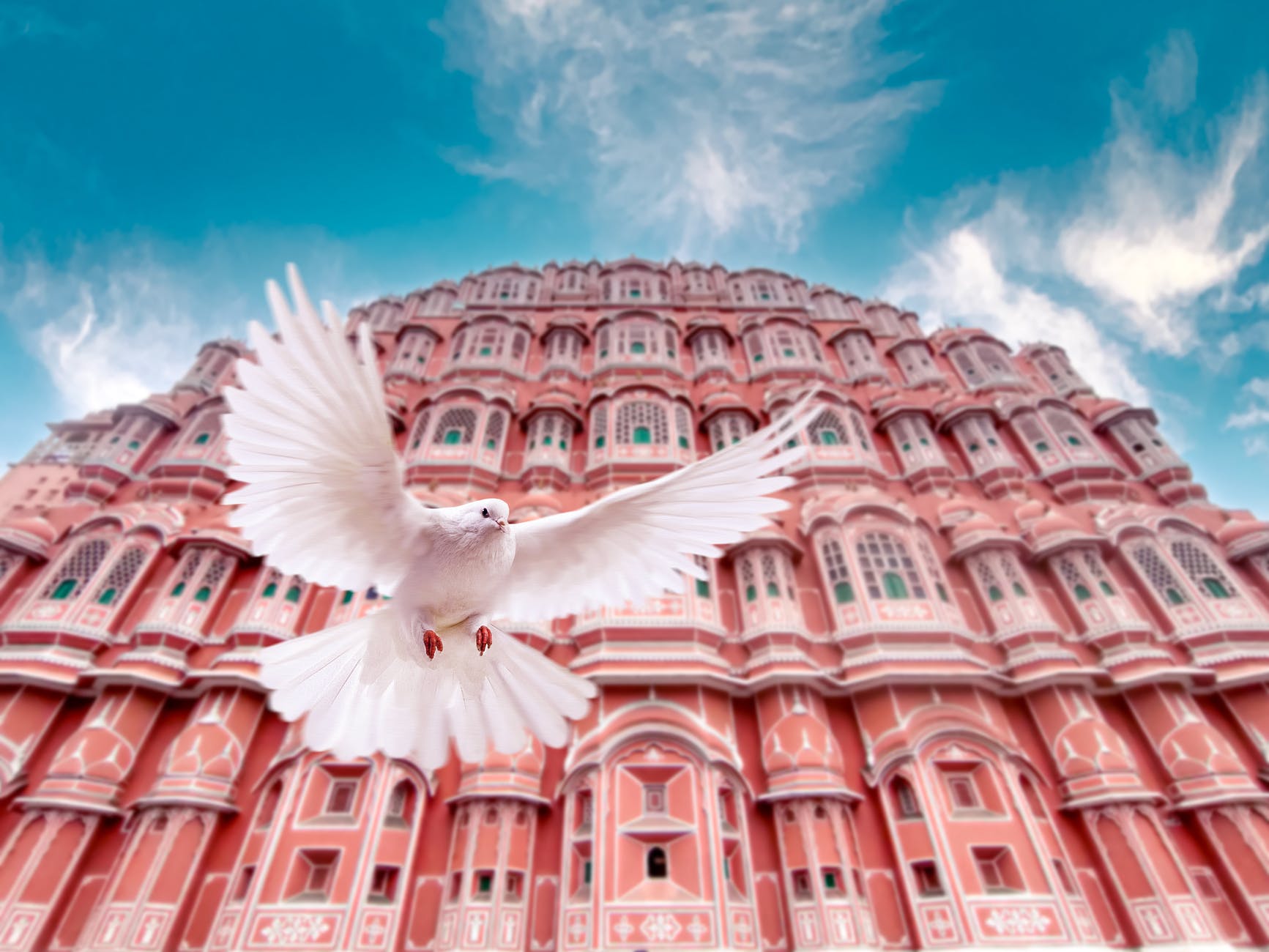
Hawa Mahal was built by Maharaja Sawai Pratap Singh in 1799 and was designed by architect Lal Chand Usta as a ‘Rajmukut’. The Hawa Mahal was built specifically for Rajput members, and especially for women, so that the royal ladies could watch the daily drama dance in the street below, as well as have a beautiful view of the city from the window.


Central Museum
Central museum is also known as ‘Albert museum’ or ‘Government Central Museum’. This is the oldest museum of the city and was constructed in 1876 beneath the command of Lt. Swinton Jacob. Initially the building was a town hall. But on the order of Maharaja Madho Singh it was transformed into an art museum.

Prevailing Semiconductor Crisis.

Already under pressure due to the surging demand for semiconductors amid the COVID-19 pandemic followed by the Russia-Ukraine war and now inflation, the chip industry is now witnessing signs of stress following US House Speaker Nancy Pelosi’s visit to Taiwan.

The effects of the global chip shortage last year, highlighted the world economy’s reliance on Taiwan. The semiconductor shortage had massive knock-on effects for the auto industry, for example, forcing many large firms to halt production. Taiwan Semiconductor Manufacturing Company (TSMC) is the world’s largest chip foundry and it’s Apple’s main producer of chips. During her visit to Taiwan, Pelosi met Mark Liu, chairman of the TSMC.

Cutting TSMC off from the rest of the world would currently be a major threat to the global economy, so tensions are obviously high. If production were to stop at the Taiwanese manufacturer, supply shortages would inevitably occur. These shortages could cause a global recession and stock market crash, which would likely lead to a spike in unemployment numbers at a time when many countries like the UK are currently enduring an ongoing cost of living crisis. 

The negative consequences that dependencies such as these can have are currently being demonstrated more clearly than ever before by the war in Ukraine. To avoid the downside of globalization, countries are therefore increasingly turning to their own chip or semiconductor production. This is not only the case in China. In the USA and Europe, too, there are programs with the Chips Act for America and the European Chips Act, respectively, which are intended to ensure local semiconductor production.

Seeing the situation, the Indian government has launched the ‘Semiconductor Mission’ to establish a self-reliance and give boost to India’s fast-expanding electronics manufacturing and innovation ecosystem. The Union Cabinet has approved the ‘Semicon India’ programme with a total investment of Rs 76,000 crore in the growth of the country’s semiconductor and display manufacturing ecosystem. Through India Semiconductor Mission (ISM), the central government wants to encourage the use of secure microelectronics and the establishment of a reliable semiconductor supply chain, including raw materials, speciality chemicals, gases, and production equipment.

Real Estate crisis in China.

China’s real estate sector has a debt problem. Large property developers like the embattled company Evergrande have racked up massive amounts of debt, leading to construction stoppages and lots of angry homebuyers.

Amid the turmoil, buyers across China have banded together and threatened to stop paying mortgages on over three hundred unfinished housing projects. Hundreds of thousands of homebuyers have begun a mortgage boycott, refusing to pay their mortgage for unfinished or stalled housing projects.

As of previous month, homebuyers in 80 cities and 200 projects had threatened to stop mortgage payments. Home sales have collapsed by nearly 60% compared to a year ago, and the current constant decline of sales (11 months) is pegged to be the worst in China’s history. Analysts expect property sales to have dropped 25% from January to June, amidst China’s Zero Covid Cases strategy. Numerous developments in China have halted as property developers have run out of capital to finish construction.

Across China, real estate developers are getting desperate – attempting to sell homes by whatever means possible, even going as far as accepting down-payments in wheat, garlic, watermelons and peaches to cater to farmers.

The real estate industry has an oversized impact on the economy. When related sectors like construction and property services are included, real estate accounts for more than a quarter of Chinese economic output, by some estimates. About 70 per cent of household wealth is stored in property, along with 30-40 per cent of bank loan books, while land sales account for 30-40 per cent of local government revenues, according to sources. The worsening crisis will test authorities’ ability to minimise the fallout. In case the situation is not being handled strategically by Chinese authority, then the consequences of such crises may spread all across asia and globe as well.

Business Software and Types.

Software is a generic term, used to refer to a set of algorithms, instructions, or programs which instruct a computer to complete specific tasks.

Business software (or a business application) is any software or set of computer programs used by business users to perform various business functions. These business applications are used to increase productivity, to measure productivity and to perform other business functions accurately.

Popular types of business software are :

Accounting Software

Accounting is, as everyone knows, an integral part of operating any business. Choosing the best accounting software for your business needs is highly important. But there are many types of accounting software which cater to a variety of different needs. 

Payroll Software

One of the best accounting software options for small businesses to use is payroll software. Easy to use payroll software can be a lifesaver for over encumbered small business owners, allowing smooth daily operation of business activities and making sure that employee satisfaction and morale is kept high through competent pay management.

Tax Software

A comprehensive, easy to use and easily implemented tax software application can provide exactly what business owners need in order to navigate the complexities of any nation’s tax framework. It is well known that fulfilling legal tax obligations and calculating the best tax outcome for your business is one of the most important aspects of maintaining business integrity.

Book-keeping Software

Streamlined and easy to understand bookkeeping software programs are the lifeblood of any successful business of any size. When it comes to accounting software for small businesses, the ability for layman business owners to have important accounting information delivered in an easy to use, easy to understand format can be absolutely essential, allowing business owners to focus less on understanding complex accounting mechanics and more on running their business. 

Communication Software

Effective and efficient communication, both internally within the business and externally towards customers, is vitally important to the successful operation of any small business. It is important to identify and make use of competent workflow software in order to maximise the efficiency of your business communications.

Customer Relationship Management Software

One of the best ways to better understand relationship with customers and to drive business growth is to use a CRM software tool in order to better analyse the ways in which your business interacts with its customer base. Small businesses are able to successfully manage customer relationships through the best CRM for small businesses.

Academic Degrees in India.

An academic degree is a college or university diploma, often associated with a title and sometimes associated with an academic position, which is usually awarded in recognition of the recipient having either satisfactorily completed a prescribed course of study or having conducted a scholarly endeavour deemed worthy of his or her admission to the degree. It is a qualification awarded to students upon successful completion of a course of study in higher education, usually at a college or university. These institutions commonly offer degrees at various levels, usually including bachelor’s, master’s and doctorates, often alongside other academic certificates and professional degrees. The most common degrees awarded today are associate, bachelor’s, master’s, and doctoral degrees. 

Some of the popular academic degrees pursued in India are:

Bachelor of Arts (BA)

A BA represents the completion of an undergraduate program that focuses on a discipline in the arts or humanities. What distinguishes a BA from other types of bachelor’s degrees is that it tends to emphasize each student’s exploration of a given subject.

Bachelor of Commerce(B.Com)

B.Com stands for Bachelor of Commerce which is a three year undergraduate program. B Com subjects impart Analytical skills, Financial Literacy, Business Acumen, Business Laws, Taxation knowledge etc, with aim to make the student job ready in the field of Banking, Accounting, Insurance and Finance. 

Bachelor of Technology (B.Tech)

B.Tech or Bachelor of Technology is one of the prestigious and most popular courses opted by science students. It is a 4-year full-time undergraduate course and is offered in various disciplines such as Computer Science, Civil, Mechanical, Electronics, and Information Technology.

Master of Business Administration (MBA)

The Master of Business Administration (MBA) is an internationally-recognized graduate-level degree that develops the skills required for careers in business and management. The value of the MBA, however, is not limited strictly to the business world. An MBA can also be useful for those pursuing a managerial career in the public sector, as well as government and the nonprofit sectors. 

Bachelor of Science (BSc)

BSc or Bachelor of Science is an undergraduate degree of three years duration which is universally offered across institutes and universities across India. BSc is one of the most popular courses opted by students who have a flair for scientific aptitude and zeal for research-oriented and calculative approaches based on a proven systematic method. Science is all about experimentation, research and discovery. A BSc degree is a culmination of both theoretical and practical ways of learning. 

Vande Bharat : India’s Indigenous bullet train.

Indian Railways is developing its own super-fast train by increasing the speed of the locally made Vande Bharat Express in a phased way to match those running in European nations. The railways plans to increase the speed of the new version of the Vande Bharat

Express train to 180km per hour (kmph) this year from 160kmph. The train is expected to run at speeds of 220kmph byb2025 and subsequently faster at 260kmph, on par with the speed of most European high-speed trains. Vande Bharat would also increase its speed in phases and continue to improve the overall passenger experience, safety and security.

The first version of the Vande Bharat trains was launched in 2019 under the Make in India initiative and is  designed to reach speeds up to  160kmph. However, this has been boosted to 180kmph in the second version, which will start operating this month, with 75 such trains deployed by 15 August next year as part of the country’s 75 years of independence celebrations.

Indian Railways has set a tar-get of manufacturing 300 Vande Bharat train sets over the next three years (2025). This will be increased to 500 trains by 2028. Prime Minister Narendra Modi has given the Railways a target to make at least 75 such trains by August 2023, coinciding with 75 years of Indian Independence. The plan is also to connect 75 key Indian cities with these trains. Indian Railways’ Integral Coach Factory, Chennai, plans to manufacture around 10 Vande Bharat trains a month and, eventually, the Rail Coach Factory, Kapurthala, and the Modern Coach Factory, Rae-bareli, are also likely to start manufacturing these coaches to meet the target of 500 trains. Two sets of Vande Bharat trains are running on the Delhi-Katra and Delhi-Varanasi routes. Two more Vande Bharat semi-high-speed trains are expected to enter operations by August.

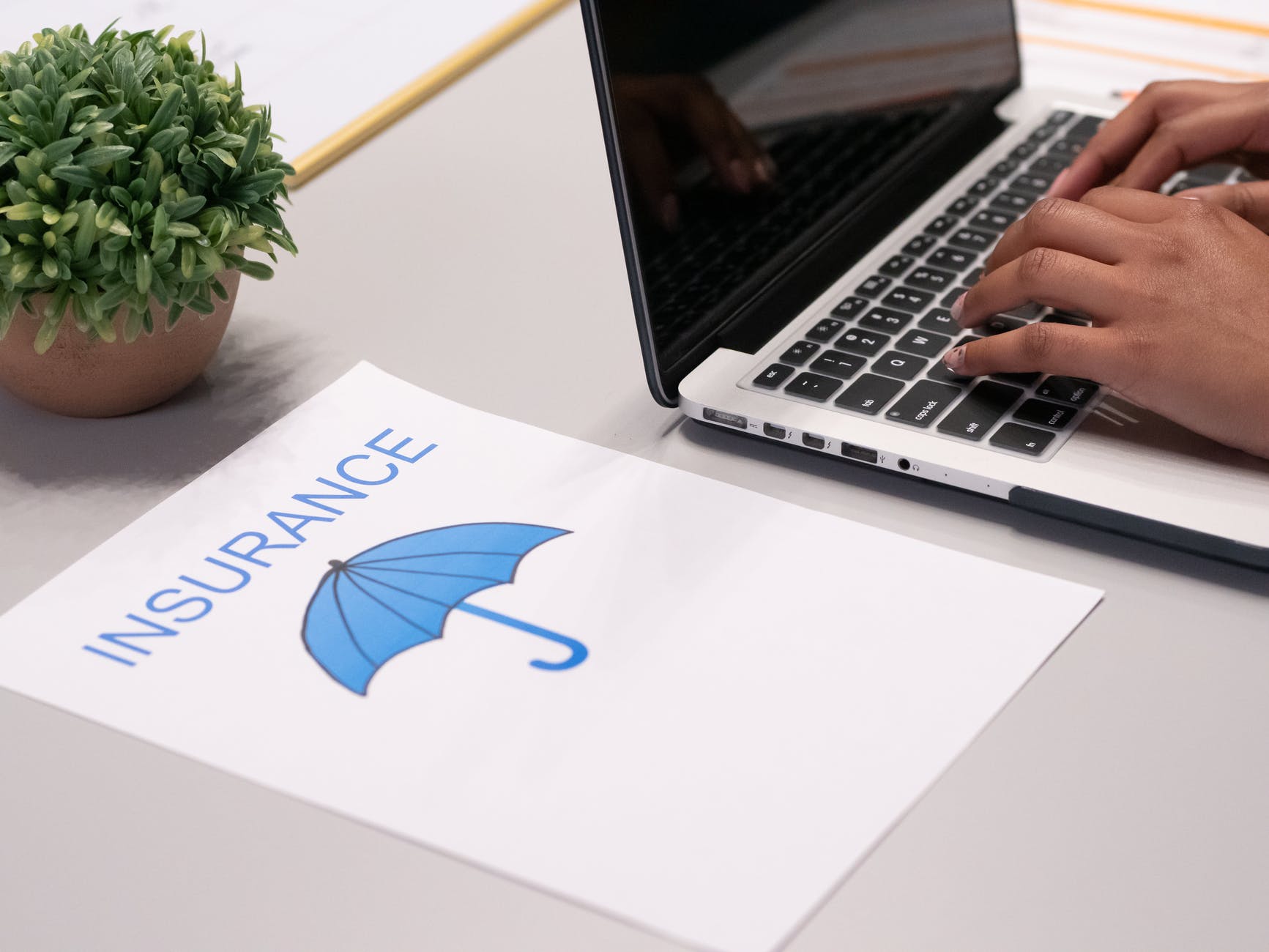
The evolution in the Life Insurance industry post pandemic.

Photo by Kindel Media on Pexels.com

The global pandemic of covid-19 has created a atmosphere that have made humans realize the value of one’s life. Pandemic has made potential risks to human life and business starkly visible, forcing the entire civilization and economies to reorient their way of living. The life insurance sector has also seen this impact, the industry settled more claims in the year 2021 than in 2020 due to this global event. A sudden demand for life insurance policies and increased claims induced operational changes for the insurance industry.

The recent trend in the life insurance sector can been seen in below mentioned five points.

  • Increase in the policy holders.

There has been a noticeable shift in who and how life insurance solutions are being consumed. A particular increase was witness among the young insurer those in the age group of 20-30 years have become more conscious about life insurance.

  • Implementation of technology in operation.

Insurance advisors earlier engaged potential customers in face-to-face conversations due to the challenges posed due to social distancing. They had to change to online meetings quickly. The advantage of online video conversations is that they can be done at any convenient time or even on-the-go.

  • Offering of wider range of policies by insurance companies.

With the increase in the demand, it has made mandate for the insurance companies to offer a wide range of policies that can cater to the need of the groups of people. Introduction of specific policy for health care workers, for younger generations, for the one who have been got in the disease of covid are some of the different segment that have got been introduced amid pandemic.

  • Sustainability and Environment, Social and Governance.

Among financial services companies, life insurers are better positioned to invest based on Environment, Social and Governance (ESG) principles under the broader theme of sustainability. The long-term capital that they hold is an enabler. They can invest in businesses that commit to environmental goals, sustainability, and better governance.

  • Restoring customers faith by Insurers.

In 2022, insurers will have to make efforts to restore customers’ faith in the industry, as well as minimizing customer losses in the wake of premium rises. Insurers will no doubt focus on improving the customer experience by increasing transparency and simplifying the claims process in order to boost retention rates and strengthen consumer brand loyalty.

This year also like the preceding one will be a difficult year for many insurers, with some industries still predicting losses a year ahead. Hopefully, many of the changes insurers can make to automate and streamline their workflows in the coming years can mitigate these losses in the wake of the pandemic.

Zero probability of recession in India.

Amid global pandemic accompanied by Russia-Ukraine crises and rising prices of fuels, the major economies across the globe are facing economic slowdown majorly in the form of peaked inflation, unstable government, industrial slowdown, low supplies and much more consequences. Some of the economies have slipped into crises, while some are struggling through the worst phase of slowdown. Industry experts have been showing aspersions that a global recession is just around the corner.

The recent survey by Bloomberg has attempted to gauge the percentage probabilities of various countries slipping into recession. The survey by Bloomberg said that risk of recession in a handful of Asian economies is rising as higher prices spur central banks to accelerate the pace of their interest rate hikes. Sri Lanka, which is in the midst of its worst economic crisis ever, has an 85% probability of falling into recession in the next year, up from a 33% chance in the previous survey by far the highest increase in the region. Economists see a 20% chance that China will enter recession, and a 25% likelihood that South Korea or Japan will enter one. Bloomberg economists also raised their expectations for a chance of recession in New Zealand, Taiwan, Australia and the Philippines to 33%, 20%, 20% and 8%, respectively. Central banks in those places have been raising interest rates to tame inflation.

India being one of the major and growing economy, also have been facing the consequences of global crises, particularly inflation. The survey report by Bloomberg for India is that it mentions that India has zero probability of slipping into recession. India literally has 0 percent chances of recession as against economic giants US and China which has 40 percent and 20 percent respectively. Although for India, surging domestic prices of key commodities is mainly on account of imported inflation, retail inflation based on consumer price index stood at 7.01%. In April, it had jumped to 8-year high of 7.79% have feared the economist about a probable recession but the case for India is much better compared to other economies.

Launching of first International Bullion Exchange in India.

India being the second biggest consumer of precious metals, tries to regulate the market for the precious metal. For this Prime Minister on July 29 laid the foundation of India International Bullion Exchange (IIBX), based at Gujarat International Finance Tec-City, or GIFT City in western Gujarat state.

India imported 1,069 tonnes of gold in 2021, up from 430 tonnes a year ago. Indian households own an estimated collective 25,000 tonnes of gold, which passes from one generation to the next. New Delhi has been trying to monetise these holding to reduce the imports. Gold is tightly regulated in India and currently only nominated banks and agencies approved by the central bank can import gold and sell to dealers and jewellers. The opening of the international bullion exchange is aimed to standardize the gold pricing in India. It further seeks to it easier for small bullion dealers and jewellers to trade.

Currently, there are nominated banks and agencies who have been approved by the central bank to conduct trade or import gold and sell it to dealers.

“IIBX with its technology-driven solutions, will facilitate transition of Indian bullion market towards a more organised structure by granting qualified jewellers a direct access to import gold directly through the exchange mechanism,” the exchange said in a statement.

The International Bullion Exchange shall be the Gateway for Bullion Imports into India, wherein all the bullion imports for domestic consumption shall be channelized through the exchange, as per a government’s notification.

The exchange ecosystem is expected to bring all the market participants at a common transparent platform for bullion trading and provide an efficient price discovery, assurance in the quality of gold, enable greater integration with other segments of financial markets and help establish India’s position as a dominant trading hub in the World.