There is a consensus of expert opinion that cricket may have been invented during Saxon or Norman times by children living in the Weald, an area of dense woodlands and clearings in south-east England. The first reference to cricket being played as an adult sport was in 1611, and in the same year, a dictionary defined cricket as a boys’ game. There is also the thought that cricket may have derived from bowls, by the intervention of a batsman trying to stop the ball from reaching its target by hitting it away.
Village cricket had developed by the middle of the 17th century and the first English “county teams” were formed in the second half of the century, as “local experts” from village cricket were employed as the earliest professionals. The first known game in which the teams use county names is in 1709.
In the first half of the 18th Century cricket established itself as a leading sport in London and the south-eastern counties of England. Its spread was limited by the constraints of travel, but it was slowly gaining popularity in other parts of England and Women’s Cricket dates back to the 1745, when the first known match was played in Surrey.
In 1744, the first Laws of Cricket were written and subsequently amended in 1774, when innovations such as lbw, a 3rd stump, – the middle stump and a maximum bat width were added. The codes were drawn up by the “Star and Garter Club” whose members ultimately founded the famous Marylebone Cricket Club at Lord’s in 1787. MCC immediately became the custodian of the Laws and has made revisions ever since then to the current day.
Rolling the ball along the ground was superseded sometime after 1760 when bowlers began to pitch the ball and in response to that innovation the straight bat replaced the old “hockey-stick” style of bat. The Hambledon Club in Hampshire was the focal point of the game for about thirty years until the formation of MCC and the opening of Lord’s Cricket Ground in 1787.
Cricket was introduced to North America via the English colonies as early as the 17th century, and in the 18th century it arrived in other parts of the globe. It was introduced to the West Indies by colonists and to India by British East India Company mariners. It arrived in Australia almost as soon as colonisation began in 1788 and the sport reached New Zealand and South Africa in the early years of the 19th century.
19th century cricket
The growth of cricket in the mid and late 19th century was assisted by the development of the railway network. For the first time, teams from a long distance apart could play one other without a prohibitively time-consuming journey. Spectators could travel longer distances to matches, increasing the size of crowds. Army units around the Empire had time on their hands, and encouraged the locals so they could have some entertaining competition. Most of the Empire embraced cricket, with the exception of Canada.[21]
In 1864, another bowling revolution resulted in the legalisation of overarm and in the same year Wisden Cricketers’ Almanack was first published. W. G. Grace began his long and influential career at this time, his feats doing much to increase cricket’s popularity. He introduced technical innovations which revolutionised the game, particularly in batting.
Asteroids are small, atmosphere-less rocky objects orbiting the Sun. Here are 10 things that you might not know about these planet-like celestial bodies that can crash into the Earth and create havoc.
They were Created at the Same Time as the Earth:
Many astronomers believe that asteroids are rocky leftovers from the formation of the Solar System 4.6 billion years ago. One theory is that after the Big Bang, dust particles came together to form celestial objects through a process called accretion – smaller objects came together with other small objects, creating larger space rocks. Some of these celestial rocks were able to grow large enough to develop their own gravity and became planets. Many others were held back from getting together by Jupiter’s gravitation force. These became asteroids.
Because they revolve around the Sun like planets do, asteroids are also sometimes called planetoids or minor planets.
Most are Found in One Area:
Of the millions of asteroids that inhabit our solar system, a majority can be found in a region between the orbits of Mars and Jupiter. This region is called the Asteroid Belt.
3. A Very Lonely Area:
Imagining the Asteroid Belt as in the movies – a small strip of space littered with huge rocks intent on mowing down your space ship?
Well, imagine again because the Asteroid Belt is nothing like that. In fact it is a very lonely place for an asteroid. Astronomers estimate that the average distance between two asteroids in the asteroid belt is about 600,000 miles (966,000 km). This is about 2.5 times the distance between the Earth and the Moon. That is a lot of space between two neighboring asteroids!
Not all of Them Reside in the Belt:
While most of the known asteroids live in the Asteroid Belt, there are many that orbit the Sun outside this belt. For example, Trojan Asteroids, named after the Trojan Wars in Greek Mythology, follow the orbits of a planet. Jupiter has two clusters of Trojans following its orbit around the Sun – the one ahead of the planet is called the Greek Camp and the one behind is known as the Trojan Camp.
In 2010, scientists discovered the first Trojan Asteroid, 2010 TK7, that follows the Earth’s orbit.
Asteroids that are pushed close to the Earth’s orbit are known as Near Earth Asteroids.
They Come in Different Sizes:
Asteroids can measure anywhere between a few feet to several hundred miles in diameter. The largest asteroid known to man, Ceres, is about 590 miles (950 km) in diameter.
Astronomers estimate that if all the asteroids in the Solar System were put together, the size of the resulting rock will be much smaller than our Moon!
And Yet, some Asteroids have Moons:
About 150 Asteroids are known today to have one or more moons orbiting them. The most famous of these is Dactyl, a small moon orbiting Ida, an Asteroid Belt asteroid.
7.They can be Classified According to their Composition:
Most Asteroids fall into one of three groups based on their composition: C, S and M types. The composition is determined by how far the asteroid was from the Sun during the time of its formation.
About two-thirds of all asteroids are thought to be C type asteroids. These asteroids are very dark, with an average albedo of about 0.06 and are thought to have a similar composition as the Sun. They can be found in the outer regions of the Asteroid Belt
S type asteroids are considerably brighter with an average albedo of 0.16. These asteroids are usually found in the inner regions of the Asteroid Belt and are composed of iron and magnesuim silicates.
M type asteroids can be found in the middle of the Asteroid Belt and are much brighter than an average albedo of 0.19. These are mostly composed of Iron.
8.This makes Asteroids Attractive to Miners:
Asteroid mining? That is no longer in the realm of science fiction. Asteroids are rich sources of metals like Iron, Platinum and Titanium, metals that humans use daily to build and create things. In addition, scientists believe that water present on the surface of these asteroids could be broken down and used as fuel for space vehicles.
While asteroid mining hasn’t started yet, many companies around the world have started exploring the idea seriously.
9.Close Encounters of the Asteroid Kind:
The Earth’s atmosphere acts as a shield protecting us from meteoroids and other objects that populate space. When a meteoroid enters the atmosphere, it usually burns up before hitting the surface of the Earth. If any part of the meteoroid survives and hits the surface of the Earth, it is called a meteorite.
What are Meteor Showers?
Sometimes however larger space objects collide with the Earth’s atmopshere and impact the surface of the Earth. Scientists have identified about 100 sites on Earth that may have been impacted by a large asteroid or comet.
While no humans have been killed due to a meteorite in recent history, there is some worry among the scientific community about the possiblity of a large asteroid impact and the effect it may have on human life.
An Asteroid may have Killed the Dinosaurs:
In fact, there is a theory prevalent among the scientific community that it was an asteroid that wiped out the dinosaurs. Many scientists believe that the epicenter of the mass extinction of the dinosaurs lies in the Chicxulub Crater, an impact crater that was discovered under the Yucatán Peninsula in Mexico.
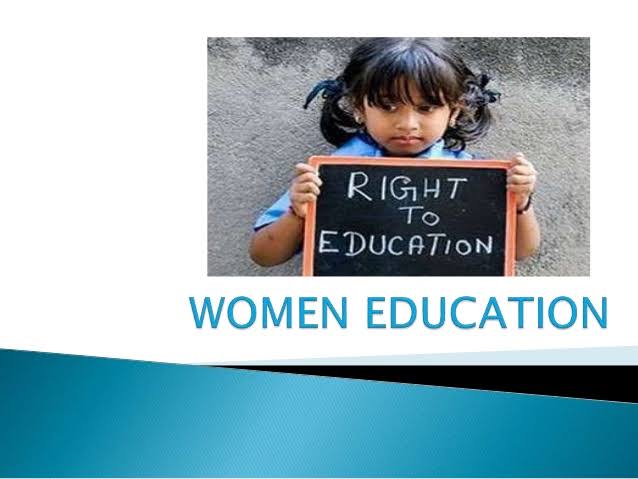
Every day, girls face barriers to education caused by poverty, cultural norms and practices, poor infrastructure, violence and fragility.
Girls’ education goes beyond getting girls into school. It is also about ensuring that girls learn and feel safe while in school; have the opportunity to complete all levels of education acquiring the knowledge and skills to compete in the labor market; learn the socio-emotional and life skills necessary to navigate and adapt to a changing world; make decisions about their own lives; and contribute to their communities and the world.
Girls’ education is a strategic development priority. Better educated women tend to be more informed about nutrition and healthcare, have fewer children, marry at a later age, and their children are usually healthier, should they choose to become mothers. They are more likely to participate in the formal labor market and earn higher incomes. All these factors combined can help lift households, communities, and countries out of poverty.
According to UNESCO estimates, around the world, 132 million girls are out of school, including 34.3 million of primary school age, 30 million of lower-secondary school age, and 67.4 million of upper-secondary school age. In countries affected by conflict, girls are more than twice as likely to be out of school than girls living in non-affected countries. And in many countries, among girls who do enter primary school, only a small portion will reach and far fewer will complete secondary school.
There are multiple barriers to girls’ access to and completion of education:
•Poverty is one of the most important factors for determining whether a girl can access and complete her education. Poor households lack resources to pay for schooling and associated costs (e.g., for textbooks, uniforms, school supplies, and transportation). Poor households with multiple children may choose to invest in boys’ education rather than that of girls while also relying on girls to help with household chores and care for younger siblings and other family members. Studies consistently show that girls who face multiple disadvantages — such as low family income, living in remote or underserved locations or who have a disability or belong to a minority ethno-linguistic group — are farthest behind in terms of access to and completion of education.
•Violence also prevents girls from accessing and completing education – often girls are forced to walk long distances to school placing them at an increased risk of gender-based violence (GBV) including sexual exploitation and abuse and sexual harassment (SEA/SH) and many experience violence while at school. In addition to having serious consequences for their mental and physical health and overall well-being – this leads to lower attendance and higher dropout rates among them. Adolescent pregnancies can be a result of sexual violence or sexual exploitation. Girls who become pregnant often face significant stigma, and even discrimination, from their communities. The burden of stigma, compounded by unequal gender norms, can lead girls to drop out of school early and not return.
•Child marriage is also a critical challenge. Girls who marry young are much more likely to drop out of school, complete fewer years of education than their peers who marry later. They are also more likely to have children at a young age and are exposed to higher levels of violence perpetrated by their partner. In turn, this affects the education and health of their children, as well as their ability to earn a living. Indeed, girls with secondary schooling are up to six times less likely to marry as those children with little or no education. According to a 2017 report,[LSM1] more than 41,000 girls under the age of 18 marry every day.
•Lack of schools, inadequate infrastructure and unsafe environments: In addition to an insufficient number of schools to meet education demand (particularly in rural areas) – many schools lack water, sanitation and hygiene (WASH) facilities including separate toilets for boys and girls and a water source. Further, many schools lack basic features to promote a safe and inclusive environment – for example, they lack perimeter fences, well-lit pathways and do not use universal design. The lack of an adequate environment can act as an important barrier to girls’ regular attendance in school.
•Limitations in teacher training and teaching and learning materials which reinforce gender biases: In many settings, curricula and teaching pedagogy is not sensitive to the specific needs of girls. Further, teachers may not have had sufficient training or support in reducing gender biases in the classroom. They may not be trained or feel comfortable in responding to GBV and other issues girls may face in school. Additionally, teaching and learning materials and curricula may reinforce negative stereotypes about girls and women.
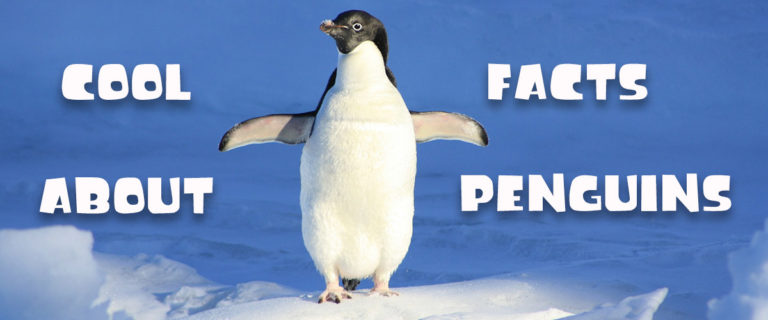
Penguins are amazing birds! They are not quite like any bird you have seen before in your backyard or at the park. They have adapted to their cold environment in a way that makes them pretty special. Here are some fun facts:
– Penguins are flightless birds.
– While other birds have wings for flying, penguins have adapted flippers to help them swim in the water.
– Most penguins live in the Southern Hemisphere.
– The Galapagos Penguin is the only penguin species that ventures north of the equator in the wild.
– Large penguin populations can be found in countries such as New Zealand, Australia, Chile, Argentinaand South Africa.
– No penguins live at the North Pole.
– Penguins eat a range of fish and other sealife that they catch underwater.
– Penguins can drink sea water.
– Penguins spend around half their time in water and the other half on land.
– The Emperor Penguin is the tallest of all penguin species, reaching as tall as 120 cm (47 in) in height.
– Emperor Penguins can stay underwater for around 20 minutes at a time.
– Emperor Penguins often huddle together to keep warm in the cold temperatures of Antarctica.
– King Penguins are the second largest penguin species. They have four layers of feathers to help keep them warm on the cold subantarctic islands where they breed.
– Chinstrap Penguins get their name from the thin black band under their head. At times it looks like they’re wearing a black helmet, which might be useful as they’re considered the most aggressive type of penguin.
– Crested penguins have yellow crests, as well as red bills and eyes.
– Yellow eyed penguins (or Hoiho) are endangered penguins native to New Zealand. Their population is believed to be around 4000.
– Little Blue Penguins are the smallest type of penguin, averaging around 33 cm (13 in) in height.
– A Penguin’s black and white plumage serves as camouflage while swimming. The black plumage on their back is hard to see from above, while the white plumage on their front looks like the sun reflecting off the surface of the water when seen from below.
– Penguins in Antarctica have no land based predators.
Social media has facilitated a lot in reshaping communication industry and redefining the ways in which we communicate and express ourselves.
Social media engages people constantly and accumulate everyone in some or the other trending activity. People have embraced social media so persistently that it has become an integral part of our lives now. It is being used not only by individuals but also businesses, organisations and governments, who are utilising Social Media platforms for constant engagement with the masses.
However, social media has both its advantages and disadvantages.
It’s true that social media has proved to be very useful for everyone and it offers a global platform to share and express, but its constant engagement is affecting individual productivity, relationships and society as a whole.
Let us do a ‘3-Point Analysis’ to help come to a conclusion
Point 1: Background Check
Social networking began in the form of generalised online communities to assemble people having similar interests and sharing any information or ideas.
•Google became popular as a principal internet search engine in 1998.
•Wikipedia started as an online encyclopaedia in 2001.
•Myspace and LinkedIn came into existence as social networking sites in 2003.
•Most popular social networking site, Facebook got launched in 2004.
As of 2017, 45% of the world’s internet users are on social networking sites.
Some examples of worldwide famous social networking sites are Facebook, Twitter, LinkedIn, Instagram, Pinterest etc.
Facebook got launched in 2004 and now has become the largest social networking site in the world. More than one billion people are active users on Facebook on a daily basis.
No wonder it connects people globally and has become a part of so many people’s lives, but it has its own drawbacks.
In a recent study, it was revealed that 33% of divorce cases, ruined reputations, wrecked relationships are caused by Facebook. Suicide attempts even successful suicides caused by cyberbullying are manifested by some social networking sites.
Point 2: Positive Side
Social media provides many advantages for individuals and society:
•Increases Knowledge – You can improve and enhance your skills by sharing your ideas, knowledge and information with millions of people even if they are miles away from you.
•Easiest Connection – You can keep in touch with your friends at all times from any corner of the world and can find anyone if you lose contact.
•Educational Purposes – Educational institutes, teachers and professors can extend their classroom discussions and post assignments, quizzes and tests and assist students with homework.
•Common Interests – Social media gives teens with unusual interest and hobbies a place to share information and passion. Social media helps them to enhance and manage their social lives.
•Benefits for Businesses – Social media marketing is an excellent tool that businesses are using to get exposure at a much lower cost than any other means of traditional marketing. Everything is just one click and one post away.
•Builds your Brand – Social platforms such as Twitter and Facebook help in attracting new customers and engross the customers with products which makes their brand popular. It enables a business to get new information about their customers and improve their customer services.
Point 3: Negative Side
As per 2017 statistics, a person spends an average of 135 minutes per day on social media.
It is distracting for everyone and especially the younger generation. They are always glued to their mobiles, computers, tablets which is a wastage of time and leads to less interaction with family and friends.
Let’s look at some of the disadvantages of social media:
•Constant Comparison: People use their social profiles to project their lives as “perfect”, and people increasingly compare their lives with others and think of themselves as low. It decreases their happiness levels and leads to self-esteem issues.
•Threat of Hackers: Privacy is a major drawback of social media platforms and their increased use. Hacking accounts and using other person’s personal information for malicious intentions has been an issue since the usage of social media started and it has been only increasing.
•Addiction: People are becoming so addicted to social media that they are spending most of their time on it instead of doing any other productive or significant work. Lots of people now prefer online conversations rather than meeting in person, which is weakening their relationships. It also affects communication skill and socialising abilities.
•Health Issues – Health is the most important aspect of one’s life, and it is getting badly affected as many people spend all day in front of their computers or on their mobiles phones.
•Credibility – There are no reliable measures to check the credibility of the news and videos present on social media. People easily believe and don’t even think twice to check whether the news or piece of information is credible or not. Hence, thoughts of the innocent people get easily shaped and influenced by distorted information.
•Online Bullying and Harassment: Also known as cyberbullying, it’s the biggest danger for people and affects them badly, especially teenagers. There is a high risk for children and teenagers from cyberstalking.
•Depression – Anxiety and depression is the most underrated disadvantage of social media. Anyone who gets trolled over social media or is harassed easily get into depression. The person who is trolled by social media can’t get out of depression easily.
A latest 2018 poll has revealed that there have so many cases where people were harassed and went into severe depression, sometimes leading to deaths and suicides.
Conclusion:
Whether social media is a blessing or a curse, entirely depends on how we use it. Social media can give you fantastic returns if you use it positively, on the other hand, you can waste a big chunk of your time on social media if you are doing it just to pass the time.
No matter how much information or entertainment we are enjoying through social media, however, life can be great if you spend less time on social networking sites and more time in the real world.
Drink plenty of water throughout the day to avoid dehydration.
How much water should you drink a day? You probably know that it’s important to drink plenty of fluids when the temperatures soar outside. But staying hydrated is a daily necessity, no matter what the thermometer says. Unfortunately, many of us aren’t getting enough to drink, especially older adults. “Older people don’t sense thirst as much as they did when they were younger. And that could be a problem if they’re on a medication that may cause fluid loss, such as a diuretic,” says Dr. Julian Seifter, a kidney specialist and associate professor of medicine at Harvard Medical School.
Benefits of drinking water:
Water keeps every system in the body functioning properly. The Harvard Medical School Special Health Report 6-Week Plan for Health Eating notes that water has many important jobs, such as:
•Carrying nutrients and oxygen to your cells
•Flushing bacteria from your bladder
•Aiding digestion
•Preventing constipation
•Normalizing blood pressure
•Stabilizing the heartbeat
•Cushioning joints
•Protecting organs and tissues
•Regulating body temperature
•Maintaining electrolyte (sodium) balance.
Giving your body enough fluids to carry out those tasks means that you’re staying hydrated.
If you don’t drink enough water each day, you risk becoming dehydrated. Warning signs of dehydration include weakness, low blood pressure, dizziness, confusion, or urine that’s dark in color.
So how much water should you drink? Most people need about four to six cups of water each day.
How much water should you drink a day?
The daily four-to-six cup rule is for generally healthy people. It’s possible to take in too much water if you have certain health conditions, such as thyroid disease or kidney, liver, or heart problems; or if you’re taking medications that make you retain water, such as non-steroidal anti-inflammatory drugs (NSAIDs), opiate pain medications, and some antidepressants.
How much water a day should you drink if you fit into that category? There’s no one-size-fits-all answer. Dr. Seifter says water intake must be individualized, and you should check with your doctor if you are not sure about the right amount for you.
But even a healthy person’s water needs will vary, especially if you’re losing water through sweat because you’re exercising, or because you’re outside on a hot day. If you’re wondering how much water you should drink on those occasions, speak with your doctor, but a general rule of thumb for healthy people is to drink two to three cups of water per hour, or more if you’re sweating heavily.
Tips for avoiding dehydration:
It’s not just water that keeps you hydrated. All beverages containing water contribute toward your daily needs. And it’s a myth that caffeinated beverages or those containing alcohol are dehydrating because they make you urinate. They do, but over the course of the day, the water from these beverages still leads to a net positive contribution to total fluid consumption.
Of course, there are many reasons why water is still the better choice. Remember, sugary drinks can lead to weight gain and inflammation, which can increase your risk for developing diseases such as diabetes. Too much caffeine can give you the jitters or keep you from sleeping. And, alcohol intake should be limited to one drink per day for women, and 1-2 drinks per day for men.
To ward off dehydration, drink fluids gradually, throughout the day. An easy way to do this is to have a drink at each meal, as well as socially, or with medicine.
And know that you also get fluids from water-rich foods, such as salads, fruit, and applesauce.
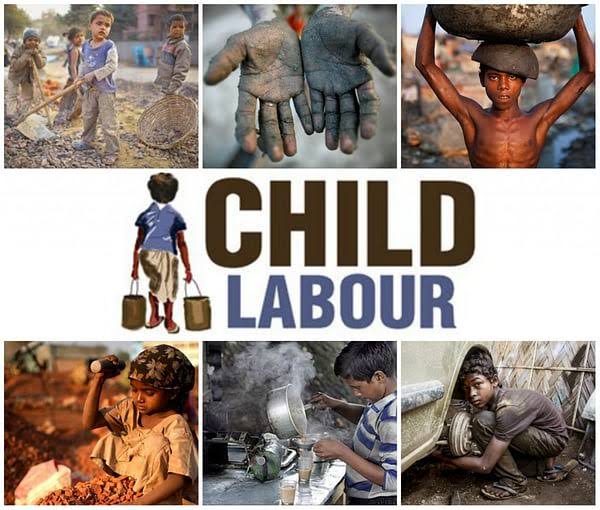
Not all work done by children should be classified as child labour that is to be targeted for elimination. Children’s or adolescents’ participation in work that does not affect their health and personal development or interfere with their schooling, is generally regarded as being something positive. This includes activities such as helping their parents around the home, assisting in a family business or earning pocket money outside school hours and during school holidays. These kinds of activities contribute to children’s development and to the welfare of their families; they provide them with skills and experience, and help to prepare them to be productive members of society during their adult life.
The term “child labour” is often defined as work that deprives children of their childhood, their potential and their dignity, and that is harmful to physical and mental development. It refers to work that:
•Is mentally, physically, socially or morally dangerous and harmful to children; and/or
•Interferes with their schooling by: depriving them of the opportunity to attend school; obliging them to leave school prematurely; or requiring them to attempt to combine school attendance with excessively long and heavy work. Whether or not particular forms of “work” can be called “child labour” depends on the child’s age, the type and hours of work performed, the conditions under which it is performed and the objectives pursued by individual countries. The answer varies from country to country, as well as among sectors within countries.
The worst forms of child labour:
The worst forms of child labour involves children being enslaved, separated from their families, exposed to serious hazards and illnesses and/or left to fend for themselves on the streets of large cities – often at a very early age.
Whilst child labour takes many different forms, a priority is to eliminate without delay the worst forms of child labour as defined by Article 3 of ILO Convention No.182 :
•All forms of slavery or practices similar to slavery, such as the sale and trafficking of children, debt bondage and serfdom and forced or compulsory labour, including forced or compulsory recruitment of children for use in armed conflict;
•The use, procuring or offering of a child for prostitution, for the production of pornography or for pornographic performances;
•The use, procuring or offering of a child for illicit activities, in particular for the production and trafficking of drugs as defined in the relevant international treaties;
•Work which, by its nature or the circumstances in which it is carried out, is likely to harm the health, safety or morals of children.
Hazardous child labour:
Hazardous child labour or hazardous work is the work which, by its nature or the circumstances in which it is carried out, is likely to harm the health, safety or morals of children. Guidance for governments on some hazardous work activities which should be prohibited is given by Article 3 ofILO Recommendation No.190 :
•Work which exposes children to physical, psychological or sexual abuse;
•Work underground, under water, at dangerous heights or in confined spaces;
•Work with dangerous machinery, equipment and tools, or which involves the manual handling or transport of heavy loads;
•Work in an unhealthy environment which may, for example, expose children to hazardous substances, agents or processes, or to temperatures, noise levels, or vibrations damaging to their health;
•Work under particularly difficult conditions such as work for long hours or during the night or work where the child is unreasonably confined to the premises of the employer.
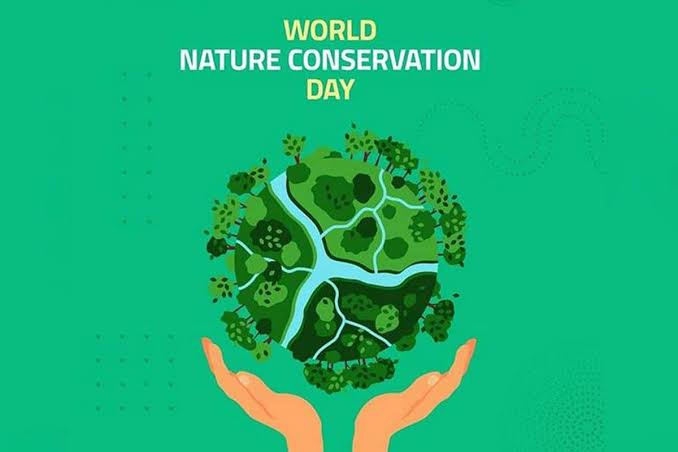
The main objective behind celebrating the day is to conserve trees and animals that are on the verge of going extinct from the natural environment of the Earth. World Nature Conservation Day is celebrated on 28 July every year. There are several initiatives that India has undertaken to conserve nature like Swachh Bharath Abhiyaan, Project Tiger, etc.
The day also recognises that a healthy environment is a foundation for a stable and productive society. This day also ensures the well-being of present and future generations. How nature can be conserved or how we can protect our nature?
“Earth provides enough to satisfy every man’s needs, but not every man’s greed.” ― Mahatma Gandhi
It is necessary to create a healthy environment to safeguard the present and future generations. There are several threats to nature like deforestation, illegal wildlife trade, pollution, using plastics, chemicals, etc. Earth has provided basic necessities to live like water, air, soil, minerals, trees, animals, food, etc. So, we should keep nature clean and healthy. Industrial development and several other factors are also responsible for the depletion of nature. Whatever we do affects the environment because the world is one and somehow linked together.
World Nature Conservation Day History:
The history and origin of World Nature Conservation Day are unknown but the main aim of celebrating it on 28 July is to come together and support nature, don’t exploit it. Conservation of nature is the wise management and utilization of natural resources. As we know that due to natural imbalance, we are facing several problems like global warming, various diseases, natural disasters, increased temperature, etc. Therefore, for the next generation, it is necessary to preserve it. So, it is important to raise awareness among people all over the world to understand the importance of saving resources, recycle it, preserve it, and also understand the consequences of damaging them.
“Conservation means the wise use of the earth and its resources for the lasting good of men”- Gifford Pinchot
What are the steps taken for the Conservation of Wildlife?
Methods to Conserve the Environment:
It is not mandatory that only the government and big companies conserve the environment. Everyone can participate and conserve nature which is a beautiful gift to us. Several ways are there by which we can conserve the environment like:
Recycling: Try to buy reusable and biodegradable products as much as possible. Recycle everything if it is possible.
It is necessary to reduce the consumption of water.
Reduce the use of electricity. When your work is done with an electric appliance then turn it off. In this way, energy and money will be saved.
Plant trees and make the planet green.
Grow vegetables. In the market vegetables that are available are grown with chemicals and pesticides. So, it is better to plant vegetables and eat organic food.
“Environment isn’t asking us to conserve her for her but for our future generations”- Mohith Agadi
To avoid littering it’s better to do composting.
As we know that batteries are dangerous for the environment so, it is better to use rechargeable batteries.
Don’t smoke. Smoking is injurious to health and sometimes it is seen that people after smoking don’t throw cigarettes in the dustbin but on the ground directly which is just pure littering.
Reduce pollution.
Aware people about the use of conservation of nature, environment, and energy.
There are also three essential words about the conservation of the environment that is reduce, recycle, and reuse.
Conservation of nature is very necessary, even scientists have also warned us about the mass extinctions in the near future. Several documentaries about nature show that resources are being wasted. Due to global warming temperature is increasing day by day, storms and the level of the sea are also increasing, freshwater glaciers are melting which threatens lives. We are connected to each other with natural resources. The natural world is facing an increasing threat from unsustainable practices and the challenge is how to preserve and conserve nature to achieve sustainable development.
Let us come together and make an effort to contribute to the local, national, or global levels in conserving nature. It will not only benefit our present generation but also future generations.
“Conservation is a cause that has no end. There is no point at which we will say our work is finished”- Rachel Carson
“Conservation is not merely a question of morality, but a question of our own survival” – Dalai Lama
Poverty is about not having enough money to meet basic needs including food, clothing and shelter. However, poverty is more, much more than just not having enough money.
The World Bank Organization describes poverty in this way:
“Poverty is hunger. Poverty is lack of shelter. Poverty is being sick and not being able to see a doctor. Poverty is not having access to school and not knowing how to read. Poverty is not having a job, is fear for the future, living one day at a time.
Poverty has many faces, changing from place to place and across time, and has been described in many ways. Most often, poverty is a situation people want to escape. So poverty is a call to action — for the poor and the wealthy alike — a call to change the world so that many more may have enough to eat, adequate shelter, access to education and health, protection from violence, and a voice in what happens in their communities.”
In addition to a lack of money, poverty is about not being able to participate in recreational activities; not being able to send children on a day trip with their schoolmates or to a birthday party; not being able to pay for medications for an illness. These are all costs of being poor. Those people who are barely able to pay for food and shelter simply can’t consider these other expenses. When people are excluded within a society, when they are not well educated and when they have a higher incidence of illness, there are negative consequences for society. We all pay the price for poverty. The increased cost on the health system, the justice system and other systems that provide supports to those living in poverty has an impact on our economy.
While much progress has been made in measuring and analyzing poverty, the World Bank Organization is doing more work to identify indicators for the other dimensions of poverty. This work includes identifying social indicators to track education, health, access to services, vulnerability, and social exclusion.
There is no one cause of poverty, and the results of it are different in every case. Poverty varies considerably depending on the situation. Feeling poor in Canada is different from living in poverty in Russia or Zimbabwe. The differences between rich and poor within the borders of a country can also be great.
Despite the many definitions, one thing is certain; poverty is a complex societal issue. No matter how poverty is defined, it can be agreed that it is an issue that requires everyone’s attention. It is important that all members of our society work together to provide the opportunities for all our members to reach their full potential. It helps all of us to help one another.
On the basis of social, economical and political aspects, there are different ways to identify the type of Poverty:
Absolute poverty.
Relative Poverty.
Situational Poverty.
Generational Poverty.
Rural Poverty.
Urban Poverty.
Now let us understand them one by one:
1.Absolute poverty: Also known as extreme poverty or abject poverty, it involves the scarcity of basic food, clean water, health, shelter, education and information. Those who belong to absolute poverty tend to struggle to live and experience a lot of child deaths from preventable diseases like malaria, cholera and water-contamination related diseases. Absolute Poverty is usually uncommon in developed countries.
It was first introduced in 1990, the “dollar a day” poverty line measured absolute poverty by the standards of the world’s poorest countries. In October 2015, the World Bank reset it to $1.90 a day. This number is controversial; therefore each nation has its own threshold for absolute poverty line.
“It is a condition so limited by malnutrition, illiteracy, disease, squalid surroundings, high infant mortality, and low life expectancy as to be beneath any reasonable definition of human decency.” Said by Robert McNamara, the former president of the World Bank.
2.Relative Poverty: It is defined from the social perspective that is living standard compared to the economic standards of population living in surroundings. Hence it is a measure of income inequality. For example, a family can be considered poor if it cannot afford vacations, or cannot buy presents for children at Christmas, or cannot send its young to the university.
Usually, relative poverty is measured as the percentage of the population with income less than some fixed proportion of median income.
It is a widely used measure to ascertain poverty rates in wealthy developed nations.
In European Union the “relative poverty measure is the most prominent and most–quoted of the EU social inclusion indicators”
3.Situational Poverty: It is a temporary type of poverty based on occurrence of an adverse event like environmental disaster, job loss and severe health problem. People can help themselves even with a small assistance, as the poverty comes because of unfortunate event.
4.Generational Poverty: It is handed over to individual and families from one generation to the one. This is more complicated as there is no escape because the people are trapped in its cause and unable to access the tools required to get out of it.
“Occurs in families where at least two generations have been born into poverty. Families living in this type of poverty are not equipped with the tools to move out of their situation” (Jensen, 2009).
5.Rural Poverty: It occurs in rural areas with population below 50,000. It is the area where there are less job opportunities, less access to services, less support for disabilities and quality education opportunities. People are tending to live mostly on the farming and other menial work available to the surroundings.
The rural poverty rate is growing and has exceeded the urban rate every year since data collection began in the 1960s. The difference between the two poverty rates has averaged about 5 percent for the last 30 years, with urban rates near 10–15 percent and rural rates near 15–20 percent (Jolliffe, 2004).
6.Urban Poverty: It occurs in the metropolitan areas with population over 50,000. These are some major challenges faced by the Urban Poor:
• Limited access to health and education. • Inadequate housing and services. • Violent and unhealthy environment because of overcrowding. • Little or no social protection mechanism.
How good are the relationships that you have with your colleagues?
According to the Gallup organization, people who have a best friend at work are seven times more likely to be engaged in their jobs. But it doesn’t have to be a “BFF.” Gallup found that people who simply have a good friend in the workplace are more likely to be happy. What’s more, good work relationships are linked to better customer engagement and increased profit.
In this article, you’ll learn why it’s important to have good working relationships, how to build and maintain them, and even find ways to work with people that you don’t get on with.
Why Have Good Work Relationships?
Human beings are naturally social creatures. And when you consider that we spend one-third of our lives at work, it’s clear that good relationships with colleagues will make our jobs more enjoyable.
The more comfortable co-workers are around one other, the more confident they’ll feel voicing opinions, brainstorming, and going along with new ideas, for example. This level of teamwork is essential to embrace change, create, and innovate. And when people see the successes of working together in this way, group morale and productivity soars.
Good work relationships also give you freedom. Instead of spending time and energy dealing with negative relationships, you can, instead, focus on opportunities – from winning new business to focusing on personal development.
And having a strong professional circle will also help you to develop your career, opening up opportunities that otherwise might pass you by.
Defining a Good Relationship:
A good work relationship requires trust, respect, self-awareness, inclusion, and open communication. Let’s explore each of these characteristics.
•Trust: when you trust your team members, you can be open and honest in your thoughts and actions. And you don’t have to waste time or energy “watching your back.”
•Respect: teams working together with mutual respect value one another’s input, and find solutions based on collective insight, wisdom, and creativity.
•Self-awareness: This means taking responsibility for your words and actions, and not letting your own negative emotions impact the people around you.
•Inclusion: don’t just accept diverse people and opinions, but welcome them! For instance, when your colleagues offer different opinions from yours, factor their insights and perspective – or “cultural add” – into your decision-making.
•Open communication: all good relationships depend on open, honest communication. Whether you’re sending emails or IMs, or meeting face-to-face or on video calls, the more effectively you communicate with those around you, the better you’ll connect.
Which Work Relationships Are Important?
Although you should try to build and maintain good working relationships with everyone, some deserve extra attention. Like the relationship between a boss and employee. Gallup found that a manager alone can account for up to 70 percent of a team’s engagement.
Regular one-on-ones let managers build relationships with employees. At these catch ups, you can show how an individual’s work fits with the organization’s “bigger picture,” understand their strengths, and help them identify areas to develop.
You can also explore managing upwards, to analyze how your own manager prefers to work, anticipate their needs, and adapt your approach for a smoother relationship.
You’ll also benefit from developing good work relationships with key stakeholders. These are the people who have a stake in your success or failure, such as customers, suppliers, and your team. Forming a bond with them will help you to ensure that your projects – and career – stay on track. A Stakeholder Analysis helps you to identify who these people are so you can devote time to building these partnerships.
How to Build Good Work Relationships:
As you’ll know from your oldest friends, building close connections with people can take time. But there are also steps you can take today to get on better with your colleagues.
1.Identify Your Relationship Needs:
Do you know what you need from others? And do you know what they need from you? Understanding these needs can be instrumental in building better relationships.
2.Develop Your People Skills:
Good relationships start with good people skills. Take our quiz How Good Are Your People Skills? to test how well you collaborate, communicate, and deal with conflict. The quiz will also point you toward useful tools to improve any weak areas.
3.Focus on Your EI:
Emotional intelligence (EI) is your ability to recognize your own emotions, and better understand what they’re telling you. By developing your EI, you’ll become more adept at identifying and handling the emotions and needs of others.
4.Practice Mindful Listening:
People respond better to those who truly listen to what they have to say. By practicing mindful listening , you’ll talk less and understand more. And you’ll quickly become known as trustworthy.
5.Schedule Time to Build Relationships:
If possible, you could ask a colleague out for a quick cup of coffee. Or give a “one-minute kindness” by commenting on a co-worker’s LinkedIn post you enjoyed reading. These little interactions take time but lay the groundwork for strong relationships.
6.Manage Your Boundaries:
Make time, but not too much! Sometimes, a work relationship can impair productivity, especially when a friend or colleague begins to monopolize your time. It’s important to set your boundaries and manage how much time you devote to social interactions at work.
7.Appreciate Others:
Everyone, from your boss to the intern, wants to feel that their work is appreciated. So, genuinely compliment the people around you when they do something well. Praise and recognition will open the door to great work relationships.
8.Be Positive:
Focus on being positive. Positivity is contagious and people gravitate to those that make them feel good.
9.Avoid Gossiping:
Office politics and gossip can ruin workplace relationships. If you’re experiencing conflict with someone in your group, talk to them directly about the problem. Gossiping with other colleagues will only exacerbate the situation, accelerating mistrust and animosity.
Handling Difficult Work Relationships:
Sometimes, you’ll have to work with someone you don’t get on with. With the rise of virtual workspaces, many colleagues are benefiting from some time apart. But even communicating virtually can cause misunderstandings or tension.
While it’s natural to avoid people who cause friction, it’s not always feasible or for the good of your team. So, here are a few tactics to mend or maintain a professional relationship.
1.Reflect on your positive history: If a good relationship has taken a turn for the worse after an incident, research shows that reflecting on positive experiences with a co-worker can strengthen a broken bond. Another option is to use an impartial mediator to bridge the divide and find a quick resolution.
2.Look to yourself: When we feel negative about someone, we can become impatient, get angry, and demotivate others. And others can direct those negative behaviors back at us. The Betari Box can help to break this cycle of conflict, stopping these harmful attitudes and behaviors in their tracks.
3.Find mutually beneficial goals: Have you considered that a difficult relationship might be due to a power imbalance? You can use professor John Eldred’s power strategies model to identify any conflicting goals or power imbalances, and devise a method to communicate better and improve your relationship.
Asteroids are small, atmosphere-less rocky objects orbiting the Sun. Here are 10 things that you might not know about these planet-like celestial bodies that can crash into the Earth and create havoc.
10 Things You Need to Know about Asteroids:
They were Created at the Same Time as the Earth:
Many astronomers believe that asteroids are rocky leftovers from the formation of the Solar System 4.6 billion years ago. One theory is that after the Big Bang, dust particles came together to form celestial objects through a process called accretion – smaller objects came together with other small objects, creating larger space rocks. Some of these celestial rocks were able to grow large enough to develop their own gravity and became planets. Many others were held back from getting together by Jupiter’s gravitation force. These became asteroids.
Because they revolve around the Sun like planets do, asteroids are also sometimes called planetoids or minor planets.
Most are Found in One Area:
Of the millions of asteroids that inhabit our solar system, a majority can be found in a region between the orbits of Mars and Jupiter. This region is called the Asteroid Belt.
3.A Very Lonely Area:
Imagining the Asteroid Belt as in the movies – a small strip of space littered with huge rocks intent on mowing down your space ship?
Well, imagine again because the Asteroid Belt is nothing like that. In fact it is a very lonely place for an asteroid. Astronomers estimate that the average distance between two asteroids in the asteroid belt is about 600,000 miles (966,000 km). This is about 2.5 times the distance between the Earth and the Moon. That is a lot of space between two neighboring asteroids!
Not all of Them Reside in the Belt:
While most of the known asteroids live in the Asteroid Belt, there are many that orbit the Sun outside this belt. For example, Trojan Asteroids, named after the Trojan Wars in Greek Mythology, follow the orbits of a planet. Jupiter has two clusters of Trojans following its orbit around the Sun – the one ahead of the planet is called the Greek Camp and the one behind is known as the Trojan Camp.
In 2010, scientists discovered the first Trojan Asteroid, 2010 TK7, that follows the Earth’s orbit.
Asteroids that are pushed close to the Earth’s orbit are known as Near Earth Asteroids.
They Come in Different Sizes:
Asteroids can measure anywhere between a few feet to several hundred miles in diameter. The largest asteroid known to man, Ceres, is about 590 miles (950 km) in diameter.
Astronomers estimate that if all the asteroids in the Solar System were put together, the size of the resulting rock will be much smaller than our Moon!
And Yet, some Asteroids have Moons:
About 150 Asteroids are known today to have one or more moons orbiting them. The most famous of these is Dactyl, a small moon orbiting Ida, an Asteroid Belt asteroid.
7.They can be Classified According to their Composition:
Most Asteroids fall into one of three groups based on their composition: C, S and M types. The composition is determined by how far the asteroid was from the Sun during the time of its formation.
About two-thirds of all asteroids are thought to be C type asteroids. These asteroids are very dark, with an average albedo of about 0.06 and are thought to have a similar composition as the Sun. They can be found in the outer regions of the Asteroid Belt
S type asteroids are considerably brighter with an average albedo of 0.16. These asteroids are usually found in the inner regions of the Asteroid Belt and are composed of iron and magnesuim silicates.
M type asteroids can be found in the middle of the Asteroid Belt and are much brighter than an average albedo of 0.19. These are mostly composed of Iron.
8.This makes Asteroids Attractive to Miners:
Asteroid mining? That is no longer in the realm of science fiction. Asteroids are rich sources of metals like Iron, Platinum and Titanium, metals that humans use daily to build and create things. In addition, scientists believe that water present on the surface of these asteroids could be broken down and used as fuel for space vehicles.
While asteroid mining hasn’t started yet, many companies around the world have started exploring the idea seriously.
9.Close Encounters of the Asteroid Kind:
The Earth’s atmosphere acts as a shield protecting us from meteoroids and other objects that populate space. When a meteoroid enters the atmosphere, it usually burns up before hitting the surface of the Earth. If any part of the meteoroid survives and hits the surface of the Earth, it is called a meteorite.
What are Meteor Showers?
Sometimes however larger space objects collide with the Earth’s atmopshere and impact the surface of the Earth. Scientists have identified about 100 sites on Earth that may have been impacted by a large asteroid or comet.
While no humans have been killed due to a meteorite in recent history, there is some worry among the scientific community about the possiblity of a large asteroid impact and the effect it may have on human life.
An Asteroid may have Killed the Dinosaurs:
In fact, there is a theory prevalent among the scientific community that it was an asteroid that wiped out the dinosaurs. Many scientists believe that the epicenter of the mass extinction of the dinosaurs lies in the Chicxulub Crater, an impact crater that was discovered under the Yucatán Peninsula in Mexico.
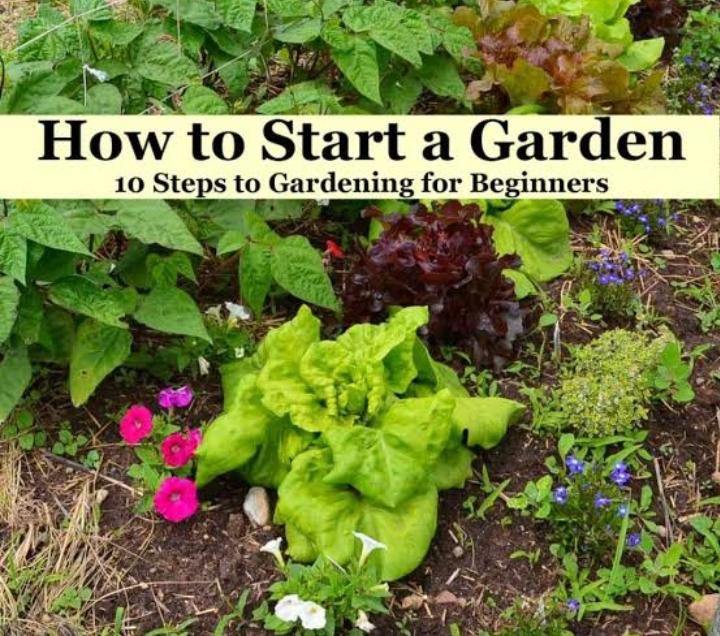
Dig into your new gardening adventure with this step‐one-step guide to help you make the most of your landscape.
Follow These 10 Essential Steps to Start Your First Garden Off Right:
Starting a garden is one of the most rewarding things you can do. Plant fragrant florals or start a vegetable garden (or both), and everyone can benefit from getting their hands a little dirty. But if you’re new to gardening, it can be difficult to know where to start. Still, it doesn’t have to be complicated; when you break your project down into manageable steps, you can ease into gardening at your own pace. And soon you’ll see the rewards of your efforts with beautiful views, delicious flavors, and colorful blooms. These steps will help you get started from scratch, but if you have something particular in mind, you could also use a garden plan to guide your design.
Consider What to Plant:
Do you want to plant a vegetable garden? An herb garden? A flower garden? If you choose vegetables and herbs for their contributions to your dinner table, plant ones your family will eat or be willing to try. If you want flowers for their flair, color, and fragrance, decide whether you want annuals that bloom most of the summer but need to be replanted each spring or perennials that have a shorter bloom time but return year after year. Each one, or even a combination, makes a stunning garden but will have different maintenance requirements. One bit of advice: Start small until you know what you’re getting into.
Pick the Best Garden Spot:
Almost all vegetables and many types of flowering plants need 6-8 hours of full sun each day. So you need to observe your yard throughout the day to figure out which spots receive full sun versus partial or full shade. Don’t worry if your yard is mostly shady: You won’t be able to grow tomatoes in shade, but many other plants (such as hostas and outdoor ferns) will do just fine. Check plant tags or ask the staff at your local garden center to help you understand out how much sun a plant needs.
If possible, pick a relatively flat spot for your garden because it’s more difficult, time-consuming, and potentially expensive to deal with a sloping garden. And make sure your new garden will have easy access to a water source.
Clear the Ground:
Get rid of weeds and sod in the area you plan to plant. If you want quick results (if it’s already spring and you want veggies this summer), cut it out. Slice under the sod with a spade, cut the sod into sections to make it easier to remove, then put it on your compost pile to decompose. For a longer term project, it’s easier to use the lasagna gardening method: Cover your future garden with five sheets of newspaper; double that amount if your lawn is Bermuda grass or St. Augustine grass. Spread a 3-inch layer of compost (or combination of potting soil and topsoil) on the newspaper and wait. It’ll take about four months for the compost and paper to decompose. But if you start in the fall, by spring you’ll have a bed ready to plant with no grass or weeds and plenty of rich soil.
Test and Improve Your Soil:
To learn more about your soil, have a soil test done through your county cooperative extension office. They’ll lead you through the procedure: How much soil to send from which parts of the garden and the best time to obtain samples. Expect a two-week wait for the findings, which will tell you what your soil lacks and how to amend it. You can also use a DIY kit that may not be as detailed, but will give you an idea of your soil’s nutrient levels.
Residential soil almost always needs a boost, especially in new construction where the topsoil may have been stripped away. In addition to being low in essential plant nutrients, your soil may also have poor drainage or be compacted. The solution is usually simple: Add organic matter. Add a 2- to 3-inch layer of compost, decayed leaves, dry grass clippings, or old manure to the soil when you dig or till a new bed. If you decide not to dig or are working with an established bed, leave the organic matter on the surface where it will eventually rot into humus (organic material). Earthworms will do most of the work of mixing humus in with the subsoil.
Prepare Your Planting Beds:
Loosening the soil in new beds before sowing or planting helps roots to grow more easily and access the water and nutrients they need. There are two methods: tilling with a mechanical device such as a rototiller or digging by hand. The first one is a good method when you need to mix in large amounts of amendments. However, it’s easy to overdo it, which will end up damaging soil structure. Digging is more practical for preparing small beds.
Either way, work the soil only when it’s moist enough to form a loose ball in your fist but dry enough to fall apart when you drop it. Digging when the soil is too dry is harder work, and you can damage the soil structure if it’s too wet. Use a spade or spading fork to gently turn the top 6-8 inches of soil, mixing in the organic matter from Step 4 at the same time. (Walking on prepared beds compacts the soil, so lay down plywood boards temporarily to evenly distribute your weight.
Pick Your Plants:
Some people pore over catalogs for months; others head to the garden center and buy what wows them. Either method works as long as you choose plants adapted to your climate, soil, and sunlight. You can even surf the Internet for plants to purchase. Here are a few easy-to-grow plants for beginners:
•Annuals: Calendula, cosmos, geraniums, impatiens, marigolds, sunflowers, and zinnias
•Vegetables: Cucumbers, lettuce, peppers, and tomatoes
Start Planting:
Some plants, such as pansies and kale, tolerate cold, so you can plant them in autumn or late winter. Tomatoes and most annual flowers, on the other hand, prefer warm temperatures, so don’t plant them until the danger of frost has passed in your area. Midspring and midautumn are good times to plant perennials.
Many annuals are easy to grow from seed sown directly in the garden. Be sure to read the seed packet for information about planting time, depth, and spacing. If you’re an adventurous beginner, get a head start on the growing season by sowing seeds indoors a few weeks before the last frost date. There are containers or flats designed especially for seedlings and seed-starting soil mixes available at garden centers. Follow seed packet instructions and place the containers on a sunny windowsill or under grow lights if you don’t have window space. Be sure to keep the seeds and seedlings moist but not wet, or they may rot.
An easier method of starting your garden is to buy young plants, called set plants or transplants. Dig holes in your prepared bed based on tag instructions. Remove plants from the container by pushing up from the bottom. If the roots have grown into a big ball (known as being root-bound), use an old fork or your fingers to untangle some outer roots before setting it into the hole. Pat soil into place around the roots, then soak the soil with water.
Water at the Right Time:
Seedlings should never be allowed to dry out, so water daily. Taper off as the plants get larger. Transplants also need frequent watering (every other day or so) until their roots become established. After that, how often you need to water depends on your soil, humidity, and rainfall, though once a week is a good place to start. Clay soil dries out more slowly than sandy soil, so you won’t need to water it as often. Sunny, windy conditions dry out soil more quickly than cool, cloudy weather. Still not sure? Feel the soil 3-4 inches below the surface. If it feels dry, it’s time to water. Water slowly and deeply, so the water soaks in instead of running off. To minimize evaporation, water in the early morning.
Protect Your Garden With Mulch:
To help keep weeds out and moisture in, cover the soil with a couple of inches of mulch. You won’t have to water as often, and by preventing sunlight from hitting the soil, you’ll prevent weed seeds from germinating. Choose from a wide variety of mulches, each with its own benefits, including shredded bark, straw, and river rock. If you use organic mulch, such as bark, compost, or cocoa bean shells (which smell good, by the way), it will nourish the soil as it decomposes. For a vegetable garden or bed of annuals, choose a mulch that decomposes in a few months. For perennials, use a longer-lasting mulch such as bark chips.
Maintain Your Garden Regularly:
As your garden begins to grow, help it reach its full potential by keeping up with garden chores. Water the plants before they wilt. Pull weeds before they go to seed. Get rid of dead, dying, and diseased vegetation. Banish destructive insects by picking them off the plant and dropping them into a bucket of sudsy water (such as tomato hornworms), hosing them off, or spraying on an insecticidal soap purchased at a garden center. Support tall plants (such as tomatoes) with a trellis, stake, or a tepee. Also, harvest vegetables as soon as they’re ready. And remember to stop and smell the…well, whatever it is you’re growing.
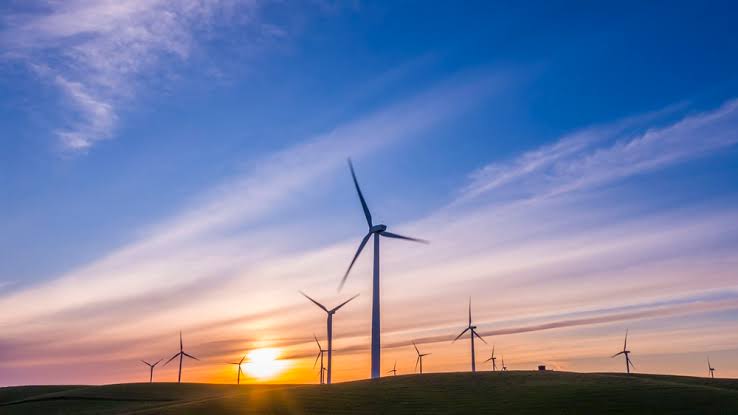
Up until recently, people still only had visual impressions of what a windmill is, often associating it with the past and particularly before the industrial revolution. Today, things have come full circle, if you will and there is now a growing demand for large, technologically advanced windmills across the world. The term wind energy or wind power describe the process through which wind turbines convert the kinetic energy in the wind into electrical energy by the use of generator.
What this introductory guide seeks to do is describe the apparatus in layman’s terms and also outline how they work and what they were intended for originally and the purposes for which they are used today. We begin with a brief definition of what a windmill is.
•It was originally a structure with sails, much like that on pre-industrial ships, and was originally used to produce flour from corn. In order to do this, the wind would have to prompt the sails to turn. They were also originally built by master craftsmen.
•A dictionary definition explains it thus; it is a machine which is propelled by the wind from a horizontal shaft which extended onto sails. Windmills still used today, mainly in parts of the world which have traditionally relied on them, are powered by electricity or water.
•The dictionary expounds this definition further by relating it to a human physical exercise technique which replicates the symbolism and movement of the original windmill. It is also famously symbolic in Cervantes’ classic of Don Quixote. This definition reminds readers that the original mill was also used to pump water and generate power.
•In modern terms, the advanced windmill operates with just three blades mainly to generate sustainable sources of electricity and energy. Today, these windmills are also referred to as wind turbines.
•According to Wikipedia, “A windmill is a mill that converts the energy of wind into rotational energy by means of vanes called sails or blades.”
How Does a Windmill Work?
Winds are produced due to uneven heating of the atmosphere by the sun, the rotation of the earth and the irregularities of the earth’s surface. Wind flow patterns differ from place to place and are modified by bodies of water, vegetation, and differences in terrain. This next section explains briefly but accurately how windmills work. Sourcing more extensive information, readers will learn that understanding technical processes initiated in wind turbines will be easy to follow because the manner in which windmills work follows a simple process. Here we continue to rely on layman’s terms.
•A number of different options were tried when modern wind turbines were first built. Today, the universal mechanizing principle is to operate the turbine by using just three blades placed around a rotor which is connected to a shaft. Note that number of variations have been tried, two blade and even one blade. But, three blades works the best.
•As its name states, the windmill’s only source of energy is derived from the wind. The wind turns the blades which spins a shaft, in turn, prompt a generator to produce electricity. These blades are connected to a generator, sometimes through a gearbox and sometimes directly. In both the cases, the generator converts the mechanical energy into electrical energy. Interestingly, most modern turbines turn in a clockwise direction. Depending on wind speed, most modern turbines can operate at speeds from as little as four meters per second to as much as 15 mps.
•Quite a number of green energy advocates and NGO’s describe the wind-generator process more succinctly by correlating it closely with the environmental sustainability initiatives.
•Once the turbine’s blades turns a shaft located inside of a box placed on top of the turbine, gearbox mode is propelled and more speed rotation is given off. A transformer within the turbine then converts electricity into a voltage suitable for distribution to a national grid.
Positive Effects of the Wind Turbine:
Finally, it is incumbent to emphasize the importance of wind turbines where environmental sustainability is concerned and as a rapid but highly effective response to global warming and climate change.
The exponential benefits are not only crucial but already evident where wind turbines are used increasingly, mainly in developed and developing nations. To finish this guide on windmills and its natural successors, wind turbines, we highlight some positive effects they have on humankind and the environment.
•No more greenhouse gases – Turbines do not emit carbon dioxide.
•Power is free – No government agency can presently regulate wind. So they cannot charge fees to those who choose to use it as an alternative source of life-sustaining and life-saving energy.
•Versatility – There is a perception in some areas that the only modern day wind turbines you are likely to see are giant monstrosities hovering over your home. Not the case, because smaller wind turbines, small enough and perfectly equipped, are being manufactured for you today. All you need do is talk to the farmers who are already utilizing customized turbines for their own agricultural needs.
Positively speaking, this may have been a whirl-wind tour of processes, purposes, features and just causes along with some historical anecdotes on ancient windmills and the modern day equivalent of the wind turbine. The main purpose here was also to stimulate increased awareness and interest in this important piece of humankind’s legacy for the future.
Interior design is about our experience with places and shaping indoor spaces with beautiful aesthetics.
By definition, it is “the art and science of enhancing the interiors of a space to achieve a healthier and aesthetically pleasing environment.”
Related to architecture, interior design involves designing man-made spaces to make them pleasant and comfortable.
An interior designer is equipped with a professional degree and training in interior designing and has knowledge of colors, fabrics & furniture.
What does an interior designer do?
An interior designer makes the wish to have beautiful, plush homes come true and makes places worth living.
Interior design is all about research, conceptual development, efficient planning and creating a relaxed environment for the stakeholders.
Professional interior designers possess the working knowledge of space planning, textiles, color schemes and more.
They work with architects, engineers & builders to plan the look and function of indoor spaces.
Why build an interior design career?
Scope: With an evolving lifestyle and fast-paced urbanization, the scope of interior design has grown significantly, making it one of the most sought after professions in India today.
The market trend shows a remarkable growth in the demand of interior designers.
Many people rely on professionals to design spaces to achieve a comfortable and happy living.
With booming property prices, Indian homes are becoming smaller and house owners seem to have found the solution to space crisis in the face of interior designing.
People are attracted to have theme-based interiors and styles to make their homes stand out, leading to the potential increase in interior design jobs in the coming years.
Demand: The interior design market is expected to see an exponential growth by 2025 globally.
As per MarketWatch, in 2018, interior design market was valued at 130,100 million USD and can expect a potential (CAGR) growth rate of 8.5% between 2019-2024, leading the market to be valued at 212,300.
Talking about Indian Market, in a research conducted by CII, the number of designers in India was estimated at 36,387 out of which 10.17% were interior designers.
As per a report by Brandongaille , interior design jobs are expected to see an estimated increase by 13% in the next decade.
Going by the increasing number of people opting for interior design, the demand for interior designers is bound to significantly increase in the years to come.
Qualifications of an Interior designer:
Any creative and passionate person with basic knowledge of designing properties can become an interior decorator.
But an interior design career isn’t easy to build.
Here are some qualifications you need to become a professional interior designer:
10+2 with any stream: The individual should have passed 10+2 in any stream with minimum 50% marks to pursue a graduation course in interior design.
Take All India Entrance Examination for Design (AIEED): Some colleges select candidates based on their AIEED rank. It is conducted for students seeking admission to undergraduate courses in interior design.
Completion of a Bachelor’s of Science (B.SC) in Interior Design degree: To make a successful interior design career, a B.Sc. in Interior design degree from a recognized university would be helpful.
Diploma in interior design: An individual who has passed their 10+2 or equivalent exams with 50% marks can also opt for a Diploma in Interior Design.
Further, an individual can also pursue a Master’s of Science (M.SC) in interior Design
MBA in Interior Design: It is a 2-year course. The individual must have completed a Bachelor’s or Master’s from a recognized university with a minimum of 45% marks.
Tips to Get an Interior Design Job:
1) Research about the field: Research well and learn everything there is to know about your field.
Understand the different aspects of interior designing and gather relevant information to choose a specific area of work.
2) Learn the necessary tools: Make sure you are hands-on with important software like AutoCAD, Sketch Up, 3D Homeplanner, Vector works, etc.
All aspiring interior designers must learn these tools to help you start strong and grow early in your career.
3) Get a degree in interior designing: Earn a formal degree to get well-versed with the technicalities and details of the profession before you set out to get a job in it.
4) Make a Portfolio: A portfolio is an asset to your career. It is a collection of your best work.
Make a portfolio and include sketches of ideas, before and after images of work sites, fabric samples, etc.
A portfolio will help you take potential clients through the best of your work and will prove your credibility as an interior designer.
5) Intern to train: In a profession like interior design, work experience really counts.
Before aiming for an interior design job, do intern for 6-12 months to understand the critical aspects of interior design.
Even though it’s something that’s all around us and most of us take it for granted, time is one of the most mysterious forces in the universe. Why does it matter so much? What are some things everyone should remember when thinking about time? Here are ten reasons why time is important:
1. Everything is bound to time
Every single thing in the universe is affected by time. Whether it’s a tulip, human, or a star, all things gradually age and eventually decay as time progresses. The speed of that decay can vary, but material things aren’t eternal and will eventually end.
2. Time is the most precious resource because you can’t get it back
What are you going to do with the time you’ve been given? The answer to this question really matters because you can’t get wasted time back. People often think of money as their most valuable resource, and while it is important because it allows you to buy the things you need and want, you can get money back. Time, however, is intangible and once it’s gone, it’s gone.
3. Because of privileges, not everyone truly has the same amount of time in a day
There’s an inspirational saying that basically states that everyone has the same 24 hours in a day, so no one can complain about not having time for the things they want to do. However, the reality is that while everyone does technically have 24 hours in a day, the amount of free time they have varies dramatically. While someone with a good job that has normal working hours can spend a fair amount of time practicing a skill, someone who needs to work many more hours to earn the same amount can’t. In that sense, even though they both have 24 hours in a day, time is relative for them.
4. No one knows how much time they have
Another reason why time matters so much is that no one knows how much they’ve got. People can die at any age and from any reason, and no one can predict the future. Being aware of this uncertainty can have a dramatic effect on how you live your life.
5. The only time we actually have is the present
As humans, we are aware of the three stages of time – the past, the present, and the future. We can use the past to learn and we can prepare for the future, but the present is the only space we have to work in. Research shows that being more mindful of what’s going on right now and living in the present benefits both mental and physical health.
6. How we see time impacts happiness
Speaking of the past and the future, a person’s perspective of these two times has a big impact on their happiness and peace of mind. Many of us spend a lot of time ruminating on the past or worrying about the future. If we are able to let go of the past and what can’t be changed, and look ahead in the unknown with hope instead of fear, we would feel a lot happier and calmer.
7. Managing it poorly or well has a huge impact on life
In his play “Macbeth,” Shakespeare wrote, “Let every man be master of his time.” Because we only have so many hours in a day and we don’t know how many days we’re going to get, mastering or managing the time we do have is essential. Good time management can help you in every area of life, whether it’s work or at home, and ensures you make the most out of every moment. Whether you fail or succeed at something often breaks down to time management, not skill.
8.Relationship are made or broken by how much time you invest
Community is very important for a person’s health and wellbeing. Maintaining relationships takes a commitment and whether it’s a friendship or romantic partnership, time is a key element. Healthy relationships don’t just develop overnight. How much time people invest is often the main difference between a relationship that’s deep and fulfilling, and one that’s shallow.
9. Skills are impacted by how much time you invest
In the recent past, there was a popular belief that it takes about 10,000 hours to master a skill, and while the real number is up in the air right now, it remains true that developing skills takes time. The specific amount of time depends on the person and their time management, but overall, just being willing to put in the hours and practice a skill pays off.
10. Time is a teacher and a healer
The old phrase says that “Time heals everything,” and while that often feels hollow to people in the middle of a painful experience, they often find that it eventually becomes true. Sometimes the only way to get a new, healthier perspective on a situation is to give it time. Within that time, a person is given the opportunities to think about what’s happened and experience other things. Time serves as both a teacher and a healer, and while a person may not go back to who they were before, time has allowed them to grow.








 Eduindex
You must be logged in to post a comment.