Appeal to Hon’ble Prime Minister and Hon’ble Minister of Health & Family Welfare, Government of India, regarding deadly cough syrup

Prof Shankar Chatterjee, Hyderabad

Respected sirs, this is Professor Shankar Chatterjee, retired from an academic organisation of the Government of India. I am a senior citizen, have travelled widely in India and abroad for educational activities, and have published many books and research articles. I am proud of my country, as many foreigners—from Europe to South America, including Asian and African countries —have appreciated India for its development in science and technology.
It is miserable, sad, and deplorable news that many babies died because of cough syrup. ‘Coldrif’ cough syrup has come to the spotlight after many children were killed in Madhya Pradesh and Rajasthan. A batch of the medicine collected from a Tamil Nadu manufacturing unit was found to contain the toxic chemical diethylene glycol (DEG) at levels exceeding permissible limits. The World Health Organisation (WHO) has repeatedly warned of cough syrups contaminated with DEG and ethylene glycol (EG), linking them to over 300 child deaths globally since 2022.
I have observed on television that the cough syrup company in Tamil Nadu is in a dilapidated, unhygienic condition. Anyway, the deaths are very unfortunate because the innocent babies will not come back to their parents due to the callousness/corruption of a pharmaceutical company. Through this publication, I request the Hon’ble Prime Minister and the Hon’ble Minister of Health & Family Welfare and Chemicals & Fertilizers to conduct a thorough survey of the pharmaceutical companies in India that produce different types of medicines. And the companies that do not adhere to rules and regulations should be closed. Because of earning profit through corrupt ways, innocents should not die. The good news is that India’s central drug regulator, the Central Drugs Standard Control Organisation (CDSCO), has started risk-based inspections at drug manufacturing units in six states after 19 samples of medicines—including cough syrups, antipyretics, and antibiotics—were collected for testing following child deaths in Madhya Pradesh and Rajasthan allegedly linked to contaminated cough syrups. The inspections, which began recently, aim to identify gaps that may have led to lapses in drug quality and to recommend process improvements to prevent such incidents in the future. The manufacturing units under scrutiny are located in Himachal Pradesh, Uttarakhand, Gujarat, Tamil Nadu, Madhya Pradesh, and Maharashtra. This pharmaceutical company should be prosecuted so that others cannot do such a notorious activity. And nationwide, a survey should be conducted on the pharmaceutical companies that produce cough syrup. We know medicine is meant to heal, not harm.


Good luck to Team India for the final match of the Asia Cup, 2025:Hope Fielding will be at the International Standard

Prof. Shankar Chatterjee, Hyderabad:
I have watched all the Asia Cup matches, including the last game of India and Sri Lanka held on September 26/27, because of the super over. Recently, I was invited by a university in Sri Lanka as a resource person and visited the country three times in this capacity. I observed their dedication and sincerity in every aspect of life. In the context of the cricket match held on September 26-27, 2025, I would like to mention that both teams played well; however, the fielding of the Indian players was poor. In many of the international matches held earlier, I also observed that the fielding of Indian players was really awful. During the Asia Cup 2025, I wondered about the Indian team’s poor fielding. India haven’t been at their best in the field during the Super 4 stages of the tournament, as they dropped four catches in the all-important clash against Pakistan and further dropped five catches against Bangladesh. It is noteworthy to mention that after playing five matches, India ranks at the top of the list of teams with the most dropped catches at the Asia Cup 2025. Even ground fielding was not good; as a result, opponents were able to score more. India will face Pakistan in the final of the Asia Cup 2025 at the Dubai International Cricket Stadium in Dubai on September 28, 2025. Before the final, both sides had met twice in the tournament, and India won in both games.

Additionally, India has remained unbeaten in this tournament to date; however, India’s fielding has been poor, which needs improvement not only on Sunday (September 28) but also in the future. I suggest that our BCCI selectors address the fielding issues with the players. The players should not feel that they are in white-collar jobs. I wish the Indian team good luck in Sunday’s match (September 28, 2025).
.

Sudden Demise of Zubeen Garg is a Great loss in the Music world in India

By: Prof Shankar Chatterjee, Hyderabad
Assam has produced many singers who are famous worldwide for their melodious voices, and many great music personalities were born in Assam. Here, I wish to mention five renowned singers/music personalities from Assam. The list is incomplete without Bhupen Hazarika, bard of the Brahmaputra; Zubeen Garg; Angaraag Mahanta, popularly known as Papon; Pratima Barua Pandey; Dipali Barthakur; and many others.
Zubeen Garg, a singer, songwriter, composer, and multi-instrumentalist renowned especially in Assamese, Bengali, and Bollywood, was in Singapore for the North-east Festival. He was scheduled to perform at the festival on September 19, 2025. Garg died in a freak accident in Singapore. He was 52 years old. Garg died after sustaining injuries in a scuba diving accident. Although he was rescued from the sea and taken to the nearby hospital, the doctors were unable to save him.
Zubeen Garg was born to an Assamese family at Tura, Meghalaya, to Mohini Mohon Borthakur and Ily Borthakur. He was named after the famous music composer Zubin Mehta and used his gotra, Garg, as his surname. His father, Mohini Borthakur, was a magistrate and is a lyricist and a poet under the name Kapil Thakur, and his mother, Ily Borthakur, was a singer. Garg’s younger sister, Jongki Borthakur, was an actress and singer who died in a car accident in February 2002 in Sonitpur district, Assam, while they were going to perform a stage show along with her co-artists. Garg released the album Xixhu in 2002, in memory of her. Another sister of his is Dr. Palme Borthakur, a singer.
Garg married Garima Saikia, a fashion designer from Golaghat, Assam, on February 4, 2002.

Zubeen Garg (born Zubeen Borthakur on November 18, 1972, and died on September 18, 2025) primarily worked for and sang in the Assamese, Bengali, and Hindi-language film and music industries and had sung in 40 other languages and dialects, including Bishnupriya Manipuri, Adi, Boro, English, Goalpariya, Kannada, Karbi, Khasi, Malayalam, Marathi, Mishing, Nepali, Odia, Sanskrit, Sindhi, Tamil, Telugu, and Tiwa. He was also a multi-instrumentalist and played 12 instruments, including the anandalahari, dhol, do-tara, drums, guitar, harmonica, harmonium, mandolin, keyboard, tabla, and various percussion instruments. Garg married Garima Saikia, a fashion designer from Golaghat, Assam, on February 4, 2002. On May 27, 2024, Zubeen Garg was awarded an honorary Doctor of Literature (D.Litt.) degree by the University of Science and Technology, Meghalaya.
His sudden demise is a significant loss in the music world in the country.

References:
1) https://www.wikiwand.com/en/articles/Zubeen_Garg
2) https://en.wikipedia.org/wiki/Zubeen_Garg
3) https://assamtoday.in/top-5-assamese-singers-in-assam/

A fascinating Book, also a Volume of different tastes:”SACRED ALGORITHMS: THE MUMUKSHU PARADOX”

Reviewed by: Prof Shankar Chatterjee, Hyderabad
The book “Sacred Algorithms: The Mumukshu Paradox,” which means “Sacred Algorithms: From a Spark of Curiosity to a Journey Between Artificial Intelligence (AI) and Consciousness,” was published on August 10, 2025, and is currently available on the Amazon store in all countries, including India, in eBook format of 316 pages. The paperback version (322 pages, including contents and foreword) is expected to be published in September 2025 by Lumina Publications, Mumbai, and will also be available through Amazon and Flipkart online stores. The author, Shailendra Mishra (44 years old), is an electronics engineer with an MBA in supply chain and operations management who spent the last two decades in leadership roles in the IT industry, both in the U.S. and India, and is now back in India. He has been on a deep spiritual and philosophical quest since childhood. Through his book, he attempts to bring together ancient wisdom and the latest human invention—Artificial Intelligence (AI)—to paint a picture of humanity’s future.
Sacred Algorithms: The Mumukshu Paradox is not merely about AI—it is a deeply human story. It explores suspense, friendship, ambition, failure, the pursuit of success, and the deeper question of what happiness truly means. The narrative asks: in a world being reshaped by intelligence, what does it mean to be human, and what is worth preserving? A scientist, an AI prodigy, and the seeker Mumukshu (meaning “seeking spiritual liberation”) are drawn into an intelligence that begins to explore the nature of consciousness.
The book’s central message is this: the future of AI and humanity cannot be resolved through the Western model of consumption, optimization, and industrial logic alone. The answers to our existential dilemmas may well lie in Bharatiya darshan (Indian philosophy), which offers a holistic framework that balances duality and non-duality, reason and compassion, and progress and harmony. By weaving these timeless insights into a contemporary narrative, the novel invites readers to pause, reflect, and perhaps even rediscover their own inner algorithm.
There are altogether 27 chapters in this volume, which are presented here for the benefit of readers: 1) Chaos in Banaras, 2) Those 30 Hours. 3) Worried World In The Ai Summit, 4) The Temptation Of Infinity, 5) The Last Call Unanswered, 6) The Magician Friend, 7) Manikarnika, The Last Halt, 8) A Family (Re)Union, 9) Parallel Lines On A Banaras Street, 10) Unexpected Encounter At Lahiri Ashram, 11) The Cambridge Professor, 12) Kashi Vishwanath, 13) The Doctor Who Could Not Forget, 14) The Boat Ride At Assi Ghat, 15) The Aughads Of Banaras, 16) Vidhu—The Quiet Center, 17) My Dearest Janmejay, 18) Mumukshu: The One Who Knew, 19) Sankat Mochan: The Junction, 20) The Ultimate Vimarsh, 21) It Sees, It Knows, It Learns, 22) Seeking Answers, 23) Game Theory & The Cosmic Brain, 24) The Tenth Day Ceremony, 25) A New Soul Is Born, 26) The Tenth Day Ceremony Continued, & 27) The Thirteenth Day: The ‘End’ And A ‘Beginning’!
This is a unique type of book, which is seldom found these days. This volume will be of use to academics, scholars, spiritual leaders, and others.

Shailendra Mishra (44 years old),

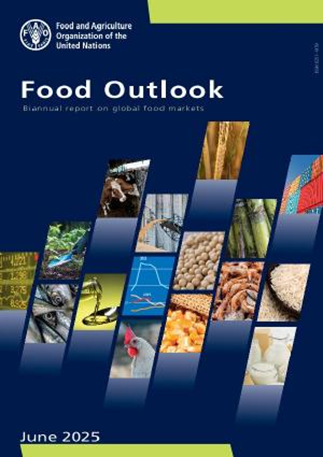
FAO’s Publication on Food Outlook – Biannual Report on Global Food Markets: A Few Important Points

Prof Shankar Chatterjee, Hyderabad
Food is essential for the survival of all human beings. After the birth of a baby, the mother offers her milk. Food aids the body in building bones, maintaining muscle function and growth, facilitating breathing, producing energy, synthesizing hormones, and processing information in the brain. Everyone needs food, oxygen, and water for life. A few information from the “Food Outlook – Biannual report on global food markets published by the Food and Agriculture Organization (FAO), 2025”, are presented here so that academicians, research scholars, policy makers, and other stakeholders can use for academic activities.
The Food Outlook is a biannual publication (issued in June and November) that focuses on developments affecting global food commodity markets. FAO’s latest assessments indicate a relatively optimistic outlook for food commodity markets, with production and trade of all commodities, except sugar, anticipated to increase. However, this growth will have different impacts on stock recovery, influenced by the delicate balance between supply and demand. Global food commodity production remains vulnerable to weather conditions. Additionally, ongoing geopolitical tensions, uncertainties in policy developments, and potential retaliatory actions could negatively affect the trade outlook. In addition to market assessment, each edition contains a set of special features and market indicators.
A) Cereals: Forecast at 2,911 million tonnes, world cereal production (including rice in milled equivalent) is expected to reach a record level in 2025, surpassing the 2024 output by 2.1 percent. Production of all major cereals is anticipated to rise, with the most significant year-on-year increase (in percentage terms) forecast for maize and the smallest for wheat. Maize, rice, and sorghum outputs are all predicted to reach new record highs. World cereal utilization is forecast to increase by 0.8 percent in 2025/26, reaching 2,898 million tonnes. Global food consumption of cereals is predicted to grow by 0.9 percent from 2024/25, while feed use is forecast to expand by 0.5 percent, with increases expected for all major cereals. Other uses of cereals are projected to rise by 1.0 percent, primarily driven by increased demand for wheat and rice. With world cereal production expected to exceed utilization in 2025/26, world cereal stocks are predicted to expand by 1.0 percent (8.4 million tonnes) above their opening levels to 873.6 million tonnes.
B) Meat and meat products: World meat production is forecast to expand in 2025, albeit at a slower pace than in recent years, increasing by 0.6 percent year on year to reach 380 million tonnes (carcass weight equivalent). This growth will be primarily driven by an expected expansion in poultry meat output, while production of pig and ovine meats is expected to register only marginal increases. Global pig meat output is forecast to rise slightly, reflecting modest herd expansions. The global meat trade is forecast to grow by 1.3 percent in 2025, reaching 43 million tonnes —a significant slowdown compared to the estimated 4.7 percent growth in 2024.
C) Fish and other aquatic products: Output from fisheries and aquaculture is projected to rise by 2.9 million tonnes, or 1.5 percent, to 196.6 million tonnes in 2025, year-on-year. Aquaculture is forecast to expand by 2.6 percent to 104 million tonnes, mainly driven by recent harvests of warm-water shrimp and carp. The volume of capture fisheries is expected to edge up by only 0.3 percent to 92.6 million tonnes. Although the fishmeal supply has stabilized after strong catches of Peruvian anchoveta, fish oil supplies remain tight. The value of world trade in aquatic animal products is forecast to rise by 1.7 percent to USD 183.8 billion in 2025, while trade volumes are expected to increase by only 0.5 percent.
D) Milk and milk products
World milk production is forecast to reach 992.7 million tonnes in 2025, representing a 1.0 percent year-over-year increase and marking a second consecutive year of modest growth. Increases in Asia are expected to drive the global growth, driven by continued herd expansion and gradual productivity gains in Bangladesh, India, and Pakistan.
Since the article is based on the FAO’s report, the data can be used in research papers as a credible source.

Maharaja Nandakumar, A Heroic Death and an Unsung Hero: First Indian Hanged by the British because of the politics of Warren Hastings

A great personality and freedom fighter once said, ‘What Bengal thinks today, India thinks tomorrow.’ Presently, it isn’t easy to understand.
After 34 years of rule by the Left Front Government in West Bengal (WB), industrial development suffered badly. One example I am citing out of many. “In the last three years (it means 2011,2012 & 2013), 90 large industries have closed down, including 26 jute mills and 28 tea gardens (Article by Sumit Mitra, The Economic Times, Aug 12, 2014).
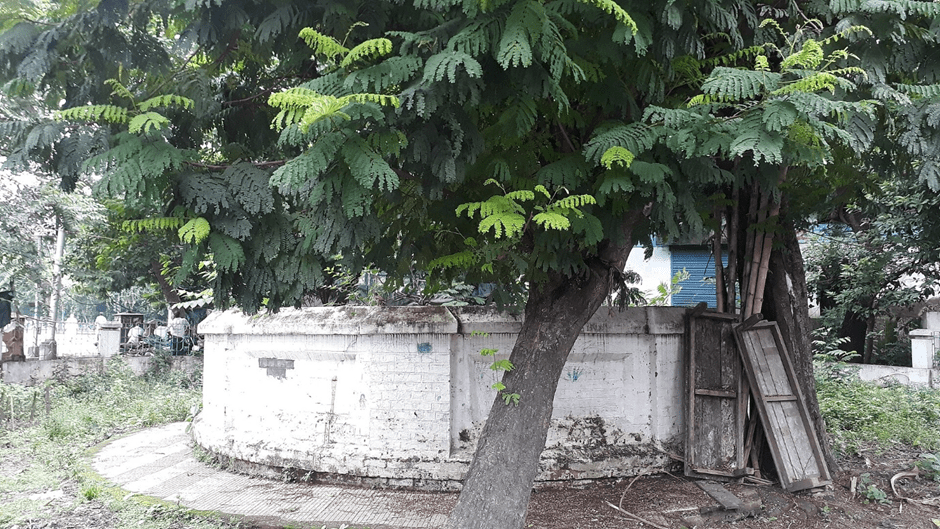
Anyway, I visited WB for academic activities on a few occasions and came to know that, in general, the people are called ‘Bhadraloks,’ meaning thorough gentlemen. The ‘Bhadraloks’ with great hope, hype, and hoopla changed the Leftist Government, and thus, the new Government (present government) came to power. However, from time to time, many leaders of the present Government have proved that the State has been passing through awful days due to severe corruption. So many uncultured things have been happening in a so-called ‘Cultured State’ where once upon a time, many stalwarts were born. Anyway, I wondered why a heroic person, Maharaja Nandakumar, the first Indian whom the British Raj hanged through manipulation (an unsung hero), as his hanging site (hanging-well) in Kolkata is neglected, shabby, and encroached. But near his hanging site, an enormous statue of Warren Hastings can be found. Maharaja Nandakumar— a tax collector during the British Raj — was hanged on August 5, 1775. He was the first Indian to be hanged by the British. A few lines about Maharaja Nandakumar are presented here by referring to Wikipedia, org/wiki/Maharaja_Nandakumar, “Maharaja Nandakumar (also known as Nuncomar; 1705 – died 5 August 1775) was an Indian tax collector for various regions in what is modern-day West Bengal. Nanda Kumar was born at Bhadrapur, which is now in Birbhum. The East India Company appointed Nandakumar to be the Dewan (tax collector) for Burdwan, Nadia, and Hooghly in 1764, following the removal of Warren Hastings from the post. In 1773, when Hastings was reinstated as Governor-General of Bengal, Nandakumar brought accusations against him of accepting or giving bribes that were entertained by Philip Francis and the other members of the Supreme Council of Bengal. However, Hastings overruled the council’s charges. Thereafter, in 1775, he brought charges of document forgery against Nandakumar. The Maharaja was tried under Elijah Impey, India’s first Chief Justice, and a friend of Warren Hastings, and was found guilty and hanged in Kolkata/Calcutta on 5 August 1775.”
Notorious and corrupt Warren Hastings did all his mischief to hang Maharaja Nandakumar. It is pertinent to mention that the title “Maharaja” was conferred on Nandakumar by Shah Alam II in 1764. He was appointed Collector of Burdwan, Nadia, and Hugli by the East India Company in 1764, in place of Warren Hastings (source: Wikipedia).
I request that the intellectuals of the State of West Bengal, members of civil society, NGOs, and other rational people look into the issue: Maharaja Nandakumar’s hanging site should be developed. His statue should be placed there with his name and a description of his activities. If possible, the corrupted, criminal-minded statue of Warren Hastings should be removed from the vicinity.
Prof Shankar Chatterjee, Hyderabad

(The execution well of Nandakumar in the Hastings neighbourhood of Kolkata/Calcutta)

Congratulations to Chief Justice of India (CJI) Bhushan Ramkrishna Gavai: First Buddhist & Second Scheduled Caste (SC) CJI

Bhushan Ramkrishna Gavai, popularly known as BR Gavai, took oath as the 52nd Chief Justice of India. Justice Gavai was elevated as a Judge of the Supreme Court on May 24, 2019.  He took oath on May 14, 2025, and is the first Buddhist (by faith) to lead the nation’s judicial system in the coveted post. He is the Second Scheduled Caste (SC) after K. G. Balakrishnan to head the Indian judiciary. As an Indian and senior citizen, I am proud of him when I observed on TV channels that he touched his mother’s feet to take her blessings, which indicates his value and high character. Notably, our most significant strength is our democracy because of our Constitution, which was formulated under the leadership of Dr Ambedkar Sab. I wish to mention here at the same time that India and Pakistan gained independence in 1947, but Pakistan had a fragile democracy, so from time to time, it experienced army rule, and in 1971, Bangladesh was created.

On the other hand, India is a pluralistic society with different religions, cultures, languages, castes, etc.; people live amicably. Even Chinese, Europeans, and many Muslims praised India because of its diversity, as I was in many countries as a resource person. I wish to add a few lines about Justice Gavai (source: http://www.news18.com/, Mahima Joshi ). He was born on November 24, 1960, in Amravati, Maharashtra. He enrolled as a lawyer on March 16, 1985, and worked with the late Raja S Bhonsale, former Advocate General and High Court judge, until 1987.

 He started independent practice at the Bombay High Court in 1987 and appeared before the Nagpur Bench from 1990 onward. Justice Gavai was then appointed Assistant Government Pleader and Additional Public Prosecutor at the Bombay High Court, Nagpur Bench, in August 1992, and later became the Government Pleader and Public Prosecutor in January 2000.

He was elevated as an Additional Judge of the Bombay High Court in November 2003 and became a permanent judge on November 12, 2005. During his tenure, he presided over benches at Mumbai, Nagpur, Aurangabad, and Panaji and handled cases of different types. 

It is worth mentioning that during his tenure as an apex court judge in the last six years, Justice Gavai was part of around 700 benches dealing with matters about a range of subjects.

 I congratulate him on his new assignment and hope he will bring more and more laurels through his activities.

Prof Shankar Chatterjee, Hyderabad

Salute to Supreme Court Verdict: West Bengal Teachers’ Recruitment Scam

The Supreme Court, on April 3, 2025, invalidated the appointment of 25,753 teachers and other staff in West Bengal in state-run and state-aided schools and termed the entire selection process “vitiated and tainted,” which means corruption was involved.

Corruption, as defined by the United Nations Office on Drugs and Crime (UNODC), is the abuse of entrusted power for private gain. There are four types of corruption outlined by the UNODC:

  1. Gaining Favor,
  2. Accepting Bribes,
  3. Misappropriating Property or Authority
  4. Breaching Public Trust.
    The unfortunate level of corruption was observed in West Bengal, where many ruling party leaders were involved and prosecuted from time to time. April 3, 2025, is a historic day as the Supreme Court upheld the Calcutta High Court order, canceling the appointment of more than 25,000 teachers and non-teaching staff under the West Bengal School Service Commission (WBSSC). The Supreme Court mentioned that the entire selection process is “vitiated by manipulation and fraud” and its credibility and legitimacy “denuded.” Here, each word carries a deeper meaning of corruption. The bench of Chief Justice of India Sanjiv Khanna and Justice PV Sanjay Kumar said there was no reason to interfere with the High Court order. The court said the appointments resulted from cheating and were thus fraudulent. While promulgating the verdict, the court observed, “In our opinion, this is a case wherein the entire selection process has been vitiated and tainted beyond resolution. Manipulations and frauds on a large scale, coupled with the attempted cover-up, have dented the selection process beyond repair and partial redemption. The credibility and legitimacy of the selection are denuded,” the court said in its order. The court noted that the candidates not explicitly found to be tainted won’t have to refund the salaries they have received over the years. “However, their services will be terminated. Furthermore, no candidate can be appointed once the examination process and results have been declared void.”
    The West Bengal Government challenged the High Court order in the Supreme Court and pressed for the segregation of tainted and untainted candidates. I wonder why the State Government used the words ‘segregation of tainted and untainted candidates.’ This means many in the State were aware of corruption in the selection process. It may be mentioned from the website ‘ddnews.gov.in/’ on April 22, 2024, the Calcutta High Court’s division bench, led by Justice Debangsu Basak and Justice Shabbar Rashidi, had cancelled 25,753 appointments made by WBSSC. The ruling came after it was found that many of these appointments were tainted by corruption, with candidates allegedly securing jobs by paying money, making it impossible to distinguish between legitimate and ineligible applicants. Further, by quoting the website, it is noteworthy to mention that Bikas Ranjan Bhattacharya, a senior advocate in the Calcutta High Court and Rajya Sabha member from CPI(M), expressed regret that some “eligible” candidates would suffer due to the ruling. He stated that the scale of corruption in the recruitment process made it impossible to separate genuine candidates from ineligible ones. “The nature of institutional corruption in the entire selection process was so rampant that it became impossible to segregate the ‘genuine’ candidates from ‘ineligible’ candidates. The apex court repeatedly questioned WBSSC on whether such segregation was possible or not, but the Commission was unable to come up with any definite answer,” Bhattacharya said.
    The worst level of corruption occurred because ordinary people /Aam Admi suffered. Unfortunately, many genuine candidates suffered because of corruption by some WBSSC officials. When the next teacher selection occurs, I suggest the Supreme Court or High Court monitor the selection process; otherwise, corruption may crop up again because it is an easy way to earn money.
    Prof Shankar Chatterjee, Hyderabad

Salute to the Revolutionaries: ​The Kakori Train Action

I am a senior citizen, and in my school days, in different classes, I read that India had freedom because of ‘mainly two families’, which is known to all. However, the historical fact is that millions of people participated in the freedom movement. Of them, many lost their lives, were physically disabled, or suffered in many ways.
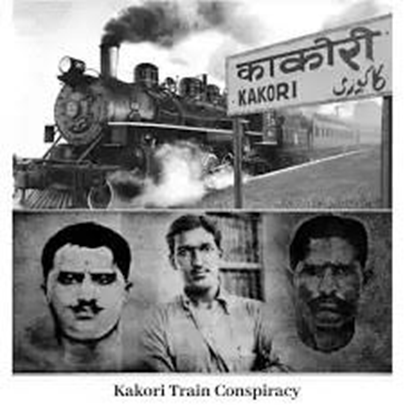
I am highlighting the Kakori Train Action case, a train ‘robbery’ committed by the revolutionaries of the Indian independence movement against the British Raj on August 9, 1925, in a village called Kakori near Lucknow. I visited the place when I visited Lucknow for some academic activities. My eyes were full of tears as young people were hanged because they were against colonial rule (British rulers). The British rulers came thousands of miles away to exploit Indian resources, including human resources. Anyway, the Kakori Train Action was carried out by ten revolutionaries, including Hindustan Republican Association’s (HRA) revolutionary Ram Prasad Bismil, Ashfaqulla Khan, Rajendra Lahiri, Keshav Chakraborty, Mukundi Lal, and Banwari Lal. Hindustan Republic Association (HRA) was formed 1923 by Ram Prasad Bismil. Later, it was renamed as Hindustan Socialist Republican Association (HSRA). Ram Prasad Bismil, Ashfaqulla Khan, Rajendra Lahiri, Chandrashekhar Azad, Sachindra Bakshi, Keshab Chakravarty, Manmathnath Gupta, Murari Lal Gupta (Murari Lal Khanna), Mukundi Lal (Mukundi Lal Gupta) and Banwari Lal were the leading revolutionaries involved in the Kakori Incident. The freedom fighters Ram Prasad Bismil, Ashfaqullah Khan and Roshan Singh were hanged on December 19, 1927 for their involvement in the Conspiracy. On 19 December 19, 1927, Ram Prasad ‘Bismil’ was hanged at Gorakhpur Jail, Roshan Singh at Naini Allahabad Jail, and Ashfaqulla Khan at Faizabad Jail. They were all in their late 20s or early 30s. It is pertinent to mention that Rajendra Nath Lahiri, known simply as Rajendra Lahiri, was hanged in the Gonda district jail on December 17, 1927, two days before the scheduled date. The martyrs are remembered today as symbols of courage and sacrifice. They placed freedom and patriotism above their comfort and lives.
I am a senior citizen, and although the British Raj killed them, they are still in the hearts of many Indians today.
I offer them my Pronam because we now live in a democratic country and because of the sacrifices made by millions of freedom fighters, including them.
Prof Shankar Chatterjee, Hyderabad

Salute to Rani Chennamma of Princely State Kittur: Presently Part of Karnataka State

 For the independence of the country from the British rulers, from time to time, many people fought and sacrificed their lives. Unfortunately, in the school history books, a few family’s names are highlighted as if, for them, India got her independence. In this article, I am presenting the case of Rani Chennamma, who bravely fought against British rule, but her great sacrifice was not highlighted in our history books across the country. 

Indians will not forget the valour of Queen/Rani Chennamma.  She was born on October 23, 1778, in Kakati village in the present Belagavi district of Karnataka in the Lingayat community and received training in horse riding, sword fighting, and archery from a young age. At the age of 15, her marriage was performed with King/Raja Mallasarja of the Desai family, who ruled the princely state until 1816.  Chennamma’s husband died in 1816, leaving her with a son and a state full of volatility. Later on, in 1824, her son died. Rani Chennamma was left with the State of Kittur and the great task of maintaining its independence from the British. Following the death of her husband and son, Rani Chennamma adopted Shivalingappa in 1824 and made him heir to the throne. This irked the East India Company, who ordered Shivalingappa’s expulsion. The State of Kittur came under the administration of the Dharwad collectorate in charge of St John Thackeray, of which Mr. Chaplain was the Commissioner; both of them did not recognise the new ruler and notified Kittur to accept British control. Because Lord Dalhousie the Governor General of India, introduced a policy called ‘The Doctrine of Lapse’   to annex the independent Indian States from 1848 in case the ruler of an independent princely state died childless. In 1823, Rani Chennamma sent a letter to Mountstuart Elphinstone, Lieutenant-Governor of the Bombay province, pleading her case, but the request was turned down, and war broke out. Rani Chennamma retaliated and killed a British official to protect and safeguard her homeland. She was trained in martial arts and military tactics and was a formidable leader. She led her army into battle, using guerrilla warfare tactics to surprise the British forces. The war lasted several days, but ultimately, the British could succeed due to their superior firepower. In the first war, during October 1824, British forces lost heavily, and St John Thackeray, collector and political agent, was killed in the war.  Two British officers, Sir Walter Elliot and Mr Stevenson, were also taken as hostages. Rani Chennamma released them with an understanding with the Chaplain that the war would be terminated, but the Commissioner Chaplain continued the war with more forces. During the second war, the sub-collector of Solapur, Munro, nephew of Thomas Munro, was killed. Rani Chennamma fought fiercely with the aid of her deputy, Sangolli Rayanna, but was ultimately captured and imprisoned at Bailhongal Fort, where she died on February 21, 1829, due to her health condition. Despite her capture and imprisonment in Bailhongal Fort (Belagavi, Karnataka), Rani Chennamma’s spirit remained unbroken.

 She became a symbol of courage and defiance. In 2007, the Indian Government honoured her by issuing a postage stamp. It is pertinent to mention that many Kannada folk songs  (Lavanis)  are recited that fondly remember Rani Chennamma as a protector and guardian. 

Regarding ‘Lavani’, it may be mentioned that it is a vibrant and expressive folk song with its roots in the cultural heritage of Maharashtra but has also found a place in certain parts of Karnataka. The word ‘Lavani’ is derived from the Marathi term “Lavanya,” which means beauty.

My salute to such a great Rani. She was a genius Rani endowed with much prowess, and her bravery is a source of inspiration irrespective of gender.

Prof Shankar Chatterjee, Hyderabad

Issues related to countries of Sub-Saharan Africa

 In the last few years, the countries of Sub-Saharan Africa have been in the news because of humanitarian problems.

According to the World Bank (live.worldbank.org/en/), more than half a billion people in Sub-Saharan Africa are at risk of being left behind without electricity by 2030, with nearly 400 million living in countries subject to fragility, conflict, and violence. Africa is where the energy access battle will be won or lost. Without access to reliable, affordable, and sustainable energy, the region will not reach its development aspirations or achieve an economic transformation that can lift millions out of poverty. In this regard, I am presenting a few lines about the countries of Sub-Saharan Africa. 

Together with partners, the World Bank Group has already begun efforts to deploy innovative financial and technical solutions essential for accelerating electrification rates that outpace population growth. I hope the World Bank will be successful in its endeavours.

 Sub-Saharan Africa is the part of the African continent south of the Sahara Desert. It consists of the overwhelming majority of Africa’s landmass. It also includes most of the countries and people of the continent. It has many geographic features, including the Sahel region, savannahs, arid lowland terrain, and tropical rainforests. It also includes the longest rivers and largest lakes on the continent. According to the United Nations Geoscheme, Sub-Saharan Africa is divided into Four subregions: West Africa, Middle Africa, East Africa, and Southern Africa (worldatlas.com/regions/sub-saharan-africa).

 West Africa is comprised of 16 countries. The northern portion of the subregion includes the Sahel region, which is the semi-arid strip of land that separates the Sahara Desert in the north from the savannahs to the south. Some West African countries, including Nigeria, Togo, Ghana, Cote D’Ivoire (Ivory Coast), Liberia, Sierra Leone, and Guinea, are home to tropical rainforests. West Africa is also the subregion in which the Niger River, the third longest river in Africa, flows. It begins in Sierra Leone, flowing through the countries of Guinea, Mali, Niger, and Nigeria, all the way south to the Nigerian region of the Niger Delta, where it empties into the Atlantic Ocean.

Middle Africa is comprised of the central part of the African continent. The subregion consists of 9 countries, of which the Democratic Republic of the Congo (DRC) is the largest, and the island country of Sao Tome and Principe is the smallest. Middle Africa has the largest tropical rainforest area on the continent. East Africa consists of 18 countries. The mountainous Horn of Africa, including Eritrea, Ethiopia, and Djibouti, is the northernmost part of the subregion. Southern Africa is the smallest of the Sub-Saharan African subregions. It comprises five countries, with South Africa being the largest and Eswatini being the smallest.

According to the World Economic Forum on Africa, there are five major problems in Sub-Saharan Africa. These are – a)Unemployment and underemployment, b)Underinvestment in infrastructure, c) Fiscal crises (Debt crises), d)Political change, “Failure of national governance,” and e) Climate change.

A few years ago, as a resource person, I visited some countries in Africa and observed that the availability of safe water was a serious issue, unemployment was high, and industrial development in many countries was at a low ebb. But the people of Africa like and respect Indians, as many Indians work in different teaching jobs. Indian Hindi songs and movies are popular in many countries. The people like Indian goods than Chinese goods. I suggest our Indian Government should take the initiative to enhance exports to African countries wherever feasible. 

Prof Shankar Chatterjee, Hyderabad 

Shaheed Diwas March 23, 2024: Supreme Sacrifice of Great Patriots Bhagat Singh, Shivaram Rajguru and Sukhdev Thapar

 Every year, March 23 is observed as Shaheed Diwas because, on this date in 1931, Bhagat Singh, Shivaram Rajguru, and Sukhdev Thapar were hanged
by the British Government for their participation in the
freedom movement. My salute to three valiant patriots who were hanged
to death by the British rulers in Lahore jail. Our history books highlight a few names as if they only contributed to the freedom
movement.  

On April 8, 1929, they
threw bombs at the Central Legislative Assembly while shouting the slogan –
Inquilab Zindabad 
and killing John P Saunders, a British police
officer. It may be mentioned that any sort of killing is undesirable but during
British rule in India they (British) treated Indians with imperialistic
attitude, the reason is obvious as British came thousands mile away with the
attitude of exploiting our resources including human resources. 

Because of the freedom movement and the effect
of the Second World War, they left India by partitioning India based on
religion. Also, the Naval Mutiny/Revolution in 1946 upset the British
Government.   Both the INA (Indian
National Army) trials and Subhas Chandra Bose’s personality served as
inspiration for the strikers of the Indian Naval force in Bombay. The
strike quickly became a public rebellion as more cities joined the Bombay
sailors. Food and living circumstances were the revolt’s immediate concerns.
There were 66 ships and shore services with sailors from Calcutta, Karachi,
Poona, Vizag, Cochin, Madras, Mandapam, and the Andaman Islands participating.
There was a lot of tension in Bombay, in particular. Anyway, the rest is
history, as some top leaders of United India did not support the sailors. 

Anyway, I wish to highlight a few lines about
the background of the killing of John P Saunders by Bhagat Singh and his
associates. In 1928, the British Government set up a commission headed by John
Simon to report on the political situation in India. The political parties of
India boycotted the Commission, and in many places, protests erupted because
the Commission did not include a single Indian as a member. When the
Commission visited Lahore on October 30, 1928, Lala Lajpat Rai led a
non-violent march in protest, and the protesters uttered, “Simon go-back.”
Then, the superintendent of police, James A. Scott, ordered the police (most of
the police personnel were Indian) to lathi (baton) charge among the protesters.
It is believed that Scott personally assaulted Lala Lajpat, and later on,
Lajpat died. This incident created severe resentment among Indians. To take
revenge, Bhagat Singh and Shivaram Rajguru shot and killed Assistant
Superintendent of Police John Saunders on December 17, 1927. Sukhdev Thapar and
Chandrashekhar Azad supported them in this act. However, their original target
was not Saunders but James Scott, who ordered a lathi charge. Because of the
slow pace of the legal proceedings, a special tribunal, consisting of Justice J
Coldstream, Justice Agha Hyder, and Justice G.C. Hilton, was set up on the
directives of the Viceroy, Lord Irwin, on May 1, 1930. The tribunal
delivered its 300-page judgment on October 7, 1930. The tribunal confirmed the
involvement of Bhagat Singh, Sukhdev Thapar, and Shivaram Rajguru in the
Saunders murder. On March 23,  1931, Bhagat Singh, Rajguru, and Sukhdev
were hanged in Lahore Jail.

Before their death, they chanted, ‘Inquilab
Zindabad’ and ‘Down with British Imperialism’. A famous quote from Bhagat Singh is, “They may kill me, but they cannot kill my ideas. They can crush my body, but they will not be able to crush my spirit”. At the time of execution, Bhagat
Singh and Sukhdev Thapar were just 23 years old, and Shivaram Rajguru was only
22. 

Prof Shankar Chatterjee, Hyderabad 


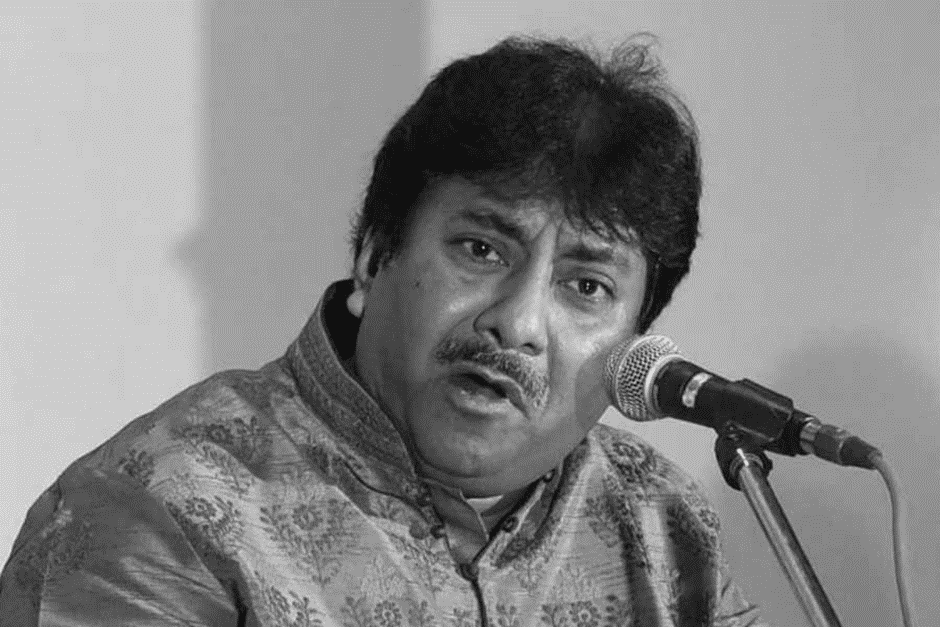
India Lost a Great Classical Singer: Ustad Rashid Khan

  Music is one of the entertainment areas which almost all the people in the world like. The music of India includes multiple varieties of classical music, folk music, film, and Indian pop. It is noteworthy to mention that  Indian classical music is divided into two main traditions: Carnatic and Hindustani. Folk music is an important part of India’s musical heritage and is characterized by its unique rhythms, melodies, and lyrics. One of the famous names in classical music is Ustad Rashid Khan. The great classical singer Ustad Rashid Khan, who was undergoing treatment at a Kolkata hospital for prostate cancer, died on January 9, 2024. The classical singer was 55 years old. He is survived by his wife, two sons, and a daughter. The singer was born on July 1, 1968, at Badayun, Uttar Pradesh. He received his initial training from his maternal grand-uncle, Ustad Nissar Hussain Khan. Rashid Khan was also the nephew of Ustad Ghulam Mustafa Khan. The singer, who belongs to the Rampur-Sahaswan Gharana, is the great-grandson of Gharana founder Inayat Hussain Khan.  All these reveal the fact that Ustad Rashid Khan’s family members were associated with music generation after generation. It is pertinent to mention that Rashid Khan performed his first concert at the age of eleven years, and in 1978, he performed at an ITC concert in New Delhi. In April 1980, when Nissar Hussain Khan moved to the ITC Sangeet Research Academy (SRA), Calcutta/Kolkata, Rashid Khan also joined the academy at the age of 14 years. Thus, throughout his life, he was a popular classical singer.   Rashid Khan is best known for the Kareena Kapoor-Shahid Kapoor film  Jab We Met’s superhit song Aaoge Jab Tum.  Also, he has sung in many films, and I have listened to his Rabindra Sangeet (songs written by Rabindranath Tagore), which is excellent.  The sudden demise of great classical singer Ustad Rashid Khan is a great loss in the music world of the country as he passed away only at the age of 55 years. Rashid Khan was awarded the Padma Bhushan.  He received the Padma Shri and the Sangeet Natak Akademi Award in 2006. As per the latest news, his last rites will be performed in his native village of Uttar Pradesh, where his mortal remains will be buried. 

Prof Shankar Chatterjee, Hyderabad 

A Few Facts about ‘Ayyappa Puja’ Celebrations: My Experience in Hyderabad, India

 India is one of the most ethnically diverse countries in the world. It is a pluralistic society that in no other countries can be found. Besides its many religions and sects, India is home to many castes, tribes, and linguistic groups. Religious minorities of all sects, including Muslims, Christians, Sikhs, Buddhists, and Jains, still account for a significant proportion of the population. All the festivals of different religions are observed with full gaiety in India. As per the Hindu religion, also known as ‘Sanatan dharma,’ many celebrations and Pujas are performed. The people in the world are aware of Ganesh Chaturthi, Diwali, Dusshera/Durga Puja and other celebrations. In addition, many devotees, mainly from the southern part of India, visit ‘Sabarimala Sree Dharma Sastha Temple’, dedicated to Bhagawan Ayyappa/ Ayyappan, which is the most famous and prominent temple located in Kerala. The temple is situated on a hilltop (about 3,000 feet above sea level) named Sabarimala in Pathanamthitta district. There is a place near the temple, east of Sannidhanam (the abode of Bhagawan Ayyappa), dedicated to Vavar (a close friend of Bhagawan Ayyappa) which is called Vavaru Nada, an epitome of religious harmony.

Anyway, before going to Sabarimala, devotees/ pilgrims have to observe celibacy for 41 days. I wish to mention that those who observe for 41 days take ‘Mala,’ which means they must follow some rules and regulations. Further, instead of calling by the name of a person, addressed as ‘Swami. Once taking ‘Mala,’ the devotee has to observe certain principles. These inter alia are- sleeping on the ground, wearing a special blackish dress, moving bare-foot (no chappal, etc. wear), one-time food, i.e., lunch with rice and other vegetarian items, in the evening as tiffin other items not rice, of course, fruits can be taken anytime and no non-veg during this 41-day. All gents, irrespective of age are allowed to visit the Sabarimala temple, and girls before puberty can visit and take ‘Mala’. 

I am from the eastern part of India, but last three decades, I have been living in Hyderabad. After I retire from the Central Government Institute, Hyderabad, I am staying by purchasing a villa in the Suncity of Hyderabad, which is known as ‘Libdom Villa Campus’ Raj Reddy Valley. This is spread over an area of 17 acres with all modern facilities. It is pertinent to mention that Libdom has been derived from two words – Liberty, ‘Lib’ and Freedom, ‘Dom’ and finally, the word is  “Libdom.” Around 190 families stay on the campus, representing a mini-India as people from different states live here. Also, people have different faiths, so all the festivals of different religions are celebrated with gaiety. 

On this campus, some people, from time to time, took ‘Mala’ as part of Ayyappa puja to visit Sabarimala.

 In 2023, I had the opportunity to visit two families because, as a part of the visit to Sabarimala, they invited two different periods for Prasadam and lunch as a part of Puja celebrations. It is pertinent t to mention that inviting lunch as a part of puja celebrations to ‘Swamis’ and guests is not mandatory. According to economic capability, anyone can do it. Anyway, One was by Mahesh Reddy (49 years), who himself took ‘Mala,’ and another was by Rudrasena Reddy (47 years), whose two sons, namely, Rishikesh Reddy (20 years) and Akhilesh Reddy (17 years), accepted ‘Mala.’ As a part of the puja celebration, both (Mahesh Reddy and Rudrasena Reddy) on different days invited my family members and me, along with ‘many ‘Swamis’ and guests. From morning onwards, ‘Bhajan -kirtan’,(“singing to glorify God/Bhagawan), mainly focussing on Ayyappa, started followed by ‘Aarati ‘and other rituals’. After completing all the rituals, lunch, with many items (all vegetarians), was offered to the guests, and initially, ‘Swamis’ were served food; later, other guests were served lunch. I was told many ‘Swamis,’ instead of staying in their home, stay in temples day and night, and thus, they spend 41 days in temples where there are provisions for sleeping and cooking for all. They take common food and pass the timeby chanting ‘bhajans’ etc. 

I have presented brief facts based on primary and secondary sources so that readers can understand ‘Ayyappa puja celebration’. 

Prof Shankar Chatterjee, Hyderabad


Corruption Playing Games in the ‘Culturally Advanced State’


After the change of left-front ruled government in West Bengal, the people of the State expected economic development at a rapid pace so that more employment would be generated, the purchasing power of the people would be enhanced, and there would be a ‘Multiplier Effect’ in the economy.  It is pertinent to mention that the State suffered from the day of partition because, after partition in 1947, millions of refugees came from East Pakistan and also later on from Bangladesh, so accommodating millions of refugees was an issue in the State. While I was in service because of academic activities, from time to time, I visited across the state and interacted with many people, irrespective of caste, creed, and religion, from North Bengal to South Bengal. All, in unison, told me they deserved economic development. Some of the major problems I observed in those days were high unemployment, erosion in some river belts, and poverty in many areas of North Bengal, Bankura, United Medinipur, etc. During the left-front rule, industrial development suffered from frequent strikes, lock-outs, etc. I learned that a great communist leader’s son is now an established businessman outside India. Anyway, in recent years, the way corruption has been playing in the State is deplorable (in Bengali, it may be said corruptioner Khela hochhe meaning corruption is playing the game). From secondary sources, I am presenting a few facts. The first is from India Today, New Delhi/Kolkata, July 23, 2022. The former “West Bengal Minister Partha Chatterjee’s close aide, Arpita Mukherjee, who had Rs 21 crore in cash at home, has been arrested. Partha Chatterjee was arrested by the Enforcement Directorate (ED) concerning West Bengal’s alleged teacher recruitment scam. The arrest comes just a day after Rs 20 crore was recovered from Arpita Mukherjee’s home”. As per The Hindu, August 16, 2023, “Firdous Samim, the advocate who is largely credited to unearth the scam by bringing the recruitment irregularities before the Calcutta High Court, takes a few moments to recollect the number of FIRs filed by the Central investigation agencies.” At least eight FIRs have been filed at various stages of recruitment by the Central agencies. There have been irregularities in the recruitment of teachers at primary, secondary, and higher secondary levels and the recruitment of Group C and Group D employment in State-run schools,” Mr. Samim said. It may be mentioned here that as per India Today, January 20, 2023, “more than Rs 100 crore was allegedly raised by TMC (Trinamool Congress) leaders from job aspirants to employ them as teachers and staff at state-run schools across West Bengal between 2014 and 2021″. The Enforcement Directorate (ED) arrested Trinamool Congress’s youth leader, Kuntal Ghosh, in connection with the teachers’ recruitment scam who amassed huge amounts of money and made flats, etc.  Unbelievable corruption has been taking place in the State. Another scandal case is related to Anubrata Mondal. As per News 18, August 11, 2022, “Senior TMC leader Anubrata Mondal was arrested by the Central Bureau of Investigation (CBI) in a cattle smuggling case.”  Saigal Hossain, the bodyguard of Anubrata Mondal, was arrested by CBI. “According to CBI sources, the central agency received information about six flats, including three in Newtown (Kolkata), owned by Saigal. Besides, a large amount of cash and gold were recovered from his flats. There were inconsistencies in almost all his statements, and he failed to justify the source of his income and wealth. Saigal is a constable with the state police and has been posted as a bodyguard of Mondal since 2012” (The India Express, June 11, 2022). Another name in the cattle smuggling case is Enamul Haque. “The Enforcement Directorate (ED) has arrested smuggler Enamul Haque in connection with the West Bengal cattle smuggling case”, (India Today, February 19, 2022).  It is noteworthy to mention that “Enforcement Directorate (ED) arrested a former Border Security Force (BSF) commandant, Satish Kumar, in West Bengal cattle smuggling case, that took place at Indo-Bangladesh International Border. Satish Kumar allegedly received Rs 12.8 crore from accused Md Enamul Haque in the accounts of his wife and father-in-law. ED had initiated its money laundering investigation based on FIR registered by CBI in 2020 against Satish Kumar, Md. Enamul Haque, Md. Anarul SK, Md. Golam Mustafa, officials of BSF and Indian Customs for being part of cattle smuggling racket” (India Today, April 25, 2022).  

 Now presenting the case of another minister who was arrested recently for a ration scam (food-related) is Jyotipriya Mallick. “Mullick, who presently holds the Forest portfolio and is a former minister for food and supplies, was arrested by the ED in the early hours of October 27, 2023” (The Telegraph online, November 6, 2023). According to the India Express, November 5, 2023, the names of Mallick’s two aides, Montu Saha and Kalidas Saha, surfaced during the interrogation of the minister and Kolkata-based businessman Bakibur Rahman”. All these reveal that many people were involved with different scams and earned huge amounts of money, made assets, etc, which they could do because of unbelievable corruption.

 I presented only some cases out of many cases inter alia, which are coal scams, sand scams, etc. These are from the so-called culturally and industrially advanced state, but now seems the State is advanced in corruption games. I observed in different print and social media that some ruling party leaders of the State, during the course of the discussion, highlighted cases from ‘BIMARU’ States, but I suggest them please do not look at negative States that are at low levels of development; look at positive things i.e., the States which have been developing. 

Shankar Chatterjee