Indian Cricket Team Lost The One Day International (ODI) Final: An Australian Cricketer Son-in-law of India


In games
and sports like cricket, football, hockey,  volleyball, basketball, etc,
one team will win by defeating another, so win and defeat are parts of games
and sports. On November 19, 2023, in the final, the Indian team was defeated by
the Australian team. Since the Indian cricket team won the Asia Cup and in this
World Cup, they were undefeated till the final match, so Indians with great
hope, desired that the team would win. Anyway, Australia played much
better than India if fielding, bowling, and batting were considered. But the
interesting point is that many Indians like me later on could know that
Australian cricketer Glenn James Maxwell’s wife is of Indian Origin (that is
Beti/daughter of India). That way, Glenn James Maxwell is the son-in-law
of India. His wife is Vini Raman, born in Melbourne,
Australia, on March 3, 1993. It is pertinent t to mention that the marriage was
on
 March 18,  2022 (as per Christian rituals in Australia )
and March 27,  2022 (as per Tamil rituals in Chennai)mil
rituals). Both wore Indian attire for the event, with Maxwell donning a
Sherwani. By quoting the website sportskeeda.com/cricket/glenn-maxwell-wife-vini-raman,
it is
noteworthy to mention that “Vini Raman is a Melbourne-based
pharmacist who was born and brought up in the city. She is one of the two
daughters born to a South Indian Hindu household. Raman is quite active on her
social media platform and likes to give a sneak peek into her life, which
involves her beau, Glenn Maxwell.  She rose to fame after Glenn Maxwell attended
the Australian Cricket Awards in 2019 hand-in-hand with his lady love. Her
favourite pastimes include swimming, travelling, and watching matches live from
the stadium”. Although Maxwell is a well-known personality among
cricket enthusiasts, his wife’s life is still not a popular name among Indians.
So, a few lines are presented here about her as he is of Indian origin
(source: crickettimes.com/2023/09). Her parents migrated from India to
Melbourne, and she has roots in South India. She is active on social
media, with over 1.9 lakh followers, and often shares a sneak peek into her
life. Vini and Maxwell were blessed with a male child named Logan Maverick
Maxwell on September 11, 2023. So,
Maxwell is the son-in-law of India and their marriage was performed in addition
to Australia in Chennai as per Tamil rituals.

Although
India has lost the ODI this time hope next time our team will win
with super performance in bowling, fielding, and batting. 

Prof Shankar Chatterjee, Hyderabad 


Use of Plastic Boon or Bane

 Nowadays, everyone uses plastic in different forms- plastic bags, plastic bottles, plastic containers, etc. Plastic items are easy to carry, so it has been accepted by the common people. But it has many awful effects also.  According to the United Nations Environment Programme (UNEP), “Every minute, the equivalent of one garbage truck of plastic is dumped into our ocean. Plastic pollution is a global problem. Approximately 7 billion of the 9.2 billion tonnes of plastic produced from 1950-2017 became plastic waste, ending up in landfills or dumped. Plastic pollution can alter habitats and natural processes, reducing ecosystems’ ability to adapt to climate change, directly affecting millions of people’s livelihoods, food production capabilities, and social well-being”. This is, in a nutshell, about the awful impact of plastic use. Keeping in mind of this, 

 In this article, a few points about the bad effects of plastic are highlighted, which have been collected from the website http://www.earthday.org/factsheets. As per the report, plastics are used in different forms- Disposable Plastic, Single-Use Plastics, Microplastics, and Drinking Water. 

 Disposable Plastic: 

1.    An estimated 583 billion plastic bottles were produced in 2021, against 100 billion produced five years ago. 

2.    In 2017, packaging production constituted the highest-demanded use for plastic, with 146 million metric tons used.

3.    Around the world, people litter more than 4.5 trillion cigarette butts yearly.

Single-Use Plastics: Around 380 million metric tons of plastic are produced yearly. It is noteworthy to mention that 8.3 Billion Metric Tons (9.1 BILLION US Tons) of plastic have been produced since plastic was introduced in the 1950s. The amount of plastic produced in a year is roughly the same as the entire weight of humanity. Human beings use about 1.2 million plastic bottles per minute in total. Approximately 91% of plastic is not recycled. Roughly half of our global annual plastic production is destined for a single-use product.

Plastic has been found at 36,000 feet (approximately 11km) in the Mariana Trench, meaning not even the deepest part of the world’s oceans can escape contamination.

Over 1 million marine organisms are killed each year due to plastic pollution in the ocean. 

The chances of disease on a coral reef are enhanced by 22-fold by plastics. In 2018, a huge survey of the 159 coral reefs across the Asia-Pacific region revealed the fact that over 11.1 billion plastic particles are entangling the corals, and this number is estimated to increase dramatically by 40% by 2025. 

Microplastics and Drinking Water: According to a study by Orb Media on plastics and tap water, around 83% of tested water samples from major metropolitan areas worldwide were contaminated with plastic fibers. Plastic fibers were also found in bottled water produced by 11 of the world’s largest brands purchased from 19 locations in nine countries. Around 93% of bottled water showed microplastic contamination, including polypropylene, nylon, and polyethylene terephthalate (PET).

Suggestions to Control Plastic Use: Given the above, I extend my suggestions here to control the use of plastic. Some of the suggestions are cloth bags may be used when we go to market for the purchase of fruits, vegetables, etc. When we are on tour, drinking water may be carried in metal containers.  In technically feasible production of soft cool-drink may be stopped. 

Prof Shankar Chatterjee, Hyderabad 

Meira Paibis of Manipur (Women torch bearers): A Few Facts

The north-east state of Manipur is endowed with scenic beauty and inhabited by wonderful peace-loving people. The state is nowadays in the news because of unfortunate conflicts that too among the local residents who lived generation after generation blissfully and peacefully. Before highlighting a few points about the recent issues, I wish to mention some points about Manipur based on the secondary source, viz.,britannica.com/place/Manipur.
It is pertinent to mention that the state has two major physiographic regions -the Manipur River valley and a large surrounding tract of mountainous country. The valley, encompassing around 1,787 square kilometres, runs north-south. Its main physical feature is Logtak Lake, which covers about 100 square kilometres and is the source of the Manipur River. The river flows southward through the valley into Myanmar, where it joins the Myittha River, a tributary of the Chindwin. The lake is really awesome when I visited the state some years ago. The hill ranges, linked by spurs and ridges, run north-south. These ranges include the Naga Hills to the north, the East Manipur Hills along the eastern Myanmar border, the Mizo and Chin Hills to the south and the West Manipur Hills to the west. Average elevations vary between 5,000 and 6,000 feet (1,500 and 1,800 metres), although the hills in the north rise above 9,500 feet (2,900 metres). In the west, the Surma River, known as the Barak River in Manipur, has cut a narrow steep-sided valley through the West Manipur Hills as it flows to join the Meghna River in Bangladesh. About the people of Manipur, it is pertinent to mention that the Meitei people represent around 53 percent of the population of Manipur, followed by various Naga ethnic groups at 24 percent and Kuki/Zomi tribes (also known as Chin-Kuki-Mizo people) at 16 percent. Agriculture and forestry are the primary sources of livelihood.
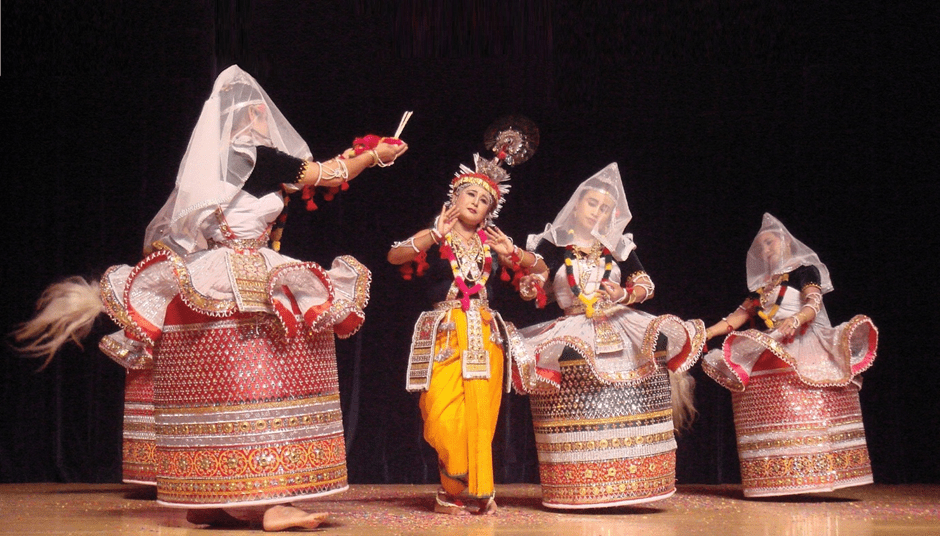
I had the opportunity to visit the state of Manipur from one corner to another on a few occasions and interacted with all sections of people and observed the people were peace-loving and friendly with the guests and outsiders. Almost all the women still today know weaving and in their kitchen gardens varieties of fruits and vegetables are grown mainly by the women. Also, the women of Manipur come forward in a group for any social issue particularly to address the issue (s) which is known as Meira Paibi/s (Women torch bearers). Based on Wikipedia it may be mentioned that Meira Paibis (Women torch bearers) is a women’s social movement in Manipur. Meira Paibi was established in 1977 in Kakching, Kakching district of Manipur. The women activists carry flaming torches and march through city streets, frequently at night doing patrol duty, and as a way of protest for seeking redress against human rights violations committed by paramilitary and armed forces units against the innocent (en.wikipedia.org/wiki/Meira_Paibi). The Manipuri Dance, also known as the ‘Manipuri Raas Leela’, is one of the eight major Indian classical dance forms, originating from Manipur. Anyway, in 2004, the Meira Paibis stunned the world by stripping naked outside a military camp in the capital, Imphal protesting against a rape case. A few days ago, Soutik Biswas, a Correspondent for BBC presented that “Ethnic violence continues to roil Manipur, nearly two months after clashes between the majority Meitei and tribal Kuki communities left more than 100 dead and displaced some 60,000. This is despite the presence of tens of thousands of security forces in the valley, inhabited primarily by the Meitei community, as well as in the hills, home to the Kukis”. Also as per Biswas report, “A recently shared video by the Indian army from the violence-wracked north-eastern state of Manipur captured a dramatic sequence of scenes. The two-minute 14-second footage shows unarmed women confronting soldiers on a busy street. Aerial shots show women gathering around an excavator on a disrupted road, a bustling mix of SUVs, cars, an ambulance speeding along a scenic valley route, and glimpses of agitated women” (bbc.com/news/world-asia-india).
I hope Kuki, Meitei, and also other communities as usual will live peacefully and blissfully. I humbly request all groups of Meira Paibis ( whom I as a very senior citizen consider as my sisters), politicians, NGOs, civil societies, and others to promote peace and tranquillity among the people by setting aside politics and other differences. Killing, arson, damage to properties, displacement of people, etc, are against humanity. We are all brothers and sisters. I remember the phrase Vasudeva Kutumbakam – sometimes spelt Vasudhaiva Kutumbakam which means “the world is one family.”

Prof Shankar Chatterjee, Hyderabad

Panchayat Election in West Bengal 2023: Bloodshed from the Day of Filing Nominations

Around one hundred years ago, Gopal Krishna Gokhale ji, a renowned patriot of India said “What Bengal thinks today, India thinks tomorrow.” The reason is that United Bengal produces/produced great personalities and stalwarts in all fields – games and sports, film, music, literature, politics, spirituality, etc. But the past glory in the present days has been fading. Whenever I visited across the State for academic activities in my service life, I was told “The people are Bhadralooks meaning gentleman to the core”. But in the last Assembly election in the State and this June 2023 during the filing of the nomination of the Panchayat election unprecedented violence took place in West Bengal and bloodshed and deaths which are very unfortunate also happened. As per India Today, New Delhi, June 19, 2023 “Ahead of the next month’s Panchayat polls in West Bengal, a cycle of violence has begun across the state, resulting in death and destruction, quite expectedly. Six people, including a ruling TMC worker, have been killed since the nominations began on June 9. Reports of violence have come from Cooch Behar, North and South 24 Parganas, Murshidabad, Birbhum, East Midnapore, and East Burdwan, among other places. Perhaps in no other Indian states, so much violence took place”. I feel this is a shame to “Bhadralooks”. Against this backdrop elections in Uttar Pradesh (UP) and Karnataka may be cited where there was no death or serious injury in recently completed elections. In UP, “In the Assembly elections of 2022, a total of 33 incidents of electoral violence took place. Of these 28 incidents happened before polling days and five happened on polling days in which no person was seriously injured or died,” Deccan Herald (March 9, 2022). In the recently held Assembly election in Karnataka, some minor incidents of violence took place but not a single case of death or serious injury was reported.
Anyway, observing huge violence during the filing of nomination in the Panchayat election in West Bengal, the election issue was State police or deployment of Central force, and finally, “The Supreme Court on Tuesday (20/6/23) refused to interfere with an order of the Calcutta High Court directing the State Election Commission (SEC) to requisition and deploy central forces across West Bengal for the July 8 Panchayat polls. The pleas were filed by the West Bengal Government and the State Election Commission. Holding an election cannot be a license for violence,” a vacation bench of Justice B V Nagarathna and Justice Manoj Misra observed during the hearing (Mid-day, 21/6/23). It is observed from India Today (21/6/23) that “the Supreme Court, on June 20, rejected the Mamata Banerjee government’s challenge to deploying of central forces for the election. The Mamata government and the State Election Commission had opposed the Calcutta High Court’s directive that security during Panchayat polls be handled by central forces”. In another development, the Panchayat polls in Bengal should be stopped if the bloodbath continues, the Calcutta High Court observed on June 21, 2023. The court was hearing a case in connection with the disappearance of names of candidates contesting the election. According to Justice Amrita Sinha “So much violence in panchayat polls. The poll should be stopped if the bloodbath continues.”
So, I suggest the Bhadralooks of West Bengal should take lessons from other states as killing, arson, injury, destruction of properties, etc., are highly deplorable in an election. Moreover, this is a state of “Bhadralooks”.

Prof Shankar Chatterjee, Hyderabad

A Great Developed Land Asset near Hyderabad: Kanha Shanti Vanam

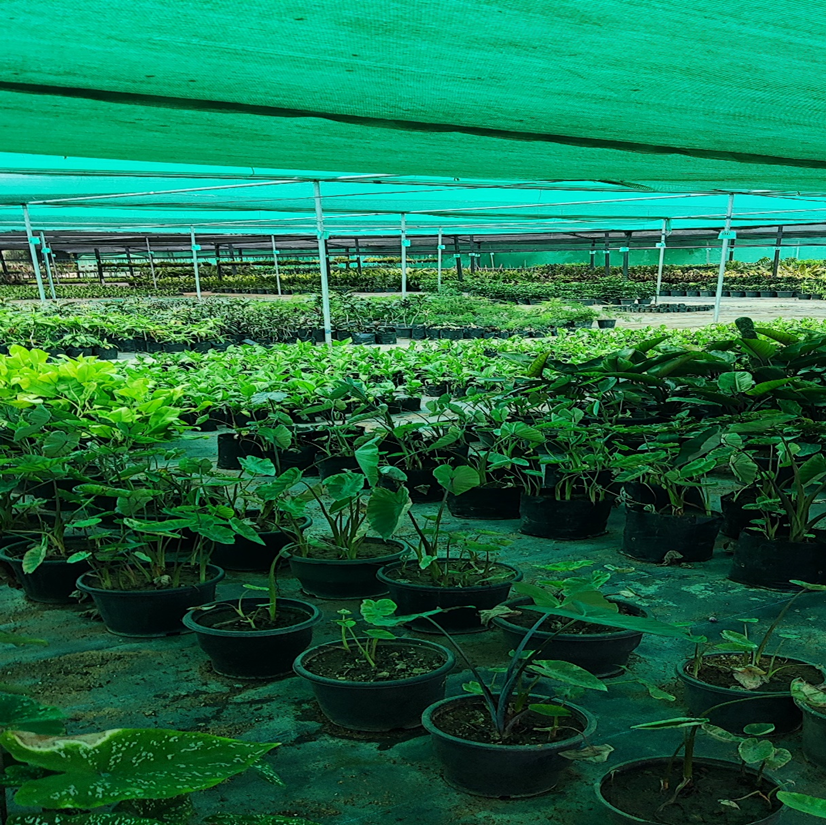
Hyderabad, a wonderful city and also a city of historical importance is popular in India and abroad because of many factors including educational institutions and medical tourism. In the vicinity of Hyderabad, many immovable assets mainly land assets which have been developed for different purposes are located. These attract Indians and foreigners. As an inhabitant of Hyderabad, I am proud of my city. Anyway, I am presenting a case which is known as Kanha Shanti Vanam. I visited the place on June 8, 2023, and spent the whole day there. Kanha Shanti Vanam is a spiritual center with an integrated township located around 25 kilometers away from Rajiv Gandhi International Airport, Hyderabad at Chegur village, Ranga Reddy District, Telangana. The Vanam is spread over an area of 1,200 acres of land. It provides many activities such as spiritual training and mentorship programmes, manages nurseries, shops of books and clothes, the canteen where varieties of foods both north Indians and south are available, etc. The Centre also boasts of environmental initiatives including water conservation and saving endangered plant species. It is pertinent to mention that more than 2500 species of plants of more than 300 plant families are available inter alia of which are aquatic plants, bonsai and medicinal plants, cycads, edible fruits, ornamental plants, shade-loving foliage, flowering plants, etc are available in the nursery. Further, it may be mentioned that as a part of its educational activities, the Heartfulness Institute has established the “Heartfulness Learning Center,” which intends to offer children from Pre-KG through Grade eight.
For the benefit of readers, I wish to mention the history of the place. Shri Ram Chandra Mission (SRCM) is a non-profit organization and a spiritual movement originating in India, which teaches the practice of “Sahaj Marg” or “Heartfulness Meditation”. It was registered in 1945 by Ram Chandra of Shahjahanpur, Uttar Pradesh but its headquarters is at Kanha Shanti Vanam, Kanha village, Ranga Reddy District Telangana. The organization was also registered as SRCM USA in California in 1997. Shri Ram Chandra Mission (SRCM) claims to have spread this system of meditation amongst millions of people across 160 countries. Internationally the place is popular. As per the statistics in Kanha Shanti Vanam, there is the largest meditation center in the world, accommodating 100,000 people at a time for meditation. The Organisation has established a medical center that has adequate medical facilities to assist the local people and visitors.
As a great achievement of the organization, the first-ever international conference on integrative health and wellbeing (IHW), took place at Kanha Shanti Vanam between 16 and 18 December 2022. The Conference combined traditional with integrative holistic approaches to health and wellness that were supported by research. Many prestigious national and international institutions provided support for the conference. There are dormitories, a large meditation hall, dining for 50,00 people, kitchens, toilets, and other facilities that could host a spiritual gathering of over 50,000 people. Many dignitaries visited the place. In December 2017, Ram Nath Kovind, the then Hon’ble President of India, E.S.L. Narasimhan, Governor of Andhra Pradesh and Telangana, visited SRCM’s Kanha Shanti Vanam Ashram and planted trees under the Green Kanha initiative.
This wonderful place is worth visiting. In addition to my visit and collecting information, the following websites have been consulted during the course of writing the article.

Prof Shankar Chatterjee, Hyderabad
References:
1) http://kanha.dev4srcm.org/the-kanha
2) https://en.wikipedia.org/wiki/Shri_Ram_Chandra_Mission

India is an invited country at the 49th G-7 Summit.: A Few Facts

The Prime Minister of India Narendra Modi is in Hiroshima, Japan, from May 19 to 21 where he represents India as an invited country at the 49th G-7 Summit. The G-7 Summit is a platform for India to take its many multilateral engagements forward. A few facts about G-7 may be mentioned here for the benefit of readers. The points have been collected from the website, http://www.g7hiroshima.go.jp/en/summit.
The G7 Summit is an international forum held every year for the leaders of the G7 member States viz., France, the USA, the U.K., Germany, Japan, Italy, and Canada (in order of rotating presidency), and the European Union (EU) and India is an invited country at the 49th G-7 Summit.
At the G7 Summit, the leaders share fundamental values such as freedom, democracy, and human rights, exchange views on important challenges the international community is facing at that time, such as the global economy, regional affairs, and various global issues, and issue a document as an outcome of such discussions. 
It may be mentioned here that in the 1970s, developed countries that faced various challenges such as the Nixon shock (1971) and the first oil crisis (1973) began recognizing the need to create a forum to comprehensively discuss policy coordination of macro economy, currency, trade, and energy, among others, at a leader’s level. Against this backdrop, proposed by then-French President Giscard d’Estaing, the first Summit was held in November 1975 at the Chateau de Rambouillet (located on the outskirts of Paris), with participation from six countries—France, the U.S.A., the U.K., Germany, Japan, and Italy. Since then, Summits have been taking place annually with rotating Presidencies. In 2023, as the G7 Presidency, Japan is hosting the G7 Hiroshima Summit. It has significant implications that the leaders of the G7 gather for discussions in Hiroshima, a city that has recovered from the catastrophic damage by an atomic bomb and which continues to seek lasting world peace.
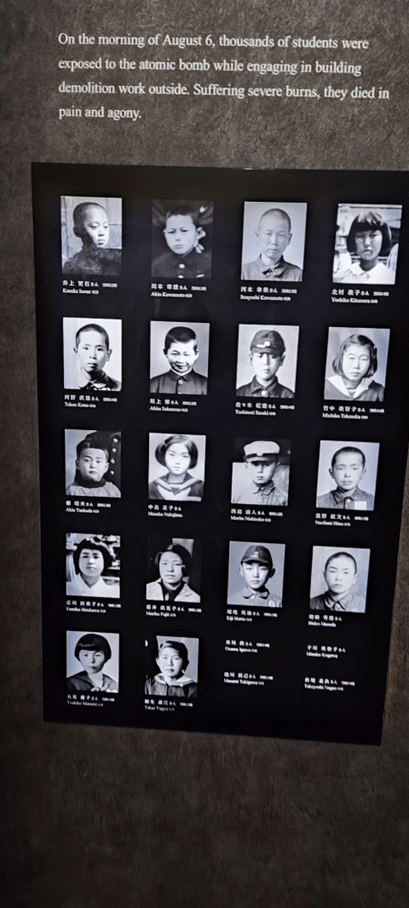
According to the Prime Minister of Japan Kishida, the world is facing an unprecedented crisis by aggression against Ukraine and the growing risk of use of weapons of mass destruction, at the G7 Hiroshima Summit in 2023, Japan would like to demonstrate G7’s strong determination to categorically deny military aggressions, any threats of nuclear weapons, as well as attempts to overthrow the international order with historical significance. From such viewpoints, the Government of Japan decided to host the G7 Summit in Hiroshima, considering Hiroshima as the most fitting location to express its commitment to peace. I visited Hiroshima in the month of March 2023 and I was very distressed to watch the awful effects of Atom Bomb. We all know the first Atom Bomb was dropped in Hiroshima depicting the most cruelty of human suffering. I visited many countries in the world and across India but I was in pain and ‘my eyes filled with tears’ after visiting Hiroshima Peace Memorial Museum (Park) in March 2023. During the Second World War, the USA on August 6, 1945, dropped the first Atom Bomb on Hiroshima, and then on August 9, 1945, another Atom Bomb was dropped on Nagasaki. When I visited Hiroshima Peace Memorial Museum (Park word was used), I observed the worst suffering of human beings through photographs, documentary films, terrifying photographs of survivors, the awful effects of explosions, and artifacts such as melted glass, deformed bicycles, charred clothes, etc., portrayed the unimaginable, unbelievable cruelty created by human beings against innocent human beings.
Anyway, for the G-7, engaging with India is imperative for several reasons (thediplomat.com/2023/05). First, with a GDP of $2.66 trillion, India’s economy is larger than the three member countries of the G-7 – France, Italy, and Canada. According to the International Monetary Fund (IMF), India is one of the fastest-growing economies in the world and is expected to grow at 5.9 percent in 2023-2024. The World Bank has mentioned that India’s growth rate is the highest among the seven largest emerging-market and developing economies. It is pertinent o mention that India surpassed China as the most populous country in the world. With 68 percent of the population of working age (15-64 years) and 65 percent of the population under the age of 35, India offers a young and abundant skilled and semi-skilled workforce. Hope, G-7 and G-20 will help the people of the world to develop economically with good and sustainable earning of per capita income vis-à-vis world should be free from War.

Prof Shankar Chatterjee, Hyderabad

An Innovative Project of Belur Math, Gadadhar Abhyudaya Prakalpa (GAP): A Case from Shillong Ramkrishna Mission

According to UNICEF, in India “High levels of malnutrition (38.4 percent children are stunted), poor learning outcomes (only 42.5 percent of children in grade three can read a grade one text), vaccine-preventable diseases and child labour persist”. Lack of nutritious food, medical care, good education, basic facilities, etc., are commonly observed among the children living in slums, footpaths, and many rural areas. Keeping these conditions in mind, the Gadadhar Abhyudaya Prakalpa (GAP) was launched in October 2010, as a part of the 4-year long 150th Birth Anniversary Celebration of Swami Vivekananda, for the 3-fold development of the needy and backward children — physical, mental and intellectual, and since then it has been running up till now in different parts of our country. The project ‘Gadadhar Abhyudaya Prakalpa’ (GAP), named after the childhood name of Sri Ramakrishna, i.e., ‘Gadadhar’, is being implemented for the betterment of the neglected slum and rural children who are often brought from the roadside huts and highly unhygienic garbage-dumping areas (belurmath.org/gadadhar-abhyudaya-prakalpa).
The objectives of GAP are:
• To instill moral and cultural values in the aforesaid targeted children
• To educate them with special coaching on their school subjects
• To inculcate a sense of cleanliness and hygiene in them
• To nourish them for their physical development
• To prepare them to be good citizens of India
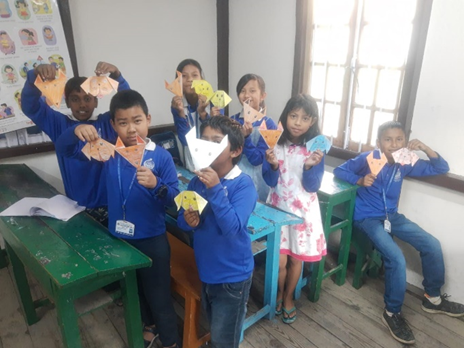
For the benefit of readers, a case of GAP from Shillong Ramakrishna Mission is presented here. Ramakrishna Mission Shillong was established in 1937. It has three centers. One is a dispensary; the second is Vivekananda Cultural Centre and the other one is Ashram. In the dispensary, all sorts of tests are carried out by the medical team and doctors, in addition to giving medicines to the patients. In the Vivekananda Cultural Centre computer training is imparted to the children. Also, a spoken English language class is held. Here one library with a reading room (13,459 books and 38 newspapers and periodicals), an auditorium, and a meditation hall exist. Also, drawing and painting classes and training programs in Indian culture are held. In the Ashram, every Sunday discourses are held where Secretary Maharaj takes classes. Further in the Shillong Ashram under the guidance of Belur Math, the project GAP in three places is continuing. One is in the Ashram itself, the second one is in RR Colony and another one is at Waken Village. In each center 50 children who are from poor echelons of society attend. They come after the completion of school. And they are taught different types of crafts for skill development, yoga, prayer songs, patriotic songs, etc.
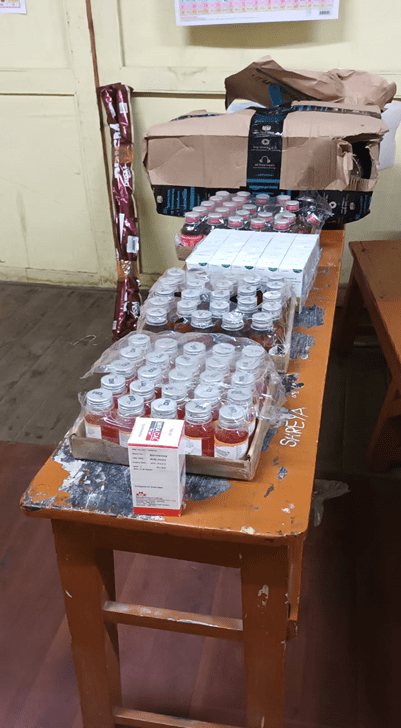
Every month each child is given hair oil, toothbrush, toothpaste, soap, etc. free of cost. As food, they are provided with Horlicks, egg, loaf, pounded rice, vegetables curry, etc. from Monday to Saturday. Of course, only on Saturday rice is given along with curry and egg. From nursery to class VI, children are included under the GAP project but all belong to economically backward. In each center, there are four staff – one for cooking and the others are teachers. All are provided with the minimum honorarium as they serve here selflessly. Wishing GAP great success and I offer my heartfelt regards to the Maharajas of Belur Math for conceiving such a project in the name of a great soul ‘Gadadhar’.

Prof Shankar Chatterjee, Hyderabad

World Liver Day, 19 April 2023: A Few Facts

 We all know at the international level or at the national level many events are celebrated by earmarking one day in a year to create awareness or as a celebration or for other reasons. Every year April 19, is organized as an event for World Liver Day so that everyone can be careful about the liver. A few lines about World Liver Day are presented here for the benefit of readers. The liver is the second largest and an important organ in the body. Lifestyle, food habits, etc., may damage a person’s liver over the years silently until it is 90 percent damaged.

According to Dr. Amit Miglani, Director and Head of the Department of Gastroenterology, at Asian Hospital Faridabad, “One of the most common liver diseases is fatty liver disease, which affects millions of people around the world. Fatty liver disease occurs when there is an accumulation of fat in the liver, which can cause inflammation and damage to the liver tissue in advanced stages. While the fatty liver disease is often asymptomatic, some signs can indicate the presence of the disease”.  Recent studies have revealed in India 75 percent of non-alcoholic fatty liver disease (NAFLD; a liver disease caused in patients who drink little or no alcohol) is observed in patients with low body mass index (<25 kg/m2), (pacehospital.com/world-liver-day). This happens due to excessive fat deposits in the liver. The common perception is that alcohol consumption puts one at risk for the condition. However, non-alcoholic fatty liver disease (NAFLD) is becoming increasingly prevalent. The risk factors include obesity, diabetes, and certain genetic diseases. It is pertinent to mention that NAFLD is a silent disease that progresses over years and could lead to liver damage, with symptoms occurring only at an advanced stage. In this context, Dr. Akash Shukla, Director, and Consultant, Department of Hepatology, Sir HN Reliance Foundation Hospital, Mumbai may be quoted “Very often you won't get any features of fatty liver on your face, eyes or skin. But we can get certain hints in some of the people. If somebody has darkening of the skin on the neck, which is typically what is called a nape of the neck, that indicates insulin resistance, and that would almost always be associated with fatty liver. Similarly, if there's a darkening of the skin, in your armpits, or in the groins, those are also indications that the person may have a fatty liver". He, however, cautions that the absence of any of these does not mean the absence of fatty liver disease. And therefore, anybody who has any risk factor for fatty liver like high cholesterol, high sugar, sedentary lifestyle, obesity, or a family history of fatty liver disease or consuming significant alcohol then they should consult doctors. 

This year, 2023, the World Liver Day theme is “Be Vigilant, Do Regular Liver Check-Up, Fatty Liver Can Affect Anyone.” The theme focuses to emphasise the practice of regular liver check-ups, as a fatty liver can affect anyone. 

Prof Shankar Chatterjee, Hyderabad 

Rinku Singh:  Sweeper to A Budding Genius Cricketer

As games and sports lover, I normally watch cricket and other my favourite games and sports. Presently Indian Premiere League (IPL) is going on which I am enjoying. On April 9, 2023, while watching Gujrat Titans (GT) vs Kolkata Knight Riders (KKR) match held at the Narendra Modi Stadium in Ahmedabad, Gujarat, I was fascinated to observe wonderful batting by a budding genius cricketer originally from Uttar Pradesh Rinku Singh, played for KKR. The match came to a dramatic end at the stadium because Kolkata Knight Riders needed 29 runs to win against Gujarat Titans in the last over (20 overs match) which was almost impossible for KKR but Rinku Singh made it possible by hitting five sixes in five balls in a row. He has become the hero of victory overnight.
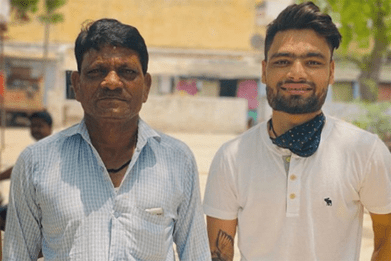
He was born on October 12, 1997, in Aligarh, Uttar Pradesh and he is the third of five siblings. He hails from an ordinary family as his father supplies LPG gas cylinders door to door as a worker and one elder brother ekes out his livelihood by driving an auto. So, the family was not economically sound and from his childhood, he struggled. Rinku was not good in education also as he was a dropout after class 9th standard. In spite of all these, Rinku was a great cricket lover and used to play cricket. In his teenage, he was employed as a sweeper by his elder brother to earn income for their family, Rinku did not like it as he desired to be a cricketer. At the age of 17 (2014), he got the opportunity to play for the first time in the Uttar Pradesh state cricket team. After that, Rinku was introduced in first-class cricket on November 5, 2016. He scored four fifties in the seven matches and in those days many predicted ‘he is the budding genius cricketer’. This left-handed batsman scored 91 runs off 44 balls against Tripura in Vijay Hazare Trophy in 2018. In 2017, Rinku was bought by Kings XI Punjab for Rs 10 lakh, however, he did not get a chance to play in the tournament so he could not bat in any match. In 2018, Rinku was bought by KKR for Rs. 80 lakh. Since then, he has been with the KKR team. According to various media sources, Rinku’s total assets are around Rs. six crore and he has become a millionaire by playing IPL. Wishing the cricketer, a bright future with more and more laurels.
(Basic inputs collected from anandabazar.com/photogallery/kolkata-night-riders, 10 April 2023).

(Rinku with his father and mother)

‘My eyes filled with tears’: Hiroshima Peace Memorial Park (Museum)

 We all know about Hiroshima, Japan where the first Atom bomb was dropped depicting the cruelest human suffering.  I visited many countries in the world and across India but I was in pain and ‘my eyes filled with tears’ after visiting Hiroshima Peace Memorial Museum (Park) in March 2023. During the Second World War, the USA on 6 August 1945 dropped the first Atom Bomb on Hiroshima, and then on 9 August 1945 another Atom Bomb was dropped on Nagasaki. Anyway, I visited Hiroshima in March 2023. and when I visited Hiroshima Peace Memorial Museum (Park word was used), I was in great pain as watched the worst suffering of human beings. Photos, documentary films, terrifying photographs of survivors, the awful effects of explosions, and artifacts such as melted glass, deformed bicycles, charred clothes, etc., portrayed the unimaginable, unbelievable cruelty created by human beings against innocent human beings.
With my little knowledge, I could say earlier that Wars, wherever took place mostly soldiers, suffered on the battlefields but during the Second World War innocent people greatly suffered and the greatest examples are Hiroshima and Nagasaki. The Hiroshima Peace Memorial Museum was opened in 1955 to depict the reality and cruelty of the damage caused by the Atom Bomb so that in the future no country violates such norm by dropping an Atom Bomb. At 8:15 am on August 6, 1945, Hiroshima was the first in the world to be damaged by an Atom Bomb. Most parts of the town were destroyed and many people lost their lives. Even those who barely survived suffered great physical and psychological damage. The Peace Memorial Museum has displayed photographs and materials showing the remains of the Atom Bomb survivors and the devastation of the Atom Bomb, as well as the history of Hiroshima pre and post-effects of the Atom Bomb which is a lesson for the present generation of political leaders.   
The Hiroshima Peace Memorial originally the Hiroshima Prefectural Industrial Promotion Hall, and now commonly called the Genbaku Dome, Atomic Bomb Dome, or A-Bomb Dome is part of the Hiroshima Peace Memorial Park in Hiroshima, and was designated a UNESCO World Heritage Site in 1996 (wikipedia.org/wiki/Hiroshima_Peace_Memorial). 
It is believed that because of the Atom bomb 80, 000 people i.e., 30 percent of the total population of Hiroshima on the spot died and thousands suffered. Some people lost their eyes, some people’s skin was badly burnt, some became lame, leukemia developed later on, etc. In the Museum, there are many photographs depicting these which are heart-wrenching. Also, there are photographs depicting how within a few seconds a beautiful town became a ghost town because of the Atom Bomb. A 1998 study revealed that about 62,000 more people in Hiroshima died as a result of the Bomb, bringing the total number of victims to more than 200,000 (death). Also, it may be mentioned that approximately 70 percent of Hiroshima city was completely wiped out in one of history’s biggest atrocities.
Near Hiroshima Peace Memorial Park, a monument has been constructed in memory of all children who died as a result of the Atom Bomb. The monument was originally thought of because of the death of Sadako Sasaki, a girl, who was exposed to radiation from the Atom Bomb when she was just two years old. And 10 years later (when she was 12 years old) she developed leukemia that ultimately ended her life. Sadako’s untimely death upset her classmates and they thought of constructing a monument for all the children who died due to the Atom Bomb. Subsequently, with the contributions received from more than 3200 schools in Japan and also donations received from nine countries the Children Peace Monument was constructed on May 5, 1958.
 As a senior citizen after traveling to many places in the world and across India, I observed earlier that some kings benefited because of war, and now the arrogant political leaders might desire war. This beautiful world is for all so we desire there should not be any war.
On May 27, 2016, President Barack Obama became the first US President to visit Hiroshima and pay his respects at the Hiroshima Peace Memorial Park. He visited the Hiroshima Peace Memorial Museum, then he and Japanese Prime Minister Shinzo Abe each laid a wreath at the cenotaph commemorating the victims of the atomic bombing. Later, Obama signed the Park’s guestbook with the message, “‎We have known the agony of war. Let us now find the courage, together, to spread peace, and pursue a world without nuclear weapons.‎”
I have inserted three photographs to get an idea about the damage and cruelty created because of Atom Bomb. 

‘Golden Globe’ to Oscar: ‘Naatu Naatu’ song glorified India across the world

Indians are proud and joyous because the Telugu blockbuster RRR, short for Rise Roar Revolt, Naatu Naatu is the first Indian film to win the Academy Award for best original song, making history. According to BBC News (www.bbc.com/news/world-asia-india-64899481), “the song became a global sensation – inspiring endless Instagram reels and dance trends on social media – after the film’s release in US last year, where its quick tempo and synchronised choreography were an instant hit with the audiences”. According to the Reuter, “The song – a fast-paced number that has found fans all over the world, spawned a TikTok challenge and has millions of views on YouTube – won a standing ovation when it was performed at the 95th Academy Awards”. It is pertinent to mention that Indians had won Oscars earlier, but no Indian film had won an Academy Award before. “The Elephant Whisperers” which won best documentary short film, gave the country two Oscar-winning films in one night. Thus, with two laurels Indian films particularly in Indian languages have reached across the world. According to BBC News, “It took around 19 months for all the elements of superhit musical number Naatu Naatu – which won a historic Oscar for Best Original Song – to fall into place”. In January 2023 it won the ‘Golden Globe’ for best original song. I appreciate the statement of the Director of the film S. S. Rajamouli when said, “It’s not just because of the music or the dance – the entire story of RRR can be summarised within these 10 minutes of Naatu Naatu,” (ibid). For the benefit of readers, I wish to mention that the Academy Award for Best Original Song is one of the awards given annually to people working in the motion picture industry by the Academy of Motion Picture Arts and Sciences (AMPAS). It is presented to the songwriters who have composed the best original song written specifically for a film. The performers of a song are not credited with the Academy Award unless they contributed either to music, lyrics, or both in their own right. The songs that are nominated for this award are typically performed during the ceremony and before this award is presented. I am presenting a few lines from en.wikipedia.org/wiki/Academy_Award
“The Academy Award for Best International Feature Film (known as Best Foreign Language Film prior to 2020) is one of the Academy Awards handed out annually by the U.S.-based Academy of Motion Picture Arts and Sciences (AMPAS). It is given to a feature-length motion picture produced outside the United States with a predominantly non-English dialogue track.”
“When the first Academy Awards ceremony was held on May 16, 1929, to honor films released in 1927/28, there was no separate category for foreign language films because most of the films released in 1927 and in 1928 were silent films. Between 1947 and 1955, the academy presented Special/Honorary Awards to the best foreign language films released in the United States. These awards, however, were not handed out on a regular basis (no award was given in 1953), and were not competitive since there were no nominees but simply one winning film per year. For the 1956 (29th) Academy Awards, a competitive Academy Award of Merit, known as the Best Foreign Language Film Award, was created for non-English speaking films and has been given annually since then”.
I from the core of my heart congratulate all the people who were either at the forefront or behind the curtain for making success and bringing laurels to the entertainment world through the two films “RRR” and “The Elephant Whisperers”. I feel these two films have given a Great New Year (2023) gift to all the Indians – staying in the country or outside the country.

Dr. Shankar Chatterjee, Hyderabad.

The Most Frightening Spain’s Sports: Bullfighting

 Spain is a highly developed country ranked 27th on
the Human Development Index, a secular parliamentary democracy, and a
constitutional monarchy. It is a high-income country and an advanced economy,
with the world’s sixteenth-largest economy by nominal Gross Domestic Product (
GDP) and the sixteenth-largest by Purchasing Power Parity (PPP). PPP  is a
popular metric used by macroeconomic analysts that compare different countries’
currencies through a “basket of goods” approach. On the other hand,
GDP refers to the total monetary value of the goods and services produced
within one country, generally in a year. Nominal GDP calculates the monetary
value in current, absolute terms.  Anyway, Spain has the twelfth-highest
life expectancy in the world. It ranks particularly high in healthcare quality,
with its healthcare system considered to be one of the most efficient
worldwide. It is a world leader in organ transplants and organ donation. Spain
is a member of the United Nations, the European Union, the Eurozone, the
Council of Europe (CoE), a de facto member of the G20, the Organization of
Ibero-American States (OEI), the Union for the Mediterranean, the North
Atlantic Treaty Organization (NATO), the Organisation for Economic Co-operation
and Development (OECD), Organization for Security and Co-operation in Europe
(OSCE), the World Trade Organization (WTO), and many other international
organizations.
In this country with so-called highly developed
people with high per capita income enjoy some  cruel sports.  From,
the newsletter of People for the Ethical Treatment of Animals (popularly
known as PETA), I am sharing three cases of cruelty inflicted upon bulls in the
name of sports. And another from a different source, about the
burning of the horns of the bull. 
 Case 1) “In bullfights,
matadors drive lances and barbed sticks into each bull’s back and spine before
stabbing the tormented animal with a sword or dagger. If the public praises the
matador’s performance enough, he might cut off the dying bull’s ears and/or tail
as a trophy – sometimes while he (bull) is still conscious but paralyzed”.
Case 2) “PETA has shared the cruelest video,
recorded by PACMA,
(PACMA means Partido Antitaurino Contra el Maltrato
Animal) which shows a becerrada ( Spanish word that means fighting with the
young bull), in which an apprentice bullfighter attacks a young calf – who
doesn’t even have fully formed horns and hasn’t been weaned from his mother’s
milk”. In the video, it is observed that the young bull who was still in the
stage of drinking his mother’s milk was cruelly tortured to death in the name
of sports. Many people enjoyed it. Also, it may be mentioned that “the
young, terrified animal staggers around – as he is stabbed repeatedly and
bleeds from multiple wounds – before he falls to the ground and his ears are
cut off”.
Case 3) “Another disturbing video showed children
as young as 14 years learning how to stab calves as part of a practical exam at
a bullfighting school in Madrid”. According to the United Nations: “The
participation of children and adolescents in bullfighting activities
constitutes a grave violation of the articles of the Convention on the Rights
of the Child … as they are being indoctrinated for a violent act”. 
Case 4) This case has been collected from www.hsi.org/news-media/fire_bull_fiestas/ but initially, PETA shared the video with me.  “Every November in the village of Medinaceli in the Castilla y León
region of northern Spain, El Toro Jubilo, or the Jubilation Bull, festival
takes place. “Late in the evening, a bull is roped to a post in the town square
whilst flaming torches are attached to its horns.
Unshackled once the torches above its head are
ablaze, the bull dashes about the square trying to avoid roaring bonfires, as
spectators rush in, trying to goad it. The animal tosses its head again and
again, as it turns in one direction and then the next, trying desperately to
escape the fire burning above its head. As the fire burns, drops of the
flammable liquid fall onto the head and body of the animal and loud
firecrackers explode above the square. These events can last for up to 40 minutes”.
I observed many people enjoyed it. In this sport, because of the burning, the
bull  cries to the maximum extent, and
its heart-wrenching cries disturbed my sleep for many days because people
sitting in the audience enjoyed its cries. 
I am a simple person with no money power or spiritual or political
power even then I request the Government of Spain please close down all sorts
of bullfighting sports. Anyway, PETA UK asked me to sign the form for banning the
bullfight which I signed and they have sent me mail as mentioned here “Dear
Prof Shankar, Thank you for taking action against bullfighting schools. Your
e-mail has been sent to Spain’s Ministry of Education, Culture, and Sport and
will help create pressure to end the government-funded abuse of children and
animals at these horrific institutions”.
Dr. Shankar Chatterjee, Hyderabad 

A Genius IAS officer also a Great Poet of Odisha

Pradeep Biswal is a former senior member of the Indian Administrative Service and an illustrious bilingual poet publishing both in English and Odia and his many poems have been translated into many Indian languages. He has authored seven anthologies of poetry in Odia. In addition, he has published two volumes- collections of poems in English. Also, his two collections of poems have been translated in Hindi. His many poems have been published in many Indian languages, also these have been published by National Book Trust, Sahitya Akademi, and Odisha Sahitya Academy. On many occasions, he represented the Odia Poetry conference at the national level and received a Fellowship in Literature from the Ministry of Human Resource Development, Department of Culture in 1995. 

Recently I had the opportunity to read his two publications i.e., collection of poems (written by Pradeep Biswal.  One was “A House Within An Anthology of Poems” published in 2018 published by Authorspress, New Delhi, and another one was “Pilgrimage to Ayodhya: A Timeless Journey” published by AABS Publishing House, Kolkata (2019). Both volumes have ISBN. In the case of first publication altogether 38 poems have been included. And the second volume has included 42 poems. All are lucidly written in English and easy to understand both content and meaning. Some have focussed on nature; some have touched lives, emotional feelings, spiritual evocativeness, etc. From both volumes, I am presenting a few lines from some poems for the benefit of readers albeit all (a total of 80) are worthy to read.

From the publication “A House Within: An Anthology of Poems” a few lines from some poems, I am presenting. In the poem “The Wild Flower”, the last two lines depict many things.

                                 “A mere tiny flower

                                 It contains the whole universe”, a beautiful meaning hidden in the poem.

In another poem “When the Braid was Kept Open” a few lines may be mentioned here which contain wonderful meaning.

                                                “Like the princess

                                                   From the paradise

                                                   She was beaming

                                                  With a radiant smile

                                                 The world laid bare

                                                  At her feet”

In the poem “The Lost Smile” these few lines mean its content.

                           “I don’t know

                            When I lost it

                           But it’s lost anyway.

                           Never ask me To Smile again

                           It may look

                           Something else

                          Other than a smile”

In the poem Monorona’s Eyebrows, the poet has beautifully presented the importance of

eyebrows when he writes,

                               “Eyebrows could

                               Communicate in a flash

                               And disappear”

The poem “In Mourning” is a touchy one everyone on this earth will not survive as death is inevitable.  In the poem “When we met”, the poet feels that “Life is juxtaposed”.  In the poem “Where are You Now?” the poet has beautifully written,

             “Come Bharat

              Come sometime

             We have many more

             To discuss” In this poem “Where are You Now?” Biswal’s patriotic feelings have been reflected. All other poems viz., ’Dream Within”, The War Never Ends”, “Life in Recluse”, “Between Us”, “To My Son”, ‘Yayati”, “Lost Spring”, “The Liftman”, ‘The Void”, “Silence” etc., have been presented brilliantly keeping its essence in own ways.

Pradeep Biswal’s second poetry collection in English is “Pilgrimage to Ayodhya”, A timeless journey” which consists of 42 poems. All are excellent and carry wonderful/touchy meanings which can be understood from each poem’s title. Nature, love, patriotic feelings, Nero-like king’s behaviour importance of stone indicating human behaviour, etc. may be found in this volume.  

In the poem “One Un-Starry Night” the poet makes an effort to romanticise a deep sense of loss and longing.

             “In the midnight’s parlour

              Full of broken promises

              Like the bitten wings of an airy bird

              I still crave for your tender touch

              The naked curves of your body

              Someday somewhere else.”

The meaning and expression in the poem “Invitation” are clear.

                  “Please descend the

                    stairs of the sky;

                   Let all anxieties

                  meet their dead end.”

 His patriotic fervour has been reflected in the two poems, viz., “Bharat Varsh:1” and “Bharat Varsh: 2”. In both poems, after portraying Bharat (India) poet has concluded that “It’s my Bharat Varsh” i.e., my beloved country India.

King Nero’s character has been lucidly presented in the poem “Nero Isn’t Dead”. In the poem “Youth, Money & Power” the reality of life has been portrayed.  According to the poet,

           “Youth, money & power

            Stay for a short while

            With you

             But to realise this

             You need

             Years of penance”

Similarly, in the poem “The Clouds” the behaviour of the clouds relating to human lives wonderfully has been depicted.

In “Do You Know?”  poem, addressing the unknown listener, who could be a friend or any other or the entire human race, someone says that everyone fights war and may be wounded from the war. But all cannot win or lose the war but that does not prevent him from being a war veteran. So, the poet has presented

                                           “Do you know

                                             Like you I am a war veteran”

The poet has presented a symbolic journey that the soul embarks upon to achieve illumination in “The Pilgrimage to Ayodhya”, also the sublime smile on Ramlala’s face has an inspirational effect.

 In the poem “Monalisa’s Smile” the poet tries to probe into the retreat of human consciousness hidden under the enigmatic smile.

“I don’t know

What they felt

About you

But I see

Shadows of deprivation

And shallow dreams

For ages

Turning into a volcano

And lurking behind

Your synthetic smile”

All poems in this volume have been wonderfully presented with intrinsic meaning. Some of them are – “I Know It Well”, “Me Too”, “Fatima On The Facebook”, “The Kunduli Girl”, “Metamorphosis”, “You”, “Last Night”, “Sunflower” etc. some names which can be mentioned here.

After reading both volumes (38 and 42 poems), I congratulate from the core of my heart to him as a bureaucrat by profession and a poet by passion who lived about four decades in the realm of poetry. His collections of poetries are in Odia and English also translations in other languages are assets to Indians. 

Dr Shankar Chatterjee, Hyderabad

The Sun Temple, Konark, Odisha: My Experience as Recently Visited

 In India, because of the ancient
civilization a lot of heritage buildings including Temples, Churches, Mosques,
Gurudwaras, etc., can be found. One of the important temples, which has been
declared a UNESCO heritage site is the Sun Temple, Konark, Odisha which I had
the opportunity to visit recently (February 2023, earlier also visited on
several occasions). My recent visit experience in this regard is being
presented for the benefit of readers. It is pertinent to mention that the
area has been developed by the  Indian Oil Foundation which is a
non-profit Trust funded by Indian Oil Corporation Limited. Also, the Indian
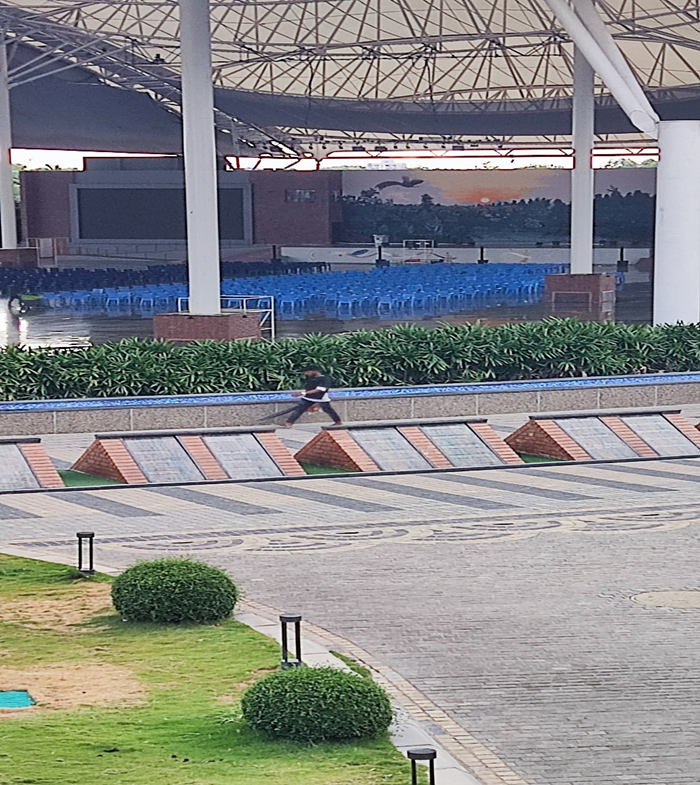
Oil Foundation has constructed an air-conditioned auditorium, where a film
show of about 25 minutes depicting the history of the Sun Temple can be
seen.  One can watch the film only with an entry ticket costing Rs.50 per
person and also can see the museum. They have developed a cafeteria and roads.
Anyway, when one visits the Sun Temple, I suggest please visit the area where
the auditorium, cafeteria, etc., are located. They have named it, “Arka
Khetra”. 

A few points about the Sun Temple
collected from the website UNESCO’s World Heritage Convention
(whc.unesco.org/en/list/246) are presented. It is one of the
outstanding cases of temple architecture and art as revealed in its conception,
scale, and proportion, and in the sublime narrative strength of its sculptural
elaboration constructed in the 13th-century kingdom of Odisha dedicated to
the Surya, the Sun God.  The Sun Temple is the culmination of
Kalingan temple architecture, with all its defining
elements in complete and perfect form. The temple represents a chariot of the
Sun God, with twelve pairs of wheels drawn by seven horses evoking its movement
across the heavens. On the north and south sides there are 24 carved wheels,
each about three meters in diameter, as well as symbolic subjects referring to
the cycle of the seasons and the months. Between the wheels, the plinth of the
temple is entirely decorated with reliefs of fantastic lions, musicians and
dancers, and erotic groups. Like many Indian temples, the Sun Temple comprises
several distinct and well-organized spatial units. The vimana (principal
sanctuary) was surmounted by a high tower with a shikhara (crowning cap), which
was razed in the 19th century. To the east, the jahamogana (audience hall)
dominates the ruins with its pyramidal mass. Further to the east, the nat
mandir (dance hall), today unroofed, rises on a high platform. Various
subsidiary structures are still to be found within the vicinity of the
rectangular wall, which is punctuated by gates and towers. The Sun Temple is an
exceptional testimony, in physical form, to the 13th-century Hindu Kingdom of
Odisha, under the reign of Narasimha Deva I (AD 1238-1264). Its scale,
refinement, and conception represent the strength and stability of the Ganga
Empire as well as the value systems of the historic milieu. The Sun is
personified as a divine being with a history, ancestry, family, wives, and
progeny, and as such, plays a very prominent role in the myths and legends of
creation. Furthermore, it is associated with all the legends of its own artistic
creation. Altogether 1200 artisans worked over a period of 12 years to
construct the Temple.  It is believed that the construction was carried
out under the leadership of the master builder (architect), Bisu
Moharana, in which his son (who was born during this period) later on was
involved.

It may be mentioned here that the
Sun Temple, is protected under the National Framework of India by the Ancient
Monuments and Archaeological Sites and Remains (AMASR) Act (1958) and its Rules
(1959). It is observed from the website  
www.britannica.com/place/Konark that
from the 15th to the 17th century, the temple was sacked various times by
Muslim armies. By the 19th century, much of the temple had been weathered and
ruined. Under British rule, sections of the temple complex were restored, but
much of it remained in ruins. The complex was designated a UNESCO World
Heritage site in 1984.

Prof Shankar Chatterjee, Hyderabad 

Unfortunate happenings in West Bengal

After 34 years of Left –front rule (communist rule) in West Bengal a political change took place in 2011 in the State. The people of West Bengal expected lots of development from the new government under the leadership of Mamata Banerjee, the first woman Chief Minister of the State.   When I was in service (now retired Professor) in an organization of the Government of India for official and academic purposes I visited the State.  I observed serious unemployment, poverty, refugee issues, high density of population, low agricultural land holding, etc were the major issues in the State.  It is pertinent to mention that as per the ‘Refugee Relief and Rehabilitation Department of the Government of West Bengal, “the census figures show the number of refugees from East Pakistan in 1971 was nearly 6 million (60 lakh) and in 1981, the number was assessed at 8 million (80 lakh)”. Anyway, the people of West Bengal had lots of expectations from the present State Government but the loose -talk of some leaders, criticizing central leaders, scandals, etc., have lowered the image of the All-India Trinamool Congress (AITC/TMC). Indians always want to see a political leader should be free from all sorts of corruption and also from the loose talk. But under the AITC/TMC rule situation is different. 

I am pained to see the unfortunate happenings in the State because the State produced a number of great personalities, and great stalwarts in all the fields – cultural, religion, literature, science, and the freedom movement. The first case took place in 2014 June, “TMC MP Tapas Pal has threatened to kill opposition CPM workers and have their women raped if a single ruling party worker was attacked. The comments triggered an uproar and sparked condemnation by opposition parties with CPM demanding that the Lok Sabha Speaker take suo motu cognizance of Pal’s outburst and disqualify him. (The Times of India, 30/6/2014). Tapas Pal was a great actor and I had the opportunity to watch many movies acted by him but after such a statement I was dejected.   Another highly deplorable issue is that after the Assembly elections in West Bengal (2021), many violent incidents took place in different forms which did not happen recently in any State assembly elections but the worst things happened after the Assembly election in West Bengal. Now worst case in the State is the ‘Teachers recruitment scam’ which cannot be imagined in a culturally developed State like West Bengal. Thanks to Calcutta High Court otherwise probably 10th failed persons would have got teachers’ jobs by paying bribes to the ruling party leaders. I am presenting here a case, Trinamul Congress youth leader Kuntal Ghosh, who was arrested by the Enforcement Directorate (ED) on 21 January 2023, told media persons on Wednesday (25/01/23) that “he is confident that someday the masterminds of the scam will be arrested. Corruption is sky-high. Let there be a proper investigation and everything will be revealed. The names of the masterminds in the matter will surface. It will be revealed who is guilty and who is not. A grand conspiracy has been hatched in the matter, which is the biggest in recent times.  However, he did not specify who these ‘masterminds’ are” (The Statesman, 26/01/23).  It is pertinent to mention here that on 23 July 2022, former Education Minster of the State Partha Chatterjee was arrested by the Enforcement Directorate in connection with the alleged State School Service Commission (SSC) recruitment scam cases along with his aide actress Arpita Mukherjee. We all know crores and crores of rupees were recovered. Another corrupt leader of TMC is Anubrata Mandal and I am simply quoting India TV( 11/08/22)  “Who is Anubrata Mondal: Bengal’s ‘Bahubali’ politician and trusted aide of Mamata. Mondal (62), who is presently TMC’s Birbhum district president and member of the party’s national working committee, rose to prominence in the 11 years of the TMC regime in Bengal, mostly for his audacious statements and browbeating”. Such types of leaders are dominating the TMC/AITC. While watching TV discussions, I observed some TMC representatives, refer to law and order or corruption cases of a few ‘BIMARU’ States but they should remember how the States, of the South of India, have been developing. Many persons from other parts of India including West Bengal for employment, medical treatment, and education are coming to the States of South India. Anyway, even some Calcutta High Court judges are also facing problems. Justice Rajasekhar Mantha and Justice Abhijit Gangopadhyay of Calcutta High Court were criticized by TMC leaders for their judgment. It seems some TMC leaders desired corruption, scams, etc., should not be highlighted by the judges. Recent incidents with Indian Secular Front (ISF) MLA, Naushad Siddique were very unfortunate and deplorable. It seems TMC  leaders do not want ISF should emerge as a big political party.   Lastly, my personal opinion is that among the Chief Ministers of West Bengal, the real and productive development took place during the legendary physician and the second Chief Minister of West Bengal, Dr. Bidhan Chandra Roy popularly known as Dr. B.C. Roy’s regime. He had done highly positive politics and developed the State as a sequel the State reached its zenith in those days. 

Dr Shankar Chatterjee, Hyderabad