Legality of live in relationship in India

A live-in relationship gives the couple an opportunity to know the partner without having to engage into a legally binding relationship.

India has witnessed a drastic change in the way the present generation perceive their relationships. The taboo that used to haunt partners in live-in relationships has also started to fade away with society opening up about the idea of pre-marital sex and live-in relationships. This improved mind-set is a result of freedom, privacy, profession, education and also globalisation. Moreover, for most of us – it is not an escape from responsibilities but a way to understand our partner and to check if at all we are compatibility.

A live-in relationship not only gives the couple an opportunity to know the partner without having to engage into a legally binding relationship but also excludes the chaos of family drama and lengthy court procedures in case the couple decides to break up. It involves continuous cohabitation between the partners without any responsibilities or obligations towards one another.

 There is no law tying them together, and consequently, either of the partners can walk out of the relationship, as and when they want.

How is live-in defined under Indian Law?

There is no law binding the partners together, and subsequently, either of the partners can walk out of the relationship, as and when they wish to do so. There is no legal definition of live-in relationship, and therefore, the legal status of such type of relations is also unconfirmed.

The right to maintenance in a live-in relationship is decided by the court by the Domestic Violence Act and the individual facts of the case. Though the common man is still hesitant in accepting this kind of relationship, the Protection of Women from Domestic Violence Act provides for the protection and maintenance thereby granting the right of alimony to an aggrieved live-in partner.

Is Live-In Relationship Legal in India?

Live-in relationship is one such concept that has entered into India in the millennial age. It’s not indifferent that people belonging to the previous generations usually question what a live-in relationship is. The main reason for this is because in earlier days no one would hear about such concepts, unlike today.

So be it any of the major metropolitan cities in India like Delhi NCR, Mumbai, Pune, Bangalore, Kolkata or Chennai. Or any other small modern city like Bhubaneswar, Ahmedabad for that matter, live-in relationship is becoming popular. More and more couples are feeling safe and confident in entering into such a relationship. The live-in relationship meaning has completely been revolutionised by the modern generation.

Laws Surrounding Live in Relationship in India

To have a live-in relationship, law in India is still not clear on that. It is, however, pertinent to mention here that even though there is no live in relationship act per se. Therefore, there is a lot of obscurity about the live in relationship in India legal status.

Regarding the legal status of live in relationship in India, the Supreme Court has ruled that any of the couples who are cohabiting together for a very long period of time, they will be presumed as legally married unless proven otherwise. As far as the modern generation is concerned, India has been witness to many drastic changes in terms of various perceptions. As far as this generation goes, the effects of live in relationship are viewed as much similar to any relationship in general.

Whether live in relationship is good or bad is totally dependent on the couple engaging in the same. The taboo which used to haunt couples entering into a live in relationship is slowly dissipating. The Indian society or the society, in general, is becoming more open to the concept of pre-marital sex and live in relationship. This is leading to slowly lifting-off the taboo surrounding it.

The live in relationship rules & regulations in regards to this matter is very stringent and strict. Live in relationship sex or cohabitation with any married party is completely illegal and criminal in nature.  The aggrieved party can file for a criminal case of adultery under section 497 of the Indian Penal Code. The aggrieved party may also file for divorce on the grounds of his/her partner having an illicit relationship.

The Supreme Court judgement on live in relationship in the case Indra Sarma vs. V.K.V. Sarma states that co-living relationship can be broken down into five distinct ways:

  1. Firstly, according to the court, any domestic cohabitation between an adult male and an adult female who are unwed is the simplest form of relationship.
  2. Second, comes the cohabitation between a married man who is an adult and an unwed adult woman or vice versa.
  3. It is important to mention about live in relationship, that cohabitation is taking place with mutual consent.
  4. The Supreme Court has made it very clear that any domestic relationship with a married individual will tantamount to adultery. So, even if the cohabitation happens unknowingly can act as a ground for divorce.
  5. Lastly, the apex court also speaks about the domestic cohabitation which takes place between homosexual partners.

 Pros of co-living relationship include:

Lesser responsibilities: One of the major positives of being in a live in relationship is the fact that there are fewer responsibilities. There is no social or legal bond when it comes to living together. Marriage does involve a lot of compromises which can be avoided in this scenario.

Low legal Issues: There are lower legal issues when it comes to a living relationship. Divorce is one of the ugliest legal issues when it comes to marriage. As far as live in is concerned such legal hassles can be avoided. A couple can simply move on rather than being in a suffocating relationship.

Financial Freedom: Another excellent advantage of a live in relationship is the aspect of financial freedom. One can easily divide expenses when it comes to a live-in relation. This concept is rather difficult when it comes to marriage.

Cons of co-living relationship include:

Social Censure: One of the major cons of being in a live-in relationship is the fact that society scorns upon the whole concept. Live in relationships as of yet have still not been accepted in most parts of the society, especially in India.

Lack of Commitment: It can be stated that one of the biggest advantages of a live-in relationship is also one of its largest disadvantages. There is a lack of commitment when it comes to the co-living relationship. This is why most of them are so short lived. The likelihood of one getting out of a live-in relationship is as quick as one entering into one.

Live-ins is not a new phenomenon in India. Apart from it going on in hushed or open ways in cities, it has been the standard norm in many of our tribes, some of which believe that the contemporary marriage system brings with it “several impositions, especially on women.” In fact it was to secure the rights of tribal women in live-in relationships that the Madhya Pradesh State Women’s Commission had recommended that such unions be accorded legal status. That more and more people are opting for it due to their own respective reasons is attested by the fact that the internet has extended its matchmaking services to include finding live-in partners. In the year 2011, an NGO in Ahmedabad organized a first-of-its-kind event to help single senior citizens find companions. So clearly living together goes much beyond the simplistic notion of “the rebellion of youth.”

Contrary to popular belief, live-ins is not devoid of work but confer much more responsibility upon both the partners since in many ways they are on their own. In such circumstances, it is best to apprise oneself of the socio-economic-legal aspects (like the guidelines for when the relationship would be seen as being in the nature of marriage to be covered under the 2005 Act), and go in prepared.

Position of Abortion in India.

India, as a country has always been a progressive country that has worked in the direction to fulfil the needs of its citizens. But, Abortion has always been a controversial topic in Indian society. In India, abortion has always been considered a taboo, and discussion regarding it is considered as a thing of disgust.

 In Indian society, firstly there is no concept for a woman to have a pre-marital pregnancy because, if a girl conceives like that, then, the girl is considered as beige. And abortion after the marriage in Indian society is never been considered as a good option. India, being a patriarchal society always has preference over boy child. In fact even today in the twenty first century girls are been considered as a burden over the family, therefore, In India most of the abortions are female foeticides. It can be said that the high rate of abortion in India is the correct example of gender biasness.

Situation of Abortion before 1971-:

Before 1971 abortion in India was been considered a punishable offense without any exceptions. According to section 312 of Indian Penal Code “Whoever voluntarily causes a woman with child to miscarry, shall, if such miscarriage is not caused in good faith for the purpose of saving the life of the woman, be punished with imprisonment of either description for a term which may extend to three years, or with fine, or with both; and, if the woman be quick with child, shall be punished with imprisonment of either description for a term which may extend to seven years, and shall also be liable to fine.”

Shantilal Committee-:

Shantilal committee was the first committee that recommended making “Medical Termination of Pregnancy, Act, 1971”. Shantilal Committee focused on the socio, cultural, legal, and medical aspects of abortion.

Medical Termination of Pregnancy, Act, 1971

Protection of Doctors who perform Abortion -:

According to section 3 of Medical Termination of Pregnancy, Act,1971 “a registered medical practitioner shall not be guilty of any offence under that Code or under any other law for the time being in force, if any pregnancy is terminated by him in accordance with the provisions of this Act.”

According to section 8 of Medical Termination Pregnancy, Act “No suit or other legal proceedings shall lie against any registered medical practitioner for any damage caused or likely to be caused by anything which is in good faith done or intended to be done under this Act.”

Protection of Pregnant Women-:

1) – Only the consent of the adult women is been required for abortion, even the consent of the close relative will not be considered as a valid consent in such matters.

2) – In case of a minor girl or the girl or lady who is mentally ill in their case the permission of the parent or guardian is required for abortion.

According to section 5(2) of amendment Medical Termination of Pregnancy, Act, 2002 “Notwithstanding anything contained in the Indian Penal Code, the termination of pregnancy by a person who is not a registered medical practitioner shall be an offence punishable with rigorous imprisonment for a term which shall not be less than two years but which may extend to seven years under that Code, and that Code shall, to this extent, stand modified.”

Protection of Clinics -:

(1)-The Appropriate Authority shall, after holding an inquiry and after satisfying itself that the applicant has complied with all the requirements of this Act and the rules made thereunder and having regard to the advice of the Advisory Committee in this behalf, grant a certificate of registration in the prescribed form jointly or separately to the Genetic Counselling Centre, Genetic Laboratory or Genetic Clinic, as the case may be. (2) If, after the inquiry and after giving an opportunity of being heard to the applicant and having regard to the advice of the Advisory Committee, the Appropriate Authority is satisfied that the applicant has not complied with the requirements of this Act or the rules, it shall, for reasons to be recorded in writing, reject the application for registration. (3) Every certificate of registration shall be renewed in such manner and after such period and on payment of such fees as may be prescribed. (4) The certificate of registration shall be displayed by the registered Genetic Counselling Centre, Genetic Laboratory or Genetic Clinic in a conspicuous place at its place of business.

(2)-No person, including a specialist or a team of specialists in the field of infertility, shall conduct or cause to be conducted or aid in conducting by himself or by any other person, sex selection on a woman or a man or on both or on any tissue, embryo, conceptus, fluid or gametes derived from either or both of them.

(3)-No person referred to in clause (2) of section 3 shall conduct the pre-natal diagnostic procedures unless— (a) he has explained all known side and after effects of such procedures to the pregnant woman concerned; (b) he has obtained in the prescribed form her written consent to undergo such procedures in the language which she understands; and (c) a copy of her written consent obtained under clause (b) is given to the pregnant woman. (2) No person conducting pre-natal diagnostic procedures shall communicate to the pregnant woman concerned or her relatives the sex of the foetus by words, signs or in any other manner.

(4)-(a) no Genetic Counselling Centre or Genetic Laboratory or Genetic Clinic shall conduct or cause to be conducted in its Centre, Laboratory or Clinic, pre-natal diagnostic techniques including ultrasonography, for the purpose of determining the sex of a foetus; (b) no person shall conduct or cause to be conducted any pre-natal diagnostic techniques including ultrasonography for the purpose of determining the sex of a foetus.

Right to Protest-:

If the license of a registered clinic under the act gets cancelled then they have the right to appeal and protest. According to section 21 of THE PRE-NATAL DIAGNOSTIC TECHNIQUES (PNDT) ACT,1994 “The Genetic Counselling Centre, Genetic Laboratory or Genetic Clinic may, within thirty days from the date of receipt of the order of suspension or cancellation of registration passed by the Appropriate Authority under section 20, prefer an appeal against such order to— (i) the Central Government, where the appeal is against the order of the Central Appropriate Authority; and (ii) the State Government, where the appeal is against the order of the State Appropriate Authority, in the prescribed manner.

Conclusion-:

As, the need for the time, rules, and regulations in the Medical Termination of Pregnancy, Act, 1971, should be amended. Even today there are many things which are untouched by the law in the matter of legal abortion, and it’s not that these things are not been looked or touched by our lawmakers, Medical Termination of Pregnancy Bill, 2014 and Medical Termination of Pregnancy Bill, 2020 are still pending. But the law-making process in our country is to slow that for making a general it takes a minimum of 23 to 24 years. Countries like America, Russia, etc. have properly defined and have stringent laws regarding abortion. To improve the condition of abortion in India there is a need to make stringent laws.

Janmashtami

Essay on Janmashtami – The Hindus celebrate Janmashtami for the birth of Sri Krishna. The festival usually occurs in August. Moreover, the Hindus celebrate this festival in the Ashtami of Krishna Paksha. Moreover, Lord Krishna is the most powerful incarnation of Lord Vishnu. It is a joyful festival for the Hindus. Furthermore, the Hindus perform different rituals to please Lord Krishna. This is one of the most joyous celebrations for the Hindus.

Lord Krishna was born on the 8th day of Dark Fortnight in the month of Bhadon. Bhadon is a month in the Hindu calendar. Moreover, he was born around 5,200 years ago approximately. Because he was one of the most powerful Gods. He was born for a special purpose on Earth. Lord Krishna was born to free the world from evil.

As a result, he played an important role in the book of Mahabharata. Also, Lord Krishna preached about good karma and the theory of Bhakti.

Lord Krishna was born in a prison. He was in the clutches if Kansa. But his father Vasudev gave him to his friend Nand to save him. Because he knew that Kansa was evil-minded. Furthermore after getting saved the upbringing of Sri Krishna was in a Gokul family. Sri Krishna after some time became strong. As a result, he was able to kill Kansa.

When I was a child I used to watch many shows on Sri Krishna. As a result, I know many things about him. First of all, Sri Krishna was very fond of eating Makhan. Because of that he always used to steal it from his mothers’ kitchen. Therefore his name was ‘Natkahat Nand Lal’. Sri Krishna was dark-colored. So he was always worried about his color. Moreover, Sri Krishna had a friend named Radha. Radha was of great importance to Krishna. So he always spent time with her. Radha was very beautiful and fair so Lord Krishna always feels color complex.

How is Janmashtami Celebrated?

People celebrate Janmashtami in mid-night. Because Lord Krishna was born in the dark. Moreover, people have a special way of celebrating the festival. Since Sri Krishna was fond of eating Makhan people play this sport.

The sport is, they tie an earthen pot(matki). The judge of the game ties the matki really high from the ground. Furthermore, a person fills Makhan in the matki. Also, what people do is they build a human pyramid to break the matki. Since the matki is too high they have to build a tall pyramid. As a result, many people have to take part in sport. Moreover, there are other teams too who stop them from breaking the matki. Equal chances are there for both the teams. Each team gets a chance for a particular time period. If the team is not able to do it in time then the other team tries it. This is an interesting sport many people gather to watch this sport.

Furthermore, the celebration is also done in houses. People decorate their houses from outside with lights. Moreover, the temples are full of people. They perform various rituals inside the temple. As a result, we hear the sound of bells and mantras the whole day.

Moreover, people perform a dance on different religious songs. Finally, it is one of the most enjoyable festivals in the Hindu religion.

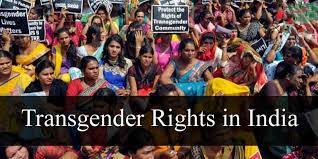
Transgender Rights in India.

Transgender is an umbrella term used for persons whose gender identity and gender expression does not align with those assigned at birth. It can also refer to those who reject the gender binary of masculine and feminine. In India, they are often called Hijras, Aravanis, Jogtas and so on.

The transgender community has always been an integral part of historical India where their presence and blessings at ceremonies was considered auspicious. Under the Mughal rule, they enjoyed strong royal connections and held high positions. With the advent of British colonization, the status and acceptance of transgenders declined. The imposition of a Euro-centric world view led to transgenders being viewed as moral and sexual contagion to supposedly deviant Indian males.

The passing of the Criminal Tribes Act, 1871 (CTA) sought to further isolate transgenders by vilifying them as ‘habitual criminals’ and ‘sexual deviants.’

Newly independent India did little to better integrate transgender people into mainstream society. The census process, the most reliable source for data on demographic and literacy, omitted transgenders for the first 64 years. To relay the significance of this exclusion in numbers, when given the chance to identify themselves as transgenders in 2011, almost half a million out of 1.2 billion identified as transgenders.

Transgenders are usually rejected from any means of employment and hence, resort to entertainment, begging, extortion or prostitution. The culmination of low literacy rates, low skill levels and the reluctance to accept transgenders has pushed them further into sex work and has increased the probability of violence against them.

 In terms of healthcare, the transgender community is 49 times more likely to be living with the Human Immunodeficiency Virus (HIV). The National Aids Control Organisation in (NACO) in India estimates HIV prevalence among transgenders to be 7.5%. The increased stigmatization makes it difficult for them to access adequate healthcare facilities.

The Ministry of External Affairs was the first official body that allowed transgenders to identify with a separate category ‘E’ while applying for passports. Not only was this categorization derogatory but it excluded a large spectrum of individuals who fell under the trans category. In case of competitive politics, transgenders are often provided positions as a means of tokenism rather than inclusion, 2014 was a turning point in the history of transgender rights in India.

 The Supreme Court in NALSA v Union of India guaranteed the fundamental rights of transgender persons and promised provision of equal opportunities under the constitutional framework. Notably, the Court held that they had the right to decide their self-identified gender and vowed to uphold the ideals liberty, equality and freedom of expression. The Constitution must be interpreted in such a manner so that it ensures a dignified life for transgenders. Other directions to combat the societal stigma and sexual health issues faced by transgender persons, were also conveyed by the Court.

However, the judgement was not backed by a capable legislative framework to centrally aid the transgender community. Hence, the ongoing efforts to do so fructified in the passing of the Transgender Persons (Protection of Rights) Act 2019 (hereafter ‘the Act’) which came into force on 10th January 2020. The Act aimed at providing a statutory basis to better protect the rights of transgender persons and establish procedures to orderly recognize their self-identified gender.

Also, in the Act are provisions to prohibit discrimination against and secure the safety of the transgender community. Further, in April 2020, a Draft Transgender (Protections of Rights) Rules (hereafter, ‘the Rules’) under sub-section (1) and (2) of Section 22 of the Act was released by the Ministry of Social Justice and Empowerment. The Rules aim at strengthening the Act as well as focusing on the socio-economic hardships faced by transgender persons in the country.

Since its enactment, the Act has been challenged multiple times on the grounds that it violates the constitutional ideals recognized NALSA. For example, Section 6 and Section 7 of the Act have been criticized by members of the transgender community as violating guarantees against requirements of medical interventions for recognition of gender identity in NALSA.

Further, the Act discards forceful binary instead establishing a trinary where ‘transgender’ is the only other alternative. This does not take into consideration those transgenders who would identify as male or female, and those who may be gender queer. Not only this but the wording of the Act also seems to impose a binary with ‘son/daughter’ and ‘his/her’ rather than the gender neutral ‘child’ and ‘their’.

Even with specific laws to help ease the life of the transgender community into mainstream society, their interaction with the legal and justice system is still tainted with unfair power dynamics. Cases of harassment, intimidation and violence at the hands of police are plenty but they are rarely acted against and the NCRB fails to maintain a record of these atrocities against transgender persons.

The community often live with unrevealed sexual identities and this is taken advantage of by law enforcement. A study by the National Institute of Epidemiology among 60,000 transgender people across 17 states revealed that the biggest perpetrators of violence against transgender people were police and law enforcing authorities. One of the exceptions is the case of Jayalakshmi vs. Tamil Nadu, where the police was held accountable for the wrongful death of a transgender.

Implementation gap is most definitely the reason for deprivation of individual rights in India. While the Judiciary and Legislature have made efforts towards inclusion, the biggest challenge lies in better social acceptance and their integration normal, daily lives. We must aim grass-root level education that teaches that transgenders are not deviants and in fact, integral parts of our diverse society.

Sexual Harassment at the Workplace.

Sexual Harassment at Work Place’ As enshrined in the Preamble to the Constitution of India, “equality of status and opportunity” must be secured for all its citizens; equality of every person under the law is guaranteed by Article 14 of the Constitution. A safe workplace is therefore a woman’s legal right.

Indeed, the Constitutional doctrine of equality and personal liberty is contained in Articles 14, 15 and 21 of the Indian Constitution. Sexual harassment constitutes a gross violation of women’s right to equality and dignity. It has its roots in patriarchy and its attendant perception that men are superior to women and that some forms of violence against women are acceptable. One of these is workplace sexual harassment, which views various forms of such harassment, as harmless and trivial.

Often, it is excused as ‘natural’ male behaviour or ‘harmless flirtation’ which women enjoy. Contrary to these perceptions, it causes serious harm and is also a strong manifestation of sex discrimination at the workplace.

Not only is it an infringement of the fundamental rights of a woman, under Article 19 (1) (g) of the Constitution of India “to practice any profession or to carry out any occupation, trade or business”; it erodes equality and puts the dignity and the physical and psychological well-being of workers at risk. This leads to poor productivity and a negative impact on lives and livelihoods.

 To further compound the matter, deep-rooted socio-cultural behavioural patterns, which create a gender hierarchy, tend to place responsibility on the victim, thereby increasing inequality in the workplace and in the society at large.

 Though sexual harassment at the workplace has assumed serious proportions, women do not report the matter to the concerned authorities in most cases due to fear of reprisal from the harasser, losing one’s livelihood, being stigmatized, or losing professional standing and personal reputation. Across the globe today, workplace sexual harassment is increasingly understood as a violation of women’s rights and a form of violence against women.

The Sexual Harassment of Women at Workplace (Prevention, Prohibition and Redressal) Act, 2013 was enacted to ensure safe working spaces for women and to build enabling work environments that respect women’s right to equality of status and opportunity.

 An effective implementation of the Act will contribute to the realization of their right to gender equality, life and liberty, equality in working conditions everywhere. The sense of security at the workplace will improve women’s participation in work, resulting in their economic empowerment and inclusive growth.

A Review of the Protection of Women Against Sexual Harassment At Workplace Bill, 2007

As mentioned in the preceding section, the Court in the Vishaka case had stepped into the law-making domain and suggested that in the absence of a law against sexual harassment, the guidelines suggested by the Court would be considered as the law.

The Court, however, also called for a legislation prohibiting sexual harassment to replace its injunctions subsequently. The Court ruled in the Vishaka case in 1999. Since then there have been demands for legislation on sexual harassment and several attempts at drafting and presenting a bill have been made.

 The Bill also provides space for third-party harassment. Third-party harassment implies that the perpetrator is not the employer or colleague; an outsider, like a client or customer who comes in contact with the woman at the workplace or in relation to the workplace.

In 1992, a rural level change agent, Bhanwari Devi, was engaged by the state of Rajasthan as a Sathin to work towards the prevention of the practice of child marriages. During the course of her work, she prevented the marriage of a one-year old girl in the community.

 Her work was met with resentment and attracted harassment from men of that community. Bhanwari Devi reported this to the local authority but no action was taken. That omission came at great cost – Bhanwari was subsequently gang raped by those very men. The Bhanwari Devi case revealed the ever-present sexual harm to which millions of working women are exposed across the country, everywhere and everyday irrespective of their location.

It also shows the extent to which that harm can escalate if nothing is done to check sexually offensive behaviour in the workplace.

Based on the facts of Bhanwari Devi’s case, a Public Interest Litigation (PIL) was filed by Vishaka and other women groups against the State of Rajasthan and Union of India before the Supreme Court of India.

It proposed that sexual harassment be recognized as a violation of women`s fundamental right to equality and that all workplaces/establishments/institutions be made accountable and responsible to uphold these rights.

In a landmark judgment, Vishaka vs. State of Rajasthan (1997), The Supreme Court of India created legally binding guidelines basing it on the right to equality and dignity accorded under the Indian Constitution as well as by the UN Convention on the Elimination of All Forms of Discrimination against Women (CEDAW).

It included:

A definition of sexual harassment

Shifting accountability from individuals to institutions

Prioritizing prevention

Provision of an innovative redress mechanism

The Supreme Court defined sexual harassment as any unwelcome, sexually determined physical, verbal, or non-verbal conduct. Examples included sexually suggestive remarks about women, demands for sexual favours, and sexually offensive visuals in the workplace. The definition also covered situations where a woman could be disadvantaged in her workplace as a result of threats relating to employment decisions that could negatively affect her working life.

Social Evils

We are living in the 21st century, an era where men and women are now given equal rights and liberties in the world. However, even after so much effort by social reformer Raja Ram Mohan Roy in the early 19th century, India is still orthodox when it comes to giving equal rights to women as against men.

No education for girls: If the female literacy rate is low in a country then the growth of the country is sluggish because when a woman is not educated, it impacts every member of the family. Rajasthan, Uttar Pradesh, Bihar have the lowest female literacy rate. According to 2011 census, Arunachal Pradesh (66.95 per cent) is placed second-lowest in literacy in the country, just above Bihar, which recorded the least literacy of 63.82 per cent.

Domestic violence: Violence against women is highly prevalent in India; almost 70 per cent of women are victims of domestic violence. According to National Family Health Survey, one in three married adolescent girls has experienced physical violence from their husbands. The survey of more than 83,000 women aged 15-49 showed that 34% had suffered physical violence—ranging from slapping, punching and twisting of the arm to severe assaults such as burning, choking or attacks with weapons. Besides this, nearly 15% have experienced emotional and 9% sexual violence. The National Crime Records Bureau (NCRB) says a total of 244,270 incidents of crimes against women were reported in the country in 2012, compared with 228,650 in 2011, an increase of 6.4%.

Female infanticide: The deliberate killing of a new born female child is called female infanticide. The patriarchal nature of our society has caused this evil to continue since centuries. According to a report published in India Today, nearly 2500 cases of female foeticide or female infanticide take place in the state of Rajasthan every day. It is a horrific state for women to live, veil is still a tradition for women there and female infants are buried in graves. Midwives say girls are being disposed of ruthlessly.

Even the doctors are also involved in this horrendous crime. Women and the Right to Life and to be Born According to be centre port by the United Nations Children’s Fund (UNICEF) up to 50 million girls and women are missing from India’s population as a result of systematic gender discrimination in India.

In most countries in the world, there are approximately 105 female births for every 100 males. In India, there are less than 93 women for every 100 men in the population. The accepted reason for such a disparity is the practice of female infanticide in India, prompted by the existence of a dowry system which requires them to pay out a great deal of money when a female child is married.

 For a poor family, the birth of a girl child can signal the beginning of financial ruin and extreme hardship However this anti-female bias is by no means limited to poor families. Much of the discrimination is to do with cultural beliefs and social norms. These norms themselves must be challenged if this practice is to stop. Prostitution is the exchange of sexual services for money.

While in some countries like Germany, prostitution is legal; in India owning a brothel is a crime. Child prostitution is a major problem in India involving around 1.2 million children. In Rajasthan, the Bedia trials’’ stance for girls is different from the rest of India because girls are a lifeline for the community as there is this century’s old tradition of forcing daughters into prostitution when they attain adulthood.

The small village houses approximately 59 families in which girls who have attained puberty, are forced into sex trade. The tradition roots back to the time of Zamindari system, when Bedias were dancers in the courts. They used to perform for feudal landlords. Dowry The most deep rooted evil of the society, girls are murdered due to their families not being able to give dowry to the bridegroom’s family. Evil practices like the demand and acceptance of dowry is widespread in Rajasthan state.

The practice of payment of dowry is more rampant within the middleclass society. Even highly educated women from prestigious institutions are married off to strangers against their will. Odisha tops the chart in dowry deaths, with latest statistics issued by the National Crime Records Bureau (NCRB) shows that Odisha reported as many as 1,487 cases under Dowry Prevention Act accounting for 16.5 per cent of the total cases recorded in the country during 2012.

Marital Rape

India is celebrating seventy years of Independence, but still the female of our country are not independent and not living truly free. Women are live under realm of darkness and fear. It is indeed a cloudy reality of India.

What is Marital Rape? Marital Rape is defined as unwanted sexual intercourse between by a man and his wife (one’s spouse without the spouse’s consent). The lack of consent is the essential element and it is obtained force, threat of force, or physical violence, or when she is unable to give consent. Marital rape could be by the use of force only, a battering rape or a sadistic rape. It is a non-consensual act of violent perversion by a spouse against his spouses where she is physically and sexually abused. It is also known as spousal rape.

LAWS : It is an important case to be a concern, while on the one side our country is celebrating some glorious decisions in the legal arena from the Hon’ble Supreme Court of India like landmark judgments in the matter of ‘Adhaar Card Case’ , ‘Triple Talaq’ and ‘Ayodhya disputes’ creating new cornerstones for the judiciary; while on the other side to the general disappointment, the Central Government has given its view against criminalizing marital rape, saying doing so would ‘destabilize the institution of marriage’.

Approximations have quoted that every 7-8 hours; a young married woman is burnt or beaten to death, or driven to suicide from emotional abuse by her husband. The UN Population Fund states that more than 2/3rds of married women in India, aged between 16 to 48 have been beaten, raped or forced to provide sex. In 2005, 6789 cases were recorded of women murdered by their husbands or their husbands’ families. However, indeed the increasing number of cases of spousal rape in our country, spousal rape is not defined in any statue/ laws.

It is to be noted that while ‘Rape'” is defined under section 375 of the Indian Penal Code, there is no definition of ‘Marital Rape’ till now and there is no reorganization of marital rape under the ambit of Indian Law. It is disheartening that such a sensitive issue like marital rape is being dismissed by the highest courts of India by giving the view that “You are espousing a personal cause and not a public cause…This is an individual case.” In the running days, a survey indicates that between 12 and 16% of married women are raped by their husbands and the incidents of marital rape soars to 1/3rd to ½ among clinical samples of battered women.

Sexual assault by one’s spouse accounts for approximately 28% of rapes committed. Women who became prime targets for marital rape are those who attempt to flee. Criminal charges of sexual assault may be activating by other acts. Marital rape is not an offence in India. Despite amendments, law commissions and new legislations, one of the most humiliating and acts is tiring not an offence in India.

Section 375 of the Indian Penal Code defines “Rape” A man is said to commit “rape” if he is against her will and the situations falling under any of the following seven illustrations: First— He should be against her will. Second — the man should be without her consent. Third — the man with her consent, when her consent has been obtained by putting her or any person in whom she is interested, in fear of death or of hurt. Fourth — the man with her consent, when the man knows that he is not her husband and that her consent is given because she believes that he is another man to whom she is or believes herself to be lawfully married. Fifth — It should be in her consent when, at the time of giving such consent, by reason of unsoundness of mind or intoxication or the administration by him personally or through another of any stupefying or unwholesome substance, she is unable to understand the nature and consequences of that to which she gives consent. Sixth — it can be with or without her consent, when she is under the age of adult. Seventh — when she is unable to communicate consent.

Violation of Article 14 of the Indian Constitution Article 14 of the Indian Constitution defines that India provides for equality before the law or equal protection of the laws within the territory of India. “The State cannot not deny with any person equality before the law or the equal protection of the laws within the boundary of our country.”

Therefore, the Constitution gives assurance of equality to all, Indian criminal law disfavour against female victims who have been raped by their own spouse. At the time the Indian Penal Code was drafted in the 1860s, a married woman was not considered an independent legal entity. Rather, the woman was considered to be the chattel of her spouse. As an output, she did not constitute many of the rights now guaranteed to her as an independent legal entity, including the right to file a complaint against another under her own identity.

Violation of Article 21 Marital Rape is also a violation of Article 21 of the Indian Constitution. Article 21 defines that “Protection of life and personal liberty No person shall be deprived of his life or personal liberty except according to procedure established by law.

The Article forbids the deprivation of the above rights except according to a procedure established by law” The Supreme Court has interpreted this clause in various judgments to extend beyond the purely literal guarantee to life and liberty. Instead, it has held that the rights enshrined in Article 21 include the rights to health, privacy, dignity, safe living conditions, and safe environment, among others. The above conclusions clearly reflect that Section 375 of the IPC is an infringement of Articles 14 and 21 of the Constitution. It is time that Indian jurisprudence understands the inhumane nature of this provision of law and strikes it down.

Conclusion

Marital rape is not fully criminalized in our country. It certainly is an authentic type of wrongdoing against ladies and deserving of government’s consideration. Women who are raped by their husband are more inclined to various attacks and frequently endure long haul physical and enthusiastic issues. In this specific circumstance, marital rape is significantly more horrendous for a lady since she needs to remain with her aggressor ordinary.

As the results of marital rape are truly high, there is obviously a dire requirement for criminalization of the offense of marital rape. Positive legitimate change for ladies by and large is going on in India, yet additionally steps are fundamental so that both lawful and social change happens, which would finish in criminalizing marital rape and changing the attitude about ladies in marriage.

There are many loopholes in Protection of Women from Domestic Violence Act, as the Act does not straightforwardly talk against marital rape. On the brighter side sanctioning of a particular enactment against abusive behaviour at home has opened the entryway for an enactment criminalizing marital rape.

Is India ready for Digital trade war?

Introduction:

It is a broad concept, which includes not only the sale of consumers products on the internet and the supply on online services, but also data flows that enable global value chains, services that enable smart manufacturing and myriad other platforms and applications.

Digital Trade:

Digital trade refers to the trade of goods and services using the internet including the transmission of information and data across borders.

It also involves digitally enabled but physically delivered trade in goals and services.

Example: Purchasing medicines through an online marketing, or booking a stay in a hotel. Impact of digitalisation on trade.

The new technologies and business models are changing how services are produced and supplied, blurring already grey distinctions between goods and services and modes of delivery and introducing new combinations of goods and services.

Digitalisation causes improve in scale, scope and as well as speed of trade. Smaller firms have to deal with so much of difficulties in accordance with the sale, purchase margin and benefit. Digitalisation enables firms to use new and innovative digital tools to overcome barriers to growth, helping facilitate payments, enabling collaboration, avoiding investments in fixed assets through the use of cloud-based services, and using alternative funding mechanisms such as crowd funding. The sale of goods is not only internally within the country but also across the borders.

Rapid technological developments also facilitate the rise of services in international cross-border trade. Information and communication technology services have formed the backbone of digital trade, providing the necessary network infrastructure and underpinning the digitisation of other type of services.

Why trade war matters to India:

India is not the epicentre of the trade war but nonetheless we do see some impact. It’s less vulnerable but not immune to what’s happening globally.

For instance, if you are to look at US and China share is relatively small as compared to its East Asian Partners. But on the other hand, though India makes about 2 per cent of globally trade still it tracks the global trends quite closely.

Besides China and its other trading partners US has also undertaken Substantive action against India.

•US withdrew India from the GSP mechanism (measured impact) and raised tariffs on steel/aluminium, amongst others.

•India retaliated with counter-tariffs on 16 products (e.g. apples and almonds); US-India in WTO dispute and been negotiating India on the outcome.

•Seeking to reduce India’s sizeable services surplus and tighten labour mobility, particularly on software and off sharing business.

•Besides the impact the trade war is having on the goods, we also see pass-through to the financial markets particularly on the moments of the CNY and it is beginning to matter a lot not only to the regional currencies but also India. To establish the linkage between the INR and the CNY, it has been studied as per to 2015, 2016 the influence of the CNY on INR was relatively small or negligible. But as the years have gone by in the past 3 to 4 years that linkage has grown more strongly.

Trade diversion opportunities:

•Trade diversion from China for goods count for the US.

•FPI and FDI diversion.

•Refocus on export potential by investing in infrastructure, human capital and tax incentives, both for manufactured goods and agricultural products.

•India’s possible inclusion into the Regional Comprehensive Economic Partnership (and by extension, the regional supply chain).

•Geostrategic opportunity in deepen relationship with the US (on immigration, education, and security, in particular).

To substantially benefit from this situation of digital trade war, India requires a strategic approach to convert this opportunity into a major gain.

India needs to focus on becoming a new powerhouse as a global hub for exports, with a major positive impact on competitiveness and job creation.

China’s merchandise exports are almost the same as India’s GDP. EVEN a 10% shift from Chinese export to Indian export would imply over 75% increase in India exports.

For this, India needs to develop strategy and vision for itself and the world to make this reality. Its recent tepid export performance suggests that investment from large global companies is the transformative path for India, provided certain key points kept in mind.

Facts to be considered before the digital trademark:

Negative impact of trade war:

  1. India is only one among the alternative countries being considered by major international companies as an investment destination.

E.g. Indonesia, Malaysia, Mexico, Thailand, Vietnam all has relatively easier access to large markets.

  • India as the largest domestic market, but the focus of most large firms with major international brands and global presence is on exports and maintaining their global value chains.
  • India aspirations to double its export and create job depend on its success to link up effectively with GVCS. As the seventh largest global economy and twentieth largest good exporter, India is not yet a significant presence in GVCS.
  • To establish domestic capacity for export hubs and GVCS, strong presence ‘lead firms’ that manage the GVCS become essential.
  • To compete with other nation to attract major investment away from china, India needs to emphasise and improve implementations of support policies, with a new flagship programme. It is noteworthy that even china, in these difficult times, is increasing its incentives and project support to attract additional investment.

Even with a trade war, U.S investment in china during January 2019 reportedly doubled, foreign capital china’s hi-tech industry increasing by 41%.

Positive impact of the trade war:

  1. The trade war will make India self-dependent.
  • At first, the export of many items from India was not possible, but now after tariff hike, India has the edge.
  • Though India has been competitive in many products, but there has been lack of production unit. This is an opportunity to expand the production to meet the global requirement, it bee helpful in boosting up India’s infrastructure.
  • India has 6-35% concession on duty under Asia Pacific Agreement making Indian exports more desirable.

Conclusion:

Considering the positive and negative impact of the digital trade war, it is not a totally win-win situation for India. But it alternatively gives an opportunity to seize the growing market.

Issues with Binge Drinking

About Binge Drinking:

               Alcohol is part of our society. People consume it to celebrate, socialize, relax, and enhance the enjoyment of meals. Binge Drinking is the practice of consuming large quantities of alcohol in a single session, usually defined as five or more drinks at one time for a man, or four or more drinks at one time for a woman. Nearly 90% of adults in the United States report that they drank alcohol at some point  in their lifetime.

When you think of binge drinking, young adults, particularly college students, may spring to mind. But older people, in particular adults 65 or older, binge drink as well. A person who drinks excessively in their youth is also at high risk of continuing the behaviour into adulthood and developing an alcohol use disorder.

Why do People Binge Drink ?

Sometimes it’s because of social pressure, or because they want to feel less anxious or awkward in a social setting. Young people may feel pressured to binge drinking at seasonal events, such as prom or a sporting event. But people also binge drink alone, because they want to hide the behavior from loved ones.

 Why do Teens Binge Drink ?

Liquor stores, bars, and alcoholic beverage companies make drinking seem attractive and fun. It’s easy for a high school student to get caught up in a social scene with lots of peer pressure. Inevitably, one of the biggest areas of peer pressure is drinking. Other reasons : 1. They’re curious – they want to know what it’s like to drink alcohol. 2. They believe that it will make them feel good, not realizing it could just as easily make them sick and hung-over. 3. They make look at alcohol as a way to reduce stress, even though it can end up creating more stress. 4. They want to feel older.

Binge Drinking in India :

Alcohol is banned in some parts of India such as Manipur and Gujarat, but it is legally consumed in the majority of states. There are believed to be 62.5 million people in India who at least occasionally drink alcohol. Unlike many western countries the consumption of alcohol in India is witnessing a dramatic rise- for instance, between 1970 and 1995 there was a 106.7% increase in the per captia (this means per individual in the population) consumption.

International brewers and distillers of alcoholic beverages are keen to become popular in India, because it is potentially offers the third largest market for their product globally. India has also become one of the largest producers of alcohol-it produces 65% of alcoholic beverages in South-East Asia. Most urban areas have witnessed an explosion in the number of bars and nightclubs that have opened in recent years.An average Indian drinks 5.7 litres of alcohol a year and states earn over Rs.2 trillion.

In fact the most dangerous pattern of drinking is binge drinking where the individual consumes an excessive amount in a short period of time. The individual might only drink once or twice a week but they can still suffer from negative consequences such as:

• If the person’s blood alcohol concentration rises too fast it can lead to alcohol poisoning. This state of inebriation can be potentially fatal.

• Binge drinkers can cause damage to almost every organ in their body- it can also lead to fatty liver which is the first stage in alcoholic liver disease.

 • This pattern of drinking puts the individual at risk of developing alcoholism. Once the individual reaches this stage it can mean that alcohol completely takes over their life.

 • It can lead to blackouts- this is where people have no memory of their actions for a period of time.

 • Some people react badly to intoxication. They can become aggressive and do things they later regret.

• Hangovers can mean that the individual is unable to fulfill their responsibilities the next day after binge drinking.

 • It can trigger symptoms of depression.

Drinking Culture In India :

India is a vast sub-continent and the drinking habits vary greatly between the different states. It is therefore impossible to describe a single drinking culture for the whole of India. Those who live in the south western state of Kerala are the heaviest drinkers. Other areas of the continent where people tend to drink relatively heavily include Haryana and Punjab.

 In some parts of India there is hardly any drinking culture to speak of- in some of these places alcohol is banned completely. In recent years there has been a noticeable rise in the number of urban males who claim to use alcohol as a means to relax. It still tends to be the poor and those who live in rural areas that are the highest consumers of alcohol. It is believed that as little as little as 5% of alcohol consumers are female- although this figure is higher in some states.

Drinking Statistics for India :

Indians prefer hard liquors and distilled spirits over beers- 80% of consumption involves these stronger beverages. It is suggested that 20% of the population has at least tried alcohol. In the past two decades the number of people who have consumed alcohol has moved from 1 in 300 to 1 in 20. The Lancet reported that more than half of those who consume alcohol in India would fall into the category of hazardous drinking. Another concern is the increasing tendency to engage in binge drinking where people deliberately become intoxicated.

Alcohol Abuse in India :

India once had a reputation as having a culture that promoted abstinence towards drugs like alcohol. Things have changed and there is now serious problems arising due to alcohol abuse- some would say that there were always problems associated with alcohol use in India but in the past it was less reported.

The implications for this rise in alcohol related problems include:

 • An increasing number of people are becoming

 • Domestic and sexual abuse is often associated with alcohol abuse.

 • This type of behavior can be damaging to communities.

• Those individuals who engage in this type of behavior can begin to fail in their ability to meet family, social, and work commitments.

 • Families can suffer financially as a result of this type of substance abuse.

• Business and the economy suffer because of lost productivity with people coming to work still suffering from the effects of alcohol.

 • Drink driving is responsible for many road deaths.

Underage Drinking in India :

Underage drinking is becoming a problem in India. Different states will have different age limits for alcohol consumption- the age limit in those states where it is legal to drink range from 18 to 27 years old. It is common for people to begin drinking before the legal age limit.

The problems of underage drinking include:

• For those young people who are still in adolescence, it can interfere with their normal development if they consume alcohol. This type of behavior can particularly interfere with crucial mental development that occurs at this age.

 • Underage drinking is closely related to teen suicide.

 • It encourages sexual promiscuity.

 • Those people who drink at an early age are far more likely to develop alcoholism.

• It can mean that these young people perform badly at school or college. This means that their opportunities in the future will be limited.

• Even those who are young can develop alcoholism and all the physical and mental problems that come with this.

• There are many teenagers who use alcohol as a stepping stone to harder drugs.

Impact of Alcoholism on Society :

The real-world impact of alcohol abuse reaches far beyond the financial costs. When a loved one has a problem with alcohol, it can affect their marriage and their extended family. There’s also the larger impact on the community, schools, the workplace, the health care system and on society as a whole.

How Alcoholism Affects Society :

Approximately 14 million people in the United States meet the criteria for severe alcohol use disorders and alcohol is involved in more than 88,000 deaths per year. But it’s not necessarily people who have alcohol addiction having the biggest impact on these fingers. It’s estimated that more than 75 percent of the cost of excessive alcohol consumption in the U.S. is due to binge drinking, and most binge drinkers are not alcohol- dependent.

Healthcare Costs of Alcohol Abuse : Alcohol consumption is a risk factor in numerous chronic diseases and conditions, and alcohol plays a significant role in certain cancers, psychiatric conditions, and numerous cardiovascular and digestive diseases. Additionally, alcohol consumption can increase the risk of diabetes, stroke, and heart disease. An estimated $28 billion is spent each year on alcohol- related health care.

Alcohol- Related Aggression and Violence :

Along with unintentional injury, alcohol plays a significant role in intentional injuries as a result of aggression and violence, Alcohol has been linked to physical violence by a variety of research studies. On top of the healthcare cost of alcohol-related intentional violence in the United States, the estimated annual cost to the criminal justice system is another estimated $25billion.

Effects of Alcoholism on the Family :

The social impact of alcohol abuse is a separate issue from the financial costs involved, and that impact begins in the home, extends into the community, and often affects society as whole, much like the financial impact does. Research on the effects of alcohol abuse on families shows that alcohol abuse and addiction plays a role in intimate partner violence, causes families financial problems, impairs decision-making skills, and plays a role in child neglect and abuse.

As with the financial costs of alcohol abuse, studies have found occasional binge drinking can affect families also. One study revealed that “spousal violence is more likely not only when a partner is an infrequent drinker who occasionally drinks heavily.”

Effects of Alcohol Abuse on Children :

Fetal alcohol syndrome (FAS) is one of the most common direct consequences of parental alcohol use in the United States, caused by alcohol consumption by the mother during pregnancy. Children who grow up in a home with a loved one dealing with alcohol addiction may be affected as well; they are at significant to develop alcohol use disorders themselves. Growing up in a home where at least one parent has a severe alcohol use disorder can increase a child’s chances of developing psychological and emotional problems.

Short And Long-Term Effects of Binge Drinking :

Binge Drinking is a dangerous habit that can cause both short-term and long-term physical and emotional effects on a person. The more a person participates in binge drinking , the more severe these effects will be. Bing Drinking is an epidemic that has become increasingly popular in the United States , especially on college campuses. Struggling with alcohol abuse or addiction- which can often result in regular binge drinking – is difficult to cope with and overcome on one’s own. Luckily, Addiction Campuses offers a number of programs to help individuals get and stay sober and reclaim their lives and health.

Short-Term Effects of Binge Drinking :

Binge Drinking can have a number of dangerous and even deadly short-terms effects. This is true for both individuals who regularly participate in binge drinking and for those who binge drink only once or twice. In fact, an estimated half of all alcohol- related deaths are due to “acute” intoxication, or intoxication that happens in a short period of time.

A few of the many short-term effects of binge drinking include:

• acute inflammation of the liver, stomach, and pancreas • high blood pressure

 • irregular heartbeat

 • sudden death due to heart failure

 • dehydration

 • low levels of electrolytes like sodium and potassium

• inhibition of the gag reflex, which can result in infection and inflammation in the lungs

 • increased risk of sexually transmitted infections (STIs)

 • dangerously low blood sugar levels (hypoglycemia) • blackouts

• increased risk of injury or death.

 Additionally, binge drinking can result in alcohol poisoning, which can be deadly if not treated properly and immediately.

 Depression of the gag reflex can also result if someone has passed out and chokes on his or her vomit. What’s more, binge drinking can also have effects that impact a person’s social and professional life as well. For example, a person who binge drinks may miss work or school due to a hangover or illness, which could eventually lead to poor performance and work- or school-related consequences.

Long-Term Effects of Binge Drinking :

In addition to short-terms effects, binge drinking can have significant long-term effects as well. The more a person participates in binge drinking, the more likely he or she is to experience long-term damage.

Long-Term Effects of Binge Drinking may include :

• suppressed immune system, which can make it difficult to recover from illness or injury

• anemia

• malnutrition as a result of the body’s inability to absorb vitamins and nutrients

• reduced fertility

• alcohol dependence and addiction

 • mental health conditions such as anxiety and depression

• increased risk of stroke

• osteoporosis as a result of inadequate absorption of calcium • chronic high blood pressure

 • alcohol-related liver disease

• nerve damage

• seizures

• increased risk of various types of cancer

Conclusion :

Alcohol is not an ordinary commodity. While it carries connotations of pleasure and sociability in the minds of many, harmful consequences of its use are diverse and widespread. From a global perspective, in order to reduce the harm caused by alcohol, policies need to take into account specific situations in different societies. Average volumes consumed and patterns of drinking are two dimensions of alcohol consumption that need to be considered in efforts to reduce the burden of alcohol-related problems. Avoiding the combination of drinking and driving is an example of measures that can reduce the health burden of alcohol. Worldwide, alcohol takes an enormous toll on lives and communities, especially in developing countries and its contribution to the overall burden of disease is expected to increase in the future. Particularly worrying trends are the increases in the average amount of alcohol consumed per person in countries such as China and India and the more harmful and risky drinking patterns among young people. It is up to both governments and concerned citizens to encourage debate and formulate effective public health policies that minimize the harm caused by alcohol.

Karnataka’s stand on New EIA Draft

EIA Draft, 2020

New updates to the Environmental Impact Assessment Draft, 2020 notice set out the process for companies to determine the economic and environmental effects of their planned operations and the method by which they will be evaluated by expert committees appointed by the Ministry of the Environment.

Why is the draft problematic?

The current draft breaches many provisions of the Forest Rights Act, 2006, the Prevention of Genocide Act, 1989, as well as other legislation protecting local communities’ rights. The draft infringes the Scheduled Caste and Scheduled Tribe (Prevention of Atrocities) Act, 1989.

The legislation also limits the role of environmental consultants and scientists in environmental clearance systems.

Draft EIA 2020 has a description issue. It provides precise definitions of eco-sensitive areas and also tends to leave several protected areas out of its definition, such as wetlands, coasts, reserve forests, village forests etc.

Definition indirectly favours the polluters and violators and ignores the conditions regarding environment violating projects which are approved by regulatory authority.

The deforestation for future initiatives will reduce carbon sinks and the habitat loss of ecologically associated biodiversity (inclusive humans) will also increase. It all would result in a further deterioration of the environmental and ecological equilibrium, leading to a disaster.

It can be characterized by the easiness, instead of common people’s rights, but of manufacturing, company, company, capitalism. As more than 40 hazardous projects have been discharged from public discussion.

Karnataka’s upfront

As the EIA draft notification was published in two languages, i.e. Hindi and English concerning official languages act by the Central Government. This subsequently led in raising of many objections against it, regarding its publicity.

Karnataka also lifted its voice against the same by filing a petition i.e. United Conservation Movement Charitable and Welfare Trust(r) v. Union of India[1]. Petitioners claimed that, the draft notification breaches the former practices and lacked sufficient publicity. The draft was not published in vernacular languages and was only made available on official website of Ministry of Environment, Forest and Climate Change. Also, inadequate time was provided by the centre, to the public for sharing their views and opinions.

Therefore, Karnataka High Court restrain the Central Government from publishing the EIA Daft final Notification i.e. passing the legislation, provided to lend reasonable time to public in order to file objections and send feedback regarding the draft. Also, to translate the draft in all the 22 languages which are recognised by the schedule 8 of Indian Constitution. Union Ministry of Environment was asked to take permissible necessary steps concerning impugned EIA draft notification. The Government was cautioned regarding the publicising the controversial draft otherwise, court will pass a stay order through an interim prayer (was verbally mentioned by the bench).

Hence, the Government cannot proceed with publishing the final draft notification without verifying and satisfying the plea of petitioners.

Karnataka’s united Conservation Movement (UCM) has begun an online petition calling on the public to demand and seek an enhanced and impugned EIA. The EIA 2020 draft tends to encourage increased emissions, by diluting restrictions on manufacturing and construction activities. In this era of tremendous pollution in our city areas, the EIA 2020 needs to be improved, rather than permitting over 30 criteria that dilute the reports for more than 25 hazardous industries.

Ecological scientists and environmentalists in Karnataka warns that diluting EIA will be a direction towards disaster. This will harm the Indian Biodiversity hotspots especially the sensitive areas of Western Ghats which is ecologically fragile and is already degrading.

Conclusion:

EIA is defined by the UNEP as a tool used to identify the environmental, social and economic impacts of a project prior to decision-making. It involves public opinion regarding likely environmental impacts of a proposed project with an aim to reduce adverse impacts. The Delhi High Court in Samarth Trust case had considered EIAs “a part of participatory justice in which the voice is given to the voiceless and it is like a jan sunwai, where the community is the jury.”

The government needs to promote and protect the right to life and a healthy environment as mentioned in the Article 21.

The government needs to bring down the delays in granting environmental clearance in order to improve India’s position in the ease of doing business rankings. Covid-19 has given us all a wakeup call to mend our relationship with the Earth; therefore, it’s time to make environmental laws stricter. The need for stricter and efficient environmental laws has become imperative in the present age of climate change. Administrations, on a domestic and a global level need to formulate policies that reduce their carbon footprint and the per capita emissions of greenhouse gases. The first step in making this change towards a sustainable future is to regulate and monitor the activities of the industries that contribute the majority share towards polluting the environment, which means that firm environmental clearances and legislations need to be enforced. The EIA is such a draft that aims to assess the impact of such projects on the environment.


[1] W.P. NO. 8362/2020 [PIL]

Need for laws protecting Rights of Media

. The term “media” is plural of medium, referring to communication channels through which we disseminate news, music, movies, education, promotional messages and other data. News, magazines, television, radio, billboards, telephone, the internet, and fax are ways through which communicate in society. Communication is the most important factor in our lives. Media takes up the role of fulfilling this factor and giving a platform to various individuals and organizations. Media is generally defined as means of mass communication, which includes broadcasting, publishing and the internet regarded collectively.

Media plays a vital role as in enables the citizens to be aware about what is happening in the country and other important factors they need to know. Media has created a platform for the common man to express his opinions and reach to the diplomats in higher positions which are usually not easily reachable. Today it has become one of the major instruments of social change. It is the duty of the media to report cautiously and fairly.

Media rights means with respect to each credit party and its subsidiaries, all licensing rights (as licensor and licensee), manufacturing rights, production rights, and distribution rights and all rights, title and interest of such persons in registered patents, trademarks, service marks, copy rights.

 Other media rights include: right to broadcast, transmit, display, film and photograph the competition as well as recordings thereof (or any part thereof) in any form in all media now known or hereafter and the right to exploit such rights by means whatsoever. Freedom of media is indeed an integral part of freedom of expression which is part of fundamental rights of the Constitution of India.

Media tends to bring transparency and sometimes it is not good for people’s reputation. Freedom of press is a fundamental right that government itself can not violate but still it’s the most violated right. There has been constant press freedom violation including abuses by political leaders, threats, from criminal groups, police violence or threats by corrupt local officials making journalism one of the most dangerous professions to practice in India.

There have been prominent journalists like Sauri Lankesh, Narendra who have paid the ultimate price for uncovering the truths and more than sixty-four journalists have been killed on duty. Uttar Pradesh holds the distinguished place with the highest number of journalists killed since year 2000 and the duty lies with the government to make effective laws and provisions for the protection of the media.

The risk factor in the profession of journalism is rapidly increasing the face of violence and intimidation for practicing their fundamental rights. The ranges of danger they are getting include kidnapping, murder, online harassment, cyber bullying, forced detention and torture and defamation among others. There is a need for effective laws for protection of media.

 The freedom under Article 19(1) (a) is not only cribbed, cabinet and confined to newspapers and periodicals but also includes pamphlets, leaflets, handbills, circulars and every sort of publication which affords a vehicle of information and opinion. Although the freedom of press is guaranteed as a fundamental right, it is necessary for us to deal with various laws governing the different areas of media so as to appreciate the vast of media laws.

The various Acts that have been taken into consideration when dealing with the regulations imposed upon the print media are: The Press and Registration of Books Act, 1867, the Act regulates printing presses and newspapers and makes registration with an appointed authority compulsory for all printing.

The enactment provides against the printing and publication of incitement to crime and other objectionable matters. More over the protection of rights of media are internationally recognized. Evidently, the existence of the International Declaration on the protection of journalists. The International Declaration on the protection of journalists is based on thorough research and analysis of existing international mechanisms in the area of journalists and media organizations to ensure maximum safety.

Freedom of Press and the Freedom of Expression can be regarded as the very basis of a democratic form of government. Every business enterprise is involved in the laws of the nation, state and community in which it operates. Newspaper publishers find themselves more hemmed in by legal restrictions than any other businesses do regardless of the fact that freedom of press is protected by the India Constitution.

The Constitution of India confers the fundamental right of freedom of the press. Article 105(2) provides certain restrictions on the publications of the proceedings in parliament.  The Supreme Court held that, the publication by a newspaper of certain parts of the speech of members in the House, which were ordered to be expunged by the speaker constituted a breach of privilege.

What are the challenges faced by the Media in practicing their duty? Authoritarian rule in many developing countries, democracy is formally established by political elites and authoritarian rulers control power beyond the influence of the majority of people. So instead of more democracy there is less, instead of more participation there is more exclusion, instead of the rule of law, there is insecurity, impunity and lack of accountability.

The media is given freedom of speech and press however the limitations given by the country suppress them and hinders them from exercising their rights to the fullest. The limitations imposed also make the work with fear for being found on the wrong side of the law.

Media organizations are not welcomed because they will always question authoritarian rule. Media rights are under pressure Media suffer from obstruction of freedom of press, freedom of expression and to access information. Media regulations become tougher and journalists who are not in line with mainstream elites become more and more endangered and face possible censorship and intimidation the worst being arbitrary arrest and torture.

Because of the above mentioned challenges faced by the media it shows there is need for protection of reporters, editors and journalists. This need of crafting laws for protection of media becomes an important task for media support organizations and the close monitoring of the development of media freedom becomes more relevant.

CONCLUSION

Media plays an important role in our lives as it enables us to communicate at different level. In a national level the journalists, editors and other are the people who are in control of media. However they face so many challenges, with some even life threatening. Hence there is need for laws protecting the rights of the media. In most if not all the countries freedom of press and speech is guaranteed however political elites limit the media from exercising their rights fully.

Covid-19 vaccine

The first vaccine is launched today by Russia for covid-19, vladimir Putin Russia president launched the prestigious russian vaccine,the first antidote was injected to his daughter

The vaccine will be available from October 2020,and this vaccine will be given to every Russia citizen in next month ,the Russia government is try to make more vaccines,so it will available for everyone

What constitutes job satisfaction and what does an employee expect from his employer

Job satisfaction

Job satisfaction is defined as the extent to which an employee feels self-motivated, content & satisfied with his/her job. Job satisfaction happens when an employee feels he or she is having job stability, career growth and a comfortable work life balance. This implies that the employee is having satisfaction at job as the work meets the expectations of the individual.

Importance is job satisfaction

A satisfied employee is always important for an organization as he/she aims to deliver the best of their capability. Every employee wants a strong career growth and work life balance at workplace. If an employee feels happy with their company & work, they look to give back to the company with all their efforts. Importance of job satisfaction can be seen from two perspectives i.e. from employee and employer perspective:

For employees: Job satisfaction from an employee perspective is to earn a good gross salary, have job stability, have a steady career growth, get rewards & recognition and constantly have new opportunities.

For Employers: For an employer, job satisfaction for an employee is an important aspect to get the best out of them. A satisfied employee always contributes more to the company, helps control attrition & helps the company grow. Employers needs to ensure a good job description to attract employees and constantly give opportunities to individuals to learn and grow.

The positive effects of job satisfaction include:

1. More efficiency of employees of workplace if they are satisfied with their job.

2. Higher employee loyalty leading to more commitment.

3. Job satisfaction of employees eventually results in higher profits for companies.

4. High employee retention is possible if employees are happy.

Job satisfaction factors: Job satisfaction is related to the psychology of an employee. A happy & content employee at a job is always motivated to contribute more. On the other hand, a dissatisfied employee is lethargic, makes mistakes & becomes a burden to the company. The elements & factors which contribute to job satisfaction are:

  1. Compensation and Working conditions: One of the biggest factors of job satisfaction are the compensation and benefits given to an employee. An employee with a good salary, incentives, bonuses, healthcare options etc is happier with their job as compared to someone who doesn’t have the same. A healthy workplace environment also adds value to an employee.

2. Work life balance: Every individual wants to have a good workplace which allow them time to spend with their family & friends. Job satisfaction for employees is often due a good work life balance policy, which ensures that an employee spends quality time with their family along with doing their work. This improves the employee’s quality of work life. 

3. Respect and Recognition: Any individual appreciates and feels motivated if they are respected at their workplace. Also, if they are awarded for their hard work, it further motivates employees. Hence recognition is one of the job satisfaction factors.

4. Job security: If an employee is assured that the company would retain them even if the market is turbulent, it gives them immense confidence. Job security is one of the main reasons for job satisfaction for employees.

5. Challenges: Monotonous work activities can lead to dissatisfied employees. Hence, things like job rotation, job enrichment etc can help in job satisfaction of employees as well.

6. Career Growth: Employees always keep their career growth part as a high priority in their life. Hence, if a company helps groom employees and gives them newer job roles, it enhances the job satisfaction as they know they would get a boost in their career.

There are several theories given which help in evaluating & measuring job satisfaction of employees at workplace. Some of them are:

  • Hierarchy of needs by Maslow
  • Hygiene Theory by Herzberg

These help in understanding the parameters or factors which influence job satisfaction of employees at workplace.

Workers expect that their employers will pay them on-time and provide at least minimal benefits, providing tangible proof that workers are gainfully employed. However, workers also have intangible expectations of their employers. They expect fair treatment, a safe working environment and the inspiration to become fully engaged in their work.

Respect : Employees also expect that employers give them the respect they deserve for contributing their talents and skills to the organization. Respect isn’t one-sided. The respect that employees should expect from their employers is based on the unwritten social contract between an employer and the employee and is, therefore, an employer’s expectation as well.

Equal treatment: Federal and state laws mandate that covered employers provide equal employment opportunities to applicants and employees. Translated, it means that organizations must adhere to anti-discrimination laws that prohibit unfair employment practices based on non-job-related factors, such as race, national origin, religion and sex. Aside from the legal mandates, employees should expect employers to treat workers fairly and apply workplace policies consistently. 

Safety: Employers have an obligation to provide a safe working environment, which means employees have a right to expect that they won’t encounter workplace violence, be exposed to misuse of hazardous chemicals or machinery, and that they won’t risk their lives simply by coming to work. Granted, there are occupations where employees face significant risk for injury, such as protective services jobs in police and fire departments. However, employees expect that they can work collaboratively without worrying that they’ll face threatening acts or unsafe conditions in the workplace.

Communication: The mantra that human resources leaders profess is that employers should provide their employees with the tools necessary for success. Starting with an accurate, up-to-date job description that contains the primary job functions, employees need to know the employer’s performance expectations so they can have a shot at meeting and possibly exceeding those expectations. Employees generally have an intrinsic desire to do good work, but without their employers’ communication, input and guidance, success eludes employees and creates an unnecessarily challenging work environment.

Recognition: Often confused with employee rewards — which are tangible incentives — employees should expect recognition from their employers. Employee recognition is the least expensive way to motivate and retain workers. It doesn’t cost anything to write a handwritten note to say “thank you for a job well done.” Nor does it cost the employer to recognize an employee’s expertise by providing her with the opportunity to flourish in an advanced role with the company.

There are some things which want employee most :

  1. Employees want purpose: Don’t assume that a hefty paycheck and regular bonuses are the most important things to your employees. They, like you, want to know that what they’re doing on a daily basis has some purpose behind it. “When you have a chance to have your ideas heard and one of them actually gets implemented, it’s such a boost.”

2. Employees want goals: To instill a sense of purpose in your employees, be sure to lay out a clearly-defined set of goals for them on a regular basis. 

3. Employees want responsibilities: Sometimes the hardest part of being a manager is delegating, but employees crave your trust, and with that trust, should come responsibility.

4. Employees want flexibility: In addition to deciding how they work, the experts say employees also appreciate having a say over when they work. Gunther has, of course, set up a radically flexible schedule for his employees that might not work for every office. But, he says, it has enabled him to find and retain top talent for Meddius.

5. Employees want attention: Just because you’re giving employees the control they crave doesn’t mean they don’t want guidance and feedback. Hiam suggests checking in with them every few weeks, even if it’s just for a minute or two. “Look them in the eye and ask how things are going. Find out what’s really going on in their world,” he suggests. “Responsibility is about giving them a chance to make a difference, but attention is the human dimension of managing.”

6. Employees want opportunities for innovation: Not long ago, Google announced its 20 percent creative time policy, which encourages employees to work on any innovative ideas they have that are company-related during 20 percent of their hours at work. Both Hiam and Pink applaud this concept. “People need to be given a chance to bring about something new and exciting,”

7. Employees want mindedness: When your employees come to you with their ideas, you need to treat them with equal parts sensitivity and honesty. Be sensitive because, according to Hiam, the more an employee gets shot down by an authority figure, the less likely he or she will be to make suggestions in the future. It’s also important to be honest because, as that authority figure, you may know what’s best for your business and what’s not. 

Face masks or status symbols

I recently read somewhere that Israel is going to make the costliest face mask in the world. This face mask will have gold and diamonds stuck on it. It will be created by a leading luxury brand of Israel. The gold used will be 18 carat gold and there will be around 3,600 diamonds. The Mask will have the A-99 filter.

There is also a news from America that a Chinese businessman has ordered a mask worth ₹11.23 crore. Sometime back I saw that an Indian man from Pune had got himself a mask of gold costing ₹2.89 lakh.

It seems like masks have become something which can be flaunted more than being necessity. In this time of COVID-19. It is necessary that people should keep in mind the fact that masks are a shield against a deadly virus. It should not matter much whether it is costly or cheap. What matters more is that we are able to protect ourselves. The Mask which we you should we breathable enough so that even if we have to wear it for long hours it does not cause much discomfort. We have to keep in mind that saving ourselves is much more important than showing to the world how fashionable or how costly are masks are.

Heading Towards Insect Apocalypse!!!

Bee drinking Tecoma Stans juice. Retrieved from thriftyfun.com

Air pollution has taken a toll on human lives and has claimed approximately 1 million of lives in 2015. It is not only taking a toll on human lives but insects are being affected at high rates so much that sometimes it feels that if such a condition keeps persisting the whole insect breed may see a calamitic effect.

The whole world is seeing such differences where insects are dying at a fast pace and their population has diminished by a quarter across the globe. If we take the example of Kansas, USA, the population of grasshoppers has decreased by 30%, in Germany, the population of insects has gone down by 75% and if we take the example of India, Orissa only, the population of bees saw a dip of 80%.

In humans, air pollutants like PM10 have the capacity to choke lungs and have severe effects on our respiratory, cardiovascular and neurological problems. In bees the effect of these pollutants is much more deadly than we think; it can kill about 80% of them. Earlier chemicals in pesticides were seen as the sole culprits. After quite a research it is proved that toxic air pollutants can lead them in being extinct.

In South Asia. Giant Asian Honey bees are the major pollinator and if these vanish then domestic production of fruits, vegetables, grains etc will be hampered at the highest rate. These bees are fond of yellow-flowering trumpet (Tecoma Stans) bushes from where the sample of bees were collected by researchers for the study. After researching for four years in Bangalore, the scientists saw that their body parts like hind legs, antennae and wings were covered with particulate matters, making it worse, there was residue of arsenic, lead, tungsten and aluminium. If the sites from where samples were taken had high particulate matter then the amount which was deposited on bees were also more. The blood cells count was less, heart rate was increased, genes which are responsible for managing stress, immunity, homeostasis and metabolism were also very high compared to bees collected from villages.

If the condition of air pollution will not be checked then the time is not far when we won’t be able to get adequate amounts of fruits, vegetables etc as pollination is one of the most important step of flowering plants. If right pollination doesn’t take place then that flower will not be able to bear fruit. There is an estimate that in absence of insect pollinators 53% of mangoes will vanish from our earth.

My Views: It has become more mandatory now that we start taking care of our earth and try to stop air pollution by applying different rules and regulations. As without insects, air and plants the human race won’t be able to survive a day.