What is palm oil?

Palm oil is an edible oil taken from the fruit of oil palms, from palm trees grown in the tropics. The crop provides a higher yield at a lower cost compared to other vegetable oils. This oil is used for cooking in developing countries, but also in beauty products, detergents, and biofuel. WWF says that more than 50% of packaged products in America are made with palm oil. As demand for palm oil increases, so do the plantations, involving the clearance of large areas of tropical forests.

IMPACTS of palm oil’s increase in production:

– Loss of habitat: as the creation of oil palm plantations leads to the destruction of tropical rainforests (deforestation), plant and animal species lose their habitats and their risk of nearing extinction increases

– Soil erosion: A primary cause is palm trees being planted on steep slopes. The effect is increased flooding.

Climate change: Tropical forests are a major carbon sink, that help to absorb the atmosphere’s carbon. So by clearing forests, we lose a major carbon sink. Forest fires are also initiated to clear out forests, further releasing carbon.

Social impacts: Local communities may lose or not be ensured their land rights, leading to conflict and loss of income

Links:

https://www.worldwildlife.org/industries/palm-oil#:~:text=Large%2Dscale%20conversion%20of%20tropical,isolated%20fragments%20of%20natural%20habitat.

https://greenpalm.org/about-palm-oil/social-and-environmental-impact-of-palm-oil

Monkey myths

One of the biggest conceptions is that bananas are good for monkeys. Not only are bananas not part of monkeys’ staple diet, as they consume other foods like insects, nuts, and seeds, but bananas in fact can also cause them more harm than good. This is why some zoos across the globe have also banned bananas from monkey’s diets.

<P>FLICKR USER <A HREF=”HTTP://WWW.FLICKR.COM/PHOTOS/MARARIE/8237525477/SIZES/L/” TARGET=”_BLANK”>MARARIE</A></P>
https://www.thedodo.com/bananas-are-unhealthy-for-monk-390260977.html
Why monkeys should avoid bananas:

(Particularly those cultivated by humans)

  • High sugar and calorie content (particularly in bananas grown for human consumption, which are sweeter than those available in the wild). Giving this fruit to monkeys is similar to giving cake to humans.
  • Sugar concentration may cause teeth rotting
  • May contain pesticides, disturbing the digestive system
  • Lower in protein and fibre
What do monkeys actually eat?
  • Oats
  • Apples
  • Vegetables
  • Meat
  • Flowers

Sustainable paper

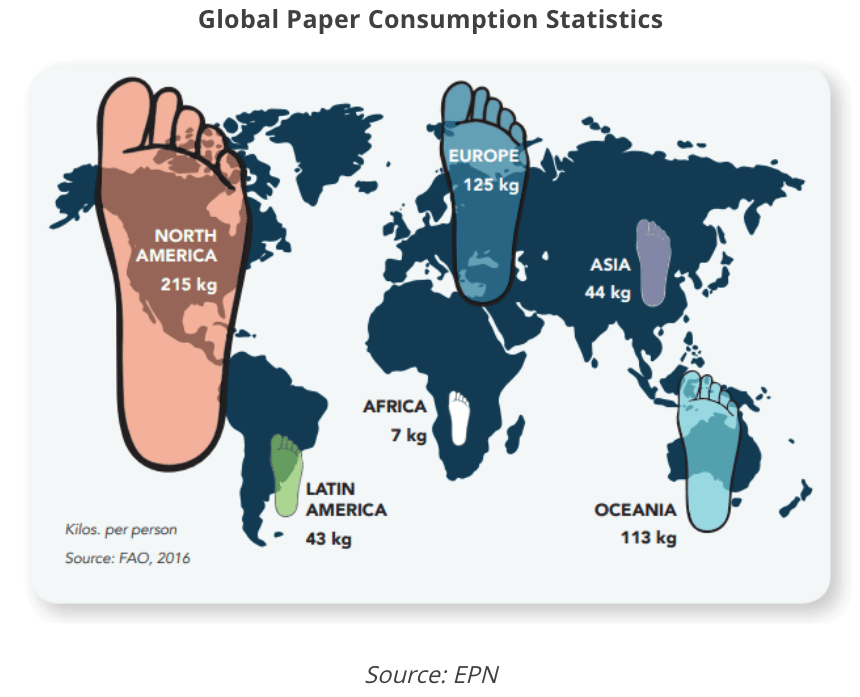
In a world where paper use has increased by 400% in the past 40 years and paper production is greater than 300 million metric tons per year, destruction of trees and natural habitats is at its peak. This means it is time for humans to demand fewer resources from the environment, but also for us to convert to more sustainable paper alternatives.

Tree-free papers:

  • Bagasse, also known as sugarcane waste – the fibrous residue remaining after pulp and sugar is separated
  • Cow and Elephant manure – the supply of this raw material is substantial, and as the animal chews plants during consumption, there are less steps needed to grind it once it is released from the animal’s body

Links:

https://www.tonerbuzz.com/facts-about-paper/

Stop feeding ducks bread!

Every walk to the park includes a trip to the pond where ducks swarm around the crumbs of bread that we throw to them. But what many people do not know, is that the bread can harm more than benefit these ducks.

Negative impacts:

  • Bread is high in carbohydrates and has no major nutritional health value, so while ducks find it tasty, as they fill up on it, they eat less foods that can provide more health benefits
  • As ducks swarm together, disease is more likely transmissible
  • Bread leftovers that escape the ducks can cause algae blooms that reduce oxygen levels in water as well as attract pests

Alternatives:

  • Fruits like grapes
  • Vegetables like lettuce
  • Grains – oats/cooked rice

In moderation, bread is unlikely to cause immediate harm to the ducks, but in the long run it is safer for the ducks and their environment to be given healthier alternatives.

2010 Polio Outbreak Tajikistan

In 2010, Tajikistan confirmed a Polio outbreak in the country, after eight years of being declared polio free, along with numerous other European countries. Since the last case of polio in Tajikistan was reported in 1997, this news came to a shock but past experience helped the country cope with the disease more efficiently. On May 19th, the country had reported 432 cases of acute flaccid paralysis in 20 districts with 129 being polio cases. Unfortunately, about 62% of these polio cases occurred in children aged 1-5 years and were therefore prone to the virus’s potential effects of lifelong paralysis or death. 

stakeholders:

To react quickly to the outbreak, the Ministry of Health conducted “three rounds of an emergency immunisation campaign for all children under 6, vaccinating 1.1 million children in Tajikistan.” This campaign would not have been possible without interdependence with other states and foreign aid. WHO and UNICEF provided cold chains and over 3.9 million doses of vaccines costing over $614,000, while USAID and the British Department for International Development contributed financial support. In addition, the MOH and UNICEF encouraged families to bring their children for immunisations against polio, the best preventive of the disease.

Overall results:

To get an idea of the campaign’s prompt response to the disease, in the first round, they immunised 1.1 million children under the age of 6, representing 99.6% of the target group. Overall, routine immunisation coverage in the country was about 87%, although there were few absences, especially in remote rural areas. “Although the Region is considered at high-risk for importation of wild poliovirus due to ongoing global travel, trade, and migration, especially with the four polio endemic countries” (India, Nigeria, Pakistan, Afghanistan), the campaign effectively vaccinated the majority of the country’s population in the outbreak’s early stages.

Links:

Pollution in China – What is being done

Pollution levels and effects:

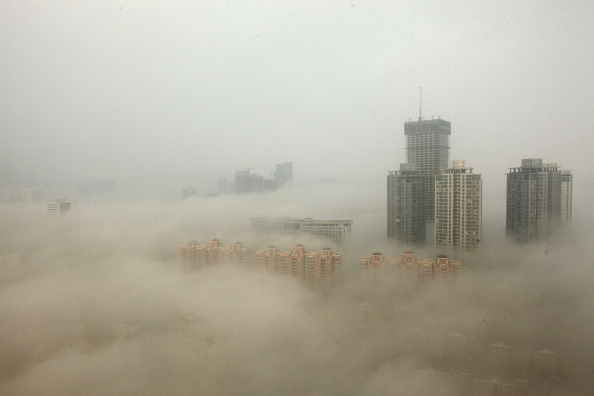
China is globally known for its extreme air pollution levels. Causes include the country’s population, being the biggest in the world, and China’s “economic boom,” being the fastest among major nations in the past few decades. While urbanisation has led to a surge in wealth, it means that the people are deprived of basic health security. Effects include lower birth rates, 411,00 premature deaths, and higher adult mortality from respiratory related diseases; in fact, lung cancer rates have risen by 60% in the past 10 years despite no change in smoking rates.

Action taken:

Over the years, the Chinese government has taken a series of steps to battle air pollution. This includes the ban of new coal-fired power plants and the closing down of many old ones, as chemicals released like sulphur dioxide account for 33% of China’s total national emissions. Iron and steel production have been limited and many coal mines have been shut, meaning the government favoured health over the economy in this situation. Moreover, large cities like Shanghai and Shenzhen have limited the number of vehicles on the road and introduced electric buses. According to earth.org, the country planted more than 35 billion trees and with investments of an estimated $100 billion in such programmes, “China’s forestry expenditure per hectare exceeded that of the US and Europe and became three times higher than the global average.” 

Furthermore, two major action plans have been established. The first was in 2013, helping cities to make improvements in air quality; by 2017, levels of atmospheric particulate matter (PM2.5) dropped by 33% in Beijing. While this is a great change, cities failed in meeting WHO’s recommended PM2.5 levels; this resulted in a new, three-year, action plan, applying to the entire nation this time. Because of such steps taken for public safety, research suggests “the average citizen can now expect to live 2.4 years longer on average if the declines in air pollution persist.” 

Links:

Neuralink – connecting the human brain to technology

Neuralink is a controversial chip that binds together humankind with artificial intelligence. Surgically implanted into one’s brain, it can connect the brain to technology by reading neuron signals. This means that people can operate their phones and computers directly with their brain. The chip also gives one access to all public knowledge in the world. Designed for people with brain disorders and other medical problems, the chip can help cure neurological conditions like Alzheimer’s, dementia and spinal cord injuries.

At first glance, it seems like this is the technology of the future, giving paralysed people the platform to easily carry out the same actions as the non-paralysed. However, the chip also gives rise to a few practical and ethical problems. Even if it assured to be safe by experts, there is still a chance that it could potentially be dangerous for certain bodies, something which no one can fully predict. Furthermore, another factor to consider is that the chip may only be accessible to those with money, which can be unfair to those who are mentally disadvantaged and do not have the means to pay.

A representation of the peak of the technological world, this tiny device may be the key to curing major medical problems, but its success is yet to be determined.