Harshad Mehta, the Raging Bull

Harshad Mehta was known as the ‘Big Bull’ of Dalal Street and the ‘Amitabh Bachchan’ of the Indian stock market. He manipulated stocks by illegally obtaining money from several banks using fake bank receipts. He created a cycle of fraud involving big banks like the State Bank of India (SBI) and the National Housing Bank (NHB).
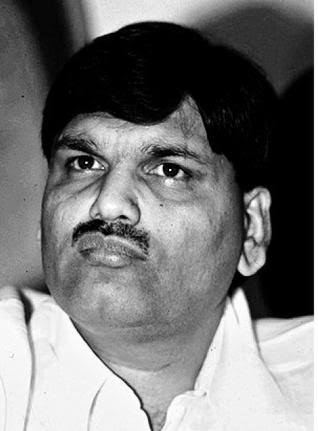
Harshad Shantilal Mehta was born on 29th July 1954, at Paneli Moti, Rajkot district in Gujarat. His early childhood was spent in Borivali, where his father was a textile businessman. He did his early study in Janta Public School, Bhilai. Mehta did not show any special promise in school and came to Mumbai after his schooling for higher studies and to find work. Mehta completed his B.Com in 1976 from Lala Lajpatrai College, Bombay and worked in a number of odd jobs for almost a decade. Mehta started his career as a sales person in New India Assurance Company Limited (NIACL). During this time, he decided to try his luck in the stock market and after a few days, resigned and joined a brokerage firm. In the early 1980s, he got hired for a clerical job at the brokerage firm Harjivandas Nemidas Securities where he worked a jobber for the broker Prasann Pranjivandas. By 1990, Harshad had risen to a position of prominence in the Indian securities industry, after years of success with his own company, Growmore. He believed that the general public is more attracted to organisations that have an English name rather than an Indian one.

A number of eminent people began to invest in his firm, and utilize his services. It was at this time that he began trading heavily in the shares of Associated Cement Company (ACC). The price of shares in the cement company eventually rose from ₹200 to ₹9,000 due to a mass buying from a group of brokers including Mehta. Just like this, whatever stocks he was interested in, skyrocketed. Everyone; super rich and middle-class people alike, invested wherever Harshad invested. He was on every magazine cover page at that time, most of them titled “Raging Bull”.
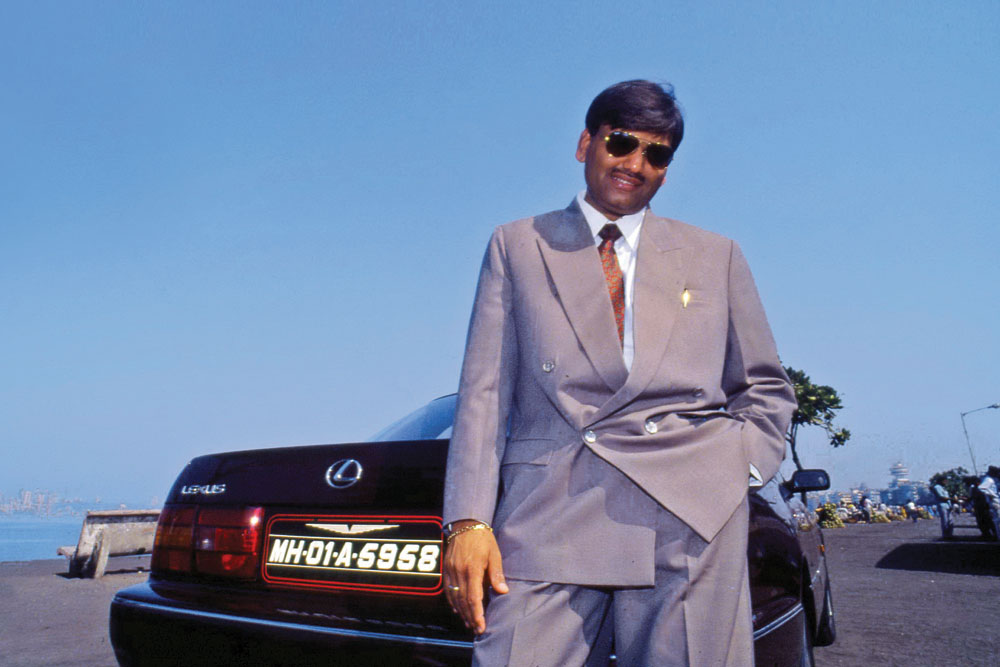
He had flashy lifestyle with a sea facing 15,000 square feet penthouse in Worli, with a mini golf course, swimming pool, and his fleet of cars including a Toyota Corolla, Lexus LS400, and Toyota Sera. It was truly a prosperous decade for Harshad. But this would all end soon.

In 1992, Mehta bribed bank employees to get fake bank receipts (BRs) issued. He used these BRs to get other banks to lend him money under the impression that they were lending against government securities. This amount was then put into the stock market to skyrocket share prices. Mehta then sold these shares at a significant profit and the principal amount was returned to the banks.

After the scam came to light, the tax department conducted a raid in Harshad’s house on February 28, 1992. Several documents and share certificates were seized. Soon after, he was imprisoned. He was convicted by both the Bombay High Court and the Supreme Court and charged with 74 criminal offences. His legal battles dragged on until 2001, when he passed away in jail from a cardiac arrest, at the age of 47.

The Harshad Mehta scam triggered many changes in India’s financial regulatory system. The Securities Laws (Amendments) Act was passed in 1995, widening Sebi’s jurisdiction and allowing it to regulate depositories, FIIs, venture capital funds and credit-rating agencies. To secure investor interest, Sebi could also make it mandatory for companies issuing securities to make disclosures.
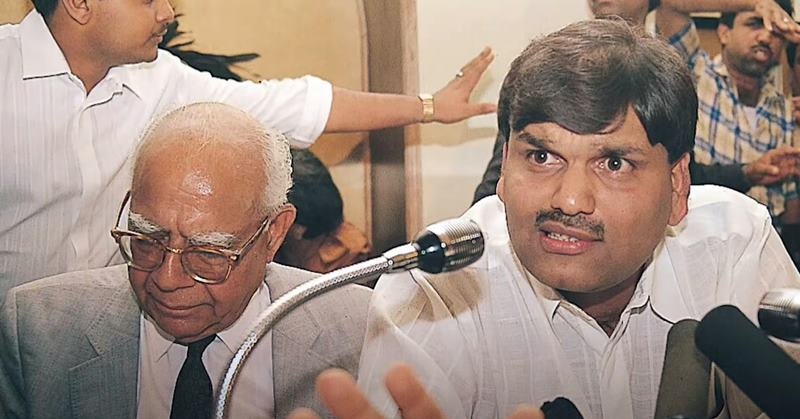
The Indian stock market has come a long way since the scam. Over the years, there have been other stock market scams that left regulatory bodies in pressure. But Mehta was the one who started it all. His actions continue to serve as a reminder to both investors and regulators to remain vigilant at all times.

Saying “NO”

How often do people ask you to do something and you just reply, “Sure”. And as a result of that, you’re overwhelmed by how much extra work you have to do. We become frustrated even though we were the ones who said yes to help them in the first place. We agree to many requests not because we want to do the work, but because we don’t want to be seen as rude or arrogant.

It worries us that if we deny the someone’s request then they will end the friendship between us or it will lead to an awkward situation the next time we meet them. But this is not the case. The person who we say NO to will not be thinking about how rude you were. They will simply move on to the next person to ask for help. 

Economist Tim Harford said, “Every time we say yes to a request, we are also saying no to anything else we might accomplish with the time”. We compromise the valuable time that we have, to do work for others when we could be productive working to improve our life skills that will actually help us.  

A simple “no” is the perfect solution. We think that this one word will cause a lot of problems but in reality, it can be the most powerful tool. Saying no is an important skill to develop at any stage of your career because it retains the most important asset in life: your time. You need to say no to whatever isn’t leading you toward your goals. You need to say no to distractions. For instance, if you originally planned to do work but your friend calls you for a video game, you have to say NO to him so that you don’t cause trouble to your future self.

Of course, saying a simple NO will not always suffice. They will always ask a follow up question of “WHY?”. Therefore, we need to learn how to say NO without sounding rude.

Some of the kind ways to decline are, “Unfortunately, I’ll need to pass on this”, “I’m sorry, but I will not be able to”, “Sadly, I can’t”.

The examples of phrases to avoid are, “hmm, I don’t know”, “I’m not sure”, “It’s tough to say”, “Well, maybe I could do it. But…”.

Saying no saves you time in the future, whereas saying yes costs you time in the future. No is a form of time credit. You retain the ability to spend your future time however you want. Yes is a form of time debt. You have to pay back your commitment at some point. No is a decision. Yes is a responsibility.

Pegasus, The New Global Pandemic

Pegasus is a highly sophisticated surveillance software developed by an Israeli tech firm called the NSO Group. The company is well known for creating specialized cyber weapons.

The first report of Pegasus came into public knowledge in 2016 when the software hacked an iPhone of an Arab human rights activist. Few days later Apple released an iOS update protecting its devices against the software. Later, in 2017 it was found that the system can hack android devices as well, following which, Google also launched an OS update to counter the dangerous software. In 2019, Facebook sued NSO Group for creating the surveillance software. These incidents struck fear for everyone in the world as they realized Pegasus is capable of hacking even the largest companies in the world.

How exactly can a device get attacked by the Pegasus software? Multiple reports suggest methods used for the software to enter a phone. It could happen when the user clicks on unknown links that are mysteriously sent to their phone. Even a single missed call can automatically be installed on a phone, and upon installation of the software, it automatically deletes the missed call from the log entry, making it unaware to the user about the hacking that has taken place on their device.

According to cybersecurity research, Pegasus will be able to access calls. Messages, apps, user location, camera and microphone from the device that has been hacked.

On July 18th, it was reported that documents evaluated by international media and agencies showed a list of phones numbers that are targeted for surveillance using the Pegasus software. European Commission chief Ursula von der Leyen said on Monday that the spyware scandal involving the Israeli software firm and up to 50,000 smartphone numbers was “completely unacceptable” if true. “This has to be verified, but if it is the case, it is completely unacceptable,” she told reporters in Prague. It was also reported that 40 Indian journalists, as well as other public figures, politicians and activists, were attacked by the software.

Pegasus was meant to be used by governments on a per-license basis. NSO stated that it sells its spyware only to “vetted governments”. The home page of NSO Group’s website says the company creates technology that “helps government agencies” prevent and investigate terrorism and crime to save thousands of lives around the globe. NSO will not confirm whether the Indian government is a customer but the presence of Pegasus infections in the phones of journalists and others in India suggests that one or more official agencies here are actively using the spyware.

The 21st Century Space Race

Everybody knows about the Apollo missions in the late 20th century, when Neil Armstrong famously quoted, “That’s one small step for man, one giant leap for mankind”, as he became the first human to stand on the moon. But since then, space exploration hasn’t been as enthusiastic and exciting. Until now.

Unlike the Space Race in the 60s, where powerful countries tried to beat each other to space, the new space race is between multi-billionaires with their private space companies. The biggest players are Elon Musk’s SpaceX, Jeff Bezos’ Blue Origin and Richard Branson’s Virgin Galactic.

Elon Musk, founder of SpaceX, said that his company aims to revolutionize space technology, with the ultimate goal of enabling people to live on other planets. Jeff Bezos, who founded Blue Origin, said the company believes that “in order to preserve Earth, our home, for our grandchildren’s grandchildren, we must go to space to tap its unlimited resources and energy”. Richard Branson’s Virgin Galactic is attempting to be the first to offer commercial human spaceflight, trying to open up space to everyone.

Out of all the private space companies, Elon Musk’s SpaceX has achieved the most, with many successful test flights, transporting cargo to the International Space Station, setting up satellites in orbit and sending the first humans to space from the United States since the Apollo missions. He even launched his own Tesla vehicle into space. Not being publicly traded, Musk doesn’t intend to make SpaceX public till it accomplishes its Mars ambitions. He aims to launch a SpaceX rocket off to Mars, containing only cargo by 2022. He has hopes to send a million people to Mars by 2050. He also started a company called Starlink, which aims to set up microsatellites in lower Earth orbit, with the goal of providing affordable internet connection to every corner of the planet.

Following Musk’s remarkable success, other space companies felt the need to do something that will put them on the map. Recently, Jeff Bezos announced that he will be going to space with his brother on July 20th. Following this Richard Branson immediately announced and travelled to space on July 11th. Soon after, this incident resulted in a debate on where space really begins. Blue Origin argued that Kármán line, 100 kilometers above Earth’s mean sea level, is where space truly begins, and Richard Branson with Virgin Galactic did not cross that line, whereas Jeff Bezos is said to be travelling above the Kármán line. Various scientists, astronauts and astronomers jumped into the debate arguing who among the two is right. Famous physicist Neil deGrasse Tyson believes that Richard Branson did not in fact really go to space.

Everyone is waiting for Jeff Bezos to travel to space tomorrow on the New Shephard spacecraft by Blue Origin. This is just the beginning of the massive space exploration business and many private companies are jumping into the very risky yet insanely profitable (if successful) market of the future.

Zika Virus: A New Threat to Humanity?

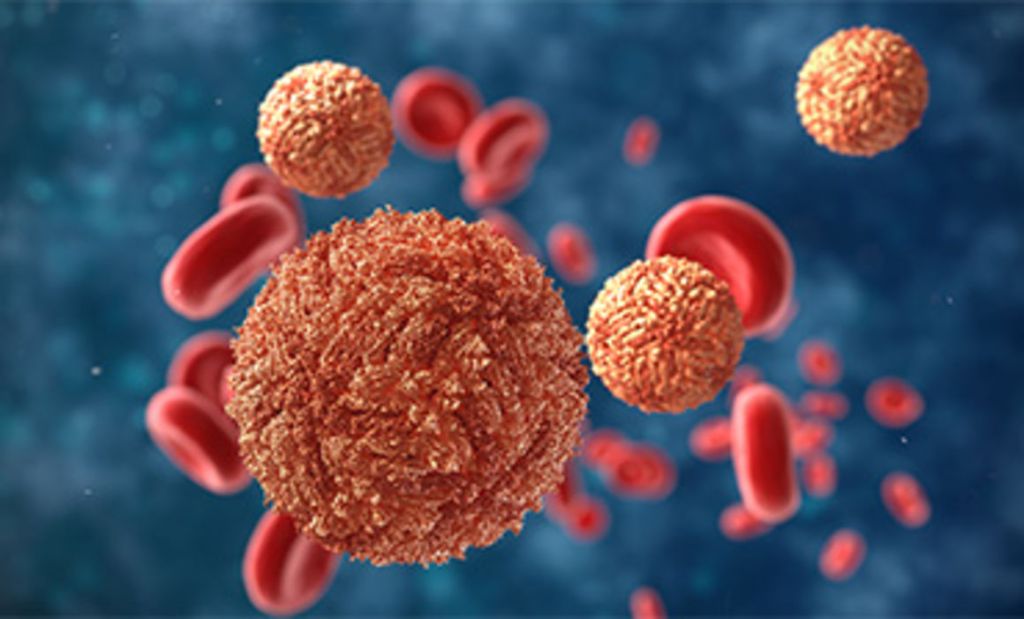
Zika virus disease is mainly spread by mosquitoes. For most people it’s a very mild infection and is not harmful. But it may be more serious for pregnant women, and causes birth defects.

Zika outbreaks have been reported in the Pacific region, South and Central America, the Caribbean, Africa, and parts of south and southeast Asia. The virus was first discovered in monkeys in Uganda’s Zika forest in 1947.

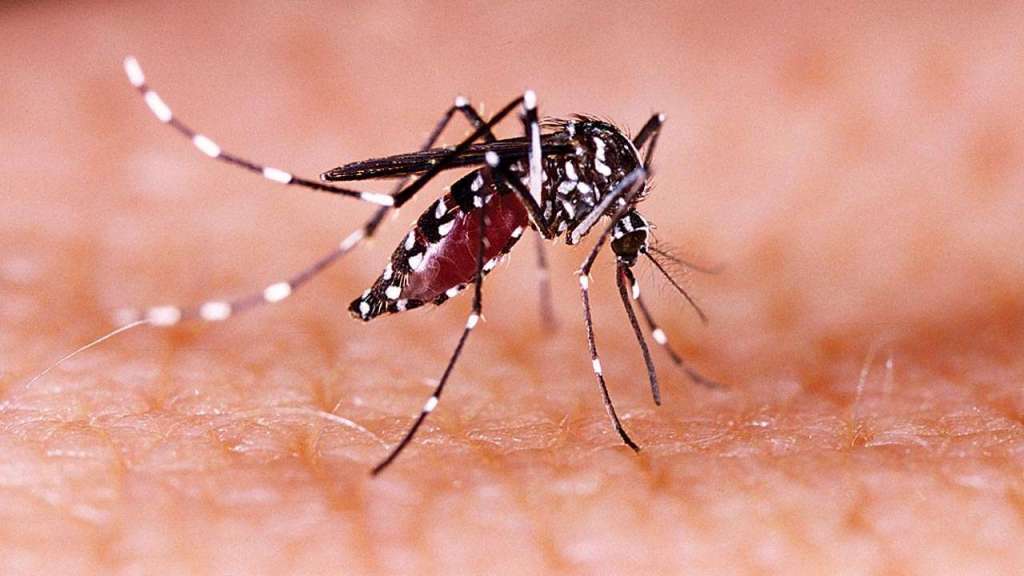
Most cases of Zika virus disease are spread by infected mosquitoes biting humans. Unlike the mosquitoes that spread malaria, the Aedes mosquitoes are most active during the day, especially during morning, and late afternoon to dusk.

Most people have no symptoms. If symptoms do occur, they’re usually less and last around 2 to 7 days. General symptoms include rash, itching all over the body, high temperature, headache, joint pain, muscle pain, red eyes (conjunctivitis), lower back pain, pain behind eyes.

To prevent mosquito bites by using insect repellent that contains DEET (N, N-diethyl-meta-toluamide) on exposed skin after sunscreen has been applied. Always ensure there is no water stagnation at homes and its surroundings. Wearing loose clothing that covers your arms and legs and sleeping under a mosquito net can also help a lot.

Unfortunately, there’s no specific treatment for Zika virus. No vaccine is yet available for the prevention or treatment. Drinking plenty of water and taking paracetamol may help relieve symptoms.

Scientists believe that Zika virus is a cause of Guillain-Barré syndrome (GBS). Guillain-Barré syndrome is a rare disorder in which your immune system attacks your nerves, causing weakness and tingling that usually begins in the feet and legs. The weakness can spread quickly and eventually paralyze the whole body if not treated immediately.

Kerala reported the first case of Zika virus in 2021. The first official case of the mosquito-borne viral infection was detected in the blood samples of a 24 year old pregnant woman in Thiruvananthapuram, the capital of Kerala.

The patient was diagnosed and hospitalized at KIMs and the doctors confirmed that the woman is stable. 13 more samples have been sent to the National Institute of Virology in Pune to find traces of the virus. She was suffering from symptoms like fever, joint pain, and skin rashes. Of the 19 samples sent to Thiruvananthapuram, 13 are health workers, doctors and are suspected to be positive. Five more people, including four women, have tested positive for the infection in Kerala yesterday, taking the case count in the state to 28. India had already seen Zika outbreaks in 2017 and 2018, with hundreds of cases reported in western Gujarat and Rajasthan as well as central Madhya Pradesh.

So, is Zika Virus really a threat to humanity? Though it is not fully guaranteed that deaths will not occur because of the virus, the chances of that happening are very rare and uncommon. Most cases have no or very few mild symptoms and a lot of times a person who got the virus will not even be aware that they have the virus or had it at some point of their lives. The virus is however dangerous to new born babies who get it from their virus infected mothers during pregnancy. Therefore, all of us must take necessary precaution to protect us and our surrounding from being a target for the Zika Virus.

The Success Story of Jio

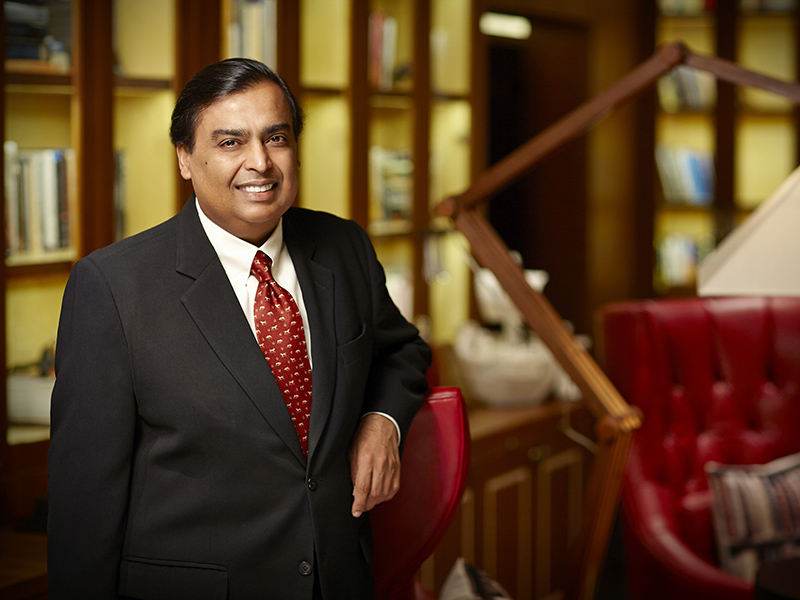
Although the richest Asian in the world, Mukesh Ambani said in 2018, “The idea of Jio was first seeded by my daughter, Isha, in 2011”, the real origin of Mukesh Ambani wanting to start a telecom company goes way back to 2002. The Reliance group first entered the telecom business with Reliance Infocomm in 2002, but then a cold war had begun between the brothers, Mukesh Ambani and Anil Ambani.

Three years later, unable to run the Reliance empire together, the brothers split up, ending a long business feud. It was their mother who divided the business between the two. While Mukesh Ambani got control over the exploration and production, petrochemicals, refineries and marketing under the name Reliance Industries, Anil Ambani got Reliance Energy, Reliance Infocomm, and Reliance Capital, and named his company Reliance-Anil Dhirubhai Ambani Group (R-Adag).

In 2006 the brothers signed a contract saying the two will not venture into markets that the other is in but this contract was discontinued in 2010 for various reasons, which in turn allowed Mukesh Ambani to finally venture into the telecommunications market.

Two weeks later, RIL bought 95% stake in Infotel Broadband Services, the only company to have won the auction of broadband spectrum for pan-India, for USD 1 Billion.

In 2013, RIL renamed Infotel Broadband Services as Reliance Jio Infocomm, becoming the only company to have a pan-India broadband spectrum, which it later used to roll out 4G services. But it took Reliance about six years to launch commercial mobile network services. But once it commercially launched in September 2016, it took the market by storm.

When Mukesh Ambani unveiled Jio in 2016, he announced Jio’s data, voice call and video call, and the many Jio applications, like JioTV, JioCinema, and JioMusic, among others, would be available for free till the end of the year, which was later, extended till March 2017.

Over the next three years, Reliance offered Jio services and 4G smartphones at extremely cheap prices, which resulted in Jio rising as the largest telecom operator with over 330 million subscribers in mid of 2019.

To expand its territories, between July 2016 and August 2019, Reliance acquired stakes in 18 companies in areas including artificial intelligence, media, entertainment, software simulation, logistics, and music streaming. During the ongoing pandemic he raised over USD 20 billion from global investors including tech giants like Facebook and Google.

Mukesh Ambani strategically transformed his telecom venture into a full-fledged digital tech platform, often compared to Jack Ma’s Alibaba in China. Unlike other Indian telecom giants, Airtel and Vodafone-Idea, Reliance never considered Jio as just a telecom venture.

Experts believe that this is just the beginning of the long and ambitious mission of Mukesh Ambani with Jio.

The OTT War

Video streaming is no doubt a huge business. In 2020, it has generated a revenue of approximately $26 billion, with an annual growth rate of 4.1%.

Netflix is a veteran in the industry, having been founded back in 1997. Over the years, as streaming became more popular, Netflix established itself as the industry leader and today has 167 million subscribers worldwide. Following the success of Netflix, big entertainment firms and film production companies began their own streaming services. These being YouTube, Hulu, Amazon Prime, with the most recent entry into the market, apple TV+, HBO MAX, Disney+ and NBC’s Peacock.

With all companies facing high competition, every streaming service had to do something big to attract customers, showing how their OTT platform is superior to the others. Netflix spends billions of dollars every year to create Netflix original movies and web series, allowing young aspiring filmmakers as well as legendary veterans in the film industry to use the platform without complications of getting their films financed or released in theaters. Disney acquired large money-making studios like Marvel Studios (company behind the blockbuster Marvel superhero films) and Lucasfilm (company behind the legendary Star Wars franchise). Amazon prime membership has multiple advantages, with free prime delivery, prime music (their own music streaming service), and best of all primevideo which hosts thousands of great movies and shows across all major languages. Amazon spends a lot of its budget to create regional language content. Recently Amazon acquired Metro-Goldwyn-Mayer, the century old legendary production studio for $8.5 billion.

Sports also plays a huge role in getting customers to subscribe to a streaming service. Peacock announced that it will be streaming Tokyo Olympics live on its service. Disney+ partnered with Hotstar, India’s biggest streaming service, which streams major sporting events and leagues on its platform.

Every streaming service comes with subscription packages of different benefits and price range. Disney+ being new to the market, had a few tricks up their sleeve to attract customers from other streaming services to switch to their own. The basic subscription of Disney+ and Netflix are the same price, yet Disney+ includes 4K viewing, while Netflix customers have to pay extra to enjoy 4K. Even HD streaming on Netflix comes with an extra fee. Netflix only allows one viewer at a time for its basic subscription, while Disney+ offers up to four viewers on one subscription. These may seem like small details, but when going head-to-head with an already established brand, it helps to offer extra benefits and features.

The major reasons for the boom in popularity of OTT in India was the availability of low-cost mobile data and affordable smartphones. India has the cheapest mobile data in the world with 1GB costing just INR 18.5 as compared to the global average of about INR 600. It enabled the youth in India to access OTT video streaming services at affordable prices.

Since the outbreak of COVID-19 and national lockdown in 2020, India witnessed a significant growth in the usage of OTT. Until then, the popularity of OTT platforms were limited to urban area and above middle class. Film theatres were also closed since national lockdown, people were restricted to their homes and didn’t have much options for entertainment. Big budget films starring huge stars are being directly released in OTT platforms and have been very successful for both filmmakers as well as streaming services.

This is the story of the rise of streaming services in India and around the world and what we are witnessing is just the very beginning of a new era of entertainment.

Toxic Positivity

Toxic positivity is a relatively new term but most definitely not an uncommon concept. This “good vibes only” approach, is a type of coping mechanism, wherein people pretend like everything is perfectly fine and invalidate their obviously distressing feelings. 

Saying things like “everything happens for a reason” and “look on the bright side”, they suppress any negative emotions and refuse to address negative experiences. Ignoring reality seems like a good option in the short-run but all those bundled up emotions eventually escalate and cause long-term repercussions. 

Take the COVID-19 Pandemic. All we hear is bad news – families losing jobs, the economy falling, people falling sick and dying. We’ve all wanted to cut ourselves from reality and live in our own happy world. Although this comes with good intentions, it only makes things worse in the long run. Such thoughts get toxic when we become dismissive of our inevitable sadness. Of course, being grateful for what we have is imperative during such times. But so is taking care of our mental health, and that includes acknowledging all our emotions, even the pessimistic ones. 

We don’t realise how we say such things, not only to ourselves, but also to others. When consoling a friend, saying something like “there are people suffering more” is the worst thing you could do. It not only invalidates their feelings, making them feel worse, but also dismisses the idea of actually helping them resolve the issue. These micro aggressive comments can aggravate situations and ruin relationships altogether.  

The difference between positivity and toxic positivity is the ‘solution-focused’ approach. Positivity involves addressing the negative, and attempting to find an effective solution to improve it. Hence, solution-focused. Toxic positivity, on the other hand, negates true human emotions and considers being “just happy” the better option. It is an inauthentic and inconsiderate thought-process. 

How does one overcome this? It is important to recognize that regardless of how positive we try to be, at the end of the day, we’re all human. We are bound to react to different situations in different ways. Negative emotions are natural and it is important to acknowledge it, both with yourself and others, and try to find a solution. Bad days are there to remind us that we have good ones to look forward to.

Individualism versus Collectivism

Individualism stresses individual goals and the rights of the individual person. Collectivism focuses on group goals, what is best for the collective group, and personal relationships.

An individualist is motivated by personal rewards and benefits. Individualist people set personal goals and objectives based on self. Individualistic workers are very comfortable working alone and not part of a team.

The collectivist is motivated by group goals. Collectivistic people easily sacrifice individual benefit to recognize and strive for the team’s success. They believe maintaining social harmony, getting along with others, and meeting social expectations that have been set up by society over centuries.

In simple words, people from individualist cultures consider themselves as separate from others while people from collectivist cultures consider themselves connected to others.

In general, European and Western nations tend to be individualists while Asian and African typically collectivists.

This classification is common in education systems too. Taking an example, in USA schools and colleges you will almost never find group projects or assignments given to the students. Almost all of it will be individual work. But if we see in countries like India, most student assignments are group work based.

One big misconception is that individualism means a person is introverted and collectivism means a person is extroverted. This is in fact, wrong. A person from an individualist society can be extroverted and a person from a collectivist society can be introverted. This is because the two things are in no way related. While introverts enjoy being alone or with a small group of friends, an individualist person is self-reliant in doing their work. This individualist can do their assigned work all by themselves and then socialize with lots of people. 

Everyone falls somewhere on the individualist-collectivist spectrum. Even within a very collectivist culture, you will find people who are more individualist. Research has shown that people shift along this spectrum, leaning more collectivist or individualist depending on the situation. This is most common in countries and societies that don’t limit themselves to one form of culture and are open to both and practice the two on different occasions.

Recently, to find the answer to the most important question of the hour, “Why did COVID-19 hit some countries harder than others?”, a research was conducted. They found that the more individualistic a country was, the more COVID-19 cases and mortalities it had. They also found out that the more individualistic people were, the higher the chances they would not cooperate to take COVID prevention measures. Therefore, we can see here that although both cultures have its pros and cons, when it comes to the current circumstances that our world is in, it is important that we think of ourselves as part of society and prevent taking any personal action that could possibly harm others.

Animal Farm

by George Orwell

Animal Farm by George Orwell tells the story of a group of farm animals who rebel against their human farmer, hoping to create a society where the animals can be equal, free, and happy. Their first leader, a pig, Old Major, was kind and fair who knew animals should be equal. But when Napoleon, also a pig, became the leader, it was very unpleasant. Napoleon wanted more power. The rebellion is betrayed, and the farm ends up in a state worse than it was before, under the dictatorship of Napoleon. He made a rule that allowed the pigs to have better food and that forced all of the other animals to work very hard in dangerous working conditions every day and night while the pigs laid on the bed all day, drinking and living in luxury. Pigs could speak fluently in English unlike the other animals, and that gave them the power to be leaders. Little by little, the rules begin to mysteriously change, and the pigs seem to gain power little by little, making the rest of the animals question what society they were striving for in the first place and whether their new-found freedom is as liberating as they have hoped. The cleaver pigs had already taken advantage of the naïve animals, and by the time the animals realised what the pigs had done, it was too late.

As soon the animals got freedom over the farm, they came up with a set of seven rules that will be the base of the Animal Farm. One of which was “All animals are equal”. This fair and just rule was later modified by the corrupt rulers into “All animals are equal, but some animals are more equal than others”. With this the original purpose of the Seven Commandments, which were supposed to keep order within Animal Farm by uniting the animals together against the humans and preventing animals from following the humans’ evil doings, is ruined and it demonstrates how even the best of us can be corrupt when power lies in our hands.

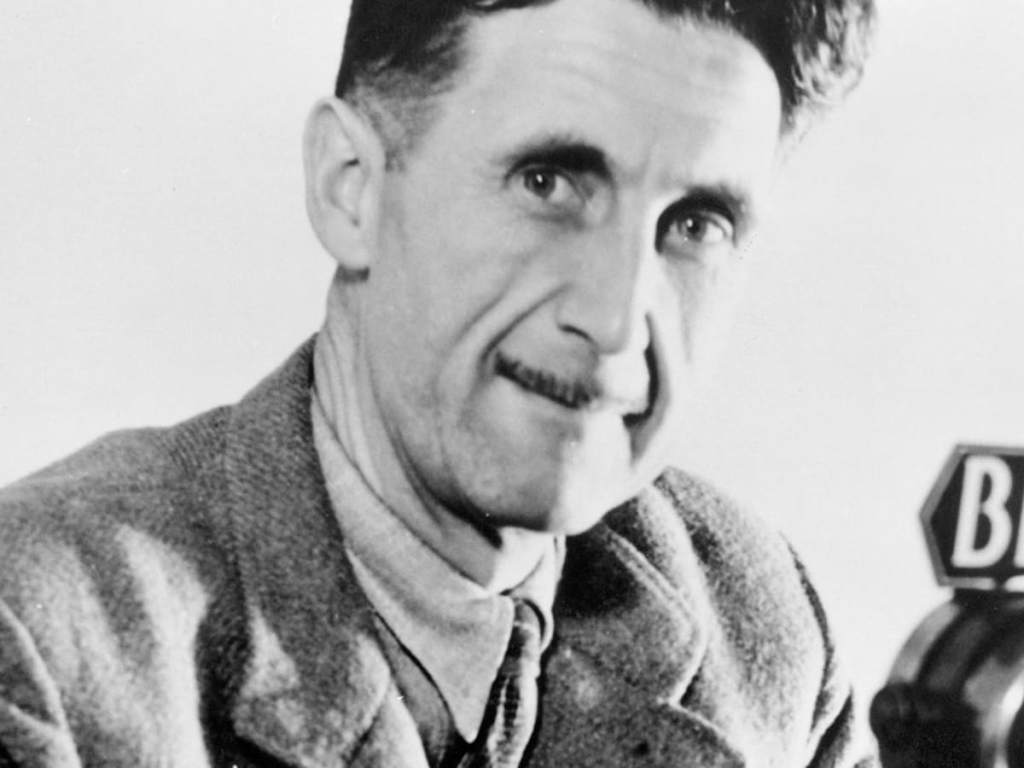
Author Orwell said that the book was based on the events of Russia’s Bolshevik revolution and the betrayal of the cause by Joseph Stalin. Published in 1945, this book still stays relevant in today’s world, even after 76 years. It highlights the demons within every human; jealousy, greed, laziness and cruelty. Animal Farm is bitter reminder from history warning us that no good will come to us or anybody unless we set aside our egos and greed to help and support each other selflessly when the whole world is against us.

Author George Orwell

Raging Wildfires in Western States of USA

More than 300,000 acres are burning across six states across the west coast of United States on Sunday. This event was triggered by a record-breaking heat wave in the region.

Communities have been told to evacuate while firefighters battle the wildfire in the extreme conditions. Firefighters from several wildfires in the region said, the air is so dry that most of the water dropped by aircraft to extinguish the flames evaporates even before it reaches the ground. On Saturday, two firefighters in Arizona died when their aircraft crashed while trying to extinguish the roaring flames. In California, residents were urged to cut power consumption after interstate power lines were caught on fire. In the north of Nevada, near the border with California, wildfires were triggered by lightning strikes in the Sierra Nevada Forest region. Reports have said that a fire, which doubled in size between Friday and Saturday, sent up a giant cloud of smoke and ash, combining with the dry heat to generate its own lightning.

Experts say that climate change is expected to increase the frequency of extreme weather events, such as heatwaves. Las Vegas had its all-time high temperature of 47.2 Celsius. The west coast experienced it’s hottest June ever, this year. It comes just weeks after another dangerous heatwave hit North America, in which hundreds of sudden deaths were recorded.

This event is not new. Every year thousands of acres of land and wildlife is burned by wildfires in California and the neighboring west coast states. They have been growing in size and intensity, and have been particularly devastating in the last three to five years. California’s population has doubled since 1970, from 20 million to almost 40 million. Also during this period, climate change has extended the fire season by at least 75 days since the 1970s, putting millions more lives in danger.

For the past few years, wildfires have been an annual, or even monthly event, not only in the US, but many parts of the world. As the need of serious action against climate change is being more and more urgent, there must be steps taken to fight and control wildfires. More funds should be given for research. Properly funded research could study the best ways to predict high-risk areas for wildfire and to better understand how climate change is shifting how wildfires behave. Strict environmental laws need to be passed by the government and enough wildfire disaster relief funds must be used effectively and efficiently to prevent spread of wildfires and protect the people living close to potential threat from wildfires.

Argentina beat Brazil 1-0 in Copa America final

Lionel Messi’s Argentina beat Brazil 1-0 in Copa America final this Saturday to secure the Argentina’s first title in 28 years and Messi’s first major international trophy.

Argentina’s winning goal at the Maracana Stadium in Rio de Janeiro was scored by Angel di Maria receiving a long pass from Rodrigo de Paul at the 22nd minute. The PSG forward chipped the ball into the net over the Brazilian goal-keeper Ederson. Neymar tried hard with dribbles and passes, but was no match for Argentina goalkeeper Emiliano Martinez, who won best Goalkeeper of the tournament.

The team line-up for Argentina and Brazil were,
Argentina XI: Damian Martinez, Otamendi, Acuna, Montiel, Romero, De Paul, Paredes, Lo Celso, Messi, Di Maria, Lautaro Martinez
Brazil XI: Ederson, Thiago Silva, Danilo, Marquinhos, Renan Lodi, Casemiro, Fred, Everton, Lucas Paqueta, Richarlison, Neymar

It was a match which was tipped to be a battle between Brazil’s Neymar and Argentina’s Messi but both men did not have a significant impact on the game. Messi came on the brink of scoring in the later stages of the second half, but failed to get on to the score sheet.
Neymar tried his best but he was constantly fouled and tackled by Argentina midfielders and defenders. it had been a troublesome physical battle in the midfield.


Roberto Firmino’s introduction in the second half gave power to Brazil’s attack and they created a great deal of chances. Gabi had a couple of shots but were saved by Argentine goal-keeper Martinez.

Messi and De Paul, both, had an opportunity to seal the match late in the second half but Brazil survived and kept fighting.

The final whistle saw Messi fall down on his knees with tears in his eyes as his teammates rushed to him to celebrate a much awaited win.

Lionel Messi had lost three Copa America finals before this along with the 2014 FIFA World Cup final and the victory finally gives the talismanic footballer his first major trophy with the senior team.
Messi, arguably the greatest footballer of this generation alongside Cristiano Ronaldo, now has a continental title under his belt just like the Portuguese, who had lifted the Euro 2016 trophy.

At the end, all players who won Best player, Top Goal Scorer, Best Goal-keeper, were from the Argentina team; Lionel Messi winning the former two and Emiliano Martínez winning the latter. Ángel di María won Man of the Match.

How Effective really is Prison?

We have all watched movies about prison and the rigorous system it provides to criminals. But regardless of its glorified portrayal, the reality is harsh. A substantial number of people who are “ill-mannered” and have caused disruption to society are kept under one building to keep the country safe and to teach the criminals a lesson. But what exactly is the prison system teaching the inmates? Does being sentenced to prison really help the inmates become better people? Does prison even serve its true purpose?

There are 10.35 million people incarcerated in prisons worldwide. The very purpose of rehabilitation of prisoners is defeated when prison staff beat them up, lock and even starve them. Most prisoners have gone through intense mental and physical harm and trauma in their lives. World’s leading psychologists have long agreed that confining humans in cages with minimal or no human interaction is unimaginably damaging to one’s long-term mental health. As a result, once released, the chances of them recommitting the crime are higher. 

A prison inmate is four times more likely to commit suicide than the general population. Research has shown that when a child loses their mother or father to prison, they are many times more likely to commit a crime themselves. Gangs are formed in prisons, drugs are dealt, prison crimes are committed, inmates teach each other different techniques of committing crimes and better ways to get away with it.

You may think that once a prisoner is released, all their problems magically disappear. However, once released, they receive little or no support from family and friends. Additionally, they find it extremely difficult to get used to the normal lifestyle. As a result, they often resort to their previous habits and addictions. It is, without a doubt, the responsibility of the prison system to teach inmates how to lead a normal life, provide job opportunities and most importantly, ensure that family support is invariable. 

Norway has an incarceration rate of 75 per 100,000 people, one of the lowest in the world. In Norway once a prisoner is released, they actually stay out. Norway’s crime rates have been going down every year and so is their prison population. So clearly, the criminal justice system is doing something right.

The Norwegian prison system believes in the concept of ‘Restorative Justice’, which aims to repair the harm caused by the crime, rather than punishing the criminal. Instead of locking inmates in segregated pigeonholes, inmates are treated like normal people. Each inmate is provided a separate room, with a hygienic space, open windows, a flat-screen TV, shower and sufficient storage space. They also have the provision of educational and job opportunities inside prison, which trains them to be assets in society. 

So if there is a better, humane and effective alternative of prisons, why not adopt it?

Impact of Covid-19 on Mental Health

The COVID-19 pandemic and lockdowns has negatively affected most people’s mental health for more than a year now and it does not look like it’s going to end any time soon.

Young adults have experienced a number of problems due to the pandemic, such as closing of universities and loss of income. A recent research showed that during the pandemic, a larger than average share of young adults, aged 18 to 24, reported sleep disruptions, symptoms of anxiety and/or depression.

The pandemic took a huge toll on young children who were confined to their rooms, attending online classes for many hours every day with barely any breaks, at an age where they are supposed to be out playing with their friends and socializing with other kids their age.

Throughout the pandemic, many people across the world have experienced job loss or income cuts, resulting in them finding a hard time to provide for their families. The limitations of working from home led to longer working hours everyday and even work on the weekends.

How traumatic is it for doctors during Covid pandemic? Hear two medical  warriors - Coronavirus Outbreak News

Many essential workers face a number of challenges, including high risk of coming in contact with the coronavirus than people working in other fields. Compared to nonessential workers, essential workers are more likely to get anxiety or depressive disorder.

A study also found that 18% of individuals who received a COVID-19 diagnosis were later diagnosed with a mental health disorder. Older adults who are more vulnerable to severe illness from coronavirus and have experienced increased levels of anxiety and depression during the pandemic.

As of June 2020, 13% of Americans reported starting substance use as a way of coping with stress related to COVID-19. According to the 2021 report of the United Nations Office on Drugs and Crime (UNODC), around 275 million people used drugs worldwide last year during COVID-19 pandemic, up by 22% from 2010.

Human beings are social organisms and the sudden social isolation forced into us by the pandemic is one of the main, if not the main, reason for mental health disorder and it is now needed more than ever to be able to talk about one’s mental health to others normally and to provide help and support to each other in these trying times.

Regardless of age, the pandemic has affected all of us, physically and mentally. While we are stuck in our homes indefinitely, the frequent thought comes to our mind, ‘What am I doing with my life?’, ‘How much longer is this going to last?’. Therefore, as policymakers and world leaders continue to discuss further actions to reduce the burdens of the COVID-19 pandemic, it should be important to consider the increased need for mental health and substance use services.

The God of Small Things

by Arundhati Roy

The 1997 Booker Prize winner, The God of Small Things is set in 1960s Kerala. Author Arundhati Roy talks about different aspects of life in late 20th century Kerala, caste system, Keralite Syrian Christian lifestyle and communism. Although the protagonists, Estha and Rahel, were loved by their mother, the rest of the family hated the twins as they were half-Hindus and made their childhood miserable. The family blamed them for every misfortune that happened. To quote a line from the book,This was the trouble with families. Like invidious doctors, they knew just where it hurt”. The siblings realized at a very young age the scary reality of life and the world. Their tortured childhood shaped their adult lives, making them more immune to the lies and hardships of the world around them.

Though the novel begins with Estha and Rahel, it also contains stories of their parents, relatives, friends of the family and political events happening at that time, which would shape the future of Kerala. Roy talks about the Indian post-colonial situation, and opinions of many Indians about the former British rulers. Estha’s and Rahel’s mother, Ammu dislikes her father for his blind devotion to the British. Ammu’s brother, Chacko explains to the twins that they come from a family of Anglophiles, or lovers of British culture, In Chacko’s words, “trapped outside their own history and unable to retrace their steps”.

Roy uses various techniques to represent the children’s point of view. She capitalizes certain words and phrases to give them significance. The children also say things that adults say, in a childish way, making short poems of dialogues they heard the adults say to each other. This shows the children’s way of looking at the world, distinct from the perspective of the grown-ups who surround them.

This book shows that how small things in life can affect a person’s life but there is always a ray of hope sent by the Almighty himself. This book is narrated brilliantly from the third person point of view and also through Rahel’s eyes. The book’s beauty lies in its way of narration and the author’s unique way of writing. A simple story of the highly complicated Ipe family set in the backdrop of social discrimination, communism and caste system, this book is mainly based on the betrayal and reading this book we can’t help but think, ‘Can we trust anyone? Can we trust ourselves?’. A stunning book, highly recommended for anyone who wish to read something different and have a great reading experience.