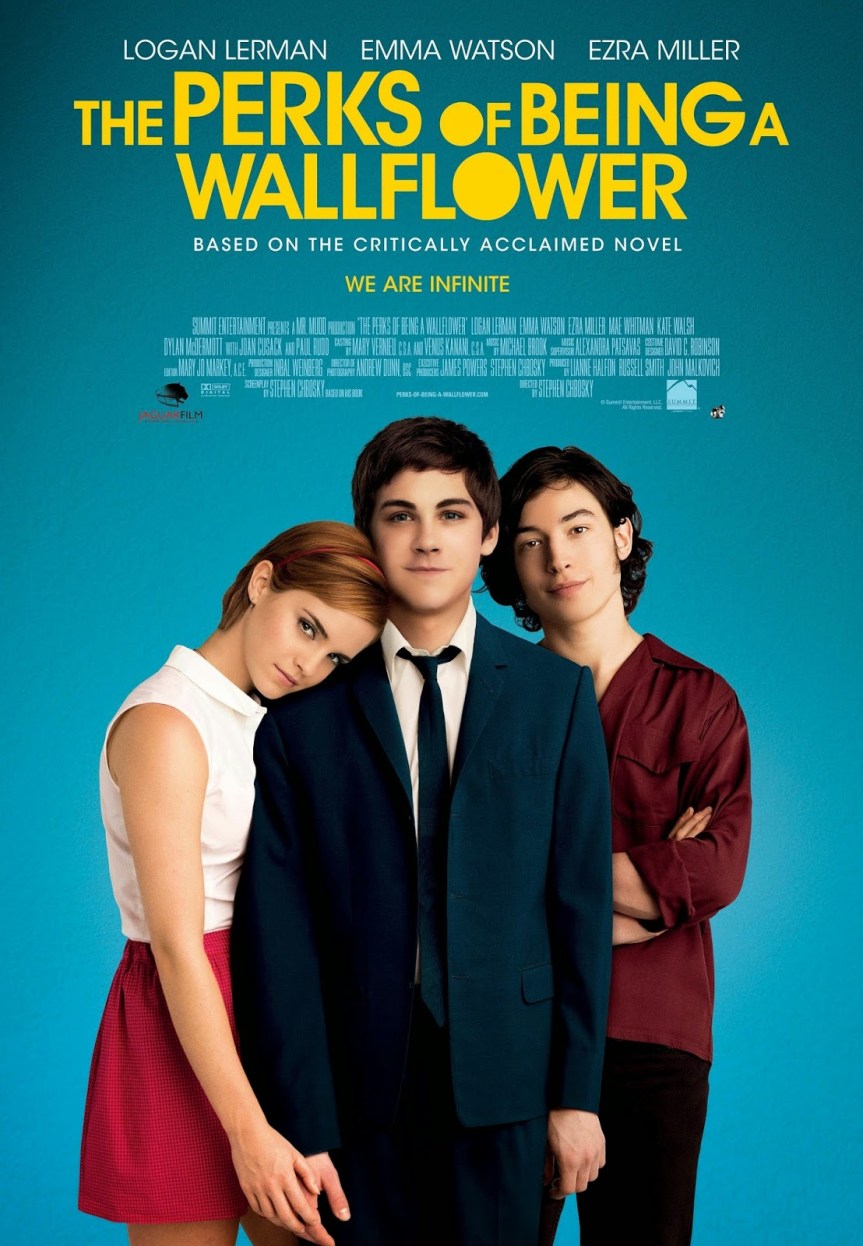
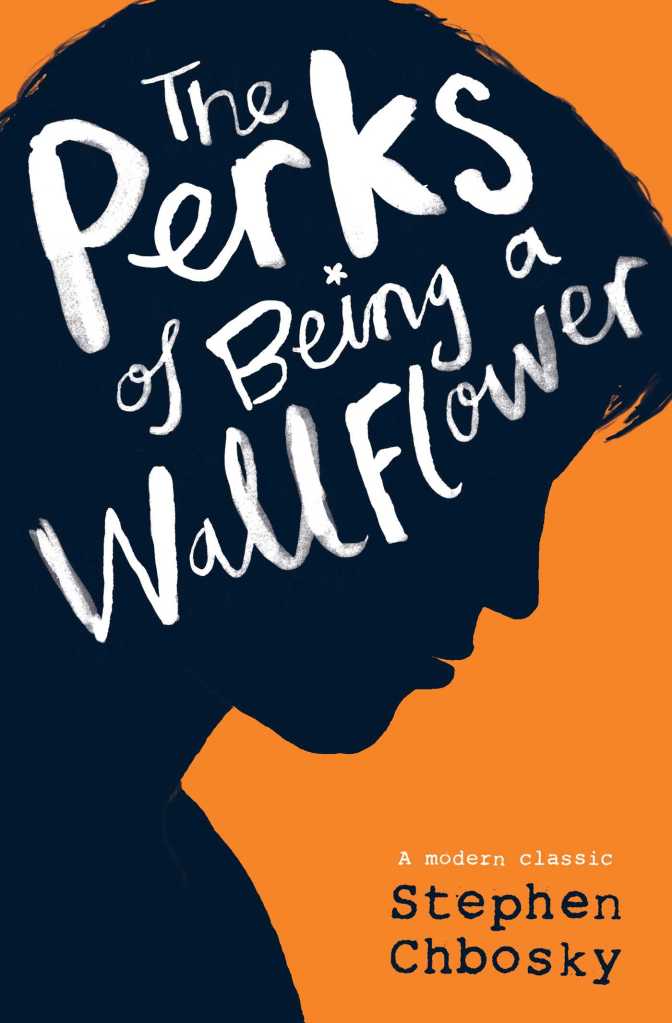
The Perks of Being A Wallflower: The Book Review

Cover of Perks of Being A Wallflower (1999)

Introduction

The Perks of Being A Wallflower(1999), is a modern age novel written by Stephen Chbosky. The novel is about the dilemma of passivity vs passion that marks the stunning debut of a provocative new voice in contemporary fiction. Stephen Chbosky has created this deeply affecting coming-of-age story, a powerful novel that would spirit the readers back to those wild and poignant roller coaster days known as growing up. The novel is later adapted to a movie under the same title in 2012.

About The Author

Stephen Chbosky is an American screenwriter, film producer, film director, novelist, television writer, and television producer. He is best-known for writing the bestseller The Perks of Being A Wallflower(1999), as well as for writing and directing the 2012 film adaptation of the book. Most recently, he directed the 2017 drama Wonder and the 2021 film adaptation of Dear Evan Hansen. His first psychological horror novel, Imaginary Friend, was published in October 2019.
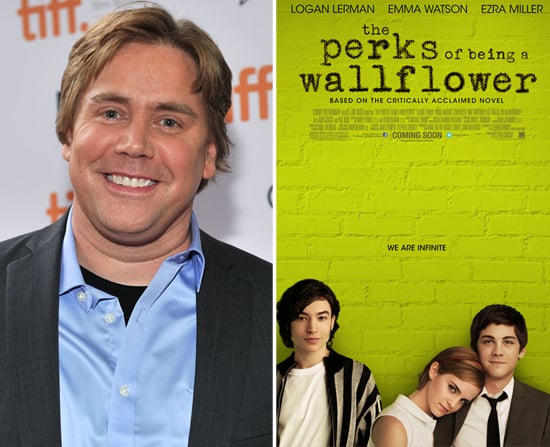
Stephen Chbosky

Storyline of The Novel

The Perks of Being a Wallflower by Stephen Chbosky is narrated by fifteen-years-old Charlie, the titular ‘wallflower’, in a series of letters that he writes to a stranger, beginning the night before he starts his freshman year of high school in 1991. These letters catalogue Charlie’s attempts to “participate”, as he wanders wide eyed through a series of house parties and Rocky Horror Picture Show productions with his new, older friends. Along the way, Chbosky intelligently explores stock Young Adult themes such as mental health, substance abuse and sexuality, whilst simultaneously reminding the reader about how exciting it is to be young and idealistic.
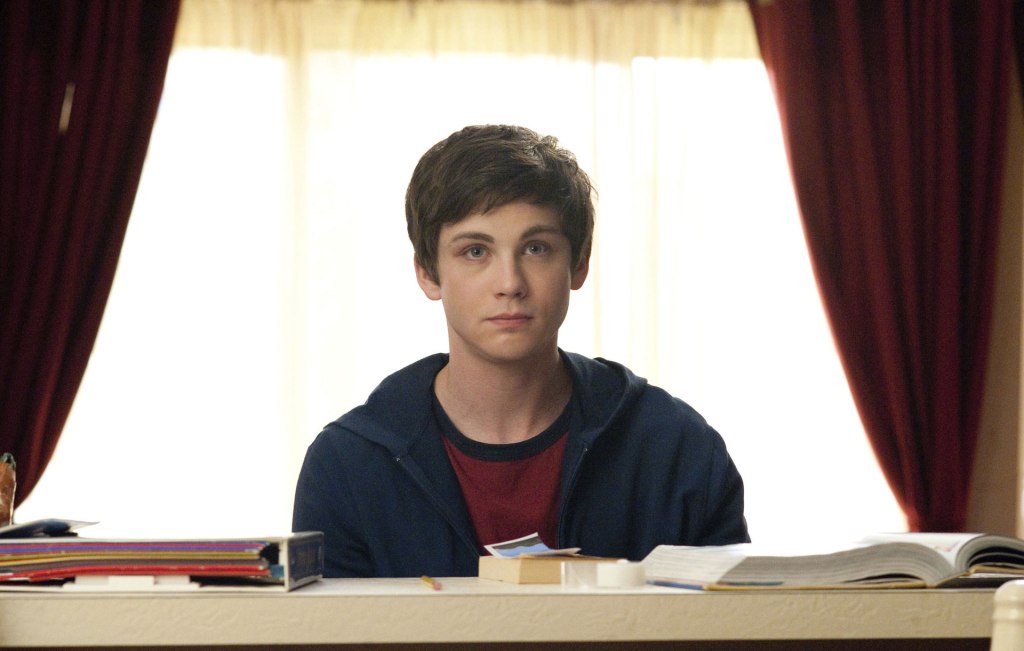
Logan Lerman as Charlie in Perks of Being A Wallflower (2012) movie

           Though shy and sensitive in nature, Charlie is an intelligent boy with unconventional thinking capabilities. His first letters starts with Charlie mentioning about suicide of his Middle School’s friend and death of his favourite aunt Helen and how these tragic incidents have took toll in his life. Charlie befriends two seniors Patrick and Sam and ends up indulging in alcohol and other drugs with Sam. In the meantime, Charlie also learns about his sister having relationship with an abusive guy and eventually getting pregnant. The flashback of his aunt dying in car crash stops haunting Charlie, as he starts enjoying company of his friends and Sam. While playing Truth and Dare, he is asked to kiss the prettiest girl in the room; he kisses Sam for which he faces neglect from the group. Overall this is a story filled with drama and lots of emotions, including, friendship, first love and teenage sexuality.
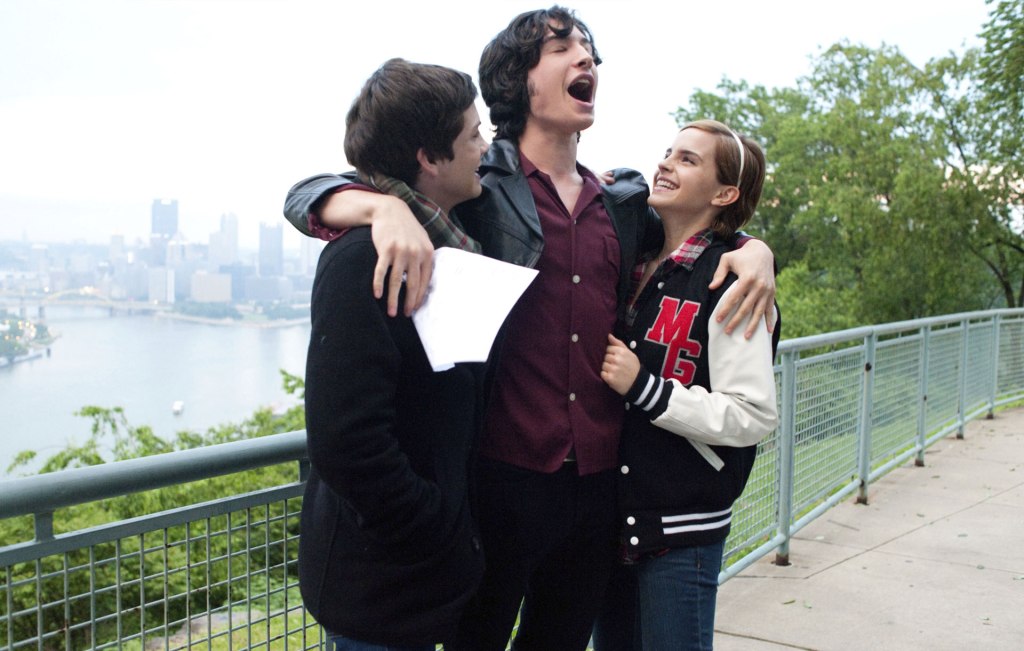
Logan Lerman as Charlie, Emma Watson as Sam and Ezra Miller as Patrick in Perks of Being A Wallflower movie

Analysis of The Storyline

Throughout the book, through the characters, the author seems to be attempting to answer some of the questions we all face at some time in our life. The author seems to be trying to find the reason why some good people chose bad people to love. This question is raised by Charlie to Mr. Bill and the answer he gives seems to be the central theme of the book “We accept the love we think we deserve”. This can be seen in various characters. Sam is in a relationship with a guy, who seems to consider that everything that is good about her, is good because of him. She seems to have gone through some tough times in her life, and the fact that she didn’t consider herself worthy, seems to have played a role in this.
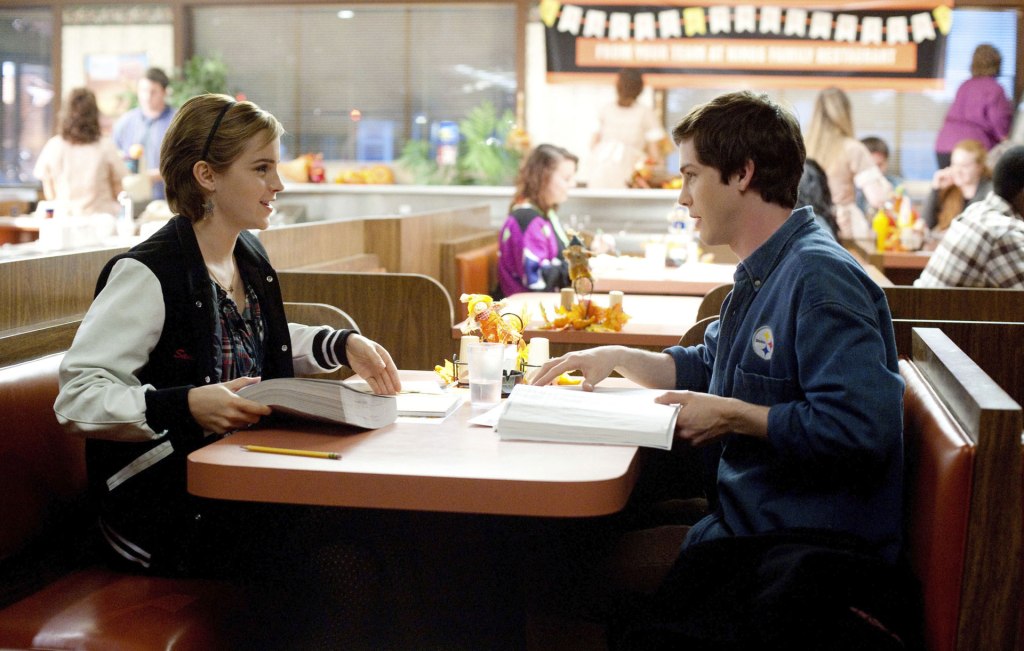
Scene from Perks of Being A Wallflower movie

The whole book seems to be asking the reader to love themselves. The author, by writing the story as a series of letters, seems to be trying to speak to the readers, as if speaking to a friend, a friend he sees in high regard, no matter how they see themselves.
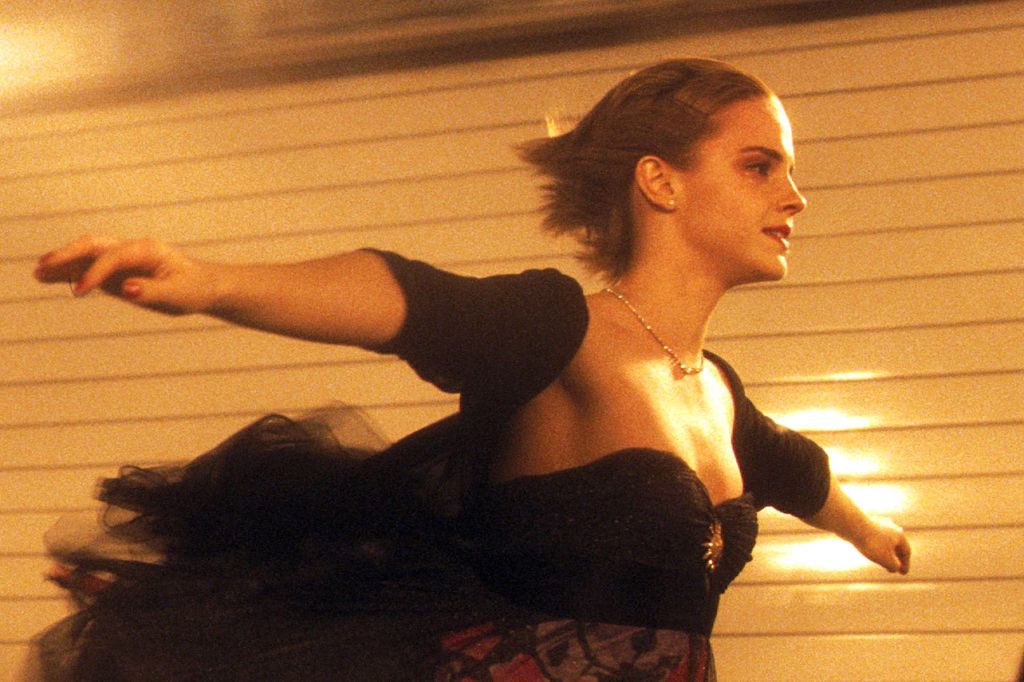
Iconic scene of Emma Watson in Perks of Being A Wallflower movie

Criticism of The Storyline

Charlie, the protagonist of the novel suffers extreme teenage crisis that sometimes breaks the readers’ hearts that all he had to handle alone inside his head. The book shows all the sides of being a teenager and isn’t afraid to cover mature themes. The book uses its more mature situations in order to relate to teenagers. Many teenagers have experienced these hardships either first hand or by hearing about them. The characters partake in activities that some may see as unwise. These are in the book however to add realism not to encourage or promote these acts. This book will most likely only be fully appreciated by older teenagers due to its unflinching depiction of teenage life. Before reading this book readers should know there are themes of sexual abuse and those that are sensitive to that topic should be cautious about reading this book. 
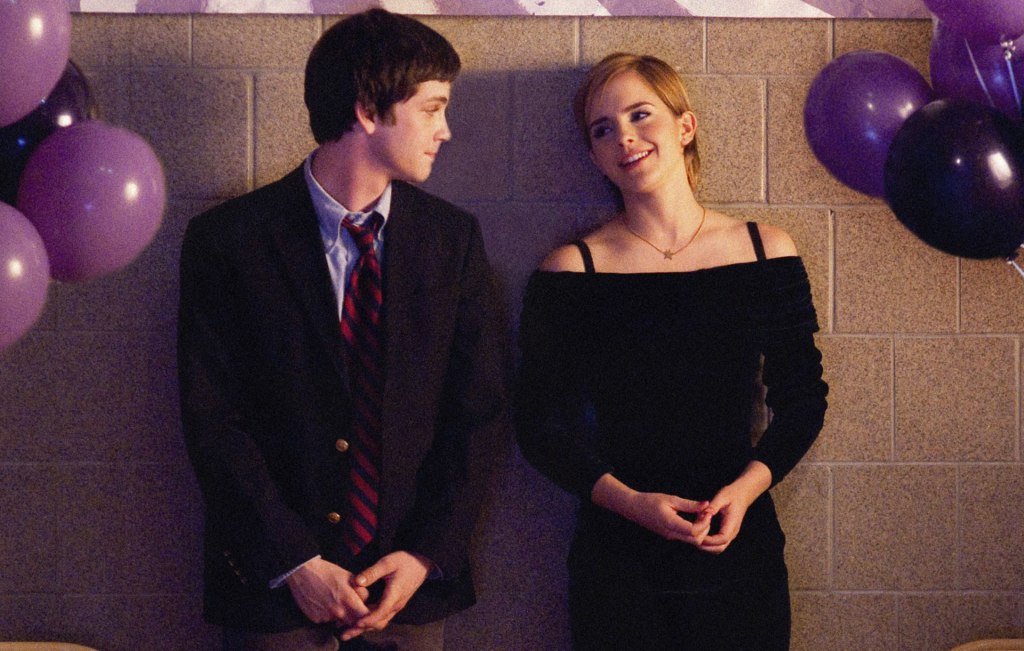
Logan Lerman and Emma Watson in Perks of Being A Wallflower (2012)

Conclusion

The book has received love all over from many of its readers for its very realistic portrayal of teenage life, complex characters, and thought-provoking commentary from Charlie. This book displays a wide range of emotions. Its relatable and complex characters allow the readers to feel the same emotions the characters are feeling. The book’s use of journal entries to tell its story helps the reader connect to Charlie and it adds to the realism, which makes this book an absolute winner.
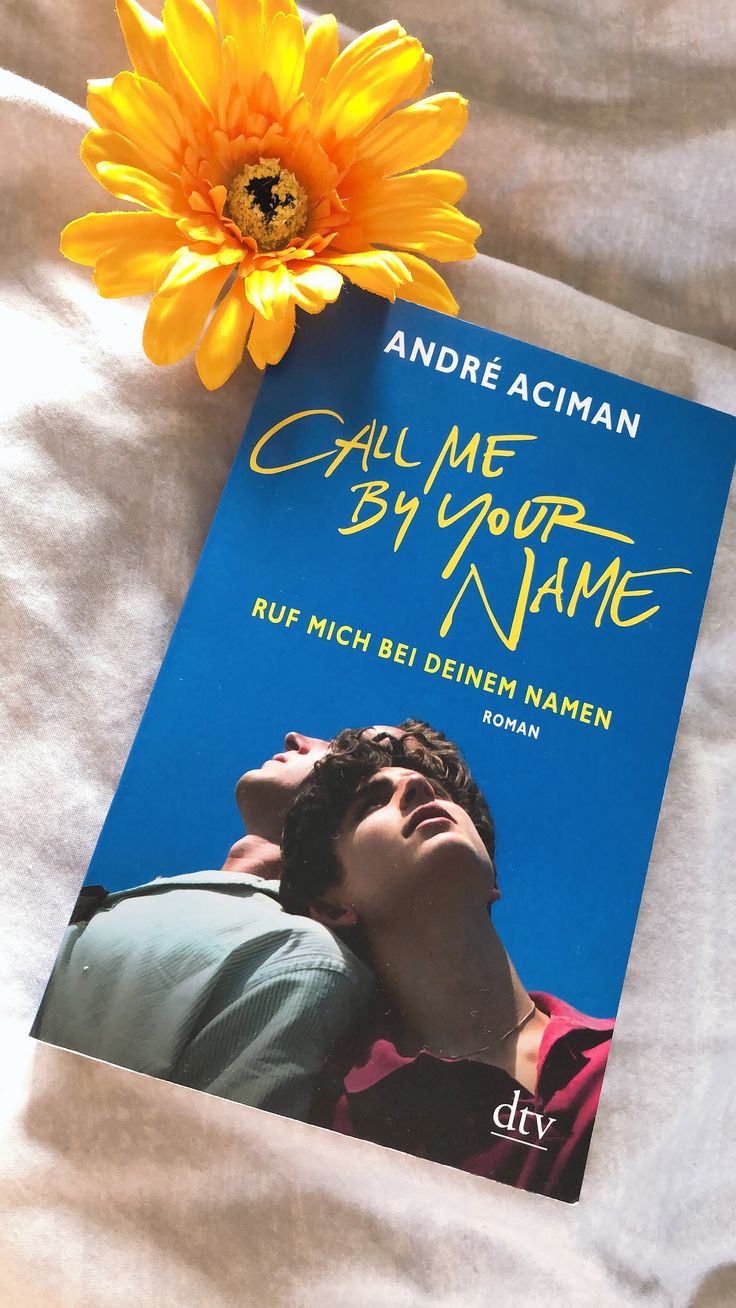
Call Me By Your Name: The Book Review

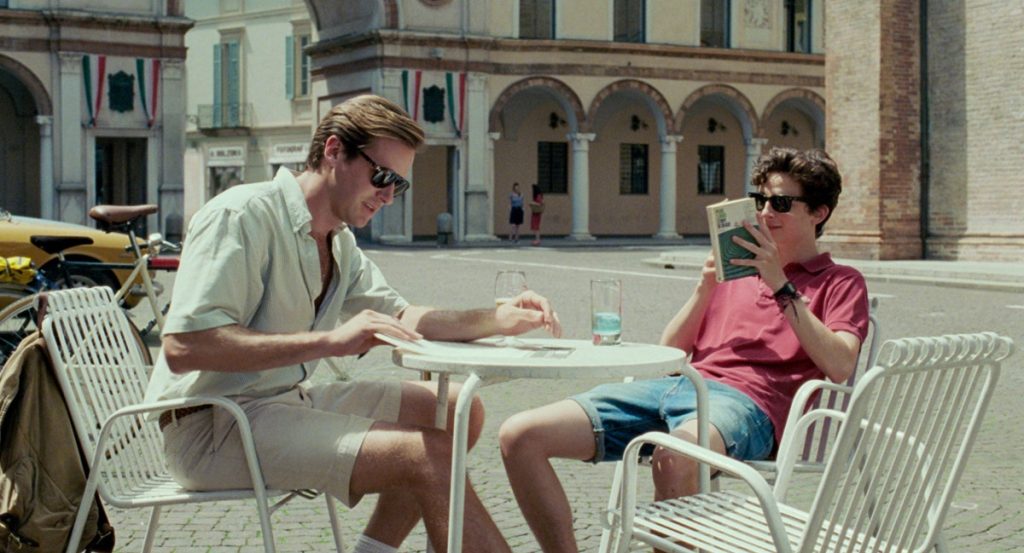
Call Me By Your Name, Cinematic Adaptation

Introduction

Call Me By Your Name is a book that throbs with desire. André Aciman’s 2007 novel (and the basis for the film of the same franchise in 2017) is a portrait of adolescent love and lust, experienced for the first time with an intensity that’s almost frightening in how all-consuming it feels. And Aciman devotes himself to chronicling every fleeting fantasy, every caress, with a fervour that matches what his characters are feeling.

About The Author

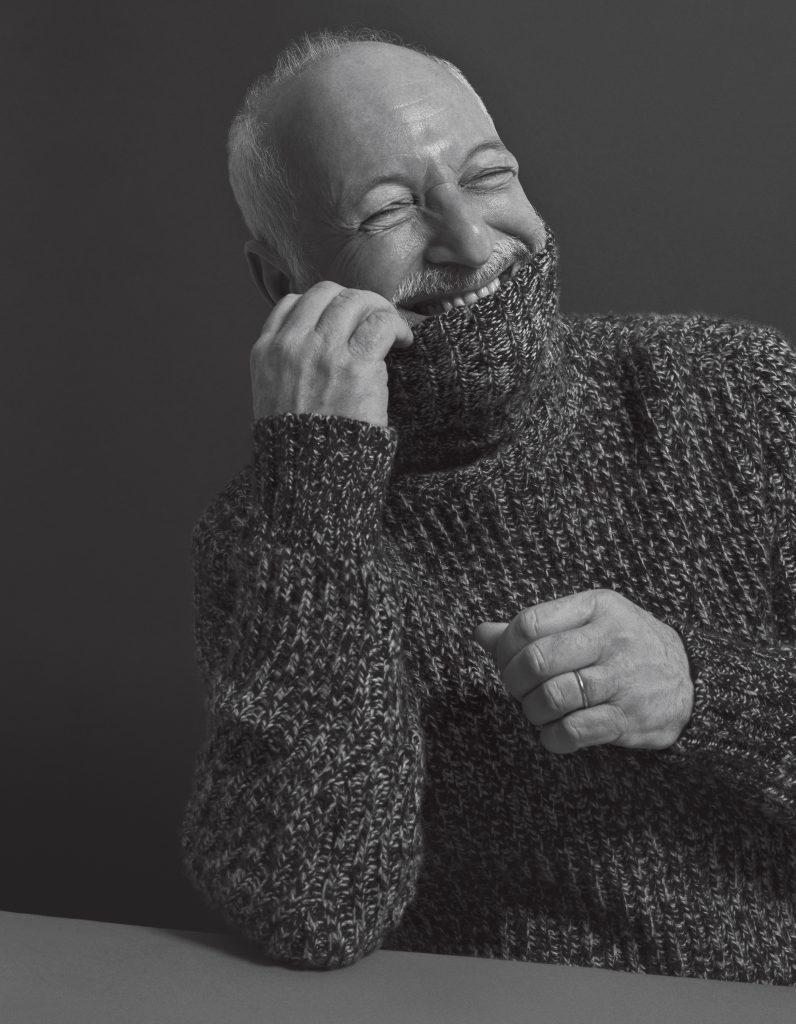
André Aciman is an Italian-American writer. Born and raised in Alexandria,Egypt, he is currently distinguished professor at the Graduate Center of City University of NewYork, where he teaches the history of literary theory  and the works of Marcel  Proust.

He is the author of several novels, including Call Me By Your Name and a 1995 memoir, Out of Egypt, which won a Whiting Award.  Although best known for Call Me by Your Name, Aciman stated in an interview in 2019 that his best book is the novel Eight White Nights.

André Aciman

Storyline of The Novel

It tells the story of a blooming romance between 17-year-old Elio Perlman, and 24-year-old visiting scholar Oliver, who comes to the summer home of Elio’s parents in Italy, 1983.

The story is told in retrospect, with grown-up Elio recalling the events of that fateful summer. He always resented his parents’ tradition of taking a doctorate student into their home for six weeks each year, forcing him to vacate his bedroom (that sacred space of a teenage boy) to make room for their guest. That all changed when Oliver, a Harvard graduate student comes to stay with the academic expat family in the Italian Riviera, where he will oversee the translation of his dissertation on Heraclitus. As he wins the family over with his breezy charm and preppy insouciance, Oliver also inspires the adoration of the professor’s teenage son, Elio, who relays to us each stage of his infatuation.

Elio catalogues every aspect of Oliver—his gazes, his phrases—and even augurs meaning from his clothing: “He had, it took me a while to realize, four personalities depending on which bathing suit he was wearing.” Elio, in turn, dazzles Oliver with his precocity—he’s a virtuoso on piano and on an enviously easy footing with literature from Ovid to Celan. But he is unsure and untested in carnal matters. His desire for Oliver literally false-starts when he accidentally (and discreetly) ejaculates in his presence (the scene recalls Marcel’s embarrassing tussle with Gilberte). But when Oliver starts sleeping with a local girl, it seems that Elio’s fantasies of consummation will never be realized. He muses about killing, or at least crippling, Oliver: “If he were in a wheelchair, I would always know where he was, and he’d be easy to find.”

But then, just as Elio has given up hope, it happens: He slips into Oliver’s room one night and so begins their five-week love affair. They have adventurous, almost incessant sex, during which, at Oliver’s prompting, they call each other by the other’s name. As a strategy for subsuming the other’s self, this verbal masquerade is strikingly successful. At first shameful for Elio, their passion quickly becomes all-consuming. The lovers revel in their sameness—they are both young Jews, “brothers in the desert”; they experience the same sexual pains and pleasures; their minds travel along the same currents to catch the right literary references.

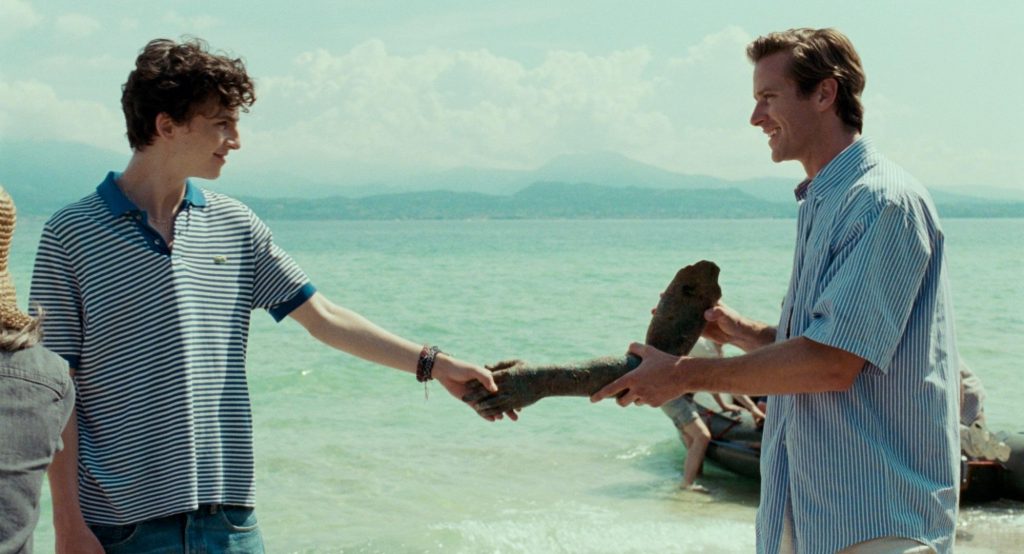
Timotheé Chalamet as Elio Perlman and Armie Hammer as Oliver, in Call Me By Your Name (2017)

Analysis of The Story

Call Me by Your Name is the story of a sudden and powerful romance that blossoms between an adolescent boy and a summer guest at his parents’ cliff-side mansion on the Italian Riviera. Unprepared for the consequences of their attraction, at first each feigns indifference. But during the restless summer weeks that follow, unrelenting buried currents of obsession and fear, fascination and desire, intensify their passion as they test the charged ground between them. What grows from the depths of their spirits is a romance of scarcely six weeks’ duration and an experience that marks them for a lifetime. For what the two discover on the Riviera and during a sultry evening in Rome is the one thing both already fear they may never truly find again: total intimacy.

The psychological manoeuvres that accompany attraction have seldom been more shrewdly captured than in André Aciman’s frank, unsentimental, heartrending elegy to human passion. Call Me by Your Name is clear-eyed, bare-knuckled, and ultimately unforgettable.

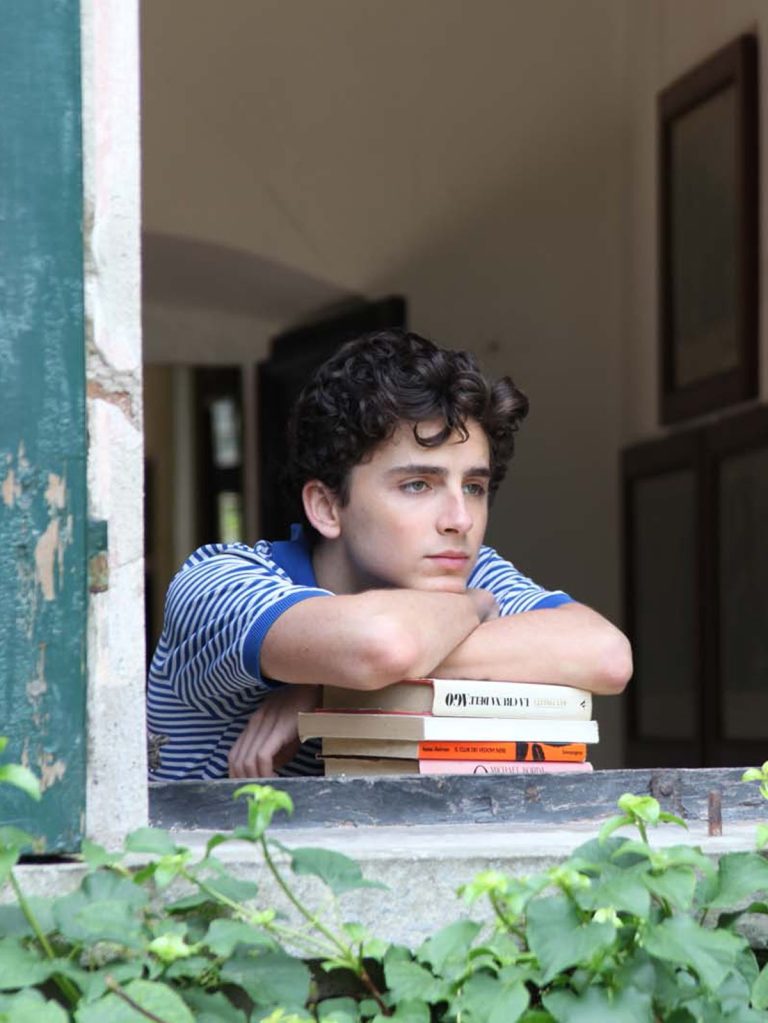
Timotheé Chalamet as Elio Perlman

Criticism of The Story

Despite the fact that it’s a coming-of-age story, Call Me By Your Name is hardly a young adult book. For one, it’s quite erotic, albeit in a highly literary way. All of the sexual encounters (including one truly smutty incident with a peach) are depicted in detail, but not to titillate. It feels more like Aciman is simply demonstrating the depth and desperation of Elio and Oliver’s desire.

Call Me by Your Name ends with a series of unsatisfactory but still charged meetings between Elio and Oliver later in life. They have a rendezvous in New England, where Elio is traveling and where Oliver teaches and lives with his family. The novel, despite its melancholy send-off, ultimately holds out an extremely un-Proustian, optimistic promise: Love and understanding can endure hand in hand. Elio can still say of Oliver, “This was my favourite Oliver: the one who thought exactly like me.” Twenty years later, when they return to one of their cherished spots in Italy, Elio asks only to be called once more by the name Oliver—as if to imply that nothing has changed. For Proust, such naming is inevitably fraught with failure (Marcel at one point wishes he could give a different name to each of the Albertines he knows). The notion that the past could ever obey such a summons, that anyone could ever be so static, suggests that Elio has breached, but finally resisted, Proustian knowledge. This shying away leaves us with something less than we might have expected from Aciman’s previous reckonings with time.

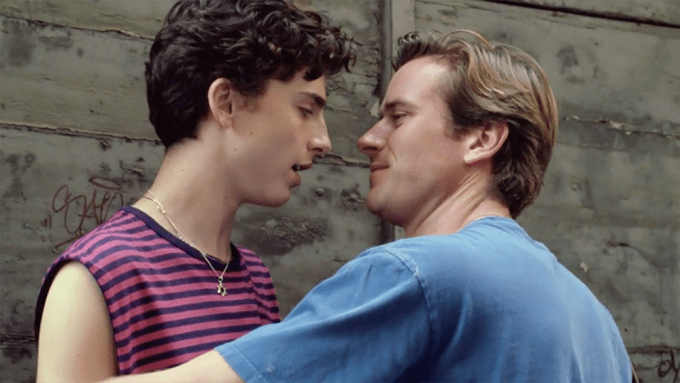
Scene from the Movie Call Me By Your Name

Conclusion

Even with all the critical analysis, the storyline wins millions of hearts with the sweet message of love, that can happen to anyone under any circumstance. The story broke some stereotypes about how the meaning of Love is mostly depicted in society. It normalizes the simplicity, the beauty and the agony of love between two men, in a never seen before way. And that makes the book an ultimate winner for its modern day readers.

The Tourist Attraction by Sarah Morgenthaler

This book was so enjoyable and cute for 70% of it. Graham and Zoey have an instant connection. Graham is a grumpy, Alaska native who runs a local diner, has a blind dog that he dresses up in outfits, and is a woodcarver in his spare time. Zoey is a tourist who has been saving up for this Alaska trip for years (so ~she’s not like other tourists~ in this typical rich area). Because of their instant connection, the story provides a lot of cute moments of them feeling like a couple from nearly the beginning. There’s also the cool backdrop of Alaska, the vacation romance element, and the small town vibe that I loved.

But, firstly, the book went on too long. It started to drag a bit. Then, there was repeating conflict. The big conflict here is that this is short term, since Zoey is a tourist. That’s all well and good, but the characters decide to “fight” about this over and over at the end which feels inconsistent with the rest of the story because they are not a tumultuous couple.

Also, Graham has a violent streak which was so unnecessary. I loved his grumpy personality with a heart of gold. But then, he has these moments of “alpha male” where he wants to punch any other guy that shows interest in Zoey, he punches a wall at one point, and actually ends up punching another male character for a reason that I think was really weak and unjustified. Zoey at one point does call him an “alphahole”, which is a romance community word for these type of toxic masculine characters, but beyond that the narrative doesn’t really address this behavior as bad. He even breaks the law a few times and it’s brushed off because “he’s a local and knows everyone.” It was an addition that felt unnecessary because his grumpy but loveable personality that was present for the majority of the book was just fine!

The combination of the book dragging on so that I lost some of the tension, along with the bad behavior dropped this from what would have been a 4 star down to a 3/3.5 star. This is going to be a series set in this tourist town, and I will likely continue as I did enjoy the setting and am intrigued about some of the side characters and their stories.

tropes:
– nicknames
– small town romance
– vacation romance: tourist + local

Clap When You Land by Elizabeth Acevedo

It is hard to describe the space that yawned open in the life of Camino Rios and Yahaira Rios after their father died in a flight crash. It is harder still to describe the truths he left behind, cutting swift and deep, like a knife: Camino and Yahaira are sisters who, for sixteen years, hadn’t known of each other’s existence. Their world too had tipped, and fallen, and the secrets their father held aloft over their heads are seized by gravity. Now it was just the two of them, and the slow, outgoing tide of aftermath.

Camino and Yahaira are both desperately pawing for the truth of their father as they might paw at beach sand in hopes of finding a shell, hunting in the rubble of his life for answers, and trying to find their way to each other across the Rubicon that divided their two worlds.

On the screen, beyond where she can see, I trace her chin with my finger. & for the first time I don’t just feel loss. I don’t feel just a big gaping hole at everything my father’s absence has swallowed. Look at what it’s spit out & offered. Look at who it’s given me.

There’s no doubt that Acevedo is one of the brightest literary talents around.

Tender, patient and raw as a wound, “Clap When You Land” burrows deep under its reader’s skin while at the same time nudging them into inhabiting the perspective of its characters. The author possesses a unique musicality for language—her writing buoys and soothes at once, and I wanted nothing more than to breathe the words in until they ached inside my chest, to nestle into the story’s steady warmth like a well-worn sweater. But for all the novel’s poetry and lyricism, Acevedo never forgets to tell a gripping tale.

There’s a chafed, bruised feeling to this book, and something in me splintered while reading it. “Clap When You Land” is a novel that explores the wrenching depths of what it feels like to lose something and be unable to move on, not only a literal person, but also a way of life. This is Cami and Yaya’s story of weary grief and visceral longing—the novel alternating between their voices—but you are in there too, and that makes their loss your loss, the ache your ache, the anger you anger, and the secrets their father had sealed away inside him like a box with another box inside it and another inside something you too must process and come to terms with yourself. All of it burgeoning within you with every turn of the page, welling up like tears. And that owes in huge part to the author’s deft, tender characterizations, and the way she artfully infuses her novel with great empathy—offering the reader so many questions, but not giving any direct or easy answers.

Yaya and Cami’s father had been the life of their small universe, and without him their world felt huge and empty, like a shipwreck hull. They loved him, and they mourned him, but they also wondered if they could ever really forgive him. In the fraying cobwebs of their memories, the side of their father that they saw was polished to such a high gloss of perfection—the loving, attentive father—but it is now vying with this newly revealed side of him—the terrible husband, the selfish man—and the two are clashing like swords. Does one side cancel out the other? Will Cami and Yaya ever be able to think of him and see only the word “father” and not the things he left behind?

This is the “gift and curse” both Yahaira and Camino are wrestling with throughout the story. Camino and Yahaira didn’t have to articulate the curious shape of their grief because they could see it mirrored in each other’s eyes. Cami, on the one hand, is grateful, but she can’t help but think a little bit secretly—and resentfully—in her heart that life for Yahaira has been as easy as pulling strings: Yahaira, after all, got to live with their father nine months a year in their New York apartment, while Cami is the one he left behind, fighting off the unwanted advances of an older neighbor who refused to take no for an answer. Yahaira, on the other hand, can see the sadness in Cami’s anger, the guardedness of grief, and she’s grappling with her own relationship to her mother, both of them filled with a sadness that they could not articulate without fracturing their relationship.

As for other thematic notes, the novel probes achingly at the question of identity, what it means to grow up in a world you felt only halfway inside of, and to question your claim to your parents’ roots when you’ve never set foot in their world. The novel cracks open all that wordless agony like an egg and leaks out the words: “Can you be from a place you have never been? You can find the island stamped all over me, but what would the island find if I was there? Can you claim a home that does not know you, much less claim you as its own?” The author also skillfully articulates how different tragedies are portrayed in the media, especially the ones that touch a marginalized community, and how those stories tend to be quickly robbed of their sharp edges, easily dismissed even while those communities are still wrestling with the loss.

That said, Acevedo tempers the sting of that harsh reality with the beauty of hope in a way that is deeply affecting. Yahaira and Camino’s feelings are twins, even if they are not, and the ravine between them gets smaller enough to close with every page. There’s also so much sapphic tenderness nestled into this story: Yahaira and Dre’s relationship filled me with so much warmth.

I tell her that when we land some people on the plane might clap. She turns to me with an eyebrow raised. I imagine it’s kind of giving thanks. Of all the ways it could end it ends not with us in the sky or the water, but together on solid earth safely grounded.

Hello, Summer by Mary Kay Andrews

We all know Mary Kay Andrews is the Queen of summer reads. I read her books every May when they typically publish. I was super excited for Hello, Summer and let me just say this did NOT disappoint!

Conley is a big time reporter and is leaving her current company to start a bigger and better job. The day of her going away party her sister sends her an article that the company she’s transitioning to is going under and her current company already found her replacement. Not knowing where to go, she drives to her G’mama’s house in Florida to sort things out. Once she’s there she gets some pressure to help with the family’s local paper and it ends up being more than she bargained for.

Conley gets involved with a former high school flame as well as in the middle of a family political scandal. She is a witness at a scene of a crime and has to literally fight for her life. All the while she is trying to make amends with family she hasn’t visited in six years after she randomly shows up on their doorstep. Conley goes through about every emotion trying to really figure out what the important things are and she must learn to enjoy what’s right in front of her.

I loved this book so much and I think that it’s MKA’s best one yet. It is quite lengthy (500 pages) but I read it in under 2 days because I wanted to know what was going to happen with Conley and the rest of the characters. This is written in short chapters and they make you want to keep turning the pages as there were a few story lines going on at once. I felt the characters were relatable in some way or another. I also felt totally transported to the beach town Silver Bay and felt like a fly on the wall watching it all play out.

What I loved most about this book was it had everything I want in a book. It had characters I loved and characters I hated. It had a soft love story. It had a political family with a scandal. It has an investigation playing out. It has family drama, secrets and relationships that work through their problems. It had a strong female lead who figured out what she really wanted in life, not because anyone else told her what she should want. It had beautiful descriptions of the beach and sunsets. It just had everything I always look for in a beach read

Overall, this book was stellar. It may seem intimidating with the page count but don’t let that stop you. I promise it’s worth the read and I will definitely be recommending it to all during this summer season!

Thank you to St Martin’s Press, KCCPR and Tandem Literary for my ARC and finished copies of this book. Go pick this one up now!

Royal Holiday by Jasmine Guillory

The fourth book in Jasmine Guillory’s series focuses on Maddie’s mum Vivian Forest and her meeting a smart and handsome British man.

I like the way throughout the series the author created diverse characters that do not often get enough representation in romance books. This time she concentrates on slightly older protagonists – Vivian is 54 and has been divorced for more than three decades. She has also been working hard as a social worker in a busy hospital, raising her daughter as a single mother and taking care of her sister Jo who has had serious health probems. All this meant that she hasn’t had much time for travelling or holidays.

When Maddie Forest unexpectedly is invited to step in and substitute her mentor on a work trip to the UK which is scheduled around Christmastime, Maddie knows she can spend New Year with her boyfriend Theo, but Christmas…Christmas is for family, Christmas is for her mum. Luckily, Vivian is all in. The job is high profile as it involves the royal family and Ms Forest and Ms Forest get to spend a part of their holiday at a royal residence in the north of England. We do not see much of Maddie in this book as she is way too busy with clothes alterations and fittings, so Vivian has a lot of free time to explore the house and marvel at neverending cultural differences. Vivian’s meet cute, Malcolm Hudson has an important job- he is a private secretary of Her Majesty. He has been divorced for six years, and his private life very much centres around his sister and his 19 year old nephew Miles. Malcolm is charmed by Vivian’s smile and positive attitude: ‘She had such a strong and playful sense of self…She was neither demanding nor bashful; just friendly and inquisitive and smiling’. Christmas holidays and New Year are a special time when unusual things can happen and even the most careful and realistic people decide to give in to romance. Malcolm takes time to get to know Vivian and what is important to her, as much as it is possible in the short time they have together. I love the way Vivian vents her feelings on the subject of surprises and how they are often about what the other person wants, not the person they are surprising, and Malcolm takes it aboard to make sure she feels comfortable with the things he suggests.

The fairy-tale setting and royal guest appearances in the book might make you think that this romance is too far away from real life and difficult to relate to, but it isn’t the case. Vivian and Malcolm live thousands of kilometers away, but, ultimately, they will understand that the connection they have is special and worth the risk. You don’t have to be based in different countries to experience this feeling: No, we are too different…No, there is no way it will work… He/She is too set in his /her ways. His job/ college/family is too important for him…The logistics would be a nightmare… And another potentially beautiful relationship bites the dust before you’ve even given it a chance. Yes, our life experiences teach us that we have to be realistic and pragmatic, and avoid risks, and this is how we may end with a job that brings more money, but less joy and happiness, or refuse to apologise to a relative or a friend who might just have a different point of view, but be as right as we are. Vivian and Malcolm knew from the very beginning the risks, but, still, they decided to give it a try, and they certainly deserve their own happy ever after.

This was not a laugh out loud book for me, but Jasmine Guillory’s trademark sense of humour is still there, coupled with her impeccable writing style. If you loved her previous books, and the diversity of her characters and settings, you will definitely appreciate this slightly more mature romance. And if you love tea, scones, cucumber sandwiches and all things British, you will have even more reasons to enjoy this last instalment of Jasmine Guillory’s hugely successful Wedding series .

Thank you to Edelweiss and Berkley for the ARC provided in exchange for an honest opinion.

The Witches of New York by Ami Mckay

I enjoyed reading THE WITCHES OF NEW YORK by Ami McKay and found it interesting, engaging, informative and well written. I liked the historical references, and was intrigued by the three main characters and Perdu, who looks like a raven, but is not a bird.
Adelaide Thom, claiming to be a mind reader, and Eleanor St. Clair, a keeper of spells, have a tea shop specializing in cures, potions, and palmistry and cater to Manhattan’s high society ladies. When Beatrice Dunn, a girl of sixteen and interested in magic, shows up at the tea shop, something happens!
Having enjoyed reading this book and The Birth House by Ami McKay, I wish to read The Virgin Cure also written by her.

A little tune that Eleanor’s mother used to sing at the onset of a thunderstorm,’a reminder of the dangers of getting caught in a tempest.’
‘Beware the oak, it draws the stroke. Avoid the ash, it prompts the flash. Creep under the thorn, it saves you from harm.’
Page 357

Some more of my favourite quotes from this book :-
“They’d lived there, just the two of them, in a house so large that even their shadows occasionally got lost.”
Page 13

‘May you rise with the sun, ready to make hay.
May the rains come at night to wash your cares away.
May you sleep with the angels sittin’ on your bed.
May you be an hour in Heaven a’fore the Devil knows you’re dead.’
Page 31

“Careful what you wish for, lest you receive it.”
Page 504

I am excited to add that I did get to meet Ami McKay and hear her read from this book! I think that everyone present enjoyed listening to her talk about her interest in witchcraft and extensive research in preparation to write this book. She welcomed and answered questions until there were no more.
As an aside, that same evening, I had the pleasure and surprise of a private encounter with Ami McKay. She is lovely!

Attila: The Judgement by William Napier

This is the final installment in ‘Napier’s trilogy on one of the most famous non-Roman historical figures.
It starts off reasonably well enough with the siege of Viminacium, a legionary fortress though one which is nevertheless incredibly provincial in comparison to what it would have been like at the apogee of Roman might.
Napier’s sporadically used abilities for deep characterisation are at their most evidenced for the characters who feature predominantly in this part of the story – though a number of survivors do feature more or less throughout the rest of the book.
Sadly, that level of characterisation isn’t sustained through the rest of the book as it feels like the story is going through the motions to close the loop of the story rather than being driven by intrigue or passionate story-telling.

There are times when it actually becomes something of a slog just to keep going with the story and, I’ll be honest, if I didn’t already know that this was the end of the trilogy and the climax to the tale, I would quite easily have bailed midway through.
As it was, it was ultimately the final reckoning for both Aetius and Attila which kept me slogging through this book, which was at times more pompous and possibly even pretentious, certainly more so than I recall the author’s previous works being.

If I have to read one more case of a warrior quoting poetry to himself like some cheesy 50s MGM sword-and-sandals epic, I might just throw the book out the window. Not to mention that there is also a rather glaring error in that the characters refer to Constantinople as Byzantium, even though it had changed names almost a century earlier than the events in the book.

Overall, an initially appealing but gradually underwhelming, increasingly tepid affair which is also a relatively sound summary of the trilogy itself.

I first became aware of ‘Napier’ after reading his book on the Siege Of Malta in 1565 and, while there was still occasions where the pretense and poetry loving got a bit OTT, it was still a relatively rip roaring read. There’s relatively little, if any, of the same compulsion to this story. If I was being harsh, I could sum it up basically as a “by the numbers” story; average, standard fare. Kind of like the jacket potato of the historical fiction world.

If you’re genuinely interested in Attila the Hun, Aetius or the fall of the Roman empire, frankly a good non-fiction book would do a far better job of engaging with the reader than what’s on display here.

Distinctly average & bland.

Attila: Gathering of the Storms by William Napier

In every way a leap up from the first.

For thirty pages I was uncertain; before page fifty I was won. Won by Attila, whom Napier has ambition to portray as a truly great man – and succeeds, for me. Won also by description of the steppe. The first had an element of fantasy; this doesn’t, but I was put in mind of fantasy whenever we journey over the steppe: description both very real in local detail and a little surreal, and just the sense of the unexplored, the strange (yet not fantastic) landscapes to be met with. Won, thirdly, by a philosophical vein in the book.

That’s largely from the person of Attila. Attila gave his first speech around page fifty, or more of a contemplation aloud over the campfire, for three pages. Near the end of the book we have a chapter called, ‘Attila Speaks, the Council Listens’ and that’s his fieriest speech, for seven pages. I was electrified by both. But it’s daring, isn’t it, it’s stretching the expectations of histfic – Attila speaks, for several pages, and when I tell you he quotes from a kindred spirit, he gives you a couple of proverbs from ‘The Marriage of Heaven and Hell’, you’re going to talk about trespasses against histfic, maybe. I happen to be an admirer of William Blake as of Attila, and I can see where their thoughts about the world might intersect. Does that make me the audience for this book?

There are two ways in which this is not the straightest of straight histfic. I can get bored with the straightest of the straight, so I’m happy with both of these: they either crank up my brain or they fire my imagination. I’ve told you one; the other has to do with history.

The plot of this second is, Attila unites the steppe. Black Huns, White Huns, the monstrous Kutrigur Huns, once-Huns who have settled and corrupted: by means fair or foul he has them declare a brotherhood, to be one army, Huns undistinguished, against the settled world. We visit the steppe from end to end; Attila has travel tales from his thirty years of exile, he has seen the Yellow River and the Great Wall, he has been to the Huns’ lost home in the Ordos. There you have it. Attila’s Huns keep a memory of China, and the name of China does not cross their lips – until Attila is bold enough, not only to remind them of their old humiliations, but to forge a nomad army and march, first against Rome and next, against the original enemy, the other empire that has done the Huns wrong. For Rome and China are two imperial peas in a pod, to nomad eyes, and Attila has speeches to tell you why.

Now, this can’t exactly be called historical. It draws on history before and after. I think he has drawn on Attila’s later distant cousin, Genghis – both for Attila’s life story, and for this grand conception of conquest east and west. These Huns can sing the Mongols’ origin legends, and the Turkic epic Manas. Of this I’m going to say, Napier widens history. He fits more history in. He has a time period, but he draws into that strands from before and after, because he wants to talk about historical issues – large ones. He wants to talk about the settled and the steppe, and to that end Attila, steppe spokesman, knows things he can’t have known, travels further than in any likelihood he did. As I say, this is fine by me, and makes for a fiction that comments on history.

There’s a Roman interlude, to keep us up to date with Rome and Constantinople. This wasn’t a trot-through, for me; I cared about the people we meet – Aetius and Athenais – and I’m glued to the page by his style. The scandal-sheet was a riot, as were the deviant adventures of Galla Placida’s daughter. Though the latter stopped being funny when she has a hideous forced abortion. Napier always has a heart for the unfortunate, and though awful things happen in this book, he writes about them with humanity. Only once or twice do I think his love of description runs away with him so that he glories in the porridge brains out the saucepan of the skull. With descriptive skills like his, I understand an ill-judged one or two.

The Opposite of Fate by Amy Tan

Despite the subtitle, I bought this book expecting it to be more of a memoir than it actually is. I think Amy Tan’s main purpose in writing it was to set the record straight on a variety of topics, beginning with an inaccurate summary of her life that turned up in an edition of CliffsNotes. She does so in essays that directly address the points that need to be made, and also tosses in other writings that range from a college commencement address to an item she wrote for the newspaper when eight years old.

As such, it’s somewhat disjointed and uneven. Some parts appealed to me much more than others.

Early on, she provides some personal and family history, which includes plenty of elements readers will recognize from her fiction (a character who goes one day each year without speaking, for example, and most certainly the memorable voice of her mother). This is followed by a section in which she argues that readers ought not assume that her stories are autobiographical. (Maybe they aren’t, but reading between the lines in yet another section one can conclude that she sees a self-portrait in The Kitchen God’s Wife.) There’s also an eloquent rebuttal to the people in publishing and educational circles who insist on pidgeon-holing her as a representative of her ethnic group, gender, color, etc. and looking to her for politically correct lessons. That kind of writing, she feels (and I agree) amounts to propaganda, not literature. She says, “I write stories about life as I have misunderstood it. To be sure, it’s a Chinese-American life, but that’s the only one I’ve had so far.”

There are points at which it seems the lady protests too much. She mentions a journalist friend who says, “Any attention is valuable … If you receive any, you should be grateful.” I rather agree with that as well, because Tan’s path to literary success appears to have been unusually smooth. Better to be misunderstood by some harebrained people than completely ignored. This is not to suggest that she doesn’t deserve success; she emphatically does. But she too acknowledges that she has been lucky.

Her luck has not been only literary, since apparently she’s had more than her share of close brushes with death. For me, the final section is devastating. It describes a mysterious illness that overtook her and the frustratingly slow process of getting a diagnosis. Because of the story described in my own book, I recognized her discovery that most doctors and even professional medical societies are clueless when presented with something out of the ordinary. I recognized the cynical but helpful voices she found on Internet discussion boards, and her conclusion that, rare or not, this thing afflicts a heck of a lot of other people.

I found most of this book utterly fascinating. It sparked an interest in going back and rereading her novels. It reaffirmed an earlier impression that Amy Tan is someone I’d be glad to know (an impression that faded when I later visited her Facebook page). Most importantly, in discussing her life and what has been important to her, she shows how much of the joys and fears of this existence are common experiences

Before by Anna Todd

I felt obligated to read this because I’d already suffered through the rest of the series, and I couldn’t just.. not finish it. But my god. This entire series is so, so awful. And I’m a sucker for crappy entertainment, so that’s saying a lot.

Worst characters ever. Hardin is a sh*thead, through and through. The fact that he eventually becomes capable of developing feelings for another human does not negate his sh*thead status, especially since he only becomes capable of those feelings because he can’t fathom not being able to sleep with said human whenever he so wishes (as well as making sure he’s the only person who will ever get to see or touch pretty much any part of her for the rest of eternity, until the end of time, etc, etc). This book in particular shows what a sh*thead he truly is. Tessa is unbelievably and annoyingly naive and whiny. I was tempted to reread the first couple of books so I had more to say about what a crappy character she is for about five minutes before I realized it’s really not worth it. So, she sucks too, that’s it.

Worst attempt at creating a “relationship” with two people who have no connection other than an overwhelming love for each other’s naughty bits. They know close to nothing about each other before they’re mentally professing their undying love for the other. Remember, these are college aged people, not a couple of twelve year olds navigating their way through their first crush. Apparently, neither Hardin nor Tessa were ever taught the difference between lust and love. HUGE difference.

Full of unnecessary, over the top drama, simply for the sake of drama. Basically, the equivalent of a soap opera written by a hormonal teenager. The drama is exhausting; I can’t imagine waking up every day knowing that I’ll be in hysterics at least once, most likely multiple times, due to the unstable romantic relationship that I refuse to walk away from in order to save some sh*thead from thinking that he’s a sh*thead, despite the multiple reasons he’s given me to do just that, in addition to all of the other strained relationships in my life (family/frenemies).

Not even going to touch on the whole abusive relationship business that I see being complained about in a lot of other reviews of this series; that’s actually somehow less disappointing/annoying than the fact that EVERY SINGLE LITTLE THING is worthy of either walking away dramatically and vowing to never speak to the other person again, or confessing how one simply can’t survive without the other (dramatically, of course). Both scenarios are inevitably followed by sex, because that is the only way these two know how to “connect” to one another. Super possessive, jealous, emotionally closed off boyfriend mad at you for saying hi to a male coworker? Have sex, everything will be dandy! Until 10 pages later, when he gets mad at you for wearing the wrong socks. Is he mad at someone else for something totally unrelated to you or your relationship with him? Well, sex will fix that too! And if you’re angry at him for something silly, like lying or invading your privacy, just let him fondle you a bit and you’ll feel soooo much better. Moral of the story: Sex fixes everything!!!

To be fair, this last book was the best, mostly because it was the shortest and skipped over quite a bit of the drama included in the first four books.

After Ever Happy by Anna Todd

The fourth book in the ‘After’ series, ‘After Ever Happy’ is the first book in the series that had a different “feel” to it. Don’t get me wrong, there is plenty of dramatic shenanigans between Tessa and Hardin. However, this time around they aren’t the sole focus of the book. The result is a much more somber vibe.

After everything that went down at the end of the third book, Tessa is left markedly changed from the girl she was before. Those tragic events forced her to take a long, hard look at her relationship with Hardin. She finally faces the facts — they’re toxic.

Despite her love for Hardin, she knows that she needs to get away from him. Like the clichéd saying, “sometimes love isn’t enough”. Nothing could be more true for this dysfunctional couple at that point in time.

Even though Hardin comes to his senses and does his best to get Tessa to forgive him, it won’t come easy this time around. Tessa has made up her mind and it will take years for Hardin to prove himself to her. It was long overdue.

With Tessa and Hardin living separate lives for most of this book, the story definitely had a different feel to it than earlier books. As much as it was what the logical me said needed to happen, the illogical part of me couldn’t help but feel like this new direction wasn’t as captivating. After all, this series’ entire guilty pleasure appeal was based on the very same things that made this couple such a train wreck — fighting, angst, jealousy, breaking up and making up. With those elements largely missing from this book, I didn’t feel the same pull to the story.

That being said, I think that the author had used up all of the major angst-ridden story elements that readers could handle. Although the loss of this drama resulted in a slightly less engaging story for me, I don’t think I could’ve handled another book full of Tessa and Hardin’s back and forth fighting. This series has left me emotionally exhausted and I just don’t have it in me.

Luckily, Tessa and Hardin do get the HEA eventually. It was long overdue and I was glad to see it. Finally, they have started to mature and deal with some of the issues in their relationship. As much as I loved to hate this couple, I have to admit that if there was ever a couple that stuck it out, it was them. Talk about hanging in there for better or worse.

Overall, this was still a great read. I have been completely hooked on Tessa and Hardin’s story right from the start. It was one hell of an emotional rollercoaster ride. I feel content, but emotionally drained. I know that there are two remaining books in this series, but I’m stopping with this one for now. I don’t want to upset the balance. I’m feeling content with how this book ended and I’m not sure I could handle it right now if something disrupted that peace.

After We Collided by Anna Todd

After finishing the first book in the ‘After’ series, I immediately jumped into this second book. There was no way that I was going to quit this series with the way things ended at the end of ‘After’–absolutely, no way! I had to know how things were going to play out for this disastrous couple. They are like crack! It might kill me. I know it’s really not healthy…but I just can’t seem to pull myself away from it!

If I thought that Hardin and Tessa were going to grow up and start treating each other better, I would’ve been sorely disappointed. These two are every bit as toxic as they were the first time around. The back and forth, break-up and make-up, abusive cycle continues, strong as ever. Of course, I’m such a glutton for punishment that I had to have a front row seat for all of it!

Picking up right where the first book ended, Tessa does her best to try and piece her life back together. She has been betrayed by everyone that she thought were her friends — most of all, Hardin. Unfortunately, the manipulative jackass succeeded in tying her to him when he tricked her into moving into an apartment with him and away from the dorms. This will make distancing herself from him more difficult than she had hoped.

While Tessa makes a weak attempt at moving on, Hardin sets out to prove that his feelings for her are genuine. Of course, every time he starts to make any progress in that regard he does something that sabotages all of his efforts. They truly are their own worst enemies.

For what it’s worth, Hardin does seem to show some actual emotions in this book. Mainly, his regret and heartache shines through. It’s hard to feel sorry for him though, since all of his pain is entirely the result of his own cruel actions. To make matters worse, every time he starts to gain a little “nice guy” stock, he goes and does something abhorrent again, reminding me of what a despicable asshat he is. Some big revelations about his past only further prove that he is not to be trusted. He really is deplorable…but I love to hate him!

I also found myself feeling a little more irritated with Tessa’s weakness this time around. Can you say “doormat”? How many times is this girl going to fall for his crap? She also played the same childish games over and over, using other guys to make Hardin jealous, only to play the victim when she got the reaction she was looking for all along.

I felt sorry for Tessa at first. By the end of this book, I was marveling at the fact that she hadn’t been weeded out as part of the process of natural selection. Surely, this girl is too stupid to live!

That being said, I still can’t pull myself away from this angsty, infuriating story. It is like watching a trashy talk show or soap opera. It’s unrealistic. The relationships are toxic. It probably kills off brain cells. However, I can’t get enough of it. It is my latest guilty pleasure. I’m kind of ashamed to admit it, but I’m completely hooked on this series.

Like the first book, ‘After We Collided’ ends with a huge cliffhanger. Anna Todd certainly knows how to pull me back in. At this point, I think my relationship with this series is much like the relationship between Hardin and Tessa. I should probably cut all ties and get out while I can, but I just can’t seem to resist the pull. I’m on to the third book in this addictive, dysfunctional romance. 

After by Anna Todd

I know I’m late to the After party. But hey, better late than never! I started After by Anna Todd in the evening, then stayed up all night because I had to finish it. And then, I begged my teen sister for the second book. She kindly agreed to give the book to me. I hope she doesn’t change her mind just to torture me. We’ll have to see how this unravels. 

Synopsis:

Tessa is just starting college, and she’s got everything planned. In one year, her boyfriend Noah will join her as well. But then she meets her wild roommate Steph as well as the incredibly rude guy with a British accent, Hardin. And everything changes!

My Thoughts:

Tessa is a good girl and she doesn’t do parties and short dresses. And she goes to a party with Steph and something changes. She can’t look away. Harding is doing something to her and she can barely resist. But she has a boyfriend. And also, everything she has a good moment with Hardin, two bad ones follow. Hardin is toxic, and Tessa hurts him in return as well. Also, their communication has to improve. Not the mention how the whole boyfriend situation was handled. 

Honestly, I thought my opinions would be conflicting. But they’re not. I really enjoyed the book and I’m looking forward to the second one. Also, I know Hardin is based on Harry Styles, but while I was reading the book, he didn’t once cross my mind. I also often have fantasies about celebrities, I just don’t happen to write them. Honestly, it’s not a big deal. 

My only worry was that teens might see Hardin’s toxic side and think that’s how a girl should be treated. But that would mean underestimating the girls out there. Even in the book, Tessa was aware Hardin’s behaviour was not okay, which is why she reacted the way she did. The facts she would return only meant that she had feelings for him. Their relationship has more issues than good parts, but in all honesty, when I think about my high school days, it was that way for me too. I didn’t handle things well. Sometimes I didn’t communicate well. I trusted people I shouldn’t have trusted. And that’s the beauty of this book. 

After by Anna Todd is the perfect teenage book.

It reminded me of my days of high school and uni. Attending parties I shouldn’t have and trusting people that didn’t deserve my trust. Handling relationships badly and having terrible ability to communicate. And this book brought all the excitement back and more. Fond and not so fond memories that reminded me that I have lived at the fullest. 

In the next book, I do hope that their relationship improves. I hope Hardin grows up and Tessa communicates to him, instead of hurting him back. Also, I hope Tessa fixes her relationship with her mother as well, even though her mother needs to work on her own biases as well. I also hope that the dramas continue as well – I really love them.