In pursuant to the guidelines issued by Ministry of Home Affairs vide No.40-3/2020-DM-I(A), Dated 24th March 2020 and subsequent amendments regarding imposition of complete lock down due to outbreak of COVID-19, the MoRTH had issued an advisory dated 30th March, 2020 to all regarding extension of validity of the documents related to Motor Vehicles Act, 1988 and Central Motor Vehicle Rules, 1989. It was advised that documents whose extension of validity could not or not likely be granted due to lock-down and which have expired since 1st of Feb, 2020 or would expire till 30th June 2020, Enforcement authorities were advised to treat such documents valid till 30th of June, 2020.
It has also come to the notice of the Government that citizens are facing difficulties in respect of various fees/late fees as mandated under rule 32 and 81 of Central Motor Vehicle Rules 1989 due to lock down in the country and closure of Government Transport Offices. There are cases where the fees have already been paid, for the service or renewal, however the process could not be completed due to lockdown. Further, there are issues where citizen is finding difficult to deposit fees due to closure of RTO offices.
In order to facilitate citizens during COVID –19, MORTH has issued a statutory order prescribing that the fees paid on or after 1st February 2020 for the activity(s) including renewal and in case such activity(s) is not completed due to conditions for prevention of COVID-19 pandemic, the fees paid shall continue to remain valid. And If there is delay in paying the fees from 1st of Feb, 2020 till the period of lockdown there would not be any additional or late fee yo be charged for such delays till 31st July 2020.
In a very encouraging endorsement of the success of Digital India programme initiated by the Government led by the Prime Minister Shri Narendra Modi, the Secretary General of the Commonwealth Ms. Patricia Scotland has expressed her appreciation for this initiative and has called it as a new hope for other developing and aspiring countries of the Commonwealth.
Ms. Scotland, in an interaction with a private news channel recently said that the way India has tried to address the aspirations of the people with innovation and opportunities by offering affordable digital services is commendable. She further said, “if you look at our poorer countries, our smaller, our developing countries, many of them look to the developed nations and they fear that they cannot aspire to do or replicate what the developed countries have done because of the cost. But when they look at India and fact that India is developing these things at scale and at a cost which looks accessible to so many. That brings hope.”
She also mentioned about her visit to India during January, 2020 where she interacted with the Ministers in Government of India and technology experts. During these interactions she got to understand that India was really focusing on helping the small, the vulnerable and the developing. “I very much welcome that”, she added further.
Conveying her appreciation for the contributions made by Sh. Ravi Shankar Prasad, Union Minister for Electronics and IT, in the success of Digital India, Ms. Scotland further added that the Minister has been in the forefront of these developments. Talking about what Ravi Shankar Prasad has done she remarked, “he has electrified the other members of our Commonwealth family.”
After a gap of about 5 months due to the Corona pandemic, “Hunar Haat”, which has become “Empowerment Exchange” of artisans and craftsmen from across the country, will restart from September 2020 with the theme of “Local to Global” and comparatively larger participation of artisans.
Union Minister for Minority Affairs Shri Mukhtar Abbas Naqvi today said here that “Hunar Haat”, which has provided employment and employment opportunities to more than 5 lakh Indian artisans, craftsmen, culinary experts and other people associated with them in the last 5 years, have become popular among the people. “Hunar Haat”, which provides market and opportunity to master artisans and craftsmen from remote areas of the country, has become a credible brand of rare exquisite indigenous handmade products.
It is to be noted that Prime Minister Shri Narendra Modi, during his instantaneous visit to “Hunar Haat”, organised at India Gate, New Delhi in February 2020, had encouraged and lauded indigenous handmade products of artisans and craftsmen. Appreciating the artisans and craftsmen and their products in “Man Ki Baat” programme, Prime Minister Shri Modi has said, “A few days ago, at a small place at the Hunar Haat in Delhi, I witnessed hues of our country’s diverse expanse, cultures, traditions, cuisines & the warmth of emotions. As a matter of fact the repertoire comprising traditional attires, handicrafts, carpets, utensils, Bamboo & brass products, Phulkari of Punjab, exotic leatherwork of Andhra Pradesh, beautiful paintings from Tamilnadu, brass products of Uttar Pradesh, Bhadohi carpets, copper work of Kutch, a number of musical instruments & innumerable stories; the vivid mosaic of pan- Indian art & culture was truly unique. The stories of the artisans’ perseverance, zeal & love for their skill are equally inspiring as well.”
Prime Minister Shri Modi had said, “Hunar Haat, of course, is a platform showcasing art & craft; it is also lending wings to people’s dreams. It is a venue where it is impossible to overlook the country’s diversity. Besides handicrafts, it displays the diversity of India’s varied cuisine too. in a single row, one could savour the sight of Idli- Dosa, Chhole- Bhature, Daal- Baati, Khaman- Khandvi & what not! I thoroughly enjoyed having the delicious Litti- Chokha of Bihar. All over India, fairs & exhibitions such as this are organized from time to time. Whenever the opportunity arises, one should attend such events to know India, to experience India. Thus, not only would you be able to be a part of the country’s art-culture canvas; you will also contribute in the progress & prosperity of hardworking crafts persons, especially women.”
Shri Naqvi informed that utilising the time during nationwide lockdown; artisans and craftsmen have prepared their rare indigenous exquisite products at large scale and will bring them for display and sale in next “Hunar Haat”.
Shri Naqvi said that social distancing, hygiene, sanitisation and use of masks will be ensured at “Hunar Haat”. There will be a special “Jaan Bhi, Jahaan Bhi” pavilion to create health awareness among the people with the theme of “Say no to panic, yes to precautions”.
The Minority Affairs Ministry has organised more than 2 dozen “Hunar Haat” so far across the country where lakhs of artisans, craftsmen have been been provided employment and employment opportunities through these “Hunar Haat”.
In the coming days, “Hunar Haat” will be organized in Chandigarh, Delhi, Prayagraj, Bhopal, Jaipur, Hyderabad, Mumbai, Gurugram, Bengaluru, Chennai, Kolkata, Dehradun, Patna, Nagpur, Raipur, Puducherry, Amritsar, Jammu, Shimla, Goa, Kochi, Guwahati, Bhubaneswar, Ajmer, Ahmedabad, Indore, Ranchi, Lucknow and other places.
Shri Naqvi said that this time, people will also be able to buy “Hunar Haat” products digital and online also. Union Minority Affairs Ministry has started process to register these artisans and their indigenous products on “GeM” (Government e Marketplace). Several export promotion councils have shown interest to provide international markets at large scale for handmade indigenous products of these artisans and craftsmen.
Shri Naqvi said that lakhs of master artisans and craftsmen from across the country are happy and excited that “Hunar Haat” is going to be organised again.
Union Minister for MSME and Road Transport and Highways, Shri Nitin Gadkari today held meeting via video conferencing with the members of Maha Solar Sangathan to understand the opportunities in the solar energy sector.
The Minister highlighted the importance of solar energy and said that the sector has a huge potential and can help to reduce the electricity cost significantly. He further mentioned that sectors such as agriculture, warehousing etc. are energy extensive sectors and proper commercial use of solar energy such as solar water pump for irrigation and solar electricity for cold storage can contribute towards reducing power cost.
The Union Minister emphasized on the need of export enhancement along with import substitution to replace foreign imports with domestic production. He highlighted that India still imports energy efficient solar panels and encouraged the manufactures to make India self-reliant with the help of “Make in India” products.
The Minister mentioned that for providing much-needed impetus to the MSME sector to deal with the current economic instability, the government has announced several measures under Special Economic Package: Aatmanirbhar Bharat Abhiyan including collateral free automatic loan, which will allow the MSMEs to enhance working capital by 20% without providing additional collateral.
Shri Gadkari urged the industry representatives to come up with some new, innovative and economically viable business model which can be implemented in various sector such as agriculture, warehousing etc. to provide low cost sustainable energy. He said that this will not only help to reduce the cost of energy in various sector but also give the required thrust for “Make in India” initiative.
He opined that industry should focus more on innovation, entrepreneurship, science and technology, research skill and experiences to convert the knowledge into wealth.
The Minister recalled that Government of Japan has offered special package to its industries for withdrawing Japanese investments from China and move elsewhere. He said that this can be an opportunity for India to attract foreign investment in the country.
Some of the questions asked and the suggestions given included: Addition of Solar PV in the list of technology under CLCSS scheme, revision of turnover limit in the new MSME definition, subsidy on export for MSME to encourage the manufacturing and reduce import etc.
Shri Gadkari responded to the questions from representatives and assured all possible help from the government.
Union Minister of Finance and Corporate Affairs Smt Nirmala Sitharaman has stressed that the Government trusts industry fully and comprehensively. She urged industry to plan for engaging labour with a more professional approach and engage in skilling. “Mindsets in industry need to set examples in handling workers in a way that is acceptable to all,” stated the Finance Minister.
Cold Chain Infrastructure
The Finance Minister was speaking at an interaction through video conferencing with Confederation of Indian Industry (CII) which is marking 125 years of its existence in 2020. Felicitating CII on this milestone, Smt Sitharaman said that CII has played a critical role in the country and its members have played strong roles in their own sectors. She exhorted CII to stand out as an exemplar in the policymaking process.
The interaction had the participation of Shri Ajay Bhushan Pandey, Finance Secretary, Ministry of Finance; Shri Injeti Srinivas, Secretary, MCA, Shri Debasish Panda, Secretary, Department of Financial Service, Dr. T. V. Somanathan, Secretary, Department of Expenditure, Shri Tuhin Kanta Pandey, Secretary, Department of Investment and Public Asset Management, Shri Tarun Bajaj, Secretary, Department of Economic Affairs and Dr. Krishnamurthy Subramanian, Chief Economic Adviser.
Industry needs to reset its relations with workers and plan for labour including unskilled labour, said the Finance Minister. She requested industry to consider a professional manner in the terms for engaging unskilled workers and work towards the skilling of employees at all levels.
On a question regarding the MSME sector, Smt Sitharaman stated that before Covid19 as well, clear handholding was announced for MSME and NBFCs to help enterprises in rural areas. She stated that credit availability for additional term loan and working capital loan was intended to reach all MSME, and hence the Government has provided a guarantee to banks to overcome hesitation in lending. “When Government provides full and partial guarantees with a special purpose vehicle post-lockdown, the banks
hesitation has been addressed,” she said.
Responding to a question on agriculture, the Finance Minister mentioned that comprehensive reforms have been announced. Three model Acts have been shared with State governments. She stated that many states have commenced on land reforms.
The National Infrastructure Pipeline will be given a big push in order to create demand with a multiplier effect, stressed the Finance Minister on a question related to infrastructure. “Large projects will be frontloaded and this will bring in positive energy and sentiments,” said Smt Sitharaman.
The Finance Minister noted that there has been a fair and open interaction on GST which has come to the bottom quarter in inflows. Discussions are underway on this.
She agreed that infusion of liquidity in the power sector of Rs 90,000 crore would be fast-tracked.
Concerns that large industry too is facing a lot of stress, particularly in certain sectors such as tourism, automotives and aviation were also discussed. Discussions need to be undertaken to protect jobs, increase demand, and ensure survival of large businesses, industry requested.
Mr Chandrajit Banerjee, Director General, CII noted that the new definition of MSME has been well received by them as brought out in a CII survey.
Department of Personnel & Training (DoPT) has exempted pregnant women officials and staff members from attending office. This was disclosed here today by Union Minister of State (Independent Charge) Development of North Eastern Region (DoNER), MoS PMO, Personnel, Public Grievances & Pensions, Atomic Energy and Space, Dr Jitendra Singh. He said, a circular to this effect has been issued and is expected to be followed by different Ministries/Departments as well as State/Union Territory governments.
Yojana
Dr Jitendra Singh said, pregnant women employees who are not already on maternity leave will also be exempted from attending office. Persons with disabilities are also to be given similar exemption from attending office.
The latest circular issued by the DoPT also states that Government servants who have underlying Co-morbidities and were undergoing treatment for these ailments before the lockdown, may, as far as possible, be exempted upon production of medical prescription from treating physician as per the CGHS/CS (MA) Rules, as applicable.
What is important, is to strictly observe staggered timings for the arrival and departure of the officers and the staff. In order to avoid unnecessary crowding, all the Heads of Departments have been advised to ensure three sets of timings. These would be 9 AM to 5 PM, 9:30 AM to 6 PM and 10 AM to 6:30 PM respectively.
While officers of the level of Deputy Secretary and above are expected to attend office on all working days, the officers and staff below the level of Deputy Secretary will attend office with 50% attendance every alternative day and those not attending the office should work from home and remain available on telephone and electronically.
Dr.Jitendra Singh appreciated the staff in the Ministry of Personnel for having continued to work with full commitment during the entire phase of lockdown. In fact, he said, some of the staff members were working from home even during the weekends which normally does not happen when the offices are closed.
Every care has been taken to ensure that while offices continue to function, at the same time, the welfare and safety of officials is not overlooked, said Dr Jitendra Singh.
The Cabinet in its meeting held today has approved the “Pradhan Mantri Matsya Sampada Yojana – A scheme to bring about Blue Revolution through sustainable and responsible development of fisheries sector in India”with highest ever investment of Rs. 20050 crores in fisheries sector comprising of Central share of Rs. 9407 crore, State share of Rs 4880 crore and Beneficiaries contribution of Rs. 5763 crore. PMMSY will be implemented over a period of 5 years from FY 2020-21 to FY 2024-25 in all States/Union Territories.
Aims and objectives of PMMSY
Harnessing of fisheries potential in a sustainable, responsible, inclusive and equitable manner
Enhancing of fish production and productivity through expansion, intensification, diversification and productive utilization of land and water
Modernizing and strengthening of value chain – post-harvest management and quality improvement
Doubling fishers and fish farmers incomes and generation of employment
Enhancing contribution to Agriculture GVA and exports
Social, physical and economic security for fishers and fish farmers
Robust fisheries management and regulatory framework
Background
Fisheries and aquaculture are an important source of food, nutrition, employment and income in India. The sector provides livelihood to more than 20 million fishers and fish farmers at the primary level and twice the number along the value chain. Fish being an affordable and rich source of animal protein, is one of the healthiest options to mitigate hunger and malnutrition.
The Gross Value Added (GVA) of fisheries sector in the national economy during 2018-19 stood at Rs 2,12,915 crores (current basic prices) which constituted 1.24% of the total National GVA and 7.28% share of Agricultural GVA. The sector has immense potential to double the fishers and fish farmers’ incomes as envisioned by government and usher in economic prosperity.
Fisheries sector in India has shown impressive growth with an average annual growth rate of 10.88% during the year from 2014-15 to 2018-19. The fish production in India has registered an average annual growth of 7.53% during last 5 years and stood at an all-time high of 137.58 lakh metric tons during 2018-19. The export of marine products stood at 13.93 lakh metric tons and valued at Rs.46,589 crores (USD 6.73 billion) during 2018-19.
Foreseeing the immense potential for development of fisheries and for providing focused attention to the sector, the Government in its Union Budget, 2019-20 has announced a new scheme, the Pradhan Mantri Matsya Sampada Yojana (PMMSY).
The scheme intends to address critical gaps in fish production and productivity, quality, technology, post-harvest infrastructure and management, modernization and strengthening of value chain, traceability, establishing a robust fisheries management framework and fishers’ welfare. It would also address issues like low productivity in inland Aquaculture, disease, sustainability of marine fisheries, sanitary and phyto-sanitary matters that impact the competitiveness of India’s exports along with global bench marking.
Implementation strategy
The PMMSY will be implemented as an umbrella scheme with two separate Components namely (a) Central Sector Scheme (CS) and (b) Centrally Sponsored Scheme (CSS).
Under the Central Sector Scheme Component an amount of Rs. 1720 crores has been earmarked. Under the Centrally Sponsored Scheme (CSS) Component, an investment of Rs. 18330 crores has been envisaged, which in turn is segregated into Non-beneficiary oriented and Beneficiary orientated sub-components/activities under the following three broad heads:
Enhancement of Production and Productivity
Infrastructure and Post-harvest Management
Fisheries Management and Regulatory Framework
Majority of the activities under the Scheme would be implemented with active participation of States/UTs. A well-structured implementation framework would be established for effective planning and implementation of PMMSY. This inter-alia includes creation of State Programme Units in all States/UTs & District Programme Units and Sub-District Programme Unit in high fisheries potential districts.
For optimal outcomes, ‘Cluster or area-based approach’ would be followed with requisite forward and backward linkages and end to end solutions. Suitable linkages and convergence will be fostered with other centre and state government schemes wherever feasible.
Thrust will be given for infusing new and emerging technologies like Re-circulatory Aquaculture Systems, Biofloc, Aquaponics, Cage Cultivation etc. to enhance production and productivity, quality, productive utilization of waste lands and water for Aquaculture.
Special focus on Coldwater fisheries development and expansion of Aquaculture in Brackish Water and Saline Areas.
Activities like Mariculture, Seaweed cultivation and Ornamental Fisheries having potential to generate huge employment will be promoted.
Focused attention would be given for fisheries development in Jammu and Kashmir, Ladakh, Islands, Northeast, and Aspirational Districts through area specific development plans.
PMMSY envisages promotion of high value species, establishing a national network of Brood Banks for all commercially important species, Genetic improvement and establishing Nucleus Breeding Center for self-reliance in Shrimp Brood stock, organic aquaculture promotion and certification, good aquaculture practices, end to end traceability from ‘catch to consumer’, use of Block Chain Technology, Global Standards and Certification, Accreditation of Brood banks, Hatcheries, Farms, residues issues and aquatic health management supported by a modern laboratory network.
PMSSY envisages development of Coastal fisher communities in a holistic manner through integrated modern coastal fishing villages with necessary infrastructure.
Collectivization of fishers and fish farmers through Fish Farmer Producer Organizations (FFPOs) to increase bargaining power of fishers and fish farmers is a key feature of PMMSY.
l. Aquaparks as hub of fisheries and aquaculture activities with assured, affordable, quality inputs under one roof, post-harvest infrastructure facilities, business enterprise zones, logistic support, business incubation centers, marketing facilities etc.
m. Insurance coverage for fishing vessels has been introduced for the first time. Annual Livelihood support for fishers during ban/lean period would be provided.
Well-structured extension support services are envisaged under PMMSY. Youth would be engaged in fisheries extension by creation of 3347 Sagar Mitras in coastal fisher villages. Besides, large number of Fisheries Extension Services Centers would be set up in private space to create job opportunities to young professionals.
o. Major investments in construction and modernization of Fishing Harbours and Landing centers for hygienic handling of fish, urban marketing infrastructure to deliver quality and affordable fish, development of state of the art whole sale fish markets, retail markets. E-marketing and E-trading of Fish etc.
Support will be provided for safety and security of fishers at sea, acquisition of technologically advanced fishing vessels for fishermen for promotion of deep-sea fishing, upgradation of Fishing vessels for improving the export competitiveness, communication and/or tracking devices and Bio-toilets in fishing vessels.
Private sector participation, development of entrepreneurship, business models, promotion of ease of doing business, innovations and innovative project activities including start-ups, incubators etc. in fisheries sector.
Major Impact, including employment generation potential
Enhancing fish production from 137.58 lakh metric tons (2018-19) to 220 lakh metric tons by 2024-25.
Sustained average annual growth of about 9% in fish production
An increase in the contribution of GVA of fisheries sector to the Agriculture GVA from 7.28% in 2018-19 to about 9% by 2024-25.
Double export earnings from Rs.46,589 crores (2018-19) to about Rs.1,00,000 crores by 2024-25.
Enhancing productivity in aquaculture from the present national average of 3 tonnes to about 5 tonnes per hectare.
Reduction of post-harvest losses from the reported 20-25% to about 10%.
Enhancement of the domestic fish consumption from about 5-6 kg to about 12 kg per capita.
Generate about 55 lakhs direct and indirect employment opportunities in the fisheries sector along the supply and value chain.
Intended Beneficiaries:
Fishers, Fish farmers, Fish workers, Fish vendors, SCs/STs/Women/Differently abled persons, Fisheries cooperatives/Federations, FFPOs, Fisheries Development corporations, Self Help Groups (SHGs)/Joint Liability Groups (JLGs) and Individual Entrepreneurs.
Various measures have been announced from time to time to provide relief to the employers and employees of the establishments covered under the EPF & MP Act, 1952 distressed by Lockdown to prevent spread of COVID-19 and other disruptions due to Pandemic.
The reduction in statutory rate of contributions from 12% to 10% for wage months May, 2020, June, 2020 and July, 2020 for all class of establishments covered under the EPF & MP Act, 1952 announced on 13.05.2020 by the Central Govt. as part of Atma-Nirbhar Bharat package has been notified vide SO 1513 (E) dated 18.05.2020 published in the Gazette of India. The notification is available under the TAB- COVID-19 on the home page of EPFO website
The above reduction of rate of contribution is not applicable to establishments like Central and State Public Sector enterprises or any other establishment owned or controlled by or under control of the Central Govt. or State Govt. These establishments shall continue to contribute 12% of basic wages and dearness allowances.
The reduced rate is also not applicable for PMGKY beneficiaries, since the entire employees EPF contributions (12% of wages) and employers’ EPF & EPS contribution (12% of wages), totaling 24% of the monthly wages is being contributed by the Central Govt.
Reduction in rate of EPF contributions from 12% to 10% of basic wages and Dearness allowances is intended to benefit both 4.3 Crore employees/members and employers of 6.5 lakhs establishments to tide over the immediate liquidity crisis to some extent.
As a result of reduction in statutory rate of contributions from 12% to 10%, the employee shall have a higher take home pay due to reduction in deduction from his pay on account of EPF contributions and employer shall also have his liability reduced by 2% of wages of his employees. If Rs.10000/- is monthly EPF wages, only Rs.1000/- instead of Rs.1200/- is deducted from employee’s wages and employer pays Rs.1000/- instead of Rs.1200/- towards EPF contributions.
In Cost to Company (CTC) model, if Rs.10000/- is monthly EPF wages, in CTC Model the employee gets Rs.200/- more directly from employer as employer’s EPF/EPS contribution is reduced and Rs.200/- less is deducted from his/her wages.
Under the EPF Scheme, 1952 any member has the option to contribute at a rate higher than statutory rate (10%) and employer can restrict his contributions 10% (statutory rate) in respect of such employee.
First 12000 HP made in India Locomotive, manufactured by Madhepura Electric Loco Factory situated in Bihar, was put into operation by Indian Railways from Pt Deen Dayal Upadhyaya Jn Station yesterday.
New Design Locomotive at Madhepura Factory
The loco is named WAG12 with Number 60027. The train departed from DeenDayalUpadhyaya Station at 14:08 hrs in long haul formation for Dhanbad Division of East Central Railway, consisting of 118 wagons which travelled from Pt DeenDayalUpadhyayaJn to Barwadih via Dehri-on-Sone, Garhwa Road.
It was a proud moment for Indian Railways, as it became 6th country in the world to join the elite club of producing high horse power locomotive indegenously. It is the first time, high horse power locomotive has been operationalised on broad gauge track in the world. The locomotive has been produced under Make in India programme. The Madhepura factory is the largest integrated Green Field facility built to the highest standards of quality and safety with production capacity of 120 locomotives and spread across a massive 250 acres.
Main Factory Building
These locomotives are state of art IGBT based, 3 phase drive, 9000 KW (12000 horse power) electric locomotive. The locomotive is capable of maximum tractive effort of 706 kN, which is capable of starting and running a 6000 T train in the gradient of 1 in 150. The locomotive with twin Bo-Bo design having 22.5 T (Tonnes) axle load is upgradable to 25 Tonnes with design speed of 120 kmph. This locomotive will be a game changer for further movement of coal trains for Dedicated Freight Corridor. The locomotives can be tracked through GPS for its strategic use through embedded software and Antennae being lifted through the servers on ground through microwave link.
The locomotive is capable of working on railway tracks with conventional OHE lines as well as on Dedicated Freight corridors with high rise OHE lines. The locomotive has air-conditioned driver cabs on either side. The locomotive is equipped with regenerative braking system which provides substantial energy savings during operations. These high horse power locomotives will help to decongest the saturated tracks by improving average speed of freight trains.
Madhepura Electric Locomotive Pvt. Ltd. (MELPL) will manufacture 800 State of the Art 12000 HP Electric Freight Locomotives in 11 years and being one of the most power full electric locomotive in the world will increase the speed of freight trains and will allow faster, safer and heavier freight trains to move across the country, thus reducing congestion in traffic. It will also lead to considerable savings in energy consumption through re-generative braking. As part of the project, factory along with township has been set up in Madhepura, Bihar with capacity to manufacture 120 locomotives per year. The project will create more than 10,000 direct and indirect jobs in the country. More than Rs 2000 Crores has already been invested in the project by the company.
Along with the factory, socio-economic development in Madhepura is being driven by this project. As part of CSR initiative skill centres are being set up in Madhepura to impart training to local people.
It may be noted that Indian Railways entered into Procurement cum Maintenance Agreement with Madhepura Electric Locomotive Pvt. Ltd. (MELPL), as part of the largest Foreign Direct Investment project of Indian Railways to transform the heavy freight transportation landscape of the country. This is ‘Make in India’ Initiative by India Railways (IR).
The project started in 2018 and the Prime Minister of India inaugurated the project on 10th April’ 2018. The prototype locomotive was delivered in March 2018. Based on the test results having design issues, the complete locomotive including bogies has been redesigned. The new design of locomotive has been inspected by RDSO at Madhepura factory and cleared for dispatch from factory on 16th Nov’ 2019. Further RDSO has conducted oscillation trials at various speeds upto 132 kmph and the locomotive has passed oscillation trials successfully. The locomotive has made its maiden commercial run between DeenDayalUpadhaya Station to Shivpur on 18.05.2020. The design was completed for the whole locomotive in a record time of four to six months and despite the initial hiccups and the onset of the COVID-19 pandemic, it could not dampen the spirit of August initiative of IR, surpassing all odds we could secure the permission of the Bihar Govt. to resume operations at the Madhepura Factory putting the project back on track.
India has taken the first big step towards becoming Aatmanirbhar (self-reliant). Immediately after Prime Minister Shri Narendra Modi’s call for encouraging local products, Home Minister Shri Amit Shah has made it mandatory for all canteens and stores of paramilitary forces to sell only “Swadeshi” products procured from Khadi and Village Industries Commission (KVIC). The move will open great employment opportunities for farmers, unemployed youths and lakhs of people already engaged with cottage and village industries.
An order to this effect has been issued by the Ministry of Home Affairs on 15 May 2020 that will come into force from June 1, 2020. Once it is enforced, only Indian products procured from KVIC will be sold through Central Armed Police Forces (CAPF) canteens. The decision will also positively impact the production and sales of KVIC.
“The Khadi and Village industries Commission with 17 products has been registered with Kendriya Police Kalyan Bhandar (KPKB)…Now the Ministry of Home Affairs, Government of India, has decided that only swadeshi products will be sold through KPKB Bhandars w.e.f 1st June, 2020. In view of the above, all Master Bhandars may place their demands directly to KVIC,” the order read.
KVIC Chairman Shri. Vinai Kumar Saxena has lauded the decision of Home Minister saying this will provide a big boost to the cottage and village industries sector apart from the MSME units. “This decision will directly benefit lakhs of people engaged with manufacturing of various products of village industries. With this order over 10 lakh personnel of the various paramilitary forces will be added to KVIC’s consumer base. As a goodwill gesture, the KVIC has also decided to supply products to CAPF canteens at a small margin of 3% as against the 20% margin in other cases,” Saxena said.
Notably, there are 20 master bhandars of these forces across the country with an annual turnover of over Rs 1800 crore. The KVIC is likely to get major share of the total turnover. At present, KVIC has registered 17 products for supply to CAPF canteens. These include khadi national flag, eatables like honey, pickles, edible oils, agarbatti, papad, amla products, cotton towels etc Further, a list of 63 new products like Khadi clothes, woollen, cosmetics like herbal oil, shampoo, soaps, face wash, tea, coffee and others has been submitted to CAPF canteens to be included in the supply list at these stores.
The Government of India and the Asian Infrastructure Investment Bank (AIIB) signed a US$ 500 million “COVID-19 Emergency Response and Health Systems Preparedness Project” here today to help India to respond to the COVID-19 pandemic and strengthen its public health preparedness. This is the first ever health sector support from the Bank to India.
This new support will cover all States and Union Territories across India and address the needs of infected people, at-risk populations, medical and emergency personnel and service providers, medical and testing facilities, and national and animal health agencies.
The agreement was signed by Shri Sameer Kumar Khare, Additional Secretary, Department of Economic Affairs, Ministry of Finance, on behalf of the Government of India and Mr Rajat Misra, Director General (Acting) on behalf of the AIIB.
ShriKhare said that AIIB’s timely assistance will help Government in its efforts to respond to the threat posed by COVID-19 and strengthen the national health systems for preparedness in India. Responding to the urgency of the pandemic, this project was prepared in record time, underlying the efforts of the officials from the Finance and Health Ministries and the AIIB.
The project will enable the Government of India to slow and limit as much as possible the spread of COVID-19 in India by providing immediate support to enhance disease detection capacities by scaling up procurement of PPE, oxygen delivery systems, and medicines, build resilient health systems to provide core public health, prevention, and patient management functions to manage COVID-19 and future disease outbreaks, support research on COVID-19 by Indian and other global institutions working in collaboration with the Indian Council of Medical Research, address significant negative externalities expected in the event of a widespread COVID-19 outbreak and strengthen public structures for the coordination and management of the project.
The primary project beneficiaries will be infected people, at-risk populations, medical and emergency personnel, service providers at medical and testing facilities (both public and private), and public and animal health agencies engaged in India’s COVID-19 response.
Mr D.J. Pandian, AIIB vice-president (Investment Operations), said that building a resilient health system that can effectively treat COVID-19 patients and prevent its spread is the immediate priority. This funding will address this need and strengthen India’s capacity to effectively manage future disease outbreaks.
He further said that facing this unprecedented global challenge, AIIB will play its part and work closely with international financial institutions to help the Government of India with urgent financing they need to shore up their healthcare systems and help their economies recover as quickly as possible.
The project will also enhance the resilience of India’s health system to provide core public health prevention and patient care to better manage COVID-19 and future disease outbreaks. It will help strengthen India’s Integrated Disease Surveillance Program, revamp infectious disease hospitals, district, civil, general and medical college hospitals, and build a network of high containment Biosafety Level 3 laboratories.
Today, about 75 per cent of new infectious diseases begin with human-to-animal contact, including HIV/AIDS, Ebola, and SARS. The project will develop capacity and systems to detect existing and emerging zoonoses, support biomedical research on COVID-19 by Indian institutions, and upgrade viral research and diagnostic laboratories for testing and research.
It will also help address potential significant negative externalities in the event of a widespread COVID-19 outbreak, including comprehensive health awareness and behaviour change campaigns on hygiene practices, wearing masks, social distancing, and mental health and psychological services for vulnerable communities.
The project is being financed by the World Bank and AIIB in the amount of $1.5 billion, of which $1.0 billion will be provided by World Bank and $500 million will be provided by AIIB.
The project will be implemented by the National Health Mission (NHM), the National Center for Disease Control (NCDC) and the Indian Council of Medical Research (ICMR) under the Ministry of Health and Family Welfare.
Union Minister for MSME and Road Transport and Highways, Shri Nitin Gadkari today held meetings via video conferencing with the representatives of Events and Entertainment Management Association and members of Finance Industry Development Council on impact of COVID-19 on their sectors.
During this interaction, the representatives expressed concerns regarding various challenges being faced by MSMEs amid COVID-19 pandemic along with few suggestions and requested support from the government to keep the sector afloat.
Shri Gadkari emphasized that this sector is doing an excellent work and that their talent and vision is widely recognized. As we are fighting war against CORONA, he asked the members of the event and entertainment sector to register themselves as MSMEs to benefit from the schemes in this regard.
There is a huge potential in India for enterprises in the sector. India is rebuilding Pragati Maidan as international exposition Centre. Government is prepared to provide maximum possible support to the industries at all levels. He asked them to submit a detailed representation which he can take up with other Ministries/Departments.
Shri Gadkari also urged the industry to have a positive attitude during this time to tide over this crisis.
The Minister recalled that Government of Japan has offered special package to its industries for taking out Japanese investments from China and move elsewhere. He opined that it is an opportunity for India which should be grabbed.
Some of the major issues highlighted and the suggestions given include introducing a category for event and management to register as MSME, need of dedicated officers at state/district level for MSMEs, assistance to small financing units in sourcing funds, doing away credit rating requirement for smaller financing units to avail guarantees offered under the relevant scheme, etc.
Shri Gadkari responded to the questions from representatives and assured all possible help. He informed that he would examine their representation for consideration relating to his Ministry and also take up with other related departments/ Governments.
He emphasized that industry should take a positive approach and tap the opportunities that will be created when the COVID-19 crisis gets over.
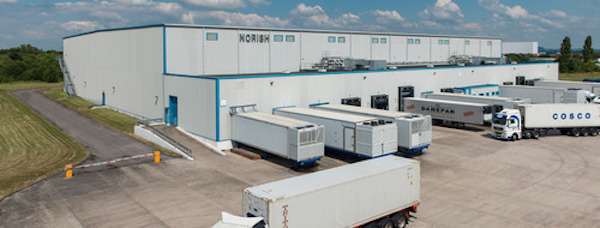
The Cold Chain Infrastructure provides backbone support by storing the perishables and ensuring the availability of fruits and vegetables throughout the year, said Union FPI Minister Smt. Harsimrat Kaur Badal. During a video conference with promoters of MoFPI supported cold chain projects today, Union Minister emphasized the importance of Food processing enterprises, especially the Integrated Cold Chain Network, in the present uncertain and evolving circumstances in view of COVID pandemic. It saves the farmers from uncertain circumstances and also facilitates stabilization of market prices. The Food Processing Industry has the potential to absorb the excess farm produce thereby benefiting the farmers and at the same time, convert the harvest into a value added processed product that can meet the domestic as well as the global demand.
Sh. Rameswar Teli, MoS, MoFPI was also present in the video conference with the promoters of completed Integrated Cold Chain Projects supported by the Ministry of Food Processing Industries in the States of Haryana, Punjab, Himachal Pradesh, Jammu and Kashmir and Rajasthan. This was the second such interaction (in a series of web meetings) of Union FPI Minister, with the promoters of MoFPI supported projects to facilitate seamless operations of FPIs.
The promoters of 38 cold chain projects, across 5 states, participated in the Video Conference. The promoters interacted with the Union Minister and shared their experience gained/ problems faced in completing the projects. Further, the promoters also shared the hardships and problems faced in running the cold chain projects during the lockdown period.
The promoters expressed their concerns on the decision of the local Government authorities to limit the hours of operations of Mandis to avoid overcrowding. They said that the limited hours of operations have slowed down the procurement process – leading to large waiting queues for farmers who wait to bring their produce to Mandis. They further shared that delay affects the quality of perishable food products and significantly reduces their price while leading to wastage in certain cases. They pitched for 24*7 operations of the Mandis to ensure seamless supply of recently harvested fruits and vegetables.
The promoters involved in export of processed food items expressed their concerns on the rising prices of (sea/air) freight which is rendering their product less competitive in the global arena. They said that the freight charges have gone up by 30 %. They requested the authorities to provide in-land as well as destination freight subsidies in order to support domestic industries to compete globally.
Citing the low domestic demand amidst the COVID Pandemic, the industry representatives from the Cold Chain sector, unanimously pitched for subsidy in the power tariffs. They urged that a Cold store needs to function 24*7 and the plant compressors cannot be shut at any point of time. They said that movement of perishables to and from cold stores has reduced in the past few days. The promoters further shared that they are experiencing a liquidity crunch due to obligation for the wages and salaries of employees and labourers, and urged for subsidy on power tariffs along with interest subvention on loans.
Apart from the above, following issues were discussed by Union Minister in the Video Conference:
1. Raw material availability and its high cost
2. Impact of Lockdown on operations
3. Labour and Logistics issues
4. High inventory costs
5. Liquidity crisis as payments have to be made to farmers
Working from home — some people love it, other people hate it. Regardless of which camp you fall into, you’re likely spending an increased amount of time in the confines of your own home these days.
Even before the coronavirus was impacting our physical work environment, the number of telecommuters had been steadily ticking up. According to Global Workplace Analytics, telecommuting has grown 173% since 2005, with 4.7 million people now working at least part time from home.
Below are 10 tips for establishing an efficient, productive, and sustainable home office setup. Whether you’re in this situation temporarily or for the long haul, we hope this working from home advice will help you adjust and stay productive.
When you go into an office every day, you typically adhere to a routine with fairly consistent start and end times. Those lines are blurred when you work from home. No one is paying attention to your arrival or departure times, so there’s less accountability. For some, this may make it hard to stay on track. For others who already maintain long hours to accommodate heavy workloads, the lack of a schedule can make it even harder to maintain work-life balance.
Get dressed.
Even if you won’t see anyone else for the entire day besides your cat, it’s hard to feel productive psychologically in your pajamas. In the early days of telecommuting, staying in sweats might feel like a perk. But for many remote workers, this habit can cause a sense of sluggishness by the end of the workday. Even if you’ve accomplished a lot, it can feel like your work day never really started if you skip getting dressed.
Stay connected.
Depending on your line of work, you may still feel connected through conference calls and virtual team meetings. But even if you’re independent and don’t join as many of those, try to find excuses to have regular, virtual check-ins with key colleagues. Consider starting your calls chatting with them about what’s going on in their lives or big projects they’re working on. This helps to make up for some of the water cooler conversations you miss out on when working remotely.
Take a walk.
Chances are, working from home means a much more sedentary lifestyle than you’d otherwise lead. Especially if you’ve suddenly made the switch to working from home, the shift can be jarring. Taking a walk — whether it’s around your neighborhood, up and down your apartment building’s stairs, or even just around your backyard — can provide a much-needed break to clear your head, get your blood flowing, and to look at something other than a screen.
Designate an official home office.
Just as you don’t want to roll out of bed and start working in your pajamas, it’s also not a great idea to roll over in bed and grab your laptop from your bedside table. Having an established workspace will help you maintain boundaries between home and work life.
Limit distractions.
By far, one of the biggest challenges when it comes to telecommuting is finding ways to limit all of the distractions around you. That book you’ve almost finished is calling you name. That TV show you recorded is waiting for you to watch. The kids’ laundry might be piling up in the laundry room.
Listen to music.
For some people, it’s too quiet at home. There’s no office buzz going on around them, and they miss it. For others, playing music — especially with headphones in — can help cut out the noise from family members or roommates who might also be working or schooling from home. Figure out what works for you, whether it’s quiet background noise from a playlist, your favorite band’s music channel, or even the sound of a noise machine or a TV in the next room.
Create house rules.
It’s easy to put this pressure on yourself, too. Maybe one of the benefits of working from home is that you can take small breaks to tackle things like laundry, but that shouldn’t be an expectation. You need to give yourself permission to focus solely on work when you’re working, otherwise you’ll never get anything done. Don’t feel guilty about putting off other things on your to-do list. This is where that schedule comes in handy.
Set team norms.
When teams are working remotely, check-in meetings are more important than ever. So is setting clear expectations with team norms. But before you send out a meeting invite, consider your colleagues’ schedules and preferences. Are they also working remotely, and if so, from what time zone? What is their ideal teleconference platform? Will you use video or not? Nobody likes logging on and find everyone on camera when you’re still in your pajamas (again, get dressed each day!) or haven’t run a comb through your hair.
Be patient.
In this time of uncertainty, it’s particularly easy to feel stressed out or overwhelmed. As much as possible, try to practice patience — with yourself, with your colleagues, and with anyone you live with. Cultivating and expressing gratitude can make you a better leader, and it can also help you thrive in the face of change. Even if your organization, routine, or other aspects of your life are upended or changing dramatically, taking the time to de-stress and build your resilience and react patiently is worth the time and effort. It will also help you deal with uncertainty and anxiety.
Before discussing impact of coronavirus (COVID-19) to implement the concept of ‘Work from Home” in India few lines about the virus may be highlighted from the website of WHO, (www.who.int/health-topics/coronavirus), “Coronavirus disease (COVID-19) is an infectious disease caused by a newly discovered coronavirus. Most people infected with the COVID-19 virus will experience mild to moderate respiratory illness and recover without requiring special treatment. Older people and those with underlying medical problems like cardiovascular disease, diabetes, chronic respiratory disease, and cancer are more likely to develop serious illness. The best way to prevent and slow down transmission is be well informed about the COVID-19 virus, the disease it causes and how it spreads. Protect yourself and others from infection by washing your hands or using an alcohol based rub frequently and not touching your face”.
The COVID-19 which has created human devastation in the world has popularised a theory in secondary and tertiary sectors (in case of wage-employment) known as “Work from Home (WFH)” now a popular concept in India also. It was at low ebb in India, albeit, from ancient age handloom and handicrafts works, earthen utensils making, etc. were carrying out from home for business purpose indicating “Work from Home”, but these were self –employment. In case of wage employment, the concept is comparatively new and getting popularity. For example, according to US census data, 5.7 percent of workers in the US were working from home in 2017 which was around 8 million persons. The same was 5 percent in 2016 and 3.3 percent in 2000. In USA, apart from some industries, viz., construction, primary health care and transportation, working from home has been able to flourish. This is mainly due to the advent and rise of increasingly efficient technology. Anyway, in India, to reduce the spread COVID-19, first schools and malls were closed and then many establishments asked employees to “Work from Home” wherever possible. Few data and facts to substantiate the statement are presented here collected from different websites.
Volvo Car, India and Tata Motors have announced work from home as a safety measure for its employees due to the rising number of coronavirus infections in India. In wake of the coronavirus pandemic, U.S. auto Ford has asked 10,000 employees in India, except those in business-critical roles, to work from home, a step which has also been taken up by Swedish luxury car maker Volvo.
Also the Economic Times, March 23, 2020 reported that “about half of India’s technology workers – estimated at 3 million – have already begun to work from home as social distancing becomes key to contain the spread of the outbreak. If employees continue to work from home for a few more months, IT companies are likely to conclude that 20-30% of their workforce can operate remotely”. Also it was reported that Tata Consultancy Services “has asked more than 40 percent of its employees to work from home. Accenture has moved over 60 percent of its employees to work from home in India and the Philippines”. Another case “Work from Home” is from a prestigious academic organisation located in Hyderabad known as the National Institute of Rural Development and Panchayati Raj (NIRD&PR), which is an autonomous organisation under the Union Ministry of Rural Development, is a premier national centre of excellence in rural development and Panchayati Raj. Recognized internationally as one of the UN-ESCAP Centres of Excellence, it builds capacities of rural development functionaries, elected representatives of PRIs, bankers, NGOs and other stakeholders through inter-related activities of training, research and consultancy. The NIRD&PR celebrated its Golden Jubilee Year of establishment in 2008. In addition to the main campus at Hyderabad, the Institute has North-Eastern Regional Centre at Guwahati, Assam to meet the NE-regional needs. This Organisation for the safety of its employees in view of outbreak of COVlD-19 has implemented “Work from Home” for the staffs, including consultants, contract, and outsourced employees up to, 31 March, 2020. However, the essential staffs viz., CMU (includes Electrical section, House Keeping, Water Supply, Sanitary Section etc), Health Centre, Garden section, Vehicle section, Security etc. are obligated to work on daily roster basis. “The Heads of each of the support units (Executive Engineer, Lady Medical Officer, Garden Superintendent, Multi-Tasking Staff, and Security Officer) will design a roster for the essential services”. It was reported that first time in the history of NIRDPR the “Work from Home” has been introduced.
Thus, in India in many sectors “Work from Home” has been implemented which is the outcome of COVlD-19. Eduindex News is also giving opportunity to writers and other experts Work from Home https://eduindexnews.com/tag/work-with-eduindex-news/








 Eduindex
You must be logged in to post a comment.