India never invaded any country in her last 10000 years of history.
India invented the Number System. Zero was invented by Aryabhatta.
The World’s first university was established in Takshila in 700BC. More than 10,500 students from all over the world studied more than 60 subjects. The University of Nalanda built in the 4th century BC was one of the greatest achievements of ancient India in the field of education.
Sanskrit is the mother of all the European languages. Sanskrit is the most suitable language for computer software, reported in Forbes magazine, July 1987.
Ayurveda is the earliest school of medicine known to humans. Charaka, the father of medicine consolidated Ayurveda 2500 years ago. Today Ayurveda is fast regaining its rightful place in our civilization.
Although modern images of India often show poverty and lack of development, India was the richest country on earth until the time of British invasion in the early 17th Century.
The art of Navigation was born in the river Sindh 6000 years ago. The very word Navigation is derived from the Sanskrit word NAVGATIH. The word navy is also derived from Sanskrit ‘Nou’.
Bhaskaracharya calculated the time taken by the earth to orbit the sun hundreds of years before the astronomer Smart.; Time taken by earth to orbit the sun: (5th century)365.258756484 days.
The value of pi was first calculated by Budhayana, and he explained the concept of what is known as the Pythagorean Theorem. He discovered this in the 6th century long before the European mathematicians.
Algebra, trigonometry and calculus came from India; Quadratic equations were by Sridharacharya in the 11th Century;The largest numbers the Greeks and the Romans used were 10^6(10 to the power of 6) whereas Hindus used numbers as big as 10^53(10 to the power of 53) with specific names as early as 5000 BCE during the Vedic period. Even today, the largest used number is Tera 10^12(10 to the power of 12).
According to the Gemological Institute of America, up until 1896, India was the only source for diamonds to the world.
USA based IEEE has proved what has been a century-old suspicion in the world scientific community that the pioneer of Wireless communication was Prof. Jagdeesh Bose and not Marconi.
The earliest reservoir and dam for irrigation was built in Saurashtra.
According to Saka King Rudradaman I of 150 CE a beautiful lake called ‘Sudarshana’ was constructed on the hills of Raivataka during Chandragupta Maurya’s time.
Chess (Shataranja or AshtaPada) was invented in India.
Sushruta is the father of surgery. 2600 years ago he and health scientists of his time conducted complicated surgeries like cesareans, cataract, artificial limbs, fractures, urinary stones and even plastic surgery and brain surgery. Usage of anesthesia was well known in ancient India. Over 125 surgical equipment were used. Deep knowledge of anatomy, physiology, etiology, embryology,digestion, metabolism, genetics and immunity is also found in many texts.
When many cultures were only nomadic forest dwellers over 5000 years ago, Indians established Harappan culture in Sindhu Valley (Indus Valley Civilization)
The place value system, the decimal system was developed in India in 100 BC.
[These facts were recently published in a German Magazine, which deals with World History Facts about India.]
What was the first superhero movie you watched in the theatre? For me, it was Spider Man (2002) with Tobey Maguire portraying Peter Parker. Spider-Man has remained a classic in my head. It’s not the only movie that sticks in my mind. There are a lot of superhero movies that came into existence and many of them are great. The best part of these movies is that they entertain us and at the same time teach us lessons. It’s like when we go to a school and we learn various things in various subjects. It’s also the same way that a movie helps us learn lessons in an entertaining way.
Lesson 1: With great powers comes great responsibilities
This dialogue is one of my favourites and the name of the film is spider man which was released in 2002, he could have used his power for his personal gains but instead, he used his power to save people from many evil incidents. He could have easily teamed up with criminals to steal some money so that he could improve his financial situation but instead, he risked his life to make his city a safe place to live for everyone. Without expecting anything in return he uses his superpower to serve mankind. This teaches a lot in real life, when we achieve something through our hard work it doesn’t mean we will start exploiting other people instead we can use our power or wealth to help the needy or weak person. For example, if an Individual studies hard and do great in the UPSC exam. He or she eventually becomes an IAS or IPS officer so that individual uses their position for the welfare of the people.
Lesson 2: Teamwork
Many of us have watched Justice League, X-men or Marvel movies where the theme is Teamwork. We see our favourite superhero isn’t fighting alone with the villains instead they work as a team to defeat the supervillains. The same thing goes for us in real life, we always need a team whether it is in a school project or in college assignments we do need a team so that every member looks at the expertise of their work and it eases our load of work. Every member has an important role to play in their field of work.
Lesson 3: Your past doesn’t decide your future
If we see an example of Natasha commonly known as Black Widow, she was trained as an assassin in KGB and she felt guilty of the innocent lives she took while on her missions but instead she moved on from her past life and tried to be the best version of herself and let other people come in her life and also she teams up with avengers to save millions of lives. For us in real life also we all made mistakes in our life, but it doesn’t mean we should be hard on ourselves instead we should learn from our previous mistakes and move on from our past and try to be the best version of ourselves.
Lesson 4: Never give up
We have commonly seen our superheroes are fighting the extraterrestrial super villains which they haven’t fought before but instead of giving up, they fight them instead and eventually turns into victory. The same thing we have to apply in our lives is to never give up in any situation, if we are starting our blog or a startup just do it. We may face several challenges or difficulties but we have to be persistent in our goal and achieve it.
Lesson 5: Everyone is unique
In our favourite superhero movies whether it be Justice League, X-Men or Avengers every character has their unique abilities and powers just like Tony stark is highly Intelligent and Thor is extremely powerful. In real life also this same thing applies in our lives, we shouldn’t compare ourselves with other people because everyone is different, unique and best in their ways. Every Individual has their talent and passion which makes them different from other people.
It is one of the most popular undergraduate programmes. As the name suggests it’s a mixture of Biology and Technology. It basically helps to improve human and plant life.
. SCOPE
Many companies hires graduate with biotechnology degree. It opens doors in paramaceuticals industry, healthcare sector, genetics, clinical research and many more
. SALARY
An average salary of a biotechnologist is 4.5L to 5.0L per annum.
. BSC PSYCHOLOGY
It’s a three years undergraduate programme. It provides in-depth knowledge of human behaviour and captures all the information about the human brain and it’s emotions. The program involves both theoretical and practical knowledge
. SCOPE
A graduate can seek job opportunities at research labs, welfare organisation, rehabs, counselor, psychologist, etc
. SALARY
An average salary of a psychology graduate can be 4.10L or more per annum.
. FOOD SCIENCE
It involves a throughout understanding of biological and chemical procedures affecting plants, dairy and food. The techniques involves production, processing, preservation, packaging, labeling, quality management and distribution of food products.
. SCOPE
A graduate can take up food technology jobs in food processing companies, quality control organization and many more.
. SALARY
The average salary of a graduate in food technology science can be 4.12L to 5.0L per annum.
. ZOOLOGY
It’s a branch of biology that deals with the study of animal kingdom. They study animal behaviour, genetics, biodiversity and many more things.
. SCOPE
A graduate can look for job opportunities in public and private sectors as a wildlife biologist, zoo curator, zoology faculty and many more.
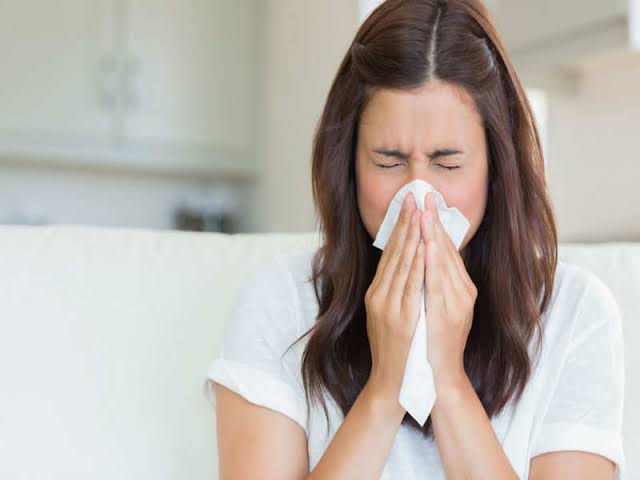
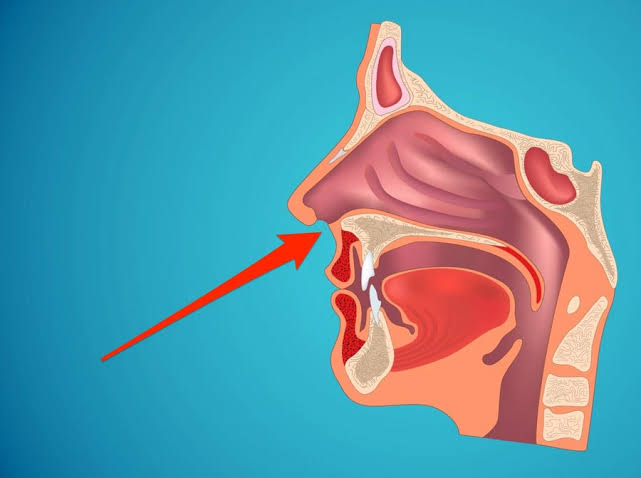
Sometimes dust, flakes of dead skin, pollution, microbes, or your own booger build up from a cold find their way into your nose’s passages. When mucous membranes in the lining of your nose detect this intruders, they sent an urgent message to your brain : Unleash a sneeze !
How do we sneeze?
You don’t have to do anything.react Sneezing is a lightning-fast-involuntary reaction, in which your chest,stomach, throat, and face muscles work together to blast particles from your nasal passages. The whole process last less than 3 secondsprofiles The whole process last less than three seconds, and it propels spit, boogers, chewed food, and other particles from your nose and mouth at nearly 100 miles per hour or 161 kph.
Why do we upchuck when we get sick?
If you catch a stomach flu ( usually a virus in your guts ), swallow food spoiled by bacteria, or simply pig out your body rebels, your stomach will kick into reverse to eject whatever’s causing the trouble. Your guts churn, your head spins, and your throat begins to burn.Before you know it, blaaargh! You have launched your lunch !Clammy skin, waves of uneasiness, and a queasy feeling known as nausea usually precede puking, giving you a heads-up to hang your head over the toilet. Motion sickness – a condition brought on by winding roads, rocking boats,or back to back rides on the Tilt-a-Whirl – can lead to hurling, too.
Why does throw – up burn my throat?
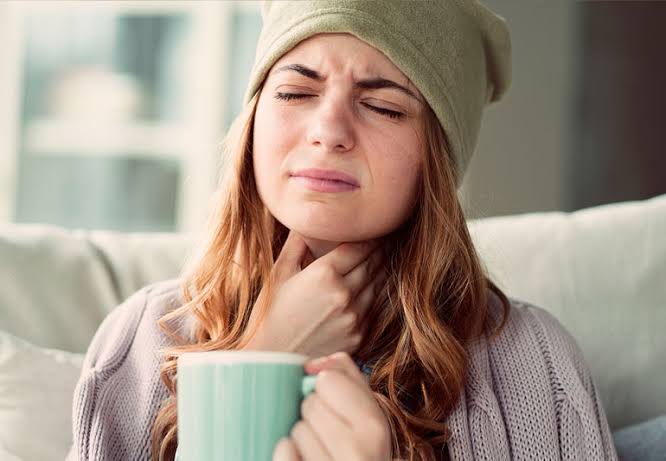
Your stomach contains powerful acids that help break down food, and some of this sour-tasting gastric juice get pumped up and away when you puke. Although a wave of spit and mucus helps protect your throat and mouth when you vomit, you will still feel the burn. Particularly forceful barfing sessions will propel puke into your sinuses and out your nose, producing an eye-watering sting. Nasty !
Why hasn’t medical science found a cure for the common cold?
You’d think curing a case of the sniffles would be a cinch for the scientists who invented artificial hearts and defeated lethal diseases like smallpox and polio. But eliminating the common cold is tricky because it is actually caused by more than 200 evolving viruses that all produce the same symptoms ( whereas smallpox was caused by just one virus).
Why does my nose run when we get a cold?
Your nasal membranes make mucus – aka snot – and this sticky substance serves as security against germs, dust, and pollen particles that would make breathing difficult if they reached our lungs. Moved along by tiny nostril hairs called cilia, snot pummels and pushes invading particles toword the exit – your nostrils – or dumps them down your throat. Your body produces nearly wo gallons (7.6 L) of mucus each week. You usually swallow all that snot without giving it a second thought. Catch a cold virus or come under an allergy attack, however, and the membranes pump up the volume. Your nose turns into a leaky snot faucet. You start coughing up globes of phlegm – a type of mucus produced in your throat and lungs. A hacking cough and runny nose are your body’s ways of flushing all the bad stuff.
Where do boogers come from?
Snot is sticky for a reason – it collects all the crud that get up your nose. Once snot reaches the nostrils, it dries into crumbly little boogers for easy disposal. Polite people blow them into tissues ; everyone else engages in rhinotellexis. The technical term for nose -picking.
How can we avoid germs?
Wash your hands with soap and water for at least 20 seconds after you touch any potentially infected surface or person.
Don’t touch your face after touching an infected surface. It’s a sure fire way to get sick !
Get vaccinations for all the major germ based illness from your doctor. Vaccine contains trace amounts of ( or weakened )microbes that trigger your body into making antibodies to fight against specific diseases, making you immune to them.
Be careful about sharing food or drinks with sick friends.
If you get sick, remember : the inside of your elbow makes a great sneeze shield. You might coat your arm in snot, but at least you will avoid infecting everyone in your launch zone.
How are germs spread?
Every time an infected person coughs or sneezes, he or she spreads sickness. One sneeze alone can launch thousands of germ-jammed droplets nearly 20 feet (6m), potentially infecting anyone in the blast radius. Bacteria and some viruses can survive for a short time on door handles, bathroom counter, and other surfaces.
Ladies in India, today, are turning into the most weak segment all things considered. Ladies are the best strength of our general public and it is so debilitating to see that they are getting risky step by step as the quantity of violations against them are expanding. As indicated by a survey by Reuters, India has been positioned the most perilous country out of the world’s 10 most noticeably awful nations for ladies. At the point when we turn the pages of a paper, we go over many title texts revealing instances of attack, badgering, dealing, abuse of ladies in houses, brutality against ladies in distant regions and so forth Ladies feel risky and unstable and feel that their opportunity and freedom are open to hazard. It is excruciating to envision the predicament of ladies who are victims of such violations. It is a shake on the certainty of the ladies of the general public and on our legal framework.
As indicated by the National Crimes Records Bureau(NCRB), India recorded 88 assault cases each day in 2019 and wrongdoings against ladies expanded by 63.3% in the initial a half year of 2021. NCRB report features that assault weakness of a young lady or lady has expanded up to 44% over the most recent 10 years. According to the most recent NCRB information, KOLKATA dominates the competition in security, for ladies, however generally speaking also. To shield ladies from aggressive behavior at home THE PARLIAMENT OF INDIA passed ‘The Protection of Women from Domestic Violence Act 2005’.
Significance OF WOMEN SAFETY-
Security of ladies is vital in this pitiless and fiendish society. As the quantity of bodies of evidence are emerging against ladies, practice the laws and get the criminal captured and rebuffed straightaway. It assists ladies with being more settled, comprehension and they feel ensured. They will trust the public authority if the criminal gets required discipline on schedule. It will foster body and psyche control in them. They will take dynamic part in all things if appropriate wellbeing is guaranteed to them. There are laws yet there ought to be appropriate wellbeing estimates which we need to follow rigorously to shield the ladies from savagery.
We for the most part look for someone else to take the blame for any such occurrence and henceforth have not prevailed to arrive at the underlying driver of this issue. A successful execution of misfortune ensuring ladies’ privileges is the initial phase toward this path. There ought to be rigid misfortune and the crooks of such wrongdoing ought to be seriously rebuffed.
Violations AGAINST WOMEN-
In India, lewd behavior, assaults, aggressive behavior at home, settlement cases and murder are normal types of brutality against ladies. It is found in certain spots that even today, there is a practice of taking share from the young lady’s family and the dad forfeits and loses everything to pay it. Abusive behavior at home is likewise expanding seriously where one accomplice or a man mishandles another accomplice or a young lady in a relationship. It prompts discouragement and suicides. It’s anything but an immediate homicide yet it is the reason for homicide without a doubt. Cheating in a relationship and giving separation is likewise a wrongdoing against ladies which annihilates the entire existence of a ladies and the man effectively tracks down another young lady and weds her. Corrosive tossing is viewed as the most horrifying wrongdoing against ladies which ruins the excellent young lady’s life and left her in a condition of shock.
HOW Might WE SAFEGUARD WOMEN OF OUR SOCIETY?
We likewise need to make social mindfulness about these issues and exclude the individuals who carry out such wrongdoings and not the people in question. Ladies security is a vital worry in India and a great deal of associations began chipping away at it after Nirbhaya’s case. Ladies ought to be shown some self-preservation tips and deceives in schools, universities, workplaces and private provinces, so that in the event that anybody attempts to hurt them, they can apply these stunts to ensure them and hurt the individual attempting to assault her. Likewise, different recordings of self-protection methods are transferred on the web, on different online media stages for instructing ladies’ wellbeing. Ladies should consistently put some cold powder, ginger-garlic glue or some hurting materials while going out to hurt the assailant. To guarantee the security of the ladies in the country, the whole populace ought to be knowledgeable and the laws ought to be exceptionally extreme against each sort of wrongdoing. Both the people of the general public ought to be engaged with appropriate schooling and pay so they can battle against any mischief to them. There are likewise different helpline numbers for guaranteeing ladies security in India. Just when these actions are taken, India can turn into a lighthearted and charming spot for ladies when they can go any place they like to with no dread of being gazed at, attacked or segregated.
Individuals are social animals. We need the friendship of others to flourish throughout everyday life, and the strength of our associations massively affects our emotional wellness and satisfaction. Being socially associated with others can ease pressure, nervousness, and wretchedness, support self-esteem, give solace and happiness, forestall dejection, and even add a long time to your life. On the other side, lacking solid social associations can represent a genuine danger to your psychological and passionate wellbeing.
In this day and age, a large number of us depend via web-based media stages like Facebook, Twitter, Snapchat, YouTube, and Instagram to discover and associate with one another. While each has its advantages, recollect that online media can never be a substitution for certifiable human association. It needs face to face contact with others to trigger the chemicals that reduce pressure and cause you to feel more joyful, better, and more good. Amusingly for an innovation that is intended to unite individuals, investing an excess of energy drawing in with online media can really cause you to feel all the more desolate and detached—and intensify emotional wellness issues like uneasiness and despondency.
In case you’re investing an unnecessary measure of energy in web-based media and sensations of bitterness, disappointment, dissatisfaction, or dejection are affecting your life, it could be an ideal opportunity to rethink your online propensities and track down a better equilibrium.
The positive parts of web-based media – While virtual cooperation via online media doesn’t have similar mental advantages as vis-à-vis contact, there are as yet numerous positive manners by which it can help you stay associated and support your prosperity. Web-based media empowers you to: – Impart and keep awake to date with loved ones all throughout the planet. – Discover new companions and networks; network with others who share comparative interests or aspirations. – Join or advance advantageous aims; bring issues to light on significant issues. – – Look for or offer enthusiastic help during difficult stretches. – Discover fundamental social association in the event that you live in a far off region, for instance, or have restricted freedom, social uneasiness, or are essential for a minimized gathering. – Discover a source for your imagination and self-articulation. – Find (with care) wellsprings of important data and learning.
The negative parts of web-based media
Since it’s a somewhat new innovation, there’s little examination to set up the drawn out results, positive or negative, of online media use. In any case, different examinations have tracked down a solid connection between substantial online media and an expanded danger for gloom, tension, dejection, self-hurt, and surprisingly self-destructive musings.
Online media might advance negative encounters, for example,
Insufficiency about your life or appearance. Regardless of whether you realize that pictures you’re seeing via online media are controlled, they can in any case cause you to feel unreliable about what you look like for sure’s going on in your own life. Additionally, we’re all mindful that others will in general share simply the features of their lives, infrequently the depressed spots that everybody encounters. In any case, that doesn’t decrease those sensations of jealousy and disappointment when you’re looking through a companion’s artificially glamorized photographs of their tropical sea shore occasion or finding out about their intriguing new advancement at work.
Dread of passing up a major opportunity (FOMO). While FOMO has been around far longer than online media, destinations, for example, Facebook and Instagram appear to intensify sentiments that others are having a good time or carrying on with preferable lives over you are. The possibility that you’re passing up specific things can affect your confidence, trigger nervousness, and fuel much more prominent web-based media use. FOMO can force you to get your telephone like clockwork to check for refreshes, or urgently react to every single caution—regardless of whether that implies facing challenges while you’re driving, passing up rest around evening time, or focusing via web-based media communication over certifiable connections.
Separation. An examination at the University of Pennsylvania tracked down that high utilization of Facebook, Snapchat, and Instagram increments rather diminishes sensations of dejection. Then again, the investigation found that decreasing web-based media use can really cause you to feel less desolate and separated and work on your general prosperity.
Melancholy and nervousness. Individuals need vis-à-vis contact to be intellectually solid. Nothing lessens pressure and lifts your mind-set quicker or more viably than eye-to-eye to eye connection with somebody who thinks often about you. The more you focus via online media communication over in-person connections, the more you’re in danger of creating or compounding state of mind issues like tension and gloom.
Cyberbullying. Around 10% of youngsters report being harassed via web-based media and numerous different clients are exposed to hostile remarks. Web-based media stages, for example, Twitter can be focal points for spreading terrible bits of gossip, lies, and misuse that can leave enduring enthusiastic scars.
Self-retention. Sharing unending selfies and all your deepest contemplations via web-based media can make an unfortunate narcissism and distance you from genuine associations.
Signs that web-based media is affecting your psychological well-being Everybody is unique and there is no particular measure of time spent via web-based media, or the recurrence you check for refreshes, or the quantity of posts you make that demonstrates your utilization is becoming unfortunate. Maybe, it has to do with the effect time spent via web-based media has on your disposition and different parts of your life, alongside your inspirations for utilizing it. For instance, your web-based media use might be risky in the event that it makes you disregard eye to eye connections, diverts you from work or school, or leaves you feeling jealous, furious, or discouraged. Essentially, in case you’re spurred to utilize web-based media since you’re exhausted or forlorn, or need to present something on make others envious or upset, it very well might be an ideal opportunity to rethink your online media propensities.
Pointers that online media might be antagonistically influencing your emotional well-being include:
Investing more energy in web-based media than with true companions. Utilizing web-based media has gotten a substitute for a ton of your disconnected social communication. Regardless of whether you’re out with companions, you actually want to continually check web-based media, regularly determined by sentiments that others might be having some good times than you.
Contrasting yourself horribly and others via web-based media. You have low confidence or negative self-perception. You might even have examples of disarranged eating.
Encountering cyberbullying. Or then again you stress that you have no power over the things individuals post about you.
Being occupied at school or work. You feel strain to post customary substance about yourself, get remarks or likes on your posts, or react rapidly and energetically to companions’ posts.
Lacking the capacity to deal with self-reflection. Each extra second is filled by drawing in with online media, leaving you or no an ideal opportunity for pondering what your identity is, your opinion, or why you act the way that you do—the things that permit you to develop personally.
Participating in hazardous conduct to acquire preferences, offers, or positive responses via online media. You play risky tricks, post humiliating material, cyberbully others, or access your telephone while driving or in other perilous circumstances.
Experiencing rest issues. Do you check web-based media last thing around evening time, before anything else, or in any event, when you awaken in the evening? The light from telephones and different gadgets can disturb your rest, which thusly can truly affect your psychological well-being.
Deteriorating side effects of uneasiness or melancholy. Maybe than assisting with reducing negative sentiments and lift your state of mind, you feel more restless, discouraged, or desolate in the wake of utilizing online media.
What is an internship? An internship is a period of work experience offered by an organization for a limited period of time. They are typically undertaken by students and graduates looking to gain relevant skills and experience in a particular field. An internship consists of an exchange of services for experience between the intern and the organization. Internships are used to determine whether the intern still has an interest in that field after the real-life experience. Internships provide current college students with the ability to participate in a field of their choice to receive hands-on learning about a particular future career, preparing them for full-time work following graduation.
Internships are usually short-term. They’re smaller investments in time and energy than full-time jobs. But they are certainly without a doubt a great investment of your time. Consequently, they’re perfect opportunities to explore your options. You deserve work that’s fulfilling. If necessary, you can sign up for a different but related internship role elsewhere to see if you’re happier there.
Your internship is going to shape the course of your career. It’ll assist you in acquiring the skills you need to perform up-to-par when you’re hired full-time. It’s essential you use your internship as the training opportunity it represents.
You’re sure to have a bright future if you work hard, build positive relationships, and use the skills you develop in your internship to your advantage.
Who is an intern?
An intern is a trainee who has signed on with an organisation for a brief period. An intern’s goal is to gain work experience, occasionally some university credit, and always an overall feel for the industry they’re interning in.
An intern is primarily a support role at least in the beginning. When you join up, your main job will be to assist, learn, and grow. After you’ve settled in, you’ll be expected to pull your own weight.
What does an intern do?
So, what does an intern do exactly? That depends on the industry in question and the kind of internship you’ve signed up for.
Here’s a general overview of the work you can expect to do as an intern:
1. Assist and contribute to the team
In the beginning of your internship, you may your time simply trying to learn how the company works. You may shadow an employee to get an understanding of their role. After few days of learning the ins-and-outs of the company, you’ll start to assist and contribute more to the team.
Here are some day-to-day intern roles and their responsibilities :
Performing clerical duties
Managing social media and emails
Event handling
Research
2. Learn and gain experience
You’ll be expected to learn as much as you possibly can while you work, regardless of the kind of internship you’ve signed up for.
What kind of learning will you be doing? It can be broken down into two main areas :
Picking up hard skills : Hard skills are the technical skills you need to carry out your intern responsibilities, and eventually job duties, successfully.
Brushing up on your soft skills : Soft skills are as important as hard skills. Soft skills are all about your ability to relate to people and building mutually-beneficial relationships.
3. Job shadow
Job shadowing has become the norm recently. As the name suggests, the practice involves “shadowing” someone as they perform their daily duties, observing their activities, and learning what the role entails via indirect experience.
How does this work exactly? When you join the organisation, you may be assigned a mentor. The first few weeks, you may be tasked with following them around. Once you’ve shadowed for a while, you may be asked to help your mentor on projects or eventually take over some of their tasks.
4. Take on an increasing amount of responsibility
As time goes by, expect to shoulder an increasing amount of responsibility. Initially, they’ll gauge your current skill set and reliability with your initial workload. As you prove yourself to your colleagues and bosses, you’ll be entrusted with more crucial tasks. The better you perform, the more the responsibilities you’ll be given. Employers prefer quality over quantity – don’t afraid to ask for help if you need it.
5. Make a career call
Finally, usually at the tail-end of your internship, you have to make a career-defining decision: continue in the field you interned in or try your hand at something else entirely. You got a taste of what working in your industry full-time would be like. That’s the beauty of an internship you can always go into another field you would like.
Why internships are beneficial?
Here are some reasons that expand on why an internship is essential to your personal and professional development:
Tests industry knowledge
Helps you figure out your interests
Creates new interests
Connects you to industry professionals
Allows you to learn in a safe environment
allows you to get paid to learn
Provides possible credit for your college degree
Allows you to potentially gain more internship opportunities
Creates a unique travel experience
Inspires you to learn more about an industry
Teaches you about the importance of work-life balance
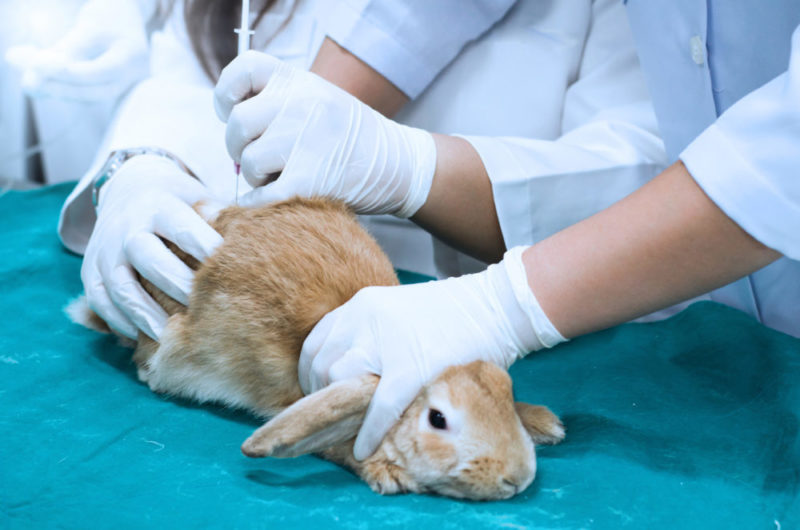
Utilizing animals in research and to test the wellbeing of items has been a subject of warmed discussion for quite a long time. Individuals have various affections for animals; many view animals as companions while others see animals as a method for propelling clinical procedures or promoting trial research. However people see animals, the reality says that animals are being taken advantage of by research offices and beauty care products organizations the whole way across the nation and from one side of the planet to the other. Despite the fact that people frequently advantage from effective animal research, the aggravation, the torment, and the deaths of animals are not worth the conceivable human advantages. In this way, animals ought not be utilized in research or to test the wellbeing of items.
To start with, animals’ rights are abused when they are utilized in research. Animals and individuals are indistinguishable from various perspectives; the two of them feel, think, act, and experience torment. In this manner, animals ought to be treated with similar regard as people. However animals are abused when they are utilized in research since they are not given a decision. Animals are exposed to tests that are regularly difficult or cause extremely durable harm or passing, and they are never given the alternative of not partaking in the investigation. Animals don’t willingly sacrifice themselves for the progression of human government assistance and new innovation. Their choices are made for them since they can’t express their own inclinations and decisions.
Then, the agony and experiencing that exploratory animals are liable to does not merit any potential advantages to people. At the point when animals are utilized for item harmfulness testing or lab research, they are exposed to excruciating and as often as possible lethal analyses. Two of the most generally utilized harmfulness tests are the Draize test and the LD50 test, the two of which are scandalous for the extreme aggravation and enduring they curve upon test creatures. To play out these tests, the scientists connect the animals to tubes that siphon immense measures of the test item into their stomachs until they kick the bucket. This test is incredibly difficult to the animals since death can require days or even weeks.
At long last, the testing of items on animals is totally pointless in light of the fact that practical options are accessible. Numerous corrective organizations have thought of thought of testing their items utilizing innovation or stunningly better they chose to make their items more regular and ecofriendly so it will not hurt anybody.
Notwithstanding, many individuals accept that animal testing is justified in light of the fact that the animals are forfeited to make items more secure for human use and utilization. The issue with this thinking is that the animals’ security, prosperity, and personal satisfaction is by and large not a thought. Animals are likewise living creatures since they can’t talk or battle for themselves doesn’t imply that we should take exploit them. Cruelty to animals should be banned and strict actions should be taken against people who do that or support this ideology.
Renaissance is a French word meaning “rebirth.” It refers to a period in European civilization that was marked by a revival of Classical learning and wisdom.
The word “Renaissance,” whose literal translation from French into English is “Rebirth,” appears in English writing from the 1830s. The word occurs in Jules Michelet’s 1855 work, Histoire de France.
The word “Renaissance” has also been extended to other historical and cultural movements, such as the Carolingian Renaissance and the Renaissance of the 12th century.
The Renaissance was a period in Europe, from the 14th to the 17th century, regarded as the cultural bridge between the Middle Ages and modern history. It started as a cultural movement in Italy, specifically in Florence, in the late medieval period and later spread to the rest of Europe, marking the beginning of the early modern age.
Beginnings
Various theories have been proposed to account for the origins and characteristics of the Renaissance, focusing on a variety of factors, including the social and civic peculiarities of Florence at the time; its political structure; the patronage of its dominant family, the Medici; and the migration of Greek scholars and texts to Italy following the Fall of Constantinople at the hands of the Ottoman Turks.
Many argue that the ideas characterizing the Renaissance had their origin in late 13th-century Florence, in particular in the writings of Dante Alighieri (1265–1321) and Petrarch (1304–1374), as well as the paintings of Giotto di Bondone (1267–1337).
The Adoration of the Shepherds The Adoration of the Shepherds, center panel of the Portinari Altarpiece, by Hugo van der Goes, c. 1474–76; in the Uffizi Gallery, Florence.
Raphael: Saint Michael Overwhelming the Demon: Saint Michael Overwhelming the Demon (also known as The Small Saint Michael), oil on wood by Raphael, c. 1505; in the Louvre Museum, Paris. 30 × 26 cm.
Cultural, Political, and Intellectual Influences
As a cultural movement, the Renaissance encompassed the innovative flowering of Latin and vernacular literature, beginning with the 14th-century resurgence of learning based on classical sources, which contemporaries credited to Petrarch; the development of linear perspective and other techniques of rendering a more natural reality in painting; and gradual but widespread educational reform.
In politics, the Renaissance contributed the development of the conventions of diplomacy, and in science an increased reliance on observation. Although the Renaissance saw revolutions in many intellectual pursuits, as well as social and political upheaval, it is perhaps best known for its artistic developments and the contributions of such polymaths as Leonardo da Vinci and Michelangelo, who inspired the term “Renaissance man.”
The previous article was all about the process of inflammation. This article is about vaccines.
The vaccines fall under the type of artificial active acquired immunity. This is artificial because we are giving the vaccine externally and this is active because the body is generating the antibodies/response and it is acquired because we are getting the immunity and it is not present by birth. You must have known what immunity is at least by now.
A vaccine is a biological preparation that provides active acquired immunity to a particular infectious disease. A vaccine typically contains an agent that resembles a disease-causing microorganism and is often made from weakened or killed forms of the microbe, its toxins, or one of its surface proteins (antigens). So these vaccines are nothing but the pathogen itself but it cannot cause any disease, instead, it triggers the immune system.
This is a quick recap of the principle of working on vaccines. The vaccine contains the pathogens as a whole or the surface antigens only. These antigens stimulate the immune system. If the immune system had a memory about this antigen, then it would immediately produce an antibody, and phagocytosis of the antigen occurs by the macrophage aided by the antibody. In this scenario, the antigen is new and there is no memory, therefore the immune system struggles and takes time to produce the antibody.
So the antigen reign over the body and this can lead to inflammation. As a result, some of the symptoms of inflammation like fever, heat, pain in the area of application, and swelling may appear. The chances of them are rare and also severity is less (last for a few hours/days) since the pathogen is attenuated.
Once the immune system produces the correct antibody, phagocytosis of the antigen occurs and hence the causative agent is eliminated from the body (primary response). So if the same or similar pathogen which has disease-causing ability enters into the body, the memory triggers the immune system to produce the correct antibody. So a heightened and rapid response is generated in order to kick away the pathogen quickly (secondary response).
There are three types of vaccines:-
Live- infection is caused without any harm – measles & polio
Dead- doesn’t last long, requires booster dose- cholera
Microbial products- involves non-infectious pathogen, capsule and toxoid- anthrax, diptheria
Hence using the vaccine as a stimulus, the body is able to generate a response that is stored and can be useful for preventing the disease caused by the pathogen.
There might be an idea to generate vaccines for all diseases so that all humans are protected. But there are some difficulties in this which are listed below:-
There are new microbes being discovered every day and no one knows which microbe can cause disease. There can be multiple microbes causing the same or similar disease. So being immune to one microbe doesn’t mean being immune to the disease
The disease-causing microbe can undergo mutation meaning that there can be changes in the genetic material and hence the antigen can change. In this case, the antibody which was stimulated by the vaccine won’t work. A suitable example is a common cold, it is impossible to produce a vaccine that covers all mutants of viruses
The pathogen has to be genetically modified so as to remove its disease-causing ability which is easy to say but difficult to implement
Also, it is important that the antigen chose for the vaccine must be close to that of the original causative agent of the disease. If the original pathogen is not so close to that of the vaccine, then it will not work
Hence all these above points explain the difficulties in producing a vaccine. Despite these many research organizations in many countries have produced vaccines especially for the pandemic and dreadful diseases like the COVID-19, hepatitis, polio, etc. in which some vaccines provide lifetime immunity to some of the diseases. We must take a minute to appreciate those who have done immense work and their contribution is stopping some of the dreadful diseases.
With this, we come to the end of the series. I hope that all the concepts explained in this were simple and clear and also would have inculcated an interest in immunology. By now, it would be clear how the immune system protects us from several microbes and diseases.
The previous article dealt with the types and functions of immunoglobulin. This article provides a complete explanation of the process of inflammation.
Inflammation is the process of protection which was seen as one of the six mechanisms of innate immunity.
Inflammation is one of the body’s responses to the invasion of foreign particles. This is an important process in the human body that occurs to drive away from the pathogen. Inflammation is one of the stages seen in healing. Some of the changes that can be seen in the target site are:-
Changes in blood flow (mostly blood loss)
Increase in platelets (to plug the damaged vessel)
Increase in immune cells
Supply of nutrients
The word inflammation refers to a burning sensation. Hence there are five cardinal signs in inflammation namely:-
Rubor (redness)
Tumor (swelling)
Calor (heat)
Dolor (pain)
Functioleasia (loss of function)
These cardinal signs as well as the changes occur due to some mediators which are basically chemicals and also due to the action of various immune cells.
Mediator name
It’s effect
Bradykinin, histamine, serotonin
Increase permeability
Prostaglandin
Decreases blood pressure
Cytokines
Produce fever
Toxic metabolites
Damage tissue
This inflammation can be either acute or chronic. As seen earlier, acute stays for a shorter time but produces more vigorous pain whereas chronic stays for a longer time with less vigorous pain. If the causative agent has been driven away then healing occurs either by complete restoration or scar formation. There are chances that the acute inflammation can become chronic which can be worse. It can lead to several diseases and complications.
The pathogen in order to establish its supremacy in the human body, it has to pass through the epidermis which is the outermost layer of the human body. This is known as SALT skin-associated lymphoid tissues. Hence T and B lymphocytes are prominent in the skin. Most of the pathogens get destroyed in this stage. Let us assume that our pathogen is strong and it had passed through it. The next layer it encounters is the dermis. As we go deep inside the skin, more and more immune cells get involved. In the dermis the following immune cells are seen:-
immunity in the skin
Macrophage
NK cells
Mast cell – produce histamine and serotonin
T helper cells – it provides help to other immune cells
The next stage is the hypodermis which has a large number of macrophages and neutrophils that phagocytosis the pathogen. Hence these following processes help in defending against the pathogens.
When a particular pathogen say a virus enters the cell, the immune system will get alerted through signals and they immediately send the correct immune cell to the target site. This occurs since either the immune system gets information naturally or artificially through previous infection or vaccine. This leads to the classification of immunity in humans.
So now we will consider a new and strong pathogen that has not been recognized by the immune system and has dodged those barriers and has entered inside the skin. Now it multiplies at a rapid rate and colonizes that particular area. Hence the cells in that area start to die and they release several signals like TNF, cytokines, interleukins. This gets combined with other signals like histamine, serotonin released from immune cells. Some of these signals produce direct effects on the target site as seen in the table.
An array of these signals triggers the immune system and it, in turn, starts the inflammation process and the cardinal signs are observed. This process lasts for some time and as it occurs; the pathogens decrease in number through phagocytosis and subsequently vanishes from the body. This can be observed by a decrease in the signs. After this process, the targeted site starts to heal and the immune system learns how to defend the pathogen when it enters the next time.
Now the damage caused by the pathogen has to be repaired by the process of healing.
Haemostasis
Inflammation
Proliferation
Maturation/Remodelling
The pathogen will rupture and damage the outer layer of blood vessels known as endothelium resulting in blood loss. Hence the blood vessels start to contract to prevent further loss. Also, a plug is formed at the site of leakage by the platelets. Then the process of inflammation occurs; clearing out the dead cells and the pathogen. In the proliferative stage, new blood cells are formed by a process known as neovascularisation and the new epithelium is formed. In the last phase, the newly formed cells become stronger and flexible. Hence the combination of these steps brings the affected area back to normal.
Hence the inflammation is an essential process in the immune system and it has to occur to prevent the conspiracy of the microbes. The next article is about vaccines and their principle of working.
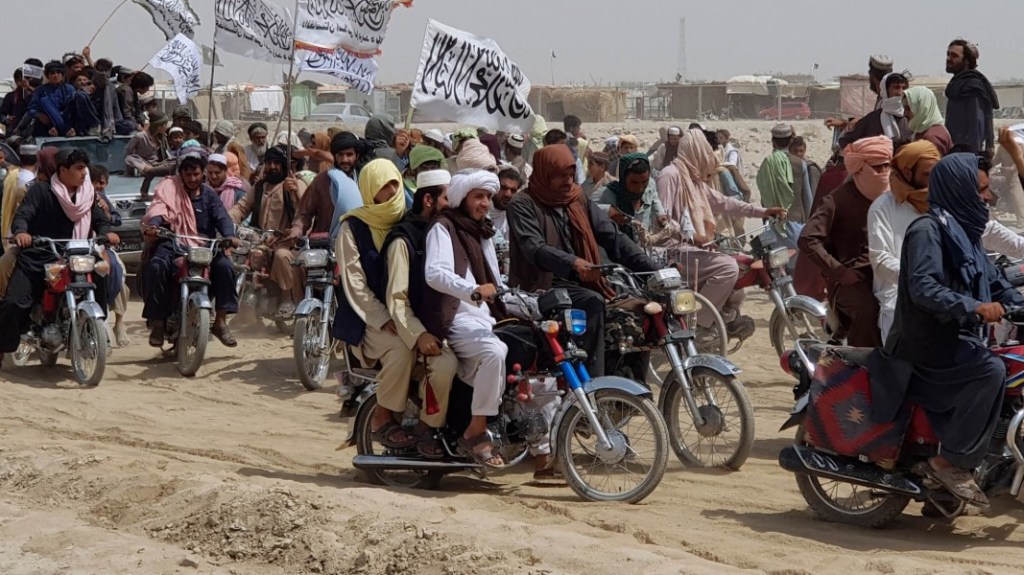
Now that the US army has pulled out from Afghanistan after spending 20 years there, the Taliban has taken control of almost whole of the country. HISTORY REPEATS ITSELF, and here history is repeating itself for the worst. Politicians have fled from the country leaving their countrymen to die and the civilians are in a state of panic. As Taliban has taken control from all the borders leaving no exit point.
What is Taliban
Taliban is the word for ‘student’ in pashto language. Ironically they have nothing to do with knowledge, at least on humanitarian basis. They emerged from the northern part of Pakistan in the early 1990s, they basically promised peace to the peope an to impose Sharia or islamic law, once in power. In September 1995, they started their rule by capturing Herat and then all the major cities one by one and by 1998, they had captured about 90% of Afghanistan.
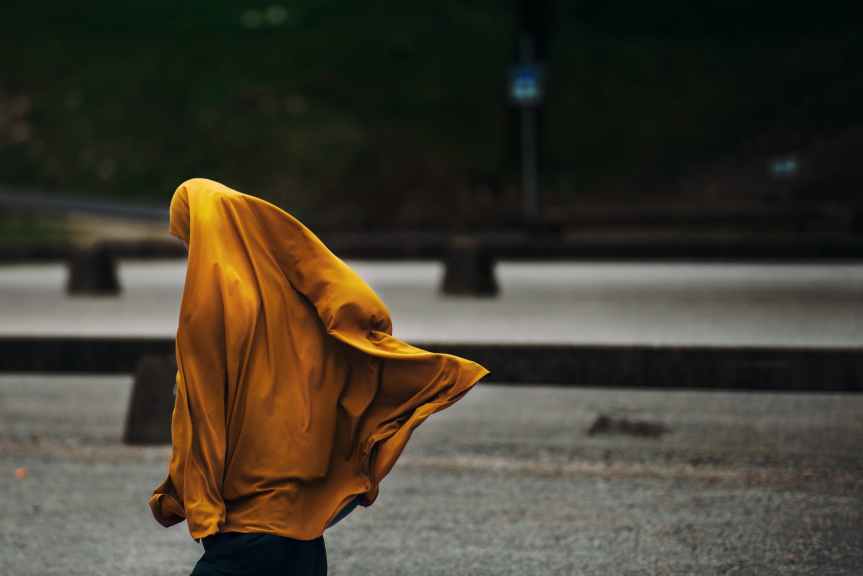
They became popular as they finished corruption and lawlessness. They also introduced roads. But at the same time they implemented the Sharia law and gave punishments according to it, like public execution for murderers and adultration, amputating those, who were found guilty of theft. Girls were not allowed to go to school after the age of 10, women had to wear chaadri (burqa, covering whole body) when going out and they had to be accompanied by a man all the time, men too had to grow beard. Cinema, music and television were banned. women were not allowed to work even when their husbands died. Basically all their rights were taken away.
On 11 September, 2001 the world trade center was attacked and Taliban was accused of providing safety to Al Qaeda.
Malala Yousafzai was shot by the talibani terrorists as she refused to leave school and continued to study.
pic courtesy: shutterstock
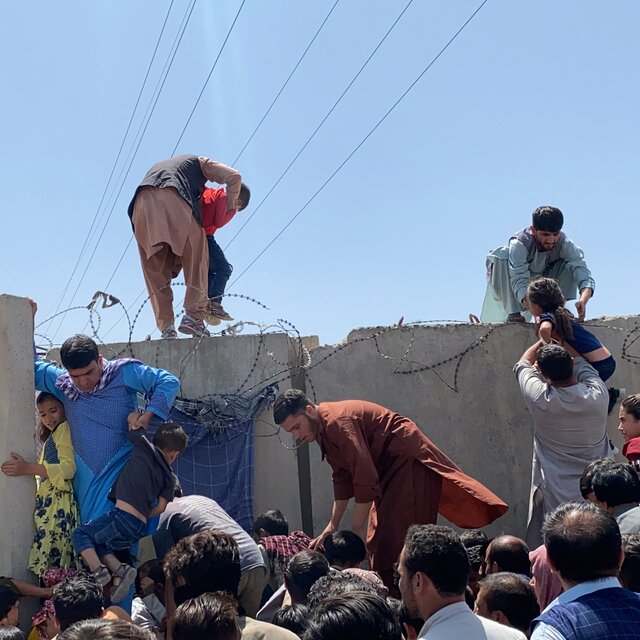
Disturbing images have been coming in from airport where people were rushing as their last hope of fleeing from there. It’s very saddening to see politicians leaving their people to die on the streets. Even though talibanis have said that the people need not be scared of anything but can we trust them?? Not really. Several videos have been surfacing on the net of dead bodies littered on roads. People are being dragged out of their houses, specifically those who have in any way helped American forces. Residents are trying any possible way to get out of there but unfortunately the only exit left at last, the airport in kabul, has been shut off, shutting their last hope for now.
Well, I hope for now at least the citizens will be safe and peace will be restored soon. The Afghanistan of 1960s-70s, where women enjoyed freedom and the country was progressing will be back. Children will play with toys and not guns, knowledge will be used as weapon and not violence.
1 – Bacillus anthracisAnhrax, a profoundly irresistible and deadly sickness of dairy cattle, is brought about by a moderately enormous spore-framing rectangular formed bacterium called Bacillus anthracis. Bacillus anthracis causes intense mortality in ruminants. The microbes produce incredibly powerful poisons which are answerable for the evil impacts, causing a high death rate. Indications of the ailment for the most part seem 3 to 7 days after the spores are gulped or breathed in. When signs start in creatures, they generally bite the dust inside two days. Hoofed creatures, like deer, cows, goats, and sheep, are the principle creatures influenced by this sickness. They for the most part get the infection by gulping Bacillus anthracis spores while touching on field tainted (made debased) with Bacillus anthracis spores. Breathing in (taking in) the spores, which are unscented, dull, and boring, may likewise cause disease in creatures and individuals.
Side effects: Unexpected passing (regularly inside 2 or 3 hours of being evidently typical) is by a long shot the most widely recognized sign; Incidentally a few creatures might show shuddering, a high temperature Trouble breathing, breakdown and spasms before death. This generally happens over a time of 24 hours; After death blood, may not cluster, bringing about a modest quantity of ridiculous release from the nose, mouth and different openings
Treatment and control Because of the intense idea of the infection bringing about abrupt demise, therapy is normally impractical in creatures despite the fact that Anthrax bacilli are clines. Treatment is useful in cases showing sub-intense type of the infection. Much of the time, early treatment can fix Bacillus anthracis. The cutaneous (skin) type of Bacillus anthracis can be treated with normal anti-microbials.
Preventive measures: Normal yearly immunization of creatures in endemic regions will keep the illness from happening. Inoculation might be done somewhere around a month preceding expected sickness event in endemic regions. Never open a corpse of a creature suspected to have passed on from Bacillus anthracis. Contact a veterinarian promptly if the accompanying manifestations are seen and look for counsel on control measures to be taken on. Fever (106-108°F), loss of craving, sorrow and bluntness
2 – Dark quarter (dark leg) It is an intense irresistible and profoundly deadly, bacterial sickness of dairy cattle. Bison, sheep and goats are additionally influenced. Youthful cows between 6 two years old enough, in great body condition are for the most part influenced. It is soil-borne contamination which for the most part happens during blustery season. In India, the illness is inconsistent (1-2 creature) in nature. Causal organic entity: it is a bacterial infection brought about by Clostridium chauvoei
Side effects: Fever (106-108°F), Loss of hunger, Depression and bluntness Suspended rumination Quick heartbeat and pulses Troublesome breathing (dyspnoea) Faltering in influenced leg Crepitation expanding over hip, back and shoulder Expanding is hot and difficult in beginning phases though cold and effortless entomb. Supineness (surrender) trailed by death inside 12-48 hrs.
Treatment: Early treatment can be feasible to finish fix of the creature. Talk with veterinarian right away.
3 – Foot and mouth illness The foot-and-mouth illness is an exceptionally transferable sickness influencing cloven-footed creatures. It is described by fever, arrangement of vesicles and rankles in the mouth, udder, nipples and on the skin between the toes or more the feet. Creatures recuperated from the illness present a naturally unpleasant coat and misshapening of the foot. In India, the illness is far reaching and expects a place of significance in animals industry. The sickness spreads by direct contact or by implication through contaminated water, compost, feed and fields. It is additionally passed on by cows specialists. It is known to spread through recuperated creatures, field rodents, porcupines and birds.
Indications fever with 104-105o F lavish salivation – ropes of wiry spit dangles from mouth vesicles show up in mouth and in the entomb advanced space faltering noticed cross reproduced cows are exceptionally vulnerable to it
Safety measures substantial milch creatures and extraordinary types of cows reared for milk ought to be secured consistently. it is fitting to do two immunizations at a time period months followed by a yearly inoculation program. disengagement and isolation of debilitated creatures. It ought to be educated quickly to the veterinary specialist sterilization of creature sheds with blanching powder or phenol chaperons and hardware’s for wiped out creatures ought to be preferably independent the gear’s ought to be altogether disinfected appropriate removal of left over feed by the creature legitimate removal of remains control of flies
4 – Rabies (Mad canine infection) Rabies is an infection of canines, foxes, wolves, hyaenas and in certain spots, it is an illness of bats which feed on blood. The illness is passed to different creatures or to individuals in case they are chomped by a creature with rabies. The germs which cause rabies live in the spit of the debilitated (frenzied) creature. This is an amazing sickness however only one out of every odd canine which nibbles is tainted with rabies. At the point when the out of control creature chomps another creature or human, the germs which live in its salivation pass into the body through the injury brought about by the nibble. The germs venture out along the nerves to the cerebrum. The time between the chomp and the principal appearance of signs that the nibbled creature or human has been tainted can take from 2 to 10 weeks or more. The time taken relies upon the distance of the chomp from the cerebrum. In the event that the nibble is on the face or head, the chomped creature or human will rapidly give indications, yet on the off chance that the nibble is on the leg it will take any longer for signs to create.
General indications of rabies You should initially search for the characteristics of the nibble and find where and when the creature was chomped. All raging creatures give comparable indications in the first place. they change their typical conduct and act unusually. They quit eating or drinking. Male creature will attempt to mate (mount) different creatures. The calm (stupid) type when the creature is tranquil and doesn’t move.
Control of rabies Canines locally can be immunized against rabies. You ought to get some information about immunization against rabies. In case there is a flare-up of rabies, the animals locally can be inoculated as well.
Most of us always wanted to explore the Outer-space to discover various unique planets or Aliens, but have we ever wondered that our planet Earth holds many unexplainable secrets that even scientists couldn’t able to explain. There are many Mysterious places on our planet which we have to still figure out, and those places are:-
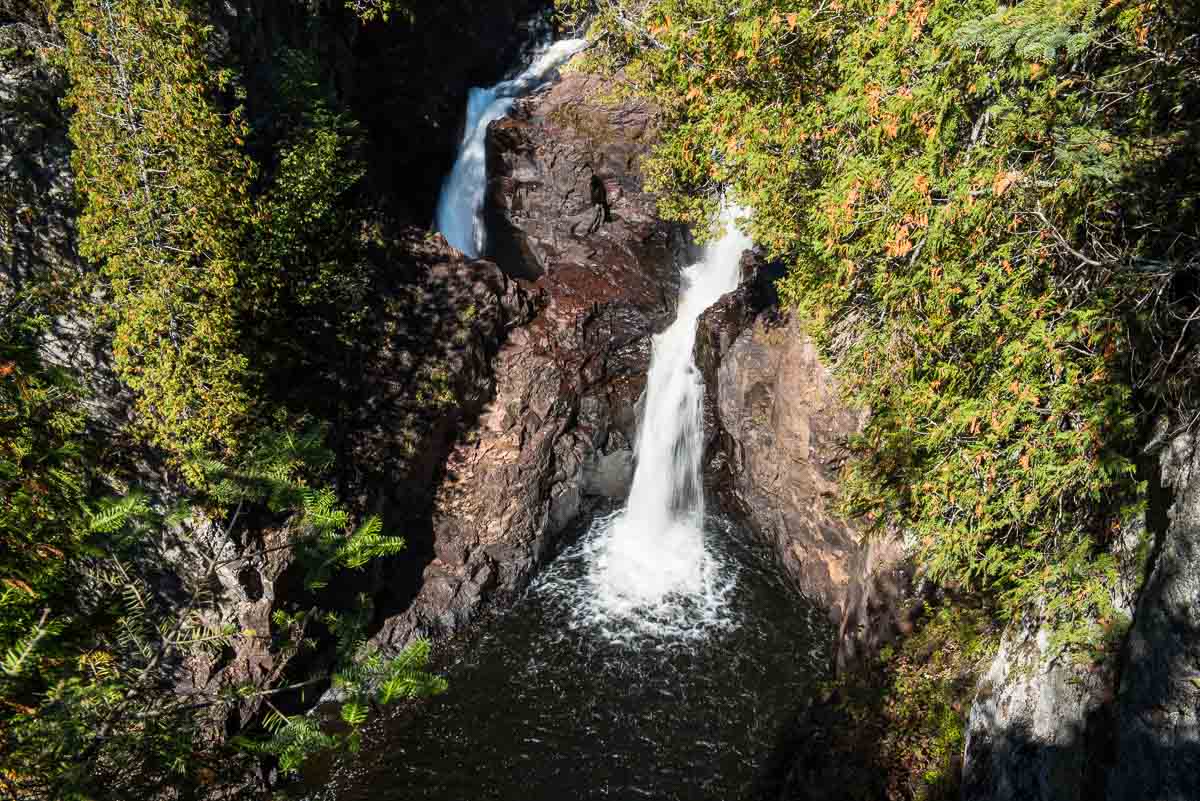
Devil’s Kettle Falls
Photo Credit : MN Trips
There is a place in the United States of America called by the name Minnesota which is known for this mysterious waterfall which is known as Devil’s Kettle Falls. This Waterfall has been puzzling the scientist, geologists and Hikers for many decades because as it looks like an average waterfall that drops about 800 feet of water but the interesting part about this waterfall has two different bodies of falling water. One side of the body of waterfalls on Lake Superior and the other one falls straight into a huge natural hole in the ground, where this water lead is still a mystery. Many researchers or curious people who visited this place has poured many items like dye, sticks, ping pong balls and even logs into the kettle but one of them found any trace of a thing in the water or the nearby area.
Stonehenge
Photo Credit : Olympus Europa
It is a unique prehistoric monument on Salisbury Plain located in Wiltshire, England, two miles (3 km) away from the west of Amesbury. It is considered to be one of the architecturally sophisticated and only surviving lintel led stone circles in the world. According to the Encyclopedia Britannica, Stonehenge was constructed in six stages between 3000 and 1520 BCE. Nowadays we have machines that can help us lift heavy materials to build huge buildings and monuments, but back in those days when Stonehenge was built no one had access to this type of technology. Many questions are arising that how can anyone have lifted stones weighing anywhere from four to thirty-seven tons and also that why were they doing this, archaeologists have come up with plenty of theories to explain this phenomenon some guessed that the men who built Stonehenge used a system of sledges rollers and boats others hypothesized that it was built with a weighted levy system well many of these guesses seem to make sense to a certain extent to this day no one has a definitive answer.
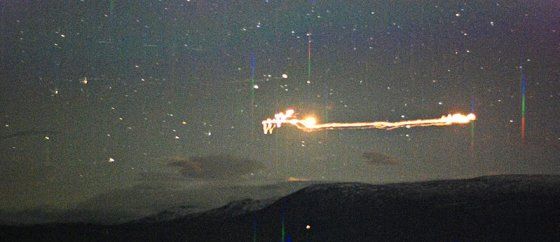
The Hessdalen Lights
Photo Credit : Pinterest
This is an unidentified light which are 12 kilometres long located in a Hessdalen valley in rural central Norway. The residents of Hestia land valley Norway have to live with this burning question every single night it has to Lin Valley brightly coloured lights appear in the sky in different colours and shapes for the last four decades and possibly longer. This phenomenon has continued to puzzle scientists, according to some theories these lights could be caused by a nearby radioactive lake emitting particles that light up in the air as they evaporate other scientists think that the base of the valley contains a lot of sulfuric acids when it comes into contact with the water it causes sparks to appear in the sky even though there are many different guesses as to why this town gets their very own light show every night scientists still haven’t come up with a definitive answer.
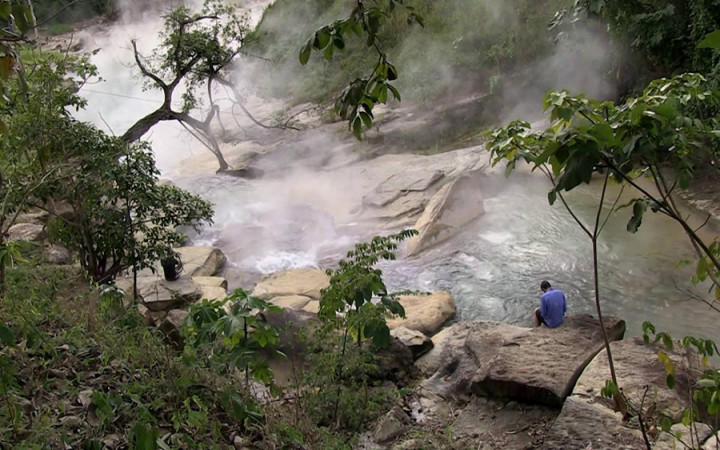
The Boiling River in the Amazon
Photo Credit : Wonderopolis
In the Amazon forests lies a floating river in the forested region of my Mayantuyacu that boasts temperatures so hot that any person or animal that falls into it boils alive from the inside out. This river runs at an unbelievable 196 degrees Fahrenheit dang that’s hot locals used the water to brew tea and sometimes they cook with it well this river’s high temperature is incredibly intriguing what makes this natural phenomenon a mystery is a fact that no one can figure out what makes the water so hot. According to geophysicist Adres Ruzo, boiling waters are typically attached to an active volcano or magmatic system like the boiling River Trail in Yellowstone National Park in the US but in the town of my Mayantuyacu, there are no active volcanoes within 400 miles. Over the centuries residents of this town believed that the river had magical healing powers and used it spiritually and medicinally. Ruzo guesses that hot geothermal waters pour in from cracks in the earth heating the temperature of the river but this has yet to be scientifically proven.
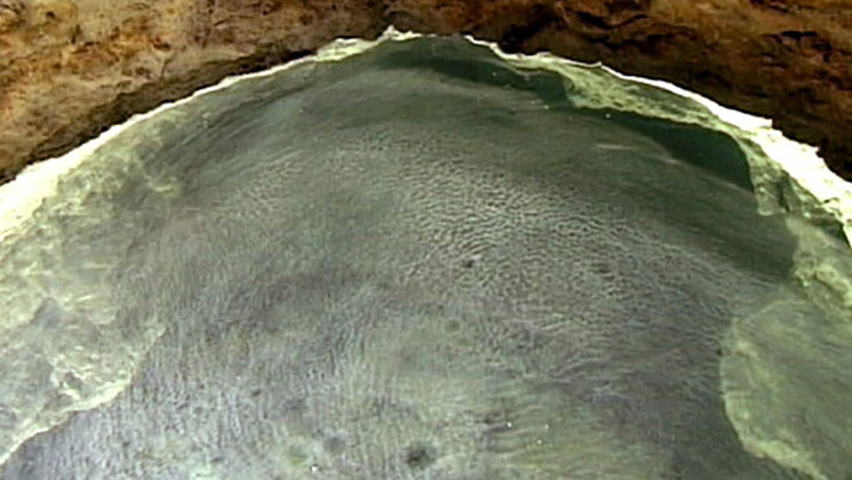
Movile Cave
Photo Credit : Britannica.
There’s a place on earth with its ecosystem and atmosphere similar to another planet well the name of that place is movile cave which is located in the southeastern part of Romania remain closed in complete darkness for approximately 5.5 million years. It wasn’t until workers discovered the cave when they were looking for a place to build that anyone learned about it scientists carved out an opening to the cave and found that a completely sustained ecosystem was thriving inside as a pathway was carved through the rock past numerous tunnels. Scientists found a lake of sulfuric water that stinks, the air was filled with hydrogen sulfide and had 100 times more carbon dioxide than Earth’s air contains needless to say this air is completely toxic what’s even crazier is that a whole ecosystem has been existing in this cave with 33 species that can’t be found anywhere else on earth this cave gives us a glimpse of what could exist on other planets with completely different atmospheres how it managed to exist on earth all this time is still a question.
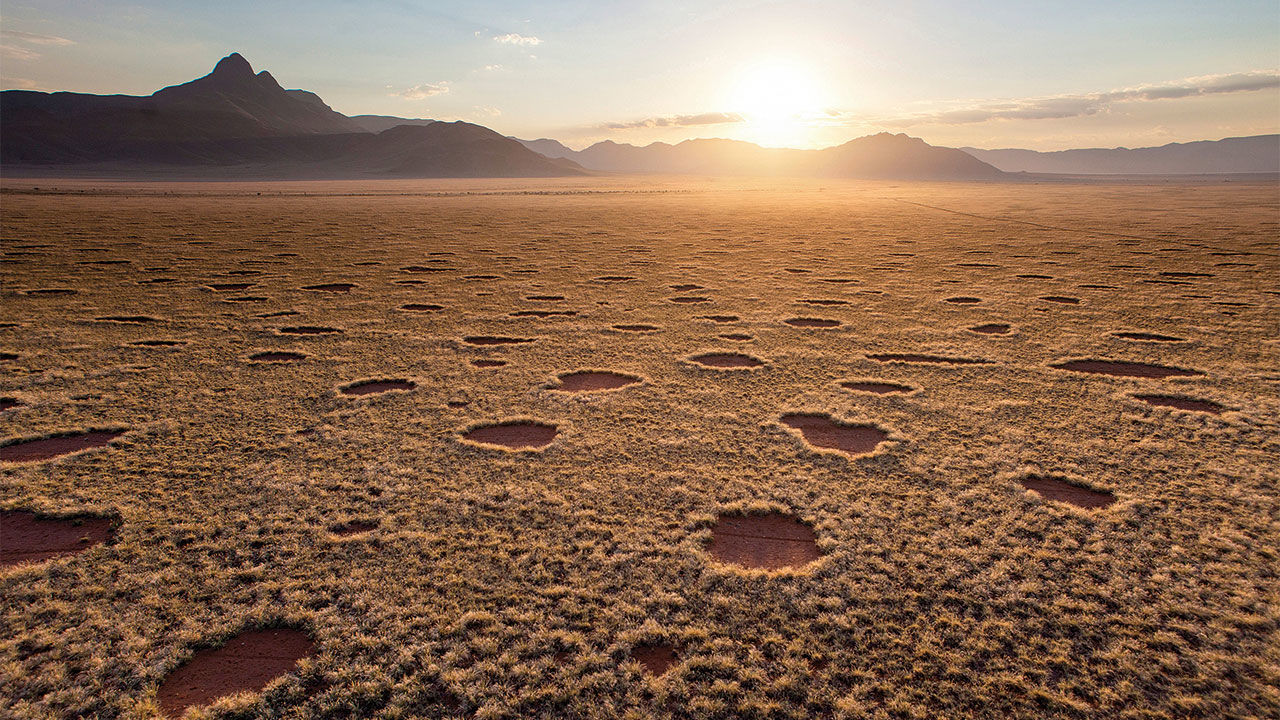
Circles of Namibia
Photo Credit : Science
Namibian deserts are full of elephants, snakes, antelope and also hundreds of evenly placed circles which makes the mysterious part of this desert, this brutally hot desert is home to a vast array of wildlife but even more interesting are the fields of grass with evenly spaced holes and now these circles are almost perfect and range anywhere from 10 to 65 feet in diameter many scientists have offered up theories as to why these circles appear instead of other more random shapes. In 2013 environmental scientist Norbert Juergens hypothesized that termites were the cause of these circles but like all the hypotheses that came before his, it was later disproved.
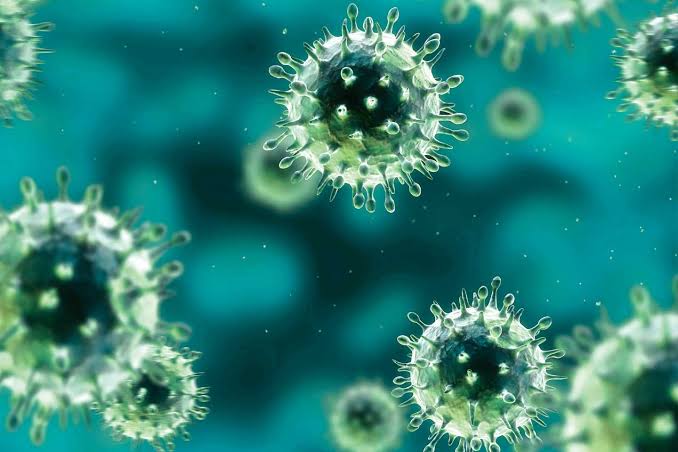
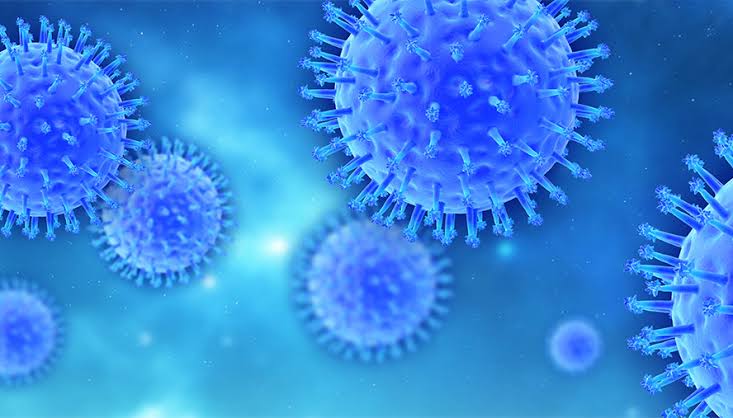
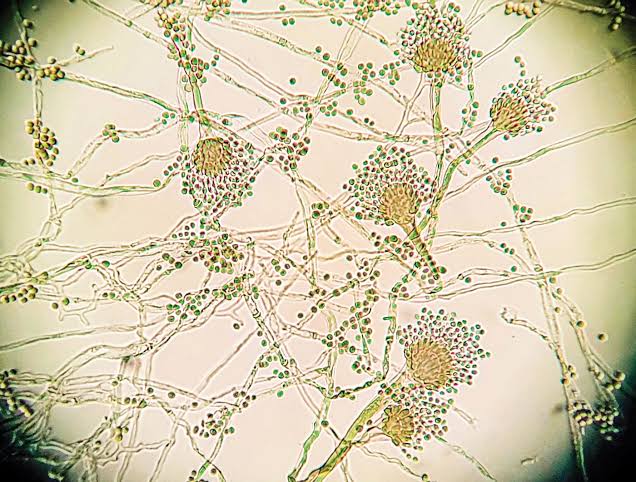
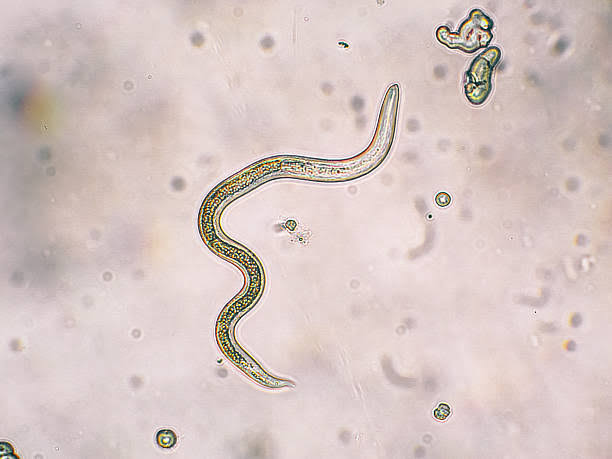
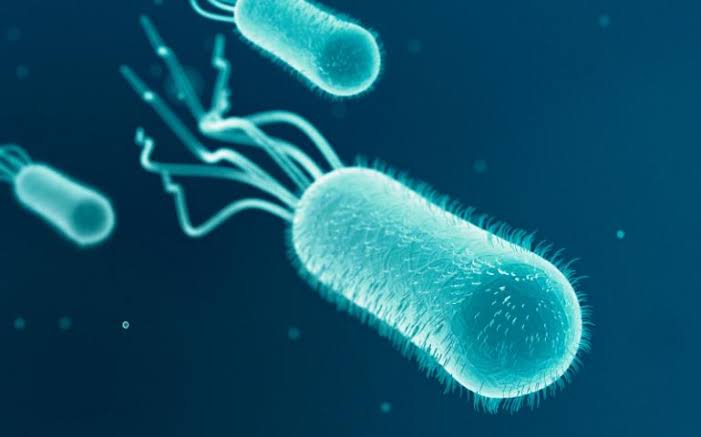
The term “germ” encompasses an army of tiny terrors, including viruses, fungi, parasites, and bacteria. These “pathogens” all have the ability to spread from victim to victim(called a host). Germs are so small you can see them only through a microscope. They look like spiky blogs, oozing spirals,hairy hotdogs, or other microscopic monsters.
Why are germs bad for us?
These microorganisms hitch a ride into our bodies on the food we eat, in the air we breathe, or through a variety of other methods. Once they have invaded our personal spaces, germs reproduce and create toxic waste, which triggers our body’s most repulsive reactions. They make us sniffle, upchuck, run to the toilet, break out in rashes and fevers, and suffer even more unpleasant symptoms.
How do we get sick from viruses?
Most viruses are frail little things ( unlike bacteria and fungi, viruses are not even alive ) that can multiply only inside a living host ( including animals, plants, and even bacteria). There they spread overwhelming and attacking the host’s immune system and causing all sorts of nasty symptoms. Colds, flus, chicken pox, immune disorders, and measles are caused by viruses. Among the worst is a Ebola, which triggers bleeding and is fatal more than half the people who catch it.
How do we get sick from fungi?
Fungi are microscopic molds, yeasts, and other plant like pathogens that thrive in wet, warm places like our armpits, our belly buttons, and the dank spaces between our toes. They feed on our respect and dead tissues and produce stinky wastes that irritate our skin.
How do we get sick from parasites?
This ghastly germ group includes itty-bitty insect larvae, amoebas, and one celled organisms called Protozoa that live in nasty food, damp soil, or dirty water. Parasites depend on a living host for their survival. They sneak into our bodies in tainted water and food, costing of all sorts of gastrointestinal gripes: diarrhoea, vomiting, upset stomachs, and worse. Malaria – common diseases that causes chills, shaking, and fevers – is spread by a parasite passed in mosquito bites. These life-sucking relationships are often the stuff of nightmares.
How do we get sick from bacteria?
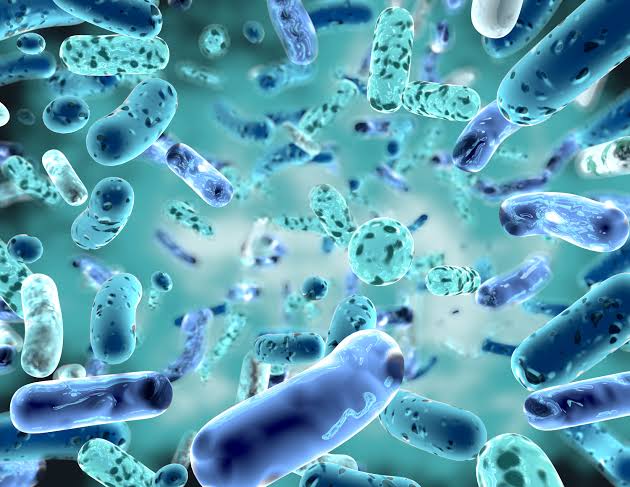
Unlike viruses, bacteria are living single celled organisms that can reproduce both outside and inside the body. Like all living things, bacteria create waste -microscopic poops that can act as a poison inside the host. You can blame sore throat, ear infections and tooth-tartar buildup on bacteria. One of the most famous bacteria is Escherichia coli. This rod shaped micorbe lives deep in your intestines, the body’s busiest bacterial neighborhood. Harmful ones make you puke for days.E.coli strains produce an important vitamin. That’s right – some bacteria are actually good for you!
How many bacteria are inside our body right now?
Your body is built of trillions of itty-bitty living blobs, called cells, that work together to make you you. But for every cell you call your own, ten foreign bacteria cluster around or near it. You are a microbe metropolis! Scientists call these communities of foreign bacteria your body’s “flora”, and no two people host the same mix of microorganisms. In fact, scientists are beginning to think of your flora as just another organ.
Can we see these bacteria?
No, they are microscopic. But you can certainly smell them. Like any living thing, bacteria eat, reproduce,die, and create waste which can make your life stink – literally !(Bacteria are the source of bad breath and body odor.)
Benefits of Bacteria
Your gut reaction might be to wrinkle your nose at the thought of bacteria inside your guts, but it turns out that many so-called good bacteria are essential to your health, the survival of life on Earth, and the making of tasty foods. Behold, the benefits of a microscopic allies…
Health boosting
Your body’s microbes support your immune system, which fights sickness.
Plant feeding
Blue-green algae and other types of bacteria convert the nitrogen in the air into compounds plants can use.
Food processing
Micorbes in our innards play a huge role in the digestive process, helping us absorb nutrients and vitamins from our food.
Food making
Bacteria are a vital ingredient in the process of turning milk into yogurt and tasty cheeses. The holes in Swiss cheese are created by carbon dioxide bubbles exhaled by bacteria during the cheese making process.
Planet Cleaning
Bacteria breakdown dead animals and plants, which “decompose” into nutrients for the living.

















 Eduindex
You must be logged in to post a comment.