IMF’s Chief praises India’s economic growth.

India has emerged as “a bright light” at a time when the world is facing imminent prospects of a recession, the chief economist of the International Monetary Fund (IMF) said on 12 October, noting that the country, however, needed key structural reforms in order to achieve the ambitious target of being a USD 10 trillion economy.

Pierre-Olivier Gourinchas, chief economist of the IMF said: “Well, India is, I want to say, sort of bright light. The Indian economy has been doing reasonably well.”   In its World Economic Outlook, the IMF projected a growth rate of 6.8 per cent in 2022 as compared to 8.7 per cent in 2021 for India.

The projection for 2023 slides down further to 6.1 per cent, he noted.

Responding to a question on the ambitious goal of India becoming a USD 10 trillion economy, Gourinchas told PTI that he certainly believes this is achievable.

“Inflation is still above the central bank target in India. We expect India’s inflation at 6.9 per cent in 2022-23, which is likely to come down to 5.1 per cent next year. So, the overall stance of the policy we think that fiscal and monetary policy should be probably on the tightening side,” Gourinchas said.
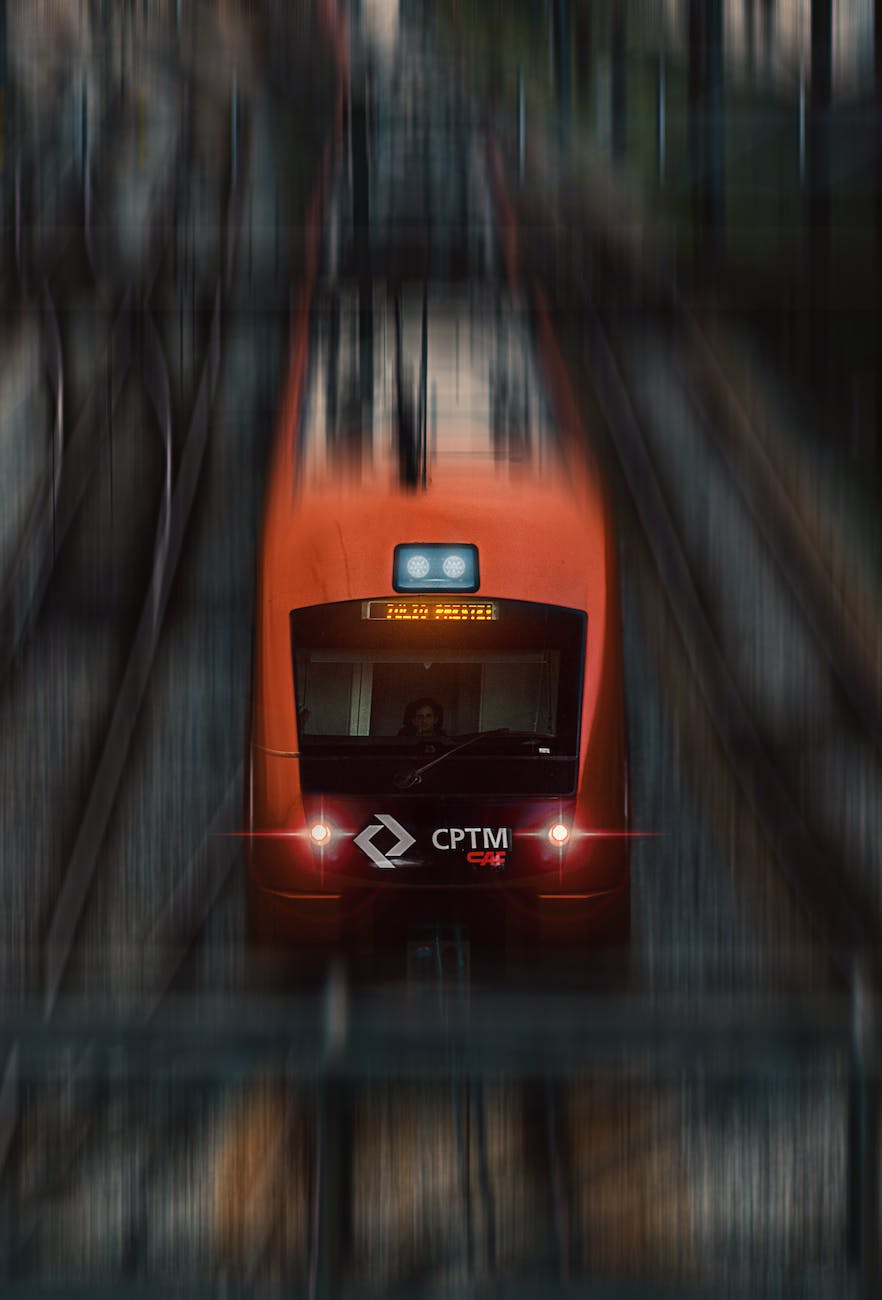
India surpasses Japan in term of metro rail system length to become 4th largest metro system in the world.

India has a new title to boast on an international level. With the newest addition of the Ahmedabad metro, the length of metro projects in India has reached 810 km, surpassing the lines in Japan. India will overtake South Korea and the United States to be the second longest metro line in the world. This ambitious project is expected to be completed within the next one or two years. 

After the inauguration of Ahmedabad metro, the coverage of metrorail in India reaches 810 kilometers. It is a matter of pride, that India is among leading countries with respect to total length of metrorail”, the union minister Puri said during inauguration, adding that India has not only overtaken Japan, but also has 982 kilometers of Metro rail under construction. “Once this (982 kilometers of metro rail) finishes, India will overtake South Korea and United States and will reach the second position in the world. I am expecting this to happen within next 1-2 years,” he added.

RBI may soon launch E-Rupee on pilot phase.

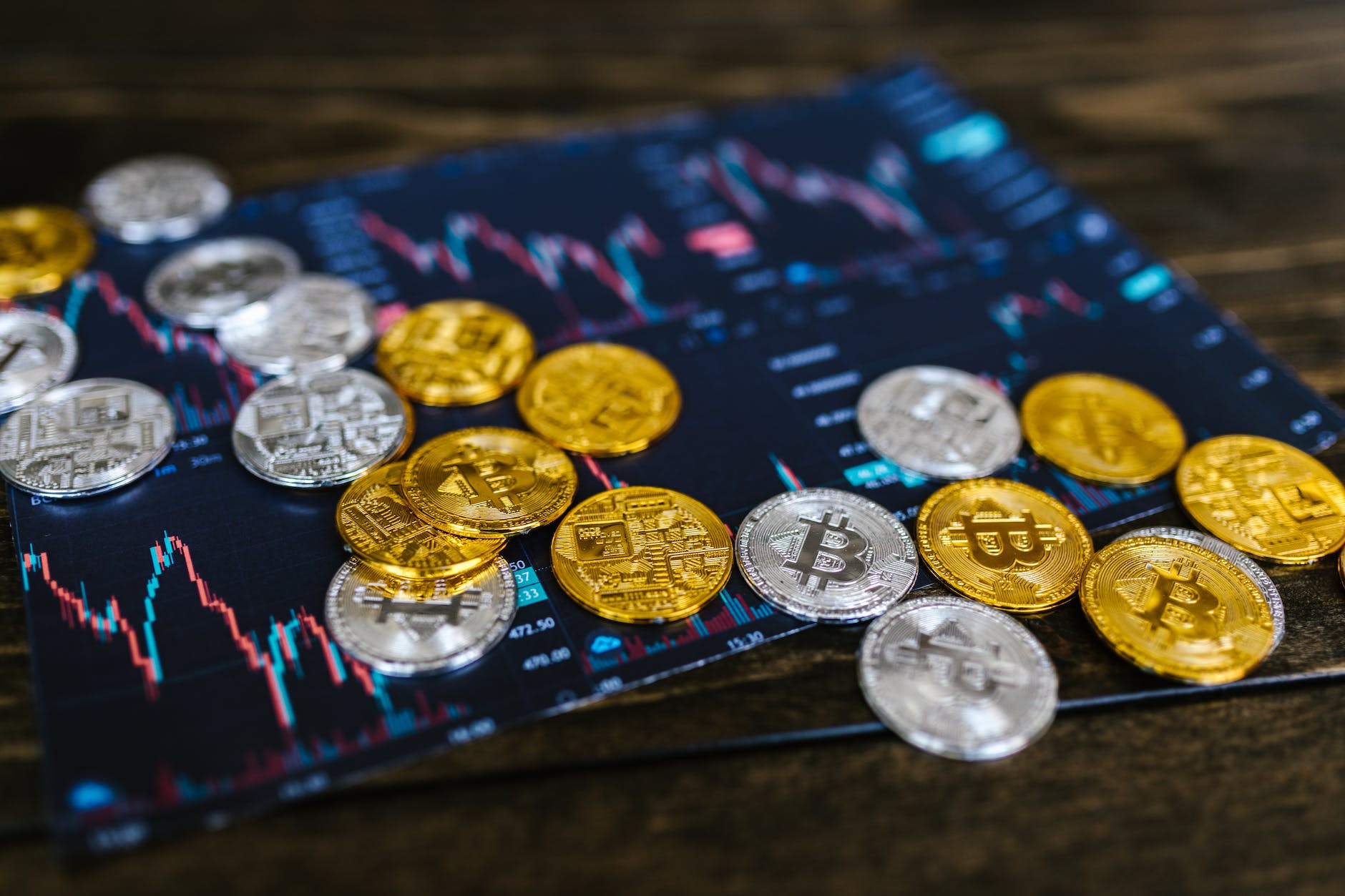
E-rupee or digital rupee is a digital version of the Indian rupee that the RBI is exploring. The RBI has proposed to issue two versions – wholesale for interbank settlement and retail for the public. According to the indirect model proposed by the RBI, you will hold the digital rupee in a wallet with a bank or service provider.

The Reserve Bank of India on 7th october said it will soon commence the pilot launch of digital Rupee or e-Rupee for specific use cases as it tests digital currency in India.

“As the extent and scope of such pilot launches expand, RBI will continue to communicate about the specific features and benefits of e-rupee, from time to time,” the central bank said in a concept note on Central Bank Digital Currency (CBDC).

The concept note also discusses key considerations such as technology and design choices, possible uses of the digital rupee, and issuance mechanisms, among others.

Know about India’s first Solar village

The Modhera village, located in the Mehsana district of Gujarat, declared as India’s first solar-powered village.

Modhera has a deep, historical Sun connection, thanks to the Sun Temple, or Surya Mandir, it hosts on the banks of river Pushpavati.

The renowned temple was built close to a thousand years ago, in 1026-27 CE, during the reign of Chalukya King Bhima I (1022-1063 CE). Connecting the old and the new, Modhera, which hosts this ancient architectural marvel, is heading into a modern, renewable future through the production of electricity using the energy of the Sun.

This initiative came about from a programme led by both the centre and state, called the “Solarisation of Modhera Sun Temple and Town.” As part of the project, they developed a ground-mounted solar power plant in addition to installing 1,300 rooftop solar systems on top of residential and government buildings. The solar systems are integrated with a 15Mwh battery energy storage system. This makes up a 6MW grid.

Solar energy is thus available to Modhera round the clock. According to the Gujarat government, the village residents will be able to save 60 to 100 per cent on their electricity bills with the solar push.

Air Force Day.

The Indian Air Force (IAF) is the fourth largest air force in the world after the US, China, and Russia. Indian Air Force Day is observed on October 8 and this year marks its 90th anniversary of this day. IAF will hold a parade at the Hindon airbase in Ghaziabad where it showcases its air power. 

The Indian Air Force was officially established on 8 October 1932. Its first ac flight came into being on 01 April 1933. Therefore, the celebration of this day was officially started on 8th October in the year 1932 in order to increase the awareness of the Indian air force in any organization of national security both officially and publicly.

Also known as ‘Bharatiya Vayu Sena’, the IAF was officially established on October 8, 1932, by the British Empire. The President of India holds the rank of Supreme Commander of the air force. The Chief of Air Staff, an air chief marshal is responsible for the operational command of the air force.

The Indian Air Force not only safeguards Indian territory and national interests from all threats, but also provides support during natural calamities. The IAF provides air support to the Indian Army on the battlefield as well as strategic and tactical airlift capabilities.

The Indian Air Force comprises highly-trained crews and pilots and has access to modern military resources which provide India with the capacity to carry out rapid response evacuation, search-and-rescue (SAR) operations, and delivery of relief supplies to affected areas through cargo aircraft.

 The day is celebrated in air force bases all across the nation with air shows and parades conducted by air force cadets, as the Indian Air Force (IAF) has its prime responsibility of securing the Indian airspace as well as carrying out aerial warfare during any clash.

Web Series

Web series

Introduction

The rise of Web series,episodic video entertainment produced for the internet and mobile devices and look into the motivations of their creators which first emerged in the late 1990s and became more prominent in the early 2000s.

Definition:Web SeriesAlso called Web Shows,A series of scripted or non scripted online videos that are available in the form of episodes and seasons uploaded on Websites.Web Shows,A series of scripted or non scripted online videos that are available in the form of episodes and seasons uploaded on Websites.

  In early days Individuals had to watch their favourite shows on Television with time barriers and even with a trauma of missing shows because there were no any features that can recap or replay the missed episodes.But Nowadays it’s became easy to resume or play any show anywhere that are broadcasting on websites.An individual can access for their entertainment ,interest and for their spending time.Individuals make up over 70% of the population of India,and the majority of them use the Internet.The new generation’s tendency is now using the internet.Due to the tendency of young people to become addicted to social Media,web series are easily produced and are becoming more and more popular in India.

Types of Web Series 

It is based on genre are given below:

  • Action/Thriller/crime 
  • Fantasy/Romantic
  • Comedy/Drama
  • Documentary
  • Anime
  • Horror
  • Sci-fi
  • For Children
  • Anthology
  • Sports
  • Award-Winning
  • Bollywood/Hollywood
  • Hindi/English/Bengali/ Malayalam/Telugu/Tamil/Marathi 
  • Stand-up Comedy 

 Providers of Web Series

      Websites called Providers on which all series are available to watch anytime anywhere.Out of them, there are many series available free to watch but for more to watch one have to subscribe or can say have to take subscription (Amount are different for different websites).

Here are those website:

  • Netflix 
  • Amazon Prime Video 
  • Hotstar
  • Jio Cinema 
  • MX Player 
  • Voot
  • Zee5 and more.

   On these platforms individuals can watch their favourite and interest based series, movies and episodes that inspires one whether they want to watch episode to episode or binge-watching.

Binge-watch– The practice of watching content like streaming services for a long time span, usually a single series or show.

In India it’s going fastest in this field of watching Web Series/Shows. In this context Hum log, India’s first series, debuted in 1984-1985 and ran for 154 episodes,making it the longest series in India history at the time of its finale. A 60 million strong audience watched it. The last episode lasted approximately for 55 minutes,while each episode lasted around 25 minutes.

And now web series have become more popular as it provides all types of entertainment and the majority of the series at the end leave some moral for the viewers. It has the chance to “go viral” by being viewed online and by people all over the world. It also has the potential to be “picked up,” or given a distribution deal, by well-known TV and film studios. There have been numerous web series awarded their own television shows.

India abstained to vote against China at UNHRC.

During this week UN Human Rights Council was holding a debate on the human rights situation in China’s restive Xinjiang region. Human rights groups have been sounding the alarm over what is happening in the resource-rich north-western Chinese province for years, alleging that more than one million Uyghurs had been detained against their will in a large network of what Beijing calls “re-education camps”.

The efforts of the US and Western countries to bring a resolution against China on the situation of Uighur Muslims in the United Nations Human Rights Council (UNHRC) suffered a setback when 11 countries, including India and Ukraine, indirectly helped China by abstaining to vote at the time of voting.

This is only the second time in the UNHRC’s 16-year history that a US resolution has been rejected. It also explains the changing global equations. Most of the discussion after the UNHRC vote is about India’s stand. Given the current state of relations with China, the US expected support from India. However, India said that it has stuck to its policy of not voting against any country in institutions like the UNHRC.

However, it is believed that India has taken this step due to the apprehension of a UN vote on Jammu and Kashmir in future.

Durga Puja & Ravan Dahan

Durga puja & Ravan Dahan

Durga puja is the largest festival for Bengalis as It originated in Kolkata many years ago.

Durga puja, Durgotsava, Vijaydashmi, or Sharodotsava is a yearly Hindu festival that is celebrated in the Indian subcontinent that honors and reveres the Hindu Goddess Durga and celebrates Goddess Durga’s victory over Mahishasura.

While, Ravan Dahan _ On the same day, somewhere in a different era, Ravana was killed by Lord Rama. In today’s India, Ramlila is organized for the last 9 nights and Ravana Dahan marks the day where good triumphs over evil.

In the significance of Durga Puja,
According to Hindu mythology, Lord Brahma granted the demon Mahishasura the boon of invincibility, which meant that no man or god could kill him. After receiving the blessing, Mahishasura attacked the gods and chased them out of heaven. To defeat the demon king, all the gods gathered to worship Adi Shakti. Maa Durga was created by the divine light that emanated from all the gods during the puja.


The first day of Durga Puja marks the arrival of the goddess and is called Mahalaya.

On the sixth day, Sasthi celebrations and worship begin. The goddess is worshipped in her various forms as Durga, Lakshmi, and Saraswati over the next three days. Maa Durga’s battle with Mahishasura lasted ten days. On the tenth day, Goddess Durga slew the demon king, and thus the day is celebrated as Vijaya Dashami, symbolizing the triumph of good over evil.

While, From the 1st to the 9th day, Ram-Leela events happen all over the country to celebrate the festival.

On the last day, devotees immerse Goddess Durga’s idol in the holy Ganges water. It is referred to as Durga Visarjan. Worshippers march in procession before the immersion, accompanied by drumming, singing, and dancing.

While on the same last day, people do Ravan Dahan as Lord Ram killed Ravan.

# Both the events Durga Puja and Ravan Dahan take place on the day of Vijayadashami. The myth and motive behind these two events is the end of Evil by God.
#Victory of God upon Evil.

Know all about ‘Prachand’, India’s own homemade attack helicopter.

Indigenously-built light combat helicopter (LCH) ‘Prachand’ was inducted into the Indian Air Force at Jodhpur airbase. The Light Combat Helicopter (LCH), developed by state-run aerospace major Hindustan Aeronautics Ltd (HAL), has been primarily designed for deployment in high-altitude regions. It was inducted into the IAF at a ceremony in Jodhpur in the presence of Defence Minister Rajnath Singh and Chief of Air Staff Air Chief Marshal VR Chaudhari.

The LCH is a multi-role combat helicopter designed and manufactured by HAL, which is made in HAL’s helicopter division in Bengaluru. The helicopter can carry rockets, air-to-air and anti-tank missiles, and bombs.

The helicopter has the necessary agility, manoeuvrability, range extension, high elevation efficiency, and 24/7/365 all-weather fighting potential to carry out tasks like combat search and rescue (CSAR), destruction of enemy air defence (DEAD), counter-insurgency (CI), functions against slow-moving aircraft and remotely piloted aircraft (RPAs), high altitude bunker busting, counter-insurgency operations in the jungle and urban environments, and support to ground forces.

The production of LCH by HAL will give the Atmanirbhar Bharat initiative more momentum and encourage the indigenization of defence production and the nation’s defence industry as part of the ongoing effort to achieve self-reliance in the defence manufacturing sector and reduce imports.

Experts sees a strong consumer spending this festive season.

Coming out of the pandemic, consumers in India have expressed a strong desire to buy more discretionary products during the festive season, according to Deloitte’s Global State of Consumer Tracker.

Deloitte’s latest analysis indicates that consumers are willing to increase spend on both travel and hotel stays. They also intend to buy either a new or used vehicle within the next six months.

Consumers’ intent to purchase clothing, electronic and home furnishing, and recreation, entertainment and leisure, indicates a positive spending pattern triggered by the upcoming festive season.

“The survey findings clearly indicate that consumers plan to increase their discretionary spend by 30 per cent (on items such as recreation and entertainment, restaurants, and leisure travel) in August 2022, compared with April 2022,” it said.

The current wave indicates consumers surveyed were willing to travel to domestic and international destinations. With ‘mask-lift’ announcements and easing out of other COVID-related restrictions in some countries, about 88 per cent Indian consumers plan to spend on leisure travel in the next four weeks.

Clearly online purchases remain strong, albeit to a lesser extent than during the peak of the pandemic. Relevant sectors, such as consumer products and retail, automotive, and travel and hospitality, look to benefit from the buoyant mind set of the consumers covered in the survey.

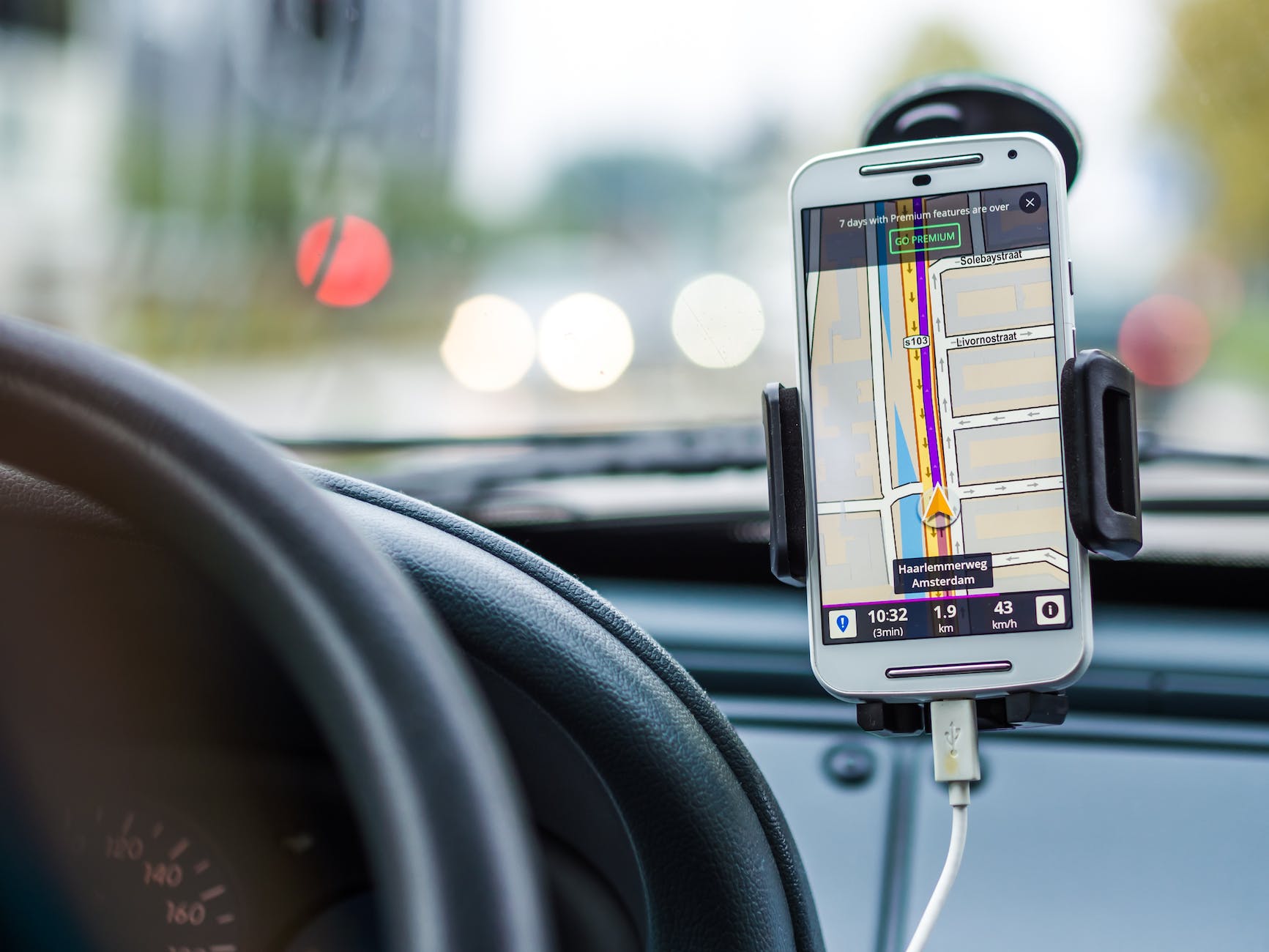
Home grown alternative to GPS, know all about India’s “NavIC”.

Navigation with Indian Constellation (NavIC), also called the Indian Regional Navigation Satellite System (IRNSS), is considered on par with US-based GPS, Russia’s Glonass and Galileo developed by Europe.

Making innovative applications to the entire community in the ocean-based services, especially for the underserved and unserved, the NavIC constellation is really going to create history, according to ISRO Chairman K Sivan.

By using receivers on the ground, IRNSS-1I will help in determining position and time accurately through signals in a space covering India.

Standard Positioning Service (SPS) and Restricted Service (RS), which are provided to all and authorised users respectively, are the services associated with IRNSS.

Indian Prime Minister Narendra Modi named the independent regional navigation satellite system developed by India as “NavIC” which offers services like terrestrial and marine navigation, disaster management, vehicle tracking and fleet management, a navigation aid for hikers and travellers, visual and voice navigation for drivers.

Built at a cost of $174 million, NavIC was originally approved in 2006 and became operational in 2018. 

Consisting of eight satellites,  NavIC is currently being used for providing emergency warning alerts to fishermen venturing into the deep sea where there is no terrestrial network connectivity and in public vehicle tracking in India.

In order to ensure the availability of NavIC signal in any part of the world, India’s satellite navigation draft policy in 2021 stated the government will work towards “expanding the coverage from regional to global.”

With the aim of removing dependence on foreign satellite systems for navigation service requirements, NavIC is conceived particularly for “strategic sectors.”

IT employees are rewarded with double digit salary hike before the festive season.

As per a report by brokerage and research firm Elara Capital, companies like Coforge, L&T Infotech (LTI) and Persistent Systems (PSYS) hiked salaries in double-digits in FY22. Reportedly, this is the maximum hike that they have given in 4 years.

The same hike trend is been observed among employees of all major IT companies such as Infosys, HCL, TCS and other big IT corporations, and it was seen as a good move considering the pandemic hit stagnant income of the employees and much more relief from the dark clouds of spiking inflation all around.

In FY22, the median wage rise was 2.4x five-year average wage increase for midcap Indian IT companies as acute supply-side strain necessitated roll-out of substantial salary hikes.

As compared to the previous four years, the employee growth has exceeded the median salary growth which implies faster fresher addition (pyramid flattening).

As demand for services such as cloud-computing, digital payment infrastructure, cybersecurity and cryptocurrency transactions surged, employers paid top compensation to lure skilled workers.

Further, Double digit salary hikes are here to stay for at least another year. The Salary Increase Survey report by AON says that Indian companies are expected to boost average salaries by at least 10.4% in 2023, a tad lower than the 10.6% given in 2022 so far.

The average salary hikes in percentage terms for 2022 is highest in India as compared with other big countries, including the USA, the UK and Japan, the report said.

India’s Foreign Direct Investment(FDI) to be accumulated to whopping $100 billion by the end of this fiscal year.

India is on track to attract $100 billion in foreign direct investment (FDI) in the current fiscal on account of economic reforms and ease of doing business, the government said on September 24, 2022.

In 2021-22, the country received the “highest ever” foreign inflows of $83.6 billion.

“This FDI has come from 101 countries, and invested across 31 union territories and states and 57 sectors in the country. On the back of economic reforms and Ease of Doing Business in recent years, India is on track to attract $100 billion FDI in the current FY (financial year),” the commerce and industry ministry said in a statement.

The statement also mentions that the government has installed a liberal and transparent policy to attract foreign investment. Currently, most sectors of the Indian economy are open to FDI under an automatic route.

The Foreign Direct Investment (FDI) in India can be made under two routes- automatic and government routes. Under the automatic route, the investor requires no or very less permissions from the Reserve Bank of India (RBI) or from the Government of India to invest.

Under the government rules, permissions from the appropriate authorities of the government or the RBI are required to invest in the country.

The reform measures include liberalization of guidelines and regulations, in order to reduce unnecessary compliance burdens, bring down costs and enhance the ease of doing business in India, the statement added.

Make in India initiative is an open invitation to potential investors and partners across the globe to participate in the growth story of ‘New India’. Make In India has substantial accomplishments across 27 sectors. These include strategic sectors of manufacturing and services as well. Production Linked Incentive (PLI) scheme across 14 key manufacturing sectors, was launched in 2020-21 as a big boost to Make in India initiative.

Depreciating Rupee.

The Indian rupee on 22 September fell to all-time low of 81.20 against US dollar in early trade on the back of US Treasury yields climbing to fresh multi-year highs and dollar demand from importers. Currently the rupee had suffered its biggest single session percentage decline since February, due to lack of aggressive intervention by the Reserve Bank of India (RBI) and a very U.S. hawkish Federal Reserve rate outlook, traders said.

One of the reasons that RBI couldn’t rescue the fall in the currency was inadequate liquidity in the banking system which is currently in deficit. RBI’s intervention in the spot market could make the case worst for the banking system liquidity amid short-term interest rates going higher.

The Central bank in a an attempt to handle the depreciating rate of rupee, frequently burnout forex. In just eight months between mid-January and mid-September this year, forex reserves have depleted by almost $90 billion, or approximately an average of $11 billion a month. For the week-ended September 16, India’s forex reserves stood at $545.65 billion compared with $634.97 billion in the week-ended January 14.

However, faced with dwindling forex reserves, the Reserve Bank of India (RBI) may not be aggressive in defending the Indian currency and allow it to catch up with other emerging market (EM) currencies that have dropped more.

National Logistics Policy.

National logistics policy was initially mentioned in 2020 by Finance Minister Nirmala Sitharaman in her address regarding the budget. The government claims that there are efforts on to implement an integrated and technologically enabled approach to logistics operations, which will be effective throughout the entire process and be useful in lowering logistics costs in the nation from the current levels of 13–14% of GDP.

The Union Cabinet headed by Prime Minister Narendra Modi approved the National Logistics Policy which seeks to cut transportation costs by promoting seamless movement of goods across the country.

An umbrella policy for the logistics sector has been in the works for around three-four years. It was felt that the logistics cost in India is high compared to other developed economies. India’s logistics cost as a proportion of the Gross Domestic Product (GDP) is believed to be around 13-14 per cent. The government now aims to bring it down to single digits as soon as possible.

The primary areas of this National logistics policy 2022 will be process re-engineering, digitization, and multi-modal transportation. It is a key decision since excessive logistical costs affect how competitive domestic products are on the global market.

The National logistics policy 2022 was deemed necessary because India has higher logistics costs than other industrialised nations. India must drastically cut its logistics costs if it wants to increase the competitiveness of its exports and domestic products.

The goal of lower logistics costs is to increase economy-wide efficiency, allowing for value addition and business. The policy lays out an extensive interdisciplinary, cross-sectoral, and multijurisdictional framework for the growth of the entire logistics ecosystem in an effort to solve concerns of high cost and inefficiency.