Inclusive growth and issues arising from it

Inclusive growth is defined as economic growth that generates job opportunities and aids in poverty reduction.
It entails poor people having access to basic health and education services. It entails ensuring equal opportunity for all, as well as empowering people through education and skill development.
To reduce poverty quickly and sustainably, people must be able to both contribute to and benefit from economic progress.
Rapid growth is required to eliminate poverty, but it must be broad-based across sectors and inclusive of a large portion of the country’s labor force to be long-term sustainable.According to the UNDP, inclusive growth is “the process and result of all groups of people participating in growth and benefiting equally from it.”
According to the OECD (Organisation for Economic Co-operation and Development), inclusive growth is defined as economic growth that is evenly dispersed across society and generates opportunity for everyone.
Unemployment

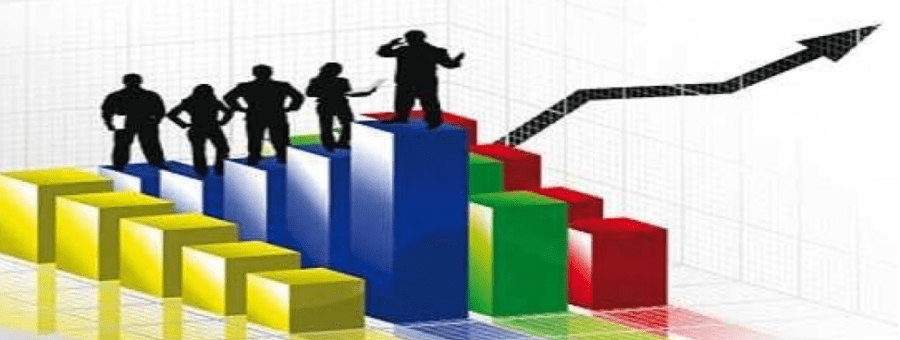
Because of illiteracy and over-dependence on agriculture, India’s employment quality and quantity are low.The lack of quality employment is a concern because more than 80% of individuals work in the informal sector and are not covered by social security.According to the NSSO’s Periodic Labour Force Survey (PLFS), the unemployment rate for the urban workforce was 7.8%, while the rural workforce had a rate of 5.3 percent, bringing the total unemployment rate to 6.1 percent.The following factors contribute to sluggish job growth:
°The industry has a low capital utilization °Low initial budget
°Agriculture’s expansion has been slow.
°According to economists, what is being referred to as a “demographic dividend” could turn out to be a moment of crisis defined by high unemployment and social unrest.

Backwardness in Agriculture

Agriculture employs 60% of the Indian population, either directly or indirectly. Agriculture, on the other hand, has a dismal growth rate of only 2%.
Agriculture production must be improved by policymakers and government officials in order to be more inclusive.Lack of access to capital for agriculture and small and medium enterprises, as well as a lack of social protection, have all contributed to underprivileged communities being left out of the growth picture.The following are some of the issues in agriculture:
°A gradual decrease in the employment share
°Land availability per capita is dwindling.
°Labor productivity is low.
°Agriculture yields are declining as a result of climate change, soil degradation, and water scarcity.
°Growth differences between regions and crops.

Social Development Problems:

One of the most important concerns for inclusive growth is social development. However, it has some issues, such as:
Regional, societal, and gender differences are all significant.Public spending, notably in health and education, is at a low level and growing slowly.Children’s malnutrition – India is ranked 102nd in the Global Hunger Index.

Disparities by Region

India’s regional differences are a key source of concern. Factors such as the caste system, the wealth gap, and others contribute to regional inequities, resulting in a society in which certain groups enjoy greater privileges than others.Kerala is the most literate state in the country, with a literacy rate of 93.1 percent; nevertheless, Bihar’s literacy rate is only 63.82 percent.


India is a vibrant nation whose strength lies in its commitment to equal rights and to speech, religious and economic freedoms that enrich the lives of all citizens. India is not only the world’s largest democracy; it is also a secular, pluralistic society committed to inclusive growth.
The rising burden of E- waste

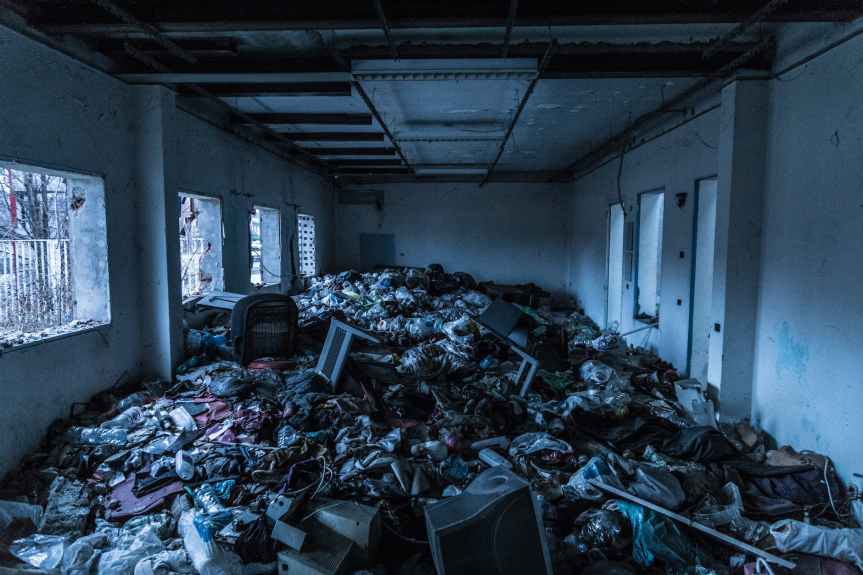
E- waste or electronic waste refers to the waste created by discarding the electronic devices which is rather caused due to its end of useful life, high repair cost , outdated technologies etc. which makes it underrated for further use. These waste includes TV, mobile phones, computer/ desktop, electronic items, wires, machineries etc. This is one of the fastest waste generated.

Everyday lakhs and lakhs of e-waste is generated. The country’s e-waste output is growing at over 30 per cent year on year, and stood at over 10 lakh tonnes in 2019-20, according to government data, comparable to about one lakh six-wheeled truckloads of waste.

It is the third largest in volume globally and growing at a rate ten times faster than its plastic waste output.

Mountains of e-waste pile up, which are as much a threat to the environment as they are to the health of their handlers .It proves vulnerable as people are sifting and processing the waste of the privileged without knowing that it could cause them cancer, reproductive disorders, endocrine disruption and other health complications.

Problems:

The most alarming aspect of e-waste is that less than a quarter of it is being processed.It possess hazardous metals and can contaminate soil, air, water, posing significant risk to human health by entering the food chain.

Unsafe disposal of e waste: About 95% of e waste is recycled by informal sectors and scrap developers without knowing the hazardous effect and use of safe handling practice.

Concern : Majority of e waste are imported to developing countries like India, China, Ghana etc from developed countries for recycling purpose.

With advancement in technologies, standard of living people are more inclined towards use of more gadgets, phones and tend to change them more frequently.

Way forward

E waste clinics for proper segregation, processing and disposal of e waste. Effective ways to implement proper and safe handling of waste.

Initiative taken by government includes: Prime Minister Narendra Modi launched the LiFE or Lifestyle for Environment movement in June—a concept that he said is borrowed from the past and focuses on the future.

The right to repair is introduced to reduce the e waste and it’s proper management as it is environmental friendly too. But this also concerns the major industries involved in sector as it could lead to their loss and some technologies can’t be added to existing devices .

New Education Policy : Key Highlights.

The Union Cabinet chaired by the Prime Minister have approved the new National Education Policy 2020, making way for large scale, transformational reforms in both school and higher education sectors. This is the first education policy of the 21st century and replaces the 34-year-old National Policy on Education (NPE), 1986.

The New Education Policy 2020 has come up as a in the education sector as it aims at creating an equitable and vibrant knowledge for the society by providing high-quality education to all. Also it encourages to develop a deep sense of respect towards the fundamental rights, duties and Constitutional values, bonding with one’s country, and a conscious awareness of one’s role and responsibilities in a changing world. The New Education Policy believes in instilling skills, values, and dispositions that support responsible commitment to human rights, sustainable development and living, and global well-being, thereby reflecting a truly global citizen.

The key highlights of NEP are.

Early Childhood Care Education

The policy focuses on the importance of providing education to children between the age group of 3-6 years at an early age. The kids in the age group 3-5 years will be provided education through the current set-up of pre-schools and anganwadis, and those between the ages of 5-6 years will be included in the schooling system by 2025.

School Education for All

Aiming to make education from pre-primary level till the 12th grade universally accessible, NEP 2020 is looking to achieve 100% Gross Enrollment Ratio in providing the school education by 2030.
New Curriculum & Pedagogical Structure.

The new policy has eliminated the 10+2 education system and replaced it with a more organized 5+3+3+4 structure, that is, 5 years of primary education (for the age group 3-8 years), 3 years of preparatory stage (for the age group 8-11 years), 3 years of middle stage (for the age group 11-14 years), and 4 years of secondary stage (for the age group 14-18 years).

The Flexibility of Choosing Courses

There will be no rigid demarcations between vocational and non-vocational, science and arts, curricular and extra-curricular activities, thus providing equal emphasis on all the subjects and courses. Also, the students will have more choices and flexibility while picking up the subjects they want to study so that their educational path is more focused on their skills and interests.

Emphasis on Mother Tongue & Multilingualism

The policy emphasizes on the inclusion of local language in the curriculum with the medium of instructions in all the schools till at least class 5 (but preferably till 8th standard and beyond) to be either in mother tongue or regional language. Subsequently, foreign languages will be offered as options for students in secondary schools. It also states that Indian Sign Language (ISL) will be standardized across the country.

Assessment System

As per the new policy, though the board examination for 10th and 12th grades will continue to be in place, the structure of the exams will be reformed to make them easier by focusing on core competencies of the students, thus eliminating the need of coaching classes at these stages. Also, the school examinations will be conducted by proper authorities only in grades 3, 5, and 8.

Multidisciplinary Education

The students will be provided with multi-disciplinary holistic education at the undergraduate level to ensure an integrated exposure with multiple entry and exit options. The 3 or 4-year duration undergraduate degree will have exit options (with certifications) during the entire course – a certificate after 1 year, diploma after 2 years and/or a bachelor’s degree after 3 years.

Cyber Security

Cyber Security is the practice of identifying the vulnerabilities and threats associated with digital systems and mitigating these risks. The term “cyber” refers to a nickname for an internet-connected computer or any other device that uses a processor, input/output and networking connections. The common threats include: viruses, worms, trojans and malware. A related term is cyber warfare which is the use of cyber tools in warfare to achieve objectives that would not be possible by using physical means such as bombs or missiles. The role of cyber security professionals is to protect critical systems and information. The main goal of cyber security is to prevent hackers from gaining access to information or using nefarious actions that would put the users’ information at risk.cyber security important because the government, military, law enforcement, and private industry use many critical resources that could be negatively affected by cyber attacks. Many of these systems are financial, such as banks, credit cards, ATMs, stock markets and networks. Government agencies use software to manage the US budget system and the military uses software to track troop movement. Because of these vital uses, cyber attacks could cripple important services or even destroy the country’s financial security.In order for companies to operate securely in today’s technological world they need to implement cyber security protections. These protections include firewall protection, anti-virus programs, encryption codes that keep hackers from easily accessing sensitive data and data backup systems in case any security breach occurs that causes damage to systems or information.

A major concern to cyber security is providing more efficient support to better protect against cyber related activities. This means an organization must have the information available to help identify possible threats including understanding what possible methods hackers may use to gain access, and how the organization can prepare for any potential attacks.
Cyber security is a constantly growing area of study and research. Some of the most recent research being done is focused on cyber security in cyber space. The purpose of this paper will be to analyze if a previous study found in 2012 correctly identified computers within an organization as well as their movement throughout the network. There are two main findings that are sought out which were: 1) how computers move across networks (e.g. LAN, WAN, etc.), and 2) how computers might behave in a network. The assumption is that computers within an organization move between locations (e.g., building or branch offices) and they may change their location(s). Also, the behavior of a computer can be tracked as observed (e.g., its IP address changes from one to another, or its Whois information changes from one domain name service provider to another).

Cyber security offers a variety of career paths depending on the level of experience you have and your area of expertise. You can be an analyst/engineer, network administrator, programmer, or data analyst and many more other positions available depending on your area of interest and experience. Some jobs a required while others are possible as long as it relates to your field in the security field such as computer science or finance. If you’re looking for a career that will pay well, then cyber security is the right choice for you because it’s relatively new and will only continue to grow.


“Security used to be an inconvenience sometimes, but now it’s a necessity all the time.”

National Educational Policy

Education is a fundamental requirement for the development of a just and just society and for achieving the full human potential for promoting national development. The whole world is passing through a rapid change in the knowledge landscape.In this context, the New National Policy 2020 was approved by the government of India on July 29, 2020 and approval was also given to change the name of Ministry of Human Resource Development to Ministry of Education. This New Education Policy 2020 will replace the 34 year old National Education Policy 1986.The vision of this New Education Policy 2020 should be to make students proud of being Indian not only in thought but also in behaviour, intellect and action as well as in knowledge, skills, values and thinking, which are important for human rights, sustainable development and be committed to the cause of survival and global well-being, so that they become truly global citizens.Built on the fundamental principles of easy access, equity, quality, affordability, and accountability for all, this New National Policy 2020 is in line with the 3030 Agenda for Sustainable Development.

Principles of the National Education Policy
•Flexibility: It seeks to provide flexibility to the learners to choose their pace of learning and choose their own path as per their talent.
•Multi-disciplinary: To provide holistic education in all fields like science, social science, coding, arts, humanities, sports, etc.
•Ethical and Constitutional Values: It aims to inculcate the values of empathy, respect for others, cleanliness, courtesy, scientific temper, liberty, responsibility, equality and justice. •Sustainable Policy: Formulation of policies based on regular assessment of ground reality. Keeping in mind the rich, diverse, ancient and modern culture and knowledge system and tradition of India.
•Equality and Inclusion: This will be the objective of all educational decisions, ensuring that all students can thrive in the education system.
•Life Skills: Focusing on building life skills such as collaboration, teamwork, communication, resilience, etc.
•Professional Value: All teachers and educators will be recruited through rigorous preparation. Emphasis will be placed on preparedness, continuous professional development, positive work environment & service development.
•Education as a Fundamental Right: Education is a public service and not a commercial activity. It should be available with sufficient quality to all. There must be strong and sustainable investment in a vibrant public education system as well as an ethical human and philanthropic private system.


Education is fundamental for achieving full human. potential, developing an equitable and just society, and promoting national development.

Central Government to remove air fair cap from 31st august.

India will remove the fare caps it imposed on domestic airlines in 2020 during the COVID-19 pandemic from August 31, the country’s civil aviation ministry said on Wednesday, lifting restrictions on ticket prices. The government, in a rare move, had regulated fares by imposing a minimum and maximum band based on the flight’s duration to prevent ticket prices from spiking due to pent-up demand arising from restrictions on air travel easing. Given the current situation, airfares may go up as carriers as jet or aviation turbine fuel (ATF) prices have almost tripled in the last two years.

The ministry had imposed lower and upper limits on air fare after the resumption of services in May, 2020 following the two-month nationwide lock-down to contain the spread of Covid-19. Thereafter, the limits were relaxed in a phased manner as per the improvement in air traffic in the country. The lower caps were meant as a relief for airlines struggling after the pandemic. At the same time, the upper caps on air fare were fixed ensuring that passengers do not have to pay a hefty amount for air travel.

Earlier, discussions on removing the fare bands for domestic air fare were held among the stakeholders, including the government authorities and airlines. The airlines were of the view that removal of the pricing cap is required for the full-fledged recovery of domestic air traffic.

Government budget

The government budget is an annual fiscal statement depicting the revenues and expenditures for a financial year that is often moved by the legislature, sanctioned by the Chief Executive or President, and given by the Finance Minister to the country. The budget is also known as the Annual Financial Statement of the nation.In terms of Article 112 (1) of the Constitution of India, a statement of estimated receipts and expenditure of the Government of India is presented to the Parliament every year. Article 112(2) provides that the estimate of expenditure embodied in this annual financial Budget, shall show separately. This Annual Financial Statement comprises the main budget document of the government.
Whilst the budget document relates to the receipts and expenditures of the government for a particular fiscal year, the effect of it will be there in the following years.

•There is an obligation to have two accounts that are associated with the current financial year and are incorporated in the revenue account which is also known as revenue budget.
• Those that concern the assets and liabilities of the government into the capital account are known as the capital budget.
• In order to comprehend the accounts, it is significant to understand the aims of the government budget.

The two basic elements of any budget are the revenues and expenses. In the case of the government, revenues are derived primarily from taxes. Government expenses include spending on current goods and services, which economists call government consumption; government investment expenditures such as infrastructure investment or research expenditure; and transfer payments like unemployment or retirement benefits.The government may need to correct fluctuations in income and employment.
The overall level of employment and prices in the economy depends upon the
level of aggregate demand which depends on the spending decisions of millions
of private economic agents apart from the government. These decisions, in turn,
depend on many factors such as income and credit availability. In any period,
the level of demand may not be sufficient for full utilisation of labour and other
resources of the economy. Since wages and prices do not fall below a level,
employment cannot be brought back to the earlier level automatically. The
government needs to intervene to raise the aggregate demand. On the other hand, there may be times when demand exceeds available output under conditions of high employment and thus may give rise to inflation. In such situations, restrictive conditions may be needed to reduce demand.

Purusharthas

The Purusharthas are the psycho moral bases of the Ashrama Theory. These are a kind of psychological training. They are concerned with the understanding, justification, management and conduct of affairs of the individual’s life in relation to the group in and through Ashramas. They are four Purusharthas that govern the human life, namely; Dharma, Artha, Kama and Moksha.

Dharma:

  • It is the central concept of all social institutions.
  • Derived from Sanskrit word ‘dhri’ meaning ‘to hold together/ to preserve/ to support/ to bear/ to nourish.
  • Dharma is created for the well being of all and is created to keep all beings free from any harm.
  • The comprehensive view of Dharma holds “Dharma Rakshati Rakshita” which means he who follows Dharma is protected in turn by Dharma.
  • Dharma regulates the acquisitive and emotional drives the enjoyment of life consistent with man’s spiritual progress.
  • Dharma signifies the totality/ entirety of privileges and obligations in different stages of life.
  • Dharma exists more essentially for community and most of all for that universal self which is in each of us and all beings.

Artha:

  • Artha refers to satisfaction of acquisitive instinct in man, i.e., wealth and material being.
  • Artha according to Zimmer includes “the whole range of objects that can be possessed, enjoined and lost and that are in daily life.”
  • The pursuit of wealth is a legitimate human desire.
  • The acceptance of sex drives, emotional urges and economic drives as necessary and even desirable, never undermines the supreme goal of life.
  • Artha is to be understood as referring to all the means necessary for acquiring worldly prosperity, such as wealth or power.
  • Artha is desirable because man has to maintain the Dharma as a householder and therefore temporal interests were allowed for the smooth running of day to day life.

Kama:

  • Kama implies the desires in man for the enjoyment and satisfaction of the life of the senses, including the sex drive.
  • The desire may also mean the desire for early possession.
  • According to Prabhu, “Kama refers to the native impulses, instincts and desires of man, his natural and mental tendencies and finds it equivalent, we may say, in the use of English words- desires, needs, primary motives, urges and drives.
  • Kama is recognized as one of the aims of marriage along with “dharma” and “praja”.
  • Kama is given lowest importance among the valuable ends of marriage, because sex finds its meaning I procreation (praja).
  • Kapadia holds the view that ” Kama doesn’t mean only instinctive life, it means emotional and aesthetic life as well.”
  • The aesthetic life in man expresses itself in both creation and appreciation of all that is fine and sublime.
  • The healthy development of personality calls for the expression of the emotions.

Moksha:

  • Moksha is seen as the ultimate end of the life of Hindu or can be said as the liberation of soul.
  • According to K. M. Kapadia, ” Moksha means that the true nature of man is to unfold it and derive thereby the meaning of joy of it.”
  • The aim of man is the purification and perfection of ‘Atman’ by pious acts and devotion to God.
  • Moksha can be attained possibly by inquiry into the true nature of the ‘Atman’ and by founding the whole life of power and truth of the “Atman”.
  • The trivarga becomes the means for the attainment of that end.
  • The Hindu thinkers do not consider ‘artha’ and ‘kama’ as barriers in the way of man’s striving for realization of ‘moksha’.
  • They have recommended the fulfilment of such urges for the healthy development of man’s personality.
  • The goal of Moksha does not possess the narrow individual outlook for the Hindu nod it is to be pursued exclusively and directly by an individual unless and until he has duly satisfied all his social debts and obligations.

Millets: Future Superfood

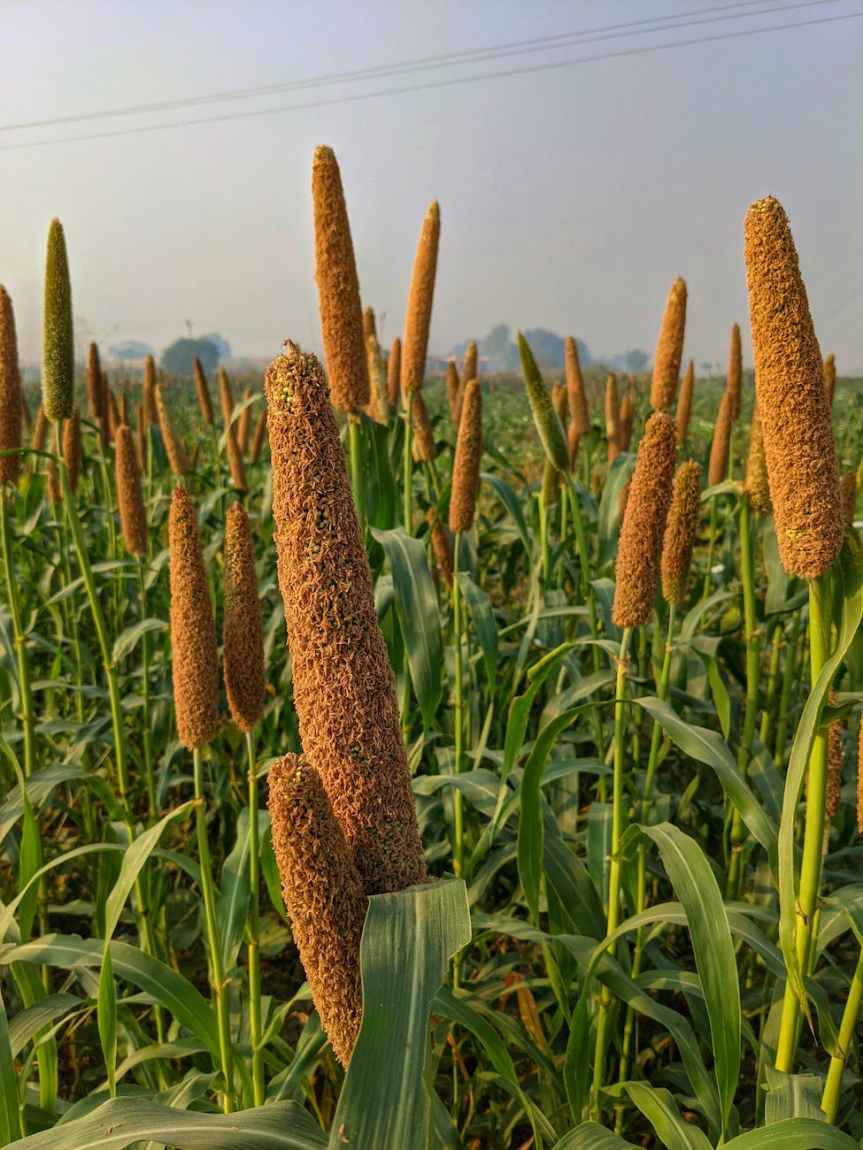
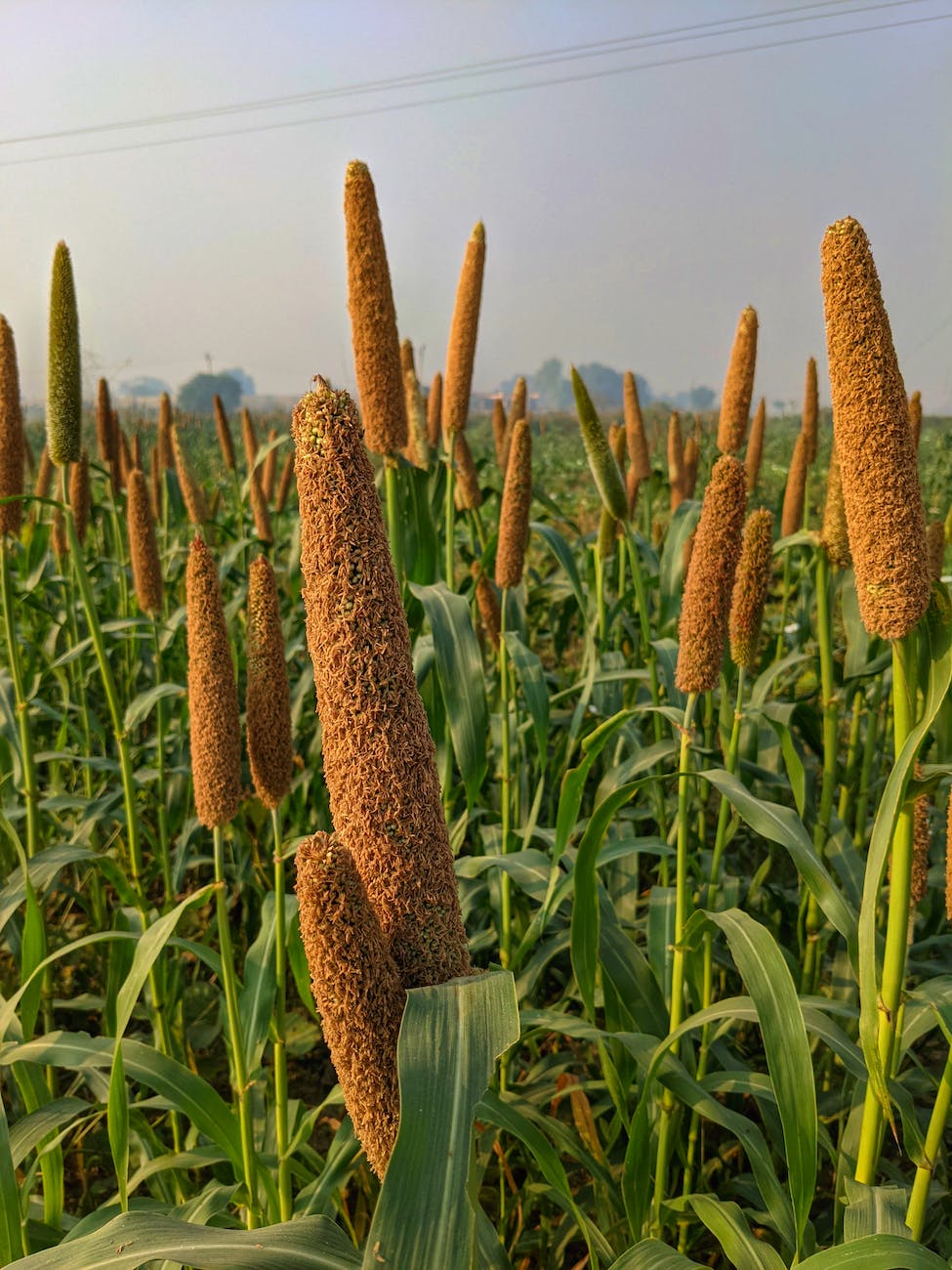
Millets are one of the oldest food known to mankind.These are group of highly variable small-seeded grasses, widely grown around the world as cereal crops or grains for fodder and human food.

Types of millet: Sorghum (jowar), Pearl millet (bajra), Foxtail millet (kangni), Finger millet (ragi), Barnyard millet, Kodo millet, Little Millet, Proso Millet are amongst the healthiest millet grains available.

Nutritional value: They are good sources of proteins, carbohydrates, dietary fibre and essential amino acids.

Millets have 65% carbohydrates, 9% proteins, 3% fat, and 2-7% crude fibre.

They are rich in various vitamins such as vitamin A, C and B-complex vitamins and minerals such as magnesium, manganese, phosphorus and also iron.

Major producers include Rajasthan, Andhra Pradesh, Telangana, Karnataka, Tamil Nadu, Maharashtra, Gujarat and Haryana.

Significance: Release of 13 High Yielding varieties including 4 bio-fortified varieties of millets. declaring 2023 as International Year of Millets (IYOM).

This proposal of India was supported by 72 countries and United Nation’s General Assembly (UNGA) declared 2023 as International Year of Millets on 5th March,2021.

Photo by Deep Malik on Pexels.com

Millets are climate resilient crop as they can be grown in rainfed area and are resistant to climatic stress, pest and disease as well. So it plays major role in sustainable agriculture.

People possess a perception of millet being poor man food but owing to it’s nutritional value it is rich in dietary fibres, amino acid, calcium, zinc, folate and various nutrients. It can even be easily consumed by diabetic people as it possess low glycemic index. Nowadays, being consumed by many more people it helps to provide food security.

They even provide economic security to farmers growing millet in dry, low fertile, rainfed area as it requires less investment and involves less cost of cultivation.

Initiatives are taken by government to promote millet production by farmers as they promote sustainable agriculture as well as generate employment opportunities by promoting value addition of millets.

Jaipur : The Pink City of India.

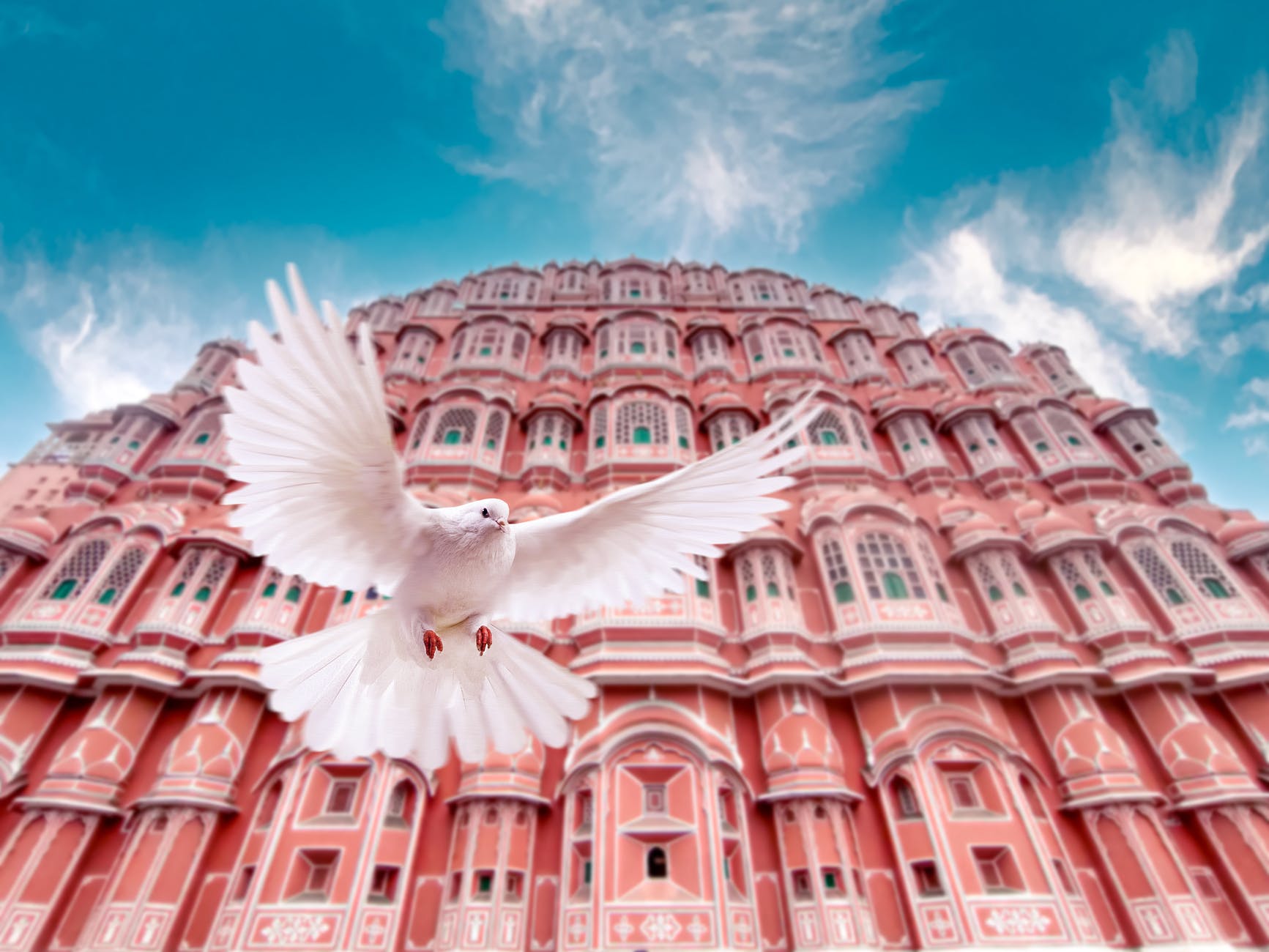
The capital of Rajasthan, the largest state in the country, Jaipur is all about its glorious history. It is also widely known as the Pink City. The name is derived from the fact that the erstwhile area of Jaipur which is now the area around the HawaMahal, was built of pink sandstone. The narrow streets, the colourful clothing, the lovely aromas bursting forth from the food, the vast number of palaces speak volumes of the deep rooted culture of the city.
Maharaja Sawai Jai Singh II invoked the artisans from all over the world and facilitated them with all the things they required, to help in creating the exotic city of beautiful architecture as Jaipur. Today, Jaipur is a hub for rich wedding destinations. Royal weddings are organized here. Exquisite destinations are specially designed for marriages, and offer an experience of one of its kind. Jaipur’s forts, monuments, and museums can be read about further.


Some of the best monuments and sites to visit in pink city are.


Amber/Amer Fort.
At a distance of 13 km from Jaipur Junction Railway Station, Amer Fort or Amber Fort is located in Amer near Jaipur. It is one of the best-preserved forts in Rajasthan, The architecture of Amer Fort is influenced by both Hindu and Muslim styles. Among the famous tourist places in Jaipur, Amer Fort was built using red sandstone and overlooks Maota Lake which is the main water source to the Palace.


City Palace.
City Palace, Jaipur was constructed between 1729-1732, in Jaipur as it paints the picture of heritage and rich culture. Sawai Jai Singh II has started the work of this palace, exclusively the exterior architecture of the building. Moving from Amber, he has moved to the Jaipur city because of the increase in water shortage problem which resulted in an inadequate supply of water to people.


Nahargarh Fort.
Nahargarh is one of three forts in the vicinity of the “Pink City” of Jaipur. Despite its prominence, the fort remained sadly neglected until recent years, resulting in visitors frequently overlooking it in favor of iconic and well-preserved Amber Fort on the opposite end of the ridge. Extensive restoration works and some exciting new attractions have revitalized the fort though, making it one of the top tourist places in Jaipur.


Jai Garh Fort.
Situated on one of the mountains of the Aravalli Range, Jaigarh Fort is a landmark structure in Jaipur. The strategically designed Jaigarh Fort was fundamentally built to protect the Amer Fort from any attack. Jaigarh Fort is popular for numerous reasons and the two most prominent are its mesmerizing architecture, which is a fusion of Rajputana and Mughal style, and for being the hub of artillery during the Mughal era.


Jantar Mantar.
Jantar Mantar is one of the finest monuments and striking creations by astronomers and architectures. It is a compilation of architectural astronomical devices which provided accurate astronomical results. It has even struck the modern approach of science. Jantar Mantar is the most well-known observatories amongst all the buildings formed during the sovereignty of Maharaja Sawai Jai Singh II.


Hawa Mahal.
Hawa Mahal was built by Maharaja Sawai Pratap Singh in 1799 and was designed by architect Lal Chand Usta as a ‘Rajmukut’. The Hawa Mahal was built specifically for Rajput members, and especially for women, so that the royal ladies could watch the daily drama dance in the street below, as well as have a beautiful view of the city from the window.


Central Museum
Central museum is also known as ‘Albert museum’ or ‘Government Central Museum’. This is the oldest museum of the city and was constructed in 1876 beneath the command of Lt. Swinton Jacob. Initially the building was a town hall. But on the order of Maharaja Madho Singh it was transformed into an art museum.

Indian army

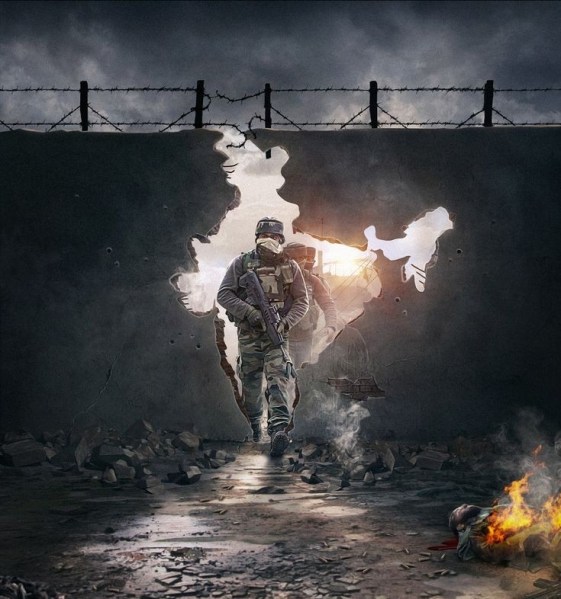
The Indian Army does not need any introduction, we all have love, respect and appreciation for our soldiers and the Indian Army.As we all know that the Indian Army has a long and glorious history, therefore, it is difficult to talk about everything in such a confined space.The Indian Army is a land-based unit, while the Indian Air Force works in air defense and the Indian Navy is a naval unit.Our Indian Army is the second largest army in the world with about 1.23 million personnel on active rolls and another 9.6 lakh in reserves.The Indian Army is primarily responsible for defending the country against land-based attacks.It also helps other agencies to deal with terrorism, to deal with emergency situations in the country and to save people in case of natural disasters like floods, earthquakes etc.The current Chief of Army Staff (COAS) is General Bipin Rawat (as of 2018). As the Indian Army is very large, it is divided into regiments.
Some important regiments are Punjab Regiment, Madras Regiment, Rajputana Rifles, Sikh Regiment etc.It also has its own intelligence unit, abbreviated as “military intelligence” or “MI”.The Indian Army (under British rule) participated in World War I and II before independence. After independence, it has fought several full-fledged wars like Kargil War (1999), Bangladesh Liberation War (1971), India-Pakistan War (1965), Indo-China War (1962) and First Kashmir War (1947).
Apart from these, the Indian Army has also handled some minor conflicts like Siachen struggle (1984), Operation Polo (1948), Indo-China conflict (1967) etc.
There is no doubt that our Indian Army is one of the best armies in the world.

The main role of the Indian Army is to protect our country from external and internal threats, it has proved its subtly many times.It has fought five major wars since independence and has successfully handled many smaller conflicts and won wars even when enemies had better weapons.For example, in 1965 there were Patton tanks (gifted to them by the US) in Pakistan, it was considered invincible at the time.India had nothing that could compete with those Patton tanks, but the Indian Army was able to defeat the Pakistani tanks in the Battle of Asal North.
Hawaldar Abdul Hameed mounted his jeep and destroyed six Pakistani tanks with a rifle in the back and was killed in an attempt to destroy the seventh.
For this he was awarded India’s highest military honor – Paramveer Chakra. It is believed that the Americans came to India to learn the methods and equipment by which their invincible Patton tanks were destroyed.It is believed that India rejected his request.The Indian Army also successfully handled many riots, for example the Godhra riots, 1992 Mumbai riots, 1984 riots etc.It is also currently dealing with terrorism in Jammu and Kashmir and some North Eastern state currently has around 1.23 million people on active rolls, while others have 9.6 lakh rupees.It has also produced many notable sports persons, who have brought it to our country. Some of them are Milkha Singh, Rajyavardhan Rathore, Vijay Kumar, and Major Dhyanchand etc.The Indian Army is one of the best armies in the world. It has the capability to handle any external and internal threat. Overall, we can say that the Indian Army is the soul of our country.


“There will be no withdrawal
without written orders and
these orders shall never be
issued.”

-Field Marshal Sam Manekshaw as core Commander in 1962.

Academic Degrees in India.

An academic degree is a college or university diploma, often associated with a title and sometimes associated with an academic position, which is usually awarded in recognition of the recipient having either satisfactorily completed a prescribed course of study or having conducted a scholarly endeavour deemed worthy of his or her admission to the degree. It is a qualification awarded to students upon successful completion of a course of study in higher education, usually at a college or university. These institutions commonly offer degrees at various levels, usually including bachelor’s, master’s and doctorates, often alongside other academic certificates and professional degrees. The most common degrees awarded today are associate, bachelor’s, master’s, and doctoral degrees. 

Some of the popular academic degrees pursued in India are:

Bachelor of Arts (BA)

A BA represents the completion of an undergraduate program that focuses on a discipline in the arts or humanities. What distinguishes a BA from other types of bachelor’s degrees is that it tends to emphasize each student’s exploration of a given subject.

Bachelor of Commerce(B.Com)

B.Com stands for Bachelor of Commerce which is a three year undergraduate program. B Com subjects impart Analytical skills, Financial Literacy, Business Acumen, Business Laws, Taxation knowledge etc, with aim to make the student job ready in the field of Banking, Accounting, Insurance and Finance. 

Bachelor of Technology (B.Tech)

B.Tech or Bachelor of Technology is one of the prestigious and most popular courses opted by science students. It is a 4-year full-time undergraduate course and is offered in various disciplines such as Computer Science, Civil, Mechanical, Electronics, and Information Technology.

Master of Business Administration (MBA)

The Master of Business Administration (MBA) is an internationally-recognized graduate-level degree that develops the skills required for careers in business and management. The value of the MBA, however, is not limited strictly to the business world. An MBA can also be useful for those pursuing a managerial career in the public sector, as well as government and the nonprofit sectors. 

Bachelor of Science (BSc)

BSc or Bachelor of Science is an undergraduate degree of three years duration which is universally offered across institutes and universities across India. BSc is one of the most popular courses opted by students who have a flair for scientific aptitude and zeal for research-oriented and calculative approaches based on a proven systematic method. Science is all about experimentation, research and discovery. A BSc degree is a culmination of both theoretical and practical ways of learning. 

Concept of Agricultural Marketing

The term market is derived from the Latin term’ marcatus ‘ which means trade or place where business is conducted.

In real terms ; market is defined as place where the sellers of particular good or service can meet with buyer of that good and services where there is potential for transaction to occur.

Agricultural marketing is study of all activities, agencies and policies that are involved in procurement of farm inputs by farmers and movement of agricultural products from farm to ultimate consumers. So it can be said to serve as link between farm 🚜🐄🌾 and non farm sector.

Thus it is a collaborative effort including marketing functions from post – harvest handling to pre- sowing; assembling, handling, storage, transport, processing, retailing, wholesaling, export of agricultural commodities and purchasing inputs for next agricultural season. It also includes marketing services as market information, weighing, standardization, financing, price risk mechanism and institutional development.

Dimension of agricultural marketing system includes market structure, it’s conduct and performance. The purpose of marketing is to find the right place, right time, right product and right time to make it selling superfluous.

Importance of agricultural marketing :

Agricultural market plays a important role in various ways to increase farm income, provide employment opportunities, optimum utilisation of resources, creation of utility and growth of agro-based industries.

The agricultural product differ from industrial product in many ways:

1.Nature of product: Most agricultural products are perishable in nature and hence cannot be stored for longer duration while industrial products can be stored for longer duration .

2.Weather and Season dependent: Most agricultural products are season bound and produced in particular season whereas industrial products are available throughout the year.

3.Bulkiness in nature : Agricultural products are bulky in nature and are difficult to handle, transport, storage etc. which adds to transportation cost.

4. Supply lag: As agricultural commodities are season bound so there is difference in supply and demand of goods.

5. Requirements of land area: For production of agricultural goods we needs more land as compared to industrial products like cultivation practices etc.

So from this role of agricultural markets can be determined as they hold separate importance in the economy .

Vande Bharat : India’s Indigenous bullet train.

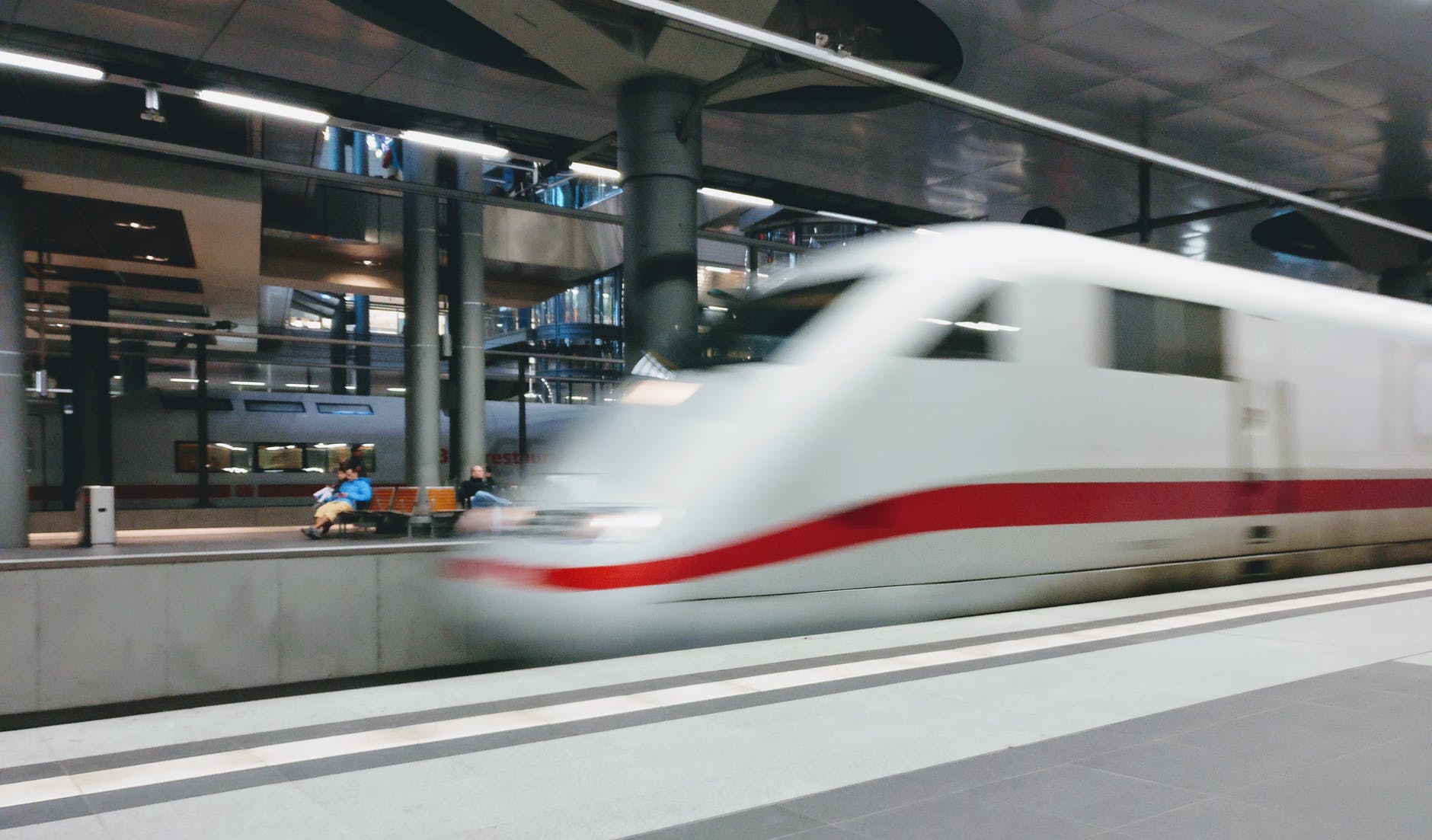
Indian Railways is developing its own super-fast train by increasing the speed of the locally made Vande Bharat Express in a phased way to match those running in European nations. The railways plans to increase the speed of the new version of the Vande Bharat

Express train to 180km per hour (kmph) this year from 160kmph. The train is expected to run at speeds of 220kmph byb2025 and subsequently faster at 260kmph, on par with the speed of most European high-speed trains. Vande Bharat would also increase its speed in phases and continue to improve the overall passenger experience, safety and security.

The first version of the Vande Bharat trains was launched in 2019 under the Make in India initiative and is  designed to reach speeds up to  160kmph. However, this has been boosted to 180kmph in the second version, which will start operating this month, with 75 such trains deployed by 15 August next year as part of the country’s 75 years of independence celebrations.

Indian Railways has set a tar-get of manufacturing 300 Vande Bharat train sets over the next three years (2025). This will be increased to 500 trains by 2028. Prime Minister Narendra Modi has given the Railways a target to make at least 75 such trains by August 2023, coinciding with 75 years of Indian Independence. The plan is also to connect 75 key Indian cities with these trains. Indian Railways’ Integral Coach Factory, Chennai, plans to manufacture around 10 Vande Bharat trains a month and, eventually, the Rail Coach Factory, Kapurthala, and the Modern Coach Factory, Rae-bareli, are also likely to start manufacturing these coaches to meet the target of 500 trains. Two sets of Vande Bharat trains are running on the Delhi-Katra and Delhi-Varanasi routes. Two more Vande Bharat semi-high-speed trains are expected to enter operations by August.

Role of civil services in a democracy .

In the process of governance, which involves several sets of activities to deliver effective services to people, civil services play a pivotal role in providing shape to policies that reflect people’s needs and put their suggestive, analytical and informative roles to implement the
policies. It is recognized that civil services play a crucial role in all societies. In the modern administrative state, public administration has become so significant that our development, upliftment and progress depend mainly upon the efficient functioning of civil services that are
the bedrock of public administration. Civil services have assumed more important role in democracy to ensure good governance, both in developing and developed countries. Civil Services form a part of bureaucracy, wherein the roles of civil servants are determined by
written rules. It’s an impersonal system operating on the basis of calculable rules and staffed by full time appointed officials. Usually, the civil servants are selected on basis of their technical
qualifications, receive fixed salaries, have a defined sphere of competence and work under a clearly defined hierarchy of offices.

The role of Civil Servants across the domains of policy making and policy implementation is critical to the development process. They assist in identifying major policy areas such as preparing major policy proposals, analyzing various alternatives and solutions to societal problems requiring urgent attention, dividing the major policies into sub-policies, determining
program of action and suggesting modification in the existing policy on the basis of its experience on the implementation front.Civil services carry on the governance when governments change due to elections etc. Ramsay
Muir has remarked that while governments may come and go, ministers may rise and fall, the administration of a country goes on forever. It is needless to say that civil services form the backbone of administration. E.g. In India, when the President’s Rule is imposed in a state, the
Governor runs the state through the Chief Secretary and other civil servants.The civil servants are responsible to the ministers of the departments in which they serve. The ministers are accountable to the people through the Parliament or State Legislatures, and the civil servants are accountable to the ministers. They should ideally serve the elected government of the day, as government policies are the functions of the civil services. However, an impartial civil servant is also accountable to the Constitution of India on which he has taken an oath of allegiance.

In India, bureaucracy or civil services is permanent and does not change with the government. The recruitment is based on merit and through competitive exams. This is in contrast to the system followed in the US, where civil servants, especially in the higher echelons, change with the government. This is called the spoils system where people who are close to the government of the day get posts.


With bad laws and good civil servants it’s still possible to govern. But with bad civil servants even the best laws can’t help.

-Otto von Bismarck