Blast at mosque in Afghan city of Kandahar, atleast seven dead

A large explosion tore through a Shi’ite mosque in the southern Afghan city of Kandahar during Friday prayers, killing at least seven people and wounding 13, officials and provincial leaders said.

Qari Saeed Khosti said authorities were collecting details of the explosion, which took place days after a suicide bomb attack claimed by Islamic State on a Shi’ite mosque in the northern city of Kunduz that killed scores of people.

Photographs posted by journalists on social media showed many people apparently dead or seriously wounded on the floor of the mosque.

Nematullah Wafa, a former member of the provincial council, said the blast occurred at the Imam Bargah mosque and caused heavy casualties but there were no immediate confirmation of the number of dead and wounded.

The blast, coming so soon after the Kunduz attack underlined the increasingly uncertain security in Afghanistan as Islamic State has stepped up operations following the Taliban victory over the Western-backed government in Kabul in August.

Written by : Ananya Kaushal

International news flow after the end of colonialism


The mass media are seen today as playing a key role in enhancing globalization, facilitating culture exchange and multiple flows of information and image between countries through international news broadcasts, television programming, new technologies, film and music. If before the 1990’s mainstream media systems in most countries of the world were relatively national in scope, since then most communication media have become increasingly global, extending their reach beyond the nation-state to conquer audiences worldwide.

International flows of information have been largely
assisted by the development of global capitalism, new technologies and the increasing commercialisation of global television, which has occurred as a consequence of the deregulation policies adopted by various countries in Europe and the US in order to permit the proliferation of cable and satellite channels. Globalization theorists have discussed how the cultural dimension of globalization has exercised a profound impact on the whole globalization process.

The rapid expansion of global communications in the 21st century can be traced back to the mechanical advancements of technologies during the course of the 18th and 19th centuries, which started mainly with the invention of the telegraph in 1837, and included the growth in postal services, cross-border telephone and radio communications and the creation of a modern mass circulation press in Europe. It was however the evolution of technologies capable of transmitting messages via electromagnetic waves that marked a turning point in advancing the globalization of
communications.

The emergence of international news agencies in the 19th century, such as Reuters, paved the way for the beginnings of a global system of codification. Nonetheless, it was not until the 1960’s, with the launch of the first geo-stationary communication satellites, that communication by electromagnetic transmission became fully global, thus
making the globalization of communications a distinctive phenomena of the 20th century.

Key theories in international communications grew out of international relation studies. The “modernization” or development” theory in the area of communication research
emerged in the Cold War context and were largely preoccupied with the ways in which the media could help transform traditional societies to include them into the capitalism orbit. Among the key theorists in this tradition was Wilbur Schramm with his sponsored UNESCO work, Mass Media and national development – the role of information in the developing countries.

The idea was that international communication media could be used
as a tool to transfer the political-economic model of the West to the growing independent societies of the South. Schramm’s views was that the mass media could be used by elites to
raise the ambitions of the populations in developing countries, who would cease to be narrow-minded and conformist and would be active in their own self-development. The dependency theories the 1960’s and 1970’s were perceived as an alternative approach grounded in neo-Marxism, and which adopted a theoretical framework that saw
capitalism and inequality as a key perspective in understanding the impact of power relations on global communications. According to the argument, transnational corporations based in the North engaged in a web of interdependency with the economies of the South, setting the terms of global trade, dominating markets, production and labour.

Dependency theorists and Latin American scholars argued that these economic relations worked within an exploitative dependency model that promoted American capitalist mentality in developing countries (Mattelart, 1979). Development was thus shaped in a way that benefitted largely the developed nations, maintaining the peripheral countries in a continuous position of dependence. Latin American scholars stressed that it was Western
media companies that were reaping the rewards of the modernization programmes, and that they were actually reaching out to the South in order to conquer new markets for their
products.

Globalization is thus seen as having consequences for the distribution of power and wealth both within and between countries. Cultural imperialism theories of the 1970’s and 1980’s highlighted how the media in developing countries imported foreign news, cultural and television genre formats (i.e. talk-shows, sitcoms) and also values of capitalist consumerism and individualism. The core critique of the imperialism thesis was that the
developing countries had established a relationship of subordination.

Written by : Ananya Kaushal

EXOTIC FRUITS OF INDIA

Fruits that are not native and are cultivated at their place of origin are known as exotic fruits, simply they are unusual or different. There are several fruits around the world that are found in a particular place, collected from the wild and usually eaten by the locals. nowadays, exotic fruits have found their way to the international audience. India too is an abode to some fruits that are different from the usual fruits like mango, banana and are rare, found in particular places.

Photo by Geraud pfeiffer on Pexels.com

Carambola (star fruit)

Thanks to social media star fruit has become a known fruit among indian locals and is quite popular. Also known as five fingers, carambola is the native to southeast asia and is consumed in many parts of the world. The whole fruits is edible, and is fleshy, crunchy and firm. It is consumed when the fruit leaves all traces of green and turns yellow, it tastes sweet and sour. It is a source of a good number of nutrients, especially vitamin C and fiber. despite being anutritiuos fruit star fruit can have negative effects on some poeple due to availability of high oxalate content.

Buddha’s Hands (fingered citron)

An unusual hand like fruit which is given as an offering in buddhist temples, and it is believed that buddha prefers fingers that are closed rather than open as they resemble praying hands. In chinese religion it is a symbol of happiness, longitivity and good fortune. It is a very fragrant fruit an is used to add fragnance to rooms and clothes, specifically in china japan and malaysia. although citrus fruits are juicy but most variety of buddha’s hands contain no pulp and usually known for their aroma and texture. It is used as a flavouring agent in dishes, desserts and beverages. It is also a part of traditional medicine.

Phalsa (Indian sherbet berries)

Phalsa is a small dark purple fruit and is helpful in balancing sweet and sour flavors. It is a good cooling agent and perfect for hot weather. It is a good source of calcium, magnesium, potassium, iron, phosphorus and vitamin C. It cures diarrhea, stomachache, builds immunity and supports smooth digestion. It is also consumed in the form of squash or sugar syrup and despite numerous benefits it is a very less known fruit in India.

Bael (wood apple)

One of the most popular summer fruit, bael is a highly effective against the scorching heat of the sun. The outer covering of the fruit is hard but the inner part is sweet and soft. Every part of the plant is good for human body, high in fibre, vitamins and other essential nutrients, it cures ulcers and piles, prevents constipation, is a good source of energy and equally effective against respiratory issues. The number of benefits it provides are uncountable.

Chalta (elephant apple)

Large sized shrub that is native to southeastern asia and the fruit of this plant is loved by the local elephants hence the fruit is known as elephant apple. It is consumed in both ripe and unripe form and is usually used is usually used for making jam, chutney or pickled dishes. The fruit has a large greenish-yellow shape and consists of 15-20 carpels, the fruit pulp is bitter-sour. It consists of numerous health benefits, like lowering blood pressure, fighting flu,cold and other infections, it is also good for eyes, has vitmin C and also cures stomach related problems.

How GST on Petrol, Diesel will bring down prices

The soaring prices of petrol and diesel has time and again highlighted the question of whether bringing it under the goods and services tax (GST) regime will prove beneficial for the consumers.
The much debated and speculated issue might finally come to a conclusion on Friday when the 45th GST Council meets in Lucknow.
For the first time in 20 months, the GST council will be conducting a physical meeting. After December 18, 2019, all the GST Council meetings were done in virtual mode.

“We are not saying that we should bring petrol and diesel under GST immediately, we are basically asking states to suggest a timeline,” a government source told TOI ahead of the crucial meeting of the GST Council on Friday.
When GST was introduced in July 2017, five commodities — crude oil, natural gas, petrol, diesel and aviation turbine fuel (ATF) — were kept out of the GST purview, considering the revenue dependence of the central and state governments on them.


As demand recovered, the spike in global oil prices pushed petrol and diesel prices to an all-time high, leading to demand for bringing it under GST.
Fuel prices have been hovering at record levels on account of 41 increases in its retail rates since April this year.
However, since the past 11 days there has been no revision in prices of petrol and diesel as oil marketing companies (OMCs) kept a tab on global oil prices.
Accordingly, in Delhi a litre of petrol costs Rs 101.19 and diesel costs Rs 88.62.
Similarly, price of petrol in Mumbai, Chennai and Kolkata stood unchanged at Rs 107.26, Rs 98.96, Rs 101.62 per litre, respectively.

Diesel price also remained unchanged. In Delhi, Mumbai, Chennai and Kolkata, the fuel was sold for Rs 88.62, Rs 96.19, Rs 93.26 and Rs 91.71 per litre respectively.

Prices are largely going to remain unchanged or get some relief by way of a cut in days ahead as global oil is expected to soften again.
Oil cartel Opec and its allies have agreed to gradually raise production levels that should prevent upward price movement.

Written by : Ananya Kaushal

दिल्ली को अगले 3 साल में प्रदूषणमुक्त कर देंगे: गडकरी

सड़क परिवहन मंत्री नितिन गडकरी ने गुरुवार को कहा कि केंद्र सरकार अगले तीन साल में दिल्ली को वायु, जल और ध्वनि प्रदूषण से मुक्त करेगी। उन्होंने कहा कि मौजूदा समय में प्रदूषण देश के लिए सबसे बड़ी चिंता की बात है।


इंडस्ट्री पीएचडी चैंबर ऑफ कॉमर्स के सालाना कार्यक्रम में गडकरी ने कहा कि उनके मंत्रालय ने सड़क बुनियादी ढांचा विकास पर 60,000 करोड़ रुपये खर्च किए हैं। इस प्रयास से दिल्ली में वायु प्रदूषण को कम करने में भी मदद की। वायु प्रदूषण, जल प्रदूषण और ध्वनि प्रदूषण देश के लिए चिंतित करने वाले मुद्दे हैं। हम दिल्ली को अगले तीन वर्षों में वायु, जल और ध्वनि प्रदूषण से मुक्त कर देंगे।


गडकरी ने कहा कि सरकार सुप्रीम कोर्ट से मंजूरी मिलने के बाद सभी वाहन निर्माताओं के लिए फ्लेक्स फ्यूल के अनुकूल इंजन बनाना अनिवार्य कर देगी। फ्लेक्स-फ्यूल, पेट्रोल और एथेनॉल को मिलाकर बनने वाला एक वैकल्पिक ईंधन है। अब एक एथेनॉल अर्थव्यवस्था विकसित करने पर काम किया जा रहा है। गडकरी ने सुझाव दिया कि सेना को डीजल इंजन वाले वाहनों के इस्तेमाल पर प्रतिबंध लगाना चाहिए और एलएनजी, सीएनजी और एथनॉल पर चलने वाले ट्रकों का उपयोग करना चाहिए। मंत्री ने कहा कि इथेनॉल, पेट्रोल और डीजल की तुलना में काफी सस्ता है।

अनन्या कौशल द्वारा संपादित।

देश में आसमान छू रहा ईंधन का भाव !

देश में ईंधन की कीमतों में लगातार बढ़ोतरी देखने को मिल रही है। लागतार बढ़ रहा रेट थमने का नाम नहीं ले रहा, जिससे जनता काफी परेशान है। कच्चे तेल के दामों में जिस तरह से अंतरराष्ट्रीय बाजार में तेजी देखने को मिल रही है,वैसे ही घरेलू बाजार में पेट्रोल और डीजल के दाम भी आसमान छू रहा है। भारत में ईंधन की कीमतें रिकॉर्ड स्तर पर है।

5 अक्टूबर 2021 यानी कि मंगलवार को 1 दिन की स्थिरता के बाद भारतीय तेल कंपनियों ने डीजल और पेट्रोल के रेट में इजाफा कर दिया है। बात करें पेट्रोल की तो 25 पैसे प्रति लीटर एवं डीजल 30 पैसे प्रति लीटर और अधिक महंगा हुआ है। वहीं अक्टूबर में हरदिन भाव बढ़ता रहा है। अब तक केवल 1 दिन डीजल और पेट्रोल का रेट स्थिर रहा है।

इंडियन ऑयल कॉर्पोरेशन के मुताबिक़, ईंधन के दामों में वृद्धि के बाद दिल्ली में पेट्रोल की कीमत 102.64 रुपए प्रति लीटर एवं डीजल 91.07 रुपए प्रति लीटर तक पहुंच गया है। हालांकि,देश के चारों महानगरों की तुलना करें तो मुंबई में डीजल-पेट्रोल सबसे अधिक महंगा है। बता दें, जुलाई एवं अगस्त के महीने में कच्चे तेल के दामों में कुछ खास बदलाव नहीं आया था। इसलिए 18 जुलाई से 23 सितंबर तक तेल कंपनियों ने मूल्य वृद्धि नहीं की थी। इस दौरान पेट्रोल 0.65 और डीजल 1.25 की कीमतों में कटौती की गई थी। फिर अंतर्राष्ट्रीय बाजार में निरंतर बढ़ती कीमतों के कारण 28 सितंबर से पेट्रोल और 24 सितंबर से डीजल की कीमतों में बढ़ोतरी की गई है।

अंतरराष्ट्रीय बाजार में पेट्रोल और डीजल की कीमत क्रूड की कीमत के आधार पर प्रतिदिन अपडेट होती है। कीमतों की समीक्षा करने के बाद ऑयल मार्केटिंग कंपनियां रोज डीजल और पेट्रोल के दाम निर्धारित करती है।

अनन्या कौशल द्वारा संपादित।

SOME ANIME INFLUENCED MAKING MY CHILDHOOD FUN

The variety of cartoon from my childhood time for which almost all kids from my generation have spend their all time watching is nothing compared to what the kids from these days generation are watching. And the biggest difference I make is that this generation shows have from mine were that most of the shows of my generation was anime and Japanese cartoon but now a days all the cartoon were shown to kids are mostly Indian based story cartoon and some rerun of my time anime.

I still remember how after doing my homework I run towards the tv punctually on 7 pm as the shows were to be start with good contented stories, continuity, good moral and each episodes make me curious at the end about all kind of the things like what gonna happen the next day. But the cartoon happens to kids favorite are all comical with no sense and no continuity , just for fun purpose only.

Some loved and epic shows still to be remembered and watched are –

  • NARUTO

Naruto was something else to talk about it was so popular around my time , bullshit it still is. As it being the anime of Japan dubbed in Hindi there was some changes in the line of story as the Naruto was parted into two- Naruto and Naruto Shippuden. In India, only Naruto was broadcasted Hindi dubbed and become much more popular than Indian cartoon were ever were among children around 9 and above. Popularity of cartoons are shown very different as their taglines becomes popular as in this case were the jutsu names, mainly the famous ” RASENGAN” were used in many imaginative fight between kids for fun.

  • DRAGON BALL AND DRAGON BALL Z

Dragon ball in one of the most famous anime broadcasted in India and were the most popular one among the kids. The story based on the baby found by an old man who named him Goku and his journey to learn martial arts and to fight the most powerful fighter around the world. As he moved forward with his journey he meet and make many friends and foes who he with and against fights for the world peace and sometimes for the dragon balls which makes some of the wishes of the callers true. With friends like Bulma, kuririn, Master Roshi , Piccolo etc being part of the gang and after being married to chichi and having a kid named Gohan and getting informed of him being a alien warrier species called “Saiyyan” bring more of the troubles in the name of “Vegeta” and with him the bigg boss ” frieza”. The most famous line of this show becomes the “KAMEHAMEHA” the powerful energy ball of attack and the real term call “CHI” the internal energy used in martial arts.

  • POKEMON

Pokemon was the only anime amongst the other animes whose mostly all season were broadcasted hindi dubbed in India. Story revolves around the main character Ash and his first pokemon Pikachu and his group of friends Misty and Broke, which he make during his journey to become a pokemon master was divided into many season based on regions while catching more pokemon to become more powerful. Most of the pokemon got popularity among kids, who chooses their own favourite pokemon and most popular was the one called pikachu, Bulbasaur, Charizard etc. This anime was the only one which was popular among all age group and gender kids because it involves both cute pokemon and the one who can fight.

  • TAKESHI’S CASTLE

Takeshi’s castle even being not an anime but still make it to this list as the fun and entertaining show is being among the kids was overwhelming in India and viewership wasn’t limited to just the kids but to adults also well with the show being what is was its expected to be like that. The fun format of the show was to have contestant over 80 to 150 people whom General Tani forced to participate in some series of physical challenges to eliminate half of the contestants and put them against his own henchmen and Count Takeshi in the FINAL SHOWDOWN. The best and fun part of the show find by the Indian viewer is the funny and witty commentary and comments by comedian Javed Jaffrey on the beaten and eliminated contestants. The funny henchmen and twisted and sadistic challenges were the attraction for the kids who find it funny and entertaining.

ROLE OF MEDIA IN INTERNAL SECURITY CHALLENGES

This contains an image of: {{ pinTitle }}

Any communication channel through which any kind of information, news, entertainment,
education, data, promotional messages etc. can be disseminated is called media.
Mass media refers to communication devices, which can be used to communicate and interact
with a large number of audiences in different languages. Be it the pictorial messages of the
early ages, or the high-technology media that are available today, mass media has become an
inseparable part of our lives. Media can be broadly classified as:
• Print Media (newspapers, magazines, books and Brochures, Billboards, etc.)
• Electronic Media (news websites, social networking sites, mass SMS schemes, television,
internet, radio, cinema etc.)
• New Age Media (Mobile Phones, Computers, Internet, Electronic Books)

This contains an image of: {{ pinTitle }}

Where Media is Misleading? – Threat to Internal Security
• Indian media does not have a wider perspective of India’s national security issues.
• Indian media is in no mood to apply brakes or observe self-restraint on its wayward and
insensitive treatment of national security issues.
• Indian media’s (especially electronic media) analysis and over-analysis of national security
issues by groups of former diplomats, generals and academia’s arm chair strategists distort
national security perspectives. All these gentlemen can only draw on their outdated
experience and none of them are privy to latest inputs. Also in many cases, reticence is
their first casualty after retirement.
• Indian TV anchors discussing national security issues do not have the political and strategic
maturity to discuss national security issues as their Western counter-parts do.
• Indian TV debates on national security issues tend to cut out development of contrary
views and perspectives by imposing commercial breaks, or go hectoring themselves.

For a country like India, the backbone of its democracy and the propagator of its national
interests remains the access to information and expression. It helps citizens to make
responsible and objective choices, to promote accountability by its officials, to provide solutions
to conflict resolution, and also to encourage diverse views of its diverse people. This access of
information has allowed the Indian media to play the role of watchdog that holds the
Government accountable in all its activities, and also functions as the only mode of expression
for its people.

This contains an image of: {{ pinTitle }}


The role of media in a democracy like India, therefore, can be summed up as to:
• Inform and educate people objectively, impartially and in an unbiased manner about
security threats and challenges
• Unbiased reporting with the restraints of self regulations
• Promotion of the principles of healthy democracy
• Respect for the Constitutional Provisions
• To build a bridge between people and governments at the national level
• Uphold fairness, justice, national unity and international cooperation
• Inform, educate, entertain, publicize and most importantly correct the excesses in any
society.
• Highlight the trouble spots in the society and press the government and public to devise
suitable mechanisms to eliminate them
• Shape the perceptions of government, influence public opinion, promote democracy, good
governance as well as influence peoples’ behavior and support people- oriented policies
Following the globalization, the responsibilities of media have also widened. It has to play a role
for preserving and pursuing the national interests of the state and highlighting its perspective
along with the global issues. It has to examine the conduct of international relations and again
to highlight the trouble spot at global level in lieu of global security.

“The internet is the largest experiment involving anarchy in history. (…) It is a source for
tremendous good and potentially dreadful evil, and we are only just beginning to witness its
impact on the world stage.”

  • Eric Schmidt, Executive Chairman, Google and Jared Cohen,
    Director, Google Ideas

ABOUT THE AUTHOR – AGATHA CHRISTIE

Known Mysterious Incident About “the queen of crime” except her famous novels.

Born in Torquay in 1890, Agatha Christie became, and remains, the best-selling novelist of all time.

She is best known for her 66 detective novels and 14 short story collections, as well as the world’s longest-running play – The Mousetrap. Her books have sold over a billion copies in the English language and a billion in translation.

Agatha Christie is one of the greats of mystery literature. For eleven days, she was at the center of her own mystery, that got international headlines. Unlike the plots in her brilliant books, the motives underpinning this particular storyline are rather vague.

The characters of this real and known incidents were the Two of Britain’s most famous crime writers, Sir Arthur Conan Doyle, creator of Sherlock Holmes, and Dorothy L. Sayers, author of the Lord Peter Wimsey series and herself (Agatha Christie” the queen of crime”).

AGATHA CHRISTIE’S DISAPPEARANCE CASE

WHAT DO WE KNOW-

On the December night of 3rd,1926 she drove away from her home in Berkshire and vanished completely. Her car was found abandoned and a huge manhunt was launched. Arthur Conan Doyle, author of the Sherlock Holmes mystery stories and Dorothy L. Sayers, author of the Lord Peter Wimsey series, participated in the search. Their specialist knowledge, it was hoped, would help find the missing writer.

Her disappearance would spark one of the largest manhunts ever mounted. Agatha Christie was already a famous writer and more than one thousand policemen were assigned to the case, along with hundreds of civilians.

Agatha Christie’s disappearance prompted a nationwide search and for the first time in UK history, aeroplanes were employed as part of the search effort.

Newspapers offered rewards for information and her husband Archie was suspected of foul play.

The Home Secretary, William Joynson-Hicks, urged the police to make faster progress in finding her.

It didn’t take long for the police to locate her car. It was found abandoned on a steep slope at Newlands Corner near Guildford. But there was no sign of Agatha Christie herself and nor was there any evidence that she’d been involved in an accident.

Not until 14 December, fully eleven days after she disappeared, was Agatha Christie finally located. Eventually, it was revealed that Christie had absconded to Harrow gate via train, where she spent eleven days hobnobbing with the young social crowd under the name of her husband’s mistress. Christie, upon being discovered, says she had no memory of the events.

The Speculations

  • Agatha Christie rarely talked about the incident, simply putting it down to about of temporary amnesia caused by a blow to the head.
  • The consensus of opinion at the time was that the whole affair (no pun intended) was an act of revenge aimed at her erring husband.
  •  Recent researches on her medical condition suggest that she was suffering from Alzheimer’s disease or other dementia. She died of natural causes in early 1976.

76th Session of UNGA

“Assembly of hope and resolutions”


United Nations General Assembly (UNGA) is the main deliberative, policymaking and representative organ of the United Nations (UN). Each 193 member state has equal power to vote, providing a unique forum for multilateral discussion of the International issue by comprising all the member states.


Each year in September the Assembly meets for regular sessions; thereafter as required. Through the dedicated agenda items or sub-items discussion of certain issues is done which leads to the adoption of resolutions. Amid covid-19 when all in-person meeting was not possible UNGA included virtual platforms to conduct meetings and other novel means to guarantee business continuity.


Abdulla Shahid of the Maldives opened the 76th session of the United Nations General Assembly on 14 September 2021 as he was sworn in as General Assembly President. Over 100 heads of state and government are expected to attend in person. The size of delegations allowed into the General Assembly Hall has been limited. Due to the global pandemic, UN Member States were encouraged to provide pre-recorded statements instead of travelling to UN Headquarters.

Pandemic is not the only problem the world is facing right now. The world has been facing the challenges such as Racism, intolerance, inequality, poverty, hunger, armed conflict, climate change and other ills for decades. General Assembly is an important opportunity for all to come together and work for the future that is different from today.


The theme for the 76th session is “Building Resilience through hope to recover from COVID-19, rebuild sustainably, respond to the needs of the planet, respect the rights of people, and revitalise the United Nations.”


SUSTAINABLE DEVELOPMENT GOALS (SDG)

Sustainable Development Goals are a call for action by all countries- poor, rich and middle-income – to promote prosperity while protecting the planet. It is also an outline for fighting poverty and hunger, achieving gender equality, confronting the climate crisis and much more, within the next ten years.


In unpredictable times, the SDGs show the way to advance towards a strong recovery from COVID-19 and a better future for all on a safe and healthy planet. Sustainable Development Goals are a global pact to create a future where nobody is left behind. These 17 goals were adopted by all countries at the United Nations in September 2015.


DECADE OF ACTION
In the aspect of human and planetary well being ‘Decade of action’ is a universal call to action to end poverty, to protect Earth and ensure all people enjoy peace and prosperity.
In September 2019, the secretary-general called on all sectors of society to mobilize for a decade of action on three levels:
Global action to secure greater leadership, more resources and smarter solutions for the Sustainable Development Goals;
local action implanting the needed transitions in the policies, budgets, institutions and regulatory frameworks of governments, cities and local authorities; and
people action, including by youth, civil society, the media, the private sector, unions, academia and other stakeholders, to generate an unstoppable movement pushing for the required transformations.


Progress is being made in several places but action to meet the Goals is not yet developing at speed that is required to meet the achievements. The Decade of Action calls for accelerating sustainable solutions to all the world’s biggest challenges — ranging from poverty and gender to climate change, inequality and closing the finance gap.


The pandemic became the unprecedented wake-up call that demanded urgency in actions and ambition. The progress that was planned and had been achieved for the decade of action got shaken in the very first five months of the pandemic, spreading the vary that then SGD moment is going off track.


Covid-19 began as a health crisis and quickly become a human and socio-economic crisis. It also urged everyone to see the importance of the preservation of the achieved progress.

“We need to turn the recovery into a real opportunity to do things right for the future.”
– UN Secretary-General António Guterres.


Some of the event highlights

• On 20 September the second SDG moment took place with leaders from over 30 countries addressing the theme ‘Plans, pathways and partners for Recovery and beyond.’ In inclusion of four focal topics Gender equality; Connectivity; Youth in Action; and Localising the SDGs.

• On 23 September, the first-ever food summit will take place completely virtually to mobilise the actionable commitments to transform food systems.

• On 24 September, the first global gathering on energy under UNGA auspices since the UN Conference on New and Renewable Sources of Energy in 1981, ‘High-level Dialogue on Energy’ will be commenced.

• On 28 September, the High-Level Event on Jobs and Social Protection for Poverty Elimination event will be conveyed virtually.


2021 remains a crucial year to bring back the balance with nature, take measures about the climate emergency, and get ahead of the pollution crisis while making sure that no one is left behind. The topics that have been discussed and are to be discussed in the 76th United Nations general assembly are a reminder of what must be done for the future so our dreams won’t be lost forever.
Only by being together, we can tackle the feeling of helplessness and hopelessness that many of us are currently feeling. As long as we are united we can make a difference for the sake of our planet and each other.


‘One person can hope for change and two can make it come true with the support of each other.’

Continue reading “76th Session of UNGA”

Test your ‘MYTHS VS FACTS’ knowledge

Isn’t it amazing when your friends are talking about something that is a myth but you know the real fact about it and you can actually brag about it. Everyone thinks you are a genius but you know that it is something you read somewhere. It’s hard sometimes to think about thousands of myth and facts which we just don’t know and continue to believe what we know about it. When I was small my mother once told me that if you see your face in the mirror at night your face will get wrinkles. Yeah… like that doesn’t even make sense but she told me anyway because she was getting ready and I was In the way. And I know you too have come across some bizarre myths that I believe are made up. But there are myths that people actually believe and are common to everyone like black cats are unlucky. They are not!! I have a black cat and I love her the most.

Photo by Helena Lopes on Pexels.com

It’s modern time and people want facts if you want them to believe something. Science has progressed and has answer to almost everything but there are things which even science is unable to answer for e.g., why are women always right? And how moms are able to find anything when we ask them and we can’t. How?? Okay, I will pull my hair out and still won’t get any answer so let’s move on to our myths vs facts quiz. I will give you some common beliefs and you will have to identify it as a myth or a fact and at the end I will answer them.

READY, SET, GO…

  1. You have to drink at least 8 glasses of water a day.
  2. Bulls get angry when they see red color
  3. Only animals that blush are humans
  4. Dogs only see black and white. Poor doggos. (Simple huh?? Real questions start now.)
  5. If you swallow gum it will sit for 7 years in your stomach.
  6. Pineapple is a natural meat tenderizer.
  7. To boil water faster add salt to it.

Answers

(Myth) No you don’t have to. There are many factors involved as of how much water you should consume. Drink when you feel like drinking. Not too less not too much. 3 to 4 litres work perfectly fine. According to The U.S. National Academies of Sciences, Engineering, and Medicine, the adequate intake of fluids for men is 3.7 L and for women it is 2.7L. about 50 to 70 % of our body is made up of water and it is important for:

  • Keeping temperature normal.
  • Getting rid of body waste

(Myth) I’ve spent my life getting scared and hiding my red clothes whenever I saw bulls. Whoever made this myth hated red color. Everyone believed this because of that red cloth used by matadors in bull fights but American science guide says that bulls are red green colorblind. The actual reason for bulls’ anger was the movement of the cape. Feeling stupid? Yeah me too. We are in this together.

(Fact) Isn’t it amazing how our cheeks turn red when someone compliments us or when we are embarrassed of saying something stupid. humans are the only animals who are capable of blushing, and as Darwin states “the most peculiar and the most human of all expressions.” It’s still unknown how it happens voluntarily but in terms of science it is caused by the dilation of blood vessels in the facial skin.

(Myth) Here is a good fact dogs don’t see in black and white. Our friend is actually capable of seeing colors not many but can distinguish between them. The can see blue, yellow and some shades of grey. They may not see the true color of an object but they definitely see the color of love. Dogs are pure souls.

Photo by Andrea Piacquadio on Pexels.com

(Myth) “Oh my god! I just swallowed a gum, it will get stuck to my intestines now. (screaming in fear).” You can understand this, right? From fruit seeds to chewing gums we have avoided gulping them. But you will laugh after knowing that neither plants were going to grow from your stomach nor the gum will hijack your guts because your gut can’t digest it. If you anyhow swallow it, it will pass through you in a couple of days. Although a large amount of gum can result in intestinal blockage.

(Fact) Bromelain enzyme in pineapple is digests protein and softens the tissues in meat, hence, goes well with beef, pork and some types of fish. This is the reason why it stings our tongue, it breaks down the surface tissues thankfully our body regenerates cells and repairs the tongue. If you want to soften it you can bake it or soak it in salty water.

(Myth) Adding salt to water will increase the temperature of water fast but it’s boiling point will remain same. Even if you add a spoonful of salt the boiling point will change from 100° to hardly 100.4°.

I hope you enjoyed the quiz, if you know some more myths and facts do tell in the comments below also tell me how much you scored today.

Say ‘YES’ to these habits

Internet has made our lives easy, everything is available there from assignments to math problems but can internet do Everything for us? No, ultimately it’s us, students, who have to study, write for exams and get through this phase of our life. It’s very easy for all of us to get distracted with just one notification on our phone, or thought of our crush😉.
Not everyone can study with all that is going around and concentrate, so many students opt for night time as their study time. But you won’t disagree with fhe fact that it affects our daily routine, makes us feel exhausted for the rest of the day. Night time is for dreaming!! It’s important to rest for our body and our mind. If you are not satisfied with your daily routine, change it. Start with small changes like waking up early, eating healthy and being productive etc,. You don’t have to have a very strict routine, chill you are just a student few ‘habits’ are enough for you.

Photo by cottonbro on Pexels.com

START FRESH🐓

You must have heard your parents saying that you never forget whatever you learn in the morning, can’t bet on it’s authenticity but it’s true that mornings are good to start learning. From my experience it is because there is no or very less disturbance with your family sleeping peacefully it’s easy to concentrate. And you know when you start early most of your work is done by the time others wake up. Your reasons for not exercising are eliminated. It also helps in protecting you against:

  • Stress
  • Respiratory issues
  • Obesity
  • Bad mood

DISTRACT THE DISTRACTION 🥷

Do you find it hard to concentrate while studying? Everytime you open your book your phone calls you and asks to scroll for 5 more mintues? Or your mind starts wandering to some wonderland? Well, it’s normal but it makes the study time difficult. Thankfully you can actually eliminate these small distractions. Let’s start with phone. Keep you phone one silent or block the apps for the time being, download website and app blockers from playstore. Keep your away from the place you’re studying so that you don’t pick up your phone everytime you have the urge to check msgs.
Start with the topic that you find most interesting and make a time period for every subject. Don’t include the boring ones together and study when you feel it.

Make good habits and they will make you

Parks Cousins

TAKE A BREAK

It’s so important to just forget about everything and enjoy for a moment. You can plan a family trip to some nearby hill station or a dinner or you can ask your friends for a weekend reunion. It will help you in keeping your study tension side for a day or two. You will stay up to date with your loved ones and you will have people to share your story. You can explore new things like, a dish, a new restro or a new friend you met online. Just get out of the house feel free, dump everything from your head make it ready for the next week. You don’t wanna start your week burdened with stress of the last one.

SLEEP ON TIME😴

As students we often ignore the importance of sleep and how much it affects us. Lack of sleep can cause many serious issues affecting our brain function and body. It will cause you to feel exhausted all day long and lower your productivity. It can lead to stress and a greater risk of heart attack. A good 7 hour sleep is a must as our brain and body rest at that time. In simple words you have all the reasons in the world to get a good sleep. To keep you healthy, working, efficient, happy. What else reason do you need?? It is the ultimate solution to all your problems. Start sleeping on time and you will discover the ultimate change in your lifestyle. You will have all the time to do you daily chores and still have time in your sleeves to relax.

Reference : https://www.helathline.com

7 spices of India

Photo by Taryn Elliott on Pexels.com

India is the biggest producer, consumer and exporter of spices in the world. India exports about 180 different spices to 150 countries of the world. A wide variety of spices are grown in different parts of the country many of which are native to these places. Others are imported and cultivated locally. Spices have been used in Indian kitchens for centuries, they are one of the most important thing in our daily diet. Spices are added to food to give it flavor, aroma, and to preserve it, also spices are said to be really good for health. Several spices are blended together to give food the known Indian taste. Not only in kitchens but spices play a vital role in pharmaceutical products, medicines, cosmetics, etc. Spices are known to help in curing many deseases like arthritis cancer, diabetes.

Spices add a twist to our foods. Without spices food looks, smells and tastes dull and lifeless, a pinch of common spices is what we all need. Be it cardamom in our tea, turmeric in lentils or curry leaves in curry, all the spices offer something different and are an essential part of our lives. They are known to be effective in gastric problems, blood disorders, infectious diseases. There are 7 spices which are a must to have in indian households. These spices are used for their aroma and spices and for their potential health benefits.

TURMERIC

Photo by Skitterphoto on Pexels.com

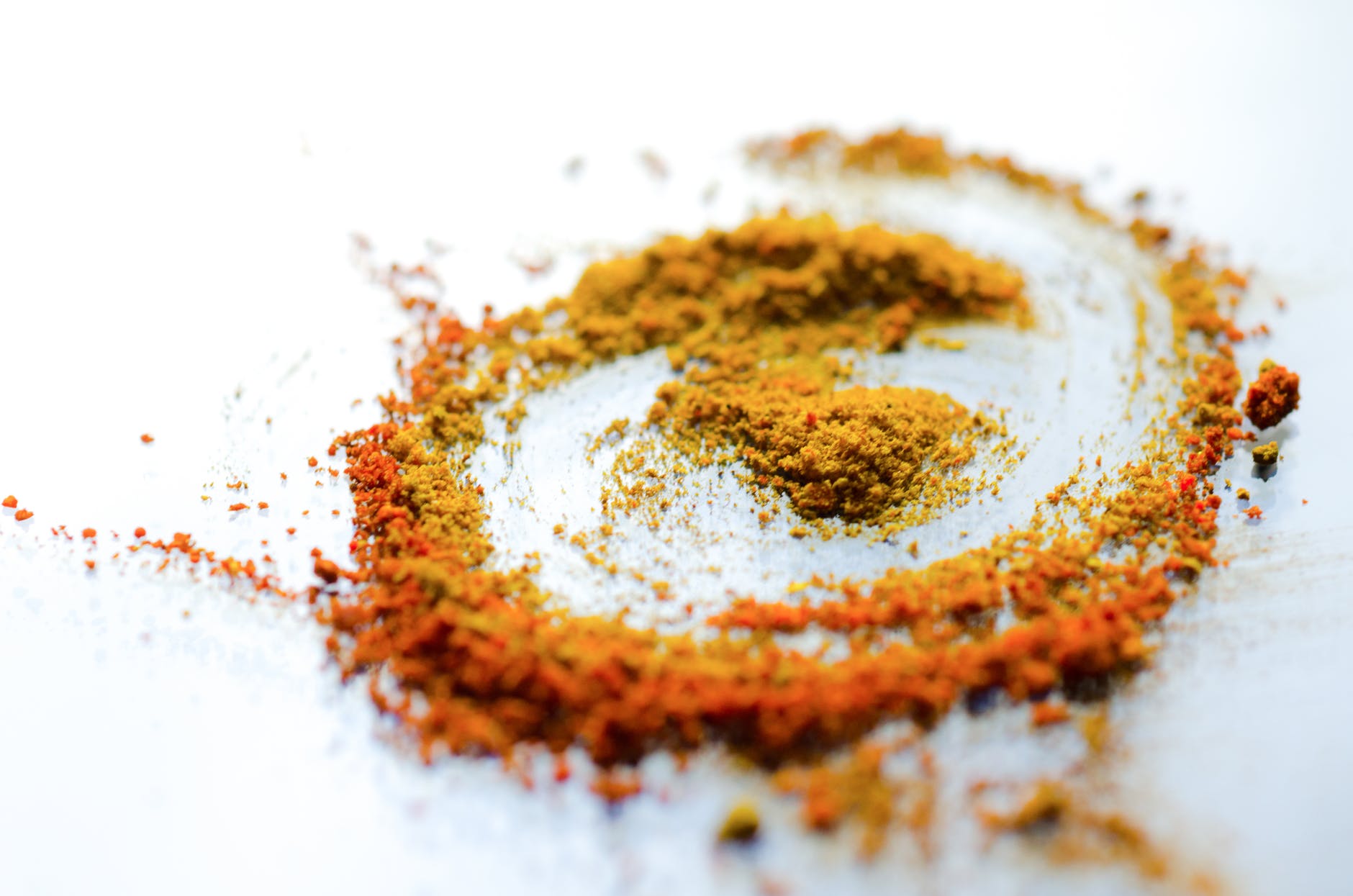
Turmeric has been used since ancient times as a healer, coloring agent and most importantly to give a yellow shade to our food and all the health benefits it provides us with consuming just a small amount daily. It is like a sack of nutrients. It has many benefits including, it’s antioxidant and antispetic properties. It has been a prominent ingredient in cosmetic industry as well. Face creams, face washes, etc with the goodness of turmeric are found in abudance. It is grown as a rhizom and can be used as fresh or dried. Cucurmin is the main component of turmeric. It is also helpful in stopping blood for minor cuts. Also known as golden spice or indian saffron. It helps relieve pain, aids digestion and supports immune system. A glass of milk with turmeric can be very effective at night for better sleep and digestion. It is known to provide warmth to the body, clean blood and cure skin realted problems.

CUIMIN

Photo by Jubair Bin Iqbal on Pexels.com

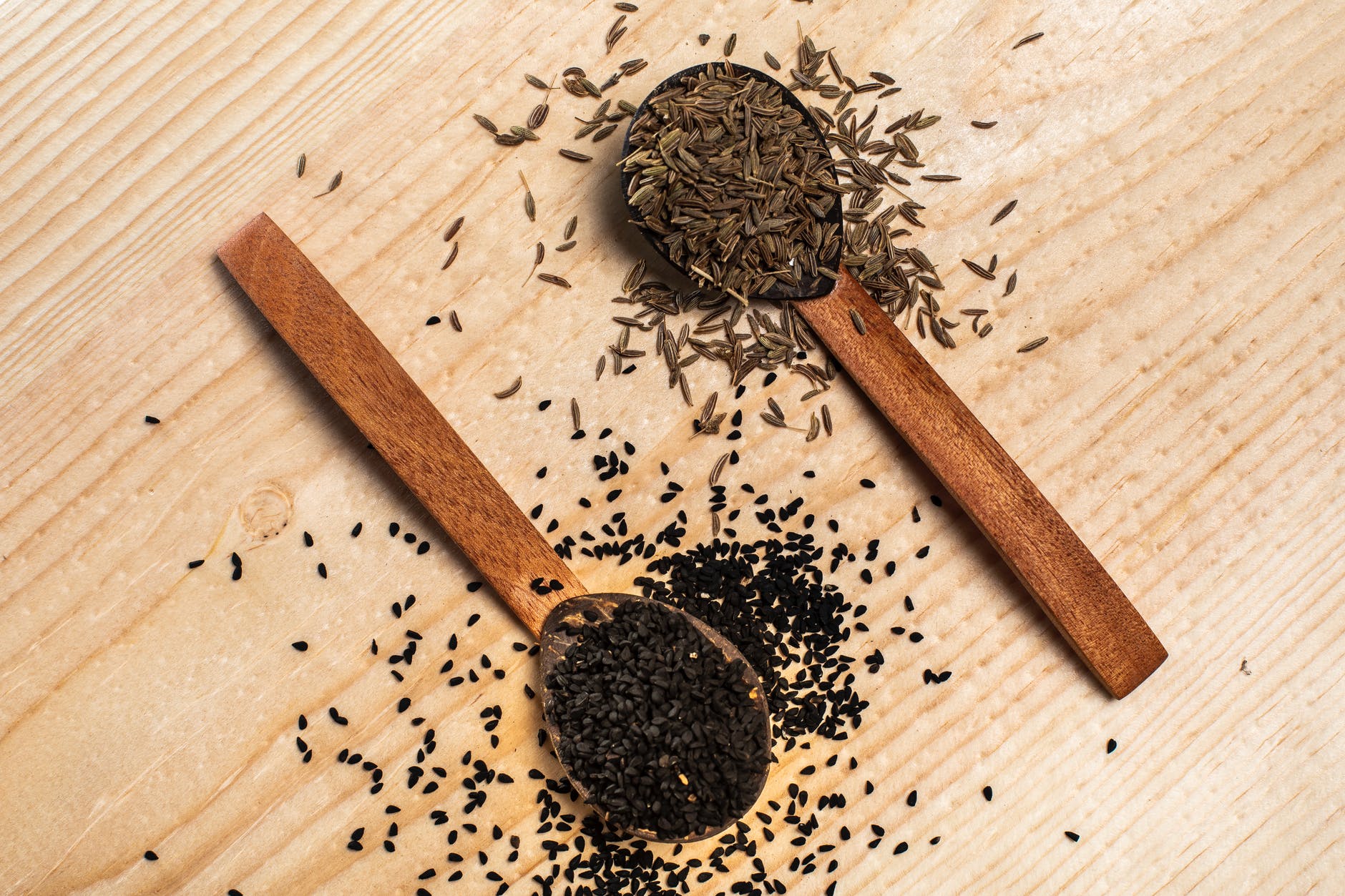
Cumin consists of oil that provide a particular aroma to the seeds. It is the basic and one of the first ingredient used while cooking. Smal boat shaped seeds is an ancient spice used as whole or powder and is infused with the hot oil or lightly roasted to bring out the flavor. It has an earthy aroma, and is beneficial for heart related diseases due to its antioxidant properties and has various vitamins and minerals in it. Cumin seeds improve taste and craving. Cumin oil posesses antifungal and antimicrobial properties. It is helpful in toothache and jaundice as well and is widely used in pharmaceutical industries.

FENUGREEK

Photo by Eva Elijas on Pexels.com

India accounts for the major production of fenugreek and is derived from various states out of which Rajasthan alone gives 80% of the indian output. The majority is cultivated and consumed in India itself. It is used as a herb dried or fresh in cooking, it possesses bitter taste which is reduced by roasting the seeds. Fenugreek plant is about 2-3 feet tall, it’s green leaves and pods that contain small, golden-brown seeds. For many years it has been used in Chinese medicines to treak skin problems many other diseases. And for similar reasons it has long utilized in households and can be found in shampoos and soaps as well. For it’s nutritious value and sweet nutty taste it has been a must to have spice in Indian kitchens. Fenugreek may be helpful in aiding diabetes and is also taken as supplement.

CORIANDER

Photo by Eva Elijas on Pexels.com

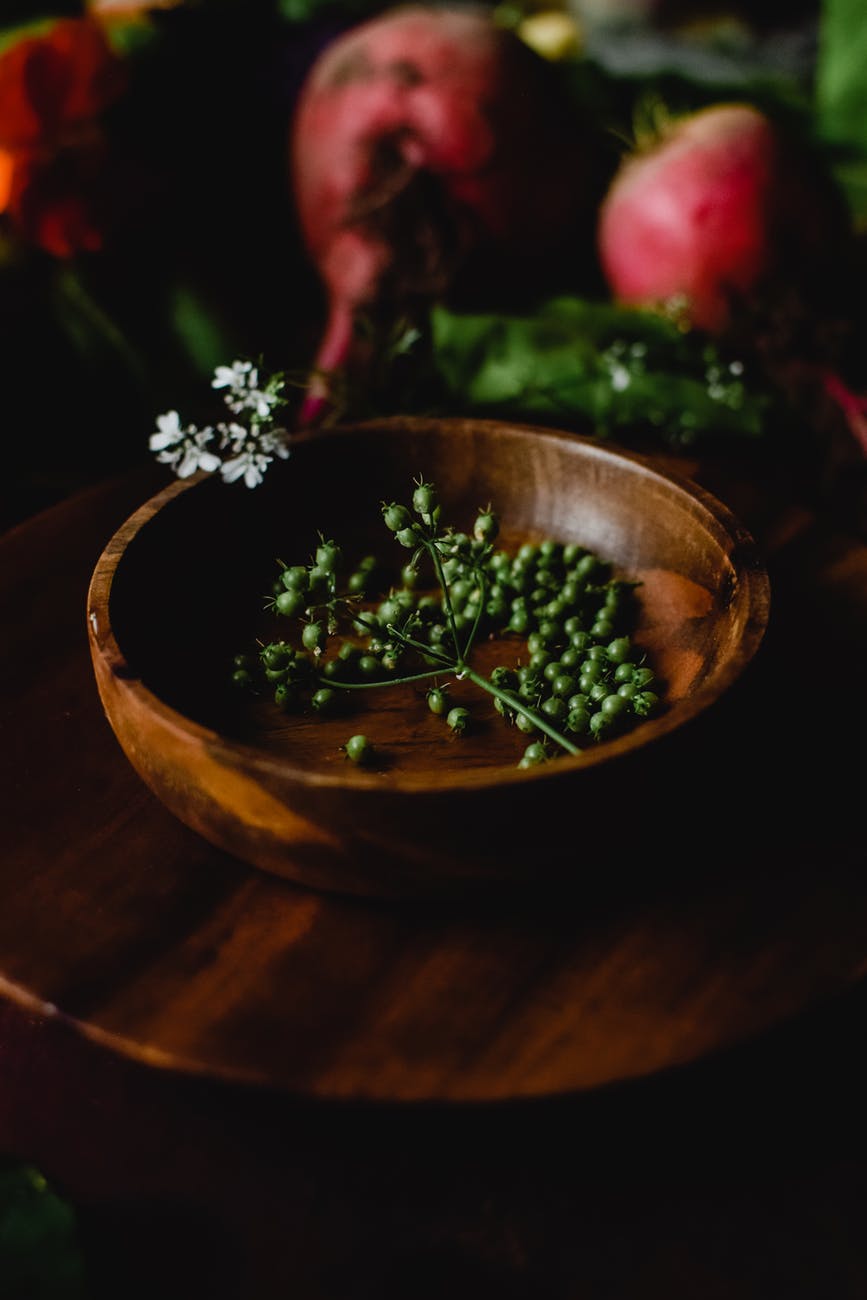
Coriander is one of the most used herb to flavor dishes, the seeds known as Coriander and the leaves as cilantro. Commonly known as dhaniya in india, It is also known as chinese parsley. Used in soups, currie masalas in India, middle, eastern and asian meals. While leaves and dried or ground seeds are used, coriander is useful in lowerin blood sugar, boosting immune system, lower heart related deseases. Both seeds and leaves of coriander are very different in taste. Whole seeds are added to vegetables, pickes, lentils and baked goods. Their aroma is released by warming. While leaves are used to garnish dishes. Coriander seeds are toasted and ground before eating as their texture can be hard to chew. A bright shining green plant. Surprisingly it has several skin benefits. It slowly absorbs the sugar in stomach and stimulates insulin and is found effective in lowering blood sugar levels in diabetic patients.

CLOVE

Photo by Eva Elijas on Pexels.com

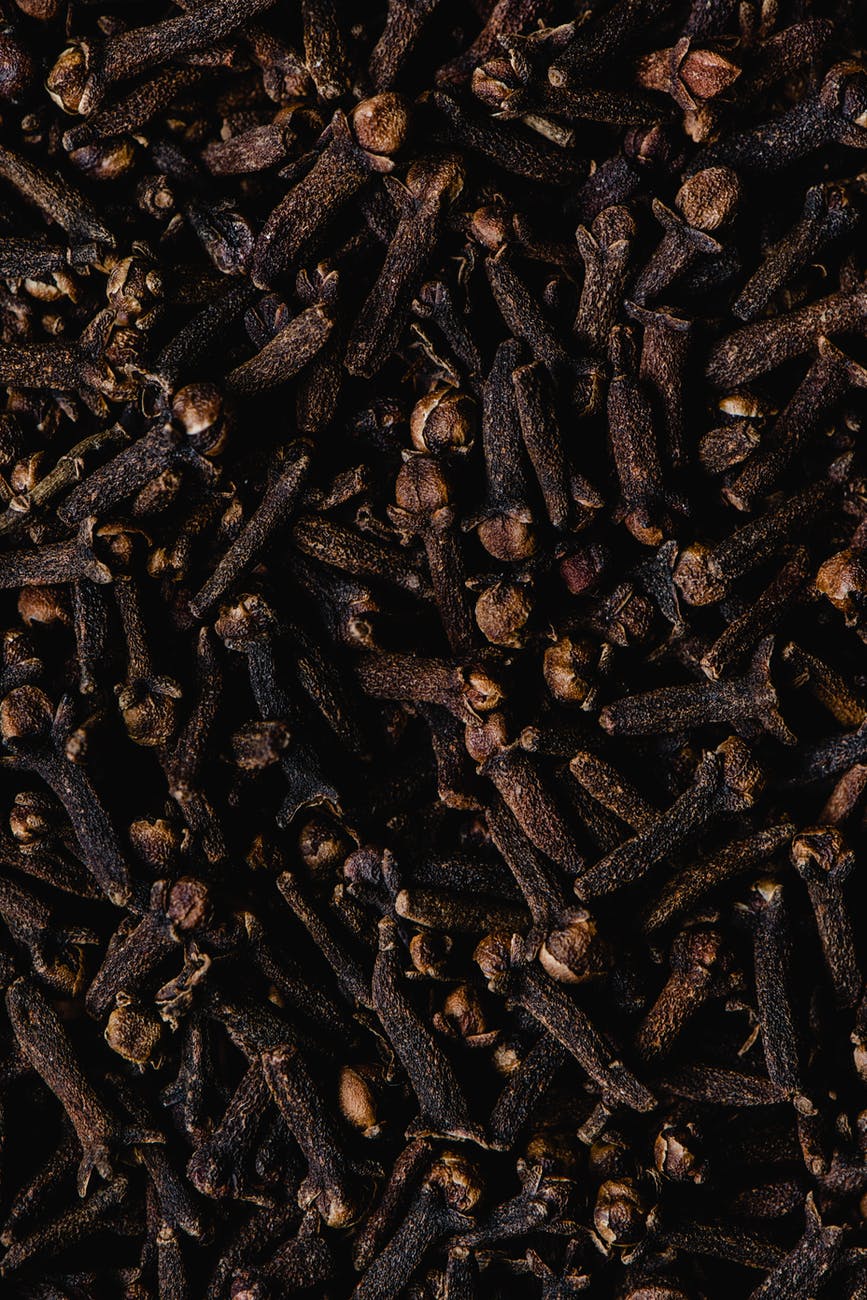
Clove is grown in Asia and America, its oil, stem, dried flower buds and leaves are used in making medicines. Clove is very effective in dental problems and can cure toothache when applied directly to it. Also used as a flavoring in foods and beverages, toothpaste, perfume, soaps and cigarettes. It resembles a nail in shape. It’s use in culinary is mainly for flavoring as it blends both with sweet and savory dishes. Clove oil has antispetic and antibiotic properties and is used especially in dentistry. Clove is often found in indian cuisine for it aroma and flavor and is a part of garam masala, which is a mixture od different spices.

CINNAMON

Photo by Nicole Michalou on Pexels.com

Cinnamon is a spice extracted from bark, leaves, flowers, fruits, and roots of the cinnamon tree and has been a part of traditional medicine for thousands for years. It has many health benefits and is also used for flavoring and fragrance. It is effective in blood sugar levels, lower cholesterol, stomach issues and obesity. It has antioxidant, antibiotic and anti inflammatory properties and has traces of nutrients in it. In india it is used in making chutneys, meat or rice dishes. Sometimes while cinnamon sticks are also used.

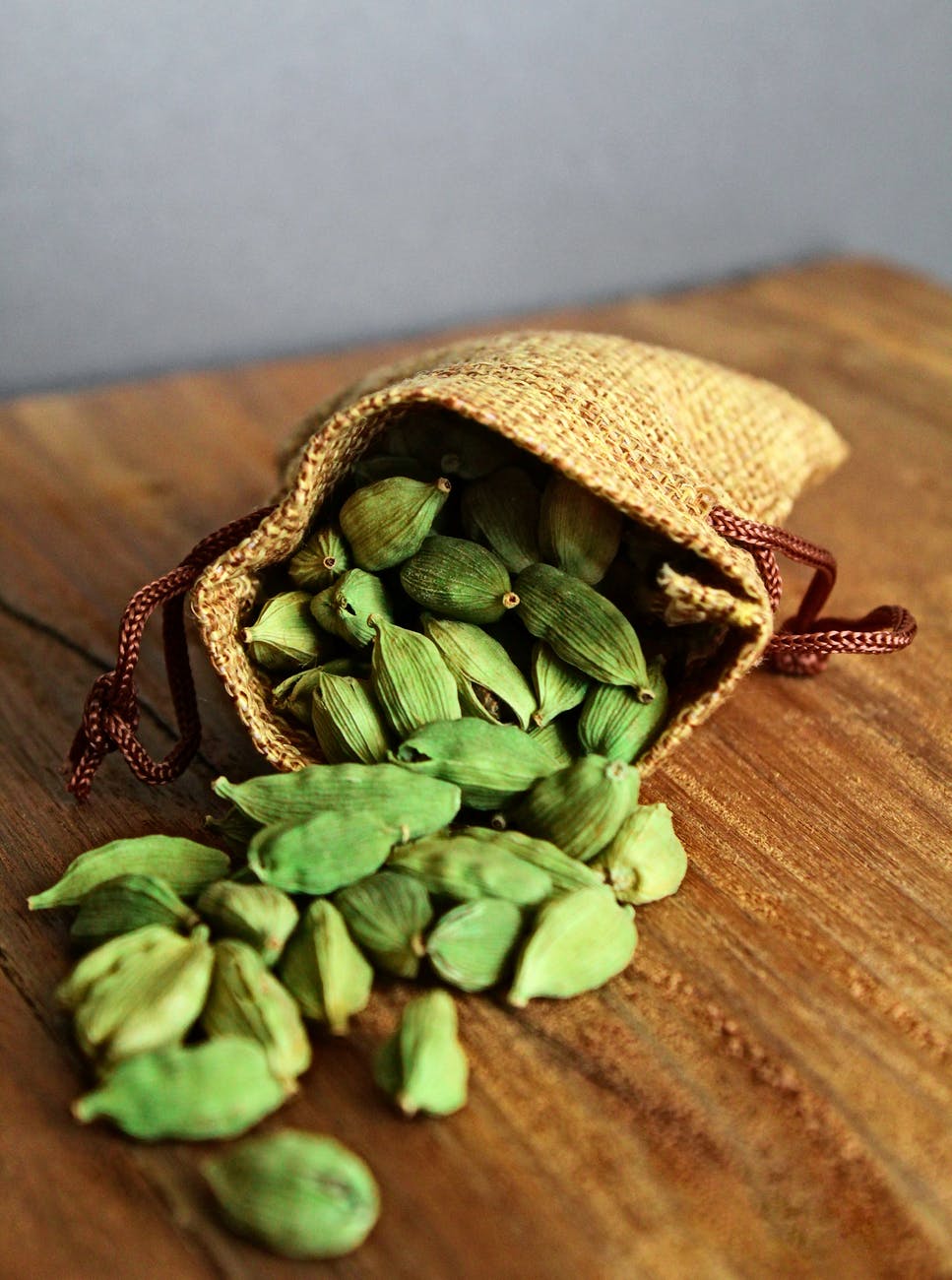
CARDAMOM

Photo by Nidhin K S on Pexels.com

After Saffron and vanilla, cardamom is the most expensive spice in the world. This versatile pod is used in teas, spices and many sweets are garnished using cardamom. In indian cuisine whole pods of cardamom are used in making curry, milk deserts and many other dishes. It is widely used in making chai as it for its aroma and flavor. It benefits in gastric problems, cardiovascular issues, controlling cancer and cholesterol and is rich in nutrients. It is also included in garam masala as an essential ingredient. These small green and black pods have a wide range of uses added to their list.

ROLE OF QUAD IN SOUTH CHINA SEA

BY DAKSHITA NAITHANI

The Quadrilateral Dialogue was established in 2007 when four countries—the United States, India, Japan, and Australia—joined forces. However, it did not take off at first due to a variety of factors, and it was resurrected in 2017 after almost a decade due to factors such as growing country convergence, the expanding importance of the Indo-Pacific area, and rising threat sentiments toward China, amongst many others.

The origins of QUAD may be traced back to the Malabar Exercise. Malabar began as a modest Passage Exercise named PASSEX between the Indian and US Navies in 1992, but was halted after India’s nuclear testing in Pokhran in 1998. It was later restarted in 2002. Since its inception in 2002, QUAD has become an annual event. With the addition of Japan in 2015, it has become a trilateral practice.

The Quad’s goal remains intact: to promote the economic and security objectives of those nations with genuine and essential interests, to devise a new approach for keeping the Indo-key Pacific’s maritime lanes free of foreign influence. It has become necessary in view of the increased need for information exchange in the maritime sector. With the growing presence of the Chinese Navy in the Indian Ocean, awareness is a key subject for the Navy. After 2008, China increased its presence in the Region under the pretext of anti-piracy operations, even deploying submarines for the objective. In 2017, China formally established its first overseas facility near Djibouti, in the Horn of Africa.

What are the underlying challenges?

The environment in which QUAD has been resurrected, as well as subsequent engagements like as Malabar Exercise 2020, are regarded as governed by a counter-China narrative. There are several features that may not constitute sites of convergence, despite how they appear.

China’s influence: China has significant economic links with Quad partners, particularly Australia, which is what it may use to compel or sway nations to its side. This might prove to be an issue for India.

Maritime orientation: Quad is a marine rather than a land-based organisation because of its strong concentration on the Indo-Pacific. This raises some important concerns about the basis of collaboration with Asia-Pacific and Eurasian countries.

Differing perspectives. There are conflicting viewpoints on certain situations, such as the Myanmar crisis as seen through the eyes of the United States and India. India has remained silent in the face of Japan’s expressed worry that China is attempting to alter the status quo in the East and South China Seas.

Advantages in Space- When QUAD representatives join forces in space, they have significant benefits and are able to fight China. This includes (a) lowering the extremely high expenses of building a dock in order to promote the development of interplanetary vehicles (IPVs). (b) One member state has benefits that will compliment each other and will lead to a successful Mars exploration and the construction of support facilities that will be necessary for effective asteroid belt mining. (c) All member countries bring a high degree of convergence in space applications, for example, the United States has the advanced technological base required for advanced avionics, which will form the backbone for both the construction of a space dock and the construction of IPVs; India has a highly educated and inexpensive working population, which will lower the cost of space; and Australia has the natural resources required for exploration.

The Quad met in Tokyo on October 6, 2020, for the second time since the organisation revived in November 2017. It was the second such gathering, following the inaugural virtual meeting in June, and the first high-level Quad meeting since the 2019 foreign ministers’ meeting in New York on the margins of the UN General Assembly meeting. Furthermore, given mounting worries about Beijing’s hostile conduct and growing suspicions about China’s management of the COVID-19 outbreak in Wuhan, the meeting’s timing and circumstances added to its relevance.

China’s ‘incremental encroachment strategy’ in the South China Sea (SCS) is a source of worry not only for the countries currently affected by the loss of influence over the Exclusive Economic Zone (EEZ), but also for the rest of the world, as China may be able to exercise a monopoly over SCS Sea Lines of Communication (SLOC). Affected nations lack the necessary power to stand up to China, and so will be forced to accept a one-sided agreement such as the China-driven “Code of Conduct” (COC).

As a result, Chinese adventurism must be restrained by other major maritime countries in the global interest. The fact that China could establish a military facility in the SCS despite the existence of the US Navy shows that worldwide criticism and more effort are required to prevent the SCS from becoming “China’s lake.”

Quad may not have the fangs it needs right now, but there is no other option than to establish a prospective structure like this involving likeminded maritime countries with shared strategic objectives in the Indo-Pacific. Various perspectives on the Quad’s role, viability, and prospects have been expressed on several occasions. Because Quad is a security conversation platform rather than a military alliance, aspirations from it must be suitably limited for the time being. 

In the Indo-Pacific, each Quad member sees a distinct threat. While three of the Quad’s warships (Australia, the United States, and Japan) operate under the NATO military alliance structure, India is not a member of any military alliance, while being a reliable ally of two of them. Without India, the trilateral conversation between the three NATO partners has been since 2002. Because India is the only Quad member with an unresolved land boundary with China, it will take a different strategy to dealing with China.

The Quad has emphasised the importance of ASEAN in the Indo-Pacific; nevertheless, their membership in it is a contentious topic owing to Chinese influence. In reaction to China’s claim to the nine-dash line in the SCS, there are divisions within the ASEAN grouping. Some of the ASEAN nations that have been harmed had previously raised a faint voice opposing Chinese aggressiveness, expecting international powers to rein in China’s antics.

Quad’s shared goal of putting its vision of a free and open Indo-Pacific on a “rules-based” legal framework to ensure freedom of passage in the global SLOC requires some reflection and strengthening. The United Nations Convention on the Law of the Sea (UNCLOS III) has been ratified by Australia, India, and Japan, but the United States has yet to do so. This ratification will be required in order to maintain a high moral ground when implementing the agreement.

China is relatively certain that the US and any other country would not employ military action against it, given the current world geopolitical situation. Beijing is also beefing up its naval capabilities. Quad aims to upgrade beyond its Malabar workouts in this situation.

In the Indo-Pacific, Quad members must maintain freedom of navigation exercises and military posture as China continues to do so. Chinese expansion must continue to be condemned by the international community. Quad may not be powerful enough to stop Chinese adventurism in its current form, but it has the potential to become one of the most effective instruments if the afflicted nations and the international community band together to address their mutual concerns.

The navies of Australia, India, Japan, and the United States conducted their largest naval drills this month, sending warships, submarines, and aircraft to the Indian Ocean, signalling the four countries’ seriousness in countering China’s military and political influence in the Indo-Pacific region, according to analysts. Officials in Beijing were silent, but Chinese state media denounced the Malabar naval manoeuvres, calling them a threat to regional stability, according to the Global Times newspaper.

Conclusion

The Quad is developing as one of the major multilateral which is committed to increased security collaboration in the post–COVID-19 international order, given the rising pace and scope of the group’s work. Furthermore, having an active Quad dispels the long-held belief that the Indo-Pacific is mainly inert. With the stakes higher than ever, each of the Quad’s four members must play a larger role in balancing the Indo-threats Pacific’s and power moves. Every step made by the Quad will make it more difficult for Beijing to realise its great-power goals. As a result, China will be unnerved by the Quad’s emergence as a united front championing a free and open Indo-Pacific. Furthermore, if China continues to push the security boundaries and put the Quad members to the test, the organisation will morph into the anti-China squad Beijing fears.


PLIGHT OF WOMEN IN AFGHANISTAN

BY DAKSHITA NAITHANI

The Afghan women, maybe more than anybody else, have dreaded the Taliban’s return. There have been many advances in women’s rights over the last 20 years, which appear to be set to erase nearly overnight.

A quick lesson from history…

The Taliban, a political and military force, is said to have started in Islamic schools in Northern Pakistan in the early 1990s. Its aim was to restore order in Afghanistan following the withdrawal of Soviet troops in 1989, as well as to impose a harsh form of Sharia law. By 1998, the organisation had seized 90% of Afghanistan’s territory.

Once in control, the organisation garnered worldwide condemnation for a slew of human-rights violations. The ban on female education above the age of ten as well as harsh limitations on day-to-day liberties, were among the stringent mores imposed on women and its influence has frequently threatened to expand beyond, to places like Pakistan, where the organisation memorably shot teenager Malala Yousafzai in 2012. Women were treated worse than at any previous period or by any other culture throughout its rule (1996–2001). They were prohibited from working, leaving the house without a male escort, seeking medical assistance from a male doctor, and being compelled to cover themselves from head to toe, including their eyes. Women who had previously worked as physicians and teachers were compelled to become beggars or even prostitutes in order to feed their families during the Taliban’s rule.

Following the 9/11 attacks, it was thought that the Taliban were harbouring Al-Qaeda soldiers, thus an US-led international operation was started against Afghanistan. As a consequence, the Taliban were deposed from power, an Afghan government was established, and soldiers occupied the country for 20 years. It destabilised several regions of the nation due to battles with US and UK forces on a regular basis, and Afghan people were continued to be assaulted. Many would agree that the political and cultural status of Afghan women had improved significantly since the Taliban’s collapse in late 2001.

The Bush administration’s acceptance of women’s rights and empowerment as rationale for its assault on the Taliban is long gone. So it was under the Barack Obama administration, when then-Secretary of State Hillary Clinton stated that the Taliban’s repudiation of al-Qaida and promise to support the Afghan constitution and safeguard women’s rights were preconditions for US discussions with them. The rejection of al-Qaida has yet to be declared openly and publicly less than 10 years later; the constitutional order and women’s rights are still subject to intra-Afghan talks and will be influenced by the changing balance of military power.

In February 2020, US-Taliban peace talks were concluded, with the US pledging a quiet departure in exchange for an end to hostilities. Afghan leaders and top military generals have warned that the government will collapse without foreign assistance. It looks like the worst has transpired only weeks before Biden’s deadline of September 11th.

The Taliban rule wreaked havoc on the institutions and the economy, which had already been ravaged by decades of conflict and the Soviet scorched-earth counterinsurgency policy.

The post-Taliban constitution of 2004 granted Afghan women a wide range of rights, and the political epoch brought social and economic progress, which greatly improved the socioeconomic situation. From a crumbling health-care system with almost no healthcare available to women during the Taliban years, the post regime built 3,135 functional facilities by 2018, giving more than 80 percent of Afghans access to a medical facility within two hours’ drive.

 Less than 10% of females were enrolled in elementary schools in 2003; by 2017, that figure had risen to 33%, while female secondary school attendance increased from 6% to 39%. As a result, 3.5 million Afghan females were enrolled in education, with 100,000 of them enrolled in academic institutions. Women’s life expectancy increased from 56 to 66 years in 2017 and maternal mortality fell from 1,100 per 100,000 live births in 2000 to 396 per 100,000 in 2015. By 2020, women made up 21% of Afghan public workers, including 16% of top management positions, and 27% of Afghan parliamentarians.

 These benefits for women have been dispersed inequitably, with women in metropolitan areas benefiting considerably more than women in rural regions. Despite formal legal empowerment, life for many rural women has not improved much since the Taliban era, notably in Pashtun regions but also among other rural minority groups. Many Afghan males are staunch conservatives. Families often let their daughters to complete a primary or secondary education before proceeding with planned marriages. The burqa is worn by the majority of Afghan women in rural regions without any pushing from the Taliban.

What is the situation for women in Afghanistan now?

Women’s rights in Afghan had arguably maintained pace with many other Western countries prior to the 1970s. Women were granted the right to vote in 1919, one year after women in the United Kingdom. In the 1950s, gender segregation was eliminated, and in the 1960s, a constitution was enacted that included women in political life. As the region became more unstable in the 1970s, these rights were steadily eroded.

Only 38% of the international humanitarian response plan for Afghanistan is financed as of August 2021. This gap might result in the loss of specialised protection services for 1.2 million children, putting them at risk of abuse, recruitment, child labour, early and forced marriages, and sex abuse. About 1.4 million females, many of whom are survivors of domestic abuse, would be left without access to safe spaces where they may receive full care.

Females, who have experienced life with rights and freedoms, are among the most exposed as a result of the Taliban’s fast progress in Afghanistan. As the Taliban capture control of Kabul, they risk losing their hard-won achievements.

Those cries for aid may be too late as the capital city falls into the clutches of Islamist rebels. There have been several stories of the Taliban going door-to-door and compiling a list of women and girls aged 12 to 45 who are then compelled to marry Taliban warriors. Women are told that they cannot leave the house without a male escort, that they cannot work or study, and that they cannot wear anything they want. Schools are also being shuttered.

There is a lot to lose for a whole generation of Afghan women who entered public life – legislators, journalists, local governors, physicians, nurses, teachers, and public administrators. While they worked alongside male colleagues and in communities that were unfamiliar with people in positions of power to help establish a truly democratic civil society, they also wanted to pave the way for future generations to follow in their footsteps.

The Taliban offers itself a broad range of possibilities by claiming that they will “protect” women’s rights under sharia but refusing to explain how women’s rights and life in Afghanistan will alter if they achieve their goals. Even if the government did not openly adopt as cruel a system for women as in the 1990s, the Taliban’s dispositions are quite likely to undermine women’s rights, impose cultural prohibitions on women, and reduce socio-economic possibilities for them.

In summary, even with this change in behaviour, the Taliban in power would almost certainly strive to curtail Afghan women’s legal rights, exacerbating their social, economic, and political circumstances. How much and in what manner, is the question.