Kangra Tea could lower coronavirus activity better than HIV drugs

The Indian Council of Medical Research (ICMR) is likely to replace hydroxychloroquine (HCQ) with anti-HIV drugs to improve immunity and possibly reduce viral replication, in the revised protocol. However, the chemicals in Kangra tea could also be effective in boosting immunity as they can block coronavirus activity better than anti-HIV drugs, said Dr Sanjay Kumar, Director, Institute of Himalayan Bioresource Technology (IHBT), based in Palampur, Himachal Pradesh. Dr Kumar has revealed this fact during a webinar organized at IHBT on the occasion of the International Tea Day.

Fellowships Scheme
Fellowships Scheme

In his lecture, Dr Kumar discussed the benefits of Kangra tea for society and industry,  medicinal properties of tea for human health and the technologies developed and transferred by IHBT for combating COVID-19 disease. “Using computer-based models, the scientists screened 65 bioactive chemicals or polyphenols that could bind to a specific viral protein more efficiently than commercially available anti-HIV drugs approved for treating COVID-19 patients. These chemicals might block the activity of the viral protein that helps the virus to thrive inside human cells”, said Dr Kumar.

IHBT, a constituent of Council of Scientific and Industrial Research (CSIR), has also produced and supplied the alcohol-based hand sanitizer containing tea extract and natural aromatic oils through its technology partners. The Institute has developed herbal soap with tea extract, natural saponins and without SLES (sodium laureth sulphate), SDS (sodium dodecyl sulphate) and mineral oil. This soap provides anti-fungal, anti-bacterial, cleansing and moisturizing benefits. The soap is being produced and marketed by two companies based in Himachal Pradesh.

“Tea catechins production process which has been transferred to M/s Baijnath Pharmaceuticals, and Ready to Serve Teas and Tea wines which could be game changer for Kangra tea”, added Dr Kumar. Catechins are natural antioxidants that help prevent cell damage and provide other benefits.

On this occasion, Tea vinegar technology has been transferred to a company based in Dharmshala. Tea vinegar has anti-obesity properties. Also Herbal Green and Black Teas blended with AYUSH-recommended herbs were launched. These products could be very useful for boosting immunity against COVID-19, say IHBT scientists.

Comfortable face mask by CeNS for public to use it for long hours

A team of researchers at Centre for Nano and Soft Matter Sciences (CeNS), Bangalore, an autonomous institute of the Department of Science and Technology, have developed a cup-shaped design (patent filed) of the mask that helps to create enough space in front of the mouth while speaking. It has been transferred to a Bangalore based company for mass production.

This snug fit mask causes no speech distortion, no fogging on glasses, and indeed, packs well all around, leaving practically no room for leakage while breathing. Another important advantage is its high breathability allowing one to wear it without any discomfort. Further, the researchers have chosen the fabric layers such that there is a possibility of deactivating pathogens sheerly by the electric charges that may prevail under mild friction due to the triboelectric nature of the fabric. These advanced-level tests are being carried out.

“While an ergonomic design for COVID-19 protection mask is essential for its ease of use for long hours, it is often not paid much attention beyond a few standard designs. A good design should minimize the feeling of intrusion and leakage around the edges, but maximize the ease of breathing and talking while holding its place,” said Prof Ashutosh Sharma, Secretary, DST.

With the increase of active COVID cases in India and other countries, usage of face masks has been advised for the general public. While the healthcare professionals can use the special and high technical quality medical masks, for the general public, a mask with moderate filtering efficiency should suffice. It should be comfortable to wear to encourage public to wear it for long hours. 

CeNS has transferred this technology to Camellia Clothing Ltd., a Bangalore based garment company, established a couple of decades ago. The company wishes to produce and sell around one lakh mask per day through different distribution channels throughout India.

*****

Solar sector has huge potential to benefit energy extensive sectors

Union Minister for MSME and Road Transport and Highways, Shri Nitin Gadkari today held meeting via video conferencing with the members of Maha Solar Sangathan to understand the opportunities in the solar energy sector.

The Minister highlighted the importance of solar energy and said that the sector has a huge potential and can help to reduce the electricity cost significantly. He further mentioned that sectors such as agriculture, warehousing etc. are energy extensive sectors and proper commercial use of solar energy such as solar water pump for irrigation and solar electricity for cold storage can contribute towards reducing power cost.

The Union Minister emphasized on the need of export enhancement along with import substitution to replace foreign imports with domestic production. He highlighted that India still imports energy efficient solar panels and encouraged the manufactures to make India self-reliant with the help of “Make in India” products.

The Minister mentioned that for providing much-needed impetus to the MSME sector to deal with the current economic instability, the government has announced several measures under Special Economic Package: Aatmanirbhar Bharat Abhiyan including collateral free automatic loan, which will allow the MSMEs to enhance working capital by 20% without providing additional collateral.

Shri Gadkari urged the industry representatives to come up with some new, innovative and economically viable business model which can be implemented in various sector such as agriculture, warehousing etc. to provide low cost sustainable energy. He said that this will not only help to reduce the cost of energy in various sector but also give the required thrust for “Make in India” initiative.

He opined that industry should focus more on innovation, entrepreneurship, science and technology, research skill and experiences to convert the knowledge into wealth.

The Minister recalled that Government of Japan has offered special package to its industries for withdrawing Japanese investments from China and move elsewhere. He said that this can be an opportunity for India to attract foreign investment in the country.

Some of the questions asked and the suggestions given included: Addition of Solar PV in the list of technology under CLCSS scheme, revision of turnover limit in the new MSME definition, subsidy on export for MSME to encourage the manufacturing and reduce import etc.

Shri Gadkari responded to the questions from representatives and assured all possible help from the government.

International Day for Biological Diversity

The National Mission for Clean Ganga (NMCG), along with the Wildlife Institute of India (WII), its project partner in the ‘Biodiversity Conservation Initiative Phase II’, celebrated World Turtle Day today, through a Webinar which was widely attended.  Shri Rajiv Ranjan Mishra, Director General, NMCG, Dr. Dhananjai Mohan, Director WII, school children, NMCG and WII team members and Ganga Praharis from the five Ganga States and Ganga Prahari mentors participated in the online celebration.

In his special message to the team on World Turtle Day, Union Minister of Jal Shakti, Shri Gajendra Singh Shekhawat said, “Biodiversity is an essential part of Indian Culture and in fact, understanding the importance of Turtles, they have been worshipped in our culture from time immemorial’. He added, “Turtles have been cleaning our water resources and they don’t charge us for doing that job. In order to conserve them and other wildlife, NMCG has taken up several initiatives including establishing conservation centers and creating public awareness about the subject.”

Information about the Ganga Quest quiz, the last date of which has been extended to 30th May 2020, was also shared with the participants in order to maximize the participation of people from different parts of the world. Shri Mishra said, ‘The Ganga Quest quiz is not only a very interesting competition but also a means to create awareness and associate people with the Ganga. I appeal to all those above the age of 10 years to take part in the Ganga Quest.’

On the occasion, winners of the World Turtle Day painting, slogan writing and essay competitions which were conducted using the online platform, were announced. Children from different parts of India and abroad participated in this online competition.

To mark the day, a Children’s story book on turtles, “Bin Vetanke Kare Safai” was released by Shri Shekhawat. This book covers facts about turtles in an interesting story-telling manner. Shri Shekhawat appreciated the innovatively written book which highlights the importance of turtles in maintaining the river ecosystem and appealed to all to contribute to conservation of turtles in our river systems.

The Webinar also saw a poster story on Interesting Facts on Turtles for Children being played. This poster story presents some interesting facts about the turtles and different threats to them.

A documentary on “Turtles of Ganga River Basin” was also showcased for the participants This documentary is made to make people aware about various type of turtles found in the Ganga River.

In his address, Shri Mishra appreciated the efforts of WII and Ganga Praharis for their active participation in making people aware about conservation of Biodiversity. He also appealed to all to come forward and join hands for the conservation of turtles and the biodiversity of the river Ganga. Dr Mohan talked about the significance of celebrating Turtle Day and the role of Ganga Praharis in their conservation.

Given that   Biodiversity Conservation  of the Ganga river basin is one of the pillars of the Namami Gange programme, the ‘International Day of Biological Diversity’ held yesterday, was celebrated  with great enthusiasm by NMCG and WII through a Webinar themed ‘Our Solutions are in Nature’. In order to increase public consciousness about its conservation, Shri Mishra, Dr. Mohan, NMCG team as well as experts from various organisations and Ganga Praharis participated in the event.

Speaking during the celebrations, DG, NMCG said, “We have to make collective efforts to support the rejuvenation of river Ganga. This is possible by making efforts to create better understanding and awareness about the connection between biodiversity and our survival. The conservation efforts have to become a Jan Aandolan”. He added that the NMCG has received substantial success in cleaning the river. “However, in order to ensure the sustainability of water quality, all of us need to make a conscious effort,” he said.

During the event, Director, WII, Dr. Mohan appealed to the Ganga Praharis, other organisations working for the conservation of biodiversity and Media organisations to undertake public awareness initiative to further save the biodiversity of the rivers. “It is easy to say that the ‘solutions lie in nature’, but we have to reduce the negative impact of our activities on nature”.

Padma Vibhushan Dr. Anil P Joshi appreciated the success of Ganga Praharis to further the awareness of biodiversity conservation in villages. He said, “More than 41% amphibian, 31% Coral and 33% fish species are now extinct. We have to take up biodiversity conservation as a very serious subject”.

Ganga Praharis from different parts of the country connected to this programme shared their experience of training in organic farming by WII Dehra Dun and its positive financial and environmental consequences.

*****

Notification of Ecologically Sensitive Area of Western Ghats

Union Minister of Environment, Forest and Climate Change, Shri Prakash Javadekar today interacted with Chief Ministers, Cabinet Ministers & State Government Officers of six states viz, Kerala, Karnataka, Goa, Maharashtra, Gujarat and Tamil Nadu through Video Conference to discuss issues relating to notification of Ecologically Sensitive Area (ESA) pertaining to Western Ghats.

To conserve and protect the bio diversity of Western Ghats while allowing for sustainable and inclusive development of the region, Government of India had constituted a High Level Working Group under the Chairmanship of Dr. Kasturirangan. The Committee had recommended that identified geographical areas falling in the six States of Kerala, Karnataka, Goa, Maharashtra, Gujarat and Tamil Nadu may be declared as Ecologically Sensitive Areas. A draft notification was issued in October 2018 mentioning the areas to be notified in the ESA.

States were of unanimous view that looking into the importance of Western Ghats, there is need to ensure protection of the western Ghats. However, the states expressed their views as regards activities and extent of area mentioned in the said notification. It was decided that state specific issues shall be further deliberated so as to arrive at a consensus on the issue. The states expressed their desire to expedite early notification while protecting interest of ecology and environment.

Proud moment for Indian Railways, producing high horse power locomotive indegenously.

First 12000 HP made in India Locomotive, manufactured by Madhepura Electric Loco Factory situated in Bihar, was put into operation by Indian Railways from Pt Deen Dayal Upadhyaya Jn Station yesterday.

New Design Locomotive at Madhepura Factory

The loco is named WAG12 with Number 60027. The train departed from DeenDayalUpadhyaya Station at 14:08 hrs in long haul formation for Dhanbad Division of East Central Railway, consisting of 118 wagons which travelled from Pt DeenDayalUpadhyayaJn to Barwadih via Dehri-on-Sone, Garhwa Road.

It was a proud moment for Indian Railways, as it became 6th country in the world to join the elite club of producing high horse power locomotive indegenously. It is the first time, high horse power locomotive has been operationalised on broad gauge track in the world. The locomotive has been produced under Make in India programme. The Madhepura factory is the largest integrated Green Field facility built to the highest standards of quality and safety with production capacity of 120 locomotives and spread across a massive 250 acres.

Main Factory Building

These locomotives are state of art IGBT based, 3 phase drive, 9000 KW (12000 horse power) electric locomotive. The locomotive is capable of maximum tractive effort of 706 kN, which is capable of starting and running a 6000 T train in the gradient of 1 in 150. The locomotive with twin Bo-Bo design having 22.5 T (Tonnes) axle load is upgradable to 25 Tonnes with design speed of 120 kmph. This locomotive will be a game changer for further movement of coal trains for Dedicated Freight Corridor. The locomotives can be tracked through GPS for its strategic use through embedded software and Antennae being lifted through the servers on ground through microwave link.

The locomotive is capable of working on railway tracks with conventional OHE lines as well as on Dedicated Freight corridors with high rise OHE lines. The locomotive has air-conditioned driver cabs on either side. The locomotive is equipped with regenerative braking system which provides substantial energy savings during operations. These high horse power locomotives will help to decongest the saturated tracks by improving average speed of freight trains.

Madhepura Electric Locomotive Pvt. Ltd. (MELPL) will manufacture 800 State of the Art 12000 HP Electric Freight Locomotives in 11 years and being one of the most power full electric locomotive in the world will increase the speed of freight trains and will allow faster, safer and heavier freight trains to move across the country, thus reducing congestion in traffic. It will also lead to considerable savings in energy consumption through re-generative braking. As part of the project, factory along with township has been set up in Madhepura, Bihar with capacity to manufacture 120 locomotives per year. The project will create more than 10,000 direct and indirect jobs in the country. More than Rs 2000 Crores has already been invested in the project by the company.

Along with the factory, socio-economic development in Madhepura is being driven by this project. As part of CSR initiative skill centres are being set up in Madhepura to impart training to local people.

It may be noted that Indian Railways entered into Procurement cum Maintenance Agreement with Madhepura Electric Locomotive Pvt. Ltd. (MELPL), as part of the largest Foreign Direct Investment project of Indian Railways to transform the heavy freight transportation landscape of the country. This is ‘Make in India’ Initiative by India Railways (IR).

The project started in 2018 and the Prime Minister of India inaugurated the project on 10th April’ 2018. The prototype locomotive was delivered in March 2018. Based on the test results having design issues, the complete locomotive including bogies has been redesigned. The new design of locomotive has been inspected by RDSO at Madhepura factory and cleared for dispatch from factory on 16th Nov’ 2019. Further RDSO has conducted oscillation trials at various speeds upto 132 kmph and the locomotive has passed oscillation trials successfully. The locomotive has made its maiden commercial run between DeenDayalUpadhaya Station to  Shivpur on 18.05.2020. The design was completed for the whole locomotive in a record time of four to six months and despite the initial hiccups and the onset of the COVID-19 pandemic, it could not dampen the spirit of August initiative of IR, surpassing all odds we could secure the permission of the Bihar Govt. to resume operations at the Madhepura Factory putting the project back on track.

****

25 NDRF teams deployed on ground to manage the situation

Prime Minister Shri Narendra Modi chaired a high-level meeting today to review the response measures against cyclone ‘Amphan’ developing in the Bay of Bengal.

Prime Minister took full stock of the situation and reviewed the response preparedness as well as the evacuation plan presented by the National Disaster Response Force (NDRF). During the presentation of the response plan, DG NDRF informed that 25 NDRF teams have been deployed on the ground while 12 others are ready in reserve. 24 other NDRF teams are also on standby in different parts of the country.

The meeting was also attended by Shri Amit Shah, Union Home Minister; Shri PK Sinha Principal Advisor to the Prime Minister; Shri Rajiv Gauba, Cabinet Secretary, besides other senior officers of Government of India. 

*****

Why Do We Conserve Biodiversity???

What is Biodiversity?
Biodiversity, the range and varieties of life forms in an ecosystem (Wanjui, 2013)

Levels of Biodiversity;

Genetic diversity- This is the genetic makeup of an organism which entails genes residing within species and responsible for their traits. They are given special consideration in the field of biodiversity conservation because of their role in preserving a species and in allowing the species to adapt to changes
Species the diversity-the exact number of species can only be estimated.
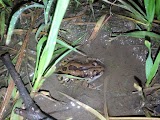
Ecosystem diversity– this is composed of a diversity of ecological systems consisting all of the animals, plants, and micro-organisms as well as physical aspects of the area.
Existence of different life forms acts as a major factor in enhancing ecosystem resilience. For instance in natural disturbances a biodiverse ecosystem, if the environment changes and some organisms can no longer thrive, others can take their place and fulfill essential ecological functions. It is often the most overlooked species that are the most important to healthy ecosystems. E.g. insects play an essential role in pollinating flowering plants—a large part of the food we eat depends on animal pollinators.
Why biodiversity is important?
The practice of protecting and preserving wealth and variety of species, habitats, ecosystems, and genetic diversity on the planet, is important for our health, wealth, food, fuel, and services we depend on. It plays an integral role in supporting humankind and many sectors of development (USAID, 2018)
a) Food Security- Food security depends upon natural resources that form the basis of food production. Biodiversity conservation protects the plant, animal, microbial and genetic resources for food production, agriculture, and ecosystem functions such as fertilizing the soil, recycling nutrients, regulating pests and disease, controlling erosion, and pollinating crops and trees. At the same time, unsustainable agricultural production and use of wild species for food or fuel can reduce biodiversity.
b) Economic growth and poverty alleviation- Biodiversity conservation is vital for economic growth and poverty reduction. A majority of the worlds poor live in rural areas and depend upon forests, water, wetlands, fields, and pastures for their livelihoods. Some 1.6 billion people in the world rely on forests and non-timber products for income and subsistence. In the developing world alone, 2.6 billion people depend on fisheries for protein and livelihoods. Seafood is also the most highly traded food commodity internationally. In 2008, fish and shellfish exports from developing countries exceeded the value of coffee, rubber, cocoa, tea, tobacco, meat, and rice combined.
c) Reduces the effect of climate change- Conserving habitats can reduce the amount of carbon dioxide released into the atmosphere. Conserving mangroves and other coastal ecosystems can lessen the disastrous impacts of climate change such as flooding and storm surges. Green projects that reduce the vulnerability of species and ecosystems to climate change impacts can safeguard essential ecosystem services such as air and water purification, pollination and food production, and carbon sequestration.
d) Provision ecosystem services- Conserving biodiversity helps in safeguarding essential ecosystem services such as air and water purification, pollination and food production, and carbon sequestration which in turn, can help in addressing the problem of climate change and its impacts
e) Provision of ecosystem goods- This entails Food, skins, water and timbers and construction materials
f) Diversity makes species resistant- If the species is reduced to a small number, then inbreeding will compromise its genetic diversity. It will not be able to maintain in the face of stresses like disease or compromised air or water quality and it will face imminent extinction
g) Enrich the survival of individuals of a species- According to Red Queen Hypothesis, a complex variation of genes allows organisms to adapt to changes in environments. Consider the case of Methicillin-Resistant Staphylococcus aureus (MRSA) virus, a super-strain virus that has developed a resistance to the most commonly used antibiotics It is proving very difficult to control
h) Cultural benefits- Biodiversity is an integral part of culture and identity. Most of the time in human history, conservation means protecting nature for the spiritual gifts it provides and protecting sacred places in the local landscape. Species are frequently integral to religious, cultural and national identities. All major religions include elements of nature and 231 species are formally used as national symbols in more than 140 countries.
i) Medical use- Many animal and plant species have been useful in the past for finding new treatments and cures. One of the most famous examples is digitalin which is derived from the foxglove and is used to treat heart conditions. Another is vincristine, taken from the rosy periwinkle of Madagascar and used to treat childhood leukemia.
j) Social benefits- Biodiversity is also useful in a number of social practices education and monitoring, recreation and tourism as well as cultural values
k) Research and advancement of science and technology- A number of non-human organisms are used for studying different biological phenomena all over the world. Through these studies, scientists have come up with insights that are used in improving man kinds.
To sum up a bio-diverse ecosystems support life on all levels;
Healthy ecosystems contribute to:
1.Clean air and climate regulation through carbon sequestration and gas exchange
2.Clean water through filtration
3.Rich soil through decomposing and cycling organic matter
4.Soil detoxification and maintenance of soil structure through filtration and root stability
5.Plant growth control through symbiotic relationships between insects and companion plants
6.Food source for native animals
Addition

Ways of Conserving Biodiversity;

1. Bicultural approach
2. Open source knowledge sharing
3. Boosting local subsistence
4. Incentives and legislation
5. In-situ and ex-situ conservation methods
6. Preserving crop variety
7. Species relocation and monitoring programs
Causes of Biodiversity Losses
1. Habitat loss
2. Overexploitation
3. Agricultural intensification
4. Climate change
5. Pollution
6. Invasive species
References; 
USAID, 2018, Statements by the United States at the August 27, 2018, DSB Meeting
Wanjui J (2013) Biodiversity Conservation Needs and Method to Conserve Biological Diversity. J Biodiversity Endanger Species 1:113. doi:10.4172/2332-2543.1000113
F. Stuart Chapin m, Osvaldo E. Sala, Ingrid C. Burke, J. Phillip Grime, David U. Hooper,
William K. Lauenroth, Amanda Lombard, Harold A. Mooney, Arvin R. Mosier, Shahid Naeem,
Stephen W. Pacala, Jacques Roy, William L. Steffen, and David Tilman. Ecosystem Consequences of Changing Biodiversity
Shahid Naeem., Lindsey J.Thomson., Sharon P. Lawler., John. Lawton and Richard M. Woodfin. Empirical evidence that declining species diversity may alter the performance of terrestrial ecosystems
Robert C. Lacy. Importance of Genetic Variation to the Viability of Mammalian Populations


BRAIN BASED STRATEGIES

Brain-Based Education is the purposeful engagement of strategies that apply to how our brain works in the context of education. Brain based learning is considered a comprehensive approach to instruction. Brain based education offers a biologically driven classroom structure that corresponds to the functions of the human brain at different developmental levels. The practice engages the entire body to enhance the learning process.

Photo by meo on Pexels.com

Core Principles Of Brain Based Learning:

Caine and Caine (1991) developed twelve principles that apply what we know about the function of the brain to teaching and learning. 

The principles are:

i. The brain is a parallel processor, meaning it can perform several activities at once,

like tasting and smelling.

ii. Learning engages the whole physiology.

iii. The search for meaning is innate.

iv. The search for meaning comes through patterning.

v. Emotions are critical to patterning.

vi. The brain processes wholes and parts simultaneously.

vii. Learning involves both focused attention and peripheral perception.

viii. Learning involves both conscious and unconscious processes.

ix. We have two types of memory: spatial and rote.

x. We understand best when facts are embedded in natural, spatial memory.

xi. Learning is enhanced by challenge and inhibited by threat.

I did many brain based strategies in the school. here are some of it.

1. Brain needs Oxygen

Brain activities are a great way to get students interested in learning. Physical exercise is great for ones body’s health, but it also can help keep the brain active and sharp. Just like our body, our brain also needs sufficient oxygen and exercise does that well.

2. 5-4-3-2-1

This is one of the great activities which can be used at the start or in between the lesson. This physical activity specially can be used in last two lectures in the afternoon where in students get bored and feels lazy.

In this activity teacher shows 5 different steps for each number. Then teacher calls out number from 1 to 5 and students have to stand in that particular pose.

Then teacher calls out any number in random and all the students have to do those steps which are mentioned for that number.

3. Draw it

Visual learning is very important for many children to better picture and to understand concepts. For students, drawing makes their learning easier, more efficient and more fun. Drawing help kids visualize their learning.

Students are divided into groups one member from each group has to give a scientific concept which the student from other group has to draw and the other group members have to guess the concept.

4.  Boggle

Boggle is the classic word game where you try to find words in a 4×4 or 5×5 grid of letters. Boggle is a very fun game to play.

Distribute 1 copy of one of the boggle game pages to each player. Start timing for 2 minutes and players will turn over their page and start looking for words.

Players can write down words they find in the grid that match the following rules:

  • The letters can be made by using any words present in the grid.
  • The word doesn’t have to appear in a straight line. It can be tangled around.
  • Each letter in the word must uniquely appear in the grid. For example, if the word is ERASE, the letter E must appear twice in the grid. The word can’t just loop back and re-use the same E.
  • Words must be at least 3 letters long
  • Words cannot be a proper noun, such as a name or place.
  • Less than 3 letters= 0 pts (invalid boggle word)
  • 3 letters = 1 pt
  • 4 letters = 2 pts
  • 5 letters = 3 pts
  • 6 letters = 4 pts
  • 7 letters = 5 pts
  • 8 letters = 6 Pts, and so on….

5. Compare and Contrast

  • Teacher gives two concepts to the students.
  • Teacher draws two circles crossing each other on the blackboard and asks students to compare the two topics.
  • Teacher asks students to think and write the common things in the center of the two circles and other points on either side of the circles.

The science of visual communication

In my job I conduct a large amount of research, and but also create plenty of presentations. To help design good research, we have access to hundreds of published research on research papers. Yet when it comes to designing presentations or using any form of visuals, we have to rely largely on gut instinct and experience to evaluate what works best. There are plenty of well-established working practices and graphic design experts who are exceptionally good at what they do, but very little research to help us to understand the impact of different graphic design techniques, certainly in the market research arena.

Perhaps one of the reasons is that that graphic designers and market researchers don’t encounter each other very often.

A joint quest: researcher and graphic designer

Last year part of the Guardian’s digital graphics unit responsible for creating some of the most famous infographics circulated online, formed their own company, the Graphic Digital Agency and happened to move into the same offices as our research team in Westminster and we got talking about infographic design and the lack of research to understand how it works. I was curious to know what they knew about the science of design and I found out they were as curious as me.  So we though, using our experience in conducting research on research and their skills in graphic design to produce the source material this represented a very good opportunity for us to work together to do some experimentation.  We sent out on a joint quest to try and learn more about how visuals really work.

Why do we rate everything 7?

Have you ever thought it odd why when we score thing we have a tendency to disproportionately use the top end of the scale?  When you ask people to rate something on a scale of 1 to 10 the average person in most countries tend to score things 7.

Now if we lived in a logical world you would have thought average score when we rate things on a scale of 1 to 10 should be 5.

So why do we over score average?  Well forget acquiescence bias, I have decided to blame it on our teachers!

For most of us the first exposure we get to scoring is at school, when we get our work marked.  I am sure nearly everyone can remember those anxious feelings as the teacher handed out the homework in class and you opened your homework book to see what mark you got.

In Indian schools we tended to get marks out of 10.   If I got 8, 9 or 10 I was happy, that was what I was aiming for.  A mark of 6 and below was a disaster as far as I was concerned and 7 seemed to be what you got most of the time. 7 was what I perceived  as average.

7 being use as average is irrational of course.  Children across the spectrum of a class should be as likely to get a score below 5 as above 5 if the process of marking was done totally rationally.

Yet when I think back I am not sure in my whole early school life did I ever get a mark less than 5  even in English and god have you seen my spelling!

The whole processes gets corrupted by the natural eagerness of of teachers to encourage us , so everything gets shifted up a few notches from reality to make us feel good.

As you progress through schooling system they start to use another marking system called grades and that is even more irrational as it has a built in scale heavily weighted to the positive.  Instead of being graded A,B,C,D,E,F,G,H,I,J,K  They used this more euphemistic version: A+, A, A-, B+, B, B-,  C+, C, C-, D, E.   Where a B could actually mean you really got a mark 5 off the top score.

I think that teachers in their efforts not to disappoint us all have totally infected up our natural internal scoring mechanism…And it’s us researchers are the ones that have to deal with the consequences of all this later in life.

These experiences of being marked have anchored a scoring systems in our psyche that is near impossible to shake clear of in later life when we dish out marks ourselves in surveys.    It badly scars how we mark.  If you ask people to rate brands on a scale of 1 to 10 they nearly all get 7.  If you ask people to rate ads they get an average of 7 if you ask people to rate films 80% of score are between 3 and 4.5 stars = 7.

We so often mark things as 7 where in truth we don’t mean it, or rather when we cannot be bothered to think about it or when an experience is un-contextualized.  This means we have to do a lot more work to actually find out the truth sometimes.

VAJRA (Visiting Advanced Joint Research) Faculty scheme

Hon’ble Prime Minister during the 14thPravasiBharatiya Divas Convention at Bengaluru on 8th January 2017 has announced the launching of VAJRA (Visiting Advanced Joint Research) Faculty scheme by the Department of Science and Technology which enables NRIs and overseas scientific community to participate and contribute to research and development in India. The Science and Engineering Research Board (SERB), a Statutory body of the Department will implement the Scheme.

VAJRA faculty will undertake research in S&T priority areas of nation wherein the capability and capacity are needed to be developed. The VAJRA faculty will engage in collaborative research in public funded institutions.

The residency period of the VAJRA Faculty in India would be for a minimum of 1 month and a maximum of 3 months a year.

The VAJRA Faculty is provided a lump-sum amount of US$ 15000 in the first month of residency in a year and US$ 10000 p.m. in the other two months to cover their travel and honorarium. While no separate support is provided for e.g. accommodation, medical / personal insurance etc. the host institute may consider providing additional support.

The Indian collaborator and the overseas faculty will jointly frame a research plan and the application duly endorsed by the Head of the Institution will be submitted online by the Indian collaborator.

A Selection Committee of eminent scientists will evaluate the applications. The Committee will meet twice a year in January and July and make recommendations. SERB will announce the results in the month of April and September.

Public funded academic institutions and national laboratories are eligible to host the VAJRA Faculty. These institutions should appoint them as Adjunct / Visiting Faculty and involve them in co-guiding and mentoring of students and developing collaborative programs. The Faculty can also be allowed to participate in other academic activities as agreed to by the host institution and the Faculty.

For details log on to www.vajra-india.in

Impacting Research Innovation and Technology (IMPRINT )

Introduction:

IMPacting Research INnovation and Technology (IMPRINT), the first-of-its-kind Pan-IIT and IISc joint initiative, is a Ministry of Human Resource Development (MHRD) initiative to address  major engineering challenges that the country must address and champion to enable, empower and embolden the nation for inclusive growth and self-reliance. Department of Science and Technology is partnering with  MHRD in implementing this program.

Selected Technology Domain:

In order to pursue the mandates of IMPRINT, ten technology domains as grand engineering challenges have been thought of. The ten domains that represent the most important areas for the country along with their coordinating institutes are given below:

  1. Healthcare Technology: IIT Kharagpur
  2. Computer Technology: IIT Kharagpur
  3. Advance Materials: IIT Kanpur
  4. Water Resources: IIT Kanpur
  5. Sustainable Habitat: IIT Roorkee
  6. Security and Defense: IIT Madras
  7. Manufacturing Technology: IIT Madras
  8. Nano-technology Hardware: IIT Bombay
  9. Environment and Climate: IISc, Bangalore
  10. Energy Security: IIT Bombay

The overall  National Coordinator is IIT, Kanpur. Each domain in IMPRINT is divided into themes, sub-themes, target and topics for educational orientation, research and innovation. For details, please visit http://imprint-india.org

Cognitive Science Research Initiative (CSRI)

Cognitive Science is the study of human mind and brain, focusing on how mind represents and manipulates knowledge and how mental representations and processes are realized in the brain. The field is highly transdisciplinary in nature, combining ideas, principles and methods of psychology, computer science, linguistics, philosophy, neuroscience etc. In Indian scenario which is full of diversity, it is important to foster scientific research in interdisciplinary field of Cognitive Science for better understanding of Indian mind sets, languages and cognitive disorders etc. With this aim, the Department of Science & Technology (DST) had initiated a highly focused programme “Cognitive Science Research Initiative (CSRI)” in 2008 during 11th Five year plan. The Cognitive Science Research Initiative facilitates a platform to scientific community to work for better solution of challenges related with cognitive disorders and social issues through various psychological tools & batteries, early diagnosis & better therapies, intervention technologies and rehabilitation programmes.

Objectives:

Cognitive Science Research Initiative is aimed to revolutionize research in various fields, such as:

  • Nature and origins of mental disorders, of physiological, social and neuro-chemical origins.
  • Design of better learning tools and educational paradigms.
  • Design of better software technologies and artificial intelligence devices.
  • Streamlining of social policy formulation and analysis.

Thrust Areas: Cognitive science has wide horizons which covers different aspects of cognition. DST has identified specific thrust areas in Cognitive Science which include Foundations of Cognition; Language and Cognition; Computational Intelligence; Cognitive Psychology and Cognitive Neuroscience etc.

Activities Supported under CSRI:

  1. Individual R&D Projects: Grant is available for R&D projects in any thrust areas identified. Support will be provided for Equipments, Manpower and other research grant.
  2. Multi-centric Mega Projects: Multi-centric projects are encouraged to provide better solution of issues related with social relevance, better understanding of neurodegenerative diseases and their therapeutics.
  3. Post Doctoral Fellowship:Two years ‘Post Doctoral Fellowship’ Programme is aimed to develop human resource in Cognitive Sciences. The Scheme provides Opportunities to Young Scientists (below 40 years) for pursuing innovative research in frontier areas of Cognitive Science.
  4. Support for Schools, Training, Workshops, Conferences etc: The CSRI programme extends partial support for organizing conference/seminar/symposia/training programmes/workshops/schools on a selective basis. The support is provided to Academic or Research Institutions, Universities and other Professional bodies to encourage young researchers and keep scientific community abreast of the latest developments in various areas of Cognitive Science.

Programme Schedule: Department invites Individual Project Proposals and application for Post Doctoral Fellowship once in a year through advertisement in all leading Newspapers and DST website. Mega projects for intensified research in particular area are supported under top-down approach in discussion with DST and stakeholders. Proposals for conducting Schools /Conferences are open throughout the year and considered on request.

Advertisement for submission of research proposal under Cognitive Science Research Initiative – Last Date – 31 July 2018 [PDF]392.12 KB


Sanctioned Projects  – 2015-16[PDF]101.34 KB

Sanctioned Projects  – 2016-17[PDF]117.5 KB

What SERB offers to Scientists?

What is SERB?

The Science and Engineering Research Board (SERB) is a statutory body established through an Act of Parliament. Supporting basic research in emerging areas of Science & Engineering are the primary and distinctive mandate of the Board. The Board structure, with both financial and administrative powers vested in the Board, would enable quicker decisions on research issues, greatly improving thereby our responsiveness to the genuine needs of the research scientists and the S&T system.

What SERB offers to Scientists?

SERB supports research in frontier areas of Science and Engineering. A regular faculty / researcher in an academic / research institution can seek research support to carry out his/her research. Board also gives special attention to young scientists below the age of 35 years (relaxable by 5 years in the case of SC/ST/OBC, woman and physically handicapped category) to undertake independent research in newly emerging and frontier areas of science and engineering. High priority areas are supported in through the “Intensification of Research in High Priority Area “(IRHPA) Program. The Board offers JC Bose National Fellowship to scientists and engineers for their outstanding performance and contributions and RAMANUJAN Fellowship for brilliant scientists and engineers from all over the world to take up scientific research positions in India, especially those scientists who want to return to India from abroad. Board also provides financial assistance for presenting research paper in international scientific event (conference/ seminar/ symposium/ workshop etc.) held abroad. SERB extends partial financial support, on selective basis, for organising scientific events (National as well as International) in the country.