Role of civil services in a democracy .

In the process of governance, which involves several sets of activities to deliver effective services to people, civil services play a pivotal role in providing shape to policies that reflect people’s needs and put their suggestive, analytical and informative roles to implement the
policies. It is recognized that civil services play a crucial role in all societies. In the modern administrative state, public administration has become so significant that our development, upliftment and progress depend mainly upon the efficient functioning of civil services that are
the bedrock of public administration. Civil services have assumed more important role in democracy to ensure good governance, both in developing and developed countries. Civil Services form a part of bureaucracy, wherein the roles of civil servants are determined by
written rules. It’s an impersonal system operating on the basis of calculable rules and staffed by full time appointed officials. Usually, the civil servants are selected on basis of their technical
qualifications, receive fixed salaries, have a defined sphere of competence and work under a clearly defined hierarchy of offices.

The role of Civil Servants across the domains of policy making and policy implementation is critical to the development process. They assist in identifying major policy areas such as preparing major policy proposals, analyzing various alternatives and solutions to societal problems requiring urgent attention, dividing the major policies into sub-policies, determining
program of action and suggesting modification in the existing policy on the basis of its experience on the implementation front.Civil services carry on the governance when governments change due to elections etc. Ramsay
Muir has remarked that while governments may come and go, ministers may rise and fall, the administration of a country goes on forever. It is needless to say that civil services form the backbone of administration. E.g. In India, when the President’s Rule is imposed in a state, the
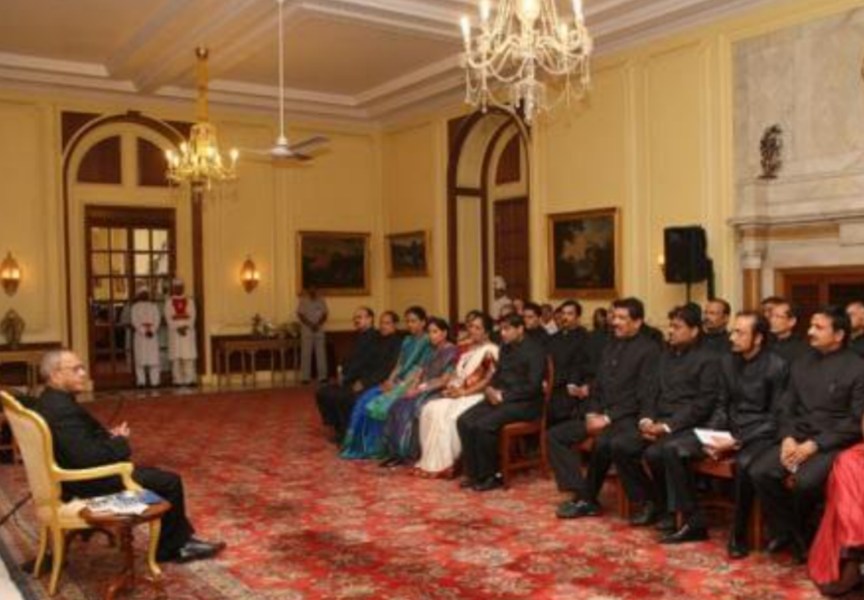
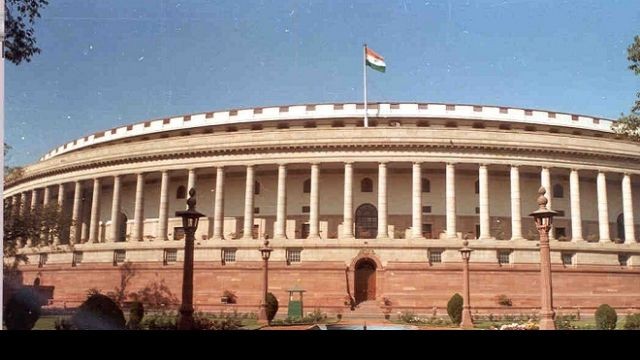
Governor runs the state through the Chief Secretary and other civil servants.The civil servants are responsible to the ministers of the departments in which they serve. The ministers are accountable to the people through the Parliament or State Legislatures, and the civil servants are accountable to the ministers. They should ideally serve the elected government of the day, as government policies are the functions of the civil services. However, an impartial civil servant is also accountable to the Constitution of India on which he has taken an oath of allegiance.

In India, bureaucracy or civil services is permanent and does not change with the government. The recruitment is based on merit and through competitive exams. This is in contrast to the system followed in the US, where civil servants, especially in the higher echelons, change with the government. This is called the spoils system where people who are close to the government of the day get posts.


With bad laws and good civil servants it’s still possible to govern. But with bad civil servants even the best laws can’t help.

   -Otto von Bismarck.

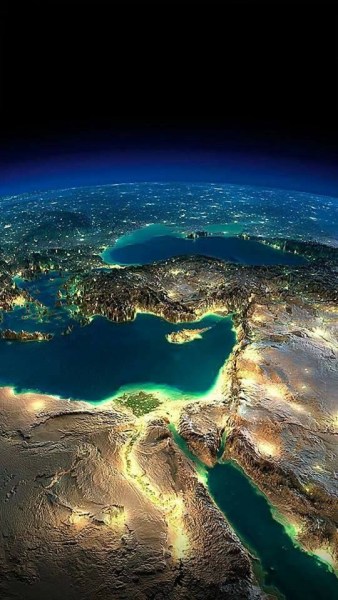
Physical Geography

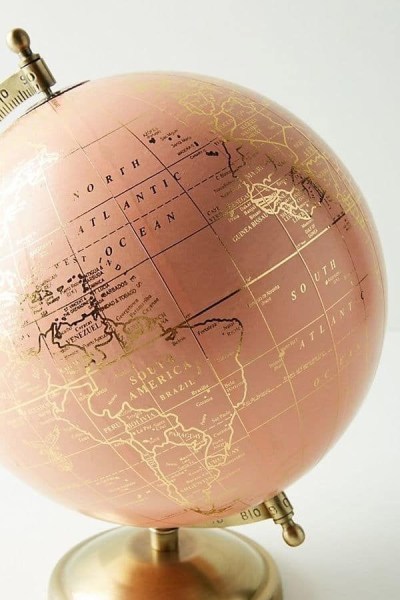
Physical geography is one of the two branches of geography viz., physical geography and human ge­ography. In fact, the study of physical aspects of the earth represents the core of spatial science i.e., geogra­phy. Most of geographers have pleaded for bifurcation of geography into physical and human geography but it is rather unwise to ignore biotic aspect of the biospheric ecosystem of the earth and hence there should be trifurcation of geography into physical ge­ography, human geography and biogeographyPhysi­cal geography in terms of its meaning and definition, scope (subject matter) and methods of study has under­gone sea-change in the past few decades. In the begin­ning, physical geography was defined as the study of only physical environment (namely reliefs, air and water) of the earth e.g., ‘the study of physical environ­ment by itself is physical geography which includes consideration of surface relief of the globe (geomorphology), of the seas and the oceans (ocea­nography) and of the air (meteorology and climatol­ogy) (Arthur Holmes).

Physical geography was considered as the ag­glomeration of different branches of earth sciences or natural sciences viz., sciences of atmosphere (meteor­ology and climatology); science of seas and oceans (oceanography); science of solid earth (geology); sci­ence of soil (pedology); science of plants (botany) and science of landforms (geomorphology).As a distinct branch of geography physical geography studies the spatial patterns and spatial relationships of environmental components of the globe in regional context, it also studies the causes of regional patterns of such spatial relationships, simultaneously it incorporates the ex­planation of spatial and temporal changes of environ­mental components and causes thereof.The study of features resulting from the interac­tions between endogenetic and exogenetic forces in­volves the discussion of mode of denudational proc­esses (weathering and erosion), hetherto termed as geomorphic processes, their mechanism of operation (machanism of erosion, transportation and deposition by running water-river, groundwater, sea waves, wind, glacier and periglacial agent) and resultant landforms.

The discipline of physical geography has evolved through successive stages of its development in terms of methodology and approaches to study. After taking its birth in the philosophical ideas and reports of ancient thinkers, philosophers and historians of the ancient seats of civilization and culture e.g., Greece, Rome and Egypt, the science of physical environment attained its present status wherein different compo­nents were added from time to time.

Geography is also memory. And loss of physical geography is also loss of narrative memory.

Concept of Agricultural Marketing

The term market is derived from the Latin term’ marcatus ‘ which means trade or place where business is conducted.

In real terms ; market is defined as place where the sellers of particular good or service can meet with buyer of that good and services where there is potential for transaction to occur.

Agricultural marketing is study of all activities, agencies and policies that are involved in procurement of farm inputs by farmers and movement of agricultural products from farm to ultimate consumers. So it can be said to serve as link between farm 🚜🐄🌾 and non farm sector.

Thus it is a collaborative effort including marketing functions from post – harvest handling to pre- sowing; assembling, handling, storage, transport, processing, retailing, wholesaling, export of agricultural commodities and purchasing inputs for next agricultural season. It also includes marketing services as market information, weighing, standardization, financing, price risk mechanism and institutional development.

Dimension of agricultural marketing system includes market structure, it’s conduct and performance. The purpose of marketing is to find the right place, right time, right product and right time to make it selling superfluous.

Importance of agricultural marketing :

Agricultural market plays a important role in various ways to increase farm income, provide employment opportunities, optimum utilisation of resources, creation of utility and growth of agro-based industries.

The agricultural product differ from industrial product in many ways:

1.Nature of product: Most agricultural products are perishable in nature and hence cannot be stored for longer duration while industrial products can be stored for longer duration .

2.Weather and Season dependent: Most agricultural products are season bound and produced in particular season whereas industrial products are available throughout the year.

3.Bulkiness in nature : Agricultural products are bulky in nature and are difficult to handle, transport, storage etc. which adds to transportation cost.

4. Supply lag: As agricultural commodities are season bound so there is difference in supply and demand of goods.

5. Requirements of land area: For production of agricultural goods we needs more land as compared to industrial products like cultivation practices etc.

So from this role of agricultural markets can be determined as they hold separate importance in the economy .

India and its neighborhood- relations

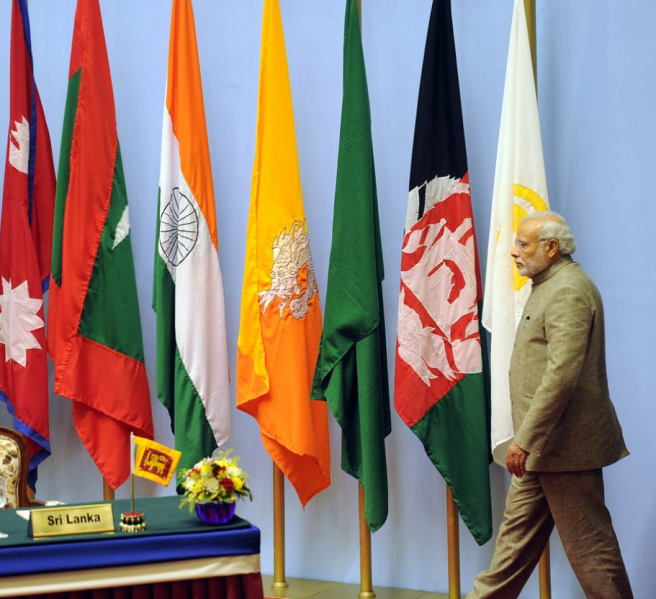
India shares geographical boundary with eight countries namely Pakistan, Afghanistan, China, Nepal, Bhutan, Bangladesh and Sri Lanka. Since the inception of our foreign policy, India has aimed at building trust with its neighbors. It aims at peaceful friendly relations and mutual economic development by enhanced trade and investments.

•Pakistan: Improving relations with Pakistan has been among top priorities in Indian foreign policy. After the visit of Pakistan former Prime Minister Parvez Musharaff in 2004, there has been a vacuum in our talks. It seems that radical groups in Pakistan took undue advantage of this vacuum and consequently there has been increased reports of cross-border terrorism activities. 26/11 attack is an unwashable strain on the fabric of friendship between India and Pakistan. But as it is said that ‘time heals all wounds’. The recently elected Narendra Modi led National Democratic alliance government’s attitude is worth appreciation. Indian Prime minister invited his Pakistani counterpart in his swearing in ceremony in New Delhi. This is a clear indication that both Nations are willing to take their relations on newer heights. In this aspect changed outlook India should try to adopt a sustainable foreign policy towards Pakistan. Smaller initiatives like Indo-Pak trade fair at Jalandhar, Punjab (India) needs to be encouraged. Healthy trade relations will help both sides equally.

•Nepal: Since the birth of democratic institution in Nepal, India has increasingly tried to have good relations with Nepal. Currently a joint hydro power project is being built on Sharda River. This power plant is thought to mutually help both India and Nepal with respect to electricity production and irrigation facilities. From the environmental perspective, there are a number of Tiger reserves along Indo-Nepal border. Both countries have identified their importance and are helping each other to sustain the existing ones and creating new ones. •China: China being manufacturing hub of world, is strategically very important to India. In fact China has become a role model for development. India needs to build strong trade relations with China. Increasing Foreign Direct Investment caps in various sectors has been one such step of India to invite investors from abroad.Apart from these bilateral relations, India has been active on various other forums as well which provides for greater engagement with its neighbors. For example India has been one of the pioneering advocate of TAPI (Turkmenistan, Afghanistan, Pakistan and India). This project aimed at bringing gas from Gulf countries and distribute it in TAPI countries.

India is an active member in BRICS (Brazil, Russia, India China and South Africa). BRICS is emerging a one of the significant union in world. BRICS nations represent 40 per cent of world population and has approximately sixteen trillion dollars as its Nominal Gross Domestic Product (GDP). BRICS nation contributes around eighteen per cent of world economy. The recent BRICS summit held at Brazil in July 2014.
One of the German intellectual has rightly said that ‘For economic development of a nation, peace with its neighbors is a pre-requisite’. India not only recognizes this statement but also conforms to it. Going by the mood of current Indian government in India, Union government too knows the importance of its neighbors. If India wants to be a super-power then maintaining friendly relations with its neighbors is a first step of ladder in this direction.


India has always wanted friendly ties with its neighbours, there can be no debate around it. We want to live in harmony and peace.

-Narendra Modi

Demography

Demography is the study of human population dynamics. Population is shaped by a number of factors including fertility, mortality, migration and urbanization. Significant demographic changes have been shown in many parts of the world. The world population growth has been decelerating since 1970s. Fertility rates in more developed countries (MDCs) have been showing a declining trend, whereas an increasing one in the less developed countries (LDCs). Mortality rates have gone down in both MDCs and LDCs due to medical advancement. Consequently, the population of the countries with low fertility rates aged more quickly, and the world population growth will be concentrated in those developing countries where fertility rates remain high. Uneven population growth among nations accelerated the migration of people across nation borders and the growth of cities. The changes of these interrelated factors with their causes and problems of each of the factors will be discussed, followed by some possible plans and opportunities that may benefit from these changes.Human birth rate (natality) is the fertility expressed as the average number of live births per thousand populations per year. Since not all age groups in a population have equal fertility, demographers often use more specialized measures of birth rates that relate to age groups.Human mortality rate is the average number of individuals who die per thousand populations per year.

Again, demographers often use more sensitive measures, for different mortality rates. Both the very young and the very old segments of the population have higher mortality rates than are found in other age groups.Human population shows uneven or clumping pattern of distri­bution on earth. The density of human population in a village, district, city, province, country or any area can be obtained by di­viding the total number of persons living in the given region by the total land area of that region.The average number of people per square unit of land area tells us how dense or sparse is the popu­lation in a giver, area. The average population density of the world is calculated about 27 persons per square kilometre.insurance agents to determine life insurance rates.

These early demographic studies were mostly concerned with mortality. However, in the 19th century, studies showed that there was a decline in the number of births, and researchers began to study fertility as well as mortality. These studies led to the idea of “differential fertility.” Differential fertility suggests that different groups within a population have different numbers of children due to factors, such as religion, cultural attitudes, poverty, and employment. Migration of people is the last main factor in demographic studies. It is these three variables (mortality, fertility, and migration) that contribute to population change.Demographers gather data mainly through government censuses and government registries of births and deaths. However, these sources can be inaccurate depending on the precision of government records. Demographers also gather data indirectly through surveying smaller groups within a population. These samples are then examined using statistical models to draw conclusions about the whole population.


Demography is changing us as we are older societies, we’re living longer. How the generations balance each other out, how that affects education and health care.

Role of civil services in a democracy .

In the process of governance, which involves several sets of activities to deliver effective services to people, civil services play a pivotal role in providing shape to policies that reflect people’s needs and put their suggestive, analytical and informative roles to implement the
policies. It is recognized that civil services play a crucial role in all societies. In the modern administrative state, public administration has become so significant that our development, upliftment and progress depend mainly upon the efficient functioning of civil services that are
the bedrock of public administration. Civil services have assumed more important role in democracy to ensure good governance, both in developing and developed countries. Civil Services form a part of bureaucracy, wherein the roles of civil servants are determined by
written rules. It’s an impersonal system operating on the basis of calculable rules and staffed by full time appointed officials. Usually, the civil servants are selected on basis of their technical
qualifications, receive fixed salaries, have a defined sphere of competence and work under a clearly defined hierarchy of offices.

The role of Civil Servants across the domains of policy making and policy implementation is critical to the development process. They assist in identifying major policy areas such as preparing major policy proposals, analyzing various alternatives and solutions to societal problems requiring urgent attention, dividing the major policies into sub-policies, determining
program of action and suggesting modification in the existing policy on the basis of its experience on the implementation front.Civil services carry on the governance when governments change due to elections etc. Ramsay
Muir has remarked that while governments may come and go, ministers may rise and fall, the administration of a country goes on forever. It is needless to say that civil services form the backbone of administration. E.g. In India, when the President’s Rule is imposed in a state, the
Governor runs the state through the Chief Secretary and other civil servants.The civil servants are responsible to the ministers of the departments in which they serve. The ministers are accountable to the people through the Parliament or State Legislatures, and the civil servants are accountable to the ministers. They should ideally serve the elected government of the day, as government policies are the functions of the civil services. However, an impartial civil servant is also accountable to the Constitution of India on which he has taken an oath of allegiance.

In India, bureaucracy or civil services is permanent and does not change with the government. The recruitment is based on merit and through competitive exams. This is in contrast to the system followed in the US, where civil servants, especially in the higher echelons, change with the government. This is called the spoils system where people who are close to the government of the day get posts.


With bad laws and good civil servants it’s still possible to govern. But with bad civil servants even the best laws can’t help.

-Otto von Bismarck

Physical Geography

Physical geography is one of the two branches of geography viz., physical geography and human ge­ography. In fact, the study of physical aspects of the earth represents the core of spatial science i.e., geogra­phy. Most of geographers have pleaded for bifurcation of geography into physical and human geography but it is rather unwise to ignore biotic aspect of the biospheric ecosystem of the earth and hence there should be trifurcation of geography into physical ge­ography, human geography and biogeographyPhysi­cal geography in terms of its meaning and definition, scope (subject matter) and methods of study has under­gone sea-change in the past few decades. In the begin­ning, physical geography was defined as the study of only physical environment (namely reliefs, air and water) of the earth e.g., ‘the study of physical environ­ment by itself is physical geography which includes consideration of surface relief of the globe (geomorphology), of the seas and the oceans (ocea­nography) and of the air (meteorology and climatol­ogy) (Arthur Holmes).

Physical geography was considered as the ag­glomeration of different branches of earth sciences or natural sciences viz., sciences of atmosphere (meteor­ology and climatology); science of seas and oceans (oceanography); science of solid earth (geology); sci­ence of soil (pedology); science of plants (botany) and science of landforms (geomorphology).As a distinct branch of geography physical geography studies the spatial patterns and spatial relationships of environmental components of the globe in regional context, it also studies the causes of regional patterns of such spatial relationships, simultaneously it incorporates the ex­planation of spatial and temporal changes of environ­mental components and causes thereof.The study of features resulting from the interac­tions between endogenetic and exogenetic forces in­volves the discussion of mode of denudational proc­esses (weathering and erosion), hetherto termed as geomorphic processes, their mechanism of operation (machanism of erosion, transportation and deposition by running water-river, groundwater, sea waves, wind, glacier and periglacial agent) and resultant landforms.

The discipline of physical geography has evolved through successive stages of its development in terms of methodology and approaches to study. After taking its birth in the philosophical ideas and reports of ancient thinkers, philosophers and historians of the ancient seats of civilization and culture e.g., Greece, Rome and Egypt, the science of physical environment attained its present status wherein different compo­nents were added from time to time.


Geography is also memory. And loss of physical geography is also loss of narrative memory.

Disaster management

Disaster is a very common phenomenon to the human society. It has been experienced by them since time immemorial. Though its form may be varied, it has been a challenge for society across castes, creeds, communities and countries. The latest development which has been discovered in the World Disaster Reports recently is that the disasters have increased in frequency and intensity.People are becoming more and more vulnerable to disasters of all types, including earthquake, flood, cyclones, landslides, droughts, accidents, plane crash, forests fire, etc. With the technological advancements and progress, the force of disasters is also changing. When they occur they surpass all preparedness and eagerness of society and pose bigger challenge to them. This is quite true in case of both developed and developing countries. The floods in UK, France, and heat wave in Europe, particularly in France in 2003, claimed more than 35000 lives. In the year 2006, America had to face bigger disaster in the form of tornadoes and other cyclones. They caused great loss of lives and property. All these are sufficient to prove that technological mechanisms are inadequate.There is a direct correlation between higher human development and higher preparedness. The countries which have lesser human development are more vulnerable to risks of disasters and damage. Of all the disasters, floods are the most common followed by wind storms, droughts and earthquakes. But the drought is the deadliest disaster which accounts for 48 per cent of all deaths from natural disasters. The highest numbers of people die from disasters in Asia. India, China and Bangladesh are the worst affected countries by flood. Besides the natural disasters, transport accidents and technological disasters are also faced by the developing countries.

The UNDA with Government of India has jointly prepared an action plan for cities and towns vulnerable to earthquakes. The need in the vulnerable zones is that the existing buildings be technically assessed and evaluated and individual owners and group housing authorities should be informed about the weaknesses in their construction. Presently, in India, it is estimated that around 10 lakhs buildings which are constructed every year, an equal number of them get damaged as a result of disasters. It is required that a monitoring mechanism should be set up in disaster prone areas and it must act in proper coordination with the concerned to ensure fulfillment of building codes.
Disaster is a state subject in India; it is, therefore, the responsibility of the state to provide every kind of support and assistance to the victim. The Central Government has a facilitating role. It, with proper coordination with various ministries, extends all required support and helps to the states, namely defence services, air dropping, rescuing, searching, transport of relief goods, availability of rail and ferry services, health personnel and medical support, etc. In the State, the Relief Commissioner or Disaster Management Secretary is the specific authority responsible for handling and management of the disaster.

Rehabilitation is an integral part of disaster management. When disasters occur administrative measures are terribly inadequate and perhaps this is the most difficult period for a victim. The role of administration does not end with end of disasters. In fact its effort and commitment get more complex. It requires proper coordination among various agencies. In this context it is very important to note that disasters are non-routine events that require non-routine response. Government cannot rely on normal procedures to implement appropriate responses- the rescue teams require learning special skills, technologies and attitudes in dealing with disasters.


SUCCESSFUL EMERGENCY MANAGEMENT RELIES UPON EXPERIENCE AND EXPERTISE.

Disaster management

Disaster is a very common phenomenon to the human society. It has been experienced by them since time immemorial. Though its form may be varied, it has been a challenge for society across castes, creeds, communities and countries. The latest development which has been discovered in the World Disaster Reports recently is that the disasters have increased in frequency and intensity.People are becoming more and more vulnerable to disasters of all types, including earthquake, flood, cyclones, landslides, droughts, accidents, plane crash, forests fire, etc. With the technological advancements and progress, the force of disasters is also changing. When they occur they surpass all preparedness and eagerness of society and pose bigger challenge to them. This is quite true in case of both developed and developing countries. The floods in UK, France, and heat wave in Europe, particularly in France in 2003, claimed more than 35000 lives. In the year 2006, America had to face bigger disaster in the form of tornadoes and other cyclones. They caused great loss of lives and property. All these are sufficient to prove that technological mechanisms are inadequate.There is a direct correlation between higher human development and higher preparedness. The countries which have lesser human development are more vulnerable to risks of disasters and damage. Of all the disasters, floods are the most common followed by wind storms, droughts and earthquakes. But the drought is the deadliest disaster which accounts for 48 per cent of all deaths from natural disasters. The highest numbers of people die from disasters in Asia. India, China and Bangladesh are the worst affected countries by flood. Besides the natural disasters, transport accidents and technological disasters are also faced by the developing countries.

The UNDA with Government of India has jointly prepared an action plan for cities and towns vulnerable to earthquakes. The need in the vulnerable zones is that the existing buildings be technically assessed and evaluated and individual owners and group housing authorities should be informed about the weaknesses in their construction. Presently, in India, it is estimated that around 10 lakhs buildings which are constructed every year, an equal number of them get damaged as a result of disasters. It is required that a monitoring mechanism should be set up in disaster prone areas and it must act in proper coordination with the concerned to ensure fulfillment of building codes.
Disaster is a state subject in India; it is, therefore, the responsibility of the state to provide every kind of support and assistance to the victim. The Central Government has a facilitating role. It, with proper coordination with various ministries, extends all required support and helps to the states, namely defence services, air dropping, rescuing, searching, transport of relief goods, availability of rail and ferry services, health personnel and medical support, etc. In the State, the Relief Commissioner or Disaster Management Secretary is the specific authority responsible for handling and management of the disaster.

Rehabilitation is an integral part of disaster management. When disasters occur administrative measures are terribly inadequate and perhaps this is the most difficult period for a victim. The role of administration does not end with end of disasters. In fact its effort and commitment get more complex. It requires proper coordination among various agencies. In this context it is very important to note that disasters are non-routine events that require non-routine response. Government cannot rely on normal procedures to implement appropriate responses- the rescue teams require learning special skills, technologies and attitudes in dealing with disasters.


SUCCESSFUL EMERGENCY MANAGEMENT RELIES UPON EXPERIENCE AND EXPERTISE.

Poverty in India


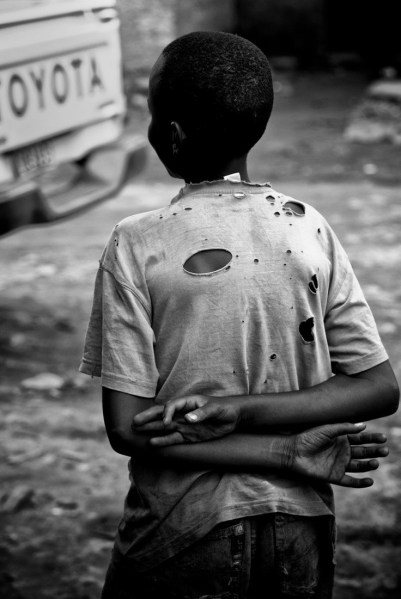
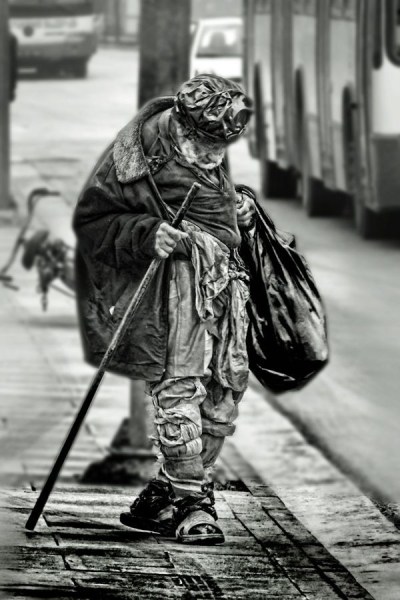
Poverty is defined as the lack of sufficient money to meet basic needs such as food and shelter. Poverty is a situation in which a person is homeless and has very little money. Due to the growing population in urban areas, India’s poverty rate is rising. The most important fact is that huge numbers of people live in poverty, with the majority living on the edge of it. Poverty in India is mostly observed in rural regions due to a large number of uneducated and unemployed people within the growing population.Many people cannot afford proper food for their daily lives, and because they do not have their own homes, they sleep on streets or footpaths. As a result, more people require more food, money, and shelter, but poverty grows rapidly due to a lack of these resources. This is why the rich become richer and the poor become poorer, making it difficult to bridge the gap. Poverty has several consequences, including poor housing, illiteracy, increased child labor and unemployment, and poor hygiene. As a result, these poor individuals cannot afford a balanced diet, decent clothes, or a good education for the simple reason that they do not have enough money.

Poverty may be reduced by providing sufficient education and facilities to farmers, allowing them to become more profitable and not feel the need to migrate to cities in search of work. Also, uneducated individuals should receive a good education to improve their lives, and family planning is also necessary for getting out of poverty. Poverty in our country dates back to ancient times, when the poor were not given the same privileges as the wealthy, and they were even denied access to religious places. Unemployment, a lack of education, poor resource utilization, corruption, and poor government policy are all major causes of poverty.In India, poverty is high when compared to other nations due to the poor growth rate of per capita income per person. Due to a lack of career prospects, many individuals work as rickshaw pullers, construction laborers, domestic servants, and other low-wage jobs, which leads them to live in slum areas.In addition, lack of land resources has been one of the key reasons for poverty in India; even small farmers in our nation are poor since they cultivate but do not receive fair pay in terms of profit, resulting in poverty.

India’s population has been rapidly increasing. In 1991, India’s population was around 84.3 crores, with a high rate of poverty; now, our country’s population is around 130 crores, with the population nearly doubling in the last three decades, but not enough has been done to control poverty in our country. As the population grows, so does unemployment, and poverty is just a reflection of unemployment. More capital is necessary for developing industry, providing adequate transportation, and other projects, as a result of which the country’s deficiency is underdeveloped and more people live in poverty. Lack of skilled labor also contributes to poverty since less-skilled workers lack industrial training and education and miss out on opportunities that more skilled workers can avail. Lack of infrastructure means that transportation and communication have not been properly developed, resulting in farmers receiving fertilisers for cultivation late and industries receiving power and raw materials not on time and thus, end products not being properly marketed and reaching customers on time. Hence, to escape poverty, our government must be more serious, and citizens must share equal responsibility.Remarkably, as a result of rural-to-urban migration, the incidence of rural poverty has fallen steadily. First and foremost, population growth should be strictly controlled to tackle the serious problem of poverty. Other approaches to fight this problem include expanding work possibilities, educating people, eliminating black money, decentralized planning, and assisting women and youth in becoming


“Poverty is not created by poor people”

Poverty in India


Poverty is defined as the lack of sufficient money to meet basic needs such as food and shelter. Poverty is a situation in which a person is homeless and has very little money. Due to the growing population in urban areas, India’s poverty rate is rising. The most important fact is that huge numbers of people live in poverty, with the majority living on the edge of it. Poverty in India is mostly observed in rural regions due to a large number of uneducated and unemployed people within the growing population.Many people cannot afford proper food for their daily lives, and because they do not have their own homes, they sleep on streets or footpaths. As a result, more people require more food, money, and shelter, but poverty grows rapidly due to a lack of these resources. This is why the rich become richer and the poor become poorer, making it difficult to bridge the gap. Poverty has several consequences, including poor housing, illiteracy, increased child labor and unemployment, and poor hygiene. As a result, these poor individuals cannot afford a balanced diet, decent clothes, or a good education for the simple reason that they do not have enough money.

Poverty may be reduced by providing sufficient education and facilities to farmers, allowing them to become more profitable and not feel the need to migrate to cities in search of work. Also, uneducated individuals should receive a good education to improve their lives, and family planning is also necessary for getting out of poverty. Poverty in our country dates back to ancient times, when the poor were not given the same privileges as the wealthy, and they were even denied access to religious places. Unemployment, a lack of education, poor resource utilization, corruption, and poor government policy are all major causes of poverty.In India, poverty is high when compared to other nations due to the poor growth rate of per capita income per person. Due to a lack of career prospects, many individuals work as rickshaw pullers, construction laborers, domestic servants, and other low-wage jobs, which leads them to live in slum areas.In addition, lack of land resources has been one of the key reasons for poverty in India; even small farmers in our nation are poor since they cultivate but do not receive fair pay in terms of profit, resulting in poverty.

India’s population has been rapidly increasing. In 1991, India’s population was around 84.3 crores, with a high rate of poverty; now, our country’s population is around 130 crores, with the population nearly doubling in the last three decades, but not enough has been done to control poverty in our country. As the population grows, so does unemployment, and poverty is just a reflection of unemployment. More capital is necessary for developing industry, providing adequate transportation, and other projects, as a result of which the country’s deficiency is underdeveloped and more people live in poverty. Lack of skilled labor also contributes to poverty since less-skilled workers lack industrial training and education and miss out on opportunities that more skilled workers can avail. Lack of infrastructure means that transportation and communication have not been properly developed, resulting in farmers receiving fertilisers for cultivation late and industries receiving power and raw materials not on time and thus, end products not being properly marketed and reaching customers on time. Hence, to escape poverty, our government must be more serious, and citizens must share equal responsibility.Remarkably, as a result of rural-to-urban migration, the incidence of rural poverty has fallen steadily. First and foremost, population growth should be strictly controlled to tackle the serious problem of poverty. Other approaches to fight this problem include expanding work possibilities, educating people, eliminating black money, decentralized planning, and assisting women and youth in becoming self-sufficient.


“Paverty” is not created by “poor people”

linkages between development and spread of extremism

In Indian scenario, extremism activities are increasing rapidly. The scale of the extremists operations is massive and consequently these activities have perilous impact on nation’s social, economic and political development.Many scholars explained the notion of extremism as any ideology considered to be far outside the normal attitudes of society or to interrupt common moral standards. It is usually constructed with moderation or extremists with moderates. Various political writers signified that extremism also has numerous strands starting from just holding to one’s ideas and values on one end of the continuum and use of violent means for nuisance on the other end. Thus, extremism is considered as a complex phenomenon.

Natural Calamities: During the last decade of the 19th century, affliction of people was filled to the brim. Famine, plague, earthquake, war and repressions were let loose in the country. From 1896 to 1900 prolonged and catastrophic famines occurred throughout the length and breadth of the land in a bewildering succession. In 1896 bubonic plague broke out in Bombay and took a toll of millions of lives. These natural calamities were accompanied by the intensified exploitation and suppression by the Government. Such devastating conditions led to development of extremist.

Labour, Unemployment and wages:
Another intense issue that spreads extremism is joblessness which creates insecurity of living. People may develop dissatisfaction and anger both in urban and rural areas. In allocation of government jobs, there has been shown some favouritism and this activity leads to dissatisfaction among youth as they are being ignored.

Policing:Improper policies and their ineffective implementation may result in extremist activities among weaker sections of society. It is very necessary that government must consider poor people when devising policies for economic growth of country. These policies must be well-organized and unprejudiced which reveal good administration .Weaker section of people does not have much confidence in police. People have no faith that justice will be done to them against the powerful person in the society. Such impression about government officials develops extremist thoughts among poorer section of society.

Process of getting Justice:When lower section of society is struggling with various issues related to survival or employment and their conflicts and disputes are not settled in time, frustration among people in society develops. Presently, judicial system of India is very time consuming and disputes are not settled in short time. The parties to the dispute lose control over even the terms and details of the dispute once it goes to the court. These factors create extremist feelings among sufferers.


Extremism in the defense of liberty is no vice. And moderation in the pursuit of justice is no virtue.

-Barry Goldwater

Linkages between development and spread of extremism

In Indian scenario, extremism activities are increasing rapidly. The scale of the extremists operations is massive and consequently these activities have perilous impact on nation’s social, economic and political development.Many scholars explained the notion of extremism as any ideology considered to be far outside the normal attitudes of society or to interrupt common moral standards. It is usually constructed with moderation or extremists with moderates. Various political writers signified that extremism also has numerous strands starting from just holding to one’s ideas and values on one end of the continuum and use of violent means for nuisance on the other end. Thus, extremism is considered as a complex phenomenon.

Natural Calamities: During the last decade of the 19th century, affliction of people was filled to the brim. Famine, plague, earthquake, war and repressions were let loose in the country. From 1896 to 1900 prolonged and catastrophic famines occurred throughout the length and breadth of the land in a bewildering succession. In 1896 bubonic plague broke out in Bombay and took a toll of millions of lives. These natural calamities were accompanied by the intensified exploitation and suppression by the Government. Such devastating conditions led to development of extremist.

Labour, Unemployment and wages:
Another intense issue that spreads extremism is joblessness which creates insecurity of living. People may develop dissatisfaction and anger both in urban and rural areas. In allocation of government jobs, there has been shown some favouritism and this activity leads to dissatisfaction among youth as they are being ignored.

Policing:Improper policies and their ineffective implementation may result in extremist activities among weaker sections of society. It is very necessary that government must consider poor people when devising policies for economic growth of country. These policies must be well-organized and unprejudiced which reveal good administration .Weaker section of people does not have much confidence in police. People have no faith that justice will be done to them against the powerful person in the society. Such impression about government officials develops extremist thoughts among poorer section of society.

Process of getting Justice:
When lower section of society is struggling with various issues related to survival or employment and their conflicts and disputes are not settled in time, frustration among people in society develops. Presently, judicial system of India is very time consuming and disputes are not settled in short time. The parties to the dispute lose control over even the terms and details of the dispute once it goes to the court. These factors create extremist feelings among sufferers.


Extremism in the defense of liberty is no vice. And moderation in the pursuit of justice is no virtue.

-Barry Goldwater

Criminal Justice System in India

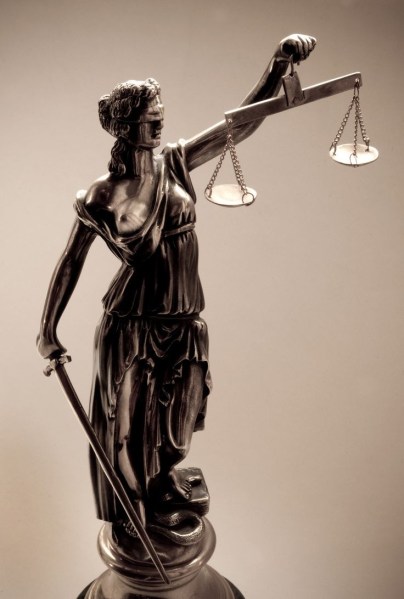
The aim of the Criminal Justice System is to punish the guilty and protect the innocent. Although the broad contours of the Criminal justice system are seldom codified, these can be inferred from different statutes, including the Constitution and judicial pronouncements. In a democratic civilized society, the Criminal Justice System is expected to provide the maximum sense of security to the people at large by dealing with crimes and criminals effectively, quickly and legally. More specifically, the aim is to reduce the level of criminality in society by ensuring maximum detection of reported crimes, conviction of the accused persons without delay, awarding appropriate punishments to the convicted to meet the ends of justice and to prevent recidivism.In this article, we shall be discussing the history and evolution of the system, the institutions, along with various perspectives of the constitutional aspect of rights of citizens, efforts for reforms, and delivery of justice.

Criminal law, including all matters included in the Indian Penal Code, Criminal procedure, including all matters included in the Code of Criminal Procedure feature under the concurrent list of the 7th Schedule as entries-1, and 2 respectively.Certain exceptions are also provided under these two provisions(Entry-1, and 2) of the 7th Schedule. For example, offences against laws with respect to the matters specified in List-I or List-II of the 7th Schedule of the constitution, excluding the use of naval, military or air forces or any other armed forces come under this category.

•The Criminal Justice System in India follows the legal procedures established by the British during the pre-independence era.
•An Indian Penal Code (IPC) defining crime and prescribing appropriate punishments was adopted in 1860, prepared by the first Law Commission of India.
•It was developed in line with the English criminal law.
•Code of Criminal Procedure was enacted in 1861 and established the rules to be followed in all stages. This was amended in 1973.
•The NN Vohra Committee, set up in 1993, observed increasing criminalization of politics, talked of the unholy nexus.
•It was an effort to push the reforms in the criminal justice system.
•In 2000, the Government of India formed a panel headed by the former Chief Justice of Kerala and Karnataka, Justice V.S. •Malimath, to suggest an overhaul of the century-old criminal justice system.
•In 2003, the Justice Malimath Committee submitted a report with 158 recommendations.
•The Committee opined that the existing system “weighed in favour of the accused and did not adequately focus on justice to the victims of crime.”

The entire existence of an orderly society depends upon the sound and efficient functioning of the Criminal Justice System. The law of the land has to be in tune with the demands of the changing times and nature of complexities in offences. There should be a broader dialogue among all the stakeholders for effective provisions so that the interest of justice is served and served right, where no innocent suffers prejudice, exclusion leading to miscarriage of justice.

Similarly, the rules and procedures established by law need to reach the common man, and the role of civil society in this endeavour is paramount. Further, there is a need to streamline the police reforms, beef up the forensic evidence-based investigation, and prioritize advanced scientific analysis which must be strengthened and upgraded, catering to the demands of the present times. The infrastructural challenges confronting the judiciary must be addressed to facilitate the process of ensuring justice.


The criminal justice system, like any
system designed by human beings,
clearly has its flaws.

Criminal Justice System in India

The aim of the Criminal Justice System is to punish the guilty and protect the innocent. Although the broad contours of the Criminal justice system are seldom codified, these can be inferred from different statutes, including the Constitution and judicial pronouncements. In a democratic civilized society, the Criminal Justice System is expected to provide the maximum sense of security to the people at large by dealing with crimes and criminals effectively, quickly and legally. More specifically, the aim is to reduce the level of criminality in society by ensuring maximum detection of reported crimes, conviction of the accused persons without delay, awarding appropriate punishments to the convicted to meet the ends of justice and to prevent recidivism.In this article, we shall be discussing the history and evolution of the system, the institutions, along with various perspectives of the constitutional aspect of rights of citizens, efforts for reforms, and delivery of justice.

Criminal law, including all matters included in the Indian Penal Code, Criminal procedure, including all matters included in the Code of Criminal Procedure feature under the concurrent list of the 7th Schedule as entries-1, and 2 respectively.Certain exceptions are also provided under two provisions(Entry-1, and 2) of the 7th Schedule. For example, offences against laws with respect to the matters specified in List-I or List-II of the 7th Schedule of the constitution, excluding the use of naval, military or air forces or any other armed forces come under this category.

•The Criminal Justice System in India follows the legal procedures established by the British during the pre-independence era.
•An Indian Penal Code (IPC) defining crime and prescribing appropriate punishments was adopted in 1860, prepared by the first Law Commission of India.
•It was developed in line with the English criminal law.
•Code of Criminal Procedure was enacted in 1861 and established the rules to be followed in all stages. This was amended in 1973.
•The NN Vohra Committee, set up in 1993, observed increasing criminalization of politics, talked of the unholy nexus.
•It was an effort to push the reforms in the criminal justice system.
•In 2000, the Government of India formed a panel headed by the former Chief Justice of Kerala and Karnataka, Justice V.S. Malimath, to suggest an overhaul of the century-old criminal justice system.
•In 2003, the Justice Malimath Committee submitted a report with 158 recommendations.
•The Committee opined that the existing system “weighed in favour of the accused and did not adequately focus on justice to the victims of crime.”

The entire existence of an orderly society depends upon the sound and efficient functioning of the Criminal Justice System. The law of the land has to be in tune with the demands of the changing times and nature of complexities in offences. There should be a broader dialogue among all the stakeholders for effective provisions so that the interest of justice is served and served right, where no innocent suffers prejudice, exclusion leading to miscarriage of justice. Similarly, the rules and procedures established by law need to reach the common man, and the role of civil society in this endeavour is paramount. Further, there is a need to streamline the police reforms, beef up the forensic evidence-based investigation, and prioritize advanced scientific analysis which must be strengthened and upgraded, catering to the demands of the present times. The infrastructural challenges confronting the judiciary must be addressed to facilitate the process of ensuring justice.


The criminal justice system, like any
system designed by human beings,
clearly has its flaws.