How atomic clocks are so accurate?

Most types of clocks rely on the oscillation of a slid body, be it a pendulum, a balance-wheel, or a quartz crystal, but each suffers from the effects of temperature, pressure, and gravity. Time measuring devices depended on the spin of the earth, but these suffer from seasonal effects and tidal friction. The moon causes tides to occur on earth and it causes friction between moon and the earth. This friction slows down the earth’s rotation by few milliseconds. This is called tidal friction. The atoms, however, vibrate a fixed number of times per second. Both the U.S. National Bureau of Standards and the United Kingdom’s National Physics Laboratory tried to take advantage of these vibrations.

In 1949 the Americans built a quartz clock that was synchronized by the 24-GHz vibrations of low pressure gaseous ammonium molecules. The British, under the leadership of physicist Louis Essen (1908-1997), used the oscillations of an electrical circuit synchronized to the vibrations of caesium atoms, the first caesium was kept in a tunable microwave cavity and the clock relied on the fact that were 9,192,631,770 transitions between two hyperfine ground state energy levels every second. This number defined the second, as opposed to the old definition of there being 86,400 seconds in one day. A good atomic clock was accurate to one part in 1,014, and therefore would take about 3 million years to lose or gain a second.
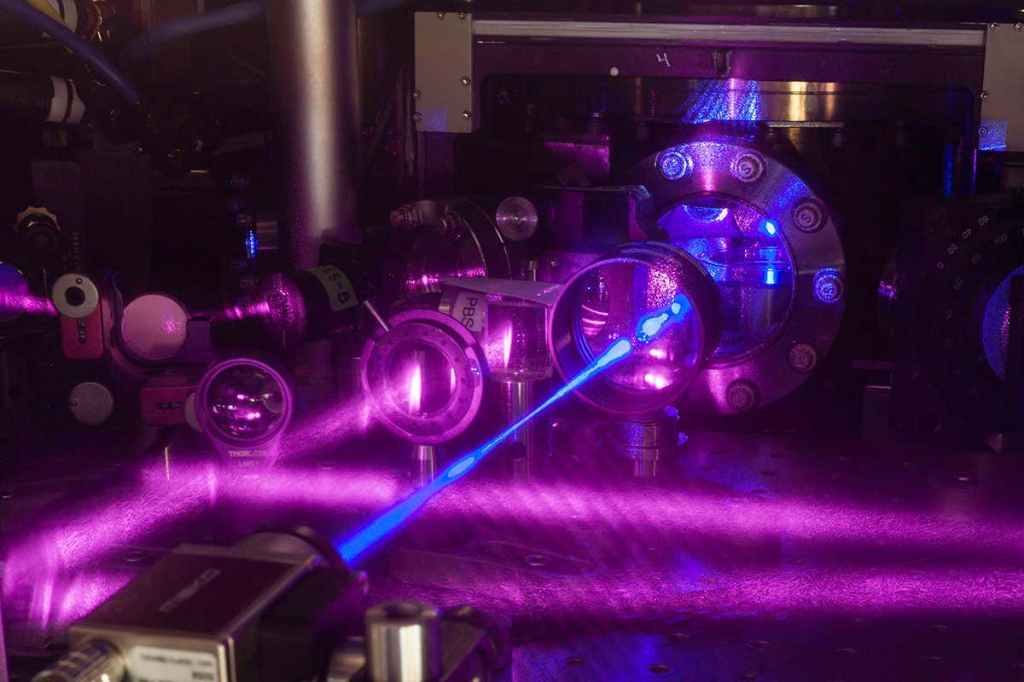
JILA’s 3-D Quantum Gas Atomic clock

Four atomic clocks are used in each of the many satellites of the global positioning system and comparisons of electromagnetic-wave travel times enable positions of earth to be measured very precisely. The clocks are also used by geophysicists to monitor variations in the spin rate of earth, and the drifting of the continents. Since record began, earth recorded the shortest day on July 19, 2020, when the day was 1.4602 milliseconds shorter than 24 hours.

Why atomic clocks is used in GPS?

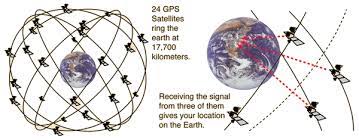
The Global Positioning System (GPS) consists of 24 satellites orbiting the earth. A GPS receiver uses the position of four of these satellites to locate itself. One to correct the time on the receiver, and three to locate its position. A signal is sent to the receiver from the first satellite that contains the satellites location and the signal’s time of departure. The receiver then multiplies the signal’s travel time by the speed of light to calculate its distance from the satellite. With one satellite the receiver knows that it’s located o a sphere around that satellite with a radius equal to the calculated distance. So, it does the same calculation with a second satellite. The intersection of these two spheres narrows the location to the circumference of a circle. Then with a third satellite, the receiver can reduce the location to a single point. Since signals are travelling at the speed of light, being off by even a millisecond means an error off about a million feet, or 300 kilometres. But with atomic accuracy, the receiver can locate itself to about 3 feet. Global Positioning System (GPS) satellites fly in medium earth orbit (MEO- Medium Earth Orbit) at an altitude of approximately 20,200 kilometres from ground.
The NIST-F1 is one of the most accurate time standards based on microwave atomic clocks. The most accurate atomic clocks lose about a second over 138 million years.

“Time isn’t the main thing. It’s the only thing.” – Miles Davis
What is the smallest particle in the universe?

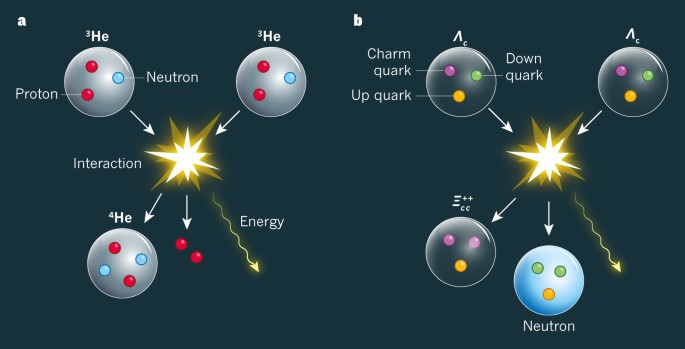
In the early models of the atom were simple, with protons and neutrons forming a nucleus and negatively charged electrons orbiting it, it seemed like a tiny solar system. In the early 1930s, however, analysis of cosmic rays and experiments with particle acceleration showed the existence of new particles by the dozen. In the early of 1960s American physicist Murray Gell-Mann and George Zweig independently conjectured that protons and neutrons were made of even more fundamental particles. They named the subatomic particles as Quark in 1964. The word quark came from James Joyce’s novel “Finnegan’s Wake” in which it is a nonsense word made by Joyce.  He key evidence for their existence came from a series of inelastic electron-nucleon scattering experiments conducted between 1967 and 1973 at the Stanford linear accelerator center. Other theoretical and experimental advances of the 1970s confirmed this discovery, leading to the standard model of elementary particle physics currently in force.

Properties of Quarks

Quarks are most commonly found inside protons and neutrons. They have many properties including mass, electric, charge, and color. There are six types of quarks, up quark, down quark, top quark, bottom quark, strange quark, charm quark. They can have positive (+) or negative (-) electric charge. Up, charm and top quarks have a positive 2/3 charge. Down, strange, bottom quarks have a negative 1/3 charge. So protons are positive because there are two quarks (+2/3) ups and one down quark (-1/3), giving a net positive charge (+2/3+2/3-1/3 =1). These three quarks are known as valence quarks, but the proton could have an additional up quark and anti-up quark pair.

 An anti-quark is the anti-particle of a quark and it could have other types of quarks. It includes pairs of strange quarks and anti-strange quarks, charm quarks, and anti-charm quarks. In fact, the proton has tons of quarks, anti-quarks pairs. The quarks are held together by the strong force which is carried by particles called gluons. So inside the proton, there are zillions of gluons and quarks all moving around close to the speed of light. The quarks that comprise a proton only make of 1% of the mass of that proton. A neutron consist two down quarks and one up quark which gave it an overall charge of 0. The quarks have a property called color change. It includes three color, red, blue, green and each of them is complemented with an anti-color. When we mix these three colors, we get white, that’s why proton is called colorless. The quarks change their colors constantly but, In order to maintain colorless state, the ant-color mix into it.The interaction between quarks and gluons is responsible for almost all the perceived mass of protons and neutrons and is therefore where we get our mass.

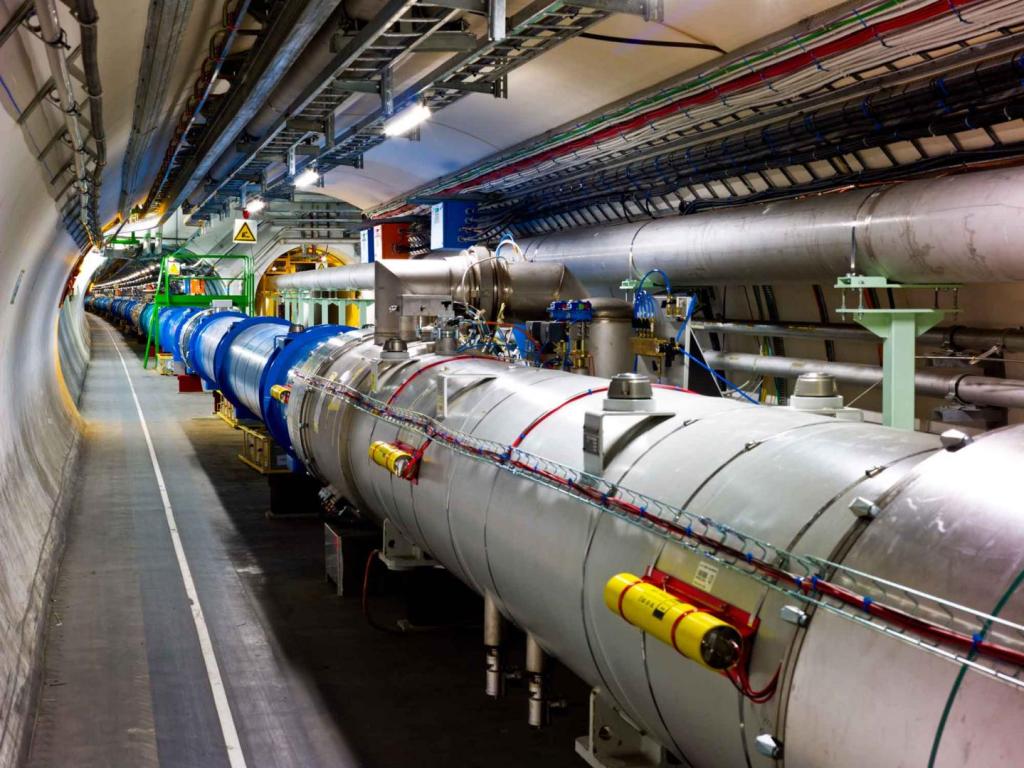
The Large Hadron Collider (LHC)- the world’s largest particle accelerator (27 kilometres).

Conclusion

The discovery of quarks was a gradual process that took over a decade for the entire sequence of events to unfold. A variety of theoretical insights and experimental results contributed to this discovery, but the MIT-SLAC deep inelastic electron scattering experiments plays a vital role. The existence of quarks is recognized today as a cornerstone of the standard model. I numerous experiments at CERN including those at the Large Hadron Collider (LHC), physicists are measuring the properties of Gell-Mann and Zweig’s particles with ever-greater precision.

                  “Three quarks for muster mark!” – Author James Joyce

Stem cell therapy – the future of modern medicine.

Our bodies contain many specialized cells that carry out specific functions. These specialized cells are called differentiated cells. Stem cells are cells with the potential to develop into many different types of cells in the body. They act as a repair system for the body. They are unspecialized cells, so they cannot do specific functions in the body. It can create the potential for the cells to be used to grow replacement tissues. American development biologist James Thomson (1958), from the University of Wisconsin School of medicine, won the race to isolate and human embryonic stem cells. On November 6 1998, the ‘journal science’ published the results of Thompson’s research. It described how he used embryos from fro fertility clinics which were donated by couples who no longer needed them, and developed ways to extract stem cells and keep them reproducing indefinitely.

With the ability to develop into any one of the 220 cell types in the body, stem cells hold great promise for treating a host of debilitating illness, including diabetes, leukemia, Parkinson’s disease, heart disease, and spinal cord injury. They also provide scientists with models of human disease and a new ways of testing drugs more effectively in living organisms. But for all the hopes invested, progress has been slow. It has helped that stem cell research has been steeped in controversy, with different groups questing the ethics of harvesting stem cells from human embryos.

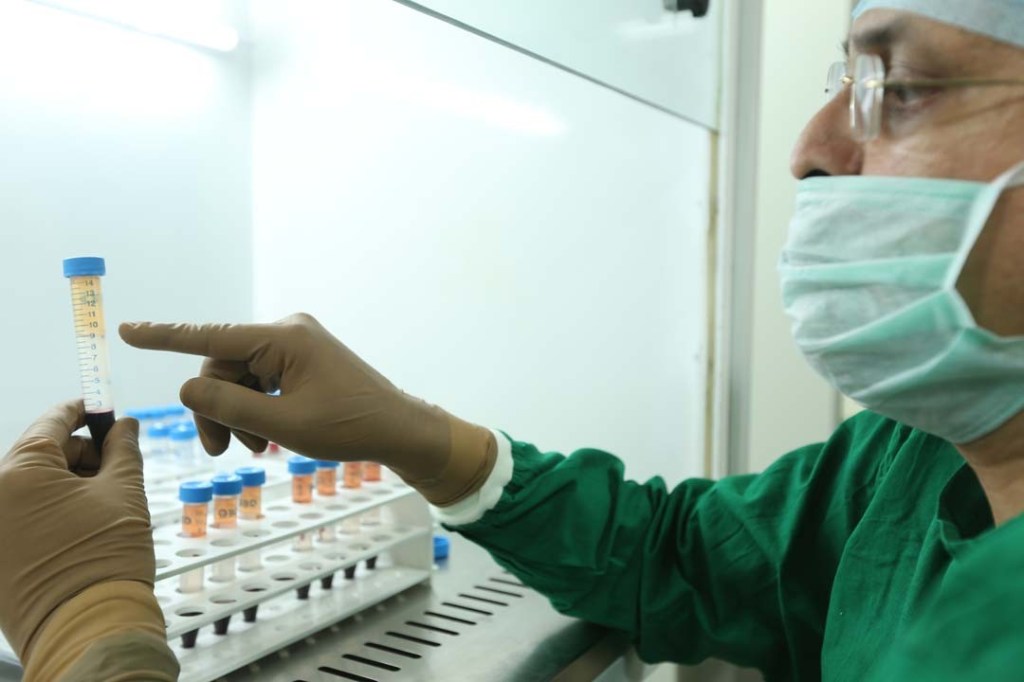
Stem cell therapy – Delhi, India

In 2007 Thomson and Shinya Yamanaka, from Kyoto university, Japan, both independently found a way to turn ordinary human skin cells into stem cells. Both groups used four genes to reprogram human skin cells. Their work is being heralded as an opportunity to overcome problems including the shortage of human embryonic stem cells and restrictions on U.S. federal funding for research.

How stem cell therapy works?

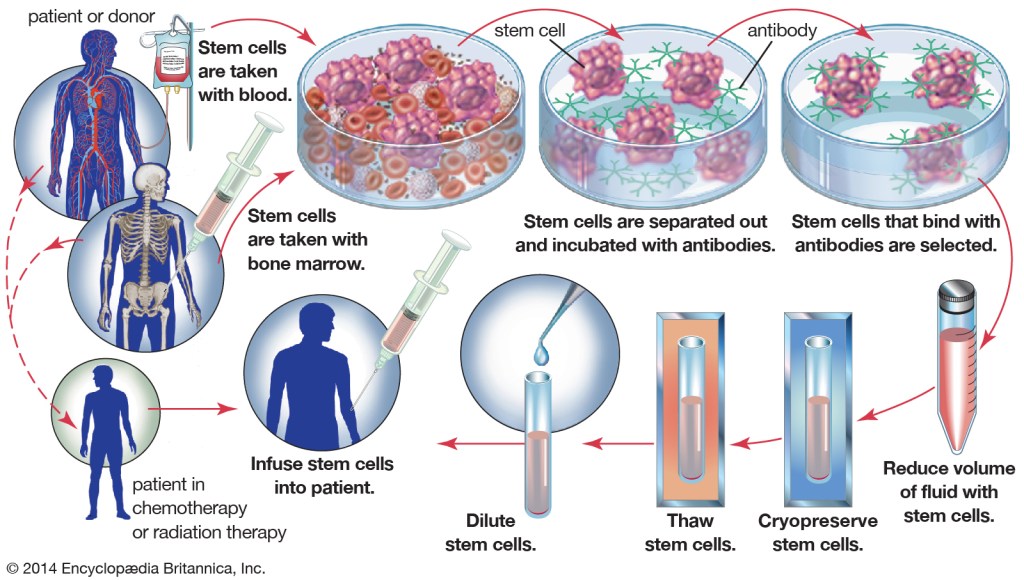
Researches grow stem cells in lab. These developed stem cells are manipulated to specialize into specific types of cells, such as heart muscle cells, blood cells or nerve cells. These manipulated specialized cells can be implanted into the heart muscle. The healthy implanted heart muscle could then contribute to repairing defective heart muscle. The first stem cell therapy was a bone marrow transplant performed by French oncologist Georges Mathew in 1958 on five workers at the Vinca nuclear institute in Yugoslavia who had been affected by a criticality accident.

Stem cell therapies have become very popular in recent years, as people are seeking the latest alternative treatments for their many conditions. Stem cell therapies are very expensive to pursue. Even simple joint injections can cost $1,000 and more advancement treatments can rise in cost up to $100,000 depending on the condition. Patients must do their research and ask as many questions as they can before financially committing to treatment. Since it is a life changing treatment, it will effectively cost high.

Future stem cell treatments

 The stem cell treatment can helps us curing various diseases in the future. But it is important not to overhype the potential of stem cells and to accurately communicate findings to the public. We must not allow the misleading of some people says that we can cure the untreatable diseases with stem cell treatments. However with more research and investment, I believe that stem cell therapy could transform disease outcomes of many patients.

“The regenerative medicine revolution is upon us. Like iron and steel to the industrial revolution, like the microchip to the tech revolution, stem cells will be the driving force of this next revolution.”   -Cade Hildreth

Discovery and working of an MRI

      The MRI (Magnetic resonance imaging) scan is a medical imaging procedure that uses a magnetic field and radio waves to take pictures of our body’s interior. It is mainly used to investigate or diagnose the conditions that affect soft tissue such as tumors or brain disorders. The MRI scanner is a complicated piece of equipment that is expensive to use and found only in specialized centers. Although Raymond Vahan Damadian (1936) is credited with the idea of turning nuclear magnetic resonance to look inside the human body, it was Paul Lauterbur (1929-2007) and Peter Mansfield (1933) who carried out the work most strongly linked to Magnetic resonance imaging (MRI) technology. The technique makes use of hydrogen atoms resonating when bombarded with magnetic energy. MRI provides three dimensional images without harmful radiation and offers more detail than older techniques.

       While training as a doctor in New York, Damadian started investigating living cells with a nuclear magnetic resonance machine. In 1971 he found that the signals carried on for longer with cells from tumors than from healthy ones. But the methods used at this time were neither effective nor practical although Damadian received a patent for such a machine to be used by doctors to pick up cancer cells in 1974.

The first full body MRI scanner at the University of Aberdeen in Scotland (1970)

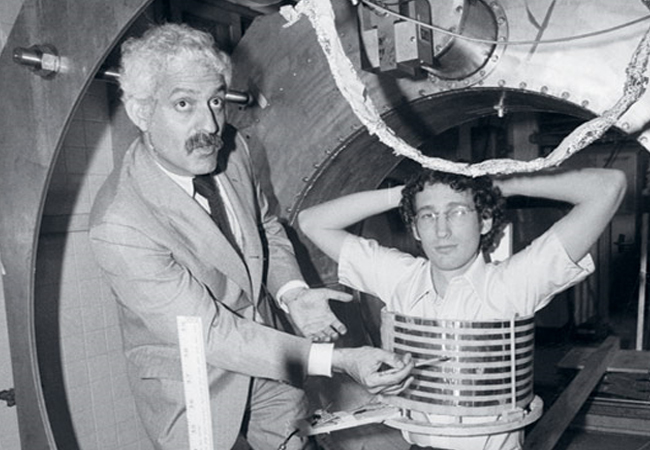
       The real shift came when Lauterbur, a U.S, chemist, introduced gradients to the magnetic field so that the origin of radio waves from the nuclei of the scanned object could be worked out. Through this he created the first MRI images in two and here dimensions. Mansfield, a physicist from England, came up with a mathematical technique that would speed up scanning and make clearer images. Damadian went on to build the full body MRI machine in 1977 and he produced the first full MRI scan of the heart, lungs, and chest wall of his skinny graduate student, Larry Minkoff – although in a very different way to modern imaging.

Working of an MRI machine

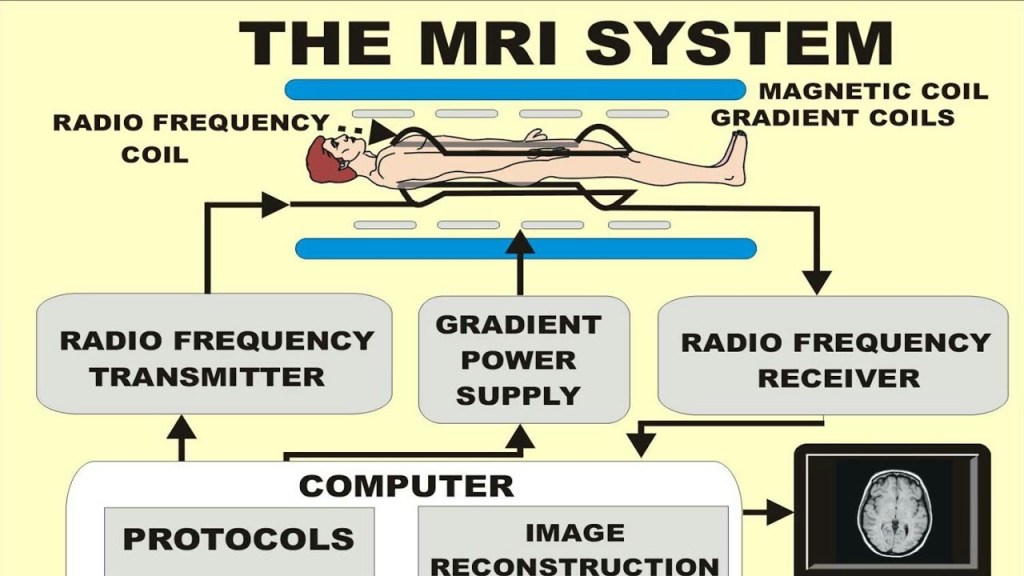
        The key components of an MRI machine are magnet, radio waves, gradient, and a super advanced computer. We all know that human bodies are made up of 60% water, and water is magnetic. Each of the billons of water molecules inside us consists of an oxygen atom bonded to two hydrogen atoms that are called as H2O. Small parts of the hydrogen atoms act as tiny magnets and are very sensitive to magnetic fields. The first step in taking an MRI scan is to use a big magnet to produce a unified magnetic field around the patient. The gradient adjusts the magnetic field into smaller sections of different magnetic strengths to isolate our body parts. Take brain as an example, normally the water molecules inside us are arranged randomly. But when we lie inside the magnetic field, most of our water molecules move at the same rhythm or frequency as the magnetic field. The ones that don’t move along the magnetic field are called low energy water molecules. To create an image of a body part, the machine focuses on the low energy molecules. The radio waves move at the same rhythm or frequency as the magnetic fields in an MRI machine.

       By sending radio waves that match or resonate with the magnetic field, the low energy water molecules absorb the energy they need to move alongside the magnetic field. When the machine stops emitting radio waves, the water molecules that had just moved along the magnetic field release the energy they had absorbed and go back to their position. This movement is detected by the MRI machine and the signal is sent to a powerful computer which uses imaging software to translate the information into an image of the body. By taking images of the body in each section of the magnetic field the machine produces a final three dimensional image of the organ which doctors can analyze to make a diagnosis.

“Medicine is a science of uncertainty and an art of probability”. –William Osler

Should more money be spent on space exploration?

Poverty still rising all over the world, COVID-19 pandemic made it even worse. About 1.89 billion people, or nearly 36% of the world’s population, lived in extreme poverty. Nearly half the population in developing countries lived on less than $1.25 a day. Why should we spend money on space exploration when we already have so many problems here on Earth? Is it really that important? It’s like What if our ancestors thought that it would be a waste of time to figure out agriculture while we can do hunting? Or why should we spend so much time on exploring new lands while we have so many problems in our land? Each year, space exploration contributes to a lot of innovations on earth. It gave answers to many fundamental questions about our existence, and a lot of questions there to be answered if only we could increase our investment on space exploration. NASA’s annual budget is 23 billion dollars but, its only 0.1% of the total revenue. even if we were to increase the international budget 20 times it would only be a small fraction of GDP. isn’t our future worth a quarter of a percent?

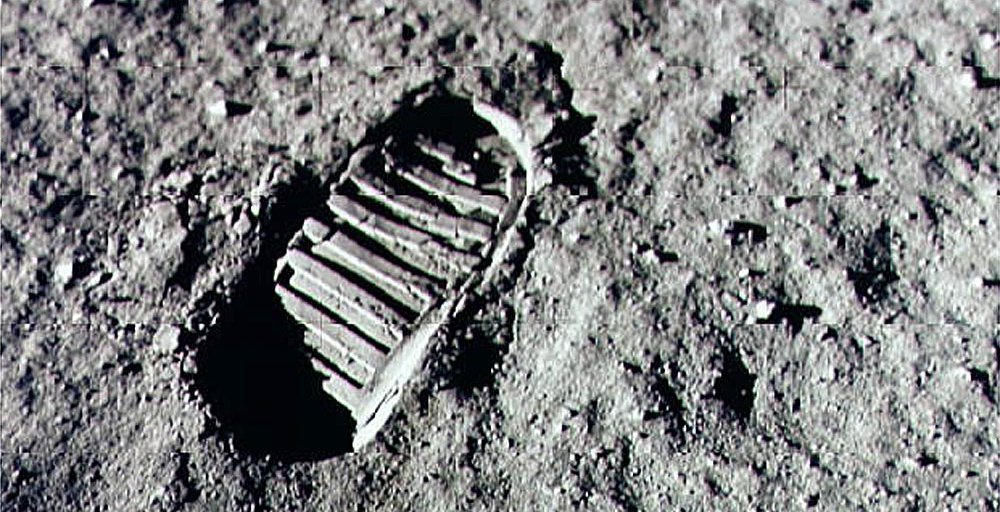
“That’s one small step for man, one giant leap for mankind”.

Benefits of space exploration:

    Improves our day to day life

       Since 1969, Neil Armstrong became the first human to ever set foot on moon, our interest in science and technology has improved a lot. In 22nd February 1978, US space agency launched the first satellite for its program of global positioning system (GPS). Currently there are 31 global positioning system (GPS) satellites orbiting the earth.Space exploration helped us to create many inventions like television, camera phones, internet, laptops, LED’s, wireless gadgets, purifying system of water and many more that we are using in our day to day life. There are nearly 3,372 active satellites providing information on navigation, business & finance, weather, climate and environmental monitoring, communication and safety.

   Improving health care

       The international space station plays a vital role in health and medical advancements. The Astronauts who works on the ISS able to do experiments that aren’t possible on earth due to the difference in the gravity. The project of Exomedicine – the study of medicine and micro-gravity, gravity has an effect on a molecular level so working in an environment where it can be eliminated from the equation allows discoveries that would otherwise be impossible. Medical advancements due to space exploration include,

  • Diagnosis, treatment, and prevention of cardiovascular diseases
  • Treatment of chronic metabolic disorders
  • Better understanding of osteoporosis
  • Improvements in Breast cancer detection
  • Programmable pacemakers
  • Laser angioplasty
  • NASA’s device with Space technology for Asthma
  • ISS plays vital role in vaccine development
  • Early detection of immune changes prevents shingles
  • Development of MRI s and CT or CAT Scans
  • And invention of ear thermometers
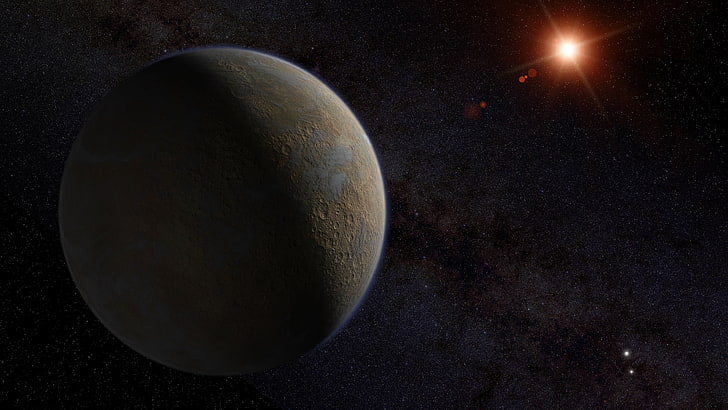
Proxima Centauri b is an exoplanet orbiting the red dwarf star Proxima Centauri

Need for space colonization

       Overpopulation is one of the major crises in our planet. Currently we have 7.8 billion people alive on earth. Experts predict that there will be 9.7 billion people by 2050 and 11 billion by 2100, our earth can carry only 9 billion to 12 billion people with the limited food and freshwater resources. That means we have to find an exoplanet with suitable conditions soon. We already went to moon 6 times, we already sent a rover to Mars. Robotic missions are cost efficient, but if one is considering the future of human race we have to go there ourselves. Elon Musk announced that SpaceX is going to send people to Mars I 2022. NASA planned to make a colony on Mars by 2030. These missions are not something we need at this moment. But it may play an important role on our future. Proxima Centauri b is an exoplanet which is 4.24 light years away from us. With our current technology, it is impossible to reach it in our lifetime. But we should make it as an aim for interstellar travel over the next 200 to 500 years. Stephen hawking said that the human race has existed as a separate species for about 2 million years. Civilization began about 10,000 years ago, and the rate of development has been steadily increasing. If the human race is to continue for another million years, we will have to boldly go where no one has gone before.

The day we stop exploring is the day we commit ourselves to live in a stagnant world, devoid of curiosity, empty of dreams. –Neil deGrasse Tyson

THE USE OF MOBILE PHONES.

The invention of mobile phones is one of the greatest achievement of humankind. The first mobile phone service was started in Japan in 1979 and within 42 years it has revolutionized the lives of people. Mobile phones usage is growing at a rapid rate, today the world is unimaginable without mobile phones.

Mobile phones is one of the quickest means of communication device. A person can communicate with their friends or family who lives miles apart. It has eradicated the olden system of letter delivery. In morden generation assess to internet has acted as miracle to many tech company to accumulate wealth for their companies. We can take phones in our pocket and roam anywhere. By use of mobile phones life has become more comfortable also phones now do the work of laptop’s; we can do NetBanking, send our important documents to the required place through email and many more.

Parent’s encourage their children to use mobile phones as it promotes learning. People can assess to google or youtube for educational purposes. In the current pandemic situation the world has shifted to virtual meating and imparting knowledge as socializing is prohibited in peron/groups. Parents also encourage their children to use mobile phones as it has GPS system so that they are assured of their child safety when they venture out in the world alone. Phones also serves as an entertainment purposes. People can assess to different apps for movies and shows to keep themselves busy. People can save their money due to introduction of eBooks. Many important date can be stored in our phone which out mind can’t remember. It’s helps a person to captured their sweetest memory for them to cherish.

Mobile phones has connected the world digitally through internet. People can know what is happening around the world through news. The current scenario has changed a lot now the world is leading itself to globalization. Branding and advertising are done through online platform it’s has made growth in many different industries. Different countries set their own cyber security so that there is no breach of people’s privacy. Many tech company hires professional hackers for their companies digital data so that no one can hack into their companies system.

“Mobile phones are neither good or bad it depends on the individual how they use “.

INSTAGRAM

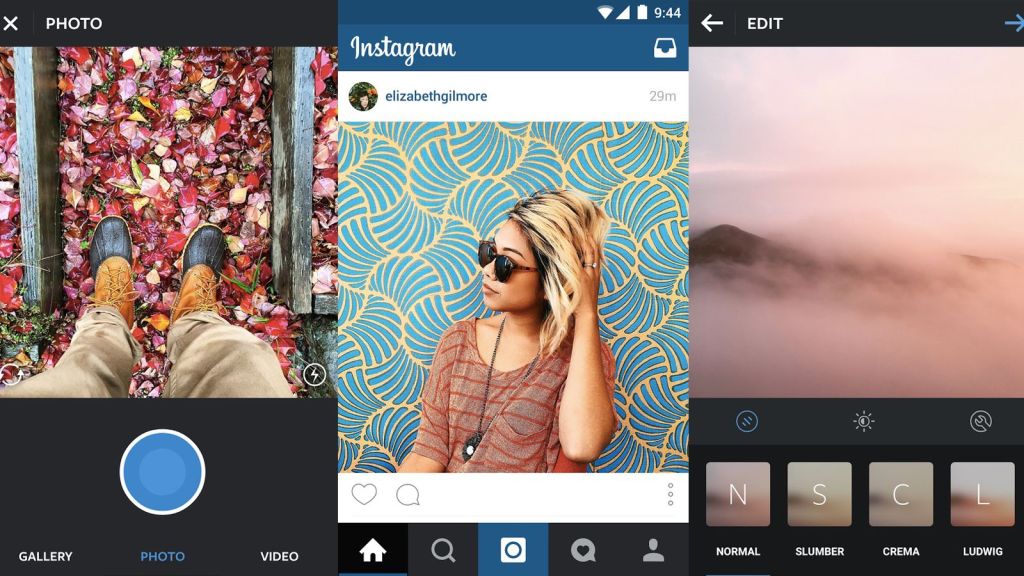
Instagram usually abbreviated to IG, Insta or The gram is an American photo and video sharing social networking service created by Kevin Systrom and Mike Krieger. In April 2012, Facebook acquired the service for approximately US$1 billion in cash and stock. The app allows users to upload photos and videos that can be edited with filters and organized by hashtags and location tagging. Posts can be shared publicly or with your followers. Users can browse other users’ content by searching tags and locations and view trending content. Users can like and comment on other users’ photos and follow their knowns to add their content to a personal feed. It was released in October 6, 2010; 10 years ago. It is available in 32 languages and its website is https://www.instagram.com/. Later on, the service also added messaging features, the ability to include multiple images or videos in a single post, and a ‘stories’ feature which allows users to post their daily works and videos for 24 hours. The ‘Reels’ section is now also added which allows the users to post a video of them or anything within a limit of 15 to 30 seconds using any type of audio. The craze of making reels is so high among the people, they are enjoying and celebrating with Instagram Reels. Instagram became the 4th most downloaded mobile app of the 2010s.

Ongoing research continues to explore how media content on the platform affects user engagement. Past research has found that media which show peoples’ faces receive more likes and comments and that using filters that increase warmth, exposure, and contrast also boosts engagement. Users are more likely to engage with images that depict fewer individuals compared to groups and also are more likely to engage with content that has not been watermarked, as they view this content as less original. The motives for using Instagram among young people are mainly to look at posts, particularly for the sake of social interactions and recreation.

In popular culture:

  • Instagram is also used as a documentary film about three teenagers growing up on Instagram as social animals.
  • Instagram model is a term for models who gain their success as a result of the large number of followers they have on Instagram.
  • Instapoetry is defined as a style of poetry which formed by sharing images of short poems by poets on Instagram.
  • Instagram Pier is a cargo working area in Hong Kong that gained its nickname due to its popularity on Instagram.

https://www.npr.org/2017/06/07/493923357/instagram-kevin-systrom-mike-krieger

https://en.wikipedia.org/wiki/List_of_most-followed_Instagram_accounts

https://www.indiatimes.com/technology/news/instagram-rolls-out-new-anti-abuse-features-including-limits-details-inside-547034.html

PERKS OF USING INSTAGRAM-

  • Instagram gives you the opportunity to learn more about your audience and reach them very easily.
  • With more than 25 million businesses actively using Instagram to market to their target audience, it’s easy to see why so many people use the app to shop. In today’s instant access retail world, shoppers want visual content to help them make buying decisions.
  • It is a new method of sharing the pictures online via social media sites involving various creatives ideas like adding filters, making reels and many more to make the post or story look more attractive.
  • The positive effects of Instagram include self-expression, self-identity, community building and emotional support.
  • We can also make money by using Instagram like by creating sponsored posts for brands as an influencer. Become an affiliate and endorse different products. Be a virtual assistant to an influencer.
  • Your brand probably has a stable group of fans who follow your work, consume Instagram content, and like, share and comment on your posts.
  • It’s easy to share Instagram content across other channels.
  • Instagram is free advertising. With social media, including Instagram there are no costs involved unless you decide to pour money into it.

It’s not just about capturing the moment, Instagram is also a social network,” Eyal says. Instagram is so popular because it has the ability to anticipate users’ needs, prioritize their trust, keep abreast of competition, and leverage current trends. Instagram is more than just a way to get jealous about your friend’s vacation photos. Instagram is a way to express yourself and enhance your knowledge and various skills. It is a fun place to wander around in your phone anytime. You can post anything or can add to your story with beautiful filters never seen and used before. It is a very safe place for sure as it do not reveals your identity unless you follow another person. You can enjoy it by watching various types of reels, various funny reels are also there and. You can also make reels by choosing your choice of audio. So it’s not wrong to say that Instagram is very popular and it has become the way of living.

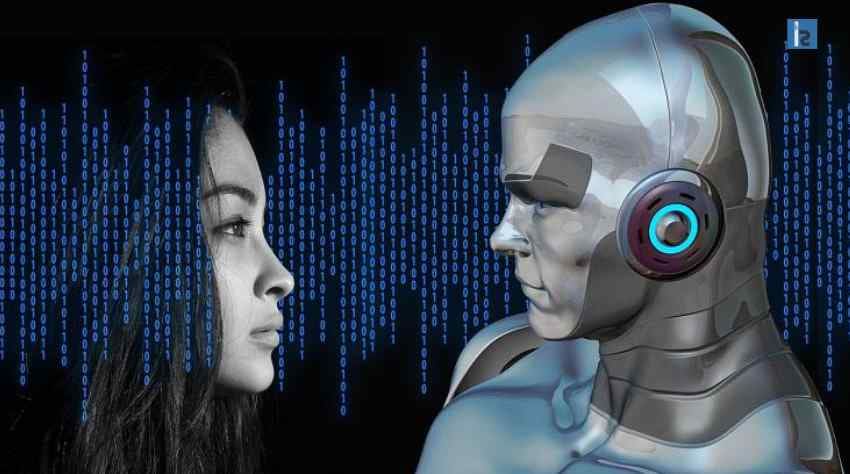
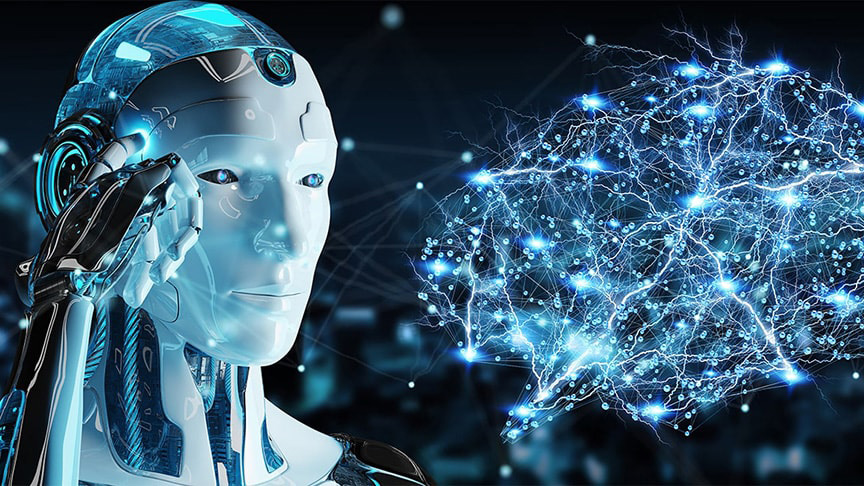
ARE COMPUTERS REALLY INTELLIGENT?

When it comes to the possibilities and possible perils of artificial intelligence (AI), learning and reasoning by machines without the intervention of humans, there are lots of opinions out there. Only time will tell which one of these quotes will be the closest to our future reality. Until we get there, it’s interesting to contemplate who might be the one who predicts our reality the best.

“The development of full artificial intelligence could spell the end of the human race. It would take off on its own, and re-design itself at an ever-increasing rate. Humans, who are limited by slow biological evolution, couldn’t compete, and would be superseded.”— Stephen Hawking

Will computers eventually be smarter than humans? 
 
Everyone is talking about artificial intelligence (AI) – in the media, at conferences and in product brochures. Yet the technology is still in its infancy. Applications that would have been dismissed as science fiction not long ago could become reality within a few years. With its specialty materials, the Electronics business sector of Merck is contributing to the development of AI. 

HOW SMART ARE YOU?

Who’s smarter — you, or the computer or mobile device on which you’re reading this article? The answer is increasingly complex, and depends on definitions in flux. Computers are certainly more adept at solving quandaries that benefit from their unique skill set, but humans hold the edge on tasks that machines simply can’t perform. Not yet, anyway.

Computers can take in and process certain kinds of information much faster than we can. They can swirl that data around in their “brains,” made of processors, and perform calculations to conjure multiple scenarios at superhuman speeds. For example, the best chess-trained computers can at this point strategize many moves ahead, problem-solving far more deftly than can the best chess-playing humans. Computers learn much more quickly, too, narrowing complex choices to the most optimal ones. Yes, humans also learn from mistakes, but when it comes to tackling the kinds of puzzles computers excel at, we’re far more fallible.

Computers enjoy other advantages over people. They have better memories, so they can be fed a large amount of information, and can tap into all of it almost instantaneously. Computers don’t require sleep the way humans do, so they can calculate, analyze and perform tasks tirelessly and round the clock. On the other hand, humans are still superior to computers in many ways. We perform tasks, make decisions, and solve problems based not just on our intelligence but on our massively parallel processing wetware — in abstract, what we like to call our instincts, our common sense, and perhaps most importantly, our life experiences. Computers can be programmed with vast libraries of information, but they can’t experience life the way we do.

Some of that’s rethinking how we approach these questions. Rather than obsessing over who’s smarter or irrationally fearing the technology, we need to remember that computers and machines are designed to improve our lives, just as IBM’s Watson computer is helping us in the fight against deadly diseases. The trick, as computers become better and better at these and any number of other tasks, is ensuring that “helping us” remains their prime directive.

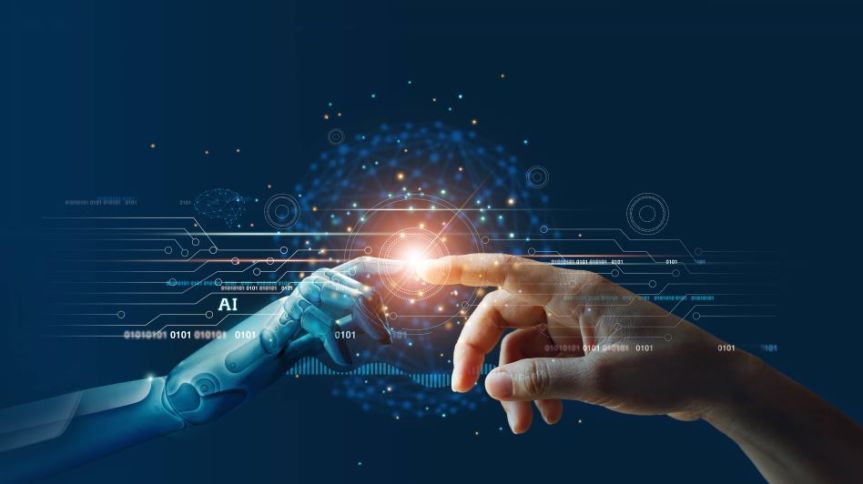
The important thing to keep in mind is that it is not man versus machine. “It is not a competition. It is a collaboration.”

Disadvantages of Modern Technology

In recent decades, digital technology has altered practically every area of people’s lives. Workplaces, shopping, music, movies, television, photography, travel, transportation, and long-distance communications are just a few examples of how things have changed. In fact, it’s becoming increasingly difficult to locate an electrical item or huge piece of machinery that doesn’t use digital technology in some form.

Because of digital technology, electronics have grown significantly smaller, lighter, faster, and more adaptable than they were previously. It also means that massive amounts of data may be kept locally or remotely and transferred from one location to another extremely instantly. Instead of just letters and numbers, the term “information” has evolved to include photographs, audio, video, and other forms of media. Information may also be changed considerably more simply; for example, photographs, music, and movies can all be edited.

In this article, let’s see the disadvantages of Modern Technology.

Demerits of Technology

1. Loneliness and social isolation

Because of computer and smartphone technology, social isolation is on the rise. Teens and young people are spending more time on social media, surfing the Internet, and playing video games, ignoring their real lives. Social media was created to assist us in making new acquaintances and conversing with them. However, the conversations that take place only on the screen of a smartphone or computer cause people to feel uncomfortable about real-life acquaintances. Even some people grow less sensitive to others as a result of their discomfort in interactions. Our previous style of engaging and meeting with people has been displaced by technology.

2. Society has become reliant on one another

Technology is becoming increasingly important in modern civilizations. Many critical services, including hospitals, electricity grids, airports, rail and road transportation networks, and military defenses, are now vulnerable to cyber-assault or catastrophic collapse. Humans would be rendered practically defenseless if technology were to be taken away from them overnight. We’ve given up on producing things with our hands and learning to survive off the earth.

3. Technology is a source of environmental issues

Technology causes a slew of environmental issues. Aside from the fact that most equipment and devices are made of toxic or non-biodegradable materials, most technologies require a power source, which can result in increased electricity and fossil fuel use. Aside from power, some technology creates harmful compounds. Although farming technology allows for more affordable and diversified food options, the technology used to produce them, such as pesticides and chemical fertilizers, can be harmful to humans and the environment.

4. Cost

Maintaining current with the latest and greatest technology can be costly, even if it saves you money in the long run. Investing in used equipment, maintaining a half-step behind the current tech development cycles, and enabling your employees to use their personal devices can all help you save money here.

5. Disbursement of Time

We devote a significant amount of time to our convenient technology. For example, when we want to be entertained, we turn to our iPhones. Alternatively, you may play video games, take the elevator instead of walking, watch the news, videos, and images of your friends on Facebook, and participate in pointless online discussions. However, if you give up all devices for a few days, you’ll be surprised at how much time you save. Time saved can be put to good use by participating in sports and exercising, meditating, or spending time with loved ones.

Conclusion

None of these drawbacks imply that technology is inherently harmful or should be avoided. Rather, they show that technology isn’t a flawless or all-encompassing solution for improving workplace performance and culture. Work to understand both sides of technological integration and make allowances for the real flaws that technology can bring.

Advantages of Digital India

The Government of India began the Digital India initiative to ensure that residents can access government services electronically through enhanced online infrastructure and increased Internet connectivity, or by making the country digitally empowered in the field of technology. Rural communities will be connected to high-speed internet networks as part of the effort. The construction of a safe and robust digital infrastructure, the delivery of government services online, and universal digital literacy are the three main components of Digital India. BharatNet, Make in India, Startup India, and Standup India, industrial corridors, Bharatmala, Sagarmala, dedicated freight corridors, UDAN-RCS, and E-Kranti were all launched on July 1, 2015, by Indian Prime Minister Narendra Modi.

In this article, let’s see the advantages of the Digital India Campaign.

Benefits of Digital India

  • Removal of the black economy all internet transactions can be easily monitored, and every payment made by a customer to any business will be logged, ensuring that no unlawful transactions occur and that people cannot hide their money. The government can effectively evict the underground economy by prohibiting cash-based transactions and requiring solely digital payments.
  • Payment without cash you won’t need to hold cash if you use cashless payment. Cash theft will be reduced, and when you make an online payment, all of your payments will be saved in the Record Bank. Customers can still get discounts on cashless payments and cashback through apps like Paytm, Phone Pe, and Freecharge. There are also shopping websites such as Flipkart and Amazon that offer discounts when making online bank payments.
  • Revenues Increasing another significant benefit of digital India is that as transactions become more digitized, monitoring sales and taxes becomes much easier. Because transactions are recorded, customers will now receive a bill for each purchase they make, and merchants will no longer be able to avoid paying tax to the government, resulting in increased government revenue – and thus growth of the economy.
  • The Economy has improved Digital India has made the most significant contribution to India’s Internet connectivity. The cashless economy is completely reliant on the Internet, allowing all types of information to be received solely through the Internet; the Digital India program will also considerably boost the country’s economy.
  • New jobs are being created there have been several ways to expand job opportunities in new markets as well as increase employment prospects in existing markets as a result of the Digital India program. New markets have begun hiring individuals, thereby raising the employment rate.
  • Establishes a foundation for e-governance. E-government is a great advantage for all citizens since it is easier, faster, and safer than traditional governance. With e-governance, you can now receive anything from a birth certificate to a death certificate in seconds, making it handy for individuals to get the information they need on the go.
  • People’s empowerment is a term used to describe the process of empowering people. One of the most significant benefits of Digital India is that it empowers citizens. When payments go digital, everyone will need a bank account, a phone, and other electronic devices. The government may quickly send subsidies to people’s Aadhaar-linked bank accounts in this way. In other words, people no longer have to wait for the government to provide them with the incentives and subsidies that they are entitled to. In most cities, this feature is already in place. The government provides LPG subsidies to the general public as an example of this feature. These days, the payment of the subsidy is done through bank transfers.

Role of science in making india

New green pasture beckons

In the last few years, science has helped a lot in the development of India. Science has contributed to all the sectors. Science has improved the global economy, increased employment opportunities, saved millions of lives and has played a major role in a lot of industries. Science is very important for the growth and development of India. It even plays a key role in our daily lives. Every country should invest as much as possible in research and development for scientific technologies. In this essay on the role of science in making India we will see how science has helped India to grow in different sectors.

How Indian Scientists have Helped India Grow?

When it comes to Indian Scientists, the first name comes to my mind is CV Raman. CV Raman was the first Asian who won the Nobel Prize. His work was related to light and sound. He investigated that when light passes through a transparent material, some of the deflected light waves see the change in its amplitude and wavelength.

APJ Abdul Kalam is the second name that comes in my mind in Indian Scientists. APJ Abdul Kalam worked as an Aerospace engineer with ISRO and DRDO. He was also president of India from 2002 to 2007. Abdul Kalam contributed a lot to Aerospace. One of the contributions is deploying Rohini Satellite near Earth’s orbit. A few more names are Homi Bhabha, Visvesvaraya, V Radhakrishnan, Satyendra Nath Bose and many more… 

Seven Defining S&T Contributions That Have Impacted Every Indian - The  India Saga

How has Science Increased Employment Opportunities?

Whenever any new technology is discovered it leads to new industries. For example, if any new scientific device is invented it will require eligible professionals to control the device. Such inventions help in increasing employment opportunities. This also helps in growth in many businesses which in turn develops the Indian economy.

Curing Diseases and Saving Lives

In the last few years, medical science has evolved so much and saved billions of lives. New technologies like wireless brain sensors, artificial organs, smart inhalers, robotic surgery, virtual reality are making work easier for thousands of doctors around the world. And also these technologies are saving millions of lives and curing diseases. 

Role in Agriculture Sector

Science has played a very major role in the Agriculture sector. Food is one of the basic needs of our lives. And science has now invented so many new agriculture techniques which have increased production drastically. The old mundane techniques farmers used to follow was very slow, expensive, and required too much effort.

National Technology Day 2021: Science and technology for a sustainable  future - The Financial Express

Science has made everything a lot easier for farmers. Improved facilities in irrigation, modern fertilizers, advanced equipment, and pesticides are all helping farmers to work faster, and save more money. 

Conclusion

Science has helped us a lot in many ways and it will keep helping. Everyone should not only invest as much as possible in science and technology but also should stay aware of all new technologies developed around the world.