Censorship of Indian Films

N kavya

In India, films are censored by the Central Board of Film Certification (CBFC), a statutory censorship and classification body under the Ministry of Information and Broadcasting, Government of India. Films should be certified by the board to be publicly exhibited it in India, including films shown on television.

History -:

Film censorship, the control of the content and presentation of a film, has been a part of the film industry for almost as long as it has been around. The activists of current society continue to broaden the First Amendment rights for the film industry allowing the art to be restricted to a certain limit.[24] Britain established film censorship in 1912 and the United States followed a decade later. Other early efforts of censoring the film industry include the Hays Code of 1922 and the Motion Picture Production Code of 1930.

The Film Fraternity – :

Films are considered a great medium of communication with people. With the development and progress of society and also with the progress in the field of science and technology, films have undergone a sea change and by adopting all the available technologies, have been able to reach the masses and are also significantly contributing to the social and cultural development of the country. In this way, the films are equated with the Press as Press is also considered a great medium of communication.

The Constitution-:

Article 19(1) of the Indian constitution ensures the right to freedom of speech and expression for all. Hence, this right is also applicable to moviemakers as well as writers. Article 19(2) specifies that freedom of expression should not threaten the sovereignty and integrity of the Nation. Censor Board was established based on this principle.

Central Board of Film Certification (CBFC) -:

A motion film is certified by CBFC, the regulatory authority in India, under Sections 5A and B of the Cinematograph Act, 1952. CBFC certifies and differentiates movies as ‘U (Unrestricted Public Exhibition)’, ‘U/A (Parental Guidance for children below the age of 12 years)’, A (Restricted to adults), and S (Restricted to any special class of persons).

NECESSITY OF CENSORSHIP -:

1. Influences the young -:
Nowadays, most movies have unrealistic scenes. Violent scenes that motivate young viewers to copy the tasks their heroes perform on screen may cost them their lives. movies that claim that the consumption of drugs is injurious to health are promoting the use of drugs as young minds grow curious to try them in real life. It is better if such scenes are censored. Children are also watching ‘A’ certified movies, filled with full of violence. The accessibility to movies has increased considerably. So there is a need to remove scenes of too much violence and vulgarity.

2. Tackles the unacceptable -:
If a part of a movie contains scenes or language that cannot be accepted by people of all religions, then there will be calls to ban the movie and a riot may break out. So, to avoid them, the government has set up a board that will censor those unacceptable parts. If there is no censorship, there are dangers that movies that hurt the sentiments of certain sections will be out in public. This can lead to violence and threatens public order.

3. Keeps children safe -:
Censoring certain parts of movies helps keep children away from hearing and seeing inappropriate things. Nowadays, children are addicted to watching TV. When a movie is shown on TV — and most movies are these days — children are exposed to it. Inappropriate scenes or a string of wrong words can teach them all the wrong things and have a bad influence. As a society, we have a responsibility to protect children from being exposed to dangerous content.

4. Maintains harmony -:
Scenes that make a travesty of history or create friction amongst people should be completely removed. The case of the movie, Padmaavat, which was released in January 2018, is the perfect example of the need of censoring movies to maintain communal harmony.

DISADVANTAGES OF CENSORSHIP -:

1. An art -:
The arts do not influence people’s thoughts and feelings, let alone their actions unless they connect with something already present in those people’s personalities or experiences. People choose what art they will look at, what movies they will watch, what games they will play, or what sites they will visit, because of who they already are. Cinema, like other art forms, is a medium for expression. Filmmakers translate their vision onto the big screen through months or years of hard work. Thus, to snip off portions that are undesirable in a movie is unfair.

2. Obstructs creativity -:
Censoring parts of movies obstructs their creative flow and nullifies the effect of the narrative. It is always up to us if we want to watch a movie or not. Censoring parts of it means breaking the million thoughts and ideas that go into building that movie. Documentaries, which are meant to expose truths, are also undergoing many cuts. Filmmakers spend a lot of money and time making movies. If parts of the movie are cut in the name of censorship, they will be discouraged to make more movies.

3. Essence lost-:
Be it a plot or sub-plot, every part of a movie is crucial. So, with a part missing, the entire essence of the movie is lost. It’s time to leave movies in the hands of the movie’s crew and not the certification board. People have the mental ability to decide what to watch and what not to watch. Government has no right to decide what people are allowed to watch.

Is censorship a necessary evil?

Censorship can be considered a necessary evil, but that doesn’t negate the freedom of speech and expression completely. The chief problem is that it seems that Censor Board doesn’t look into alternative options before banning a movie and fails to take into account a lot of mitigating factors involved in the making of the movies. While public interest needs to be protected, the private interest of the parties involved cutely be forgotten.

Loss of time and money :

Right from the script to music, to production and advertising, a lot of effort and money has gone into the movies which when banned enormously impacts the economic status of people involved, which in turn comes under the ambit of their fundamental right of livelihood. This repeated pattern of Board or Government banning or halting the release of movies, thereby consequently an appeal being filed to High Courts and Supreme Court where the ban is lifted is getting quite tedious.

Conclusion :

The Certification Board must take a balanced approach while reviewing movies and must take into account that the harmony between freedom of expression and a sense of security and peace in society is maintained. In a perfect world, censorship would not be necessary. Children wouldn’t be exposed to movies inappropriate for their age and every person would have the mental stability to recognize the boundary between movies and reality. But we don’t live in a perfect world – so while we can’t always monitor what our children watch, or predict what could inspire violent behavior, we can take steps to protect the unguarded things in society through classification and censorship.

YOUTUBE MARKETING

N kavya

YouTube Marketing is the practice of promoting businesses and products on YouTube’s platform, by uploading valuable videos on a company’s YouTube channel or using YouTube ads. more and more companies are including YouTube as part of their digital marketing strategy.

That’s partly because YouTube as a platform is growing insanely fast. But it’s also because the video is an extremely powerful medium.

The truth about youtube marketing -:

YouTube is an opportunity to get more traffic and customers. YouTube can be a very competitive place. This means you can’t just start uploading videos and expect to see results. Countless “big brands” have jumped into YouTube marketing head-first… with only a handful of views and subscribers to show for it.

The truth is, to succeed on YouTube, you need to have a winning strategy, the ability to create great videos, and the SEO know-how to optimize those videos around keywords and topics that people on YouTube care about.

Why youtube is considered a major market for advertising – :

1. YouTube is the 2nd most-visited website in the world.
2. 2 billion people log in to YouTube every month.
3. 68% of YouTube users state that videos help them make a “purchasing decision”.
4. The number of SMBs advertising on YouTube has doubled over the last 2 years.

What is the main goal of YouTube marketing?

One of your objectives for your YouTube marketing should be to help your customer find you. A catchy slogan or prominent company name throughout the video can keep you on people’s minds long after they’ve seen your message online. They can then do an online search and find you.

Objectives of Youtube marketing –:

YouTube videos should have clear objectives that align with your company goals. focus all of your efforts on gimmicks that will get the attention of viewers and help your video go viral, you may overlook the reason you market on YouTube to get more business. Make sure your attention-getting videos help you move toward your company objectives.

1. Reaching Your Target Customer -:

If your target demographic is women between the ages of 35 and 45, and your video catches on with teenagers, you may be popular, but you won’t be effective. Think about the kinds of images and messages that would appeal to your customer, and make it one of your objectives to use as many of those images as possible.

2. Making It Easy to Find You -:

One of your objectives for your YouTube marketing should be to help your customer find you. A catchy slogan or prominent company name throughout the video can keep you on people’s minds long after they’ve seen your message online. They can then do an online search and find you. You should include a link to your website, along with any other contact information, such as an email address, business address, or phone number. Don’t lose sight of your objective of helping customers contact you.

3. Establishing a Relationship -:

You should evaluate the relationship you want with your customers, and create a video that helps them feel you are one of them. You can convey a sense of trust, lightheartedness, sophistication, down-to-earth values, or even anger, to name a few relationship starters.

4. Keeping Your Product in Mind -:

Don’t get so involved with making an interesting video that you lose sight of your number-one objective: letting people know about your product or service. Feature your product prominently and clearly, so that viewers won’t have to wonder what you are marketing.

Importance of YouTube to Business -:

1. Advertising -: the largest video-sharing website on the Internet, according to NBC, YouTube also doubles as one of the largest video search engines in the world
2. Customer Communication -: YouTube provides an array of channels for businesses to communicate with customers and prospects.
3. Internal Communication -: YouTube provides a convenient and easy-to-use video hosting service, it can serve as an inexpensive way to post instructional videos, announcements, and other internal communications.
4. Complaints –: As a business owner, you should carefully monitor YouTube for customer feedback and complaints.
5. Considerations -: YouTube can offer numerous important benefits to businesses, but you should keep some considerations in mind when using this resource.

Advantages of YouTube Marketing –:

1. Heavy Traffic
2. Higher Visibility on Google
3. Build Your Email List on YouTube
4. Higher Conversion Rates
5. Multiple Video Types
6. Massive Media Library

Disadvantages of Youtube Marketing –:

1. Control
2. Targeting
3. Ad Bypass
4. Auctions
5. Sales Conversion

YouTube provides every business with an insane opportunity to get more traffic and customers. However, it is also a very competitive place as well. This means that you can’t just start uploading videos and expect to see results overnight. Many big businesses jump into YouTube marketing with no strategy – their lack of views and subscribers show for it. The truth is that to succeed on YouTube is not just about creating great videos. It’s knowing how to optimize those videos around keywords that people on YouTube are searching for.

10 travel destinations in india

India is home to some of the most stunning natural attractions and historical sites in the world. With so many places to visit and things to do, it’s hard to know where to start. But if you want something off-the-beaten path, these 10 destinations are sure to satisfy your wanderlust.

1. Goa

Vagator Beach, Goa

Goa is a popular tourist destination in India and has been attracting visitors for years. It’s known for its beaches, which are clean and have plenty of space to relax on them.

Goa also has great food, music and culture. The best way to experience all this is by staying at an airbnb or other bed & breakfast type place that hosts travelers from around the world!

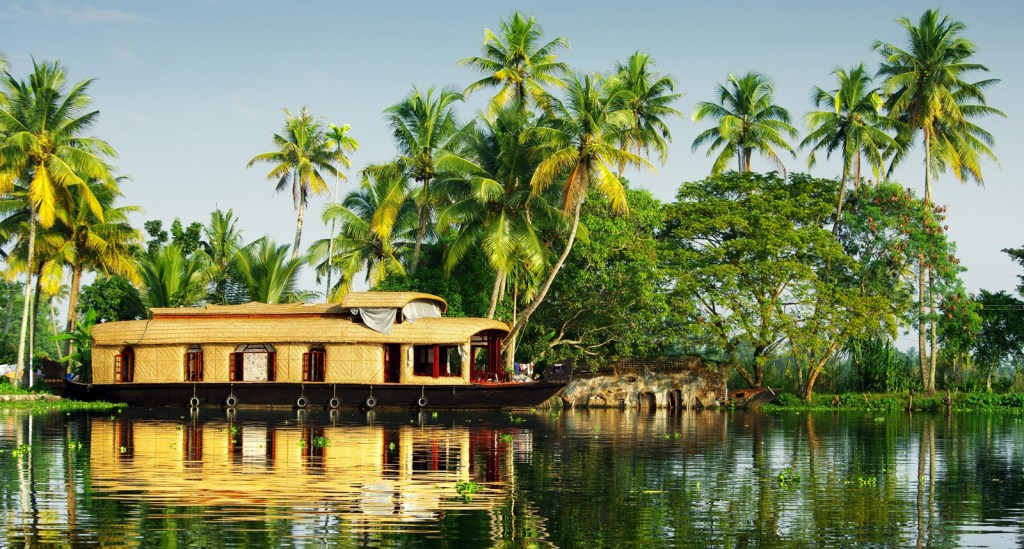
2. Kerala

Kumarakom, Kerala

Kerala is a beautiful place to visit in India. It has many beaches, backwaters and historical sites. One of its most famous attractions is the backwaters of Alleppey that are home to some interesting wildlife sanctuaries. The state also has many temples which are a must-see during your trip here.

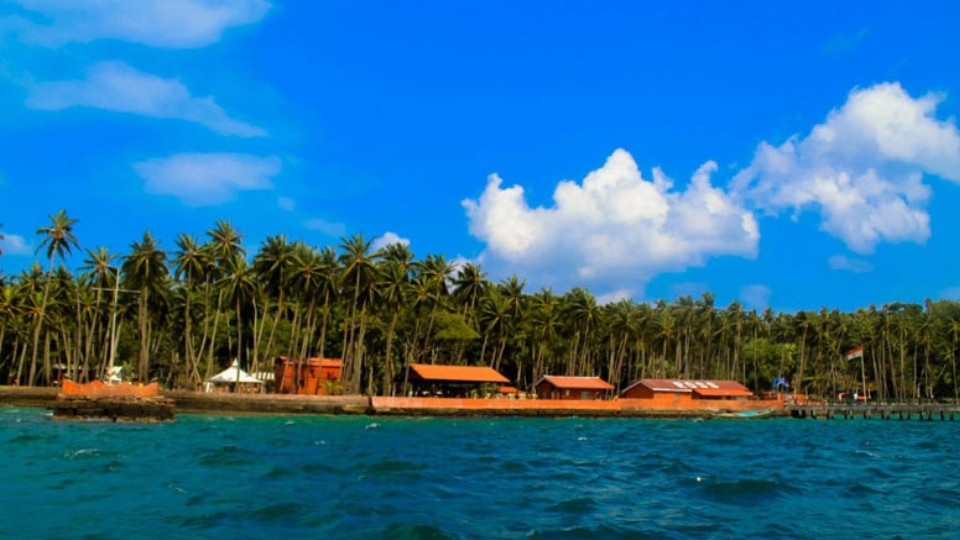
3. Andaman and Nicobar Islands

Andaman

The Andaman and Nicobar Islands are located in the Bay of Bengal, just off India’s coast. These islands are a part of India and home to many different tribes. The islands have a great climate for relaxation, as well as beaches with white sand.

4. Pondicherry

Serenity beach, Pondicherry

Pondicherry is a city in the union territory of Puducherry. It was formerly known as Pondicherry and it is located on the Coromandel Coast, India’s east coast, which is known for its beaches and resorts. The city has an old-world feel to it with buildings that date back to French rule over India during the 19th century.

Pondicherry has many beaches where you can go swimming or just relax on your day off from work.

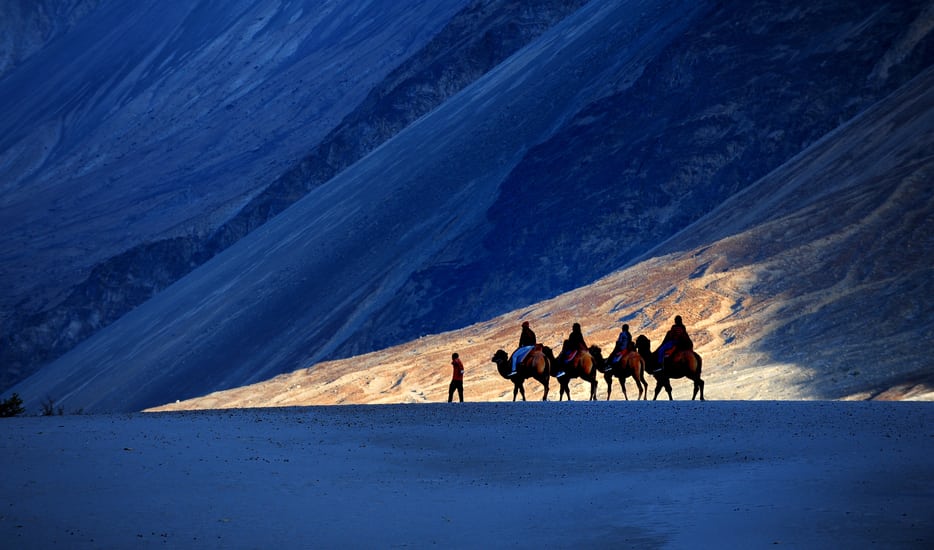
5. Leh Ladakh

Nubra Valley, Ladakh

Leh Ladakh is a cold desert in the Himalayas, close to the Chinese border. It’s a great place to visit if you want to see the mountains and enjoy some hiking or trekking. There are many places where you can go for this activity, but one of them is called “Nubra Valley”. In this valley there are many different things that you can do: horseback riding (on horses), skiing down from a mountain peak or just walking around looking at all those beautiful views.

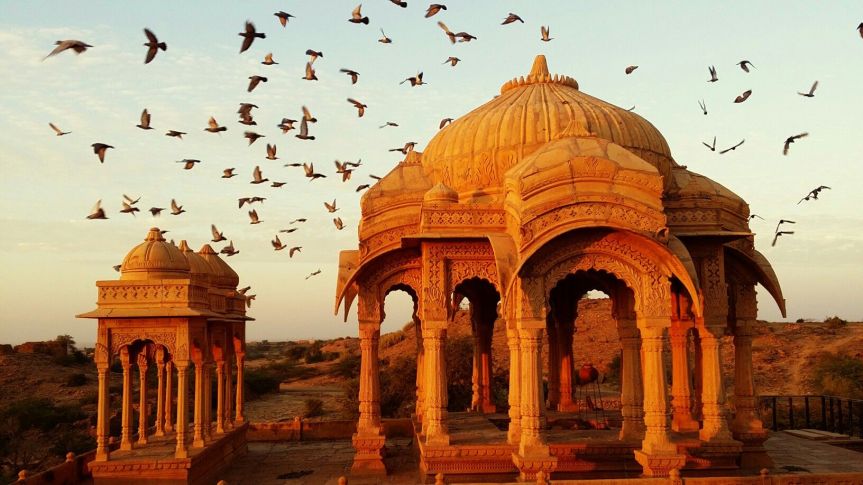
6. Rajasthan

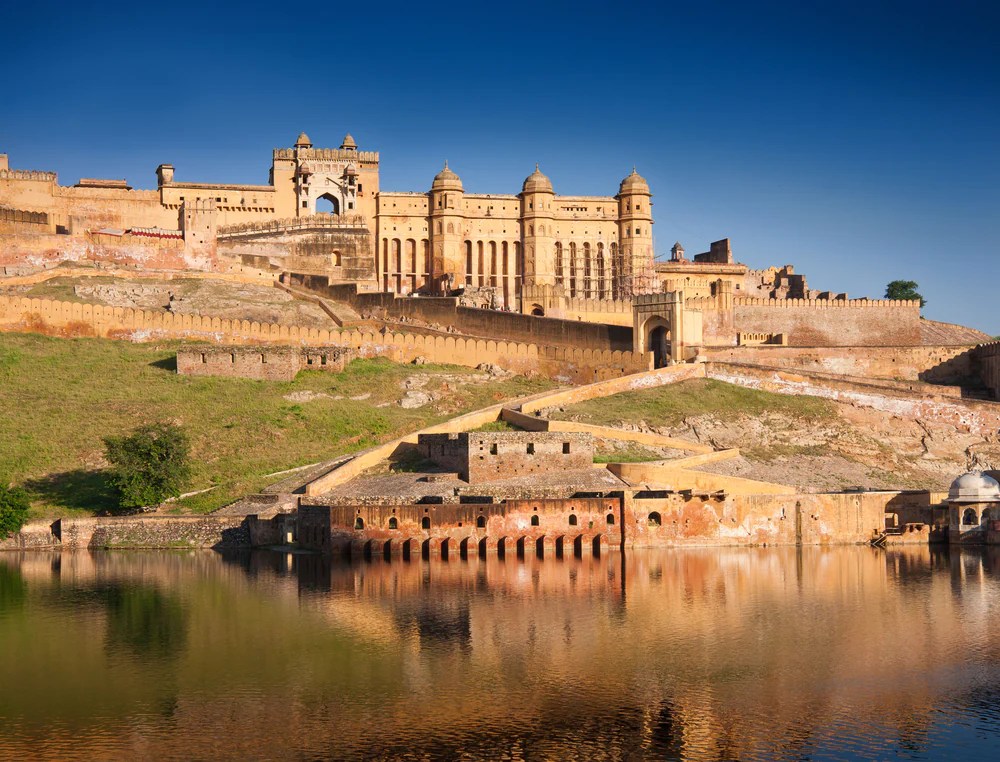
Amer fort, jaipur

Rajasthan is a state in northern India. It has a desert climate, but it’s also known for its palaces and forts. The city of Jaipur is home to several of these attractions, including the Amber Fort and Jantar Mantar Observatory. It also has many lakes, some famous (Lake Pichola) and some not so much (Kumbhalgarh). Some people visit these lakes during wintertime because they’re warm then; others go there in summer because it looks like an ice skating rink. There are plenty of temples as well: we’re talking about hundreds of them.

7. Darjeeling

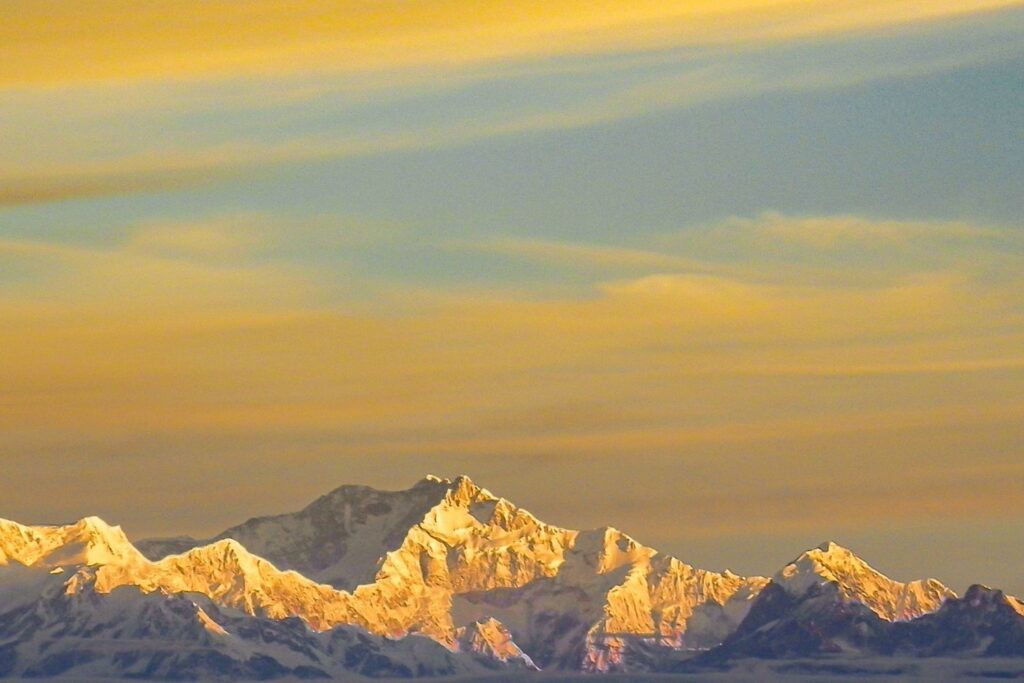
The Kanchenjunga

Darjeeling is a hill station in West Bengal. The city is located on the foothills of the Himalayas and offers panoramic views of the plains below.

The town has been known for its tea plantations since 1834 when it was first discovered by British colonists. It’s also a popular destination for trekkers, who can choose from several trails to explore this beautiful area along with its rich history and natural beauty.

8. Varanasi

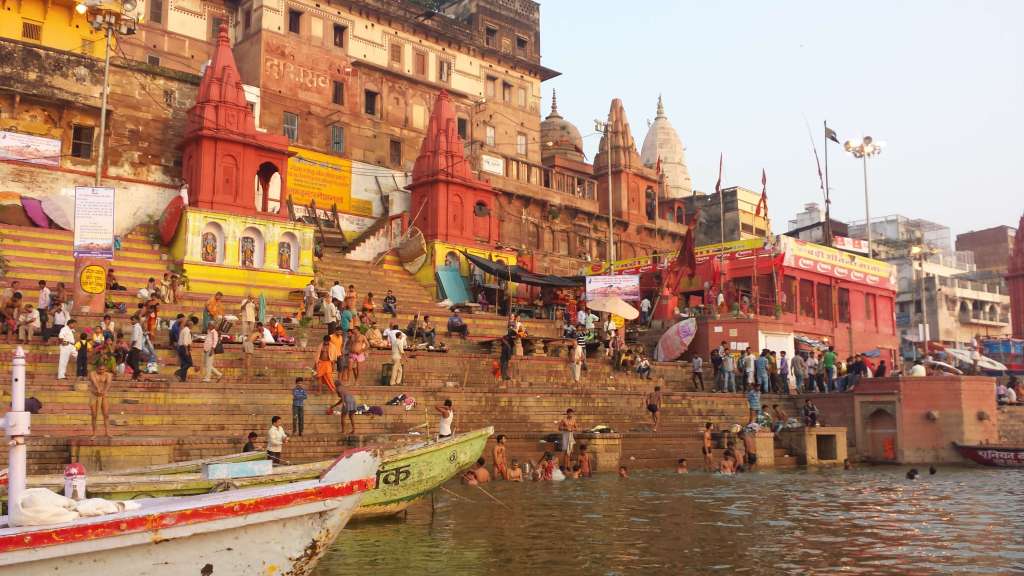
A ghat in varanasi

Varanasi is a religious, cultural and historical city located on the banks of River Ganges. It has been called one of the most sacred places in India as it’s believed that Lord Shiva resided here for some time before passing away.

The city is known for its ghats (steps leading down to the river), temples and food which are all part of its rich history. Varanasi offers tourists everything they need during their stay – from budget accommodation options to luxury hotels & resorts offering everything from pampering spa treatments to yoga classes at sunrise. Not only this but there are plenty of things to do when you visit Varanasi including visiting one or more ghat sites where pilgrims perform rituals during monsoon season when temperatures rise up high enough so visitors can bathe in freezing waters without getting cold feet.

9. Rishikesh

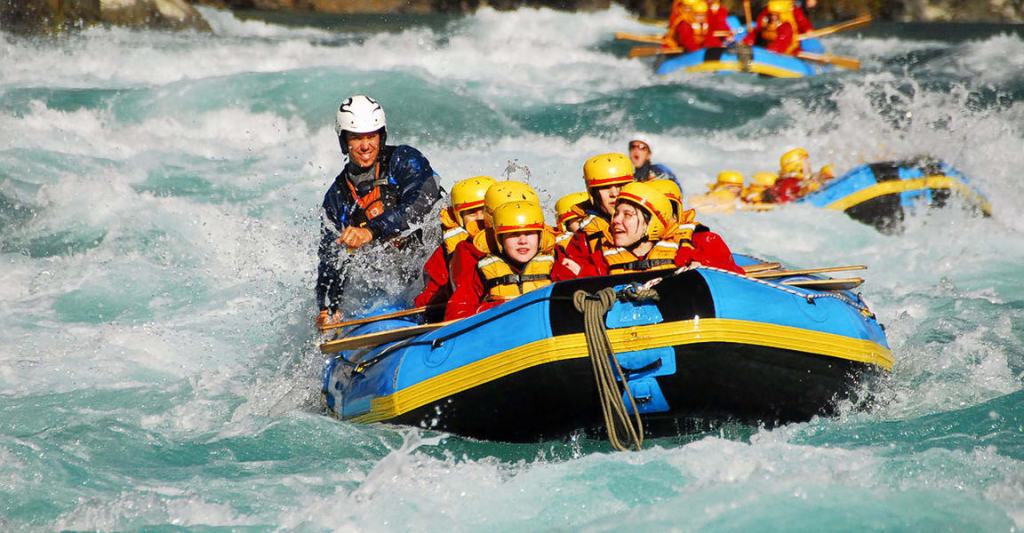
Rafting in Rishikesh

Rishikesh is full of amazing sights—from its spectacular natural surroundings to its historic temples and churches. Other sights include Lakshman Jhula Bridge built between 1822–1823 across River Ganges near Yamuna Sagar Lake during British rule; Vishwanath Temple dedicated specifically because he was considered Hindu god Vishnu’s favorite son; Kedarnath Temple built by King Bhagwan Nand Lal in memory of his father who died while building this temple during his lifetime. River rafting and other fun activities are organised here.

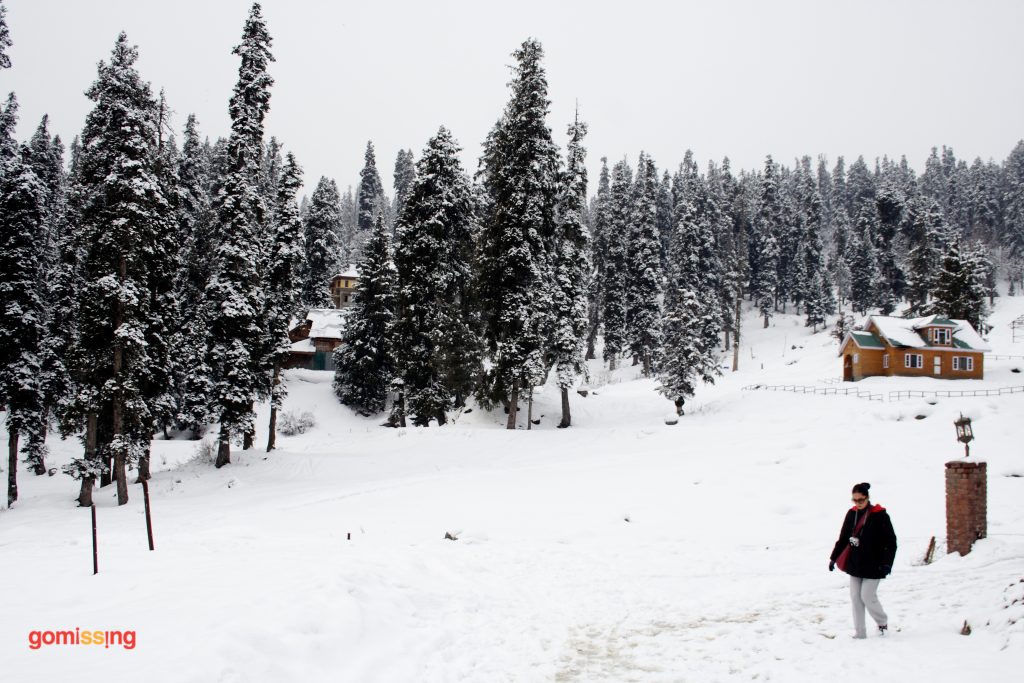
10. Gulmarg, Jammu and Kashmir

Gulmarg Golf Club area

Gulmarg is a ski resort in Kashmir, located at an altitude of 11,500 feet. It is one of the oldest and most popular tourist destinations in Jammu and Kashmir. The area has 300 km of pistes that can be reached by cable cars or snowshoes. Gulmarg also hosts many other activities like skiing, heli-skiing, snowboarding and more.

These are just a few of the travel destinations in India that you can experience and enjoy.

RainWater Harvesting

N kavya

Rainwater harvesting is a sustainable process that helps in preserving water for future needs. Water scarcity is a major concern in today’s scenario. The process of rainwater harvesting is a good way to conserve water. Rainwater Harvesting is one of the most used methods to save water. It refers to storing rainwater for various uses. The notion behind rainwater harvesting is to not waste the rainwater and prevent it from running off. In other words, it is done to collect rainwater using simple mechanisms. It is usually collected at the place the rain falls from the ground or rooftops. Rainwater harvesting is an alternative to reduce the stress of public water supply sources. The recharge of rainwater to the ground in the coastal regions prevents seawater immersion into the freshwater. Finally, rainwater harvesting reduces water supply bills.

Rainwater Filtration -:

Rainwater can be harvested or purified in multiple ways. The catch area before harvesting must be cleaned thoroughly, and the pipelined must be flushed regularly. Initially, the water flow is diverted to wash or rinse the area.
Rainwater contains contaminants or other waste materials that affect the quality of the water. Contaminants such as dust, Bird excreta, pollution, leaves, and sand particles can affect water quality.


Filtration removes contaminants and other impurities and purifies rainwater for drinking and other purposes. However, the harvested water must be treated and tested before consumption to ensure the right quality check.
Industries use the practice of pre-filtration to ensure that the purified water is directed water to the tank. The pre-filtration measure is a vital step that the water supply system should not compromise in terms of water quality.


Some techniques of rainwater purification are solar sterilization, the use of chemicals like iodine or chlorine, or sediment filtration. However, harvested rainwater used for drinking purposes can be filtered through Reverse Osmosis (RO).

Favorable aspects of Rainwater Harvesting -:

Rainwater Harvesting positively affects underground water quality. It dilutes the number of nitrates, fluorides, and salinity of the underground water. It contains zero hardness and almost neutral pH, making it highly suitable for industries, homes, institutions, industries, and other commercial establishments. Rainwater Harvesting reduces water supply bills. It is an excellent method that solves the water shortage crisis and lessens the energy consumption in water disturbance. Rooftop Rainwater harvesting controls urban flooding. The recharge of rainwater to the ground in the coastal regions prevents seawater immersion into the freshwater. Rainwater harvesting is an alternative to reduce the stress of public water supply sources. Construction of deeper wells can damage the natural environment as well as upscale. Therefore, the source of rainwater is highly effective and dependable. Stored harvested rainwater can be used as an alternative to municipal water and used during the water crisis.

Rainwater harvesting can be done in a variety of methods, including -:

1. A watershed is a region where precipitation flows directly into a river or another reservoir.
2. There are two ways to keep water: on the roof or the ground.
3. Normally, rainwater is collected on the rooftops. The rainwater from the roof is usually collected in PVC pipes and stored in a sump (a deep pit dug into the earth) or a tank.
4. The water in the tank can then be used for home purposes after it has been filtered.
5. Rainwater collection also helps to restore natural aquifers.

The two types of rainwater harvesting -:

1. Surface runoff harvesting -:

In this method, rainwater flows away as surface runoff and can be stored for future use. Surface water can be stored by diverting the flow of small creeks and streams into reservoirs on the surface or underground. It can provide water for farming, cattle, and for general domestic use. Surface runoff harvesting is most suitable in urban areas.
Rooftop rainwater/storm runoff can be harvested in urban areas through:
• Recharge Pit
• Recharge Trench
• Tubewell
• Recharge Well

Groundwater recharge -:

Groundwater recharge is a hydrologic process where water moves downward from surface water to groundwater. Recharge is the primary method through which water enters an aquifer. The aquifer also serves as a distribution system. The surplus rainwater can then be used to recharge Grothe underwater aquifer through artificial recharge techniques.

3. Rainwater in rural areas can be harvested through -:

• Gully Plug
• Contour Bund
• Dugwell Recharge
• Percolation Tank
• Check Dam/Cement Plug/Nala Bund
• Recharge Shaft


Although rainwater harvesting measure is deemed to be a desirable concept for the last few years, it is rarely implemented in rural India. Different regions of the country practiced a variety of rainwater harvesting and artificial recharge methods. Some ancient rainwater harvesting methods followed in India includes Madaras, Ahar Pynes, Surangas, Taankas, etc.

Advantages of Rainwater Harvesting -:

1. Less cost.
2. Helps in reducing the water bill.
3. Decreases the water demand.
4. Reduces the need for imported water.
5. Promotes both water and energy conservation.
6. Improves the quality and quantity of groundwater.
7. Does not require a filtration system for landscape irrigation.
8. This technology is simple and easy to install and operate.
9. It reduces soil erosion, stormwater runoff, flooding, and pollution of surface water with fertilizers, pesticides, metals, and other sediments.
10. It is an excellent source of water for landscape irrigation with no chemicals, or dissolved salts, and is free from all minerals.

Disadvantages of Rainwater Harvesting-:

1. In addition to the great advantages, the rainwater harvesting system has a few disadvantages like unpredictable rainfall, unavailability of the proper storage system, etc.
2. Listed below are a few more disadvantages of the rainwater harvesting process.
3. Regular maintenance is required.
4. Requires some technical skills for installation.
5. Limited and no rainfall can limit the supply of rainwater.
6. If not installed correctly, it may attract mosquitoes and other waterborne diseases. 7. One of the significant drawbacks of the rainwater harvesting system is storage limits.

The world faces an increasingly critical need to address climate change, and the impact that water conservation has on a sustainable environment is undeniable. Groundwater is the primary source of freshwater that caters to the demand of the ever-growing domestic, agrarian, and industrial sectors of the country. Over the years, it has been observed that the necessity for the exploitation of groundwater resources for various everyday needs, like toileting, bathing, cleaning, agriculture, drinking water, industrial and ever-changing lifestyles with modernization is leading to tremendous water wastage. Harvesting and collecting rainwater is an adequate strategy that can be used to address the problem of water crisis globally. The use of a rainwater harvesting system provides excellent merits for every community. This simple water conservation method can be a boost to an incredible solution in areas where there is enough rainfall but not enough supply of groundwater. It will not only provide the most sustainable and efficient means of water management but also unlock the vista of several other economic activities leading to the Empowerment of people at the grass-root level.

For this, the Government should come out with an appropriate incentive structure and logistic assistance to make it a real success. Rainwater harvesting is something that thousands of families across the world should participate in rather than pinning hopes on the administration to fight the water crisis. This water conservation method is a simple and effective process with numerous benefits that can be easily practiced in individual homes, apartments, parks, and across the world. As we all know that charity begins at home, likewise, a contribution to society’s welfare must be initiated from one’s home.

EMPATHY

N kavya

The term “empathy” is used to describe a wide range of experiences. Emotion researchers generally define empathy as the ability to sense other people’s emotions, coupled with the ability to imagine what someone else might be thinking or feeling. The term “empathy” is used to describe a wide range of experiences. Emotion researchers generally define empathy as the ability to sense other people’s emotions, coupled with the ability to imagine what someone else might be thinking or feeling.

Contemporary researchers often differentiate between two types of empathy: “Affective empathy” refers to the sensations and feelings we get in response to others’ emotions; this can include mirroring what that person is feeling or just feeling stressed when we detect another’s fear or anxiety. “Cognitive empathy,” sometimes called “perspective taking,” refers to our ability to identify and understand other people’s emotions. Studies suggest that people with autism spectrum disorders have a hard time empathizing.

Empathy seems to have deep roots in our brains and bodies, and our evolutionary history. Elementary forms of empathy have been observed in our primate relatives, in dogs, and even in rats. Empathy has been associated with two different pathways in the brain, and scientists have speculated that some aspects of empathy can be traced to mirror neurons, cells in the brain that fire when we observe someone else act in much the same way that they would fire if we performed that action ourselves. Research has also uncovered evidence of a genetic basis for empathy, though studies suggest that people can enhance (or restrict) their natural empathic abilities.

Having empathy doesn’t necessarily mean we’ll want to help someone in need, though it’s often a vital first step toward compassionate action.

Empathy manifests in education as well as between teachers and students. Empathy becomes difficult when there are differences between people regarding culture, language, skin color, gender, and age. Empathy is considered a motivating factor for unselfish behavior. Lack of empathy is similar to antisocial behavior. Empathy develops deep roots in our brains, as our evolutionary history. Having empathy does not mean that a person is willing to help someone. It is an essential step toward compassionate action.

Empathy forms one of the most critical components of creating harmonious relationships. It reduces stress and enhances emotional awareness. People are well attuned to their feelings and emotions. Getting into someone’s head can be challenging at times. People tend to be empathetic when they listen to what others have to say. It makes an individual overwhelmed by tragic incidents. Empathy can make an individual concerned about the well-being of another individual.

Empathy helps to make an individual a better person. By understanding what people are thinking and feeling, people can respond appropriately. Social connections build up as a result of empathy. It helps in both physical and psychological well-being. Empathizing with others helps to regulate a person’s own emotions. It helps an individual to manage his feelings even at times of great stress.

Empathy helps a person to engage themselves in helpful behaviors. Not everyone experiences empathy. Some people may be more naturally empathetic than others. How a person perceives another person can influence empathy to a great extent. Being empathetic toward others will help to understand others’ suffering and create harmony in the world.

Key aspects of empathy -:


1. In the absence of empathy, relationships remain shallow.
2. Empathy does not form a part of intuition; it is about understanding others.
3. Empathy is a learned behavior.
4. The capacity of being empathetic to another person depends on each individual.
5. Empathetic people tend to help others more.
6. Painkillers can reduce your capacity of being empathetic toward other people.
7. Anxiety and tension can influence empathy to a great extent.
8. An individual can heighten their empathy through meditation.
9. All humans are inclined toward empathizing with others in their pain and suffering.
10. A genetic defect can reduce an individual’s empathy.

Empathy can be learned and practiced. It is a vital aspect of our everyday lives. It enables an individual to show compassion. It helps to relate to other people, relatives, colleagues, and loved ones and helps to impact the world positively. Some people are born with empathy while some learn it and can increase or decrease it. It is a part of emotional intelligence, which can be taught to children at a very early stage. Children can be taught to be empathetic by sharing their things and not hurting others.

ANXIETY

N kavya

Anxiety is your body’s natural response to stress. It is a feeling of fear or apprehension about what is to come. It is normal to feel anxious about moving to a new place, starting a new job, or taking a test. This type of anxiety is unpleasant, but it may motivate you to work harder and do a better job. Ordinary anxiety is a feeling that comes and goes but does not interfere with your everyday life. In the case of an anxiety disorder, the feeling of fear may be with you all the time. It is intense and sometimes debilitating. This type of anxiety may cause you to stop doing things you enjoy. For example, it may prevent you from entering an elevator, crossing the street, or even leaving your home in extreme cases. If left untreated, the anxiety will keep getting worse.

Symptoms of anxiety :
1. anxious thoughts or beliefs that are difficult to control
2. restlessness
3. trouble concentrating
4. difficulty falling asleep
5. fatigue
6. irritability
7. unexplained aches and pains.

What causes anxiety?


Medical experts are not sure of the actual cause. But a combination of factors likely plays a role.
The causes of anxiety may include:
1. stress
2. other medical issues such as depression or diabetes
3. first-degree relatives with generalized anxiety disorder
4. environmental concerns, such as child abuse
5. substance use
6. situations such as surgery or occupational hazard. 7. In addition, researchers believe that it stems from the areas of the brain responsible for controlling fear and the storing and retrieval of emotional and fear-related memories.

Physical symptoms of anxiety :


When you experience symptoms of anxiety, they can manifest as physical symptoms such as:


1. dizziness
2. tiredness
3. heart palpitations
4. muscle aches and tensions
5. shaking
6. dry mouth
7. excessive sweating
8. stomach-ache
9. headache
10. insomnia

Who is at risk of anxiety?


Medical researchers say with each type of anxiety, there are different risk factors. But there are some general influences, including:


1. Personality traits. This includes shyness and nervousness in childhood.
2. Life history. This includes being exposed to negative or stressful life events.
3. Genetics. Of those who have a diagnosis of anxiety, percent trusted to have a first-degree relative who also has a diagnosis of anxiety.
4. Other health conditions. Thyroid problems and other health conditions can make you prone to anxiety.
5. Stimulants. Consuming sources, specific substances, and medications can worsen your symptoms.

Are there treatments for anxiety :


Once you’ve received a diagnosis of anxiety, treatment can help you overcome the symptoms and lead a more manageable day-to-day life.


The treatment is categorized into three types :


• Psychotherapy. Therapy can include cognitive behavioral therapy and exposure response prevention.
• Complemental health techniques. Mindfulness, yoga, and self-management strategies such as stress management are ways to treat your anxiety using alternative methods.
• Medication. Doctors prescribe antianxiety and antidepressant drugs.
• Session, with a therapist or psychologist, can help you learn tools to use and strategies to cope with stress when it occurs.

Some other commonly used medications include:

• Selective serotonin uptake inhibitors (SSRIs). Escitalopram, fluoxetine, and paroxetine are common SSRIs.
• Selective norepinephrine reuptake inhibitors (SNRIs). Duloxetine and venlafaxine are common SNRIs.
• Antipsychotics. Quetiapine and aripiprazole are common antipsychotics.
• Benzodiazepines. Diazepam and clonazepam are common benzodiazepines.
• Anxiolytics. Buspirone is a common anxiolytic.

Natural remedies for anxiety are :

1. getting enough sleep
2. meditating
3. staying active and exercising
4. eating a healthy diet
5. avoiding alcohol
6. avoiding caffeine
7. quitting smoking cigarettes if you smoke.

Foods that can help you with anxiety :

• flax and chia seeds
• fatty fish such as mackerel and salmon
• turmeric
• vitamin D
• magnesium
• tryptophan

It’s important to understand that anxiety disorders can be treated, even in severe cases. Although anxiety usually doesn’t go away, you can learn to manage it and live a happy, healthy life.

Cultural Pluralism

N kavya

Cultural pluralism is defined as the societal condition in which minority groups within a society can maintain their distinctive cultural identities, values, and practices if they are consistent with the laws and values of the wider society. Institutions and values that support cultural pluralism include political democracy, tolerance for uncertainty, prioritization of secular rational values, and openness to foreign cultures. societies with a demanding climate and high innovation performance, their citizens tend to support democracy, are more tolerant of uncertainty, prioritize secular-rational values, and take more leisure trips outside of their home country.

Significance of cultural pluralism -:

The late nineteenth and early twentieth centuries, which saw the largest surge of immigrant arrivals in American history, an anti-immigrant backlash took the forms of nativism, xenophobia, and other expressions of prejudice. Criticism of the unfamiliar appearances and behaviours of the newly arrived people prompted discriminatory treatment of the new immigrants in education, employment, government programs, housing, and public accommodations. As a result, the advance of industrious and talented immigrants whose efforts could enhance American progress was held back. The concept of cultural pluralism is an alternative to the “melting pot” view that immigrants should assimilate to American culture by abandoning their own cultures, languages, and other traditions. Cultural pluralists insist that different ethnic groups have enriched the American way of life as immigrants and native-born citizens have learned from one another, thereby broadening their views on art, cuisine, education, history, music, and other aspects of life.

Positive Aspects of Cultural Pluralism -:

1. The cultural plurality system is that it is easily understood by voters, provides a quick decision, and is more convenient and less costly to operate than other methods.
2. The plurality method operates best under a two-party system.

Critique of cultural pluralism –:

1. Cultural pluralism has been attacked for justifying cultural separatism—that is, a transformation to a “nation of nations” like what is found in Switzerland or a segregated America of ethnically pure residential enclaves.
2. The cultural pluralists assume that because ethnic traditions are static, they suppress individuality.
3. Cultural pluralists are attacked for a belief that ethnic identity is primary and thus more powerful than other identities. Some critics even see Kallen’s concept of cultural pluralism as rooted in Jewish ideology.

Cultural pluralism is distinct from multiculturalism, which lacks the requirement of a dominant culture. If the dominant culture is weakened, societies can easily pass from cultural pluralism into multiculturalism without any intentional steps being taken by that society. If communities function separately from each other or compete with one another, they are not considered culturally pluralistic. Pluralism is valuable because it provides individuals with alternative ways to live, promotes critical reflection on the culture within which one currently lives, and thus promotes change and growth within cultures generally.

Canada is a country that is often cited as an example of cultural pluralism. This is due in large part to the fact that Canada is home to a diverse range of cultures and ethnic groups.

Cultural pluralism brings diversity as explained by, Cultural pluralists who insist that different ethnic groups have enriched the American way of life as immigrants and native-born citizens have learned from one another, thereby broadening their views on art, cuisine, education, history, music, and other aspects of life.

Cyber Crime

N kavya

Cybercrime is any criminal activity that involves a computer, networked device, or network. cybercrimes are carried out to generate profit for the cybercriminals, some cybercrimes are carried out against computers or devices directly to damage or disable them. Others use computers or networks to spread malware, illegal information, images, or other materials. Some cybercrimes do both — i.e., target computers to infect them with a computer virus, which is then spread to other machines and, sometimes, entire networks. A primary effect of cybercrime is financial. Cybercrime can include many types of profit-driven criminal activity, including ransomware attacks, email and internet fraud, identity fraud, and attempts to steal financial accounts, credit cards, or other payment card information. Cybercriminals may target an individual’s private information or corporate data for theft and resale. As many workers settle into remote work routines due to the pandemic, cybercrimes are expected to grow in frequency in 2021, making it especially important to back up the data.

The U.S. Department of Justice (DDJ) divides cybercrime into three categories :
1. Crimes in which the computing device is the target
2. Crimes in which the computer is used as a weapon
3. Crimes in which the computer is used as an accessory to a crime

Cybercriminal activity may be carried out by individuals or groups with relatively little technical skill, or by highly organized global criminal groups that may include skilled developers and others with relevant expertise. Cybercriminals often choose to operate in countries with weak or non-existent cybercrime laws to further reduce the chances of detection and prosecution.

Types of Cybercrime -:

1. Cyberextortion: A crime involving an attack or threat of an attack coupled with a demand for money to stop the attack.
2. Crypto-jacking: An attack that uses scripts to mine cryptocurrencies within browsers without the user’s consent.
3. Identity Theft: An attack that occurs when an individual accesses a computer to glean a user’s personal information, which they then use to steal that person’s identity or access their valuable accounts, such as banking and credit cards.
4. Credit card Fraud: An attack occurs when hackers infiltrate retailers’ systems to get their customers’ credit card and/or banking information.
5. Cyber espionage: A crime involving a cyber-criminal who hacks into systems or networks to gain access to confidential information held by a government or other organization.
6. Software-Piracy: An attack that involves the unlawful copying, distribution, and use of software programs with the intention of commercial or personal use.
7. Ransomware attacks are similar, but the malware acts by encrypting or shutting down victim systems until a ransom is paid.
8. Phishing: The most common type of cybercrime as reported to the U.S. Internet Crime Complaint Centre was phishing and similar fraud.
9. Website Spoofing & IOT Hacking.

Cybercrime & Its Impact on Society – : On an individual level, a cyber-attack can lead to a variety of consequences, ranging from theft of personal information to extortion of money or loss of valuable data, such as family photos. Society and systems depend on critical infrastructures, such as power plants, hospitals, and financial services companies. The protection of these and other organizations is essential for the maintenance of our society and support of the relations between countries and international organizations.

How to prevent Cyber Crime –:

Backup all data, system, and considerations: This enables data stored earlier to assist businesses in recovering from an unplanned event.


• Enforce concrete security and keep it up to date: Choose a firewall with features that protect against malicious hackers, malware, and viruses. This enables businesses to identify and respond to threats more quickly.


• Never give out personal information to a stranger: They can use the information to commit fraud.


• Check security settings to prevent cybercrime: A cyber firewall checks your network settings to see if anyone has logged into your computer.


• Using antivirus software: Using antivirus software helps to recognize any threat or malware before it infects the computer system. Never use cracked software as it may impose the serious risk of data loss or malware attack.


• When visiting unauthorized websites, keep your information secure: Using phishing websites, information can easily bypass the data.


• Use virtual private networks (VPNs): VPNs enable us to hide our IP addresses.


• Restriction on access to your most valuable data: Make a folder, if possible, so that no one can see confidential documents.

Solar Energy for The Future

N kavya

Solar energy is any type of energy generated by the sun. Solar energy is created by nuclear fusion that takes place in the sun. Fusion occurs when protons of hydrogen atoms violently collide in the sun’s core and fuse to create a helium atom. Solar technologies convert sunlight into electrical energy either through photovoltaic (PV) panels or through mirrors that concentrate solar radiation. This energy can be used to generate electricity or be stored in batteries or thermal storage.

The Process of Solar Energy –

This process, known as a PP (proton-proton) chain reaction, emits an enormous amount of energy. At its core, the sun fuses about 620 million metric tons of hydrogen every second. The PP chain reaction occurs in other stars that are about the size of our sun and provides them with continuous energy and heat. The temperature for these stars is around 4 million degrees on the Kelvin scale (about 4 million degrees Celsius, 7 million degrees Fahrenheit).

In stars that are about 1.3 times bigger than the sun, the CNO cycle drives the creation of energy. The CNO cycle also converts hydrogen to helium but relies on carbon, nitrogen, and oxygen (C, N, and O) to do so. Currently, less than 2% of the sun’s energy is created by the CNO cycle.

Nuclear fusion by the PP chain reaction or CNO cycle releases tremendous amounts of energy in the form of waves and particles. Solar energy is constantly flowing away from the sun and throughout the solar system. Solar energy warms the Earth, causes wind and weather, and sustains plant and animal life.

The energy, heat, and light from the sun flow away in the form of electromagnetic radiation (EMR).

The electromagnetic spectrum exists as waves of different frequencies and wavelengths. The frequency of a wave represents how many times the wave repeats itself in a certain unit of time. Waves with very short wavelengths repeat themselves several times in a given unit of time, so they are high-frequency. In contrast, low-frequency waves have much longer wavelengths.

The vast majority of electromagnetic waves are invisible to us. The most high-frequency waves emitted by the sun are gamma rays, X-rays, and ultraviolet radiation (UV rays). The most harmful UV rays are almost completely absorbed by Earth’s atmosphere. Less potent UV rays travel through the atmosphere and can cause sunburn.

The sun also emits infrared radiation, whose waves are much lower frequency. Most heat from the sun arrives as infrared energy.

Sandwiched between infrared and UV is the visible spectrum, which contains all the colors we see on Earth. The color red has the longest wavelengths (closest to infrared), and violet (closest to UV) the shortest.

Natural Solar Energy

1. Greenhouse Effect
2. Photosynthesis
3. Fossil Fuels
• Harnessing solar Energy (The methods use either active solar energy or passive solar energy)
• Photovoltaics
• Concentrated solar energy
• Solar Architecture

Advantages & Disadvantages of Solar Energy

1. Advantages
• Solar energy is clean. After the solar technology equipment is constructed and put in place, solar energy does not need fuel to work. It also does not emit greenhouse gases or toxic materials.
• There are locations where solar energy is practical. Homes and buildings in areas with high amounts of sunlight and low cloud cover have the opportunity to harness the sun’s abundant energy.
• Solar energy complements other renewable sources of energy, such as wind or hydroelectric energy.


Homes or businesses that install successful solar panels can produce excess electricity. These homeowners or business owners can sell energy back to the electric provider, reducing or even eliminating power bills.

2. Disadvantages
• Solar energy equipment is also heavy. To retrofit or install solar panels on the roof of a building, the roof must be strong, large, and oriented toward the sun’s path.
• Both active and passive solar technology depends on factors that are out of our control, such as climate and cloud cover. Local areas must be studied to determine whether or not solar power would be effective in that area.
• Sunlight must be abundant and consistent for solar energy to be an efficient choice. In most places on Earth, sunlight’s variability makes it difficult to implement as the only source of energy.

Racialism

N kavya

A belief that races are the fundamental determinant of human traits and capacities and that racial differences produce an inherent superiority of a particular race. Ladino elites used racism to justify the displacement and enslavement of the indigenous population, and these beliefs, along with resentment created by the continued exploitation of indigenous land and labour, culminated in the Guatemalan Civil war (1960-1996). Racism is also called racialism.

(Racism)

After, Germany’s defeat in World War I, that country’s deeply ingrained anti-Semitism was successfully exploited by the Nazi Party, which seized power in 1933 and implemented policies of systematic discrimination, persecution, and eventual mass murder of Jews in Germany and the territories occupied by the country during World War II. In North America and apartheid-era South Africa, racism dictated that different races (chiefly blacks and whites) should be segregated from one another; that they should have their distinct communities and develop their institutions such as churches, schools, and hospitals; and that it was unnatural for members of different races to marry. Historically, those who openly professed or practiced racism held that members of low-status races should be limited to low-status jobs and members of the dominant race should have exclusive access to political power, economic resources, high-status jobs, and unrestricted civil rights. The lived experience of racism for members of low-status races includes acts of physical violence, daily insults, and frequent acts and verbal expressions of contempt and disrespect, all of which have profound effects on self-esteem and social relationships. Racism was at the heart of North American slavery and the colonization and empire-building activities of western Europeans, especially in the 18th century. In the 19th century, racism matured and spread around the world. In many countries, leaders began to think of the ethnic components of their societies, usually religious or language groups, in racial terms and to designate ‘higher and ‘lower races. The expressions and feelings of racial superiority that accompanied colonialism generated resentment and hostility from those who were colonized and exploited, feelings that continued even after independence. In the mid-20th century, many conflicts around the world have been interpreted in racial terms even though their origins were in the ethnic hostilities that have long characterized many human societies. By this time, many societies had begun to combat racism by raising awareness of racist beliefs, and practices by promoting human understanding in public policies, as does the Universal Declaration of Human Rights, set forth by the United Nations in 1948. Despite constitutional and legal measures aimed at protecting the rights of racial minorities in the United States, the private beliefs and practices of many Americans remained racist, and some groups assumed lower status was often made a scapegoat. That tendency has persisted well into the 21st century.

(Racism)

Racism reflects an acceptance of the deepest forms and degrees of divisiveness and implies that differences between groups are so high that they cannot be transcended. Racism evokes hatred and distrust and preludes any attempt to understand its victims. Many societies have concluded racism is wrong, and social trends have moved away from racism. For many people, “race” is linked to physical differences among people, and such features as dark skin colour have been seen as markers of low status, some experts believe that racism may be difficult to eradicate. Indeed, minds cannot be changed by laws, but beliefs about human differences can and do change, as do all cultural elements.

DEPRESSION

N kavya

Depression is a mood disorder that causes a persistent feeling of sadness and loss of interest, also called major depressive disorder or clinical depression. It affects how you feel, think, and behave and can lead to a variety of emotional and physical problems. Depression is not a weakness; you cannot simply “snap out “of it. Depression may require long-term treatment. But we should not feel discouraged because most people with depression feel better with medication, psychotherapy, or both.

Let us see know about the symptoms of depression –:

• Feelings of sadness, tearfulness, emptiness, or hopelessness
• Angry outbursts, irritability or frustration, even over small matters
• Loss of interest or pleasure in most or all normal activities, in their hobbies or sports
• Sleep disturbances, including insomnia or sleeping too much
• Tiredness and lack of energy, so even small tasks take extra effort
• Reduced appetite and weight loss or increased cravings for food and weight gain
• Anxiety, agitation, or restlessness
• Slowed thinking, speaking, or body movements
• Feelings of worthlessness or guilt fixating on past failures or self-blame
• Trouble thinking, concentrating, making decisions, and remembering things
• Frequent or recurrent thoughts of death, suicidal thoughts, suicide attempts, or suicide
• Unexplained physical problems, such as back pain or headaches.

People dealing with depression may occur only once during their life, people typically have multiple episodes, and during these episodes, symptoms occur most of the day, nearly every day which also affects their day-to-day activities, such as work, school, social activities, or relationships with others. Some people might even feel generally miserable without really knowing the exact reason.

• Depression in children and teens may include sadness, irritability, clinginess, worry, aches, pains, being extremely sensitive, feeling misunderstood, anger, and poor performance.
• Depression in symptoms in older adults may include memory, difficulties or personality changes, fatigue, and often wanting to stay at home, rather than go out to socialize or do new things.

Causes of depression –:

• Biological differences – People with depression appear to have physical changes in their brains. The significance of these changes is still uncertain.
• Brain chemistry – Neurotransmitters are naturally occurring brain chemicals that likely play a role in depression.
• Hormones – Changes in the body’s balance of hormones may be involved in causing or triggering depression.
• Inherited traits – Depression is more common in people whose blood relatives also have this condition. Research shows genes may be involved in causing depression.

Risk factors of depression –:

• Certain personality traits, such as low self-esteem and being too dependent, self-critical, or pessimistic
• Traumatic or stressful events, such as physical or sexual abuse, the death or loss of a loved one, a difficult relationship, or financial problems.
• History of other mental health disorders, such as anxiety disorder, eating disorders, or post-traumatic stress disorder. Abuse of alcohol or recreational drugs.
• Serious or chronic illness, including cancer, stroke, chronic pain, or heart disease. Certain medications may also trigger depression such as some high blood pressure medications or sleeping pills.

Complications in depression – :

• Excess weight or obesity, which can lead to heart disease and diabetes
• Pain or physical illness
• Alcohol or drug misuse
• Anxiety, panic disorder, or social phobia
• Family conflicts, relationship difficulties, and work or school problems
• Social isolation
• Suicidal feelings, suicide attempts, or suicide
• Self-mutation, such as cutting
• Premature death from medical conditions

Prevention of depression -:

There is no fixed way to prevent depression but these strategies may play a major role –
• Take steps to control stress
• Reach out to family and friends
• Get treatment at the earliest sign of a problem
• Consider getting long–term treatment because it helps to prevent a relapse of symptoms.

Types of depressive disorders -:

• Major depressive disorder
• Anxious distress, Melancholy, Agitated (Major depression looks different in different people. So they are characterized into three types.)
• Persistent depressive disorder
• Bipolar disorder
• Seasonal affective disorder (SAD)
• Psychotic disorder
• Peripartum (Postpartum) Depression
• Premenstrual Dysphoric Disorder
• ‘Situational ’Depression
• Atypical depression
• Clinical depression

Journalism and its aspects.

Journalism is the profession and activity of investigating and reporting issues, events, current scenario, fashion and trends to the world audience in the form of writing for newspaper and magazines or broadcasting on television, radio and online media such as blogs and networking sites. This field or activity includes writing, designing, editing and photography. Journalists are the people who collect primary and secondary information and news and the product generated by such professionals are known as journalism. Journalism has played important and crucial role during elective democracies all over world and from there it has emerge as a professional identity which is called as journalists. Even today also journalists have unique status and role in the society. Journalism covers all information about individual, society, politics, organizations, government and business. News media are the source of information about public affairs.

Some of the aspects of journalism are:

Print Journalism

Print Journalism is the practice of investigating and reporting of events in newspaper, magazines or in printed form to a broad audience. Print journalism also covers cultural aspects of society such as arts and entertainment. Photojournalist often paired with a print journalist who takes photographs to tell the story using a medium of photographs.

Broadcast Journalism

Instead of printing the news, broadcast journalists report via television, digital videos, and radio. Broadcast journalism can be prerecorded or presented live.Broadcast journalists include news anchors, producers, correspondents, audio technicians, and more.

Investigative Journalism:

Investigative journalism aims to find out about the facts and presenting them in an unbiased form to the public. Many a time the investigators may find themselves in situations where the person is recalcitrant and not willing to share the information. These are the situations where investigators have to show their talents and gather the original information for the presentation of facts to the public.

Watchdog Journalism

Watchdog journalism refers to journalists gathering facts and using the information to expose the wrongdoings of people in power. Watchdog journalism is a key component of a democratic society. The journalists promote change and hold leaders accountable for their actions. Articles, documentaries, and radio shows shine a light on poor behavior to invoke positive change.

Reviews Journalism

Review writing is rather exciting, here the writer gets to state the facts about any event, object, happening or any person and then present his viewpoint on the same as a summary of his entire research or findings. It is based on research and experience of the writer.

Sports Journalism

Sports journalism is a specific segment that only covers sport-related news. It includes live sporting events, recaps, and stories about professional athletes. As the popularity of athletic competitions increased, journalists starting covering the events in newspaper columns. A sports journalist knows more than the average person about one or multiple sports. They can provide detailed insights and analyze sports-related data.

Political Journalism

Political journalists cover news related to politics, politicians, and political science. Political journalism is a key part of a democratic society. It aims to publish unbiased reports on government officials, policy changes, and supreme court cases. The goal of political journalism is to keep voters informed. Political journalists are experts in political science and strive to provide factual and honest information.

Trade Journalism

Trade journalism covers developments in the business world. These articles can be technical, analytical, or industry-specific. Publications by trade journalists often focus on commodities, like oil and gas. Or, they may report on specific sectors, like the finance industry.

Columns Journalism

Columns are like a personal blog where the writer gets to express his views on any subject of his choice. He can write humorous blogs or any type of area where he expertise. Columns are generally published on a weekly basis.

Feature Writing

Feature writing involves long blogs about the scope, depth or interpretation of any event, object or any subject of concern. It brings the topics and viewpoints to which were previously unseen to the limelight. The data is collected and the information is inferred by conducting interviews and consulting experts in the field. Feature writings are generally very useful and are award-winning blogs when the goals are achieved.

COCOA TO YOUR MOOD

N kavya

The secret affinity for cocoa which you publicly call Chocolate lover.

Cocoa, the must-do element in our deserts is slowly becoming one of the crops in our country. You can see this in Karnataka, Tamil Nadu, and Kerala. We can see cocoas cultivated as an intercrop for coconut because the coco tree sheds leaves that are converted naturally to organic manure and it helps in better yielding. The area under cocoa cultivation is under the supervision of many chocolate-producing companies, as contract farming areas. The cocoa is a small evergreen tree. The cocoa takes three years to yield. Then we can see it gives yields every three months in a year. After the process of fertilization, we can see the exocarp (outer layer) turning to green color. One week later, the exocarp ripens to a final yellow color indicating that it is ready for the harvesting process. Then, the plantation caretakers break the exocarp of cocoa which is a thick shell, and then remove the cocoa beans. You can see the cocoa beans covered fully with a white pulp so they make sure the beans are sundries as the white pulp drips out in the process. Later, they wash the cocoa beans thoroughly and then sundry beans for five days. Then, we can see the cocoa beans turning from pinkish to golden brown color. The caretakers store the cocoa beans away from sunlight. Then, every two months the respective company that signed the contract visits the plantation and collects the cocoa beans, and pays them accordingly to the market value. Currently, the market value of cocoa beans is rupees 170/per kg. The collectors later process the cocoa beans in the companies and the cocoa beans are granulated into powder-sized fine cocoa powder. Which we use for multiple purposes such as baking, cooking, and even pastry making.

Image Credits- Google

The plantation workers, collectors’ processors, and many other people involved in the process work hard and bring to us the cocoa powder and chocolate flavor that we all love. Cocoa is nutritious and is very easy to add to our diets. It helps maintain blood sugar and improves heart and brain health. It is rich in antioxidants and also promotes a healthy vision. It also has its demerits such as sleeplessness, increased urination, irritability, dehydration, nervousness, and has high-calorie count.

Cocoa also provides the raw material for the multi-billion global chocolate so the major chocolate-producing companies in India such as Amul, Hershey’s, and Cadbury encourage the coconut or areca nut plantation owners to grow the cocoa trees by giving free cocoa tr.ess and also providing the manure needed to the plants. The government also encourages providing subsidies to the farmers because it provides a livelihood for smallholder farmers. At last, cocoa powder, as well all know, is a must-have in any kitchen as it is very much loved by individuals of all age groups and is also a raw ingredient in many easy dishes such as chocolate custard, cake.

Image credits – google
Image credits- Google
Image credits – Google
Image credits- Google

DREAM ON…..

N kavya

Dream is a succession of images, ideas, emotions, and sensations that usually occur involuntarily in the mind during certain stages of sleep.

The content and function of dreams have been topics of scientific, philosophical, and religious interest throughout recorded history. Dream interpretation was practiced by the Babylonians in the third millennium BCE and even earlier by the ancient Sumerians. .Dreams figure prominently in major world religions. The dream experience for early humans, according to one interpretation, gave rise to the notion of a human ‘soul’ as a central element in much religious thought.

Psychologist Calvin S. Hall considered dreams part of the cognition process or a type of thinking that happens as you sleep. Hall believed dreams could offer important insight into how you view yourself and others, your problems and conflicts, and the world in general. Many psychologists believed dreams played an important role in cognitive processes including memory and emotion regulation. Domhoff also noted that, although dreams may shed some light on heavy concerns, they might not have any real purpose, because he stated normally human beings forget most of their dreams. William Dement, who helped found the field of sleep medicine, suggested that, while dreams may lack a clear purpose, they can still convey meaningful messages.

Many experts do not believe dreams have much meaning but believe they still serve a purpose. The existing theories outline a few of these purposes.

1. Threat simulation theory
2. Activation-Synthesis theory
3. Dreams as emotional regulation
4. Continual-activation theory

Psychotherapist, Eliza Boquin, states “For vivid dreamers, our body can often experience what is happening in the dream.”
Certified dream analyst and speaker Lauri Loewenberg says while you are sleeping your brain is conjuring up around five dreams per night. That is a lot of subconscious thoughts to unpack. And although every dream is unique, they do tend to follow certain symbolic patterns.

How to examine your own dreams -:


1. Make sure you are getting proper sleep –: Research says that if we get enough sleep (7 to 9 hours) each night. This may, in turn, boost dream recall.


2. Review the dream –: when you wake up from the dream, lie calmly and analyze the visions, emotions, people, and places and mainly pay attention to small details because it would play a significant role in examining the dream.


3. Write it down –: Have a journal and start writing what all you saw the colors and visions, also your moods and feelings.


4. Make connections to your own life -: connecting these facts to your everyday life, would connect to your past life experiences and in some cases might even show some glimpses of your future. There are also many dreams interpretation books that you can interpret and gain more insights into.

Dreaming and sleep are intertwined. Dreams occur mainly in the rapid-eye movement (REM) stage of sleep when brain activity is high and resembles that of being awake. No one knows for certain what purposes dream serve. But at the end of the day, their true function might not really matter. It depends on each individual If you find them meaningful, then they add value to you or do not concern you.

Image credits- Google

Shillong The Natural Beauty

N kavya

Shillong the capital of Meghalaya is undoubtedly one of the most beautiful hill stations in India. Known as the ‘Scotland of the East, if one wants to see the natural charm of the North East then there are numerable places to visit in Shillong, the breathtaking greenery, swaying pine trees, cascading waterfalls, azure lakes, botanical gardens, and museums displaying the enriched culture of the Khasis, all make Shillong a perfect holiday destination. Although you can visit the place all through the year, the best time is considered between October to march.

5 Amazing reasons to consider Shillong you’re next holiday destination

1. Visit the mesmerizing waterfalls & lakes

  • umiam lake was initially established as a dam or a reservoir. It is quite popular among tourists and is a perfectly picturesque location to enjoy the stunning views. To the adventure activities that one can do here such as boating, kayaking, etc.
  • Meghalaya is the home to several beautiful cascading waterfalls. The Elephant waterfalls and the Bishop and Beadon waterfalls at Shillong are one of the most beautiful ones. On the outskirts of the city, is a gushing waterfall that looks like an eagle with its wings spread to Eagle Falls. You can even visit the nearby waterfalls such as The Seven Sister Falls, Dainthlein Falls, and Krang Suri.
  • Ward’s lake, locally known as pollock lake or Nan Polok, is an artificial lake in Shillong, Meghalaya, India.

2. Appetizing cafes and cuisines to warm you’re heart and enjoy the incredible Khasi folk tales and cultures

  • • Shillong has an array of appetizing cuisines starting from lip-smacking street food to mouth-watering Khasi dishes. Shillong also has some best and most wonderful cafes where you can have your coffee. Khasis was the worshipper of nature and almost anything related to nature has an interesting folk tale behind it. Both vegetarian and non-vegetarian restaurants here offer delicious food.
  • • Don Bosco Centre for Indigenous cultures provides a very comprehensive overview of the many tribes indigenous to North-East India.
  • • The police Bazar is the most colorful place in Shillong. It has modern shops as well as an array of traditional shops selling exquisite handicrafts from Meghalaya. You can also dress up in traditional Khasi costumes and click some pictures.

3. The Intriguing Living Root Bridges

  • • Once you are in the Shillong and are heading to places like Cherrapunjee or Mawlynnong, the scenic beauty of the roads is unmatched. Deep in the tropical forests of Meghalaya shrouded in rain and cloud, lies these root bridges. These are the roots of ancient rubber trees or Ficus Elastica that have been trained by the Khasi tribesmen to grow in a tangled mess, and then they were intertwined to form single and double-decker root bridges. Mawlynnong is considered to be Asia’s cleanest village.

4. Visit the laitlum canyons and The. Shillong peak

  • • The laitlum canyons are a delight to the eyes, at great heights, it is an edge of the hill surrounded by greenery all around. Our eyes will witness stretches of green all around and laters of rocky hills.
  • • Shillong peak is the highest point in Shillong at a height of 6449ft. you will get a panoramic view of the city from Shillong peak.

5.The ultimate experience of caving & visit the sacred groves

  • Meghalaya has the longest system of caves in the Jaintia Hills. The Mawsmai caves near Cherrapunjee consisting of amazing stalactites and stalagmites are quite a famous tourist spot. Arwah caves for a surreal experience.
  • The Mawphlang Sacred Forest lies around 25km from Shillong. This grove is nature’s museum with rare and amazing plants, orchids, flowering trees, and butterflies.

To reach Shillong the nearest airport and railway station is in Guwahati. Then you can hire a cab as it takes around 2-3 hours to reach there. Enjoy the mesmerizing art work created by mother nature itself.