

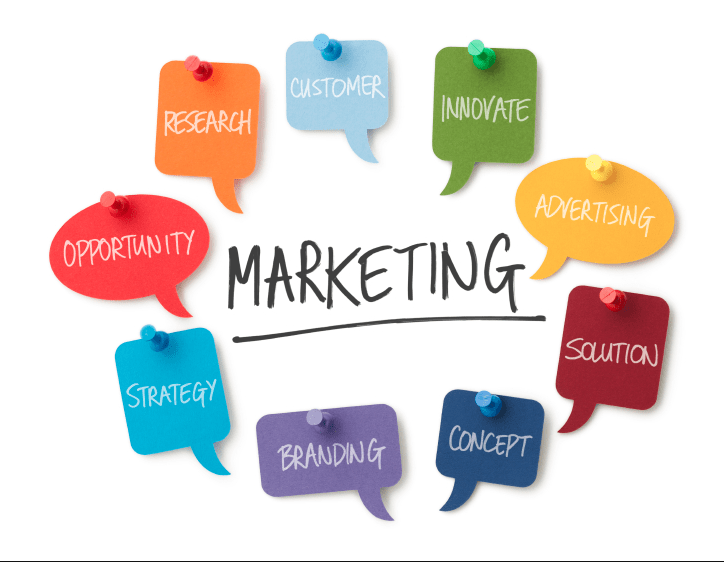
Marketing is any activity undertaken by an individual or a firm consisting of a set of processes such as creation, communication, delivery, and exchange of goods or services that have value to the clients, customers and the society as a whole. Pursuits such as conceptualization, promotion and exchange of ideas aid in satisfying the needs of the clientele. Marketing of an existing or new product or service is essential for mass awareness, maintaining brand credibility, building trust among the buyers and ultimately to increase sales. Marketing can be done through varied methods as per the requirements and convenience of a firm.
TRADITIONAL MARKETING
It is among the oldest marketing strategies followed across the world. The success rate in this type of a marketing strategy is higher as it has been tried and tested for a number of years. This includes all offline marketing strategies which help to reach out to the target audience. It may be in the form of pamphlets, bill boards, posters, FM- radio, newspapers, etc.
For Example – The footwear market is lead by brands such as Nike, Adidas, Puma, Sketchers, etc. Consumers often get attracted by looking at the advertisements of these brands on the front page of newspapers, magazines or over bill boards as well.

INFLUENCER MARKETING
Individuals having a multitude of followers are asked to endorse a product over their channel/website for a decided amount of commission fee. These influencers make use of their fame and status to market that particular brand or product to their target audience. This technique certainly helps to boost sales as a known famous person recommends a company’s product/service and it does increase the visibility of that brand.
For instance – Allen Solly employed this strategy by leading the campaign of #shootforsolly. They invited over 20 influencers to market their new product – Chinos. These influencers were asked to pair Allen Solly Chinos alongside a tee of their choice and participate in a photoshoot. This technique helped the brand reach over about 3.2 million impressions.

AFFINITY MARKETING
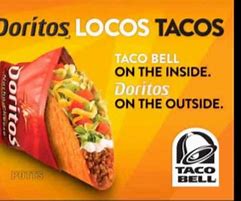
It’s a Win-Win situation for both the brands engaging into this type of a marketing strategy. Expansion of the business through a partnership (co-branding), wherein two related brands get along and sell their product is known as affinity marketing. This approach helps satisfy the needs of the end users in a greater manner.
For instance – Taco bell (a popular fast-food chain) got along with Doritos (brand selling flavoured tortilla chips) to offer a merged food preparation called as Doritos Locos Tacos. These two brands made it to a 500 million sales mark over a period of just 14 months.
BUZZ MARKETING
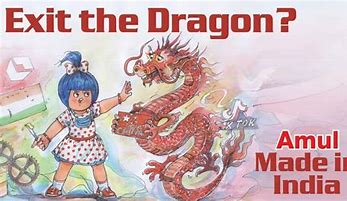
It is a marketing tactic wherein brands intentionally create videos, advertisements, bill-boards that are comical, funny, outrageous or controversial. It is a unique marketing strategy to get your brand to become the talk of the town. It intends to create excitement and enthusiastic anticipation among the people.
For instance – AMUL, an Indian dairy product brand, published a cartoon picture advertisement depicting a Chinese Dragon. The picture said, “Exit the Dragon?” Public took this advertisement as an endorsement of ‘Aatmanirbhar Bharat’ and ‘Boycott of goods made in China’. This particular endorsement made rounds on the Internet.
SOCIAL MEDIA MARKETING
We live in the times where, more than one person from every family is active on Social Media sites such as Instagram, Facebook, Twitter, YouTube, so on and so forth. Thus, marketeers take it into consideration that posting content on social media sites will definitely boost sale. In the Covid-19 Pandemic, brand endorsers looked at social media as a boon, as they could reach out to their potential clients through online modes.
For instance – Dettol (a British brand producing cleaning supplies and disinfectants), launched their Dettol Anthem on YouTube in India during the pandemic. This fetched many views, likes and also lead to a boost in their sales. The Anthem says, ‘Mil Ke Harayenge’ ( English Translation – Together we will defeat it).

Marketing is one of the most exciting branches of a business. With the changing times, even the marketing strategies are blooming and undergoing a change. Along with meeting the organization’s set targets even customer satisfaction is greatly taken care of. With a global exchange of ideas and technology the methods of marketing are evolving and will reach greater heights in the upcoming years.
 Eduindex
You must be logged in to post a comment.