



UNESCO World Heritage is a program that was created by the United Nations Educational, Scientific and Cultural Organization (UNESCO) in 1972. Its aim is to identify and preserve important cultural and natural sites around the world that are considered to be of outstanding universal value.
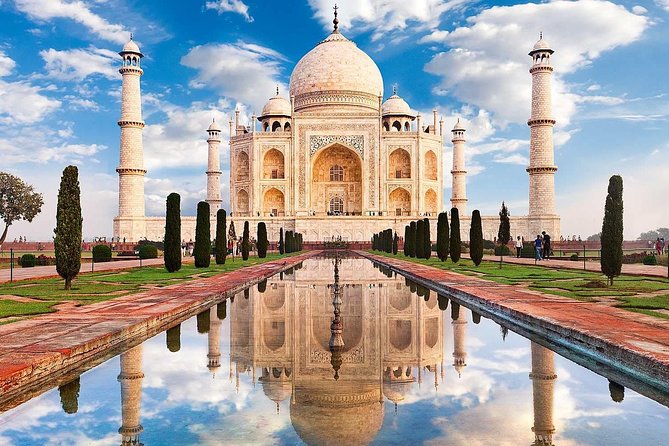
The program is based on the belief that these sites represent the collective heritage of all people, and that they should be protected and preserved for future generations. UNESCO World Heritage sites can include anything from ancient ruins and historical buildings to natural wonders like mountains and forests.
Currently, there are over 1,100 sites that have been designated as UNESCO World Heritage sites in over 167 countries. These sites are selected based on their cultural or natural significance, and must meet a set of strict criteria to be considered for inclusion on the list.
The designation of a site as a UNESCO World Heritage site brings international recognition and protection to that site, as well as increased tourism and economic benefits to the surrounding area. However, it also comes with a responsibility to ensure that the site is properly maintained and preserved for future generations.
India has a rich cultural and natural heritage, and it is home to a total of 38 UNESCO World Heritage sites. These sites are recognized for their outstanding universal value and are protected and preserved by the Indian government. Here is a list of some of the most famous UNESCO World Heritage sites in India:
- Taj Mahal, Agra
- Agra Fort, Agra
- Fatehpur Sikri, Uttar Pradesh
- Ajanta Caves, Maharashtra
- Ellora Caves, Maharashtra
- Sun Temple, Konark, Odisha
- Group of Monuments at Hampi, Karnataka
- Khajuraho Group of Monuments, Madhya Pradesh
- Mahabodhi Temple Complex, Bodh Gaya, Bihar
- Group of Monuments at Pattadakal, Karnataka
- Great Living Chola Temples, Tamil Nadu
- Mountain Railways of India (Darjeeling, Nilgiri, Kalka-Shimla), West Bengal, Tamil Nadu, Himachal Pradesh
- Qutub Minar and its Monuments, Delhi
- Red Fort Complex, Delhi
- Humayun’s Tomb, Delhi
- Elephanta Caves, Maharashtra
- Western Ghats, Karnataka, Kerala, Tamil Nadu, Maharashtra, Goa, Gujarat
- Chhatrapati Shivaji Terminus (formerly Victoria Terminus), Mumbai, Maharashtra
These sites are a testament to India’s rich cultural and natural heritage and attract millions of tourists from around the world every year.
 Eduindex
You must be logged in to post a comment.