
The Top 5 Altcoins to Watch in 2023

  As we move further into the new year, the world of cryptocurrency is evolving rapidly. While Bitcoin and Ethereum continue to lead the way, there are several other altcoins that are gaining traction and are worth watching closely. In this article, we’ll take a look at the top 5 altcoins to watch in 2023. If you’re interested in trading Bitcoin, you can visit this site here to begin your trading journey. This platform offers a user-friendly interface and a wide range of features to help you trade Bitcoin effectively. 

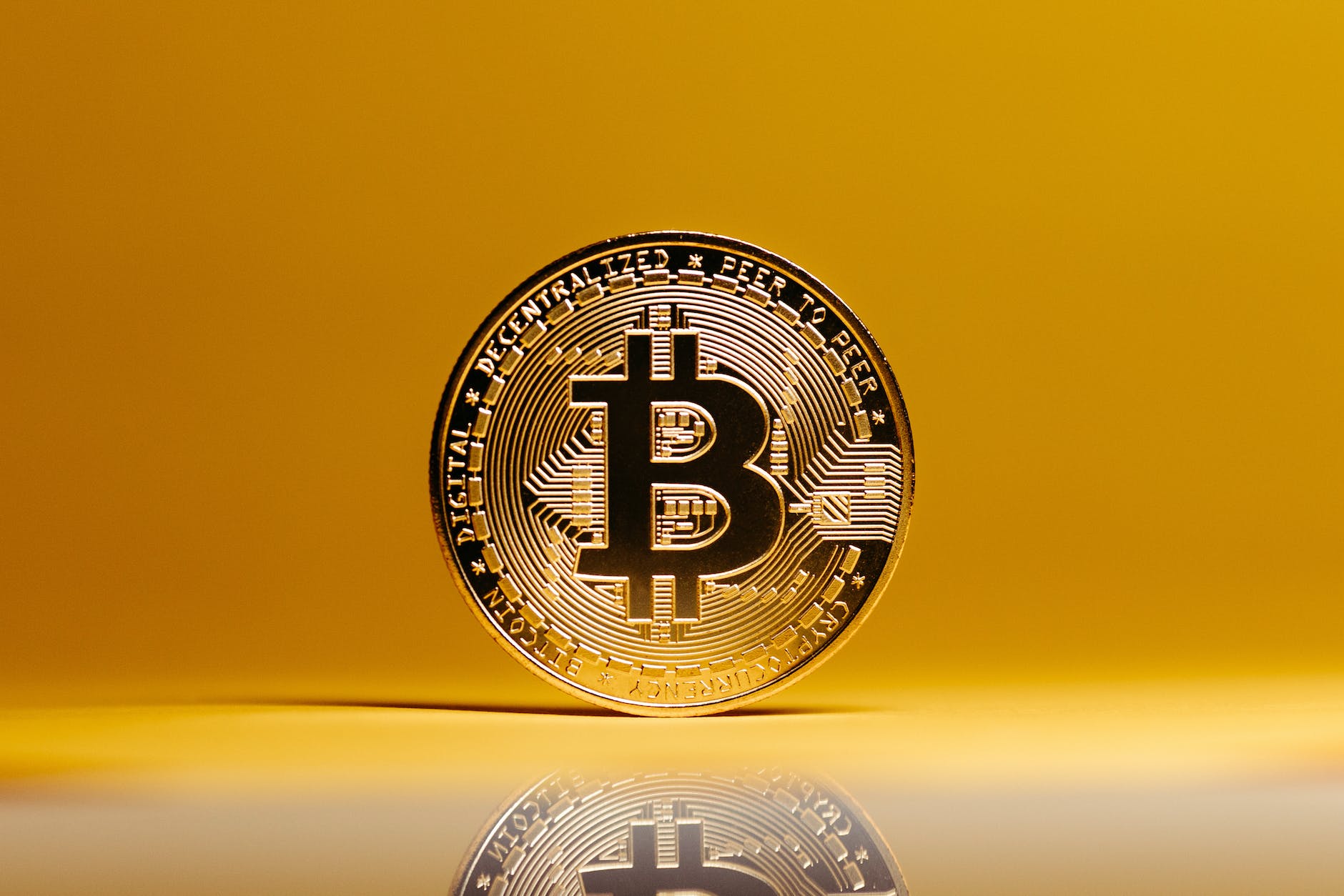
Photo by Anna Tarazevich on Pexels.com

Cardano (ADA)

Cardano is a third-generation blockchain platform that has been making headlines in the cryptocurrency world. Its remarkable growth in the past year has seen its price surge by more than 500%. Its success is largely attributed to the innovative solutions it provides to some of the most pressing issues facing the industry today.

One of the key issues Cardano aims to solve is scalability. Scalability is a challenge for many blockchain platforms, as they struggle to handle high transaction volumes. This can lead to slower transaction speeds, increased fees, and a decrease in overall user experience. Cardano’s approach to scalability involves using multiple layers, which allows for faster transaction speeds and lower fees.

Polkadot (DOT)

Polkadot is a decentralized, next-generation blockchain protocol that allows different blockchains to communicate with each other. It is considered one of the most promising altcoins that have gained significant momentum in recent months.

At its core, Polkadot aims to solve some of the biggest challenges faced by current blockchain networks. One of the most significant challenges is scalability. Traditional blockchain networks can only handle a limited number of transactions per second, making it difficult for them to scale to meet the demands of a growing user base. Polkadot addresses this issue by using a sharding mechanism, which divides the network into smaller parts, allowing it to process a higher number of transactions.

Solana (SOL)

Solana is a blockchain platform that is gaining attention in the blockchain industry due to its high performance, low transaction fees, and the ability to process transactions quickly and efficiently. It provides a platform for decentralized applications that require speed, scalability, and security. Solana uses a unique proof-of-history (PoH) consensus algorithm, which enables it to process thousands of transactions per second while maintaining the security and decentralization of the network.

Unlike traditional blockchain platforms that rely on complex consensus algorithms, Solana’s PoH algorithm is based on a simple mathematical equation that links each transaction to a unique timestamp. This timestamp allows Solana to process transactions in a way that is both fast and secure, making it ideal for decentralized applications that require high-speed processing. The PoH algorithm is also designed to prevent double-spending and other fraudulent activities that can undermine the security of a blockchain network.

Chainlink (LINK)

Chainlink is a blockchain-based decentralized oracle network that aims to connect smart contracts to real-world data in a secure, reliable, and trustworthy manner. The platform has gained significant traction among developers building decentralized applications due to its unique approach to providing decentralized and tamper-proof data feeds.

At its core, Chainlink seeks to bridge the gap between the blockchain world and the real world by providing smart contracts with access to off-chain data sources, such as APIs, data feeds, and traditional financial systems. This capability enables smart contracts to operate autonomously, without human intervention, based on real-time data from the external world.

One of the key features that sets Chainlink apart from other oracle solutions is its decentralized approach to data aggregation and delivery. Instead of relying on a single centralized data source, Chainlink leverages a decentralized network of independent node operators that retrieve data from various sources and validate it before delivering it to the requesting smart contract. This approach ensures that the data provided is accurate, tamper-proof, and resistant to manipulation or censorship.

Avalanche (AVAX)

Avalanche is a highly scalable, customizable, and secure blockchain platform that aims to provide a new standard for decentralized finance (DeFi) applications. With its high throughput and low transaction fees, Avalanche is an attractive option for developers looking to build DeFi solutions that can handle high volumes of transactions. Its interoperability with other blockchains also provides a more seamless experience for users.

In conclusion, the world of cryptocurrency is constantly evolving, and these 5 altcoins are worth keeping an eye on in 2023. While Bitcoin and Ethereum remain dominant, these altcoins offer unique features and solutions that could potentially disrupt the industry. As always, it’s important to do your own research and invest wisely.
The Top 5 Altcoins to Watch in 2023

  As we move further into the new year, the world of cryptocurrency is evolving rapidly. While Bitcoin and Ethereum continue to lead the way, there are several other altcoins that are gaining traction and are worth watching closely. In this article, we’ll take a look at the top 5 altcoins to watch in 2023. If you’re interested in trading Bitcoin, you can visit this site here to begin your trading journey. This platform offers a user-friendly interface and a wide range of features to help you trade Bitcoin effectively. 

Photo by Anna Tarazevich on Pexels.com

Cardano (ADA)

Cardano is a third-generation blockchain platform that has been making headlines in the cryptocurrency world. Its remarkable growth in the past year has seen its price surge by more than 500%. Its success is largely attributed to the innovative solutions it provides to some of the most pressing issues facing the industry today.

One of the key issues Cardano aims to solve is scalability. Scalability is a challenge for many blockchain platforms, as they struggle to handle high transaction volumes. This can lead to slower transaction speeds, increased fees, and a decrease in overall user experience. Cardano’s approach to scalability involves using multiple layers, which allows for faster transaction speeds and lower fees.

Polkadot (DOT)

Polkadot is a decentralized, next-generation blockchain protocol that allows different blockchains to communicate with each other. It is considered one of the most promising altcoins that have gained significant momentum in recent months.

At its core, Polkadot aims to solve some of the biggest challenges faced by current blockchain networks. One of the most significant challenges is scalability. Traditional blockchain networks can only handle a limited number of transactions per second, making it difficult for them to scale to meet the demands of a growing user base. Polkadot addresses this issue by using a sharding mechanism, which divides the network into smaller parts, allowing it to process a higher number of transactions.

Solana (SOL)

Solana is a blockchain platform that is gaining attention in the blockchain industry due to its high performance, low transaction fees, and the ability to process transactions quickly and efficiently. It provides a platform for decentralized applications that require speed, scalability, and security. Solana uses a unique proof-of-history (PoH) consensus algorithm, which enables it to process thousands of transactions per second while maintaining the security and decentralization of the network.

Unlike traditional blockchain platforms that rely on complex consensus algorithms, Solana’s PoH algorithm is based on a simple mathematical equation that links each transaction to a unique timestamp. This timestamp allows Solana to process transactions in a way that is both fast and secure, making it ideal for decentralized applications that require high-speed processing. The PoH algorithm is also designed to prevent double-spending and other fraudulent activities that can undermine the security of a blockchain network.

Chainlink (LINK)

Chainlink is a blockchain-based decentralized oracle network that aims to connect smart contracts to real-world data in a secure, reliable, and trustworthy manner. The platform has gained significant traction among developers building decentralized applications due to its unique approach to providing decentralized and tamper-proof data feeds.

At its core, Chainlink seeks to bridge the gap between the blockchain world and the real world by providing smart contracts with access to off-chain data sources, such as APIs, data feeds, and traditional financial systems. This capability enables smart contracts to operate autonomously, without human intervention, based on real-time data from the external world.

One of the key features that sets Chainlink apart from other oracle solutions is its decentralized approach to data aggregation and delivery. Instead of relying on a single centralized data source, Chainlink leverages a decentralized network of independent node operators that retrieve data from various sources and validate it before delivering it to the requesting smart contract. This approach ensures that the data provided is accurate, tamper-proof, and resistant to manipulation or censorship.

Avalanche (AVAX)

Avalanche is a highly scalable, customizable, and secure blockchain platform that aims to provide a new standard for decentralized finance (DeFi) applications. With its high throughput and low transaction fees, Avalanche is an attractive option for developers looking to build DeFi solutions that can handle high volumes of transactions. Its interoperability with other blockchains also provides a more seamless experience for users.

In conclusion, the world of cryptocurrency is constantly evolving, and these 5 altcoins are worth keeping an eye on in 2023. While Bitcoin and Ethereum remain dominant, these altcoins offer unique features and solutions that could potentially disrupt the industry. As always, it’s important to do your own research and invest wisely.

An Overview of Current State of Cryptocurrency

 Cryptocurrency and Bitcoin Loophole  has been one of the most talked-about and rapidly growing industries in recent years. With its decentralized and digital nature, it has attracted a lot of attention from both investors and financial institutions. In this article, we will delve into the current state of the cryptocurrency market and its performance.

Market Capitalization

Photo by Jonathan Borba on Pexels.com

A Look at the Total Market Capitalization

As of February 7th, 2023, the total market capitalization of all cryptocurrencies is around $1.67 trillion. This represents a significant increase from the market capitalization of $813 billion in January 2021. The continued growth of the market capitalization of cryptocurrencies reflects the increasing popularity and mainstream adoption of these digital assets.

Bitcoin Dominance

The Continued Dominance of Bitcoin

Despite the growth of various altcoins, Bitcoin continues to dominate the cryptocurrency market, with a market capitalization of around $970 billion. This represents approximately 58% of the total market capitalization of all cryptocurrencies. The continued dominance of Bitcoin highlights its status as the first and most well-established cryptocurrency, and its role as a safe-haven asset and store of value.

Altcoin Performance

The Rise of Altcoins

While Bitcoin continues to dominate the market, many altcoins have also seen significant growth in recent months. Ethereum, the second-largest cryptocurrency by market capitalization, has seen its market capitalization grow from around $135 billion in January 2021 to approximately $200 billion as of February 7th, 2023. Other altcoins, such as Binance Coin, Cardano, and Dogecoin, have also seen significant growth, highlighting the increasing popularity of alternative digital assets.

Institutional Adoption

Growing Interest from Institutions

The growth of the cryptocurrency market has also been driven by increasing interest from institutional investors. Many major financial institutions, including JPMorgan, BlackRock, and Fidelity, have recently entered the market, either by offering their clients exposure to cryptocurrencies or by investing in their own crypto assets. This growing institutional interest highlights the increasing mainstream acceptance of cryptocurrencies as a legitimate investment option.

Regulation

The Role of Regulation

Regulation continues to play a significant role in the development of the cryptocurrency market. While some countries have taken a hands-off approach to regulation, others, such as the United States, have implemented stricter regulations to ensure the protection of investors. The increasing regulatory oversight of the cryptocurrency market is seen as a positive development, as it helps to increase investor confidence and prevent fraudulent activity.

When is the Best Time to Invest in Cryptocurrency?

The timing of investment in cryptocurrency is a topic of much debate among investors. Some believe that it is best to invest during periods of market volatility, while others believe that it is better to invest during periods of market stability. The truth is, there is no one-size-fits-all answer to this question, as the best time to invest in cryptocurrency depends on various factors such as an individual’s investment goals, risk tolerance, and market conditions.

One factor that may influence the best time to invest is market volatility. During periods of market volatility, the prices of cryptocurrencies can be more unpredictable and subject to sudden shifts in either direction. This can present opportunities for short-term gains, but it also carries a higher level of risk.

On the other hand, during periods of market stability, the prices of cryptocurrencies may be more predictable and less subject to sudden shifts. This can provide a more secure environment for longer-term investments, but it may also limit potential gains.

Another factor to consider is market trends. If the overall trend of the cryptocurrency market is bullish, meaning that prices are rising, it may be a good time to invest. Conversely, if the overall trend is bearish, meaning that prices are falling, it may be a better time to wait for a market recovery before investing.

Conclusion

In conclusion, the cryptocurrency market has seen significant growth in recent years, driven by increasing mainstream adoption, institutional interest, and regulatory oversight. While Bitcoin continues to dominate the market, the rise of altcoins and the growing interest from institutional investors highlight the increasing popularity of digital assets. As the industry continues to evolve, it will be interesting to see how the market capitalization, adoption, and regulation of cryptocurrencies develop in the future.