GLORIFYING ANCIENT INDIAN SCIENTIFIC DEVELOPMENTS

Today whatever the advancement that is taking place worldwide, whether in technology, medicine, cosmic, and health all the praises are sung for the westerners.

However, India on the other side was one of the most renowned and developed nations in the world, contributing 32.00% of the world GDP(3rd BCE-13th CE).

“Many of the advances in the sciences that we consider today to have been made in Europe were in fact made in India centuries ago”.

– Grant Duff (British Historian)
And no other way this could be said more clearly.

Astonishingly, many Indians do not know about their own country’s past and history.
We need to recognize and learn our accomplishments of the past and glorify them.
India, the land of sages and seer, is not just a country of multiple, colorful cultures but the land that gave the world all those that are fundamental blocks of today’s great advancements.

TECHNOLOGICAL DEVELOPMENTS:


Galileo Galilei, Pythagoras, Aristotle, Newton are some of the great scientists and scholars of the west that are credited for all major discoveries and inventions.

However, ancient Indian scientists like Aryabhatt, Patanjali, Charaka are a few of the gems of the ancient technological world.

The invention of zero-


The invention of “zero” by Aryabhatt in the fifth century is the greatest invention of all time. With the integration of zero in the place value system, the world is now able to write numbers no matter how long.
Lancelot Hogben said:
“There has been no more revolutionary contribution than the one which the Hindus (Indians) made when they invented ZERO”.

Gravitational force-


We remember the Theory of Gravitational Force to be the contribution of Sir Isaac Newton, but in 400-500AD India this was already discovered.
In Surya Siddhanta, Indian astronomer, Bhaskaracharya stated-” All objects fall due to a force of attraction. That is why earth, planets, moon, sun are all in their orbits due to this attraction force”.

The atomic theory was discovered thousand years ago in India

To the world, a 19th century English chemist John Dalton is the father of atomic theory. However, few people know that ancient Indian scientist Acharya Kanada talked about atoms or “paramanu” in his book Kanada Sutras, or Aphorisms of Kanada.https://en.wikipedia.org/wiki/Kanada_(philosopher)#The_concept_of_anu_(atom)

Kanada opined, “paramanu is the indestructible particle of a matter”.

He also mentioned that atoms combine in a specific manner to form dvyanuka (diatomic molecules) and tryanuka (triatomic molecules).

WOOTZ STEEL:


The Discovery of wootz steel is one of the greatest discoveries in the metallurgical sector. It originated in South India, in present-day Tamil Nadu.
“Wootz steel is a crucible steel characterized by a pattern of bands and high carbon conten. The method was to heat black magnetite ore in the presence of carbon in a sealed clay crucible inside a charcoal furnace to completely remove slag”. as per Wikipedia.https://en.wikipedia.org/wiki/Wootz_steel

MEDICAL INNOVATIONS:

Plastic surgery-


Sushruta Samhita is the most important treatise on surgery written by Susruta. It describes the surgical training, instruments, and procedures practiced in modern surgery.
The treatise also deals with diseases and their prevention and cure, following with the number of bones in a human body.
It also thoroughly describes 700 medicinal herbs.n.wikipedia.org/wiki/Sushruta_Samhita#Prevention_versus_cure

Cataract Surgery-

Sushruta, an ancient Indian physician pioneered the first cataract surgery in the sixth century BC.
To remove the cataract he used a sharp needle called Jabamukhi Salaka, to loosen the lens and push the cataract out of the vision. Then the eye is bandaged till the time it gets healed.

Yoga

Acharya Patanjali is the Father of Yoga. He introduced the Yoga Sūtra of Patañjali in the 2nd century BC which became a very renowned contribution to the world. Through this field of discipline, one can discover his true self and its 84 yogic posture has proved efficient for the proper functioning of different systems, i.e. endocrine, nervous, respiratory, circulatory, etc. The different breathing patterns taught in this discipline aids in calming down the mind, body, and soul and allows them to work in unison.

SANSKRIT SHLOKA SAYS-
yogaścittavṛttinirodhaḥ

                                          MEANING:

Yoga is restraining the mind-stuff (Chitta) from taking various forms (Vrttis).​

These were few of the many achievements of our ancient scientists.

At last, the contribution of Ancient Indian scientists to scientific technology is worth dignifying.
To India, the cradle of the eminent leading light, Mark Twain honours-
“India is the cradle of the human race, the birthplace of human speech, the mother of history, the grandmother of legend, and great grandmother of tradition”
Mysteries (II)

Part one was : http://eduindexnews.com/2020/09/14/bermuda-triangle-and-other-mysteries/

• Indian rope trick

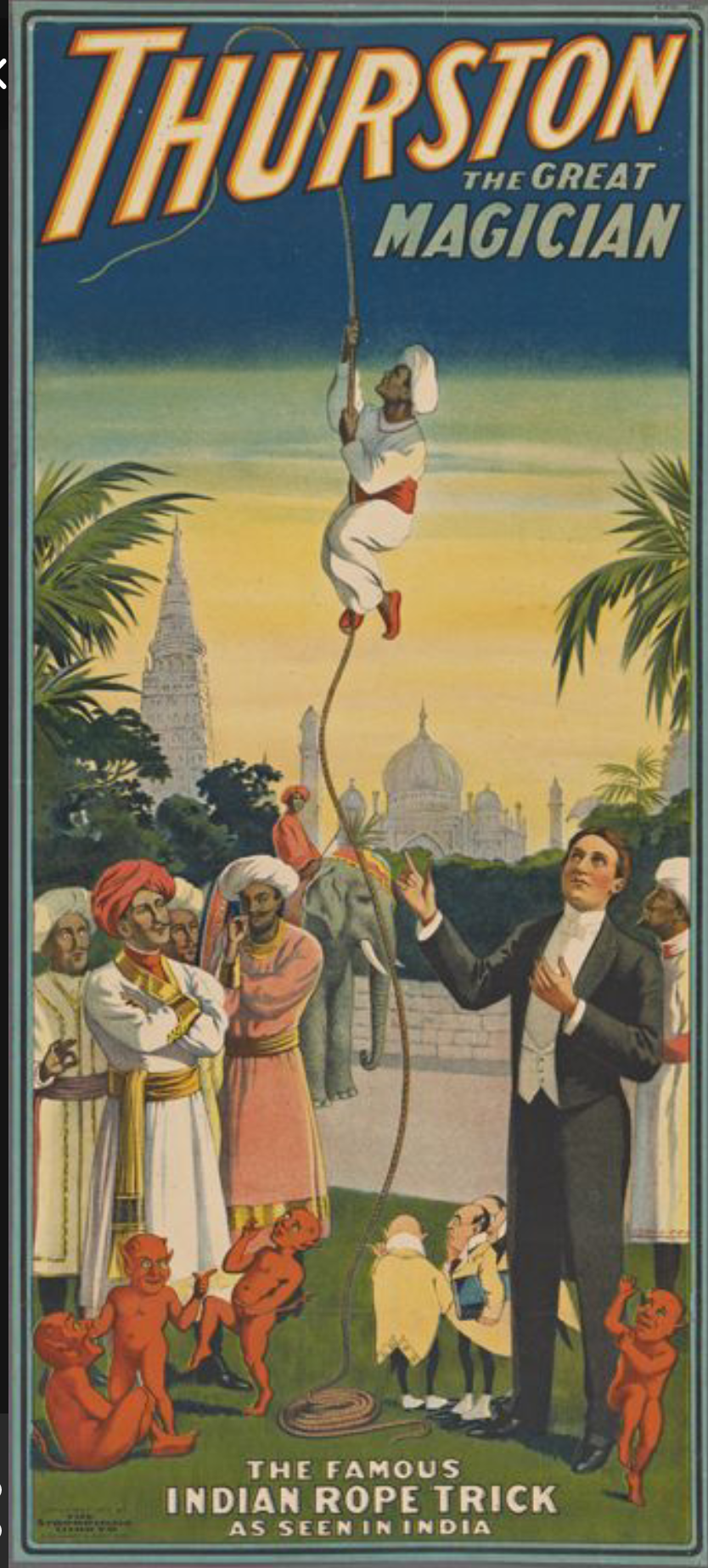
India is a land of countless mysteries that have puzzled the rest of the world. Perhaps the most enduring of these mysteries is that of the ‘Indian rope trick’. In the classic version of Indian rope trick, a rope is thrown into the air where it remains rigid. A young boy then climbs the rope, only to disappear at the top. The performer quickly follows him only to disappear when he reaches the top of the vertical rope! Shortly after, pieces of the boy’s body fall from the sky and land on the ground at the bottom of the rope. A few seconds later, the performer is seen climbing down the rope with a blood stained knife in his hand. On reaching firm ground, the performer utters a magic word and the rope falls limp to the ground. He then gathers up the pieces of the boy’s body and bundles them under a sheet. Within seconds, the sheet is lifted and the boy appears completely whole and unharmed! Travellers to India have described this amazing trick for over 600 years, but there is considerable doubt as to whether the trick is fact or fantasy.

• Shroud of Turin

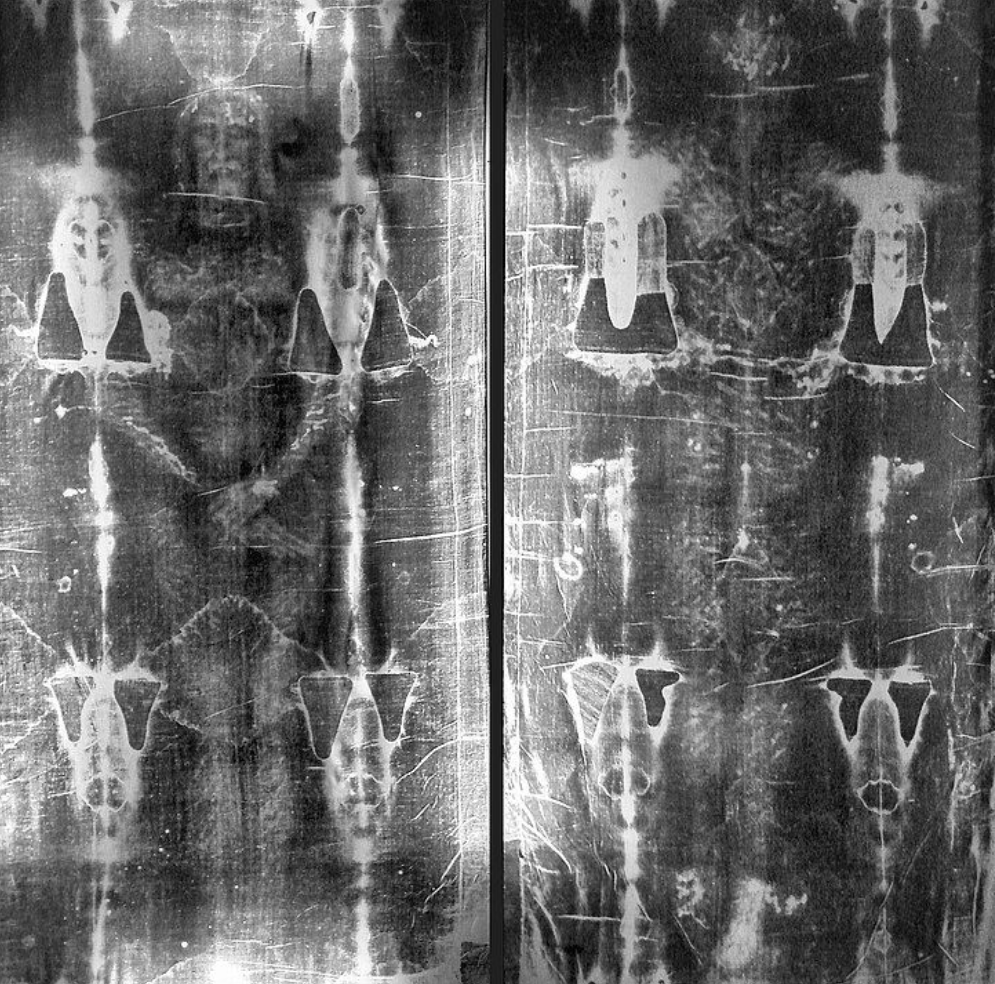
The shroud of Turin is reputedly the cloth in which Jesus Christ was wrapped and buried. The shroud is 4.34 meters long and it bears the image of a man with wounds similar to those suffered by Jesus Christ. The shroud is unquestionably old. Its history is known from the year 1357, when it surfaced in the tiny village of Lirey, France. Today, it is kept in a silver chest in the Cathedral of Saint John, the Baptist in Turin, Italy, where it has been since 1578.

Does the shroud really show the face of Jesus? No one really knows. Although, many scientists have expressed doubts about the accuracy of the image, millions believe it to be divine and it has been a religious relic since the middle ages.

• Loch Ness monster

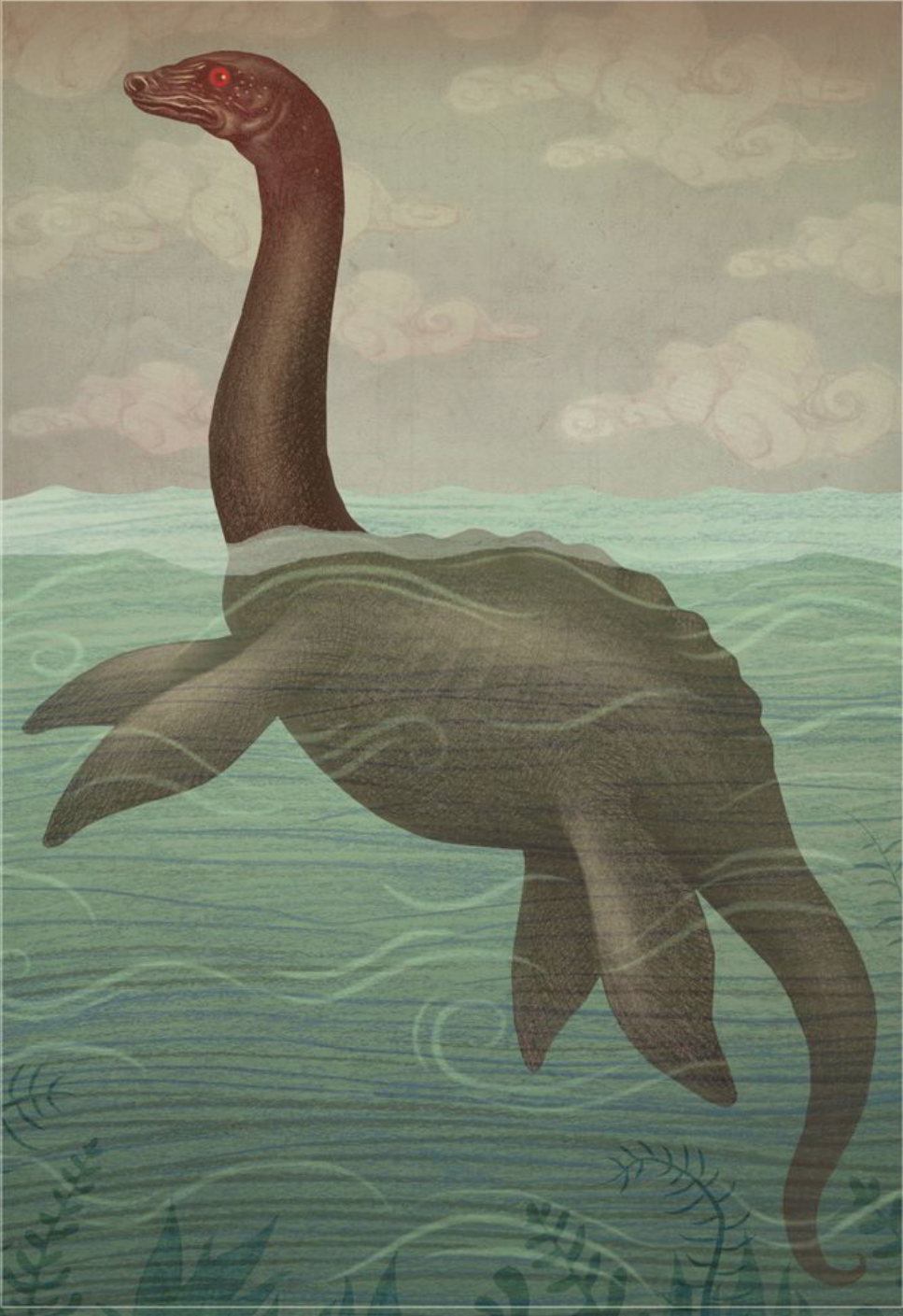
As far back as the 17th century, people have reported seeing a monster in the Loch Ness in Scotland. Loch means lake in Scotland. This is the largest freshwater lake in the UK. But, rather than being known for its size, it is famous for the mysterious legend of the Loch Ness monster or Nessie.

For thousands of years, people have reported catching glimpse of a huge creature. This creature is said to have a small head, a long neck and an immense body with flippers. Some people have shared photos they claim to have taken of this huge creature. The legend is so great that even scientists have been intrigued and many have conducted experiments and come up with theories to try and explain what people could be witnessing.

One explanation is that the monster could be a prehistoric creature called plesiosaur, an animal that has been considered to be extinct. Maybe one of these creatures managed to survive in the Loch Ness Lake, who knows?

Thank you for reading. Have a nice day!🌼

Kailasa Temple: A Golden Inscription on the Pages of Indian History

Rock cut architectures, especially from the bygone eras, are awe inspiring pieces of excellent craftsmanship and structural engineering. The sheer amount of details and size of some of the best examples of this art form can leave the people dumbstruck. It is unimaginable for many minds as to how such extravagant monuments and structures were carved with the tools that were available during their creation. These architectures are a reflection of how human beings can create even with limitations, which again, is a relative term with respect to time. 

India has a special relation with rock cut architecture, as for the country has the most variety and abundance of these structures across the world. Most of the rock cut structures in India are religious in nature. Amongst all, the Kailash Temple, which is a part of the Ellora cave series is considered to be the pinnacle of this category of architecture. So, what makes it special? Let’s see…

Introduction

Rock cut architecture mainly refers to carving out of structures from a solid natural rock. The large amount of surplus rock pieces that were produced during this process were presumably shifted somewhere else for other economic purposes. To prevent the rocks from falling over the workers, the interiors were carved starting from the roof and then working downwards.

Ellora is one of the largest rock-cut monastery- temple complexes, and also a UNESCO World Heritage Site. It is situated at a distance from 29 kilometres north-west of Aurangabad, Maharashtra, India and features Buddhist, Jain and Hindu monuments, dating back to 600 CE. This complex was constructed over a large period of time, spanning from 600-1000 CE. They were built during the reign of Rashtrakuta dynasty (constructed the Hindu and Buddhist caves) and Yadava dynasty (added quite a number of Jain caves). Over 100 caves were excavated in this site from the basalt cliffs in the Charanandri Hills. Out of them, only 34 are open for the public. 12 Buddhist (caves 1-12), 17 Hindu (caves 13-29)and 5 Jain (caves 30-34) make up the public accessible attractions and also display the religious harmony that was the binding cultural fabric of ancient India. The legendary Kailasha temple is featured in cave 16, and holds the honour of being the largest monolithic rock excavation in the world.

Glory of the Bygone Era

Kailasa or Kailashanatha temple is the largest rock cut Hindu temple in the Ellora cave complex. It is a megalith (stone from which a structure or monument is created, alone or along with other stones) shaped like a chariot, carved from a rock cliff face, ranging across 2 kilometres along the sloping basalt cliff. Its construction is estimated to have started in between 756-773 CE and was completed around the 8th century CE. Though there is a lack of dedicatory inscription, but on the basis of two epigraphs (the Vadodara copper plate inscription of Karkaraja II, a ruler of Rashtrakuta branch of Gujarat and the Kadaba grant of Govinda Prabhutavarsha), it is considered that Krishna I, a Rashtrakuta ruler has commissioned the creation of Kailasa temple. Though there are some specks of uncertainty due to various irregularities in the timeline and other historical documents. This magnanimous structure is dedicated to Kailashanatha (Shiva), but there are various sculptures of deities from Vaishnavism and Shaktism, along with relief panels depicting the two major Hindu epics, Ramayana and Mahabharata.

Due to the size, architecture and sculptures, it is considered to be one of the  most exceptional cave temples across the world.  One of the highlight worthy fact about the construction of this temple is that it has been excavated vertically, that is, the carving started from the top of the original rock and moved downwards, in contrast to the established method of carving from the front. The architecture defers from the earlier style attributed to the Deccan region. The southern influence is considered to be due to involvement of Chalukya and Pallava artisans. Based on a Marathi  legend, an architect named Kokasa is theorized to be the chief architect of Kailasa temple. It has some resemblance to the Virupaksha temple, Pattadakal and Kailasa Temple, Kanchi.

Exploring the Culture

The temple courtyard entrance has a low gopuram. The deities on the left side of the entrance belong to Shaivism and on the right side, deities of Vaishnavism are more prominent. This gateway leads to U shaped courtyard, which is edged by a three storey high columned arcade. The arcade and the complementary alcoves are decorated by sculptured panels and relief carvings of various deities. Some of the famous sculptures are ascetic Shiva, dancing Shiva and Shiva being warned by Parvati about Ravana.
The central shrine is dedicated to Shiva and has an image of Nandi (the sacred bull), and is situated within the courtyard. The temple encasing the lingam, also include a flat-roof mandapa, held up by 16 pillars and a Dravidian shikhara. Throughout the entire shrine, carvings of niches, windows, images of deities and mithunas are in abundance. As the tradition, Nandi sits on the porch in front of the primary temple. The Nandi mandapa and the main Shiva temple is situated on a height of 7 metres, and built in two storeys. The base of the temple is carved as such to project that the elephants are holding the temple aloft. The Nandi mandapa is connected to the main shrine via a rock bridge. The lower levels, upon which the temple is standing, depicts various mythological scenes and sculptures. Five detached shrines in the compound are also a notable feature, three of which are dedicated to Ganga, Yamuna and Saraswati.

Website References

https://en.wikipedia.org/wiki/Kailasa_Temple,_Ellora

https://en.wikipedia.org/wiki/Ellora_Caves

https://en.wikipedia.org/wiki/Indian_rock-cut_architecture