The world’s most important living animal

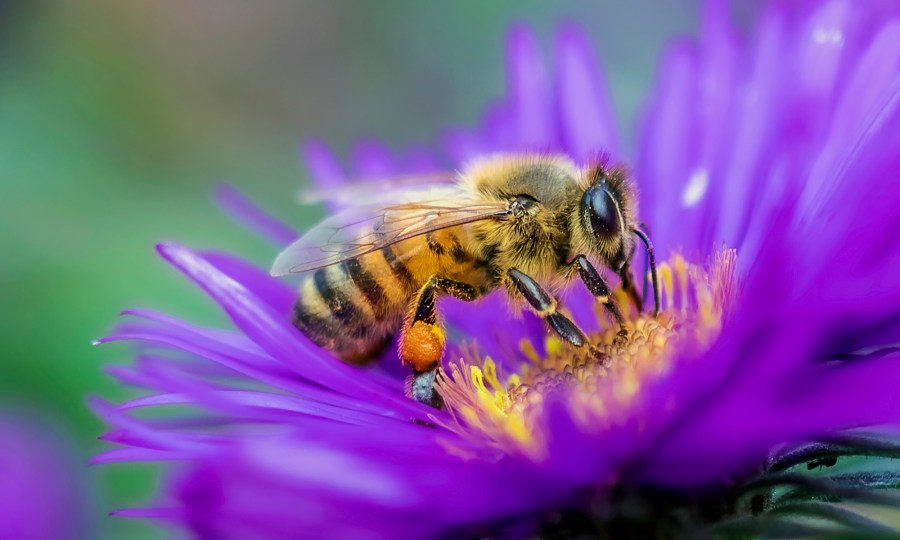
Photo by mostafa eissa on Pexels.com

This animal has got 5 eyes, lays upto 3000 eggs every single day and has wings that flaps over 11,000 times per minute. It has co existed with dinosaurs for atleast 35 million years and it is the 2nd most scientifically studied creature after humans. We humans call this creature as “bees.”
Here are some lesser known facts about bees and why we humans need them to survive-

1) 70 percent of the world’s agriculture depends on bees.
2) If we didn’t have bees to pollinate our plants, then plants will not produce and henceforth, there wouldn’t be enough food for the almost 8 billion people in the world.
3) Honey bees are responsible for every one out of three food bites that we take
4) No bees = No pollination and hence,
No plants = No food for livestock animals
Which further means no dairy products and hence no food for humans.
5) Most of our clothes are made up of cotton and if we don’t have bees, there will be no cotton plants.
6) Honey-bee is the only insect in the world that produces food humans can consume. It spends it’s lifetime producing only 1/12th teaspoon of honey.
7) Honey bees are smart too and they are trained by humans to detect bombs by sticking their tongues out when they sniff the aroma from explosives.
8) They can also detect illnesses in humans. They do so by smelling the illness on the breath in under 10 mins.

Bees, in many ways save humans and yet the most underrated being on planet earth but certainly the most important one.

The world's most important living animal

Photo by mostafa eissa on Pexels.com

This animal has got 5 eyes, lays upto 3000 eggs every single day and has wings that flaps over 11,000 times per minute. It has co existed with dinosaurs for atleast 35 million years and it is the 2nd most scientifically studied creature after humans. We humans call this creature as “bees.”
Here are some lesser known facts about bees and why we humans need them to survive-

1) 70 percent of the world’s agriculture depends on bees.
2) If we didn’t have bees to pollinate our plants, then plants will not produce and henceforth, there wouldn’t be enough food for the almost 8 billion people in the world.
3) Honey bees are responsible for every one out of three food bites that we take
4) No bees = No pollination and hence,
No plants = No food for livestock animals
Which further means no dairy products and hence no food for humans.
5) Most of our clothes are made up of cotton and if we don’t have bees, there will be no cotton plants.
6) Honey-bee is the only insect in the world that produces food humans can consume. It spends it’s lifetime producing only 1/12th teaspoon of honey.
7) Honey bees are smart too and they are trained by humans to detect bombs by sticking their tongues out when they sniff the aroma from explosives.
8) They can also detect illnesses in humans. They do so by smelling the illness on the breath in under 10 mins.

Bees, in many ways save humans and yet the most underrated being on planet earth but certainly the most important one.

World Bee Day

About Bees

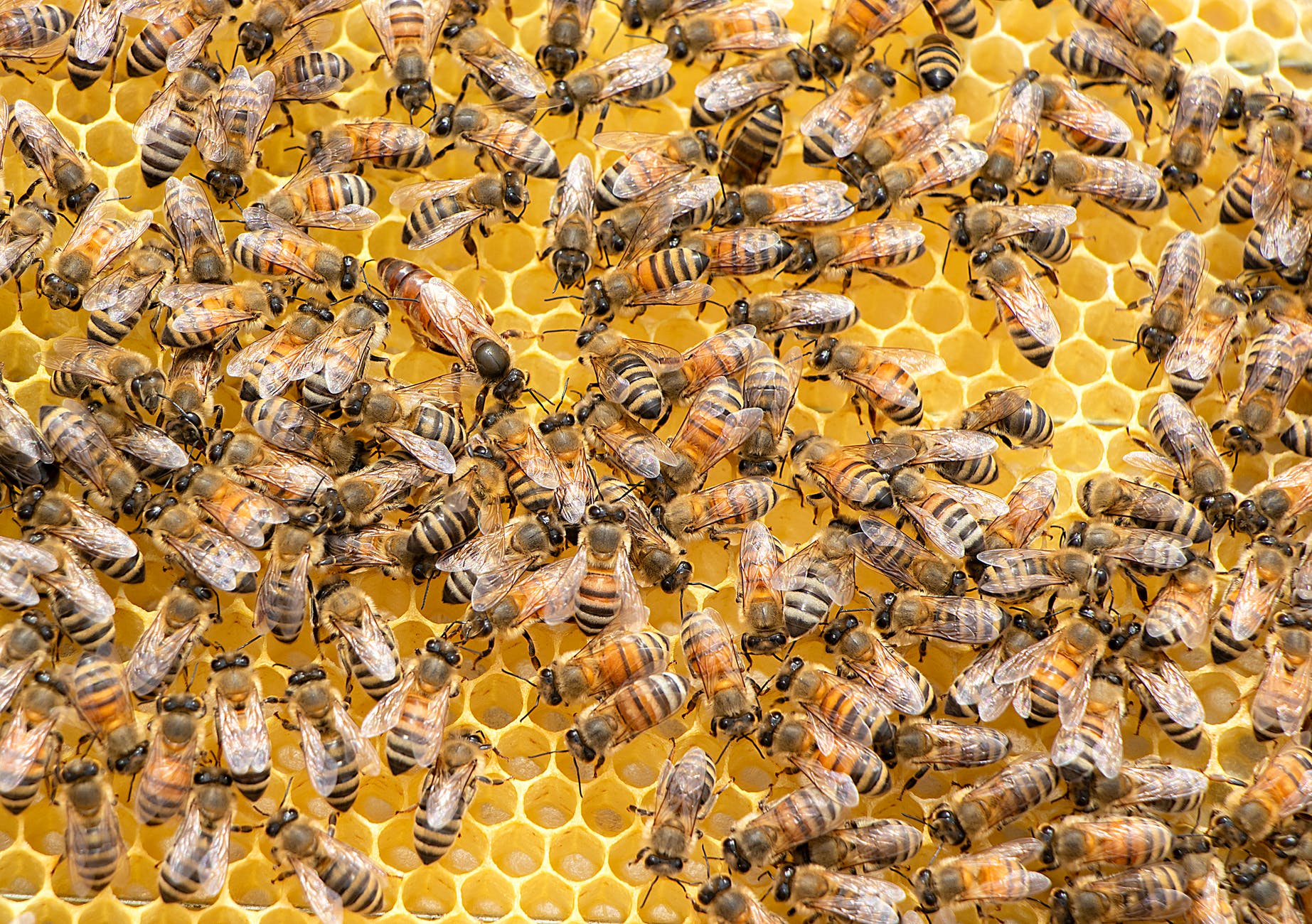
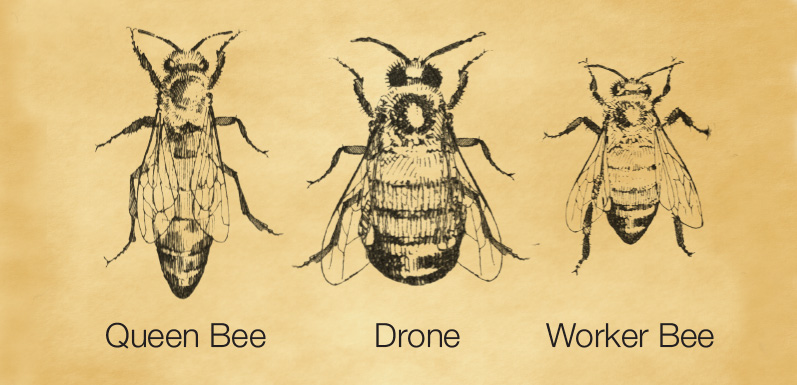
There are almost 20,000 different species of bees in the world. Bees live in colonies and in each colony, there are three types of bees, the queen bee, the worker bee, and the drone. The worker and the queen bee both are females, but only the queen bee can reproduce. All drones are male.

Types of Bees

World Bee Day is celebrated annually on 20th of May. The day marks the birth anniversary of Anton Jansa, a pioneer of modern apiculture. Anton Jansa hailed from a family of beekeepers in Slovenia, where beekeeping is an important agricultural activity with a long-standing tradition. His book ‘Discussion on Bee-keeping’ was also published in German.

Theme for 2022:Bee Engaged: Celebrating the diversity of bees and beekeeping systems.

World bee day – 20 May

Significance of Beekeeping?

Pollinators: Bees are some of the most important pollinators, ensuring food security, sustainable agriculture, and biodiversity.

Contribute to the Mitigation of Climate Change: the protection of bees and the beekeeping sector can help reduce poverty and hunger and preserve a healthy environment and biodiversity.

Sustainable Agriculture and Creating Rural Jobs: By pollinating, they increase agricultural production, thus maintaining diversity and variety in the fields and provide millions of people with jobs.

Status of the Apiculture in India

India is the sixth major natural honey exporting country.

The major export destinations are the USA, Saudi Arab, Canada, and Qatar.

The Indian apiculture market size is expected to reach a value of Rs 33,128 million by 2024, expanding at a CAGR of nearly 12% by 2024.

Related Initiatives

Sweet Revolution

Assistance for Setting up of Processing Units

Adopting Scientific Techniques