
Rani Lakshmibai

 Rani Lakshmibai, also known as the Rani of Jhansi, was a prominent figure in the Indian Rebellion of 1857 against British colonial rule. Her bravery, leadership, and unwavering commitment to the cause of Indian independence have made her an iconic figure in Indian history. Here’s an overview of her life and legacy:
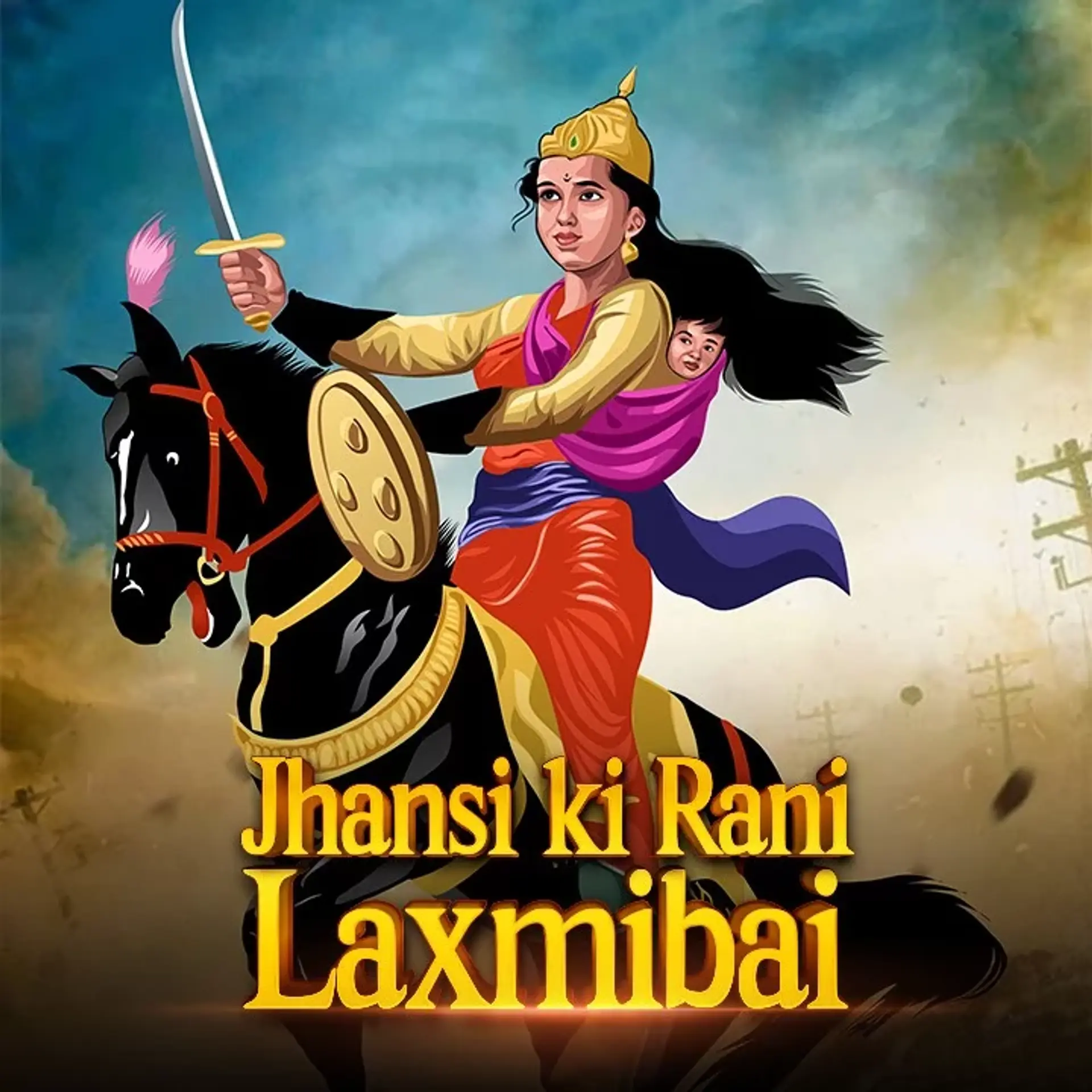
Early Life and Background:

  • Birth and Name: Rani Lakshmibai was born as Manikarnika Tambe on November 19, 1828, in Varanasi. She was affectionately called Manu.

  • Marriage to Maharaja of Jhansi: Manikarnika was married to the Maharaja of Jhansi, Raja Gangadhar Rao Newalkar, at an early age and was given the name Lakshmibai.

Role in the Indian Rebellion of 1857:

  • Leadership during the Rebellion: After the death of her husband, Lakshmibai became the regent for her adopted son. When the Indian Rebellion of 1857 erupted against British rule, she emerged as a courageous leader and took an active role in the uprising.

  • Battle of Jhansi: Rani Lakshmibai played a pivotal role in the defense of Jhansi against British forces. Her leadership and valor during the siege of Jhansi became legendary.

  • Icon of Resistance: She became a symbol of resistance against British imperialism and oppression, inspiring many Indians to join the fight for independence.

Legacy and Rememberance:

  • Valor and Sacrifice: Rani Lakshmibai’s bravery, determination, and sacrifice for her country’s freedom have earned her a revered place in Indian history and folklore.

  • Inspiration for Future Generations: Her courageous stand against injustice and her fight for freedom continue to inspire generations of Indians, especially women, to stand up for their rights and for the principles they believe in.

  • Remembered in Folklore and Culture: Her story is celebrated in folklore, literature, and popular culture, including poems, songs, books, and movies, depicting her as a fearless warrior and a symbol of resilience.

Rani Lakshmibai’s legacy as a warrior queen and her significant contribution to India’s struggle for independence remain etched in the annals of Indian history. Her bravery and sacrifice continue to inspire and evoke admiration for her remarkable courage in the face of adversity.
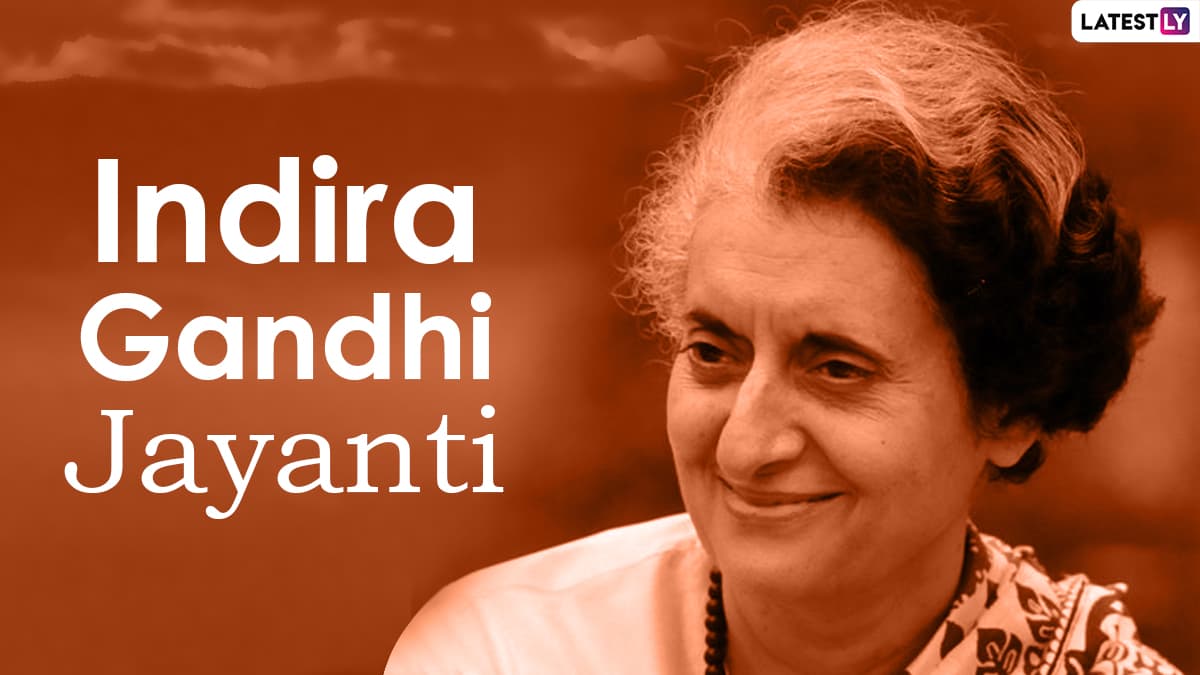
Indira Gandhi

 Indira Gandhi was a prominent political figure in India, serving as the Prime Minister of India for multiple terms and leaving a lasting impact on the country’s political landscape. Here are some key highlights of her life and legacy:

Early Life and Background:

  • Birth and Family: Indira Priyadarshini Gandhi was born on November 19, 1917, in Allahabad (now Prayagraj), into the Nehru-Gandhi family. She was the daughter of Jawaharlal Nehru, India’s first Prime Minister, and Kamala Nehru.

  • Education: She studied at Oxford University and later became involved in India’s freedom struggle, influenced by her father’s political activism.

Political Career:

  • Entry into Politics: Indira Gandhi entered politics under the guidance of her father, Jawaharlal Nehru, and held various positions within the Congress party.

  • Prime Ministerial Tenures: She served as Prime Minister of India from 1966 to 1977 and later from 1980 until her assassination in 1984, making her India’s first and only female Prime Minister to date.

  • Major Policy Initiatives: During her tenure, she implemented several policies aimed at nationalizing banks, initiating the Green Revolution in agriculture, and leading the country during the Bangladesh Liberation War in 1971, which led to the creation of Bangladesh.

  • Emergency Period: Her declaration of a state of emergency in 1975, due to political unrest and economic challenges, was a controversial period marked by curtailment of civil liberties.

Assassination and Legacy:

  • Assassination: Indira Gandhi was assassinated on October 31, 1984, by her own bodyguards in retaliation for ordering a military operation against Sikh militants in the Golden Temple in Amritsar.

  • Legacy: Indira Gandhi’s legacy is complex and multifaceted. She is remembered for her strong leadership, resilience, and contributions to India’s development and foreign policy. Her policies left a lasting impact on India’s political and economic landscape.

  • Criticism and Controversy: Her tenure also faced criticism for authoritarian tendencies, censorship, and the declaration of Emergency in 1975, which led to curtailed civil liberties.

Indira Gandhi’s political journey, leadership during challenging times, and significant policy decisions have left a lasting impact on India’s history and continue to be a subject of debate and analysis in Indian politics.