

Daylight Saving Time (DST) is the practice of setting the clocks forward one hour from standard time during the summer months, and back again in the fall, in order to make better use of natural daylight. The purpose of doing so is that people will have one more hour of daylight in the afternoon and evening during the warmer season of the year.
The daylight saving time is followed in over 70 countries on various dates. In the Northern Hemisphere, Daylight Saving Time usually starts in March-April and ends in September-November. India does not follow daylight saving time; countries near the Equator do not experience high variations in daytime hours between seasons. It is mainly preferred in countries located around the Arctic Circle, as they experience large variation in daylight in the course of the year.
Several countries, including Australia, Great Britain, Germany, and the United States, adopted summer Daylight Saving Time during World War I to conserve fuel by reducing the need for artificial light.
A century ago, when DST was introduced, more daylight did mean less use of artificial light. But modern society uses so many energy-consuming appliances all day long that the amount of energy saved is negligible.
DST clock shifts sometimes complicate timekeeping and can disrupt travel, billing, record keeping, medical devices, and sleep patterns. Computer software generally adjusts clocks automatically.
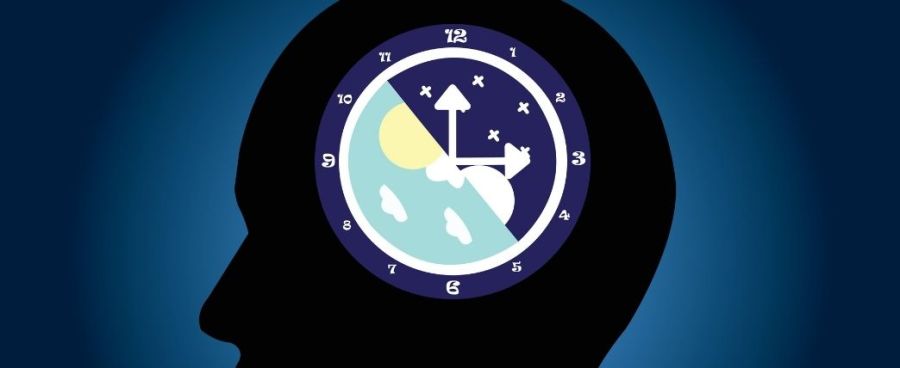
There is also a disadvantage of DST which includes disruption of the body clock or circadian rhythm.
- Circadian rhythm is the 24-hour cycle that tells our bodies when to sleep, rise, and eat—regulating many physiological processes.
- Internal body clock is affected by environmental cues, like sunlight and temperature, and determines whether one feels wide-awake and energized or tired.
 Eduindex
You must be logged in to post a comment.