Top ten Books of Financial Management

 Here are ten highly regarded books on financial management:

  1. “The Intelligent Investor” by Benjamin Graham – Considered a classic in value investing, this book provides timeless wisdom on investing and managing risk.

  2. “A Random Walk Down Wall Street” by Burton Malkiel – Malkiel explores various investment strategies and offers insights into the principles of financial markets.

  3. “Common Stocks and Uncommon Profits” by Philip Fisher – Fisher’s book focuses on stock selection and long-term investing strategies, emphasizing the importance of understanding a company’s business.

  4. “Security Analysis” by Benjamin Graham and David Dodd – This foundational work provides in-depth insights into the principles of security analysis and valuation.

  5. “The Interpretation of Financial Statements” by Benjamin Graham – Graham’s guide helps readers understand and interpret financial statements to make informed investment decisions.

  6. “Corporate Finance” by Stephen A. Ross, Randolph W. Westerfield, and Jeffrey Jaffe – This textbook is widely used in finance courses, covering essential topics in corporate finance.

  7. “Financial Management: Principles and Applications” by Sheridan Titman and John D. Martin – This book is known for its comprehensive coverage of financial management principles and their real-world applications.

  8. “Margin of Safety: Risk-Averse Value Investing Strategies for the Thoughtful Investor” by Seth A. Klarman – Klarman discusses value investing principles and the importance of a margin of safety in investment decisions.

  9. “Capital in the Twenty-First Century” by Thomas Piketty – While not specifically a financial management book, Piketty’s work explores economic inequality and its implications, offering insights for those interested in financial policy.

  10. “Financial Shenanigans: How to Detect Accounting Gimmicks & Fraud in Financial Reports” by Howard M. Schilit – This book helps readers identify common accounting tricks and frauds that companies may use in their financial reports.

Remember to check for updated editions or newer releases, as the field of financial management continually evolves, and new insights may have emerged

"Rich Dad Poor Dad" by Robert T. Kiyosaki

“Rich Dad Poor Dad” by Robert T. Kiyosaki is a financial classic that has left an indelible mark on the minds of readers seeking financial wisdom and success. The book is structured as a memoir, recounting the author’s upbringing and the divergent financial philosophies of his “rich dad” (his best friend’s father) and his “poor dad” (his biological father).

One of the book’s strengths lies in its simplicity and accessibility. Kiyosaki breaks down complex financial concepts into easy-to-understand anecdotes and lessons. He emphasizes the importance of financial education, challenging conventional notions about money, investing, and wealth-building.

The central theme revolves around the idea of assets versus liabilities and the significance of making money work for you. Kiyosaki stresses the importance of acquiring assets that generate passive income, rather than solely relying on earned income from a traditional job. The book encourages readers to adopt an entrepreneurial mindset and take calculated risks to achieve financial independence.

What sets “Rich Dad Poor Dad” apart is its ability to inspire a shift in mindset. It encourages readers to question societal norms around money, education, and employment, urging them to think differently about their financial future. The narrative is filled with practical advice and actionable steps, making it a valuable guide for those eager to embark on a journey towards financial literacy.

However, some critics argue that the book lacks specific, detailed instructions on how to achieve financial success. While Kiyosaki emphasizes the importance of financial education, some readers may yearn for more concrete strategies and step-by-step guidance.

In conclusion, “Rich Dad Poor Dad” is a compelling and thought-provoking read that has influenced countless individuals worldwide. Its enduring popularity attests to its impact on reshaping perspectives on wealth and financial independence. Whether you’re a seasoned investor or a novice in the world of finance, this book provides valuable insights that can spark positive changes in your financial journey.

Fourth Wing (The Empyrean Book 1) Kindle Edition

 Fourth Wing (The Empyrean Book 1) Kindle Edition

“Suspenseful, sexy, and with incredibly entertaining storytelling, the first in Yarros’ Empyrean series will delight fans of romantic, adventure-filled fantasy.” —Booklist, starred review

“Fourth Wing will have your heart pounding from beginning to end… A fantasy like you’ve never read before.” ―#1 New York Times bestselling author Jennifer L. Armentrout

Enter the brutal and elite world of a war college for dragon riders from New York Times bestselling author Rebecca Yarros

Twenty-year-old Violet Sorrengail was supposed to enter the Scribe Quadrant, living a quiet life among books and history. Now, the commanding general—also known as her tough-as-talons mother—has ordered Violet to join the hundreds of candidates striving to become the elite of Navarre: dragon riders.

But when you’re smaller than everyone else and your body is brittle, death is only a heartbeat away…because dragons don’t bond to “fragile” humans. They incinerate them.

With fewer dragons willing to bond than cadets, most would kill Violet to better their own chances of success. The rest would kill her just for being her mother’s daughter—like Xaden Riorson, the most powerful and ruthless wingleader in the Riders Quadrant.

She’ll need every edge her wits can give her just to see the next sunrise.

Yet, with every day that passes, the war outside grows more deadly, the kingdom’s protective wards are failing, and the death toll continues to rise. Even worse, Violet begins to suspect leadership is hiding a terrible secret.

Friends, enemies, lovers. Everyone at Basgiath War College has an agenda—because once you enter, there are only two ways out: graduate or die.

Product details

  • ASIN ‏ : ‎ B0BGDM197Q
  • Publisher ‏ : ‎ Entangled: Red Tower Books (May 2, 2023)
  • Publication date ‏ : ‎ May 2, 2023
  • Language ‏ : ‎ English
  • Text-to-Speech ‏ : ‎ Enabled
  • Screen Reader ‏ : ‎ Supported
  • Print length ‏ : ‎ 663 pages

From the Bottom to the Top: Story of a Man Called Larry

body {
font-family: Arial, sans-serif;
line-height: 1.6;
margin: 20px;
}

    h1 {
        color: #333;
    }

    img {
        max-width: 100%;
        height: auto;
        margin-bottom: 15px;
    }

    .rating {
        display: inline-block;
        unicode-bidi: bidi-override;
        color: #888;
        font-size: 24px;
        height: 1em;
        position: relative;
    }

    .rating span {
        display: inline-block;
        position: absolute;
        overflow: hidden;
        color: #FFD700;
    }

    .rating input {
        display: none;
    }

    .rating label {
        cursor: pointer;
        width: 1em;
        font-size: 24px;
        text-align: center;
        line-height: 1.6;
    }

    .rating label:before {
        content: '★';
    }

    .rating input:checked ~ label,
    .rating input:checked ~ label ~ label {
        color: #FFD700;
    }


<h1>Book Review: From the Bottom to the Top: Based on a Story of a Man Born in West Africa: Story of a Man Called Larry</h1>

<strong>Author:</strong> <a class="a-link-normal" href="https://www.amazon.in/s/ref=dp_byline_sr_book_1?ie=UTF8&field-author=Peter+Cole&search-alias=stripbooks">Peter Cole</a></p><div class="separator" style="clear: both;text-align: center"><a href="https://m.media-amazon.com/images/I/61Oe6hwKZ1L._SY466_.jpg" style="margin-left: 1em;margin-right: 1em"><img border="0" height="466" src="https://m.media-amazon.com/images/I/61Oe6hwKZ1L._SY466_.jpg" width="311" /></a></div><br /><p><br />

<div class="rating">


</div>

<h2>"From the Bottom to the Top: Story of a Man Called Larry" by Peter Cole is an extraordinary journey through the life of an individual born in West Africa, showcasing resilience, determination, and the triumph of the human spirit against all odds. In this captivating narrative, Cole masterfully weaves together the personal story of Larry, offering readers a glimpse into the challenges and triumphs that shaped his life.

The book’s strength lies in its ability to transcend cultural boundaries and resonate with readers on a universal level. Larry’s story, born in West Africa and navigating life’s complexities, becomes a metaphor for the broader human experience. The author skillfully captures the essence of Larry’s character, portraying him as not just an individual with a unique background but as a symbol of tenacity and the pursuit of dreams.

Peter Cole’s storytelling is engaging and evocative, drawing readers into Larry’s world from the very beginning. The vivid descriptions of West Africa, its vibrant culture, and the challenges faced by Larry contribute to the book’s immersive quality. The narrative is rich with details, providing readers with a deep understanding of the socio-economic landscape that shapes Larry’s early years.

As the title suggests, the book follows Larry’s journey from the bottom to the top, highlighting his struggles and triumphs along the way. Through poignant storytelling, Cole addresses themes of poverty, adversity, and the transformative power of self-belief. Larry’s resilience becomes a source of inspiration, urging readers to reflect on their own capacity to overcome obstacles and pursue their aspirations.

The pacing of the narrative is well-executed, maintaining a balance between the exploration of Larry’s personal challenges and the broader socio-economic context. Cole skillfully navigates through Larry’s life, providing a nuanced portrayal that is both authentic and relatable. The book avoids sensationalism, presenting the story in a sincere and heartfelt manner.

While the narrative primarily focuses on Larry’s journey, the book also raises broader societal questions about equity, social justice, and the impact of systemic challenges. The reader is prompted to contemplate not only Larry’s individual triumphs but also the larger implications for communities facing similar struggles.

“From the Bottom to the Top: Story of a Man Called Larry” is not just a biographical account; it is a testament to the human spirit’s capacity to overcome adversity. Peter Cole’s writing is a compelling blend of empathy and insight, making this book a worthwhile read for those seeking inspirational stories that transcend cultural and geographical boundaries. Larry’s journey is a testament to the belief that, with determination and resilience, one can indeed rise from the bottom to the top.

<!--Other review sections go here-->

India of My Dreams

body {
font-family: Arial, sans-serif;
line-height: 1.6;
margin: 20px;
}

    h1 {
        color: #333;
    }

    img {
        max-width: 100%;
        height: auto;
        margin-bottom: 15px;
    }

    .rating {
        display: inline-block;
        unicode-bidi: bidi-override;
        color: #888;
        font-size: 24px;
        height: 1em;
        position: relative;
    }

    .rating span {
        display: inline-block;
        position: absolute;
        overflow: hidden;
        color: #FFD700;
    }

    .rating input {
        display: none;
    }

    .rating label {
        cursor: pointer;
        width: 1em;
        font-size: 24px;
        text-align: center;
        line-height: 1.6;
    }

    .rating label:before {
        content: '★';
    }

    .rating input:checked ~ label,
    .rating input:checked ~ label ~ label {
        color: #FFD700;
    }


<h1>Book Review: India of My Dreams</h1><div class="separator" style="clear: both;text-align: center"><a href="https://m.media-amazon.com/images/I/41CVwMPd-5L._SY445_SX342_.jpg" style="margin-left: 1em;margin-right: 1em"><img border="0" height="445" src="https://m.media-amazon.com/images/I/41CVwMPd-5L._SY445_SX342_.jpg" width="285" /></a></div><br /><div><br /></div>

<strong>Author:</strong> M. K. Gandhi

<div class="rating">


</div>

<h2>"<a href="https://www.amazon.in/India-My-Dreams-M-K-Gandhi-ebook/dp/B086N36Z6R/ref=sr_1_1?crid=17SZ66DYAPHMN&keywords=my+vision+for+india&qid=1705687723&s=books&sprefix=my+vision+for+ind%2Cstripbooks%2C413&sr=1-1" target="_blank">India of My Dreams</a>" is an insightful and inspiring exploration of the author's perspectives on the future of the nation. Written with a passion for positive change and a deep commitment to the betterment of society, the book encapsulates a comprehensive vision that addresses various aspects of India's growth and development.

One of the standout features of the book is the author’s ability to seamlessly blend personal anecdotes with well-researched facts and figures. This not only adds a human touch to the narrative but also lends credibility to the proposed vision. The author’s intimate connection with the subject matter is palpable, creating a compelling read that resonates with readers who share a similar love for their country.

The book’s strength lies in its holistic approach to envisioning India’s future. It doesn’t limit itself to economic or political dimensions but extends its gaze to encompass social, cultural, and environmental aspects. The author advocates for a balanced and sustainable development model that takes into account the needs of the present without compromising the well-being of future generations.

One of the commendable aspects of “India of My Dreams” is the emphasis on inclusivity. The author addresses issues related to poverty, education, healthcare, and social justice, underlining the importance of creating a society where every citizen has equal opportunities to thrive. The book makes a compelling case for the eradication of social disparities, fostering a sense of unity and collective progress.

The language used in the book is accessible, making it suitable for a wide audience. The author avoids jargon and complex terminology, ensuring that the ideas presented are easily understood by readers from various backgrounds. The clarity of expression contributes to the book’s effectiveness in communicating the vision for India’s future.

While the book is optimistic and forward-looking, it does not shy away from acknowledging the challenges that India currently faces. The author provides pragmatic solutions and actionable steps to overcome these challenges, demonstrating a realistic approach to implementing the envisioned changes.

In conclusion, “India of My Dreams” is a thought-provoking and well-articulated work that serves as a call to action for those who believe in the transformative power of ideas. Whether you are a policymaker, a student, or an engaged citizen, this book challenges you to think about the future of India and your role in shaping it. It is a must-read for anyone interested in contributing to the nation’s progress and well-being.

Book Review – Rich Dad Poor Dad

Book Review: Rich Dad Poor Dad

<span style="--tw-border-spacing-x: 0;--tw-border-spacing-y: 0;--tw-ring-color: rgba(69,89,164,.5);--tw-ring-offset-color: #fff;--tw-ring-offset-shadow: 0 0 transparent;--tw-ring-offset-width: 0px;--tw-ring-shadow: 0 0 transparent;--tw-rotate: 0;--tw-scale-x: 1;--tw-scale-y: 1;--tw-scroll-snap-strictness: proximity;--tw-shadow-colored: 0 0 transparent;--tw-shadow: 0 0 transparent;--tw-skew-x: 0;--tw-skew-y: 0;--tw-translate-x: 0;--tw-translate-y: 0;border: 0px solid rgb(217, 217, 227);color: var(--tw-prose-bold);font-weight: 600">Author: Robert T. Kiyosaki</span>


Rating: ⭐⭐⭐⭐⭐ (out of 5 stars)

Introduction:
“Rich Dad Poor Dad” by Robert T. Kiyosaki is a groundbreaking personal finance classic that challenges conventional wisdom about money and investing. With a narrative framed around the author’s upbringing with two father figures, Kiyosaki shares invaluable lessons that have the potential to transform the reader’s mindset about wealth and financial success.

Summary:
The book revolves around the dichotomy of “Rich Dad” and “Poor Dad,” representing two contrasting approaches to money. Kiyosaki contrasts the traditional, job-focused mindset (Poor Dad) with the entrepreneurial, wealth-building mindset (Rich Dad). Through anecdotes and practical advice, Kiyosaki introduces fundamental concepts such as assets, liabilities, and the importance of financial education.

Strengths:
Kiyosaki’s straightforward and engaging writing style makes complex financial concepts accessible to readers of all backgrounds. The book challenges the conventional path of education and employment, encouraging readers to think critically about their financial decisions. The emphasis on financial education as a key determinant of success is empowering, and the book serves as a wake-up call for those seeking financial independence.

Weaknesses:
While the book provides valuable insights, some critics argue that Kiyosaki oversimplifies certain aspects of wealth creation and may not offer a one-size-fits-all solution. Additionally, the narrative style, while compelling, may not resonate with everyone, as personal anecdotes and allegories are used extensively.

Characterization:
The characters of Rich Dad and Poor Dad serve as powerful symbols, representing contrasting approaches to money and life. The characterization is effective in conveying the author’s key messages and principles.

Writing Style:
Kiyosaki’s writing is clear, concise, and accessible. He combines personal anecdotes with financial principles, making the book engaging and relatable. The conversational tone helps demystify financial concepts and keeps the reader invested in the narrative.

Themes:
The primary themes revolve around financial education, the importance of assets over liabilities, and the mindset required for wealth creation. Kiyosaki challenges societal norms and encourages readers to break free from the traditional employment mindset.

Conclusion:
“Rich Dad Poor Dad” is a must-read for anyone seeking financial literacy and independence. It goes beyond mere financial advice and serves as a catalyst for a paradigm shift in how readers approach money. While not without its critics, the book’s impact on countless individuals worldwide is a testament to its enduring relevance and influence on the way we perceive and manage wealth. Highly recommended for those ready to challenge their financial beliefs and embark on a path toward financial freedom.

Significance and Art of Book Reviews

 Book reviews stand as vibrant reflections of literary critique, offering a glimpse into a reader’s interpretation, evaluation, and analysis of a written work. They serve as guiding beacons, navigating prospective readers through the labyrinth of literature, aiding in informed choices amidst a vast sea of options. These critical assessments not only illuminate the content of a book but also provoke discussions, foster connections, and contribute significantly to the literary ecosystem.

At their core, book reviews are multifaceted mirrors reflecting the myriad dimensions of a literary work. They encapsulate the essence of the narrative, delve into character depth, dissect thematic elements, and scrutinize the author’s style and craftsmanship. A well-crafted review transcends a mere synopsis; it unveils the nuances and intricacies, exposing the strengths and weaknesses while providing a comprehensive understanding of the book’s essence.

Moreover, book reviews serve as catalysts for intellectual discourse. They initiate conversations among readers, fostering a community where diverse perspectives coalesce. Readers engage in debates, share insights, and embark on journeys of intellectual exploration, amplifying the experience beyond the solitary act of reading. These discussions not only enrich individual interpretations but also contribute to a collective understanding of the literary landscape.

The art of crafting a compelling book review requires a delicate balance between objectivity and subjectivity. Reviewers navigate the terrain of personal opinion while maintaining an objective stance, offering a fair evaluation that respects both the author’s intent and the reader’s experience. A well-articulated review acknowledges the subjective nature of reading preferences while providing a reasoned analysis that aids readers in making informed choices.

Furthermore, the impact of book reviews transcends the realm of individual readership. They wield considerable influence in shaping literary trends, amplifying the visibility of authors and their works. A glowing review can catapult a book into the limelight, propelling it towards bestseller status and garnering the attention it deserves. Conversely, critical reviews, when constructive and insightful, serve as valuable feedback for authors, fostering growth and refinement in their craft.

In the digital age, the landscape of book reviews has evolved, proliferating across various platforms. From traditional print publications to online forums, social media, and dedicated book blogs, the avenues for sharing opinions have expanded exponentially. This democratization of reviewing empowers readers, allowing diverse voices to contribute to the rich tapestry of literary critique.

However, amidst this abundance of opinions, the integrity of book reviews stands as a cornerstone. Authenticity, honesty, and ethical responsibility are paramount. Reviewers bear the responsibility of offering genuine assessments, free from external influences or biases, maintaining the trust bestowed upon their insights.

In conclusion, book reviews serve as invaluable gateways into the literary universe, offering guidance, sparking discourse, and shaping the literary landscape. Their significance lies not only in elucidating the essence of a book but also in fostering a community bound by a shared love for literature. As readers, reviewers, and contributors to this vibrant tapestry of critique, we honor the diverse narratives that enrich our lives and perpetuate the timeless allure of the written word.

Send your book reviews for publication to editor@pen2print.org

Top 10 Books to Read About Africa

 Africa is a diverse continent with a rich history and a wealth of cultures. Reading books that explore various aspects of Africa can provide valuable insights. Here are ten books that cover different facets of African history, society, and literature:

  1. “Things Fall Apart” by Chinua Achebe:

    • A classic novel that explores the impact of British colonialism on Igbo society in Nigeria. It’s a powerful narrative that delves into cultural clashes and the consequences of change.
  2. “Half of a Yellow Sun” by Chimamanda Ngozi Adichie:

    • Set during the Nigerian Civil War, this novel vividly portrays the lives of three characters whose paths become intertwined. It offers a glimpse into the complexities of the war and its aftermath.
  3. “Long Walk to Freedom” by Nelson Mandela:

    • An autobiography of Nelson Mandela, the iconic South African leader and anti-apartheid revolutionary. The book provides a firsthand account of his life, struggles, and the fight against apartheid.
  4. “Cutting for Stone” by Abraham Verghese:

    • Set in Ethiopia, this novel follows the lives of twin brothers born in a mission hospital. It weaves together themes of family, medicine, and political upheaval in a beautifully written narrative.
  5. “Things: A Story of the Sixties” by Georges Perec:

    • This novel, originally written in French, offers a unique perspective on urban life in post-colonial Dakar, Senegal. It’s a linguistic experiment that captures the rhythm and diversity of the city.
  6. “The Cairo Trilogy” by Naguib Mahfouz:

    • Comprising “Palace Walk,” “Palace of Desire,” and “Sugar Street,” this trilogy by Nobel laureate Naguib Mahfouz explores the lives of a Cairo family over three generations. It provides a nuanced portrayal of Egyptian society.
  7. “We Need New Names” by NoViolet Bulawayo:

    • A novel that follows the life of a young girl named Darling who grows up in a Zimbabwean shantytown and later experiences the challenges of immigration in the United States.
  8. “A Grain of Wheat” by Ngũgĩ wa Thiong’o:

    • Set in Kenya during the Mau Mau rebellion, this novel examines the impact of colonialism and the struggle for independence. It offers a complex narrative with multiple perspectives.
  9. “The Shadow of the Sun” by Ryszard Kapuściński:

    • A collection of journalistic essays by Polish journalist Ryszard Kapuściński, who spent many years covering events across Africa. The book provides a unique outsider’s perspective on the continent.
  10. “Purple Hibiscus” by Chimamanda Ngozi Adichie:

    • Another work by Adichie, this novel is set in Nigeria and tells the story of a young girl’s coming-of-age in a family ruled by a strict and abusive father. It explores themes of religion, politics, and personal freedom.

These books offer a diverse range of perspectives on Africa, encompassing history, literature, and personal narratives. Reading them can provide a deeper understanding of the continent’s complexities and contribute to a more nuanced appreciation of its people and cultures.

How to Write Book Reviews

A book review is a form of literary criticism in which a book is merely described (summary review) or analyzed based on content, style, and merit. A book review may be a primary source, opinion piece, summary review or scholarly review.

Writing a book review is a way to share your thoughts, critique, and recommendations about a book you’ve read. Here’s a step-by-step guide to help you craft a thoughtful and engaging book review:

1. Read the Book Thoroughly

  • Take notes while reading. Highlight quotes, passages, or sections that stand out or are crucial to the story’s development.
  • Pay attention to the plot, characters, writing style, themes, and your emotional response as you read.

2. Provide Basic Information

  • Start your review with essential details: book title, author’s name, genre, publication date, and any other relevant information (e.g., series name, publisher).

3. Introduction

  • Begin with a hook or an attention-grabbing statement about the book to intrigue readers.
  • Provide a brief overview or summary of the plot without giving away spoilers.

4. Discuss the Book’s Strengths

  • Talk about what you liked. Was it the character development, the writing style, the plot twists, or the themes explored?
  • Use specific examples or quotes from the book to support your points.

5. Address Weaknesses (If Any)

  • Be constructive in your criticism. If there are elements you didn’t enjoy, explain why without being overly negative.
  • Remember that personal preference plays a role, so what didn’t resonate with you might be appreciated by others.

6. Analyze Themes or Messages

  • Discuss the themes or messages conveyed by the book. How effectively were they portrayed?
  • Reflect on the book’s relevance to real-life issues or its impact on readers.

7. Compare and Contrast

  • If applicable, compare the book to others in the same genre or by the same author. Highlight what makes it unique or how it stands out.

8. Conclusion and Recommendation

  • Summarize your thoughts. Would you recommend this book? Who might enjoy it?
  • End with a strong closing statement that encapsulates your overall opinion.

Additional Tips:

  • Be honest and fair. Readers appreciate genuine opinions.
  • Avoid spoilers, especially major plot twists, unless clearly indicated.
  • Consider the target audience of the book when making recommendations.
  • Keep your review concise and focused while covering the essential aspects.

Remember, a great book review not only shares your opinion but also helps potential readers decide whether the book aligns with their interests. Your perspective matters, so share it thoughtfully and respectfully!

How to get reviews for your book?

 Have you noticed how people choose movies to watch? Reviews work wonders not just for restaurants and movies but also for books. One of the most important criteria in the process of buying books is reviews.

People choose to buy books based on the following: 

  • A friend’s recommendation
  • A book review published on a website they love
  • A “Best Seller” list
  • Recommendations from bookstore staff
  • Books featured in a display

If you notice, you will see that most of the choices result in reviews. And that is why getting the right reviews from the right people is important. Choosing the right mediums to get reviews is the first step. Read on to understand how you can solicit reviews for your book.

How do I get reviews for my book? 

  • Start with your friends and family and their network.
  • Request your friends to read your book and post a customer review on your Amazon page.
  • They can also write a review or a recommendation on their social media profiles and share it with their followers. That way your friends will be able to easily recommend your book to their other friends.
  • Share your book with your office colleagues and ask them to review your book on Amazon/Flipkart/Kobo etc.
  • Create a list of bloggers, and book bloggers and send them your book along with a personalised email asking for reviews. These people love to read and will usually respond back to inquiries like this.
  • Make use of Indiblogger.in. It is a blogger directory that will help you in your hunt for bloggers to review your book.
  • You can also reach out to sites like Writermelon, Bookgeeks etc. and request them to review your book. These sites are followed by a lot of people that love books. And that way you will be reaching out to people who will review your book and also talk about your book to their book-loving followers.

<

p style=”background-color: white;color: #30373d;font-family: Arial, Helvetica, sans-serif;font-size: 14px;line-height: 1.6;margin: 10px;padding: 0px”>The process of getting a solid number of reviews will take time; however, the value that it adds to your book marketing cannot be undermined. Reviews add credibility to your book and as an Indie author credibility is what will help you build a strong author brand in the future. Not just that, reviews are an also an excellent opportunity for you to get feedback from their readers. Push past your natural fear of criticism and get those reviews.

DR FAUSTUS AND THE SEVEN DEATHLY SINS

 Dr Faustus is a short play written by Christopher Marlowe. The play is a mastermind insight into the paradoxical soul of mankind and its ironically self inflicted corruption. The play could be classification as a theological allegory. it can assumed that the play specifically speaks to the time, but can be adapted to the present as well. Marlowe portrays Faustus ambition as dangerous; it was the cause of his demise. Perhaps Marlowe used the theme of over ambition as a warning to the audience , who would be likely to be wary of ambition- it was looked down as a negative personality trait in Christian England(Calvinism) An on going theme within the story is the corruption of a soul which is played out through the use of religious beliefs. Specifically, the use of the seven deadly sins is a precursor to mankind’s self inflicted death. Marlowe uses sin, redemption and damnation to get his point across to the audience. The sins that Marlowe specifically uses are those of: pride, covetousness, wrath, envy, gluttony, sloth and lechery. These sins are colourfully displayed through the character traits of Dr Faustus. In the process we view them and can adapt them to our own lives and how they are all parts to the corruption of our souls.

In the prologue, Marlowe introduces us to Dr Faustus via the chorus. Here we are told of life of an ordinary man, born to modest people. This piece tells us that in the new age of the Renaissance, a common-born scholar like Faustus, is as important as any king or warrior, and his story is worthy of being told and also states that Dr Faustus’s swelling pride will lead to his downfall. Here we are addressed with a precursor of what is about to happen and how it is to be facilitated, again by one man’s desire to destroy himself in respect to Godliness. In Act One, Marlowe portrays Faustus as being over-ambitious by his turning magic, which is a much more sinister and much less conventional pursuit than others that he had been discussing previously. Faustus hopes that magic will make him omnipotent and godlike.

Through out the next few acts we see Dr Faustus disregard the teachings against the seven deadly sins with his trickery and debauchery. The great doctor Faustus has the seven deadly sins entrenched in his life and they are displayed by his various actions during the play. The first deadly sin was that of pride. Dr Faustus saw himself as in comparison to others in a competitive nature. pride and vanity are competitive. this was done in Act One when he sits there and tells the audience of his accomplishments and wishes for more glory. The second is covetousness, it is manifested in the play through various actions. Faustus demonstrates this in various scenes, when he evokes the devils magic, the want of a wife, and the overall actions of his character portray his pursuit of knowledge and glory. Usually this sin is manifested through sex, power, or image which demises the self control and can suffocate the soul. It is the self-destructive drive for pleasure which is out of control. Faustus does this when he performs his silly tricks for self indulgence.

Wrath is the third sin. Often this is our first reaction to the faults of others. Faustus demonstrates his impatience with the way he treats the people around him, his servants (demonic and human), as well as other characters with in the play. Wrath is what Faustus feels when he conjures up horns to place on the head of a knight of Emperor Charles V, court (Marlowe, 41-42). Since the knight shows skepticism in Faustus must rebuke his insolence by placing horns on the knight’s head. The fourth is envy Dr Faustus wanted more in his life and envied the powers of others. Therefore, he wanted to command the demons to control the world to his accord. Envy is almost impossible to differentiate from pride at times. Dr Faustus was envious of the accomplishment of others and wanted to exceed their glory (Act I). In one of the comic scenes, scene 6, we learn that Robin and Rafe have stolen one of Faustus’ books and plan to use it to seduce a woman. They must have been jealous of Faustus’ power and his magical aptitude.

The fifth sin is gluttony; temperance in accepting the natural limits of pleasures, and preserves of the natural balance. This does not pertain only to food, but to entertainment and other legitimate goods, and even the company of others. Faustus demonstrates gluttony when he evokes the use of the dark arts. He is attempting to go beyond his earthly knowledge while disturbing the natural balance or medium in his life, the devil has become the greater power to Faustus. In some of the monologues, Faustus starts using the devils name in place of where one would use Gods name. Sloth, in conjunction with the other sins, works to muffle the spiritual senses so we first become slow to respond to God and then drift completely into the slumber of complacency to the demonic ways. This is the sixth sin in the death of Faustus he is given chances to content throughout the play, and never does. Faustus has become numb to his own sub consciousness; he no longer abides by what he does. Even in the scene where he sign the contract with the devil, his blood congeals and he does not understand why. His own body is fighting the deadly deed he was attempting to do.

Lechery, greed is the seventh sin. Faustus also displays greed in Act I when he states he has not accomplished greatness. Faustus wants to gain glory; he has exceptions of others to get him his glory. Faustus uses Mephastophilis to gain glory, it is the perfect display of lechery, and he does acknowledge that the demon is responsible for all the tasks he performs, but states it is his gift of the dark arts (Marlowe,12)

During the play there are various characters that Faustus meets, the most ironic of them is the seven deadly sins. The seven are present to humour reader and make them think, the humour of course in self reflection. Another humourous aspect is the reflection on Christian symbolism. The symbol of blood is displays in different points of the play. Christian virtues are being inspected with the use of temptation and sin. Prominent token head figures are also being scrutinized they are placed in the story for aid or to reveal their sins. With each of these symbols the author adds shock value to the play.

The main character Dr Faustus is a tragic hero; in the process of the play he destroys himself but in the same step he sarcastically displays the audience own idiosyncrasies. The on going theme within the story has been the use the use of religious icons and beliefs. Marlowe uses the renaissance ideals with the medieval myths to master his point. This work is a forewarning of damnation by those who attempt to alter the doctrines or moral standards, and a beacon of caution to those in search of the unknown. Dr Faustus, the work of good and evil.

Seven Ages of Man: Summary

 In the poem, Seven Ages of Man Shakespeare compares the entire world to a theatrical stage, where all the human beings perform their allotted role given by the God. Every individual has to go through seven acts that are seven stages of man’s life. Shakespeare has divided human life into seven stages, with each stage having its own qualities and characteristics. Shakespeare considers the world a stage and men and women actors on the stage of life. They play seven roles on the stage depending upon their age.

The first stage, in this phase of his life man, appears as a child in the world. As a child, he is a helpless creature. He cries in the arms of his nurse for one reason or the other. He cries and vomits.

The next phase of his life man appears as a child in the world. He goes to school with a bag hanging from his shoulder. He goes to the school creeping like a snail. He marches to the school unwillingly.

In the third stage of his life, a man plays the part of a lover. He grows into a young man full of desires, ambitions, and dreams. He becomes a romantic young man. He falls in love and sights like a furnace. He begins to write sad poems to his beloved he cannot control his sad feelings.

In the fourth stage of his life man becomes a foul-mouthed soldier who has learned queer words at this stage, he tries to give himself a formidable look with a beard like a part. He is emotional and jealous. He quarrels with others for his honor and grace. He hankers after temporary and bubble fame.

In the fifth stage of his life, he becomes a judge. He becomes mature and experienced in his thoughts. The heat of youth has completely cooled down and he becomes very realistic. He wishes to grab wealth by foul or fair means. He begins to accept bribe and thus adds much to his material comforts. He becomes ease-loving and therefore becomes fat. His belly becomes round. He eats healthy fowls and chicken presented to him as a bribe. His eyes become severe and he grows the beard of formal cut.

Then, in the sixth stage of his life, man grows old. He looks quite ridiculous in his movements. He wears glasses because his eyesight is weak. His shoes become wide for his feet. His voice suffers a change. It becomes a shrill and quivering whistle

However, in the final stage, the man turns into a child once again. He seems to forget everything. He becomes ‘toothless’. His eyesight is weakened and he is deprived of taste. He is ready to leave this world.

Shakespeare has the seven stages of man’s life with a touch of satire and cynicism. In each stage, man imagines himself great and important, but there is something ridiculous in his behavior all through his life. Shakespeare has described each of the man’s life stage with great economy of words. He uses living and concrete images to describe the different stages of life. The use of the word ‘mewling’ of the infant’s cry and the school boy’s reluctance for going to school described in phases ‘creeping like a snail’ are examples of living images.

The Heaven &amp;amp; Earth Grocery Store: A Novel Kindle Edition by James McBride

Review
Praise for The Heaven & Earth Grocery Store:

“I keep thinking every time I read one of his books, ‘That’s his best book.’ No. THIS is his best book.” —Ann Patchett
“This is one of those novels that becomes a part of you. It’s a great book. Every character is rich; every detail is rich. I can’t recommend this one highly enough. He’s a great author and I think this is his best work.” —Harlan Coben
“With this story, McBride brilliantly captures a rapidly changing country, as seen through the eyes of the recently arrived and the formerly enslaved . . . And through this evocation, McBride offers us a thorough reminder: Against seemingly impossible odds, even in the midst of humanity’s most wicked designs, love, community and action can save us.” —The New York Times Book Review
“The Heaven & Earth Grocery Store is one of the best novels I’ve read this year. It pulls off the singular magic trick of being simultaneously flattening and uplifting.” —NPR
“[A] tour de force . . . [a] mesmerizing, moving, almost magical tale . . . [McBride] writes sentences and paragraphs that swing like jazz melodies.” —The Associated Press
“Classic McBride: He doesn’t shy away from bold statements about the national catastrophes of race and xenophobia, and he always gives us a spoonful of sugar to help the medicine go down. The sugar is McBride’s spitfire dialogue and murder-mystery-worthy plot machinations; his characters’ big personalities and bigger storylines; his wisecracking, fast-talking humor; and prose so agile and exuberant that reading him is like being at a jazz jam session. . . . Reading McBride just feels good—we are comforted and entertained, and braced for the hard lessons he also delivers.” —The Atlantic
“Sharp and nimble and warm as a wool hat, James McBride’s prose seems to transcend all earthly concerns, allowing him to write with compassion, humor and authority.” —The Philadelphia Inquirer
“A story of community, care, and the lengths to which we’ll go for justice, McBride’s tale is a wondrous ode to the strength of humanity in a small town.” —Time Magazine
“Enchanting . . . [a] rich, carefully drawn portrait of a Depression-era community of African Americans and Jewish immigrants as they live, love, fight, and, of course, work.” —The Boston Globe
“McBride . . . would never advance any of his books as candidates for the Great American Novel. . . . I’d like to make a case, though, for Deacon King Kong and, now, The Heaven & Earth Grocery Store as better contenders for the 21st-century GAN than many other, more vaunted specimens. . . . In the words of Walt Whitman (an American writer McBride often brings to mind), they contain multitudes.” —Slate
Amazon.com Review
An Amazon Best Book of August 2023: In Deacon King Kong, James McBride spun a story of a Brooklyn neighborhood filled with beguiling and booze-filled characters that showed just how vital communities can be—and he’s done it again with The Heaven & Earth Grocery Store. Except this time, we’re in Chicken Hill, a small town in Pennsylvania, where Black, Jewish, and European immigrants, rich and poor, old and young, collide—defending, fighting, entertaining, feeding, and sheltering one another. This cacophonous melody of characters with all of their schemes and dreams reveal how home is where you make it—and how all of these “outsiders” are anything but. With spunky detail, McBride masterfully makes you feel like you’re part of the neighborhood, that these are your neighbors, your friends, and enemies, drawing you in, so that you, too, know the secrets they keep, the grudges they hold, and kindness they offer. Chock full of the social, racial, and ethnic politics of a small town, The Heaven & Earth Grocery Store is another irresistible stand-out from McBride.—Al Woodworth, Amazon Editor –This text refers to the hardcover edition.
Review
Praise for The Heaven & Earth Grocery Store:
“I keep thinking every time I read one of his books, ‘That’s his best book.’ No. THIS is his best book.” —Ann Patchett
“This is one of those novels that becomes a part of you. It’s a great book. Every character is rich; every detail is rich. I can’t recommend this one highly enough. He’s a great author and I think this is his best work.” —Harlan Coben
“With this story, McBride brilliantly captures a rapidly changing country, as seen through the eyes of the recently arrived and the formerly enslaved . . . And through this evocation, McBride offers us a thorough reminder: Against seemingly impossible odds, even in the midst of humanity’s most wicked designs, love, community and action can save us.” —The New York Times Book Review
“The Heaven & Earth Grocery Store is one of the best novels I’ve read this year. It pulls off the singular magic trick of being simultaneously flattening and uplifting.” —NPR
“[A] tour de force . . . [a] mesmerizing, moving, almost magical tale . . . [McBride] writes sentences and paragraphs that swing like jazz melodies.” —The Associated Press
“Classic McBride: He doesn’t shy away from bold statements about the national catastrophes of race and xenophobia, and he always gives us a spoonful of sugar to help the medicine go down. The sugar is McBride’s spitfire dialogue and murder-mystery-worthy plot machinations; his characters’ big personalities and bigger storylines; his wisecracking, fast-talking humor; and prose so agile and exuberant that reading him is like being at a jazz jam session. . . . Reading McBride just feels good—we are comforted and entertained, and braced for the hard lessons he also delivers.” —The Atlantic
“Sharp and nimble and warm as a wool hat, James McBride’s prose seems to transcend all earthly concerns, allowing him to write with compassion, humor and authority.” —The Philadelphia Inquirer
“A story of community, care, and the lengths to which we’ll go for justice, McBride’s tale is a wondrous ode to the strength of humanity in a small town.” —Time Magazine
“Enchanting . . . [a] rich, carefully drawn portrait of a Depression-era community of African Americans and Jewish immigrants as they live, love, fight, and, of course, work.” —The Boston Globe
“McBride . . . would never advance any of his books as candidates for the Great American Novel. . . . I’d like to make a case, though, for Deacon King Kong and, now, The Heaven & Earth Grocery Store as better contenders for the 21st-century GAN than many other, more vaunted specimens. . . . In the words of Walt Whitman (an American writer McBride often brings to mind), they contain multitudes.” —Slate –This text refers to the audioCD edition.

Product details

  • ASIN ‏ : ‎ B0BPNP7YQB
  • Publisher ‏ : ‎ Riverhead Books (August 8, 2023)
  • Publication date ‏ : ‎ August 8, 2023
  • Language ‏ : ‎ English
  • File size ‏ : ‎ 1898 KB
  • Text-to-Speech ‏ : ‎ Enabled
  • Screen Reader ‏ : ‎ Supported
  • Enhanced typesetting ‏ : ‎ Enabled
  • X-Ray ‏ : ‎ Enabled
  • Word Wise ‏ : ‎ Enabled
  • Sticky notes ‏ : ‎ On Kindle Scribe
  • Print length ‏ : ‎ 400 pages
  • Page numbers source ISBN ‏ : ‎ 1399620401

    About the author

    James McBride is the author of the award-winning New York Times bestseller, The Color of Water. A former reporter for The Washington Post and People magazine, McBride holds a Masters degree in journalism from Columbia University and a B.A. from Oberlin College.

    The Infographic Guide to Personal Finance: A Visual Reference for Everything You Need to Know

    “Want to better manage your money? This book will show you how…It simply delivers a tough topic in graphically appealing, digestible bites.” —The Washington Post
    Balance your budget, plan for your future, and breeze through confusing details with this easy-to-follow illustrated personal finance guide.
    Get your finances in shape! In The Infographic Guide to Personal Finance, you will learn all the skills you need to make good financial decisions and grow your personal wealth. Full of colorful descriptions organized in an easy-to-read format, this book contains infographics such as:
    -Choosing your bank
    -Building an emergency fund
    -Choosing a financial planner
    -Where your money is going
    -What not to buy
    -Health insurance
    -Property insurance
    -What federal taxes pay for
    With the help of this guide, you’ll learn how to make good investments, save for big things like a house or college tuition, budget, and more!
    Publisher ‏ : ‎ Adams Media (December 5, 2017)
    Language ‏ : ‎ English
    Paperback ‏ : ‎ 128 pages
    ISBN-10 ‏ : ‎ 1507204663
    ISBN-13 ‏ : ‎ 978-1507204665
    Item Weight ‏ : ‎ 9.6 ounces
    Dimensions ‏ : ‎ 6 x 0.5 x 9 inches

    Book review

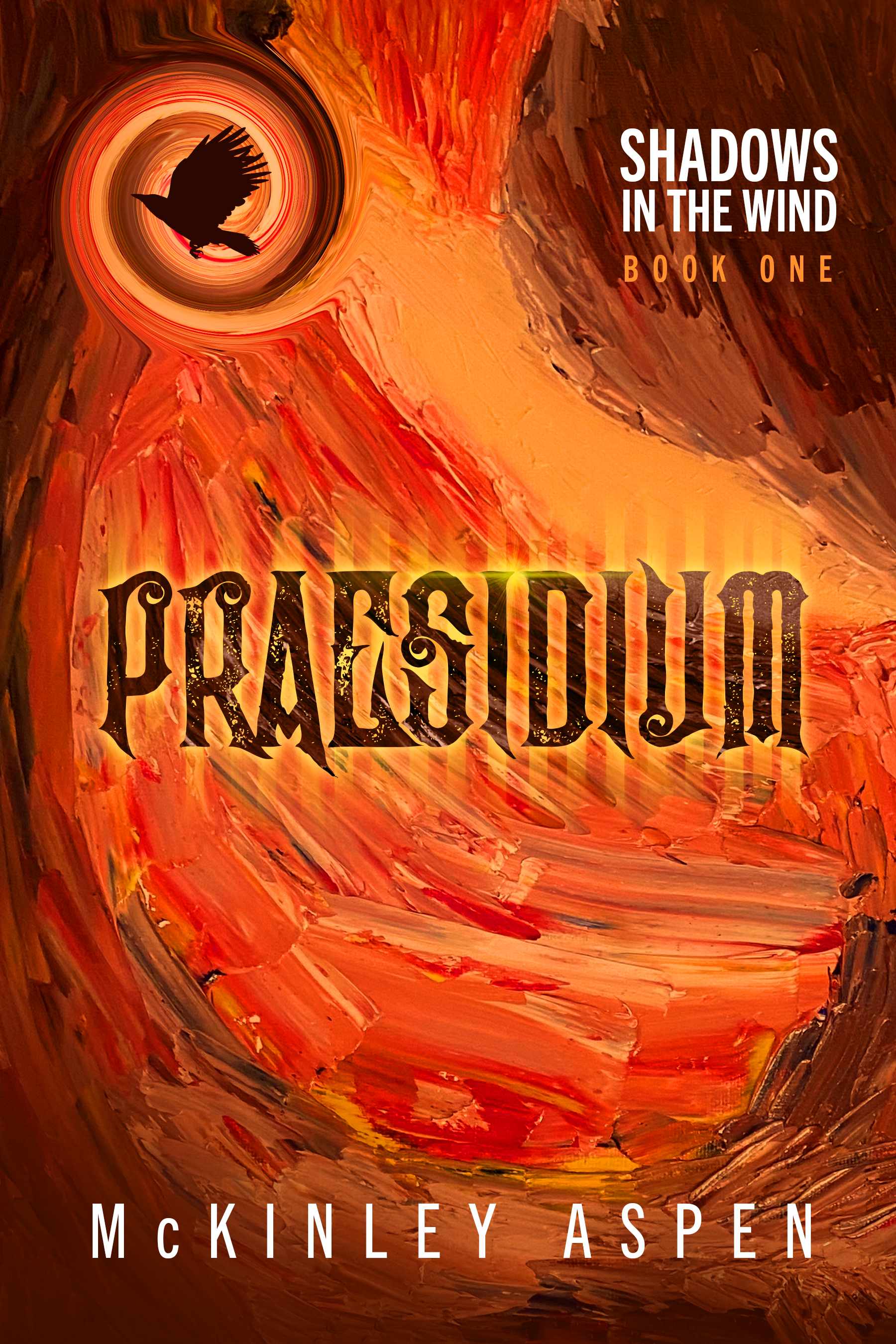
    Praesidium, penned by McKinley Aspen, is a captivating and thought-provoking book that takes readers on an exhilarating journey into a world of intrigue, suspense, and ethical dilemmas. Aspen’s skillful storytelling and vivid imagination create a narrative that lingers in the mind long after the final page is turned.

    Set in a dystopian future, Praesidium immerses readers in a society where advanced technology and authoritarian control coexist. The protagonist, a resilient and determined individual, finds themselves at the center of a high-stakes conspiracy that challenges their beliefs and tests their loyalty.

    What makes Praesidium stand out is Aspen’s ability to tackle complex themes with nuance and depth. The exploration of power dynamics, personal identity, and the consequences of individual choices is masterfully woven into the narrative. The author’s attention to detail and world-building effortlessly transport readers into this dystopian realm, where they can’t help but become emotionally invested in the characters’ struggles.

    As the story unfolds, the surprises and twists keep readers engaged, constantly questioning motives and allegiances. Aspen’s skillful pacing ensures a balance between action-packed sequences and quieter moments of introspection, allowing readers to connect with the characters on a deeper level.

    One aspect that particularly impressed me was Aspen’s ability to capture the moral dilemmas faced by the characters. Through their journeys, the book raises thought-provoking questions about the nature of power, the price of freedom, and the lengths individuals are willing to go to protect what they hold dear. These contemplative moments provide a refreshing depth to the story, encouraging readers to reflect on their own values and the world around them.

    While the book delves into weighty themes, it never loses its sense of excitement and adventure. The plot is well-constructed, and the writing is crisp and engaging, making it difficult to put down. Aspen’s prose is both evocative and accessible, effortlessly drawing readers into the story and keeping them invested until the very end.

    In conclusion, Praesidium is a remarkable novel that combines thrilling storytelling with introspective themes. McKinley Aspen’s skill as a writer shines through in this thought-provoking and engrossing tale. I highly recommend this book to readers who enjoy dystopian fiction, intricate world-building, and narratives that challenge the status quo. Prepare to be captivated by Praesidium and the moral quandaries it presents.