
INDIA OVER CHINA IN 2024 , IN OVERPOPULATION

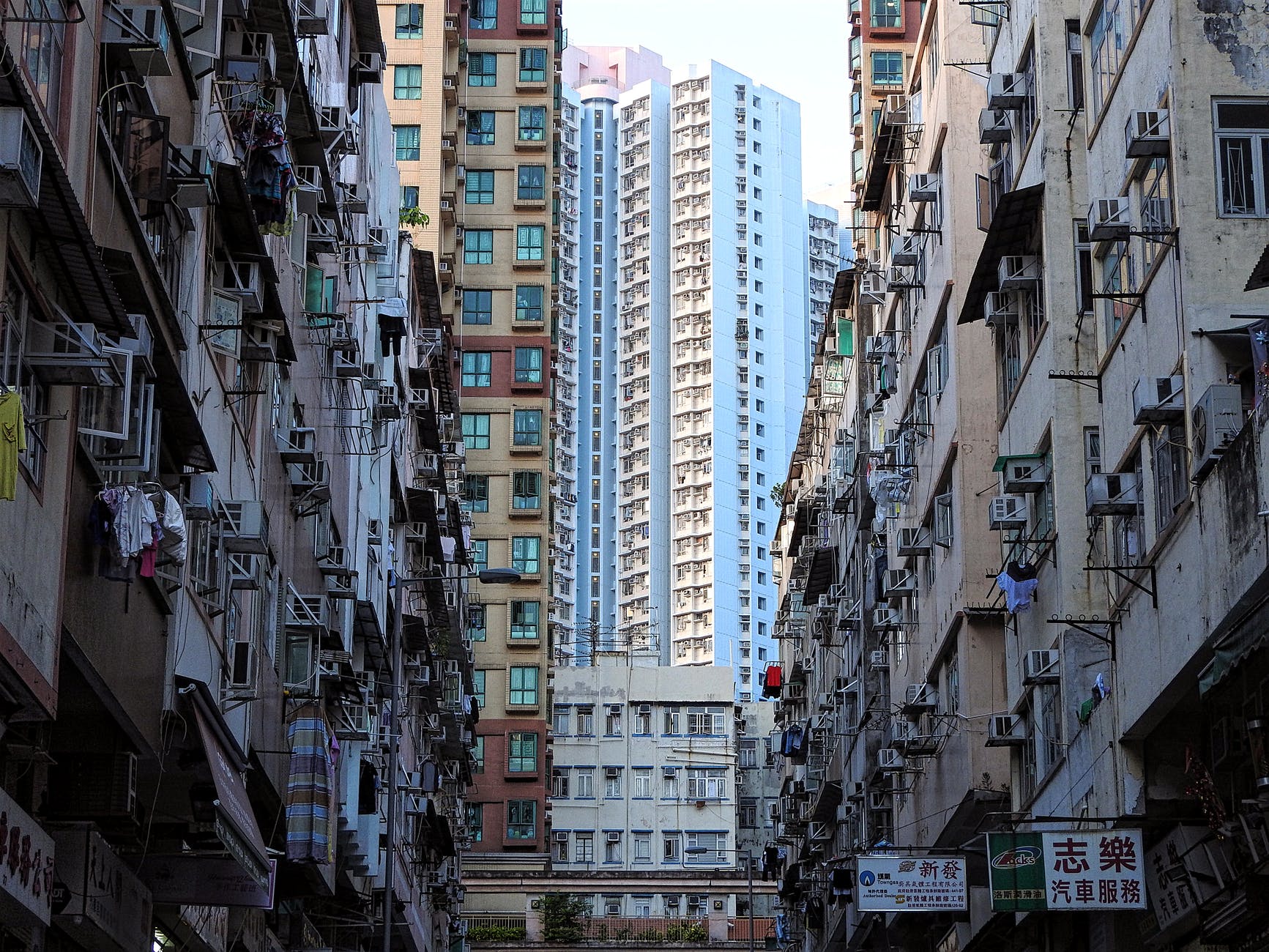
Whether you are in a metro station, airport, railway station, road, highway, bus stop, hospital, shopping mall, market, temple, or even in a social/ religious gathering, we see all these places are overcrowded at any time of the day. This is a clear indication of overpopulation in the country. This is the major issue of , India is facing right now. Food production is limited & population is unlimited , we can say wants are unlimited & resources are limited & population is unlimited hence can be concluded that the reason behind poverty in India is over population.

Some of the common effects of overpopulation are :

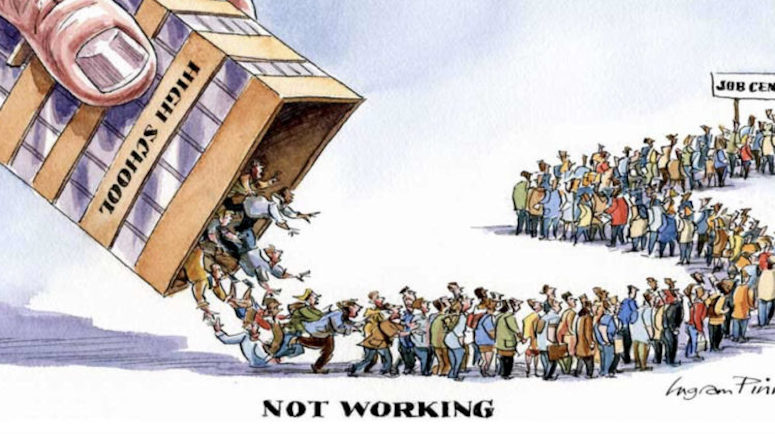
  1. Unemployment : Every body knows India’s state of employment , employment rate is decreasing & unemployment rate is increasing . Since their is no employment people are starving , their is no living , literacy rate is also decreasing . This one problem of over population is bringing so many more problems with it .
  2. Manpower utilization: The number of jobless people is on the rise in India due to economic depression and slow business development and expansion activities.
  3. Pressure on infrastructure: Development of infrastructural facilities is unfortunately not keeping pace with the growth of population. The result is lack of transportation, communication, housing, education, healthcare etc. There has been an increase in the number of slums, overcrowded houses, traffic congestion etc.
  4. Resource utilization: resource are already scare , & they are being exploited . Land areas , water , trees are being exploited due to overpopulation .
  5. Inequitable income distribution: In the face of an increasing population, there is an unequal distribution of income and inequalities within the country widen.

STEPS TO CONTROL OVER POPULATION

Indian government should take bold steps to control overpopulation because if they want to improve economic growth they should control overpopulation . Major steps which have been already implemented but still need to be emphasized more control population. Increasing the welfare and status of women and girls, spread of education, increasing awareness for the use of contraceptives and family planning methods, sex education, encouraging male sterilization and spacing births, free distribution of contraceptives and condoms among the poor, encouraging female empowerment, more health care centers for the poor, to name a few, can play a major role in controlling the population. India’s growth in the whole world cannot be ignored , whether it is in science & technology , medicine , health , communication , entertainment , literature or military . So experts believe that if people of India will follow the strict population control norms , it will be able to overcome this problem too .
Poverty In India

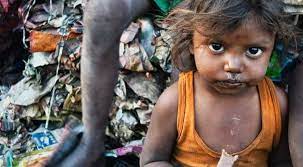
Poverty is defined as a condition in which a person is deprived of fundamental needs of existence. Furthermore, the individual does not have an insufficient amount of food, housing, or clothing. In India, the majority of the poor cannot afford to pay for a single meal each day. They also sleep on the side of the road and dress in filthy old clothing. Furthermore, they do not receive appropriate healthy and nutritious food, as well as medicine or any other required item.

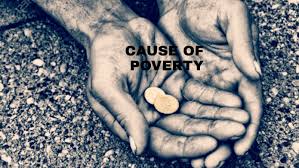
Causes of Poverty:-

Poverty in India is growing due to a rise in the urban population. People from rural areas are flocking to cities in search of better opportunities. The majority of these individuals find a low-wage employment or an activity that just pays for their meals. Most significantly, lakhs of urban residents live below the poverty line, with many more on the verge of destitution.

Furthermore, a large number of people live in slums or low-lying regions. These individuals are generally uneducated, and despite their best efforts, their situation stays unchanged and there is no satisfying outcome.

Furthermore, there are several factors that may be identified as important causes of poverty in India. Corruption, increasing population, poor agriculture, a huge disparity between wealthy and poor, ancient customs, illiteracy, unemployment, and a few more factors are among these causes. A significant number of people work in agriculture, yet the compensation is relatively low in relation to the labour done by employees.

Furthermore, as the population rises, so does the need for food, housing, and money, and in the absence of these resources, poverty spreads rapidly. Furthermore, being extremely poor or extra affluent widens the divide between rich and poor.

Furthermore, the affluent are getting richer while the poor are increasing poorer, creating an economic divide that will be difficult to close.

Effects of Poverty:-

It has a wide range of effects on people’s lives. It also has a variety of impacts, such as illiteracy, bad nutrition and food, inadequate housing, child labour, unemployment, poor hygiene and lifestyle, and feminization of poverty, among others. Furthermore, impoverished people cannot afford a good and balanced diet, attractive clothing, appropriate education, a stable and clean housing, and so on since all of these amenities cost money, and if they can’t afford to eat two meals a day, how can they afford to pay for these amenities?

The Solutions for Ending Poverty:-

It is critical that we act swiftly and appropriately to address the issue of poverty. One approach to addressing these issues is to equip farmers with enough infrastructure. So that they can make agriculture lucrative rather than migrating to cities in search of work.

Illiterate individuals should also be provided the necessary instruction in order to live a better life. Family planning should be practised in order to control the growing population. Furthermore, steps should be done to eliminate corruption so that we can address the wealth disparity.

List of Indian states and union territories by poverty rate:-

India’s GDP per capita income is around $2241 (or 168,075). This is a list of Indian states and union territories rated in terms of poverty as of 2021. Number and Population – The rank is determined by the percentage of persons living below the poverty line and is based on MRP consumption.

State/U.T.Percentage of population living below the national poverty line
Goa5.09
Kerala7.05
Himachal Pradesh8.06
Sikkim8.19
Punjab8.26
Andhra Pradesh9.2
Haryana11.16
Uttarakhand 11.26
Tamil Nadu11.28
Meghalaya11.87
Tripura14.05
Rajasthan14.71
Gujarat16.63
Maharashtra17.35
Nagaland18.88
West Bengal19.98
Mizoram20.4
Karnataka20.91
Uttar Pradesh29.43
Madhya Pradesh31.65
Assam31.98
Odisha32.59
Bihar33.74
Arunachal Pradesh34.67
Manipur36.89
Jharkhand36.96
Chhattisgarh39.93
TelanganaN/A
Andaman And Nicobar Islands1
Lakshadweep2.77
Puducherry9.69
Daman and Diu9.86
Delhi9.91
Jammu and Kashmir and Ladakh10.35
Chandigarh21.81
Dadra and Nagar haveli39.31

Conclusion

To summarize, poverty is a national problem, not a personal one. It should also be addressed as soon as possible by the deployment of appropriate solutions. Furthermore, poverty eradication has become critical for the long-term and inclusive progress of individuals, society, country, and economy.