
RBI emerges as the top buyer of gold among its global counterparts.

With 132.34 metric tonnes (MT) of gold purchase, RBI emerged as the largest buyer of the yellow metal among central banks between April 2020 and September 2022. Also, RBI was the top gold buyer among its peers in 2020 while it stood third in 2021. In 2020, it bought 41.68 MT of gold while in 2021 and 2022 (till September end) it bought 77.5 MT and 31.25 MT respectively.

In 2021 the huge gold buying by RBI occurred in the backdrop of falling yellow metal price in the global bullion market but War in Europe proved beneficial for gold as the price crossed $2,000 per ounce in the first week of March 2022. But, the yellow metal lost its gains in the middle of March as consistent rate hikes by the Federal Reserve strengthened Dollar Index and bonds emerged as attractive investment options for Institutions and retail investors.

 Every major central bank keeps a portion of its reserves in gold as it plays a fine hedging instrument in the time of uncertainty and economic turmoil. During the balance of payment crisis in 1990-91, Indian government pledged 67 MT of gold to the Bank of England and Union Bank of Switzerland. During uncertain economic conditions, gold price takes upward trajectory and it was evident in 2020 when Covid induced economic turmoil made gold price touch an all time high of $2,067 per ounce. Since then GDP across the globe has picked up. Demand for yellow metal reduced with economic stability and prices declined consistently in 2021.
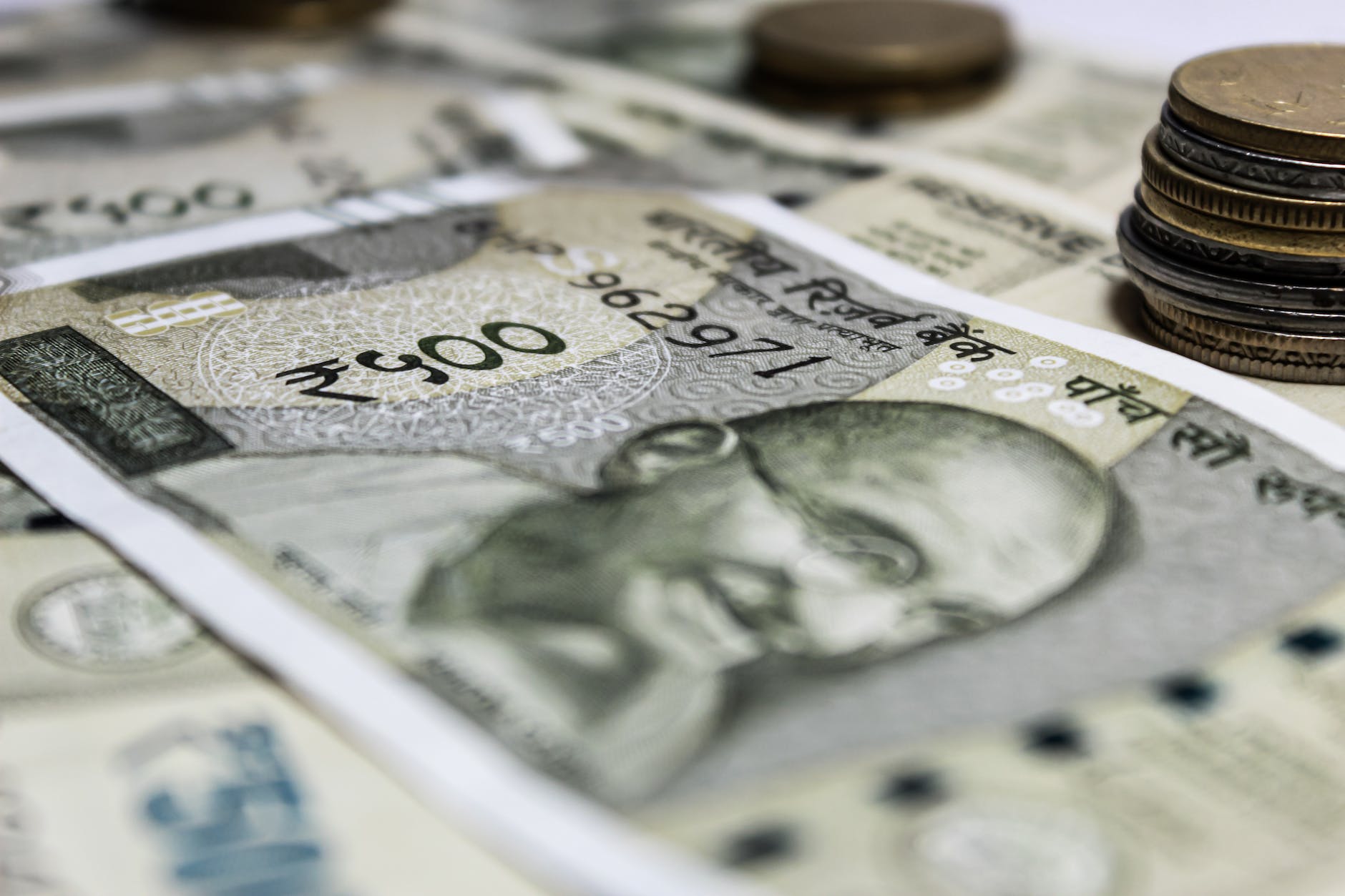
RBI emerges as the top buyer of gold among its global counterparts.

With 132.34 metric tonnes (MT) of gold purchase, RBI emerged as the largest buyer of the yellow metal among central banks between April 2020 and September 2022. Also, RBI was the top gold buyer among its peers in 2020 while it stood third in 2021. In 2020, it bought 41.68 MT of gold while in 2021 and 2022 (till September end) it bought 77.5 MT and 31.25 MT respectively.

In 2021 the huge gold buying by RBI occurred in the backdrop of falling yellow metal price in the global bullion market but War in Europe proved beneficial for gold as the price crossed $2,000 per ounce in the first week of March 2022. But, the yellow metal lost its gains in the middle of March as consistent rate hikes by the Federal Reserve strengthened Dollar Index and bonds emerged as attractive investment options for Institutions and retail investors.

 Every major central bank keeps a portion of its reserves in gold as it plays a fine hedging instrument in the time of uncertainty and economic turmoil. During the balance of payment crisis in 1990-91, Indian government pledged 67 MT of gold to the Bank of England and Union Bank of Switzerland. During uncertain economic conditions, gold price takes upward trajectory and it was evident in 2020 when Covid induced economic turmoil made gold price touch an all time high of $2,067 per ounce. Since then GDP across the globe has picked up. Demand for yellow metal reduced with economic stability and prices declined consistently in 2021.

RBI heading to curb prevailing inflation.

In the august meeting of the committee of the apex bank, the Reserve Bank of India (RBI) hiked the repo rate by 50 basis points to 5.4 per cent, its third hike in the current financial year continuing its fight to tame stubbornly high inflation.

The decision of the six-member Monetary Policy Committee (MPC) of the RBI, which met on August 3 to Aug 5, 2022 was largely in line with expectations. Financial markets were largely unchanged at mid day as the hike was on expected lines. The central bank said it would continue its stance of withdrawal of accommodation to ensure that inflation moves close to the target of 4 per cent over the medium term, while supporting growth.

RBI has been increasing policy rates since May, with a cumulative rate hike of 140 basis points being done so far, India’s retail inflation for June inched down in June to 7.01% from 7.04% in the previous month, but it remained above the 7% mark for the third successive month and above RBI’s 2-6% tolerance level for a sixth straight month.

But the estimates for July show that India’s inflation problem seems to have bottomed out sooner than the MPC thought. At its latest meeting earlier this month, RBI retained inflation projections for FY23 at 6.7% and estimated inflation to average 7.1% in the September quarter. There is more evidence that inflation in India has peaked for now, and it is likely to slow faster than RBI’s published trajectory, coming into the target band by October, according to our latest tracking estimates. The Central government working with RBI target to curb inflation from the economy in all possible way, the objective of these steps as expected by the committee is to lower the prices of basic commodity and works toward appreciation of the rupee against dollar.

RBI heading to curb prevailing inflation.

In the august meeting of the committee of the apex bank, the Reserve Bank of India (RBI) hiked the repo rate by 50 basis points to 5.4 per cent, its third hike in the current financial year continuing its fight to tame stubbornly high inflation.

The decision of the six-member Monetary Policy Committee (MPC) of the RBI, which met on August 3 to Aug 5, 2022 was largely in line with expectations. Financial markets were largely unchanged at mid day as the hike was on expected lines. The central bank said it would continue its stance of withdrawal of accommodation to ensure that inflation moves close to the target of 4 per cent over the medium term, while supporting growth.

RBI has been increasing policy rates since May, with a cumulative rate hike of 140 basis points being done so far, India’s retail inflation for June inched down in June to 7.01% from 7.04% in the previous month, but it remained above the 7% mark for the third successive month and above RBI’s 2-6% tolerance level for a sixth straight month.

But the estimates for July show that India’s inflation problem seems to have bottomed out sooner than the MPC thought. At its latest meeting earlier this month, RBI retained inflation projections for FY23 at 6.7% and estimated inflation to average 7.1% in the September quarter. There is more evidence that inflation in India has peaked for now, and it is likely to slow faster than RBI’s published trajectory, coming into the target band by October, according to our latest tracking estimates. The Central government working with RBI target to curb inflation from the economy in all possible way, the objective of these steps as expected by the committee is to lower the prices of basic commodity and works toward appreciation of the rupee against dollar.