

Children’s Day is observed annually on November 14. Pandit Jawaharlal Nehru, India’s first prime minister, was born on this day in 1889. Given his love of children, he was given the nickname Chacha Nehru. Since his passing in 1964, his birthday has been recognized as Children’s Day.

History
The Children’s Day celebration was born as a result of Pandit Jawaharlal Nehru’s outstanding contributions to child development and education on the occasion of his birth anniversary. Thus, the 14th of November is set aside each year to honor the devoted “Chacha Nehru” of the younger generation. The youngsters of today will shape India of the future, he once said. The future of the nation will depend on how we raise them.
In India, it is a significant day. We have been commemorating this day on November 20, the day the United Nations designates as World Children’s Day, since 1956. But a resolution to recognize Jawaharlal Nehru’s birthday as Children’s Day was approved by the Indian Parliament after his passing in 1964. Since that time, Children’s Day has been observed on November 14 to honor his birthdate.
India observed Children’s Day for the first time on 14th November 1957, following a government order on public notice. Apart from Nehru’s birth anniversary, Children’s day is also commemorated to increase awareness towards children’s education, and rights and to guarantee good care is accessible to all. You now understand the significance of Children’s Day.
Let us take a short look at some of Pandit Jawahar Lal Nehru’s life:
About Pandit Jawahar Lal Nehru
-
On November 14, 1889, Jawaharlal Nehru, India’s first Prime Minister, was born to a family of Kashmiri Brahmans. He was the son of prominent lawyer and Indian independence movement leader Motilal Nehru.
-
He was a staunch supporter of children’s education, claiming that every child in India had the right to an education.
-
Children dubbed him “Chacha Nehru” because he firmly believed that children are India’s power.
-
He advocated that disadvantaged children have the right to a free and fair education for their full development. This emphasizes the significance of Jawaharlal Nehru Children’s Day.
-
He also created the famed Indian Institute of Technology (IIT), the All India Institute of Medical Sciences (AIIMS), and the Indian Institute of Management(IIM) as part of this project.
-
He became a leader of India’s independence struggle in 1947 under Gandhi’s leadership.
Children’s Day Celebration in India
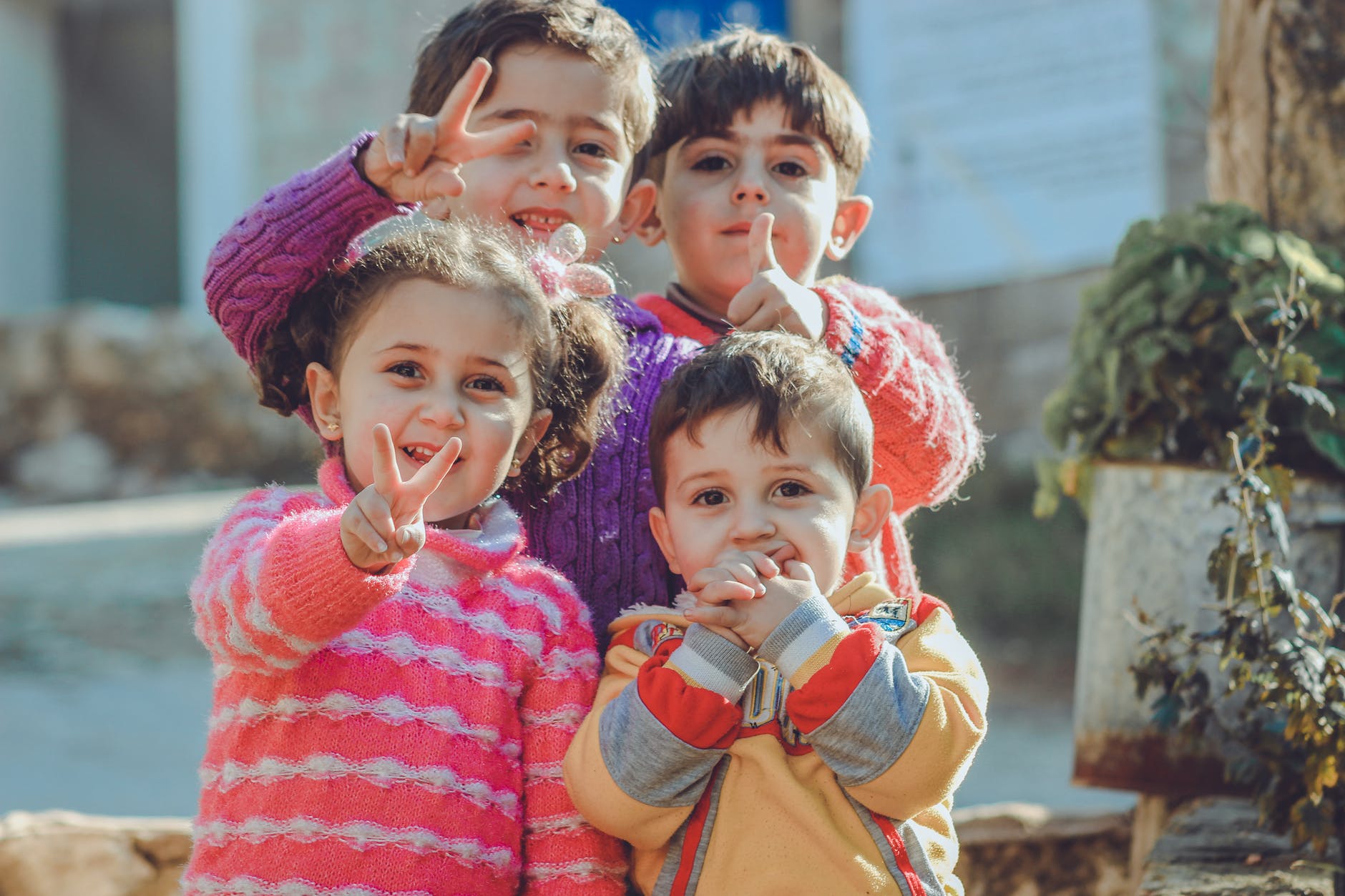
Children’s Day is observed throughout India to commemorate Pandit Nehru’s birth anniversary. Many festivities, events, and programs are held by schools and other educational institutions to commemorate the day with enjoyable and motivating activities. Children are given gifts, toys, and sweets, and in certain schools, teachers perform for the children’s entertainment.
The commemoration of Children’s Day begins with stage remarks about Pandit Nehru. Children are dressed up in various themes, such as angels or Nehru. They put on stage presentations of dancing, singing, and even theatre.
Apart from commemorating Children’s Day in schools or universities, we may make a difference in the lives of poor children as citizens. We can demonstrate our gratitude by donating food, clothing, books, or anything else that brings a smile to their faces. Parties and celebrations occur all the time, but by providing even a small amount to their demands, we may make a significant difference.
 Eduindex
You must be logged in to post a comment.