

Clouds

All of us have looked at the clouds. Many of them appear white, sometimes fluffy, sometimes as thin as a wisp, sometimes black. Based on the color of clouds, we predict the weather for the day. But have you ever looked at all the clouds and wondered just how many different types of clouds we encounter everyday and we just categorize them as black and white.
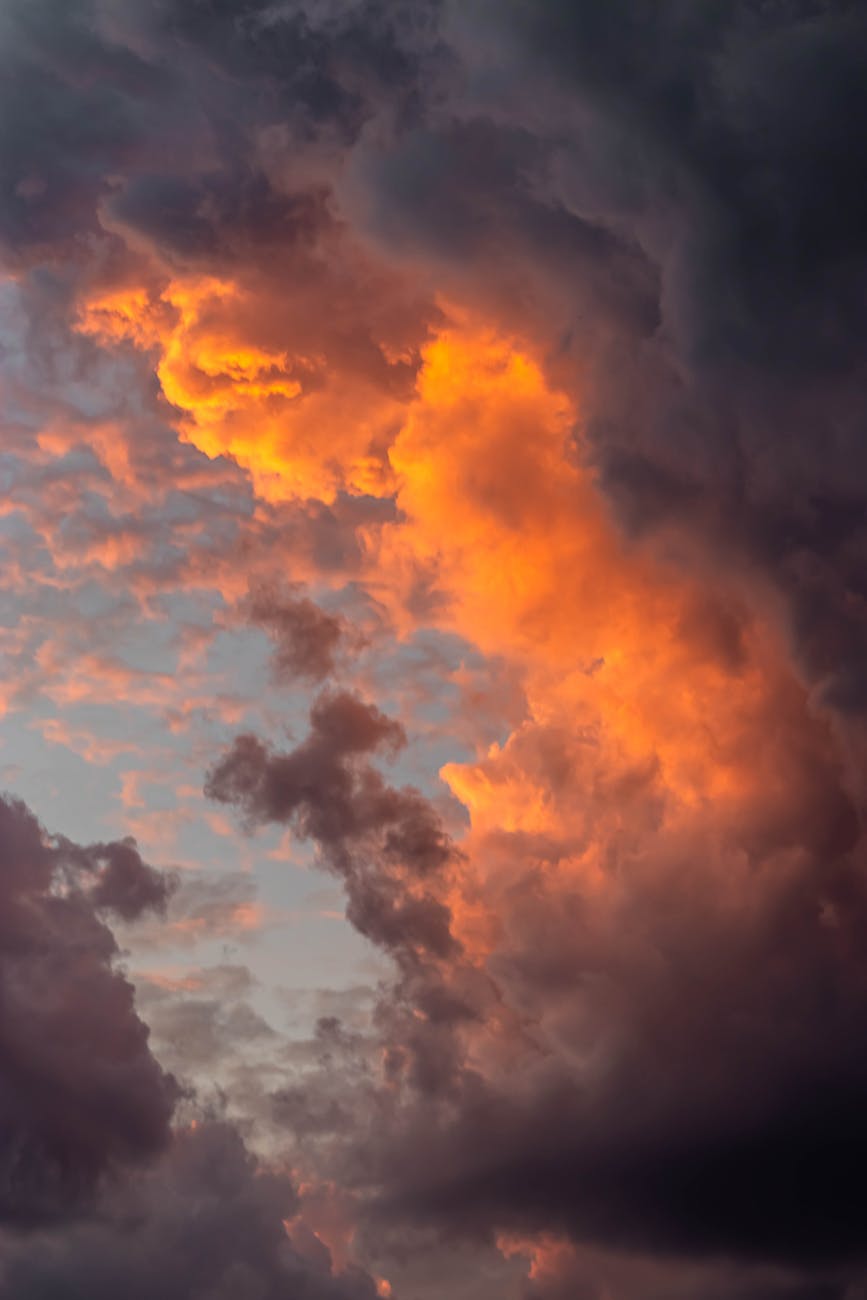
Photo by paul voie on Pexels.com

So, today let us look at the categorization of various kinds of clouds that exist and see what they predict about our day.

Clouds are at the basic level subdivided into 3 categories-

  1. High clouds- They occur between 20,000-40,000 feet above the sea level. They mainly occur in a feathery form. (very high above the ground. Air has less molecules of water vapor as well as possible nuclei for cloud formation. Air molecules are scattered ). These clouds do not bring rainfall.
  2. Medium clouds- They occur in the range of 10,000-20,000 feet above the sea level. They occur as clusters of clouds and can bring rainfall and snow.
  3. Low clouds- Occur in the range of 6,500-10,000 feet. These clouds mainly block sunlight ans can cause light drizzle/mist. Ever seen clouds appear beneath you from a mountain top?

The high clouds have 3 kinds of cloud varieties-

  1. Cirrus- Thin, wispy, fibrous clouds that appear in bright blue sky are cirrus. They barely dim the sunlight though. They are made of tiny ice crystals that scatter the sunlight , thereby making the clouds appear orange or yellow, making for a beautiful sunrise or sunset.
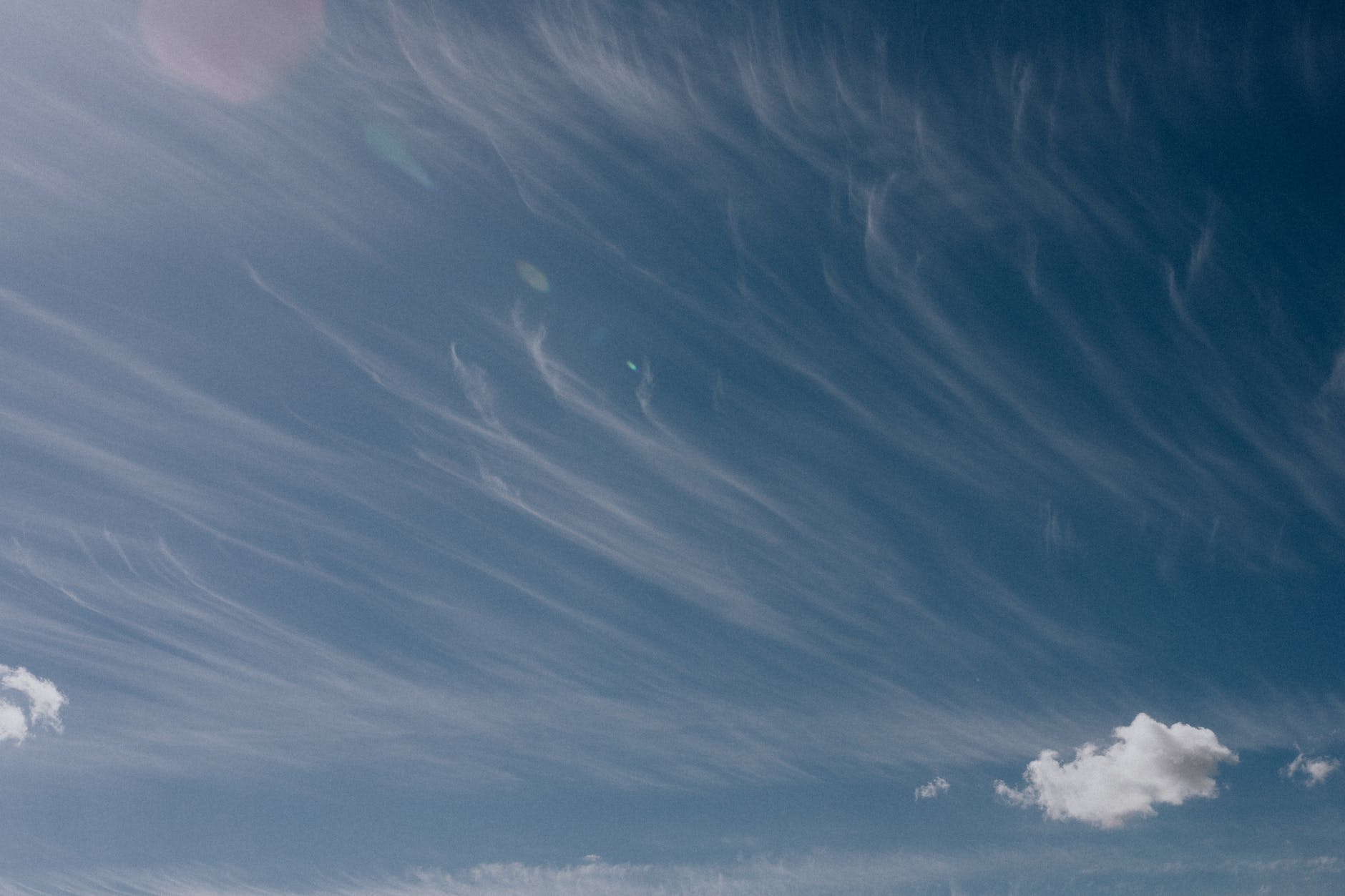
Photo by Karolina Grabowska on Pexels.com

2. Cirrocumulus- Very high cumulus clouds that appear as white globular masses forming ripples.
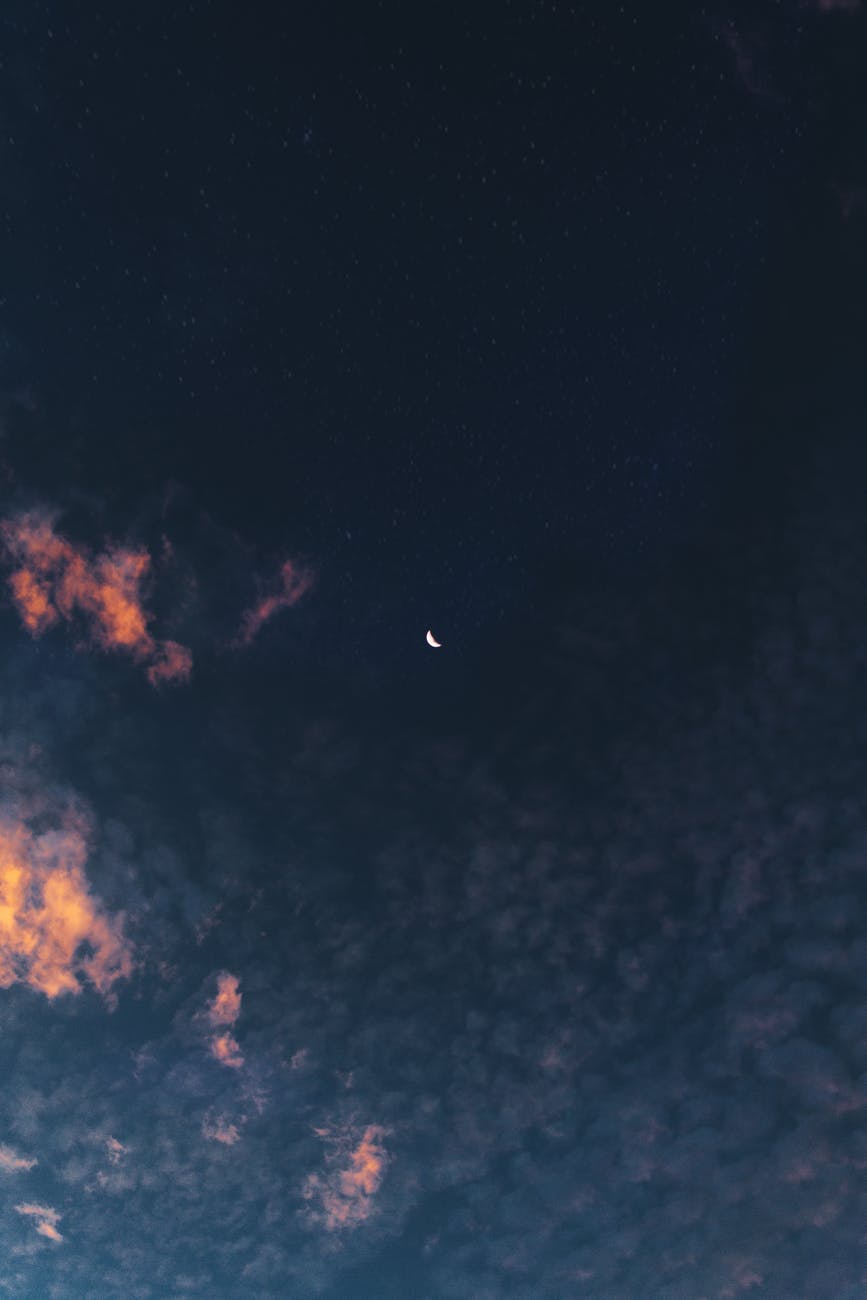
Photo by Vinu00edcius Vieira ft on Pexels.com

3. Cirrostratus- A stratus cloud (horizontal layering with uniform base), it occurs in the from of a thin white sheet or veil and provides the sky a milky texture, making the sun/moon shine with a characteristic ‘halo’.

The ‘mid-level clouds have 3 varieties-

  1. Altocumulus- These are the wooly bumpy clouds that occur in layers. They look like waves in blue sky. Can cover the sky occasionally.
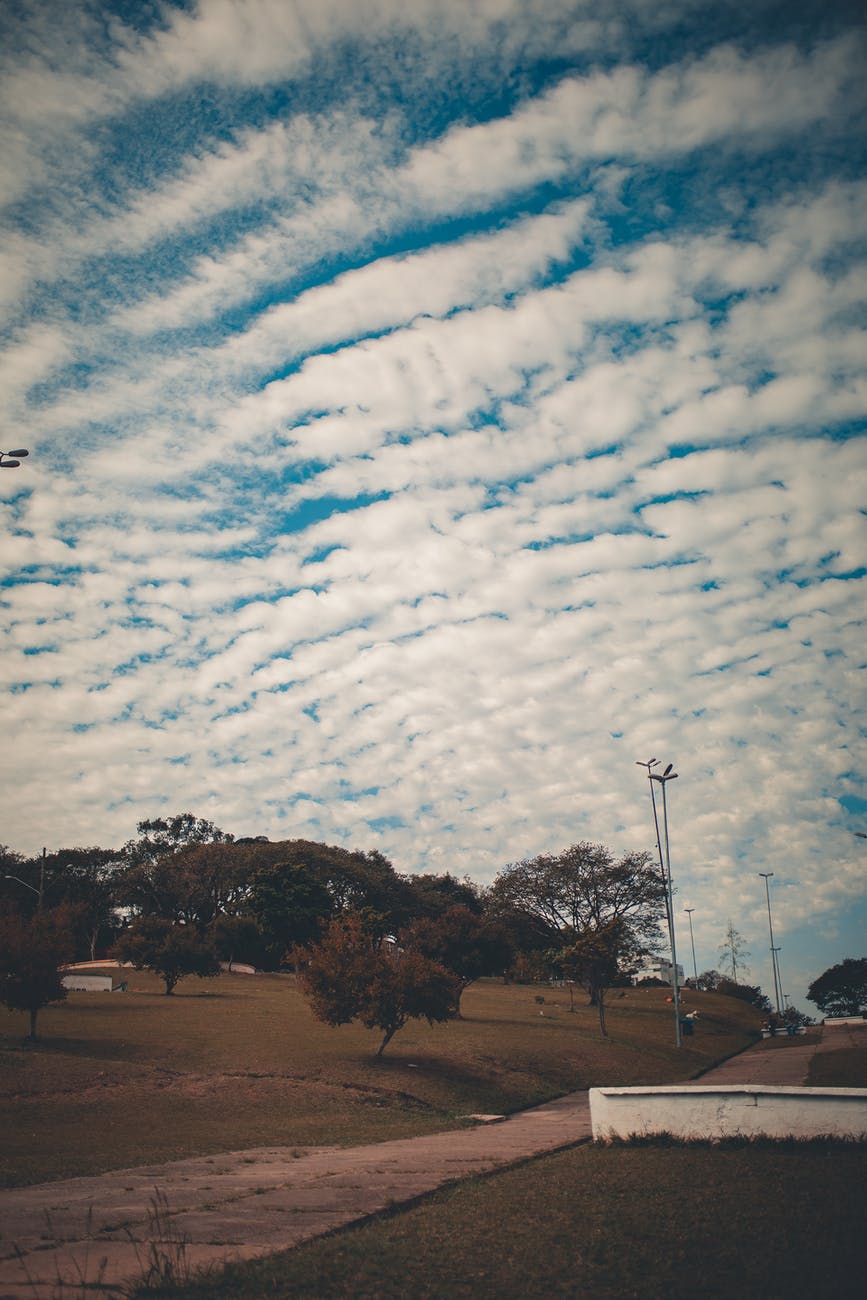
Photo by Lucas Pezeta on Pexels.com

2. Altostratus- These are denser grayish clouds and have a watery look.

3. Nimbostratus- ‘Nimbo’ means precipitating. These clouds are associated either with rain or snow and are dark-dull layered clouds.
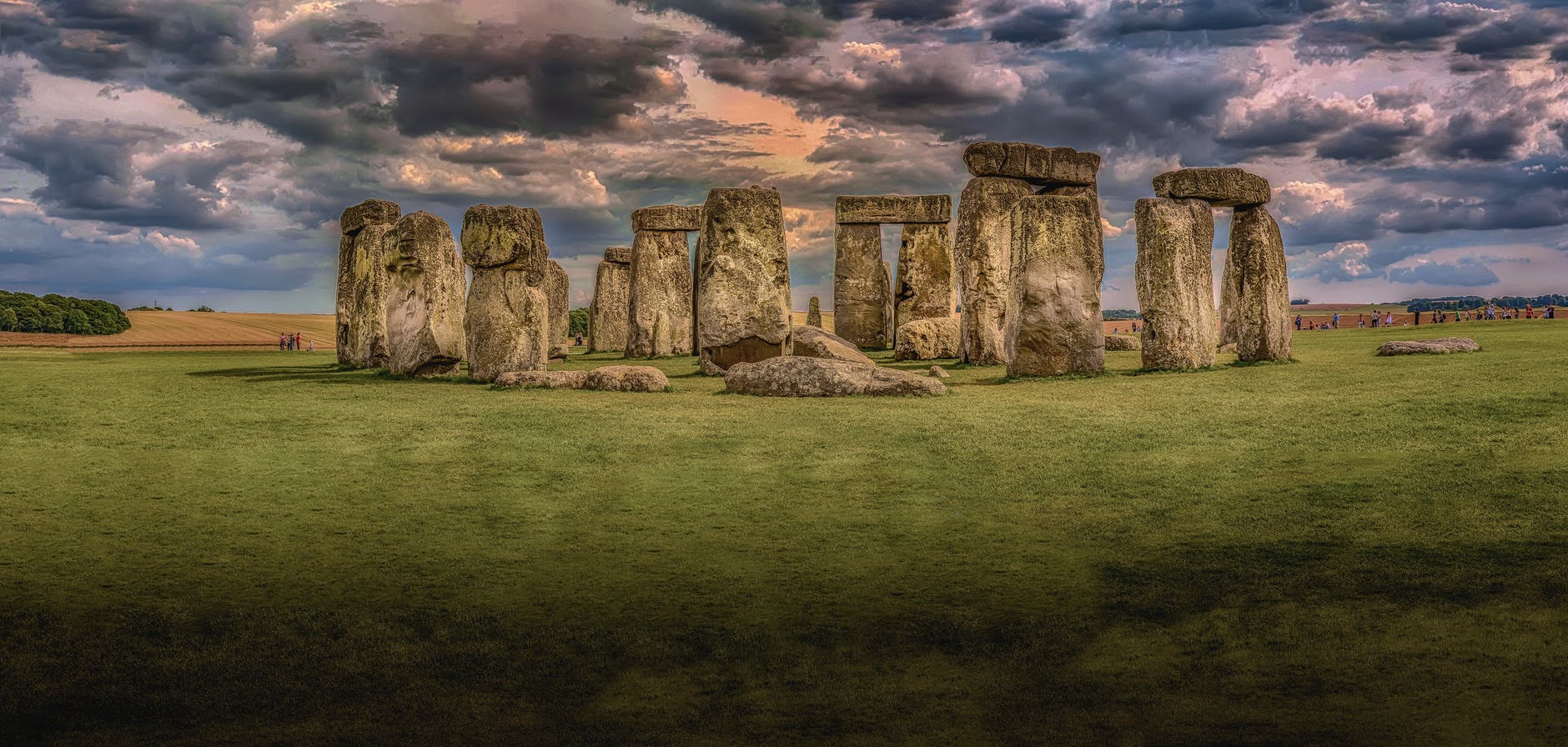
Photo by Pixabay on Pexels.com

The low level clouds have 3 sub-types-

  1. Stratus- These are very low clouds. Uniformly grey, thick clouds, they cause light drizzle an dull weather. They also reduce aircraft visibility and are the cause of highland fog.
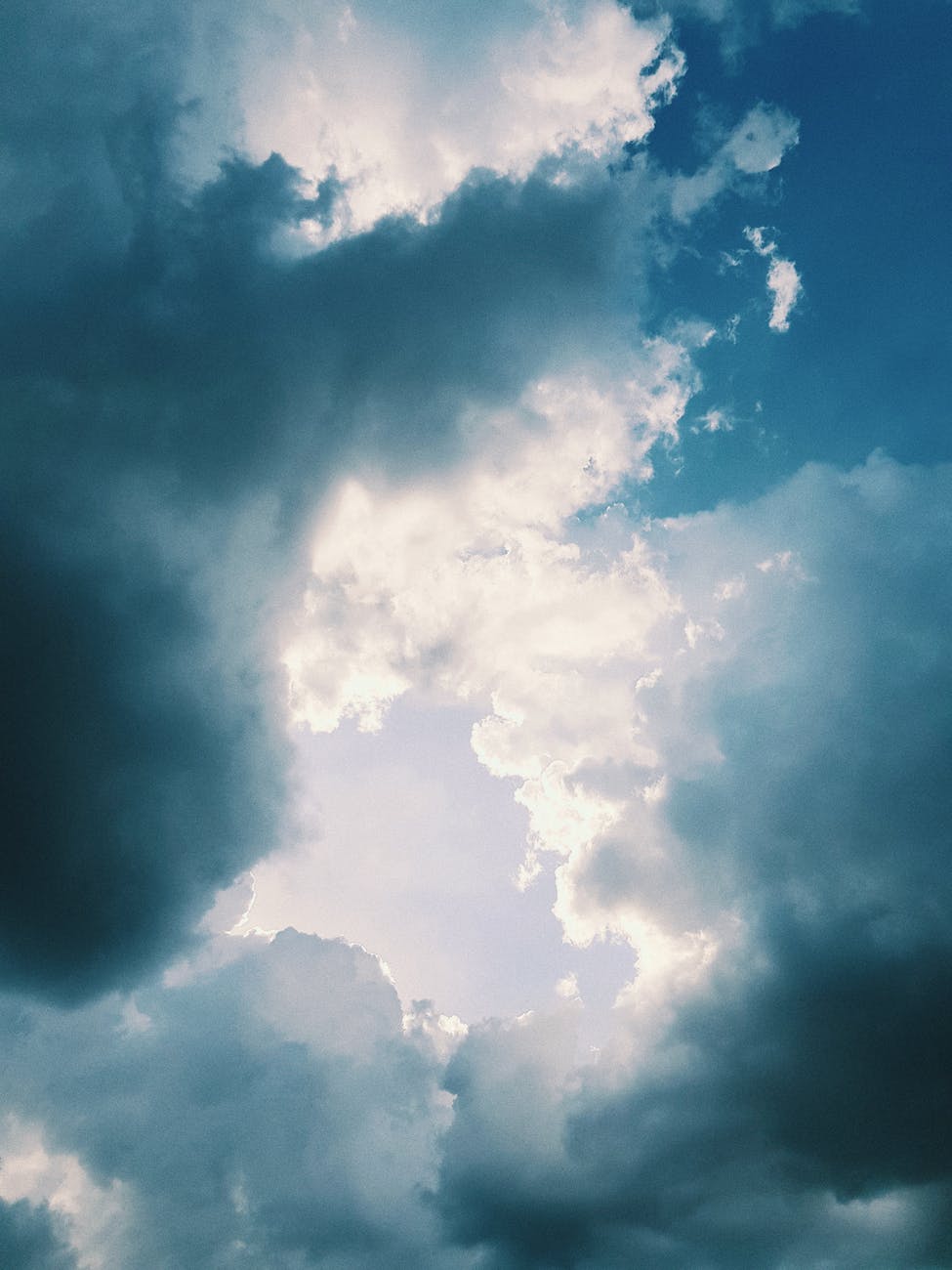
Photo by Andre Moura on Pexels.com

2. Cumulus-These are vertical clouds with rounded top and horizontal base and occur in humid tropical regions. Formed due to up-rising conventional currents. It ight appear grey against the sun but it is a fair weather cloud.

Photo by Pixabay on Pexels.com

3. Stratocumulus- These are rough, bumpy clouds and have waves more pronounced than Altocumulus cloud.

Photo by Lucas Pezeta on Pexels.com

There is one another type of cloud associated with cyclonic conditions, lightening and thunderstorm, known as cumulonimbus cloud. These are overgrown cumulus clouds that are formed between 2,000-30,000 feet high. Formed in tropical afternoons, these are black in color and usually seen in equators and in sub-tropical regions(during summers).
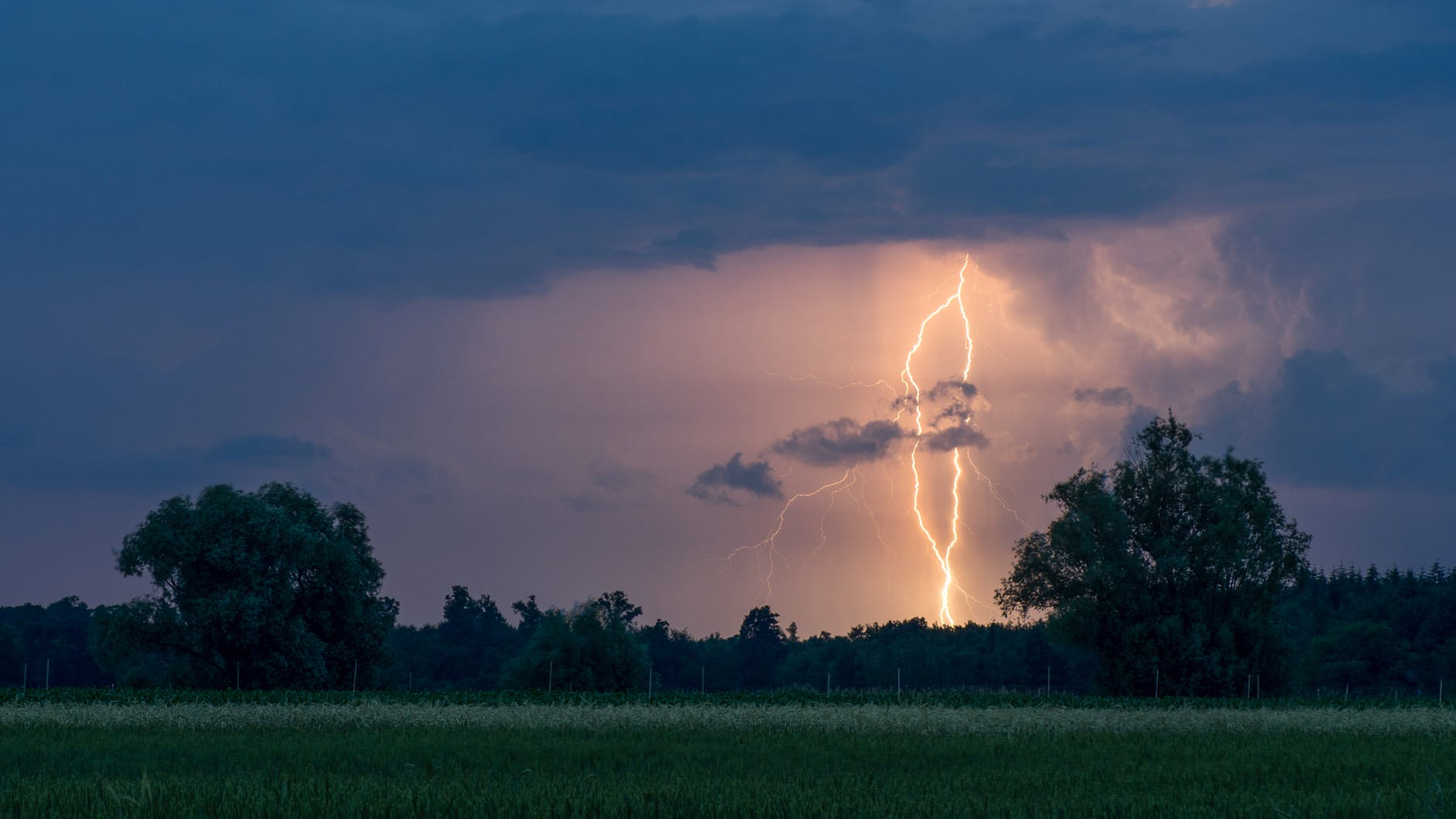
Photo by Flash Dantz on Pexels.com

This is all about clouds. The next time you are on your rooftop, you have something to keep you busy and you can’t disagree, looking at clouds is interesting.
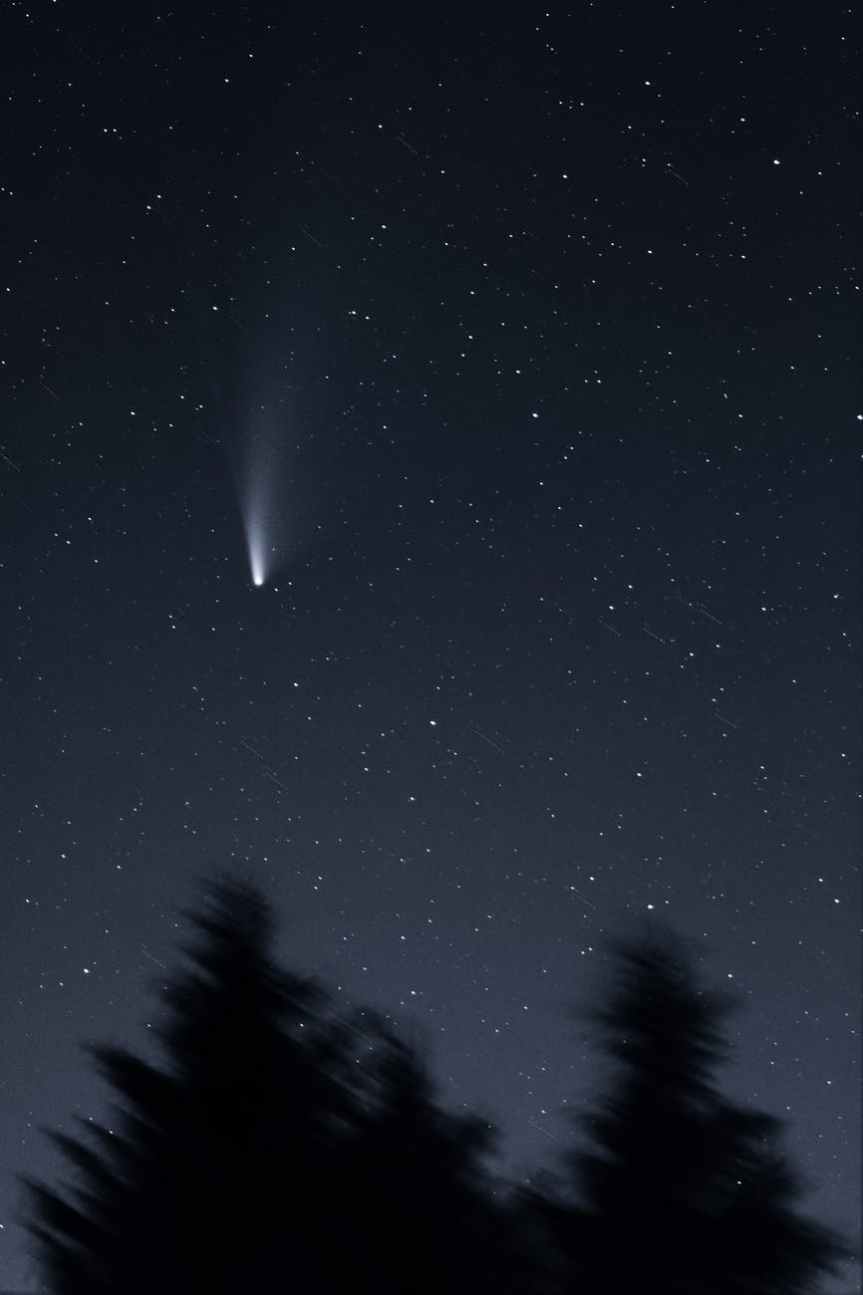
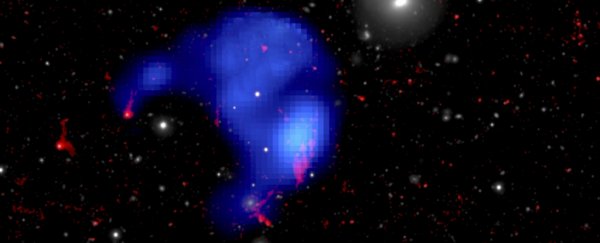
Astronomers Detect a Lurking Cosmic Cloud, Bigger Than The Entire Milky Way.

In the yawning vacuum of intergalactic space, something large is lurking.

Not a galaxy, although it’s of a comparable size: A vast cloud of hot, faintly glowing gas, bigger than the Milky Way, in the space between galaxies congregating in a huge cluster.

Scientists believe this cloud may have been unceremoniously stripped from a galaxy in the cluster, the first gas cloud of this kind we’ve ever seen. Even more surprisingly, it hasn’t dissipated, but has remained clumped together for hundreds of millions of years.

This not only tells us something new about the environments inside galaxy clusters, it suggests a new way to explore and understand these colossal structures.

“This is an exciting and also a surprising discovery. It demonstrates that new surprises are always out there in astronomy, as the oldest of the natural sciences,” said physicist Ming Sun of the University of Alabama in Huntsville.

Galaxy clusters are, as the name suggests, groups of galaxies that are bound together gravitationally. The galaxy cluster where our ‘orphan’ gas cloud was found is called Abell 1367, or the Leo Cluster, around 300 million light-years away. It contains at least 72 major galaxies, and makes up part of a larger, supercluster complex.

Such environments often have a lot going on, and astronomers like to peer into them to try and figure out how our Universe is connected. In 2017, astronomers using Japan’s Subaru Telescope spotted what appeared to be a small, warm cloud in Abell 1367; since its origin was unclear, they went back with more instruments to take a closer look.

A team led by astronomer Chong Ge of the University of Alabama in Huntsville used the ESA’s XMM-Newton X-ray telescope and the Multi Unit Spectroscopic Explorer (MUSE) on the Very Large Telescope, in addition to Subaru – and, to their surprise, they found X-ray emission showing the cloud was larger than they first thought.

Much larger, in fact – bigger than the Milky Way galaxy, with a mass around 10 billion times that of the Sun. And it didn’t seem to be associated with any known galaxy in the cluster. It was just drifting there. But the wealth of data allowed the researchers to take the the temperature of the gas, in turn providing clues as to its provenance.

The cloud’s temperature ranges between 10,000 and 10,000,000 Kelvin – consistent with gas that can be found within galaxies, the interstellar medium. The much more tenuous hot gas of the intracluster medium (the space between galaxies in the cluster) is hotter still, at around 100 million Kelvin.

This suggests that the cloud of gas was stripped from a galaxy as it moved through space.

“The gas in the cloud is removed by ram pressure of the hot gas in the cluster, when the host galaxy is soaring in the hot gas with a velocity of 1,000 to 2,000 kilometers [620 to 1,240 miles] per second,” Sun said.

“It is like when your hair and clothes are flying backward when you are running forward against a strong headwind. Once removed from the host galaxy, the cloud is initially cold and is evaporating in the host intracluster medium, like ice melting in the summer.”

This is fascinating, but kind of weird – because the researchers couldn’t find any nearby galaxies that could account for this occurring recently. Yet, if the gas had been ripped from its galaxy hundreds of millions of years prior, as this lack of proximity suggested, how had it not been diffused into the intracluster medium?

To work this out, the team performed calculations, and found that a magnetic field could hold the gas cloud together against the instabilities that ought to otherwise tear it apart, for long periods of time.

Given the high mass of the cloud, the team has inferred that the parent galaxy from which it was torn was a large and massive one. This could help them track down which galaxy it was; another clue could be traces of gas that extend from the cloud, which might point in the right direction.

In addition, now that one lonely cloud has been identified, scientists have a set of data that will help to identify other such clouds in the future. This will provide valuable information about intracluster dynamics, and the distribution of matter in galaxy clusters.

Plus, we now have observational evidence that the intracluster medium can divest galaxies of their gas.

“As the first isolated cloud glowing in both the H-alpha spectral line and X-rays in a cluster of galaxies, it shows that the gas removed from galaxies can create clumps in the intracluster medium, and these clumps can be discovered with wide-field optical survey data in the future,” Sun said.