

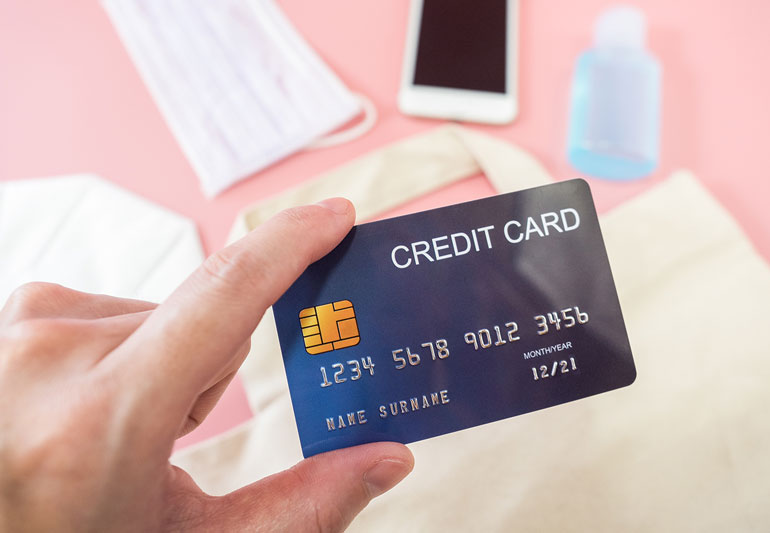
Due to the pandemic, Income saving and consumption patterns have changed. Consumers are delaying high ticket size commitments like home loans, auto loans, lot of discretionary expenses like vacations etc.
The positive thing is that a lot of consumers are monitoring their credit profile and are becoming credit conscious. People are becoming more and more aware of the importance of maintaining their credit profile and keeping a check on their credit score. Nowadays, before a loan is granted, the bank or financial institutions assess the credit profile of the candidate to ensure that they are capable of paying it back and have a clean record.
As credit becomes easily available with time especially since credit cards gained popularity, many of us tend to procrastinate or delay the repayments according to our convenience but what many of us don’t know is that it impacts our credit profile and score.
Therefore, it is important to keep a track on our credit record and maintain a good credit score.
How to check your credit score?
One can check the credit score via a credit bureau such as TransUnion CIBIL, Experian, Equifax etc. TransUnion CIBIL is arguably the most popular provider of credit score in India. You can access the latest credit report by paying the prescribed fee on CIBIL website.
Credit score usually ranges from 300 and 850. A fair score is between 550 to 700 and a very good credit one ranges from 700 to 900. The higher the credit score, the higher will be your creditworthiness.
Let’s understand some credit basics.
- CIBIL SCORE VS CIBIL RANK
A Cibil Score is a 3-digit numeric summary of a credit profile. Data of past 24 months of any kind of loan or credit card that has been taken by an individual in the past is compiled and using algorithms a number is generated. It lies between 300-900. The higher the score, the better.
For businesses there is Cibil Rank. It is derived from company credit report. Ranges from 10-1 and 1 is the best rank an entity can get. A lot of government schemes are dependent on cibil ranks. Quicker loan approvals and lower interest rates are provided by banks based on it as well.
- Government is providing relief with schemes like Emergency Credit Line Guarantee Scheme, Atma Nirbhar Abhiyan, Moratorium Scheme by RBI etc. A lot of institutions are also directly educating consumers to encourage them to have a healthy repayment profile.
- Moratorium scheme- Moratorium is the time period (earlier it was 3 months, now it is 6 months) where consumers will have an option to defer their payments for a future period. This is not a waiver it is a deferral with an interest. Hence, it is recommended to opt for it only if you truly need it as it will have an impact in the long run. Pay outstanding as soon as moratorium period ends so your credit score and report is clean.
How to stay Credit conscious?
- Making timely payments to have a high credit score.
- Save to Pay back
- Continue to maintain the credit utilisation expense. Once lockdown opens, apply for new credit and moderation.
- Monitoring the credit profile monthly to track any changes or frauds happening in your name or account using the alert facility.
 Eduindex