Understanding MX Token: The Key to Unlocking Its Potential

  In today’s digital landscape, cryptocurrencies, including Bitcoin Era which is an online trading platform, have emerged as a revolutionary force, disrupting traditional financial systems and offering new opportunities for individuals and businesses alike. Among the vast array of cryptocurrencies, MX Token stands out as a formidable player with immense potential. In this article, we delve into the intricacies of MX Token, exploring its unique features, use cases, and the reasons why it holds the key to unlocking a world of possibilities. Looking for a safe cryptocurrency trading platform to invest in Bitcoin? Then have a look at this source

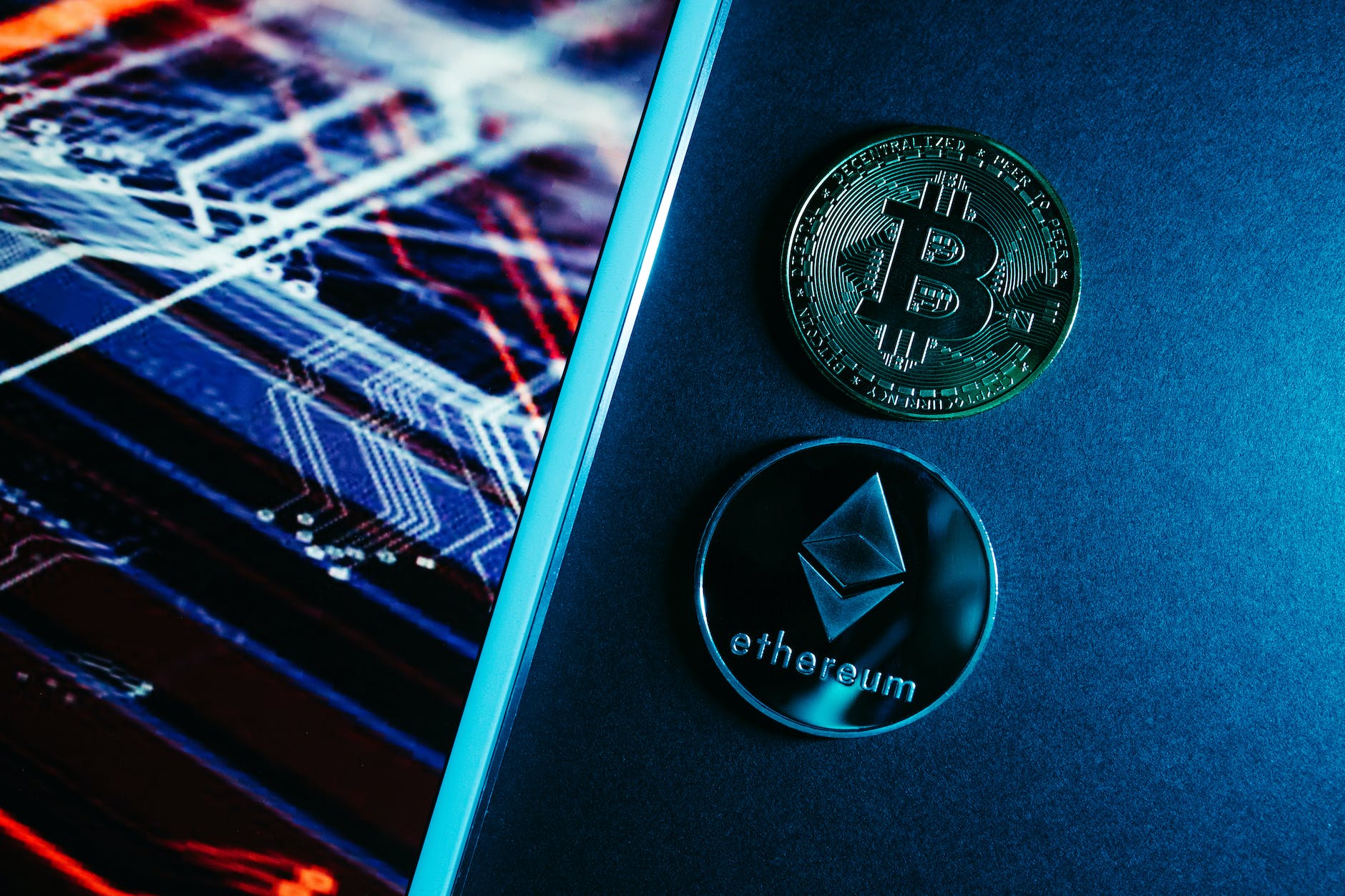
Photo by David McBee on Pexels.com

Introduction to MX Token

MX Token is a revolutionary form of digital currency built on the Ethereum blockchain. It leverages advanced technologies to facilitate secure, efficient, and transparent transactions. Functioning as a utility token, MX Token plays a vital role within the MXC ecosystem, providing users with access to a wide range of services, opportunities for governance participation, and the ability to take advantage of a flourishing digital economy.

Operating on the Ethereum blockchain, MX Token harnesses the power of decentralized technology to ensure the integrity and reliability of transactions. This blockchain-based approach eliminates the need for intermediaries, such as banks or financial institutions, resulting in faster and more cost-effective transfers.

As a utility token, MX Token serves as the foundation of the MXC ecosystem, a thriving digital network that encompasses various services and applications. Users can utilize MX Token to access services like data trading, IoT device connectivity, and asset digitization, among others. By holding and using MX Token, individuals can unlock the full potential of the MXC ecosystem, benefiting from its diverse offerings.

Furthermore, MX Token empowers token holders to participate in governance decisions within the MXC ecosystem. Through a decentralized governance model, users can contribute their opinions and ideas, and collectively shape the future development of the platform. This democratic approach fosters transparency and inclusivity, ensuring that the community’s interests are considered in decision-making processes.

In addition to its utility within the ecosystem, MX Token presents opportunities for individuals to thrive in the digital economy. By actively engaging with the MXC ecosystem and utilizing MX Token, users can explore avenues for investment, trading, and entrepreneurship. The token’s liquidity and market availability enable users to seize potential financial benefits and contribute to the growth of the ecosystem.

The Advantages of MX Token

  • Decentralization: One of the key advantages of MX Token lies in its decentralized nature. Powered by blockchain technology, MX Token eliminates the need for intermediaries, allowing for direct peer-to-peer transactions. This decentralized approach ensures transparency, security, and immutability, fostering trust among users.
  • Efficient Transactions: MX Token offers swift and seamless transactions, thanks to its integration with the Ethereum blockchain. With low transaction fees and rapid settlement times, MX Token enables users to transact with ease, facilitating speedy cross-border payments and reducing friction in financial transactions.
  • Liquidity Mining: MX Token provides an opportunity for users to engage in liquidity mining, a process by which individuals can earn additional tokens by providing liquidity to the MXC ecosystem. This incentivizes participation, boosts liquidity, and rewards users for contributing to the growth and stability of the network.
  • Governance and Voting Rights: Holding MX Token grants users the power to participate in the decision-making process within the MXC ecosystem. By staking MX Tokens, individuals can actively engage in voting for protocol upgrades, strategic partnerships, and other crucial matters, ensuring a democratic and community-driven governance structure.

Use Cases of MX Token

  • IoT Applications: MX Token finds significant utility in the Internet of Things (IoT) sector, enabling secure and efficient data transactions between connected devices. With the increasing prevalence of IoT devices in various industries, MX Token plays a pivotal role in fostering seamless communication and data exchange, revolutionizing sectors such as smart cities, agriculture, logistics, and healthcare.
  • Asset Tokenization: The flexibility of MX Token extends to the realm of asset tokenization, where real-world assets such as real estate, commodities, and intellectual property can be represented digitally. By tokenizing assets on the MXC platform, individuals gain access to fractional ownership, increased liquidity, and enhanced tradability, opening up new investment opportunities.
  • DeFi Solutions: MX Token serves as a catalyst for decentralized finance (DeFi) applications, offering users access to a wide range of financial services, including lending, borrowing, yield farming, and decentralized exchanges. The integration of MX Token within the DeFi ecosystem enables individuals to unlock the potential of their assets, earn passive income, and participate in the burgeoning DeFi revolution.

Unlocking the Potential of MX Token

MX Token possesses the inherent capability to unlock a multitude of opportunities in the digital landscape. Its decentralized nature, efficient transactions, and versatile use cases make it a formidable player in the cryptocurrency realm. By embracing MX Token, individuals and businesses can harness the power of blockchain technology, redefine traditional financial systems, and pave the way for a future where digital transactions are seamless, secure, and accessible to all.

In conclusion, MX Token represents a compelling investment opportunity and a gateway to the future of finance. Its potential to revolutionize various industries and empower individuals cannot be overstated. By understanding the intricacies of MX Token and exploring its vast array of use cases, individuals and businesses can position themselves at the forefront of the digital revolution.


Tron: Building a Decentralized Internet for Content Creators

  Tron is an innovative blockchain-based platform that aims to revolutionize the way content creators interact with the internet. With its focus on Delegated Proof of Stake, Tron offers a promising solution for artists, musicians, writers, and other creators seeking more control over their work and fair compensation for their contributions.

In this article, we will delve into the concept of Tron, exploring its core principles, features, and the potential impact it can have on the content creation landscape. Let’s embark on this journey to uncover the transformative power of Tron and how it is shaping the future of the internet.

Photo by Karolina Grabowska on Pexels.com

What is Tron?

Decentralization at its Core

Tron is a blockchain-based platform that aims to build a decentralized internet ecosystem. It provides a transparent and secure infrastructure for content creators to directly connect with their audience without the need for intermediaries. By leveraging blockchain technology, Tron ensures that creators have full control over their intellectual property rights and are fairly rewarded for their work.

Smart Contracts and Token Economy

At the heart of Tron’s ecosystem are smart contracts. These self-executing contracts enable seamless interactions between content creators, consumers, and various decentralized applications (dApps) within the Tron network. Smart contracts eliminate the need for intermediaries, reducing costs and enabling faster transactions.

Tron’s native cryptocurrency is called TRX. It acts as the fuel that powers the Tron network, facilitating transactions and incentivizing content creators. With TRX, creators can monetize their content directly, without the constraints imposed by traditional platforms.

Cutting-edge Technology: Tron Virtual Machine (TVM)

Tron’s technology is driven by the Tron Virtual Machine (TVM), a Turing complete virtual machine specifically designed for the Tron blockchain. TVM ensures compatibility with the Ethereum Virtual Machine (EVM), allowing for seamless migration of existing Ethereum dApps to the Tron network. This interoperability opens up a vast array of possibilities for developers and content creators.

Benefits for Content Creators

Ownership and Control

One of the key advantages Tron offers to content creators is the ability to maintain ownership and control over their creations. Traditional platforms often exercise strict control over content, making it challenging for creators to protect their intellectual property rights. With Tron, creators can publish their work directly on the blockchain, ensuring secure ownership and control throughout the content lifecycle.

Direct Monetization

Tron enables content creators to monetize their work more directly and efficiently. By eliminating intermediaries, creators can establish direct relationships with their audience and receive payments instantly. The transparent nature of blockchain technology ensures that creators receive fair compensation for their contributions, without the need to navigate complex revenue-sharing models.

Community Building and Engagement

Tron fosters a vibrant community where creators can connect with their audience on a deeper level. Through dApps built on the Tron network, creators can engage in real-time interactions, host live events, and receive immediate feedback from their fans. This direct line of communication strengthens the bond between creators and their supporters, leading to more meaningful collaborations and opportunities.

The Future of Content Creation with Tron

Tron has the potential to reshape the landscape of content creation, empowering individuals to take control of their digital presence. By removing barriers and intermediaries, Tron allows creators to focus on what they do best—creating remarkable content.

A Fairer Economy

With Tron’s token economy, content creators are no longer at the mercy of centralized platforms that dictate terms and siphon off substantial portions of revenue. Tron’s transparent and decentralized approach ensures a fairer distribution of wealth, enabling creators to receive the value they truly deserve.

Innovation and Collaboration

Tron’s open ecosystem encourages innovation and collaboration among creators. With access to a wide range of dApps and tools, creators can explore new possibilities and push the boundaries of their craft. The synergy between developers, artists, and entrepreneurs within the Tron community fosters an environment conducive to groundbreaking projects and creative breakthroughs.

In conclusion, Tron presents an exciting vision for a decentralized internet, where content creators, such as those on Bitcoin Era which is an Online trading platform, are at the forefront of their digital journey. By leveraging blockchain technology, Tron offers a transparent, secure, and efficient platform that empowers creators with ownership, control, and direct monetization. With Tron, the future of content creation is brighter than ever, and the possibilities for creators are limitless.

The Top 5 Altcoins to Watch in 2023

  As we move further into the new year, the world of cryptocurrency is evolving rapidly. While Bitcoin and Ethereum continue to lead the way, there are several other altcoins that are gaining traction and are worth watching closely. In this article, we’ll take a look at the top 5 altcoins to watch in 2023. If you’re interested in trading Bitcoin, you can visit this site here to begin your trading journey. This platform offers a user-friendly interface and a wide range of features to help you trade Bitcoin effectively. 

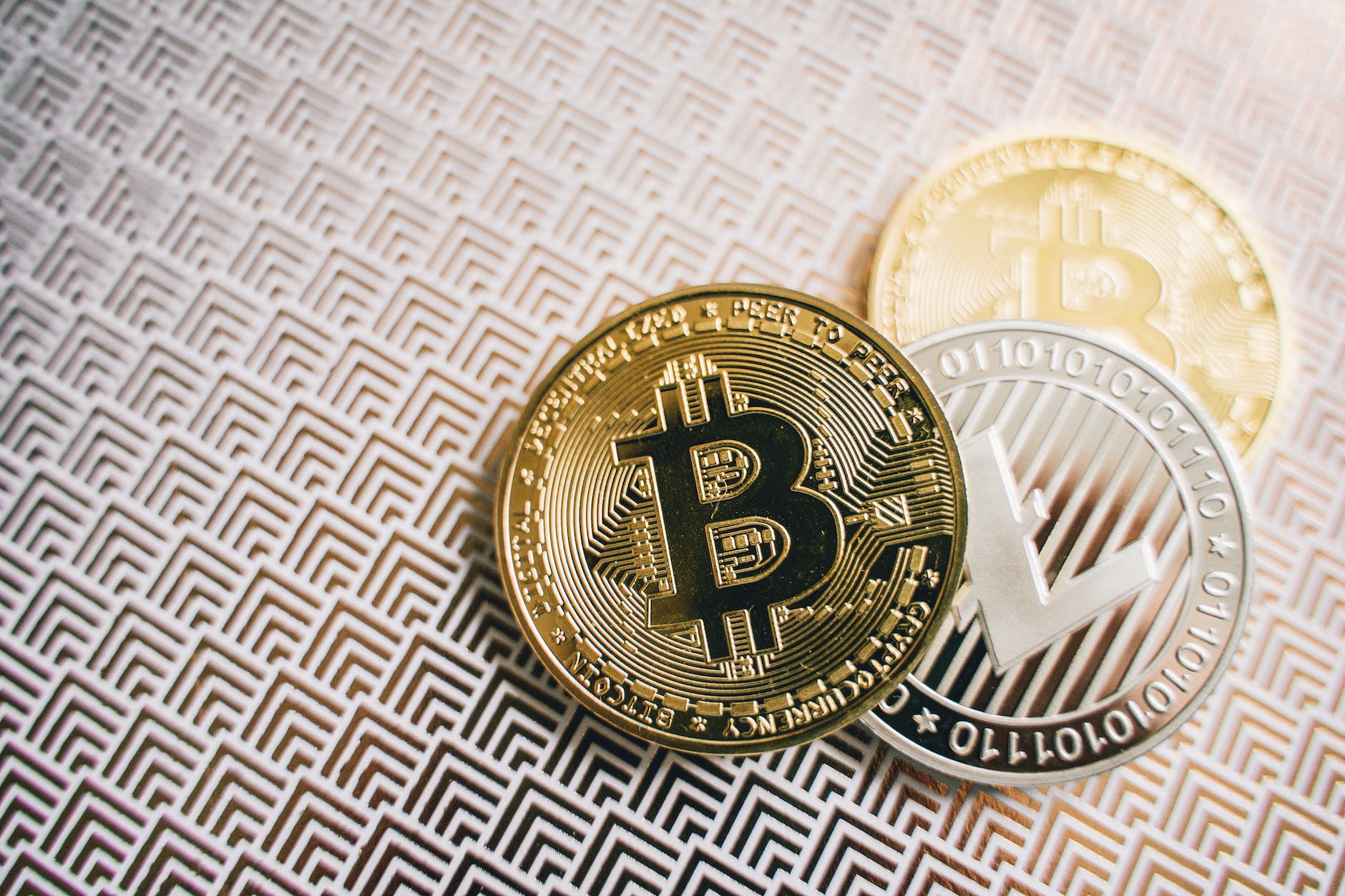
Photo by Anna Tarazevich on Pexels.com

Cardano (ADA)

Cardano is a third-generation blockchain platform that has been making headlines in the cryptocurrency world. Its remarkable growth in the past year has seen its price surge by more than 500%. Its success is largely attributed to the innovative solutions it provides to some of the most pressing issues facing the industry today.

One of the key issues Cardano aims to solve is scalability. Scalability is a challenge for many blockchain platforms, as they struggle to handle high transaction volumes. This can lead to slower transaction speeds, increased fees, and a decrease in overall user experience. Cardano’s approach to scalability involves using multiple layers, which allows for faster transaction speeds and lower fees.

Polkadot (DOT)

Polkadot is a decentralized, next-generation blockchain protocol that allows different blockchains to communicate with each other. It is considered one of the most promising altcoins that have gained significant momentum in recent months.

At its core, Polkadot aims to solve some of the biggest challenges faced by current blockchain networks. One of the most significant challenges is scalability. Traditional blockchain networks can only handle a limited number of transactions per second, making it difficult for them to scale to meet the demands of a growing user base. Polkadot addresses this issue by using a sharding mechanism, which divides the network into smaller parts, allowing it to process a higher number of transactions.

Solana (SOL)

Solana is a blockchain platform that is gaining attention in the blockchain industry due to its high performance, low transaction fees, and the ability to process transactions quickly and efficiently. It provides a platform for decentralized applications that require speed, scalability, and security. Solana uses a unique proof-of-history (PoH) consensus algorithm, which enables it to process thousands of transactions per second while maintaining the security and decentralization of the network.

Unlike traditional blockchain platforms that rely on complex consensus algorithms, Solana’s PoH algorithm is based on a simple mathematical equation that links each transaction to a unique timestamp. This timestamp allows Solana to process transactions in a way that is both fast and secure, making it ideal for decentralized applications that require high-speed processing. The PoH algorithm is also designed to prevent double-spending and other fraudulent activities that can undermine the security of a blockchain network.

Chainlink (LINK)

Chainlink is a blockchain-based decentralized oracle network that aims to connect smart contracts to real-world data in a secure, reliable, and trustworthy manner. The platform has gained significant traction among developers building decentralized applications due to its unique approach to providing decentralized and tamper-proof data feeds.

At its core, Chainlink seeks to bridge the gap between the blockchain world and the real world by providing smart contracts with access to off-chain data sources, such as APIs, data feeds, and traditional financial systems. This capability enables smart contracts to operate autonomously, without human intervention, based on real-time data from the external world.

One of the key features that sets Chainlink apart from other oracle solutions is its decentralized approach to data aggregation and delivery. Instead of relying on a single centralized data source, Chainlink leverages a decentralized network of independent node operators that retrieve data from various sources and validate it before delivering it to the requesting smart contract. This approach ensures that the data provided is accurate, tamper-proof, and resistant to manipulation or censorship.

Avalanche (AVAX)

Avalanche is a highly scalable, customizable, and secure blockchain platform that aims to provide a new standard for decentralized finance (DeFi) applications. With its high throughput and low transaction fees, Avalanche is an attractive option for developers looking to build DeFi solutions that can handle high volumes of transactions. Its interoperability with other blockchains also provides a more seamless experience for users.

In conclusion, the world of cryptocurrency is constantly evolving, and these 5 altcoins are worth keeping an eye on in 2023. While Bitcoin and Ethereum remain dominant, these altcoins offer unique features and solutions that could potentially disrupt the industry. As always, it’s important to do your own research and invest wisely.

Ethereum will change the finance segment forever.

  A single process can consist of thousands of companies and touch people around the globe. Payment transactions, credit card fees, etc., occur at different times and with different currencies. Ethereum is a blockchain-based distributed computing platform that fuels intelligent contract functionality. If you want entirely automated trading services, you can visit websites like https://ethereumcode.app; here, you will get all the advanced bitcoin trading features. 

It allows for more flexible and transparent payments cheaper than today’s alternatives for everyone involved in the transaction—no matter where they are located or what currency they use. In finance, this will eliminate high fees for cross-border payments and limited payment options.

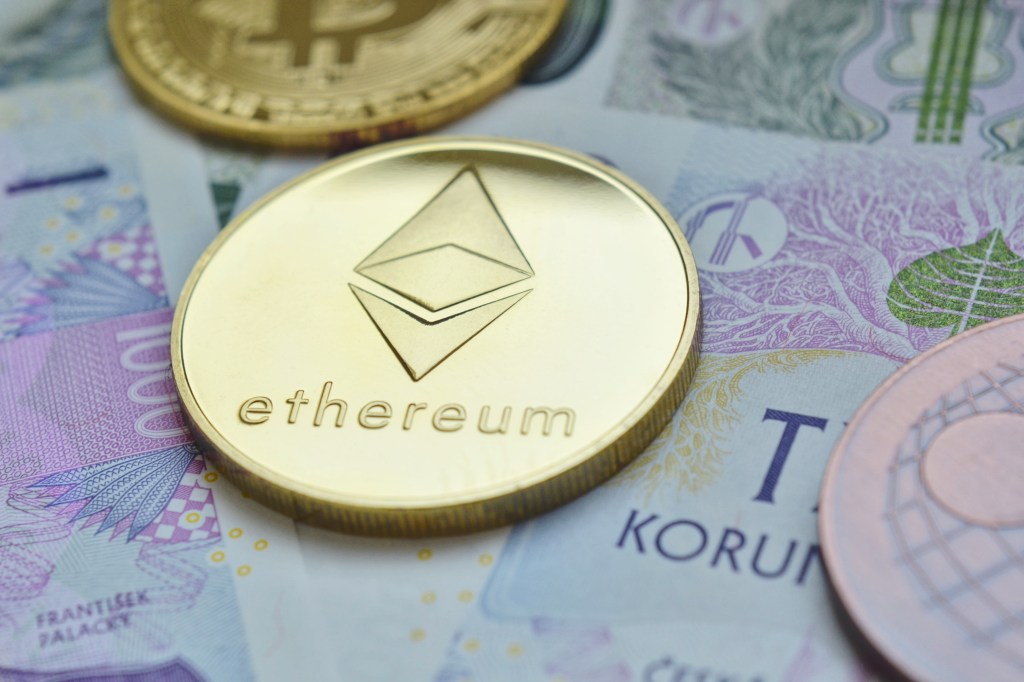
Photo by Jonathan Borba on Pexels.com

Cross-border payments are a critical part of the global value chain industry. There is no better time than now to test and explore this technology — with cryptocurrencies being available to all, the opportunity to integrate blockchain into modern finance is a gift that keeps on giving. Ethereum’s potential as a payment solution in supply chain relationships and worldwide reach is unparalleled. 

Implementation of blockchain in cross-border payments:

Implementing blockchain technology in these areas has endless possibilities, but it will take time. Because of this, many businesses are not taking advantage of this opportunity because they need to see it as likely for their specific industry. The finance sector is still littered with legacy systems that need to meet the needs of today’s companies. Financing, credit, and securities are all complicated processes that require complex forms and long waiting times. 

At the same time, compliance has become paramount in financial institutions worldwide. Blockchain technology can take those concerns off the table and simplify these processes for everyone involved. By using smart contracts to automate payments, projects can move forward more efficiently and quickly. In addition, innovative contract technology will eliminate a lot of unnecessary friction from working in this industry — which is desperately needed as banks evolve their services to accommodate new customers.

Peer-to-peer lending powered by Ethereum:

In finance, we typically see projects which rely on a centralized system or rely on an intermediary to facilitate the transaction. These technologies need to be updated and quickly replaced by newer ones. Cryptocurrencies provide a better way to make payments and lend money — primarily through peer-to-peer loans. Blockchain provides the necessary infrastructure for these platforms to flourish in this industry.

Blockchain can simplify loan agreements by automating processing through smart contracts. At these startups, borrowers provide good credit history and income verification, automatically verified by an automated system using blockchain smart contracts.

Ethereum can eliminate the option of remittance fees:

Remittance fees are a massive issue for global businesses. Sending money to other countries can be expensive and time-consuming, but it’s also this industry’s highest cost. These fees take a significant toll on business operations, and they need to be better suited to the digital age.

In supply chain relationships, remittances have become an essential part of the process. However, today’s methods are much more expensive and time-consuming than sending money through blockchain technology. Cross-border transactions made possible by smart contracts will eliminate all fees for international transactions — bringing about transfer savings of up to 80%.

Ethereum is one of the most scalable blockchains:

Blockchain has long been praised for its ability to handle high volumes of transactions. However, the block size limits the data people on a blockchain can record.   Ethereum can easily handle these volumes through sharding — a method that partitions data between validators. This method will increase the transaction speed, and the cost will decrease even further.

Ethereum enables more flexible and transparent payments:

The finance and tech industry has become very complicated in recent years — with so many contracts and transactions, it’s important to give businesses as much freedom as possible to adapt to their specific needs. Blockchain allows us to do this using smart contracts, which people can customize to include relevant data or regulations. 

In finance, we have limited options when it comes to cross-border payments. There are only so many services that offer transparency and flexibility while also being able to handle all the varying regulations in different countries. Ethereum’s global reach and decentralized nature is set up very well for this problem.

It is only the beginning of what’s possible with blockchain technology. While there are still many hurdles to clear before these technologies are widely adopted, Ethereum is well positioned at the forefront of these changes — creating a more efficient way for businesses and people to transact financially. 

Ethereum can make finance completely decentralized:

The blockchain “revolution” has just begun, and some of the most exciting and innovative projects are still in the works. Still, Ethereum is already showing tremendous potential for the finance industry.

Ethereum enables transactions without an intermediary:

The financial world has been plagued by intermediaries who take advantage of inefficiencies and make things more complicated than they need to be. The outdated systems we’re currently using don’t make sense for today’s world — with so many online businesses, it’s inefficient to have all these different third parties involved in every transaction.

Cryptocurrency in India


Due to the rapid development of information and communication technologies, many activities in our daily life have been merged online and they become more flexible and more effective. The use of virtual currency has become widespread in many different systems in recent years . There is no doubt that the era of information and communication technologies have created many golden opportunities in several aspects. One of the fields that benefit from these technologies and online connections is the financial and business sector. A growing number of online users has activated virtual world concepts and created a new business phenomena. Thus, new types of trading, transactions and currencies have been arising. One of the remarkable financial forms that have been emerged in the past few years is Cryptocurrency . Cryptocurrency (CC) can be defined as any medium of exchange, apart from real world money, that can be used in many financial transactions whether they are virtual or real transactions . Bitcoin has maximum dominance in the cryptocurrency market with around 45% of market share & market capitalization of $142.2 Billions (Rs 9.25 Trillion). Its market price is $ 8254.8 i.e Rs 5,35,767. Other cryptocurrencies excluding bitcoins are referred collectively as altcoins, it includes other 1550 currencies that are traded . some of them are Etheriun , Ripple , litecoin , Monero , Neo etc. India with a population that is over 1 billion strong has been on something of an economic renaissance in the last few years. More than 40 percent of the country’s population has access to telecoms and internet services . Bitcoin and other cryptocurrencies have been operating within the country for a number of years now. In 2012, smallscale Bitcoin transactions were already taking place within the country. By 2013, Bitcoin was beginning to gain a level of popularity that was spreading across many countries. That year, a few businesses began to accept Bitcoin payment. A vintage era pizza shop called Kolonial in the Worli area of Mumbai became the first restaurant service in India to accept Bitcoin payments. On November 8, 2016, Prime Minister Narendra Modi announced the commencement of a demonetization policy. People with large cash holdings required a new means of holding such wealth without incurring significant tax burdens . It became common practice for some to buy large orders of Bitcoin or other cryptocurrencies and then sell them at a later date . Despite its vast population, India only contributes 2 percent of the total global cryptocurrency market . Lack of large-scale mining facilities & strict government restrictions on international money flow also makes it significantly difficult for Indians to transact with many of the large foreign crypto exchange platforms. The Reserve Bank of India (RBI) has been consistent in warning citizens of the risk associated with cryptocurrencies. While the government of the country hasn’t banned cryptocurrencies but also they haven’t exactly been endorsing it.

Cryptocurrency: 21st-Century Unicorn – Or The Money Of The Future?


  1. Cryptocurrency is an internet-based medium of exchange which uses cryptographical functions to conduct financial transactions. Cryptocurrencies leverage blockchain technology to gain decentralization, transparency, and immutability.
  2. The most important feature of a cryptocurrency is that it is not controlled by any central authority: the decentralized nature of the blockchain makes cryptocurrencies theoretically immune to the old ways of government control and interference
  3. Cryptocurrencies can be sent directly between two parties via the use of private and public keys.  These transfers can be done with minimal processing fees, allowing users to avoid the steep fees charged by traditional financial institutions.

The Ledger: Who Owns It

A cryptocurrency has a ledger, where all transactions are made public so that total visibility is provided. Having a ledger forces everyone to “play fair” and takes away the risk of double spending.

The ledger is a list of entries in a database that nobody can change without fulfilling specific conditions. Nobody owns the ledger or the cryptocurrency blockchain; instead, it’s decentralized meaning self-run and self-governed without the interference of outside parties.

How cryptocurrency works?

Few people know, but cryptocurrencies emerged as a side product of another invention. Satoshi Nakamoto, the unknown inventor of Bitcoin, the first and still most important cryptocurrency, never intended to invent a currency. In his announcement of Bitcoin in late 2008, Satoshi said he developed “A Peer-to-Peer Electronic Cash System”.His goal was to invent something; many people failed to create before digital cash.

Top 10 cryptocurrencies by market

Bitcoin ($156.52 Billion)

Bitcoin became the first cryptocurrency after launching in 2009, and has since remained at the forefront of the market. Bitcoin essentially removed the “middleman” who controlled currency and replaced it with advanced blockchain technology. About three-fourths of all Bitcoin has already been mined – meaning its value should become more predictable moving forward.

Ethereum ($17.50 Billion)

Launching much later than top dog, Bitcoin, Ethereum joined the cryptocurrency market in 2015. While Bitcoin offers peer-to-peer digital currency, Ethereum offers smart-contract applications (a user can set specific conditions to trigger a transaction). Ethereum has a wide range of use cases that are attractive to consumers looking to do more than financial transactions.

Ripple’s XRP ($9.80 Billion)

Ripple is a cryptocurrency that was never actually intended to be a cash alternative and is mostly used by corporate institutions rather than individuals. Sending Ripple coins from one wallet to another only takes a few seconds; however, it’s a much more centralized process compared to competitors, since Ripple Labs controls the supply of XRP.

Tether ($4.11 Billion)

Tether differs from Bitcoin in that it’s a stablecoin – meaning that it is backed by a reserve assert and designed to offer price stability worth $1. It launched in 2014 to facilitate the use of fiat currencies (Canadian Dollar, Indian Rupee, European Union Euro) in digitally, and is the first blockchain-enabled platform to facilitate the digital use of traditional currencies. 

Litecoin ($3.57 Billion)

In 2011 a hard fork caused Bitcoin to split in two: creating Bitcoin and Litecoin. Key factors that differentiate Litecoin from Bitcoin are transaction speed and block reward per block. Litecoin’s transaction time  is about four times faster than Bitcoin’s, and has 25 block rewards per block compared to Bitcoin’s 12.5. 

Cryptocurrency and India

In March 2020, things took a positive turn, and Bitcoin was declared completely legal in India. This is finally a big win for the Indian crypto enthusiasts and will be part of the Bitcoin country list. The question of whether Bitcoin is legal or illegal in India is now settled, and things take a positive turn in March 2020. The decision, which the entire crypto community has been waiting for, has finally prevailed and is a big win for the Indian crypto enthusiasts.

The crypto sector in India is showing significant growth with several crypto exchanges reporting a 10X increase in trading volumes and a substantial increase in new users. Despite the global corona virus pandemic and the nationwide lock down, new cryptocurrency trading platforms are launching in India.

Moving Into the Future

Cryptocurrency is a growing mega-trend, which is being recognized worldwide, adopted by major corporations, and  woven into everyday transactions. Bitcoin, above all, has the fintech ecosystem and the resources to compete, whereas its counterparts are still trying to stay on top and fight other cryptocurrencies in the market space.

Top Cryptocurrencies will play an important role in the future, with the use steadily increasing over the past several years. Bitcoin is currently used in 96 countries and growing, with 12,000 transactions occur every hour. Understanding more about cryptocurrency is the first step, and the second is to try it.

Purchase a small amount of cryptocurrency through an exchange, test it out, and complete a few transactions. After you get a feel for the process, you may decide to try mining. But whatever your path, know that the future of cryptocurrency is bright, and the list of cryptocurrencies is only expanding.

Socializing with RDD: Exploring ReddCoin’s Impact on Online Communities

  In today’s digital age, online communities have become an integral part of our lives. People from all walks of life connect, share ideas, and collaborate through various platforms. ReddCoin (RDD) is another cryptocurrency that also plays a significant role in enhancing social interactions in the digital realm. In this article, we will explore the impact of ReddCoin on online communities and how it contributes to the overall evolution of social interactions. To efficiently invest in Bitcoin, you may consider visiting altrix-edge.io, a reputable trading platform online. 

Photo by Marta Branco on Pexels.com

The Rise of ReddCoin

Understanding ReddCoin (RDD)

ReddCoin is a decentralized cryptocurrency that specifically focuses on facilitating social interactions within online communities. It was introduced in 2014 and operates on a Proof-of-Stake Velocity (PoSV) algorithm. RDD aims to create a seamless and rewarding experience for users when they engage with content, share it, and support the creators.

Unique Features of ReddCoin

Tipping System

One of the standout features of ReddCoin is its tipping system. Users can tip content creators, developers, or any other participants within an online community to show appreciation for their contributions. This microtransaction system encourages engagement, fosters positive interactions, and provides an avenue for individuals to monetize their content.

Redd-ID

Redd-ID is an integral part of ReddCoin’s ecosystem. It allows users to associate a unique username with their RDD wallet address. This feature simplifies the process of sending and receiving RDD, as users no longer need to remember complex wallet addresses. Redd-ID enhances the user experience and makes transactions within online communities more accessible.

Social Wallet

The ReddCoin Social Wallet is designed to promote social interactions and facilitate the seamless sharing of RDD. With the Social Wallet, users can send RDD directly to their contacts on various social media platforms such as Twitter, Reddit, and Twitch. This functionality not only simplifies the transfer process but also introduces RDD to a wider audience, expanding the reach of the cryptocurrency.

RDD and Online Communities

Enhancing Content Creation

ReddCoin plays a vital role in empowering content creators within online communities. By providing a tipping system, ReddCoin incentivizes users to produce high-quality content. Creators can monetize their work through RDD tips, encouraging them to continue generating valuable and engaging content. This system fosters a supportive environment where talented individuals can thrive and be rewarded for their contributions.

Strengthening Community Engagement

Online communities thrive on active participation and engagement. ReddCoin promotes and strengthens these interactions by providing a platform for users to tip, support, and appreciate each other’s contributions. The tipping culture facilitated by RDD creates a sense of community and encourages individuals to actively engage with the content they find valuable. This engagement fosters connections, builds relationships, and ultimately strengthens the online community as a whole.

Building Trust and Credibility

ReddCoin’s transparent and decentralized nature contributes to building trust and credibility within online communities. With RDD, users can confidently support their favorite content creators, knowing that their tips directly benefit the intended recipients. The immutability of blockchain technology ensures that transactions are secure, and users have control over their funds. This level of trust and credibility strengthens the bonds between community members and establishes a solid foundation for further growth.

RDD’s Impact on Social Media Platforms

Twitter

ReddCoin has made significant strides in integrating with popular social media platforms like Twitter. Users can now tip RDD directly to their favorite accounts, rewarding engaging tweets, insightful content, or simply showing appreciation for someone’s online presence. RDD’s presence on Twitter promotes social interactions, drives engagement, and increases the visibility of the cryptocurrency.

Reddit

Reddit, being one of the most vibrant online communities, provides an ideal platform for RDD’s integration. Users can tip RDD to reward valuable posts, insightful comments, or helpful advice within various subreddits. This tipping system encourages active participation and fosters a positive and supportive environment within the Reddit community.

Twitch

As a popular live streaming platform, Twitch attracts a vast audience that is passionate about gaming and creative content. With RDD’s integration, viewers can now tip their favorite streamers directly using ReddCoin. This feature provides an additional revenue stream for streamers, incentivizing them to produce quality content and engage with their audience.

Conclusion

ReddCoin (RDD) has emerged as a powerful force in enhancing social interactions within online communities. With its tipping system, Redd-ID functionality, and integration with popular social media platforms, RDD promotes engagement, rewards content creators, and strengthens community bonds. As more users recognize the value of ReddCoin, it has the potential to revolutionize the way we socialize, collaborate, and support each other in the digital realm.

Understanding Holo (HOT): The Future of Distributed Computing

  In today’s rapidly evolving technological landscape, distributed computing has emerged as a groundbreaking concept that holds immense potential for transforming the way we interact with the digital world. One of the most promising projects in this domain is Holo (HOT), a decentralized platform that aims to revolutionize the internet infrastructure and enable a more inclusive and equitable digital ecosystem. In this article, we will delve deep into the world of Holo, exploring its key features, benefits, and the exciting possibilities it presents for the future of distributed computing. You can go for crypto trading and investment by Sign up into BitIQ.

Photo by Ivan Babydov on Pexels.com

What is Holo?

Holo, also known as HoloChain, is an innovative and informative platform that operates on the principles of decentralization and utilizes blockchain technology. By being open-source, Holo offers a transparent and collaborative environment for developing peer-to-peer applications and services. Unlike conventional blockchain networks that heavily depend on energy-consuming mining processes, Holo distinguishes itself through its employment of a distinctive framework called Holochain.

Holochain sets Holo apart by providing an efficient and scalable infrastructure that enables a high volume of transactions. This framework empowers users by allowing them to retain complete ownership and control over their data, ensuring privacy and security. By harnessing the power of Holochain, Holo offers a decentralized ecosystem that promotes autonomy, transparency, and efficiency in the world of peer-to-peer applications and services.

The Holochain Architecture

At the core of Holo’s infrastructure lies the Holochain architecture, which sets it apart from other distributed computing platforms. Holochain employs a novel approach called agent-centric computing, where each user operates their own independent node, referred to as an “agent.” This design empowers individuals by granting them complete autonomy over their data, enabling secure and private interactions within the network. Bitcoin Era, which is an online trading platform, complements this architecture by providing users with additional opportunities for financial transactions.

The Benefits of Holo

3.1 Scalability and Performance

One of the major advantages of Holo is its scalability and performance. Traditional blockchain networks often face challenges in handling large transaction volumes, resulting in slow and costly processes. Holo’s innovative Holochain framework overcomes these limitations by enabling concurrent processing of transactions, significantly improving scalability and reducing latency.

3.2 Energy Efficiency

In an era where sustainability is a pressing concern, Holo stands out by prioritizing energy efficiency. Unlike traditional proof-of-work (PoW) blockchains that require substantial computational power, Holo uses a unique consensus algorithm called “proof-of-service.” This algorithm not only reduces energy consumption but also opens up opportunities for individuals to contribute their spare computing resources and earn rewards, fostering a more inclusive ecosystem.

3.3 Data Ownership and Privacy

Holo places a strong emphasis on data ownership and privacy, addressing the growing concerns surrounding centralized platforms and their control over user data. With Holo, users have complete ownership and control over their data, as it is stored locally on their devices rather than on centralized servers. This decentralized approach ensures that individuals have the power to decide how their data is shared and utilized.

Use Cases and Applications

4.1 Decentralized Applications (dApps)

Holo’s infrastructure provides a fertile ground for the development of decentralized applications (dApps) with enhanced security, scalability, and user control. These dApps can range from social media platforms to financial services, gaming, supply chain management, and much more. By leveraging Holo’s capabilities, developers can create innovative solutions that empower users and drive the adoption of decentralized technologies.

4.2 Internet of Things (IoT) Integration

As the Internet of Things continues to expand, the need for robust and secure infrastructure becomes crucial. Holo’s agent-centric architecture lends itself well to IoT integration, offering a decentralized and scalable platform for managing IoT devices, facilitating secure communication, and ensuring data privacy. This enables the development of smart cities, autonomous vehicles, and other IoT-powered systems with increased efficiency and trust.

The Future of Distributed Computing

Holo’s vision for the future of distributed computing is nothing short of revolutionary. By combining blockchain technology, agent-centric computing, and a commitment to sustainability, Holo has the potential to disrupt traditional centralized systems and pave the way for a more decentralized, inclusive, and user-centric internet.

Conclusion

Holo (HOT) represents a paradigm shift in distributed computing, offering a decentralized platform that addresses scalability, energy efficiency, and data ownership challenges. With its innovative Holochain architecture and focus on user empowerment, Holo is poised to shape the future of the digital landscape. As we embrace this transformative technology, exciting possibilities emerge for the development of decentralized applications, IoT integration, and the creation of a more equitable and secure internet ecosystem.

The Currency of the Future

 Cryptocurrency is on its way to garnering world acceptance, possibly also as a parallel or an alternative currency system. This digital currency has numerous types and platforms, with bitcoin heading the entire space. Bitcoin has grown at almost 400% in the past 6 months and has opened up unimaginable possibilities. Despite its popularity, the concept of cryptocurrency is still unknown to a large part of the population and its misconceptions have taken over to obnoxious extents.

What is Cryptocurrency?

A cryptocurrency (or “crypto”) is a digital currency that can be used to purchase goods and services, but it is secured by an online ledger and strong cryptography.

How do Cryptocurrencies work?

The technology that enables cryptocurrency to function is Blockchain. Blockchain is a decentralized technology that manages and records transactions across many computers. The security of this technology is part of its appeal. Blockchain and related technology, according to many experts, will disrupt many industries, including finance and law.

Why are cryptocurrencies so popular?

For a variety of reasons, cryptocurrency supporters are drawn to it. Here are a few of the most well-known:

  • Supporters see cryptocurrencies like Bitcoin as the currency of the future, and they’re rushing to buy them before they become more valuable.
  • Some supporters like the fact that cryptocurrency frees central banks from controlling the money supply since central banks tend to devalue money overtime via inflation.
  • Other supporters support the blockchain technology that underpins cryptocurrencies because it is a decentralized processing and recording system that is potentially more secure than traditional payment systems.
  • Some speculators are interested in cryptocurrencies since they are increasing in value, yet they are uninterested in the currencies’ long-term acceptance as a means of money transfer.

ADVANTAGES OF CRYPTOCURRENCY

  1. Protection from inflation:

Inflation has caused the value of many currencies to depreciate over time. Almost every cryptocurrency is published with a fixed sum at the time of its launch. The sum of any coin is specified in the source code; for example, there are only 21 million Bitcoins available in the world. As a result, as demand rises, its value rises as well, keeping pace with the market and preventing inflation in the long run. 

Self-governed and managed:

Any currency’s governance and maintenance are critical to its development. Developers/miners are rewarded for storing cryptocurrency transactions on their hardware by receiving the transaction charge. Since the miners are compensated for their work, they keep transaction records correct and up-to-date, ensuring the cryptocurrency’s credibility and decentralizing the records.

  • Currency exchanges can be done easily:

Cryptocurrencies’ privacy and protection have always been a big concern. The blockchain database is made up of a series of difficult-to-solve mathematical puzzles. As a result, cryptocurrency transactions are more reliable than regular electronic transactions. Cryptocurrencies use pseudonyms that are unconnected to any user, account or stored data that could be linked to a profile for better protection and privacy.

  • Decentralized:

One of the key advantages of cryptocurrency is that it is mostly decentralized. Many cryptocurrencies are owned by the creators who use them and others who own a large amount of the coin, or by a company that develops them until they are released into the market. Unlike fiat currencies, which are dominated by the government, decentralization helps keep the currency monopoly free and in check so that no single organization can determine the flow and value of the coin. This, in turn, keeps it safe and secure.

  • Cost-effective mode of transaction:

Sending money across borders is one of the most popular uses of cryptocurrencies. The transaction fees charged by a user are reduced to a marginal or zero-sum with the support of cryptocurrency. It does so by removing the need for third-party verification, such as VISA or PayPal. This eliminates the need for any additional transaction fees.

DISADVANTAGES OF CRYPTOCURRENCY

  1. Can be used for illegal transactions:

Since cryptocurrency transactions are so private and safe, it’s difficult for the govt to trace down or monitor any user-supported wallet address. Bitcoin has previously been used as a way of transferring money during a sort of illicit transaction, including the acquisition of medicine on the dark web. Some people use cryptocurrency to mask the origins of their illegally gained money by converting it through a trustworthy intermediary.

  • Data losses can cause financial losses:

The designers wanted to make practically untraceable source code, solid hacking protections, and impenetrable authentication protocols. Putting money in cryptocurrencies, rather than actual cash or bank vaults, would be better. However, if a user loses their wallet’s private key, there are no ways to recover it. The wallet, also because of the number of coins inside, is going to be kept safe. Thus, leading to the user’s loss. 

  • Decentralized but still operated by some organization:

Cryptocurrencies are well-known for their decentralized nature. However, the manufacturers and a few companies still regulate the flow and volume of some currencies on the market. These investors can manipulate the coin’s price to achieve massive price changes. Also, heavily traded cryptocurrencies, like Bitcoin, which doubled in value repeatedly in 2017, are susceptible to these manipulations.

  • Adverse Effects of mining on the environment:

Cryptocurrency mining necessitates a lot of computing power and electricity, making it a very energy-intensive process. Bitcoin is the main perpetrator of this. Bitcoin mining necessitates powerful computers and a lot of resources. It’s impossible to do on a regular machine. Bitcoin miners are concentrated in countries where coal is employed to get electricity, like China. China’s carbon footprint has risen significantly as a result of this.

  • Susceptible to hacks:

While cryptocurrencies are extremely secure, exchanges are not. Most exchanges save user wallet data to properly operate their user ID. Hackers might steal this information, giving them access to an outsized number of accounts. These hackers can easily move funds from those accounts once they need to gain entry. Some exchanges, like Bitfinex and Mt Gox, are compromised in recent years, and Bitcoin worth thousands to many dollars has been stolen. While most exchanges are now extremely stable, another hack remains an opportunity. 

Yes, cryptocurrency has immense potential and its popularity and diverse use cannot be denied. At the same time, ways to reduce the risk and channelize the extreme uncertainty need to be found before the world is freely allowed to use cryptocurrency in any transaction on the face of Earth. All in all, though crypto supposedly seems to have a very bright future, our swiftness and ability to deal with such an instrument will prove to be the make or break situation.

Bitcoin Mining in India

 The Covid-19 has changed that way we look at the technology and the way world works. The pandemic has accelerated a digital revolution that has among other things shone the light on Cryptocurrencies in India such as Bitcoin & Ethereum. The price of Bitcoin has risen at an exponential rate in the last year, bringing renewed attention to the concept of Bitcoin mining.

What is Bitcoin?

Let’s say someone you conduct business with sends you Rs 100 via bank transfer. When do you feel confident that the transaction is complete? It’s when the bank gives you a notification or you check your statement/passbook to see if you’ve received the funds. Your bank functions as a settlement agent in this case, and once the amount is confirmed, it is credited to your account, you can withdraw the funds by going to your bank. Bitcoin, unlike traditional monetary systems, does not have a central clearing or settlement agent. Instead, through a process known as Bitcoin mining, consumers take on the function of the bank in confirming transactions. Miners are paid with the bitcoins they mined as a form of compensation for effectively acting as an auditor.

Bitcoin mining is a complicated and time-consuming operation. However, there is some good news: Bitcoin miners do not require any technical knowledge and may simply instal Bitcoin mining software.

However, there is some bad news: the hardware required to mine cryptocurrencies is costly to install and run, and it consumes a lot of electricity.

Furthermore, the difficulty of solving the problems required to settle transactions grows with time, implying that the same piece of hardware will be able to earn less in the future.

The requirement of Hardware and Software in India

Mining is a hardware-intensive operation that necessitates the use of costly computing devices known as “mining rigs.” Here’s a list of the software and hardware you’ll need to get started mining. A GPU or an ASIC can be used as part of the mining hardware (application-specific integrated circuit). ASICs and GPUs, in comparison to CPUs on standard computers, are faster at solving complicated calculations required to settle transactions.

The faster the unit solves problems, the more powerful it is. A quality ASIC unit, such as the Antminer S9, can set you back around Rs. 1.5 lakh. To mine, you’ll also need mining software and a digital wallet to hold the reward you’ll receive. There is a lot of free mining software available on the internet.

Is Bitcoin Mining Profitable in India?

The question of whether Bitcoin mining is profitable is a complicated one. Cryptocurrency mining is generally profitable only for those who can invest in strong hardware, as a matter of thumb.

The success of this venture will be determined by four key factors:

Hash Rate: The number of difficult calculations that mining hardware can perform is referred to as the hash rate. The above-mentioned ASIC, for example, has a hash rate of 13.5 TH/s.

Electricity cost: A mining rig uses a lot of electricity because it contains a lot of extra components besides the primary computer engine, such cooling mechanisms and other things. A typical ASIC will use roughly 1500 watts of electricity per hour, or 1.5 hW. In India, power costs around Rs 7 per kW on average.

Mining pool fees: A mining pool is a group of miners who pool their hardware resources in order to enhance the amount of calculations they can perform. Pooled hardware will always be more powerful than a single device because of the synergy it creates. The benefits will be shared among all of the pool’s miners. However, this may reduce your profit.

Price of the cryptocurrency: When it comes to mining, this is the most significant factor. Cryptocurrency prices are quite volatile. And the cost has risen and fallen considerably in the last year.

Bitcoin Mining Calculator:

You may enter essential factors like as hashing power, power usage, electricity cost, and pool fee into several online calculators. The Mining Calculator will calculate the number of Bitcoins you may expect to earn based on your inputs. It will also tell you whether this money, in addition to your initial investment, will be sufficient to meet your electricity costs. For example, according to Nicehash.com, with the AntMiner S9, you can expect to make Rs 8,607 in Bitcoins per month while spending Rs 5,867 on electricity. In this situation, your total profit will be Rs 2,739 rupees. It could take several years to break even on your initial investment at this rate.

These figures are estimates based on the current Bitcoin price and the type of hardware you use; more powerful rigs increase your chances of making money.

Note: Bitcoin mining may appear to be a lucrative endeavor, but it is not suitable for everyone. Before you jump in, make sure you’ve done your homework.

Profitable Paradise: Analyzing Investment Opportunities in Reptoid Coins

  The world of cryptocurrencies has grown exponentially, and with it, the emergence of various investment opportunities. In this article, we will delve into the potential of Reptoid coins as an investment option and explore the reasons why they might be worth considering in your investment portfolio. While analyzing the nuances of Reptoid Coins in ‘Profitable Paradise’, it’s essential to have the right tools at your disposal. Using platforms like FBC Edge can offer deeper insights into these investment opportunities.

What are Reptoid Coins?

Reptoid coins represent a novel category of cryptocurrency, drawing inspiration from reptilian-themed art, mythology, and cultural symbolism. Similar to well-established cryptocurrencies like Bitcoin, these coins are built upon blockchain technology. The unique reptilian theme has generated significant interest among both crypto enthusiasts and investors, resulting in a surge in popularity in recent times. As with other cryptocurrencies, Reptoid coins offer potential opportunities for financial transactions and investments within this distinct and evolving digital asset landscape.

Photo by Alesia Kozik on Pexels.com

Understanding the Appeal of Reptoid Coins

Unique Branding and Design

One of the primary reasons behind the growing interest in Reptoid coins is their unique branding and design. These coins feature captivating artwork and themes related to reptiles, which sets them apart from other cryptocurrencies. The creative and imaginative branding has attracted a niche community of investors who resonate with the reptilian symbolism.

Potential for High Returns

As with any investment, the potential for high returns is always a driving factor for investors. Reptoid coins have experienced significant price fluctuations, presenting opportunities for traders to capitalize on short-term price movements. However, it’s essential to remember that high returns come with higher risks, and investing in cryptocurrencies should always be approached with caution.

Community and Social Media Engagement

The success of any cryptocurrency project often relies on its community. Reptoid coins have fostered a vibrant and engaged community on social media platforms. This active community not only supports the project but also contributes to its growth and adoption.

Risks and Challenges

While the potential for high returns is enticing, it’s crucial to recognize the risks associated with investing in Reptoid coins.

Market Volatility

Cryptocurrency markets are well-known for their considerable volatility, with prices capable of experiencing sharp surges one day and sudden drops the next, which exposes investors to substantial risks. Reptoid coins, like other cryptocurrencies, are not immune to these market fluctuations. Therefore, investors should be well-prepared to handle such ups and downs to safeguard their investments effectively.

Lack of Regulation

The cryptocurrency industry is relatively new, and its regulatory landscape is continuously developing. As a result, Reptoid coins, similar to other alternative cryptocurrencies (altcoins), face limited regulatory oversight. This situation could potentially put investors at risk, as it may create opportunities for scams and fraudulent projects to emerge within the market. Thus, investors should exercise caution and conduct thorough research before investing in Reptoid coins or any other altcoins.

Limited Adoption

The success of cryptocurrencies often depends on their adoption and real-world use cases. While Reptoid coins have gained some traction, widespread adoption remains a challenge. As a result, their long-term potential may be uncertain.

Evaluating Reptoid Coins as an Investment

When considering Reptoid coins as an investment, it’s essential to conduct thorough research and due diligence.

Project Fundamentals

Examine the project’s fundamentals, including its whitepaper, development team, and road map. A transparent and well-documented project is more likely to inspire confidence among investors.

Community Sentiment

Monitor the sentiment within the Reptoid coins community and broader cryptocurrency forums. A positive and supportive community can indicate a healthy and thriving project.

Risk Management

Diversification is a key aspect of managing risks in any investment portfolio. Avoid putting all your funds into a single cryptocurrency, including Reptoid coins, and allocate your investments across different assets to mitigate potential losses.

Conclusion

Reptoid coins offer a unique and imaginative approach to the cryptocurrency market, attracting investors with their captivating themes and potential for high returns. However, investors must be cautious and fully aware of the risks associated with investing in this volatile and speculative market.As with any investment decision, thorough research and a balanced approach are crucial. The cryptocurrency market is dynamic and subject to constant change, making it essential for investors to stay informed and updated on developments in the space.

Top 5 Cryptocurrencies in the world?

 From the last 1 year cryptocurrencies are become very famous and lots of people are investing on it. But what is actually a cryptocurrency? Cryptocurrencies are the digital money in the form of tokens or coins. Cryptocurrencies remove the involvement of third parties like banks during a transaction between a user to the other. In this blog we going to see the top 5 cryptocurrencies in the world 2021, Advantages and Disadvantages of Cryptocurrencies.

  1. BITCOIN
Image by MichaelWuensch from Pixabay

Bitcoin is the leading cryptocurrency in the world now with $641 Billion market capitalization. Bitcoin is created on 2009 by an unknown person or a group of people in the name of Satoshi Nakamoto. The transactions are verified by nodes through cryptography in blockchain. As of now the price of one bitcoin is equal to $33270 USD. Five years ago, the price of one bitcoin is just $500 USD. The growth rate of bitcoin 6,300 percent. As of now MicroStrategy is the public company that holds the most bitcoins followed by Tesla.

2. ETHEREUM

Image by Miloslav Hamřík from Pixabay

Ethereum is the second leading cryptocurrency after bitcoin with $307 Billion market capitalization. Ethereum is founded on 30 July 2015 by Vitalik Buterin, a Russian-Canadian entrepreneur and programmer from Toronto. As of now 2021 one Ethereum is equal to $2035 USD. Five years ago, the price of one Ethereum coin is just $7.10 USD. Over the last year growth rate of Ethereum is 900 percent. As of now Vitalik Buterin holds the most Ethereum.

3. TETHER

After Bitcoin and Ethereum comes Tether with $62 Billion market capture. This coin is special because it is a stable coin. Tether was founded in 2014 by Brock Pierce, Craig Sellars and Reeve Collins. Tether is originally known as Realcoin. The price of one tether is equal to $1 USD. The growth rate of tether is 581 percentage.

4. BINANCE

Photo by Vadim Artyukhin on Unsplash

Here comes Binance after tether with $56 billion market capture. Binance was found on july 2017 by Changpeng Zhao, a Chinese-Canadian business executive. He is the founder and CEO of Binance. In 2017, one Binance coin is equal to $0.10 USD. By june 2021, it had risen to $350 The growth rate of Binance from 2017 is 3,50,000 percent. The specialty of this coin is that it can be also traded in other forms of cryptocurrency such as Ethereum and Bitcoin. Changpeng Zhao hold the most Binance coins.

5. CARDANO

Photo by Executium on Unsplash

Cardano stands 5th with $51 Billion market capture. Cardano was founnded on 2017 by Ethereum Co-Founder Charles Hoskinson to provide balanced ecosystem for cryptocurrencies. In 2017 Cardano token was just $0.02 USD. By june 2021, It had risen to $1.50 USD with an increase of 7,400 percentage. As of now Charles Hoskinson holds the most Cardano tokens.

ADVANTAGES OF CRYPTOCURRENCIES

  1. There is no involvement of third parties like banks.
  2. The transaction cost is very low or nothing.
  3. Protection from fraud payments.
  4. Potential for high returns.
  5. Easier international trade.
  6. Strong security

DISADVANTAGES OF CRYPTOCURRENCIES

  1. Cyber security issues
  2. Scalability
  3. Cryptocurrencies not accepted everywhere.
  4. There is a greater risk in investing in cryptocurrencies.
  5. There is no refund policy.
  6. It’s not friendly user, it is hard to understand

That’s all from my side if you like the blog, please share and rate it.

CRYPTOCURRENCY


cryptocurrencycrypto-currency, or crypto is a digital asset designed to figure as a medium of exchange wherein individual coin ownership records is stored during a ledger existing in an exceeding variety of a computerized database using strong cryptography to secure transaction records, to manage the creation of additional coins, and to verify the transfer of coin ownership. Cryptocurrency doesn’t exist in physical form (like paper money) and is usually not issued by a central authority. Cryptocurrencies typically use decentralized control against a financial organisation’s digital currency (CBDC). When a cryptocurrency is minted or created before issuance or issued by one issuer, it’s generally considered centralized. When implemented with decentralized control, each cryptocurrency works through distributed ledger technology, typically a blockchain, that is a public financial transaction database.

It is broadly defined as a virtual or digital money that takes the form of tokens or “coins.”The “crypto” in cryptocurrencies refers to complicated cryptography that allows for the creation and processing of digital currencies and their transactions across decentralized systems.

Bitcoin, first released as open-source software in 2009, is that the first decentralized cryptocurrency. Since the discharge of bitcoin, many other cryptocurrencies are created.

DIFFERENT CRYPTOCURRENCIES

  1. BITCOIN

Bitcoin () is a decentralized digital currency, without a central bank or single administrator, that can be sent from user to user on the peer-to-peer bitcoin network without the need for intermediaries. Transactions are verified by network nodes through cryptography and recorded in a public distributed ledger called a blockchain. The cryptocurrency was invented in 2008 by an unknown person or group of people using the name Satoshi Nakamoto. The currency began use in 2009 when its implementation was released as open-source software. Bitcoins are created as a reward for a process known as mining. They can be exchanged for other currencies, products, and services, but the real-world value of the coins is extremely volatile. Research produced by the University of Cambridge estimated that in 2017, there were 2.9 to 5.8 million unique users using a cryptocurrency wallet, most of them using bitcoin. Users choose to participate in the digital currency for a number of reasons: ideologies such as commitment to anarchism, decentralization and libertarianism, convenience, using the currency as an investment and pseudonymity of transactions. Increased use has led to a desire among governments for regulation in order to tax, facilitate legal use in trade and for other reasons (such as investigations for money laundering and price manipulation).

2. ETHEREUM(ETH)

Ethereum is a decentralized software platform that enables smart contracts and decentralized applications (dapps) to be built and run without any downtime, fraud, control, or interference from a third party. The goal behind Ethereum is to create a decentralized suite of financial products that anyone in the world can freely access, regardless of nationality, ethnicity, or faith. This aspect makes the implications for those in some countries more compelling, as those without state infrastructure and state identifications can get access to bank accounts, loans, insurance, or a variety of other financial products.Ether, launched in 2015, is currently the second-largest digital currency by market capitalization after Bitcoin, although it lags behind the dominant cryptocurrency by a significant margin. As of January 2021, ether’s market cap is roughly 19% of Bitcoin’s size.

3. LITECOIN(LTH)

Litecoin, launched in 2011, was among the first cryptocurrencies to follow in the footsteps of Bitcoin and has often been referred to as “silver to Bitcoin’s gold.” It was created by Charlie Lee, an MIT graduate and former Google engineer. Litecoin is based on an open-source global payment network that is not controlled by any central authority and uses “scrypt” as a proof of work, which can be decoded with the help of consumer-grade CPUs. Although Litecoin is like Bitcoin in many ways, it has a faster block generation rate and hence offers a faster transaction confirmation time. Other than developers, there are a growing number of merchants that accept Litecoin. As of January 2021, Litecoin has a market capitalization of $10.1 billion and a per-token value of $153.88, making it the sixth-largest cryptocurrency in the world.

4. POLKADOT(DOT)

Polkadot is a unique proof-of-stake cryptocurrency that is aimed at delivering interoperability among other blockchains. Its protocol is designed to connect permissioned and permission-less blockchains, as well as oracles, to allow systems to work together under one roof. Polkadot’s core component is its relay chain that allows the interoperability of varying networks. It also allows for “parachains,” or parallel blockchains with their own native tokens for specific-use cases. Polkadot was created by Gavin Wood, another member of the core founders of the Ethereum project who had differing opinions on the project’s future. As of January 2021, Polkadot has a market capitalization of $11.2 billion and one DOT trades for $12.54.

5. STELLAR(XLM)

Stellar is an open blockchain network designed to provide enterprise solutions by connecting financial institutions for the purpose of large transactions. Huge transactions between banks and investment firms—typically taking several days, involving a number of intermediaries, and costing a good deal of money—can now be done nearly instantaneously with no intermediaries and cost little to nothing for those making the transaction. Stellar was founded by Jed McCaleb, a founding member of Ripple Labs and developer of the Ripple protocol. He eventually left his role with Ripple and went on to cofound the Stellar Development Foundation. Stellar Lumens have a market capitalization of $6.1 billion and are valued at $0.27 as of January 2021.

The wave of Cryptocurrency


Cryptocurrency is the talk of the hour. From business tycoons to the general public, everyone has a divided opinion about the future of cryptocurrency. While Bill gates might call it “better than currency” or Warren Buffett may term it as “a mirage”, its worthwhile to know what exactly is cryptocurrency. A cryptocurrency is a digital or virtual currency that is secured by cryptography. Many cryptocurrencies are decentralized networks based on blockchain technology. In simple terms a blockchain is a type of database. A database is a collection of information that is stored electronically on a computer system. 

Bitcoin is one of the widely recognized cryptocurrencies. It is digital currency which was invented in 2008 by an unknown person or group of people using the name Satoshi Nakamoto whose identity still remains a mystery. The currency began use in 2009. Bitcoin offers the promise of lower transaction fees than traditional online payment mechanisms and, unlike government-issued currencies, it is operated by a decentralized authority.

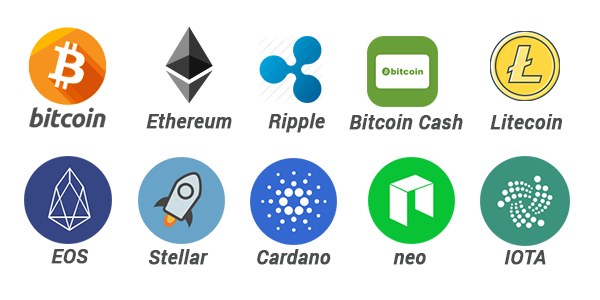
There is no physical bitcoin, only balances kept on a public ledger that everyone has transparent access to. All bitcoin transactions are verified by a massive amount of computing power. Bitcoin is not issued or backed by any banks or governments, nor is an individual bitcoin valuable as a commodity. Despite it not being legal tender or legally recognized money within a given political jurisdiction, in most parts of the world, bitcoin is very popular and has triggered the launch of hundreds of other cryptocurrencies, collectively referred to as altcoins, like Ethereum, Binance Coin, Tether, etc.

Many bitcoin supporters believe that digital currency is the future. Many individuals who endorse bitcoin believe it facilitates a much faster, low-fee payment system for transactions across the globe. Although it is not backed by any government or central bank, bitcoin can be exchanged for traditional currencies; in fact, its exchange rate against the dollar attracts potential investors and traders interested in currency plays. Indeed, one of the primary reasons for the growth of digital currencies like bitcoin is that they can act as an alternative to national fiat money and traditional commodities like gold. But many people purchase bitcoin for its investment value rather than its ability to act as a measure of exchange as the lack of guaranteed value and its digital nature means the purchase and use of bitcoin carries several inherent risks.

Thus, No one knows what will become of bitcoin. It is mostly unregulated, but some countries like Japan, China and Australia have begun weighing regulations. Governments are concerned about taxation and their lack of control over the currency.

Is cryptocurrency legal in India?

 With India’s rapid technological progress and extraordinary breakthroughs, particularly with the introduction of COVID-19, the fintech sector has been on a steady upward trajectory. With the increasing popularity and understanding of cryptocurrencies such as Bitcoin, Ripple, Dogecoin, and others among Indians, many people have begun to invest the majority of their time and money in virtual currencies in the hopes of profiting from the current worldwide wave.

The Reserve Bank of India, India’s ultimate financial body, has defined cryptocurrency as a type of digital/virtual currency issued using a sequence of written computer codes that rely on cryptography, or encryption, and is thus independent of any central issuing authority per se. It has emerged as a person-to-person issuance and transaction system that employs private and public keys to enable authentication and encryption for safe transactions, supported by blockchain technology.
Despite the fact that the Inter-Ministerial Committee’s report was still pending, the RBI issued a circular in early April 2018 prohibiting all commercial and cooperative banks, small finance banks, payment banks, and non-bank financial companies (NBFCs) from not only dealing in virtual currencies but also from providing services to all entities dealing in virtual currencies. This effectively brought the crypto sector to a halt, as exchanges required banking services to transmit and receive money in order to turn it into cryptocurrency and pay workers, vendors, and office space, among other things. The situation surrounding cryptocurrencies and their use, however, drastically changed on March 4, 2020, when India’s highest court, the Hon’ble Supreme Court of India, issued a well-considered judgment quashing the RBI’s previous ban. The subject was primarily addressed by the Hon’ble Supreme Court of India in light of Article 19(1)(g) of the Indian Constitution, which provides the right to practice any profession or carry on any occupation, trade, or business, as well as the idea of proportionality.
The Reserve Bank of India has issued a warning to the general public about the potential misuse of private cryptocurrencies in a variety of ways. If the New Bill imposes a complete prohibition on private cryptocurrencies, however, cryptocurrency investors will be forced to invest and trade in unregulated marketplaces. Furthermore, the goal of enacting a virtual currency/cryptocurrency law is to make the process of dealing with and holding virtual currency/cryptocurrency easier in a safer technological environment. Even with the introduction of state-owned cryptocurrency that will be regulated by the RBI, the risk factor associated with cryptocurrency investment and holding will remain the same.
Furthermore, according to the most recent modifications to Schedule III of the Corporations Act, 2013, the Government of India has mandated that companies must disclose their investments in cryptocurrencies beginning with the next financial year. That is to say, businesses must now declare profit or loss on cryptocurrency/virtual currency transactions, the value of their holdings, and details of any deposits or advances received for the purpose of trading or investing in cryptocurrency or Virtual currency. People working in the crypto business have greeted this move with open arms since it is understood that it will allow all Indian enterprises to carry cryptocurrency on their balance sheets.
Conclusion:
Based on the inferences that can be derived from the aforementioned facts and the current state of affairs in the cryptocurrency sector, it is clear that there is a lack of clarity in India when it comes to cryptocurrency legislation. Well-structured cryptocurrency legislation that covers crypto trading exchanges, blockchain technology, investors, and those who work in the sector is urgently needed, and such regulation requires more attention.

Conclusion:

Based on the inferences that can be derived from the aforementioned facts and the current state of affairs in the cryptocurrency sector, it is clear that there is a lack of clarity in India when it comes to cryptocurrency legislation. A well-structured cryptocurrency legislation that covers crypto trading exchanges, blockchain technology, investors, and those who work in the sector is urgently needed, and such regulation requires more attention.

[1] Reserve Bank of India, Prohibition on dealing in Virtual Currencies (VCs), (April 6th 2018), http://www.rbi.org.in/Scripts/NotificationUser.aspx?Id=11243&Mode=0

[2] Internet and Mobile Association of India V. Reserve Bank of India, Writ Petition (Civil) No.528 of 2018

[3] http://www.mca.gov.in/Ministry/pdf/ScheduleIIIAmendmentNotification_24032021.pdf