Flavors of Unix

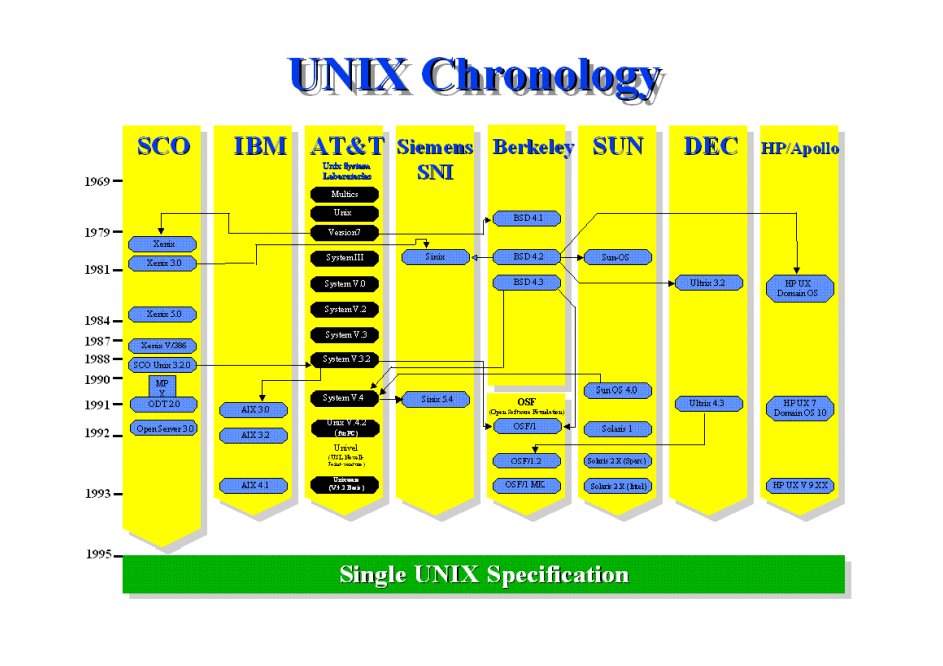
Unix is not a single operating system. It is in fact a general name given to dozens of o.s. by different companies, organizations or groups of individuals. These variants of unix are referred to as flavors. Although based on the same core set of unix commands, different flavors can have their own unique commands and features, and are designed to work with different types of h/w. Linux is often considered a unix flavor.

Among the ways in which the various flavors of UNIX differ are (1) fundamental design, (2) commands and features, (3) the hardware platform(s) (i.e., processors) for which they are intended and (4) whether they are proprietary software (i.e., commercial software) or free software (i.e., software that anyone can obtain at no cost and use for any desired
purpose).

Linux :
The most popular and fastest growing of all the Unix-like operating systems. It is developed by Linus Torvalds, Linux is a product that mimics the form and function of a UNIX system, but is not derived from licensed source code. Rather, it was developed independently; by a group of developers in an informal alliance on the net. A major benefit is that the source code is freely available (under the GNU copyleft), enabling the technically astute to alter and amend the system; it also means that there are many, freely available, utilities and specialist drivers available on the net. Linux is a registered trademark of Linus Torvalds. Recent versions of Glibc include much functionality from the Single UNIX Specification, Version 2 (for UNIX 98) and later.

FreeBSD :
The most popular of the BSD systems (all of which are direct descendants of BSD UNIX, which was developed at the University of California at Berkeley). BSDI is an independent company that markets products derived from the Berkeley Systems Distribution (BSD), developed at the University of California at Berkeley in the 60’s and 70’s. It is the operating
system of choice for many Internet service providers. It is, as with Linux, not a registered. UNIX system, though in this case there is a common code heritage if one looks far enough back in history.

IBM :
IBM has been quietly working on its mainframe operating system (formerly MVS) to add open interfaces for some years. In September 1996, The Open Group announced that OS/390 had been awarded the X/Open UNIX brand, enabling IBM to identify its premier operating system to be marked UNIX 95. This is a significant event as OS/390 is the first product to guarantee conformance to the Single UNIX Specification, and therefore to carry the label UNIX 95, that is not derived from the AT&T/ SCO source code.

NetBSD :
NetBSD is a free, fast, secure, and highly portable Unix-like Open Source operating system. It is available for a wide range of platforms, from large-scale servers and powerful desktop systems to handheld and embedded devices. Features the ability to run on more than 50 platforms, ranging from acorn26 to x68k

OpenBSD :
The OpenBSD project produces a FREE, multi-platform 4.4BSD-based UNIX-like operating system. Our efforts emphasize portability, standardization, correctness, proactive security and integrated cryptography. As an example of the effect
OpenBSD has, the popular OpenSSH software comes from OpenBSD. It May have already attained its goal of becoming the most secure of all computer operating systems.

Darwin :
Darwin is an open-source Unix-like operating system first released by Apple Inc. in 2000. It is composed of code developed by Apple, as well as code derived from NeXTSTEP, BSD, Mach, and other free software projects The new version of BSD that serves as the core for the Mac OS X

Many of the proprietary flavors have been designed to run only (or mainly) on proprietary hardware sold by the same company that has developed them. Examples include:

  • AIX – developed by IBM for use on its mainframe computers
  • BSD/OS – a commercial version of BSD developed by Wind River for Intel processors
  • HP-UX – developed by Hewlett-Packard for its HP 9000 series of business servers
  • IRIX – developed by SGI for applications that use 3-D visualization and virtual reality
  • QNX – a real time operating system developed by QNX Software Systems primarily for use in embedded systems
  • Solaris – developed by Sun Microsystems for the SPARC platform and the most widely used proprietary flavor for web servers
  • Tru64 – developed by Compaq for the Alpha processor
Evolution

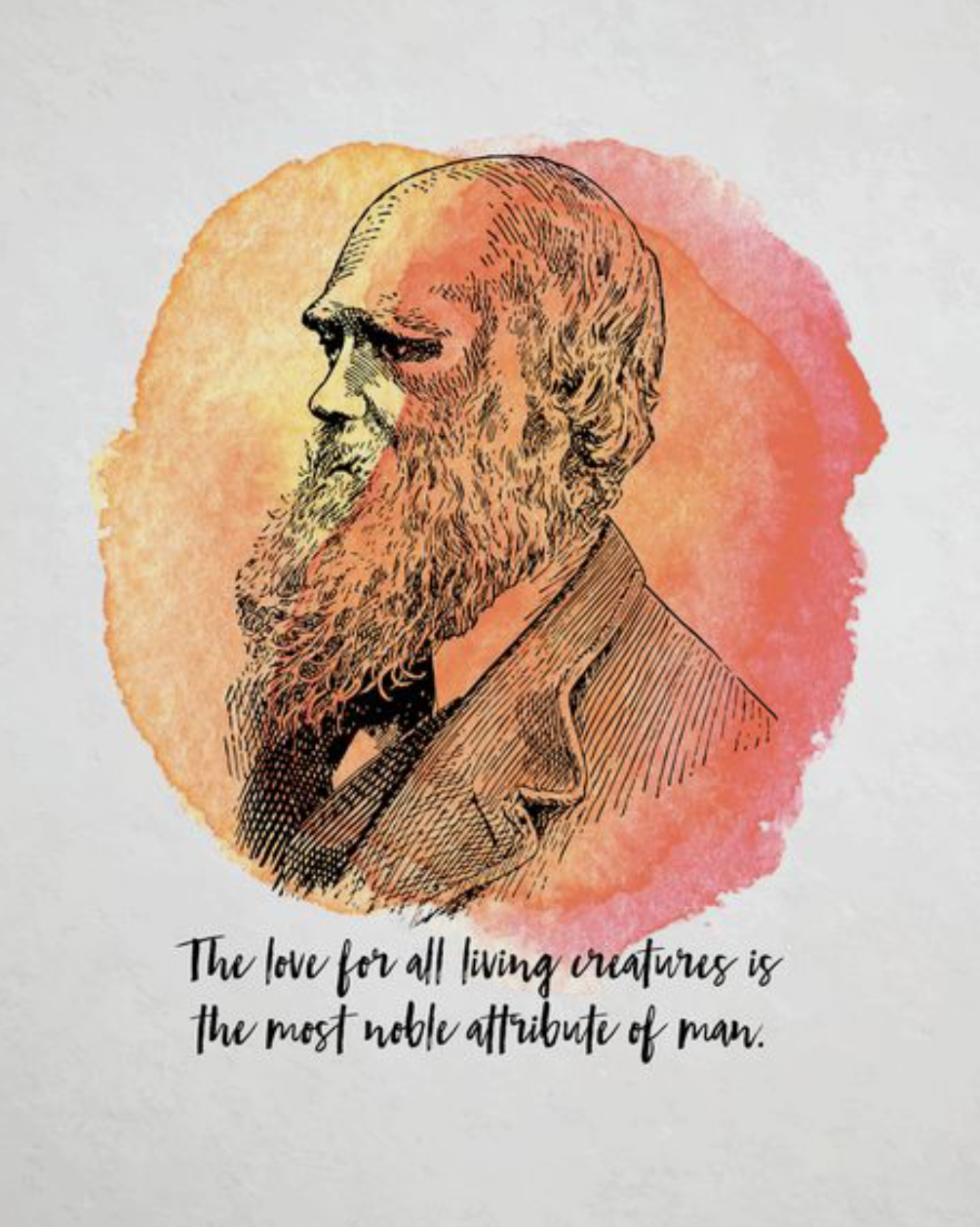
When you think of evolution the first name that comes to one’s mind is that of Charles Darwin. However, the fact is that he was not the first person to put forward the idea of evolution. Lamarck had suggested it earlier but the concept was not popular. In fact zoology professor Robert Grant lost his job because he supported Lamarck theory! An anonymous work titled, ‘The Vestiges of creation’ was ridiculed. It was Charles Darwin who first made the theory acceptable and he was able to do so because he supported it with a huge amount of evidence. Darwin, an English naturalist put forward his theory in a book titled ‘On the origin of the species’. He established that all species descended from common ancestors and that the different species evolved through a process he called natural selection. Darwin’s theory gained acceptance because it was able to explain the diversity of life.


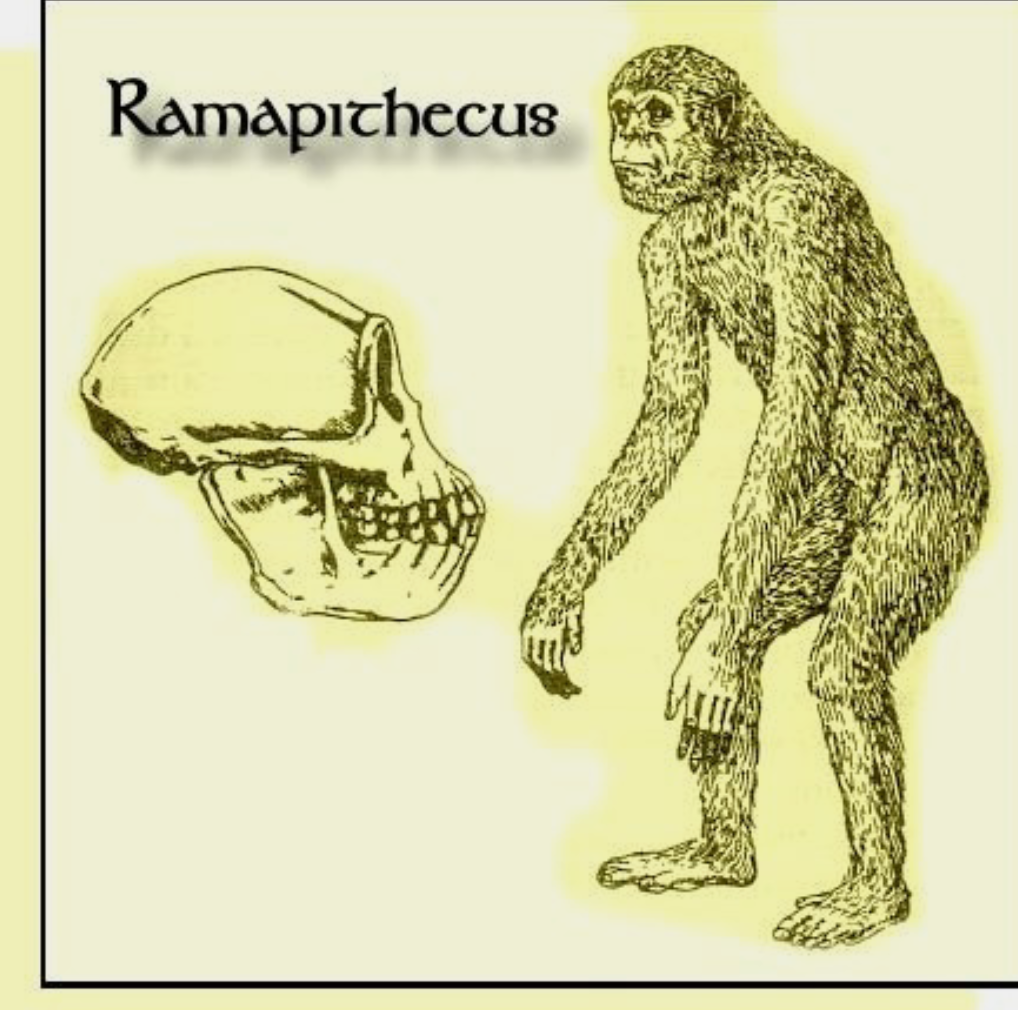
Ramapithecus belongs to an extent group of primates that lived from about 12 to 14 million years ago. Fossils of Ramapithecus were discovered in India and Africa beginning in 1932. Fossil evidence suggested that it had a short face, heavy jaws and enamelled teeth like hominids. Its importance lies in the fact that it was regarded as a possible ancestor of Australopithecus and therefore of modern humans. Later for sale finds indicated that Ramapithecus was more closely related to the orangutan and Ramapithecus is now regarded by many as a member of a group known as Sivapithecus.


It has been long known that humans share a common ancestor with apes but it was only in the last 30 years that techniques for develop to provide strong evidence in support of the theory that humans are more closely related to chimpanzees than they are to gorillas orangutans or Gibbons. The DNA of a chimpanzee is 98% identical to that of a human being. However our bodies adapted for walking on 2 legs. This is possible because the lower portion of the human body evolved to facilitate load bearing and balancing while walking upright. Chimpanzees not only share most of our genes they seem to be able to handle tools and they are able to grasp language pretty well too. Now researchers have found that we share a similar brain pattern when communicating. But in spite of these similarities there are clear differences in body structure intellect and behaviour.


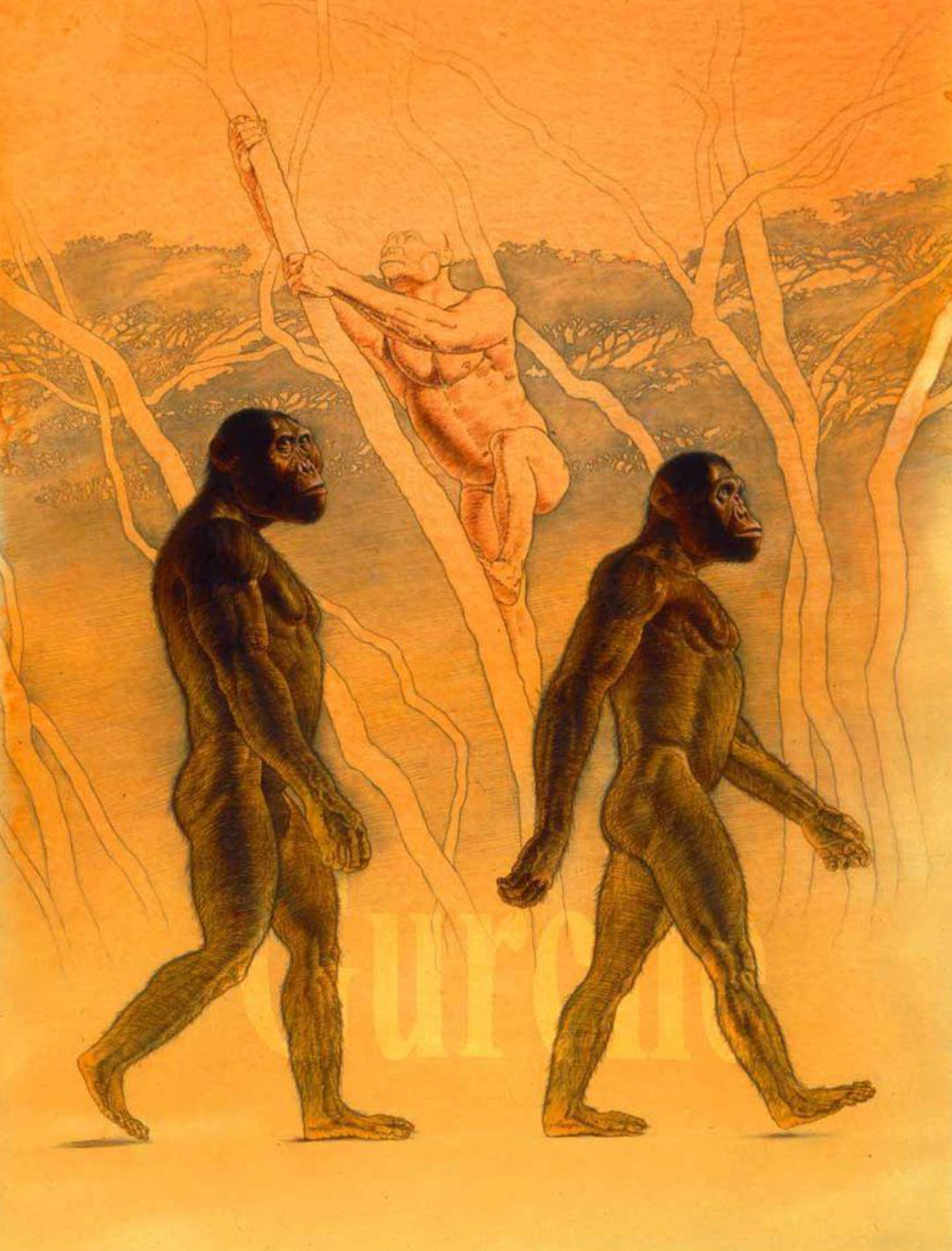
Australopithecus was an early hominid which is now extinct. Fossil evidence suggests that these individuals lived from approximately 4- 2 million years ago after evolving on the continent of Africa. Sense the fossils were recovered from south Africa they were called south African man apes or australopithecines. Australopithecines are believed to have been around 1 to 1.5 metre tall and probably fed on leaves fruits and the remaining of dead animals. Their brains were larger than those of apes but smaller than human brains while their teeth would like human teeth it is believed that Australopithecus eventually evolved into modern humans.


Neanderthal man first appeared in Africa about 200,000 years ago and migrated to the rest of the world around 100,000 years ago. The name Neanderthal comes from Neander valley where an early skull was found. Neanderthals would different from other species of early man. They were much taller and very strong for stop the brains were actually larger than ours are today. They were marvellous hunters. They often used caves as their homes. They were adept at fire making and probably cooked their food routinely. Neanderthals buried their dead. The Neanderthals died out by around 30,000 BC.
Cro-Magnon man lived some 40,000 -10,000 years ago. Their remains were first found in France in 1868 and then throughout other parts of Europe.

Cro-Magnon man was anatomically identical to modern humans and deferred significantly from Neanderthal man who disappeared in the fossil record shortly after Cro-Magnons appearance. Cromagnon man was tall and had an erect posture. He had a prominent chin a surprising forehead and skull shaped like hours. These man was killed hunters toolmakers and artists. Cro-Magnon man was a true human and looked just like us. He is represented by the remains of 5 individuals found in March 18683 adult males one adult female and one child.


•First family.
In 1975 Donald Johansson discovered the remains of at least 13 individuals of all ages at her there in Ethiopia. The sizes of the specimens varied greatly and Johansson believed that they all belong to a single species Australopithecus afarensis in which men were much larger than the females.

Thank you for reading. Have a nice day!🌼