DISASTER AND DISASTER MANAGEMENT

DISASTER:
A disaster is a serious disruption occurring over a short or long period of time that causes widespread human, material, economic or environmental loss which exceeds the ability of the affected community or society to cope using its own resource. It is a natural or man-made hazard resulting in an event of substantial extent causing significant physical damage or destruction, loss of life, or drastic change to the environment.

Disaster are classified into natural disaster and man-made disaster. In modern times, the divide between natural, man-made and man-accelerated disasters is quite difficult to draw.
Complex disasters, where there is no single root cause, are more common in developing countries. A specific disaster may spawn a secondary disaster that increases the impact. A classic example is an earthquake that causes a tsunami, resulting in coastal flooding, resulting in damage to a nuclear power plant. Some manufactured disasters have been wrongly ascribed to nature such as smog and acid rain. Some researchers also differentiate between recurring events such as seasonal flooding, and those considered unpredictable.

NATURAL DISASTERS AND MAN-MADE DISASTERS:
The natural disaster is caused by natural hazard whereas the man made disasters are caused by anthropogenic hazards.
A natural disaster can cause loss of life or damage of property.It brings economic damage after its wake. The severity of the damage depends on the affected population’s resilience and on the infrastructure available.Examples of natural hazards include: avalanche, coastal flooding, cold wave, drought, earthquake, hail, heat wave, hurricane, ice storm, landslide, lightning, riverine flooding, strong wind, tornado, tsunami, volcanic activity, wildfire, winter weather. Anthropogenic hazards can be grouped into societal hazards, civil disorder, terrorism, war, industrial hazards, engineering hazards, power outage, fire, hazards caused by transportation and environmental hazards.
In modern times, its is difficult to differentiate between man-made and man-made accelerated disaster. A man-made hazard impact a vulnerable community. It is the combination of the hazard along with exposure of a vulnerable society that results in a disaster. The rapid growth of the world’s population and its increased concentration often in hazardous environments has escalated both the frequency and severity of disasters. With the tropical climate and unstable landforms, coupled with deforestation, unplanned growth proliferation, non-engineered constructions make the disaster-prone areas more vulnerable. Developing countries suffer more or less chronically from natural disasters due to ineffective communication combined with insufficient budgetary allocation for disaster prevention and management.

DISASTER MANAGEMENT:
he International Federation of Red Cross & Red Crescent Societies defines disaster management as the organisation and management of resources and responsibilities for dealing with all the humanitarian aspects of emergencies, in particular preparedness, response and recovery in order to lessen the impact of disasters.
DISASTER PREVENTION:
UNISDR views Disaster Prevention as the concept of engaging in activities which intend to prevent or avoid potential adverse impacts through action taken in advance, activities designed to provide protection from the occurrence of disasters. WCPT similarly highlight that while not all disasters can be prevented, good risk management, evacuation plans, environmental planning and design standards can reduce risk of loss of life and injury mitigation. The HYOGO Framework was one such Global Plan for natural Disaster Risk Reduction, which was adopted in 2005 as a 10 year Global Plan, signed by agreement with 168 Governments which offered guiding principles, priorities for action and practical means for achieving disaster resilience for vulnerable communities.
Disaster Preparedness
Disaster Preparedness refers to measures taken to prepare for and reduce the effects of disasters, be they natural or man-made. This is achieved through research and planning in order to try to predict areas or regions that may be at risk of disaster and where possible prevent these from occurring and/or reduce the impact those disasters on the vulnerable populations that may be affected so they can effectively cope. Disaster preparedness activities embedded with risk reduction measures can prevent disaster situations and also result in saving maximum lives and livelihoods during any disaster situation, enabling the affected population to get back to normalcy within a short time period. Minimisation of loss of life and damage to property through facilitation of effective disaster response and rehabilitation services when required. Preparedness is the main way of reducing the impact of disasters. Community-based preparedness and management should be a high priority in physical therapy practice management.
In order to reduce the impact during disaster activities like Rescue, Relocation, Provision food and water, Prevention of disease and disability, Repairing Vital services, Provision temporary shelter.

DISASTER MANAGEMENT:
When disasters strike, there is always a huge amount of goodwill from rehabilitation professionals around the world who wish to use their skills to support those affected. This brief guidance informs those who are considering responding internationally to a disaster either as individuals or as part of a team. It highlights key questions to consider before departing, whilst working in the disaster area and on returning home. Responses to these questions considered are presented as “Do’s and Dont’s” which are exemplified by recommended practices and those to avoid in the real case studies below. The guidance note is not intended to be a step-by-step or technical guide, nor is it exhaustive, and does not supersede any specific guidance provided by your own global professional body.

Agencies involved in Disaster Management
• National Disaster Management Authority (NDMA):- The National Disaster Management Authority, or the NDMA, is an apex body for disaster management, headed by the Prime Minister of India. It is responsible for the supervision, direction, and control of the National Disaster Response Force (NDRF).
• National Executive Committee (NEC):- The NEC is composed of high profile ministerial members from the government of India that include the Union Home Secretary as Chairperson, and the Secretaries to the Government of India (GoI)like Ministries/Departments of Agriculture, Atomic Energy, Defence, Drinking Water Supply, Environment and Forests, etc. The NEC prepares the National Plan for Disaster Management as per the National Policy on Disaster Management.
• State Disaster Management Authority (SDMA):- The Chief Minister of the respective state is the head of the SDMA.The State Government has a State Executive Committee (SEC) which assists the State Disaster Management Authority (SDMA) on Disaster Management.
• District Disaster Management Authority (DDMA):- The DDMA is headed by the District Collector, Deputy Commissioner or District Magistrate depending on the situation, with the elected representatives of the local authority as the Co-Chairperson. The DDMA ensures that the guidelines framed by the NDMA and the SDMA are followed by all the departments of the State Government at the District level and the local authorities in the District.
• Local Authorities:- Local authorities would include Panchayati Raj Institutions (PRI), Municipalities, District and Cantonment 11 Institutional and Legal Arrangements Boards, and Town Planning Authorities which control and manage civic services.

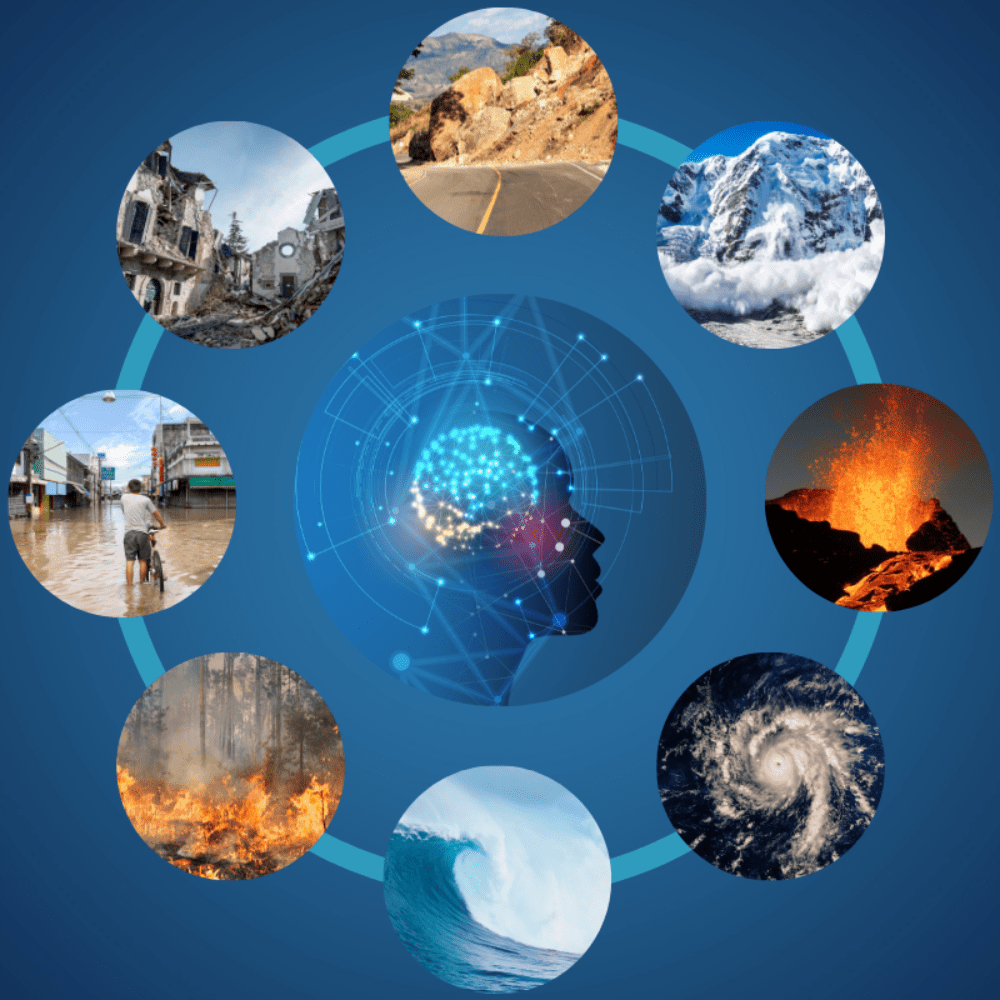
What is Disaster Management?

We have always seen disasters taking many shapes. Human-made disaster results from human mistakes and incorporates modern blasts or design disappointments. Catastrophic events result from actual peculiarities and include quakes and dry seasons. Calamities delegated complexes can contain pestilence or outfitted clashes.

In any structure, disaster disrupts communities and can negatively affect individuals, property, economies, and the climate. They frequently stretch a local area’s ability to adapt. Debacle the executives in the course of successfully for and answering to disaster. It includes decisively arranging assets to decrease the mischief that calamities cause. It likewise consists of an orderly way to deal with the obligations of the calamity: counteraction, readiness, reaction, and recovery.

Figuring Out Risks in Disaster Management

Frequently, issues, for example, an effectively kept up with levee framework or other carelessness, can demolish the result of a calamity. State-run administration and associations can endure disaster by tending to conceded framework upkeep and other casual elements. A few communities are more powerless than others. For instance, more unfortunate networks have fewer assets to set themselves up for a cyclone or return quickly from flood harm. Disaster management likewise includes breaking down openness to misfortune. For instance, homes worked underneath the ocean level might confront more apparent vulnerability to flooding if a storm hits them.

The Scope of Disaster Management

Disaster management has a vast degree. To comprehend disaster management, it is helpful to concentrate on counteraction, readiness, reaction, and recuperation.

Counteraction

Moderation and avoidance endeavours expect to lessen the possible harm and experiencing that calamity can cause. While calamity the executives can’t forrestal disaster, it can keep them from becoming compounded because of dismissing casual elements and sensible dangers. Moderation explicitly alludes to activities that can reduce the seriousness of a debacle’s effect. Putting resources into measures that breakpoint dangers can significantly lessen the weight of calamities.

Systems that Disaster management the executives’ experts carry out to safeguard weak networks and restrict risks incorporate the accompanying:

  1. Bringing issues to light about expected dangers and how to address them
  2. Teaching people in general about how to get ready for various kinds of calamity appropriately
  3. Introducing and fortifying forecast and cautioning frameworks

Overseeing perils and dangers implies wanting to limit a local area’s weakness to fiascos. This can include:

  1. Empowering people group individuals to purchase suitable protection to safeguard their properties and effects
  2. Teaching families and organisations the best way to make viable fiasco plans
  3. Advancing the utilisation of fire-retardant materials in the development
  4. Supporting capital works drives, like the development and upkeep of levees
  5. Building organisations among areas and offices at the government, state, and nearby levels to team up on relief projects

Disaster management executives’ experts working on relief endeavours likewise centre around the accompanying:

Land Use and Building Codes

Building schools, medical clinics, and neighbourhoods in flood-inclined regions expand their openness to fiascos. Disaster management highlights these dangers and presents thoughts to involve land in more secure ways.

For instance, instead of building homes in floodplains, local area organisers can assign those regions as spots for outside diversion, natural life attractions, or climbing trails. They can likewise encourage individuals to stay away from these areas during flood season. These actions make inhabitants and their homes less defenceless against hurt.

Moreover, alleviation endeavours can do the accompanying:

Address ways of designing scaffolds to support tremors
Authorise building regulations that protect structures during tropical storms

Basic Infrastructure

Safeguarding a basic foundation during a debacle can mean distinguishing between life and demise. Basic foundation, which contains the frameworks and resources indispensable to a local area’s economy, security, and general wellbeing, merits special consideration for catastrophe the board relief.

Drawing up defensive estimates that line harm to water and wastewater frameworks or atomic plants, for instance, can forestall serious repercussions.
For instance, Japan experienced wrecking physical and mental results after a 2011 seismic tremor set off a tidal wave. The immersion of water sliced off the power supply to the cooling framework for Fukushima Daiichi reactors, prompting an enormous atomic mishap.
Readiness
Very much organised reactions to fiascos expect earlier preparation. This guarantees quick, mighty reaction endeavours and cut-off points copied endeavours.

Disaster readiness plans:

  1. Distinguish hierarchical assets
  2. Assign jobs and obligations
  3. Make strategies and approaches
  4. Arrange exercises that further develop calamity preparation

Expecting the necessities of networks that catastrophes influence works on the nature of the reaction endeavours. Building the limits of workers, faculty, and calamity supervisory groups to answer fiascos also makes the reaction attempts more successful.

Plans might incorporate the accompanying:

  1. Crisis cover locales
  2. Departure courses
  3. Crisis energy and water sources

They may likewise address:

  1. Levels of leadership
  2. Preparing programs
  3. Correspondence strategies
  4. Crisis supply conveyance
  5. Reserve needs

Reconstructing
revamping their lives after injury. This includes longer-term endeavours to re-establish:

  1. Lodging
  2. Economies
  3. Foundation frameworks
  4. Individual and local area wellbeing

Government offices and supporting associations assist networks with critical thinking and finding assets as they redevelop and rejuvenate.

Recuperation help might incorporate the accompanying:

  1. Joblessness help
  2. Lodging help
  3. Legitimate administrations
  4. Emotional wellbeing directing
  5. Calamity case, the executives
    Assam witnesses an annual flood, and the 2022 flood has affected lakhs of people while 1.08 lakh hectares of crops have been destroyed. Though we cannot entirely avoid disasters, we can prepare for and address them.

Avoidance endeavours and facilitated responses to disasters save lives and decrease their effect on communities. Experts in disaster management play a critical part in forestalling enduring, safeguarding individuals’ jobs, and assisting networks with recuperating. Now the question arises about what is disaster management? To address the inquiry, you ought to inspect how these experts manage disaster previously, during, and after it strikes.

Safeguard Communities by Launching a Career in Disaster Management

What is Disaster Management? It is a far-reaching way to deal with forestalling, planning, answering, and supporting crisis recuperation endeavours. Whether leading crises or the executives for human-made or cataclysmic events, experts in the field assume priceless parts in saving lives and lessening languishing.

Disaster & Disaster Management

A disaster is a sudden, calamitous event that seriously disrupts the functioning of a community or society and causes human, material, and economic or environmental losses that exceed the community’s or society’s ability to cope using its own resources. Though often caused by nature, disasters can have human origins.

The word disaster implies a sudden overwhelming and unforeseen event. At the household level, a disaster could result in a major illness, death, a substantial economic or social misfortune. At the community level, it could be a flood, a fire, a collapse of buildings in an earthquake, the destruction of livelihoods, an epidemic or displacement through conflict. When occurring at district or provincial level, a large number of people can be affected. Most disasters result in the inability of those affected to cope with outside assistance. At the household level, this could mean dealing with the help from neighbours. At the national level, it could mean assistance from organizations, various non-governmental organizations (NGOs) and government agencies themselves. As the limiting factor in disaster response is often the coping capacity of those affected, improving their resilience when responding to disasters is a key approach to lessening the consequence of a disaster.

There is no single measure of a disaster that can capture the full scope of a disaster. A common measure is the number of people killed or affected. The individual will consider the impact on his or her family and livelihood. Disaster managers will assess the speed and success of the disaster response. Economists will measure physical loss to houses and buildings and loss of production. Politicians will assess political damage from a poor response by state agencies. Health workers will consider the resources required to contain an outbreak of Ebola or Coronavirus. Others may focus on the nature of the hazard, the social consequences and the impact to specific elements of the infrastructure. To think seriously about a disaster means we must consider all affected and their losses both in the immediate and the longer term.

A disaster may occur with or without a warning phase. A response is made following a disaster. The response may be helped substantially by any preparedness actions which were made before the disaster occurred. Relief activities occur during the emergency phase, which follows the impact of the disaster.

General Effects of Disasters

 The typical effects of disasters may be one or more of the following :

  • Loss of life
  • Injury
  • Destruction of property, plantations and crops
  • Disruption of production, lifestyle & transport
  • Loss of livelihood and occupation to people
  • Disruption to essential services like electricity, water supply and gas supply
  • Damage to national infrastructure
  • Disruption of communication and other networks
  • Disruption to government systems and schemes
  • Shortage of food resources
  • Spreading of diseases
  • National economic loss
  • Sociological effects
  • Psychological after effects.

Types of Disasters

There are 2 major types of disasters :

1. Natural Disasters

A natural disaster can be defined as a major event brought about by the natural processes of the Earth that causes widespread destruction to the environment and loss of life. The list of natural disasters include weather phenomena such as tropical storms, extreme heat or extreme cold, winds, floods, earthquakes, landslides and volcanic eruptions.

Management of Natural Disasters

  • Early warning systems can alert costal populations of approaching tsunamis and they can give populations time to be evacuated from danger areas.
  • Responsible land use can reduce the risk of landslips caused by unchecked felling of trees. For other events classified as natural disasters, risks can be dramatically reduced through careful planning.
  • Construction codes when enforced can reduce loss from earthquakes. Governments can institute measures to assist in extreme cold and extreme heat.
  • Food security programmes can protect a population against food crisis arising from pests and failed crops.
  • Surveillance systems and high coverage by routine immunization programmes can help prevent outbreaks of disease.
  • Social programmes can reduce vulnerability to disasters which otherwise could not be controlled.

Types of natural disaster

Natural disasters may be broadly grouped into major and minor types depending upon their potential to cause damage to human life and property. The disasters like earthquakes, volcanic eruptions, droughts, floods and cyclones could be regarded as major types. The disasters like hailstorms, avalanches, landslides, fire accidents, etc. whose impact is localised and the intensity of the damage is much less than the others may be categorized as minor disasters.

Natural disasters can be categorised into 4 parts :

  • Geophysical (e.g., Earthquakes, Landslides, Tsunamis and Volcanic Activity)
  • Hydrological (e.g., Avalanches and Floods)
  • Climatological (e.g., Extreme Temperatures, Drought and Wildfires)
  • Meteorological (e.g., Cyclones and Storms/Wave Surges)

2. Man-Made Disasters

Man-made disasters are extreme hazardous events that are caused by human beings. Some examples of man-made disaster emergencies include chemical spills, hazardous material spills, explosions, chemical or biological attacks, nuclear blast, train accidents, plane crashes, or groundwater contamination.

Man-made disasters have an element of human intent, negligence, or error involving a failure of a man-made system, as opposed to natural disasters resulting from natural hazards. Such man-made disasters are crime, arson, civil disorder, terrorism, war, biological/chemical threat, cyber-attacks, etc.

Man-made disasters can be caused by :

  • Environmental Degradation
  • Pollution
  • Accidents (e.g., Industrial, Technological and Transport usually involving the production, use or transport of hazardous materials)

Though weather and geologically related disasters are considered to have generated the greatest number of deaths and economic loss, disasters generated by humans are increasing in importance. As society has become more complex, it is evident that people are increasingly responsible, directly or indirectly, for the consequences of events previously ascribed to forces beyond their control. Globalization is now carrying industrial production to previously agrarian societies. The risk from the unintended release of hazardous materials is becoming ever more widespread. Potentially hazardous products are now available in communities and populations which do not have adequate regulations governing their use and, in fact, may not even be aware of their presence or health risks. Rapidly increasing transport of people and commodities across continents means that transportation disasters pose increasing threats to millions.

Disaster Management

Disaster Management can be defined as the organization and management of resources and responsibilities for dealing with all humanitarian aspects of emergencies, in particular preparedness, response and recovery in order to lessen the impact of disasters.

Disaster management conveys the important idea that protecting populations and property also involves the estimation of risks, preparation, activities which will mitigate the consequences of predictable hazards and post-disaster reconstruction in a way that will decrease vulnerabilities. An important goal is building a culture of awareness that preparation is not only possible, but also will greatly reduce the consequences from disasters in terms of human and economic loss.

An effective response to disaster begins with effective planning, but must include many other steps. Each of these steps depends on the strength of other links in the disaster management chain. While no one organization or group ‘owns’ a disaster, the ultimate responsibility rests with governments to protect its people against disaster. No government can carry out these responsibilities without cooperating with many other groups in a country. Disaster management planning is often seen as a separate activity from the main functions of governments and organizations.

Conclusion :

Disaster management is the only way to mitigate the effects of all these hazards. Advance planning is always needed to keep the items of emergency for any disaster. Guidelines are also to be prepared in the form of booklets and circulated to the educated individuals. Awareness camps are to be organised for public. Training is yet another initiative. Training involves the duties and responsibilities, efforts to sustain, role of employees/NGOs, risks, errors, behavioural patterns, recovery techniques, communication channels, safety rules, priorities and security measures. Knowledge of water quality, sanitation, first aid, emergency medicines, electricity controls and gas usage are needed. Evacuation, reporting and alert procedures, are the other major initiatives. Proper insurance policies, alterations to existing buildings, changes in business locations and other resources are to be planned, for future disaster mitigation.

The climate is changing , why aren’t we ?

Our climate is changing around us faster than predicted. From more frequent and extreme storms to unprecedented heatwaves, from landslides to earthquake , we’re feeling the impacts of human-caused global warming. Global warming is the long-term heating of Earth’s climate system observed since the pre-industrial period (between 1850 and 1900) due to human activities, primarily fossil fuel burning, which increases heat-trapping greenhouse gas levels in Earth’s atmosphere. Certain gases in the atmosphere block heat from escaping. Long-lived gases that remain semi-permanently in the atmosphere and do not respond physically or chemically to changes in temperature are described as “forcing” climate change. Gases, such as water vapor, which respond physically or chemically to changes in temperature are seen as “feedbacks.”

SOME OF THE GASSES THAT CONTRIBUTE TO CLIMATE CHANGE ARE :

  • Water vapor. The most abundant greenhouse gas, but importantly, it acts as a feedback to the climate. Water vapor increases as the Earth’s atmosphere warms, but so does the possibility of clouds and precipitation, making these some of the most important feedback mechanisms to the greenhouse effect.
  • Carbon dioxide (CO2). A minor but very important component of the atmosphere, carbon dioxide is released through natural processes such as respiration and volcano eruptions and through human activities such as deforestation, land use changes, and burning fossil fuels. Humans have increased atmospheric CO2 concentration by 48% since the Industrial Revolution began. This is the most important long-lived “forcing” of climate change.
  • Methane. A hydrocarbon gas produced both through natural sources and human activities, including the decomposition of wastes in landfills, agriculture, and especially rice cultivation, as well as ruminant digestion and manure management associated with domestic livestock. On a molecule-for-molecule basis, methane is a far more active greenhouse gas than carbon dioxide, but also one which is much less abundant in the atmosphere.
  • Nitrous oxide. A powerful greenhouse gas produced by soil cultivation practices, especially the use of commercial and organic fertilizers, fossil fuel combustion, nitric acid production, and biomass burning.
  • Chlorofluorocarbons (CFCs). Synthetic compounds entirely of industrial origin used in a number of applications, but now largely regulated in production and release to the atmosphere by international agreement for their ability to contribute to destruction of the ozone layer. They are also greenhouse gases.

The consequences of changing the natural atmospheric greenhouse are difficult to predict, but some effects seem likely:

  • Earth becomes warmer .
  • Stronger green house effect will warm the earth , melt the glaciers , increasing sea levels
  • Outside of a greenhouse, higher atmospheric carbon dioxide (CO2) levels can have both positive and negative effects on crop yields. Some laboratory experiments suggest that elevated CO2 levels can increase plant growth. However, other factors, such as changing temperatures, ozone, and water and nutrient constraints, may more than counteract any potential increase in yield. 

Disaster Management

A disaster is a sudden, calamitous event that seriously disrupts the functioning of a community or society and causes human, material, and economic or environmental losses that exceed the community’s or society’s ability to cope using its own resources. Though often caused by nature, disasters can have human origins. Disaster Management can be defined as the organization and management of resources and responsibilities for dealing with all humanitarian aspects of emergencies, in particular preparedness, response and recovery in order to lessen the impact of disasters. Disaster management Is a systematic process of planning, organizing, and leading in order to effectively manage the after-effects of a disaster. It aims to reduce the negative impact or consequences of adverse events.

Types of disasters

Disasters can be classified as natural, man-made and human-induced.

Ex. of natural disasters :
Earthquakes
Volcanoes
Floods
Cyclones

Ex. of man-made disasters :
Nuclear leaks
Chemical leaks / spills
Terrorist activities
Structural collapse

Ex. of human-induced disasters :
Global warming
Large scale deforestation
Large scale biological warfare

Disaster Management Cycle

Disaster management is an enormous task. Disasters are not confined to any particular location, neither do they disappear as quickly as they appear. Therefore, it is essential that there is proper management to optimize efficiency of planning and response. Due to limited resources, collaborative efforts at the governmental, private and community levels are necessary.

Disaster Management, and Methodology

Disaster management is a cyclical process; the end of one phase is the beginning of another Timely decision making during each phase results in greater preparedness, better warnings, reduced vulnerability and/or the prevention of future disasters.
Mitigation: Measures put in place to minimize the results from a disaster.
Examples: building codes and zoning; vulnerability analyses; public education.
Preparedness: Planning how to respond.
Example: preparedness plans, emergency exercises/training; warning systems.
Response: Initial actions taken as the event takes place. It involves efforts to minimize the hazards created by a disaster.
Examples: evacuation, search and rescue; emergency relief.
Recovery: Returning the community to normal. Ideally, the affected area should be put in a condition equal to or better than it was before the disaster took place.
Examples: temporary housing; grants; medical care.

VARIOUS PHASES OF DISASTER MITIGATION

Disaster prevention
These are activities designed to provide permanent protection from disasters. Not all disasters, particularly natural disasters, can be prevented, but the risk of loss of life and injury can be mitigated with good evacuation plans, environmental planning and design standards. In January 2005, 168 Governments adopted a 10-year global plan for natural disaster risk reduction called the Hyogo Framework. It offers guiding principles, priorities for action, and practical means for achieving disaster resilience for vulnerable communities.

Disaster preparedness
These activities are designed to minimise loss of life and damage – for example by removing people and property from a threatened location and by facilitating timely and effective rescue, relief and rehabilitation. Preparedness is the main way of reducing the impact of disasters. Community-based preparedness and management should be a high priority in physical therapy practice management.

Disaster relief
This is a coordinated multi-agency response to reduce the impact of a disaster and its long-term results. Relief activities include rescue, relocation, providing food and water, preventing disease.

Disaster management in India

In order to manage the various kinds of disasters occurring sporadically in various parts of India, The Disaster Management Act, 2005 provides for the constitution of the following institutions at national, state and district levels.
National Disaster Management Authority
State Disaster Management Authorities
District Disaster Management Authorities
National Institute of Disaster Management and
National Disaster Response Force

Top 14 Worst Natural Disasters of India

The Disastrous natural forces include volcano disasters, floods, Tsunami, and Earthquakes, which are a major explanation for casualties within the history of India. Other than Horrible Temple Stampedes like the Amarnath Yatra tragedy, Mander Devi temple stampede and Sabrimala Kerala temple stampede and major train accidents like Karanjadi train crash and Vaibhavwadi train crash, there are many worst Natural Disasters had happened, latest is most disastrous Uttarakhand Flash Floods and recently happened Cyclone Phailin in Orissa coast.

List of Worst Natural Disasters within the History of India

1770 Great Bengal Famine – The Great Bengal Famine was an outsized famine in Bengal during British rule out the amount of 1769-1773. Bengal famine was caused the deaths of 10 million people in Bengal, Bihar, and a few parts of Odisha.

1839 Coringa Cyclone – The Coringa Cyclone was one of the ten big disasters that shook India, struck at a small village of Godavari district in Andhra Pradesh. the good Coringa Cyclone killed around 20,000 people within the ancient city of Coringa.

1894 Third Plague Pandemic – The major plague pandemic came to British India in 1896, killing quite 12 million people in India and China alone. Third Plague Pandemic was initially seen in port cities like Bombay and Kolkata then spread to small towns and rural areas of the many regions of India.

1979 Lahaul Valley Avalanche – Lahaul Spiti valley receives heavy snowfall during the winter season, which causes Avalanches. The Lahaul Valley disaster in March of 1979 buried 200 people under 20 feet of snow, the sole avalanche within the Himalayas and one among the ten deadliest Avalanches in the History of the world.

1998 Malpa Landslide – Heavy rainfall caused, Malpa landslides was one among the worst landslides in India, at village Malpa in Pithoragarh of Uttarkhand. Around 380 people were killed when massive landslides washed the whole village alongside Hindu pilgrims of Kailash Mansarovar yatra.

1999 Odisha Cyclone – The 1999 Odisha cyclone also referred to as super cyclone 05B was the foremost deadliest tropical cyclone within the Indian Ocean and most destructive Indian storm since 1971. It caused almost the deaths of 15,000 people and made heavy to extreme damage.

2001 Gujarat Earthquake – The massive earthquake occurred on India’s 51st Republic Day on January 26, 2001, at Bhachau Taluka of Kutch District of Gujarat. Gujarat earthquake had a magnitude of between 7.6 and 7.7 and killed around 20,000 people.

2002 Indian wave – India’s wave in 2002 in the south region killed quite 1000 people, Most of the deaths occurred in the state of Andhra Pradesh. the warmth was so intense that birds fell from the sky, ponds and rivers dried up.

2004 Indian Ocean Tsunami – The Indian Ocean earthquake and Tsunami occurred in 2004 on the West Coast of Sumatra, killing over 230,000 people in fourteen countries. Indian Ocean Tsunami was one of the deadliest natural disasters in the history of India.

2007 Bihar Flood – The 2007- 2008 Bihar floods are listed because the worst-hit arrives the living memory of Bihar in the last 30 years. Bihar is India’s most flood-prone State, a recurring disaster appears annual basis and destroys thousands of human lives aside from livestock and assets worth millions.

2005 Mumbai Catastrophes – The 2005 Maharashtra floods occurred only one month after the June 2005 Gujarat floods, Mumbai the capital city was most badly affected and witnessed one among its worst catastrophes within the history of India, killing a minimum of 5,000 people.

2010 Eastern Indian Storm – The Eastern Indian storm was a severe storm that struck parts of eastern Indian states, spanning for 30–40 minutes. a minimum of 91 people died in Indian states and Over 91,000 dwellings were destroyed and partially damaged.

2013 Maharashtra Drought – Maharashtra state was suffering from the region’s worst drought in 40 years,worst-hit areas are Jalna, Jalgaon and Dhule also are suffering from famine. many people in Maharashtra are at serious risk of hunger after two years of low rainfall within the region.

2013 Uttarakhand Flash Floods – In June 2013 Uttarakhand received heavy rainfall, massive Landslides thanks to the massive flash floods, it suffered maximum damage to homes and structures, killing quite 1000 people, sources claimed the price might be get up to 5000. Uttarakhand Flash Floods are that the most disastrous floods within the history of India.

Mother Nature and Man

Article by – Shishir Tripathi

Intern at Hariyali Foundation
In collaboration with
Educational News

“Nature is Mighty
Nature is Strong
Nature is always usually right
Nature is rarely ever wrong
Nature is Beauty
Nature is Moody
Nature is Smart
Nature always has the Greater Part
Nature is Blue
Nature is Green
Nature is every Color Possibly Seen
Nature is True
Nature is Beaming
Nature is Dreaming”

The whole world is moving at a very faster pace at present. Man thinks that he with his inventions in science and other fields too; he has conquered the world and can survive on its own as he has made all the artificial things and inventions for all his luxuries. But, human beings must not forget the fact that they are born out of Nature not the vice versa.

Human beings have taken all the resources available in nature for granted as if they would have produced them on their own. Nations made international borders and divided the oceans, mountains, plateaus, etc and thought as if they owned it. But nature and its organisms do not consider any of these borders at all. A whale swimming in South Pacific Ocean can go each day each hour to South Atlantic Ocean on its own. Similarly a bird flying in Arunachal Pradesh can go on its own to China without asking anyone. Humans can make rules amongst their own selves and can follow but Mother Nature can’t be forced to accept such rules.

Human beings always thought that they are superior to all the other organisms on Earth forgetting the fact that each organism is dependent on the other for survival through a food chain. If any of the creatures of the food chain goes extinct or gets endangered then surely the entire food chain and food web gets disrupted and the other creatures have to bear the imbalances of the Nature.

Human beings consume everything at present right from eggs, meat, chicken, beef and what not. And in countries like China people consume bats, frogs, cockroaches, dogs and many other creatures. Due to the presence of laws and a proper system regarding punishments to those who kill people, otherwise human beings would start consuming other fellow human beings. The hunger and greed of man at present is increasing day by day. There are vegetable products and other foods than non- vegetarian stuffs, but still the man had and will be consuming the poor organisms like goats, chicks, fishes, pigs, etc. these creatures have no life of their own and are produced just to get consumed by such wicked, hungry human beings.

Humans extract each and every tinge of all the materials that Nature has been providing from years.oil wells in Arabic Nations are getting empty day. As millions of litres oil is consumed by the whole world in running automobiles and other machineries, showing a situation of excess demand and lesser and lesser supply. Similarly, the water resources too including ground water and surface water too are used recklessly without any limitations. Due to such reasons, some regions of the world face water scarcity. Similarly untreated smoke discharged from various factories is again the cause of polluted air in different cities of the world and is contributing towards increasing global temperatures.

And if one tries to list all such activities of man in which he harms nature, the list will never be ending. Human beings must realize that in their every deed filled with greed, the nation is surely going to react in ten times much harsh ways in the form of landslides, excessive rainfall, tsunamis, earthquakes, climate change with adverse situations, etc. Humans should realize the real meaning of sustainable development, only then they can survive peacefully without any such problems. Use of resources should be done in such an efficient way that the resources should get preserved for the future generations and also the usage at present must not harm any creature and the natural heritage too.

That’s why it is rightly said that Nature can enough for one’s need but not for everyone’s greed.