

What Is Stress-Eating or Emotional-Eating? How To Avoid It?

Stress-Eating or Emotional eating is a type of eating that involves people using food to cope with stressful events. Emotional eating affects many people at some point in their lives. It could manifest as boredom eating a bag of chips or a chocolate bar after a stressful day at work. When emotional eating occurs regularly or becomes the primary means of coping with emotions, a person’s life, health, happiness, and weight can all be significantly impacted.

Photo by cottonbro on Pexels.com

Stress and Emotional Eating Triggers

Emotional eating is triggered by a variety of factors, including stress. Other common causes mentioned by people are:

1. Boredom: A typical emotional eating trigger is boredom or a lack of things to do. Many people have very active and stimulating lives, and when they are bored, they turn to eating to fill the void.

2. Habits: These are frequently fueled by nostalgia or events from a person’s youth. Having ice cream after a good report card or baking cookies with a grandma are two examples.

3. Fatigue: When you’re weary, it’s simpler to overeat or eat mindlessly, especially if you’re tired of doing something unpleasant. Food may appear to be the solution to a desire to no longer engage in a particular activity.

4. Social influences: Everyone has that one friend that encourages them to order pizza after a night out, go out for dinner or drinks after a stressful day, or treat themselves for a successful day. When dining with friends or family, it’s easy to overeat.

How to avoid the triggers

1. Recognise the triggers:  The first step in overcoming emotional eating is to recognise the triggers and scenarios that occur in one’s life.

2. Journal or Food Diary: Keeping a food diary or notebook might help you spot circumstances where you’re more inclined to eat for emotional reasons rather than real hunger.

3. Track Your Eating Behaviour: Another technique to obtain insight into one’s eating habits is to track their behaviour. The following are examples of the kind of conduct they may observe:

– Patterns of hunger, perhaps on a scale of 1–10.

– what they’re doing, and whether or not it’s boring and unpleasant.

– what they’re thinking, whether they’re bored or upset.

4. Trying other activities to avoid triggers: – Someone who eats while bored might wish to start reading a new book that seems interesting or take up a new hobby that will provide a challenge.

– To cope with their emotions, someone who eats due to stress could try yoga, meditation, or going for a walk.

– To cope with their negative sentiments, someone who eats while unhappy can call a friend, go for a run with the dog, or arrange an outing.

5. Professional Help: – Talking to a therapist or psychologist about different strategies to disrupt the pattern of emotional eating can also be beneficial.

– A nutritionist or doctor may also be able to refer you to an expert or give you with extra information on how to develop healthy eating habits and improve your relationship with food.

Emotional eating isn’t just about a person’s lack of self-control or a desire to eat less. People who eat to cope with stress, on the other hand, don’t only lack self-control.
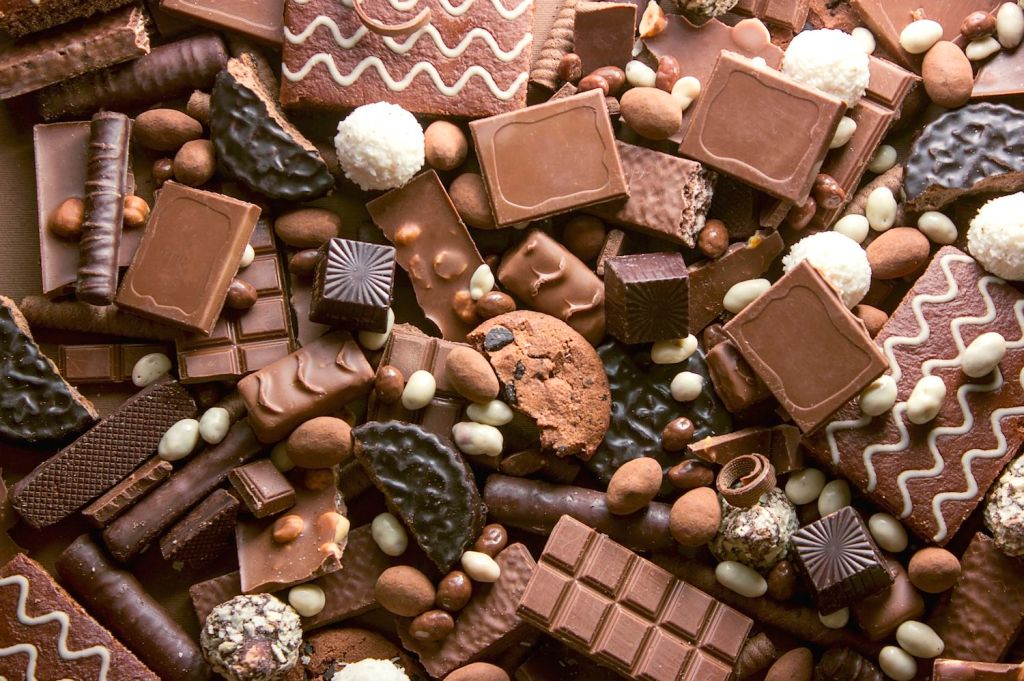
Is Chocolate a Compulsive Consumption?

The popular saying goes, “nine out of 10 people enjoy chocolate, and the tenth person always lies.” This is accurate since who doesn’t like chocolate?

For hundreds of years, people have loved chocolate and other sweets. And now it is consumed in a variety of ways and is probably one of the most popular meals, so you might be curious if it’s addictive.

So, can you become a chocoholic? Let’s explore the answer in this article. Distinct varieties of chocolate have different components, however they all share a few important ones. Some of these could be linked to chocolate’s risk for addiction. The main ingredients are cocoa mass, cocoa butter, sugar, milk, vanilla and other products can be used to help preserve chocolates and maintain a creamy consistency. Cocoa butter offers many benefits, but it’s also heavy in fat. This contributes to chocolate’s addictive potential, especially when paired with the high sugar content in some types. Some experts also doubt that food additives play a role in compulsive eating. Flavorings and artificial sweeteners are frequently used in highly processed and extremely appealing goods like chocolate. 

Also, just like addictive medications such as drugs, scientifically, exceptionally delicious foods like chocolates have been shown to trigger the release of dopamine, a neurotransmitter linked to pleasure, in the reward circuit in a brain area. After a time, merely thinking about these enjoyable things triggers the reward circuit. Your brain tends to crave these feel-good substances once you start connecting them with positive feelings. This kind of relationship can be made with lots of different foods but Scientists have identified several properties in chocolate that are particularly tempting. This might just be due to the fact that chocolate is generally high in sugar and fat as stated above, but according to one new study, it could be due to its interaction with a chemical called enkephalin, which is found in our brain and appears similar to endorphins, and may be the source of our addiction. 

Chocolate is frequently represented as a go-to pleasure as well as something we’re expected to feel guilty about, and the image of the hapless chocoholic appears in advertising and the media on a regular basis, typically in good humour. So, at least in part, the sense that we’re going crazy for chocolate originates from outside of our bodies. Furthermore, We’re naturally reward-seeking creature,we had to be to survive long enough to compete in the gene pool. Chocolate and other sugary, high-fat meals are natural rewards, so our brain responds by saying, “get more of that—if you can!” Now, however, we are able to do so. Almost all of the time. Especially in a culture when chocolate comes in all forms and sizes and may even be delivered.

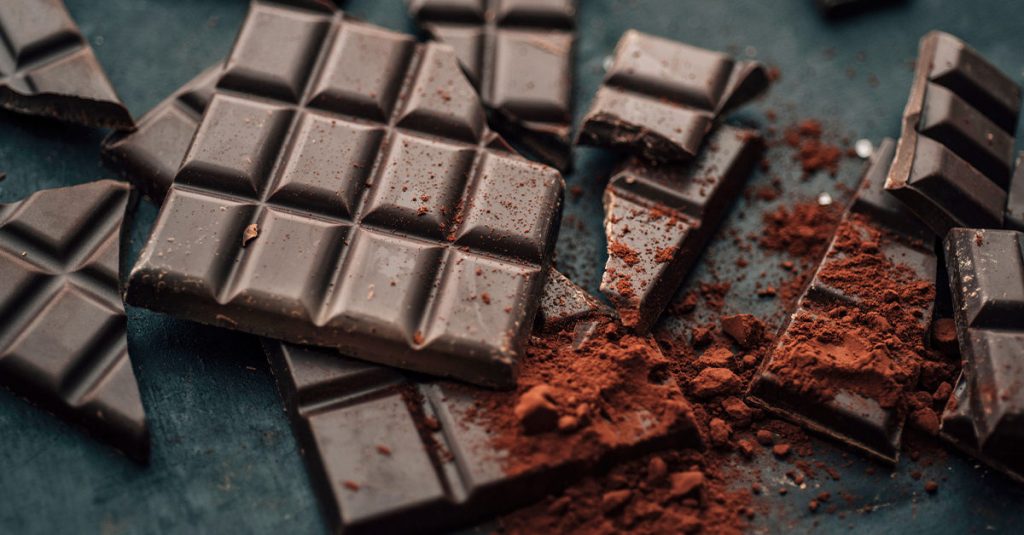
So, eating chocolate that is less processed and lower in sugar and fat,is one approach to avoid the most potentially addicting forms of chocolate. 

Sugar content is reduced in many dark chocolate types. Furthermore, dark types contain the highest concentration of antioxidants and other beneficial elements. So, choosing dark kinds with less sugar and fat may be a healthier way to enjoy this delicacy.

Therefore, Chocolate is similar to medication, but like medicine, the key is moderation. Don’t overdo it.