Felis catus also called house cat or domestic cat, domesticated member of the family Felidae, order Carnivora, and the smallest member of that family. Like all felids, domestic cats are characterized by supple low-slung bodies, finely molded heads, long tails that aid in balance, and specialized teeth and claws that adapt them admirably to a life of active hunting. Cats possess other features of their wild relatives in being basically carnivorous, remarkably agile and powerful, and finely coordinated in movement.
there are more than, 45 types of cat family members are present around the globe, which include the king lion, tiger, leopard, and many more. Here is the information regarding it.
1.Abyssinian:
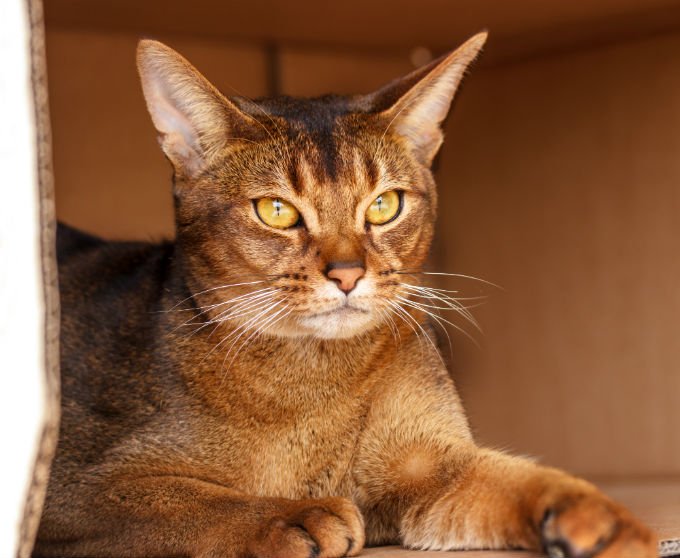
Abyssinian, breed of domestic cat, probably of Egyptian origin, has been considered to approximate the sacred cat of ancient Egypt more closely than any other living cat. The Abyssinian is a lithe cat with relatively slender legs and a long, tapering tail. The short, finely textured coat is ruddy reddish-brown, with individual hairs of the back, sides, chest, and tail distinctively ticked, or tipped, with bands of black or brown. The nose is red, the eyes are hazel, green, or gold, and the tail tip and backs of the hindlegs are black. The Abyssinian is noted for being affectionate and quiet, though generally shy with strangers.
2.African wildcat:
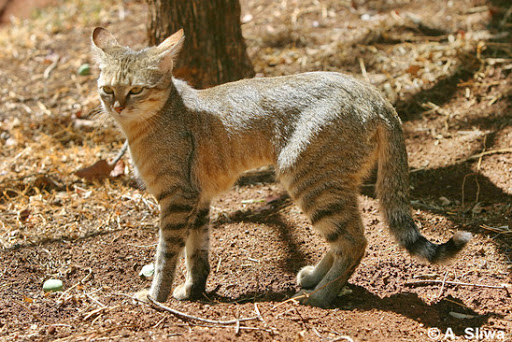
The African wildcat, also called Egyptian wildcat, small, tabby like a cat (family Felidae) found in open and forested regions of Africa and Asia. Likely the first cat to be domesticated, the African wildcat is somewhat larger and stockier than the modern house cat, with which it interbreeds readily. Its coat, paler in the female, is light or orange-brown with narrow dark stripes. The length of the animal is about 70 cm (28 inches), excluding the 40-cm tail; shoulder height averages 23 cm (9 inches), and the cat weighs about 3.5 kg (7.7 pounds). The African wildcat is a solitary nocturnal hunter that preys mainly on birds and small mammals. Mating generally occurs early in the year, and a litter of two to five kittens is born about 56 days later.
3.black panther:
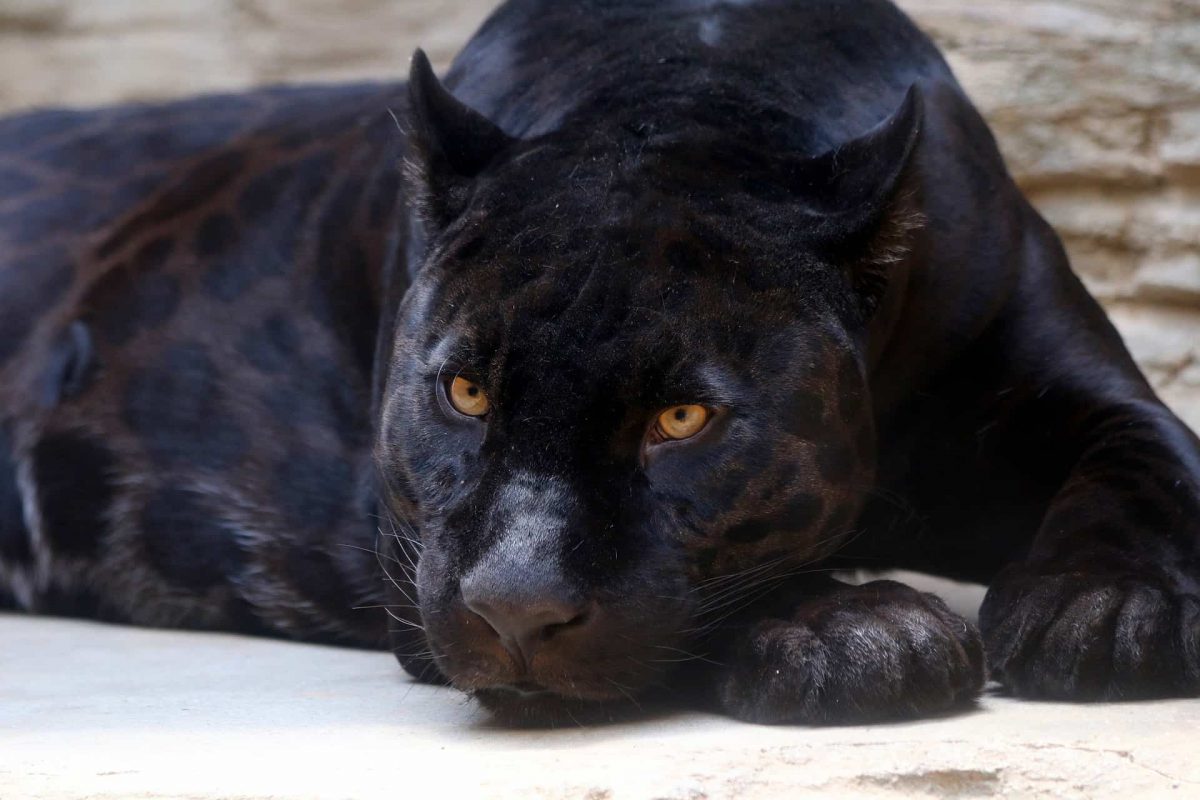
Black panther, colloquial term used to refer to large felines classified in the genus Panthera that are characterized by a coat of black fur or large concentrations of black spots set against a dark background. The term black panther is most frequently applied to black-coated leopard of Africa and Asia and jaguars of Central and South America; black-furred variants of these species are also called black leopards and black jaguars, respectively. Besides, the term is sometimes used to describe dark-colored bobcats, lynx, jaguarundis, tigers, and pumas, even though reports of black-colored representatives of some species, such as the puma, have not been confirmed.
4.bobcat:
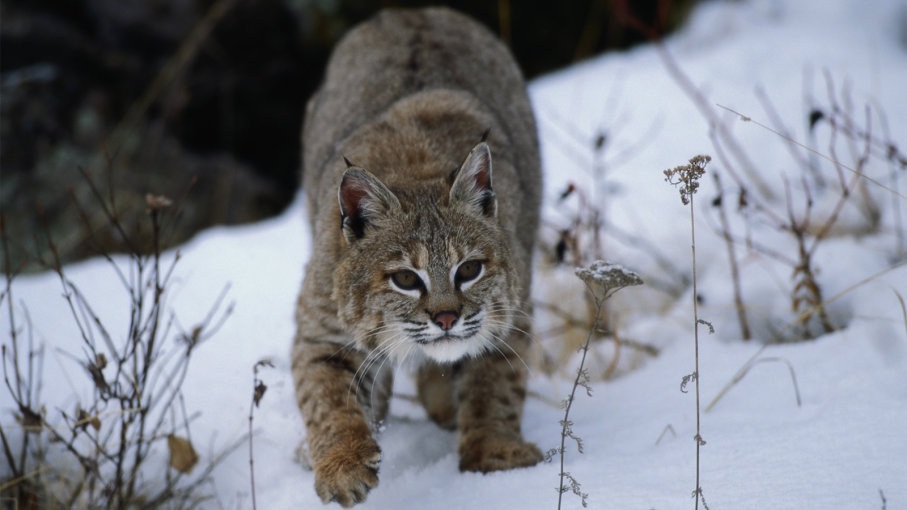
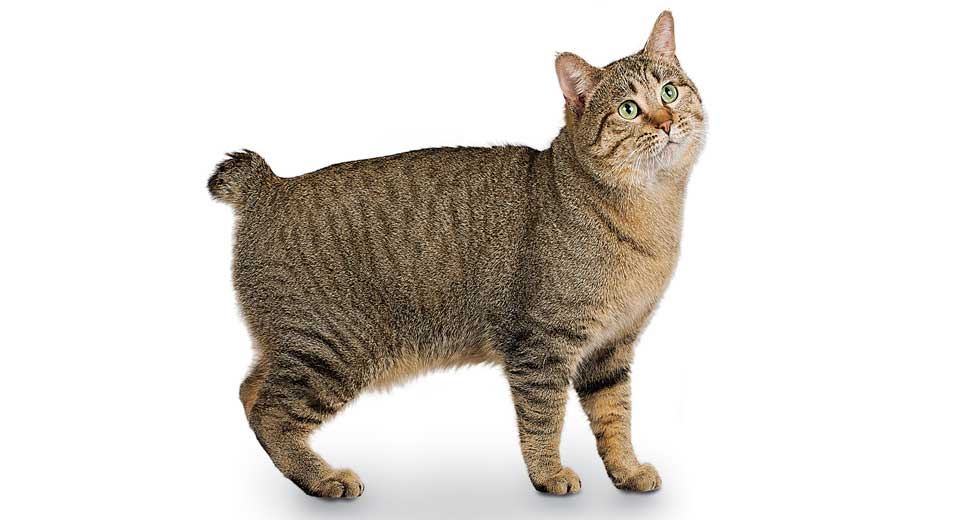
Bobcat, also called bay lynx or wildcat, bobtailed North American cat, found from southern Canada to southern Mexico. The bobcat is a close relative of the somewhat larger Canada lynx.
5.calico cat:
Burmese, breed of domestic cat, presumably of Asian origin. The Burmese are a compactly built cat with a small, rounded head and wide-set, round, yellow, or golden eyes. The short, finely textured, and glossy coat darkens from a milk-chocolate color in the kitten to a rich sable brown in the adult. The underside is paler than the coat; the ears, face, legs, and tail may be darker. The tail is tapered and may be either straight or kinked near the tip.
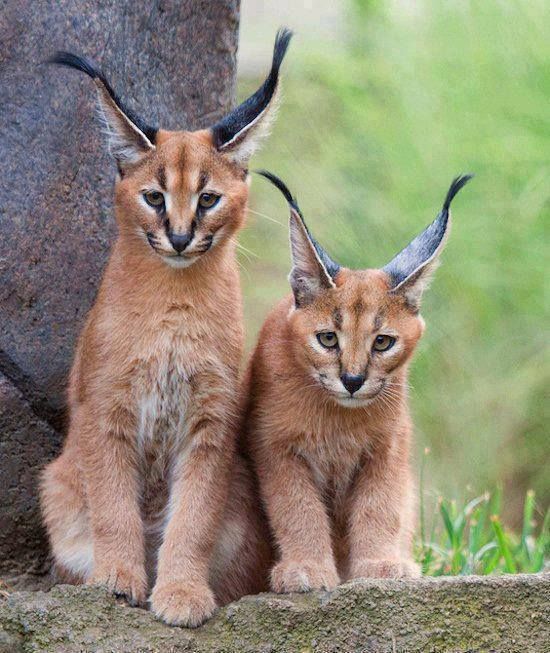
6.caracal:
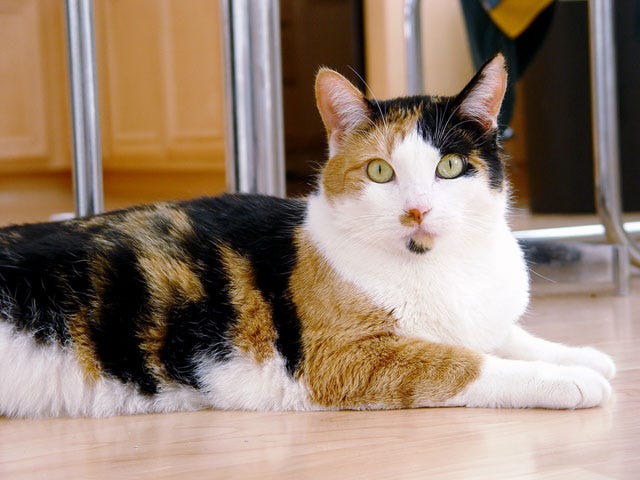
Calico cat, In North America, a blotched or spotted domestic cat, usually predominantly white with red and black patches (a pattern also called tortoiseshell-and-white). Because the genetic determination of some coat colors in cats is linked to the sex chromosome, calicoes are almost always female.
7.cat:
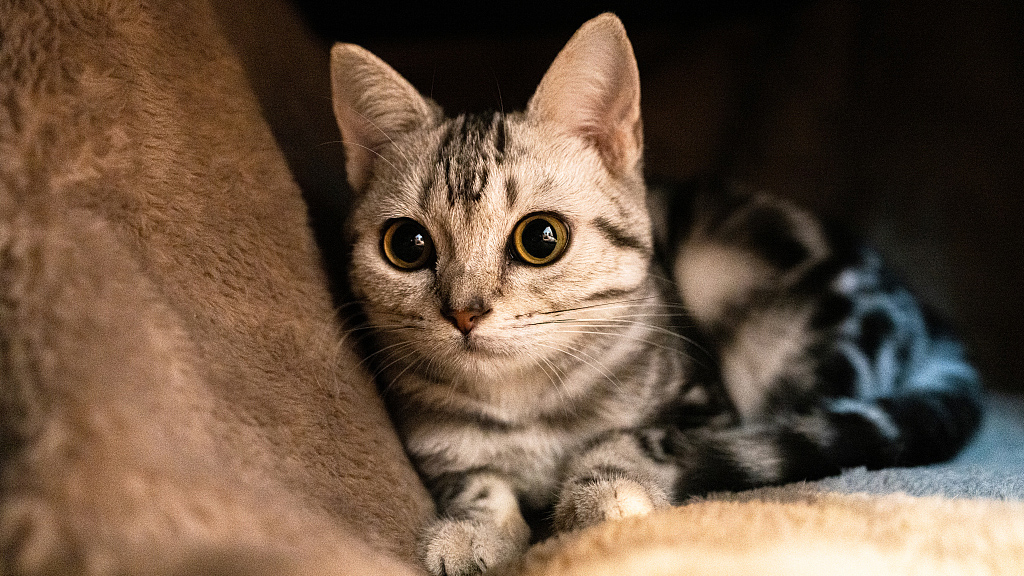
Cat also called house cat or domestic cat, domesticated member of the family Felidae, order Carnivora, and the smallest member of that family. Like all felids, domestic cats are characterized by supple low-slung bodies, finely molded heads, long tails that aid in balance, and specialized teeth and claws that adapt them admirably to a life of active hunting. Cats possess other features of their wild relatives in being basically carnivorous, remarkably agile and powerful, and finely coordinated in movement.
8.cheetah:
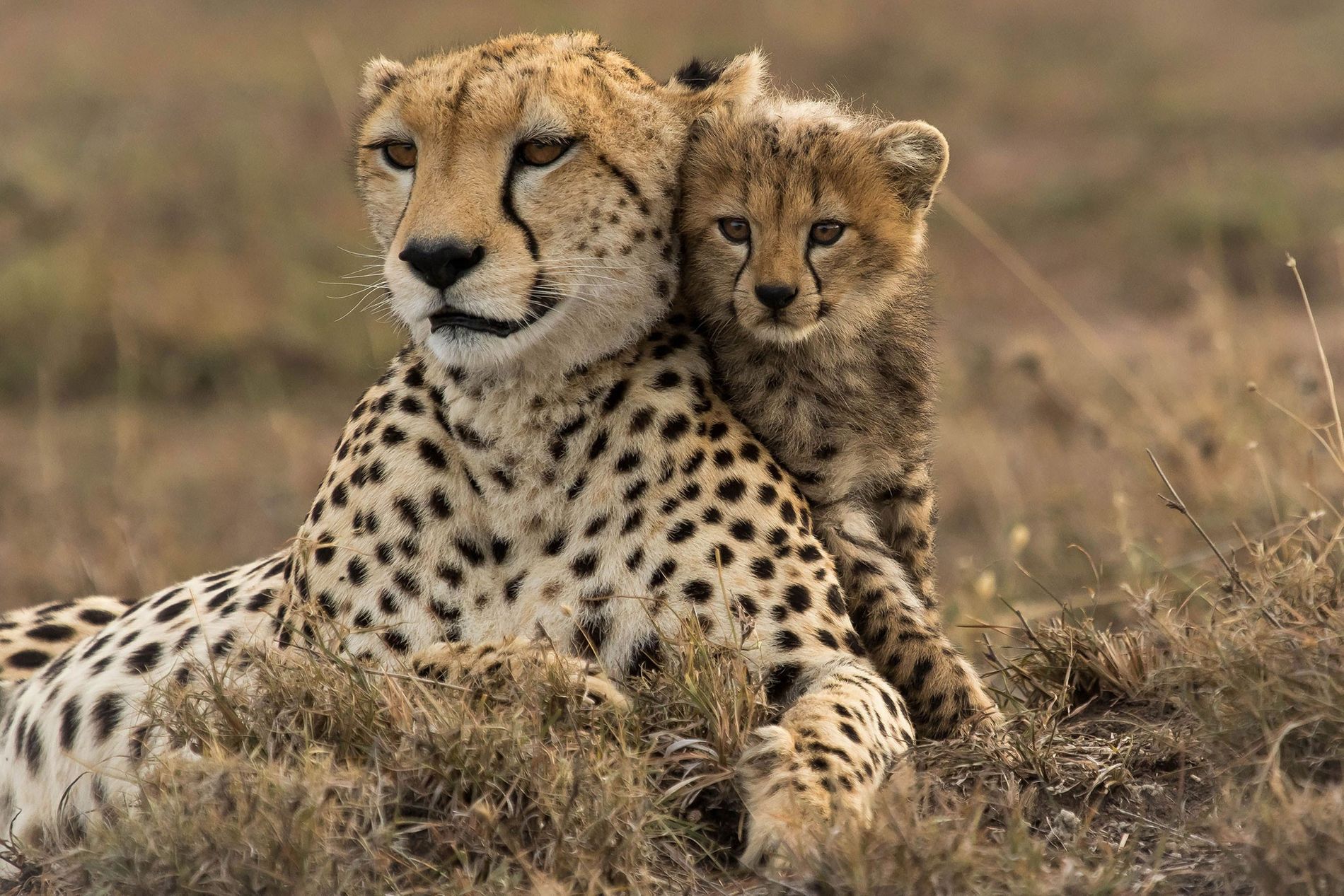
Cheetah, one of the world’s most-recognizable cats, known especially for its speed. Cheetahs’ sprints have been measured at a maximum of 114 km (71 miles) per hour, and they routinely reach velocities of 80–100 km per hour while pursuing prey. Nearly all the cheetahs remaining in the wildlife in Africa.
9.clouded leopard:
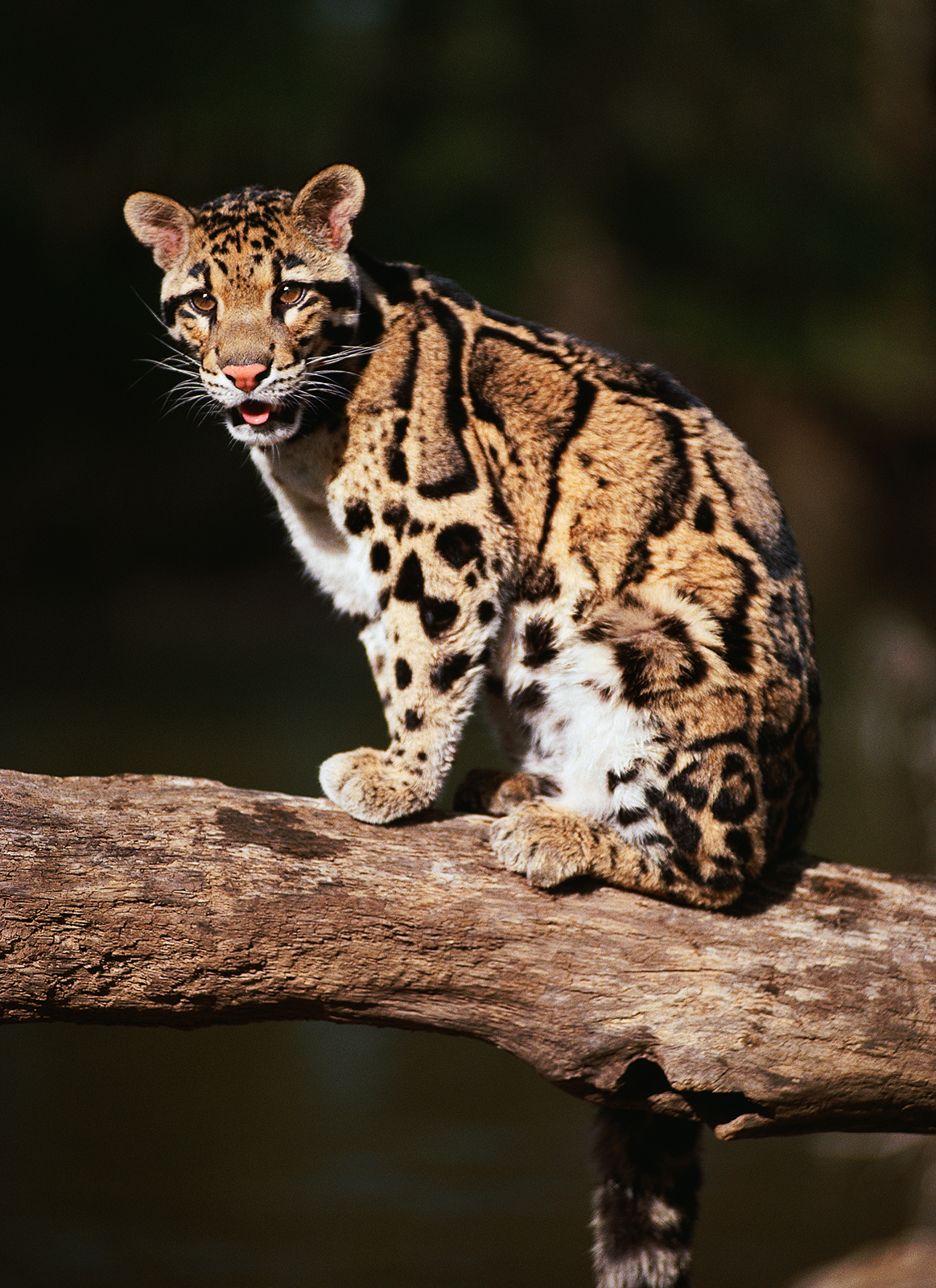
Clouded leopard, also called clouded tiger, strikingly marked cat, very similar in coloring and coat pattern to the smaller, unrelated marbled cat . There are two species of clouded leopard, which are genetically distinct from one another. Neofelis nebulosa, found on the mainland of southeastern Asia, particularly in forests and other wooded regions, and N. diardi, found on the islands of Sumatra and Borneo, are thought to have diverged about 1.4 million years ago. The population of clouded leopards declined sharply in the latter half of the 20th century as a result of hunting and deforestation. They are reported to be nocturnal and to live in trees; they prey on birds and small mammals, such as pigs and monkeys.
10.domestic shorthair:
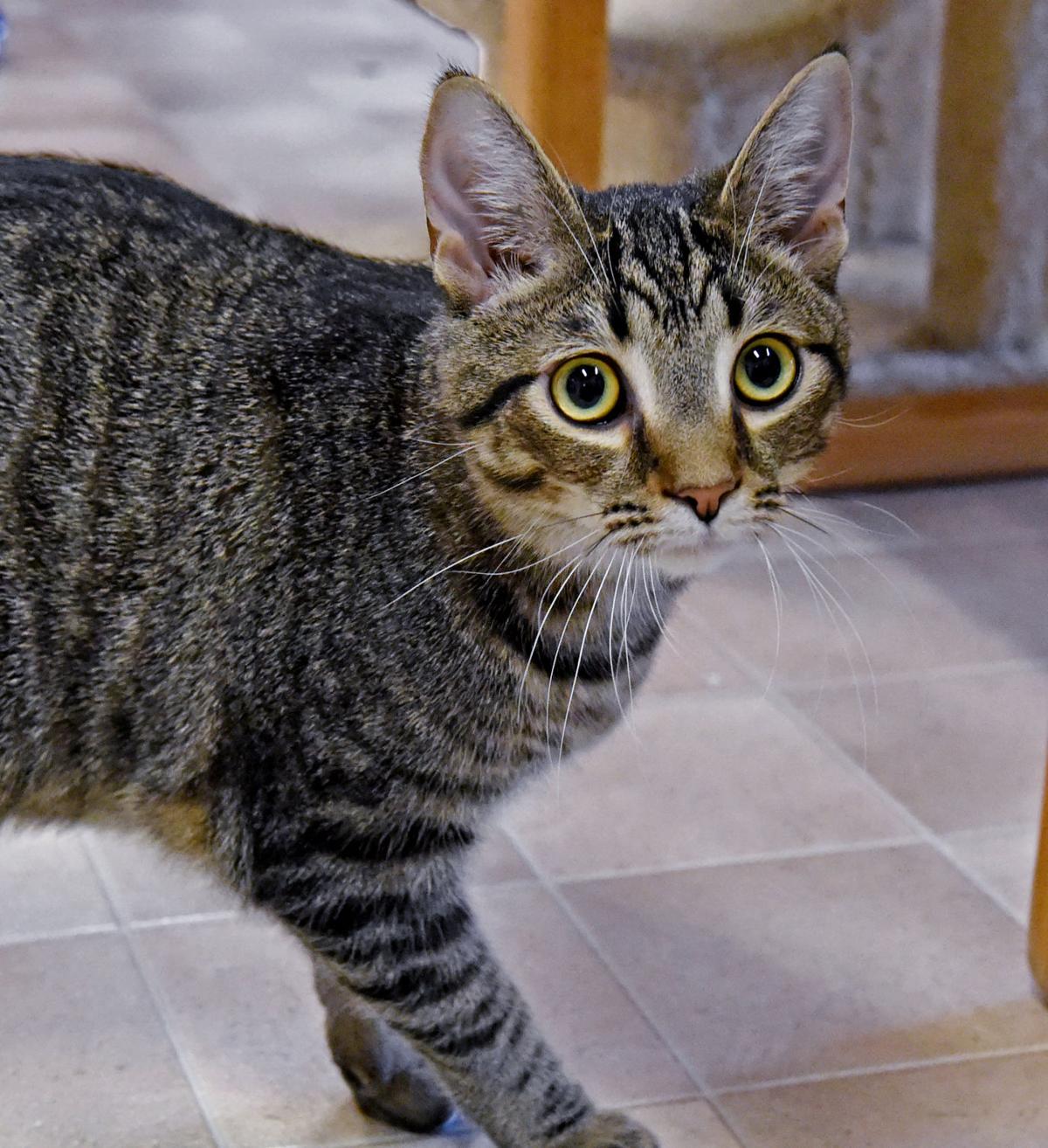
Domestic shorthair, also called British Shorthair, breed of a domestic cat often referred to as a common, or alley, cat; a good show animal, however, is purebred and pedigreed and has been carefully bred to conform to a set standard of appearance.
11.feline:
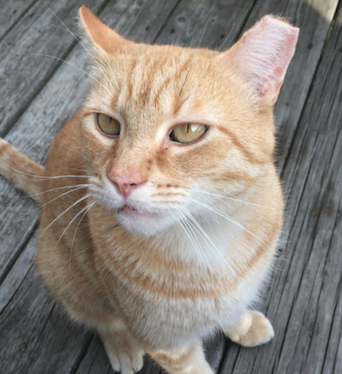
Feline any of 37 cat species that among others include the cheetah, puma, jaguar, leopard, lion, lynx, tiger, and a domestic cat. Cats are native to almost every region on Earth, except Australia and Antarctica. They are carnivorous mammals that live in a wide variety of habitats, but they are typically woodland animals.
12.fishing cat:
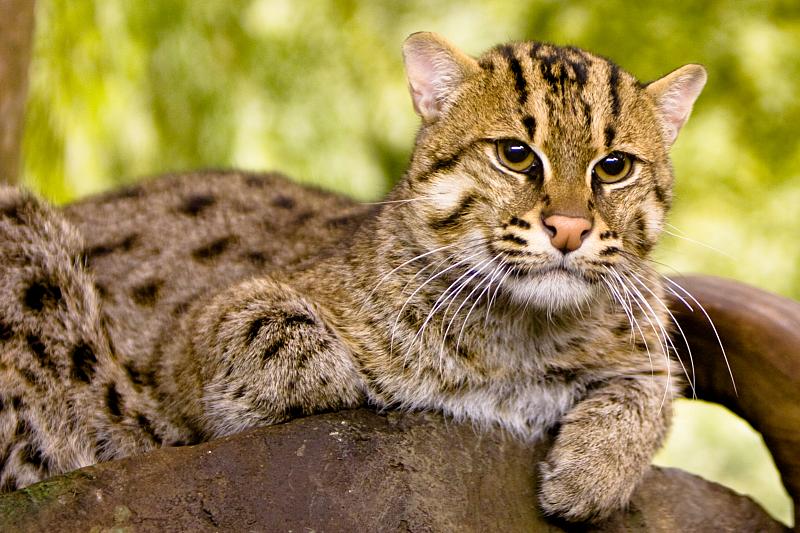
Fishing cat a tropical cat of the family Felidae, found in India and Southeast Asia. The coat of the fishing cat is pale gray to deep brownish-gray and marked with dark spots and streaks. The adult animal stands about 40 cm (16 inches) at the shoulder, weighs 8–11 kg (18–24 pounds), and is from 60 to 85 cm long, excluding the black-ringed tail, which accounts for an additional 25–30 cm. The fishing cat lives near water and in jungles, reed beds, and marshes. It is reported to fish by scooping its prey out of the water.
13.flat-headed cat:
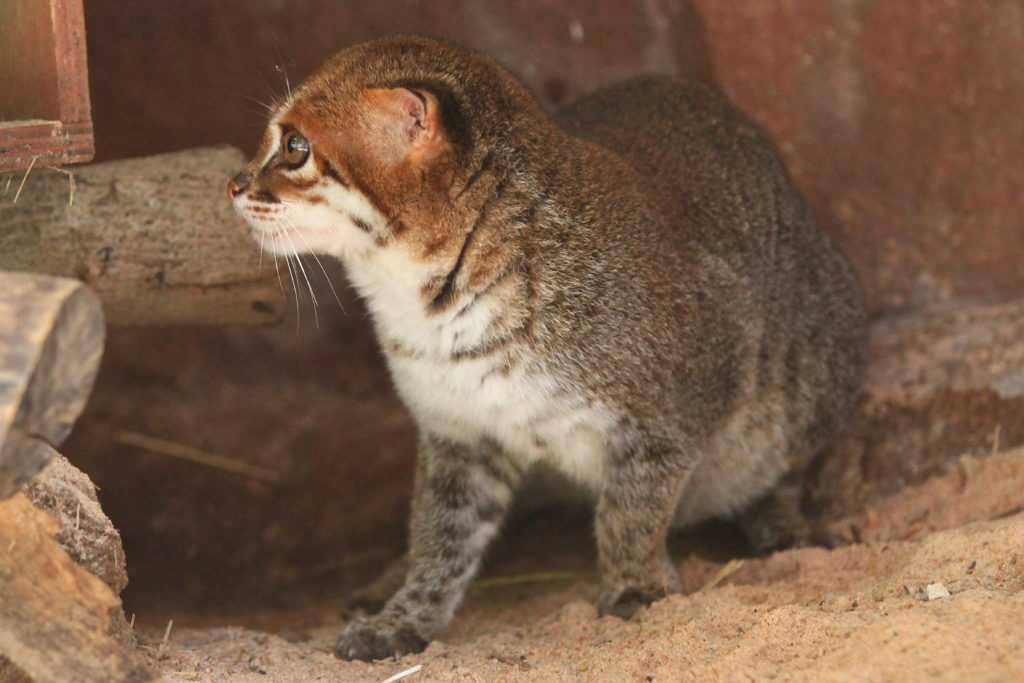
Flat-headed cat extremely rare Asian cat found in the Malay Peninsula, Sumatra, and Borneo. One of the smallest members of the cat family, Felidae, the adult is from 40 to 60 centimeters (16 to 24 inches) long without the 15–20-cm tail and weighs from 1.5 to 2.5 kilograms (3.3 to 5.5 pounds). Its coat is reddish above and white with red spots below; there are white markings around the eyes. It is the only felid known to include any substantial amount of vegetation in its diet, with a preference for fruit and, when available, sweet potatoes and similar foods. Little else is known about this cat, which is reported to be nocturnal and to hunt fish and frogs along rivers.
14.Florida panther:
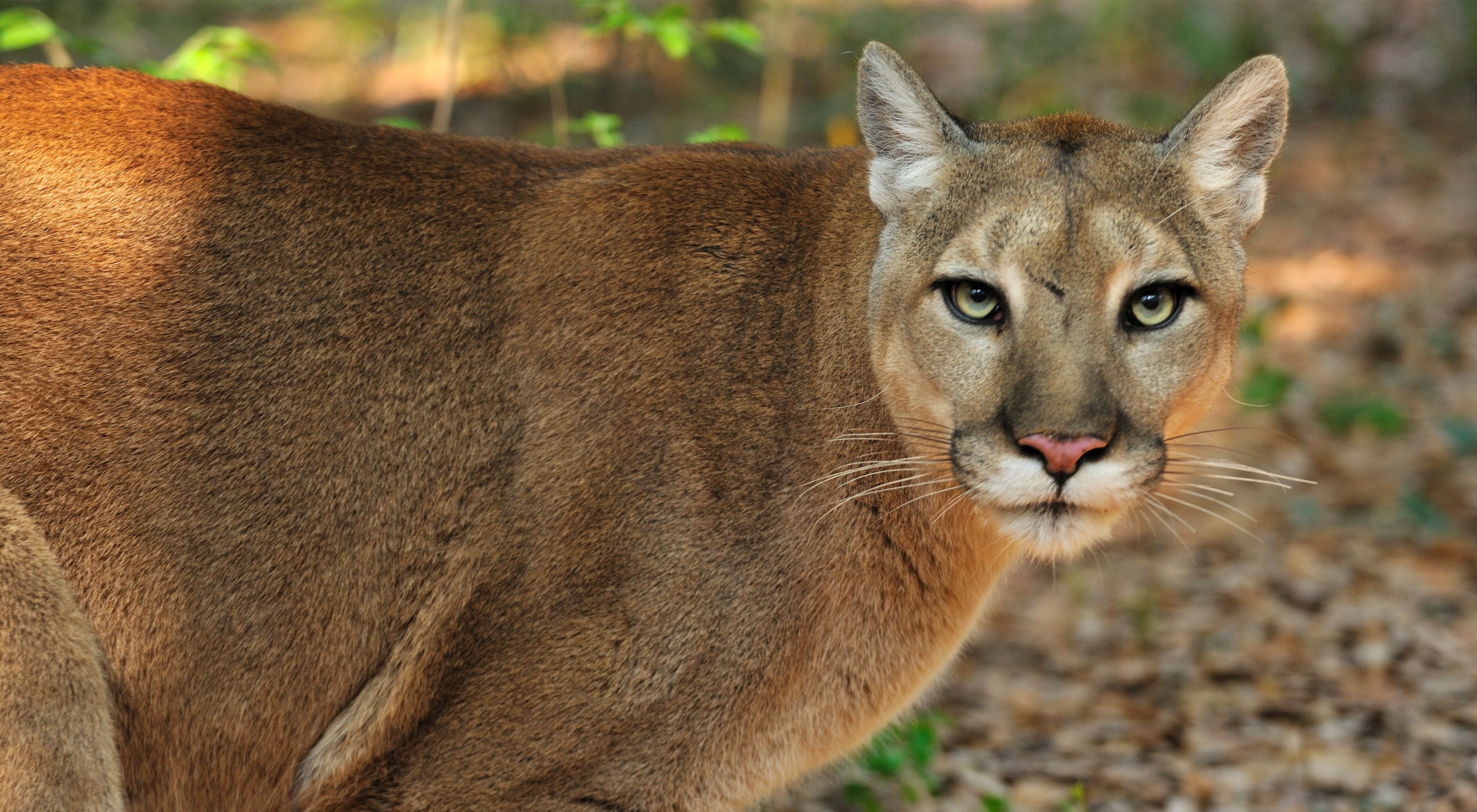
Florida panther, member of a population of large New World cats belonging to the species Puma concolor, family Felidae, confined to a small, isolated, and inbred group in southern Florida. This population is the only breeding group of pumas in the eastern United States. The Florida panther was traditionally classified as a distinct subspecies of puma and was reclassified as a population of the P. concolor cougar subspecies in 2017 after genetic analysis. The Florida panther was one of the first animals listed under the Endangered Species Act when the law first passed in 1973, and it is recognized as the state animal of Florida.
15.Geoffroy’s cat:
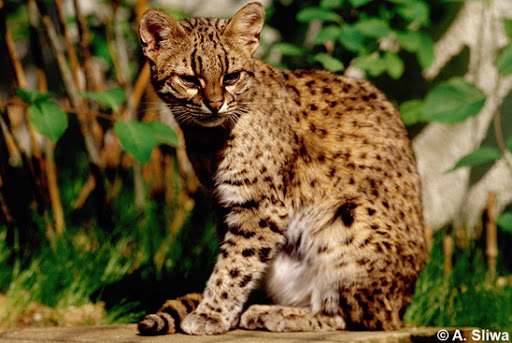
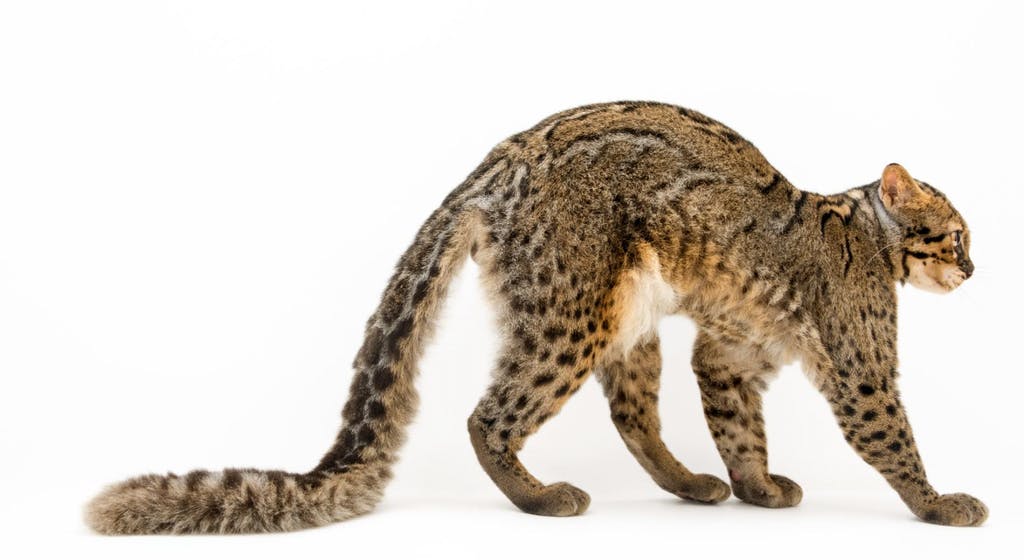
Geoffroy’s cat South American cat of the family Felidae, found in mountainous regions, especially in Argentina. It is gray or brown with black markings and grows to a length of about 90 cm (36 inches), including a tail of about 40 cm (16 inches). Geoffroy’s cat climbs well and preys on small mammals and birds. It breeds once a year; litters consist of two or three kittens.
17.Himalayan:
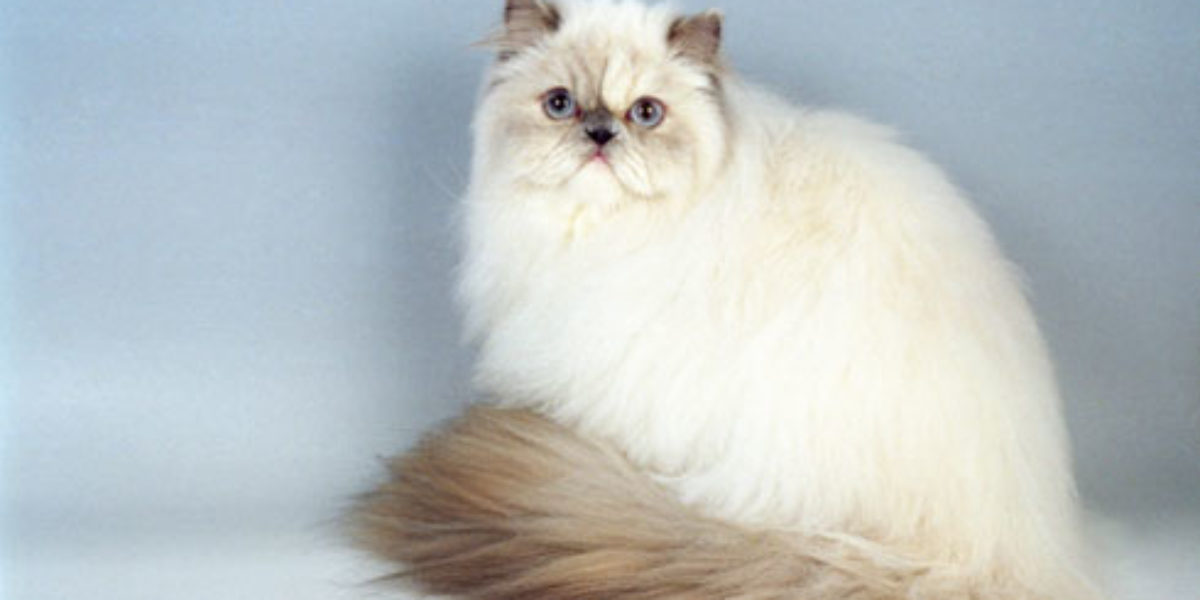
Himalayan, also called colorpoint, or colorpoint, breed of domestic cat with the coloring of the Siamese and the build and coat of the longhair, or Persian. The Himalayan is produced by matings between Siamese and longhairs followed by selected breeding of the offspring to bring out the proper coloring, coat, and build. A good Himalayan is cobby and short-legged with long, soft fur, a broad, rounded head, and round blue eyes. Born cream-colored, it later develops the darker points (ears, face, legs, and tail) of the Siamese. The points, as in the Siamese, maybe deep brown (seal point), lighter brown, blue-gray , pinkish-gray , or reddish-orange .
18.jaguar:
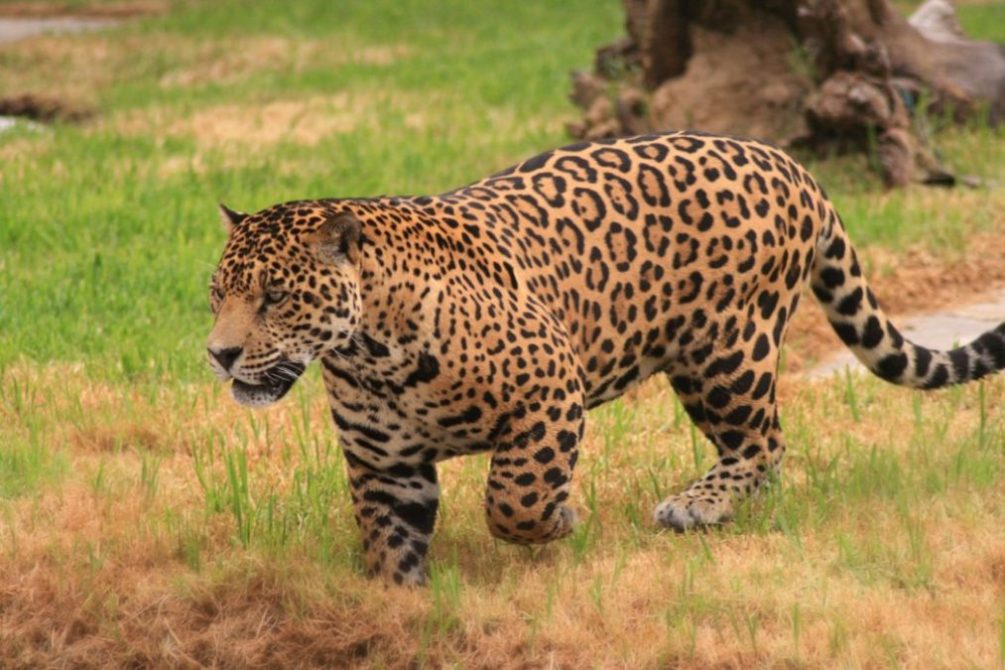
Jaguar also called el Tigre or Tigre americano, the largest New World member of the cat family, once found from the U.S.-Mexican border southward to Patagonia, Argentina. Its preferred habitats are usually swamps and wooded regions, but jaguars also live in scrublands and deserts. The jaguar is virtually extinct in the northern part of its original range and survives in reduced numbers only in remote areas of Central and South America; the largest known population exists in the Amazon rainforest.
19.jaguarundi:
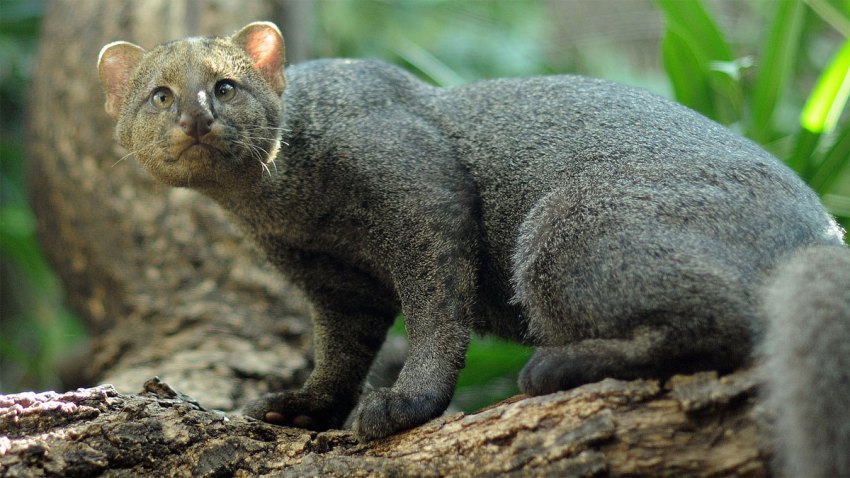
Jaguarundi, also spelled Jaguarondi small, unspotted New World cat (family Felidae), also known as the otter-cat because of its otterlike appearance and swimming ability. The jaguarundi is native to forested and brushy regions, especially those near water, from South America to the southwestern United States; it is, however, very rare north of Mexico.
20.leopard:
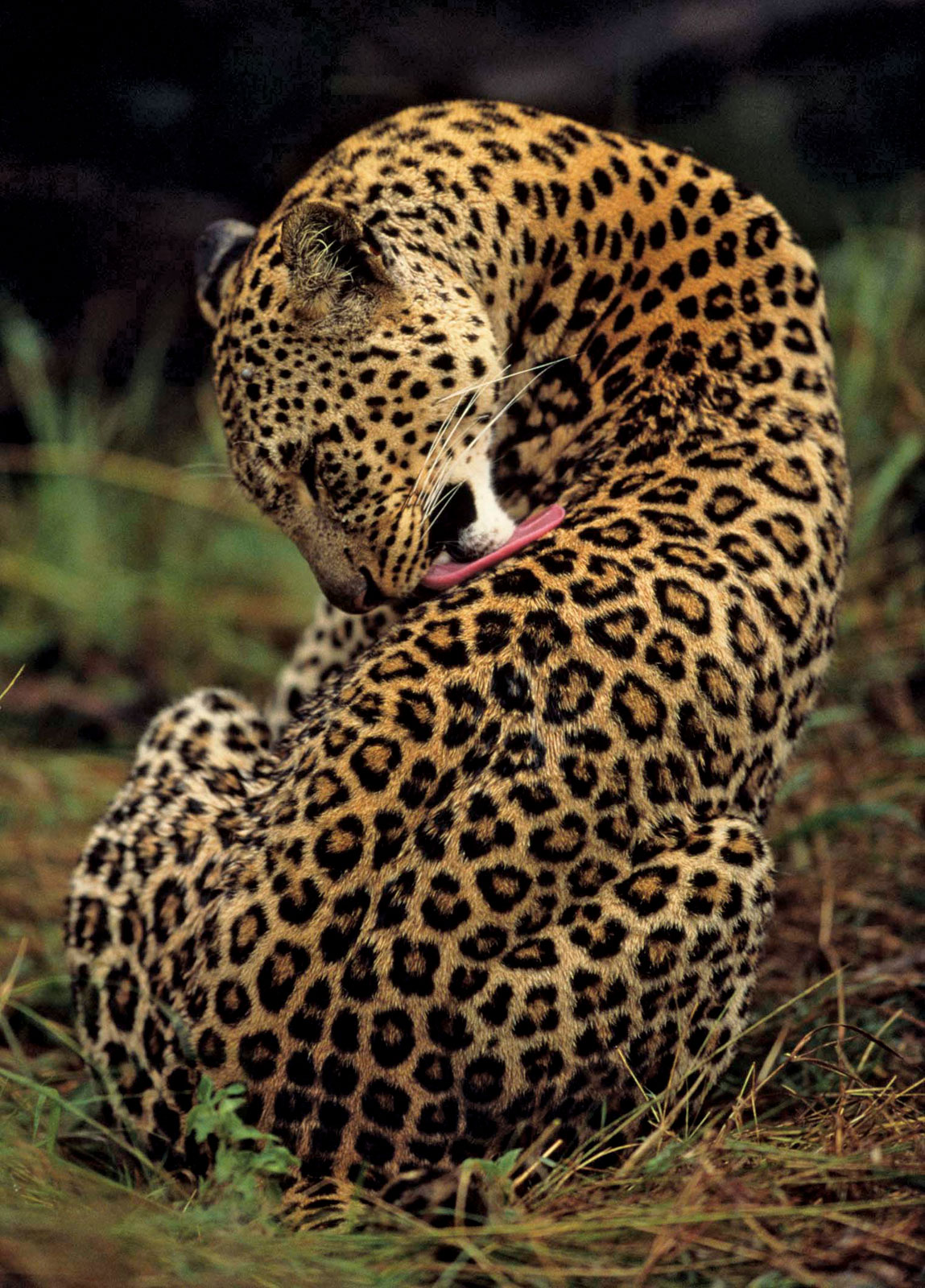
Leopard also called a panther, large cat closely related to the lion, tiger, and jaguar. The name leopard was originally given to the cat now called cheetah—the so-called hunting leopard—which was once thought to be a cross between the lion and the pard. The term pard was eventually replaced by the name leopard.
21.leopard cat:
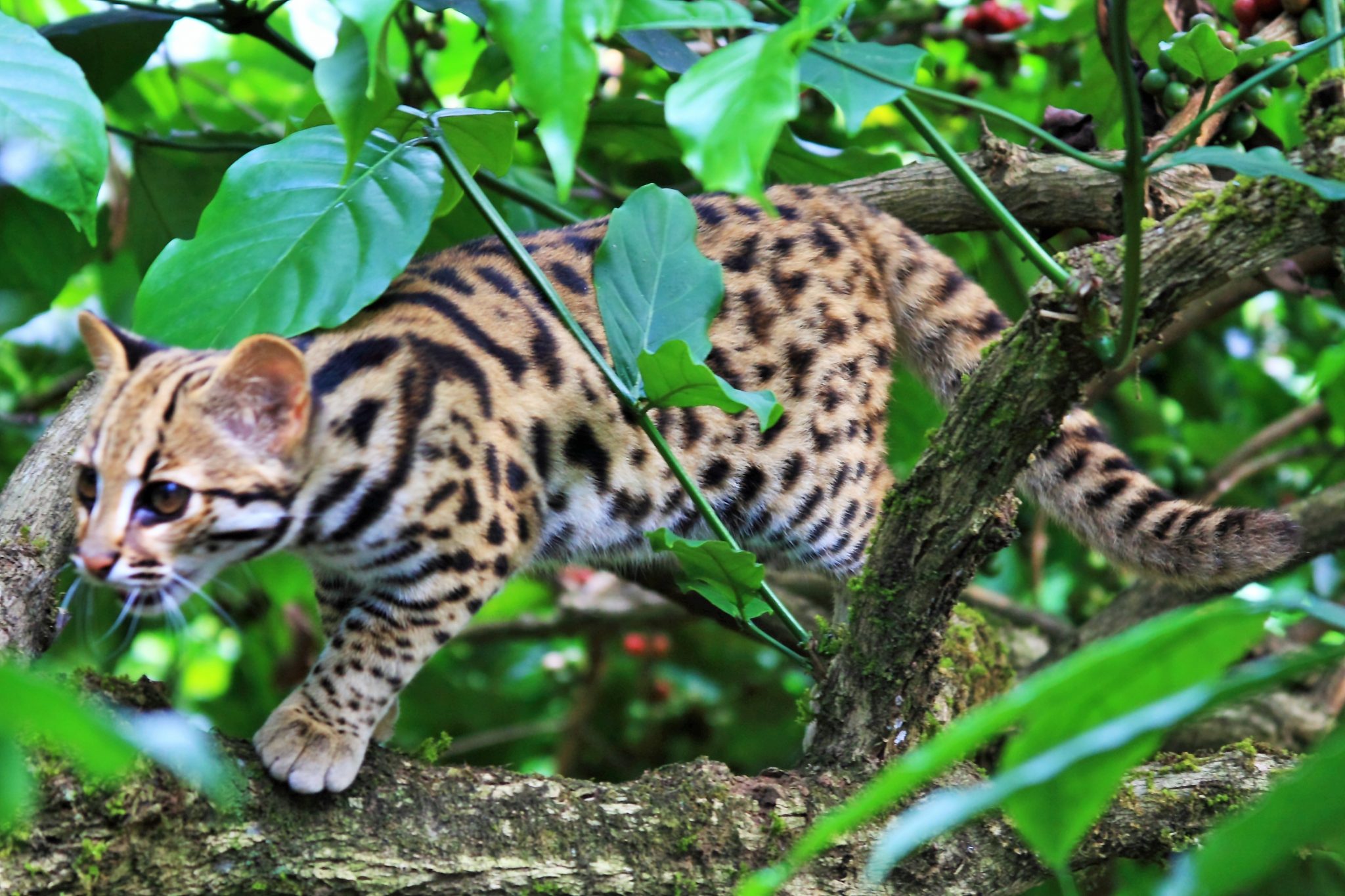
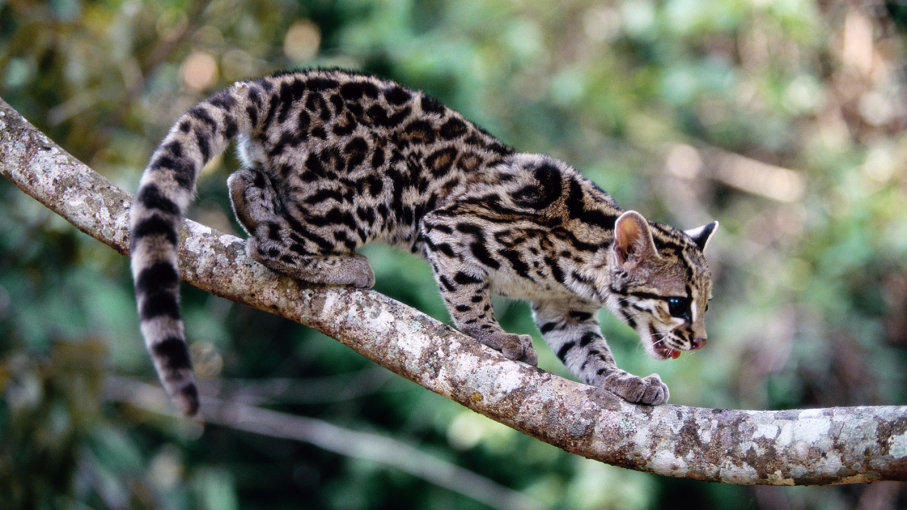
Leopard cat forest-dwelling cat, of the family Felidae, found across India, Southeast Asia, and nearby islands. The leopard cat is noted for its leopard-like coloring. The species is generally divided into one mainland subspecies, P. bengalensis bengalensis, and several island subspecies—including P. bengalensis borneoensis in Borneo, P. bengalensis Heaney on Palawan, P. bengalensis rabori on the Philippine islands of Cebu, Negros, and Panay, P. bengalensis javenensis on Bali and Java, and P. bengalensis sumatranus on Sumatra and Tebingtinggi.
22.liger:
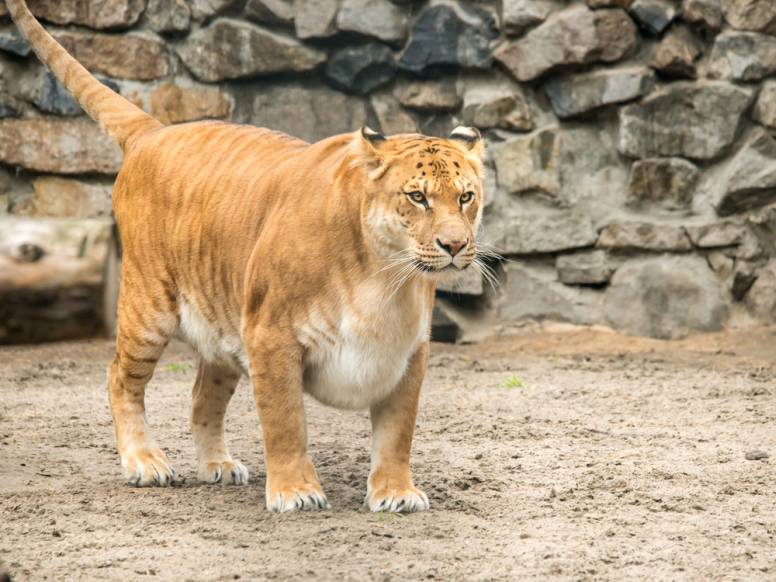
Liger, offspring of a male lion and a female tiger. The liger is a zoo-bred hybrid, as is the tigon, which is the result of mating a male tiger with a female lion. The liger and the tigon possess features of both parents, in variable proportions, but are generally larger than either. It is thought that most, if not all, male ligers and tigons are sterile. The females, however, on occasion, may be able to produce young. The terms liger and tigon are portmanteaus of the words lion and tiger.
23.lion:
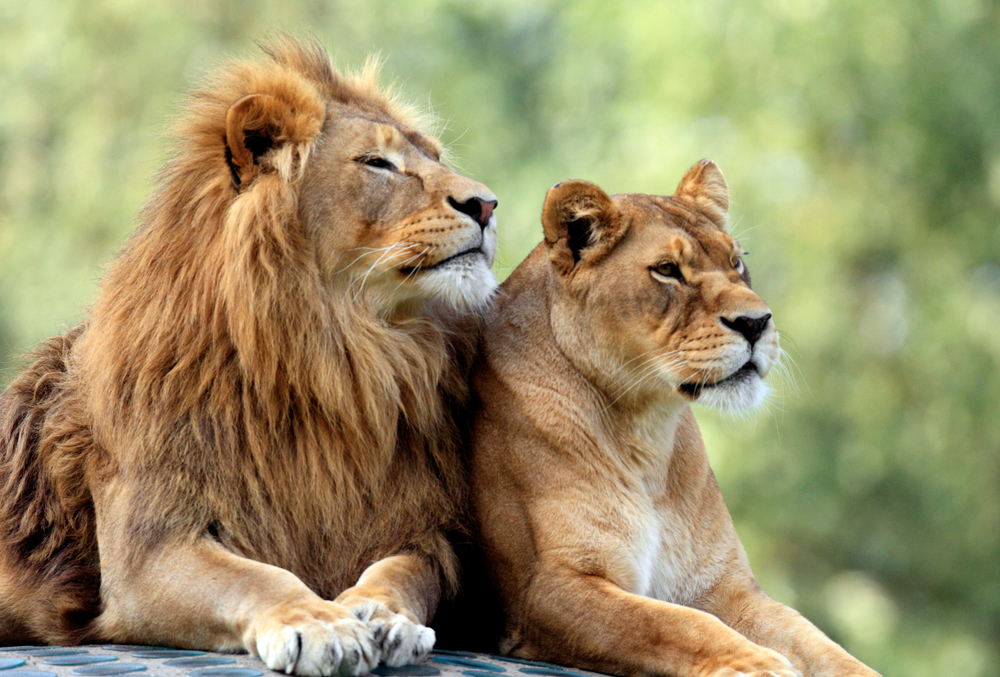
Lion is large, powerfully built cat that is second in size only to the tiger. The proverbial “king of beasts,” the lion has been one of the best-known wild animals since the earliest times. Lions are most active at night and live in a variety of habitats but prefer grassland, savanna, dense scrub, and open woodland. Historically, they ranged across much of Europe, Asia, and Africa, but now they are found mainly in parts of Africa south of the Sahara. An isolated population of about 650 Asiatic lions constitutes a slightly smaller race that lives under strict protection in India’s Gir National Park and Wildlife Sanctuary.
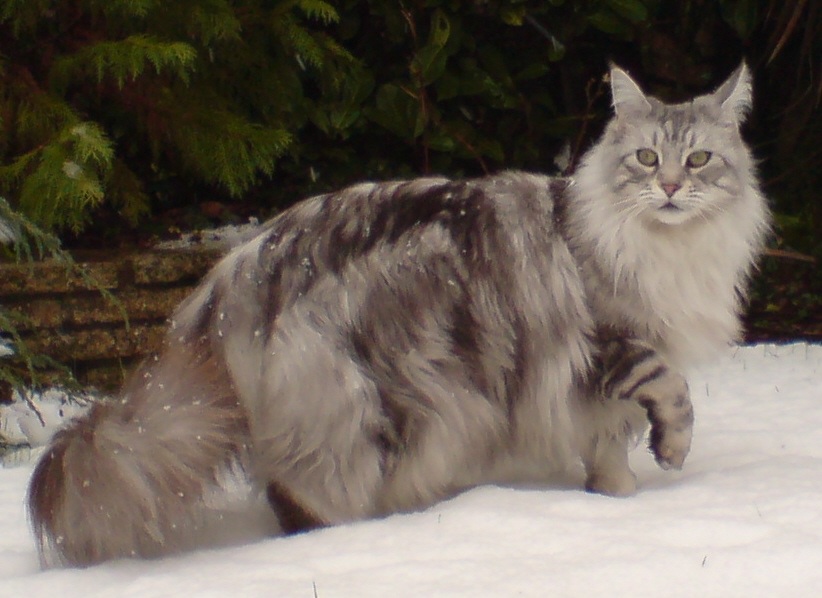
24.longhair:
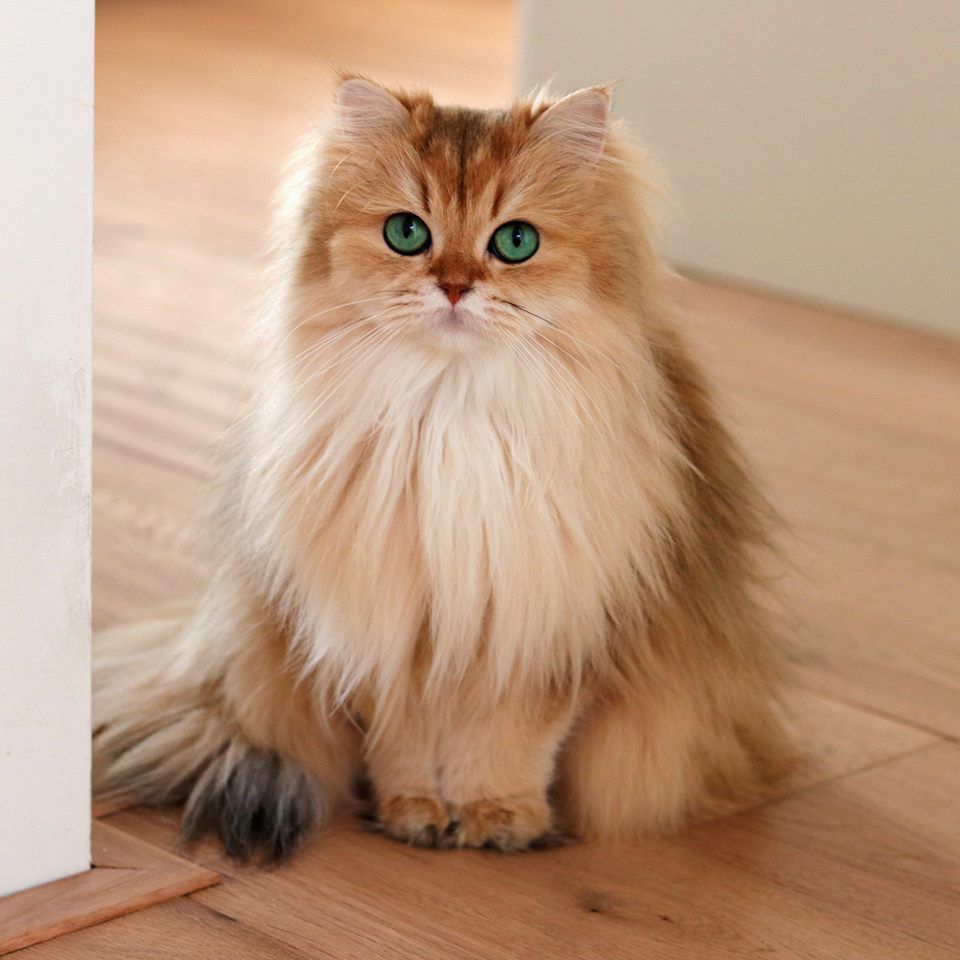
Longhair, also called Persian, breed of domestic cat noted for its long, soft, flowing coat. Long-haired cats were originally known as Persians or Angoras. These names were later discarded in favor of the name longhair, although the cats are still commonly called Persians in the United States. The longhair, a medium-sized or large cat with a cobby , short-legged body, has a broad, round head, a snub nose, and a short, heavily haired tail. The large, round eyes may be blue, orange, golden, green, or copper-colored, depending on the color of the cat. The soft, finely textured coat forms a heavy ruff about the neck.
25.lynx:
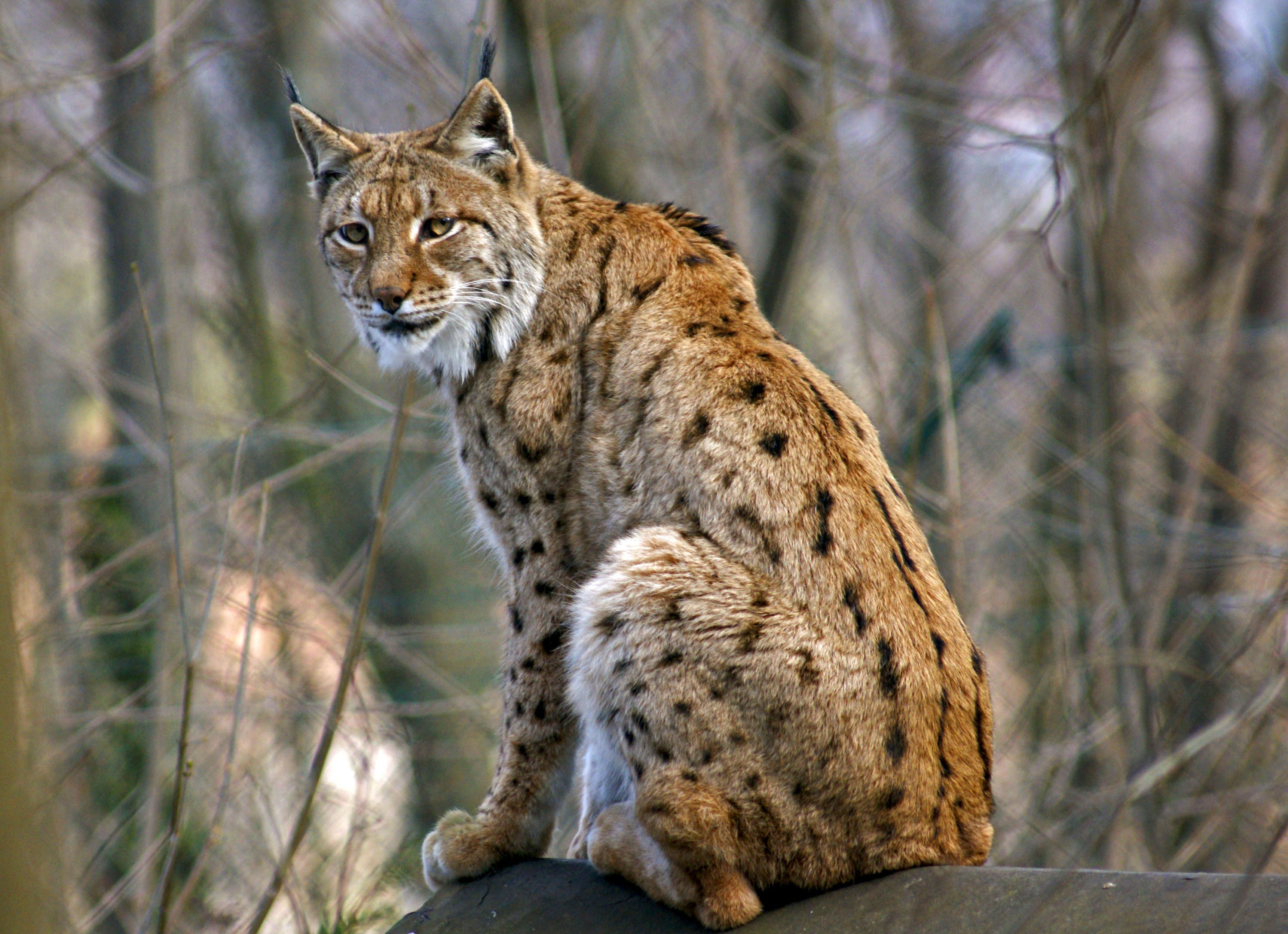
Lynx, (genus Lynx), any of four species of short-tailed cats found in the forests of Europe, Asia, and North America. The Canada lynx and the bobcat live in North America. The Eurasian lynx and the Iberian lynx are their European counterparts. The Iberian lynx is the most endangered feline; as of 2013, possibly fewer than 300 individuals remained in the mountainous scrubland of southern Spain.



 Eduindex
You must be logged in to post a comment.